
House of Design: BAYA’s House Warming Opens in Ponsonby
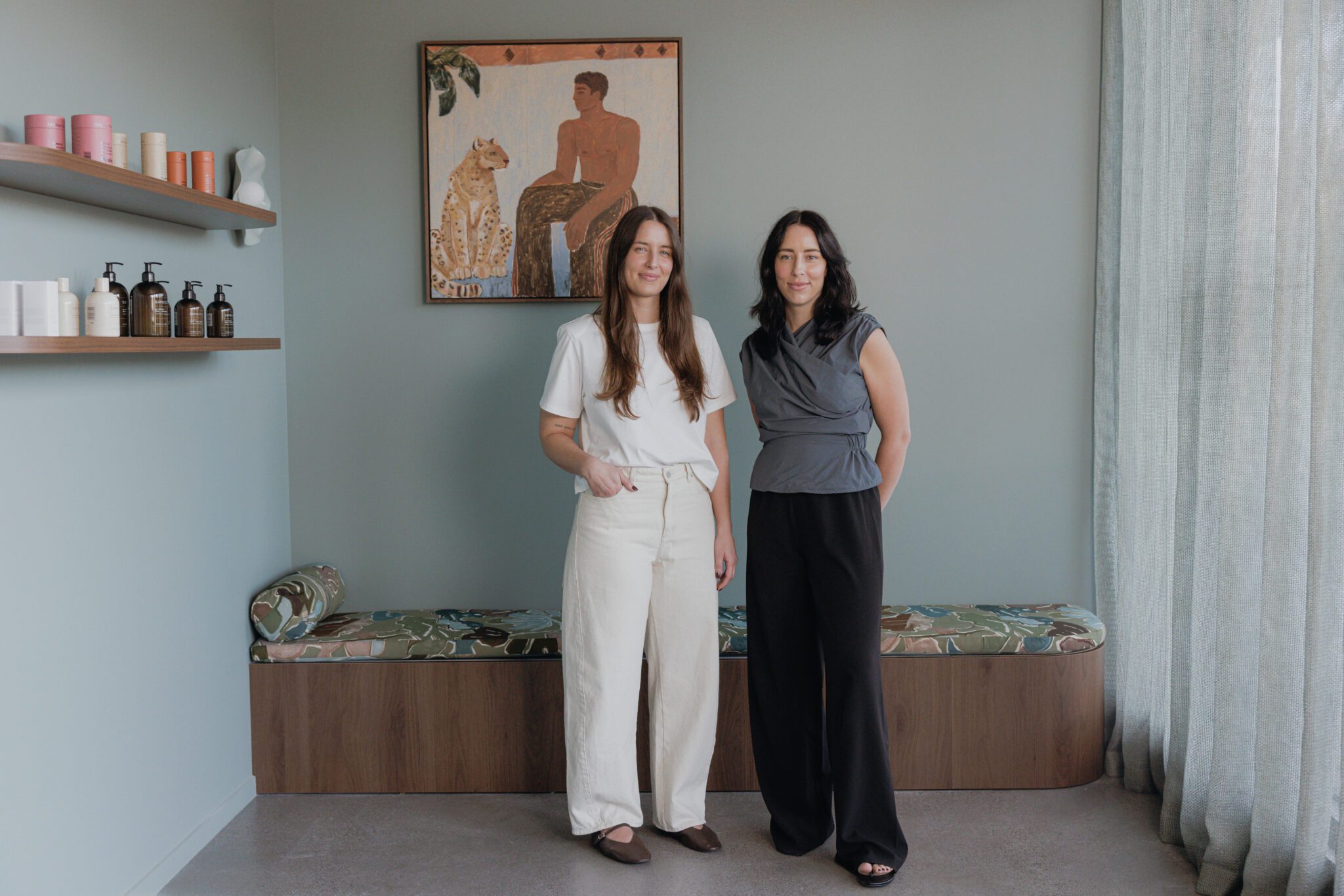
For one morning only, a Ponsonby gallery will become an immersive exploration of contemporary New Zealand design as BAYA brings five emerging creative voices together under one roof.



For one morning only, a Ponsonby gallery will become an immersive exploration of contemporary New Zealand design as BAYA brings five emerging creative voices together under one roof.
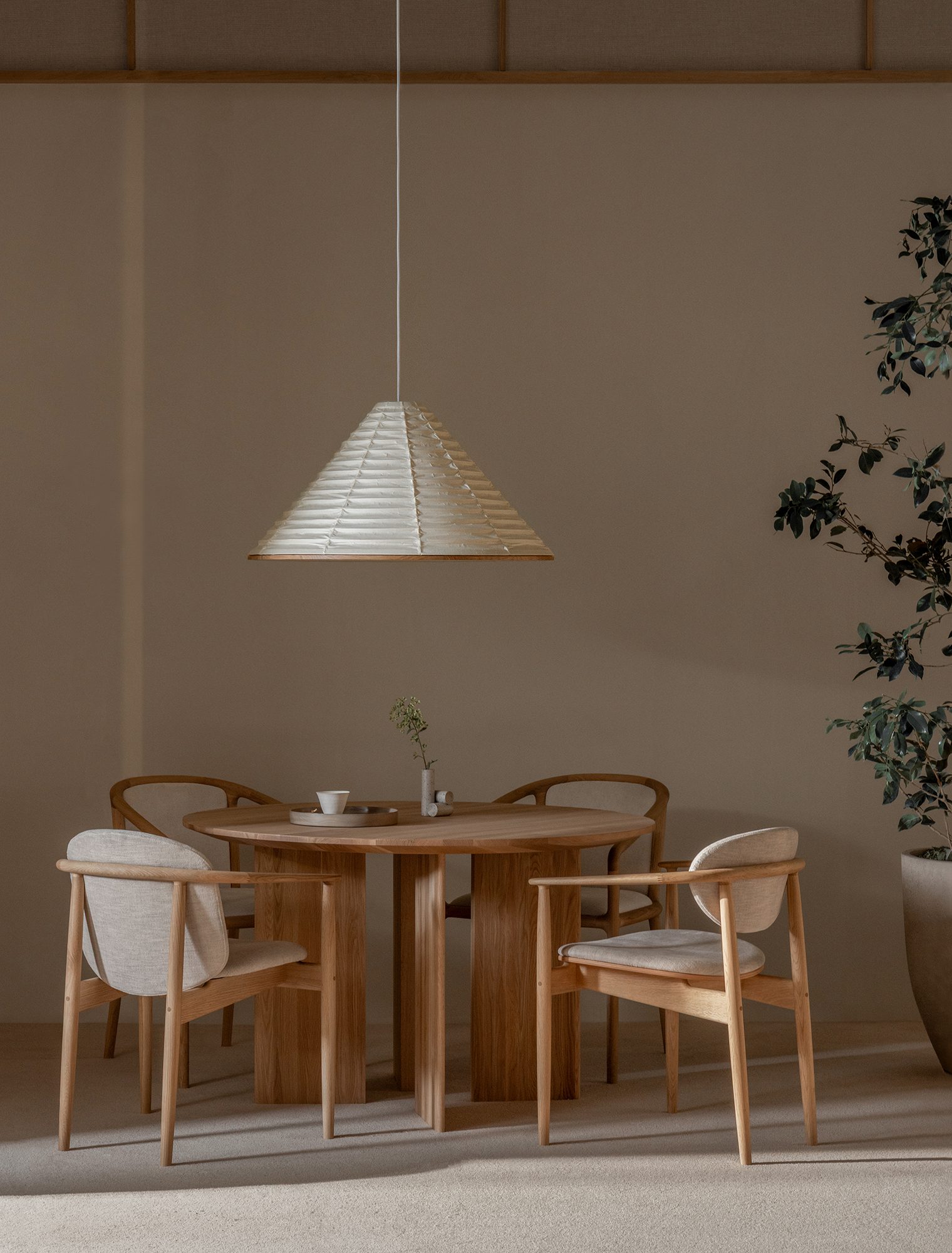
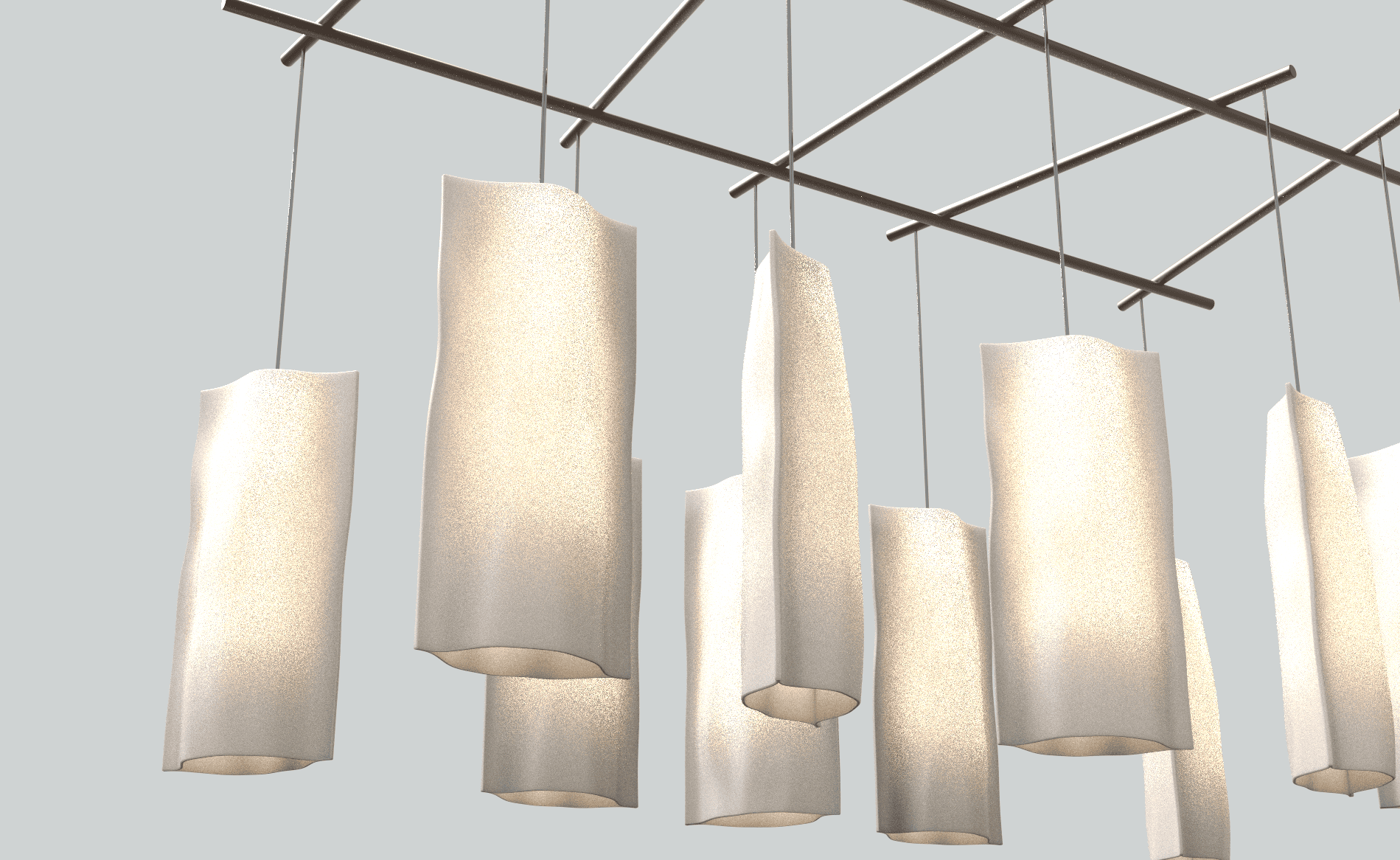
Blending the serene elegance of Swedish and Japanese design, this washi paper pendant draws inspiration from the architect's Archipelago House, its first home and creative muse.
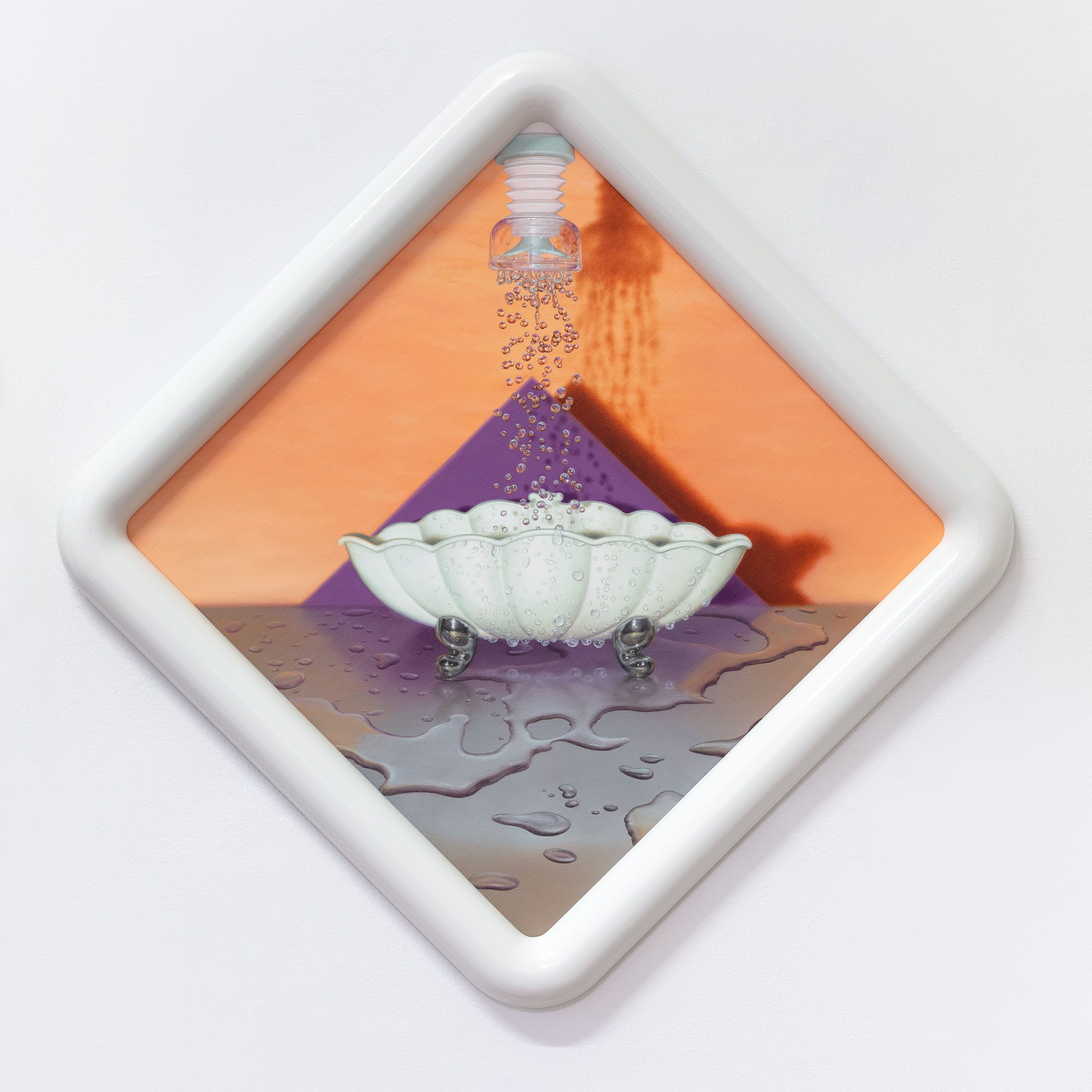
A historic toilet in Palmerston North provides both artistic inspiration, modern interpretation, and an inaugural accolade for artist Emily Hartley-Skudder.
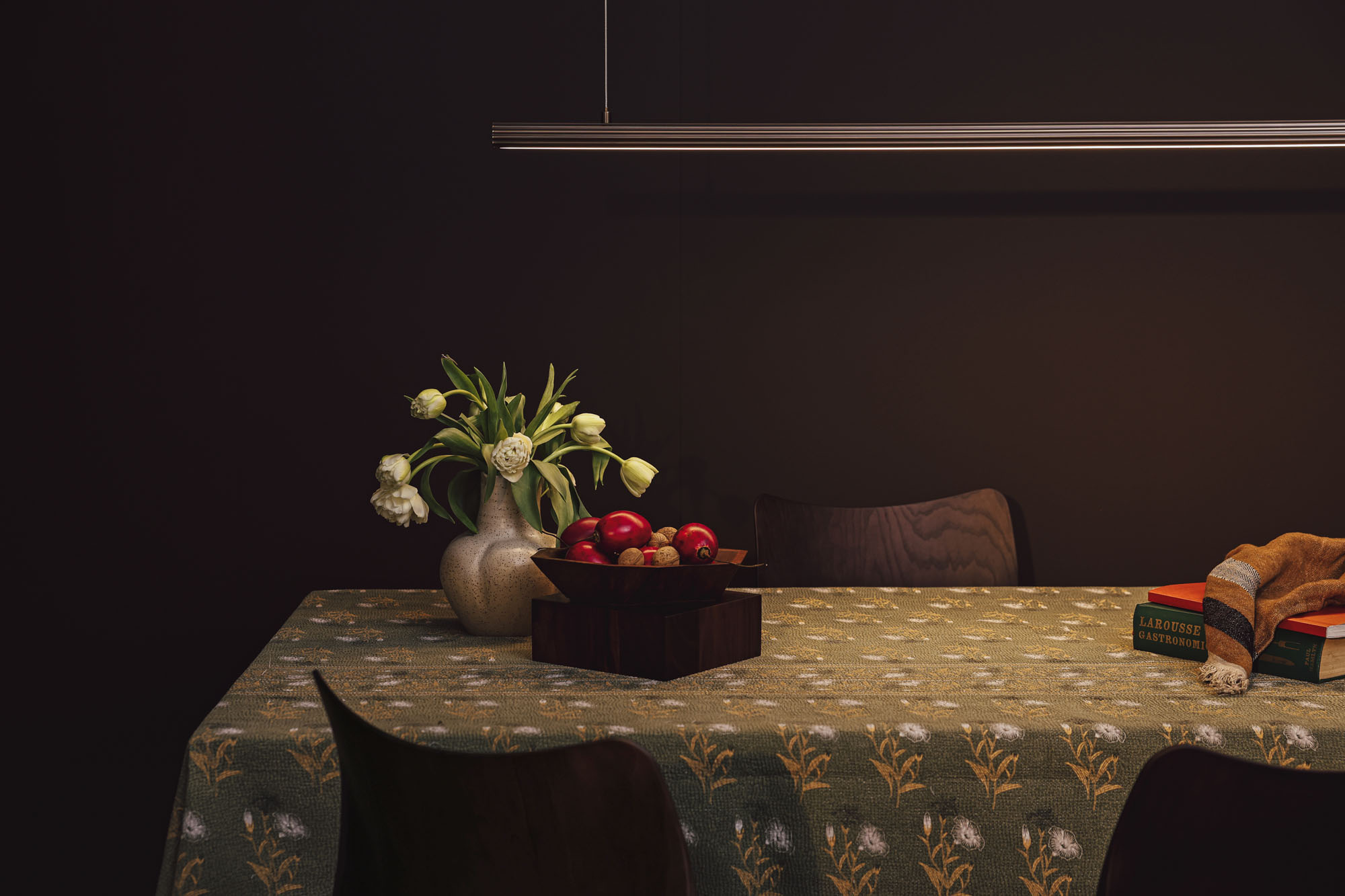
Introducing the Flute Collection, a new luxurious series of sculptural lighting handcrafted in New Zealand from solid brass, each featuring architecturally inspired concave fluting.
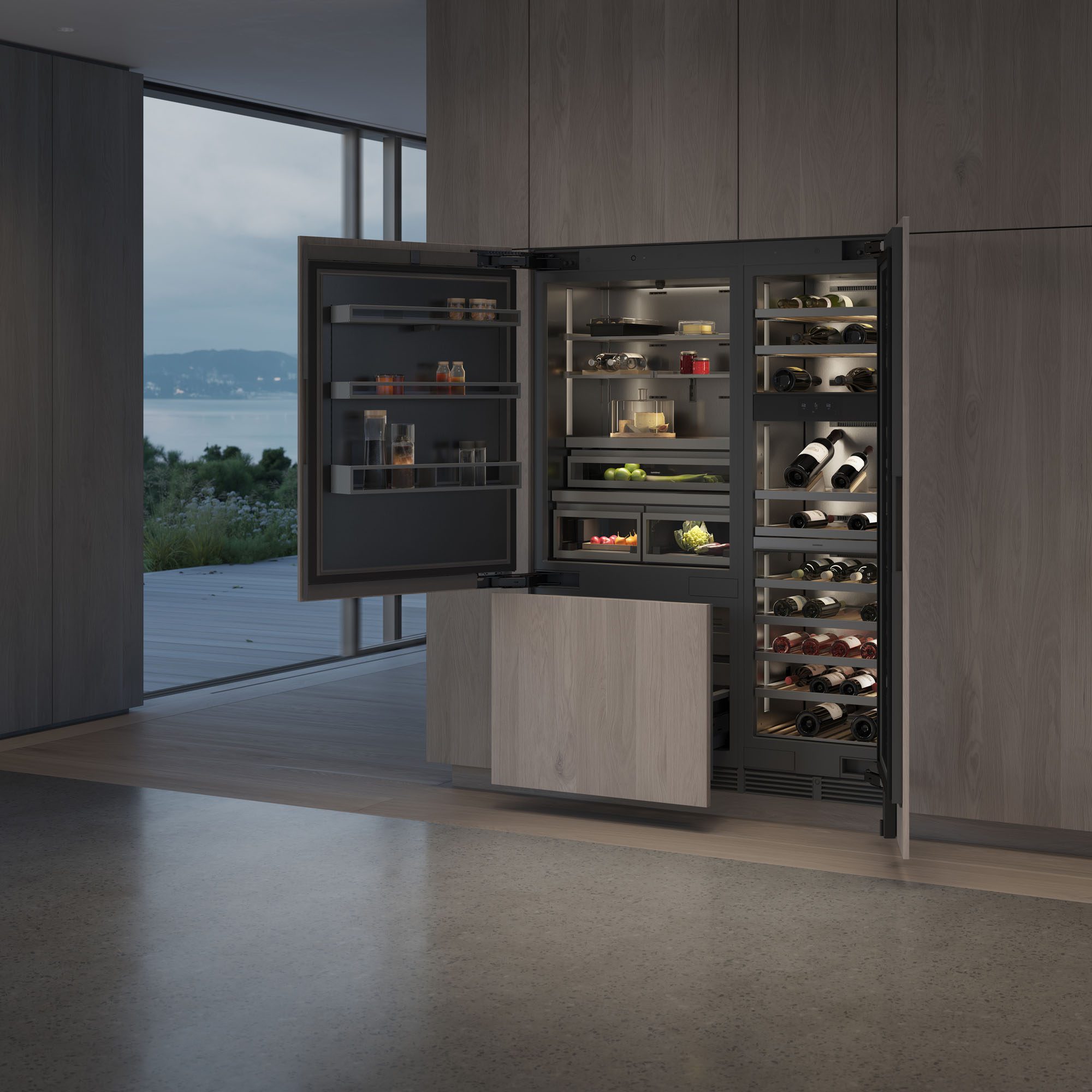
Gaggenau’s new Vario cooling Expressive series introduces an architectural sensibility to refrigeration, uniting a refined material palette with precise technology and a considered vision for wine storage.
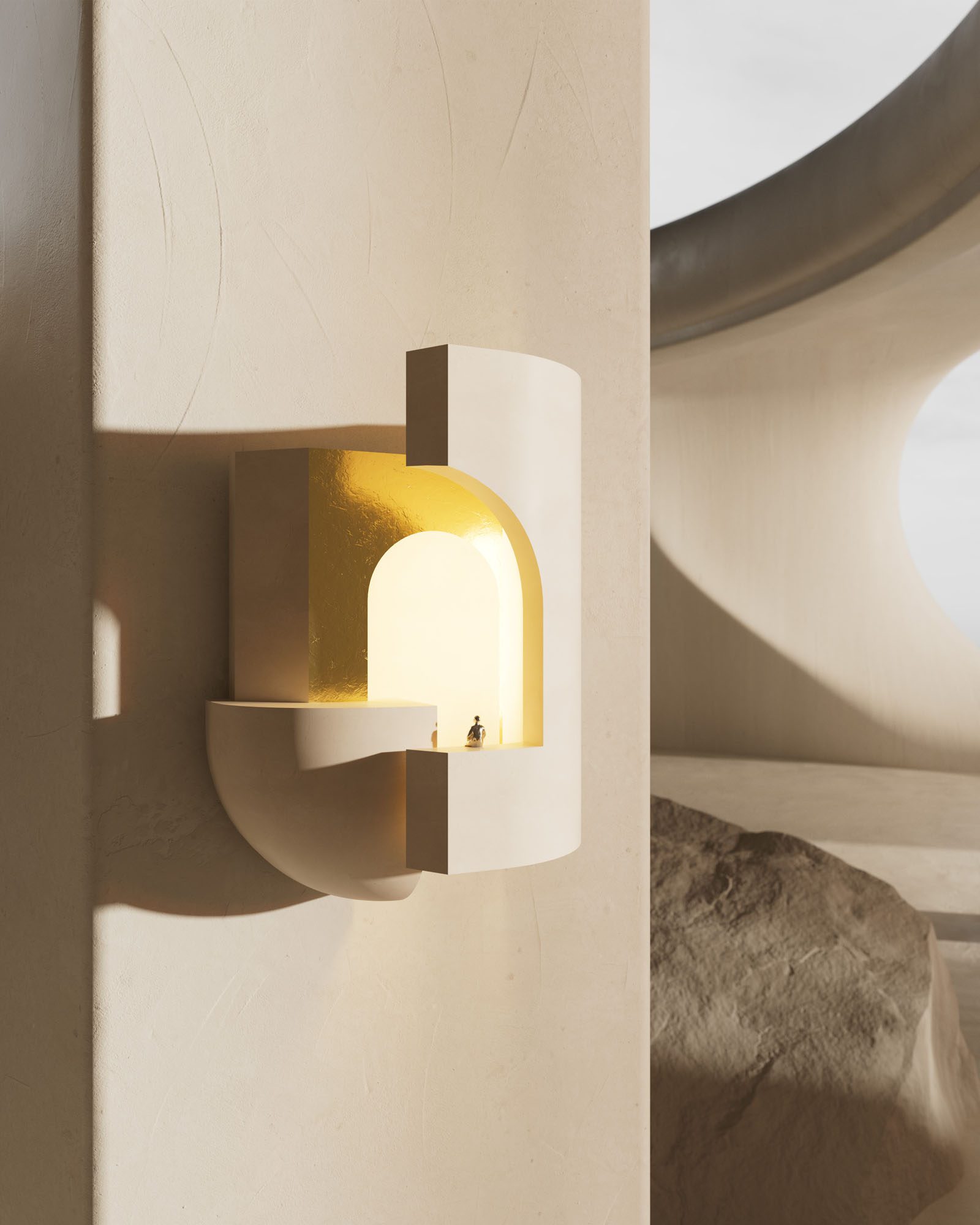
A solitary, moveable figure casts a designer’s life story into light, inviting contemplation as its sculptural form bathes a space in a gentle, golden glow.
Siân Taylor of Team Green Architects, Marc Lithgow of Space Division, and Tim Ross of Architype design passive houses, and all three live in one. Federico Monsalve spoke to them about comfort, cost, where the movement is headed, and why the idea hasn’t yet tipped here.
Seven New Zealand makers come together for Making Matters, a new exhibition at Depot Artspace exploring material, process and the enduring value of making by hand.
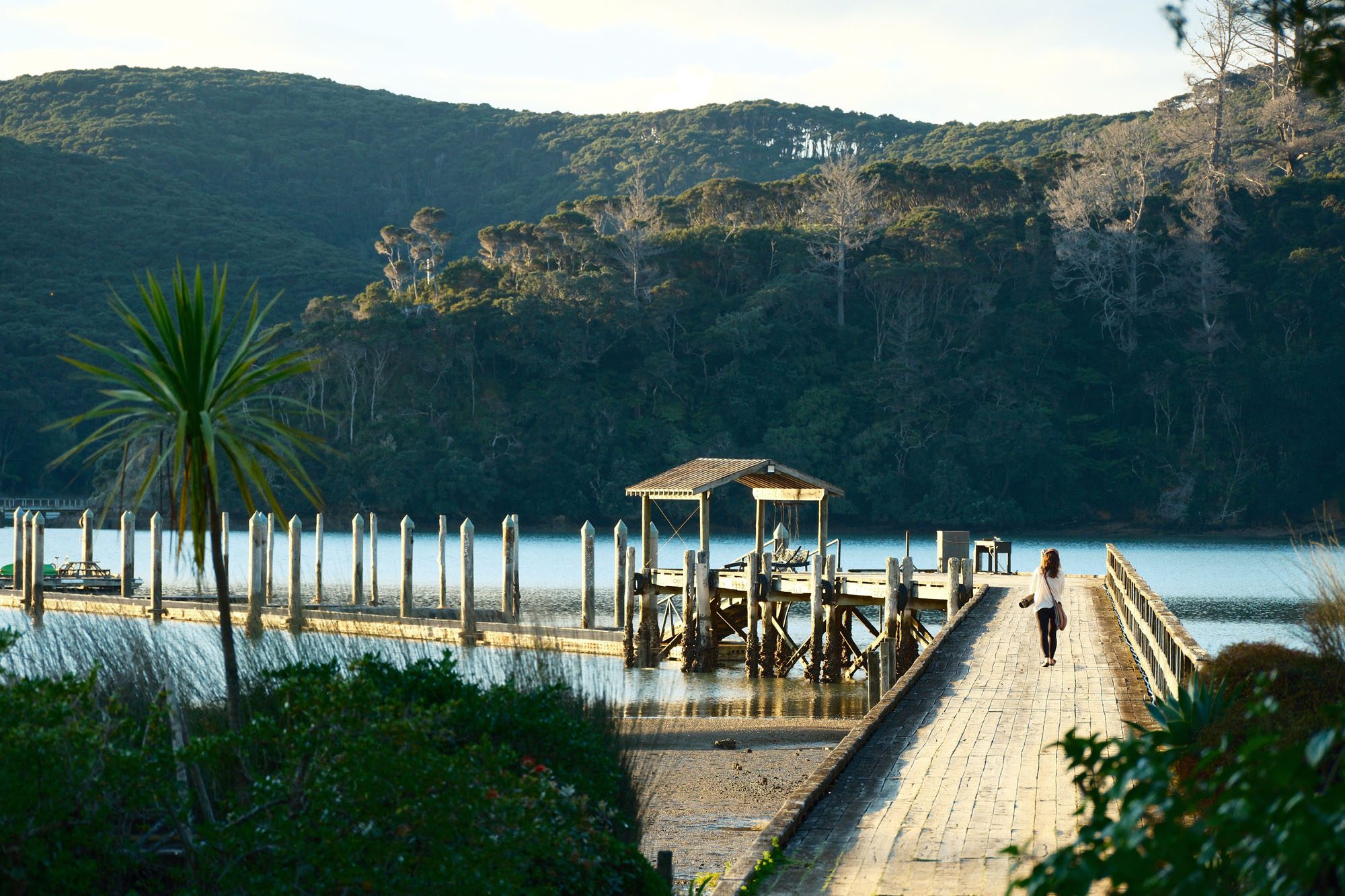
On Kawau Island, a short boat ride from Auckland, Parohe Island Retreat pairs Scandinavian-inspired cabins with native bush and sheltered harbour waters — three-day retreats built around slow food, guided movement, and stillness.
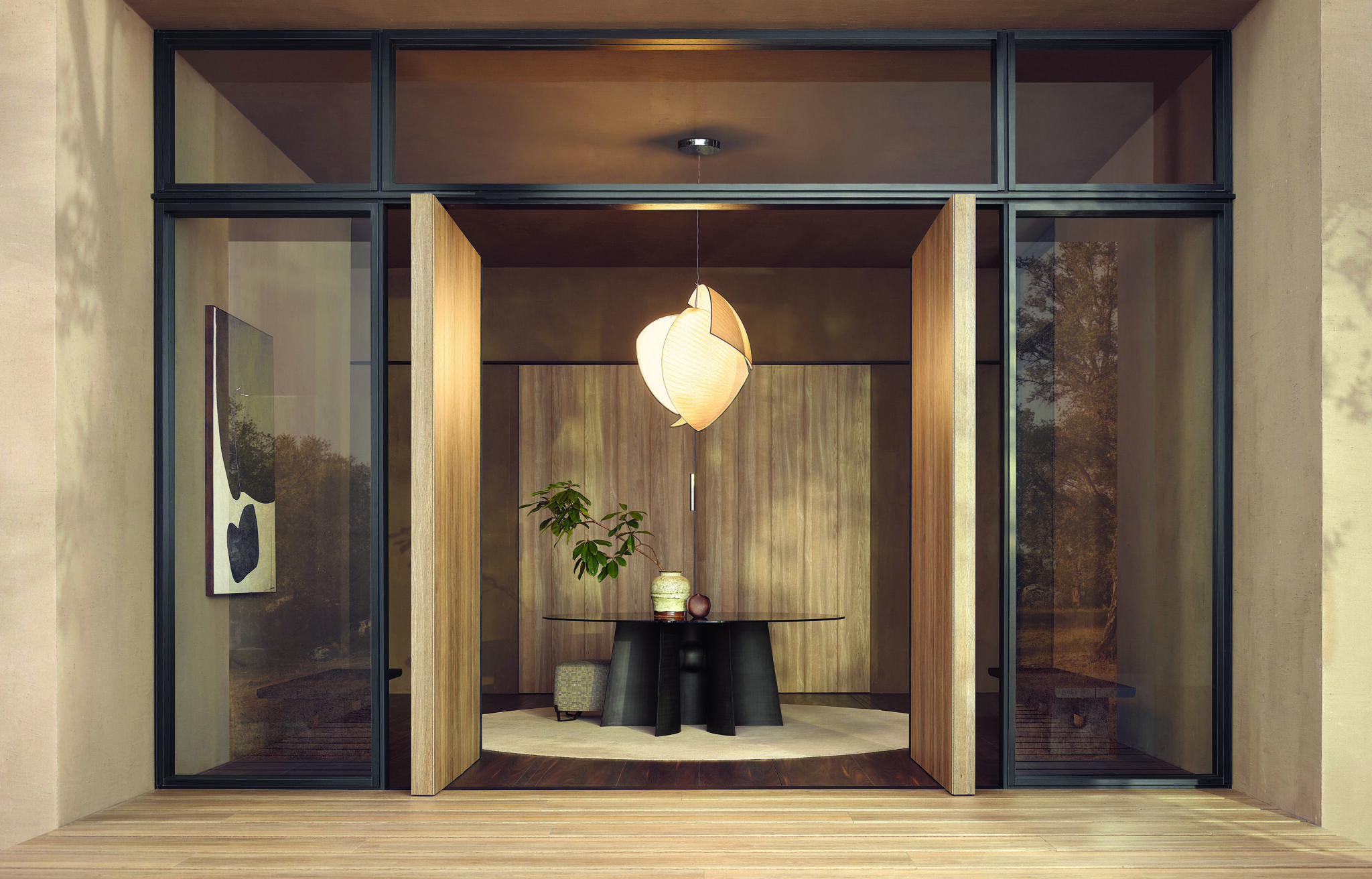
Jean-Marie Massaud envisioned the Kensington table as if it emerged from an art foundry, making its intricate details truly stand out.
Floating like specimens, the pieces in interiors photographer Kelsie Barley's debut fine art collection are at once intoxicating and disconcerting.
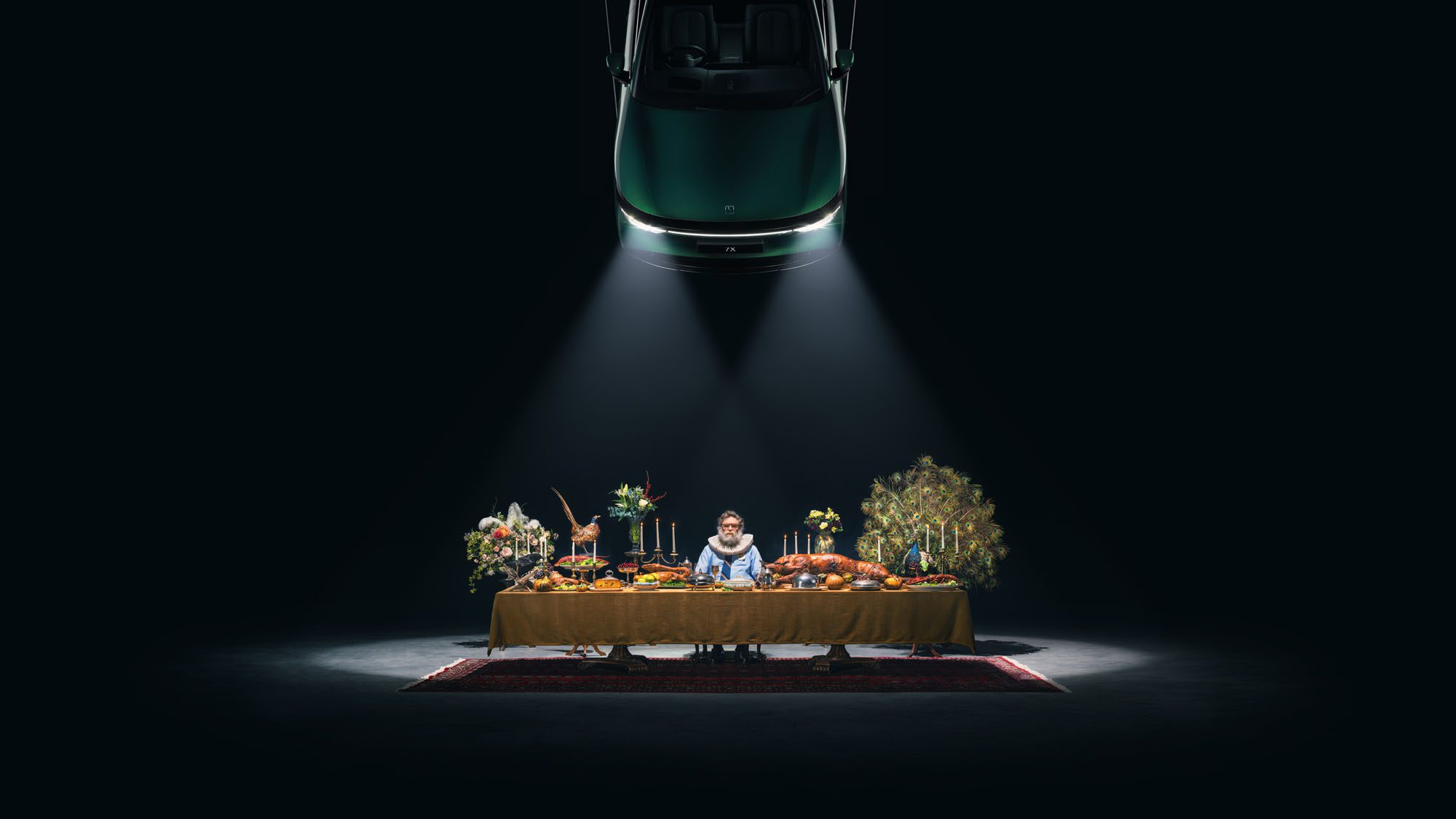
Acclaimed filmmaker and creative Taika Waititi's debut photography exhibition of seven cinematic works explores a series of different worlds, each beginning in the dark.
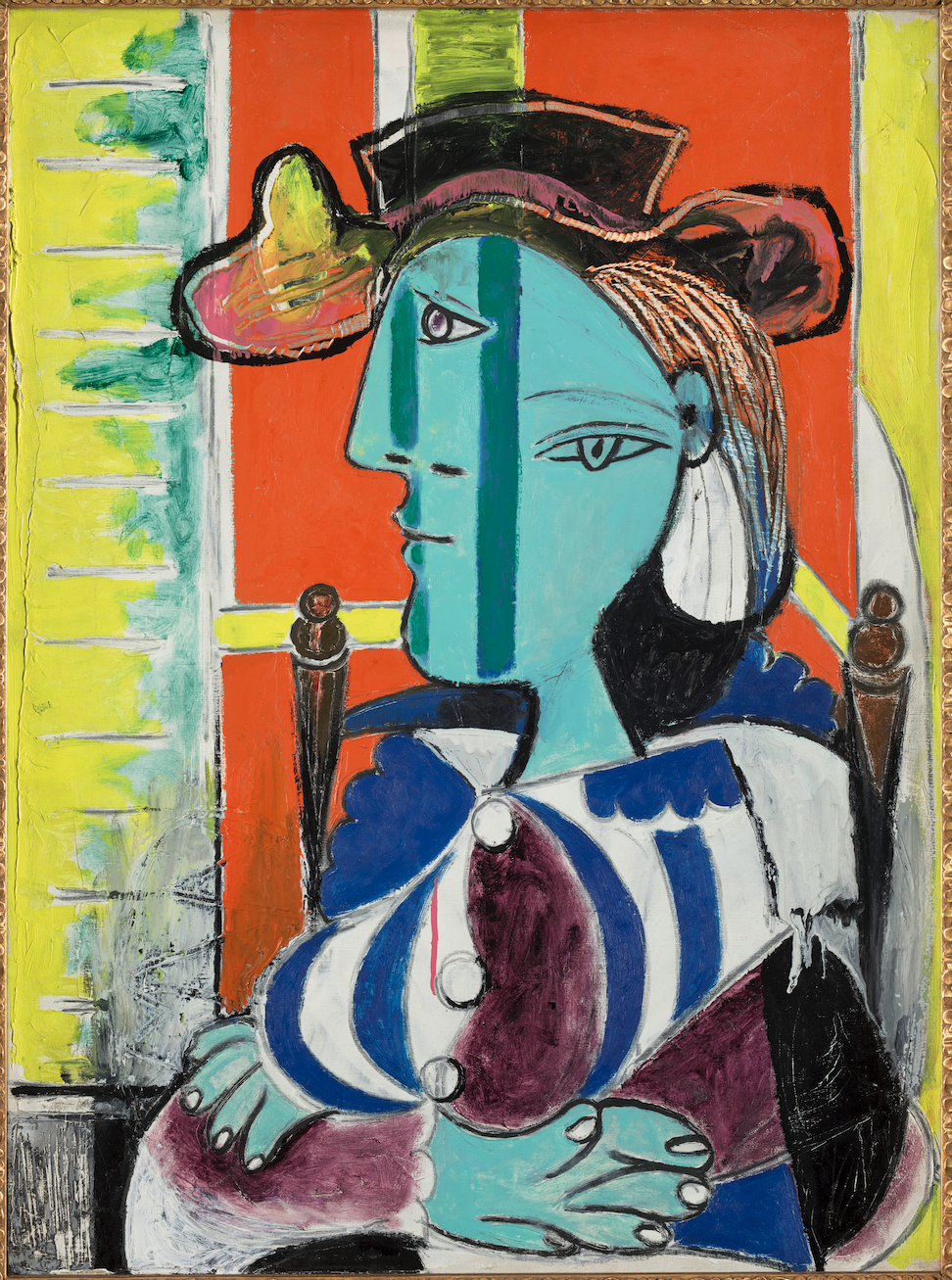
A major exhibition pairing the work of Pablo Picasso with the bold creative vision of internationally celebrated designer Sir Paul Smith opens at Auckland Art Gallery Toi o Tāmaki.
Rich Naish of RTA has just been announced as the recipient of the Te Kāhui Whaihanga NZIA Gold Medal for 2026 — the highest honour the institute presents annually to those working in architecture in Aotearoa New Zealand.
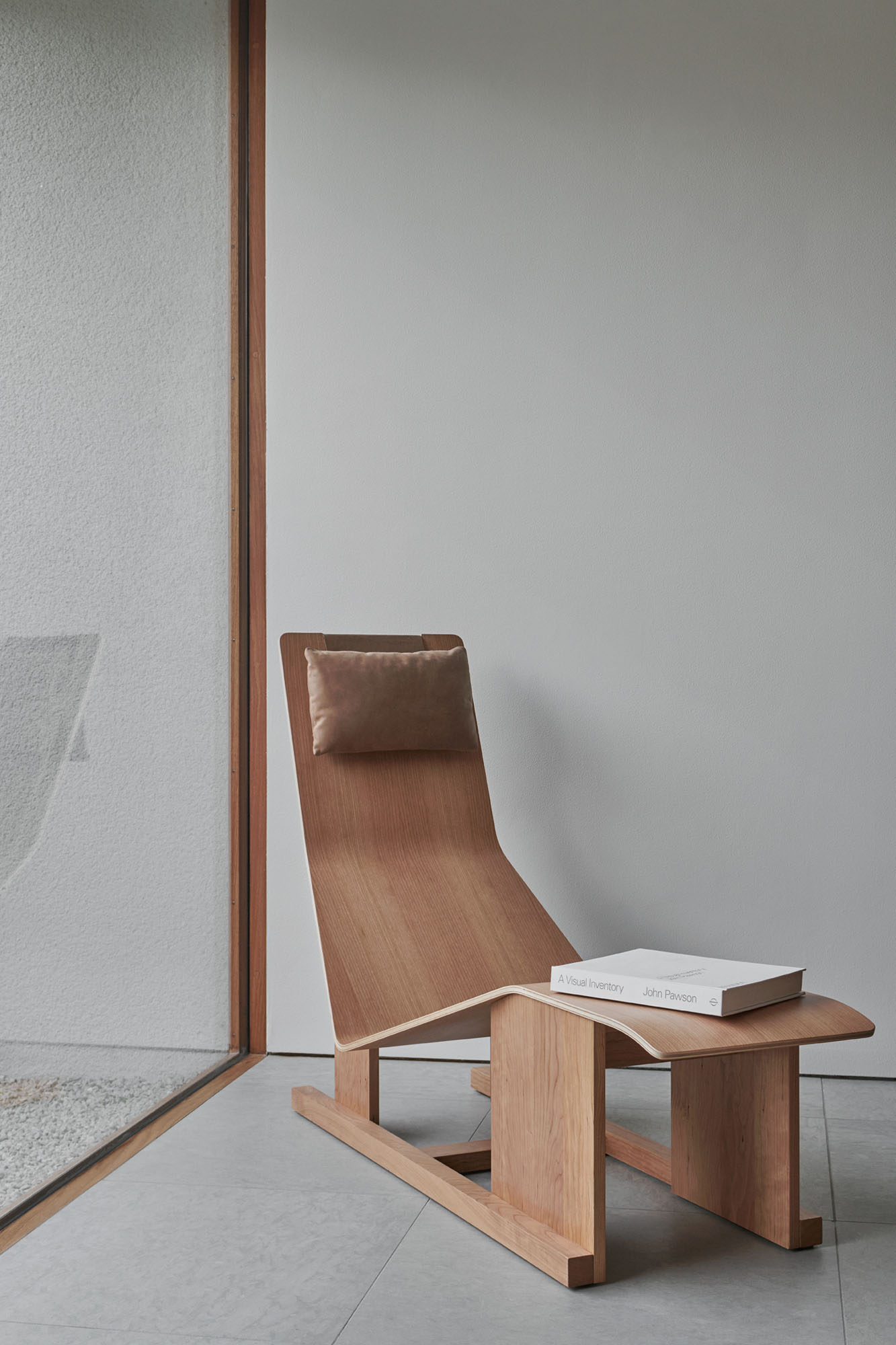
Like the late-afternoon hour it's named for, the 4PM chaise captures a moment of transition — when the workday begins to soften into evening repose.
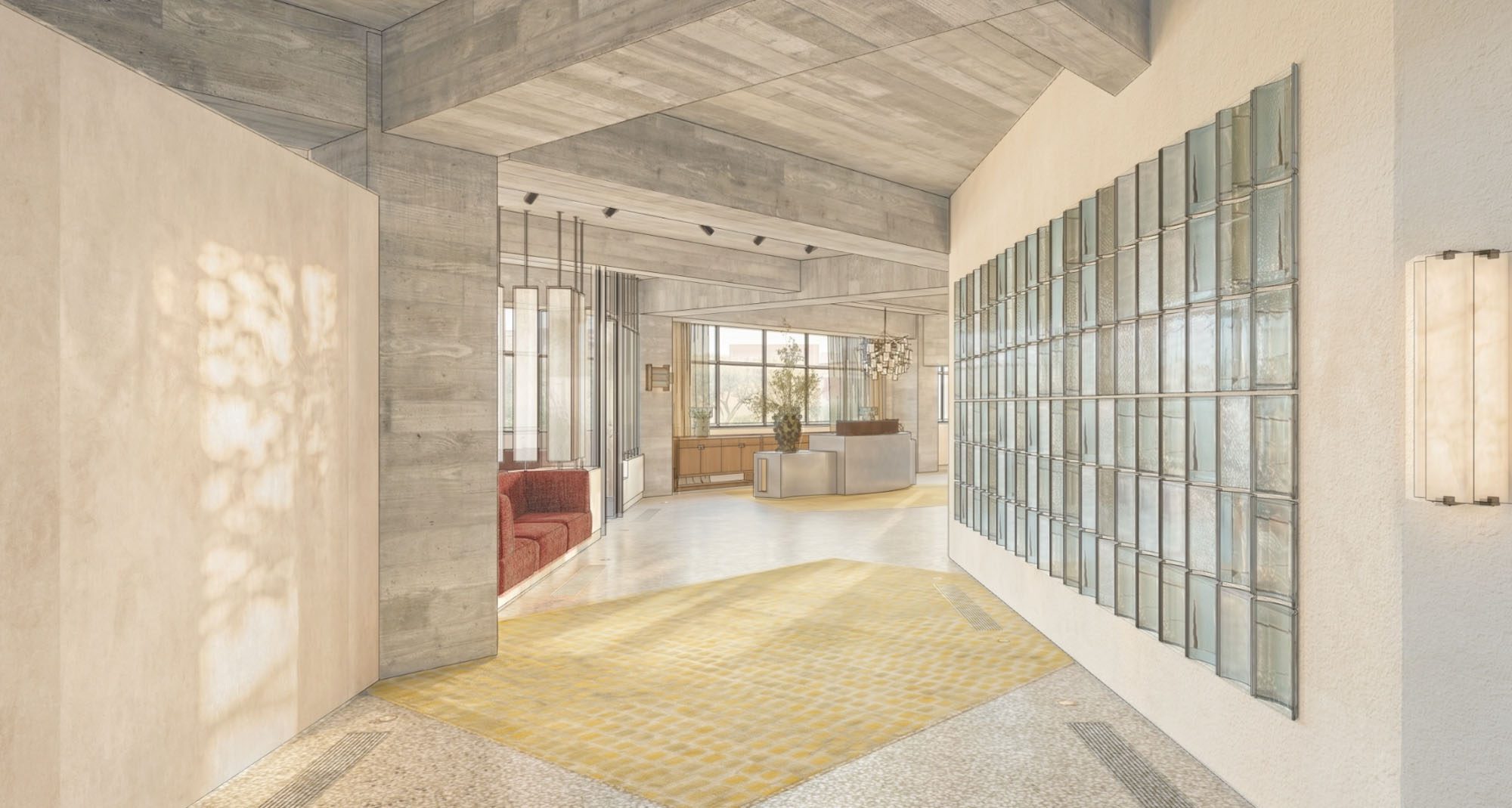
Since 1959, Bledisloe House has anchored central Auckland, its rhythmic concrete grid and board-formed structure embodying the optimism of post-war modernism. As the building enters a new chapter, Alexander &CO. has been appointed to reimagine its interiors with renewed purpose.
As Studio Italia unveils an immersive new Flexform setting in its Grafton showroom, we explore a collection where refined proportions, artisanal craftsmanship, and exceptional comfort converge — showcasing both the latest releases and the enduring icons of the Italian design house.
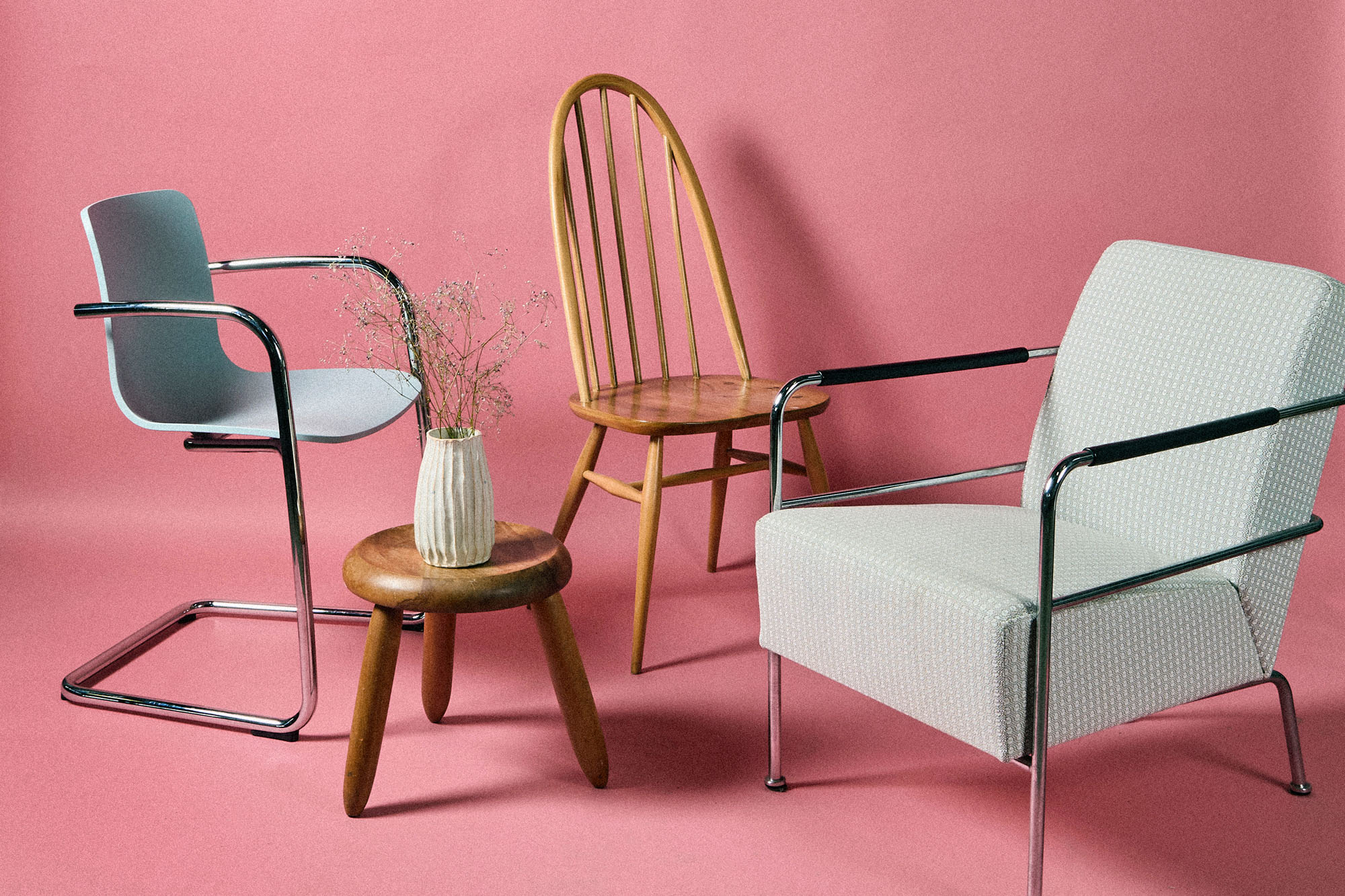
Time is the judge of great design. Longevity, in both aesthetic appeal and quality, remains one of the surest measures of whether an object has achieved design's imperative to stay relevant and useful.
This spring, The Lightship returns with First Light, a year-long programme that opens with new works by three leading wāhine Māori artists.
For one morning only, a Ponsonby gallery will become an immersive exploration of contemporary New Zealand design as BAYA brings five emerging creative voices together under one roof.
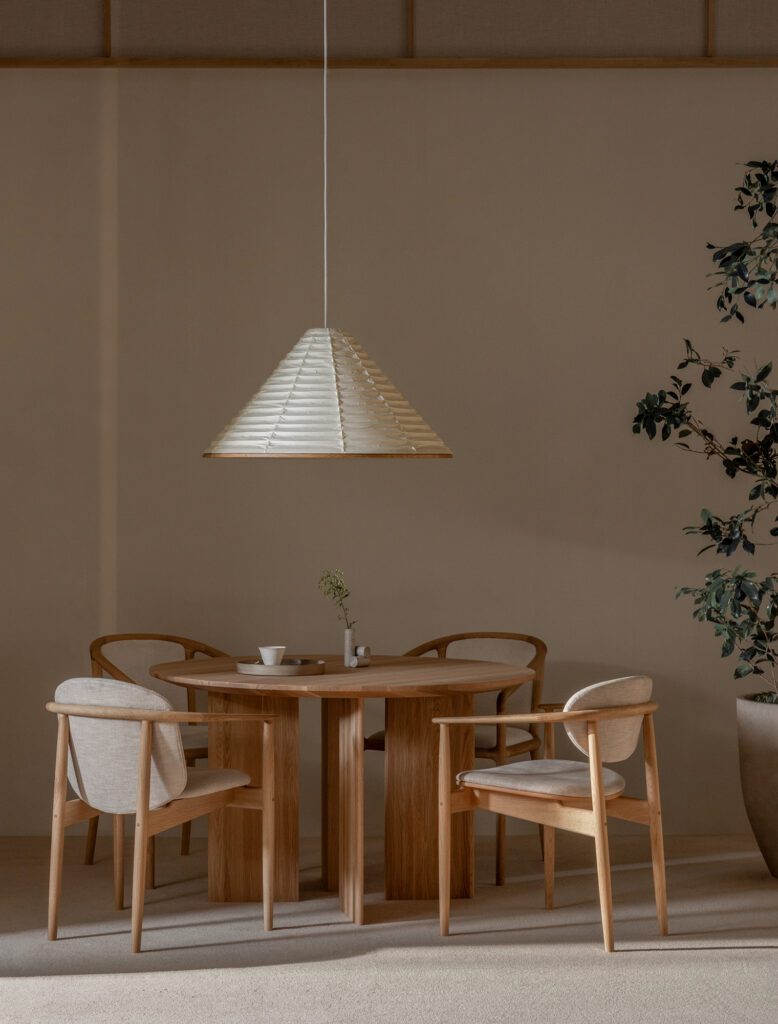
Blending the serene elegance of Swedish and Japanese design, this washi paper pendant draws inspiration from the architect’s Archipelago House, its first home and creative muse.
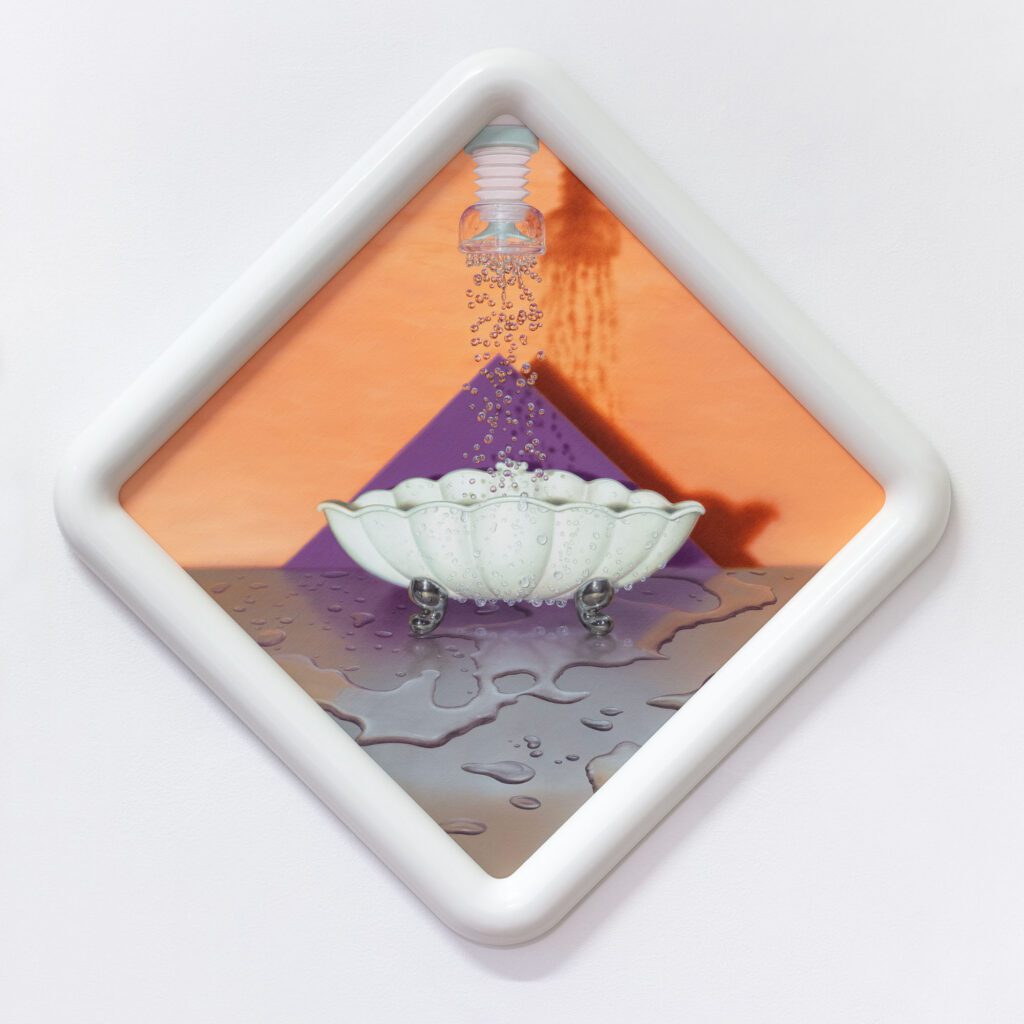
A historic toilet in Palmerston North provides both artistic inspiration, modern interpretation, and an inaugural accolade for artist Emily Hartley-Skudder.
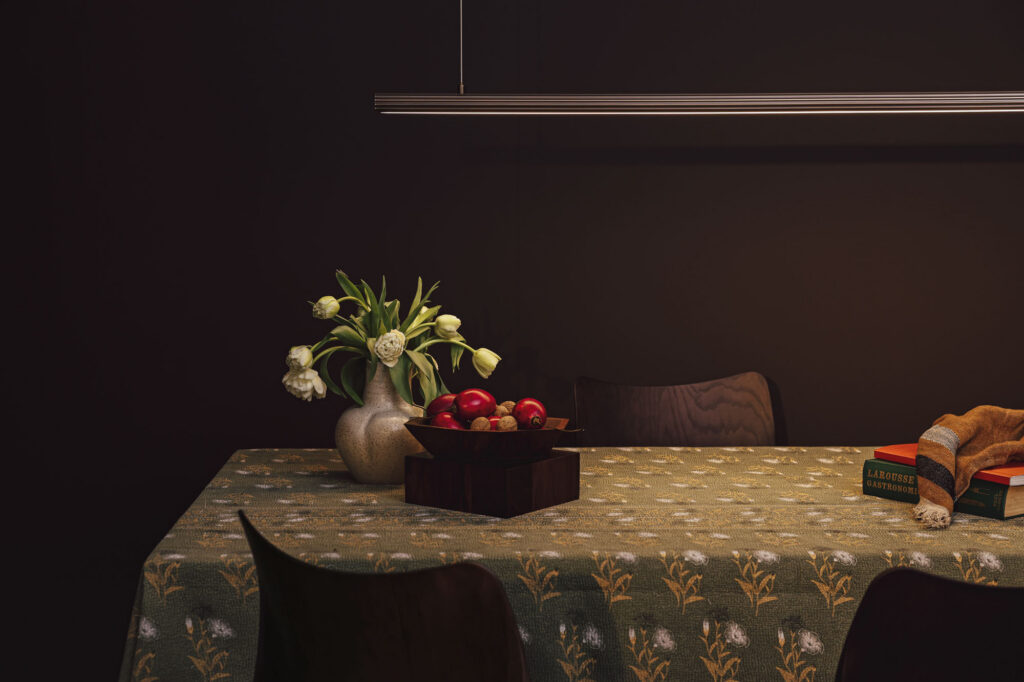
Introducing the Flute Collection, a new luxurious series of sculptural lighting handcrafted in New Zealand from solid brass, each featuring architecturally inspired concave fluting.
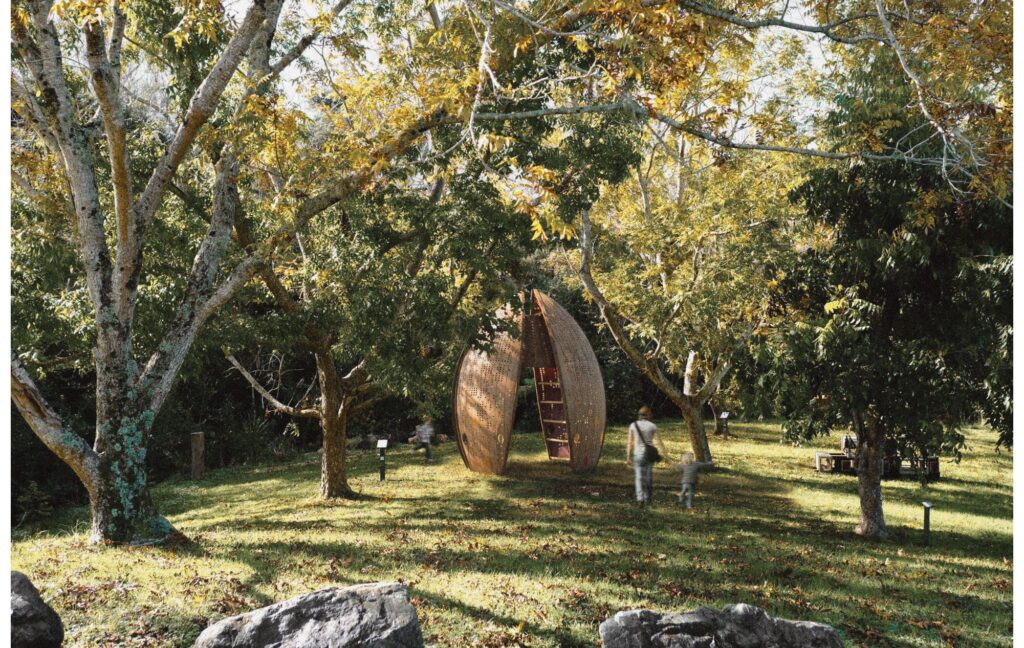
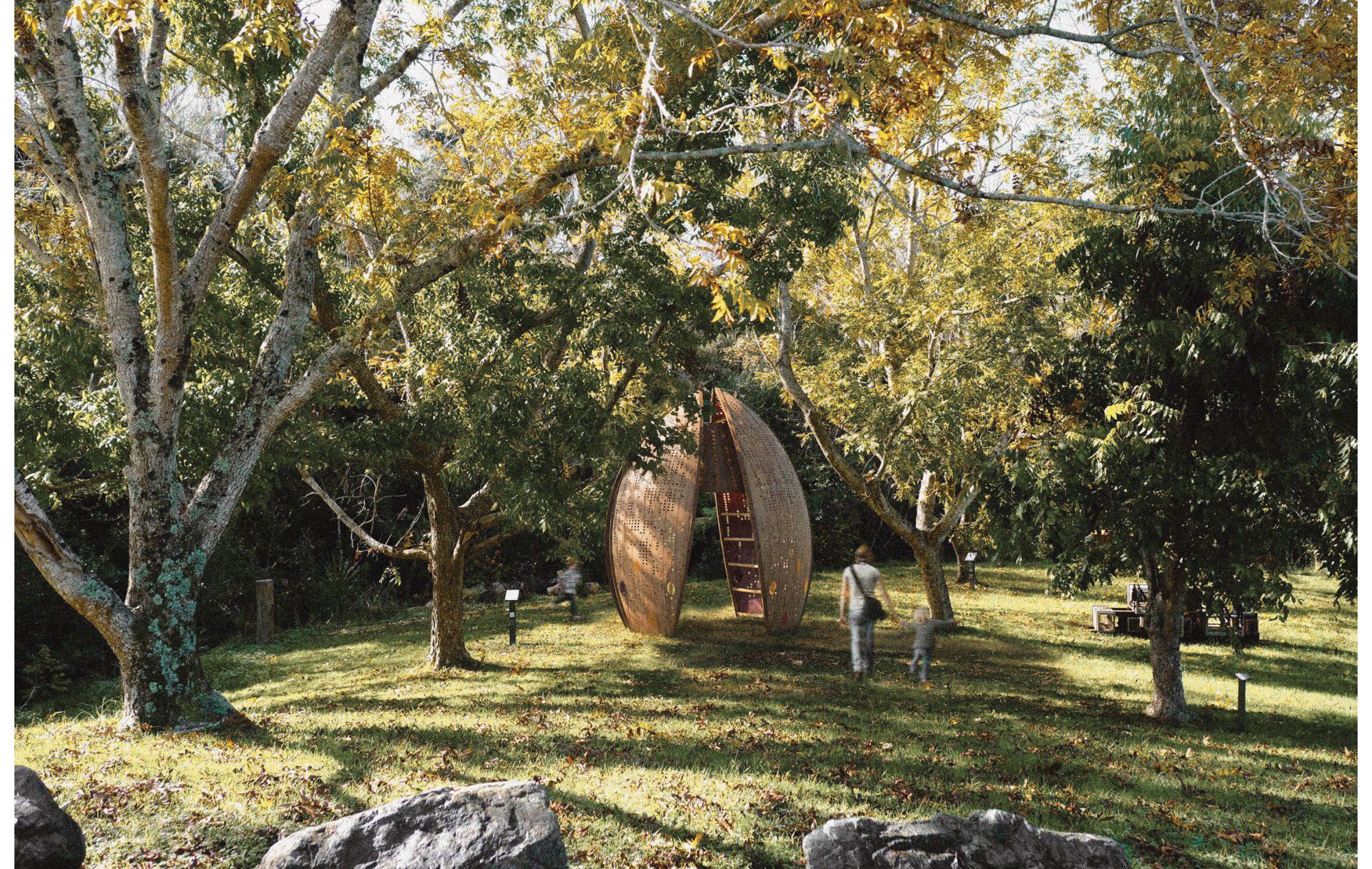
This year, the Brick Bay Folly entrants have reimagined a quiet corner of the sculpture trail’s pecan grove in unexpected ways. Five finalists have emerged, each offering a distinct vision for the site. Vote for your favourite entry and win with Brick Bay Folly and Architecture Aotearoa.
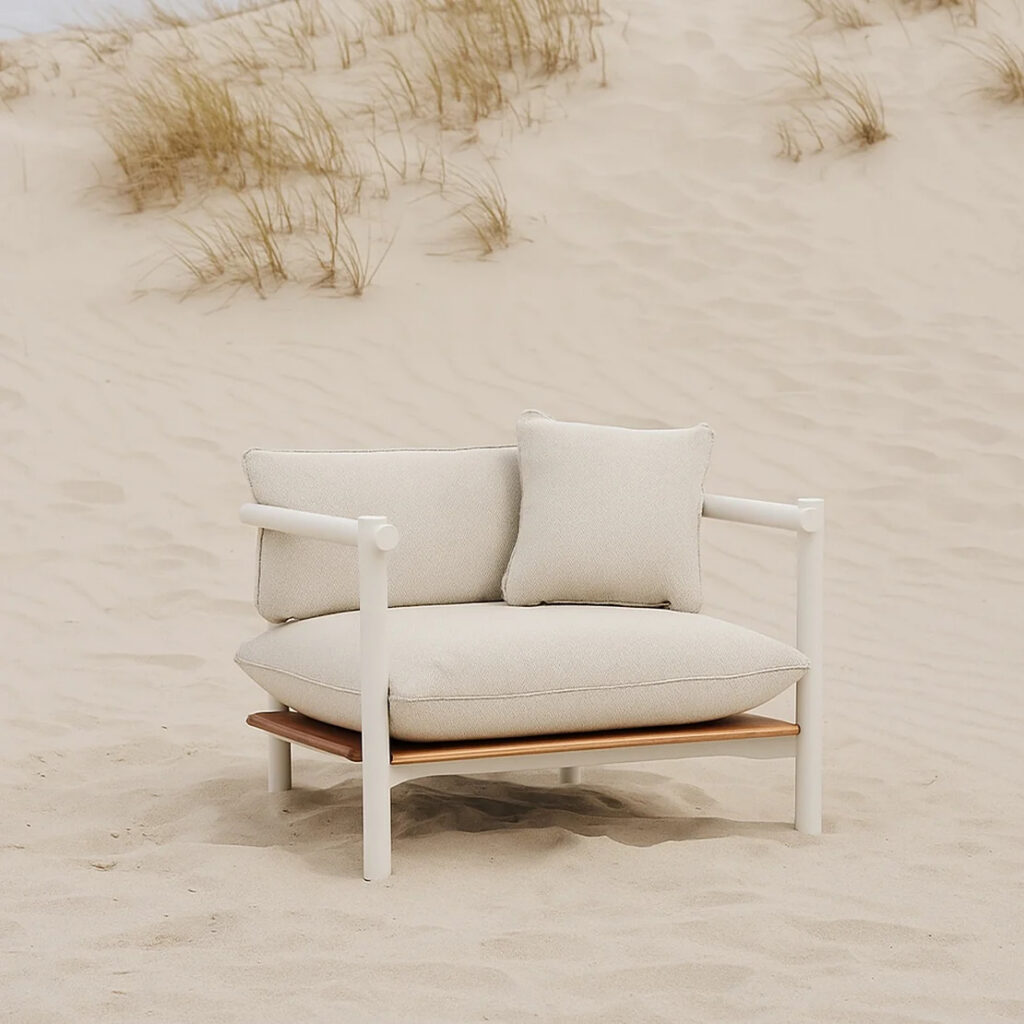
Outdoor furniture occupies a particular territory in design. It must withstand exposure, movement, and changing seasons while retaining the material presence and refinement expected of furniture inside the home. At Tim Webber, performance and aesthetics meet in perfect harmony.
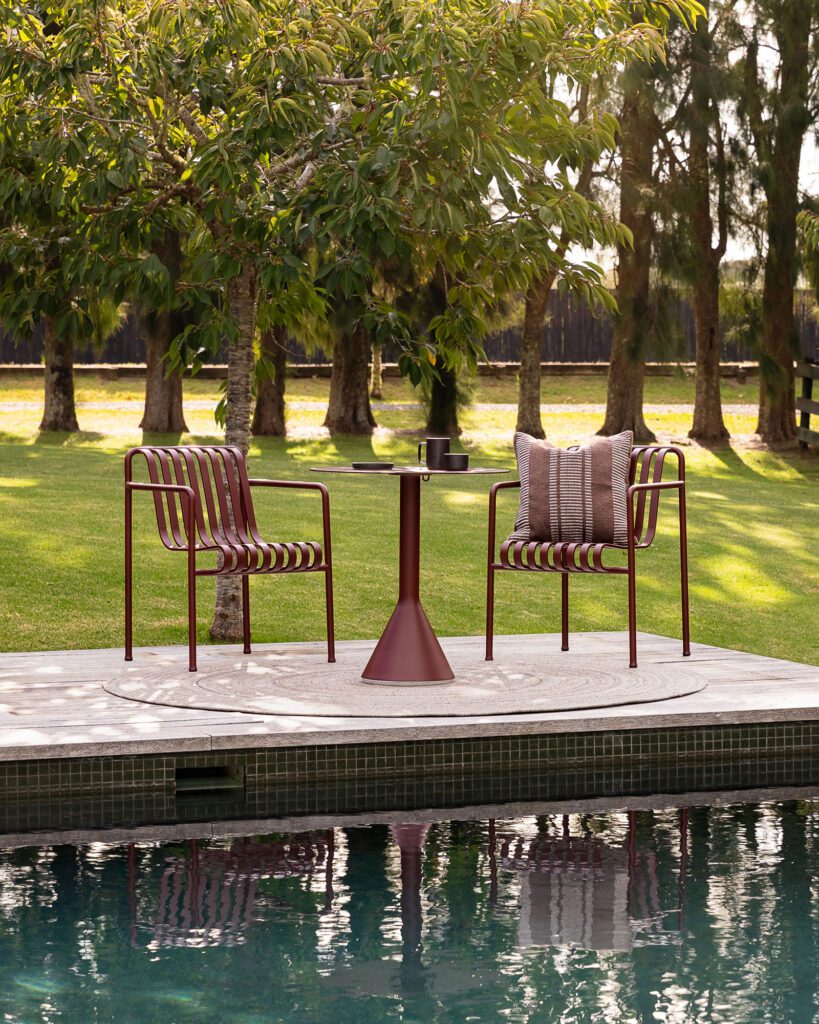
Sculpted piles, intricate weaves, and richly tactile surfaces bring a new material dimension to BAYA’s summer collection, carrying the warmth and texture of the interior into outdoor spaces.
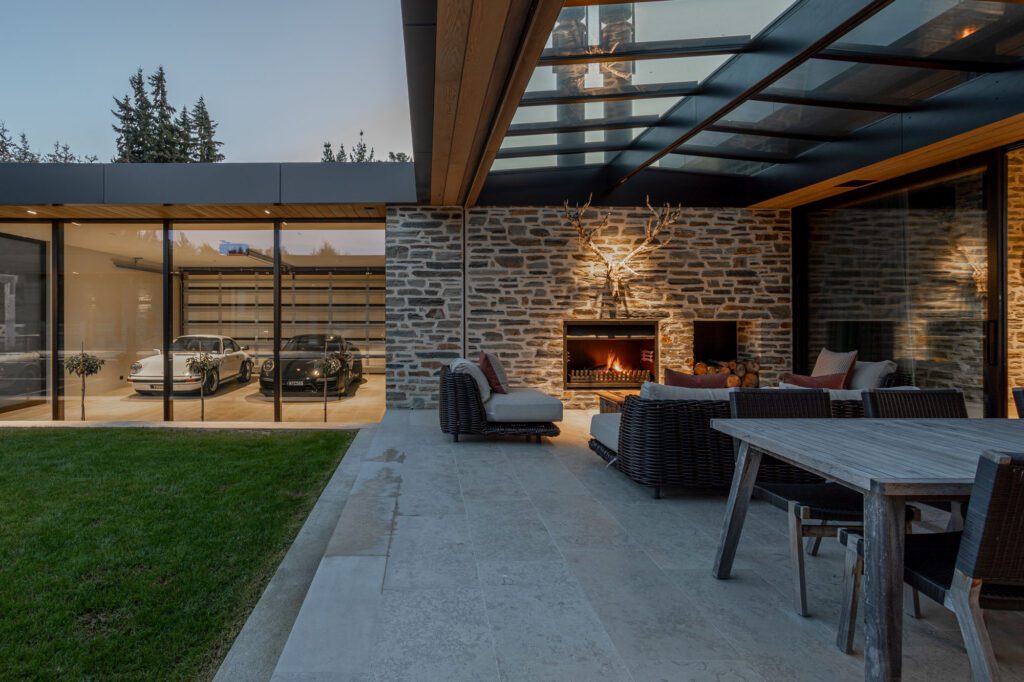
There is something enduringly magnetic about an open fire, and when that fire doubles as a place to cook it becomes inherently social — food cooked slowly over the embers, people drawn closer to the heat, and afternoons and evenings that linger.
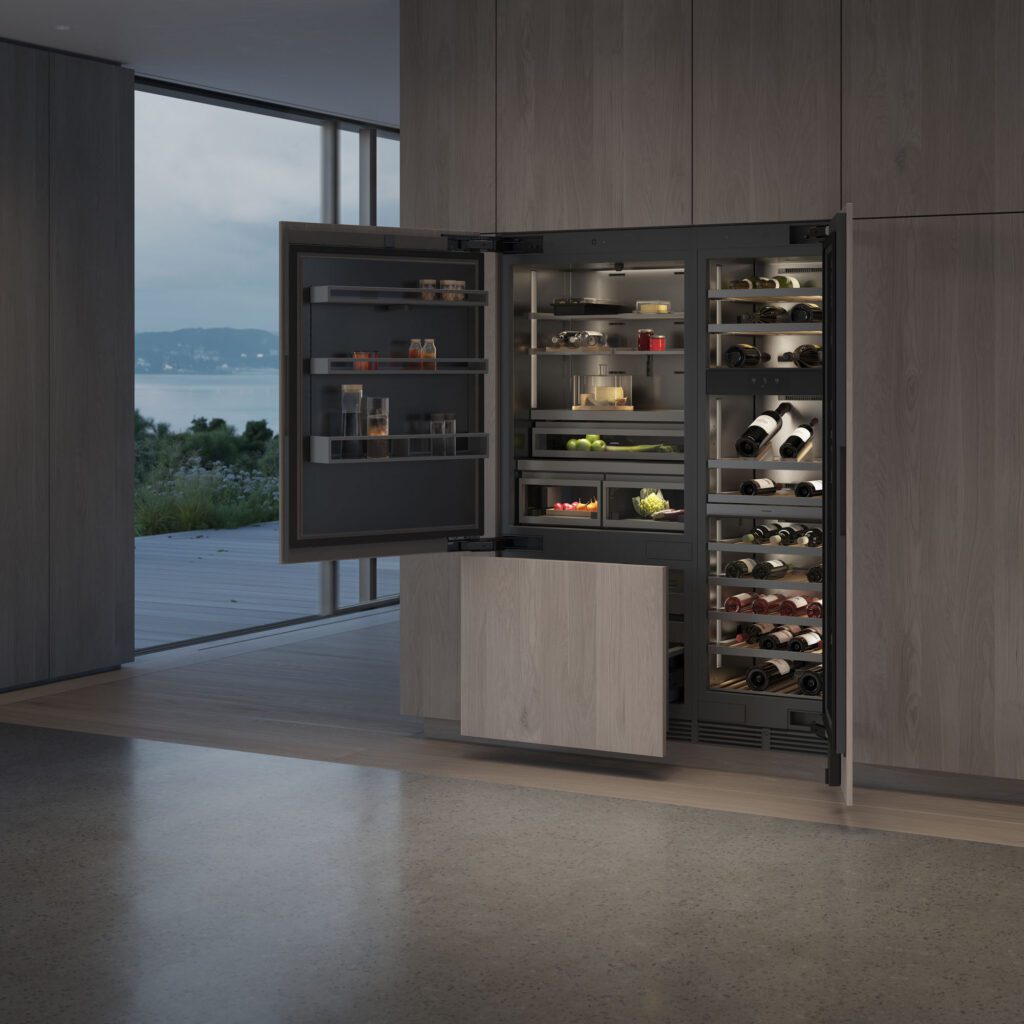
Gaggenau’s new Vario cooling Expressive series introduces an architectural sensibility to refrigeration, uniting a refined material palette with precise technology and a considered vision for wine storage.
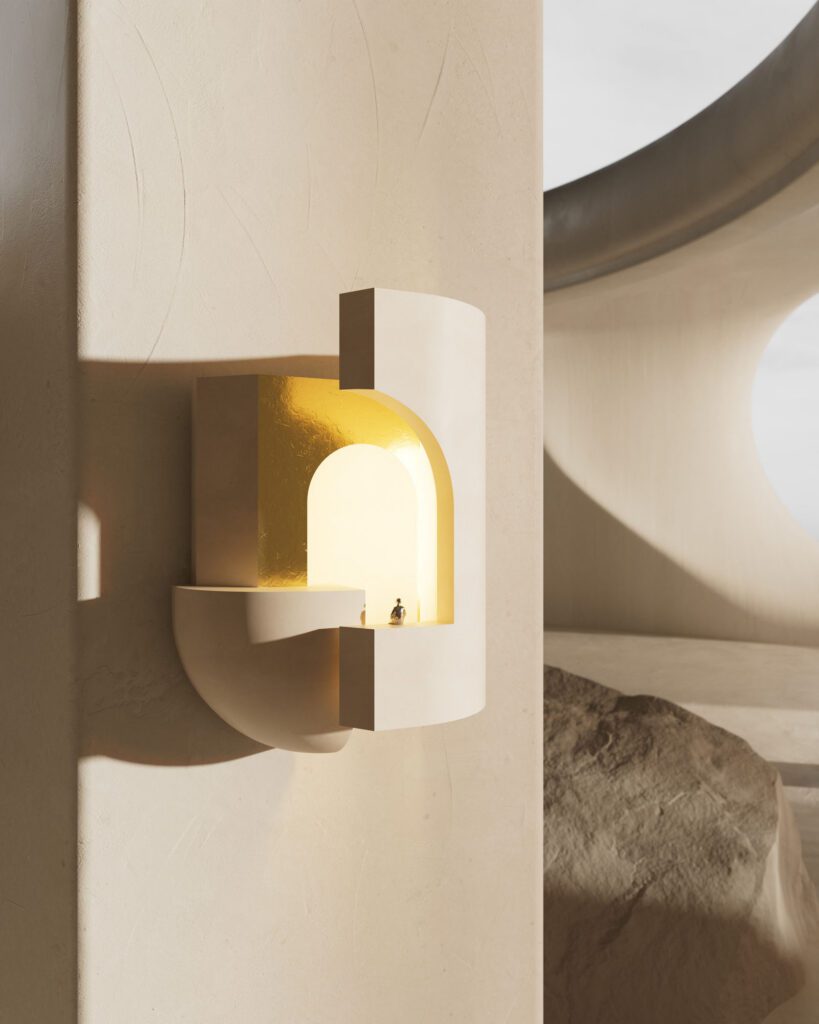
A solitary, moveable figure casts a designer’s life story into light, inviting contemplation as its sculptural form bathes a space in a gentle, golden glow.
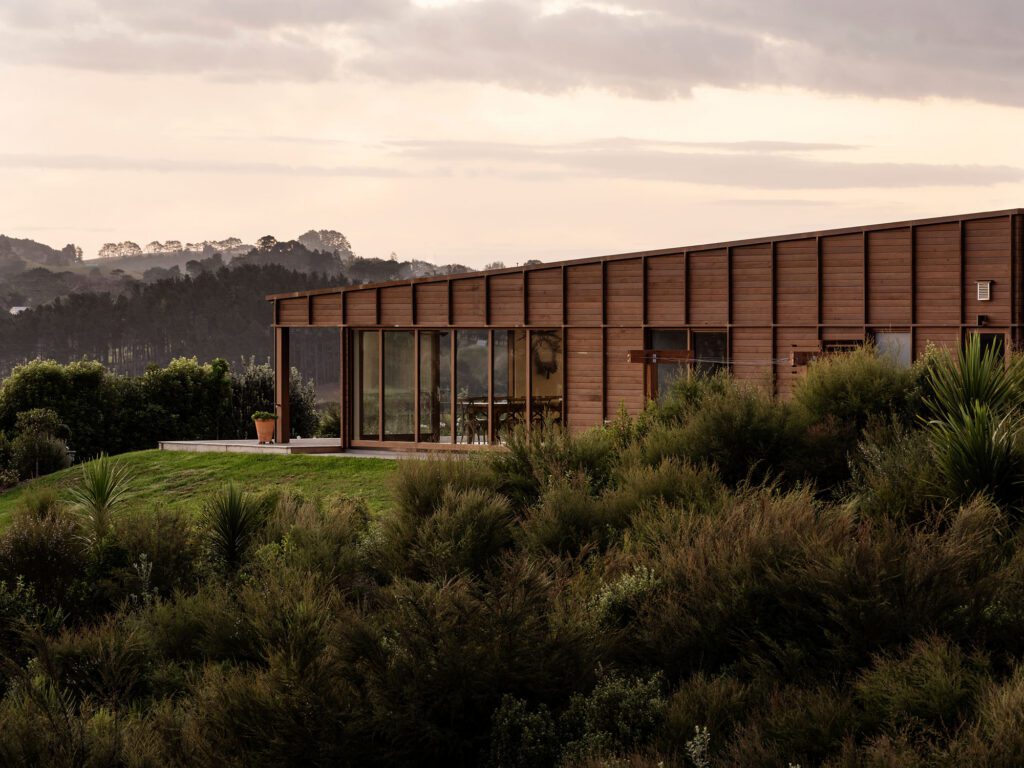
Siân Taylor of Team Green Architects, Marc Lithgow of Space Division, and Tim Ross of Architype design passive houses, and all three live in one. Federico Monsalve spoke to them about comfort, cost, where the movement is headed, and why the idea hasn’t yet tipped here.
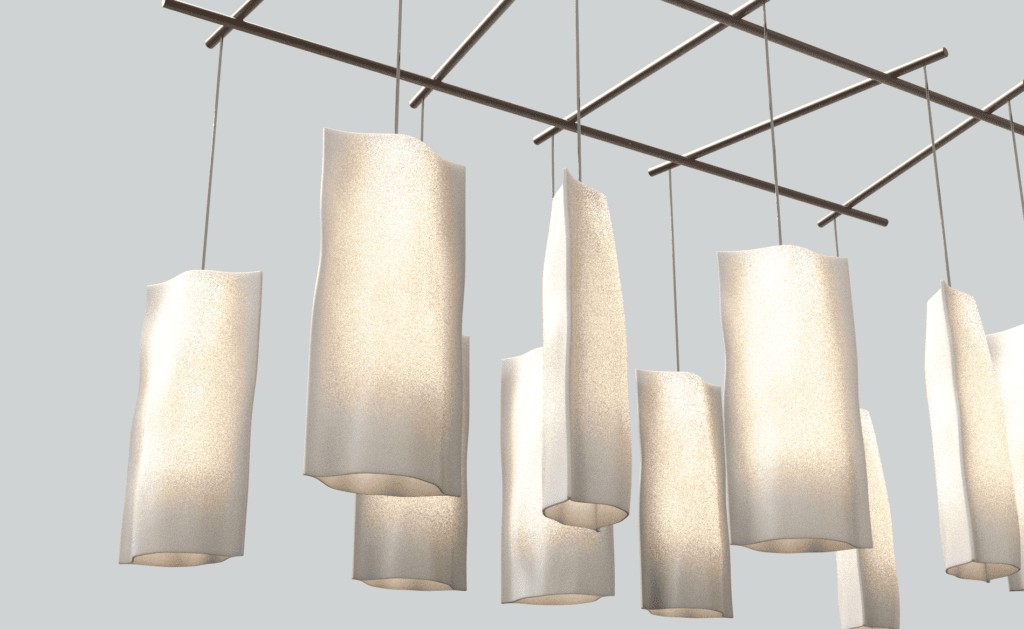
Seven New Zealand makers come together for Making Matters, a new exhibition at Depot Artspace exploring material, process and the enduring value of making by hand.
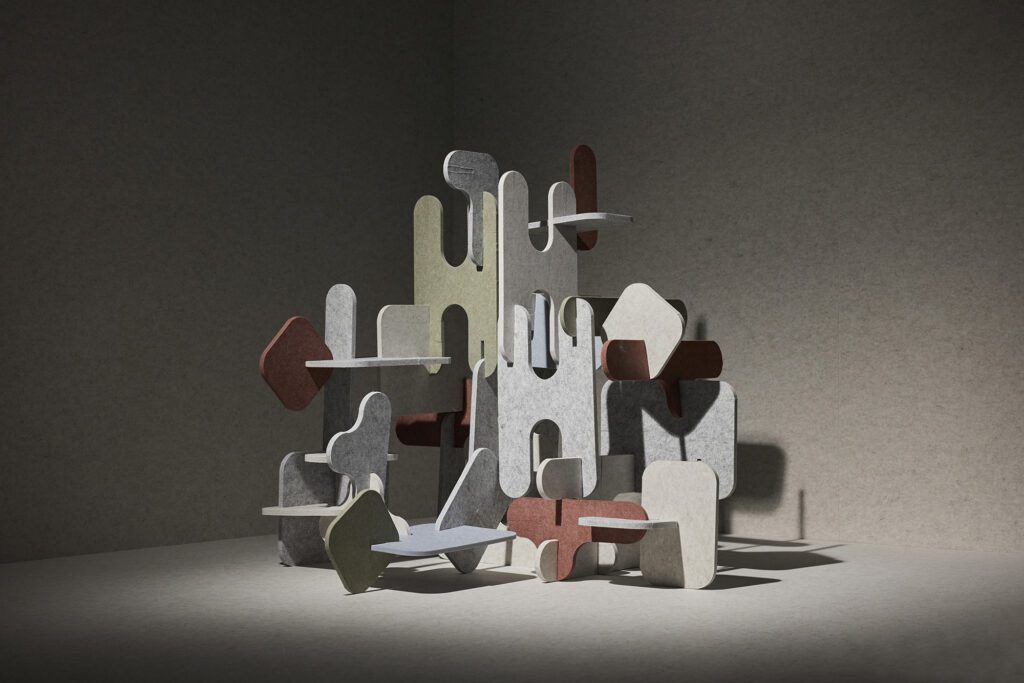
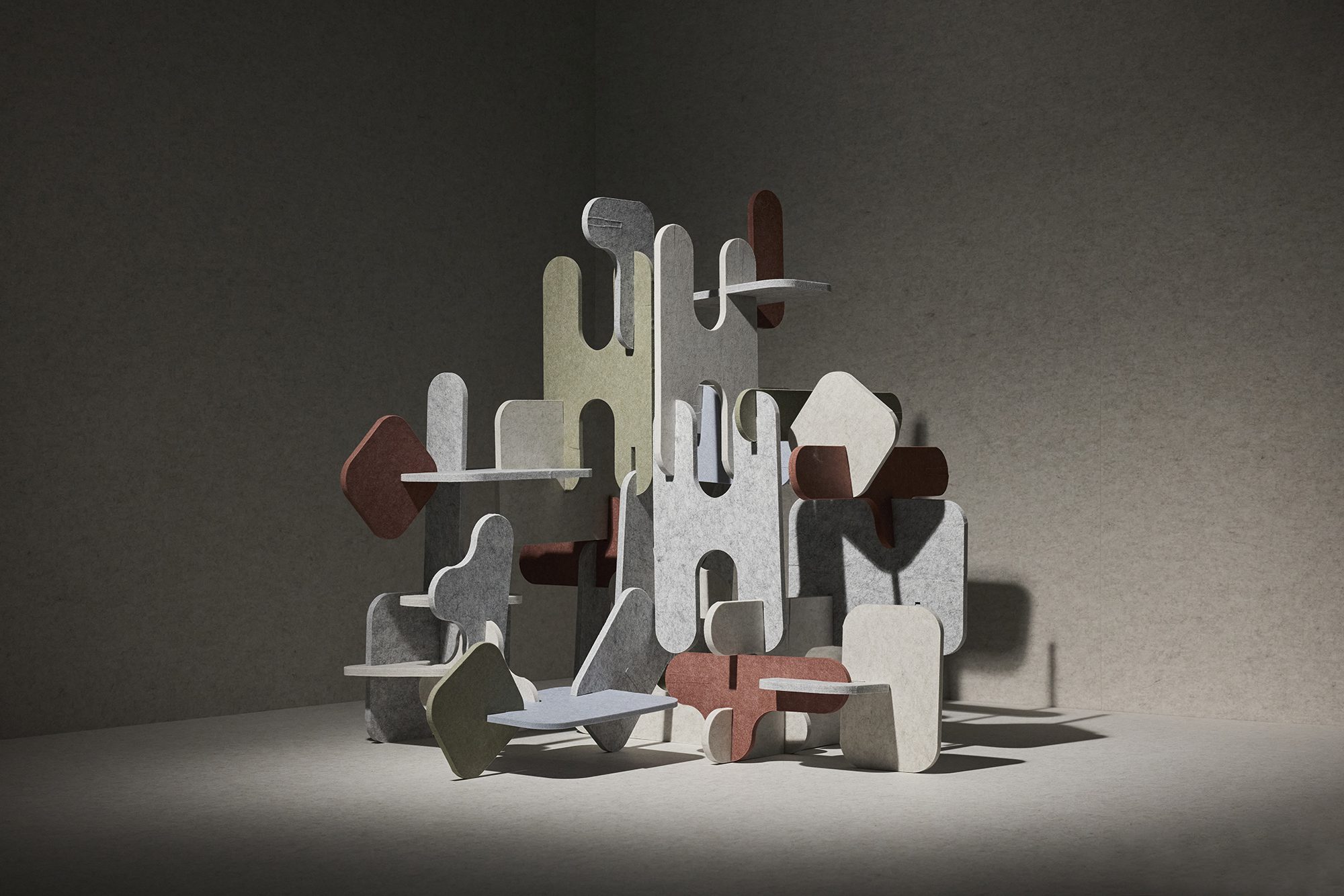
Autex Acoustics®’ five new colours Colosseum, Marina, Park, Petra, and Rushmore are a collection of muted, architecture and nature-inspired tones that bring warmth, character, and functionality to interior spaces.
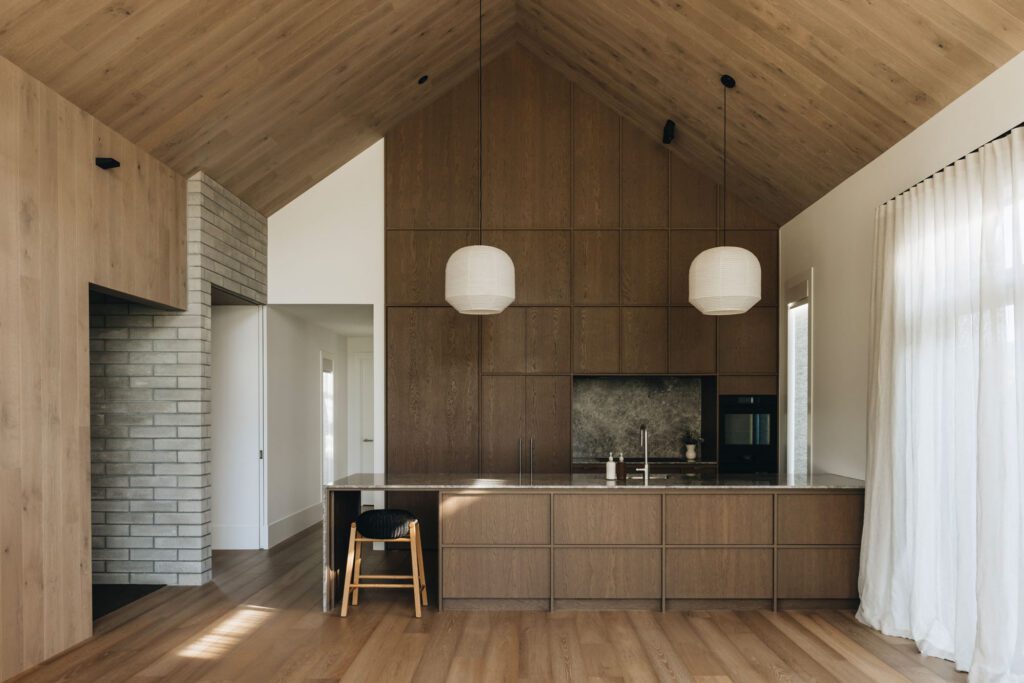
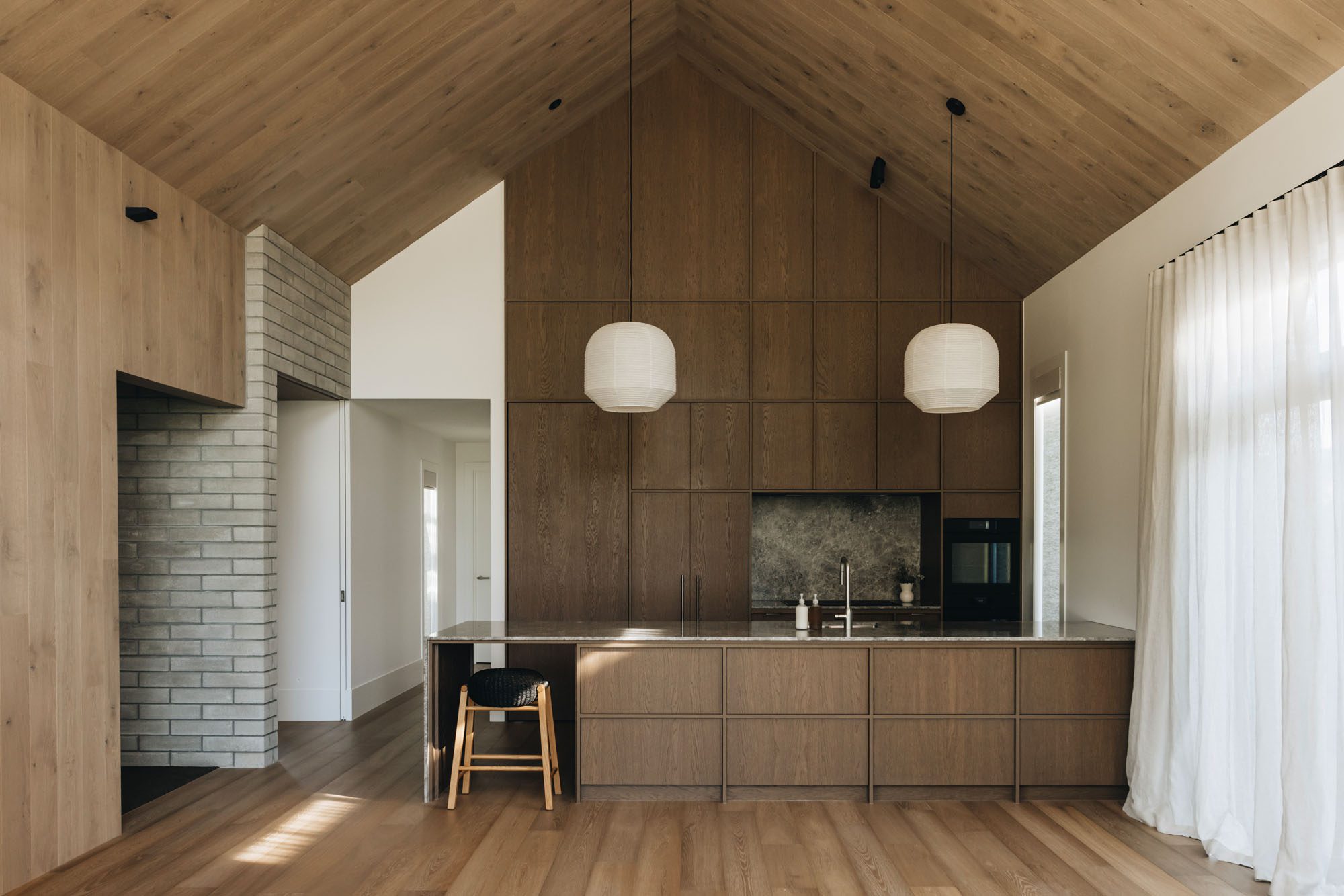
Interior designer Nicola Ross speaks about the full-height joinery, shoji-inspired detailing and quiet material choices behind The Treehouse’s kitchen, and why restraint is not the same as minimalism.
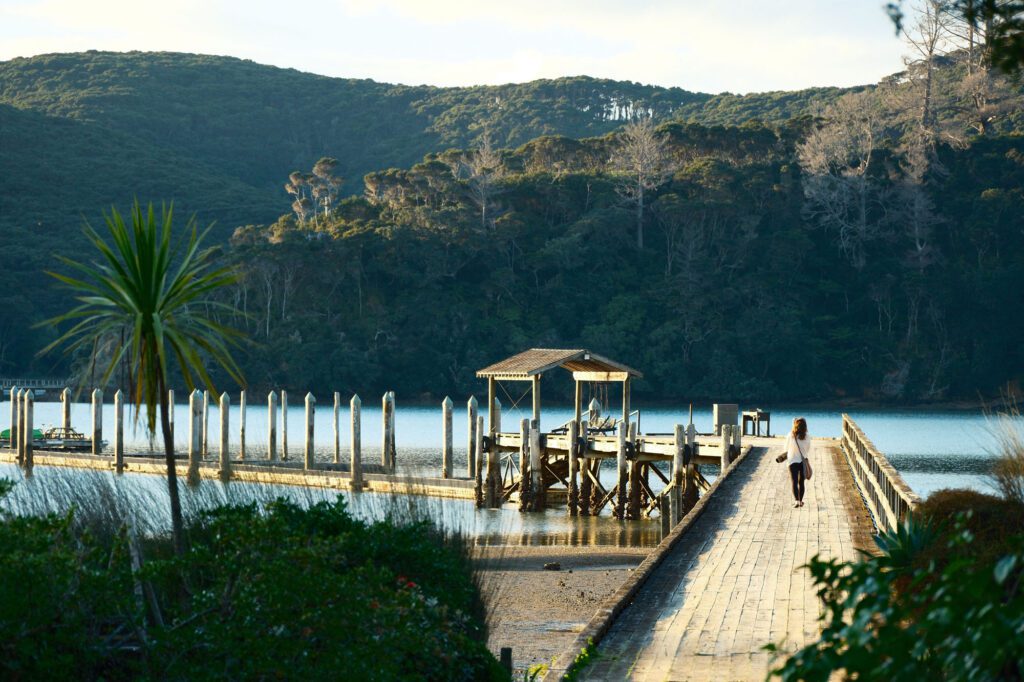
On Kawau Island, a short boat ride from Auckland, Parohe Island Retreat pairs Scandinavian-inspired cabins with native bush and sheltered harbour waters — three-day retreats built around slow food, guided movement, and stillness.
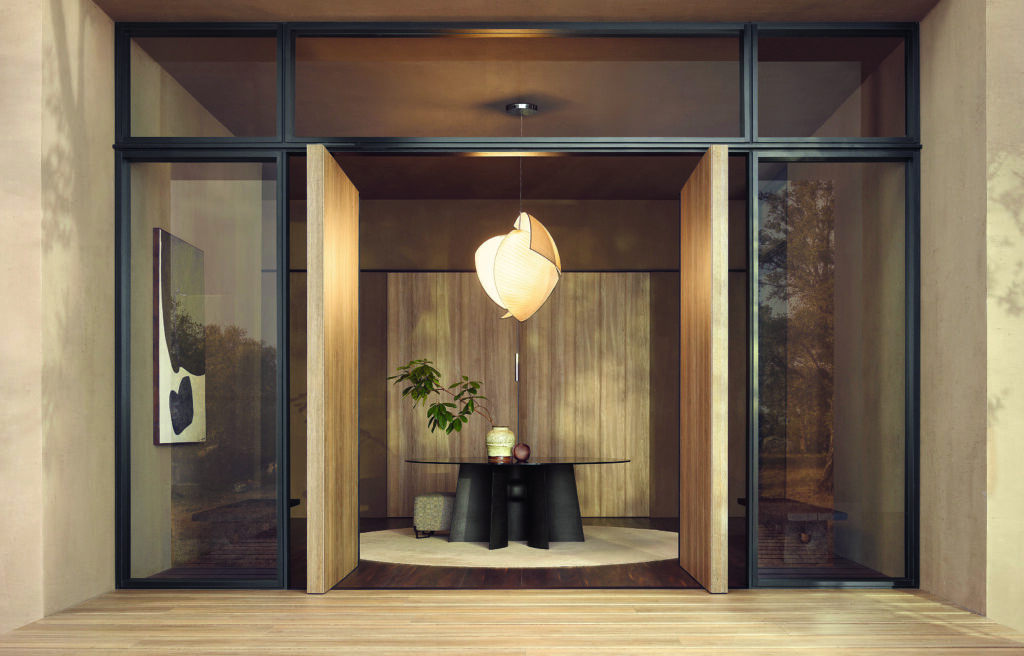
Jean-Marie Massaud envisioned the Kensington table as if it emerged from an art foundry, making its intricate details truly stand out.

Floating like specimens, the pieces in interiors photographer Kelsie Barley’s debut fine art collection are at once intoxicating and disconcerting.
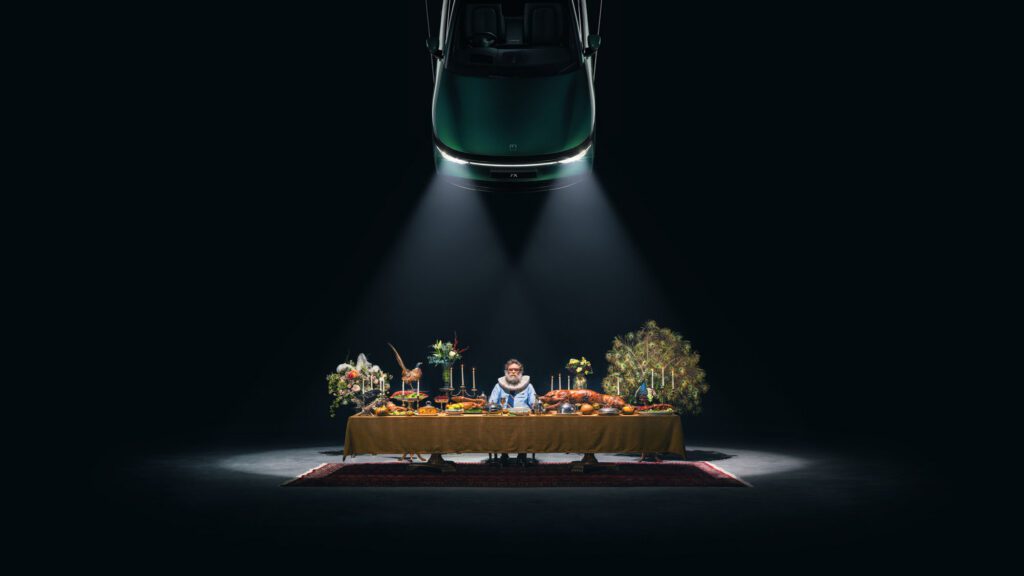
Acclaimed filmmaker and creative Taika Waititi’s debut photography exhibition of seven cinematic works explores a series of different worlds, each beginning in the dark.
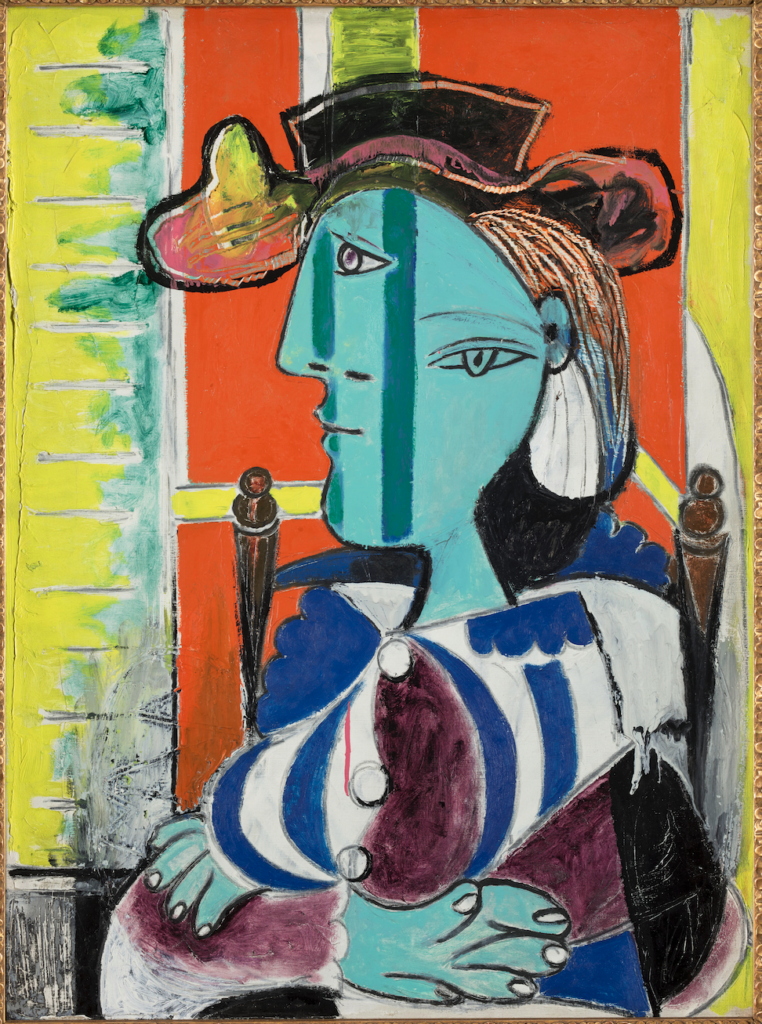
A major exhibition pairing the work of Pablo Picasso with the bold creative vision of internationally celebrated designer Sir Paul Smith opens at Auckland Art Gallery Toi o Tāmaki.
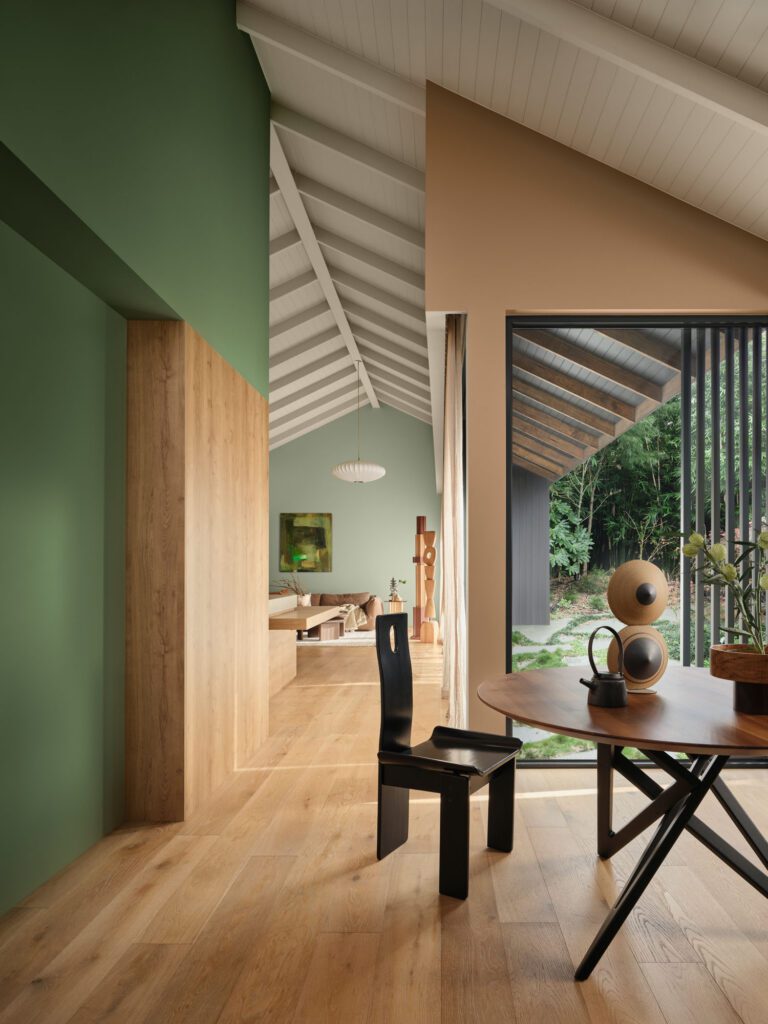
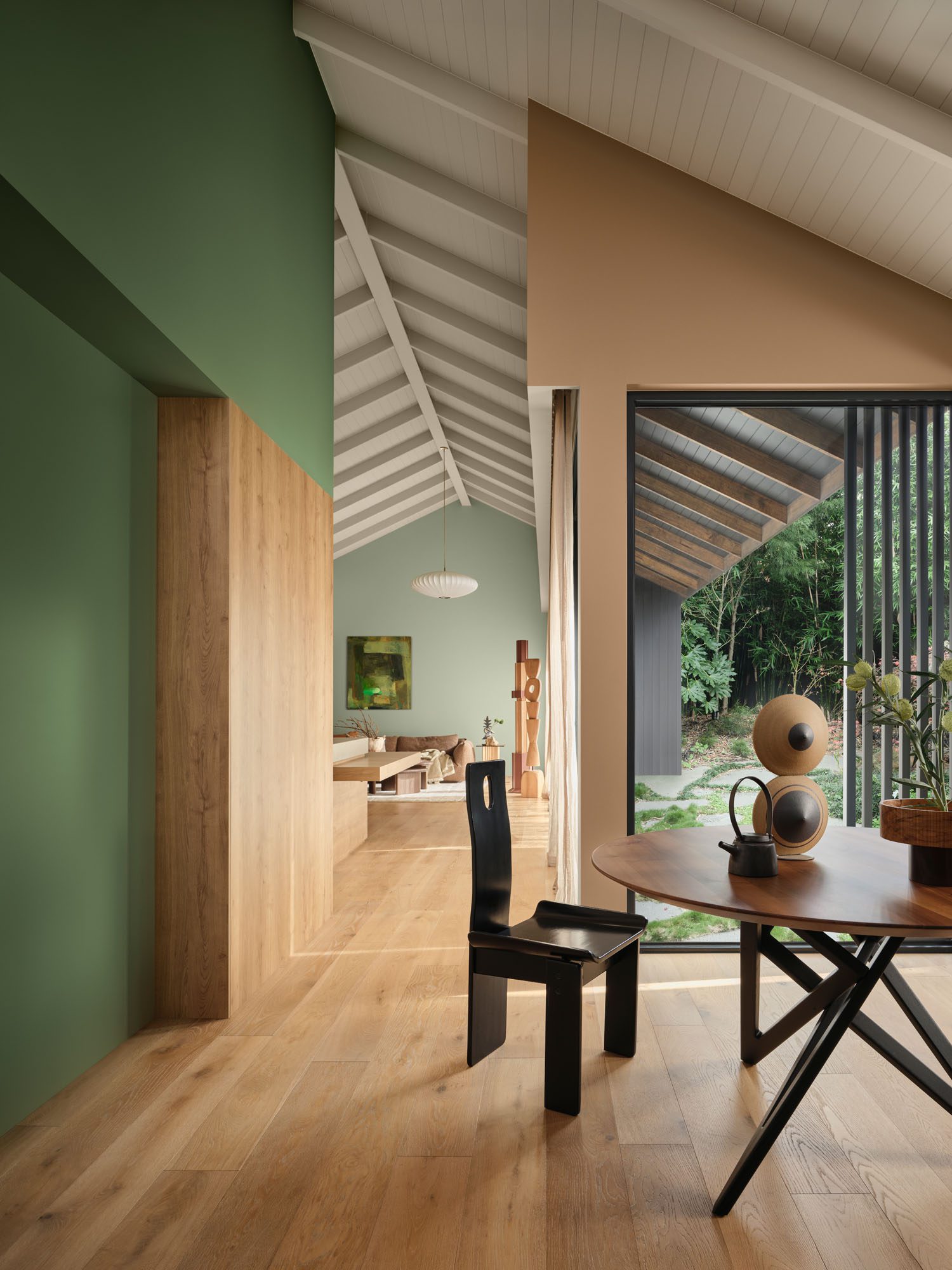
The annual Dulux Colour Forecast is a vibrant exploration of the colours that will shape our homes in the year ahead. With the unveiling of the 2027 forecast, we explore the key themes — intentional creativity and belonging — across three distinct palettes: Play, Sensory, and Treasure.
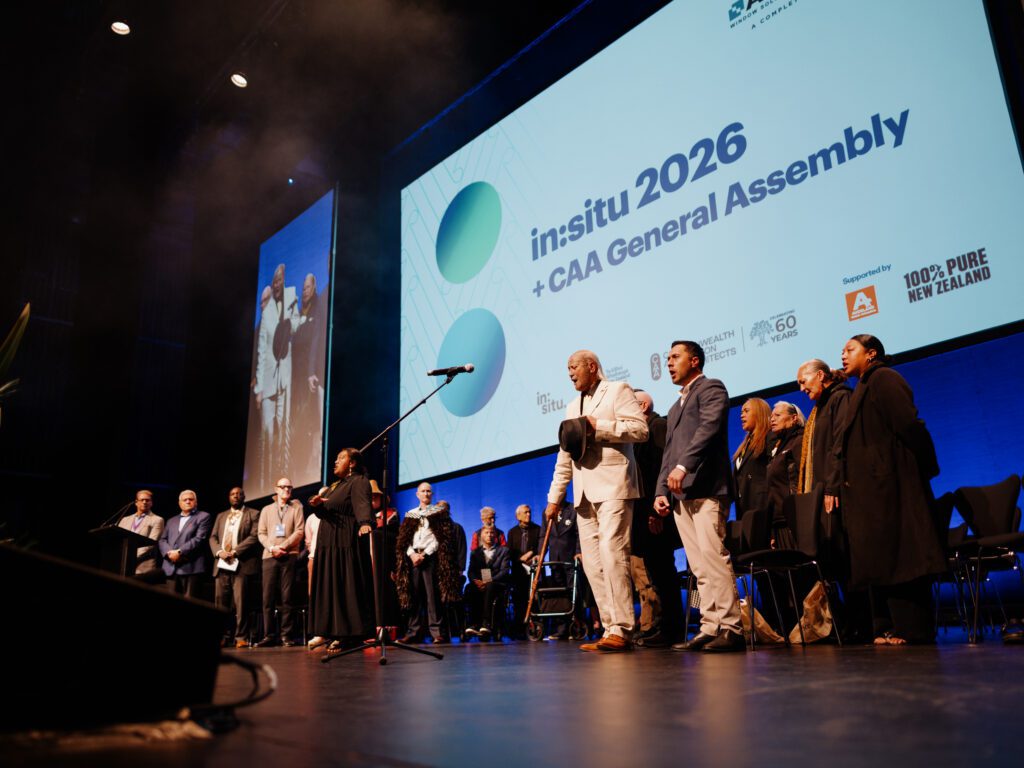
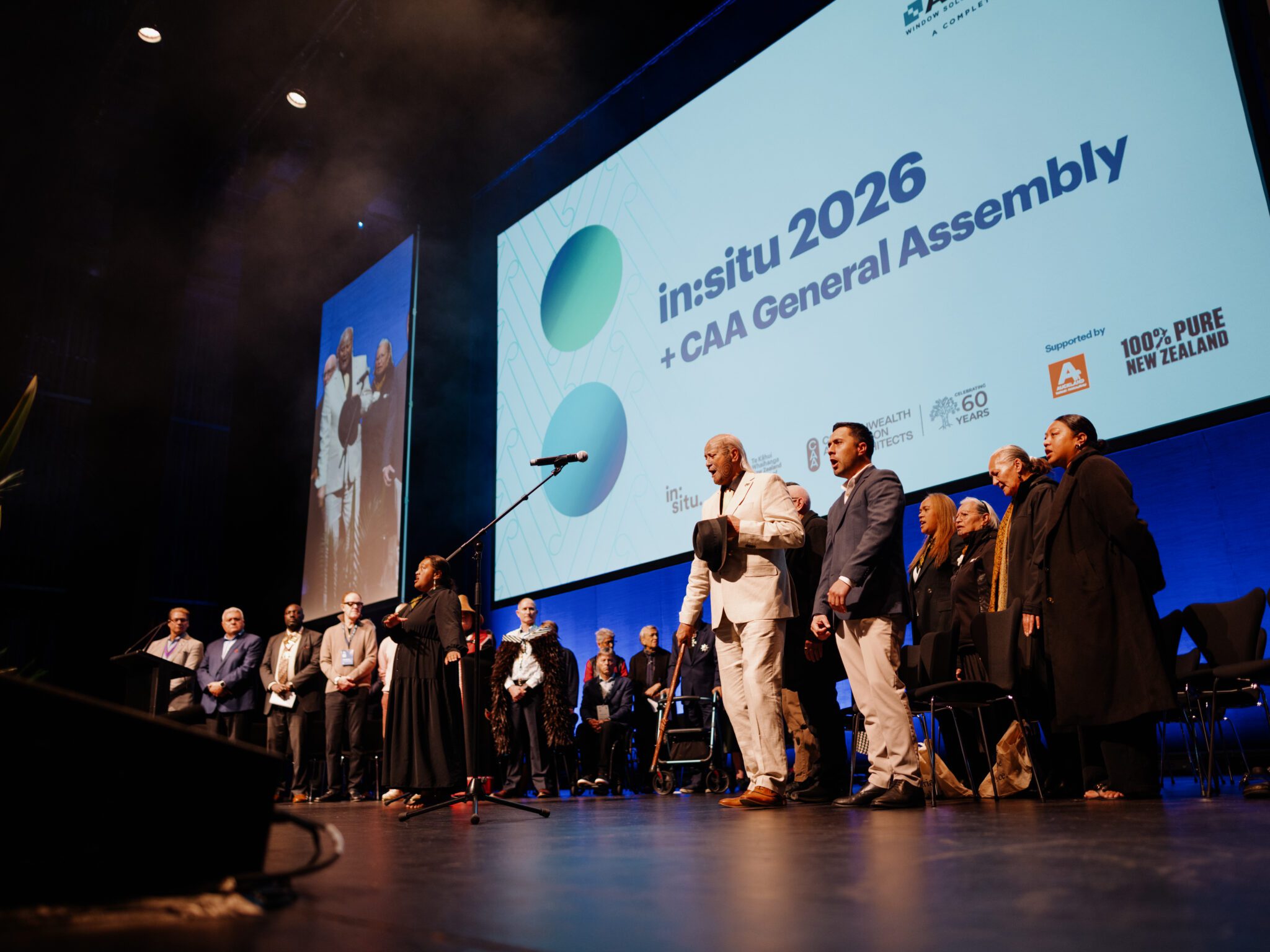
Last week architects, designers, and built-environment leaders from Aotearoa and across the Commonwealth came together for three days of ideas, inspiration, and connection.
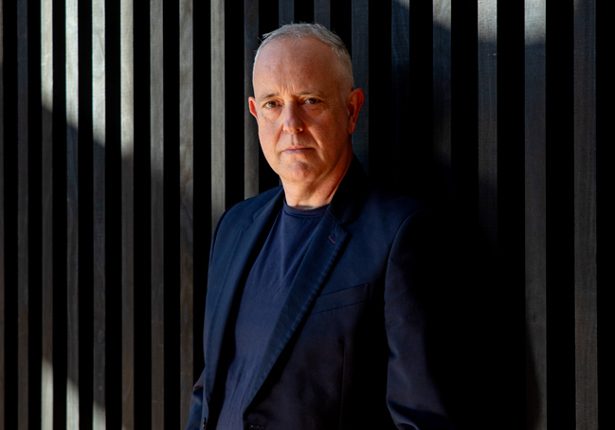
Rich Naish of RTA has just been announced as the recipient of the Te Kāhui Whaihanga NZIA Gold Medal for 2026 — the highest honour the institute presents annually to those working in architecture in Aotearoa New Zealand.
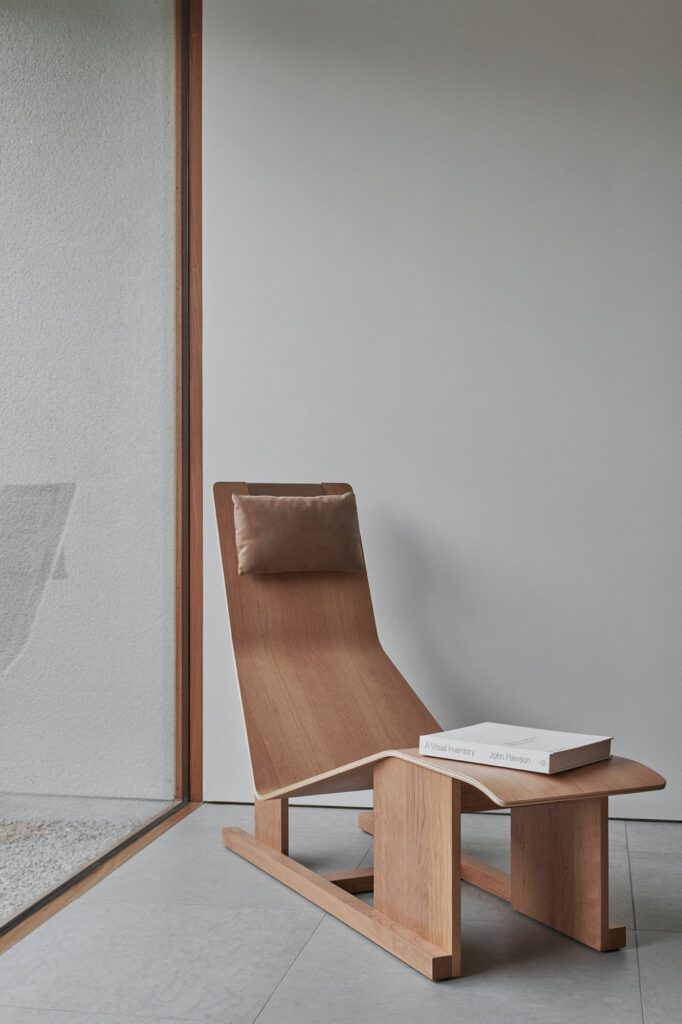
Like the late-afternoon hour it’s named for, the 4PM chaise captures a moment of transition — when the workday begins to soften into evening repose.
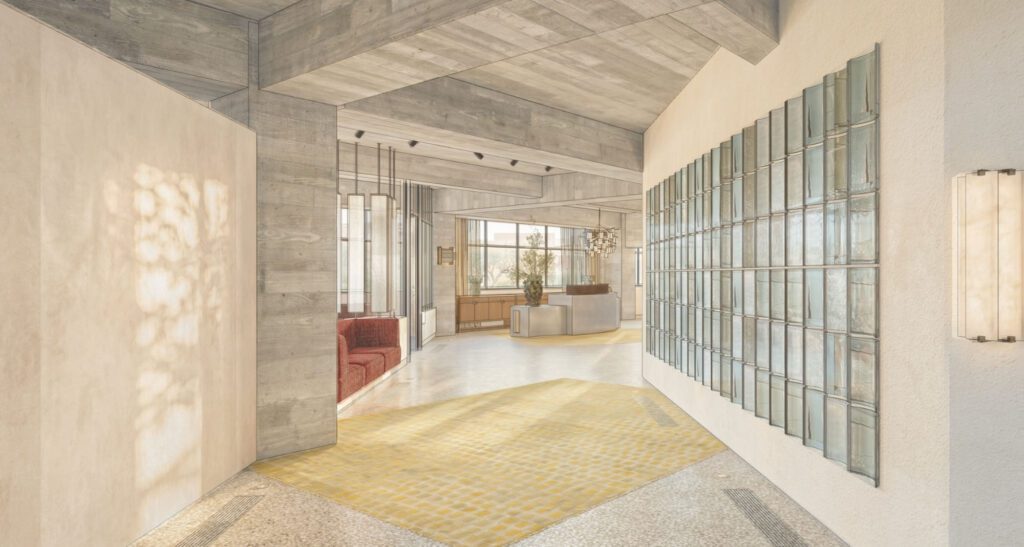
Since 1959, Bledisloe House has anchored central Auckland, its rhythmic concrete grid and board-formed structure embodying the optimism of post-war modernism. As the building enters a new chapter, Alexander &CO. has been appointed to reimagine its interiors with renewed purpose.
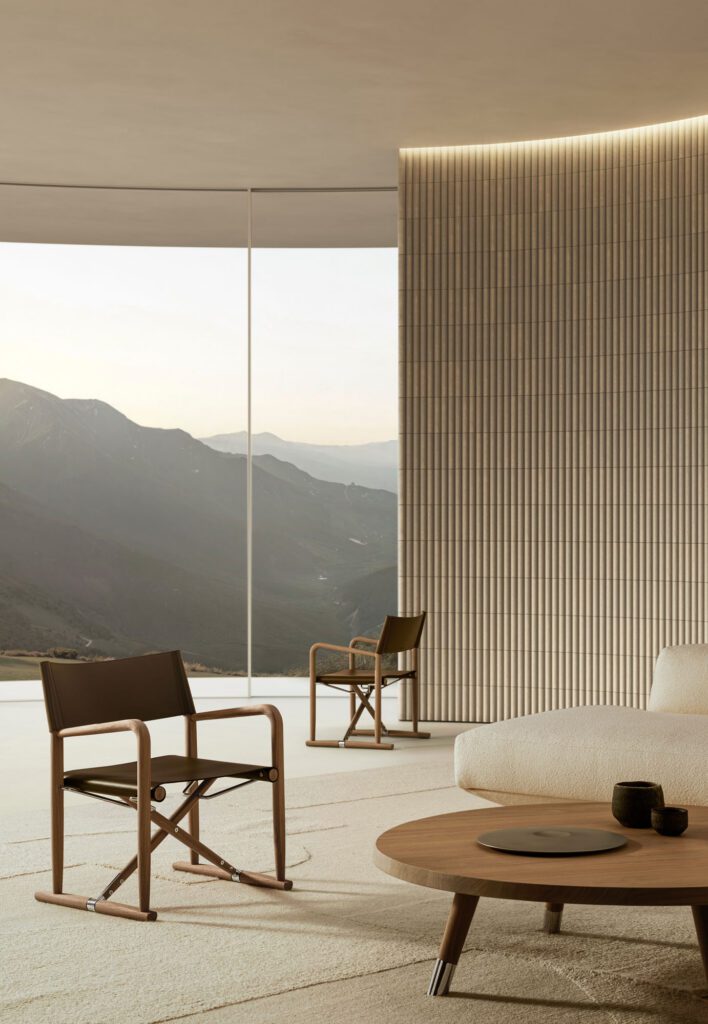
As Studio Italia unveils an immersive new Flexform setting in its Grafton showroom, we explore a collection where refined proportions, artisanal craftsmanship, and exceptional comfort converge — showcasing both the latest releases and the enduring icons of the Italian design house.
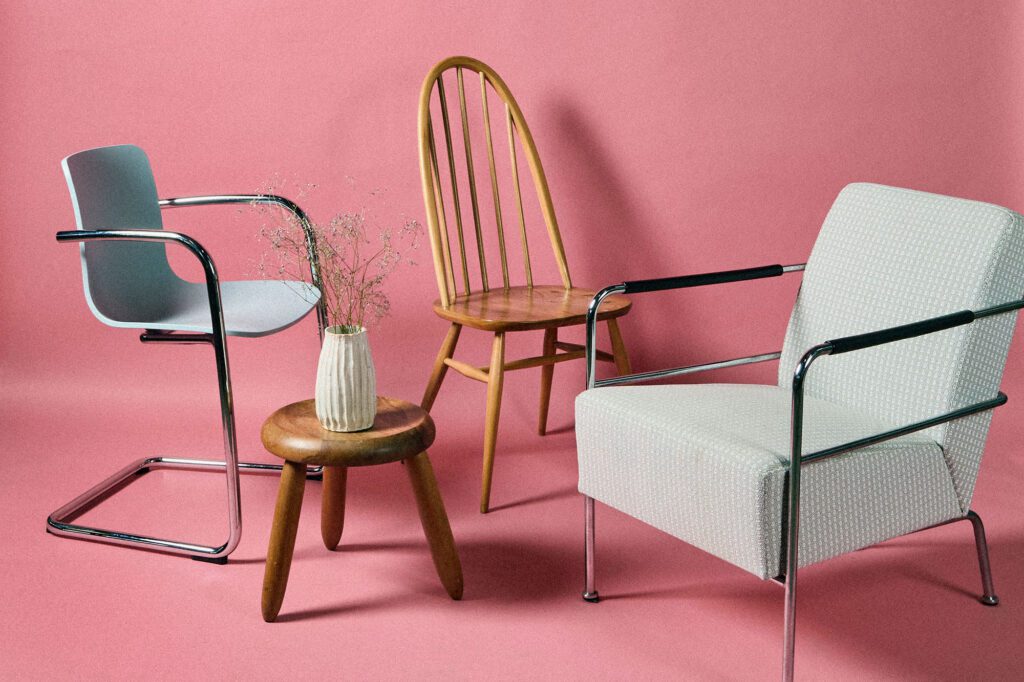
Time is the judge of great design. Longevity, in both aesthetic appeal and quality, remains one of the surest measures of whether an object has achieved design’s imperative to stay relevant and useful.
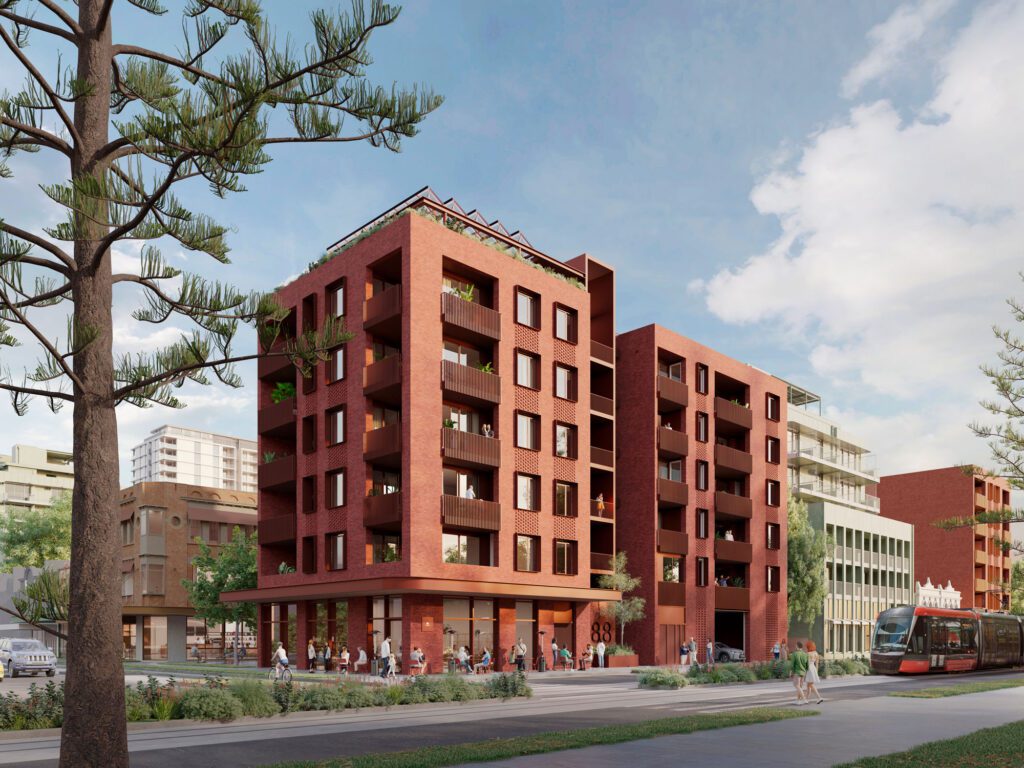
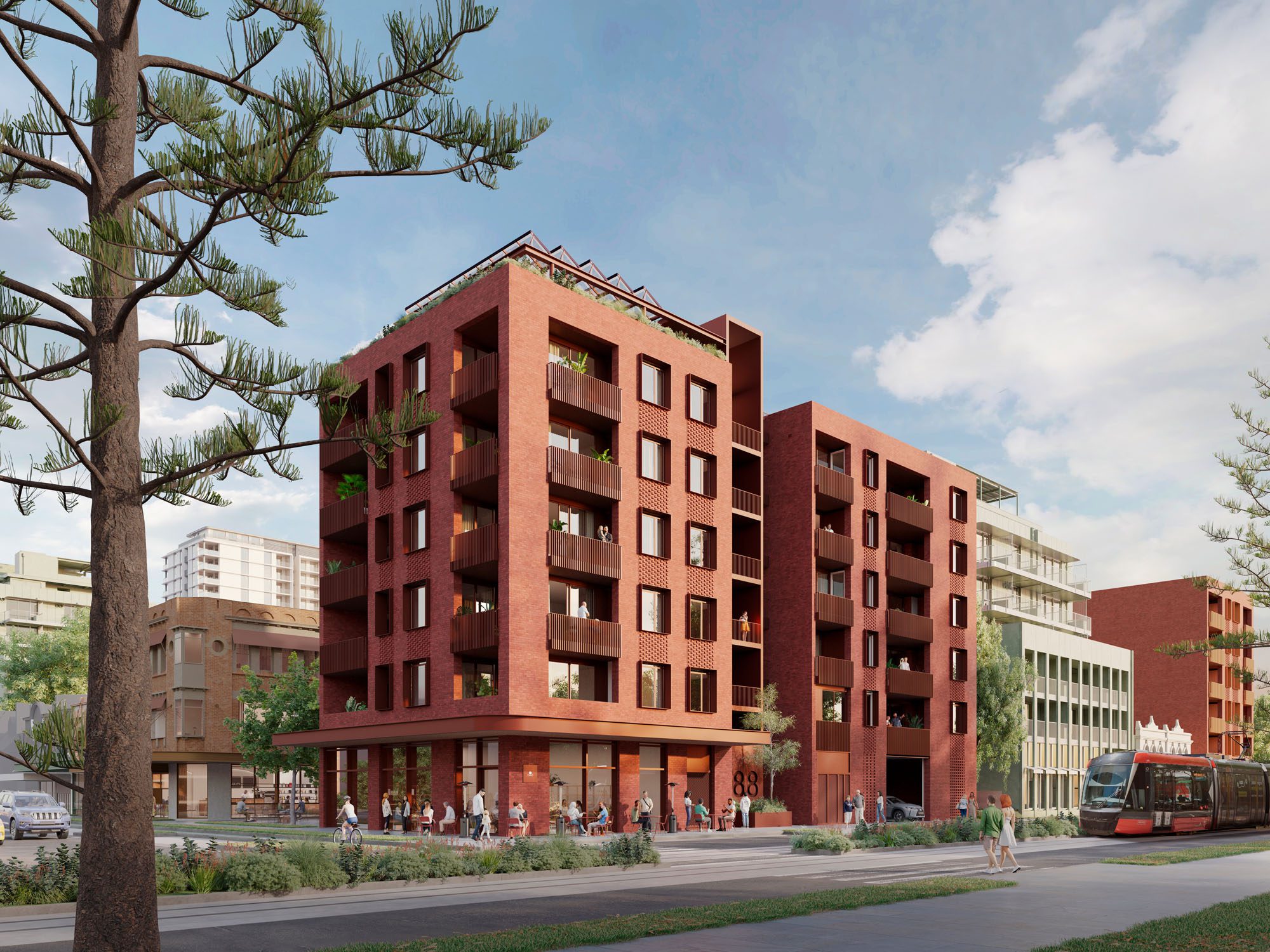
Cities across the globe face an ongoing challenge: how to deliver density that makes our cities better places for people. This is a complex and deeply consequential task. Are our current planning systems up to it?
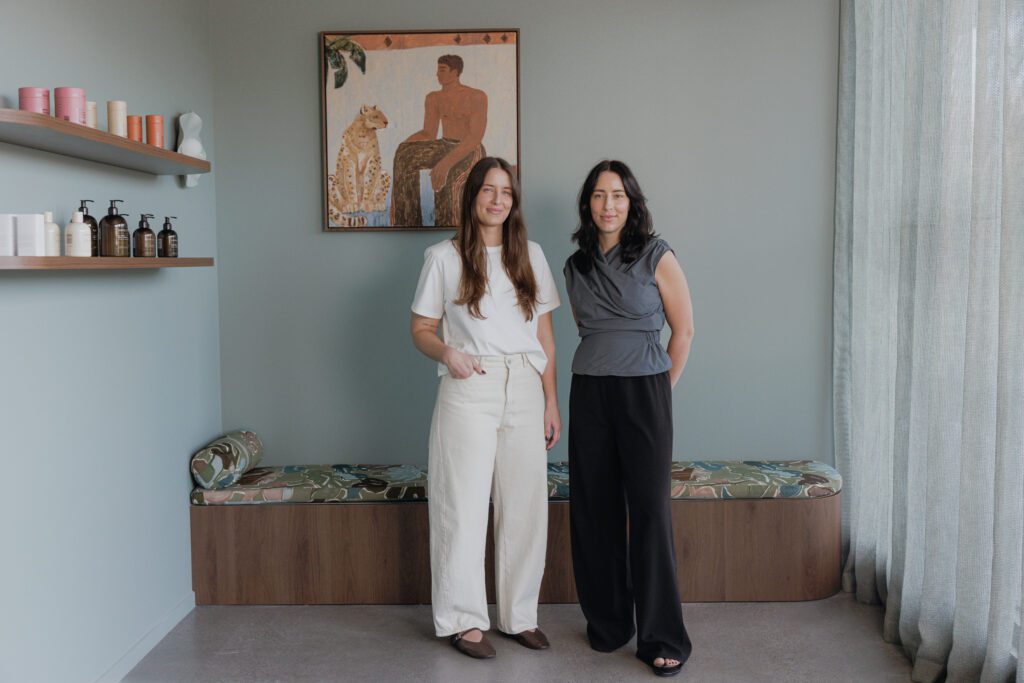
At Waihi Beach, a new wellness destination reimagines the familiar language of contemporary recovery spaces.
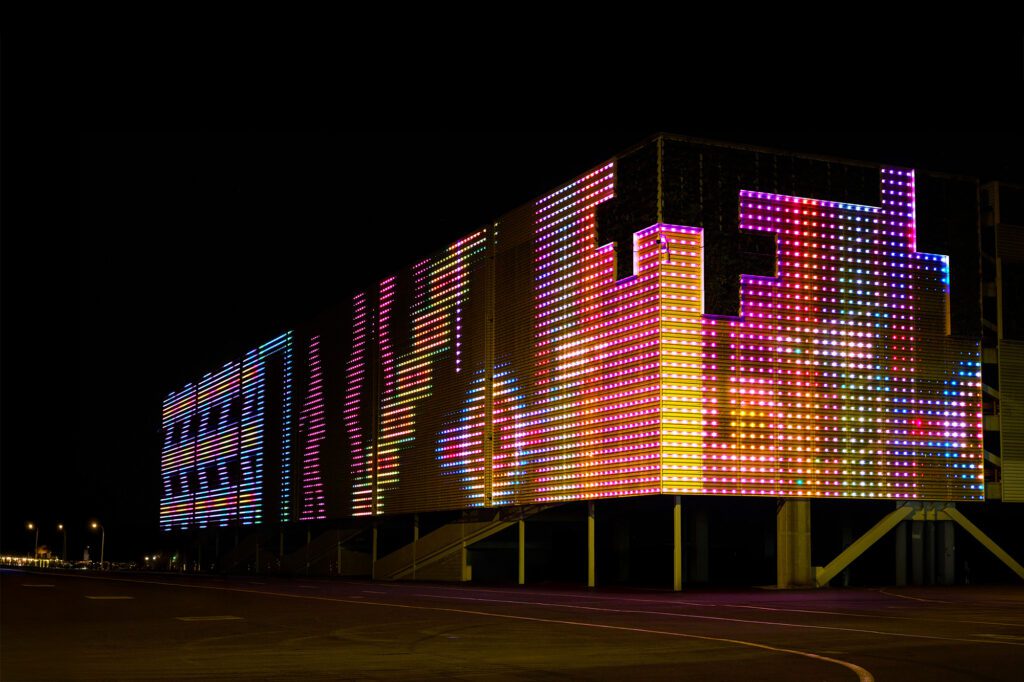
This spring, The Lightship returns with First Light, a year-long programme that opens with new works by three leading wāhine Māori artists.
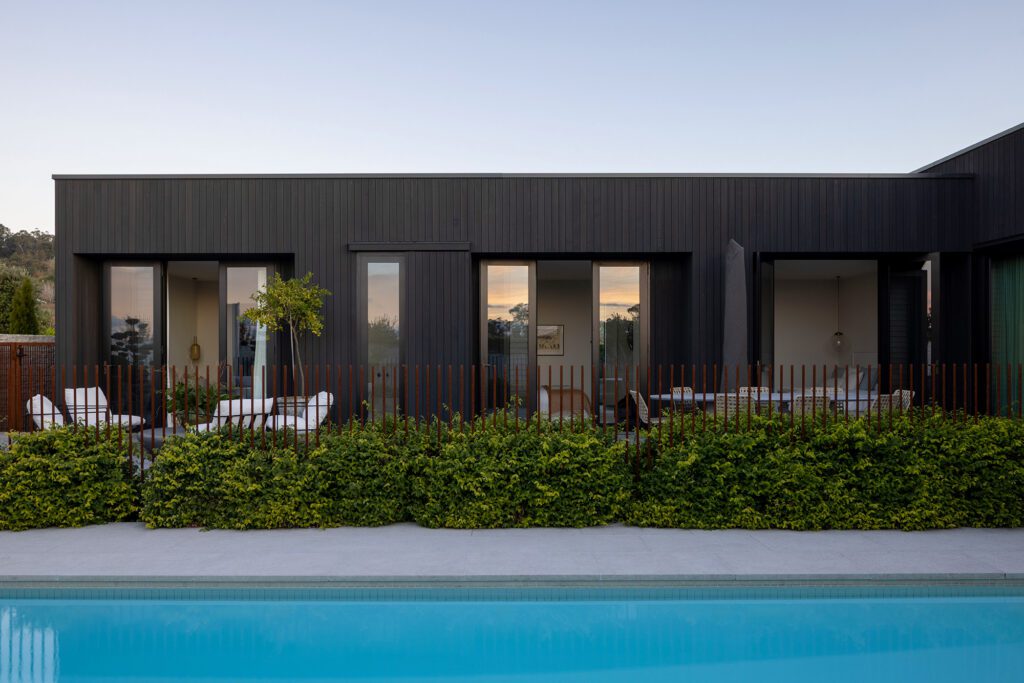
With a nod to the mid-century, this contemporary farmhouse set among vineyard-covered hills speaks to its rural setting.
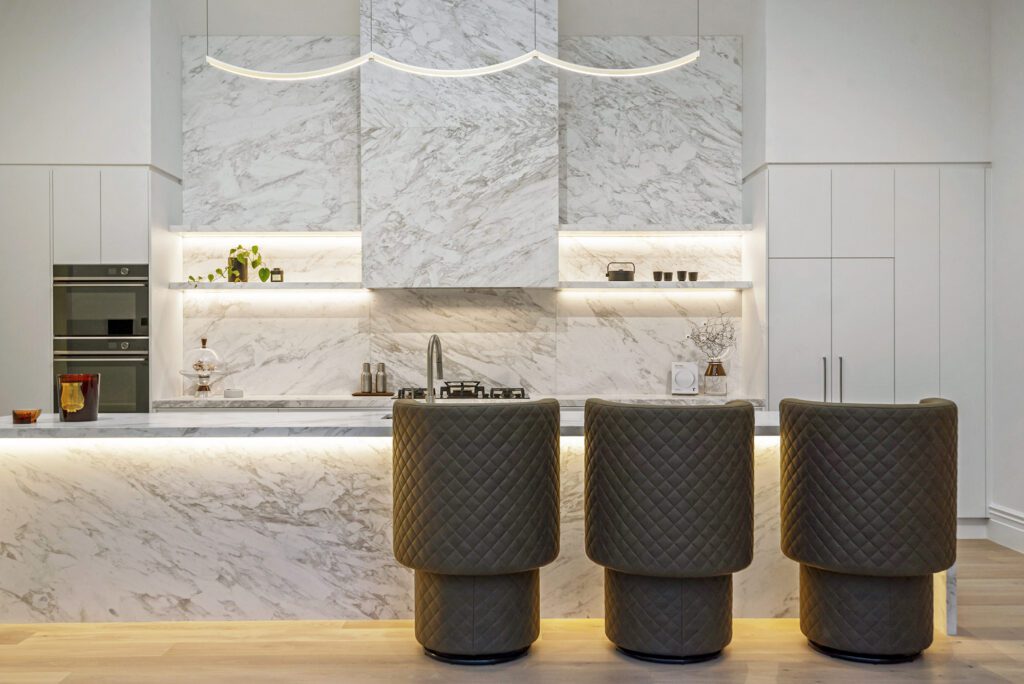
There is a point in every renovation where new and old have to decide how they will live together. In this meticulously reimagined Ponsonby villa, that conversation settles around a single material.
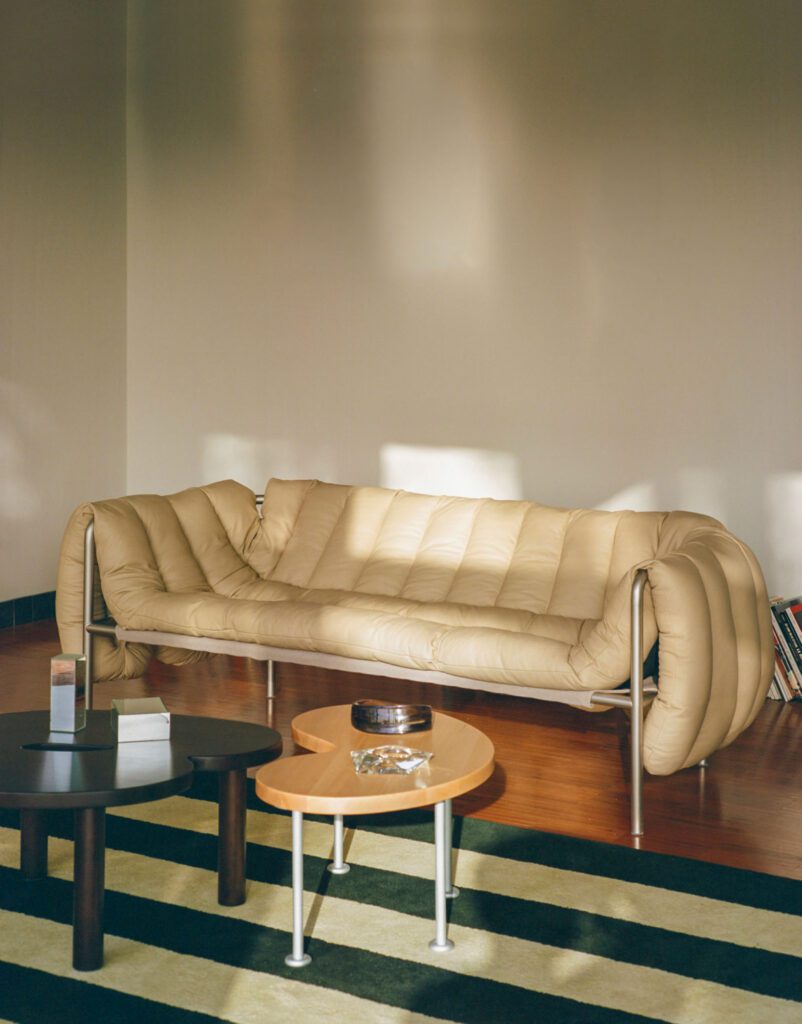
Voluminous and plush, the Puffy series is designed for sharing, offering maximum impact and extreme comfort.
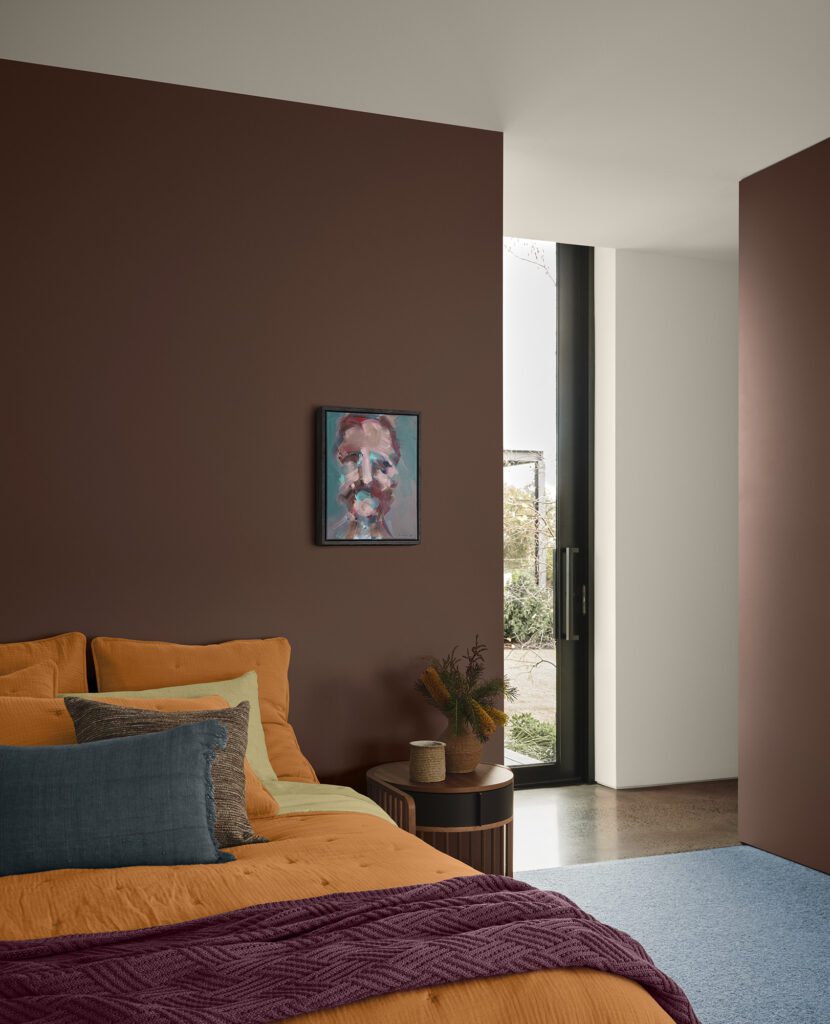
As the cooler months have taken hold, rich, grounding colour is redefining our spaces as a retreat from the outside world.
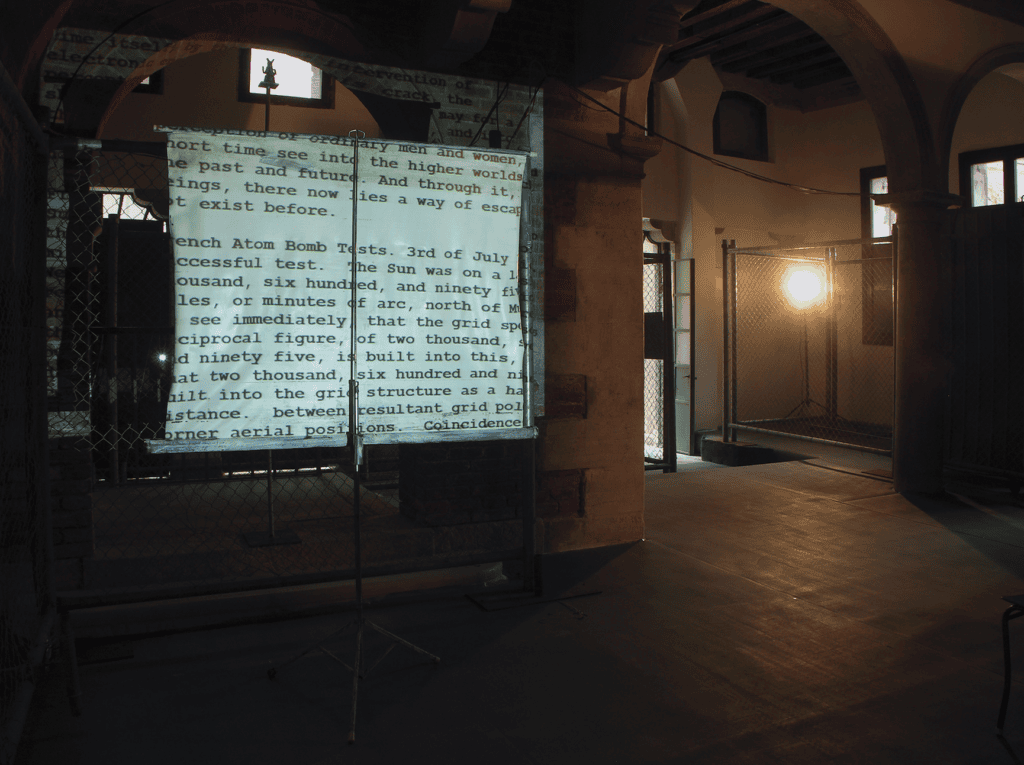
First exhibited as New Zealand’s official presentation at the 2005 Venice Biennale, et al.’s major installation the fundamental practice will be on display in its entirety for the first time on our shores at Auckland Art Gallery Toi o Tāmaki.
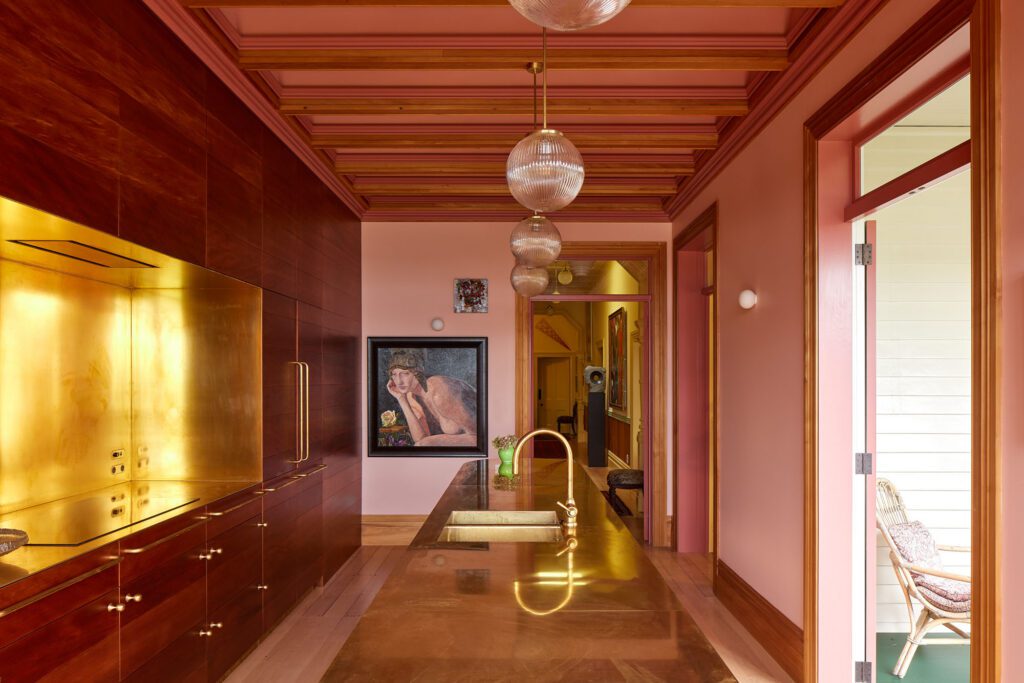
Pac Studio has long demonstrated a distinctive command of colour, deploying it with confidence and nuance in ways that feel both unexpected and entirely at home.
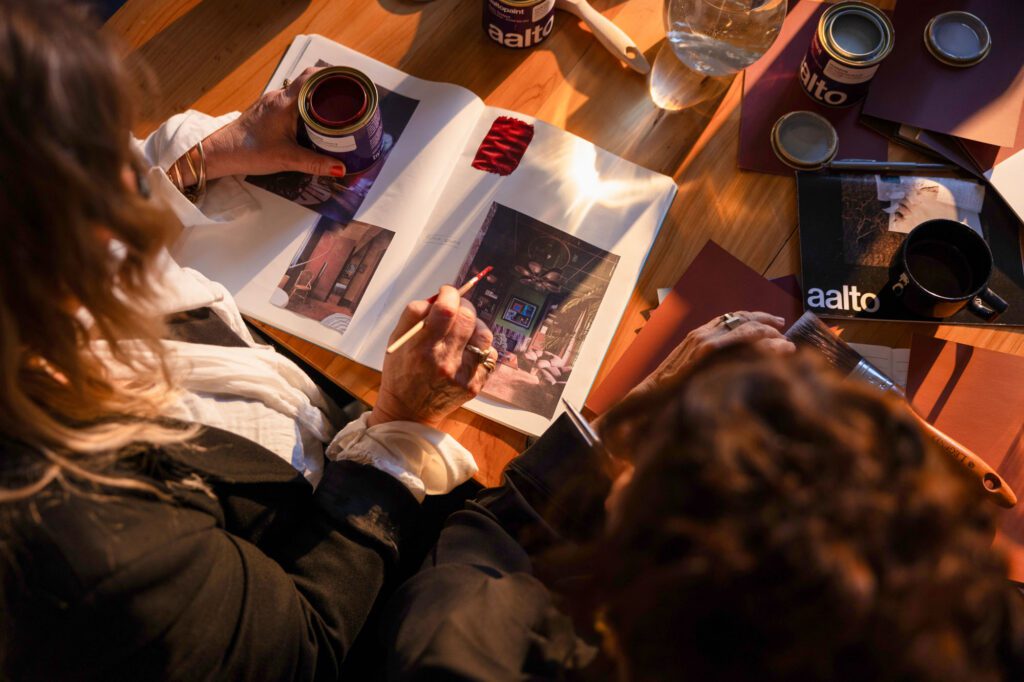
Aotearoa’s design community is often celebrated for the quality of its work, but less frequently for the relationships that sustain it. ‘In Good Company’, a new short film series by Powersurge, turns its attention to the creative exchanges behind the work.
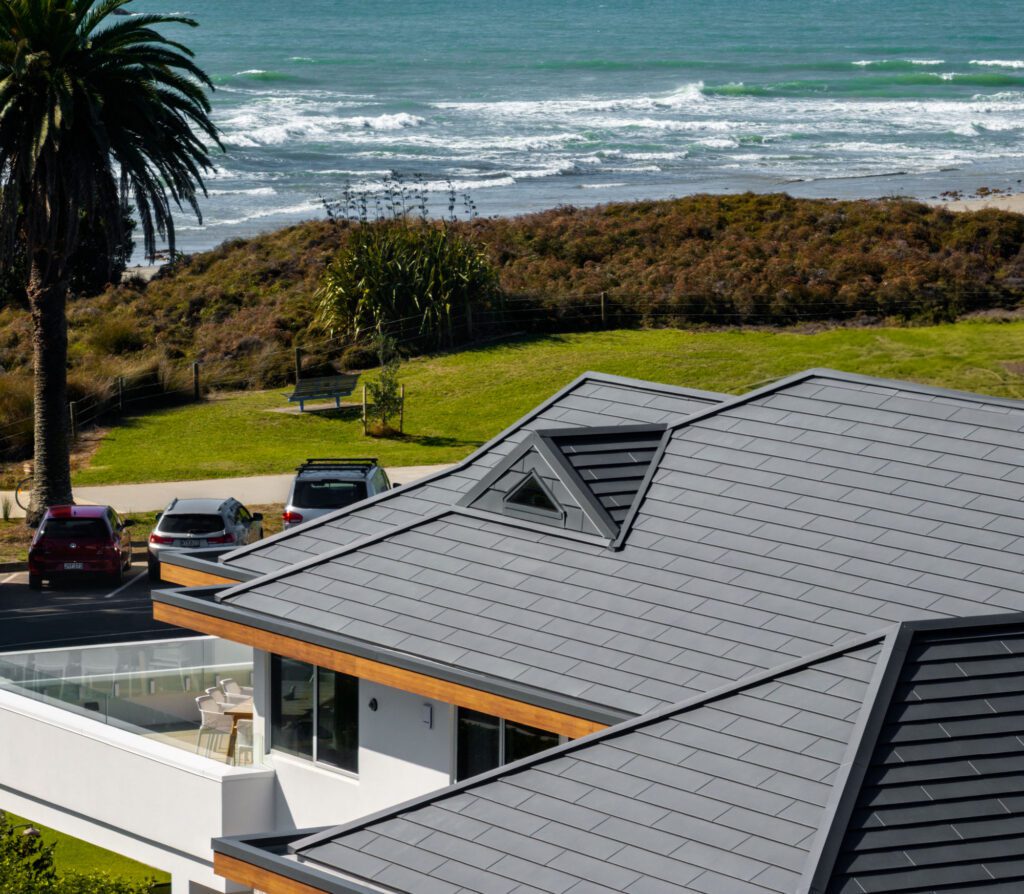
Architecture is often discussed in terms of spatial experience and context, yet it is the roof that frequently provides a building with its defining silhouette.
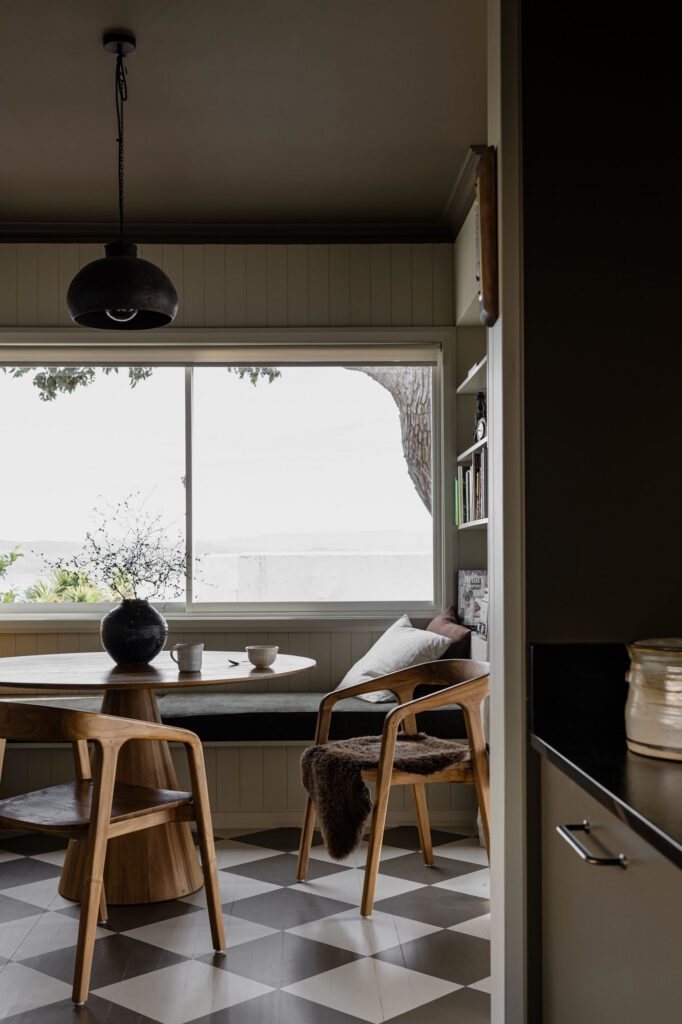
At North Tree Cottage, winner of the Resene Colour Award 2026, it is not the view of Napier Port or the layering of earthy tones that first draws the eye, but the painted chequerboard floor that leads from the front door through the home.
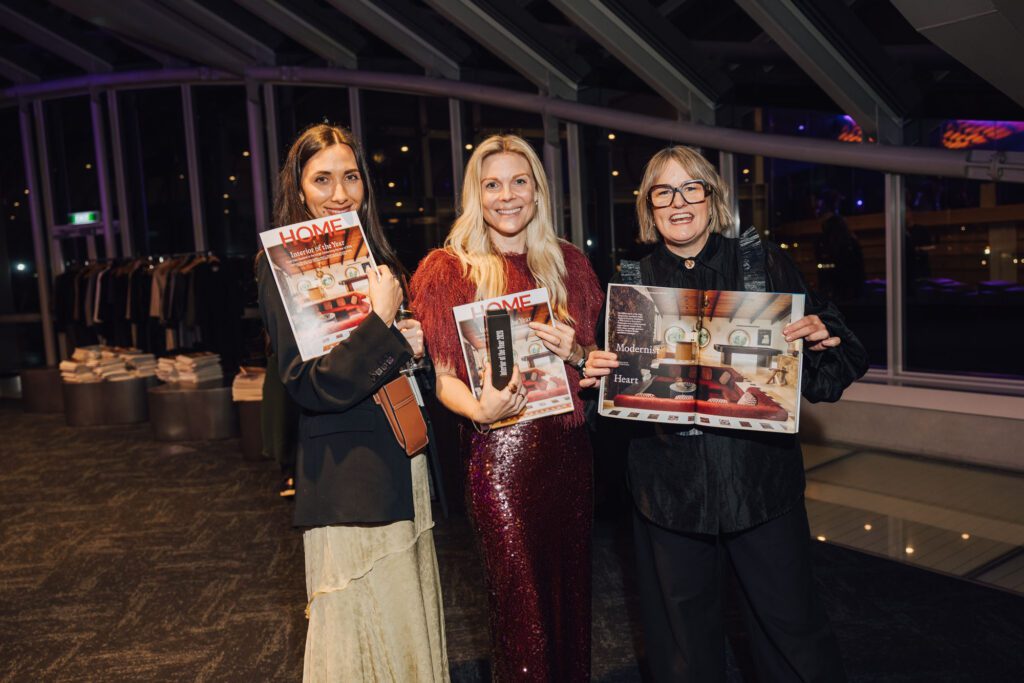
On Thursday 30 July, more than 400 architects, designers, industry partners and friends gathered beneath the Dome at Auckland Museum to celebrate the very best of New Zealand interiors at the 2026 Interior of the Year Awards.
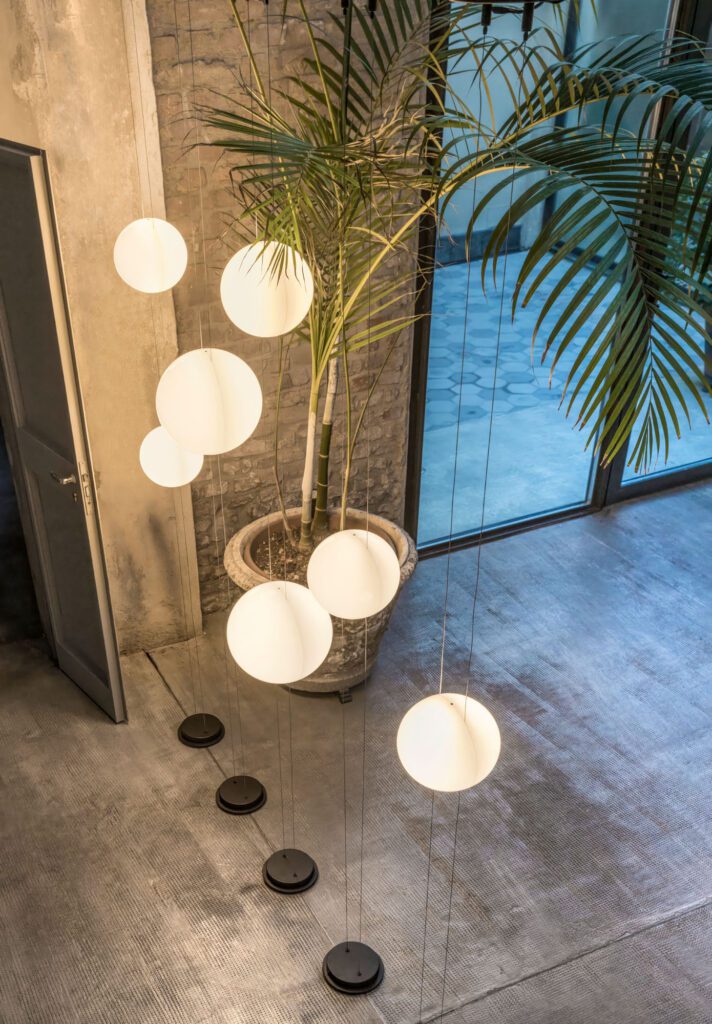
Like a sun rising and setting, the Orbit lamp is clean and essential.
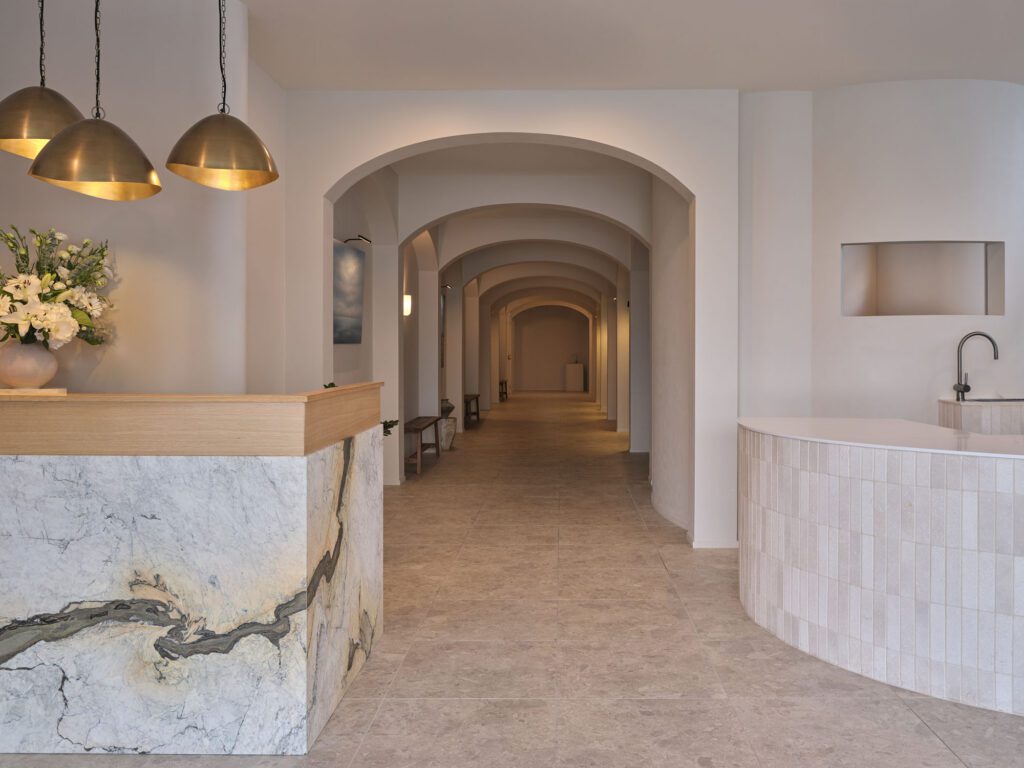
If the 2026 Interior of the Year Awards revealed anything about the state of surface design in Aotearoa, it is that natural clay and lime plaster is quietly everywhere.
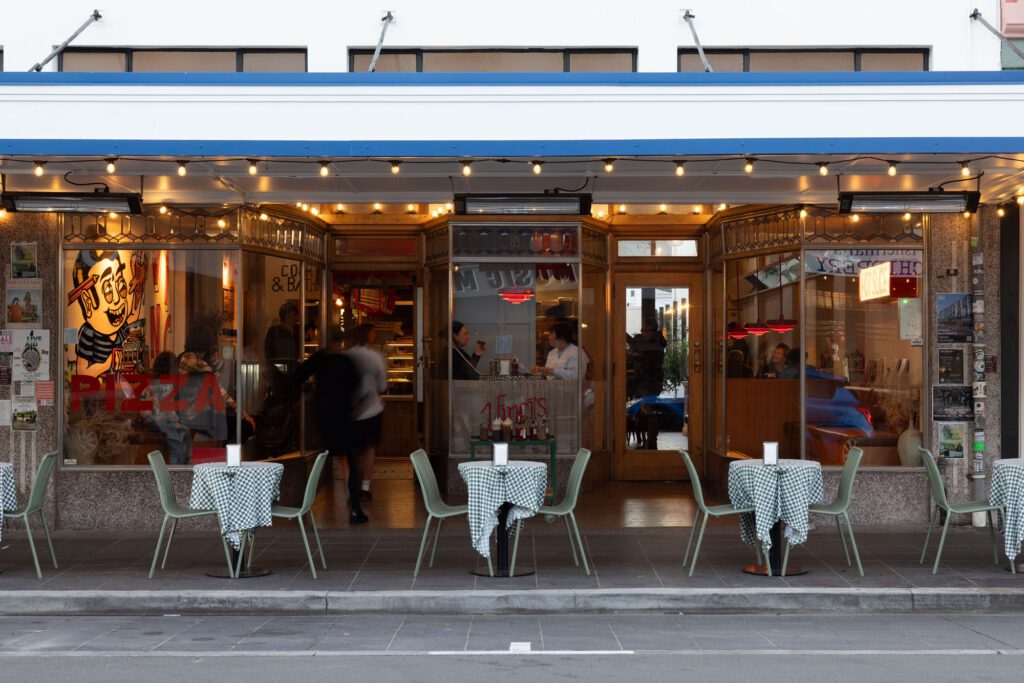
There is a particular kind of colour problem that hospitality designers rarely admit to: the room that already works.
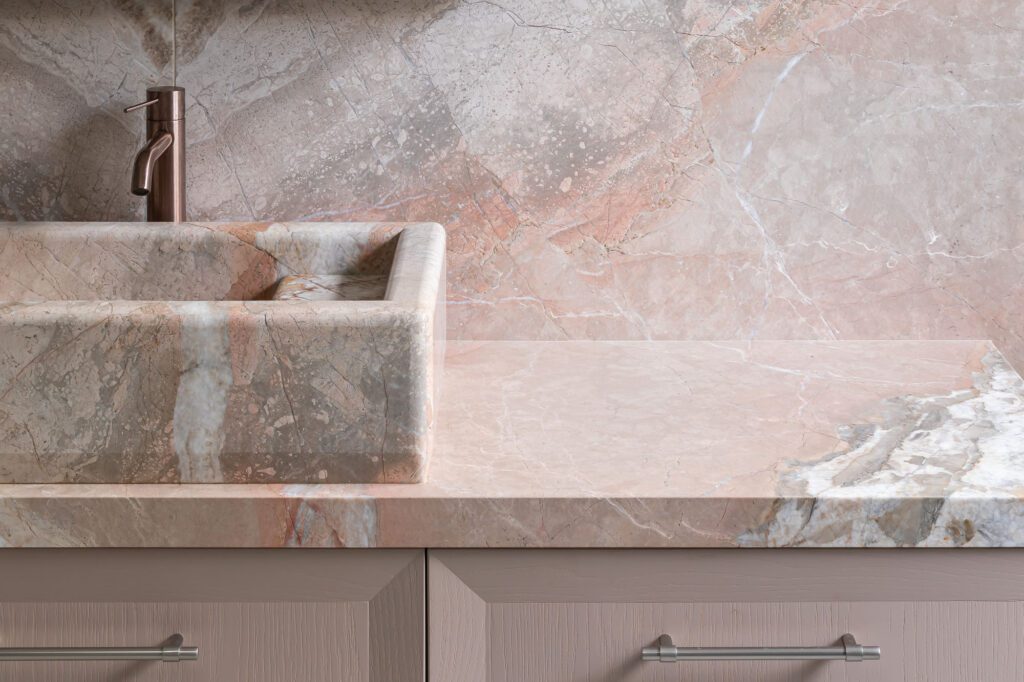
Natural stone is often the defining material within a home, carrying weight far beyond its practical function. It brings permanence, texture and individuality, with each piece entirely unique. Realising that potential calls for more than a discerning eye.
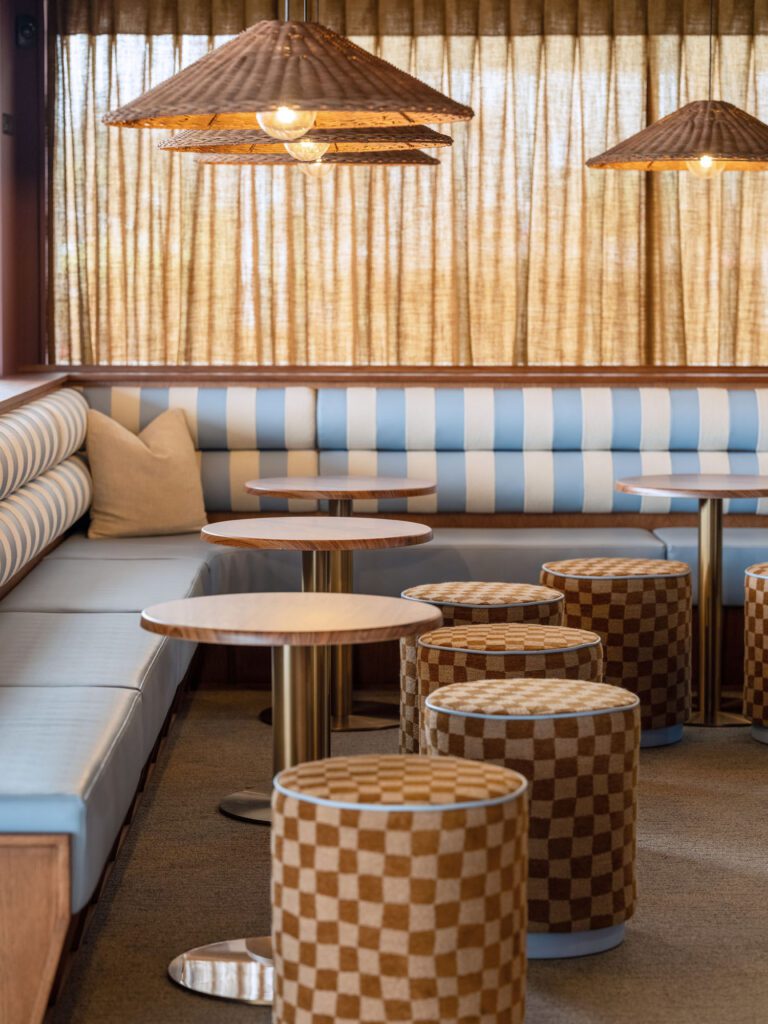
Colour is one of architecture’s most expressive materials. Here, we explore the Resene palettes used in two Interior of the Year finalists where bold gestures and sumptuous detailing combine to deepen the spatial conversation.
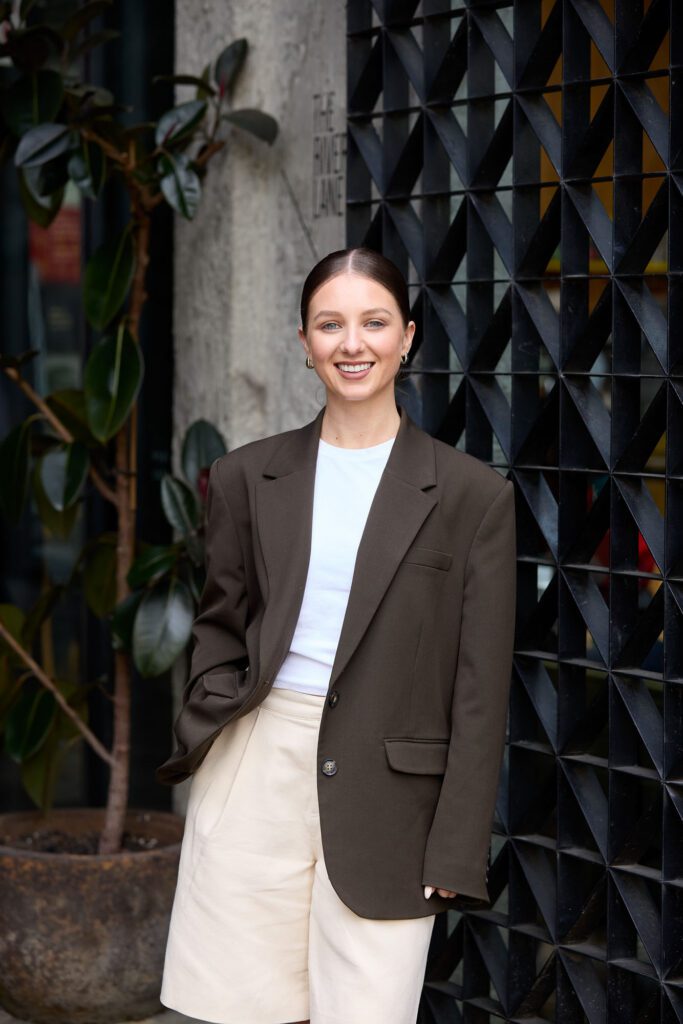
Georgia Duncan’s trajectory has taken her from graduate to principal and, most recently, shareholder at Edwards White Architects, the Hamilton-based practice she joined straight out of university.
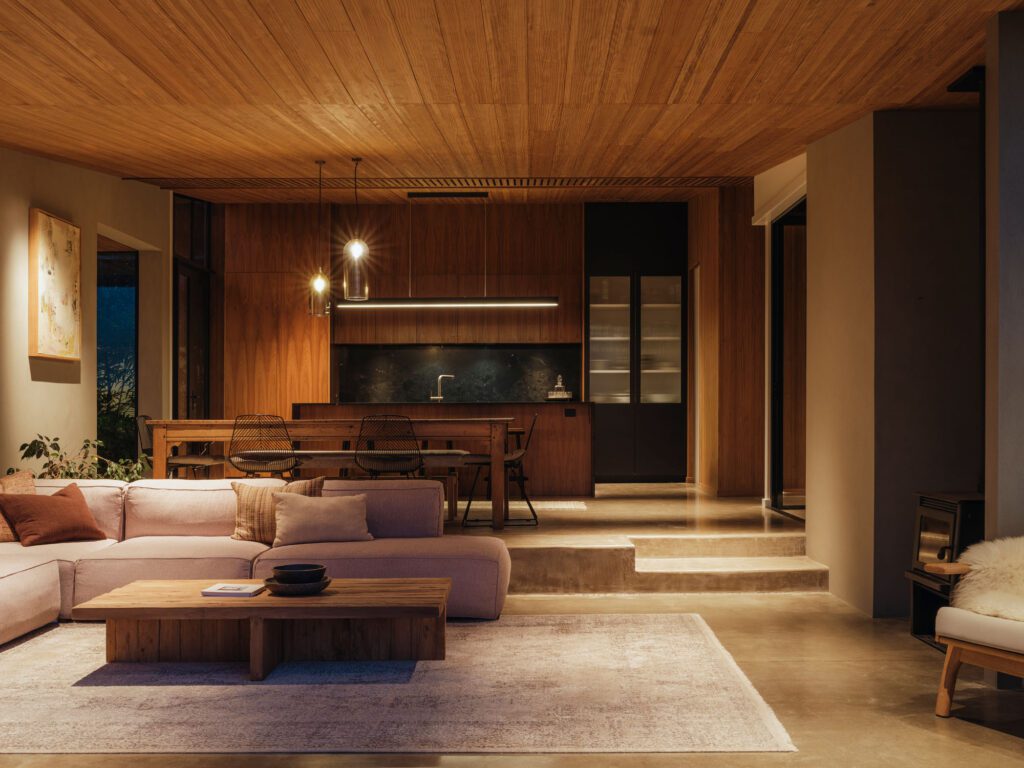
In the Coatesville hills, architectural designer Jeremy Chapman of JCA Studio composed a material palette of natural, tactile elements to form an interior that gently speaks to the idyllic rural landscape.
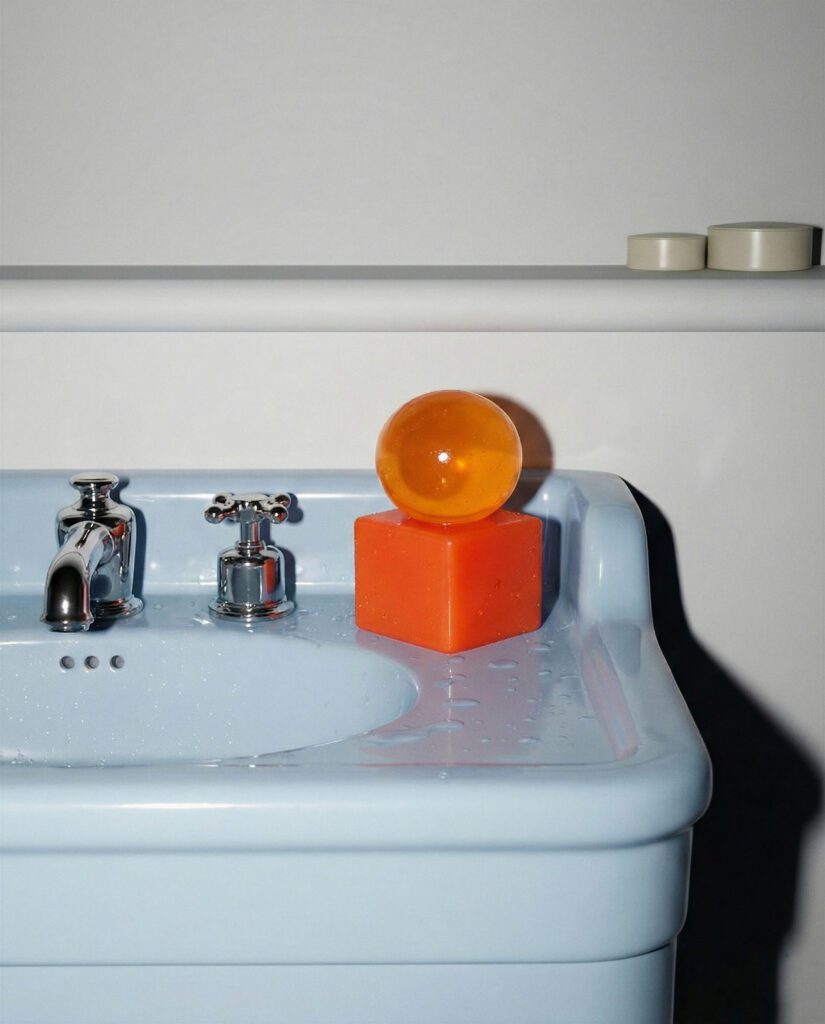
Everyday objects seldom seek our attention. Soap, more than most, is made to vanish. With the OBA Soap collection, Danish designer Matias Moellenbach reimagines this essential, shaping it into a sculptural form that sits quietly between product design, ritual and art.
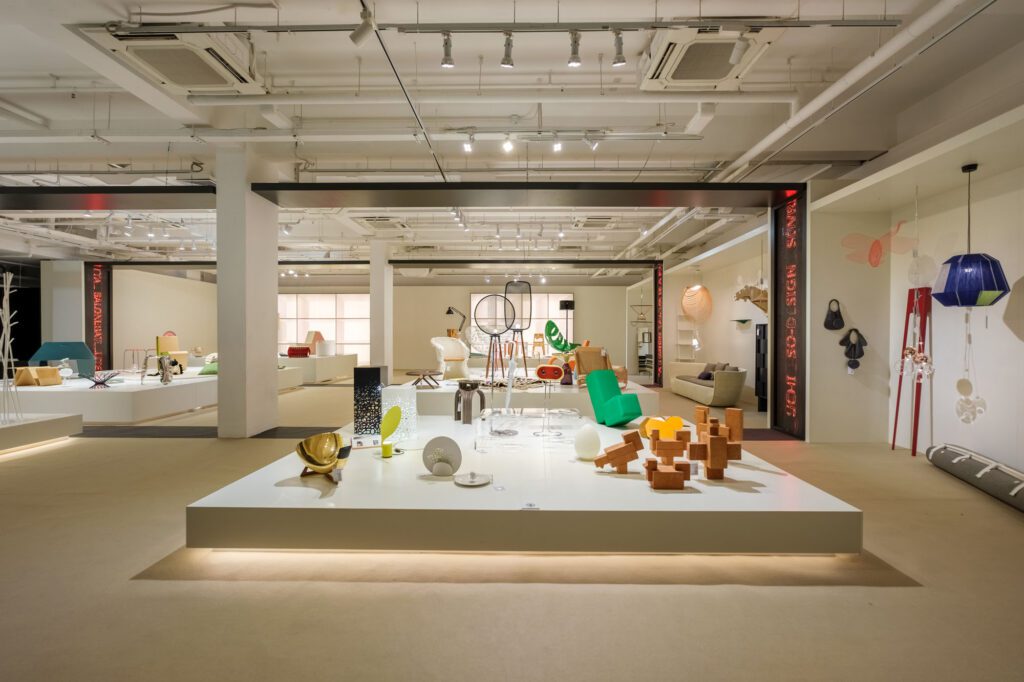
This September, Salone del Mobile Milano opens a new chapter as the SaloneSatellite Permanent Collection touches down in Jakarta, the first destination on its global tour.

New Zealand skincare brand Emma Lewisham has received an endorsement rarely seen in the beauty industry, with Nobel Prize-winning physician and molecular biologist Dr Peter Agre publicly recognising the company’s scientific approach.
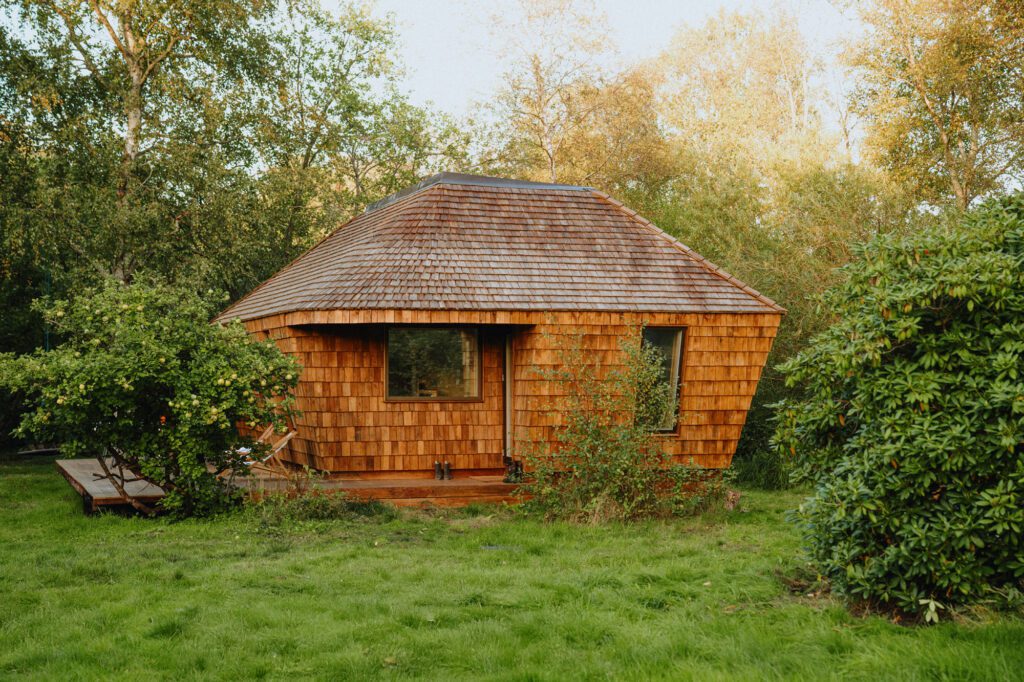
Renowned for its work in architecture for extreme environments, the Copenhagen and Hanoi-based studio presents EcoNeo: a 35-square-metre summerhouse that brings the principles of space-habitat design to daily life.
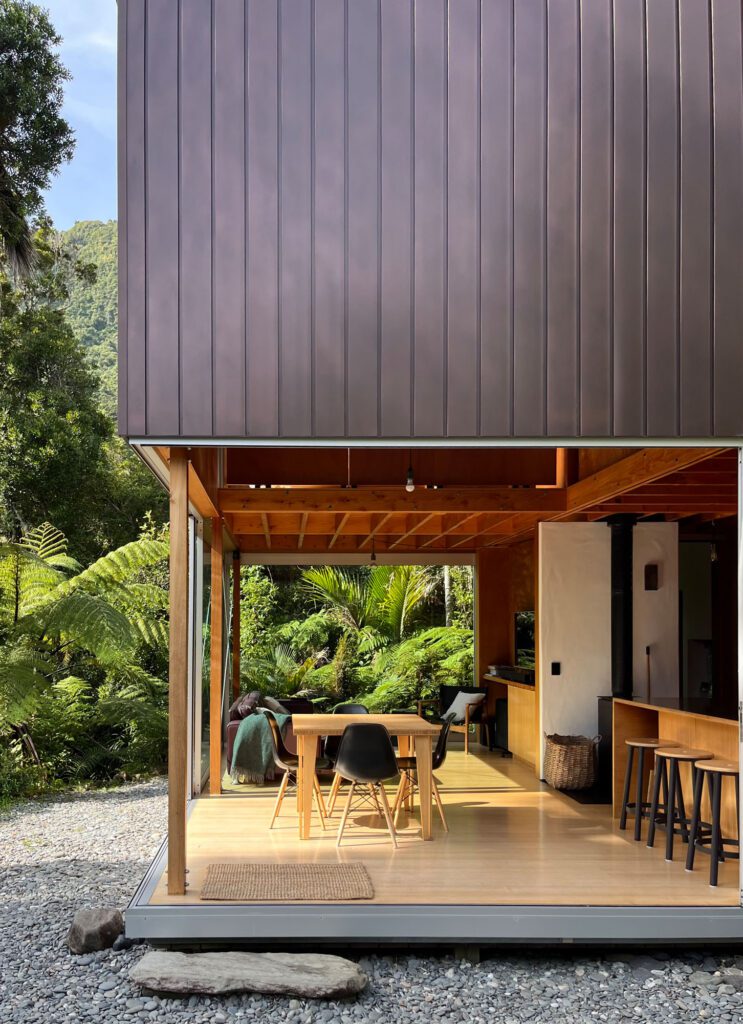
Hidden in a vast West Coast forest of Nikau palms and tree ferns, this 36 square-metre cabin occupies a clearing close to the wild coastline of the Tasman Sea.
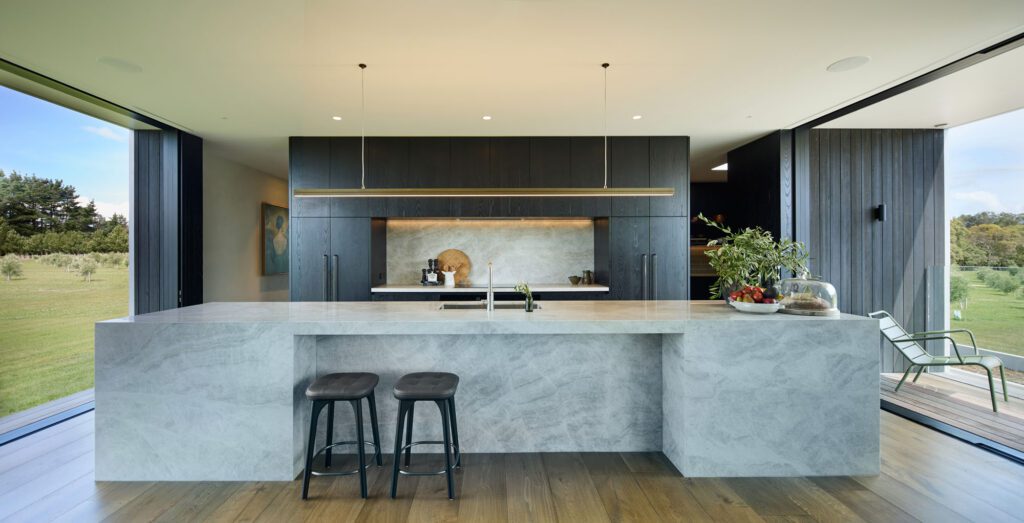
At M House by Ponting Fitzgerald Architects, bespoke joinery is woven into the architecture. From the kitchen and concealed scullery to American oak panelling and custom bunk beds, Renalls Joinery brings warmth, craftsmanship and function to every space.
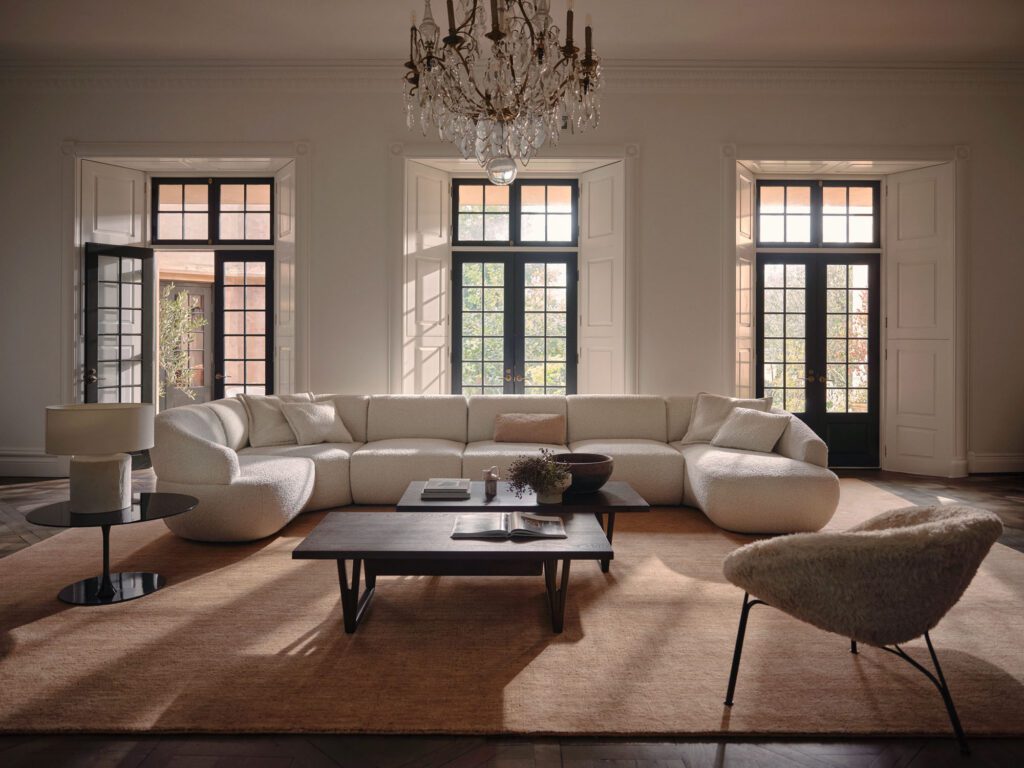
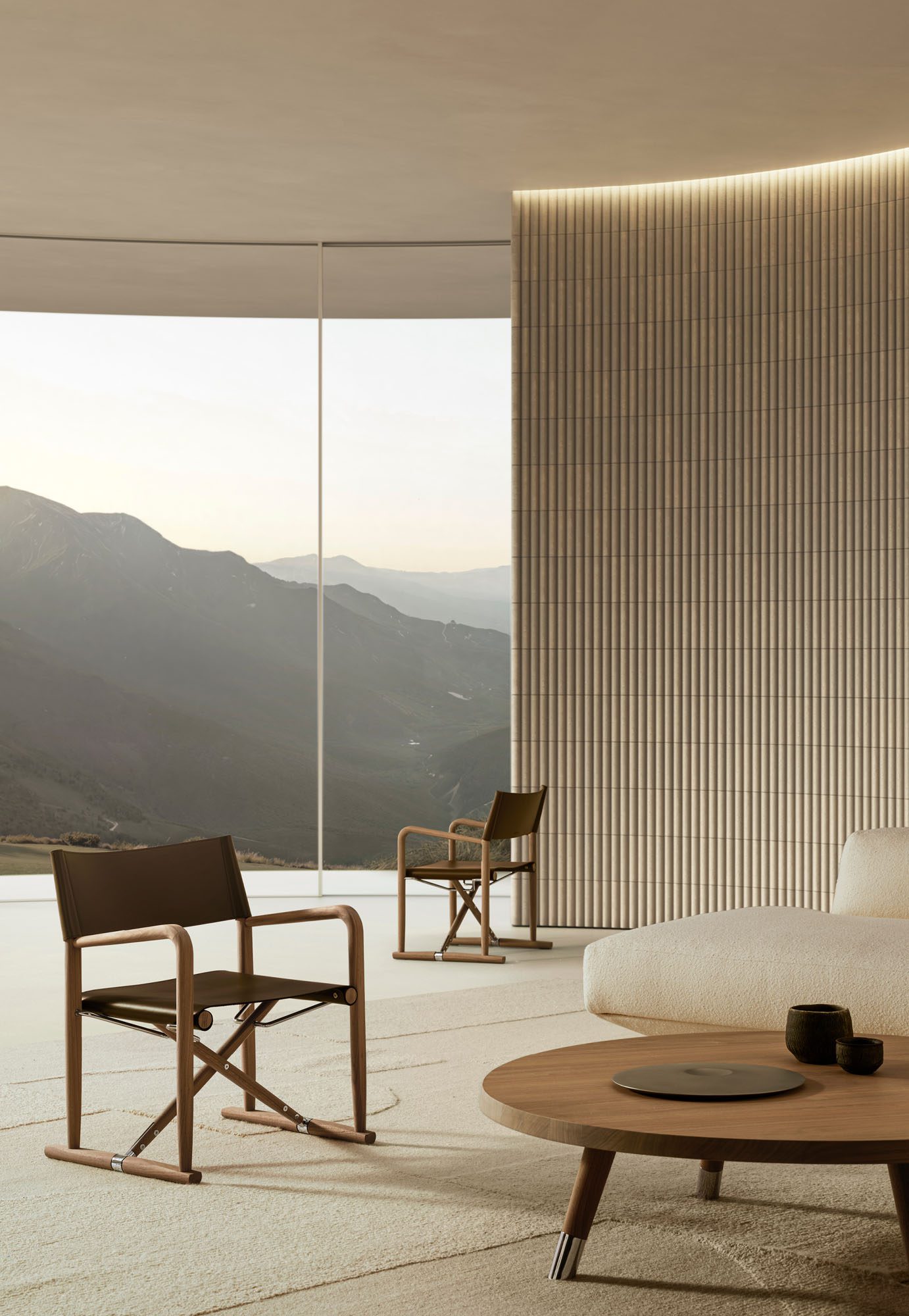
The role of the living room continues to evolve. It has become a place that accommodates almost every aspect of daily life — morning coffee, remote work, family gatherings, cosy evenings and impromptu entertaining. The challenge for furniture is not to simply look good; it must adapt, endure and support the changing rhythms of daily life.
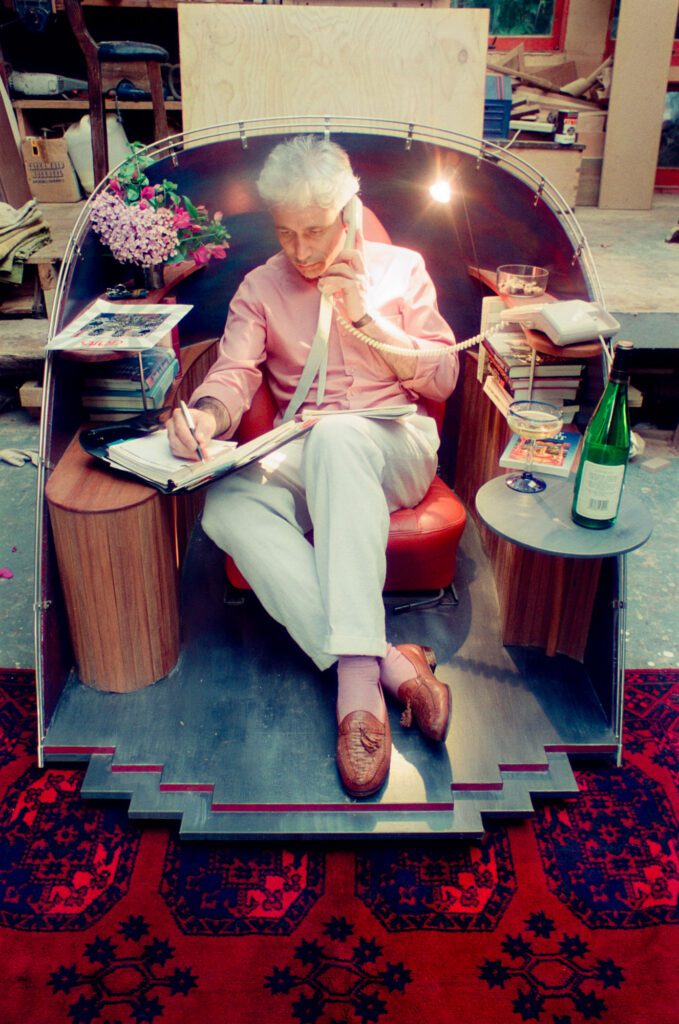
A new exhibition at Objectspace, He maramara tupu aranga, brings together furniture, sculpture, archival material and design ephemera to honour the remarkable career of one of New Zealand’s most influential designers and advocates.
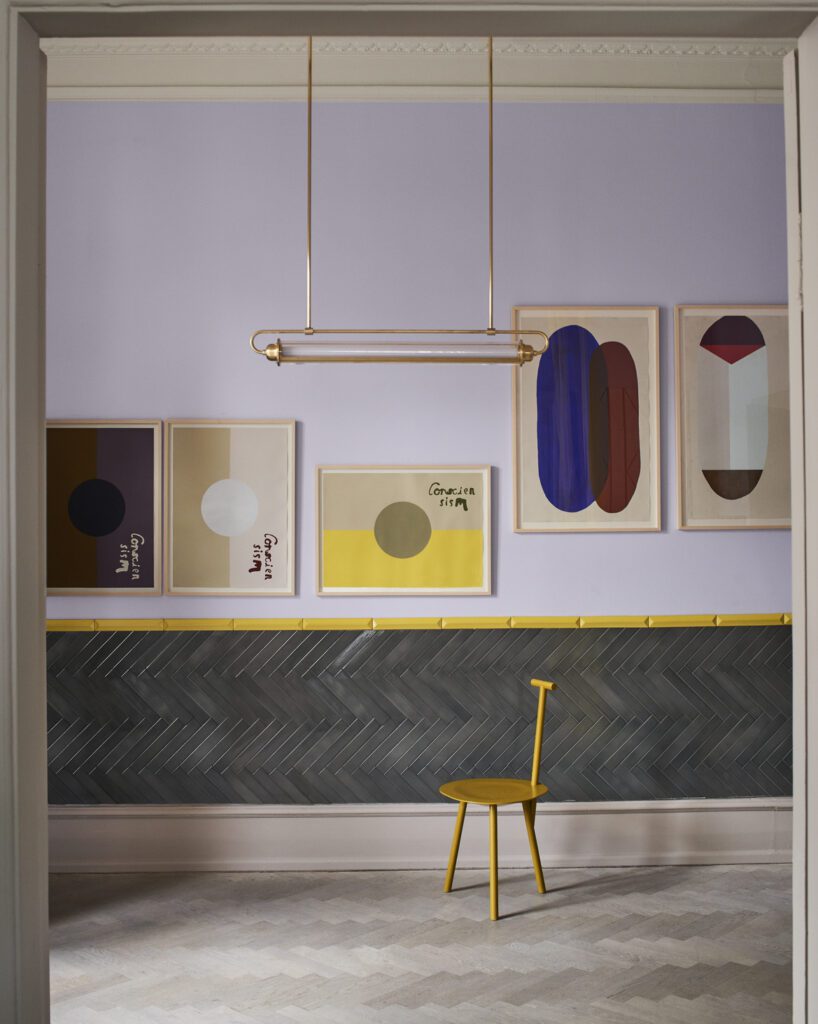
Returning from Copenhagen’s 3daysofdesign, interior designer Elena Parry shares the standout themes, installations, and ideas that shaped this year’s festival.
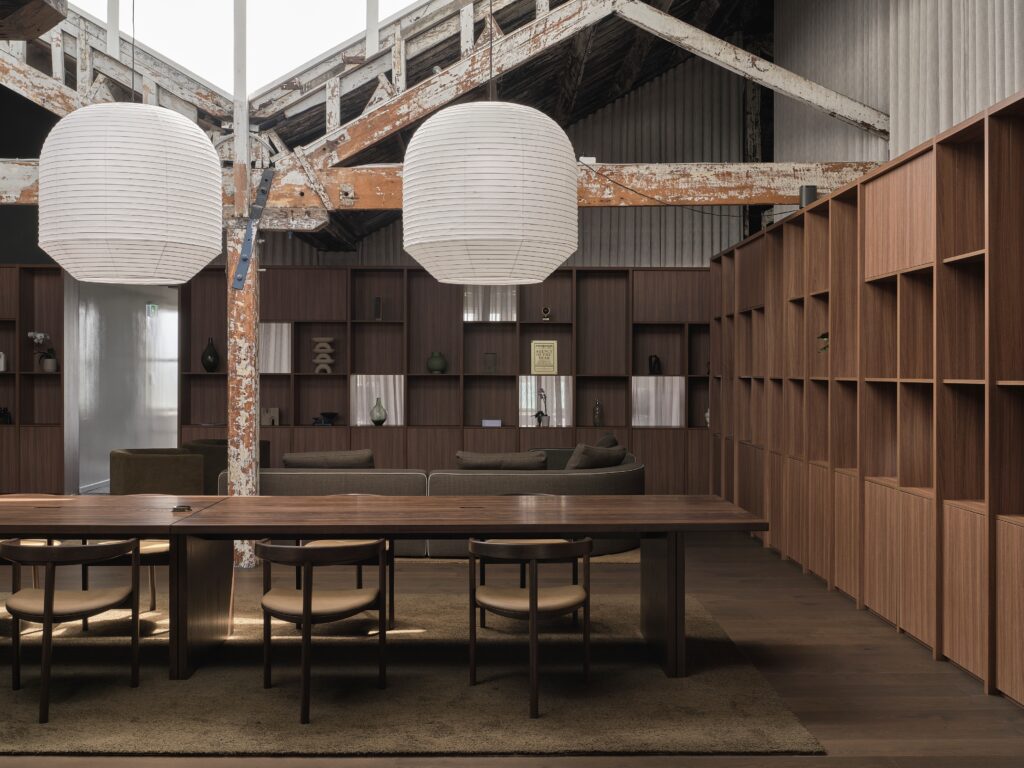
Fifty architectural projects across Auckland and Northland have been deemed the very best in Te Kāhui Whaihanga New Zealand Institute of Architects’ Regional Awards this year.
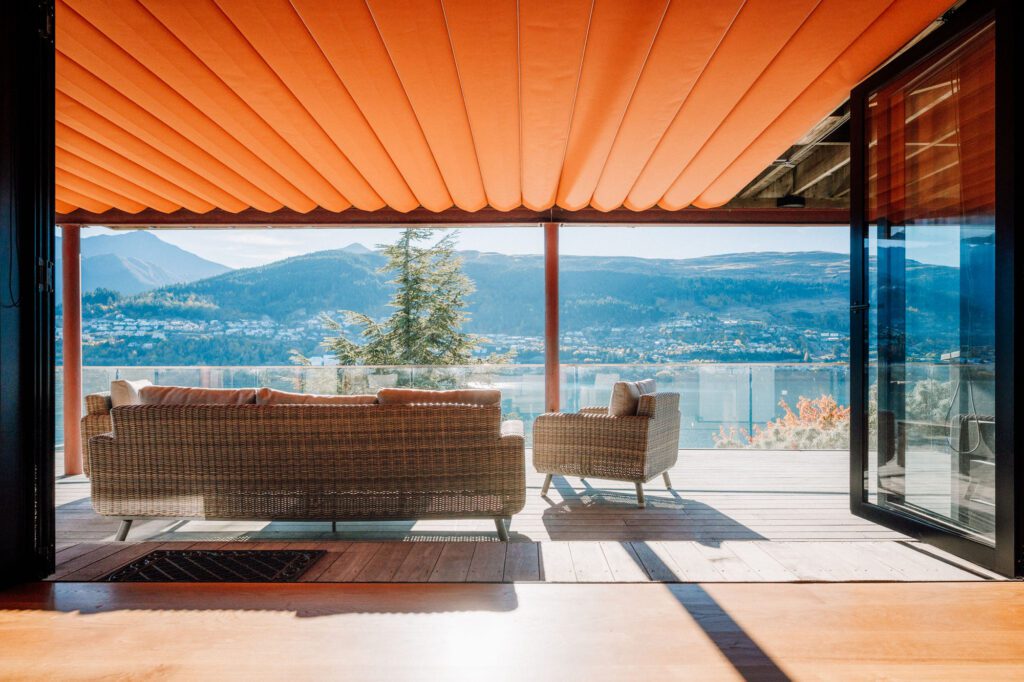
In Aotearoa, shade is seldom still. It moves with wind, sun, and seasons, calling for responsive solutions to the ever-changing environment. For architects, designers, and homeowners, this invites an intricate approach to outdoor living, where shelter is adaptive, intentional, and woven into the language of architecture.
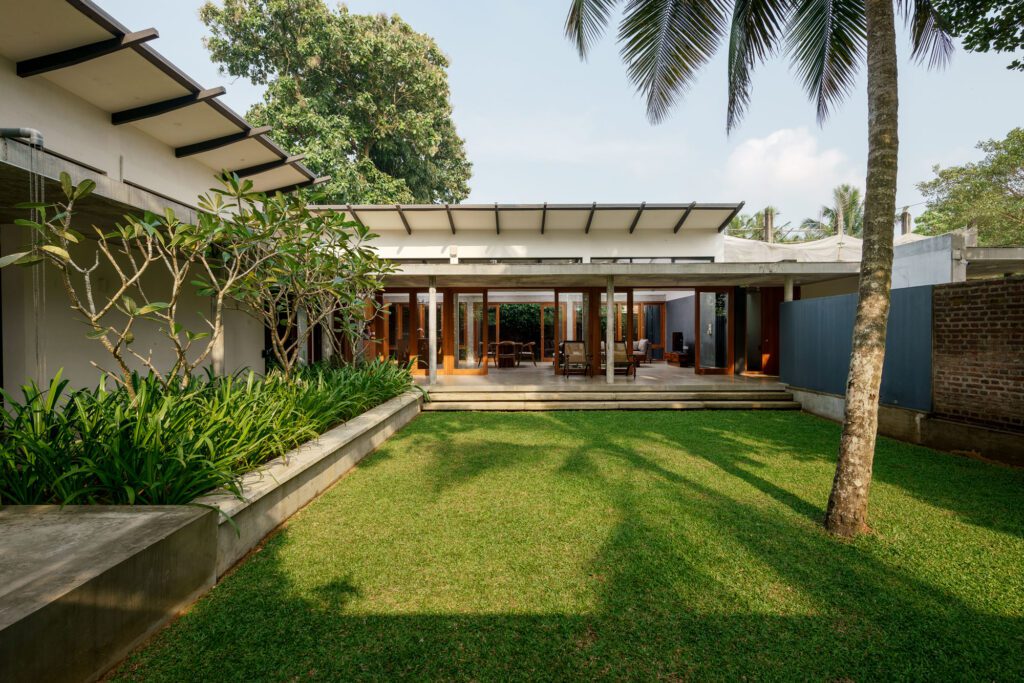
Set within a vibrant Colombo suburb, this home by architect Vajini Pannila offers a contemporary reimagining of the tropical courtyard house.
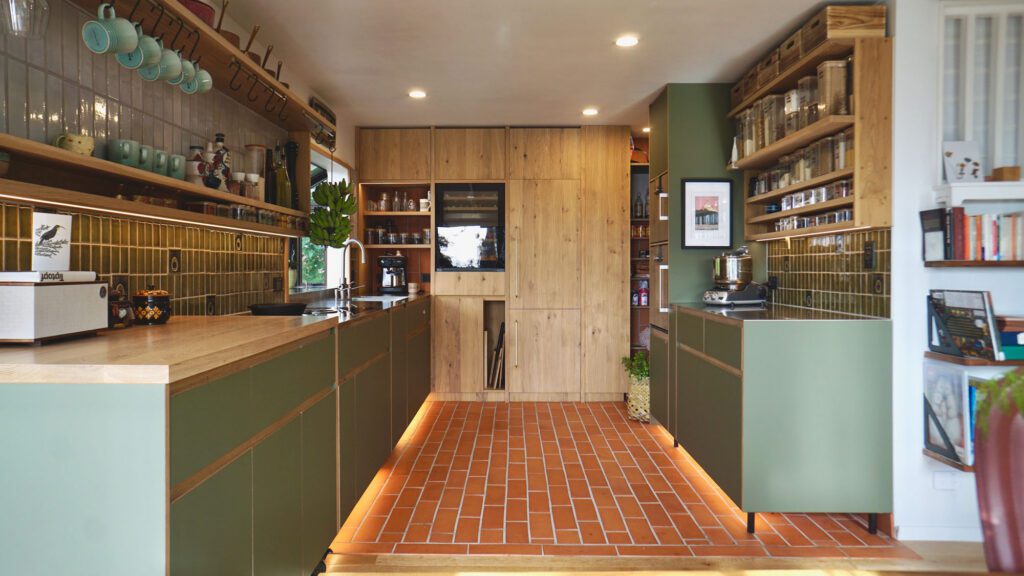
Spacebar Design was established with a clear vision: to design and create beautiful furniture and cabinetry with the entire life cycle in mind.
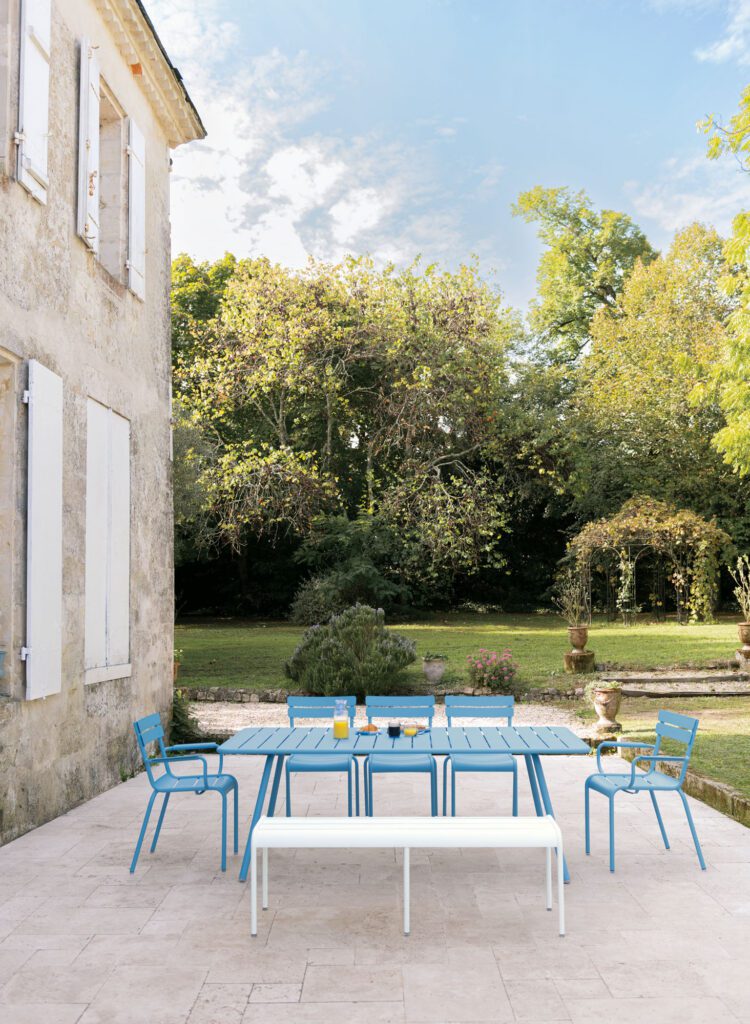
Colour shapes the presence of furnishings outdoors. It anchors a space, setting the atmosphere and grounding it in its surroundings. Outside, colour is less about contrast and more about the subtle ways it transforms experience.
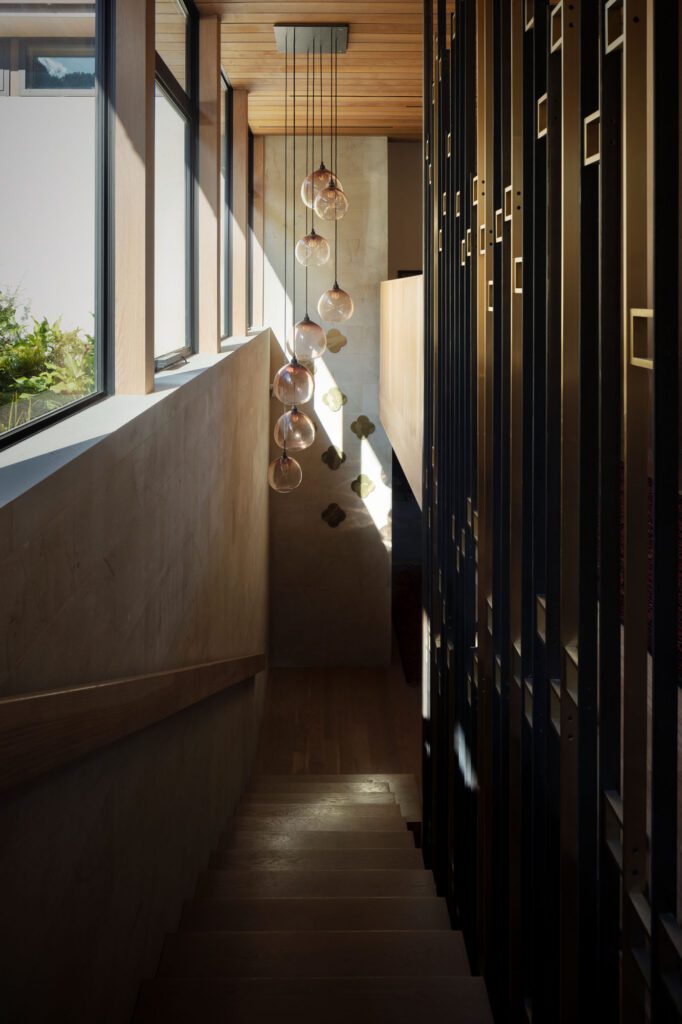
From its studio in Tāmaki Makaurau Auckland, Monmouth Glass Studio crafts hand-blown lighting and vessels using traditional techniques that date back hundreds of years.
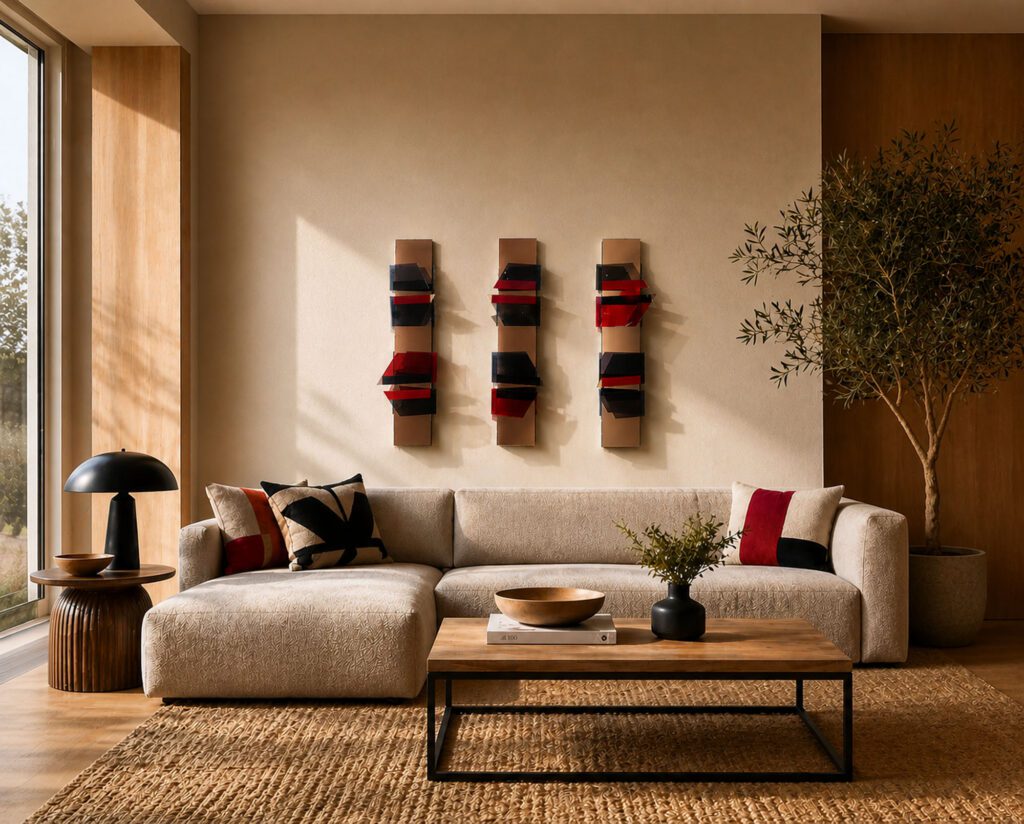
Driven by a passion for geometry and symmetry, Queenstown-based artist Stephen Burke weaves elements of structure and form into his art, inviting viewers to explore the dynamic interplay between light, colour, shape, and reflections.
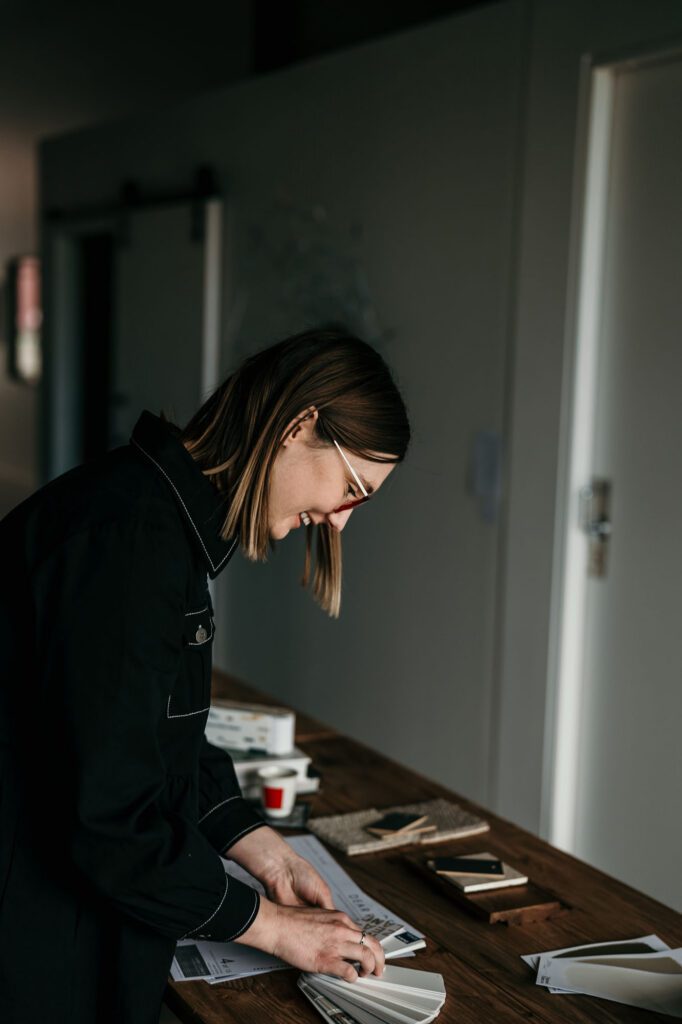
Guided by the conviction that art belongs to everyone, a new contemporary art gallery in Christchurch has quickly established itself as a must-visit destination.
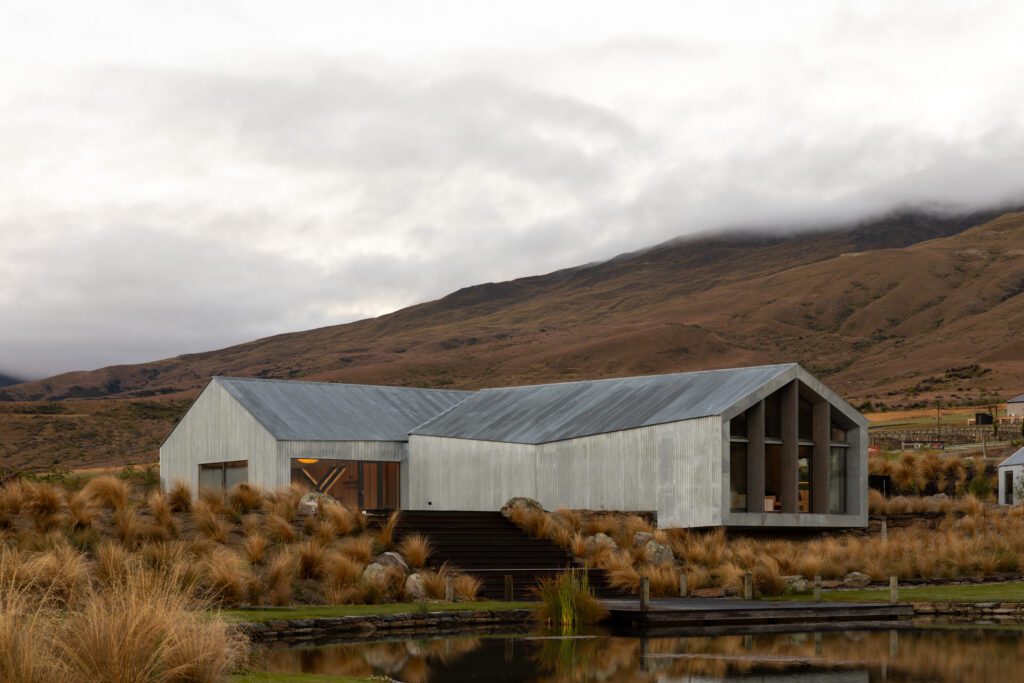
The 2026 finalists are revealed. Vote for the project you believe should win the Readers’ Choice Interior of the Year Award 2026.
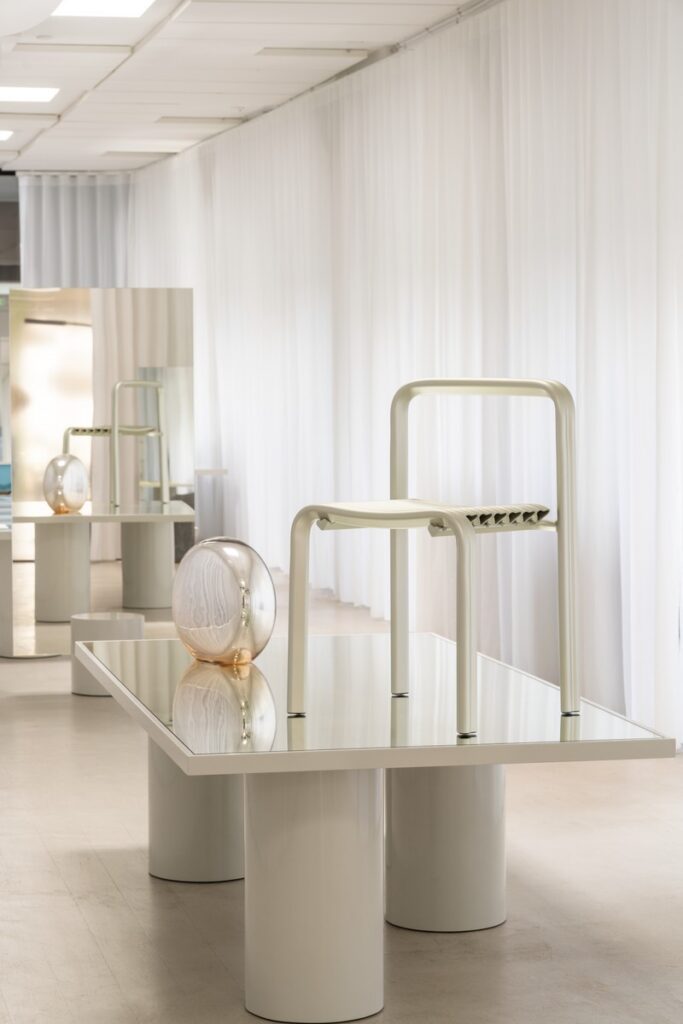
To celebrate its 20th anniversary at Copenhagen’s 3daysofdesign, Muuto has unveiled a trio of special releases.
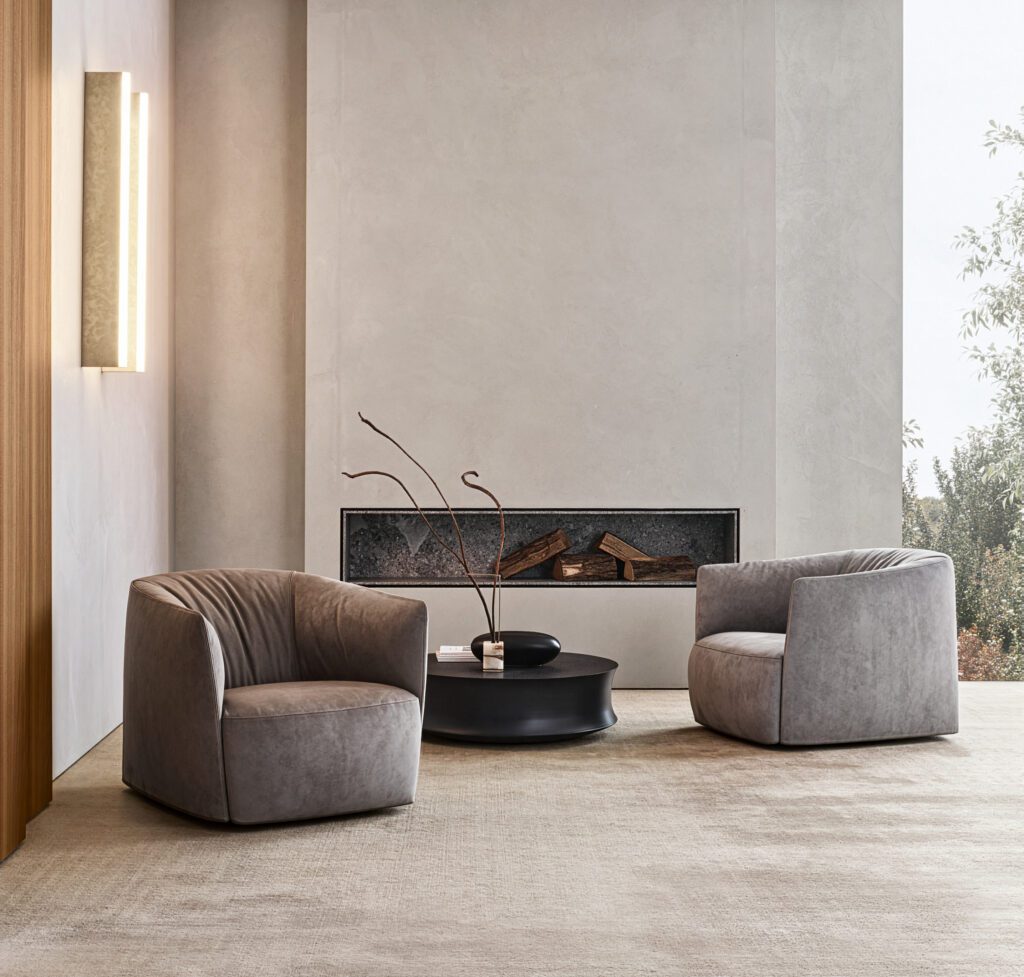
Enveloping comfortable forms and sartorial details are at play in this piece by Jean-Marie Massaud.
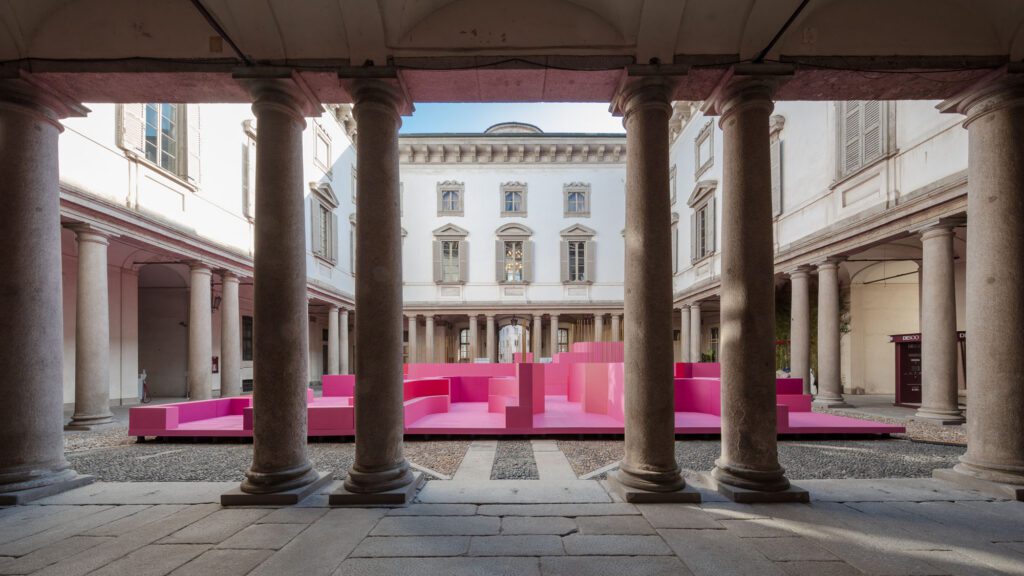
From Milan Design Week to Collect, London’s international art fair for contemporary craft and design, accent colour emerged unapologetically bold: vivid, high-voltage, and impossible to ignore.
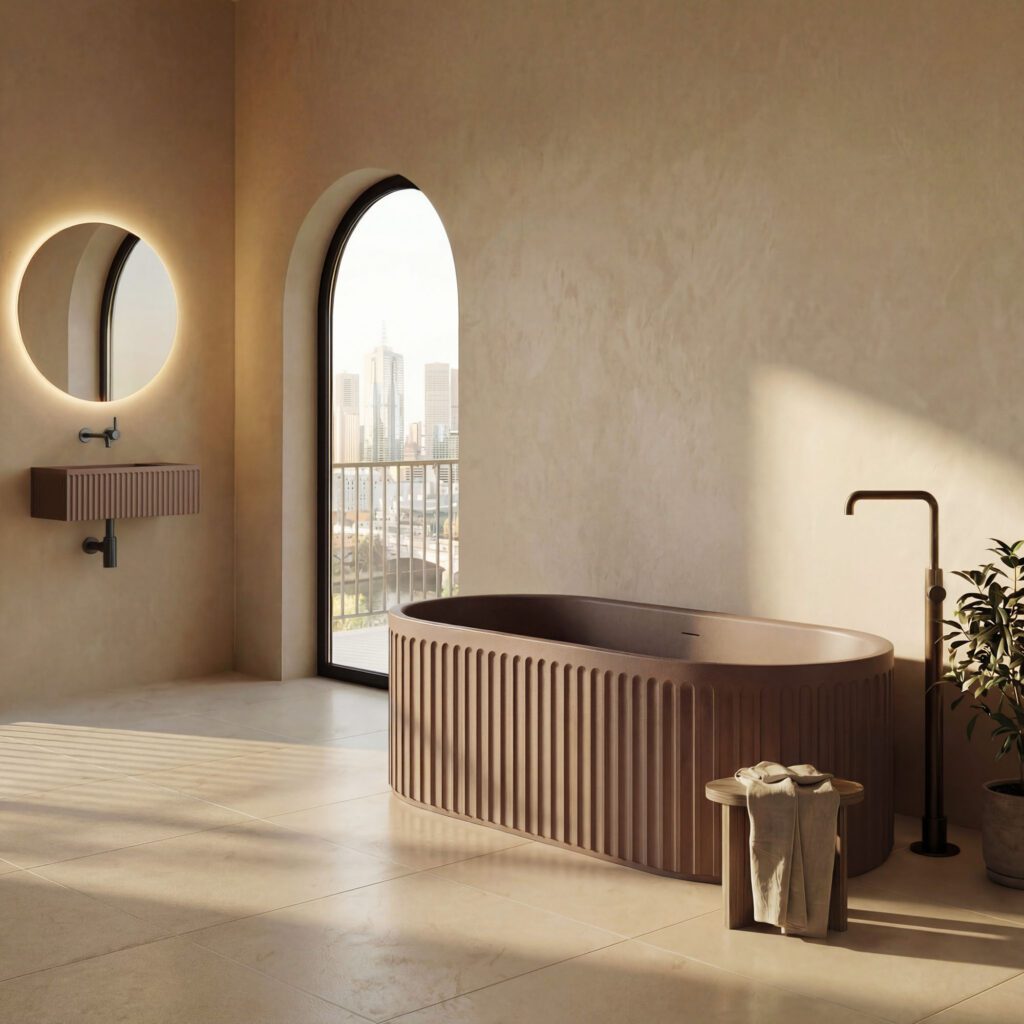
As bathrooms become increasingly restrained, it is the strongest forms that leave the greatest impression — the bath, the basin, the silhouette of a tap becoming the elements that define the spatial experience.
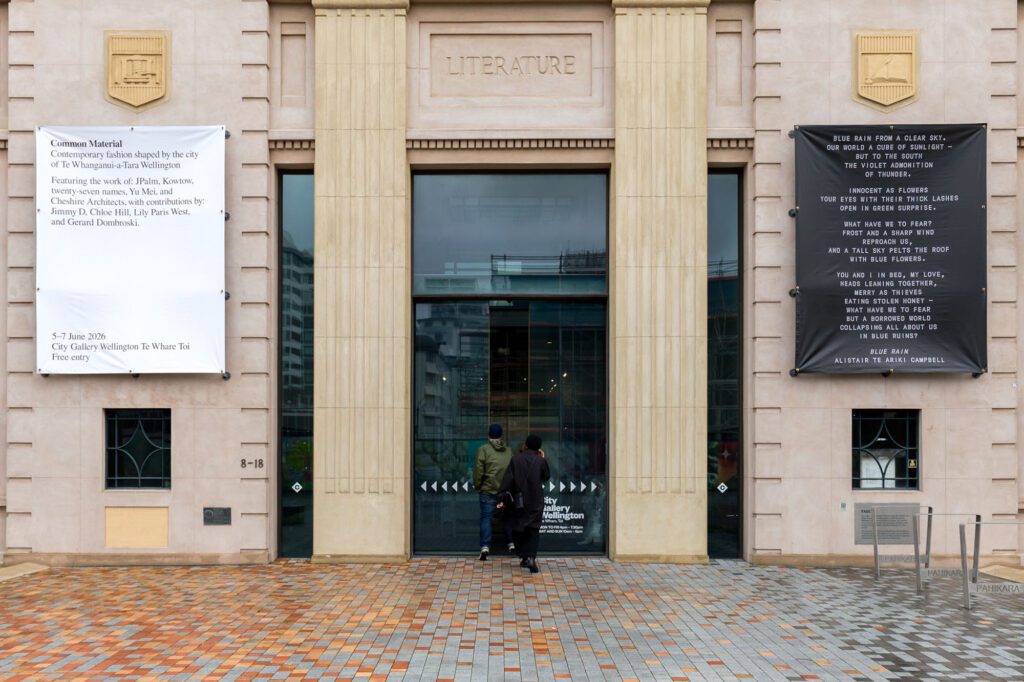
Bringing together four of the city’s leading fashion labels inside City Gallery Wellington Te Whare Toi, the Common Material marks the gallery’s first public opening in more than two years.
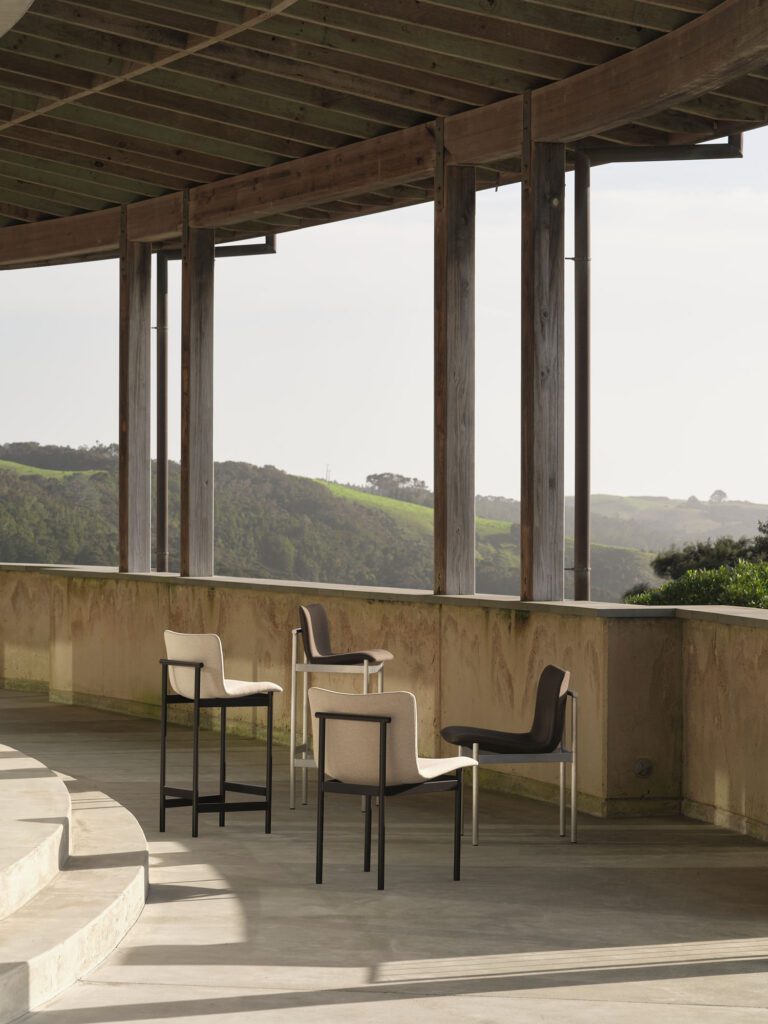
A soft, contoured seat against a geometric aluminium frame. A study of balance and clarity.
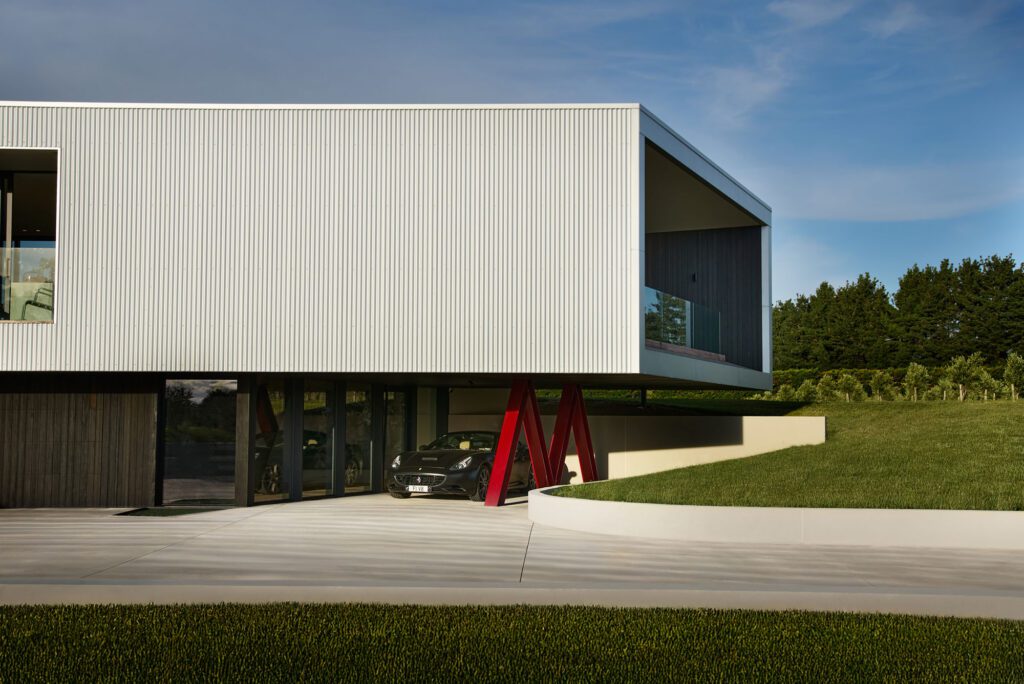
At M House by Ponting Fitzgerald Architects, the arrival sequence is deliberate — a slow arc around the building that allows the architecture to be read in full before entry. It’s a movement that begins at ground level.
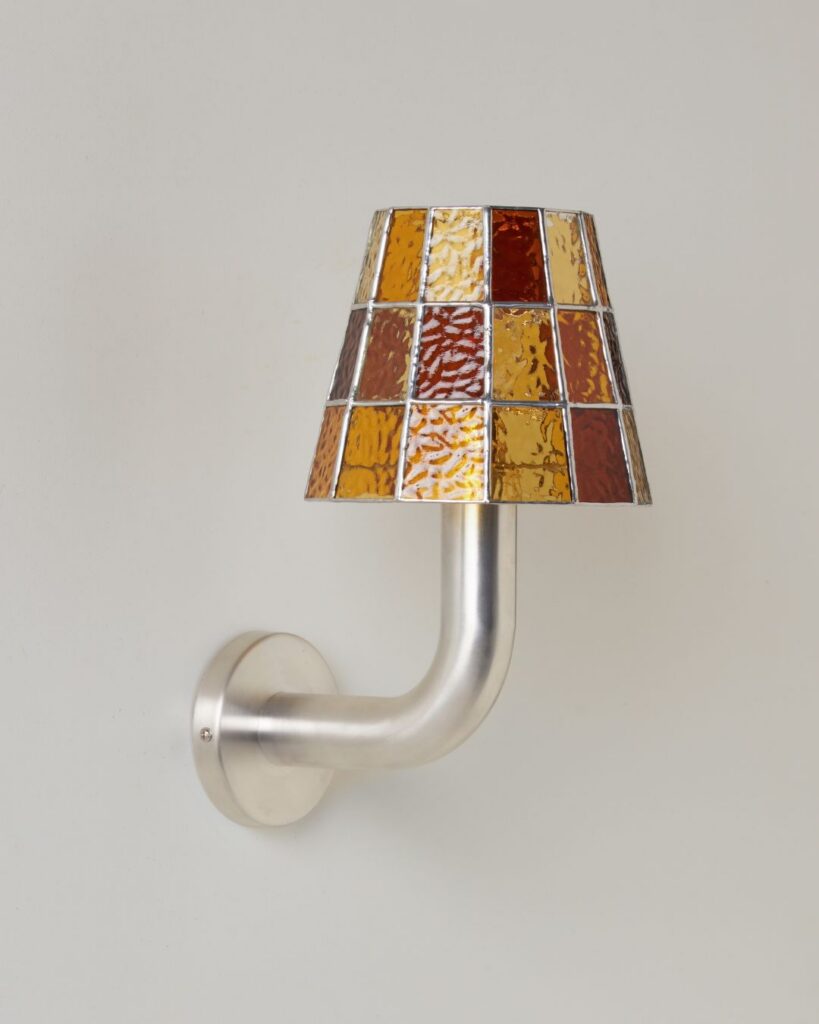
Balancing equal parts whimsy and grace, the Fun Guy wall lights are crafted to delight.
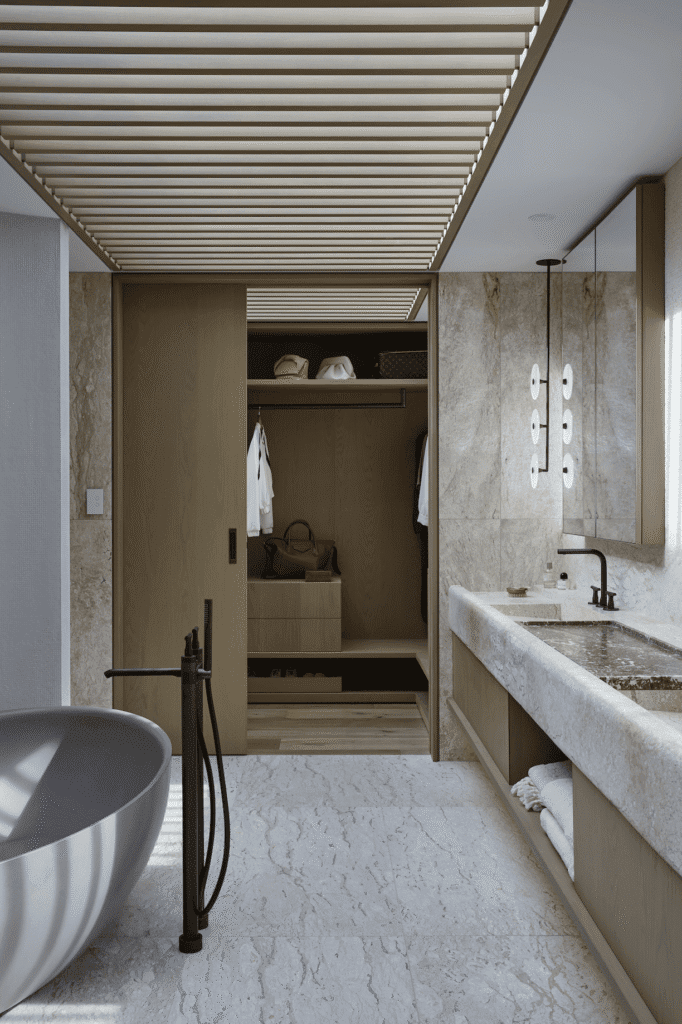
For more than 35 years, Plumbline has worked alongside New Zealand architects, interior designers and specifiers, helping bring thoughtful residential and commercial spaces to life. As a longstanding supporter of Interior of the Year, the New Zealand-owned company sees the programme as an opportunity to recognise excellence and champion innovation.
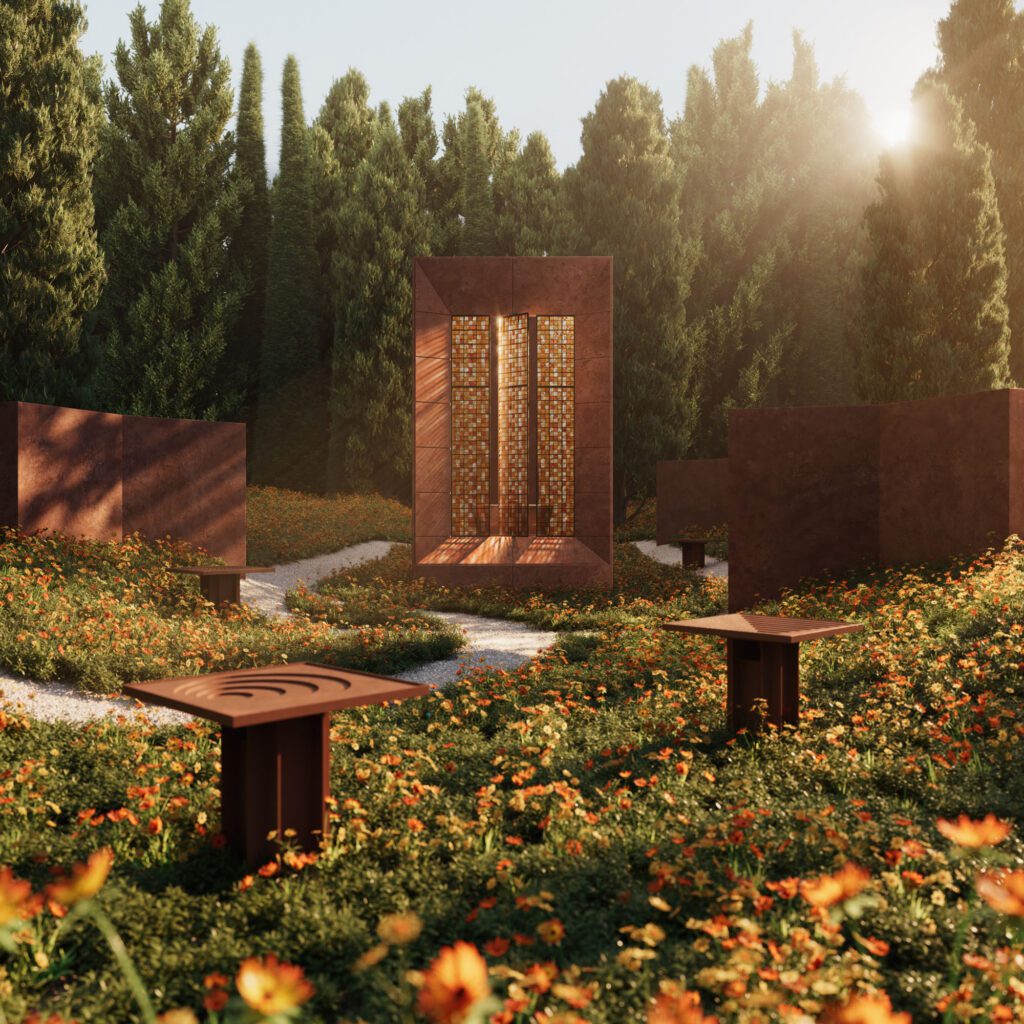
This immersive, multi-sensory installation was conceived as an elemental world — inviting visitors into a place where architecture, landscape, and serenity are experienced as a single, interdependent experience.

It is often the smallest details that shape how a space is experienced. In the bathroom, a room defined by ritual, these moments take on a particular significance.
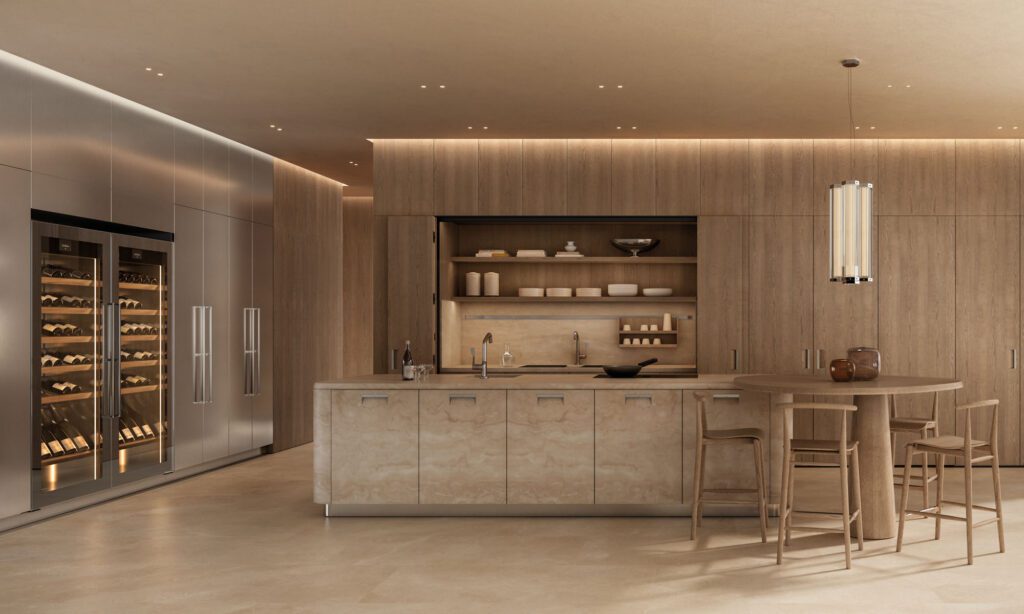
Designed by Antonio Citterio for Arclinea, Kora introduces a new design language defined by the curve.
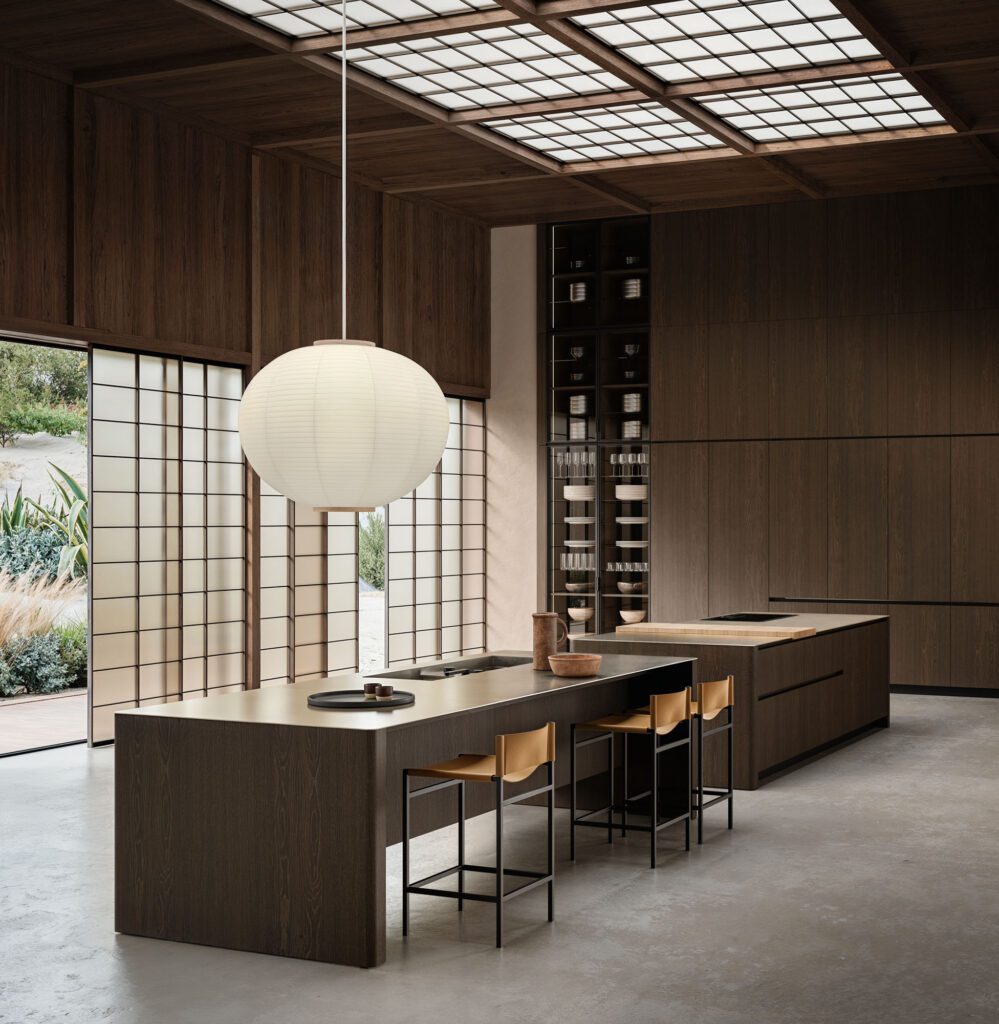
The XPL kitchen by Piero Lissoni for Boffi stems from the idea of reducing a kitchen to its essence: a pure, rigorous volume almost floating in space. The island, a monolithic architectural statement of its own.
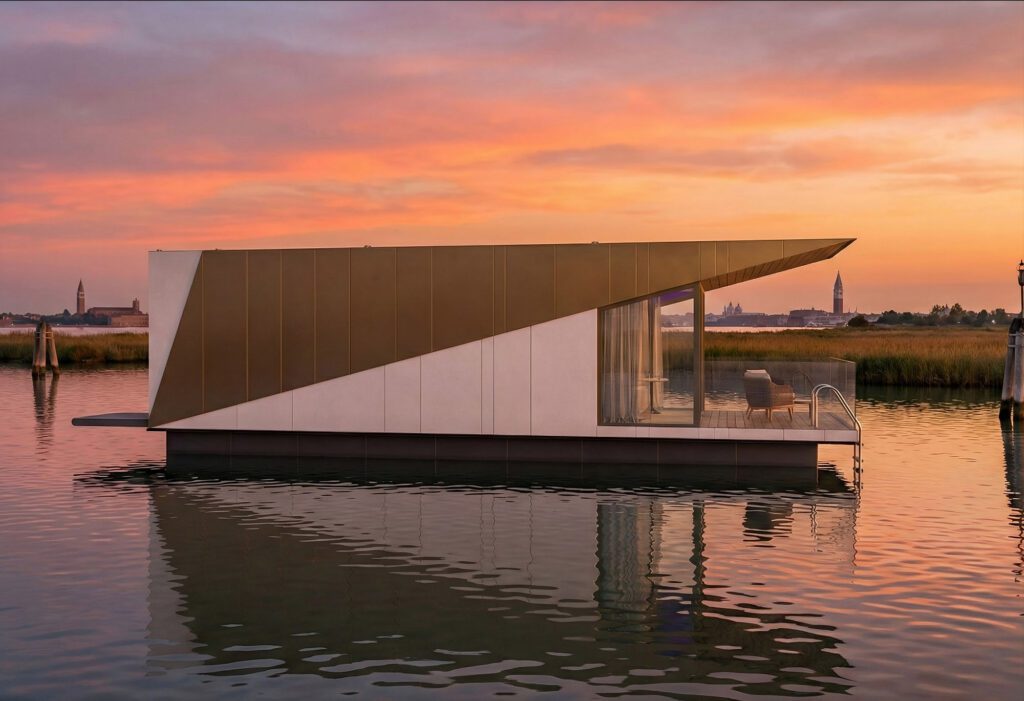
At the 2026 Venice Boat Show, Italian brand Velysum Venezia introduced a new vision for life on the water: a 12-metre luxury houseboat conceived as both vessel and retreat.
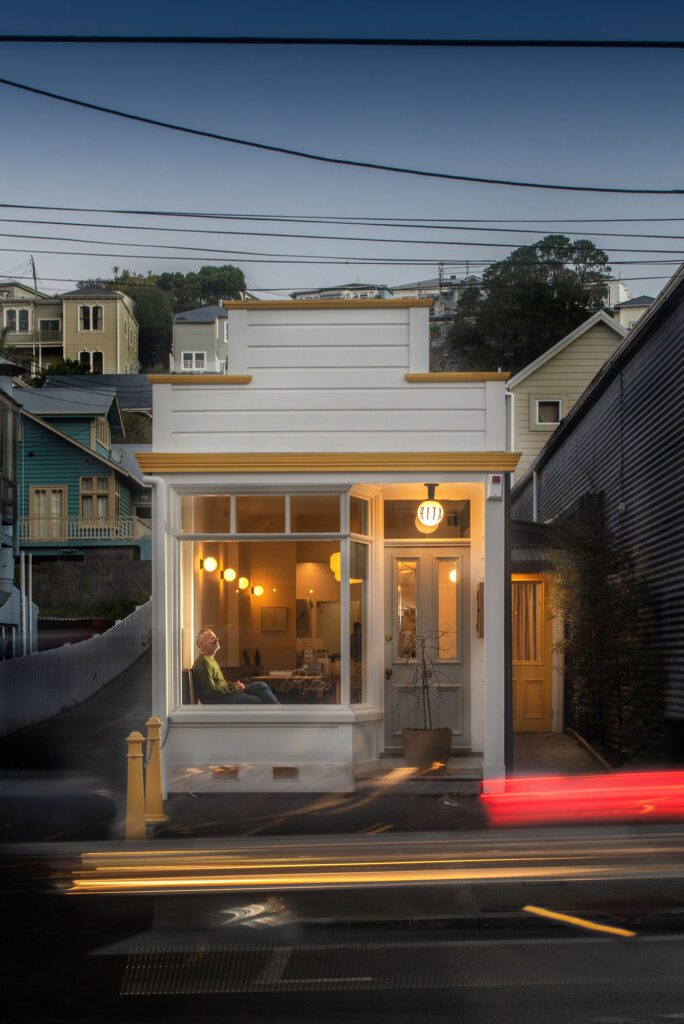
In early 2027, Rita in Wellington’s Aro Valley will relaunch as Super Rita, transforming the restaurant into a new, bespoke deli.
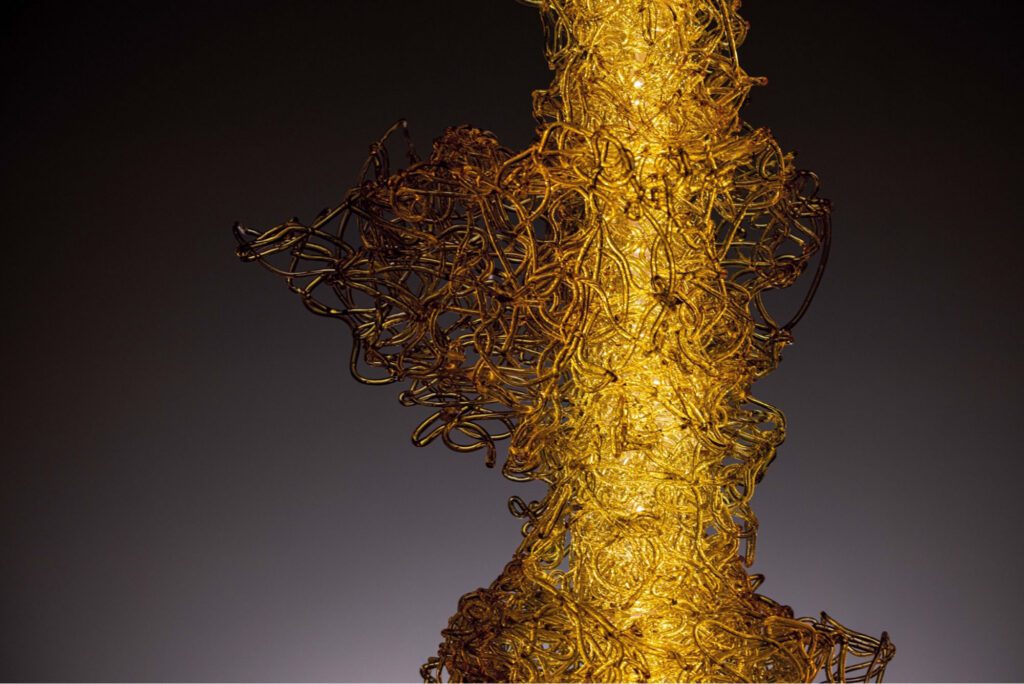
Edra revealed its new collection in Milan to immediate international acclaim — with the Dilly Lamp and the Anywhere Sofa in particular capturing attention.
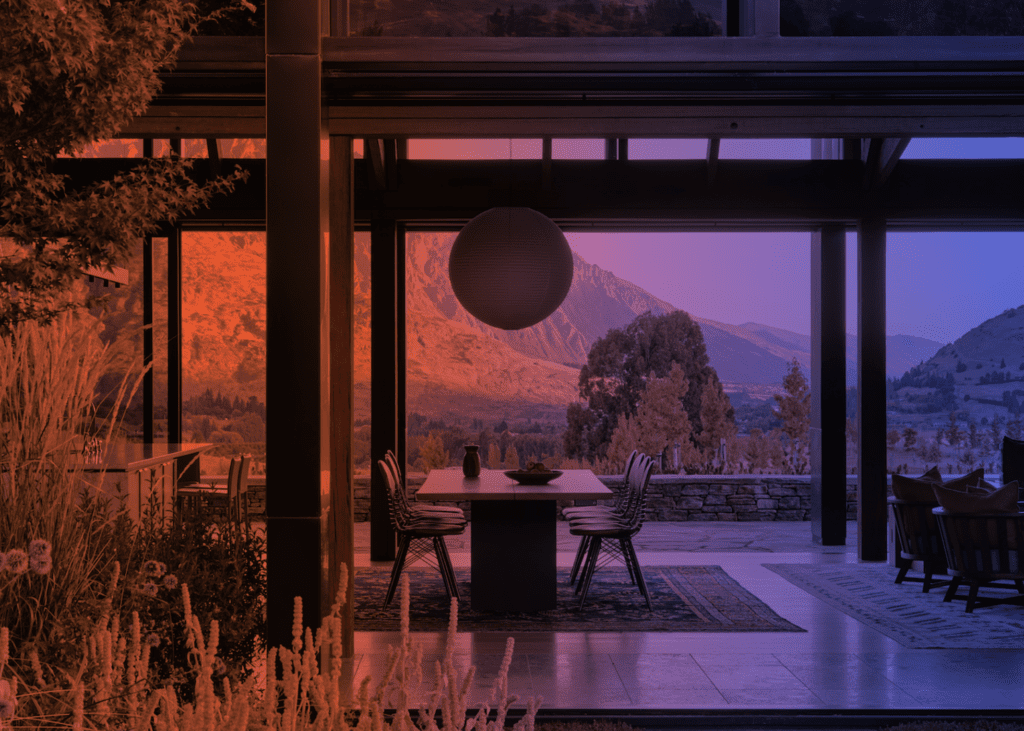
We caught up with the 2026 Interior of the Year judges to ask about what they are looking forward to and expecting to see in the competition.
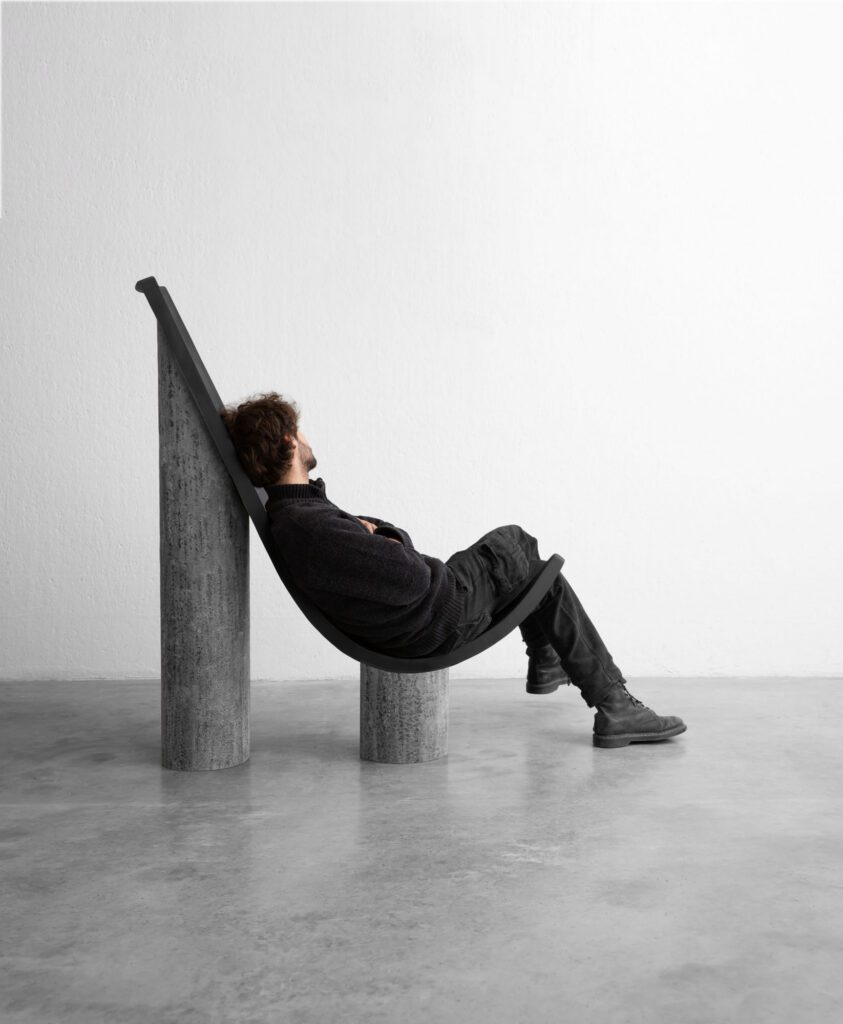
A shape designed to provoke, the Matau Seat from Imperfettolab has a primitive charm from the first encounter.
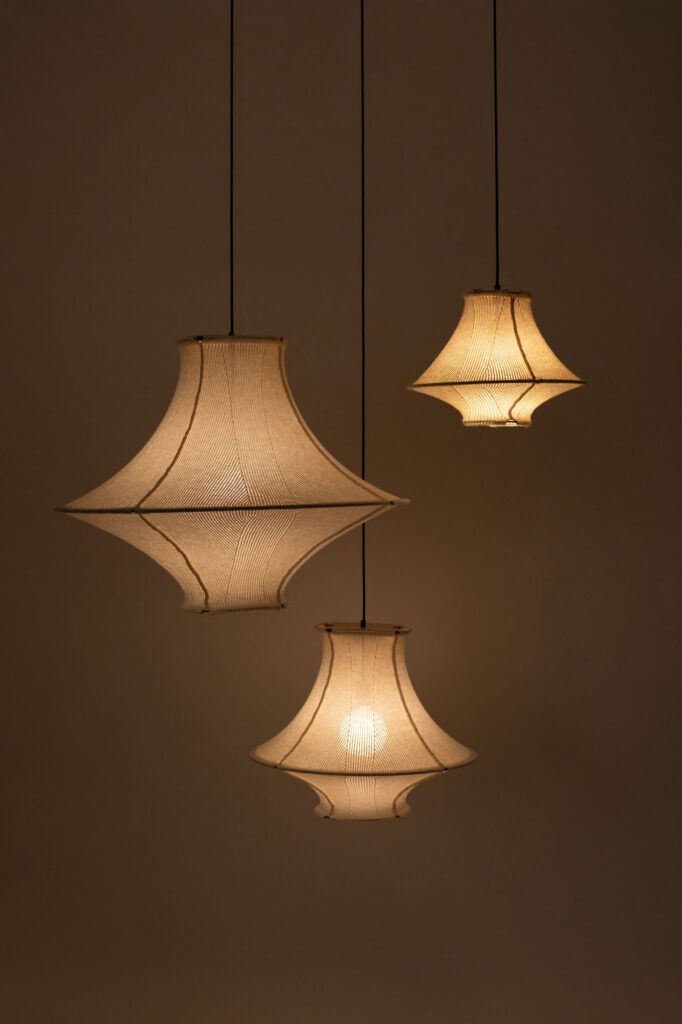
Drawing on the qualities of New Zealand wool, Lof unites material innovation with design integrity to create pieces that cast a gentle light, soften the tactile experience, and quieten the acoustic landscape.
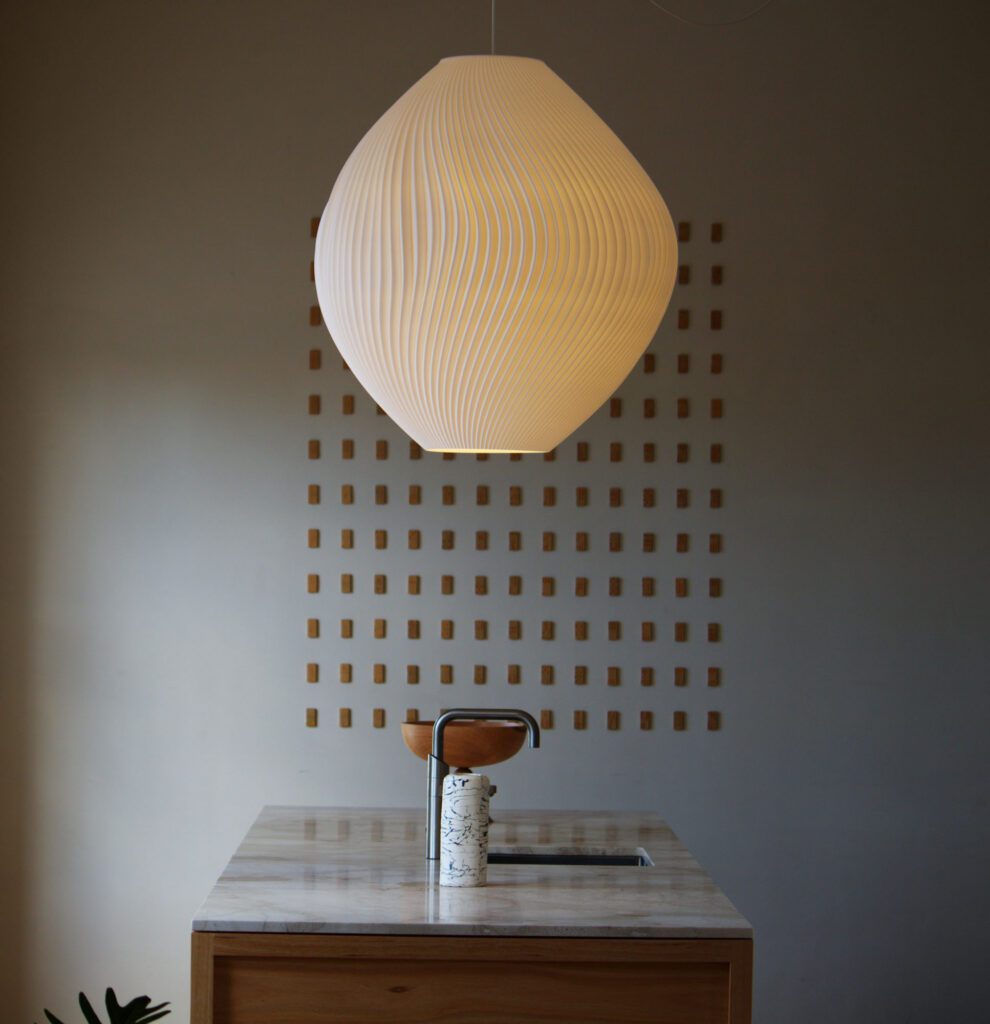
Cam Barrett’s work draws on the language of organic form. His lighting series is marked by a quiet naturalism, with soft, rising lines that recall the movement of water.
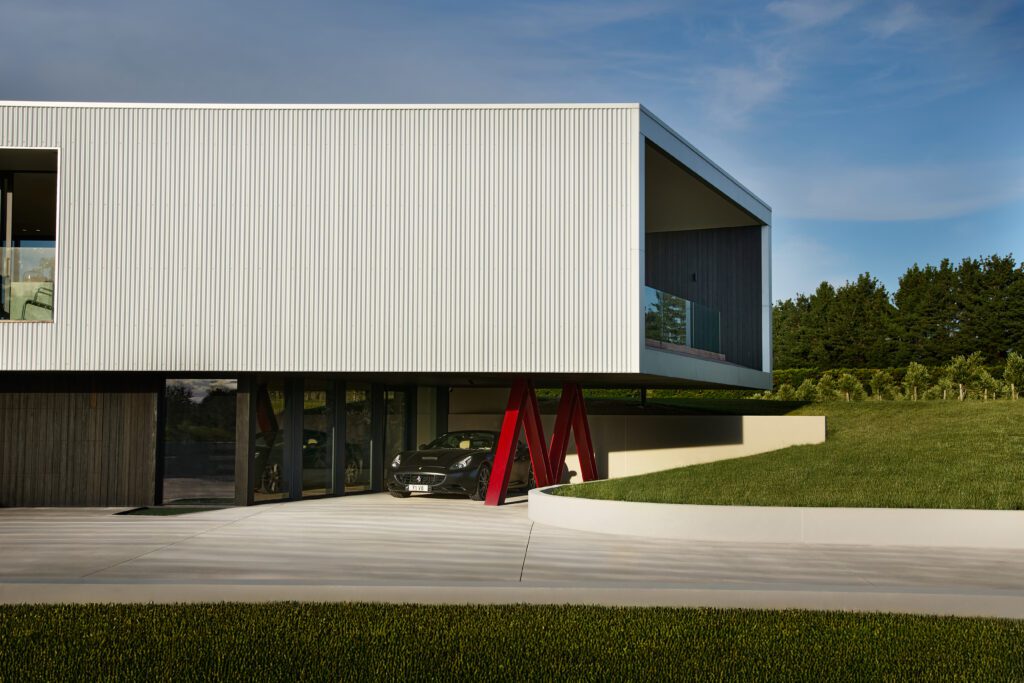
At M House by Ponting Fitzgerald Architects, the arrival sequence is deliberate — a slow arc around the building that allows the architecture to be read in full before entry. It’s a movement that begins at ground level.
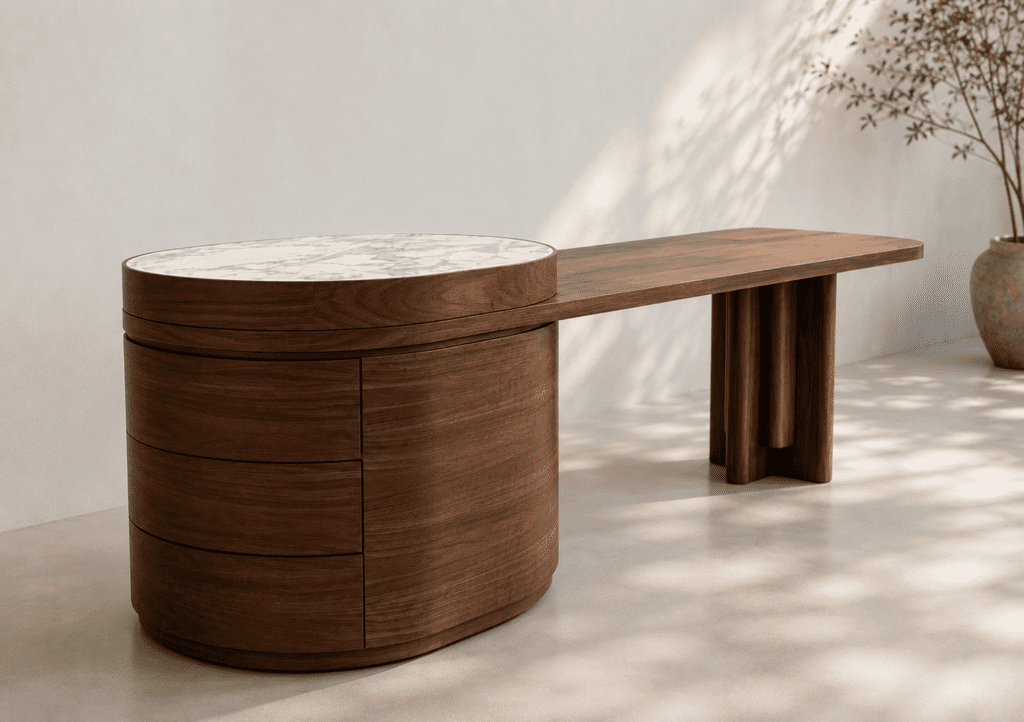
At MDesign, Geoff Mackintosh creates furniture with a strong sense of purpose. From his Whanganui studio, he combines traditional craftsmanship with a practical, thoughtful approach shaped by years
of experience.
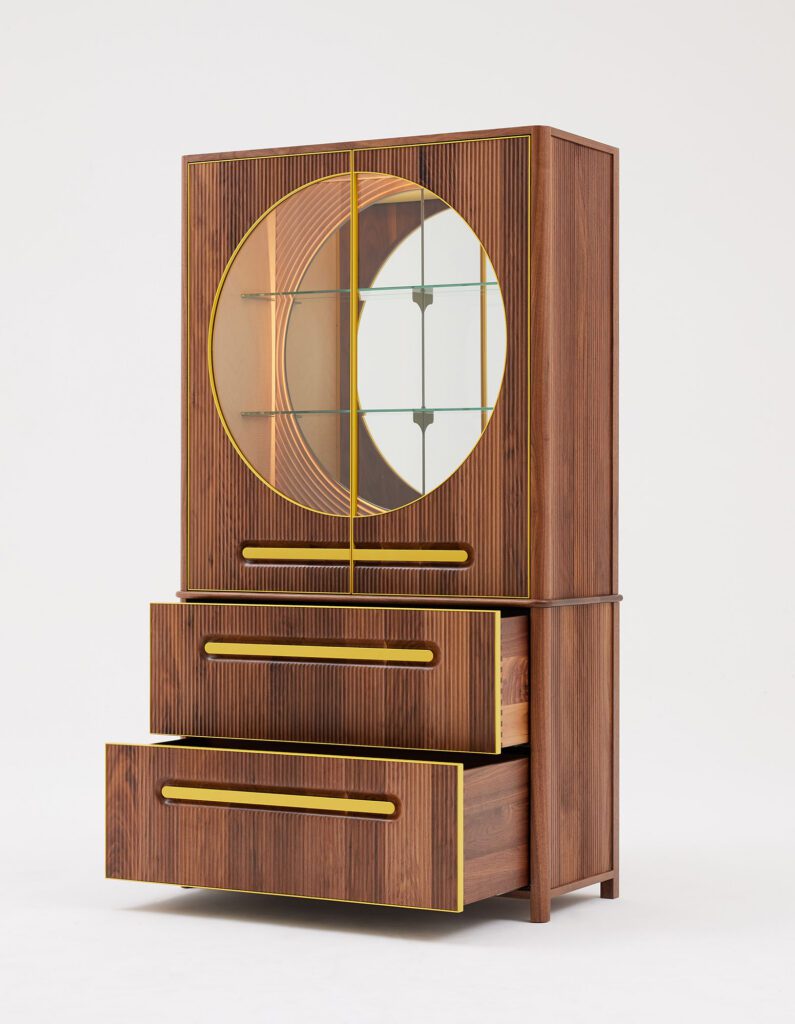
True distinction is increasingly defined by what cannot be replicated. For Philbe Design, that idea sits at the centre of its practice: bespoke pieces that are entirely unique to the client and the space.
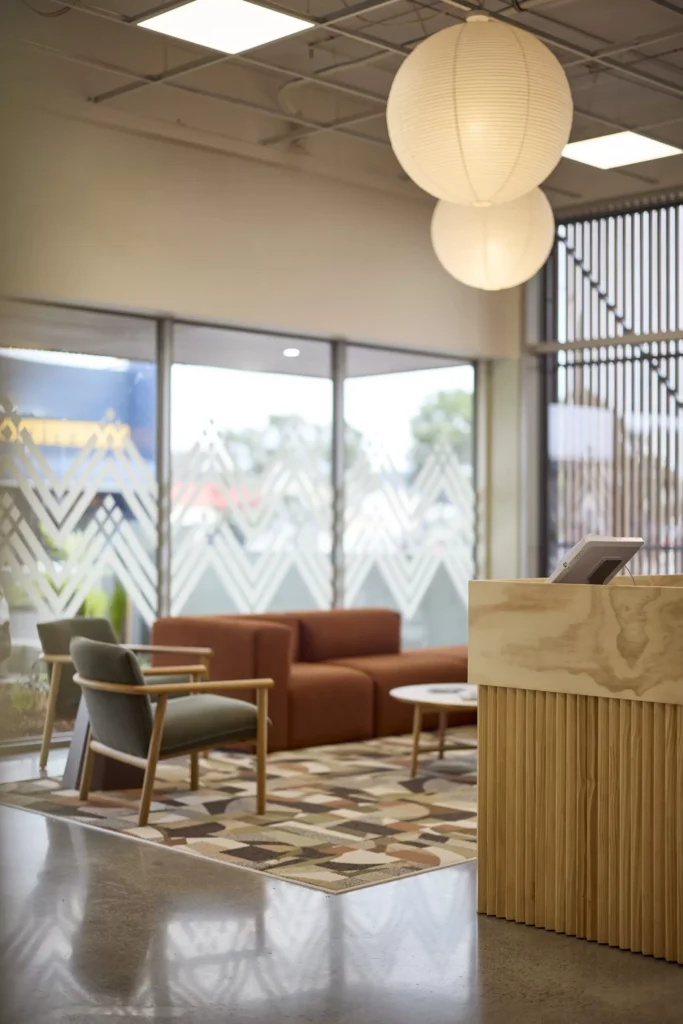
Two new projects intelligently embed Maoritanga values across architectural, interior, artistic and graphic design elements.
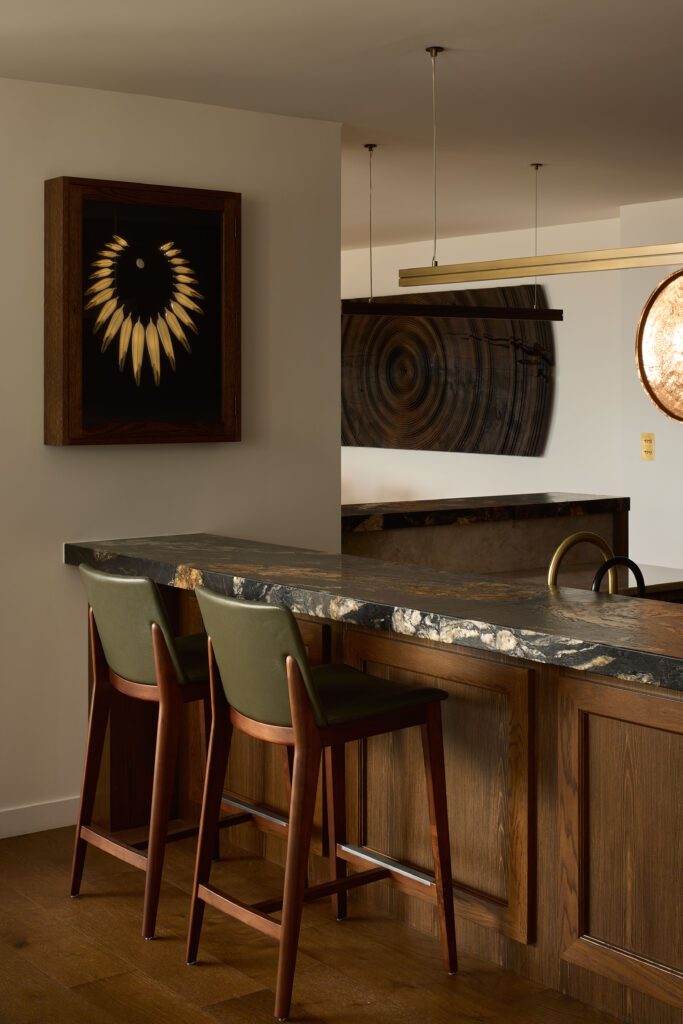
As Interior of the Year returns to spotlight the country’s most considered spaces, long-time sponsor Powersurge reflects on more than three decades supporting New Zealand architecture and design.
For more than four decades, Forté has helped shape New Zealand interiors through a deep commitment to materiality, craft and design support.