

We survey our favourite shortlisted and winning Small Project Architecture entries from the 2026 Te Kāhui Whaihanga NZIA regional awards.
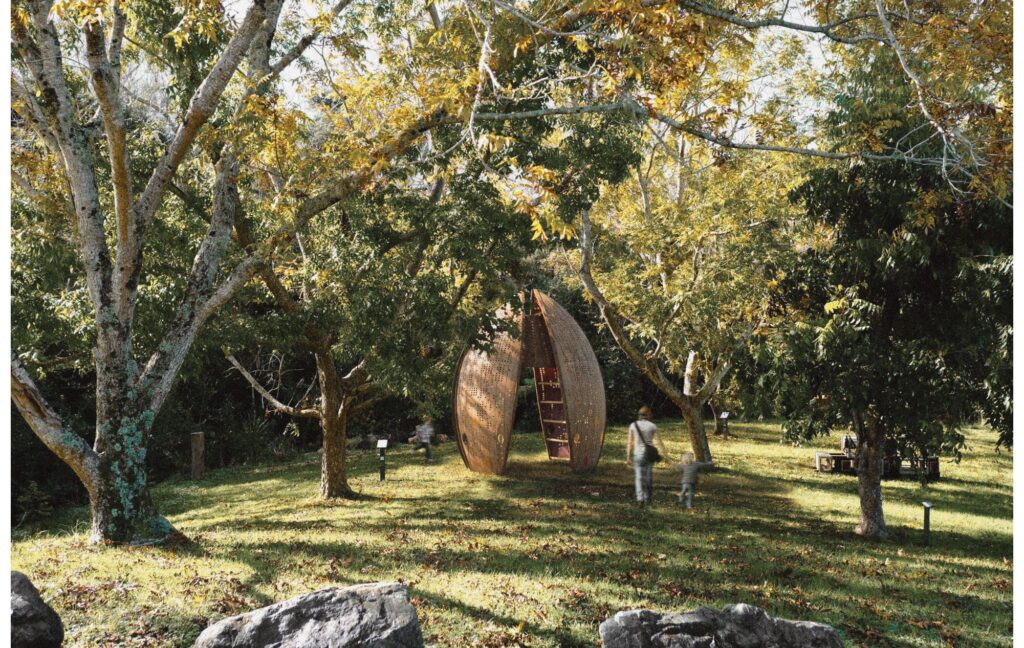
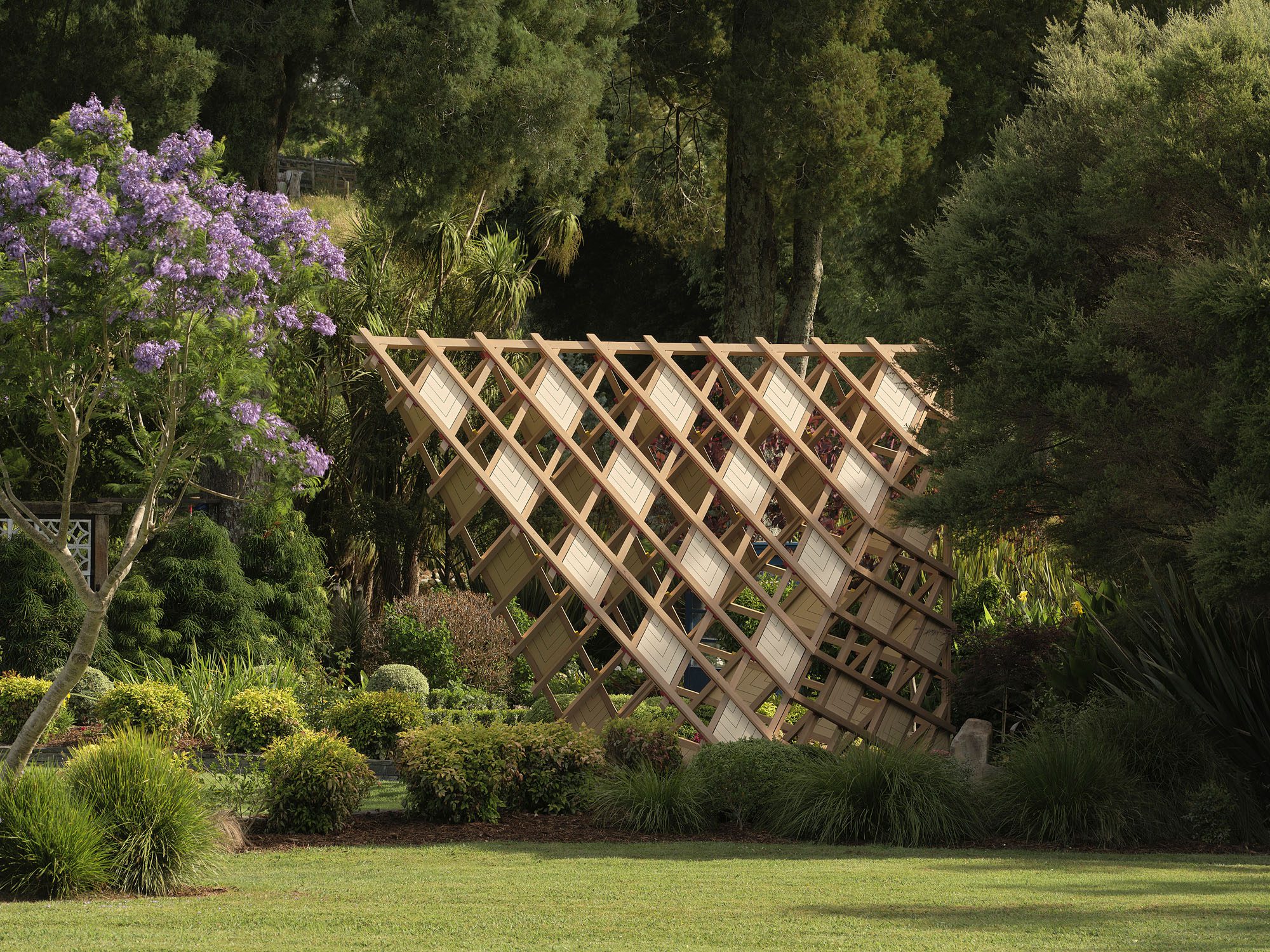
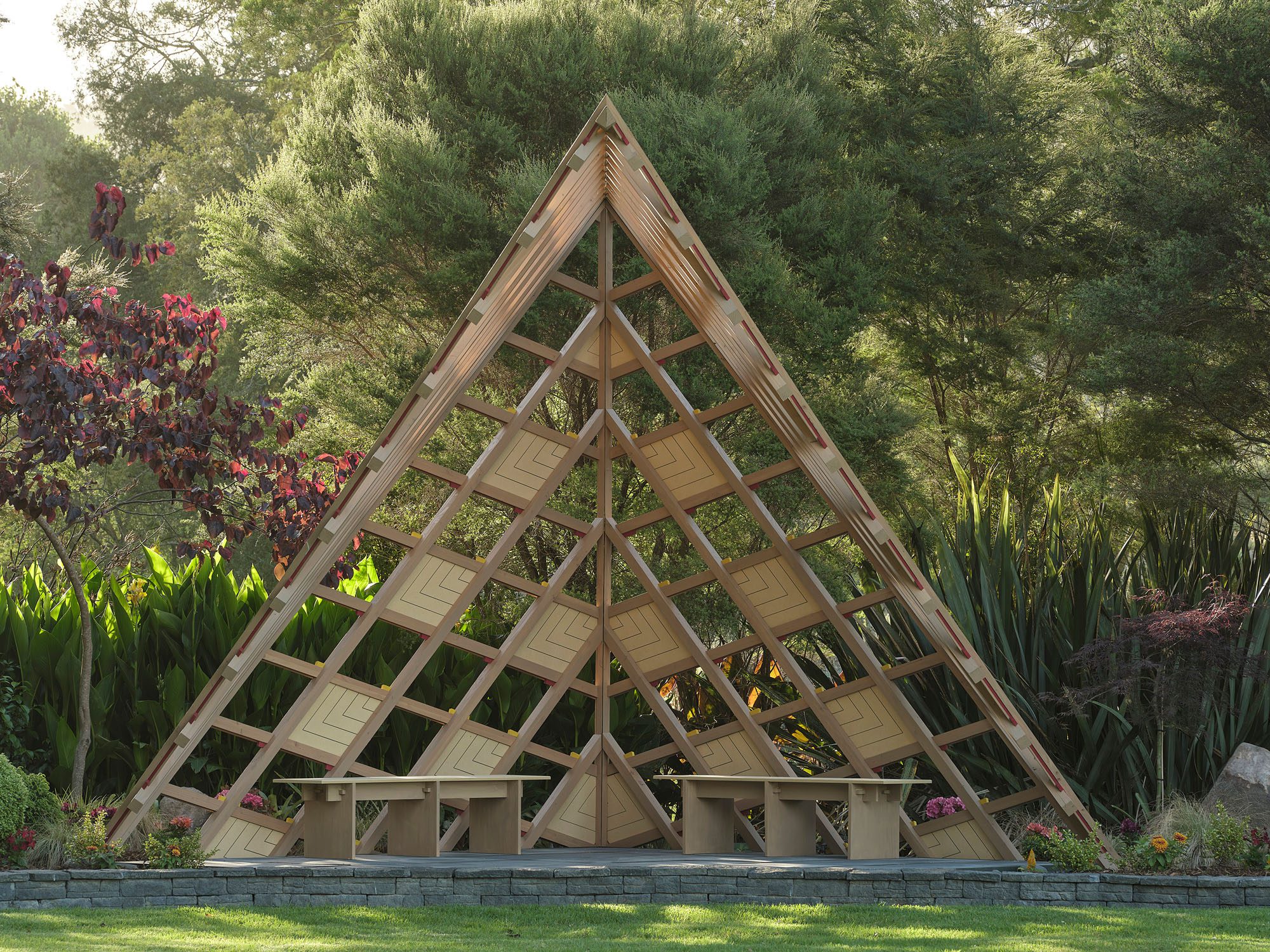
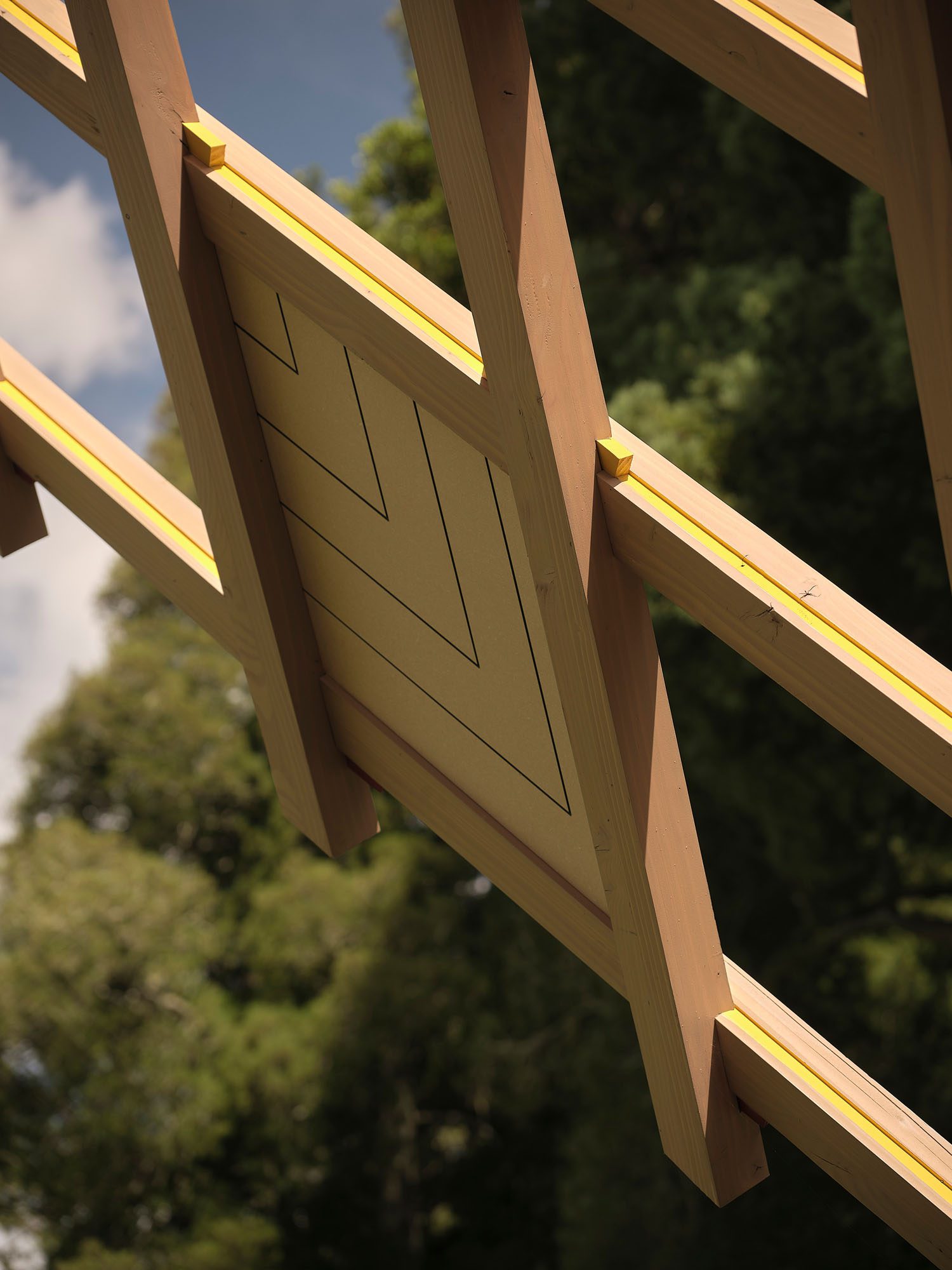
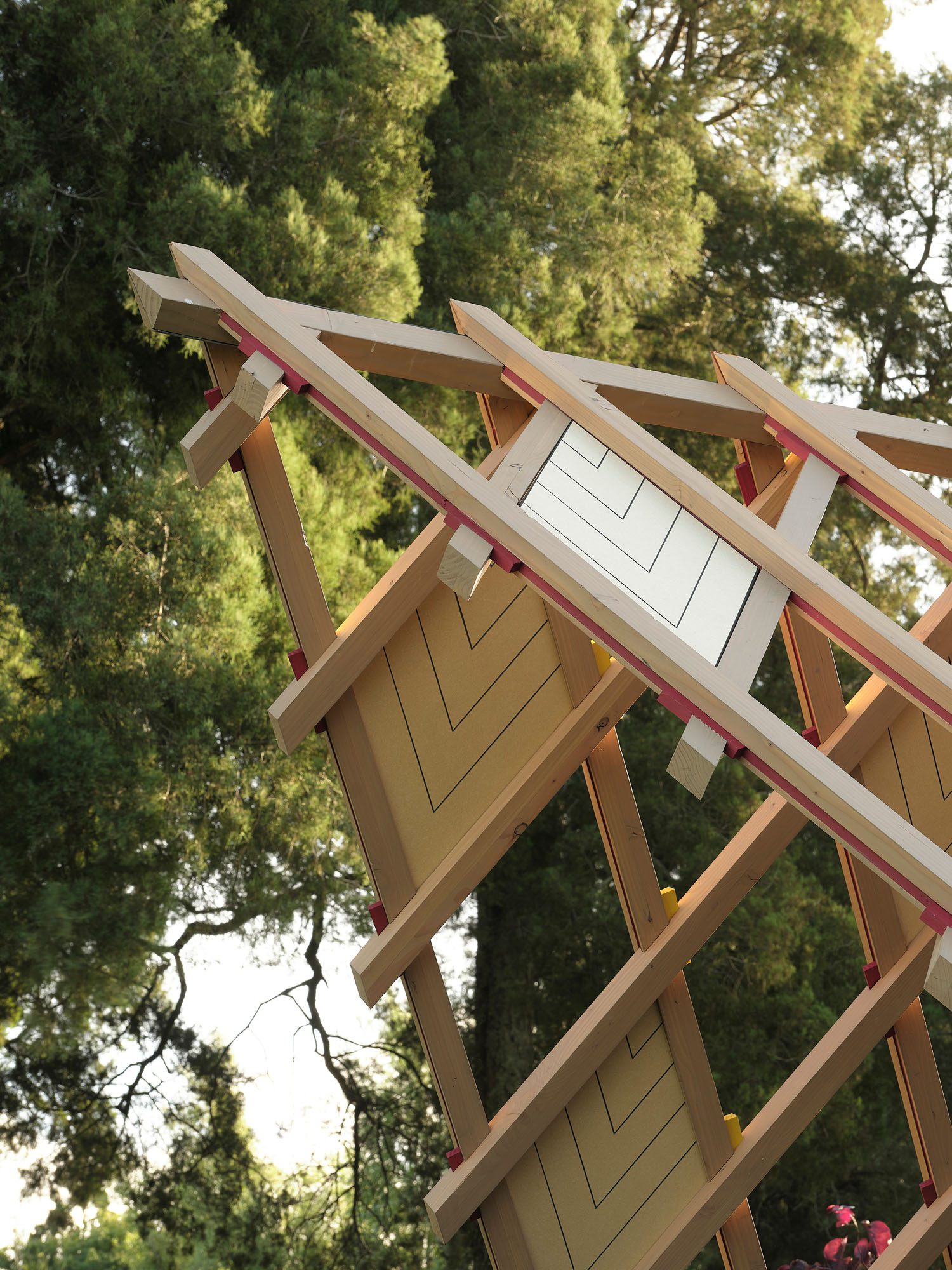
Te Tohu — Andrew Barrie Lab
Winner Small Project Architecture category — Waikato and Bay of Plenty Architecture Awards
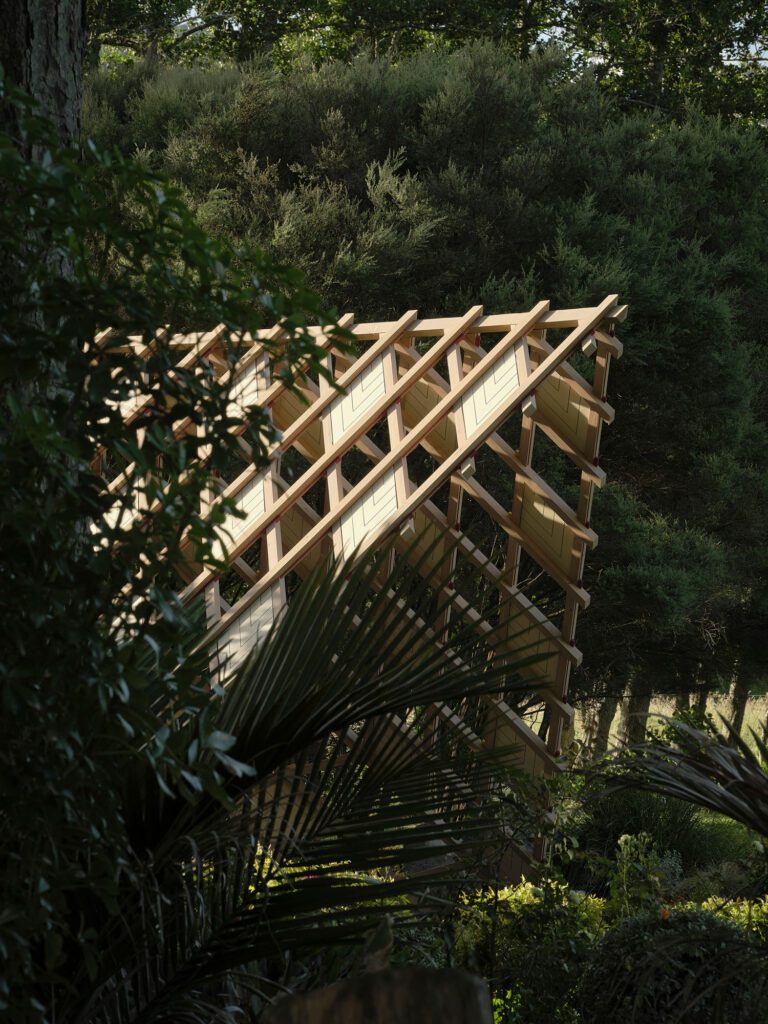
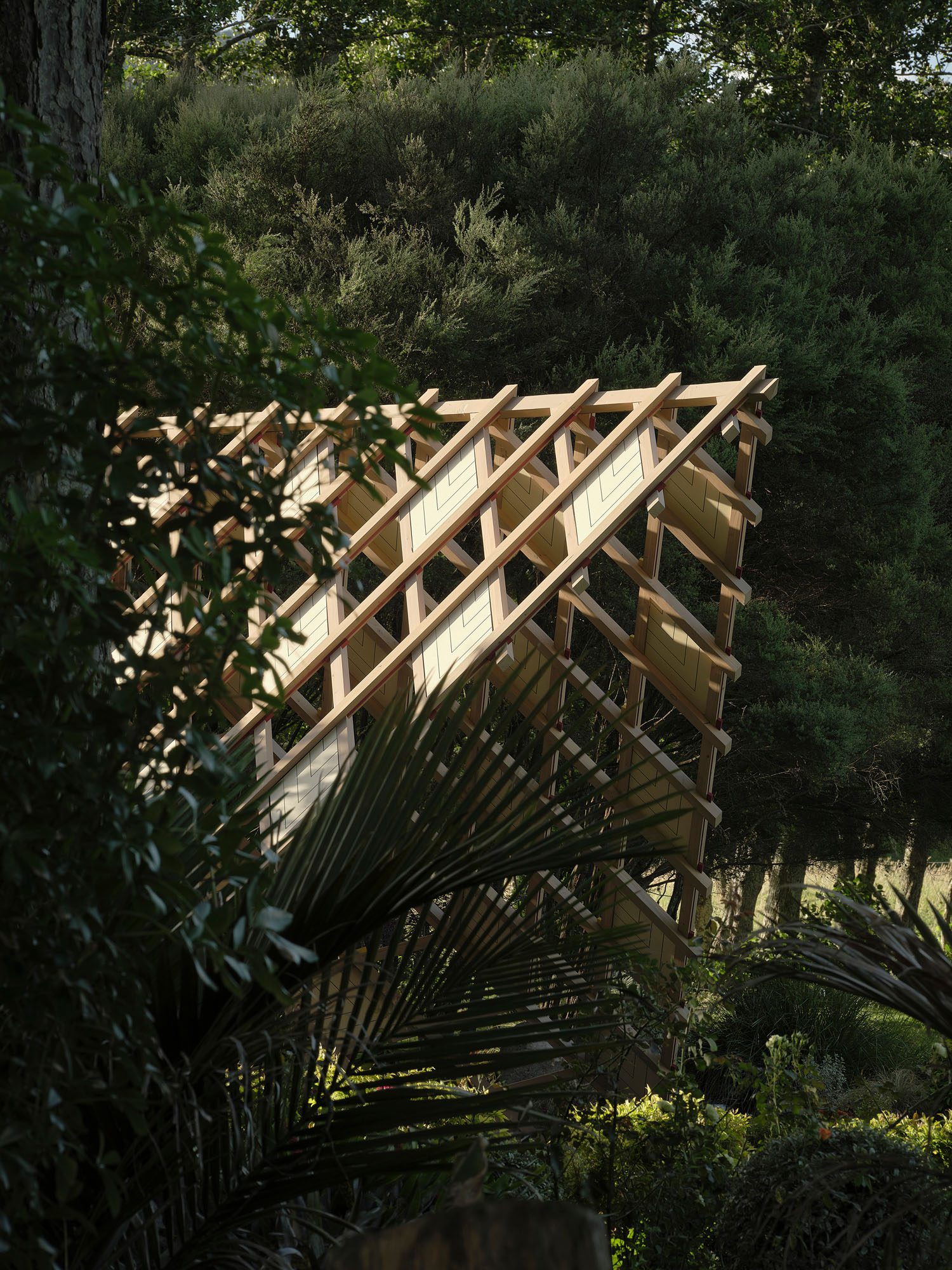
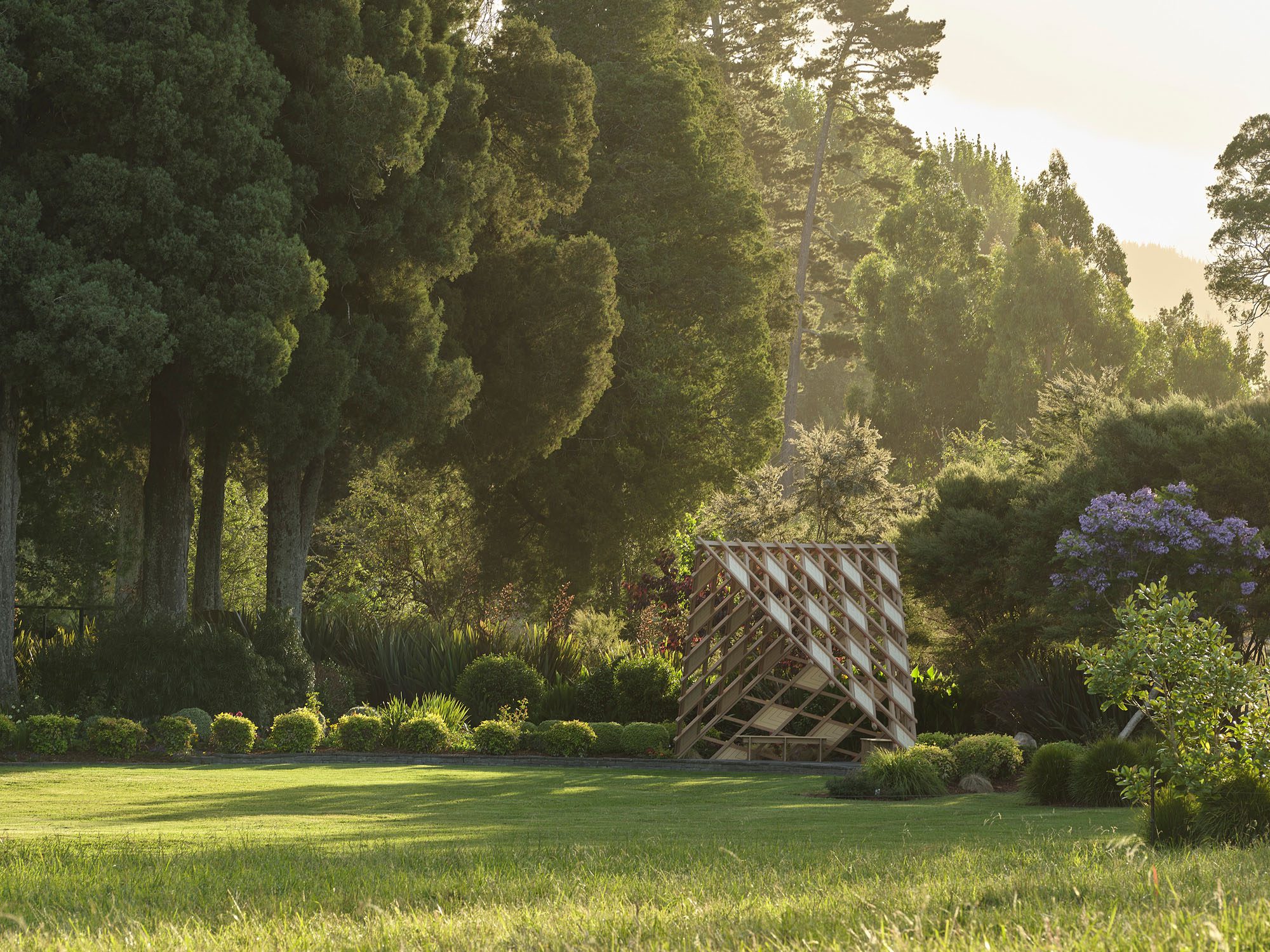
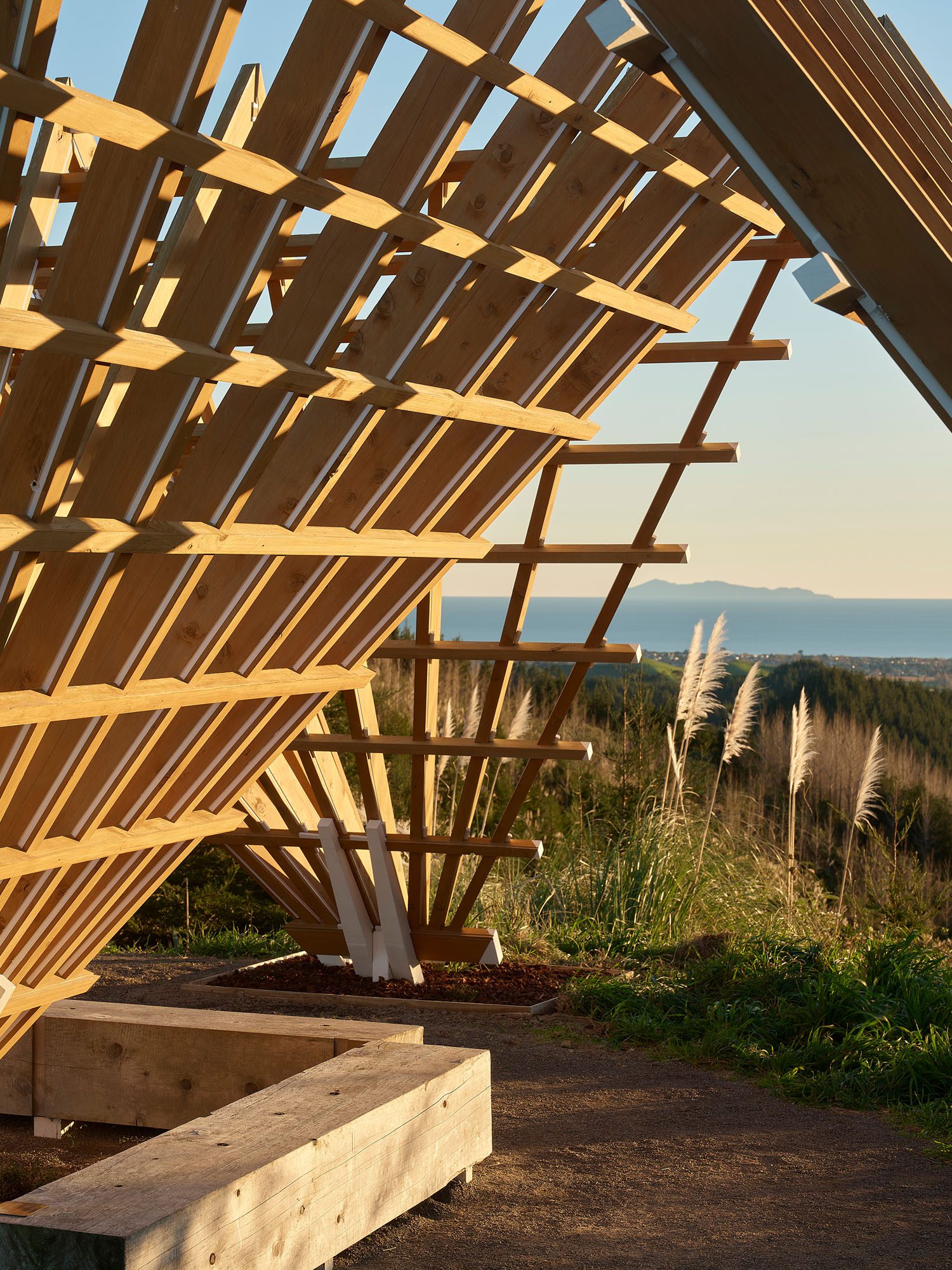
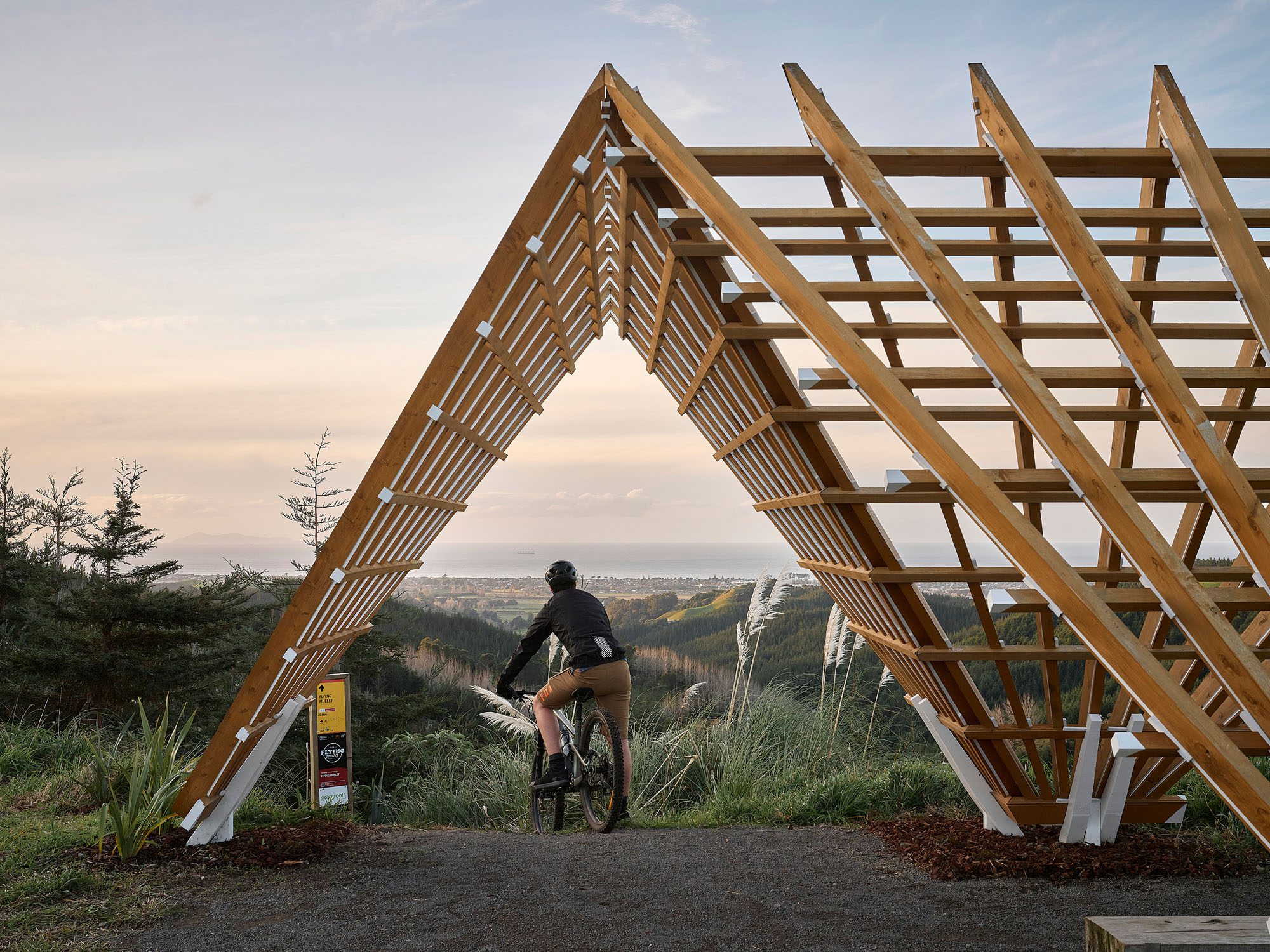
A finely crafted intervention fabricated using CNC digital milling techniques developed with University of Auckland postgraduate students, exploring lightweight construction and strong material connections to its landscape. The project reflects Andrew Barrie Lab’s research-driven approach, combining experimental detailing, contextual sensitivity, and a carefully resolved architectural presence of diamonds, lattices, elegance, and soul. Images Sam Harnett
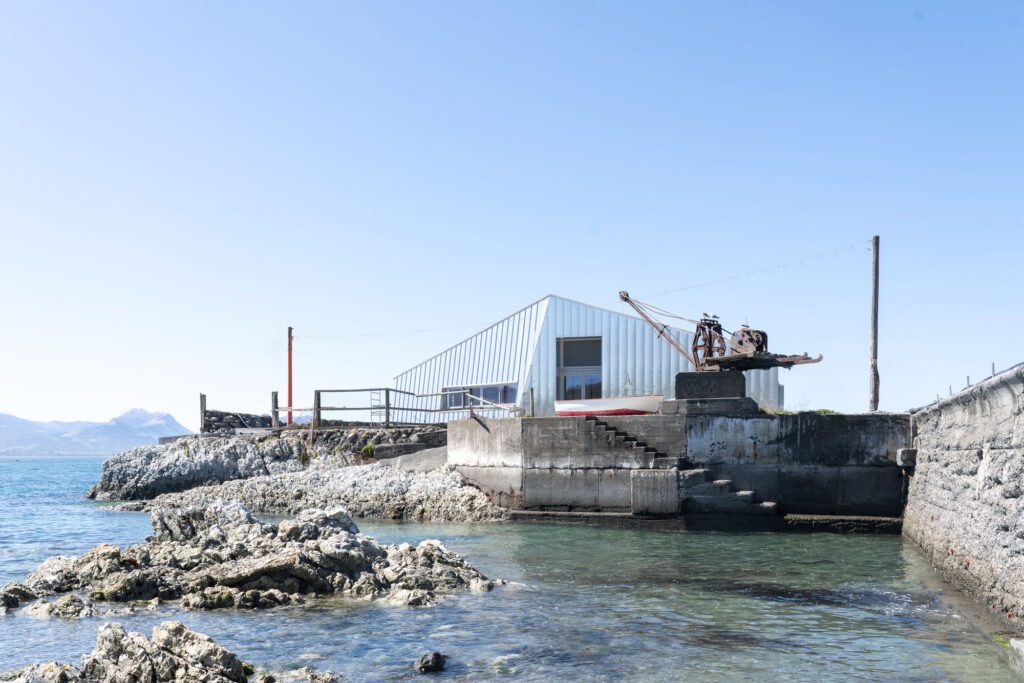
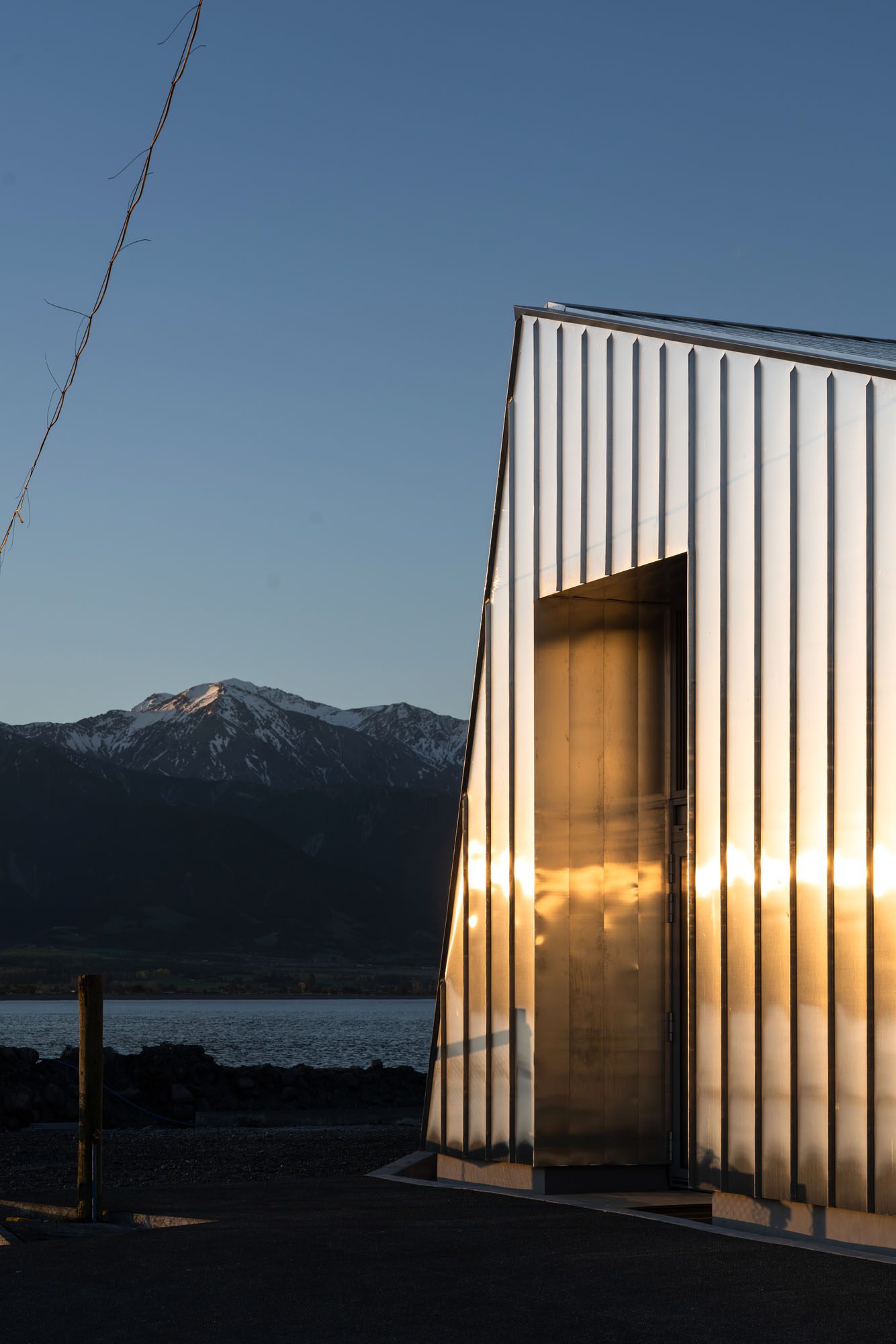
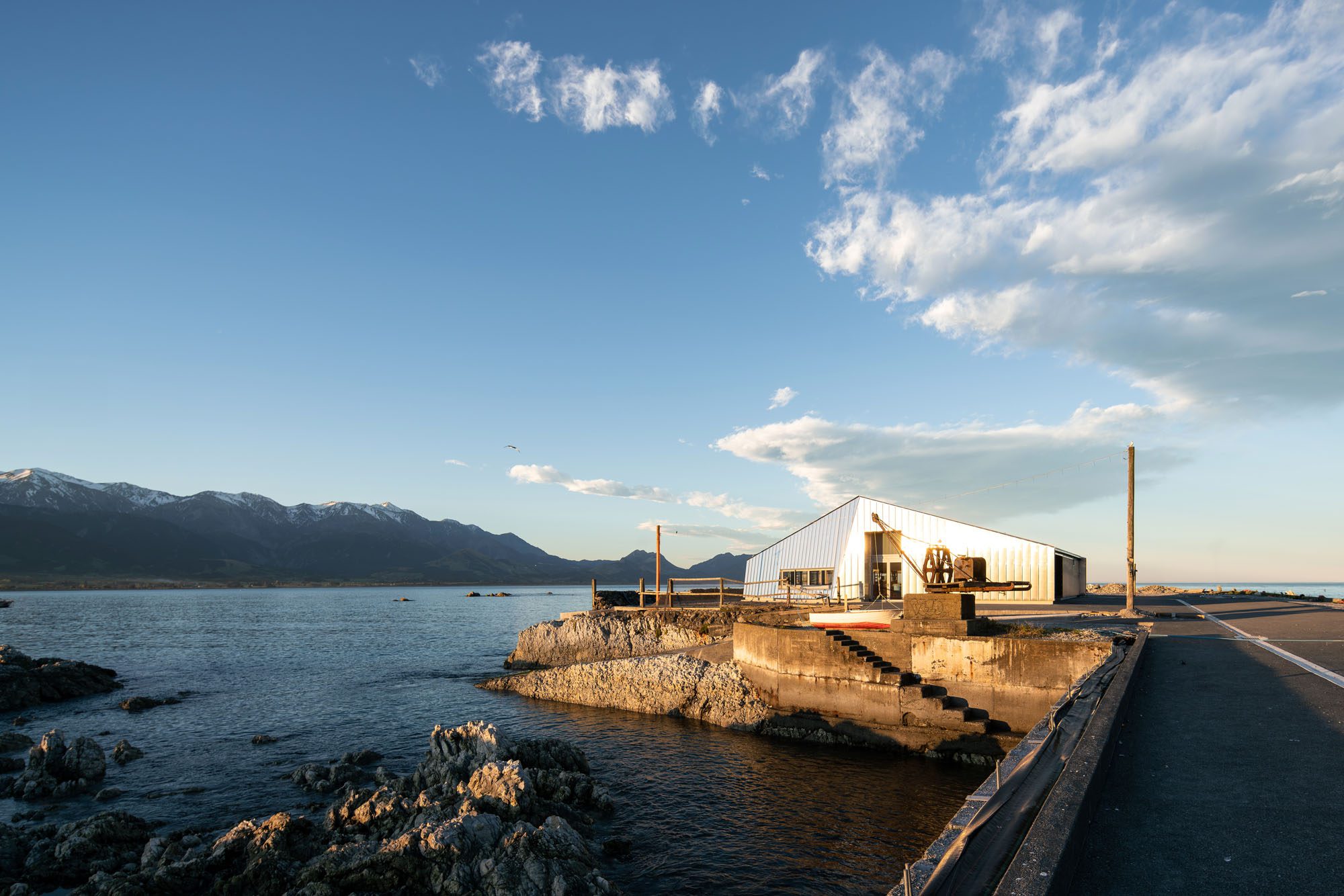
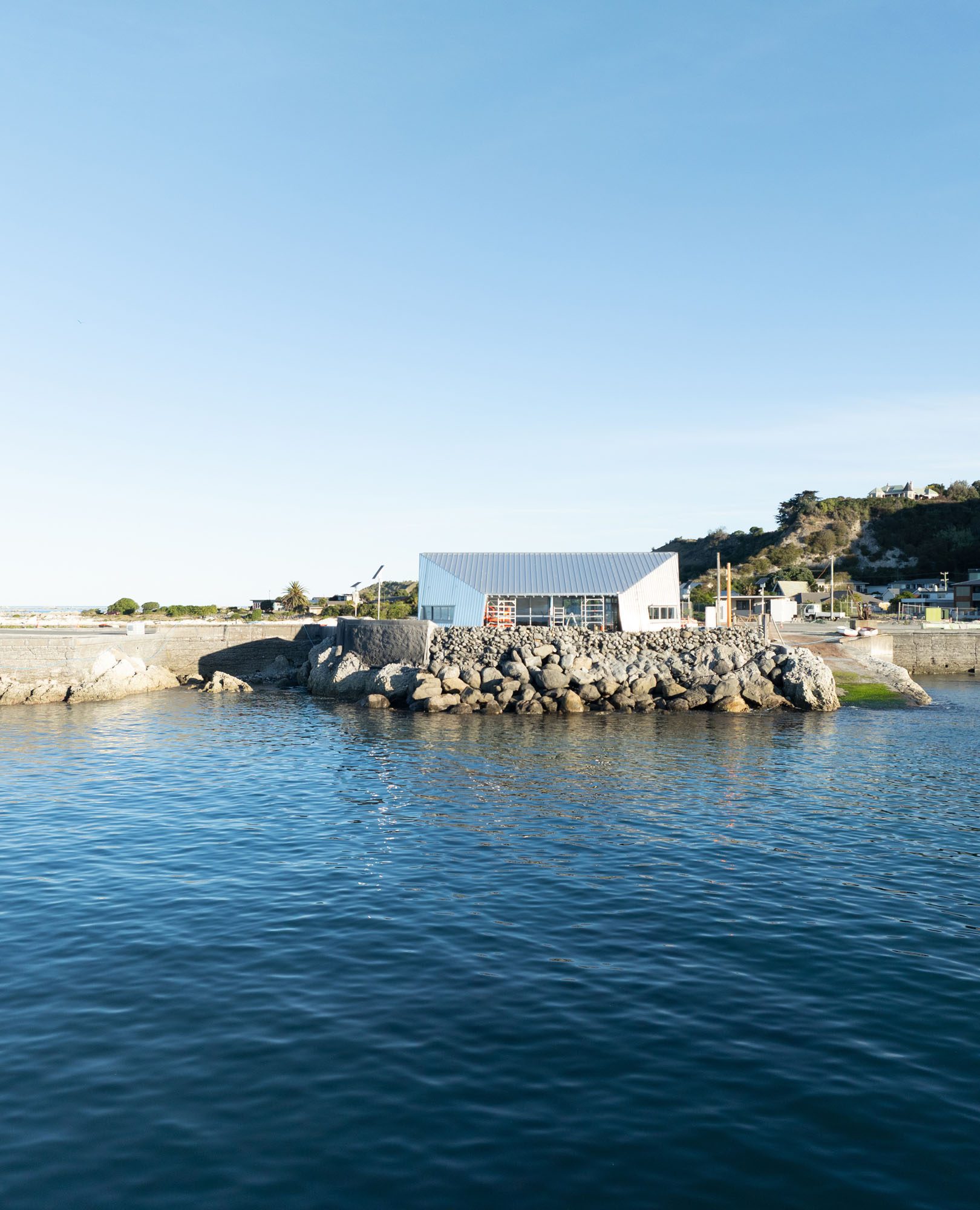
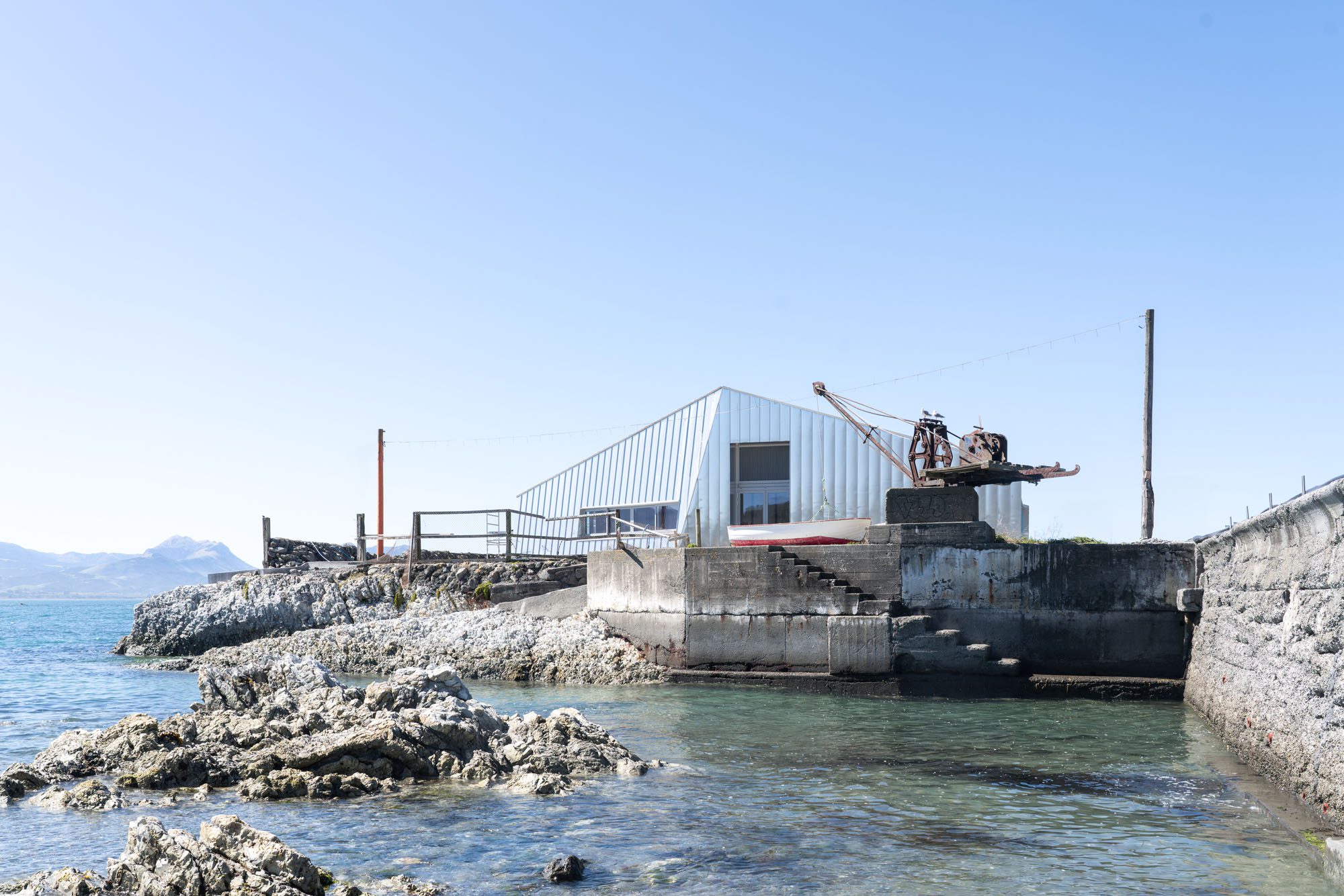
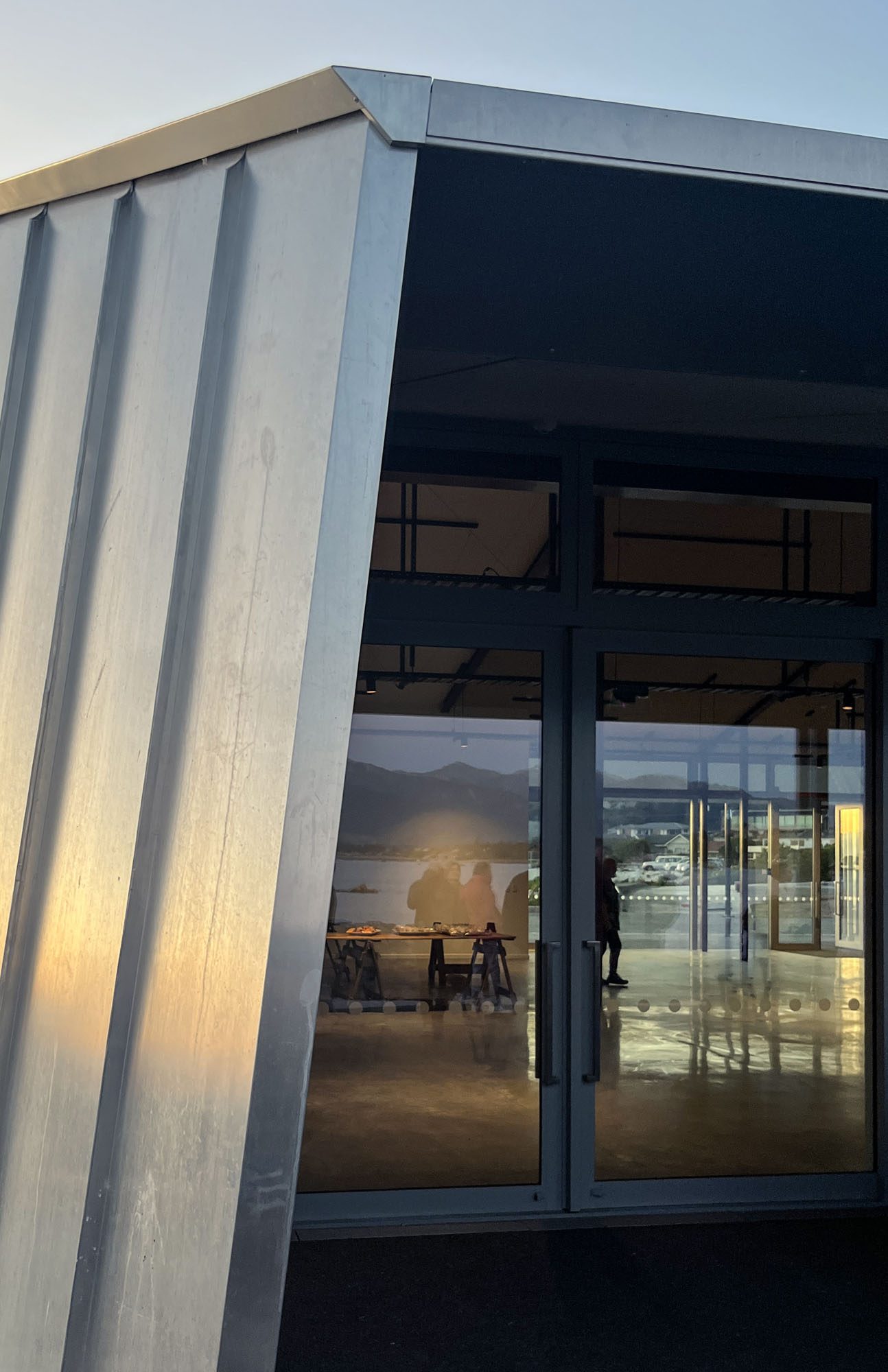
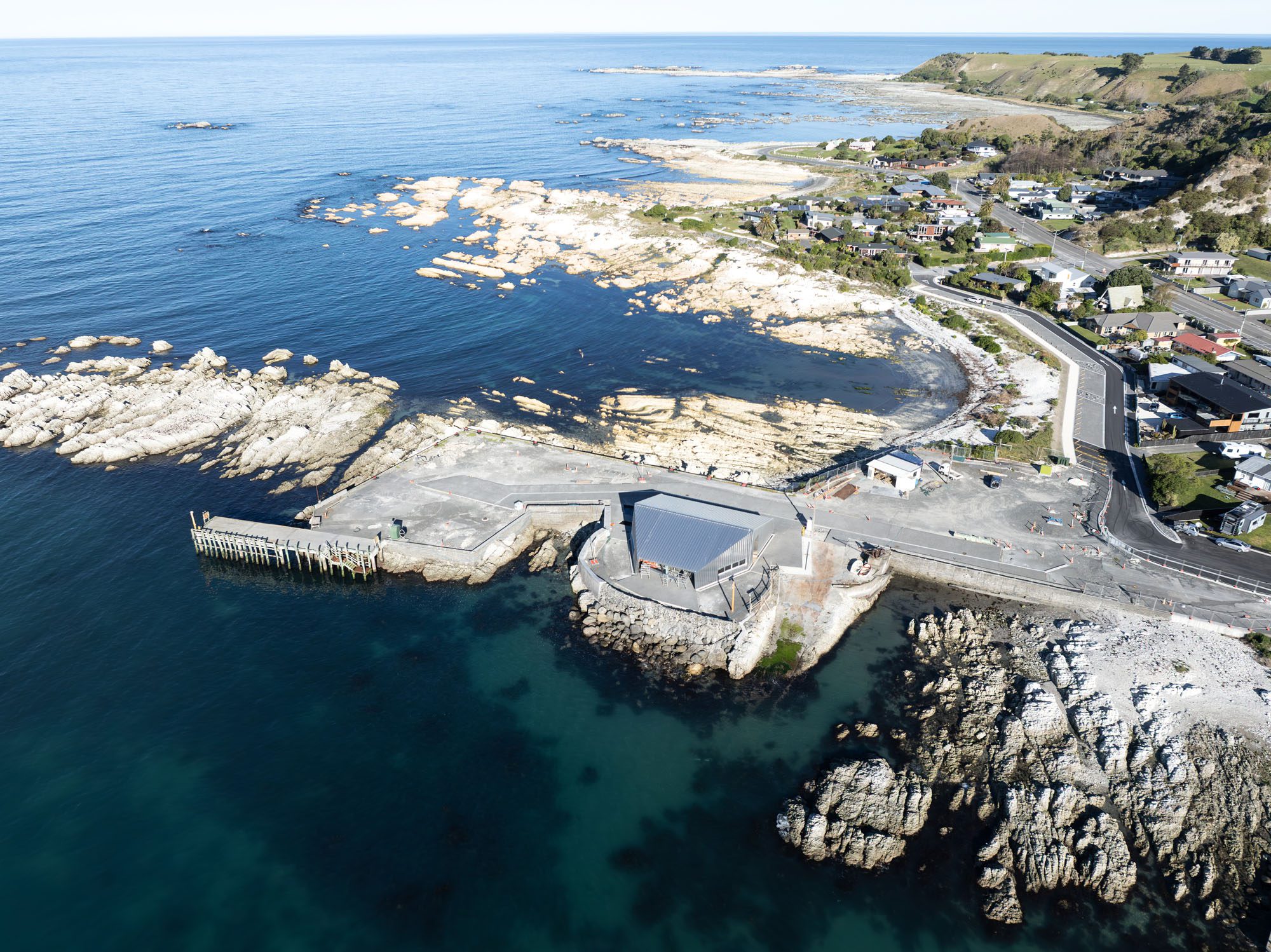
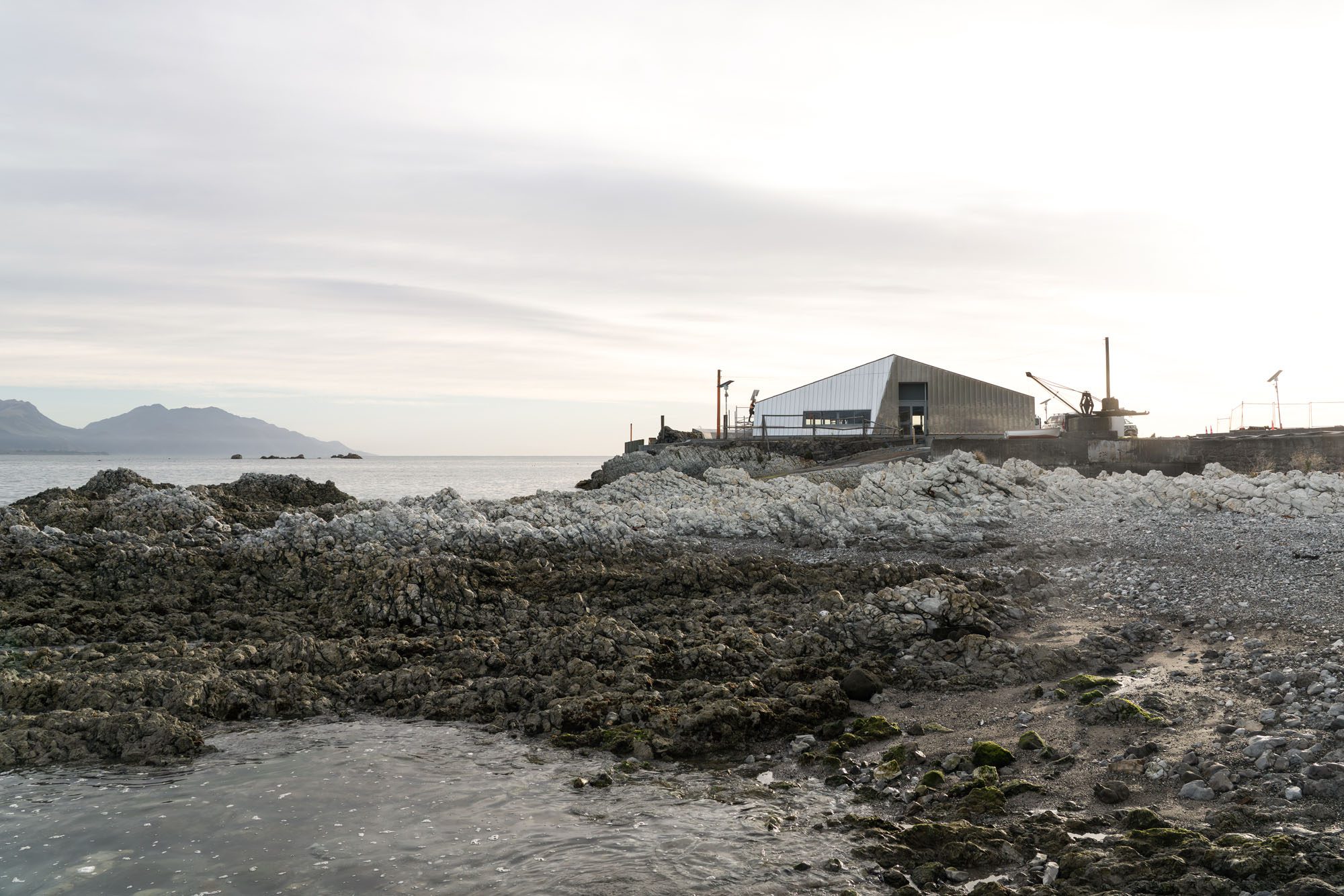
Wakatu Quay Restaurant — Warren and Mahoney
Winner Commercial Architecture category. Shortlisted Small Project Architecture category — Nelson and Marlborough Architecture Awards
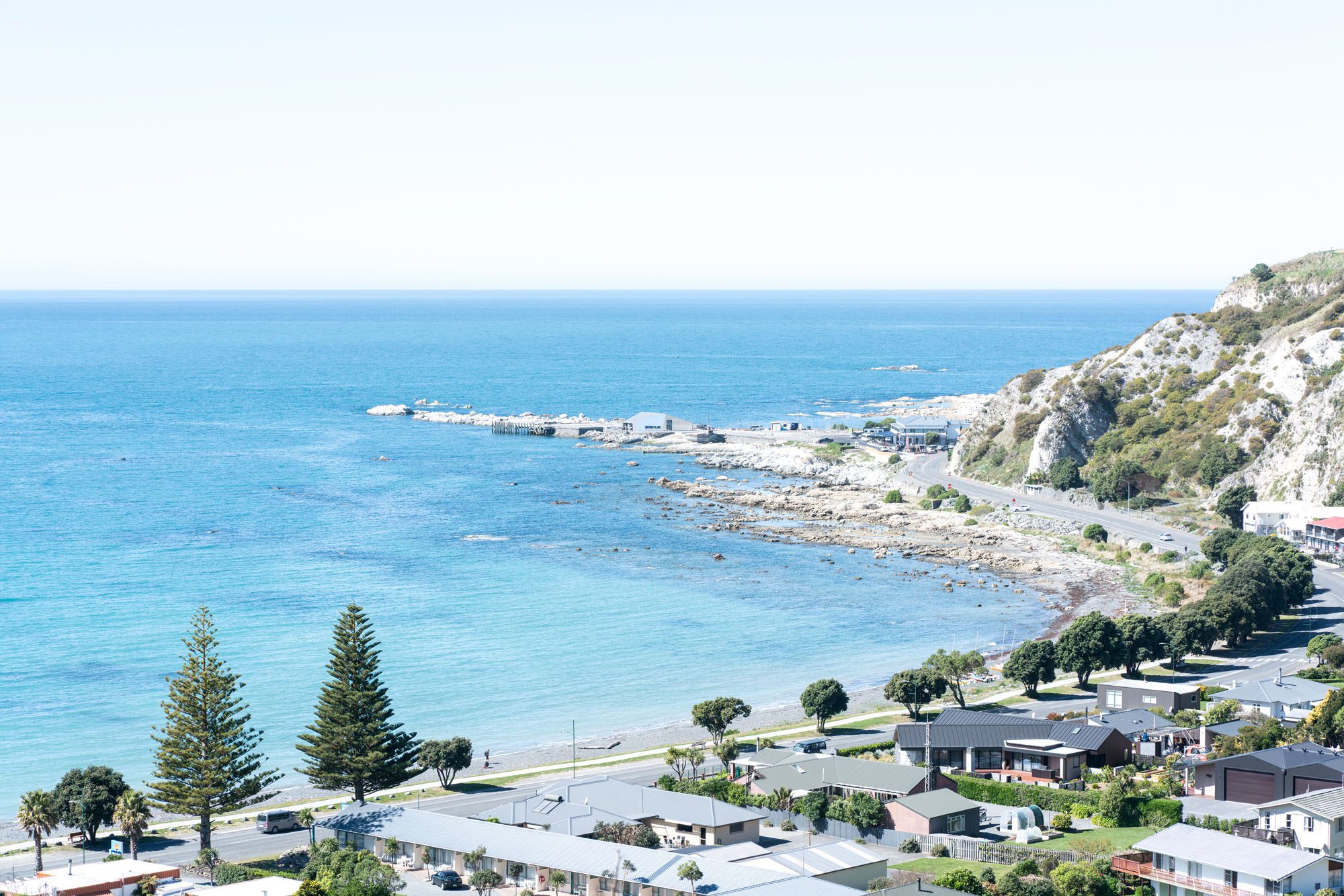
Positioned at the water’s edge in Kaikōura, the building captures views across the sea, township, and Southern Alps. This hospitality building forms the first stage of a broader waterfront redevelopment following the 2016 earthquake. The faceted form references the underside of a boat hull and the local geology in a building that feels intrinsically suited to its site.
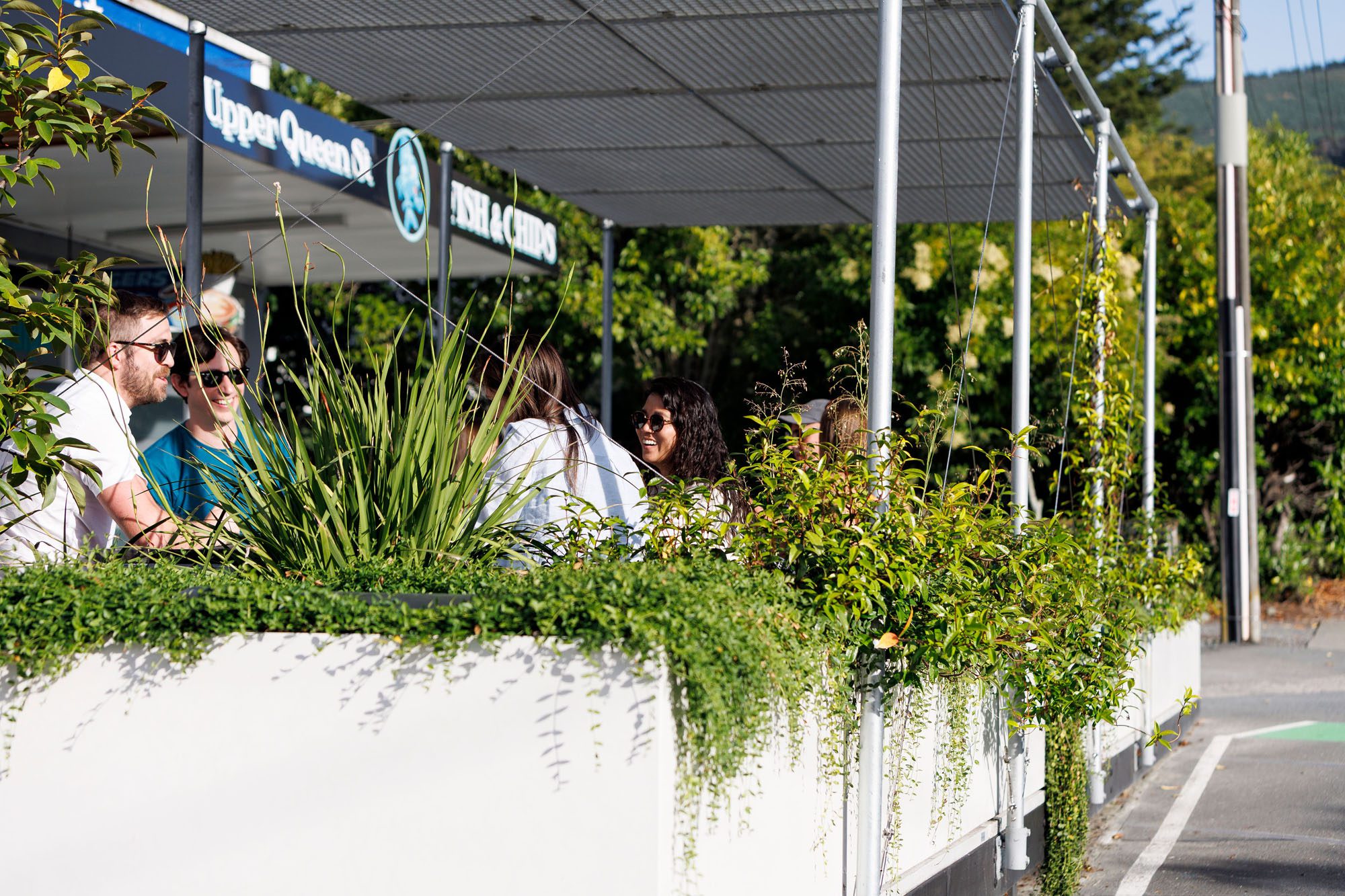
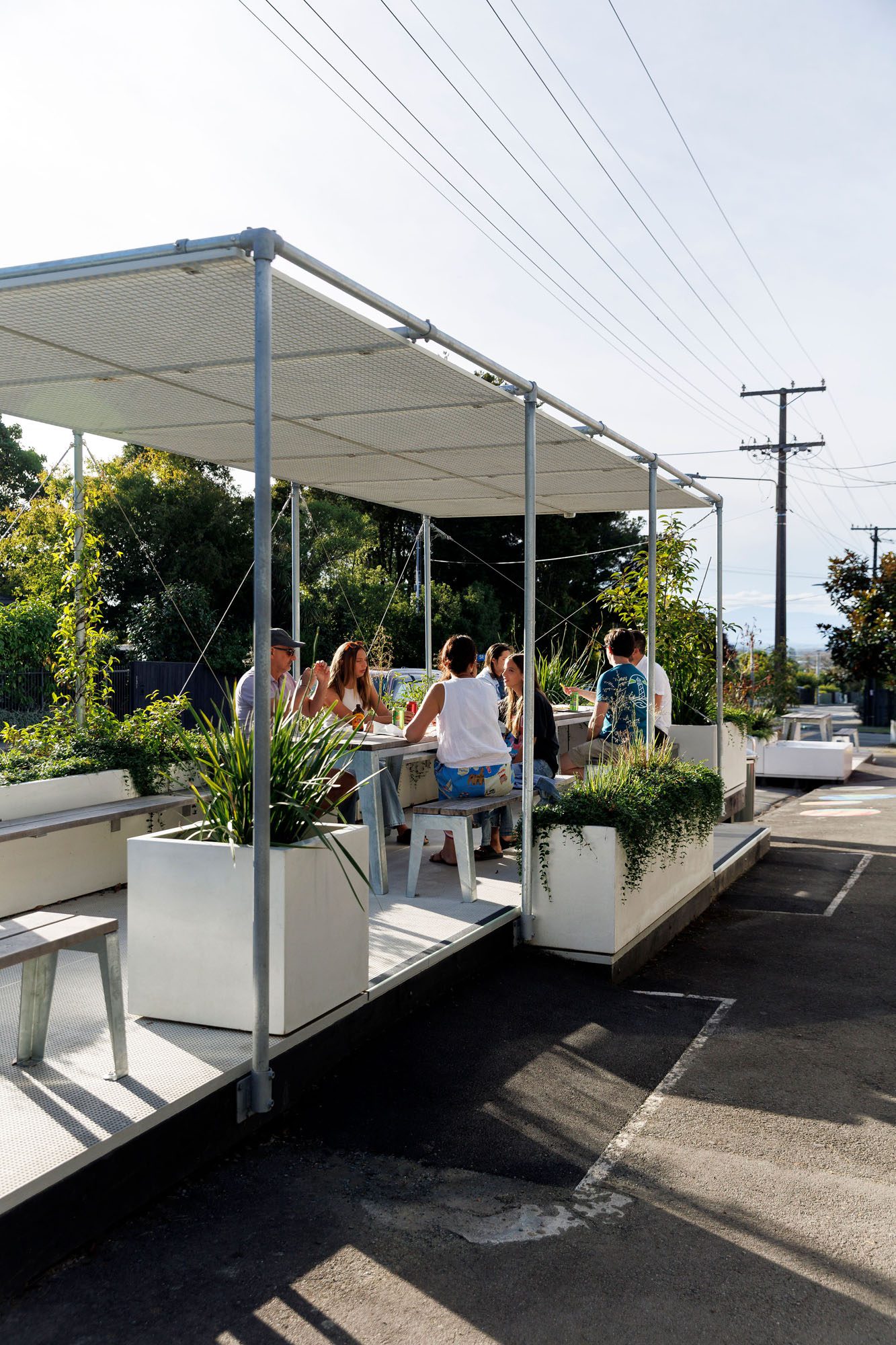
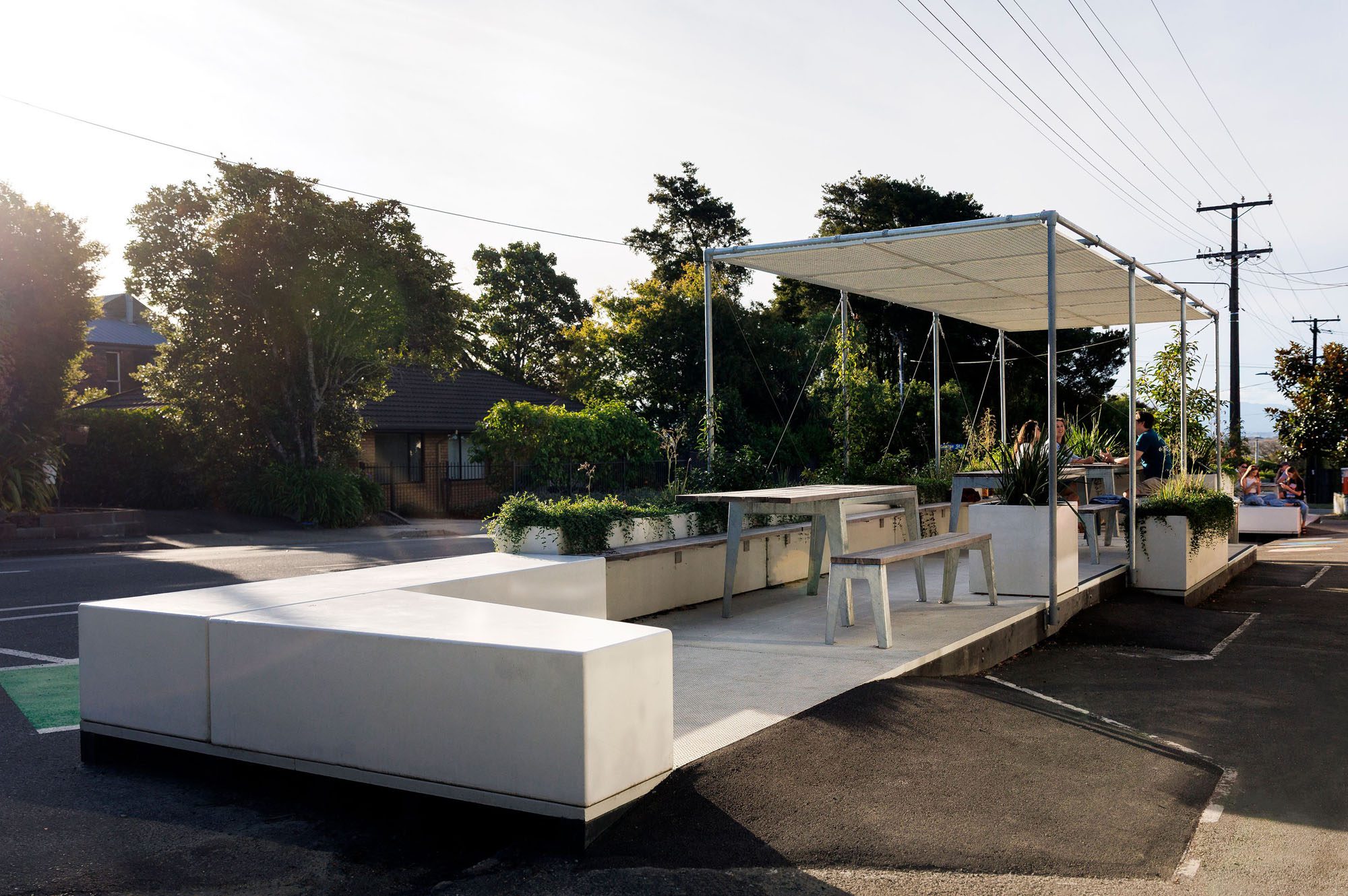
Queen Street Parklet — William Samuels Architects
Winner Public Architecture category. Shortlisted Small Project Architecture category — Nelson and Marlborough Architecture Awards
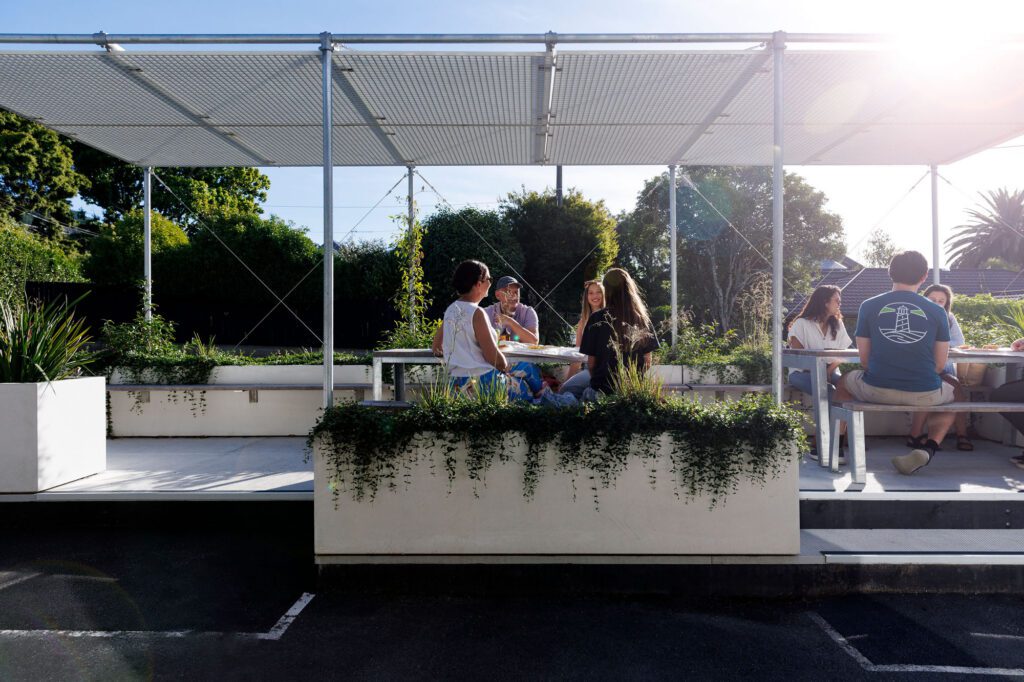
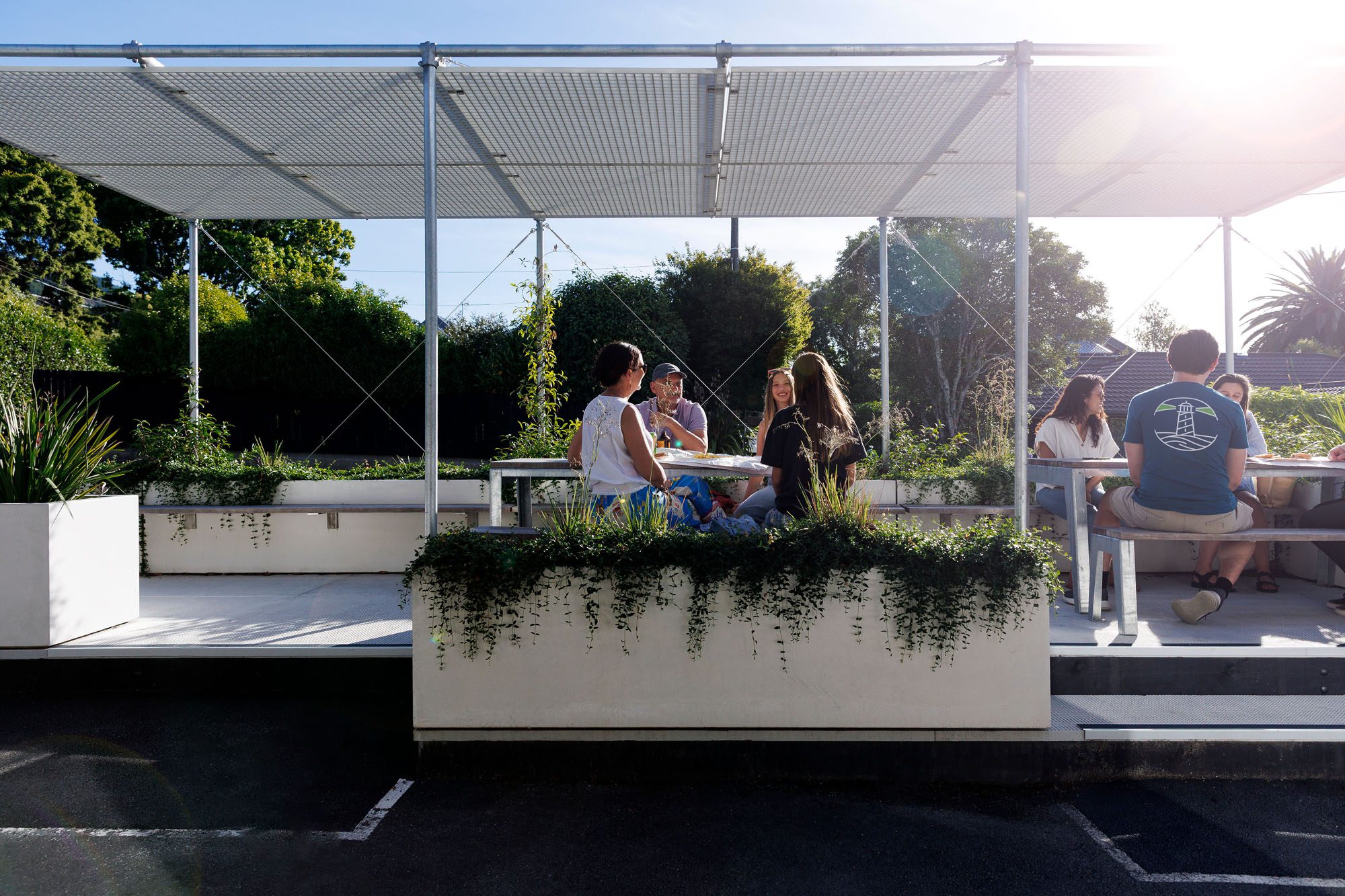
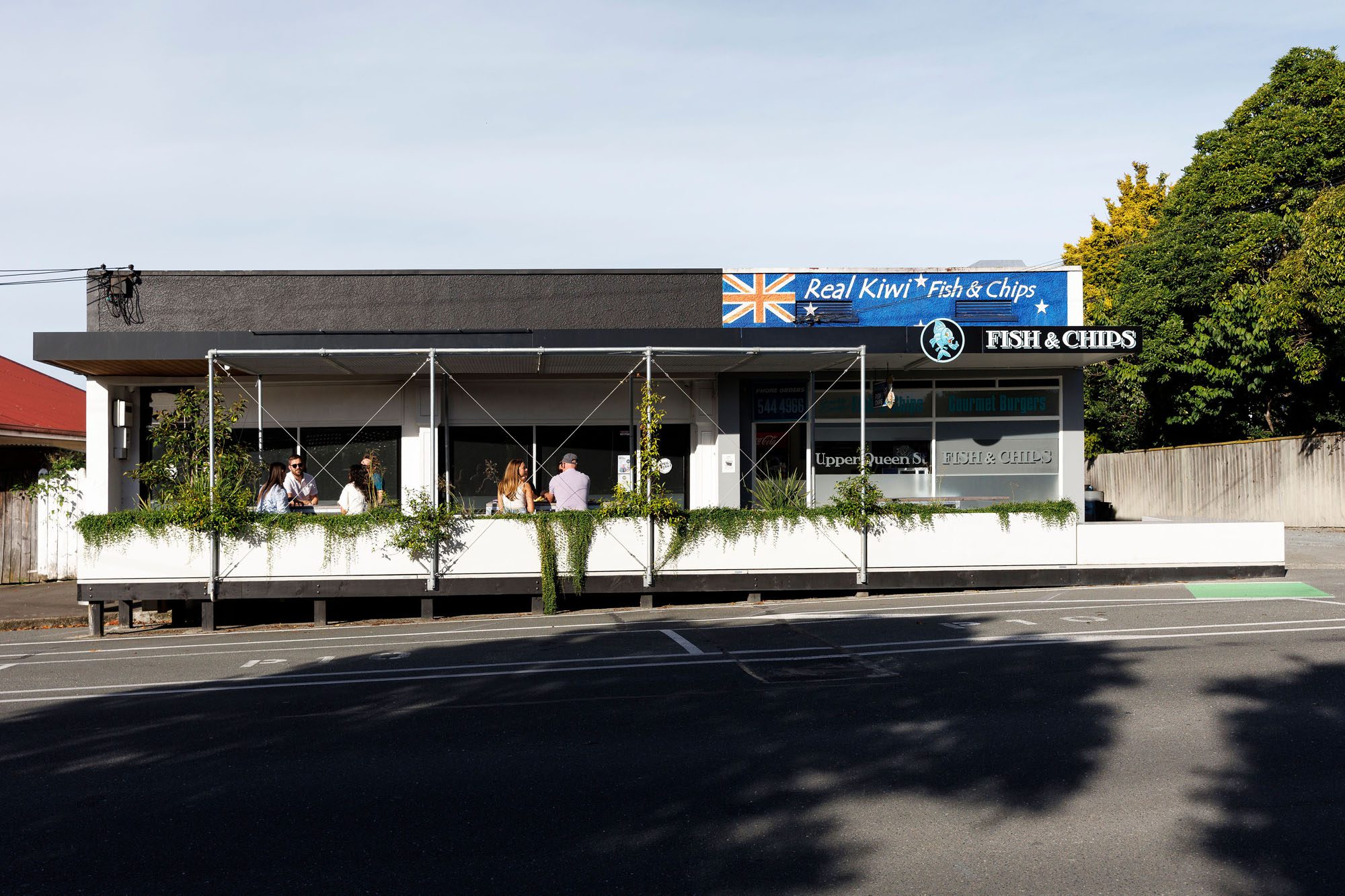
Designed as part of Waka Kotahi’s Streets for People programme, this parklet in Richmond, Nelson, transforms former car parking into a covered civic space with generous planted edges, bike parking, and a linear canopy of mesh panels designed to cast soft, dappled light. All components are designed for removal and reuse should the parklet ever be disestablished.
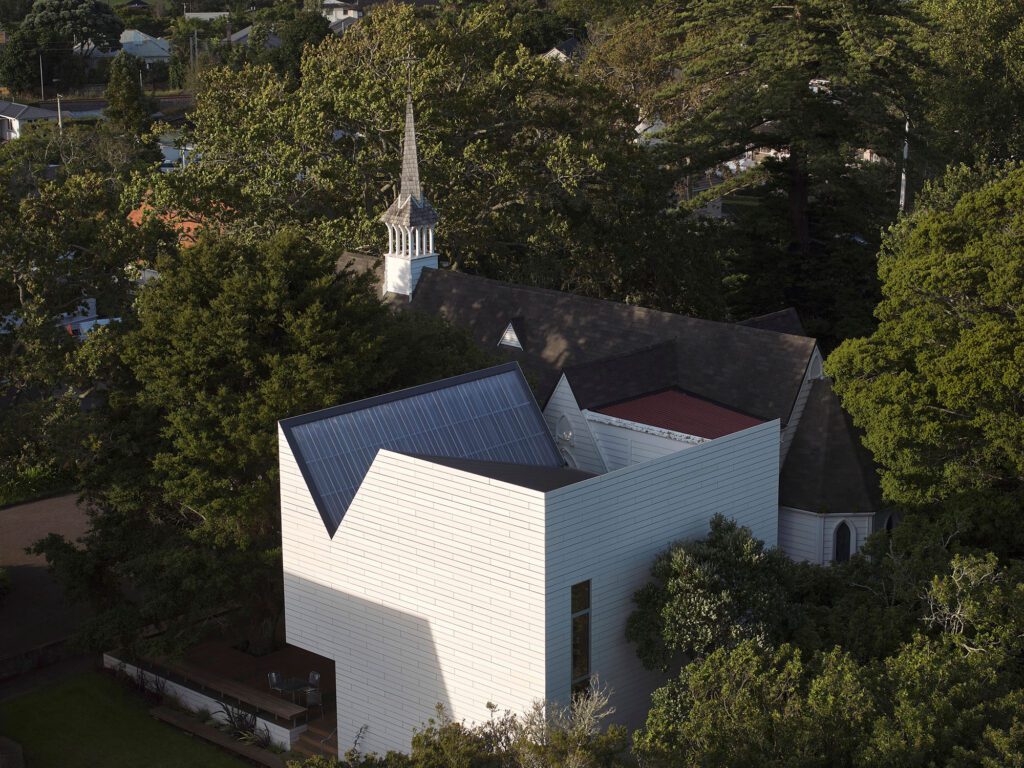
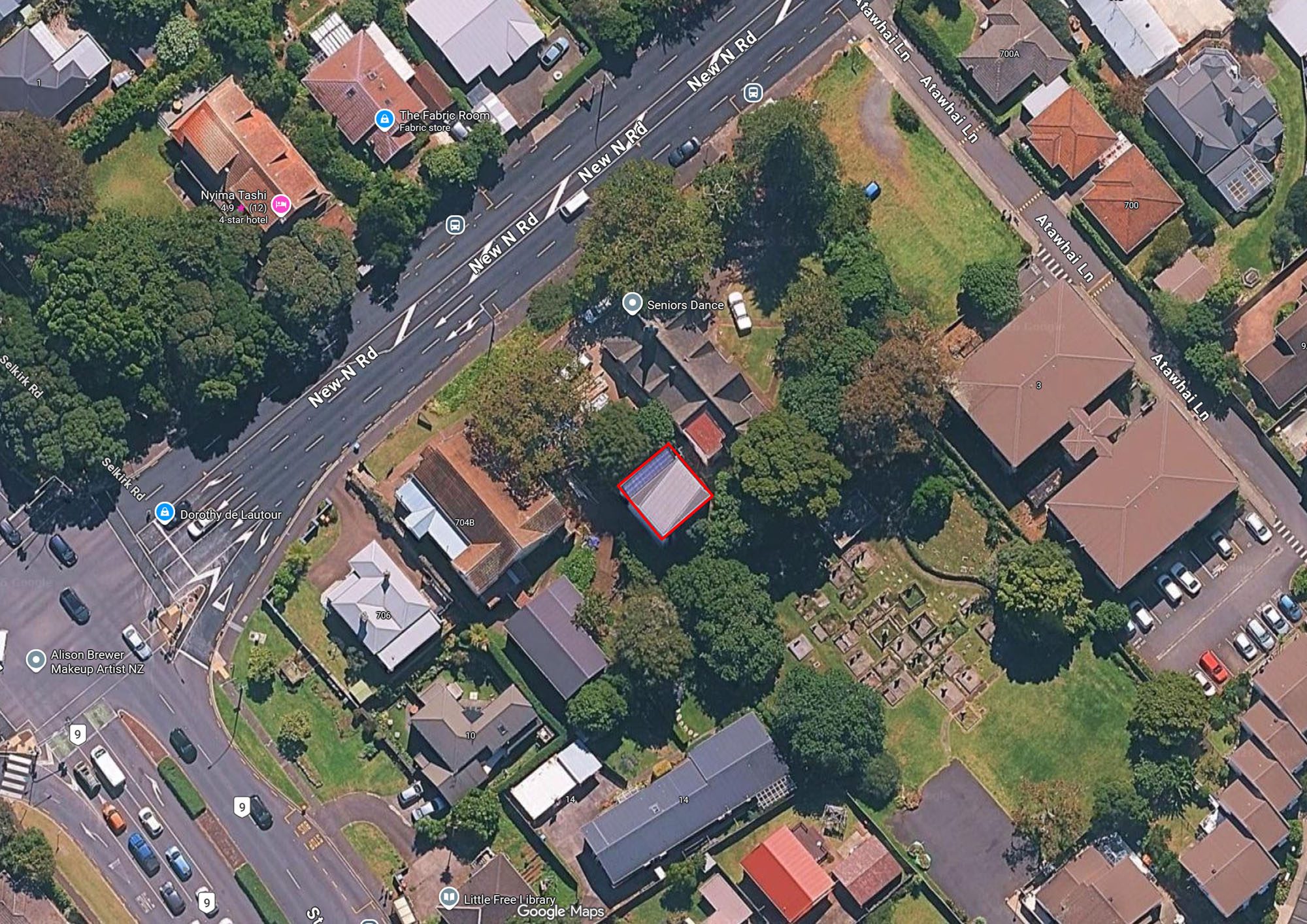
St Luke’s Anglican Church Hospitality Centre — Andrew Barrie Lab
Shortlisted Small Project Architecture category — Auckland Architecture Awards. Winners will be announced on 18 June.
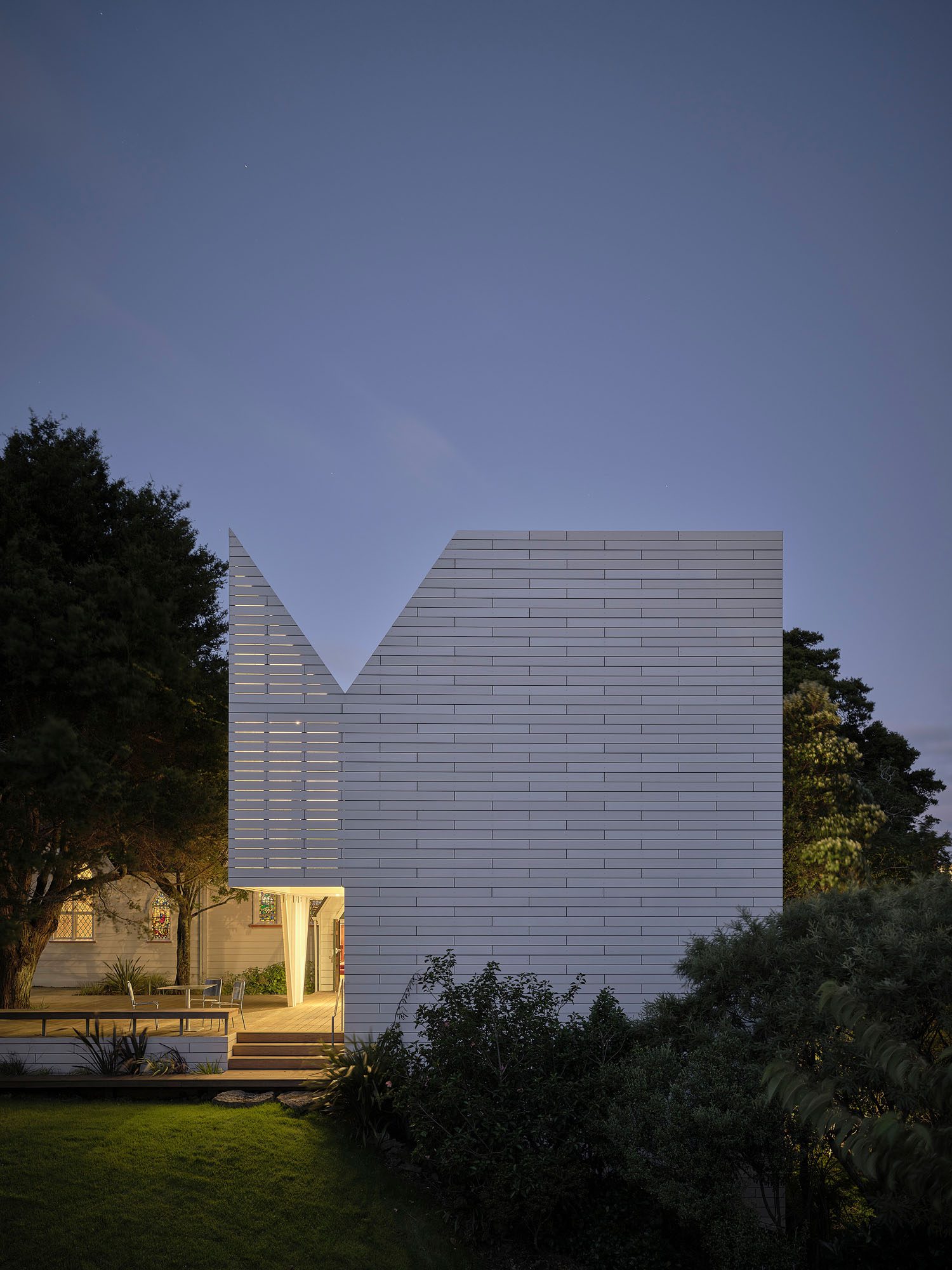
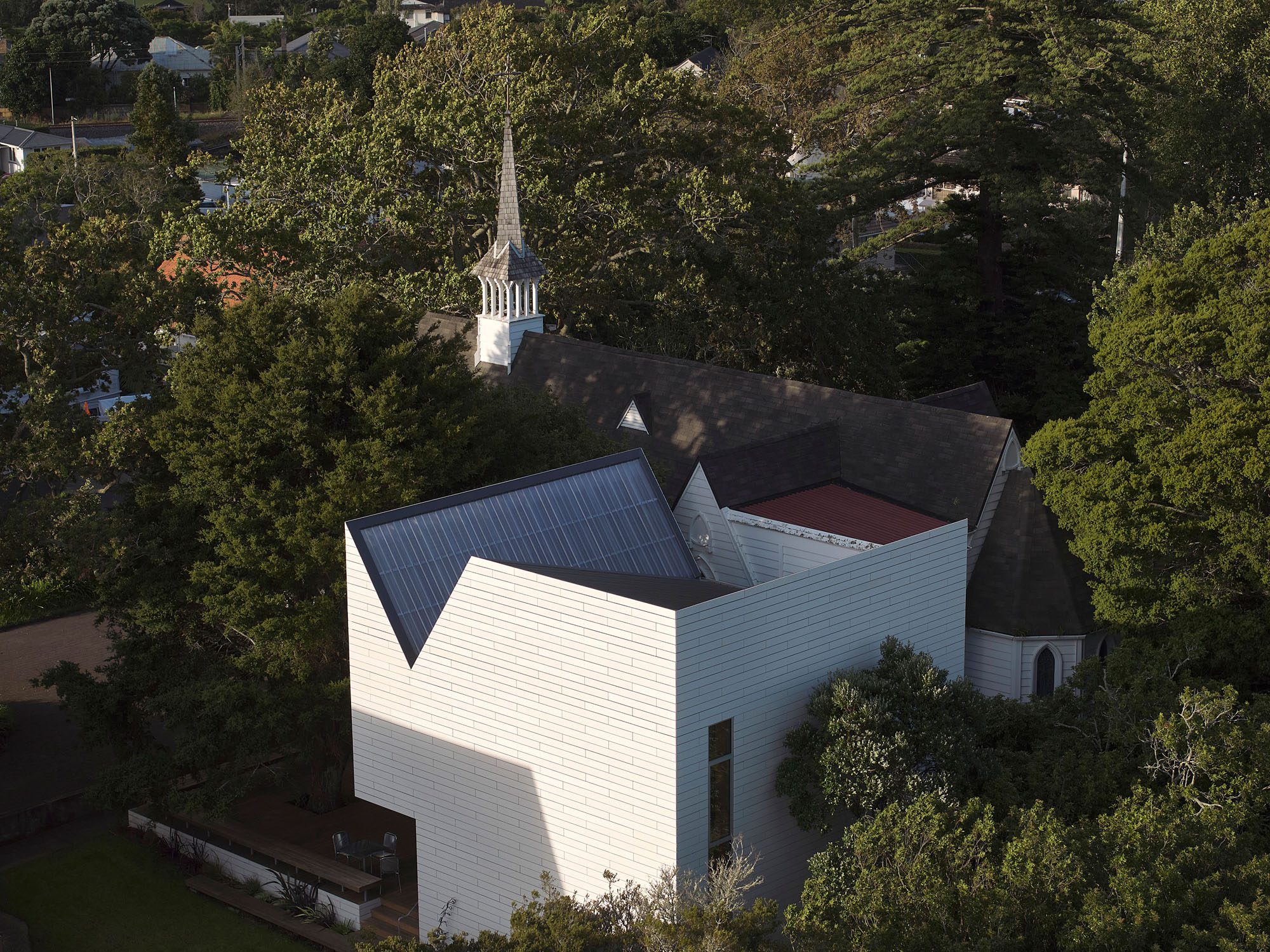
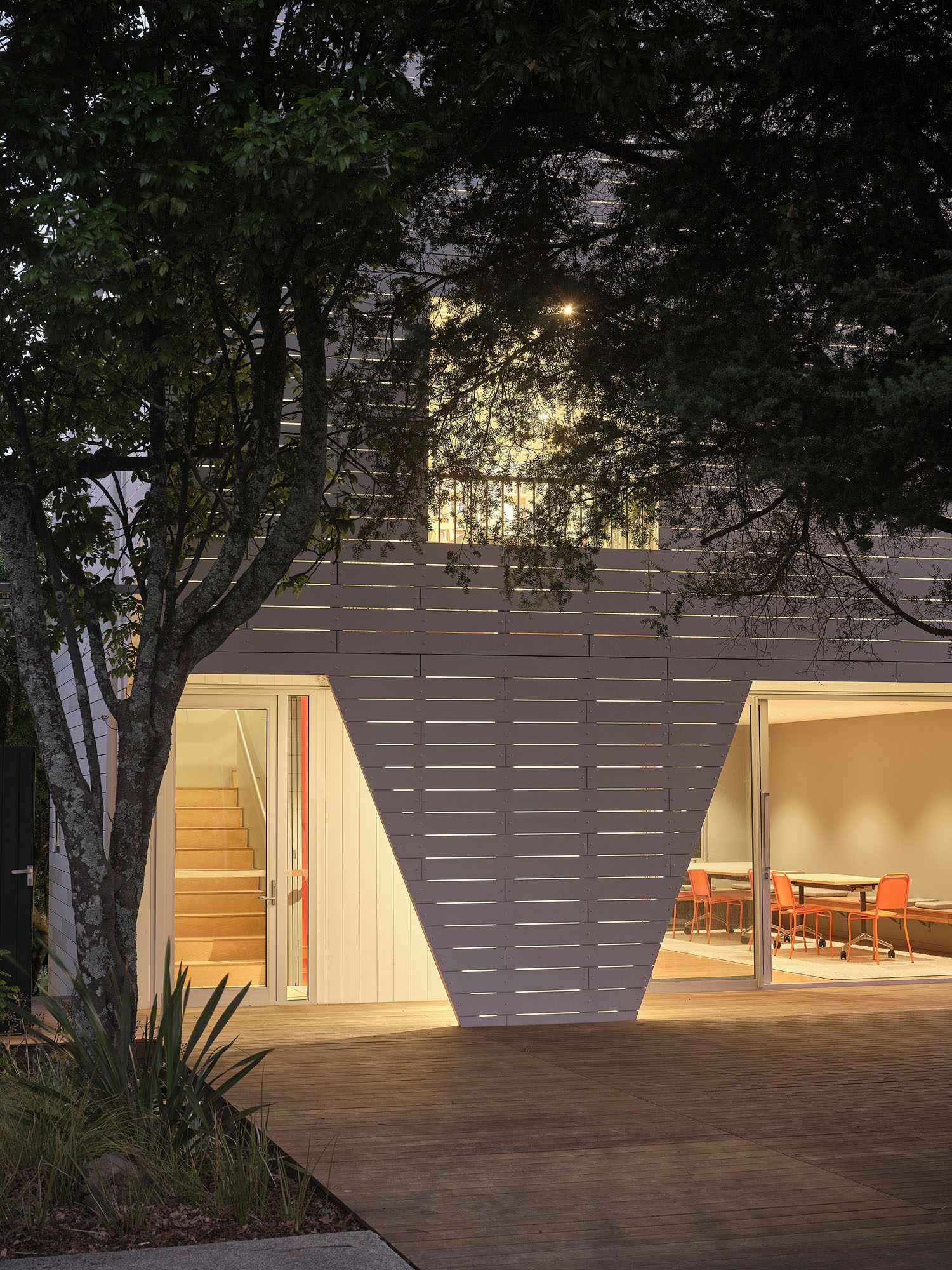
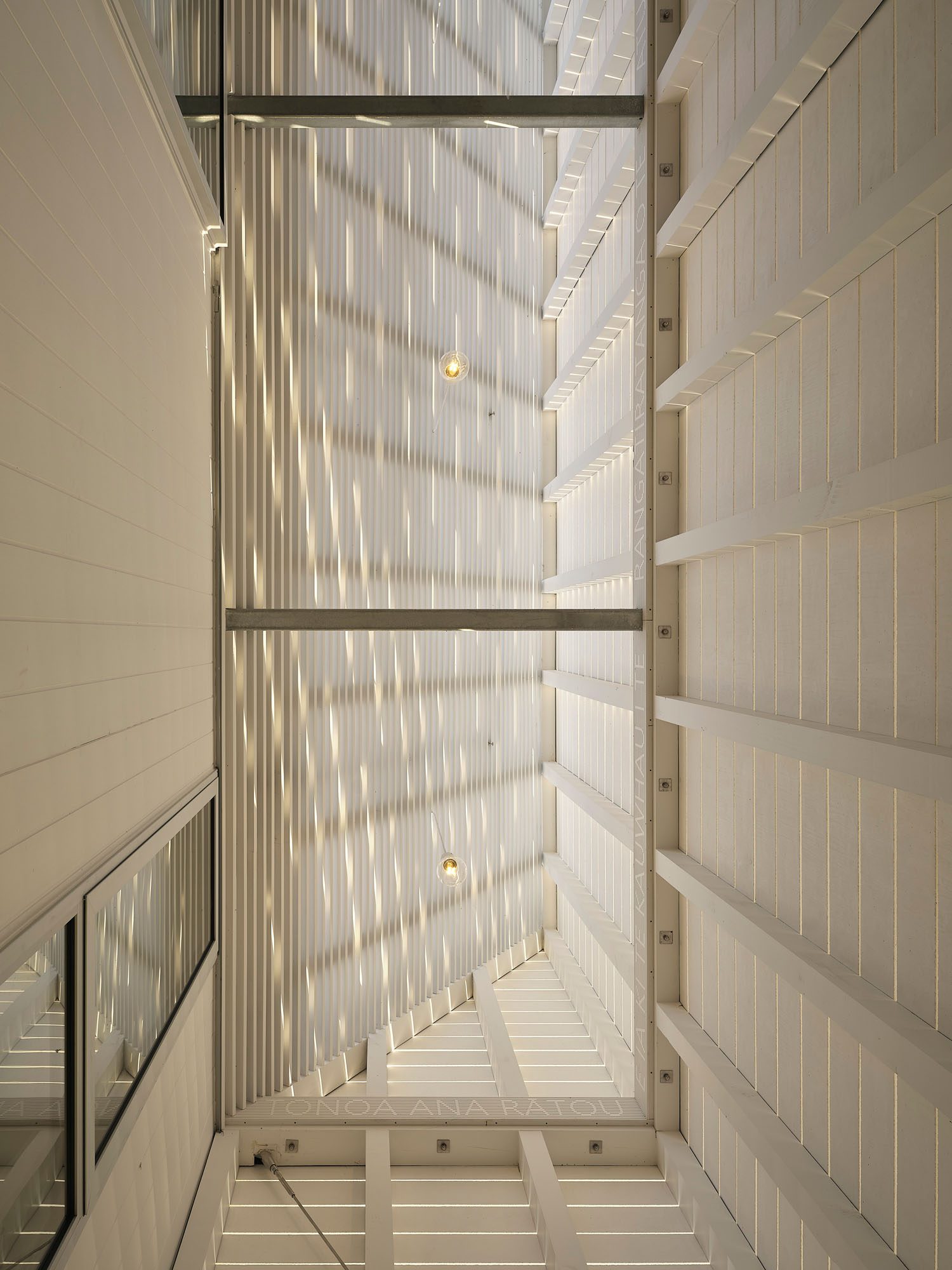
A contemporary addition beside the 150-year old St Luke’s Anglican Church in Mt Albert, this project carefully balances heritage responsiveness with modern community use while both remain clearly legible as such.The hospitality centre references the church’s Gothic Revival timber architecture through stunningly abstracted forms, while improving accessibility, landscape integration, and shared civic gathering spaces. An absolute exemplar of what respectful, yet imaginative heritage additions can aspire to.
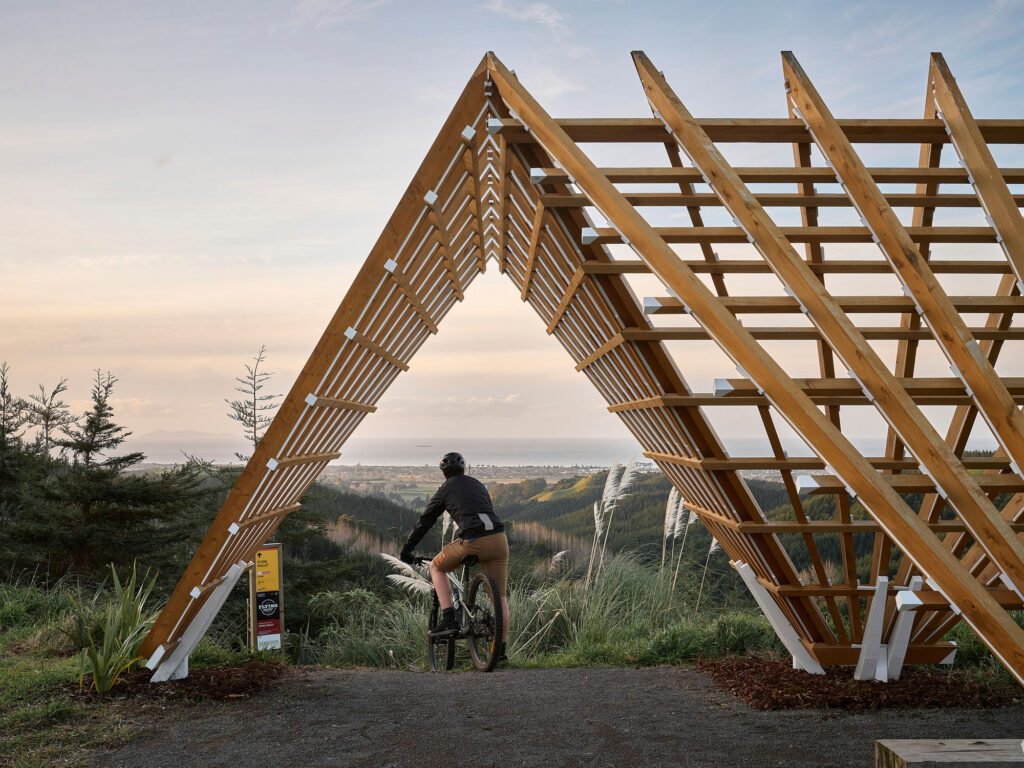
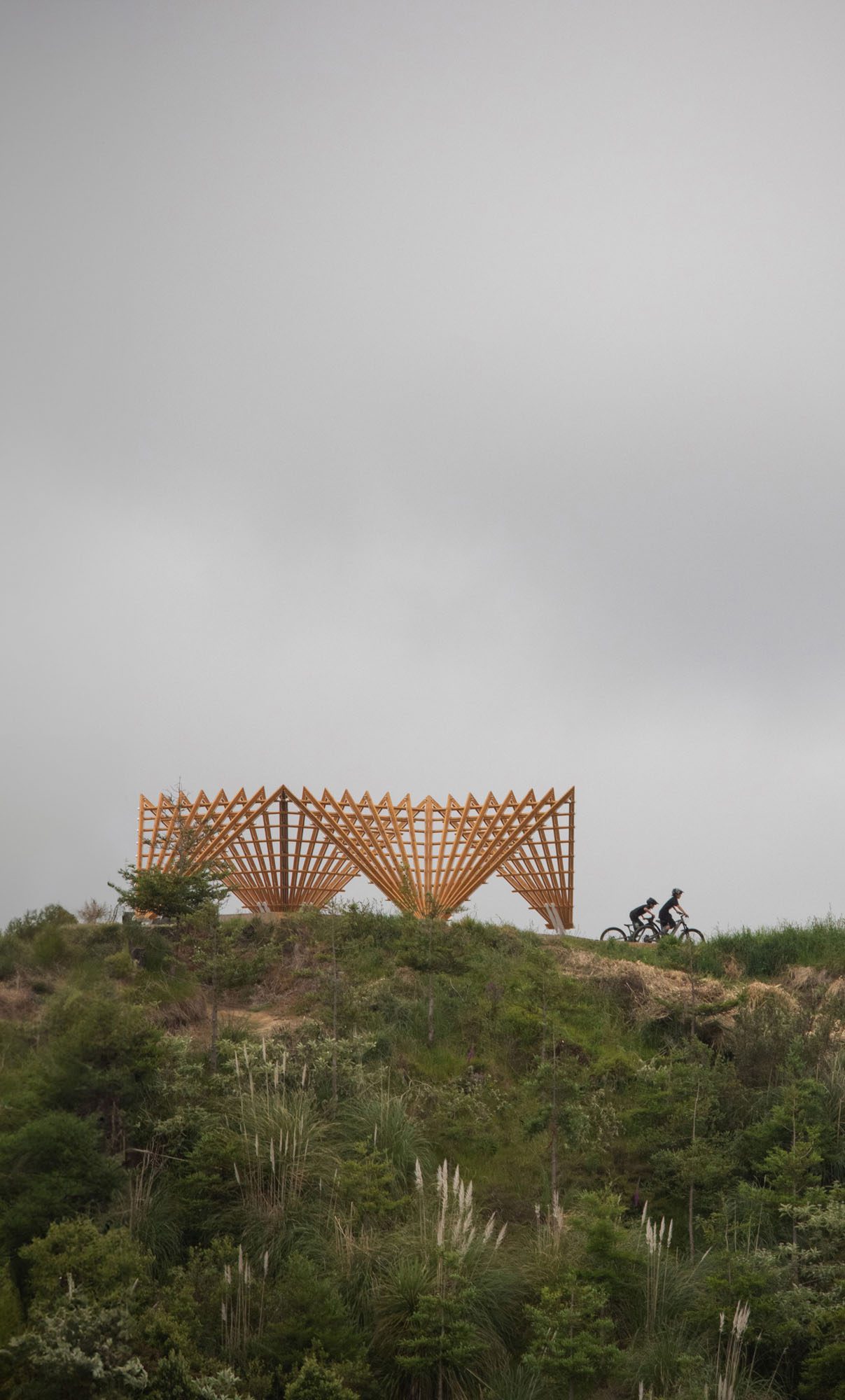
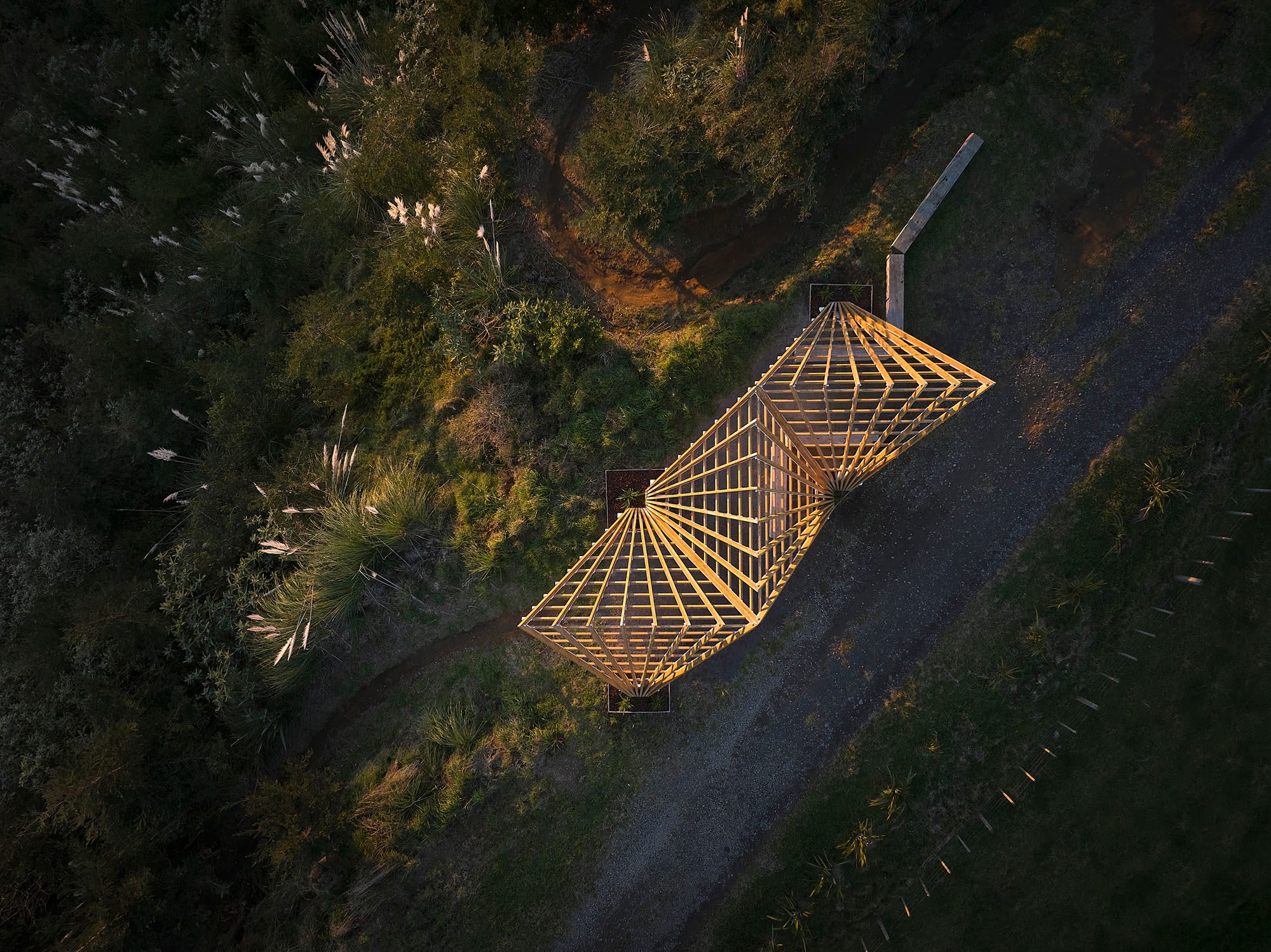
Summerhill ’23 & ’24 — Andrew Barrie Lab
Winner Small Project Architecture category — Waikato and Bay of Plenty Architecture Awards
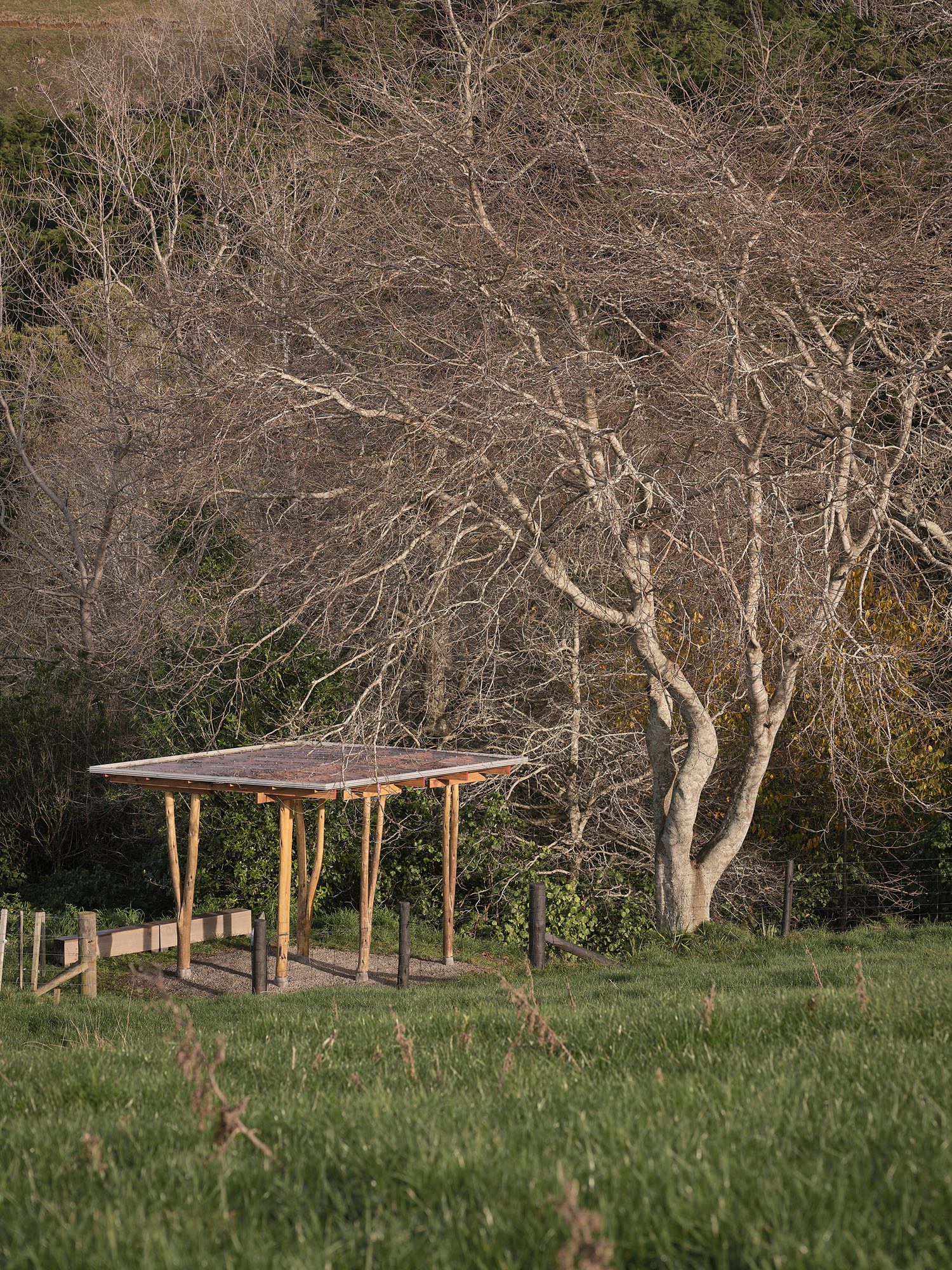
This dual structure is set within a recreational park, with one as a sculptural entrance to a set of mountain bike trails and the other marking the beginning of a walking track. These are explorations of lightweight pavilion architecture through seasonal occupation, timber construction, and landscape engagement. The collaborative project balances experimentation and craft, creating compact spaces defined by openness, gathering, and environmental responsiveness. Their construction draws on both research regarding ancient Japanese wedged joinery and construction approaches adapted from pre-colonial Māori whare.
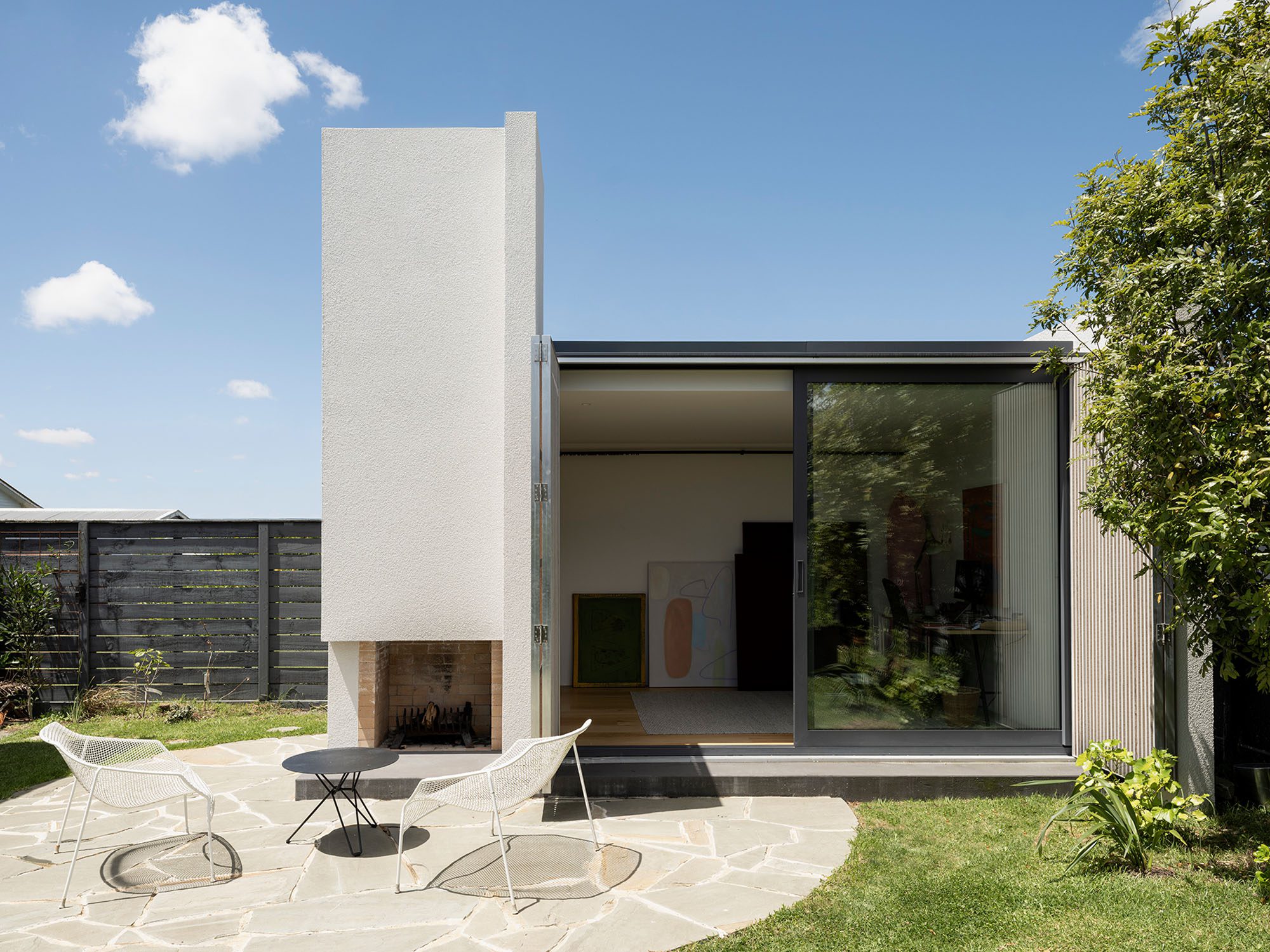
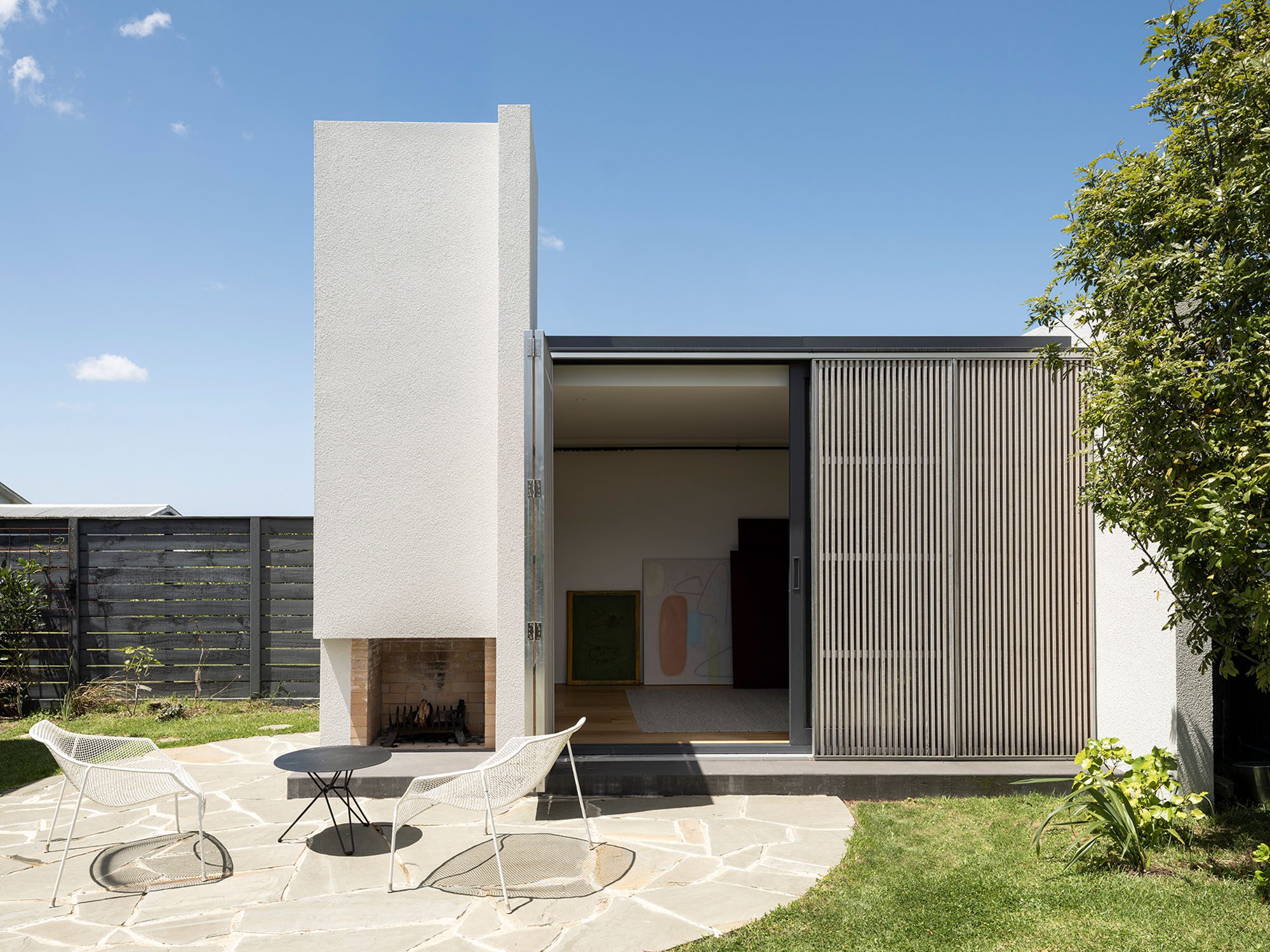
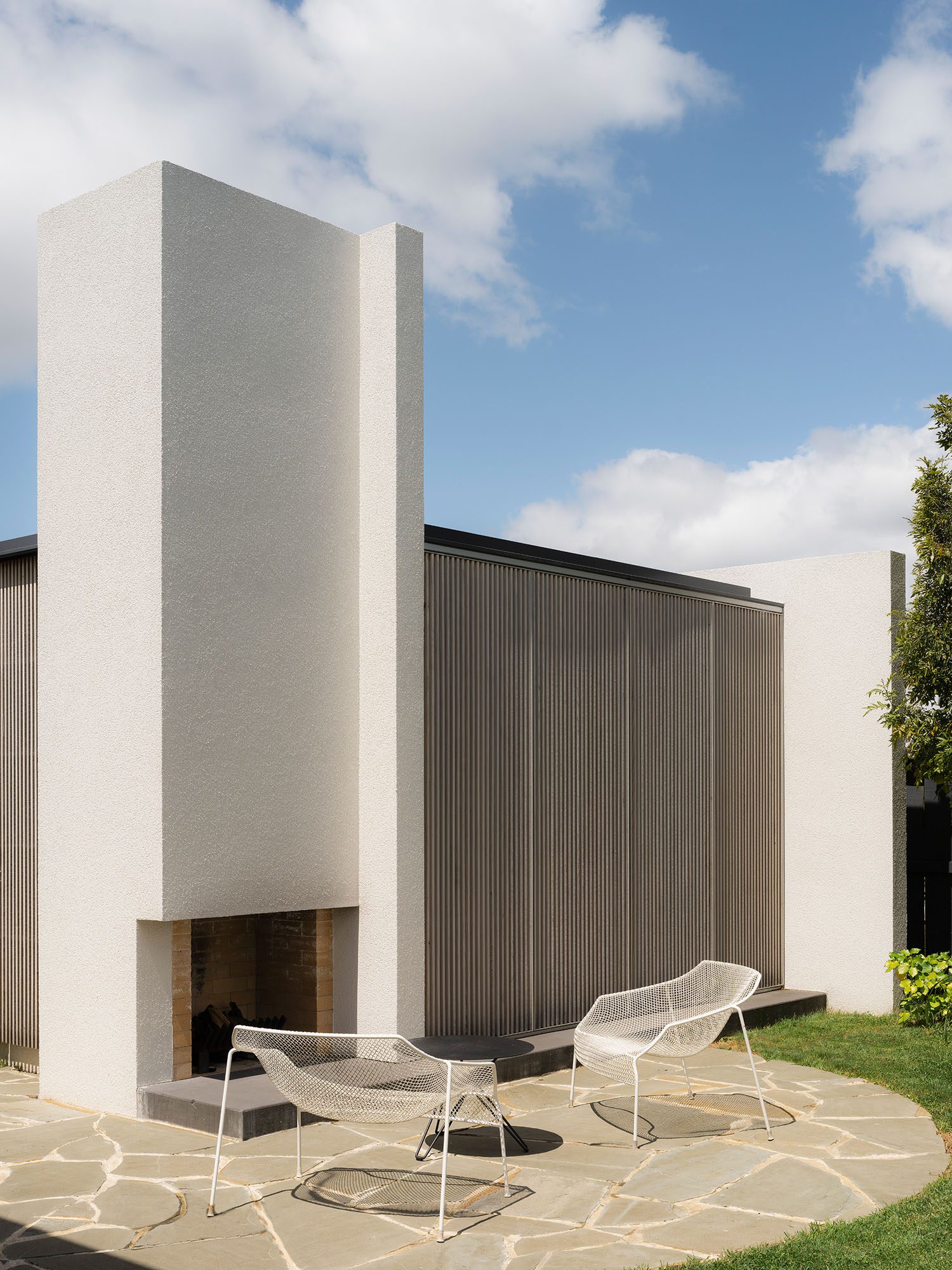
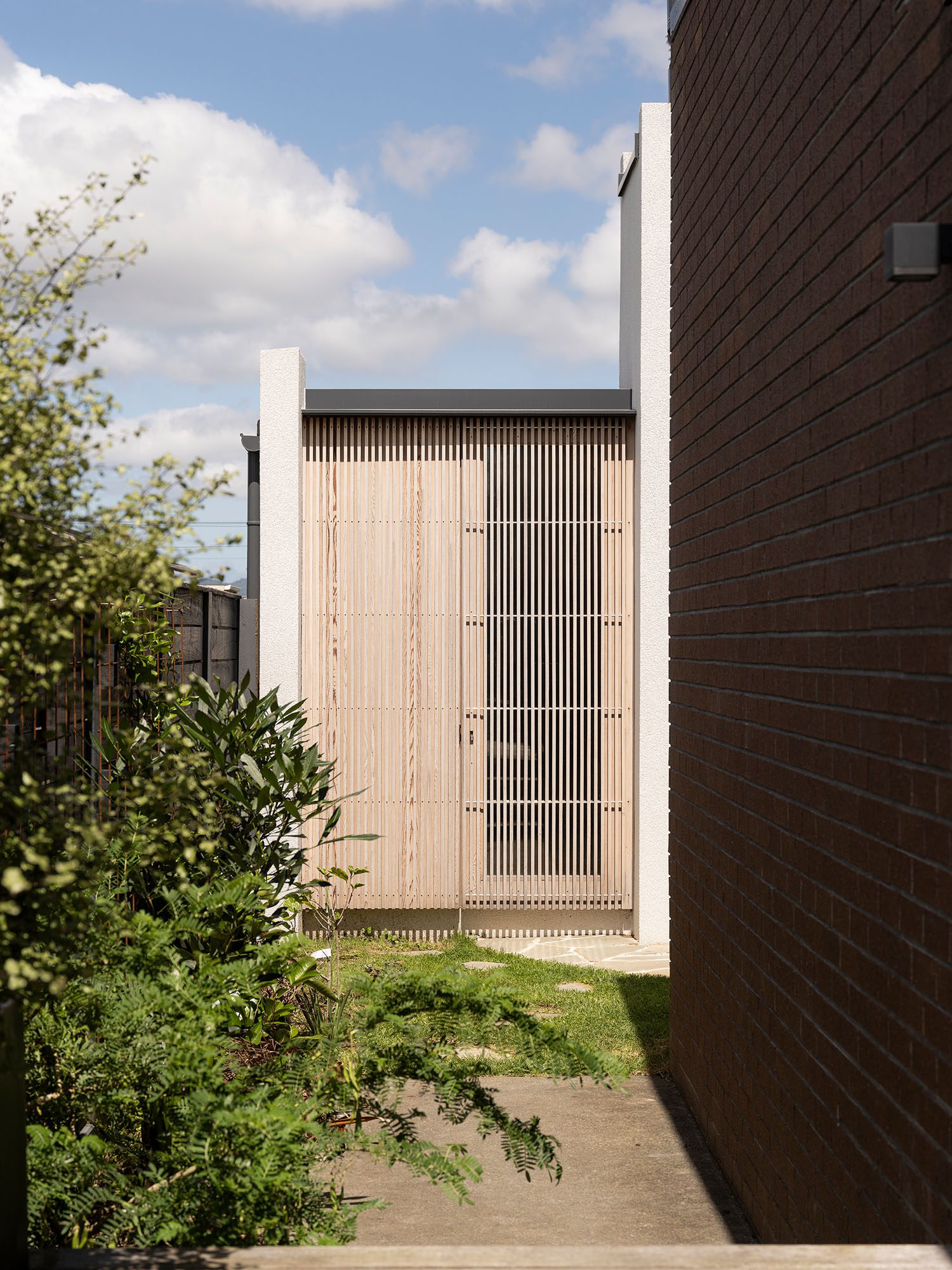
Garden Studio — Henri Sayes Architect
Shortlisted Small Project Architecture category — Auckland Architecture Awards. Winners will be announced on 18 June.
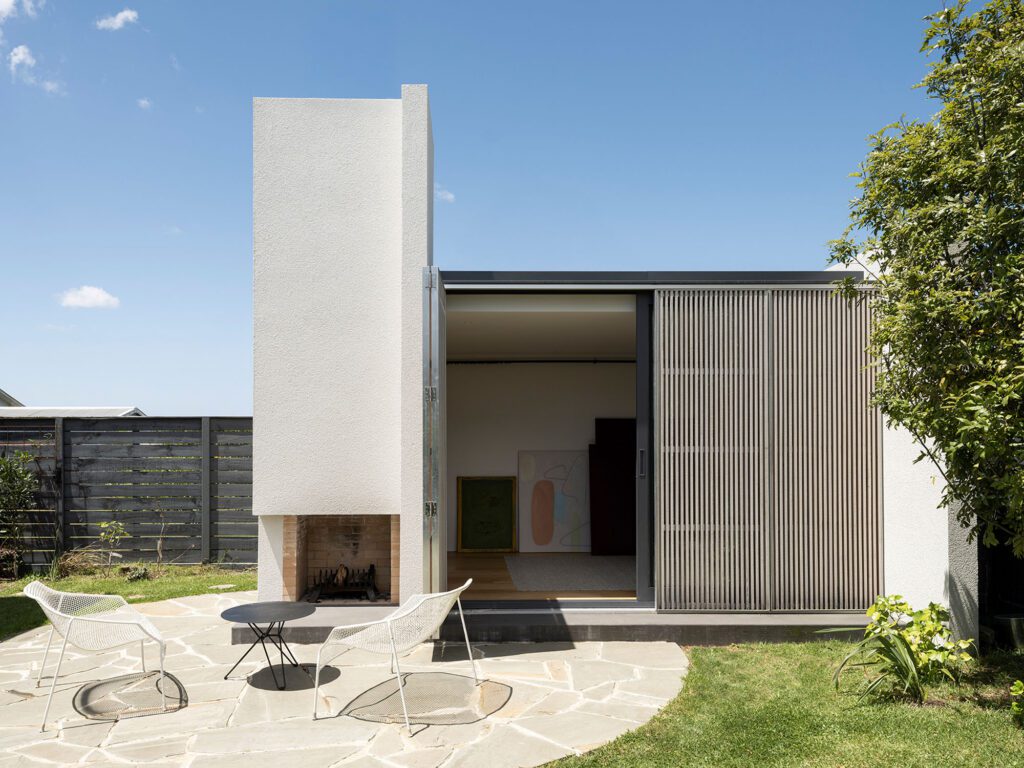
This backyard studio is designed in two modes: open, as a working space that dissolves into the garden; closed, as an active built edge that adds rather than subtracts from the landscape. An outdoor fireplace embedded in the building wall creates a social focus, drawing occupants out of the house and into the garden. It is a masterfully restrained structure that seems to draw on modernism’s best traits while bringing a warmth and personality very much of its own.
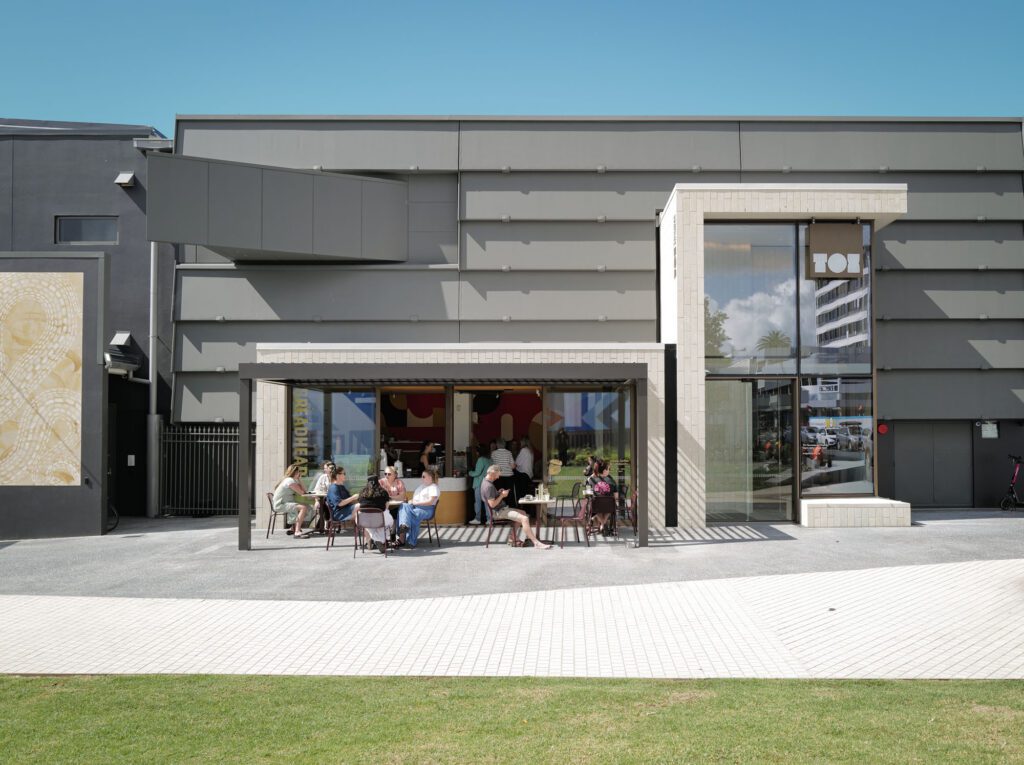
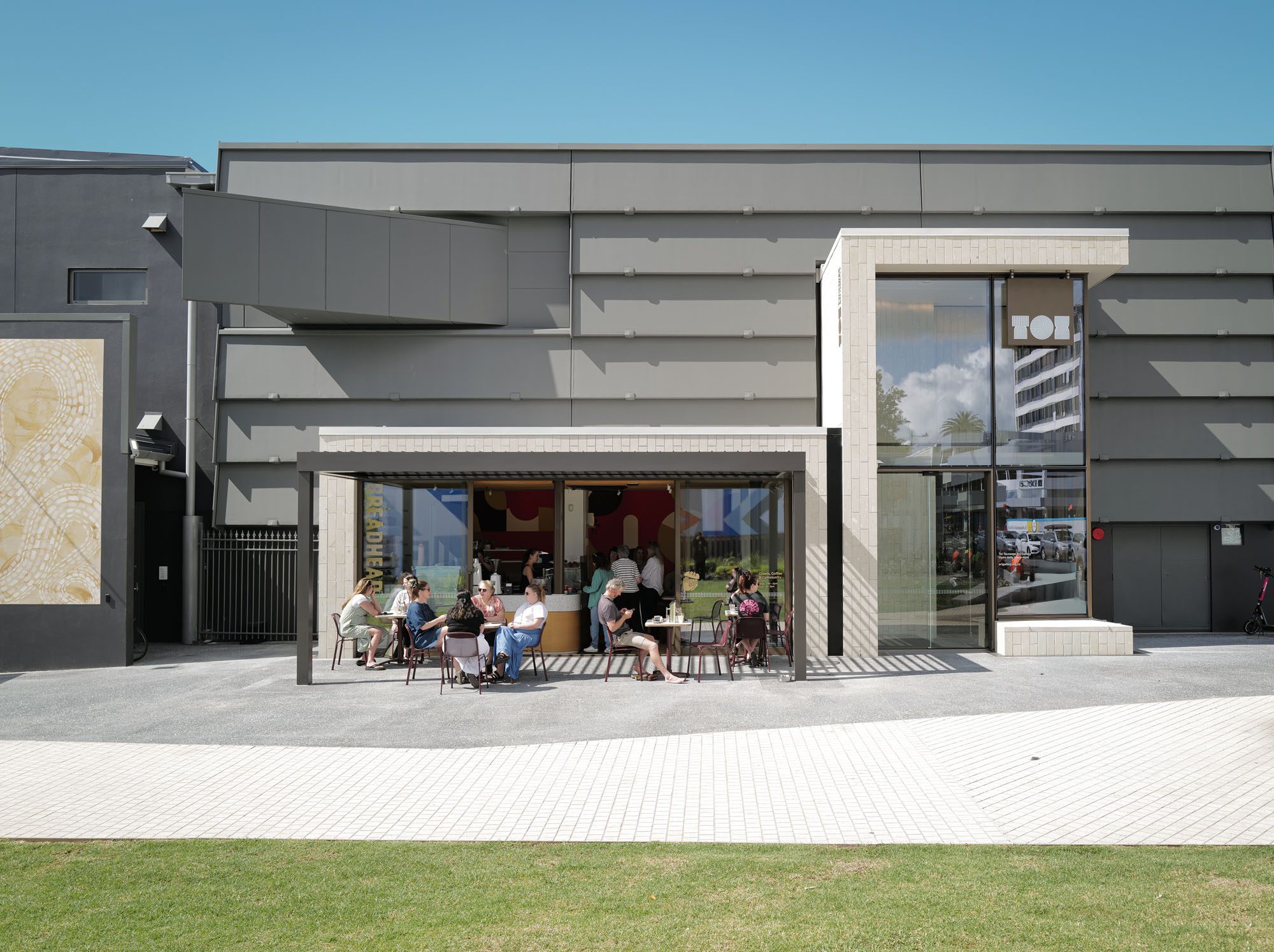
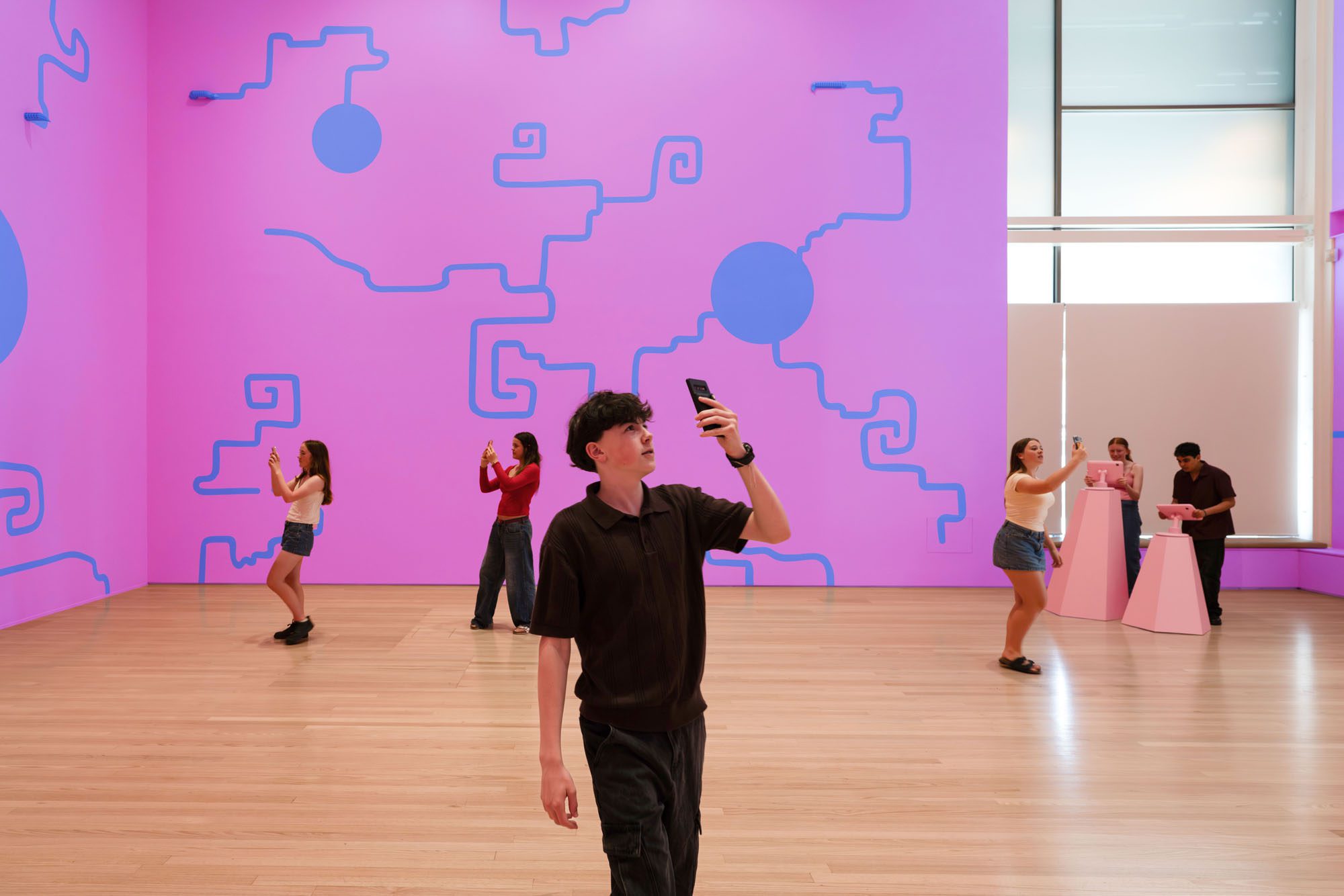
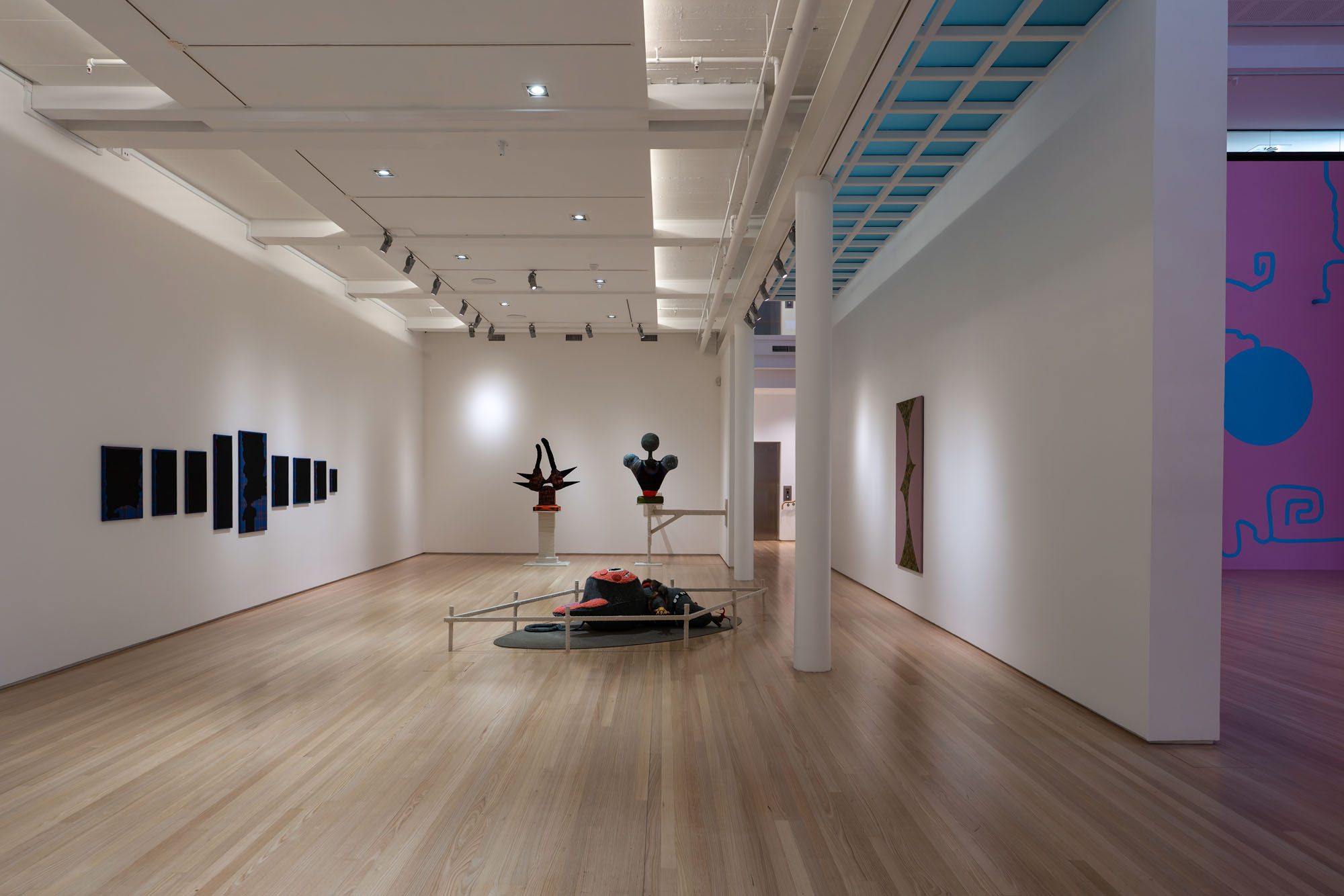
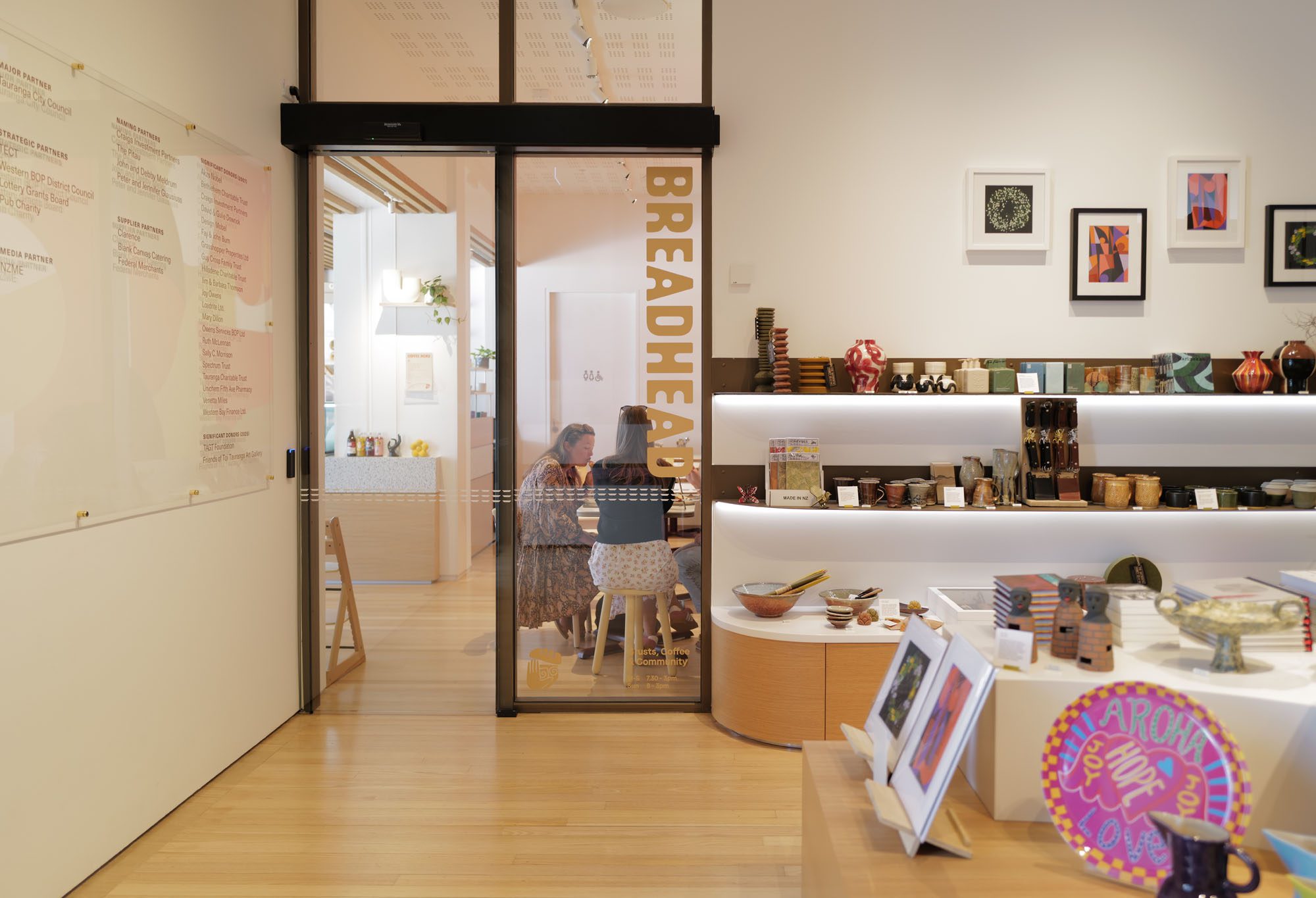
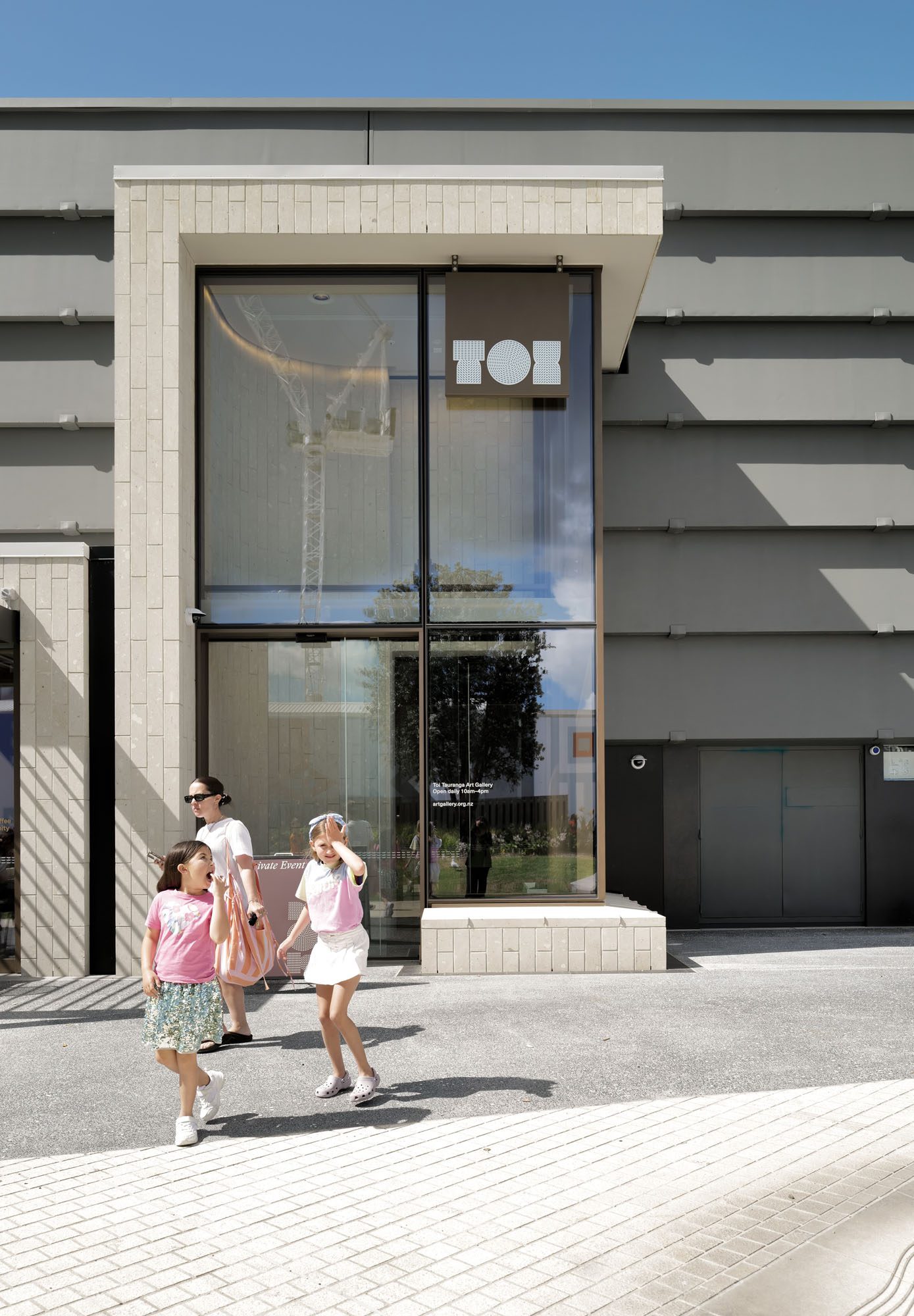
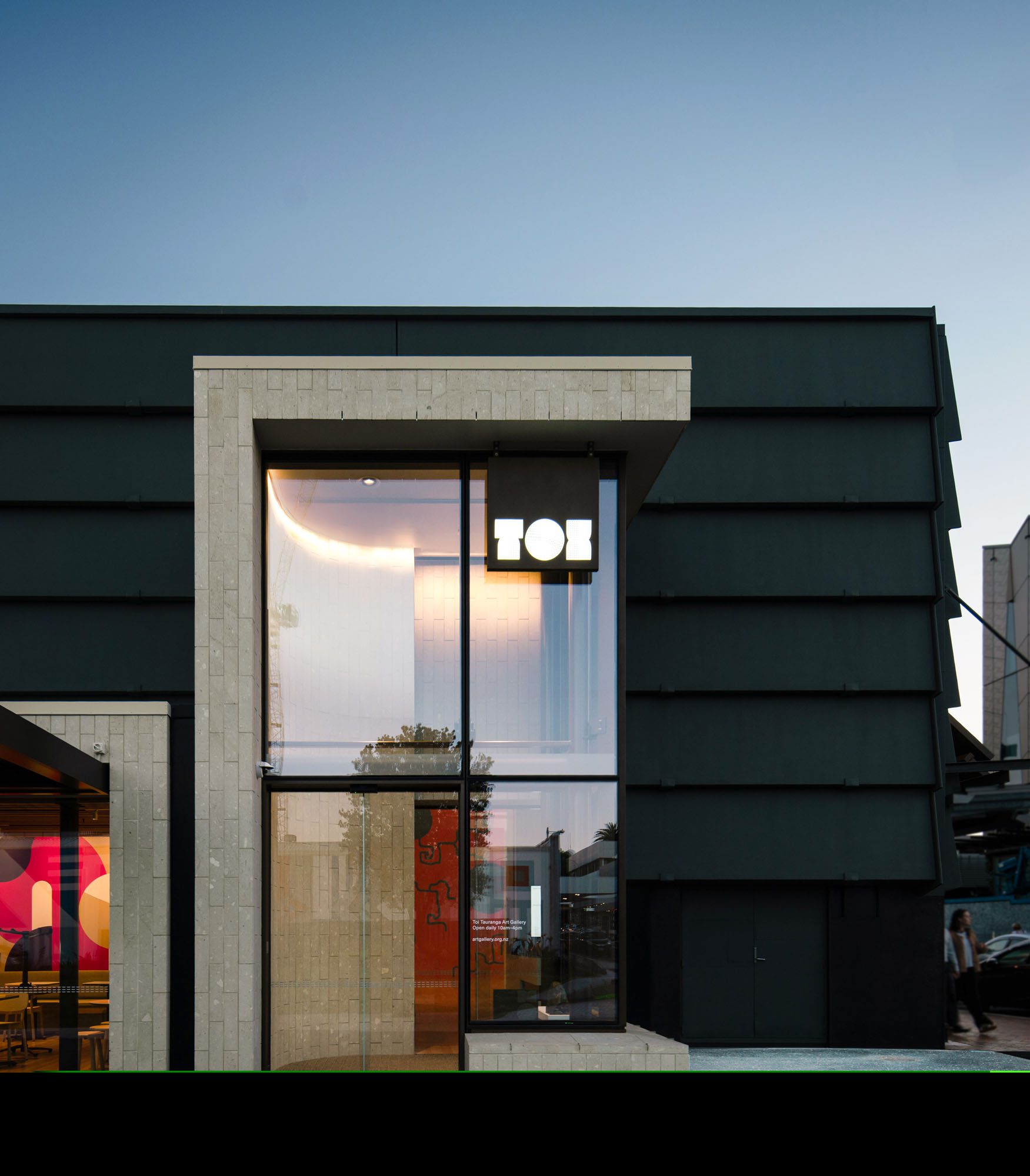
Toi Tauranga Art Gallery — Warren and Mahoney
Winner Small Project Architecture category — Waikato and Bay of Plenty Architecture Awards
Originally a Bank of New Zealand branch from 1873, and Tauranga’s first air-conditioned building when rebuilt in 1964, the gallery underwent a major redevelopment and reopened in November 2025. Warren and Mahoney delivered seismic strengthening, a reoriented entrance onto Masonic Park, new gallery spaces, and an interior informed by Tauranga Moana artist Maraea Timutimu with input from extended whānau.
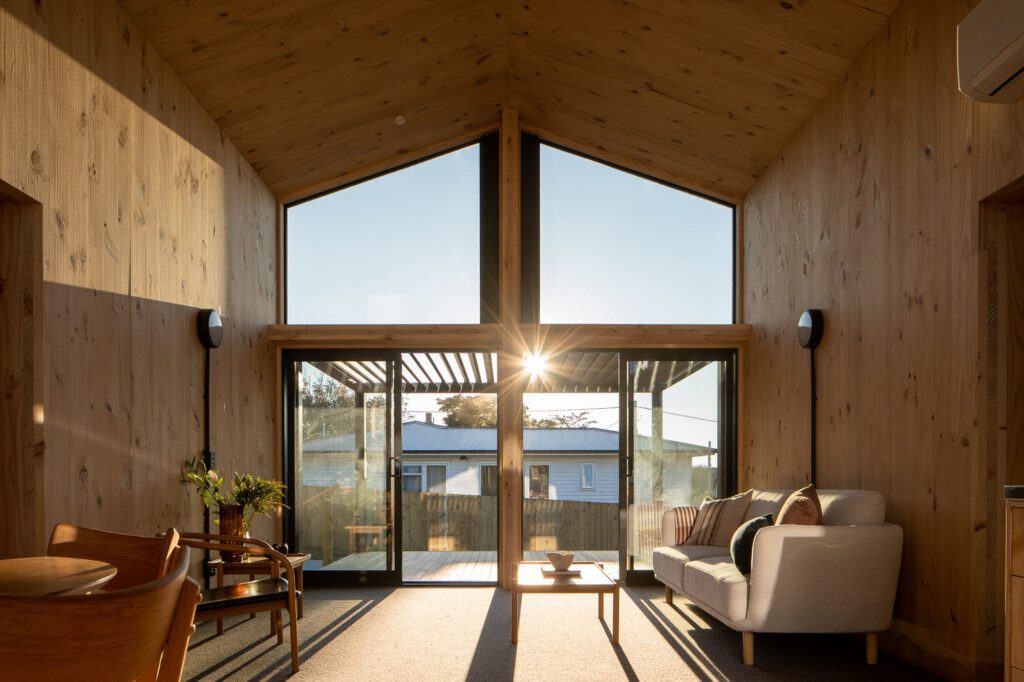
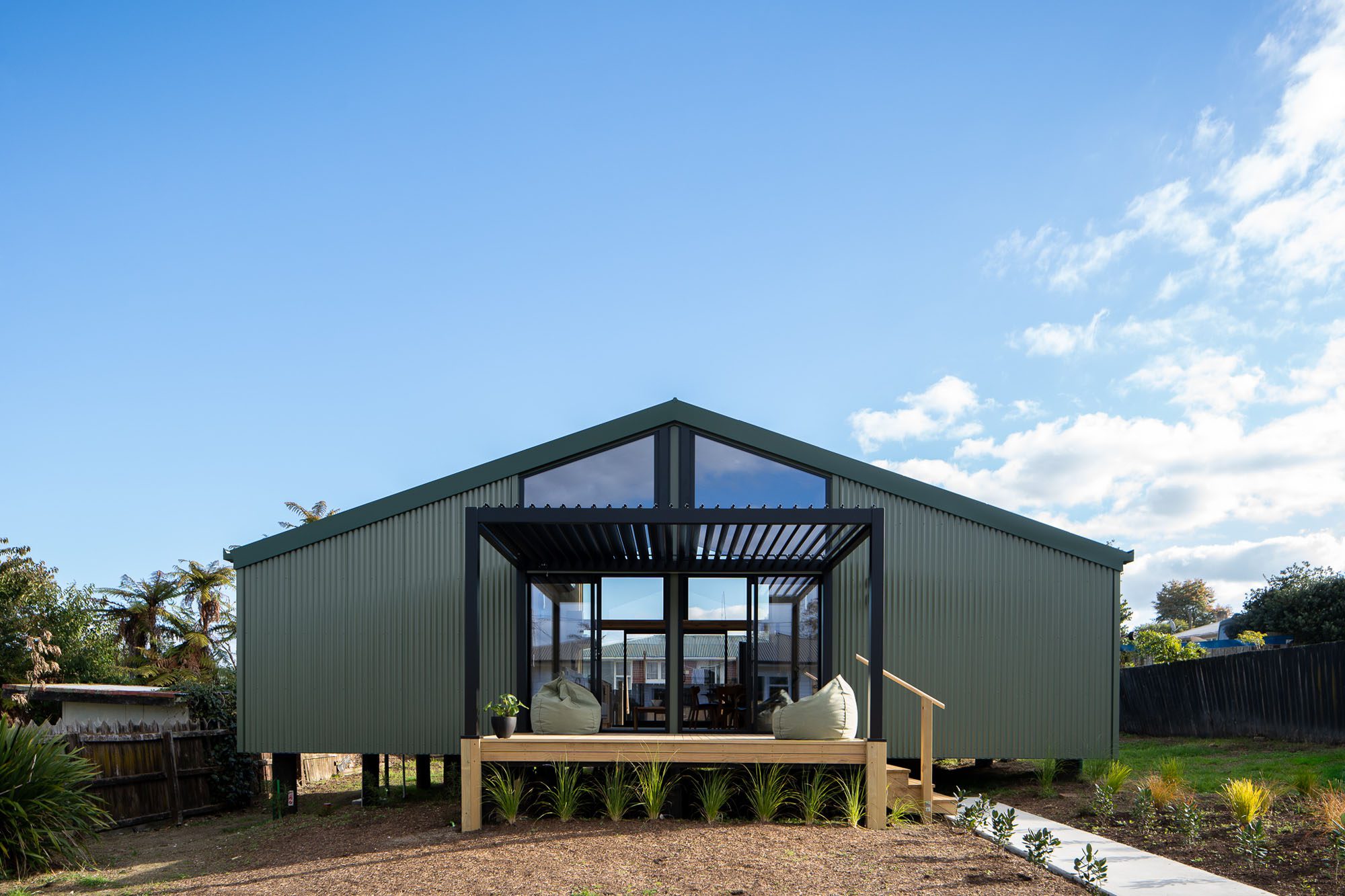
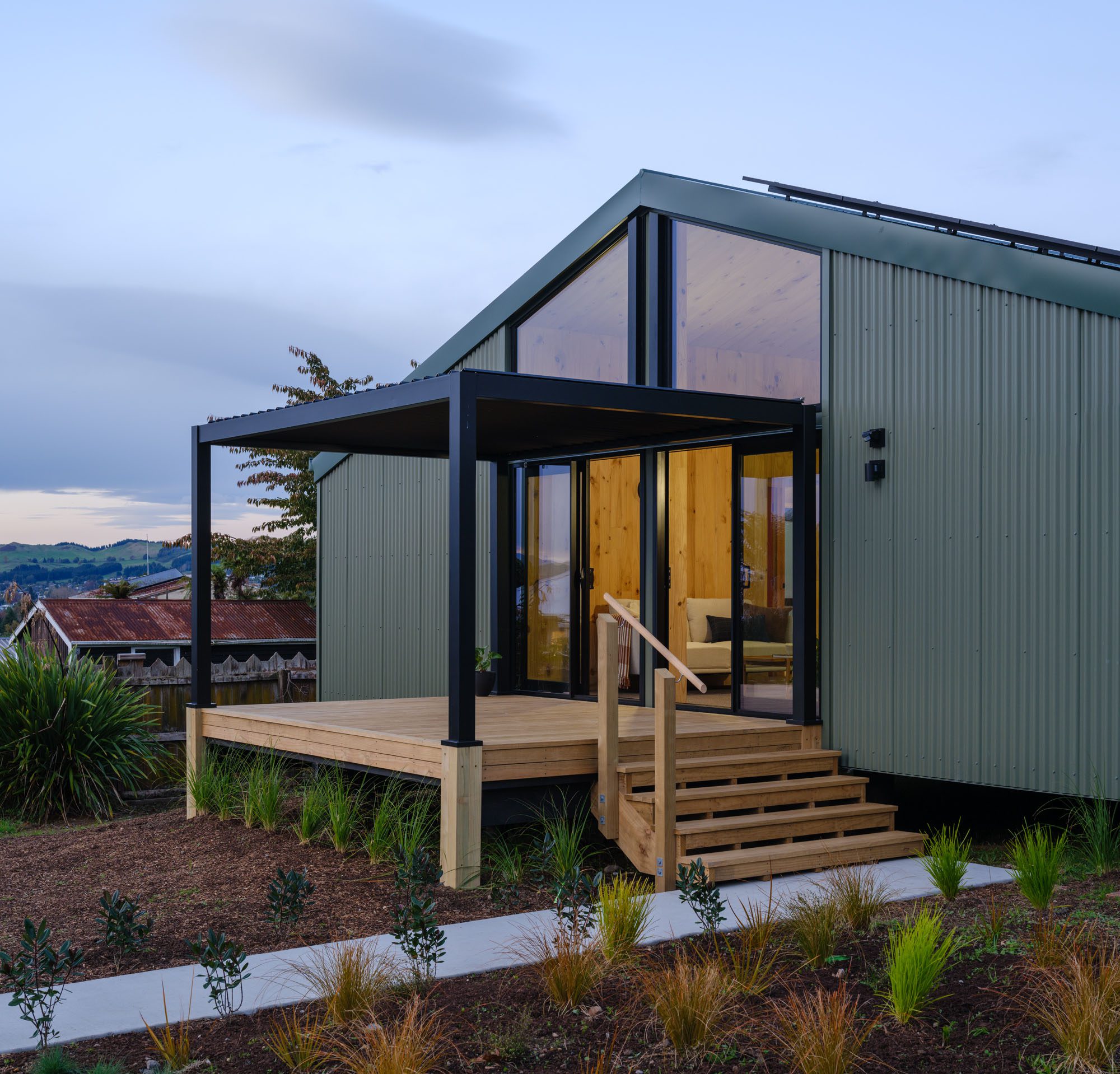
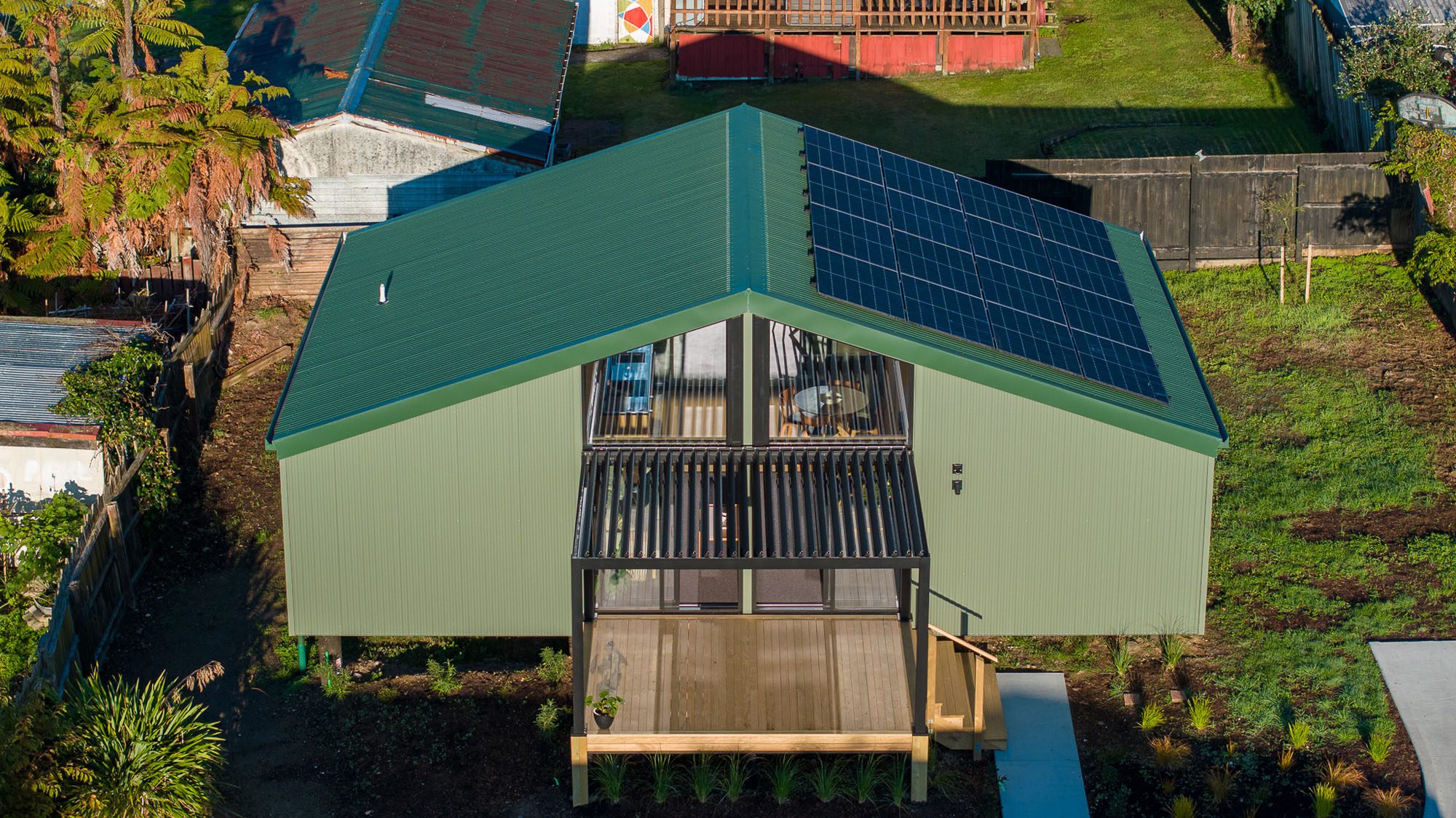
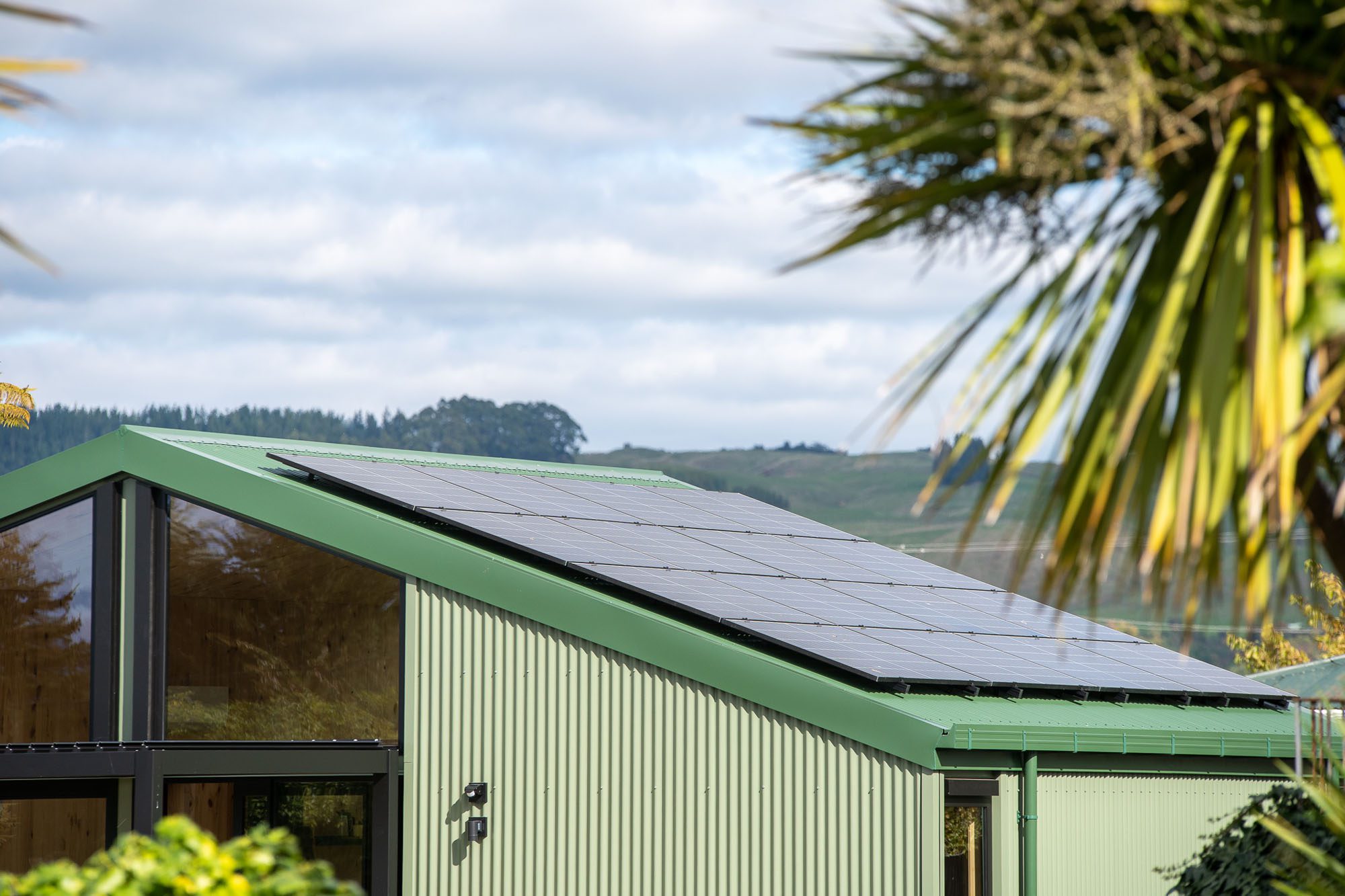
Living House — RTA Studio
Winner Small Project Architecture category. Winner: Resene Colour Award — Waikato and Bay of Plenty Architecture Awards
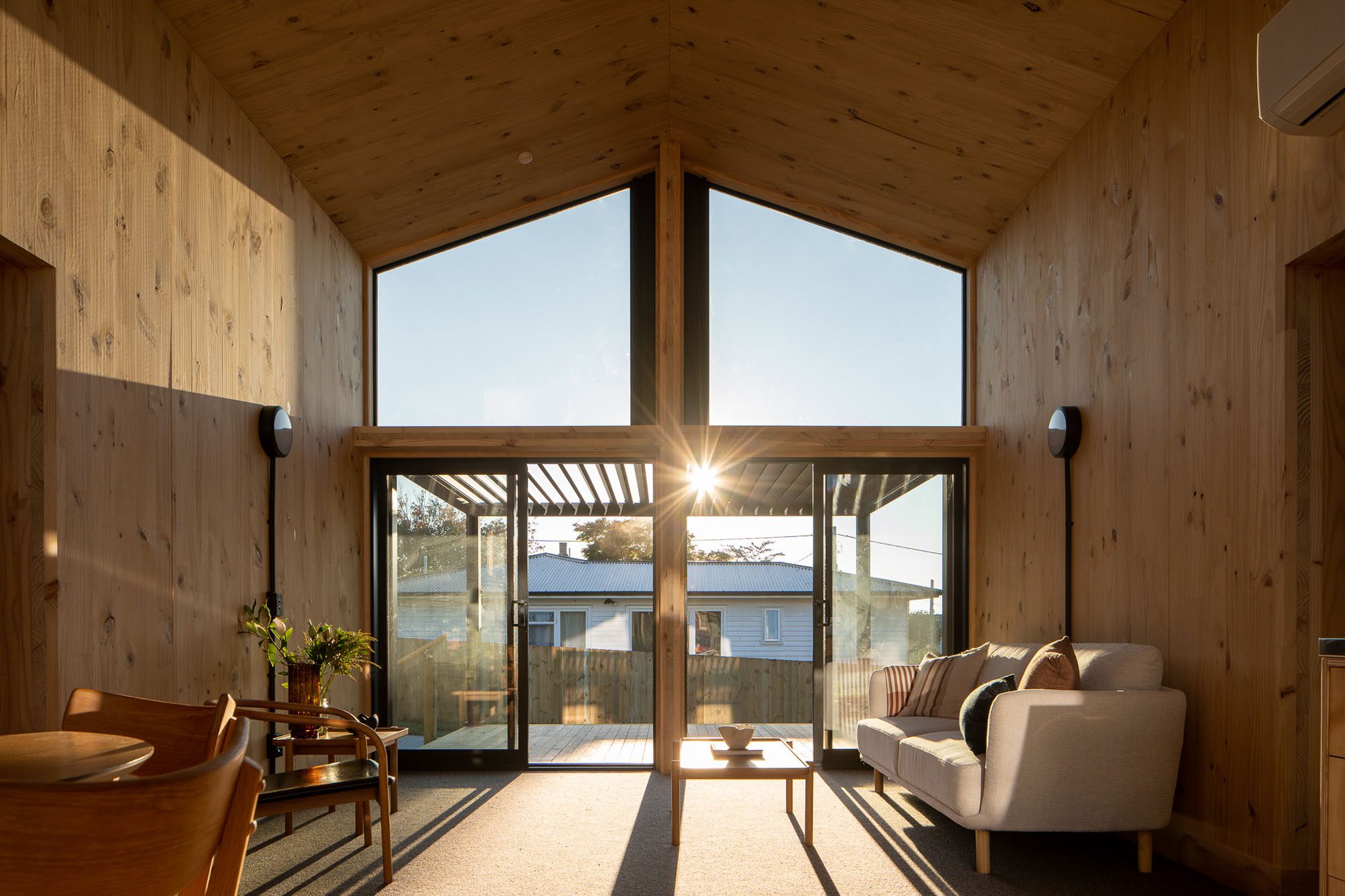
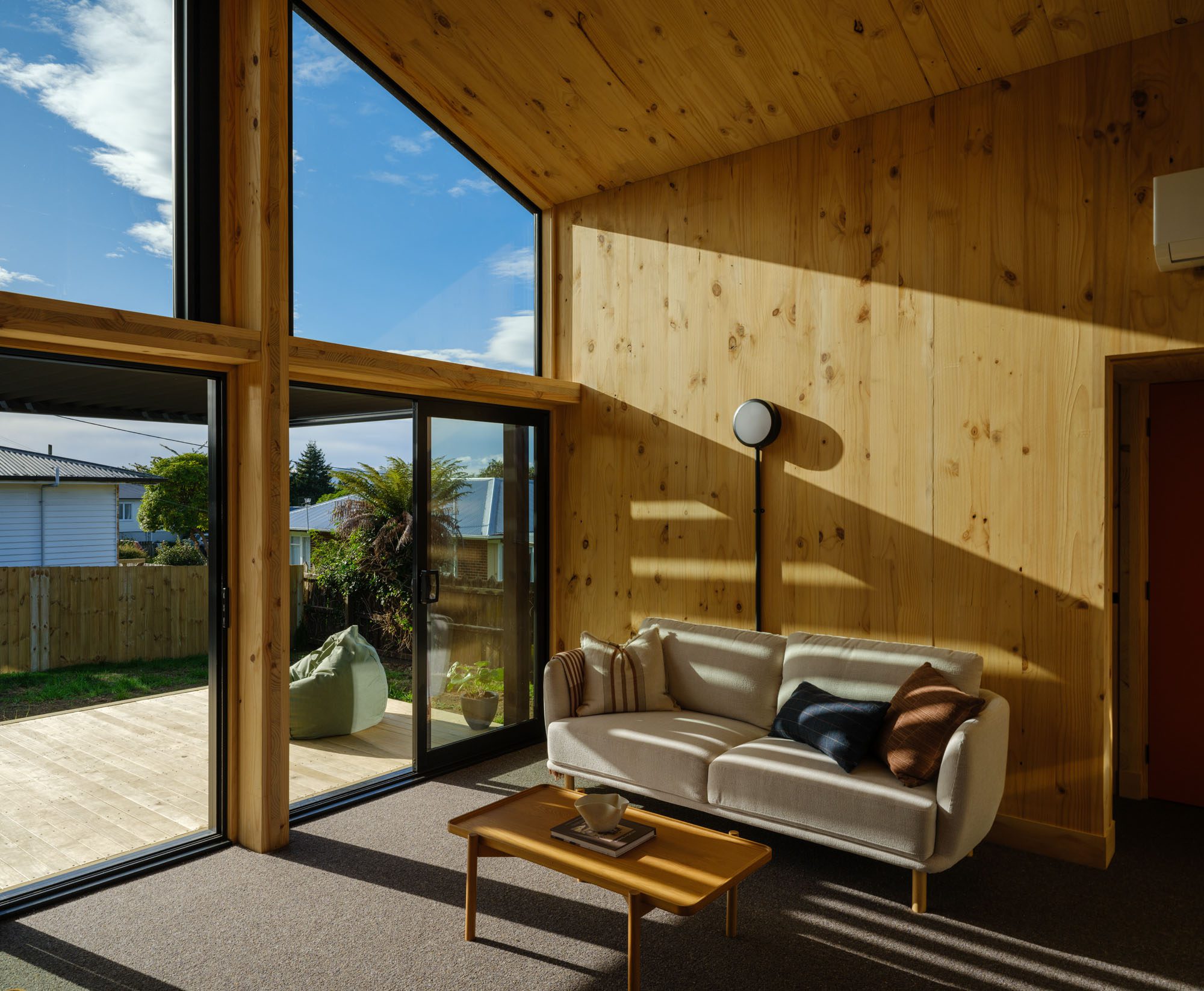
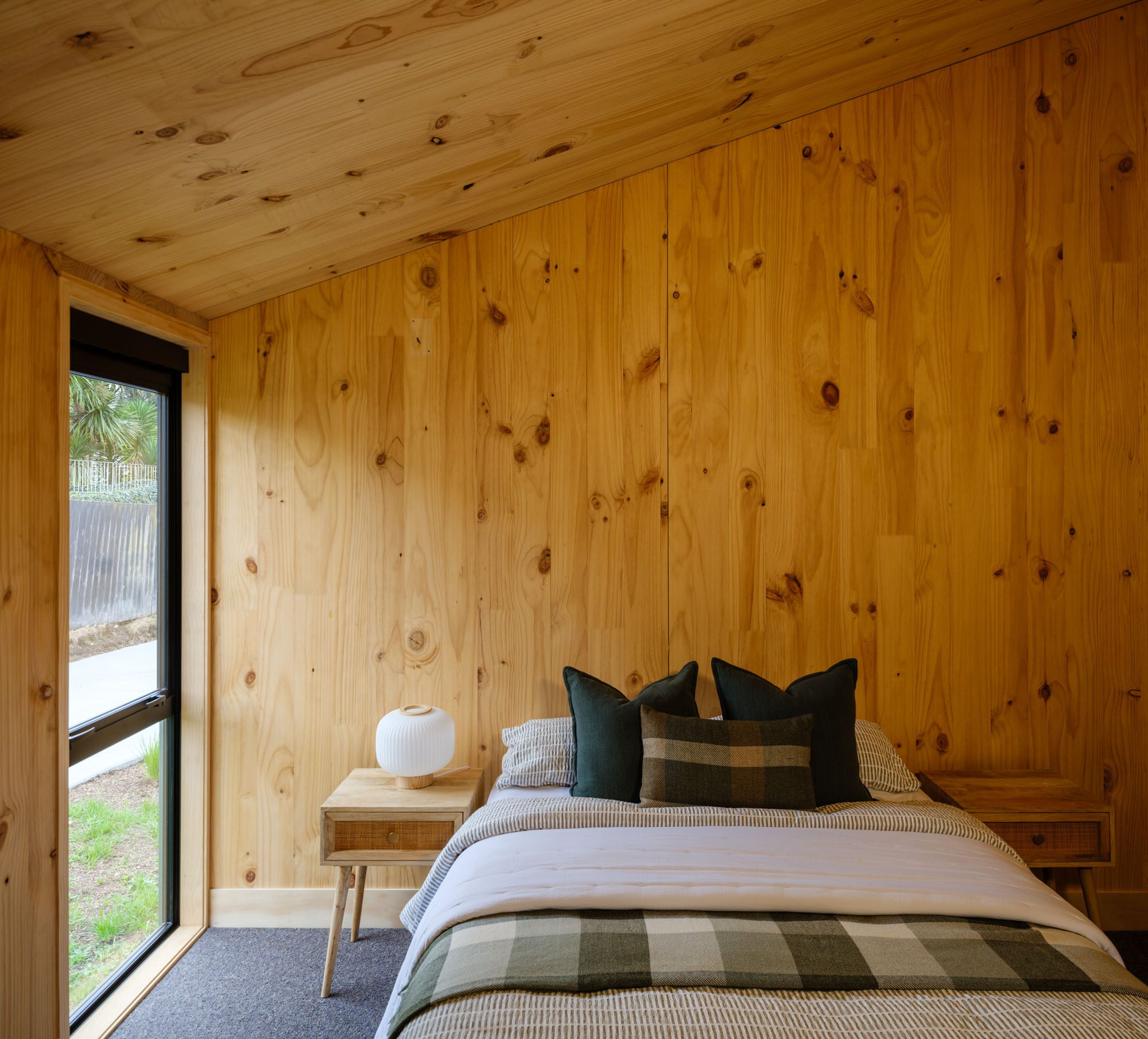
A replicable, high-performance housing system, RTA’s Living House is an 85-square-metre, three-bedroom home prefabricated and delivered to site on a single truck. Designed to be cost effective, it can be built by as few as three people in six weeks or less. According to reports, it sequesters more carbon than it emits over its life cycle. With proportions and architectural flair benefiting from RTA’s extensive residential experience, the possibilities for future replication of the house seem truly exciting.
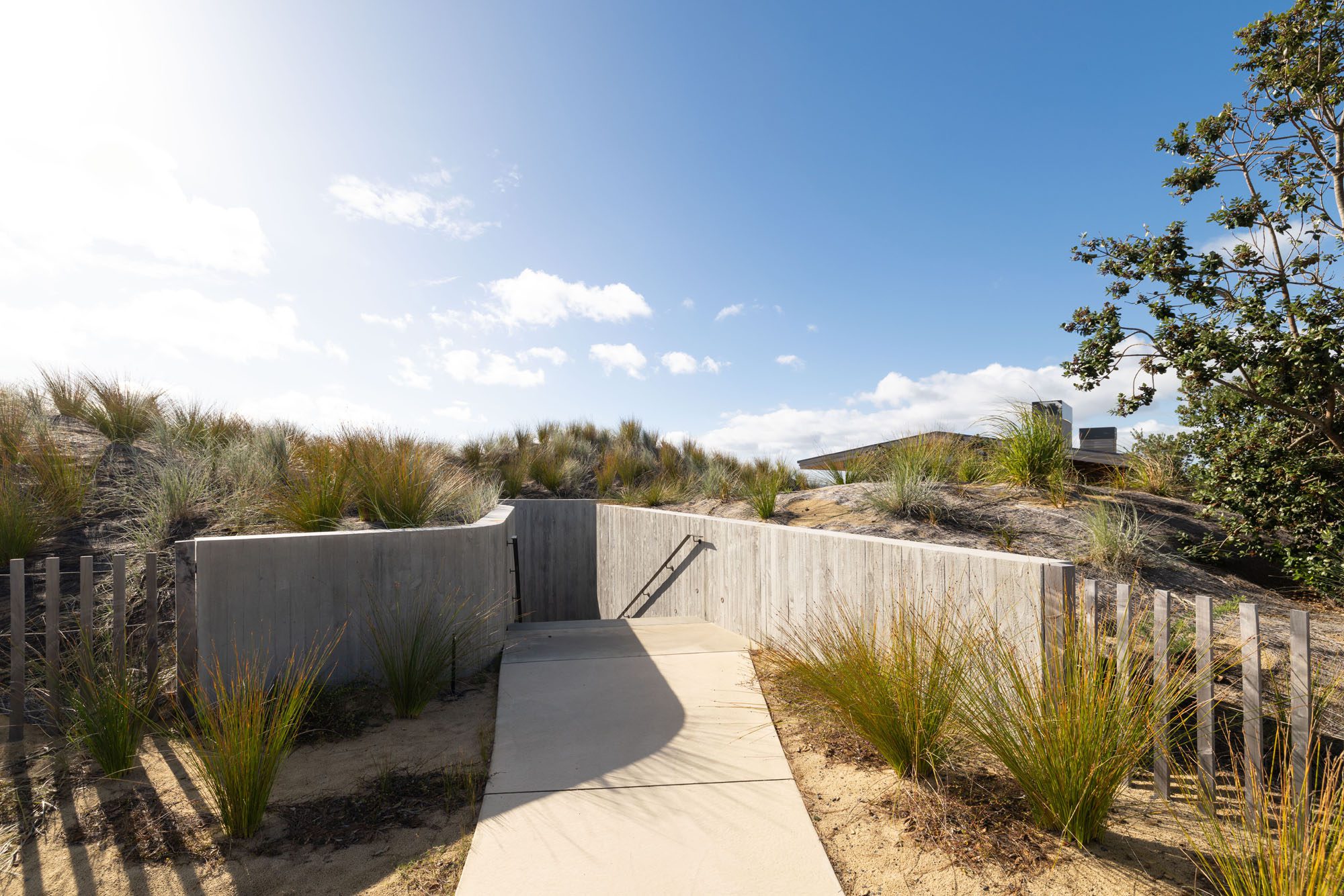
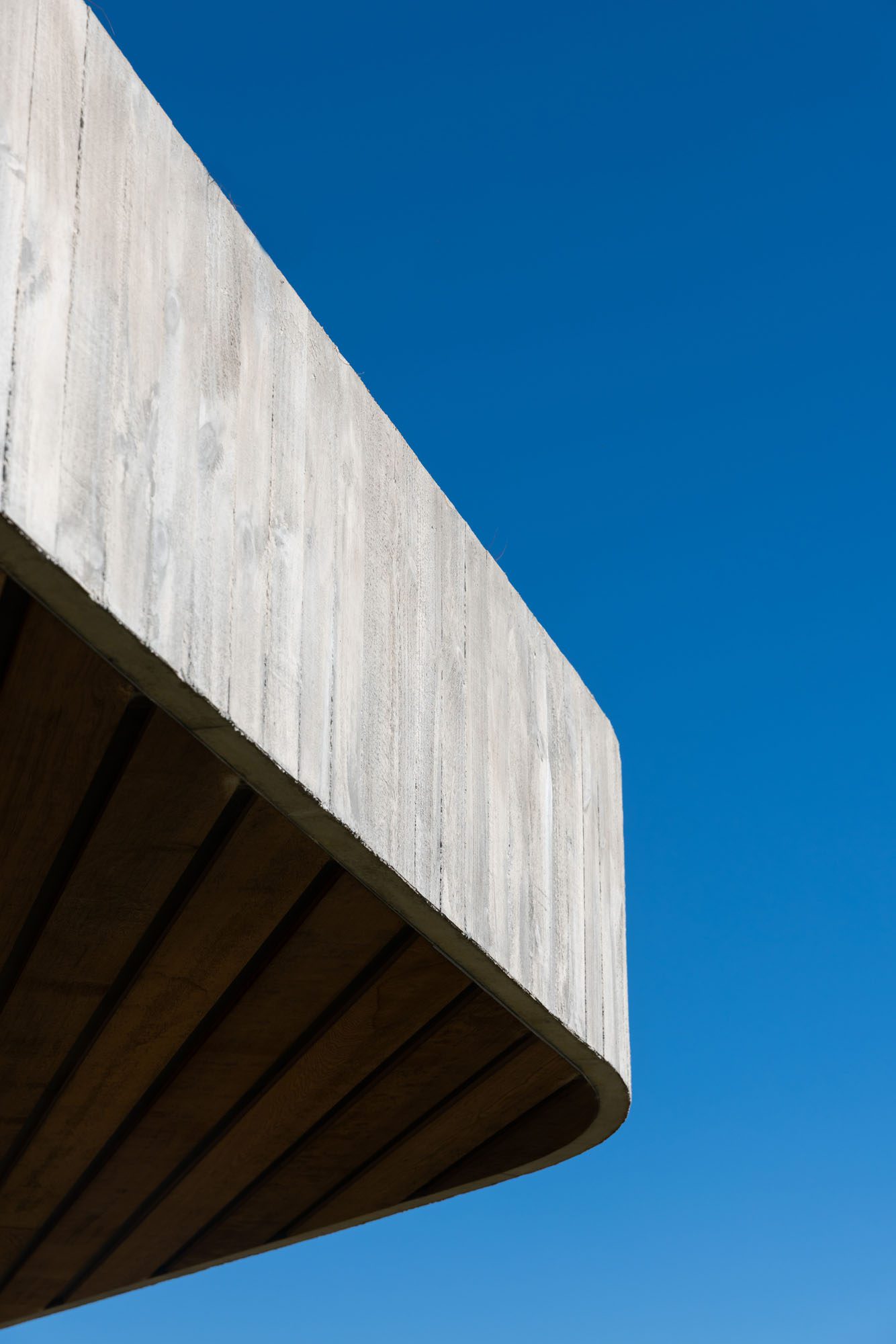
Bunker Bar — Studio John Irving
Shortlisted Small Project Architecture category — Auckland Architecture Awards. Winners will be announced on 18 June.
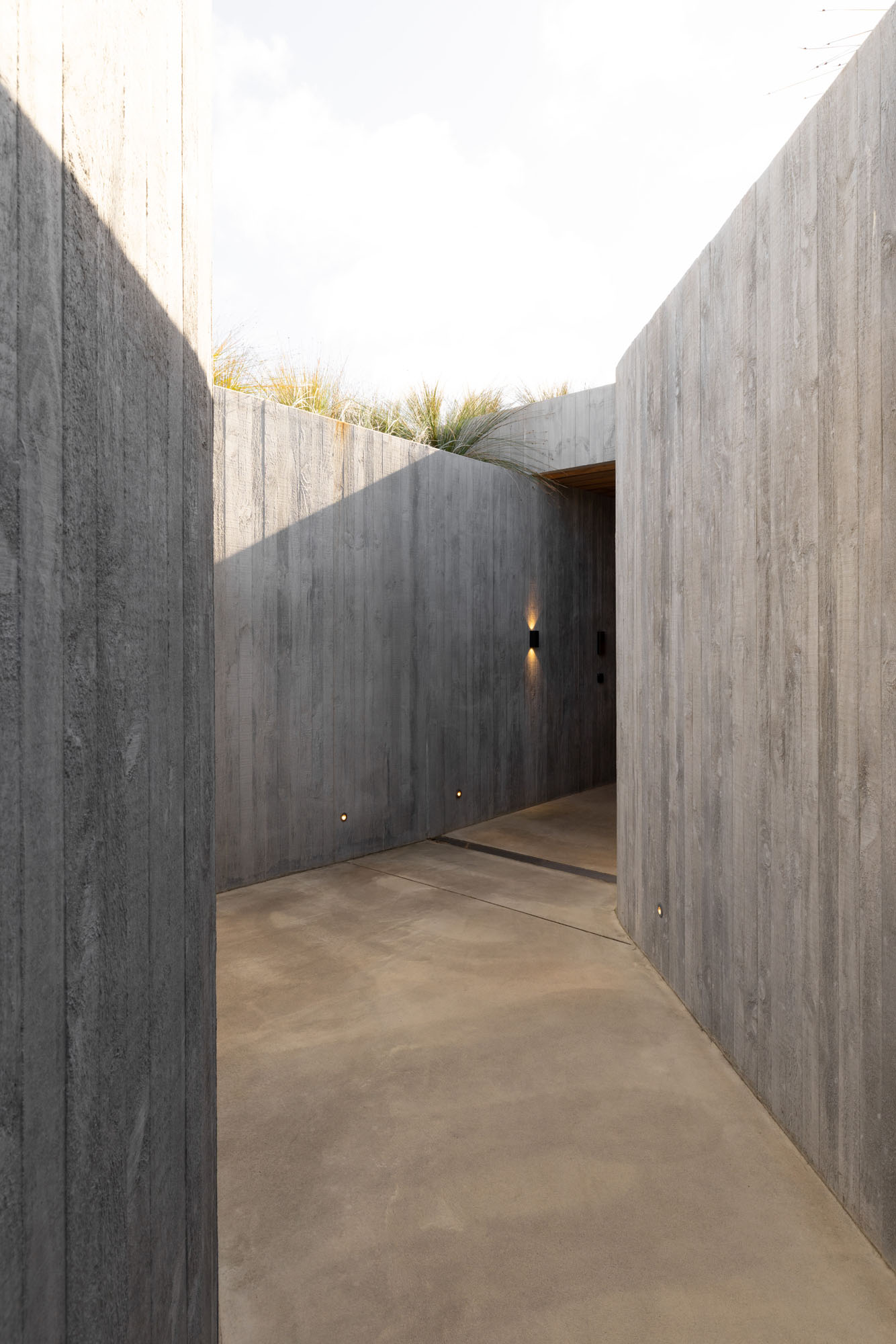
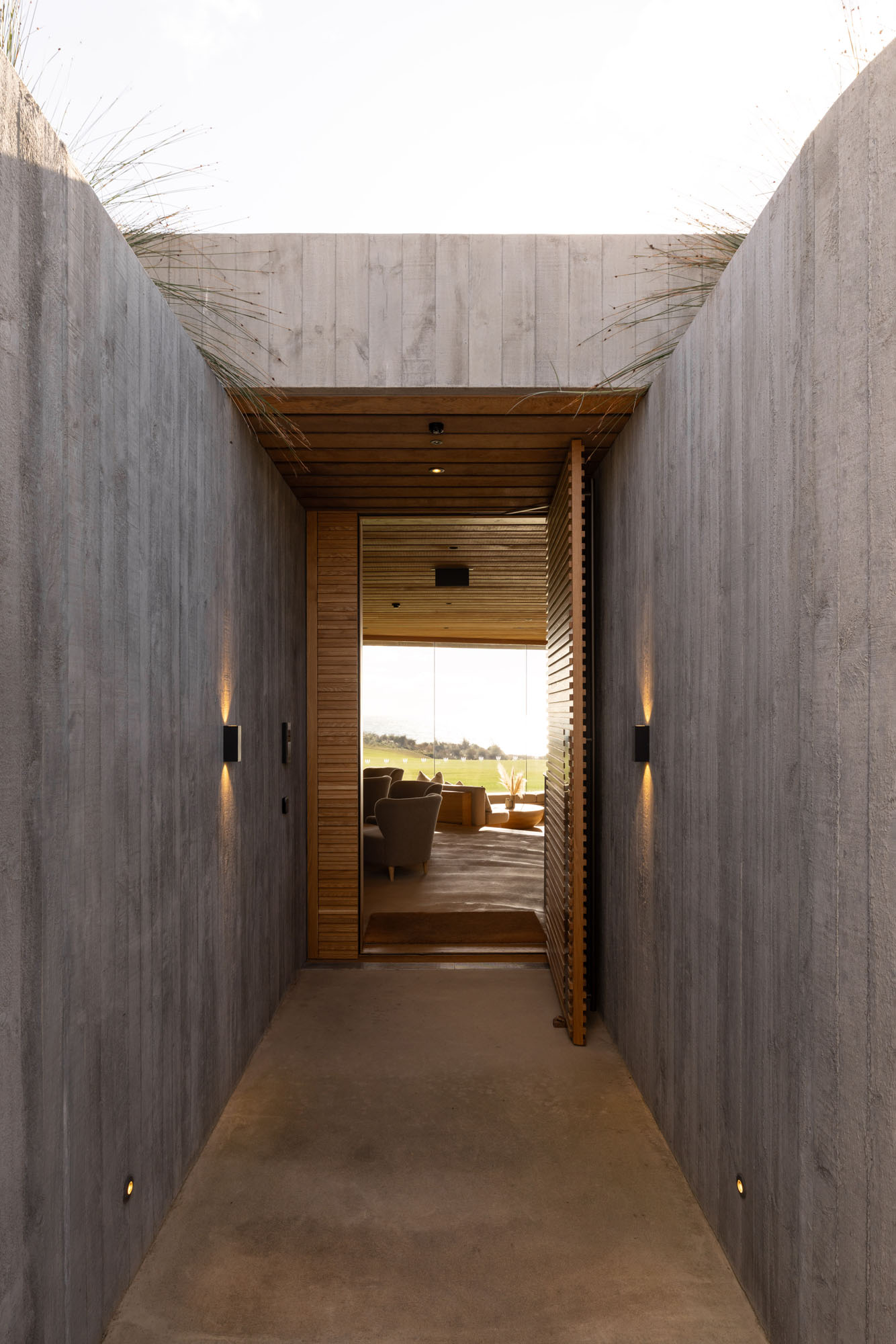
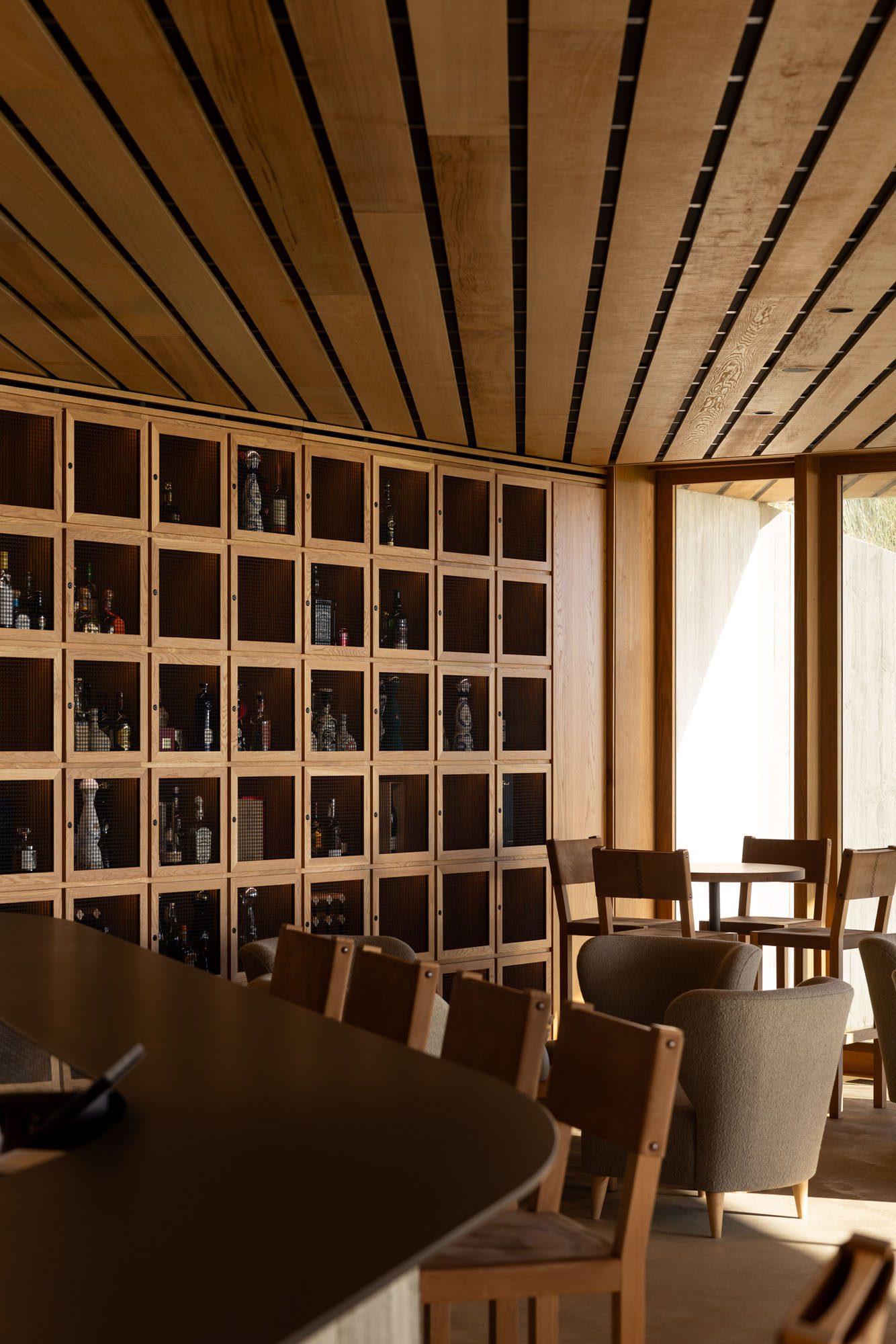
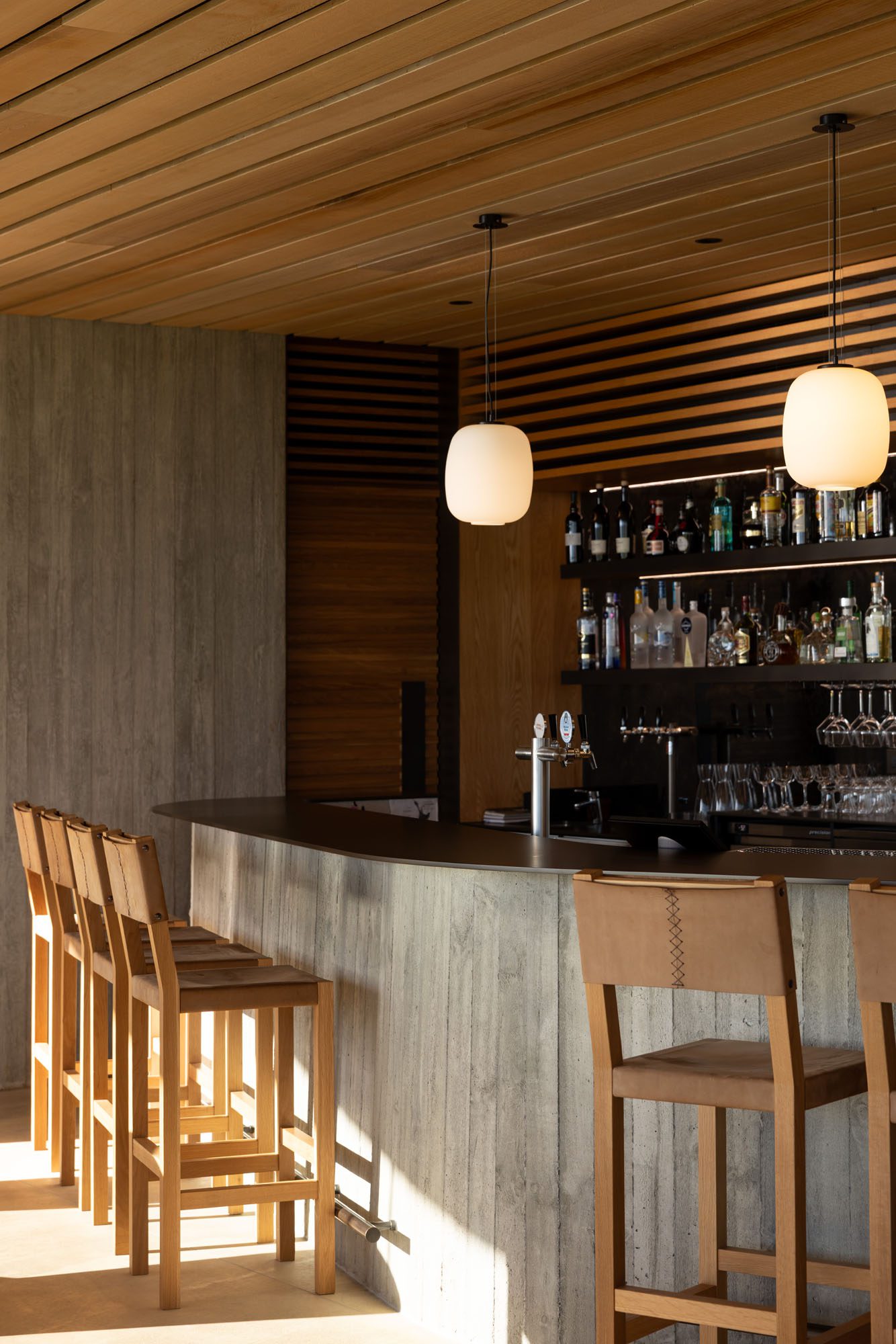
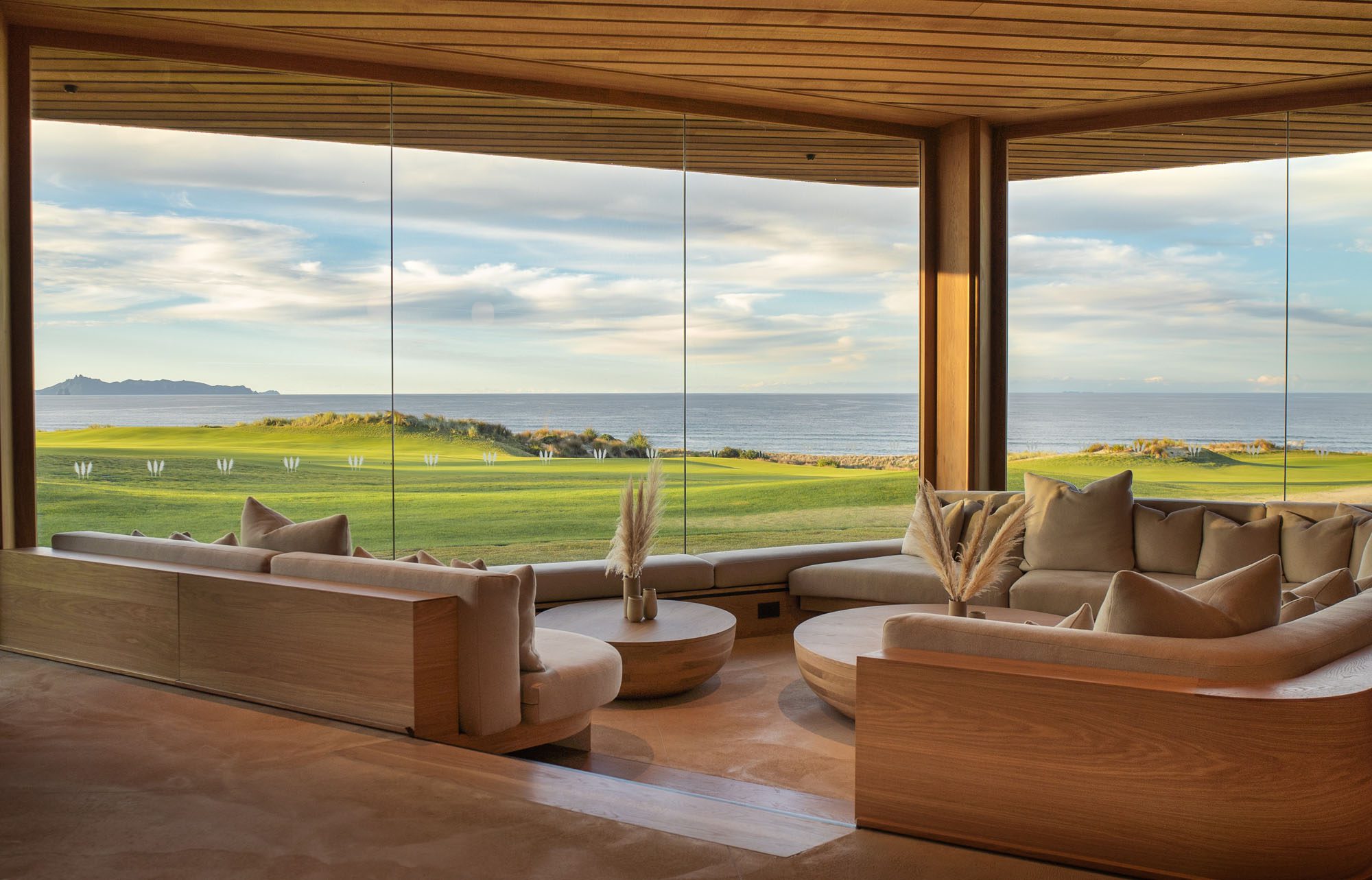
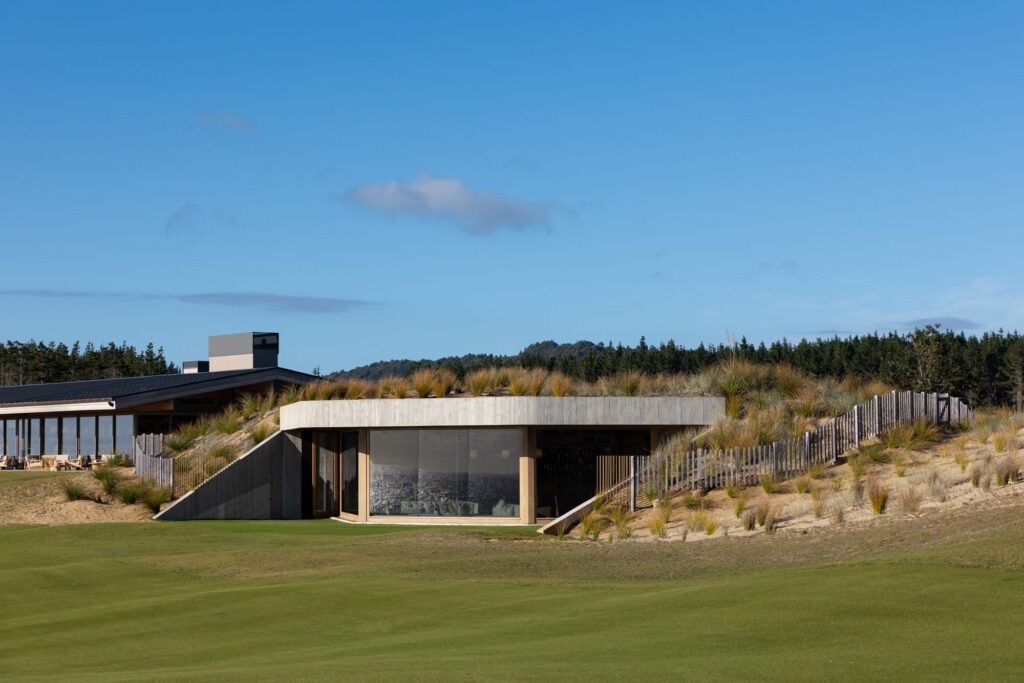
Set within the Te Arai Links golf development north of Auckland, Bunker Bar is embedded masterfully and discreetly in a coastal dune. Visitors descend a set of stairs to reach this bar and lounge area, which is hidden from the fairways but opens to uninterrupted ocean views. Respectful, elegant, and conscious of its responsibility to let nature be the focal point in such a majestic context.
Images Courtesy of the New Zealand Institute of Architects