



NZIA Announces the Auckland Architecture Award Winners
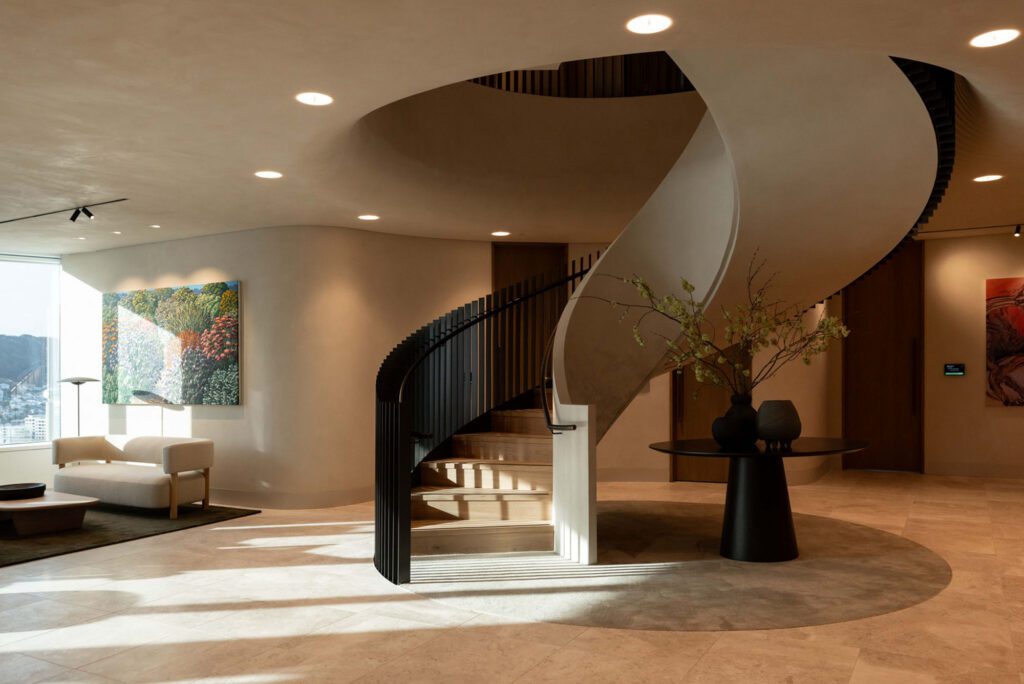
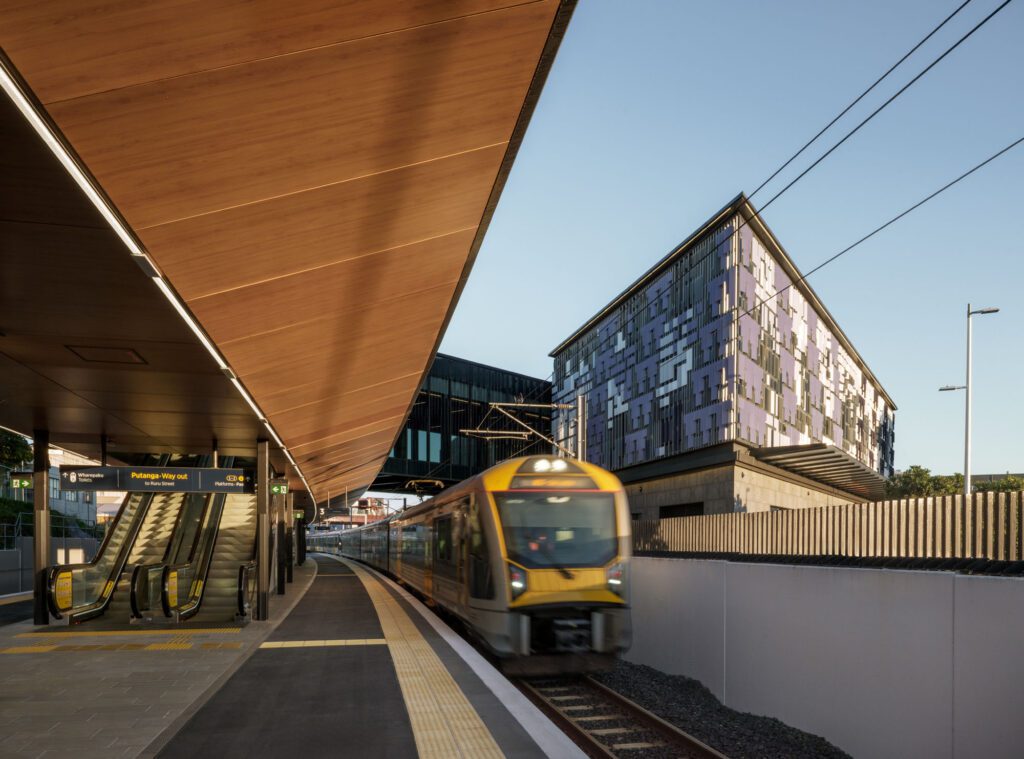
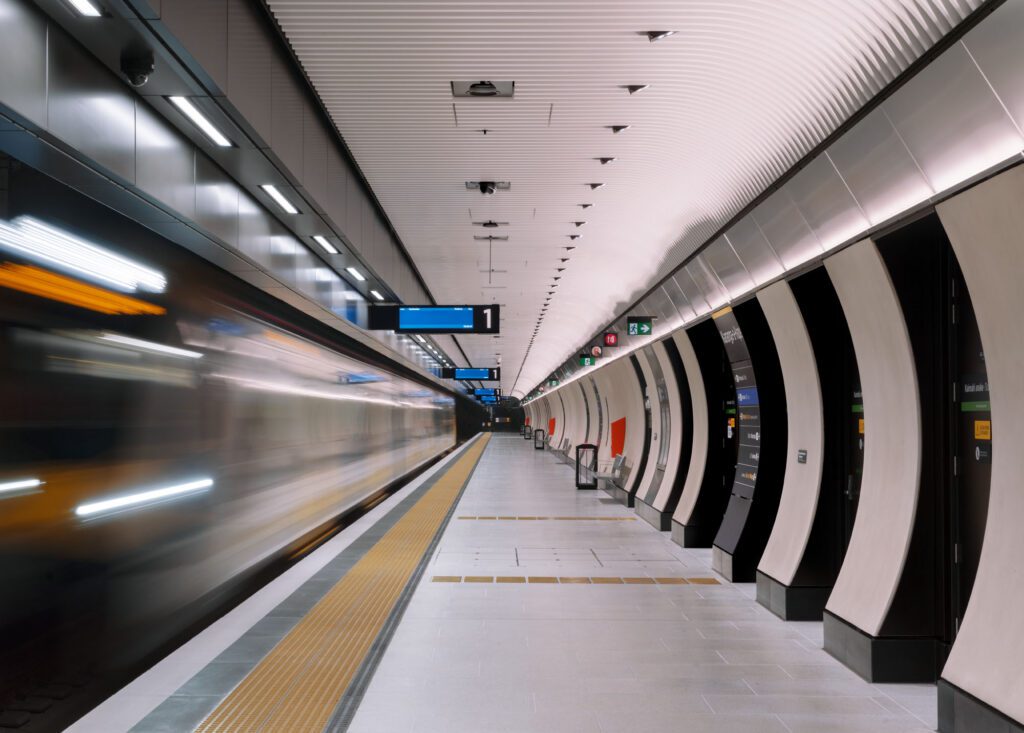
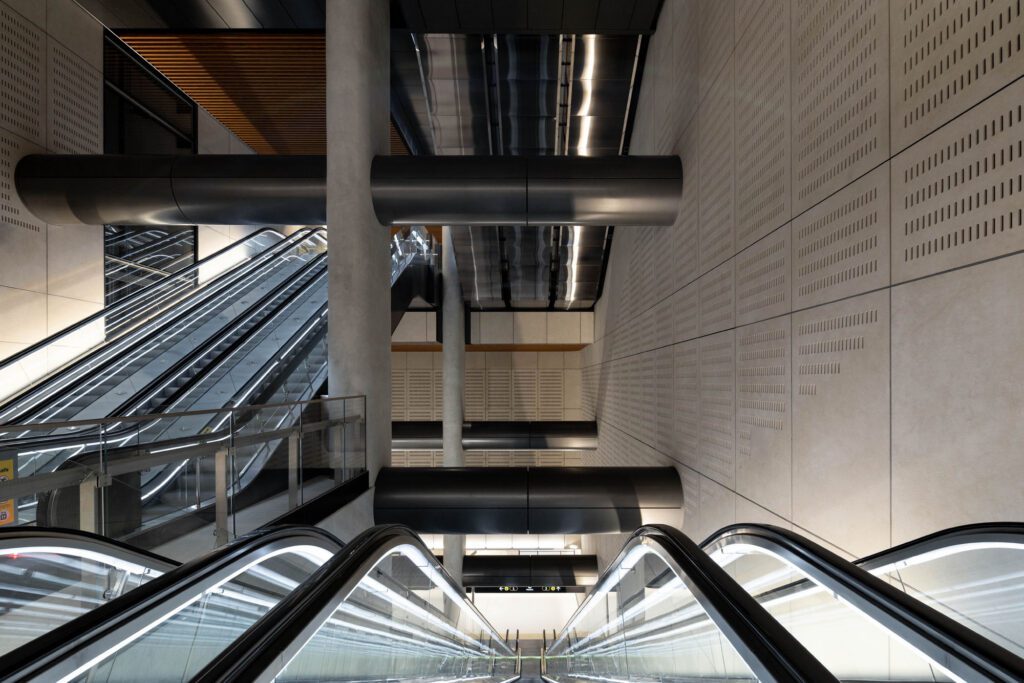
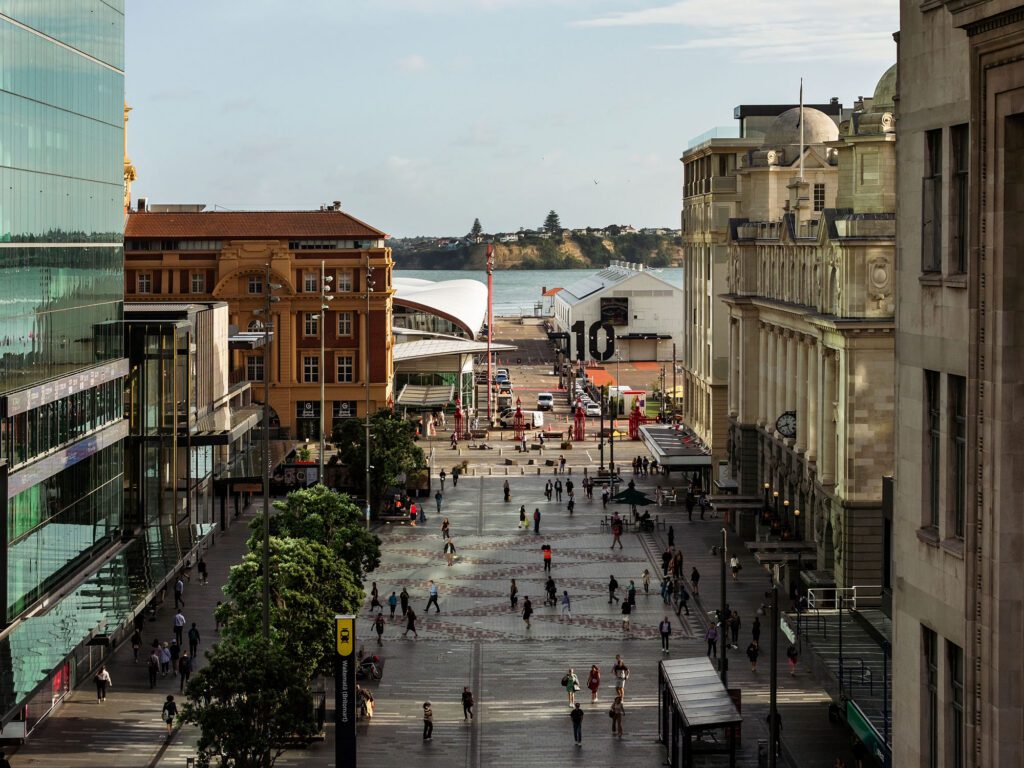
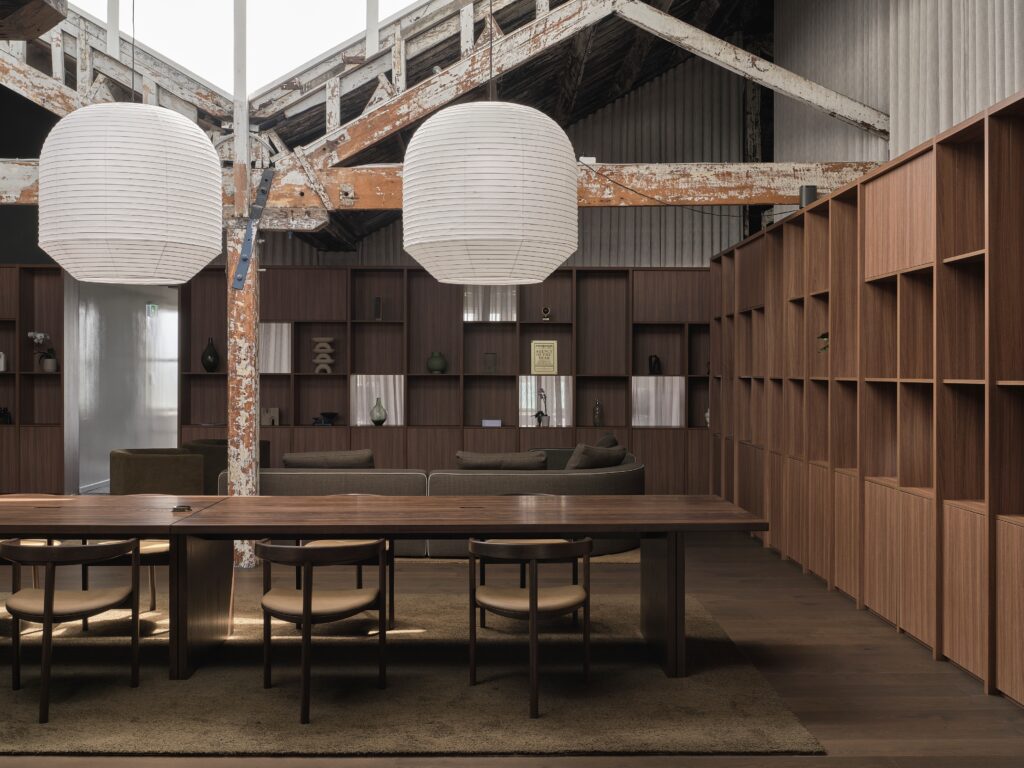
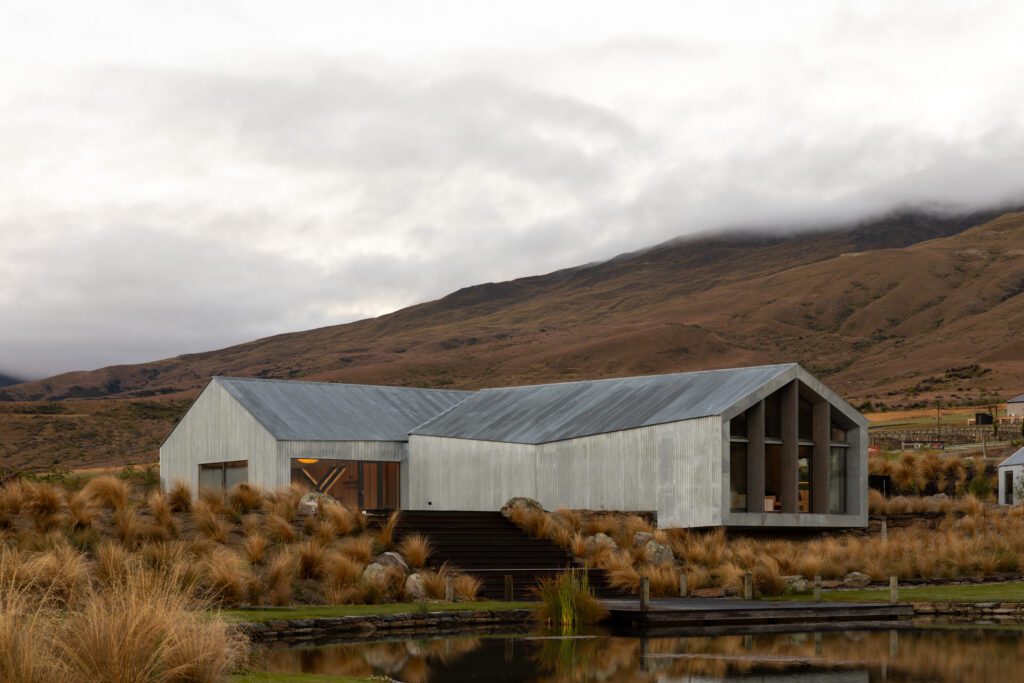
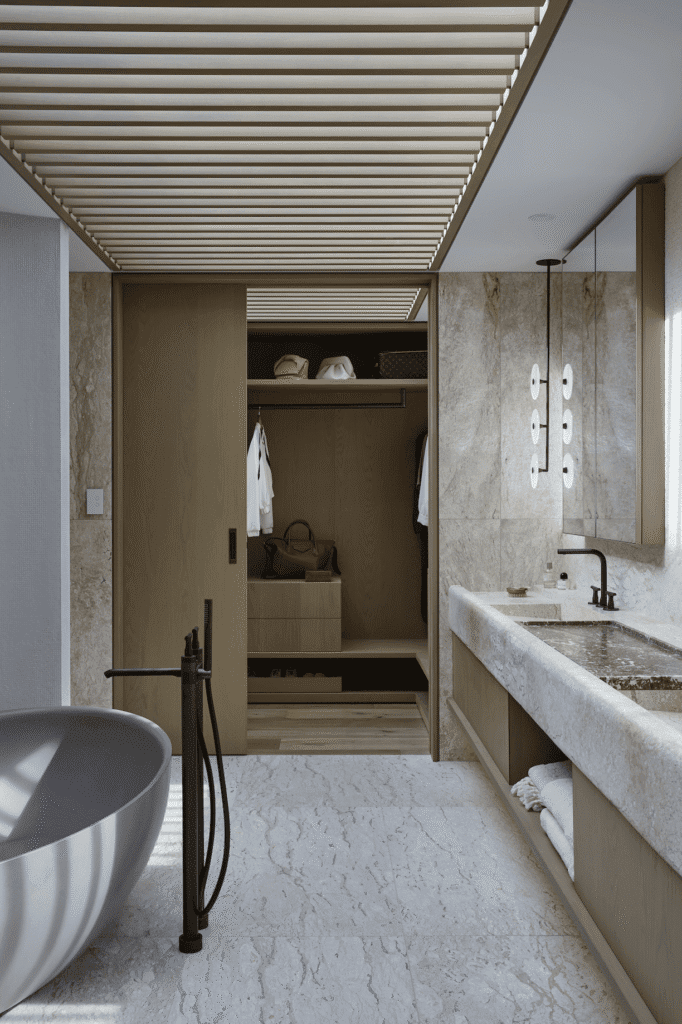
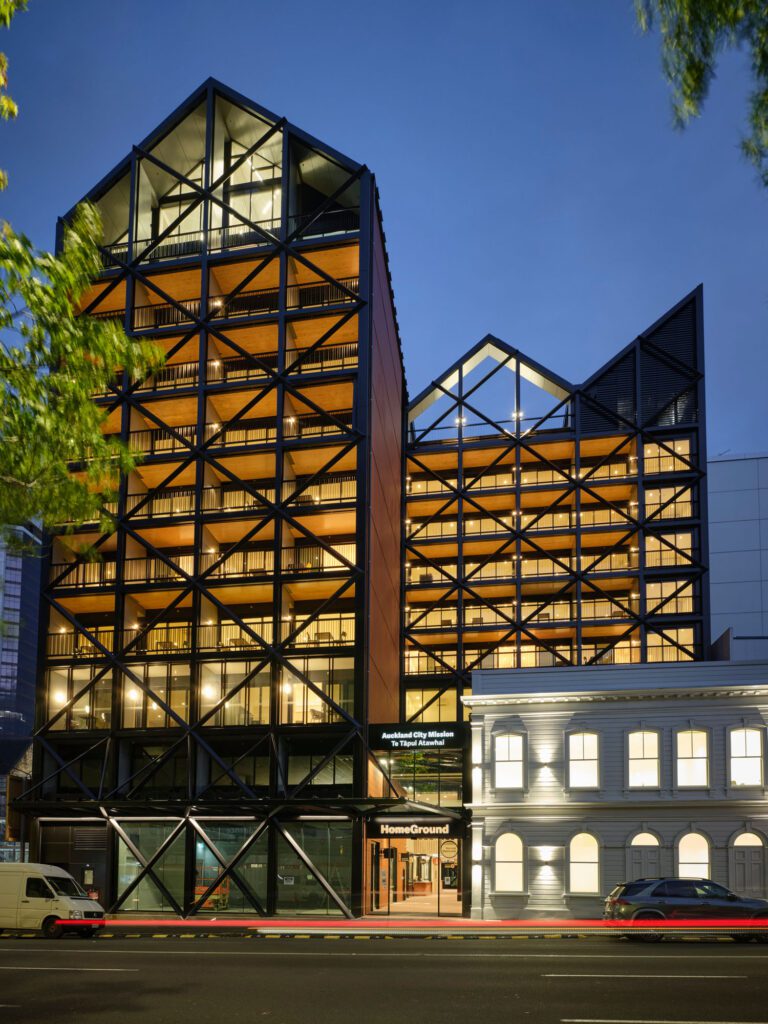
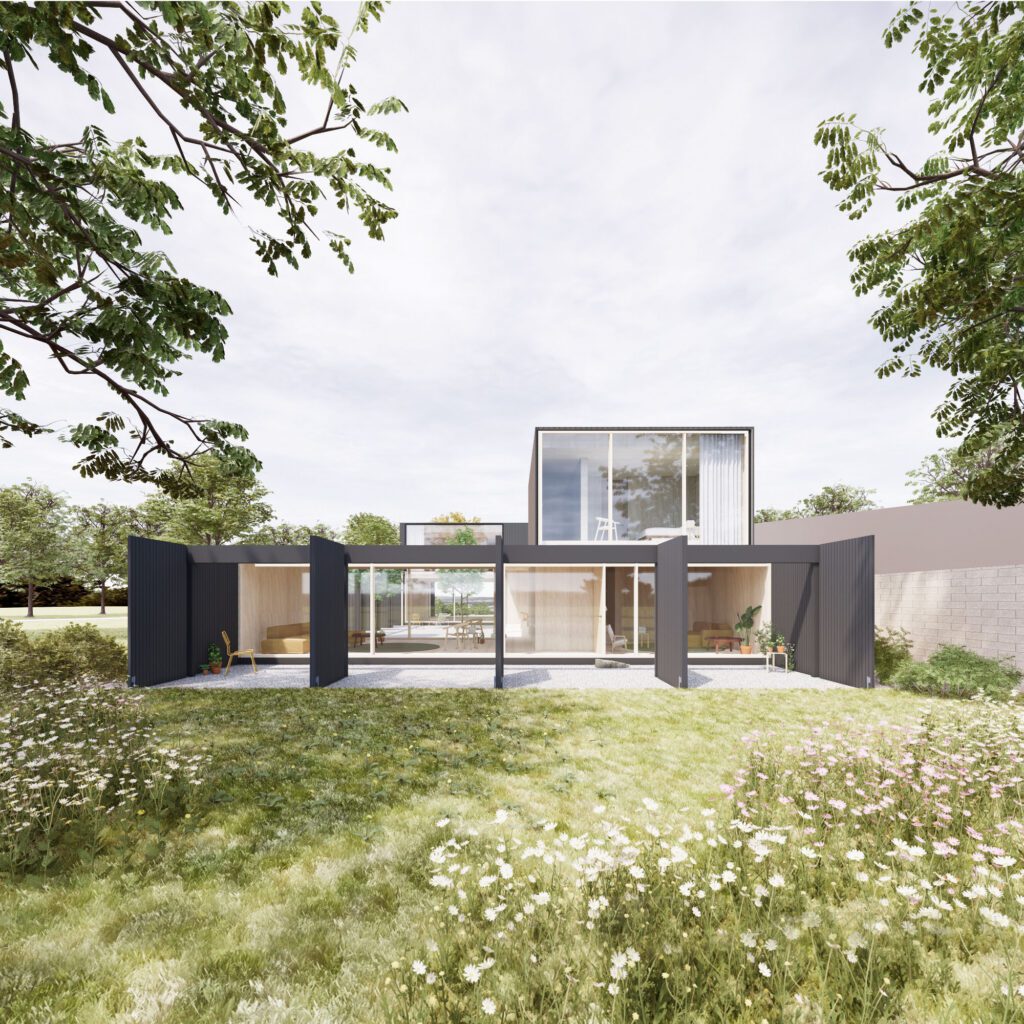
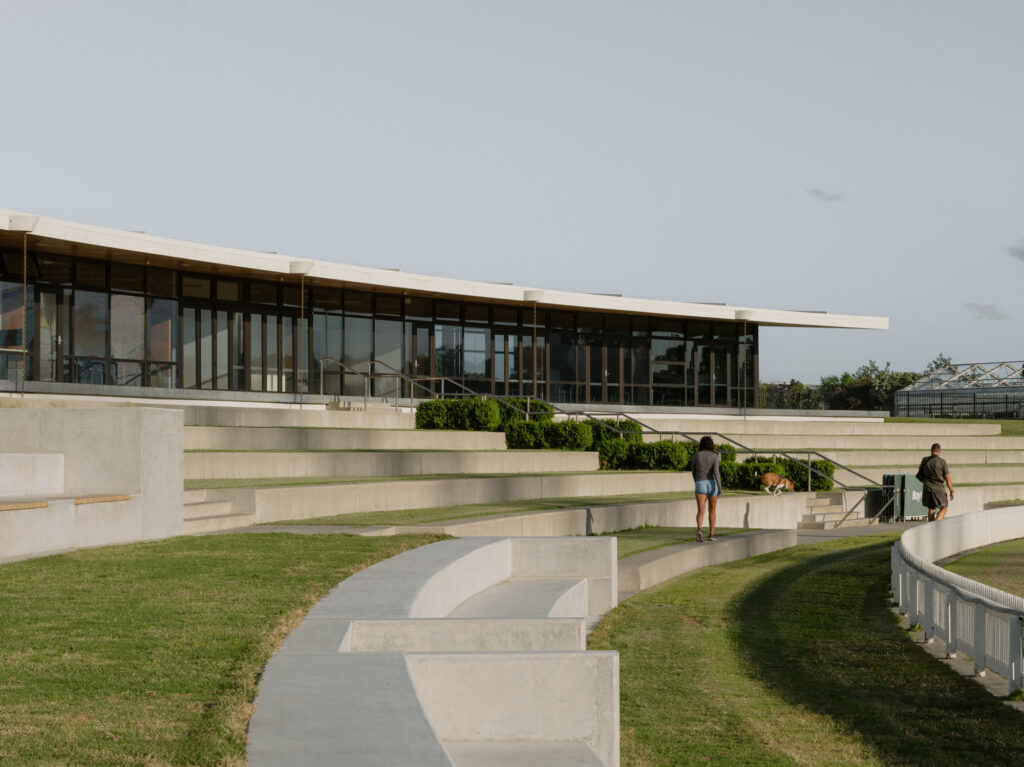
Fifty architectural projects across Auckland and Northland have been deemed the very best in Te Kāhui Whaihanga New Zealand Institute of Architects’ Regional Awards this year.
The 2026 finalists are revealed. Vote for the project you believe should win the Readers' Choice Interior of the Year Award 2026.
For more than 35 years, Plumbline has worked alongside New Zealand architects, interior designers and specifiers, helping bring thoughtful residential and commercial spaces to life. As a longstanding supporter of Interior of the Year, the New Zealand-owned company sees the programme as an opportunity to recognise excellence and champion innovation.
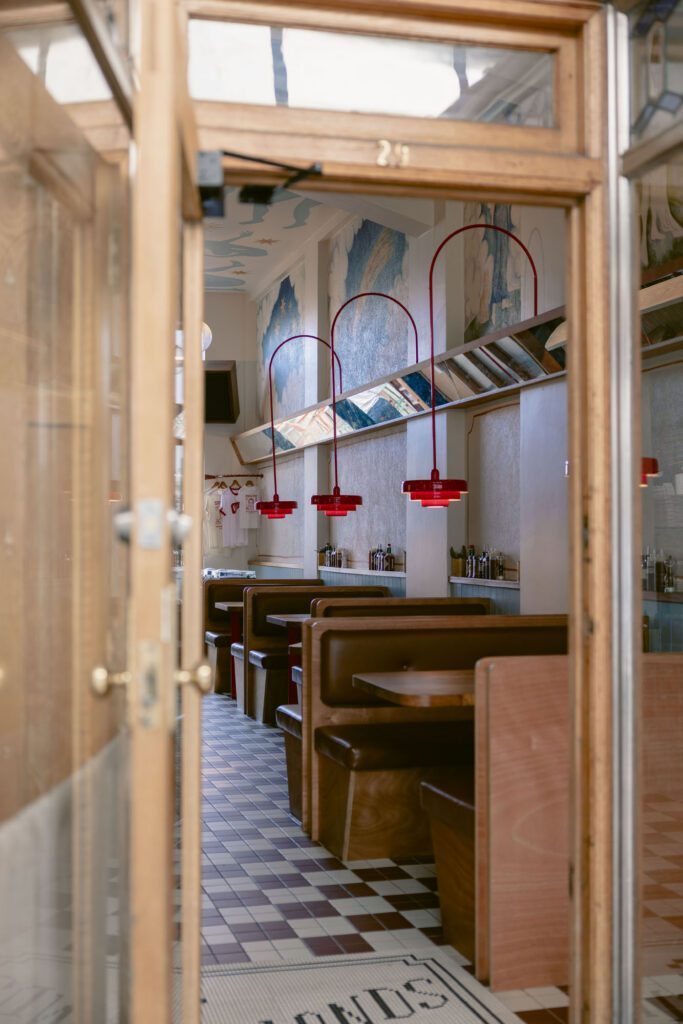
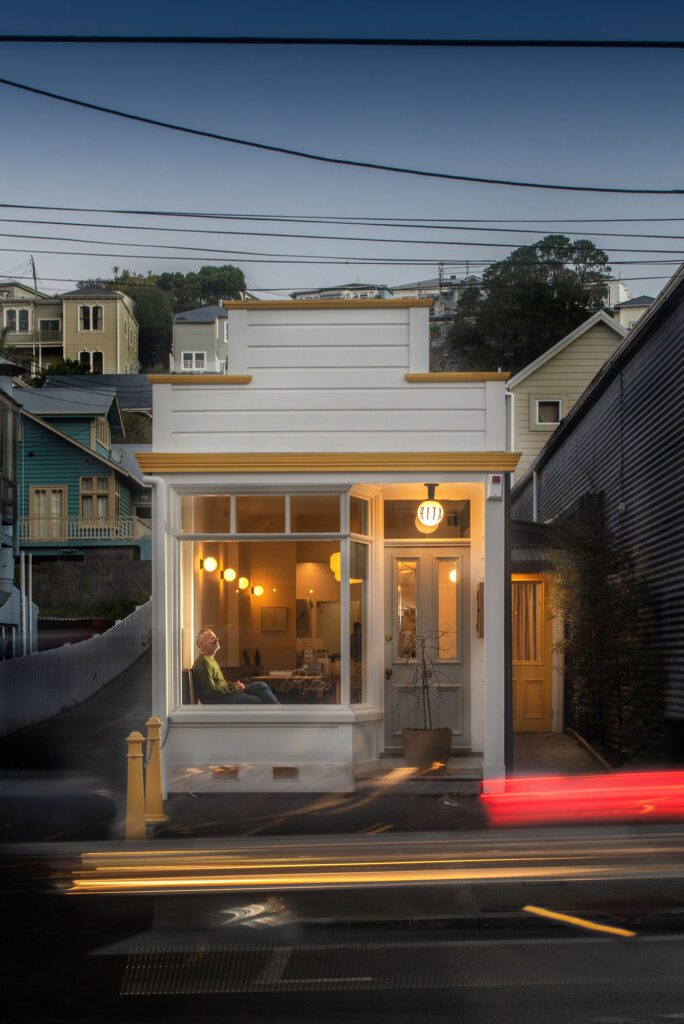
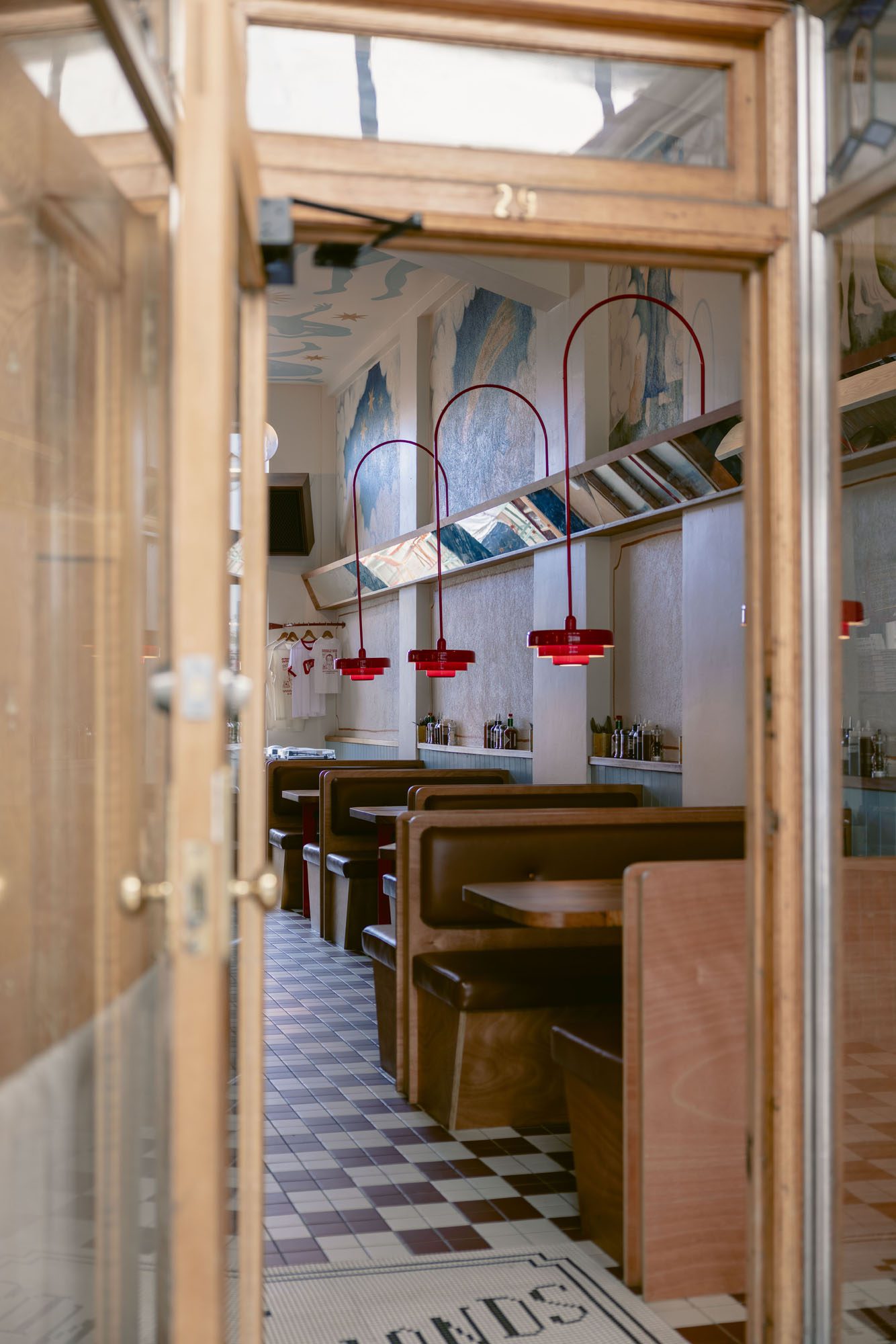
In early 2027, Rita in Wellington’s Aro Valley will relaunch as Super Rita, transforming the restaurant into a new, bespoke deli.
As Interior of the Year returns to spotlight the country’s most considered spaces, long-time sponsor Powersurge reflects on more than three decades supporting New Zealand architecture and design.
For more than four decades, Forté has helped shape New Zealand interiors through a deep commitment to materiality, craft and design support.
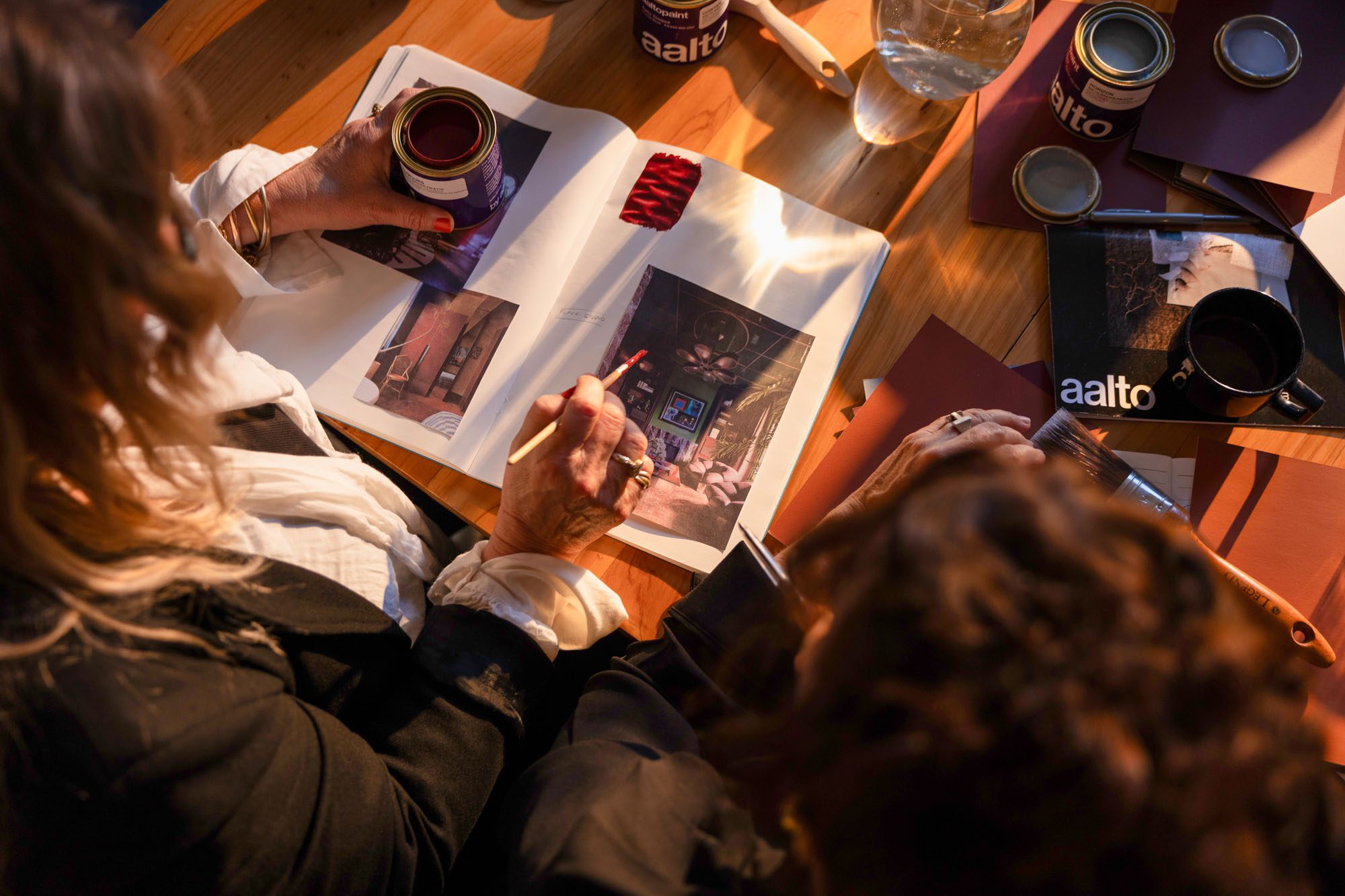
As a founding sponsor of the Interior of the Year awards, Resene continues to support the architects and designers shaping New Zealand interiors.
New Zealand architects have long occupied a privileged position in the art market: as buyers, commissioners, and collaborators. The recent sale of Sir Miles Warren’s collection at Webb’s Auction House made that relationship visible at scale.
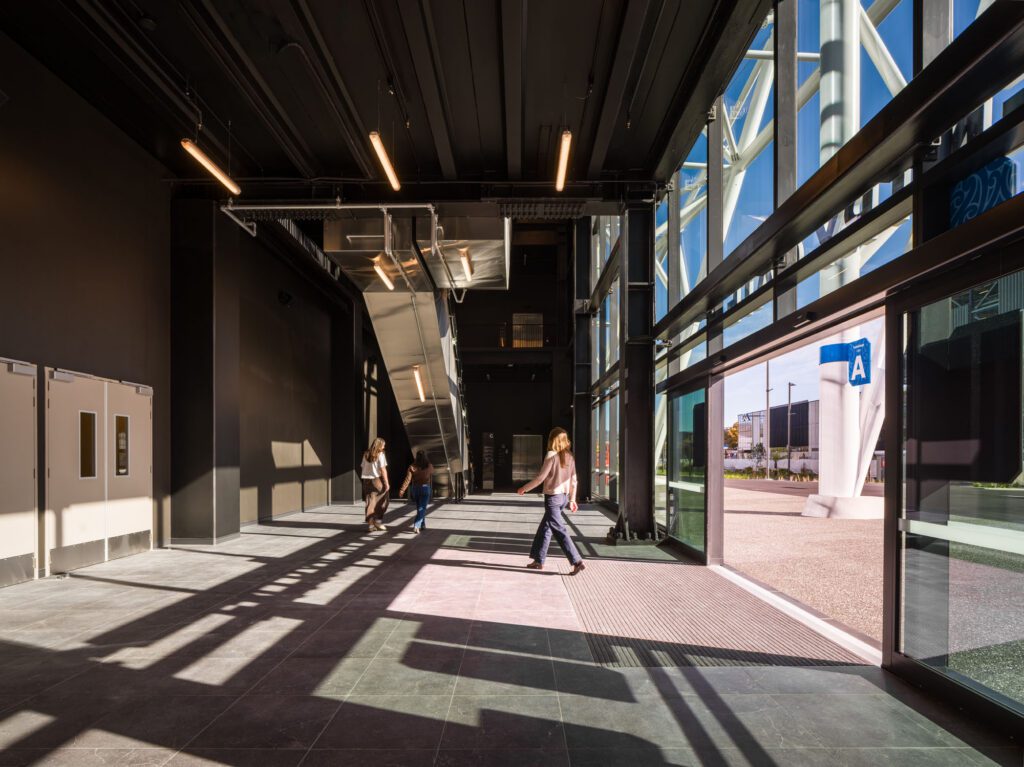
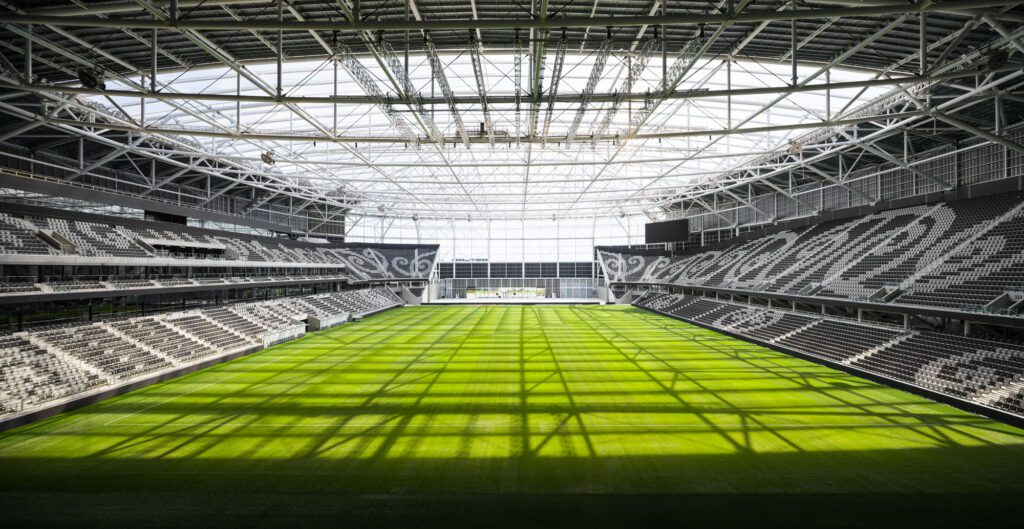
Jeremy Smith toured the new One New Zealand Stadium, Te Kaha, by Populous and Warren and Mahoney to get a feel for the final anchor project of Ōtautahi’s rebuild.
As the 2026 Interior of the Year Awards programme gets underway, we caught up with Laminex New Zealand about its long-standing support of the architecture and design industry, the future of local manufacturing, and why celebrating exceptional New Zealand interiors matters more than ever.
In the restoration of Auckland’s historic Chief Post Office building by Cheshire Architects, every detail — including surfaces — became a question of stewardship as much as aesthetics.
We speak to James Blackburne, founder of Gisborne’s Architects 44 and the incoming president of Te Kāhui Whaihanga New Zealand Institute of Architects.
Anthony Calderone, Technical Director (Buildings), at Mott MacDonald speaks about some of the technical detail behind One New Zealand Stadium Te Kaha and how architecture and engineering worked together toward a common goal.
New Zealand’s housing crisis is often framed as a technical problem of supply, regulation, or economics. As Yun Fu found out when trying to return home to Aotearoa, beneath those debates lie deeply held ideas of the good life.

Fifty architectural projects across Auckland and Northland have been deemed the very best in Te Kāhui Whaihanga New Zealand Institute of Architects’ Regional Awards this year.

The 2026 finalists are revealed. Vote for the project you believe should win the Readers’ Choice Interior of the Year Award 2026.

For more than 35 years, Plumbline has worked alongside New Zealand architects, interior designers and specifiers, helping bring thoughtful residential and commercial spaces to life. As a longstanding supporter of Interior of the Year, the New Zealand-owned company sees the programme as an opportunity to recognise excellence and champion innovation.

In early 2027, Rita in Wellington’s Aro Valley will relaunch as Super Rita, transforming the restaurant into a new, bespoke deli.

We caught up with the 2026 Interior of the Year judges to ask about what they are looking forward to and expecting to see in the competition.

At Te Kaha, Christchurch’s new multi-use stadium, coloured concrete by Peter Fell plays a subtle but significant role in grounding the architecture within the city’s evolving urban fabric.

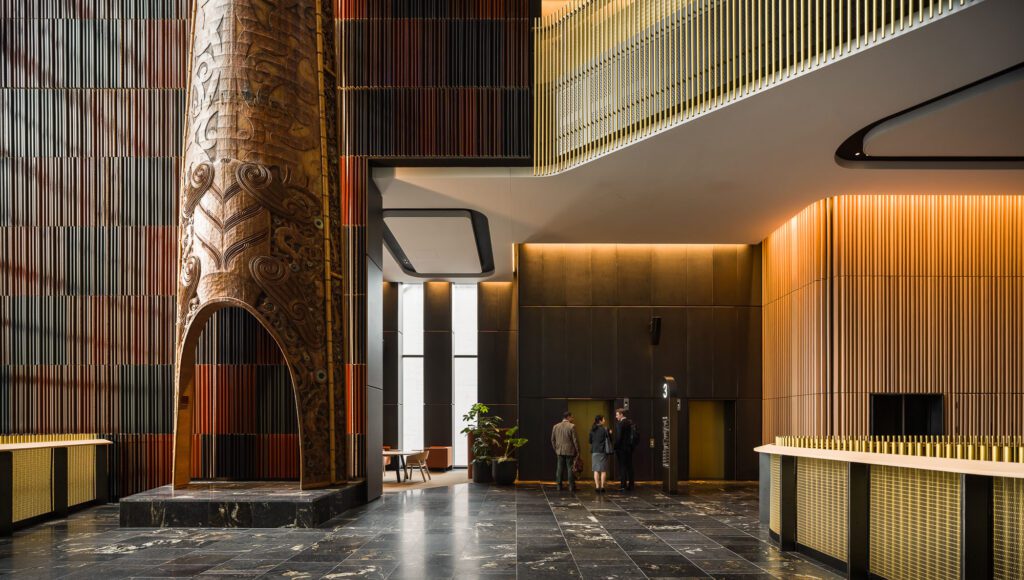
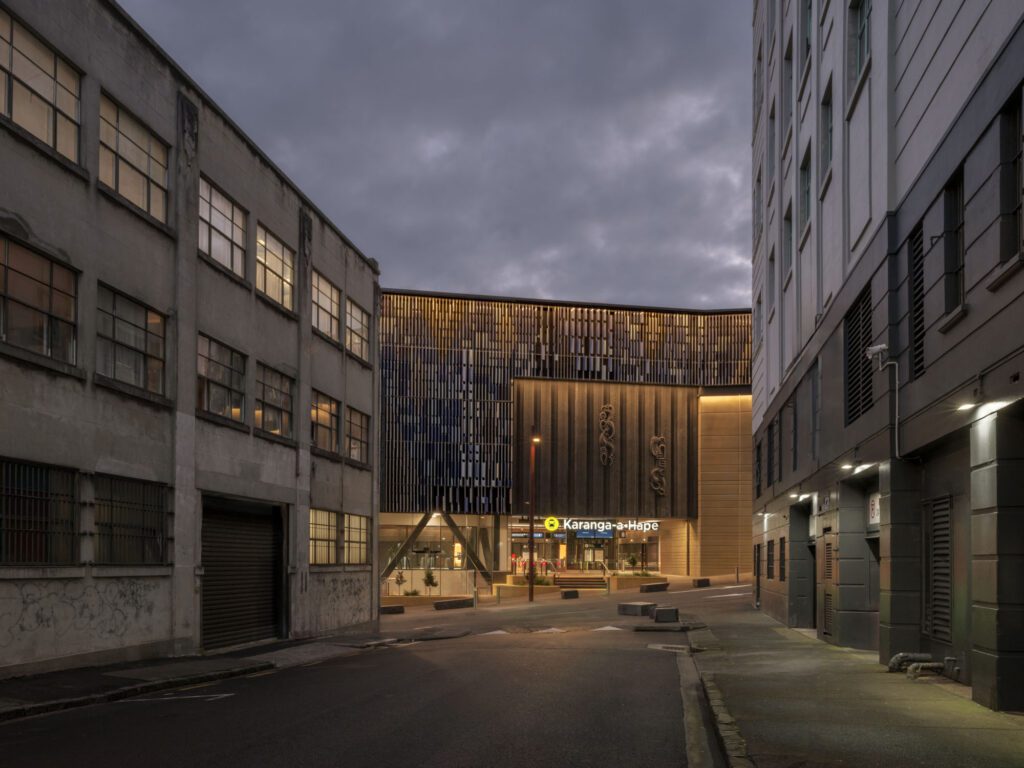
Two new projects intelligently embed Maoritanga values across architectural, interior, artistic and graphic design elements.

As Interior of the Year returns to spotlight the country’s most considered spaces, long-time sponsor Powersurge reflects on more than three decades supporting New Zealand architecture and design.

For more than four decades, Forté has helped shape New Zealand interiors through a deep commitment to materiality, craft and design support.

As a founding sponsor of the Interior of the Year awards, Resene continues to support the architects and designers shaping New Zealand interiors.

New Zealand architects have long occupied a privileged position in the art market: as buyers, commissioners, and collaborators. The recent sale of Sir Miles Warren’s collection at Webb’s Auction House made that relationship visible at scale.

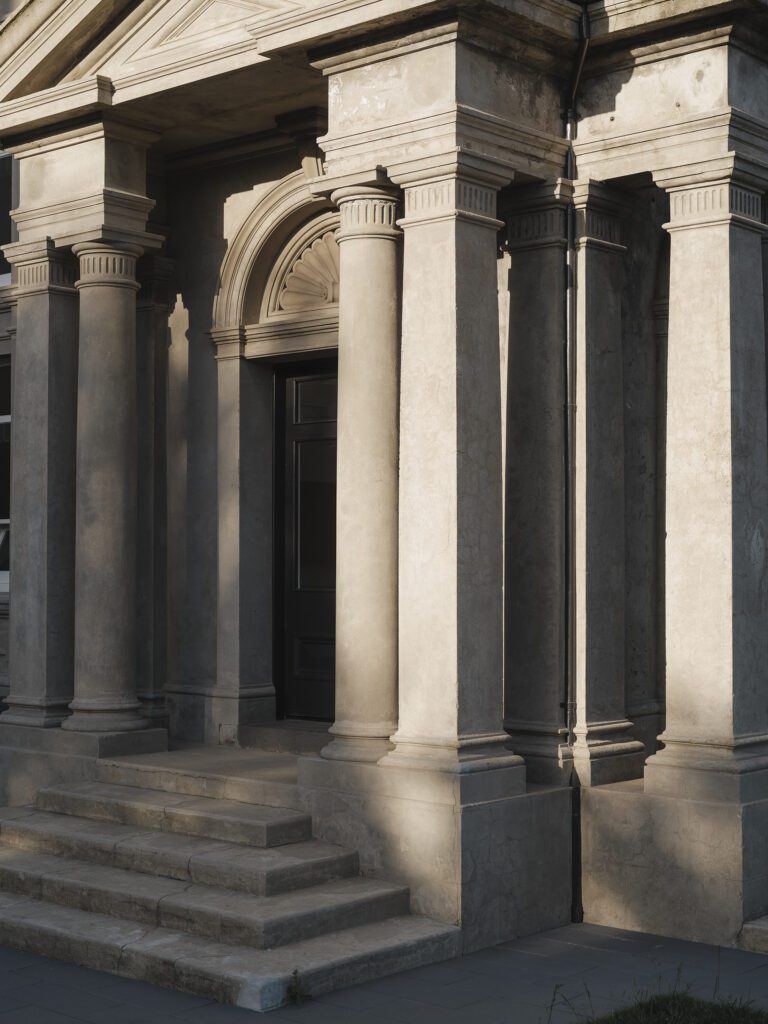
Built to celebrate New Zealand’s place within an empire, the Auckland Chief Post Office has spent the last century quietly revising that claim. Its latest reinvention, by Cheshire Architects, considers a new, elegant future for this grand civic landmark in Tāmaki Makaurau.

We caught up with Autex Acoustics — an Interior of the Year partner — to discuss the brand’s longstanding support of New Zealand’s architecture and design community, its ongoing investment in sustainable innovation, and the collaborations shaping the future of acoustic design in Aotearoa.

Jeremy Smith toured the new One New Zealand Stadium, Te Kaha, by Populous and Warren and Mahoney to get a feel for the final anchor project of Ōtautahi’s rebuild.

As the 2026 Interior of the Year Awards programme gets underway, we caught up with Laminex New Zealand about its long-standing support of the architecture and design industry, the future of local manufacturing, and why celebrating exceptional New Zealand interiors matters more than ever.

In the restoration of Auckland’s historic Chief Post Office building by Cheshire Architects, every detail — including surfaces — became a question of stewardship as much as aesthetics.

We speak to James Blackburne, founder of Gisborne’s Architects 44 and the incoming president of Te Kāhui Whaihanga New Zealand Institute of Architects.

Anthony Calderone, Technical Director (Buildings), at Mott MacDonald speaks about some of the technical detail behind One New Zealand Stadium Te Kaha and how architecture and engineering worked together toward a common goal.

We caught up with Steve Aschebrock, managing director of Inzide — an Interior of the Year partner — to discuss the brand’s longstanding support of New Zealand’s architecture and design community, and the trailblazing sustainability initiatives shaping its future.

The Auckland-based firm has recently won a record fifth Home of the Year overall winner award to put alongside its 2022 Gold Medal. We speak to co-director Nicholas Stevens about the practice’s residential ethos and goals.

New Zealand’s housing crisis is often framed as a technical problem of supply, regulation, or economics. As Yun Fu found out when trying to return home to Aotearoa, beneath those debates lie deeply held ideas of the good life.

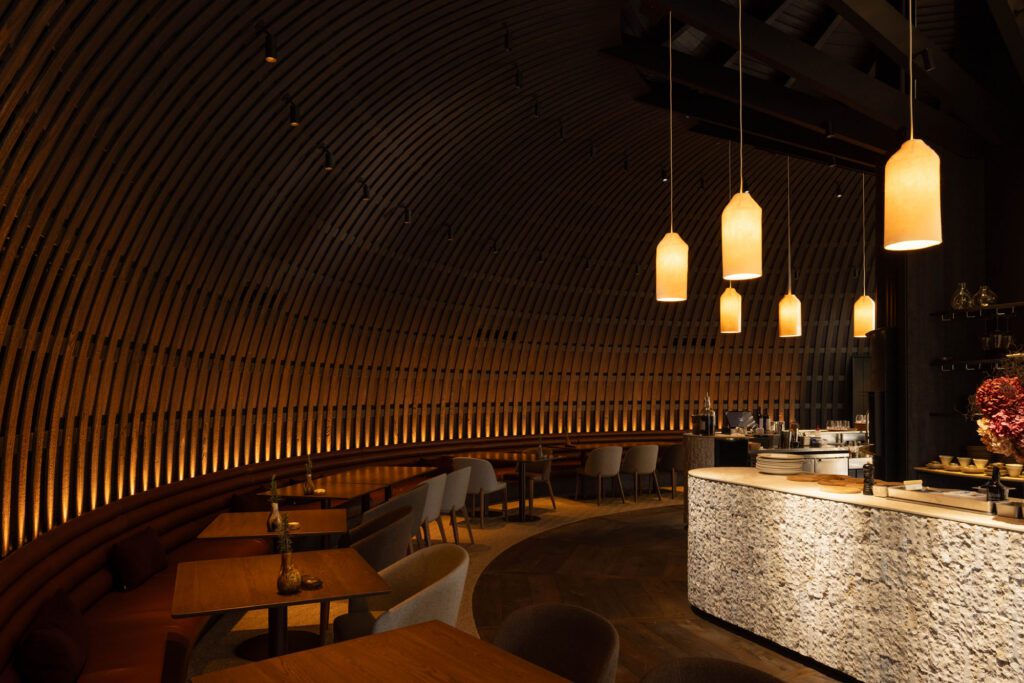
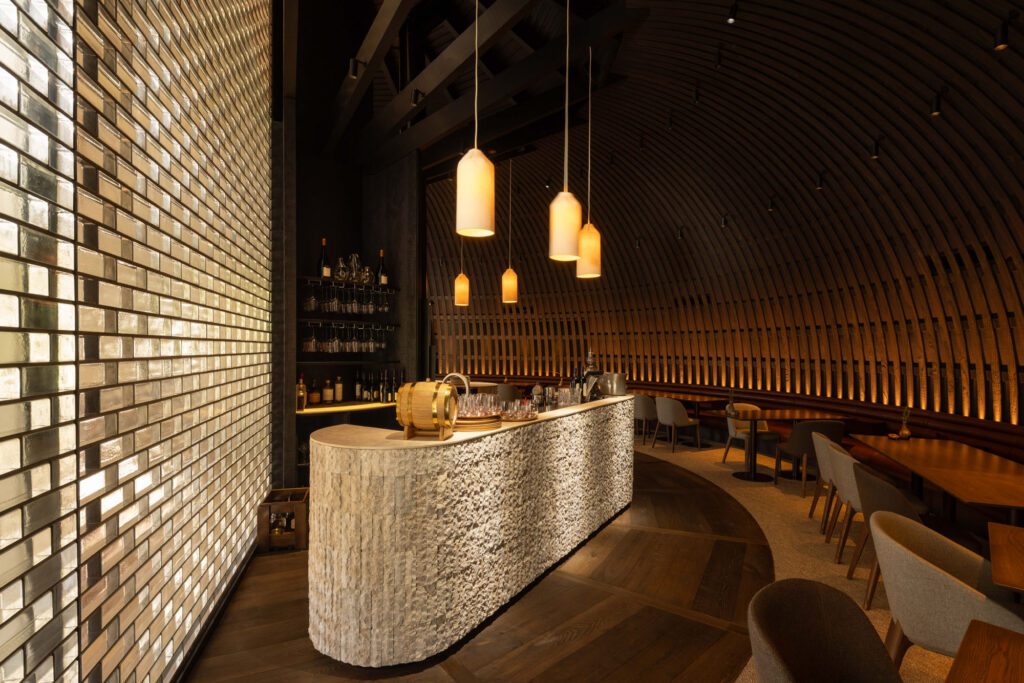
Fire, earth, air, water: four elements mapped onto a half-circle above a vineyard restaurant. RTA Studio’s interior reimagining of a John Blair building is an exercise in constraint and atmosphere.

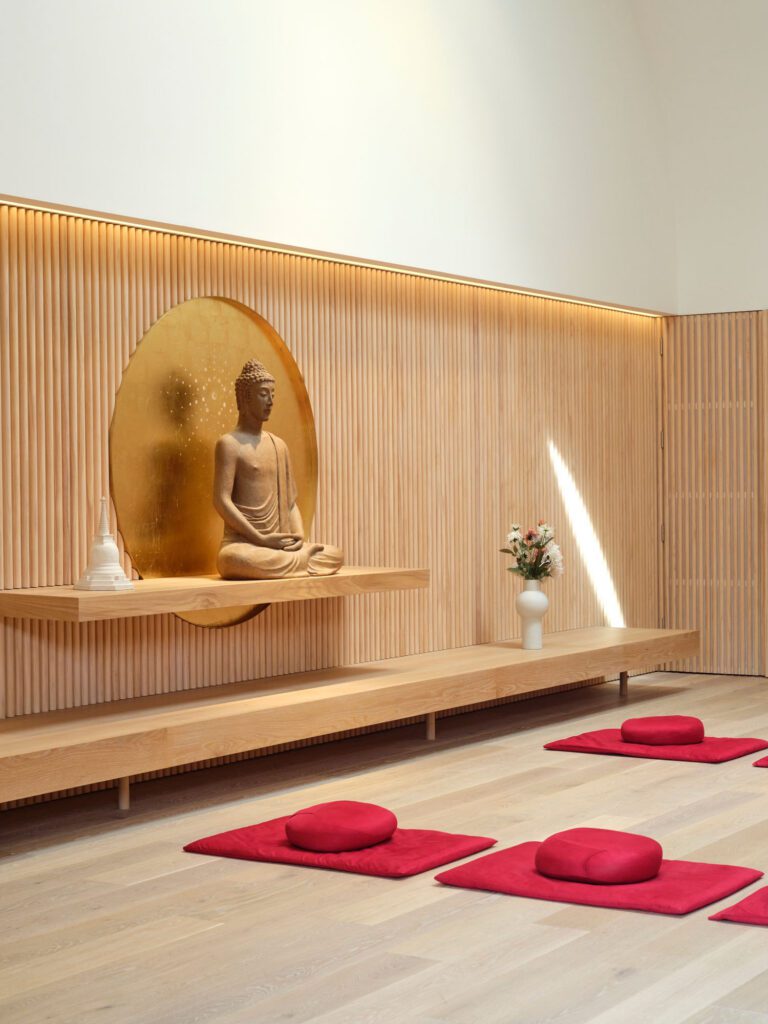
Stevens Lawson Architects was tasked with creating a spiritual sanctuary in an industrial space, centimetres away from a busy parking lot.

We speak to Hon Chris Penk, Minister for Building and Construction, about the Building (Earthquake-prone Buildings) Amendment Bill and its potential implications for the architecture industry.

We survey our favourite shortlisted and winning Small Project Architecture entries from the 2026 Te Kāhui Whaihanga NZIA regional awards.

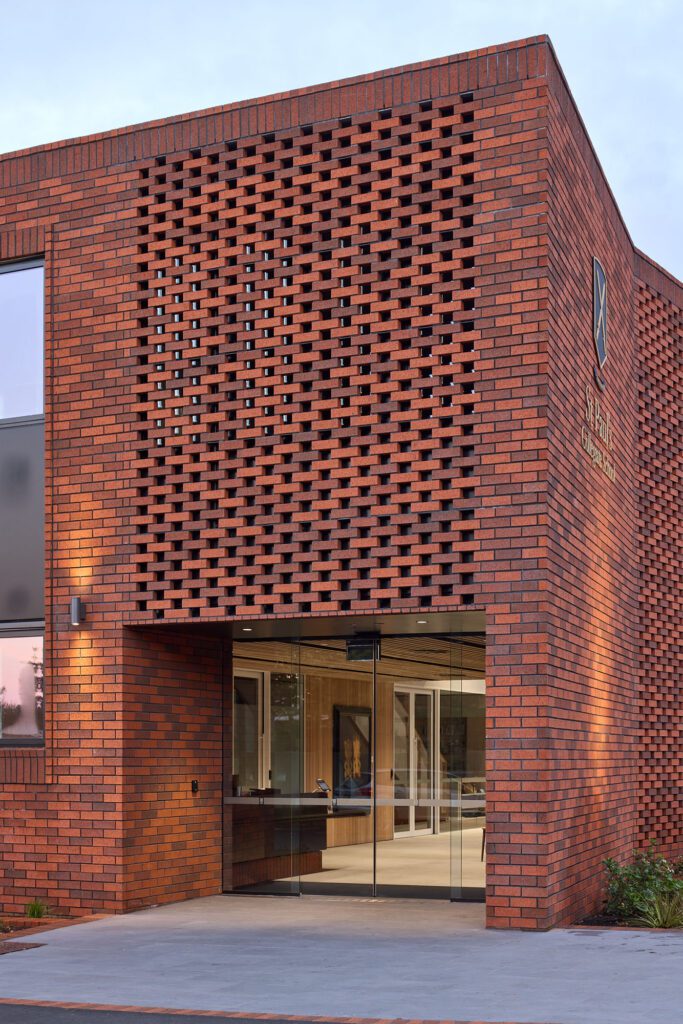
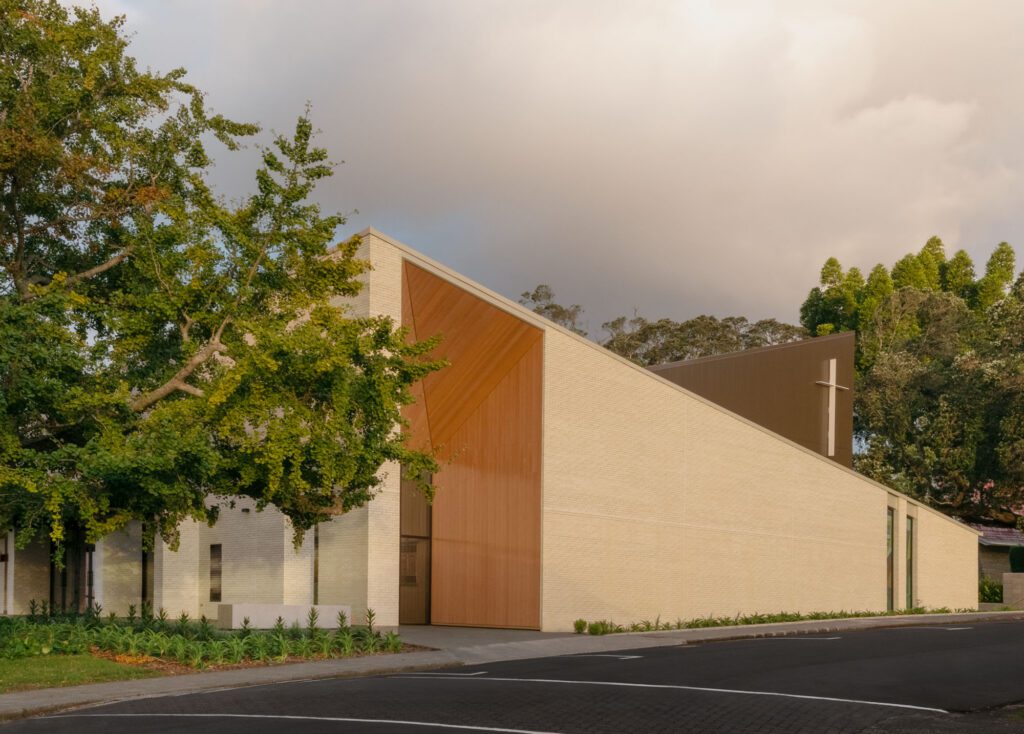
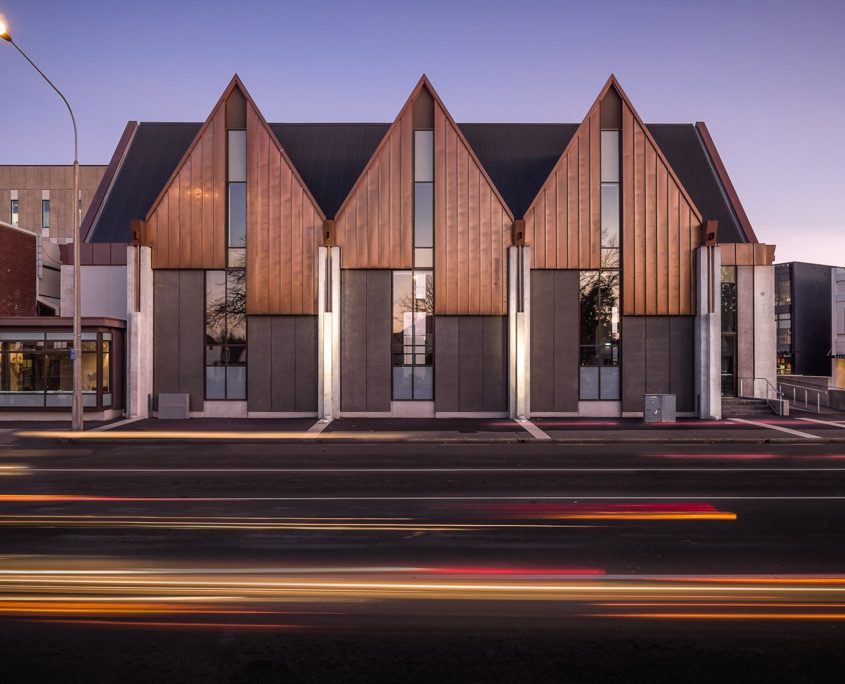
St Patrick’s Chapel greets you at the front gate of Dilworth School in Epsom, Tāmaki Makaurau / Auckland. Working with Dilworth’s chaplain and its headmaster, Jasmax has created a new spiritual heart for the school.

Twenty-two architectural projects across Waikato and the Bay of Plenty have been deemed the very best in Te Kāhui Whaihanga New Zealand Institute of Architects’ Regional Awards in 2026.


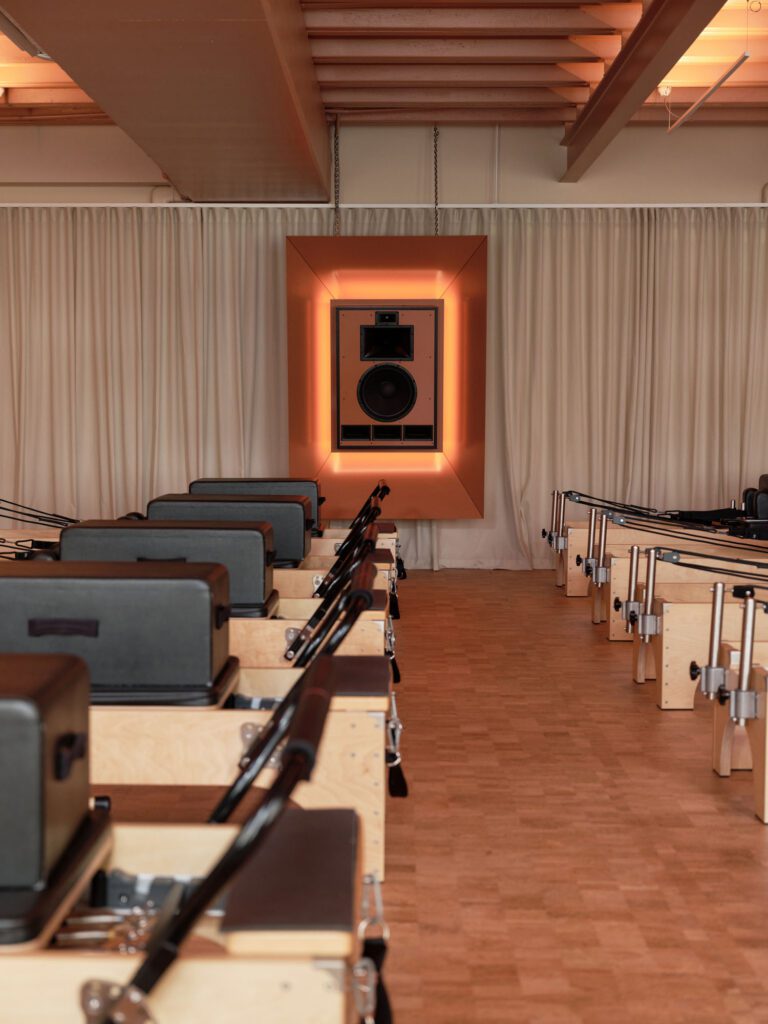
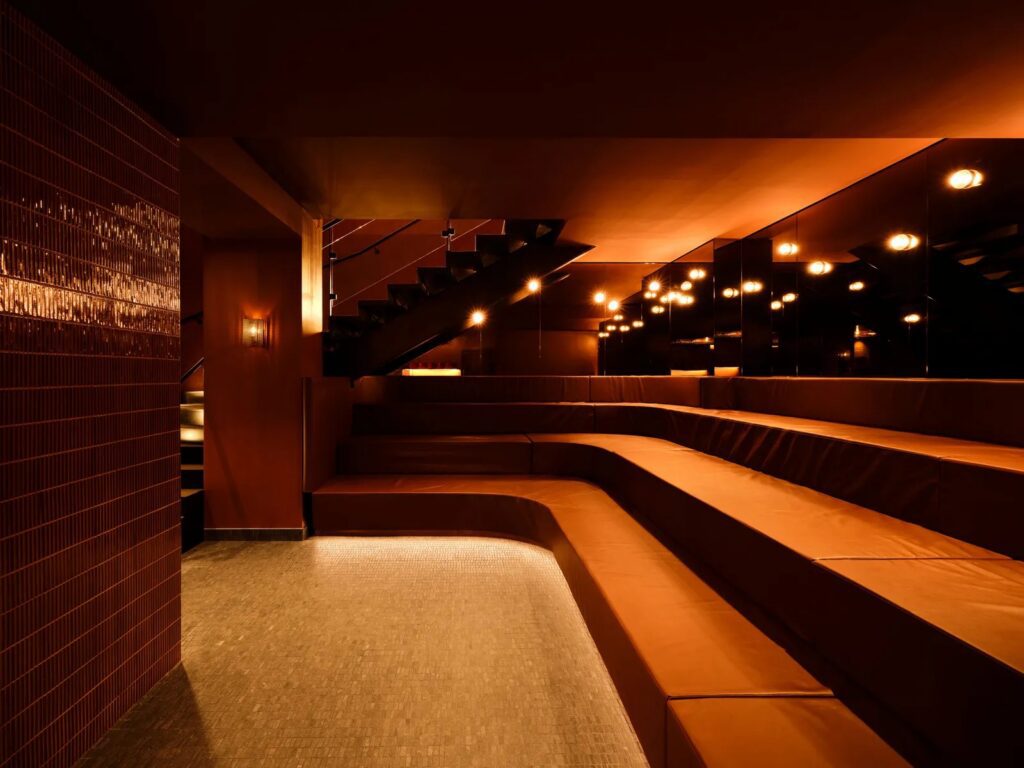
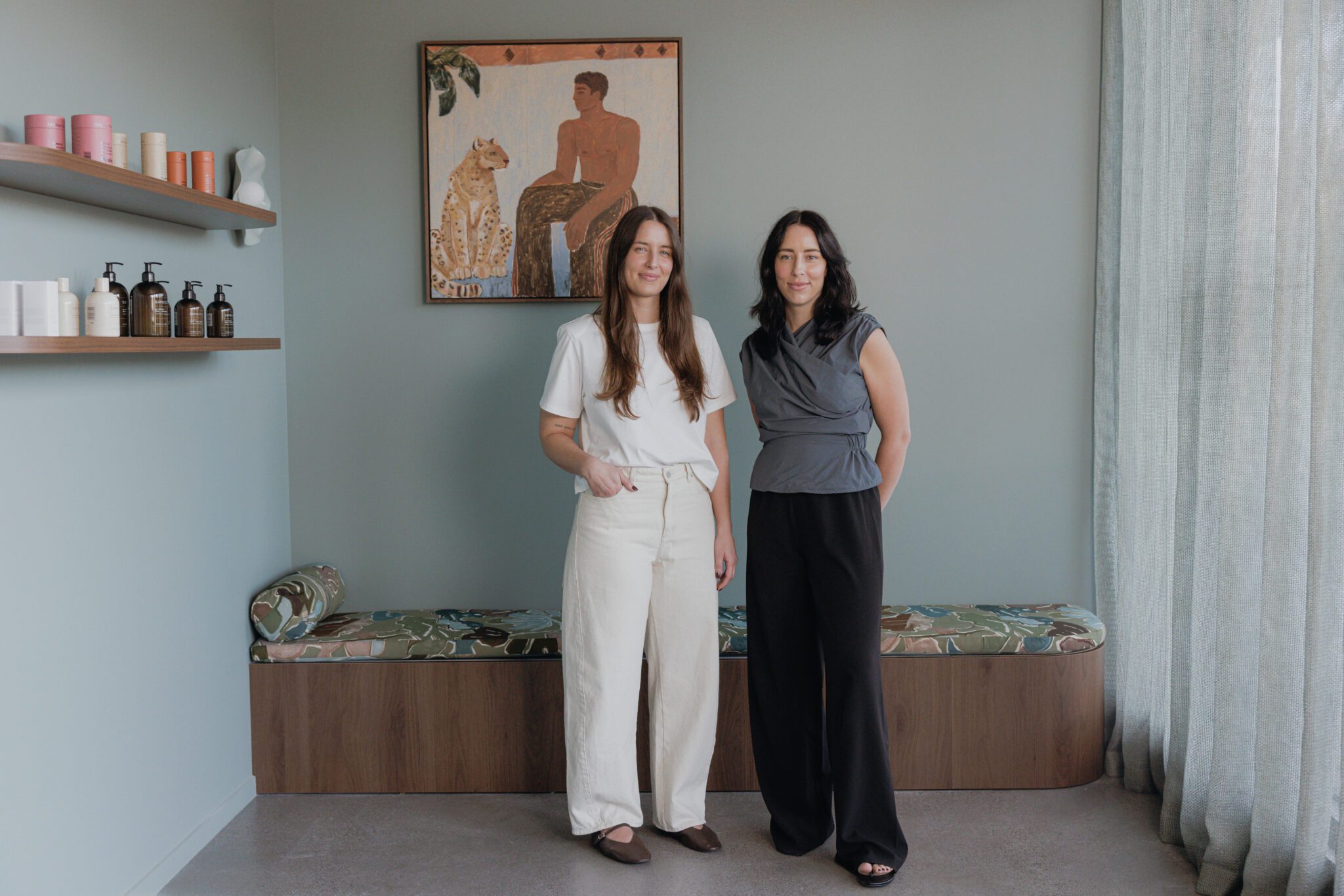
Auckland-based movement studio Sala has expanded its Brown Street site in Ponsonby with the opening of Sonar, a new 150sqm reformer Pilates studio designed to refine both spatial experience and practice.

Across three days, Open Christchurch invites us to look again at the city, and to better understand the thinking behind the spaces we move through every day.

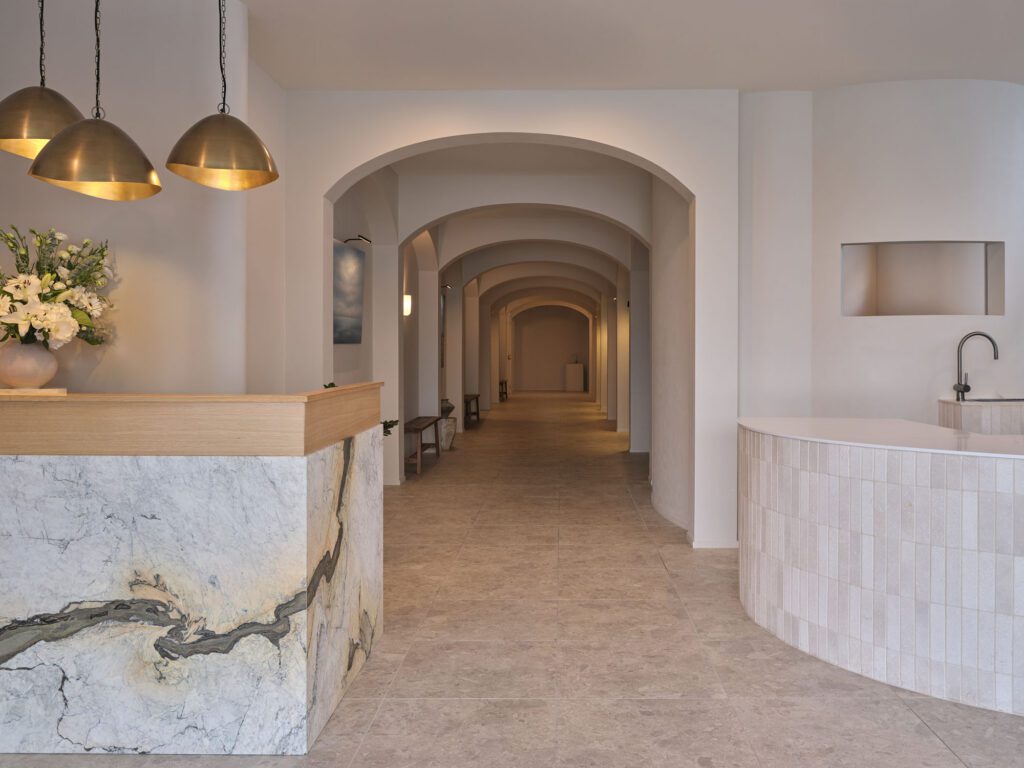
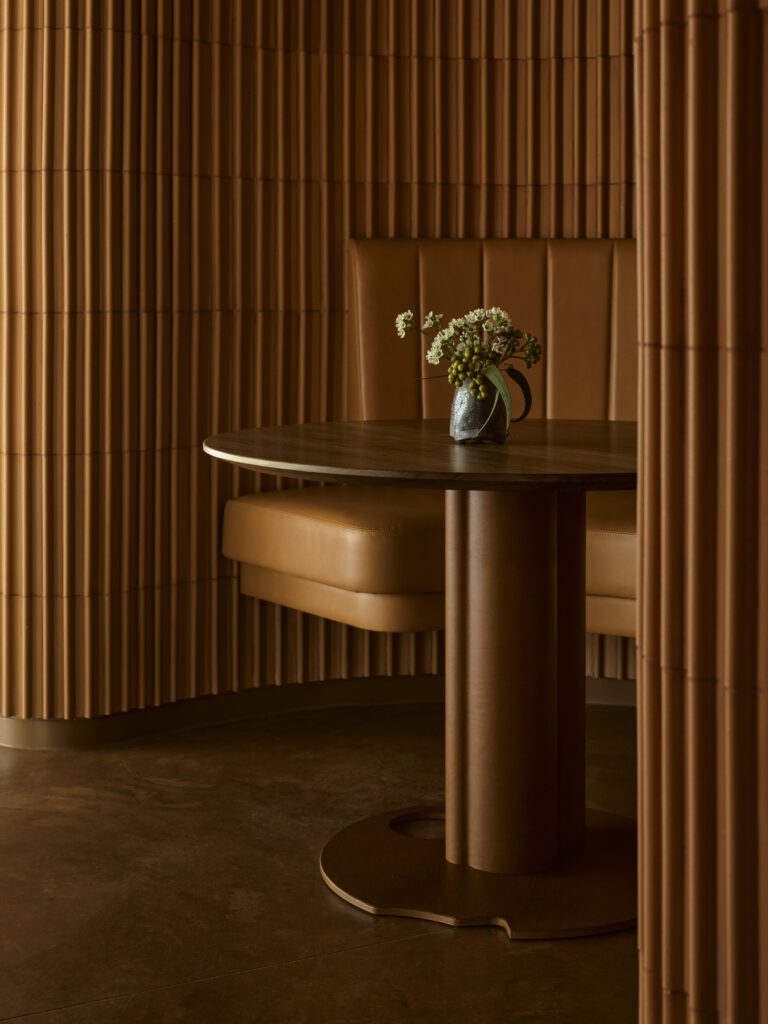
Designed by Toronto studio Futurstudio, Sant Roch reimagines ancient bathing rituals through contemporary architecture and sensory design.

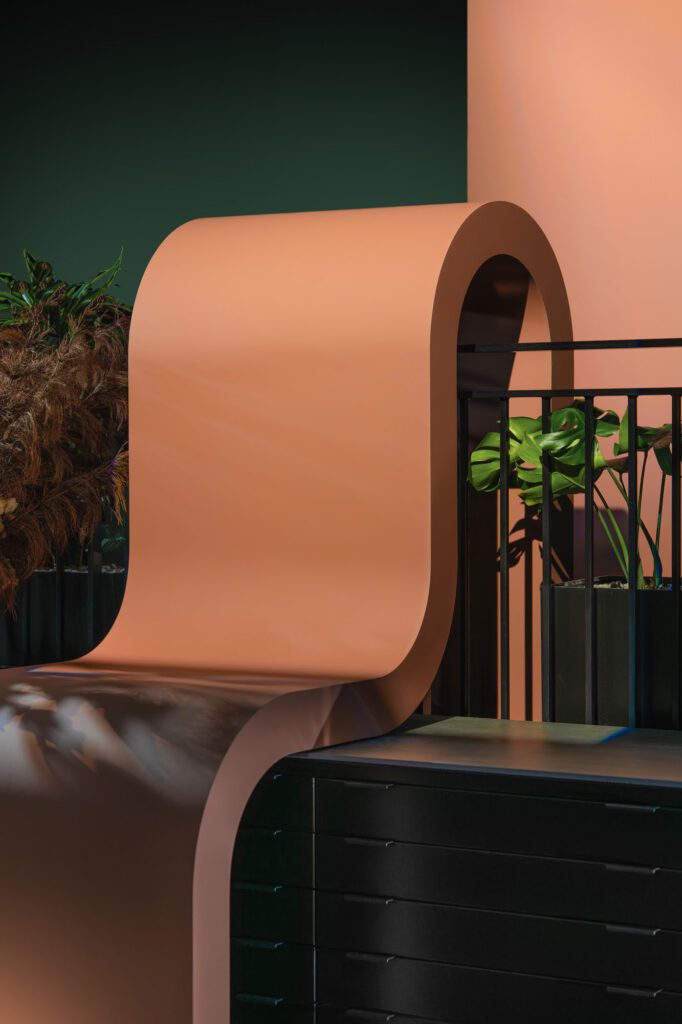
VidaSpace is defined by a certain restlessness, a refusal to be confined by what has come before. With the launch of ALT, that mindset finds its clearest expression yet.

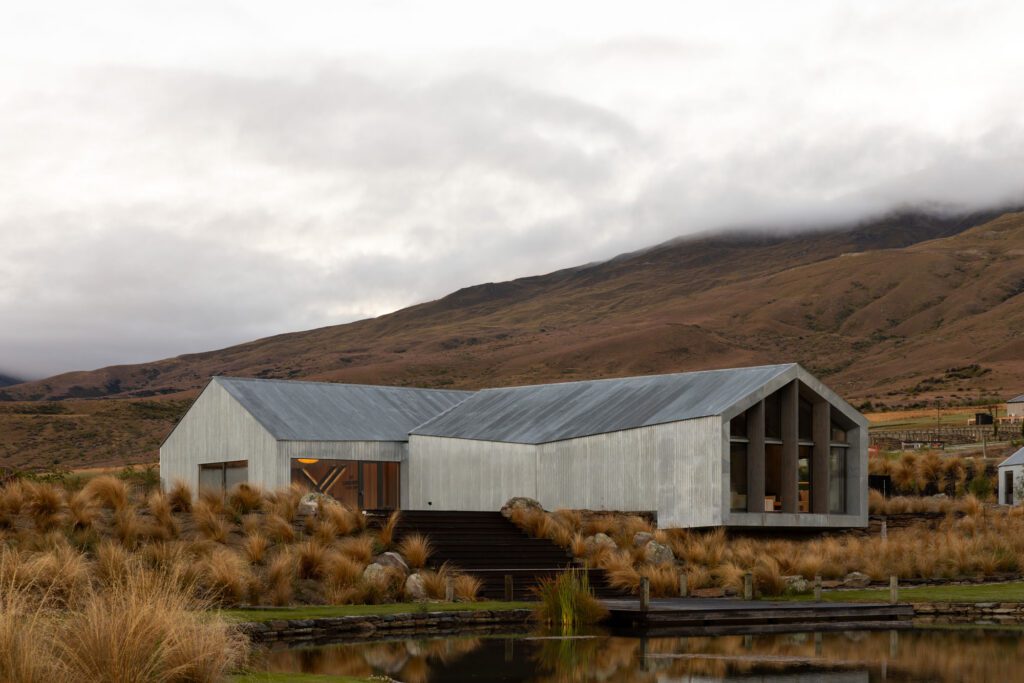
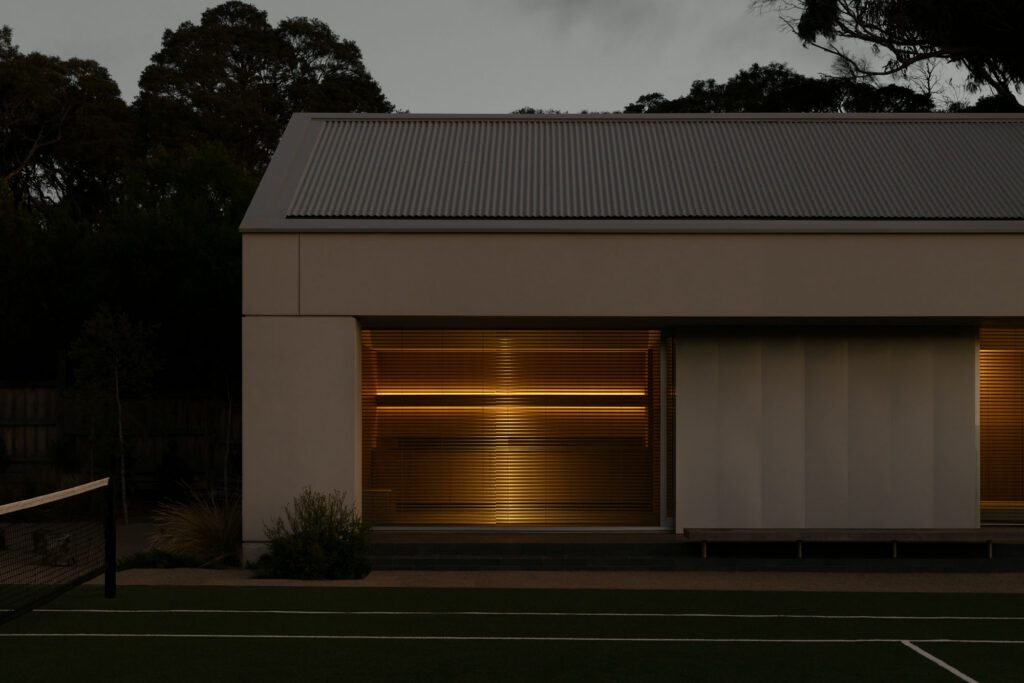
With its barn-like form and finely tuned material palette, the Sorrento Bathhouse reframes the wellness retreat as an exercise in architectural precision.

Nestled within Fitzroy Gardens in East Melbourne, a modest structure has offered respite and refreshments for more than a century.

Gel Architects have transformed a long-abandoned, dilapidated church into four refined apartments, deftly balancing ecclesiastical gravitas with a dose of contemporary cool.

It is often in the pursuit of simplicity that great design takes shape. A recent collaboration between VidaSpace and Powersurge articulates that premise with purity, precision, and a quietly powerful presence.

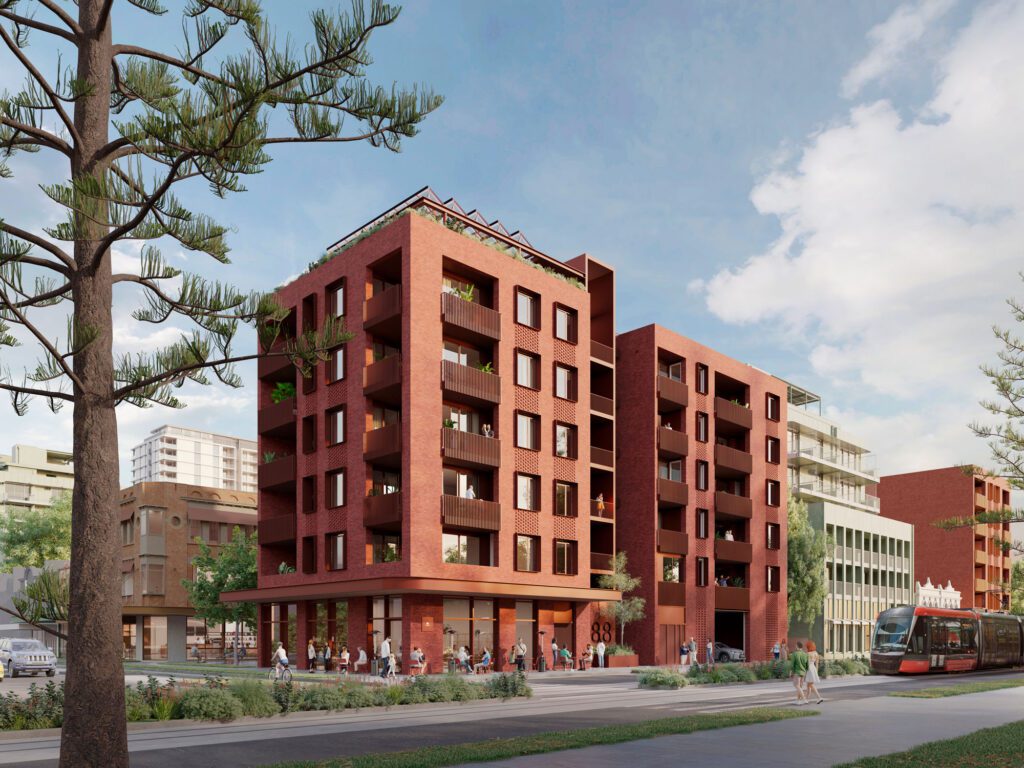
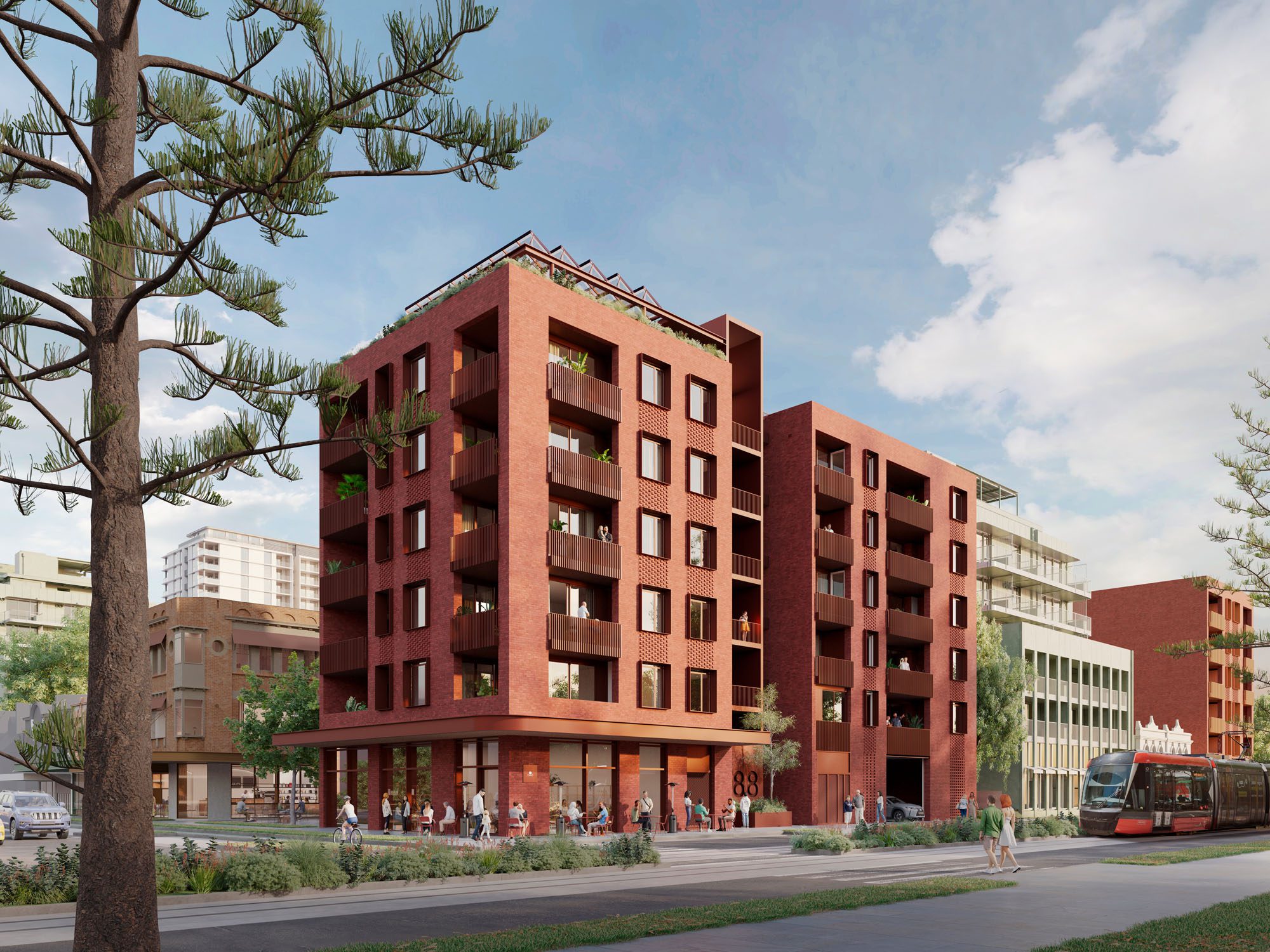
High above Aotea Square and what is likely to become Auckland’s busiest transport link, Te Waihorotiu Station, a new vertical village is under way: a place to live, work, play.

In a first for New Zealand, 30 new social housing apartments were opened last month in a heritage building in Dunedin, designed in a creative cross-Tasman collaboration between a Dunedin couple and an architecture firm in Tasmania.

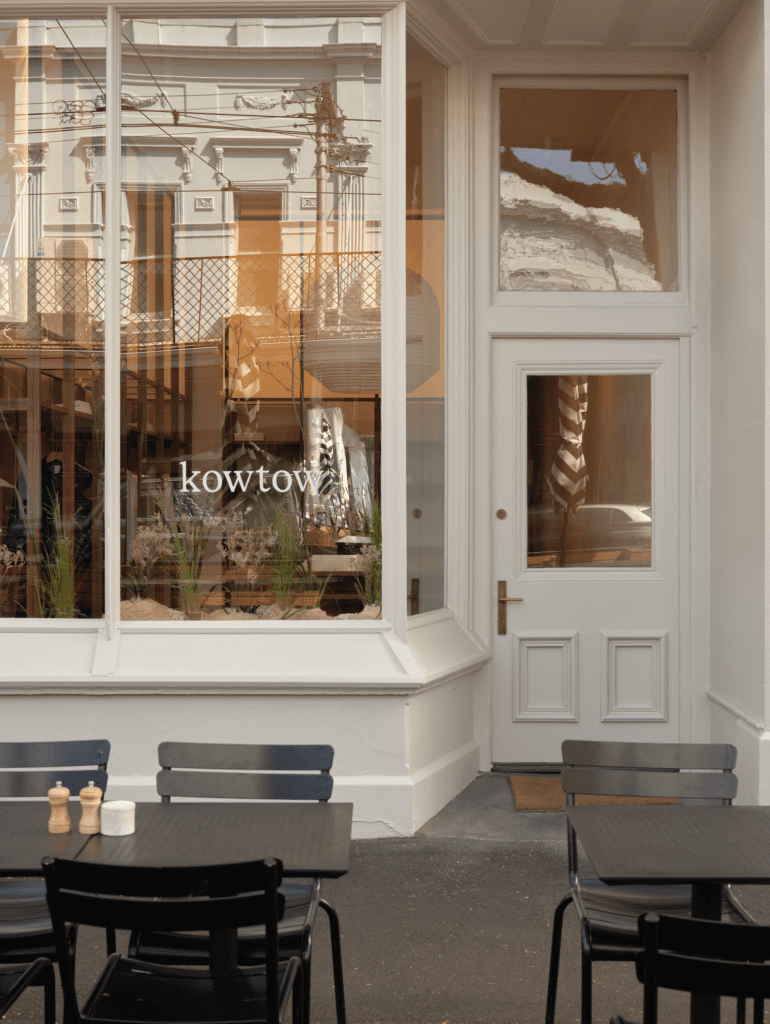
In a late-1800s building of timber, brick, iron, and bluestone in a character-filled street in the inner Melbourne suburb of Fitzroy, New Zealand-brand Kowtow has opened its first international boutique, designed by Auckland-based interior architect Rufus Knight.

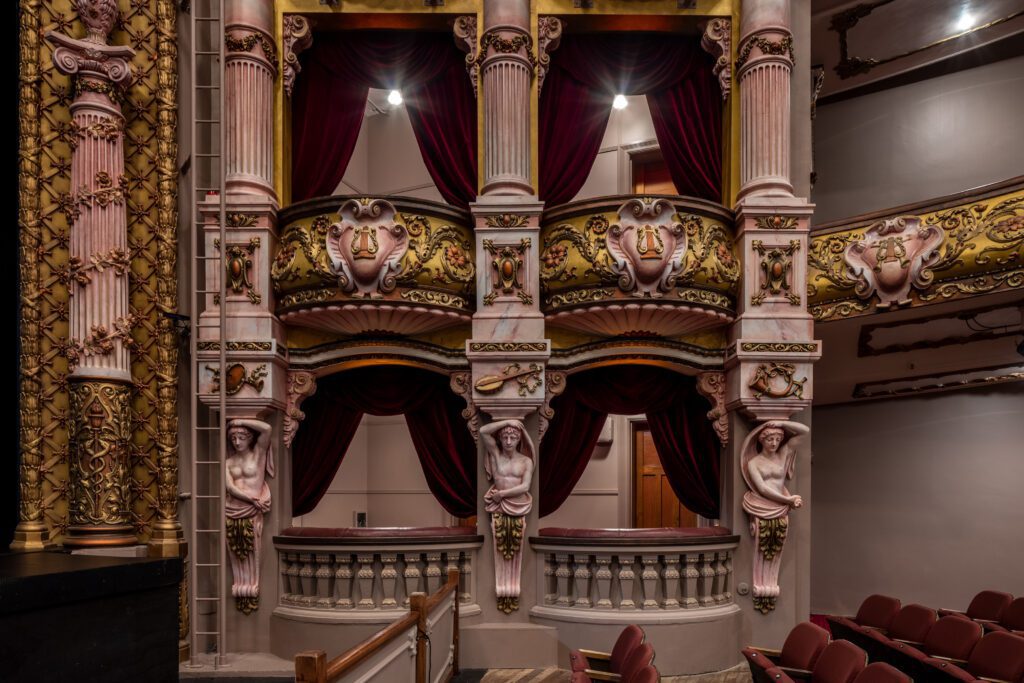
The refurbishment of Wellington’s St James Theatre received a coveted accolade at the 2023 Dulux Colour Awards, being named the New Zealand Grand Prix winner. We talk to the designer behind this majestic restoration.

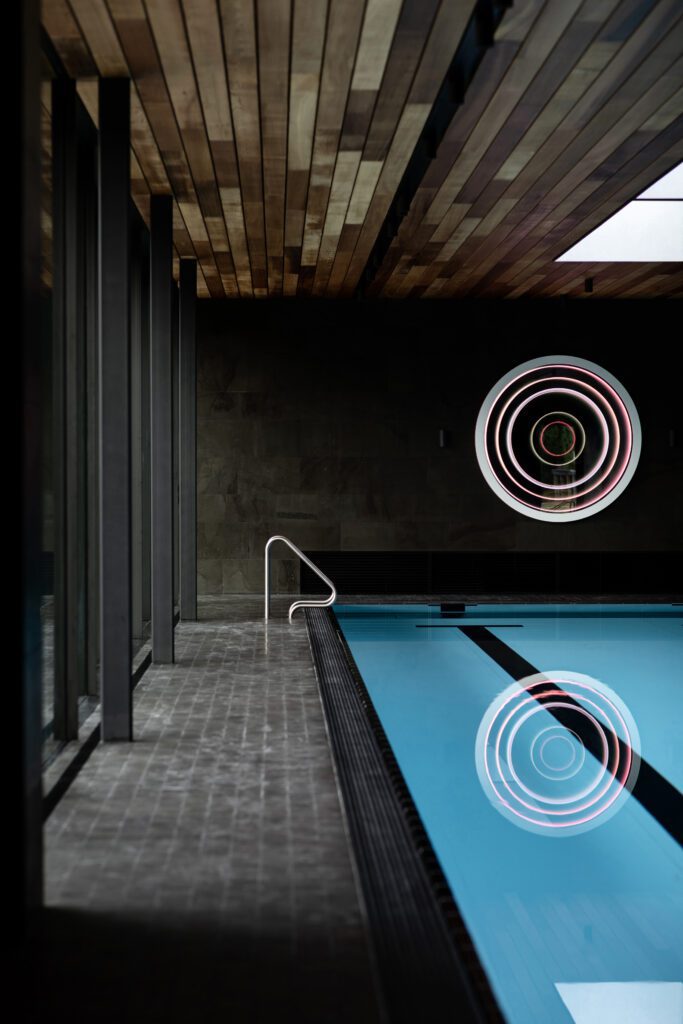
This pool house is a dichotomy of sorts — on a residential site, it is commercially proportioned — and meticulously considered as both a public and private facility.

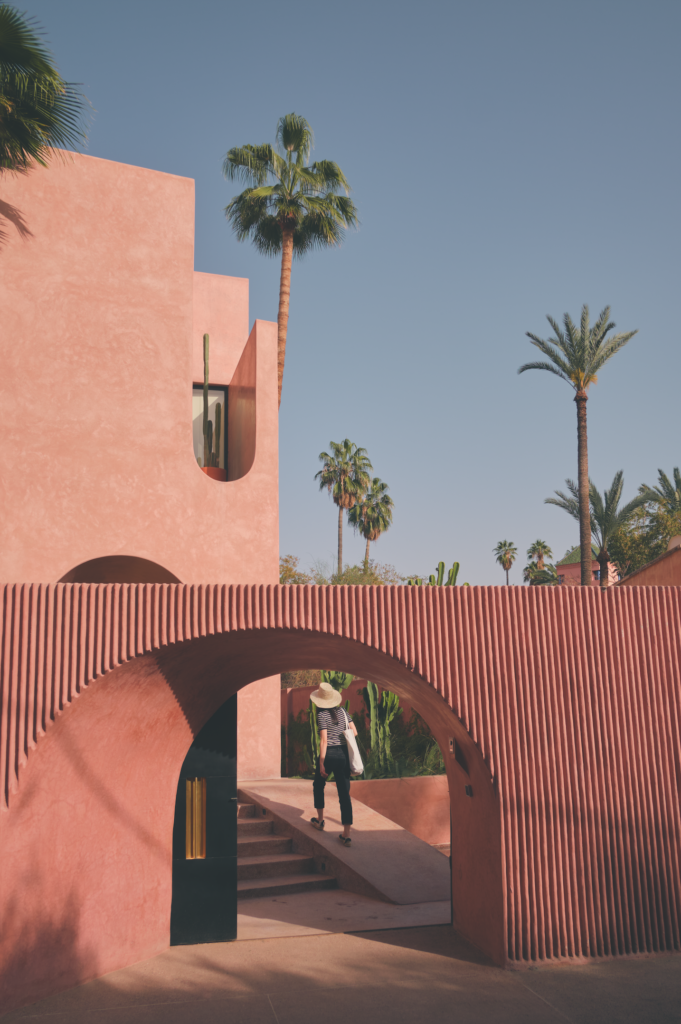
Barcelona-based New Zealander Bergendy Cooke, the 2021 Home of the Year winner, has designed a hotel in Marrakech, Morocco for an Austrian hotelier, and the result is as intriguing as it is memorable.

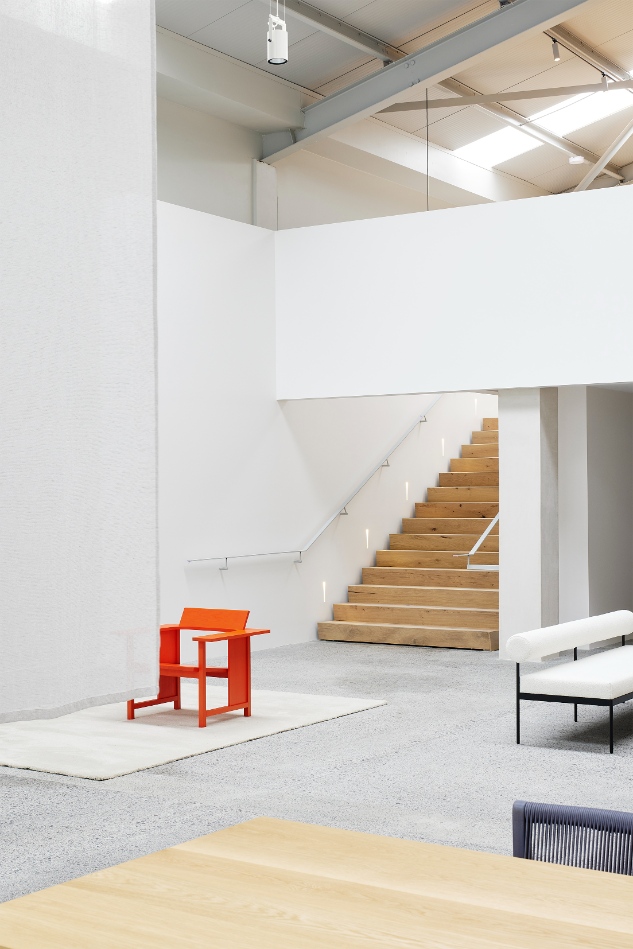
Simon James has a new home – a spacious, light-filled showroom in the heart of Mount Eden, casting the brand’s elegant, contemporary designs in an industrial setting.

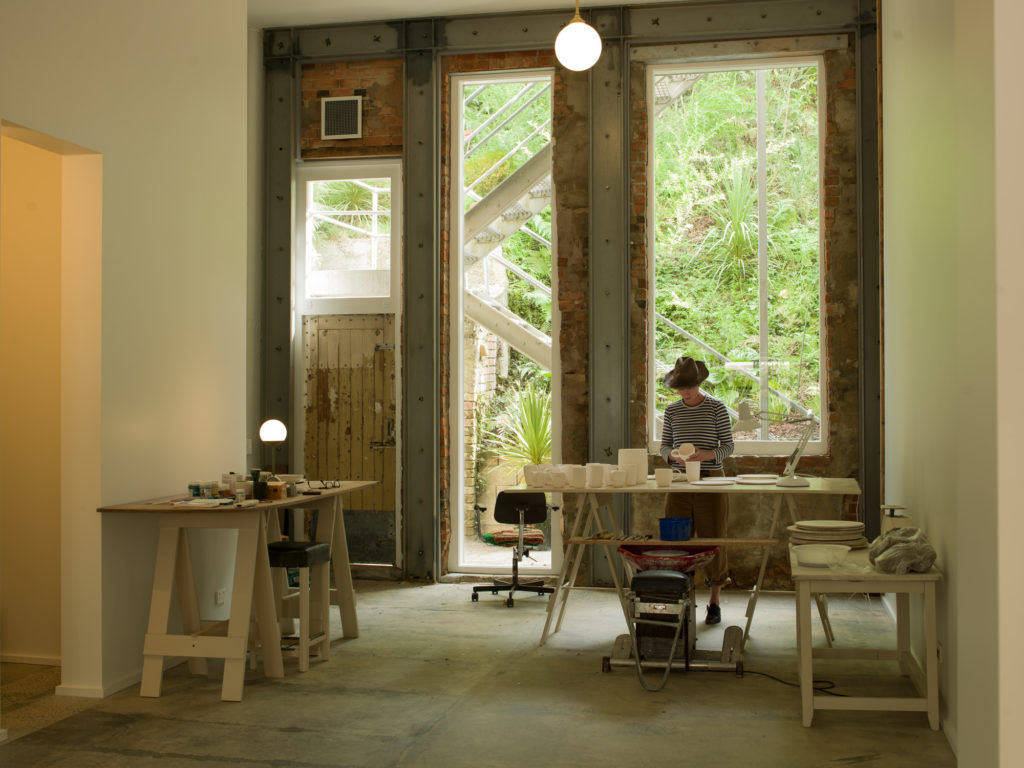
Just near The Octagon in Dunedin, a 158-year-old two-storey commercial building had been empty for several years, slowly deteriorating amidst the hustle and bustle of Princes Street. Potter Amanda Shanley changed that.

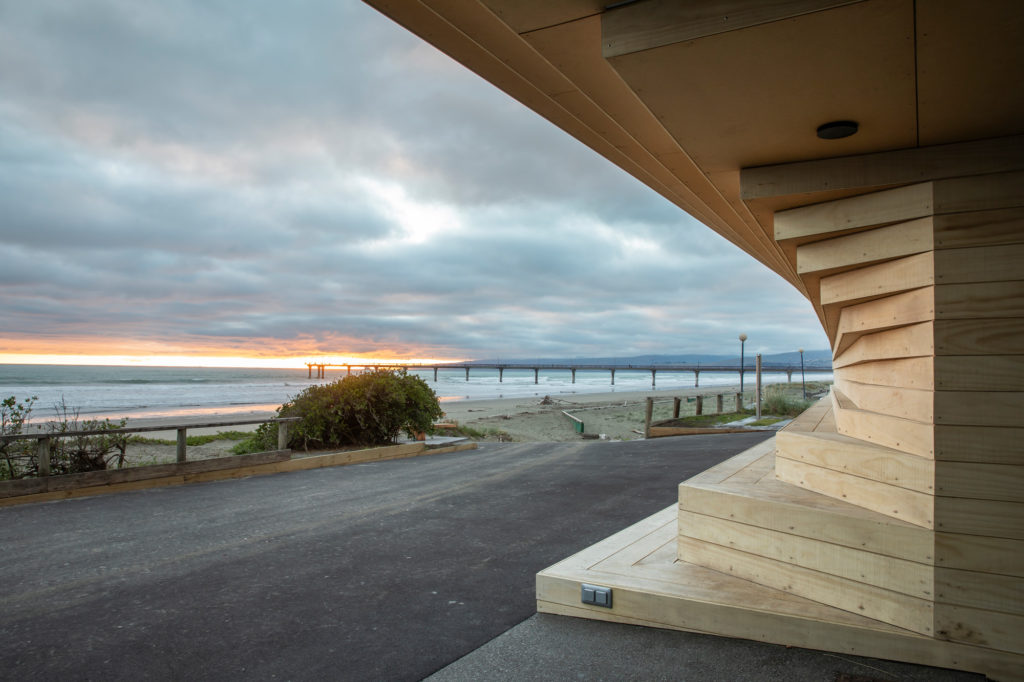
Intersecting a meandering public pathway that leads through the dunes, a new building seeks to be both part of the landscape and offer pockets of shelter from it.

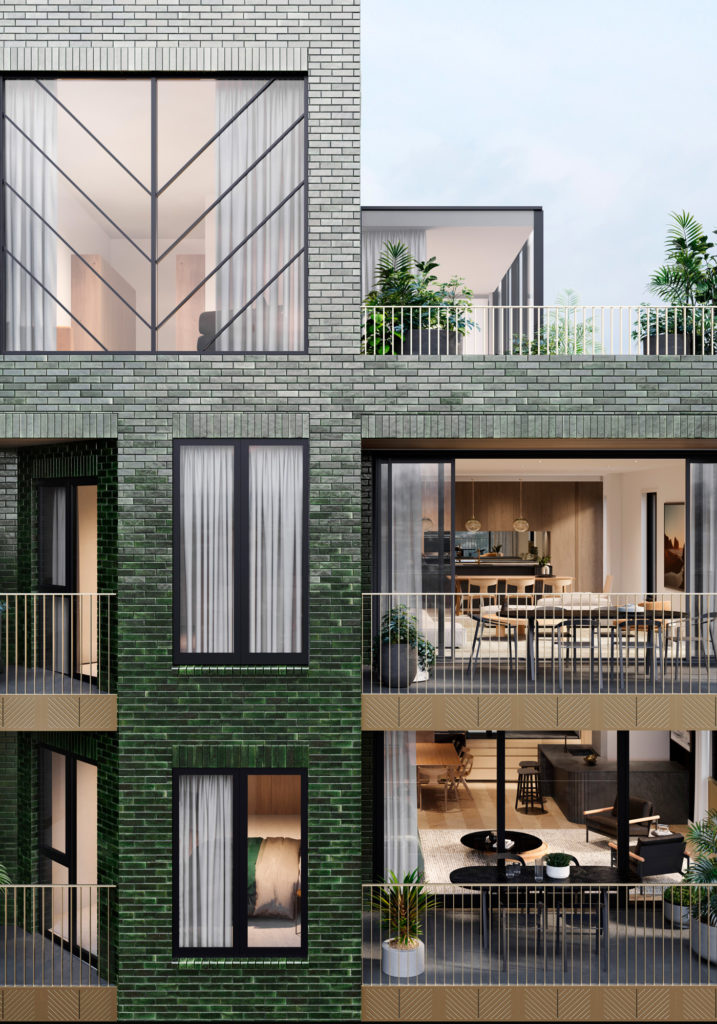
Ockham Residential’s Mark Todd speaks to HOME’s editor, Clare Chapman, about Ponsonby’s latest residential development — a glistening landmark building due for completion next year.

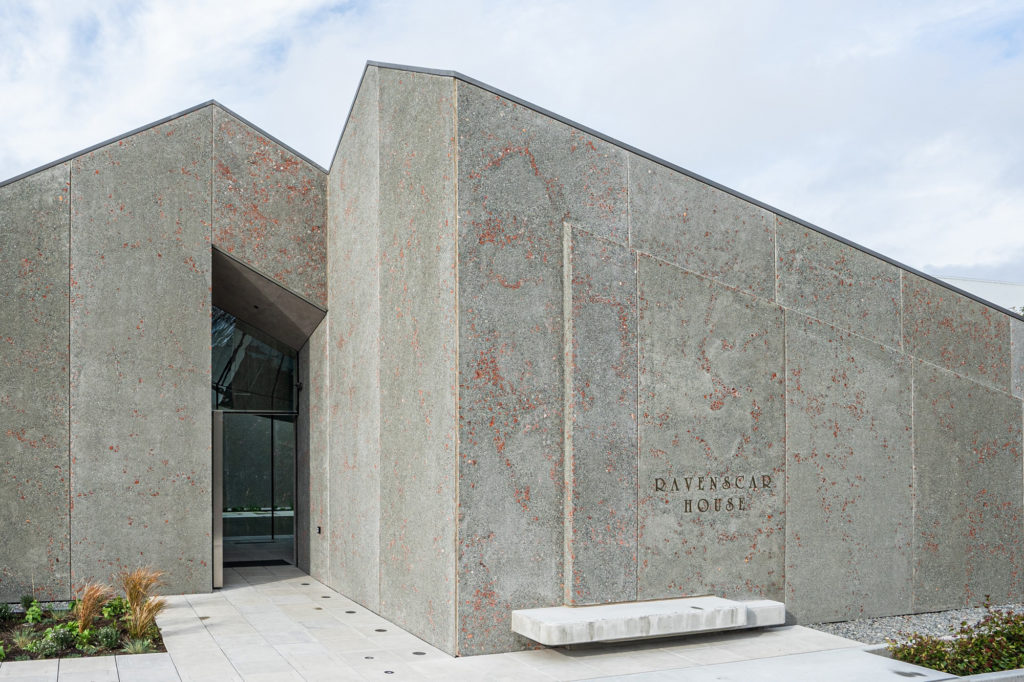
The new Christchurch’s home for New Zealand arts, Ravenscar House Museum, opened its doors in November.

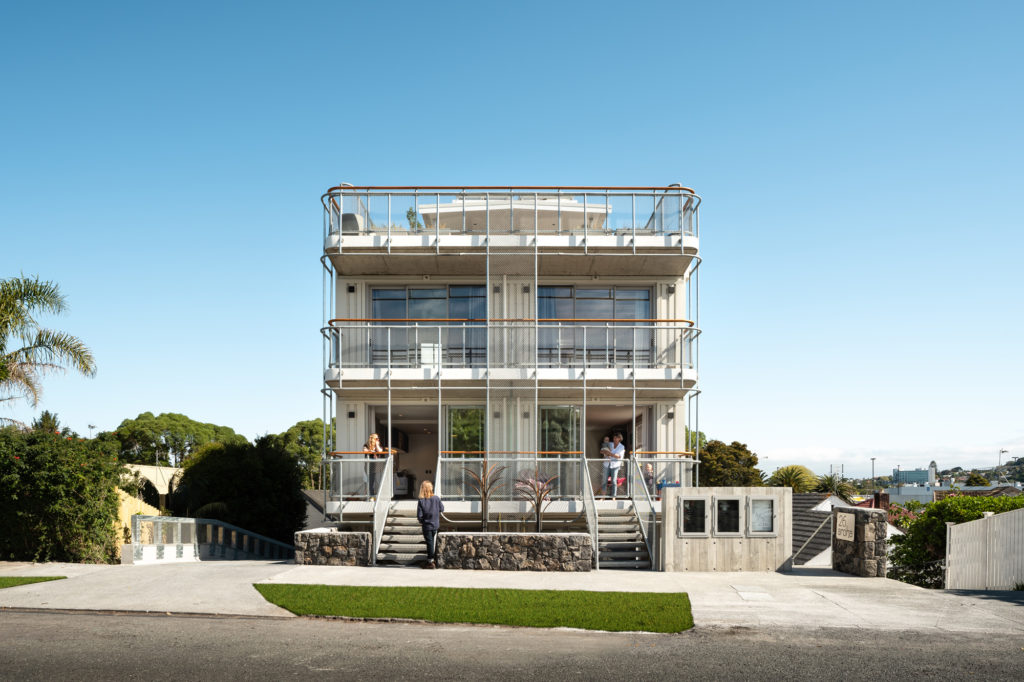
New Zealand’s second apartment complex to have ever achieved the top Homestar rating is an urban experiment focused on people and their place in the land, rather than strictly about architectural form.

The move towards having organically farmed gardens sitting alongside hospitality venues is a growing trend in contemporary landscape architecture, where chefs and horticulturalists work hand in hand, planning menus based on what is growing in the garden.

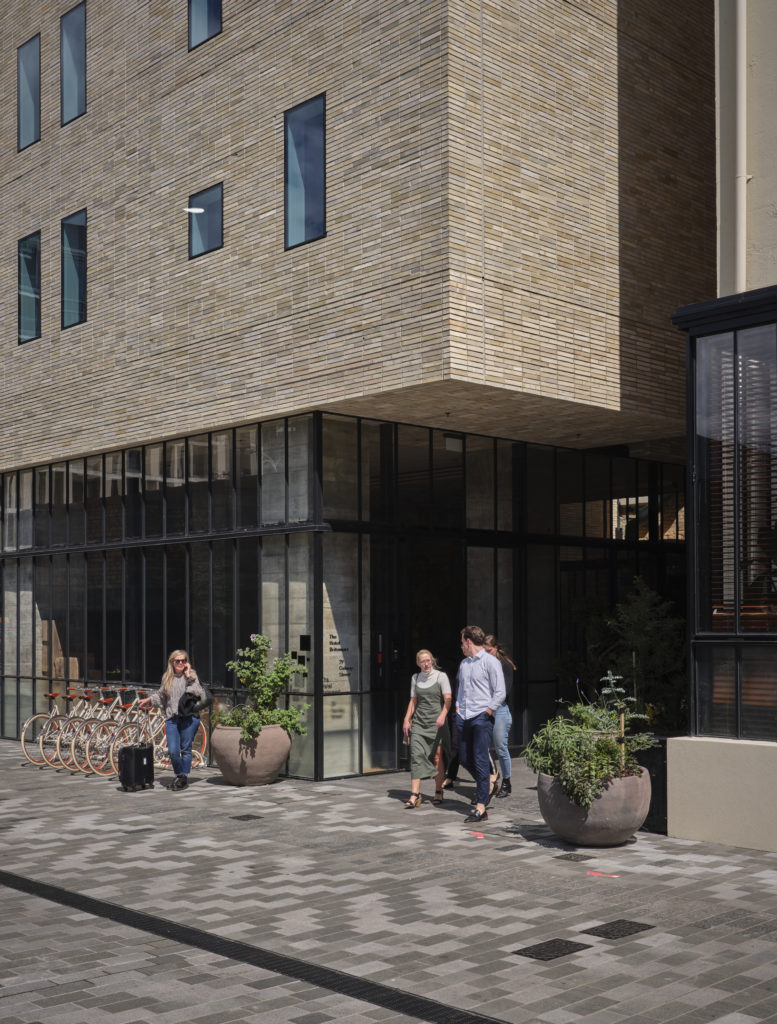
Cooper and Company’s transformation of the Britomart precinct in Auckland’s waterfront was a game-changer not just for the City of Sails but as a wider-reaching example of respectful and forward-thinking urban regeneration.