


Yun Fu: Recasting the Good Life

New Zealand’s housing crisis is often framed as a technical problem of supply, regulation, or economics. As Yun Fu found out when trying to return home to Aotearoa, beneath those debates lie deeply held ideas of the good life.

The House We Didn’t Build (Yet)

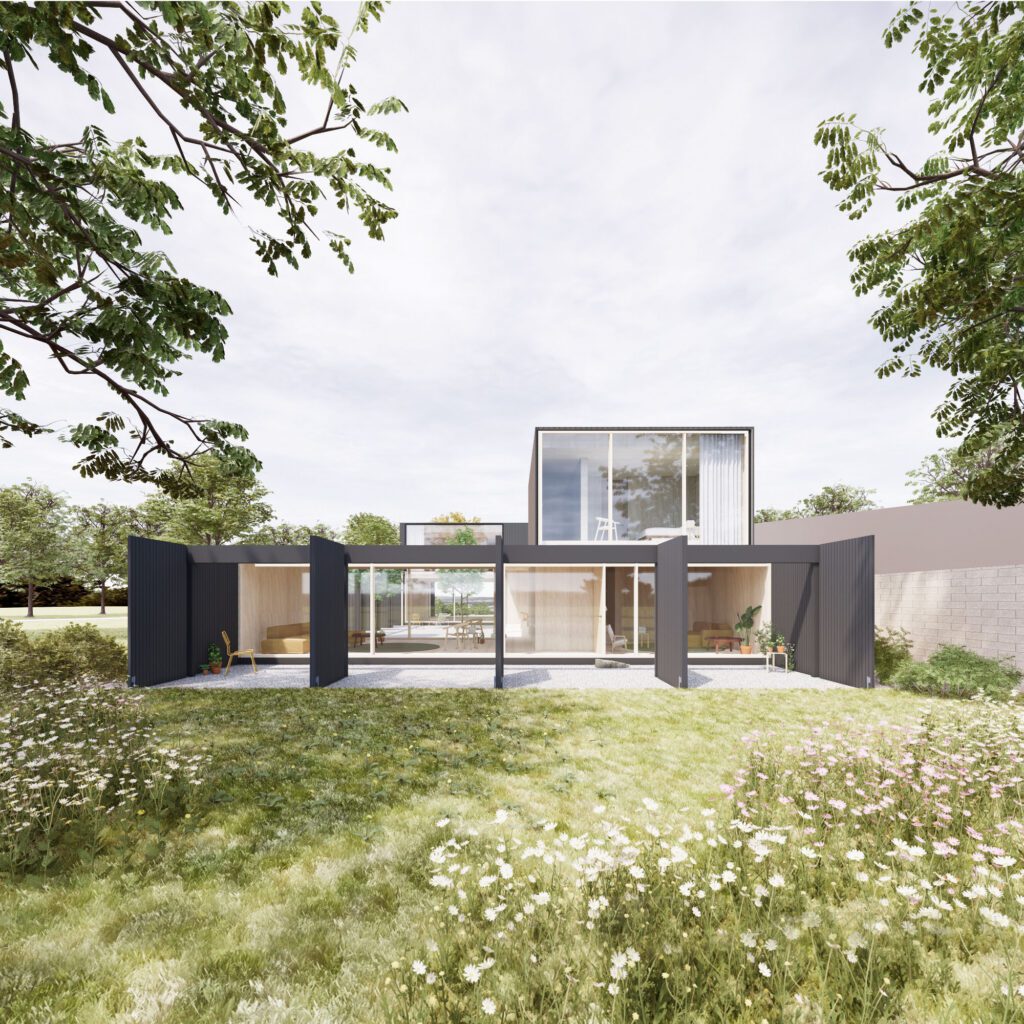
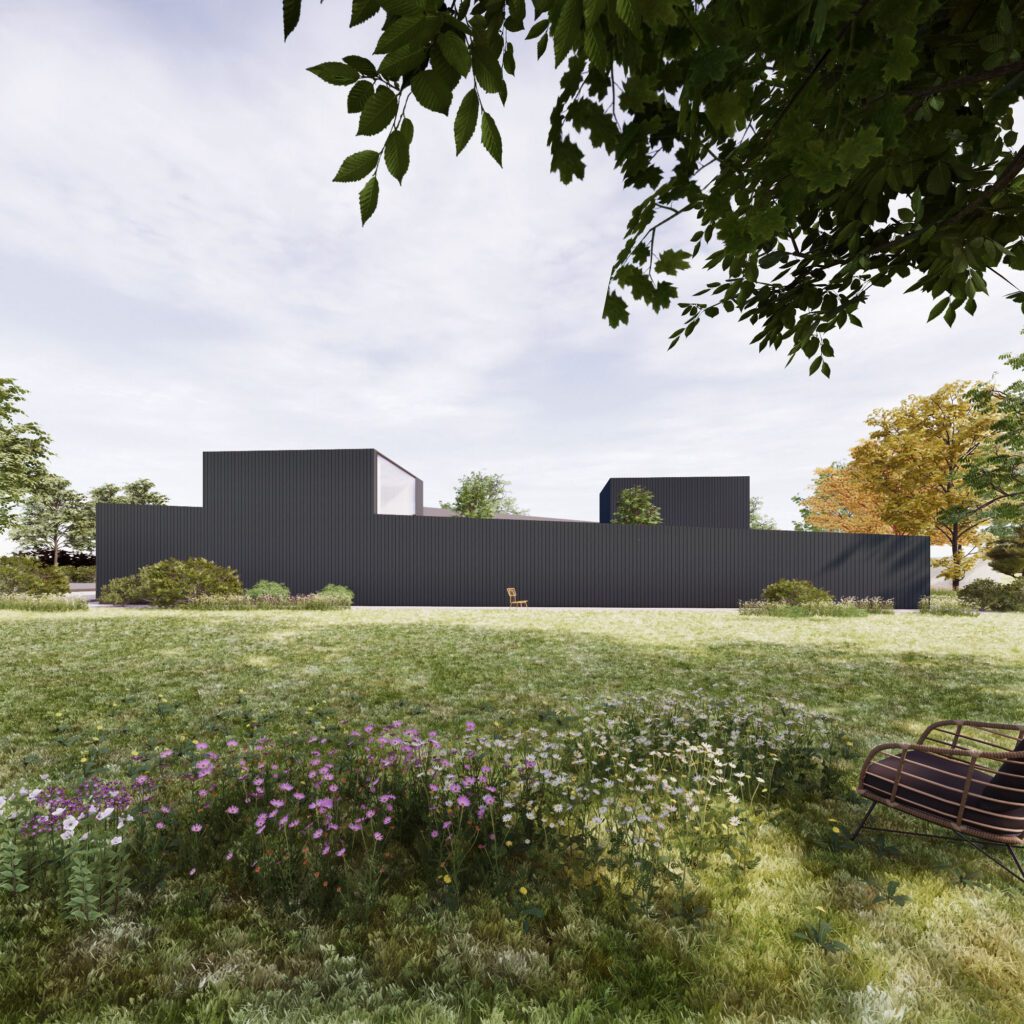
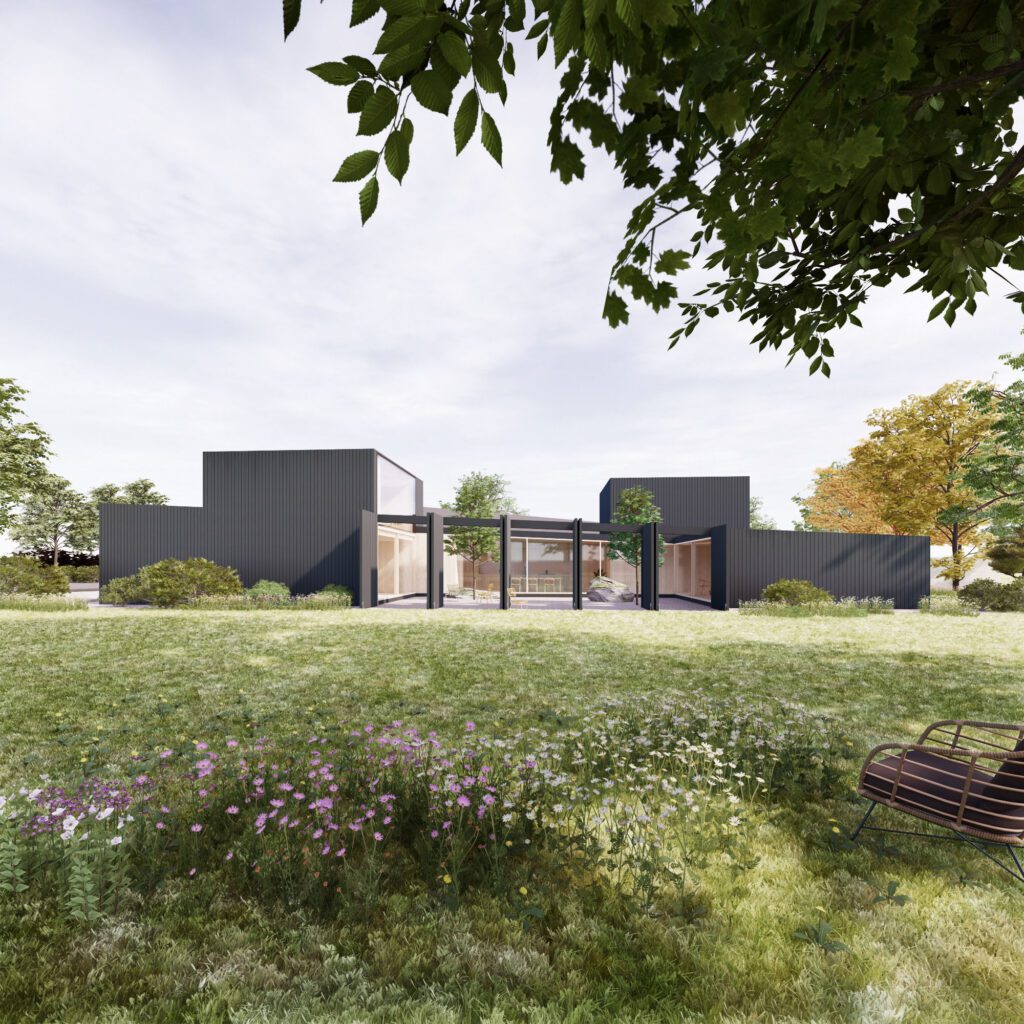
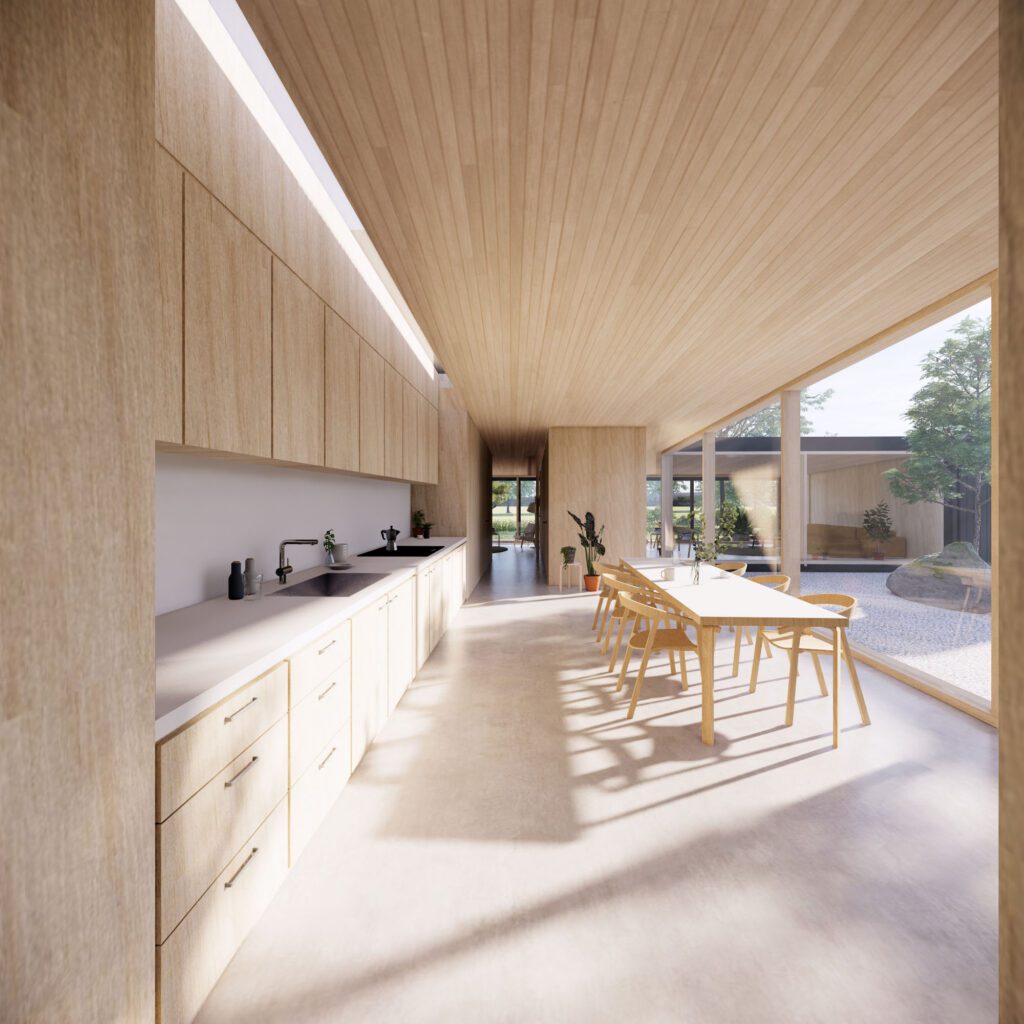
During the pandemic, my family and I almost moved back to New Zealand. We came by a piece of land on the edge of Christchurch City — not much, but enough. The house we imagined, nicknamed the ‘co-living garden sheds’, was something cheap and cheerful: a couple of room-sized buildings clustered around a courtyard so we could live flexibly with friends and family, fitting the cadence of our work and life.

We trained and worked as architects in seemingly more complex places, and were acutely on guard against the cliché of the architect’s own home project going rogue. We thought we were good.

We weren’t — and the constraints we hit were not the ones we expected. I knew about earthquakes, having written a book on architecture in seismic regions. We designed around known constraints in builders and material supply. But what caught us off guard was how deeply a particular idea of ‘the good life’ in New Zealand — one that I, like all Kiwis, hold dear — had hardened into a set of regulations: set back from the street, set back from the neighbours; stay low and cover yourself in dark colours and shrubbery, lest anyone see you. Together they prescribed, in all but name, a single-family hut for one traditional hobbit family.

The modest arrangement we wanted — a cluster of garden shed-sized rooms, seemingly the most natural thing for New Zealand cities looking to remain liveable and affordable — sat awkwardly against a system built around a specific vision of the low-density suburb inherited from the recent past. The quarter-acre dream is both the draw and the constraint.

A pattern across the Pacific

First, I want to declare my allegiance as a Kiwi. I share the national allergy to returnees prescribing ‘obvious’ solutions to ‘problems’ in New Zealand. I grew up in Christchurch, leaving after high school — as many do — to study and work abroad. Sydney first, then Beijing, London, Palo Alto, Rome, and Boston, where I have been teaching and practising for the last decade or so.

My nerdy work concerns architecture and urbanism across Asia-Pacific: how Korea modernised its cities in a generation, how communities across Southeast Asia and Oceania negotiate between local building traditions and global pressures.

The common thread is not technical. Across very different societies, we find the same pattern: the real obstacles to sensible housing reform are almost never engineering or economic problems, although they are often articulated that way. They are attachments to specific ideas of the good life, hardened into prescribed forms we cannot easily escape.

New Zealand is a textbook case. We are a country that is, even now, relatively wealthy, well-governed, and home to great engineers.

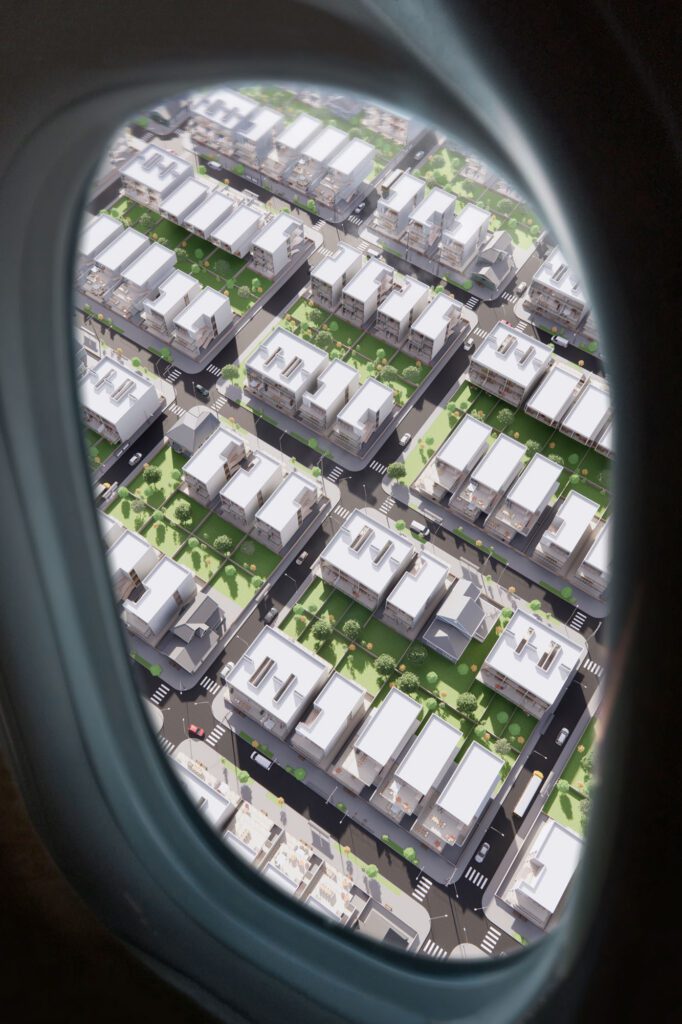
In 2021, an unusual alignment of political will produced the Medium Density Residential Standards — legislation that in effect tripled the allowable density in the major cities. The policy was a direct response to a housing crisis everyone agreed was real. Yet the results have been modest. Councils pushed back. The government has made the standards optional. The window opened, and it is already closing.

What we hold dear

Why? The usual explanations — cost, regulation, NIMBYism [Not In My Backyard]— are real but insufficient. The deeper issue is that densification challenges something New Zealanders hold dear but cannot easily articulate: a distinctive idea of the good life closely associated with a particular look and feel of architecture. The backyard barbecue. The garage workshop. Gardening on weekends. A stroll to the corner dairy. Taking on DIY projects. Escaping to the bush nearby. These are not incidental pleasures. They are the architecture of a national identity that grew up with our suburban past.

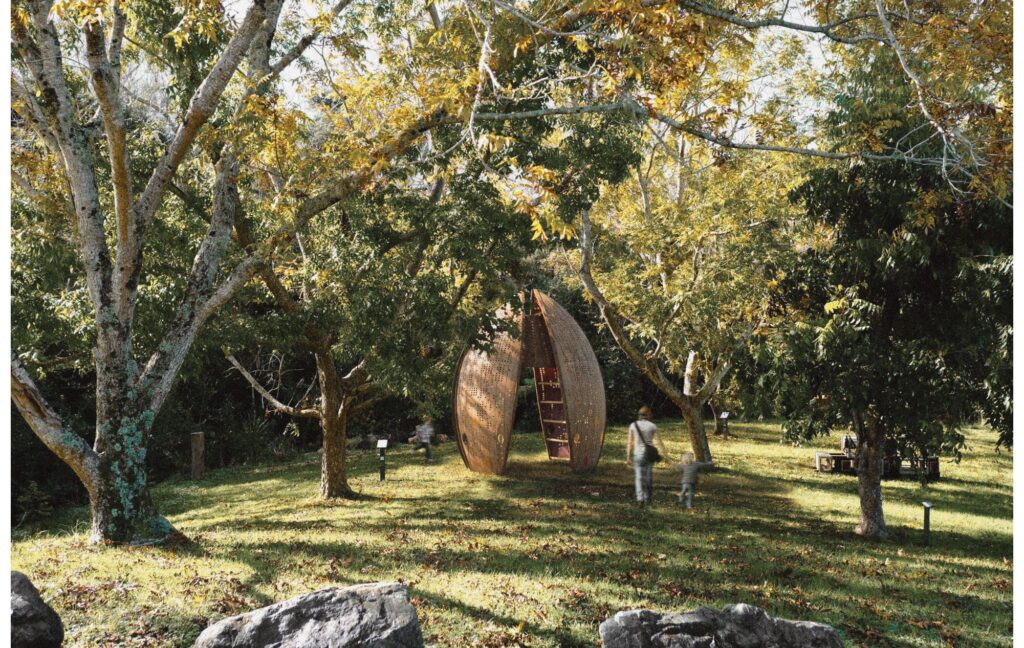
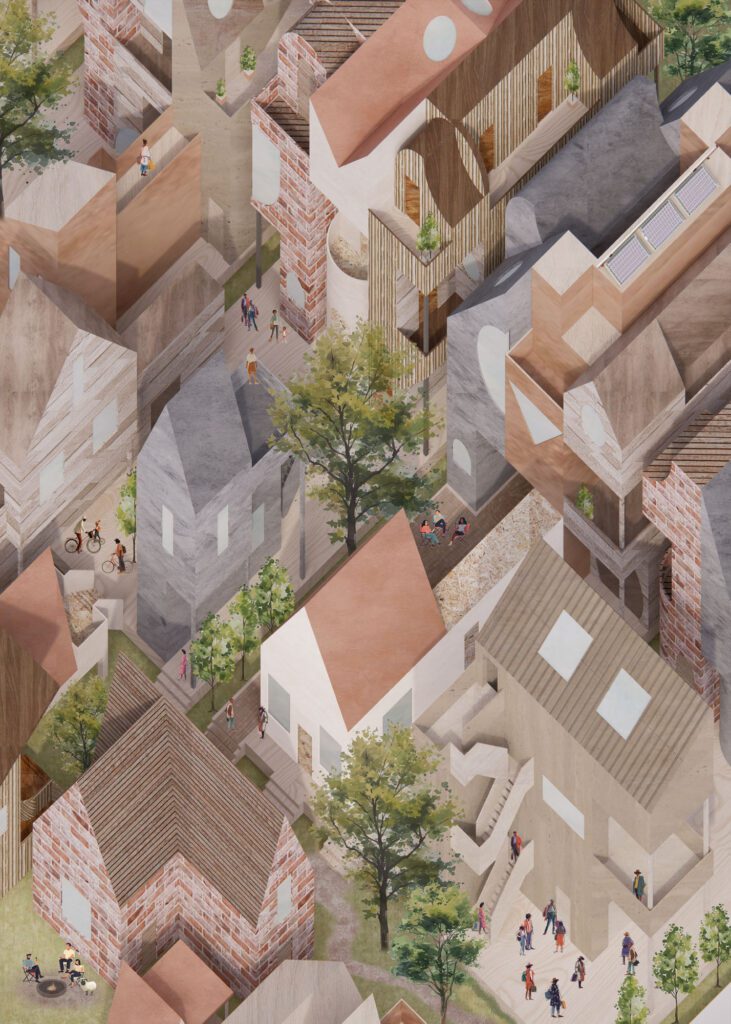
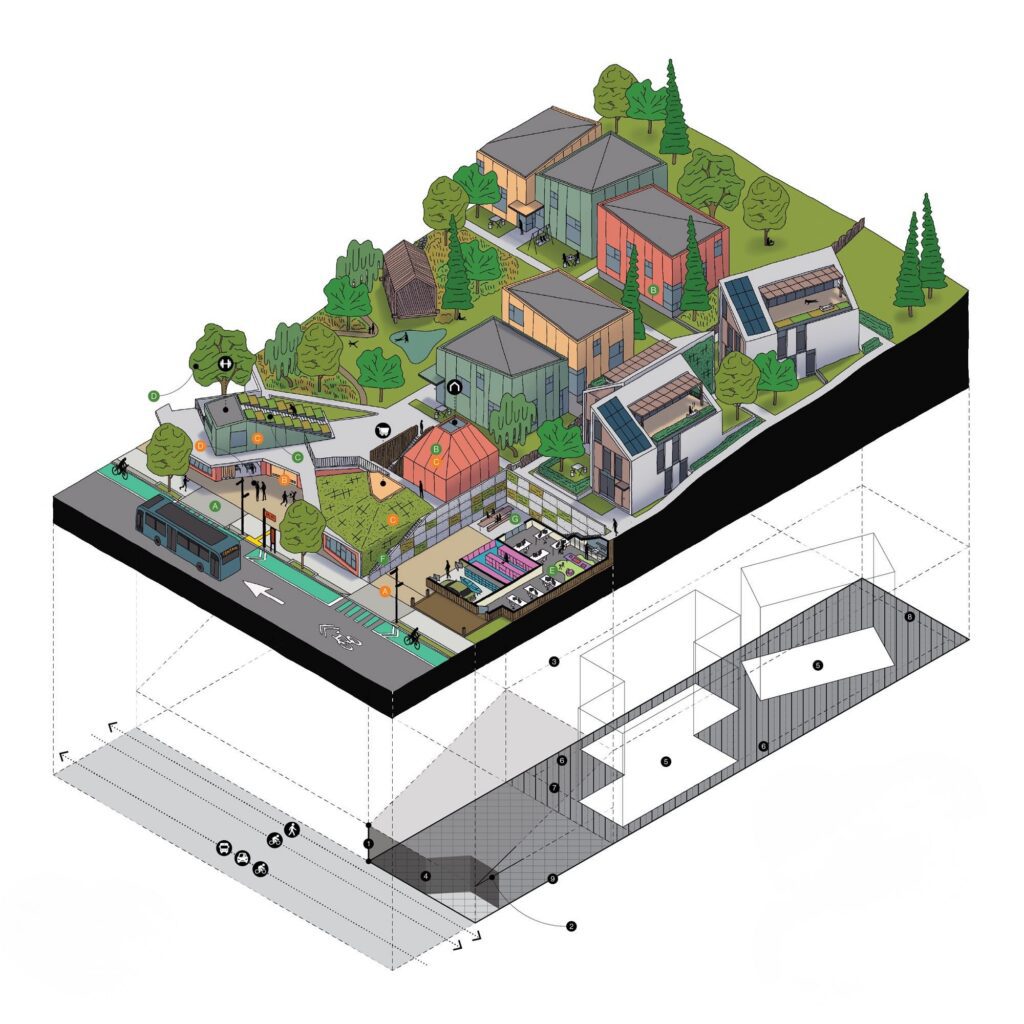
This was the starting point for a studio I convened at Harvard in 2024, shortly after the legislation passed. The question was not whether New Zealand should densify — on that, the evidence is clear — but whether these distinctively Kiwi tropes of the good life could survive, or even improve, through gentle densification. Six teams each took one of these tropes and designed housing that recast it for mid-density living. What does a backyard barbecue look like on a third-floor balcony — can a friend of a friend still drop by? What happens to our garages

if we cluster them intentionally instead of squeezing them into shrinking gardens? Can the dairy remain family-scaled while keeping up with a growing neighbourhood?

The answers, first published as illustrated think-pieces in the October 2024 issue of New Zealand Listener, were more optimistic than the question. In almost every case, the tropes of the good life could not only survive intensification but be enriched by it. A shared garden, well-managed, can be more productive and enjoyable than six private patches. A cluster of shed spaces holds more potential than a single garage. The corner dairy can become more than a first rung on the economic ladder — something the next generation might proudly choose to keep and grow.

The point was not to tell New Zealanders that their attachments were silly, but to show — through schemes that canvassed alternative futures — that those attachments were more portable than they assumed.

The book from the studio, New New Zealand Housing: Recasting the Good Life at Mid-Density (Harvard GSD, 2026), is coming out later this year.

'Grill to See You: The Backyard BBQ Elevated' by Jie Zheng and Chang Wu.
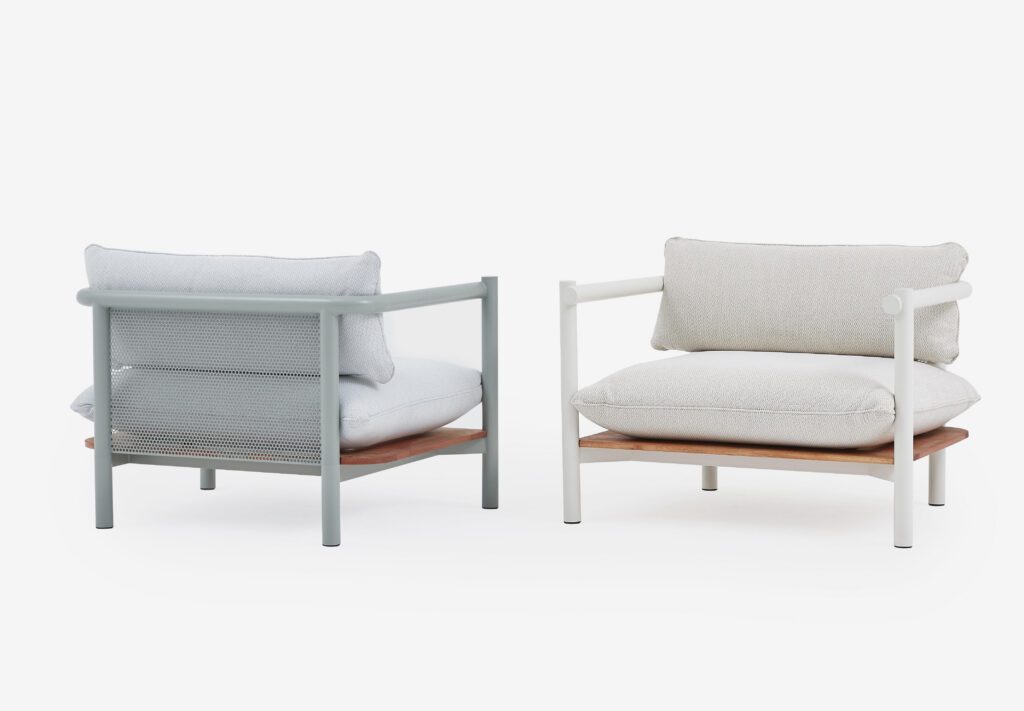
'Buy a House, Build a House: DIY the Kiwi Way' by Khan Muhammad and Esmeralda Aceituno.
'The Usefulness of Spare Space: The Garages of Today are the Street Suites of Tomorrow' diagram, by Mark Philip and Yanpeng Leng.

Agency, not acreage

The single-family house on the quarter-acre lot was less about a specific size and type of house to defend; it was about a relationship between the land and the lives people can live on it. That does not require a rigid set of unchanging regulations. It requires a willingness to believe that the good life, like any living thing, has to grow in order to survive.

I think this matters beyond our small country. Across the Pacific Rim, from Taipei to San Francisco, cities face versions of the same problem: how to build more good housing, so people can live well and affordably, without importing a generic idea of urban life that strips out local meaning. The answer is cultural as much as architectural. We have to contemplate what we hold dear — not doggedly defend inherited forms — and work flexibly to achieve it in the world today.

Having taught at Harvard for almost a decade, we are moving to the American West Coast later this summer —  where new opportunities beckon, and a little closer to home. I still think about Christchurch, about the house we didn’t build, and about when we might hold our idea of the good life lightly enough to let it evolve.

Yun Fu is a member of Architecture Aotearoa’s editorial advisory panel. Originally from Christchurch, he is a partner at SEMESTER, a design and research studio, and faculty at the Harvard University Graduate School of Design, where a recent course examined evolving ideas of the good life amidst housing densification in Aotearoa.

The author of several books on architecture and urbanism in the Asia-Pacific, Yun Fu has held the Rome Prize at the British School and the Sinclair Kennedy Travelling Fellowship, and was the Confucius Visiting Scholar at Peking University.

This article originally appeared in Architecture Aotearoa Issue 01. 

Latest video features

In the Coromandel, a home with a humble profile and a thoughtful design makes the most of a stunning location.

Built with awe-inspiring attention to detail, this Arrowtown home is a fresh interpretation of a familiar Otago rural vernacular.

This sculptural Northland bach is a perfect north arrow on a remote farm high above the sea.

With the sun on its bow and the community at its stern, this is a house in which the elements are always front of mind.

Trending articles

Commercial

Yun Fu: Recasting the Good Life

New Zealand’s housing crisis is often framed as a technical problem of supply, regulation, or economics. As Yun Fu found out when trying to return