

NZIA Announces the Waikato and Bay of Plenty Architecture Award Winners

Twenty-two architectural projects across Waikato and the Bay of Plenty have been deemed the very best in Te Kāhui Whaihanga New Zealand Institute of Architects’ Regional Awards this year.

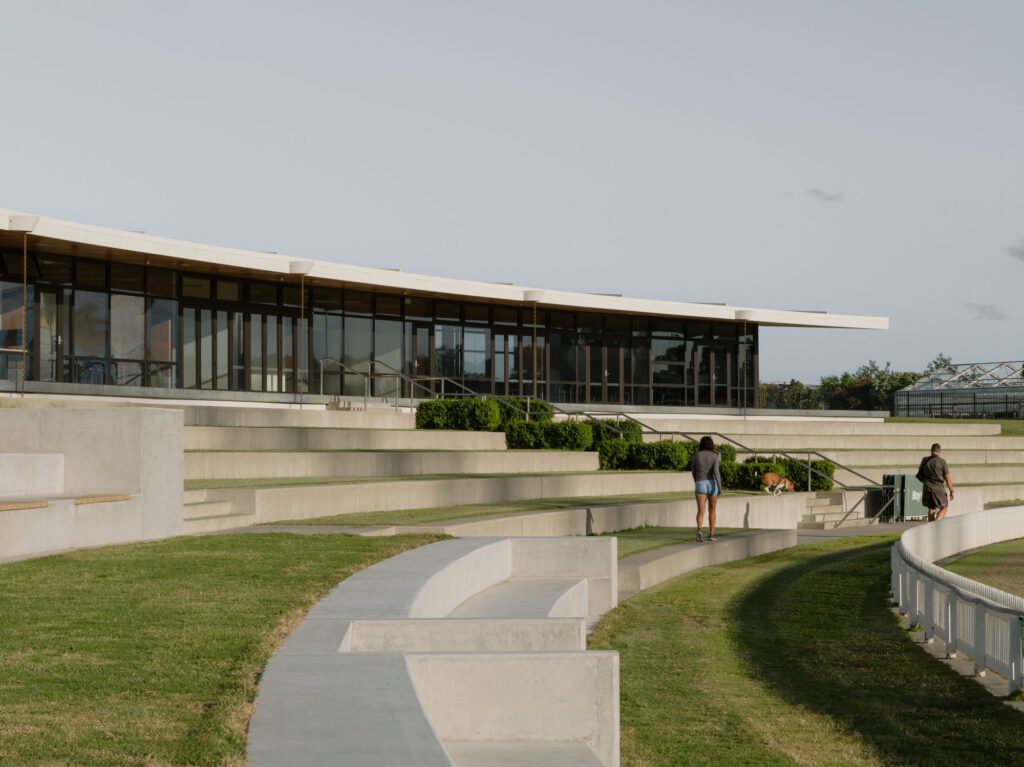
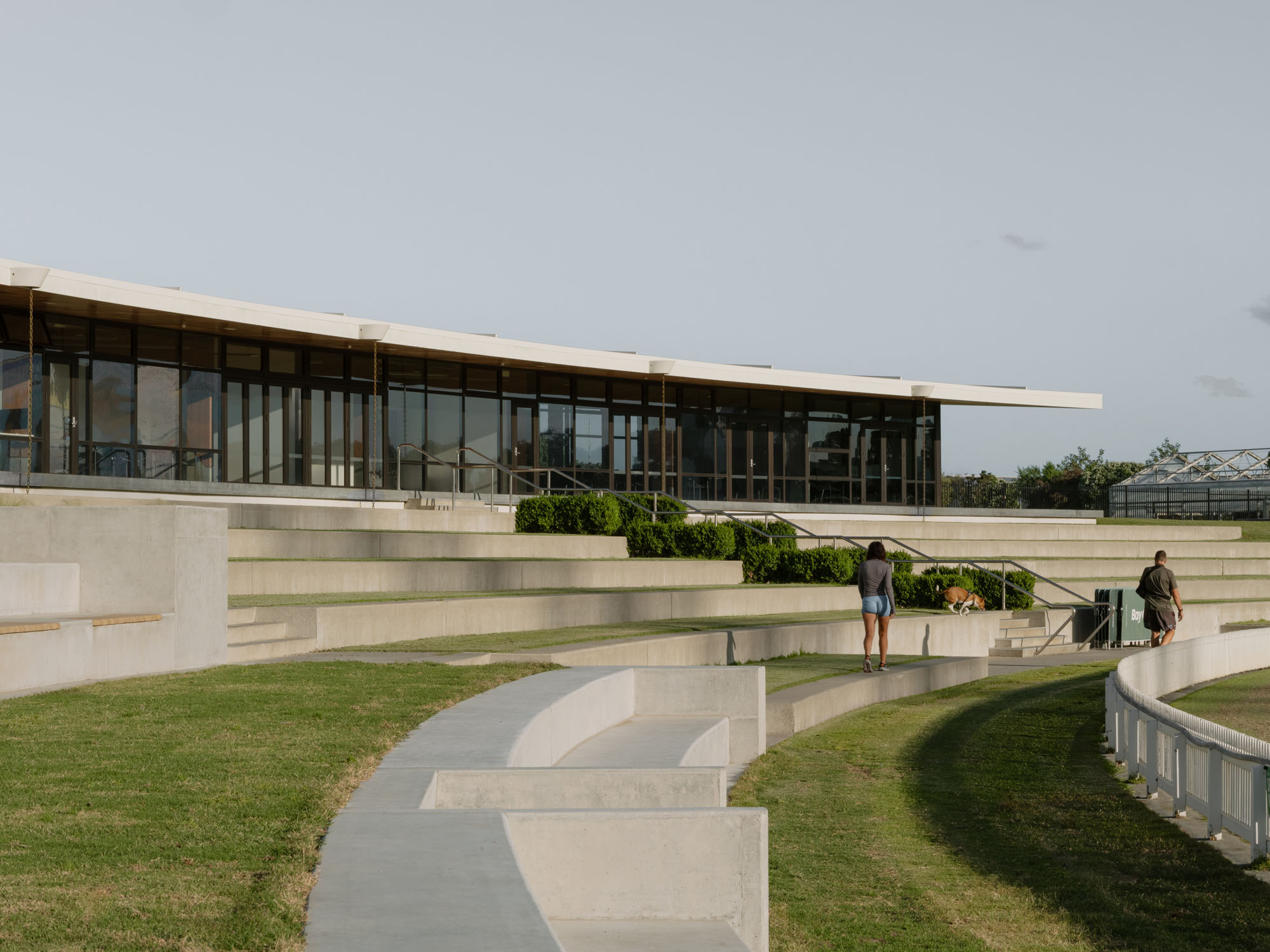
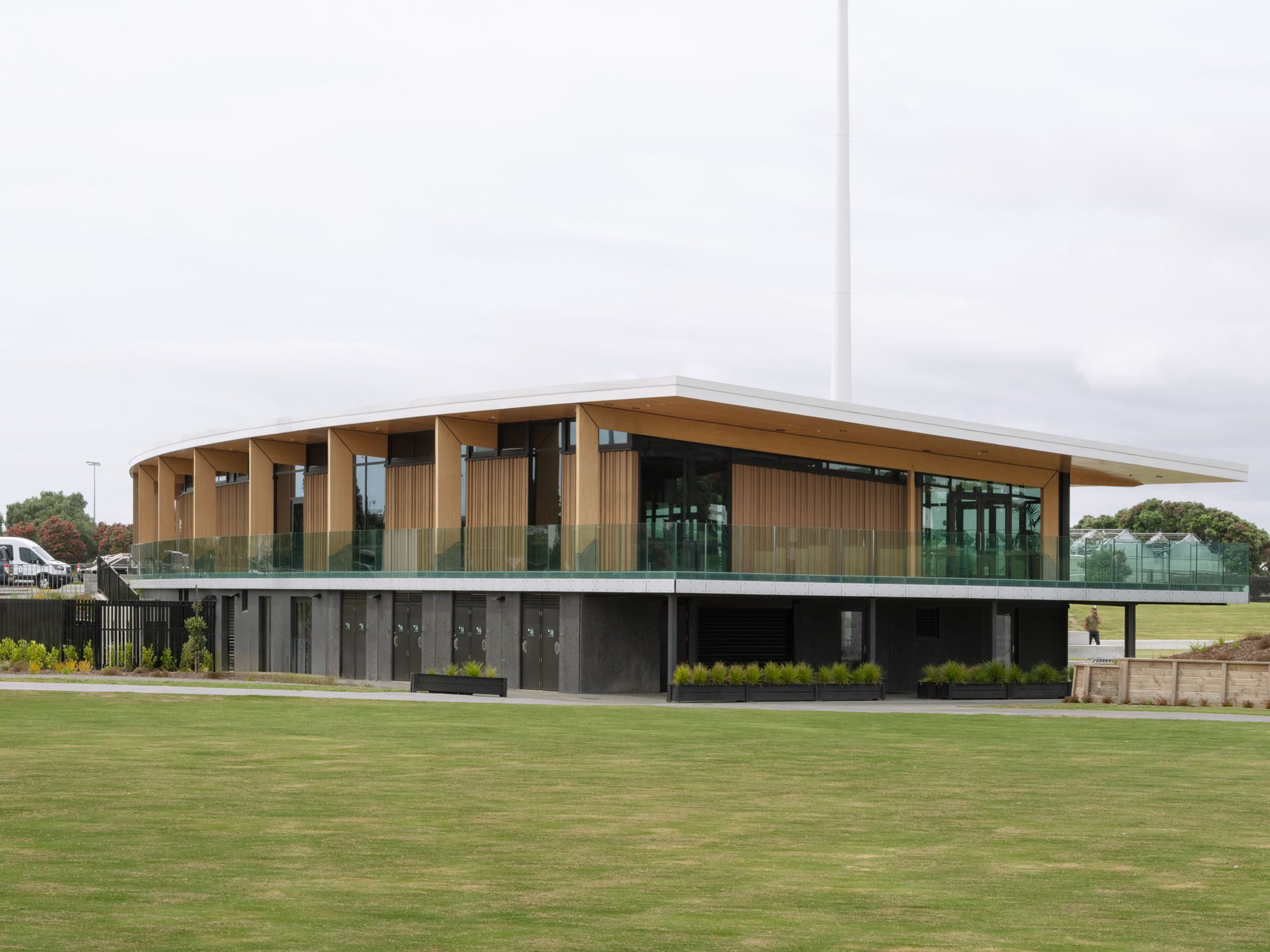
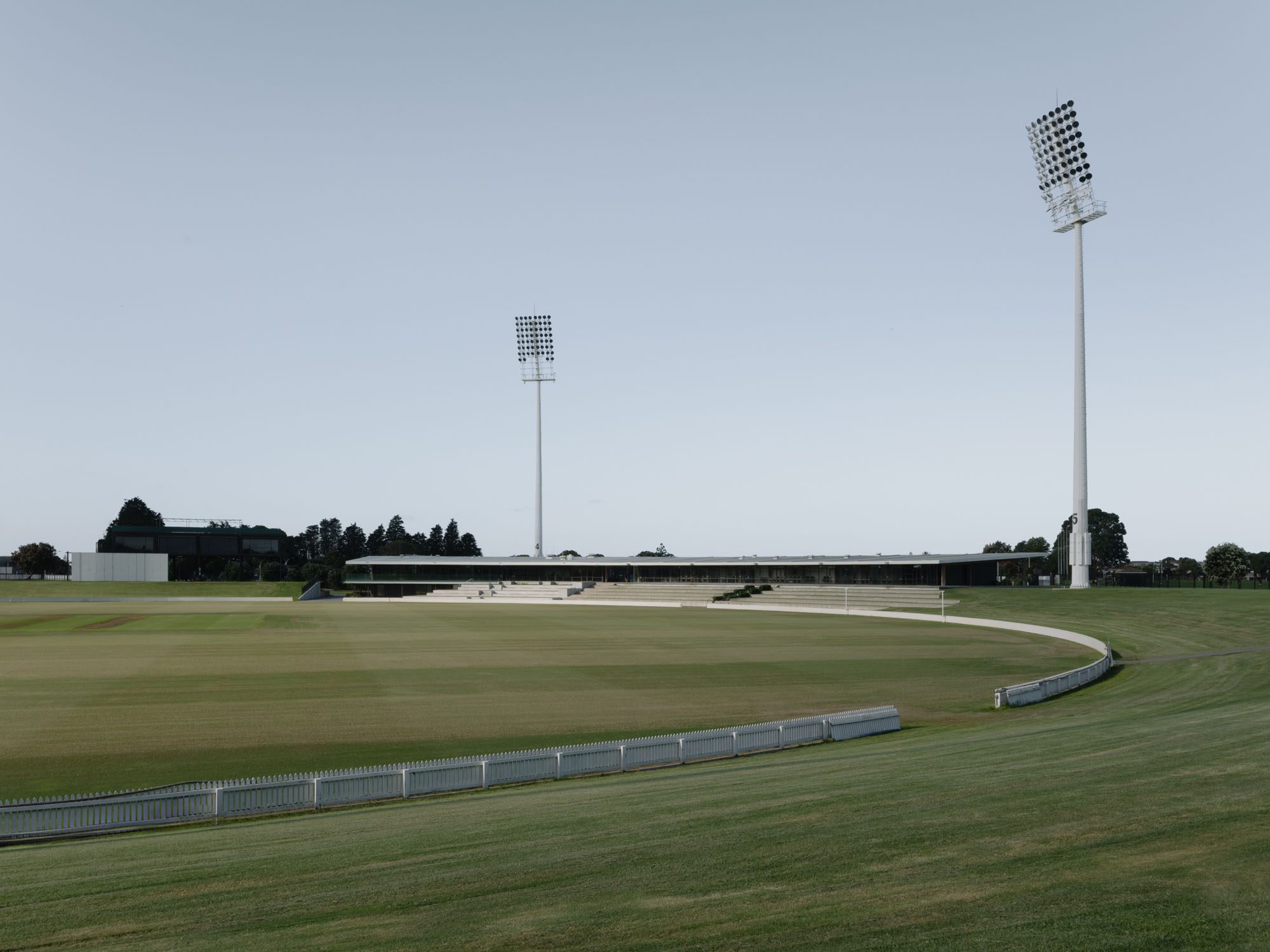
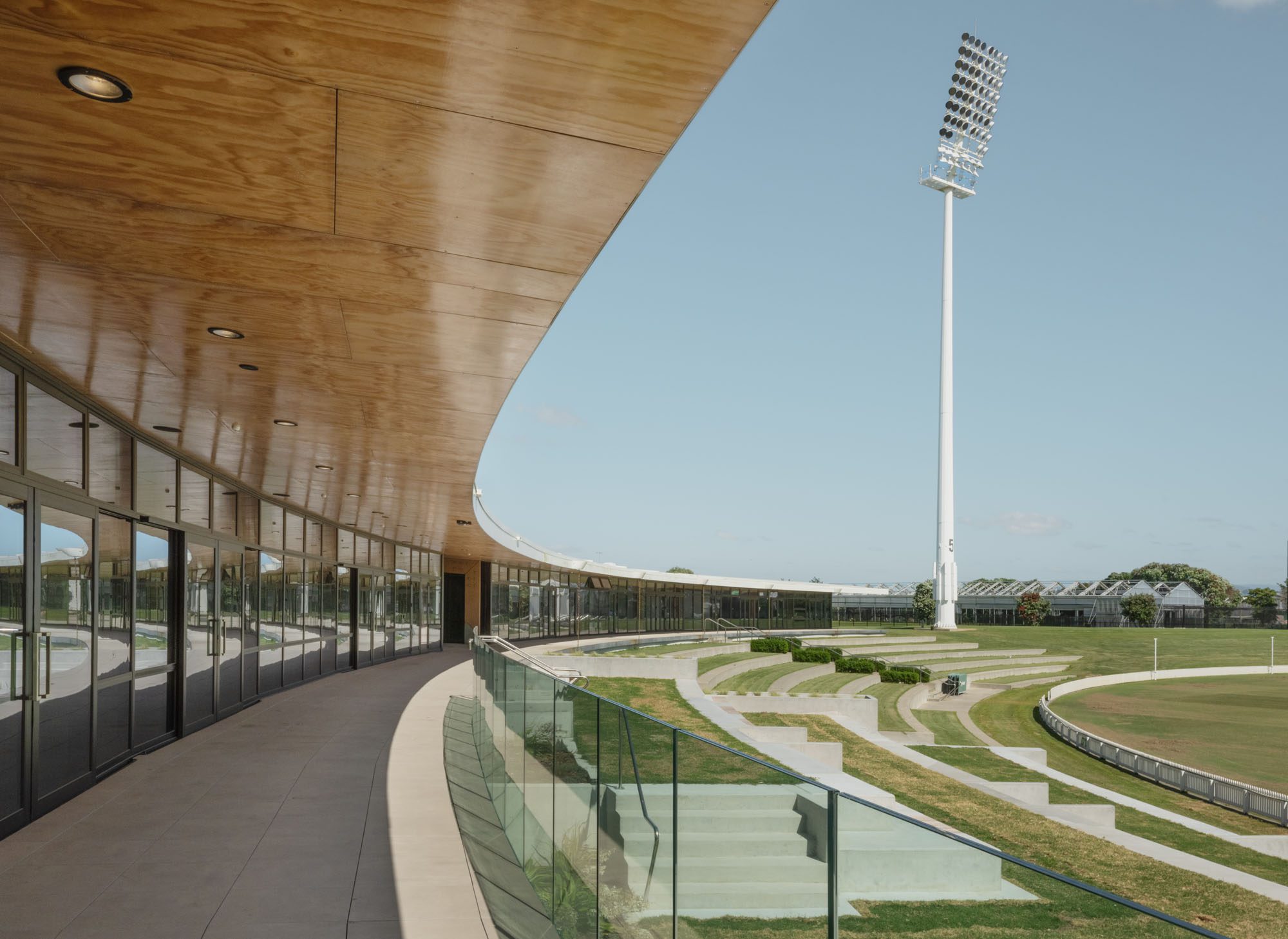
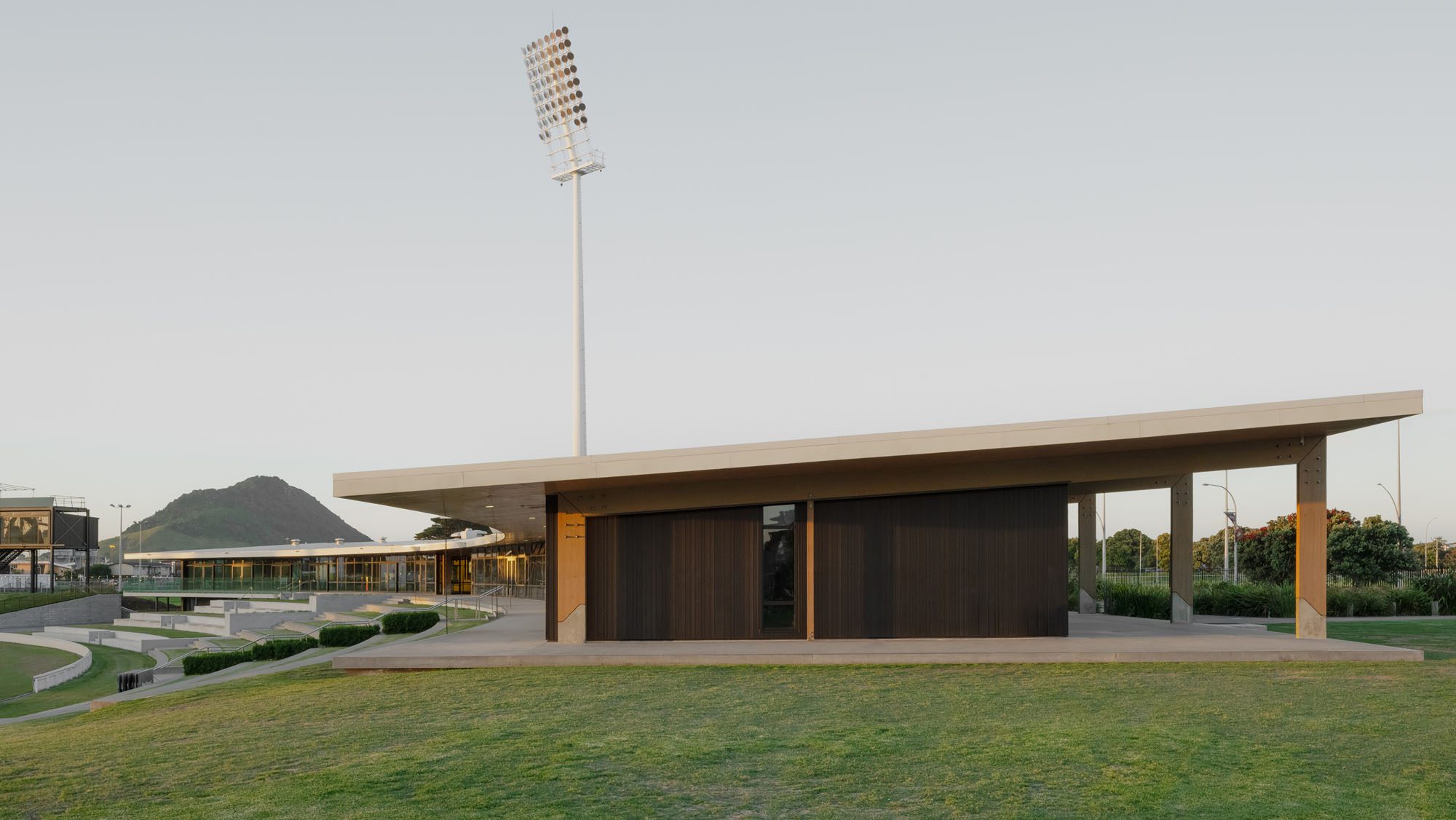
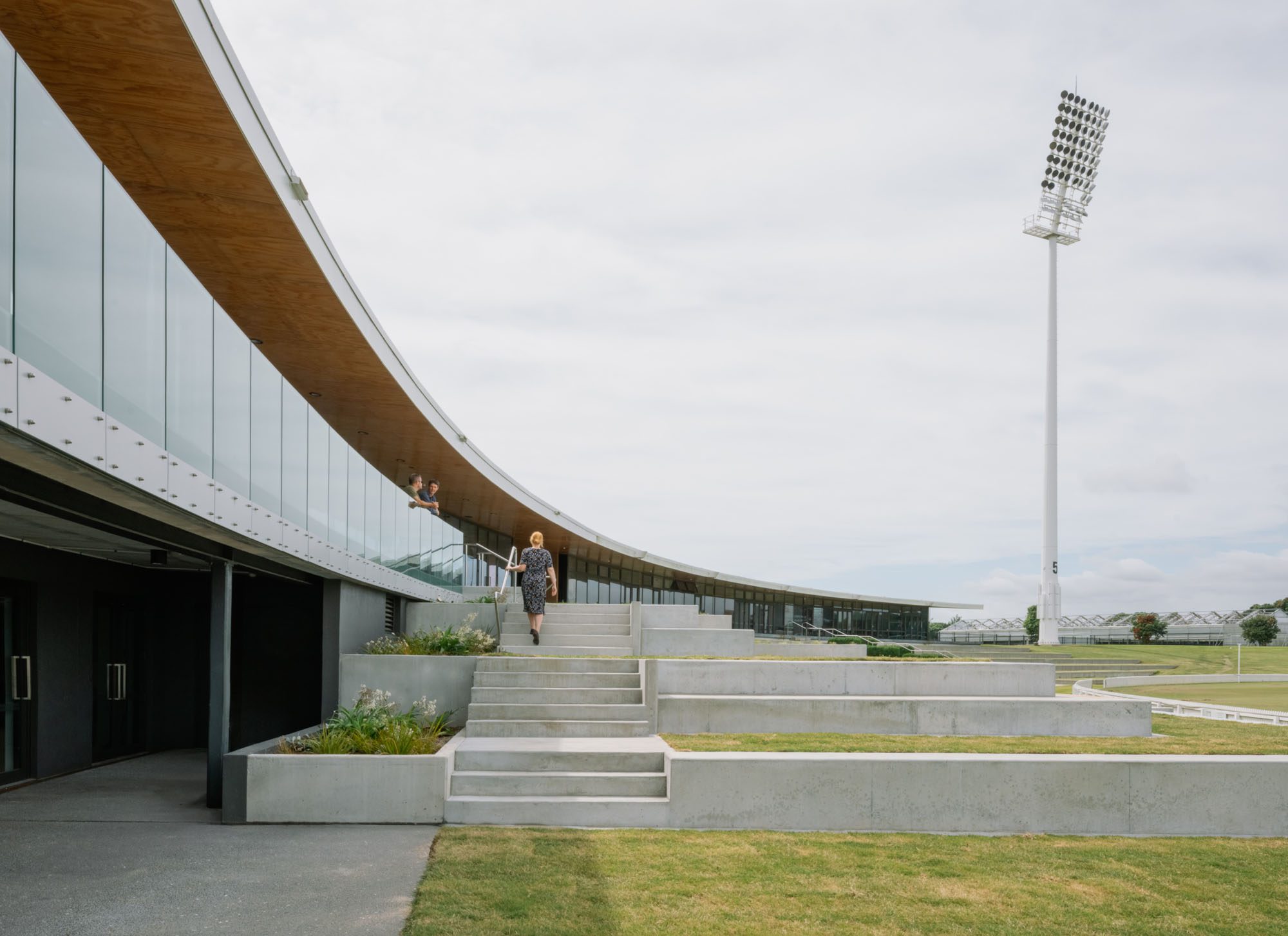
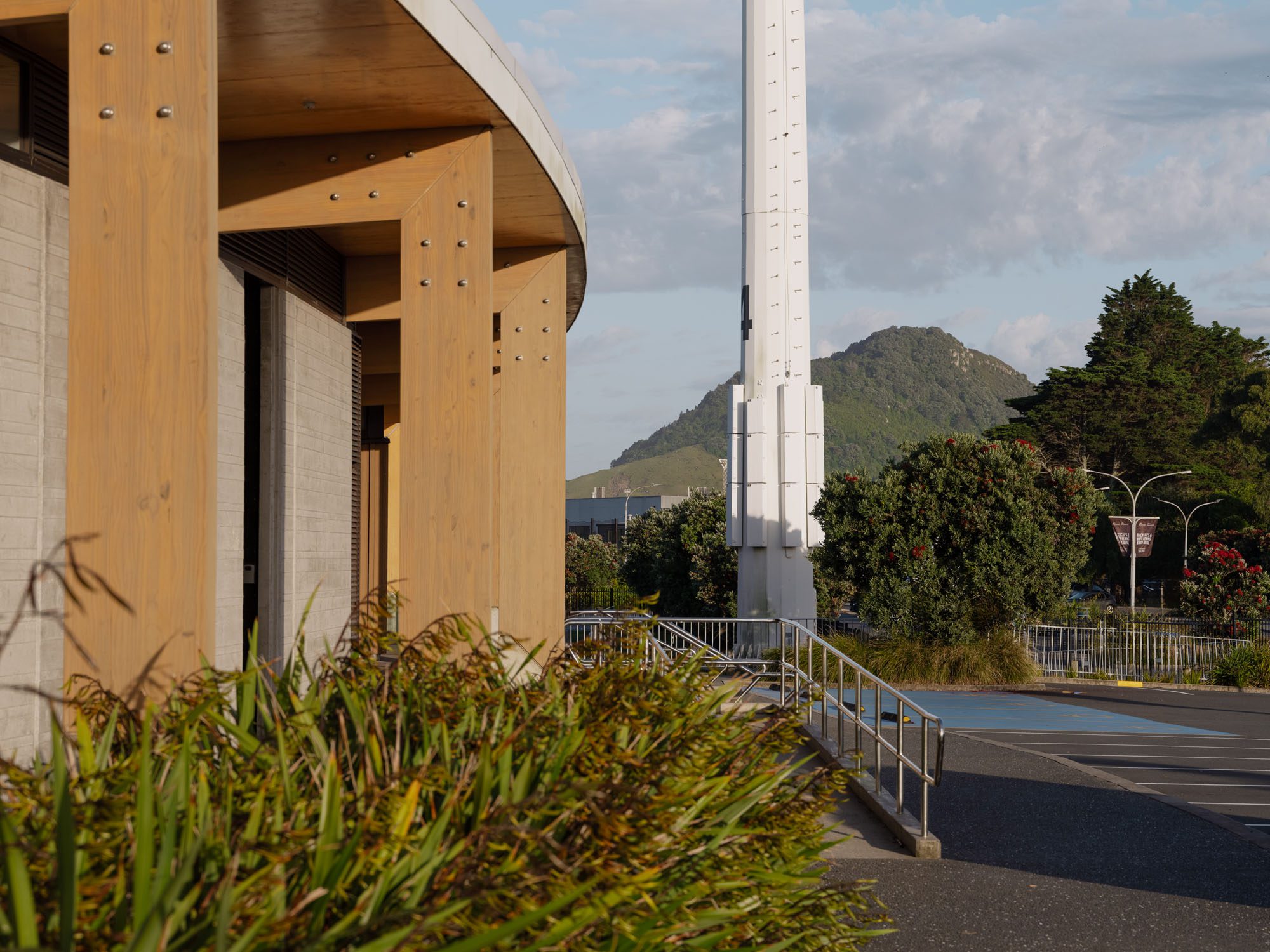
Bay Oval - Craigs Investment Partners Pavilion (Phase 2) by Jasmax

There were two double winners in the region this year, with 90 Devonport Road by Warren and Mahoney (Commercial Architecture, Interior Architecture) and the BNZ Theatre by Jasmax and Charcoalblue in association (Heritage, Public Architecture) taking home two awards each.

Smaller projects also figured prominently in the awards this year, with the jury awarding four projects from Rotorua, Papamoa, Ngāruawāhia and Tauranga.

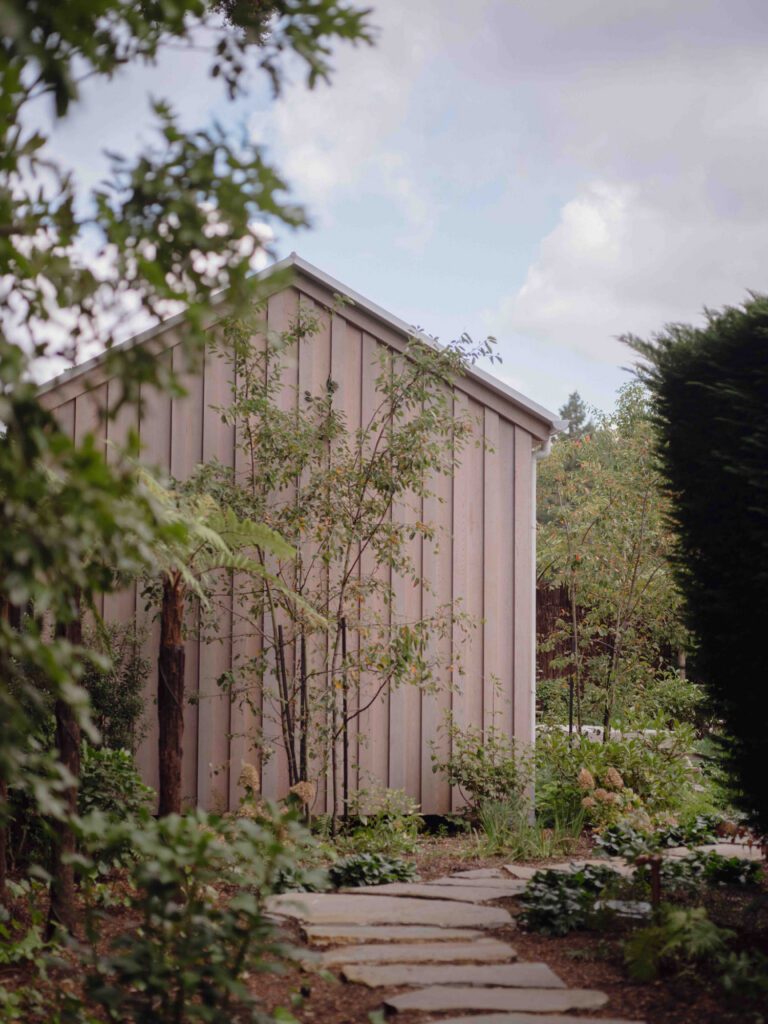
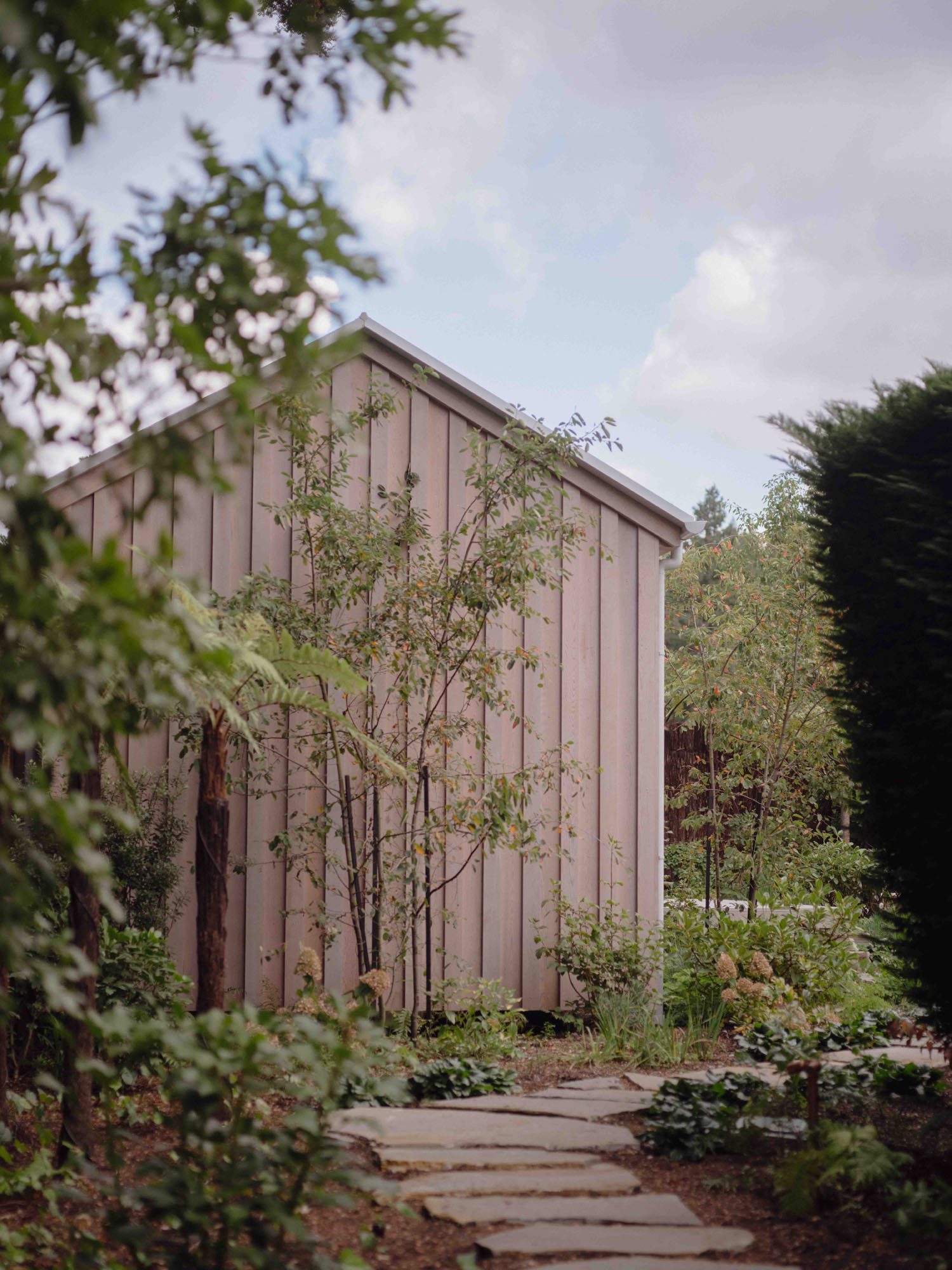
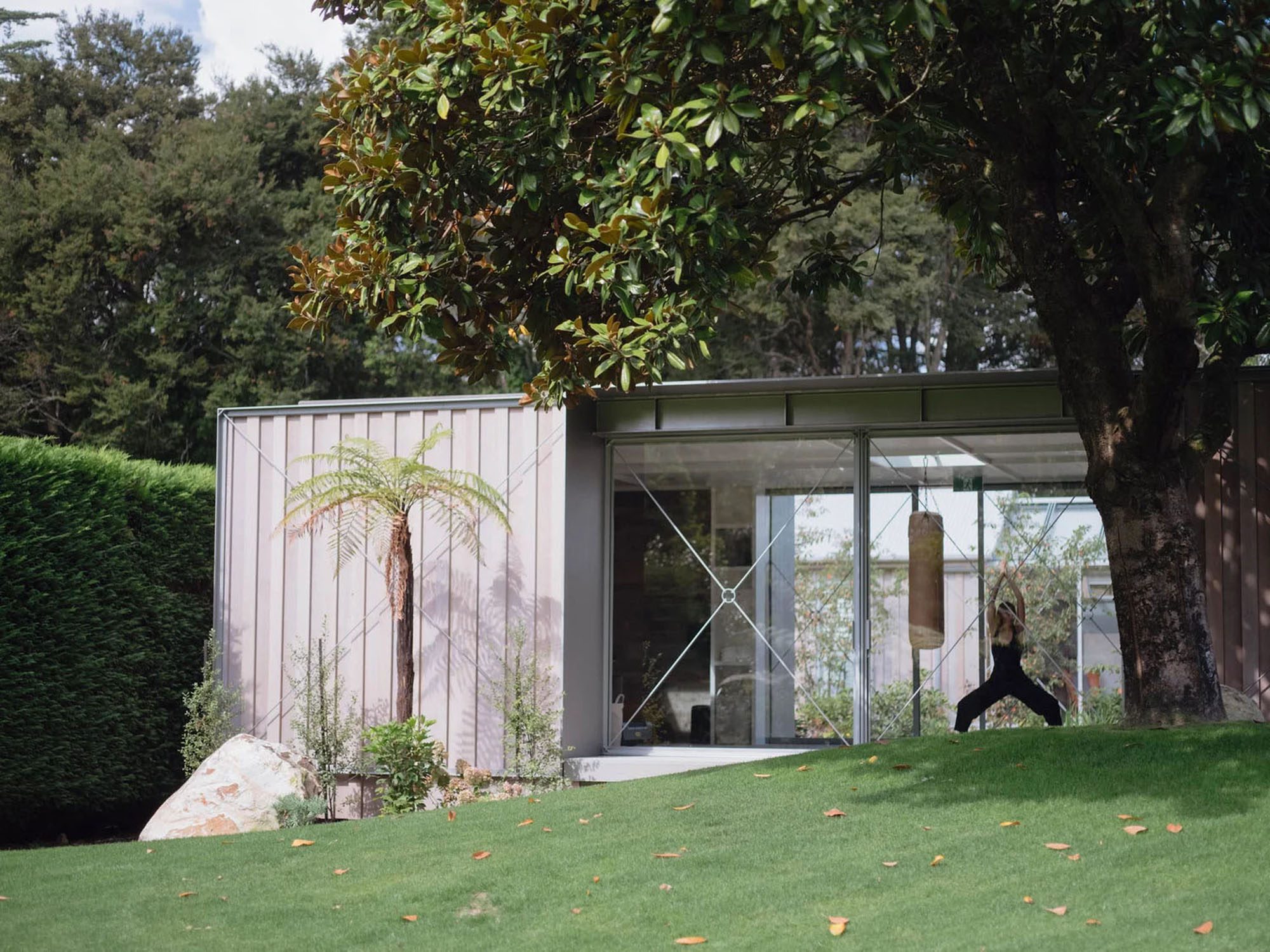
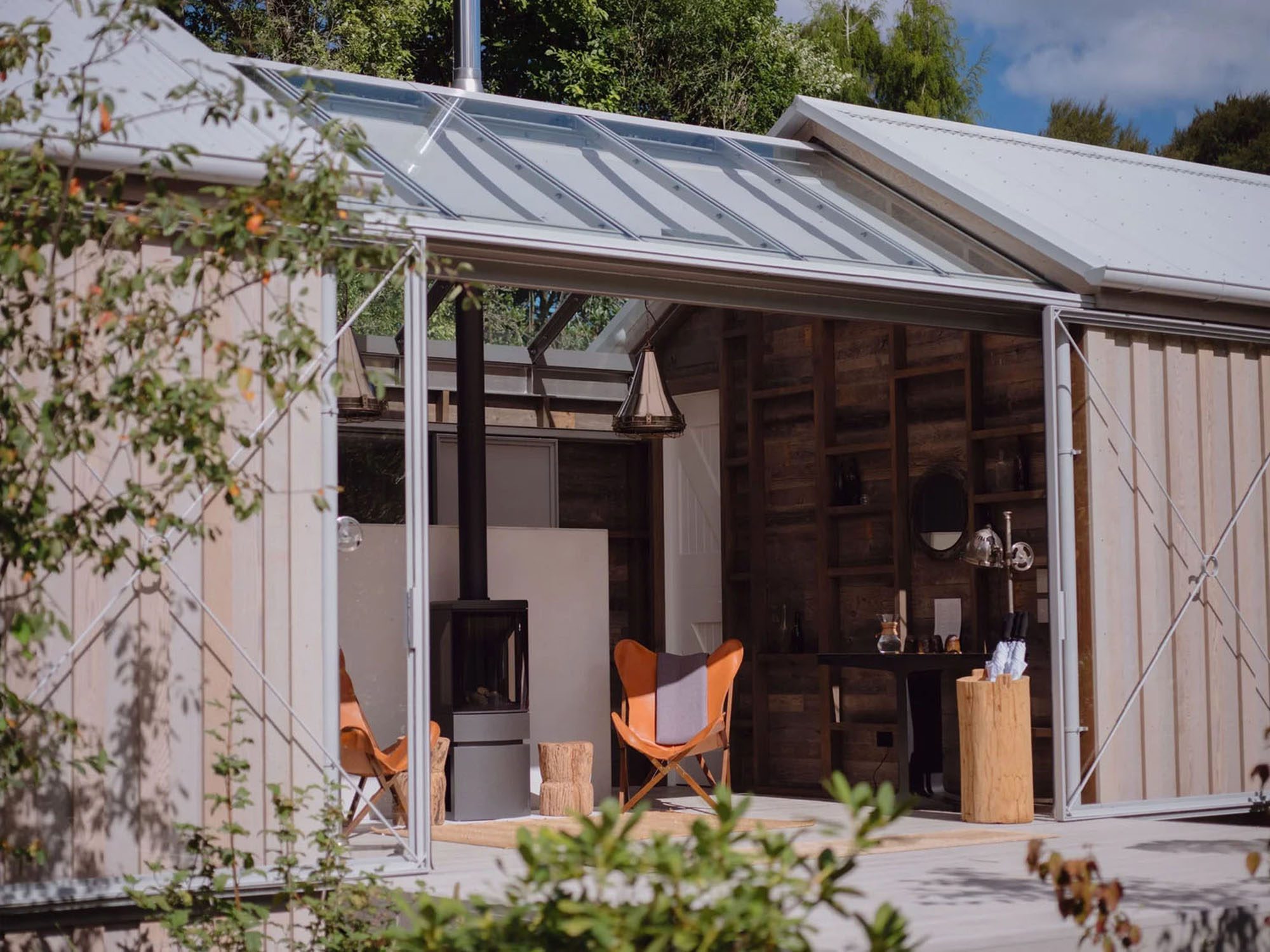
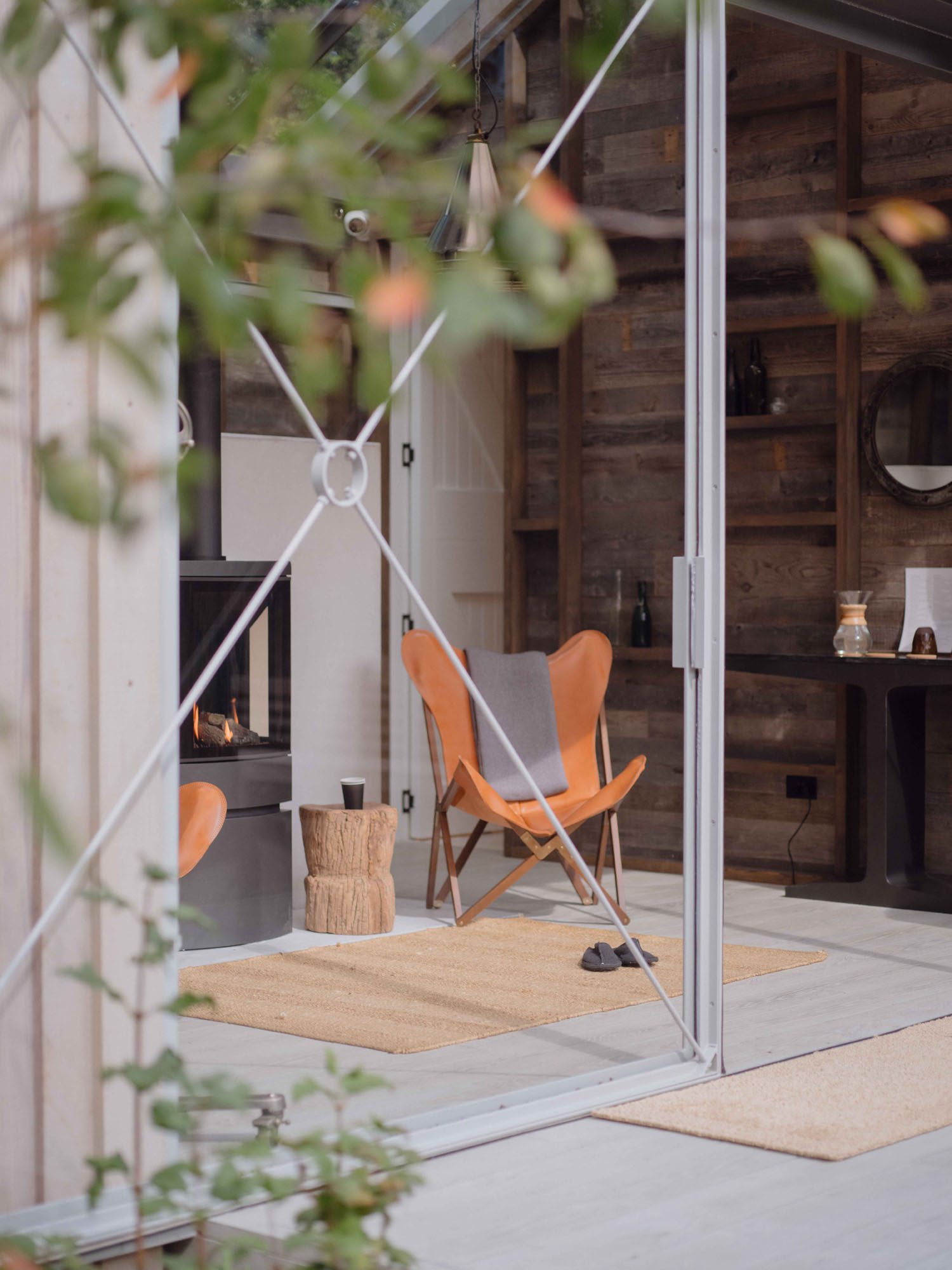
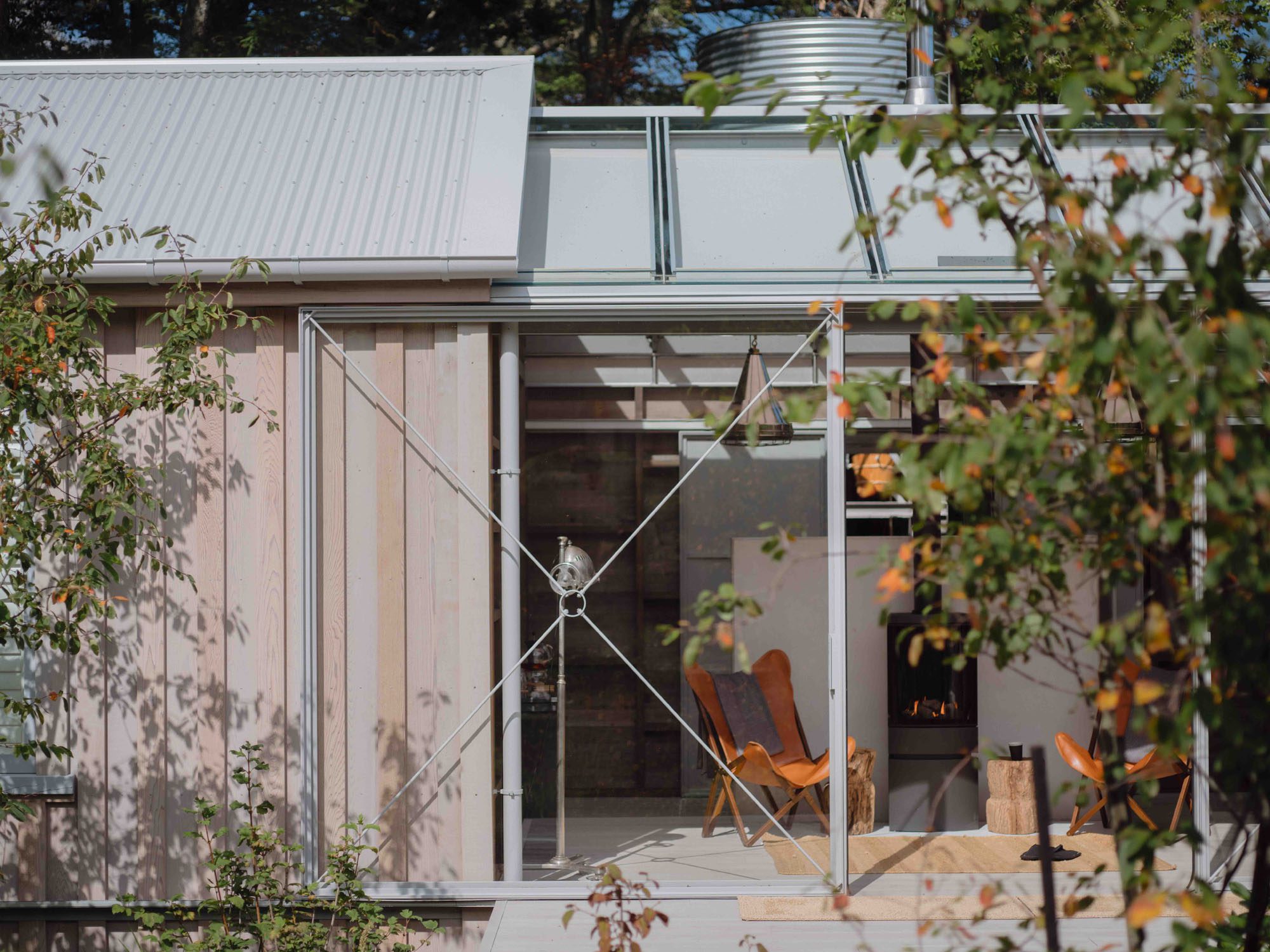
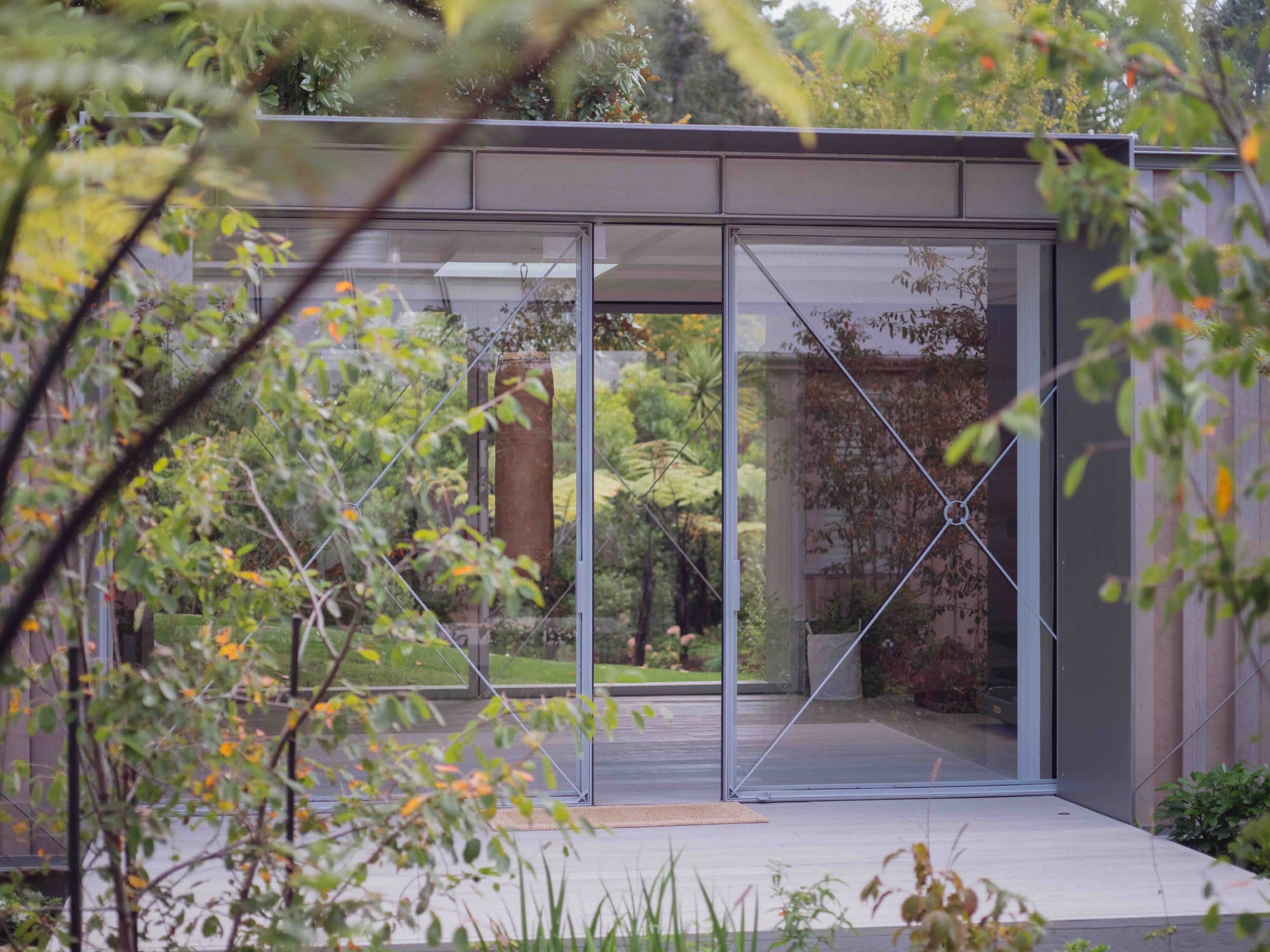
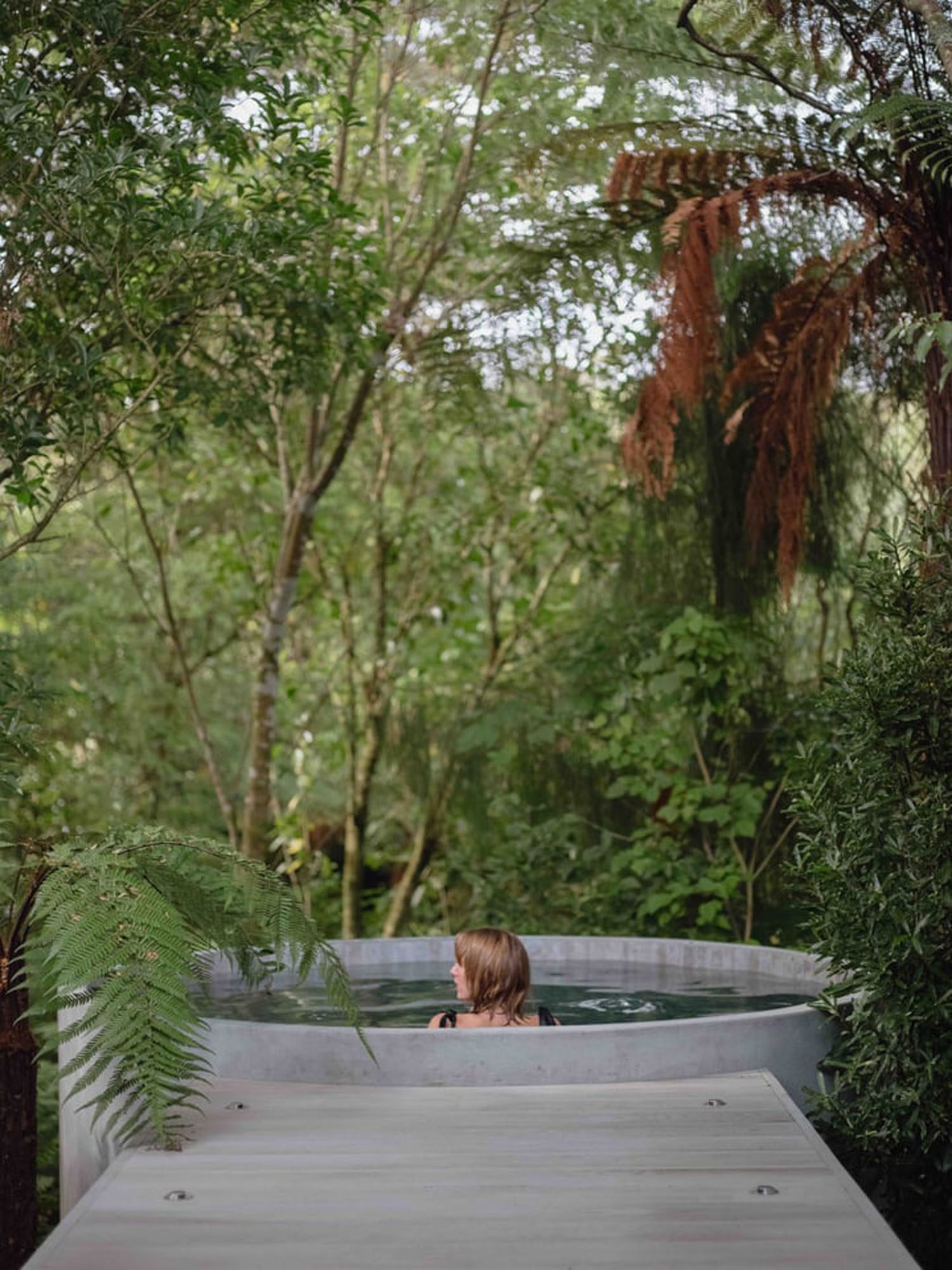
Huka Lodge Gym, Spa and Wellness by Christian Anderson Architects

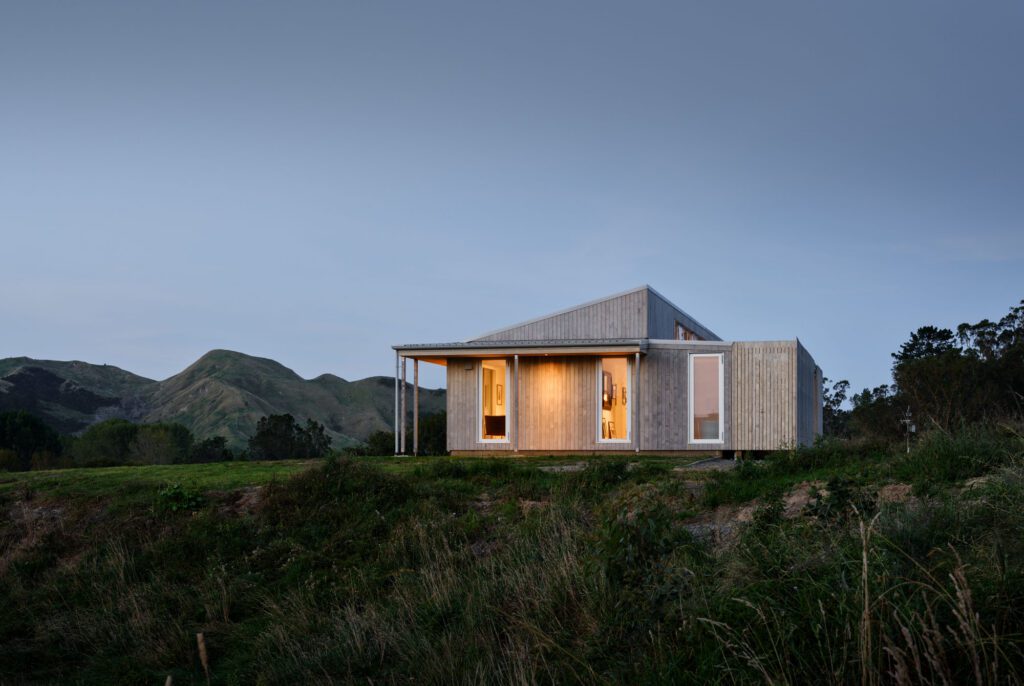
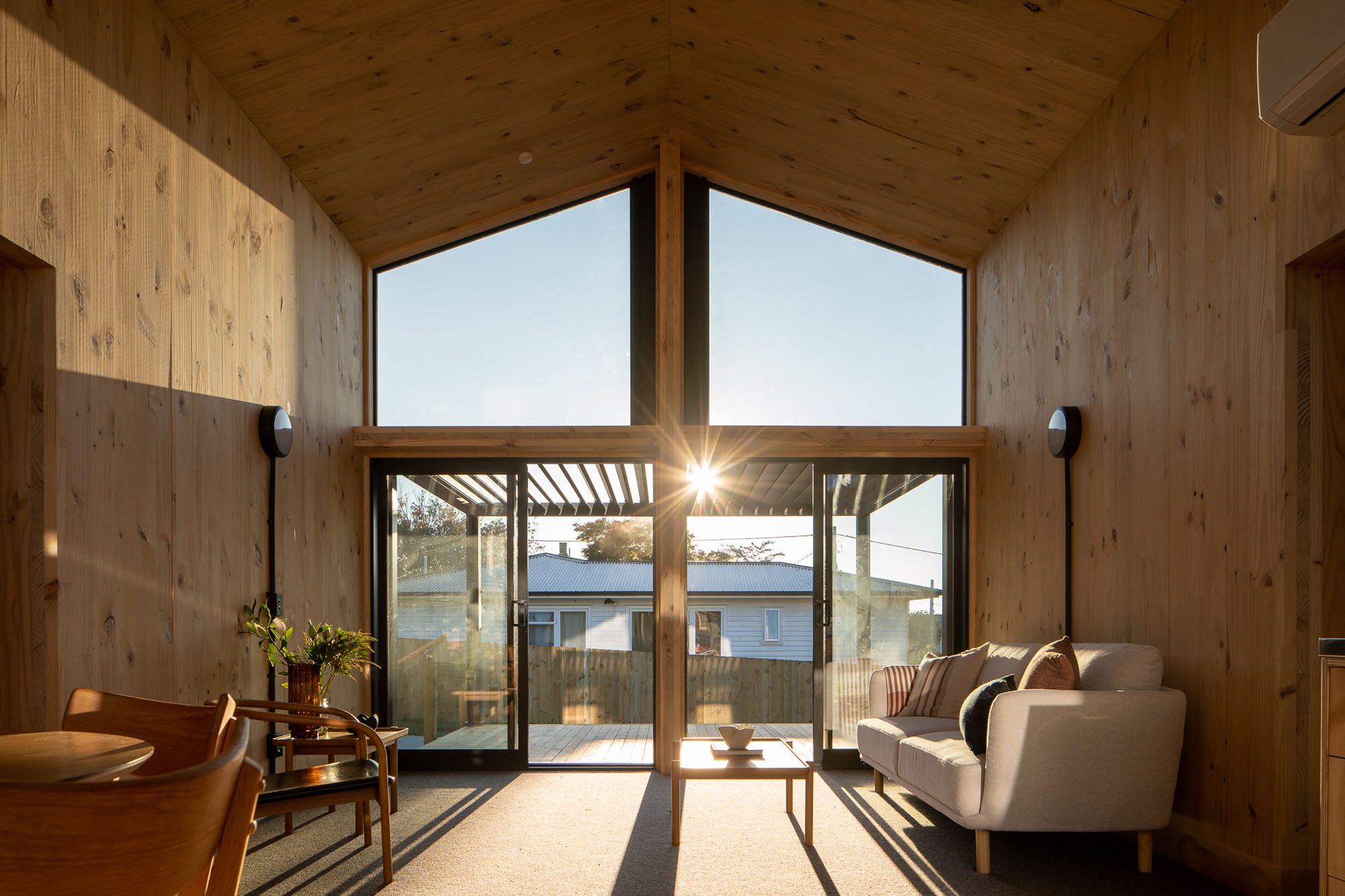
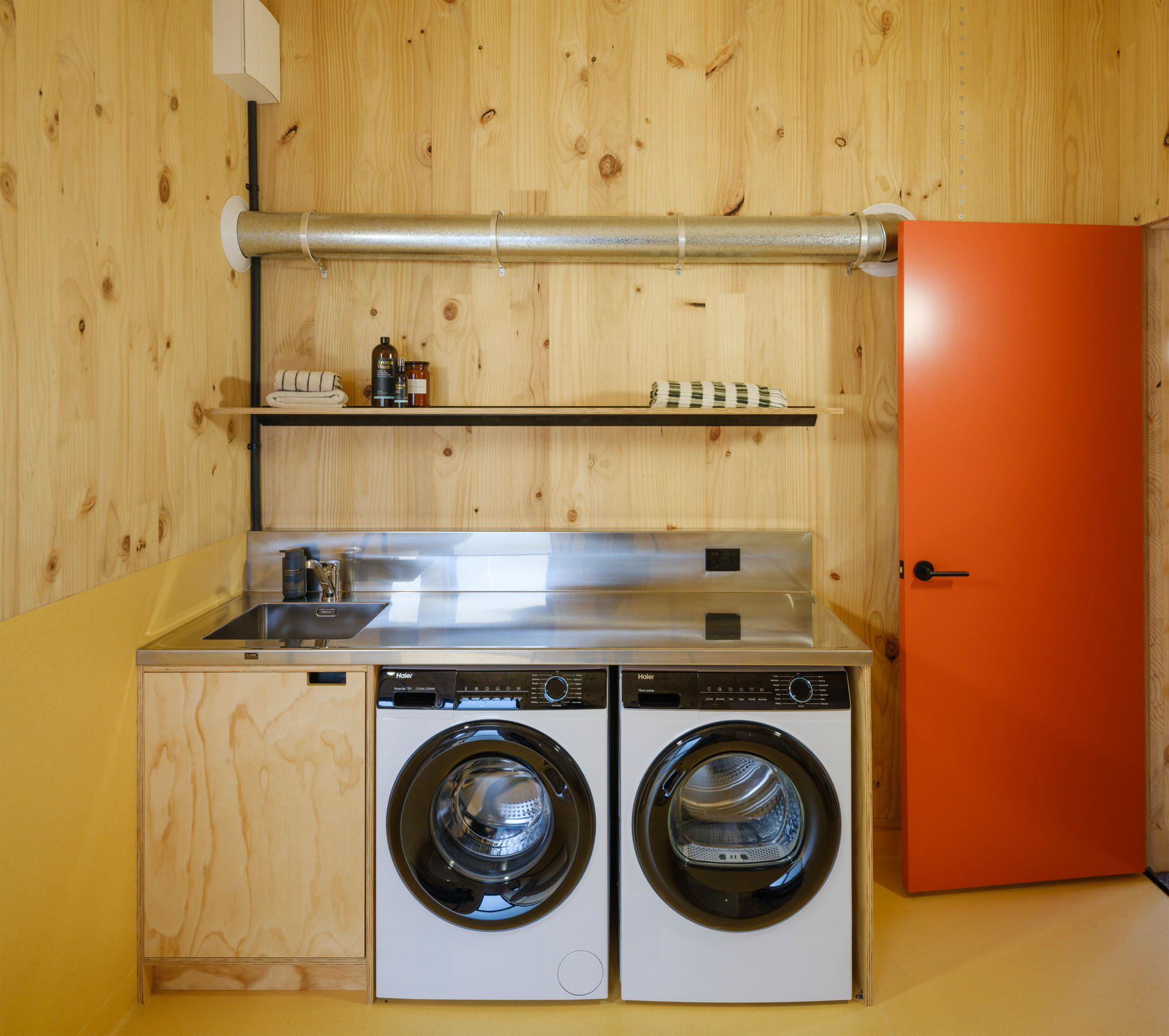
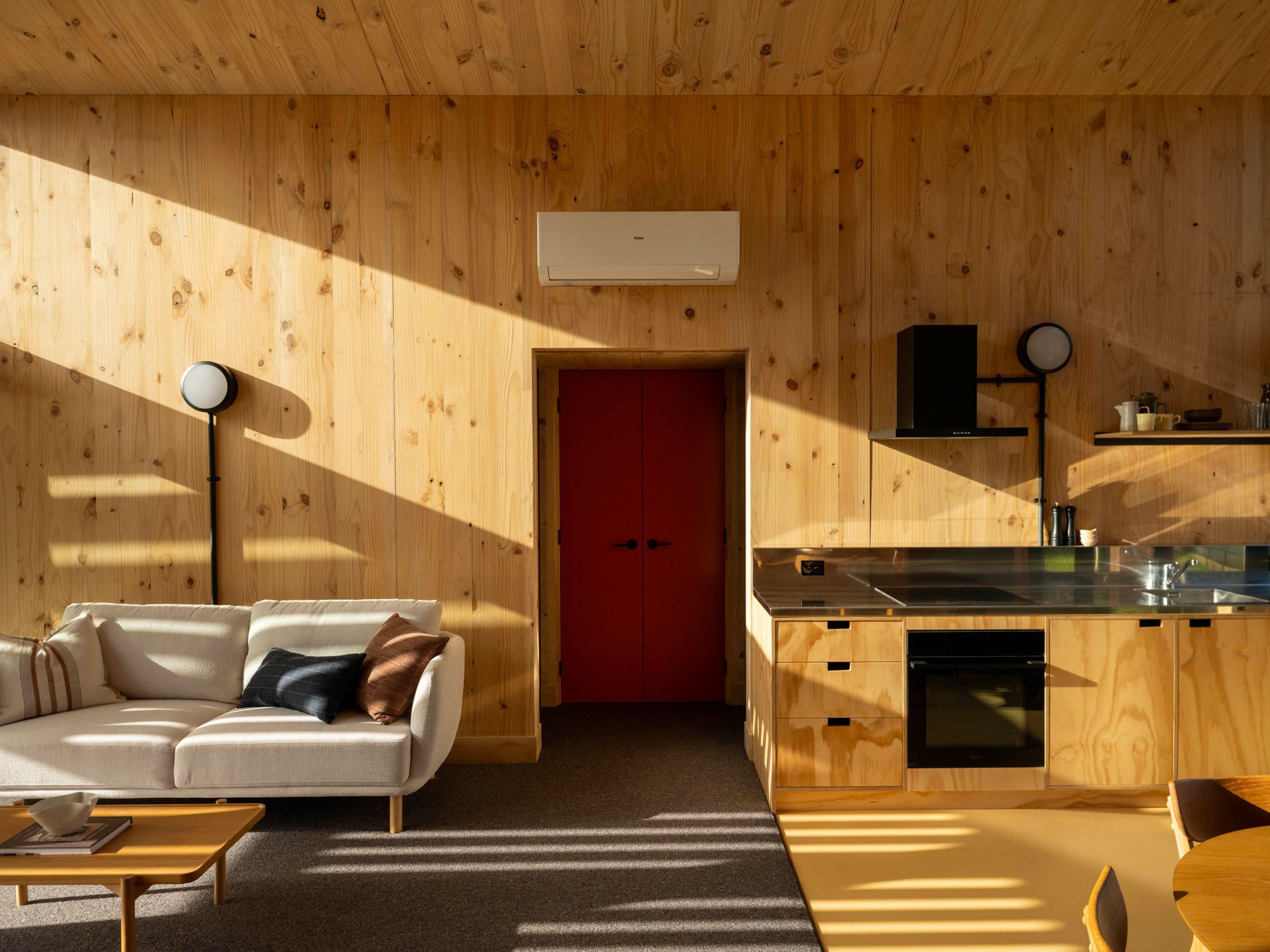
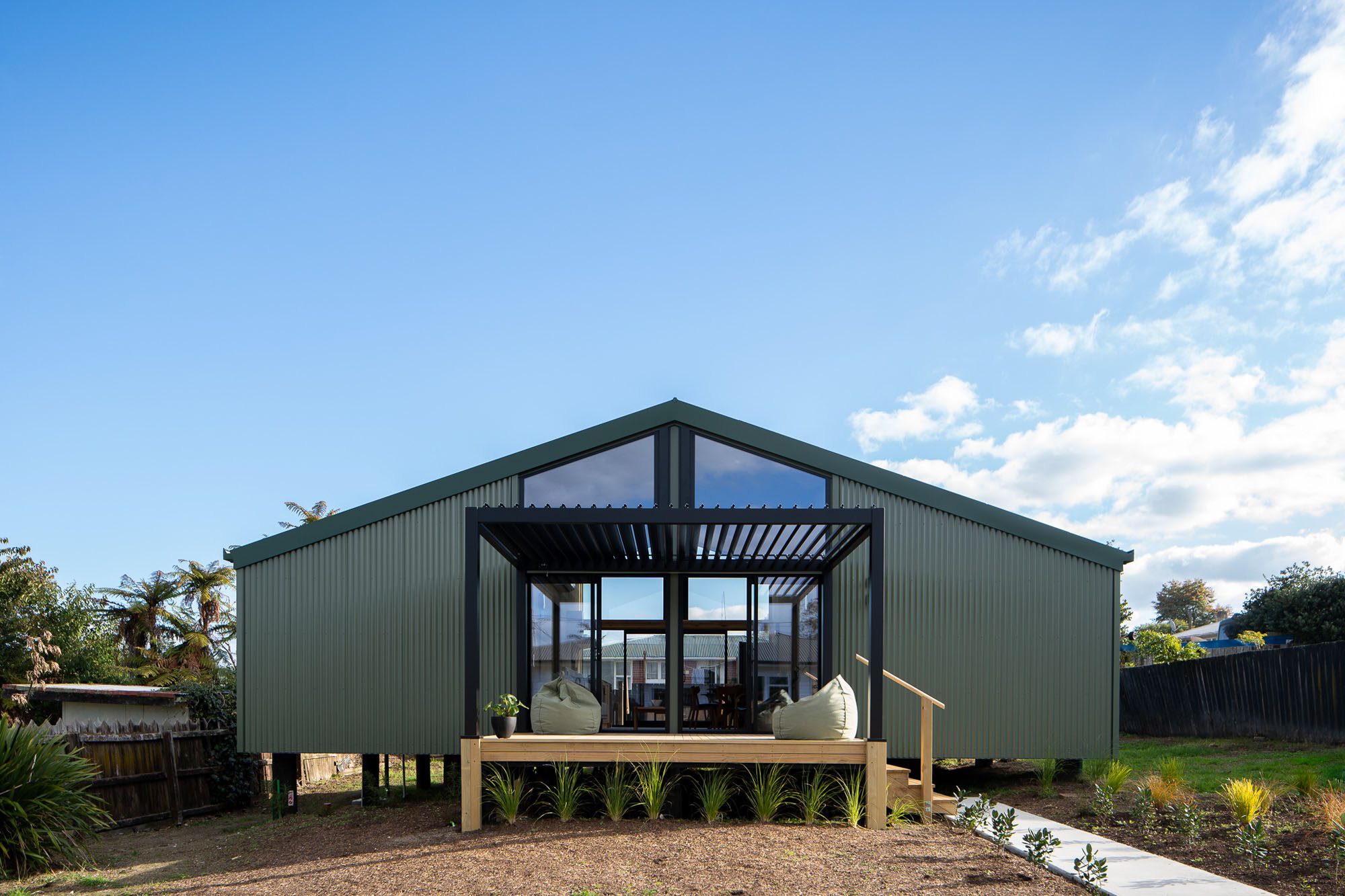
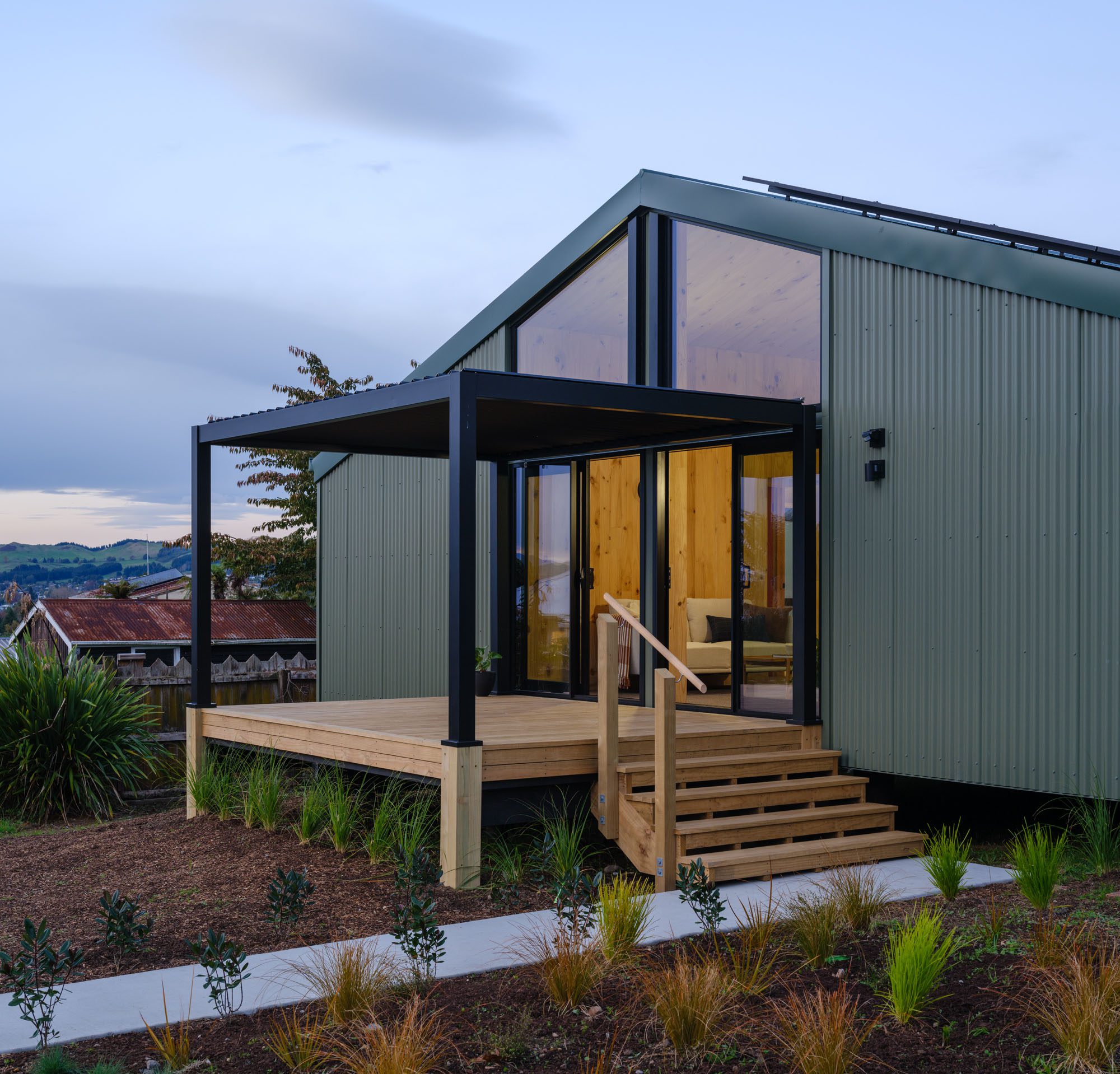
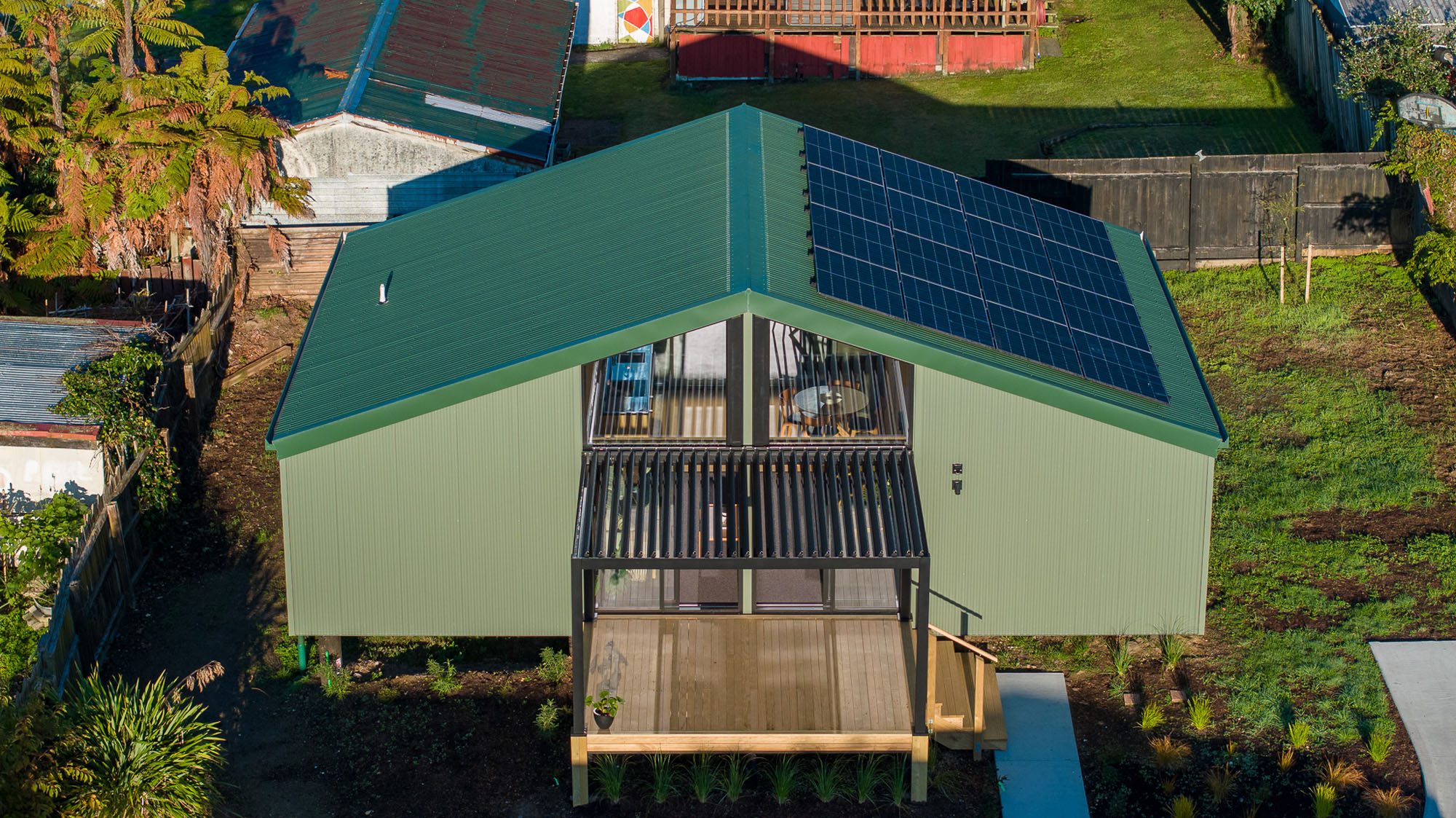
RTA Studio also picked up a Resene Colour Award for The Living House, a project conceived to take on the challenge of creating a sustainable and affordable home that can also be rapidly constructed.

“What stood out most this year was the strength of work at both ends of the spectrum: from large-scale projects with far-reaching impact, to smaller, modestly funded projects delivering thought-provoking and innovative outcomes beyond their core brief,” says jury convenor and architect Louise Booth of Object Office Architects. “They reflect the quality and creativity of our industry, and the trust clients place in it.”

Booth was joined on the jury by Georgia Peacocke (Edwards White Architects), Davor Popadich (Davor Popadich Architects) and Geoff Lentz.

The winners received their awards at an event at the Bay Oval in Tauranga on 15 May.

Commercial Architecture

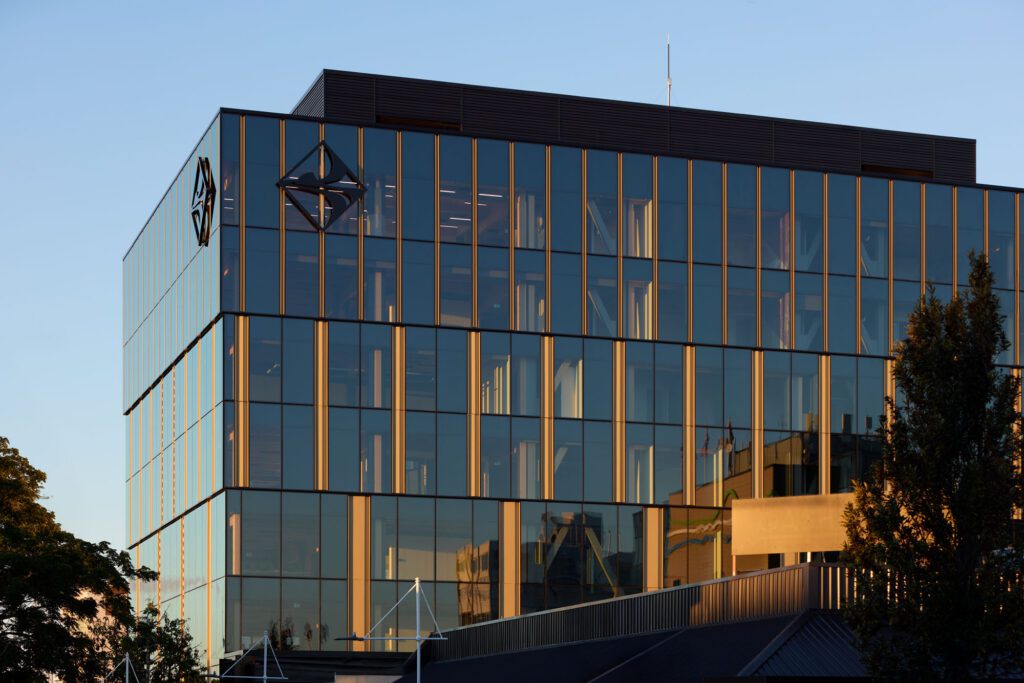
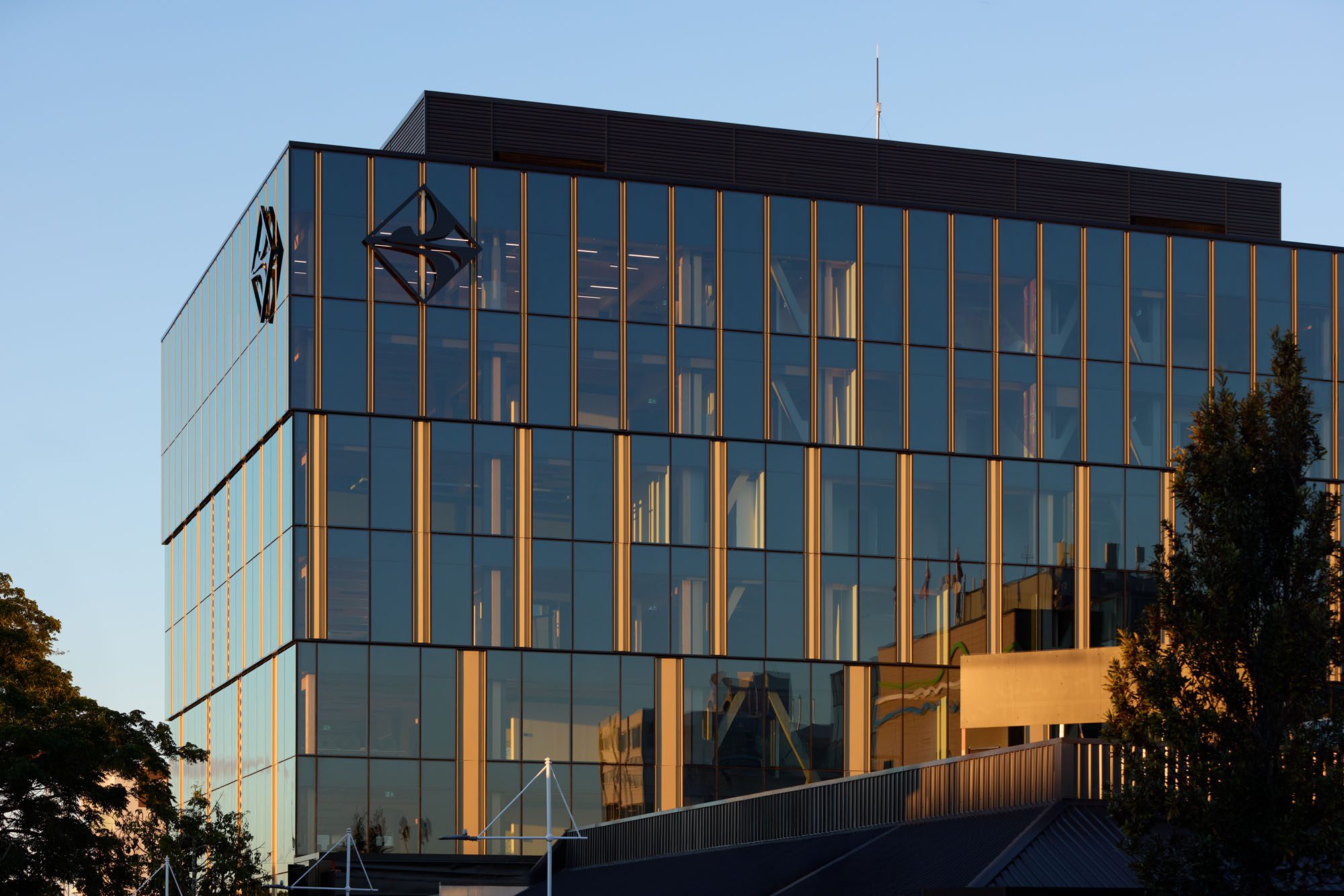
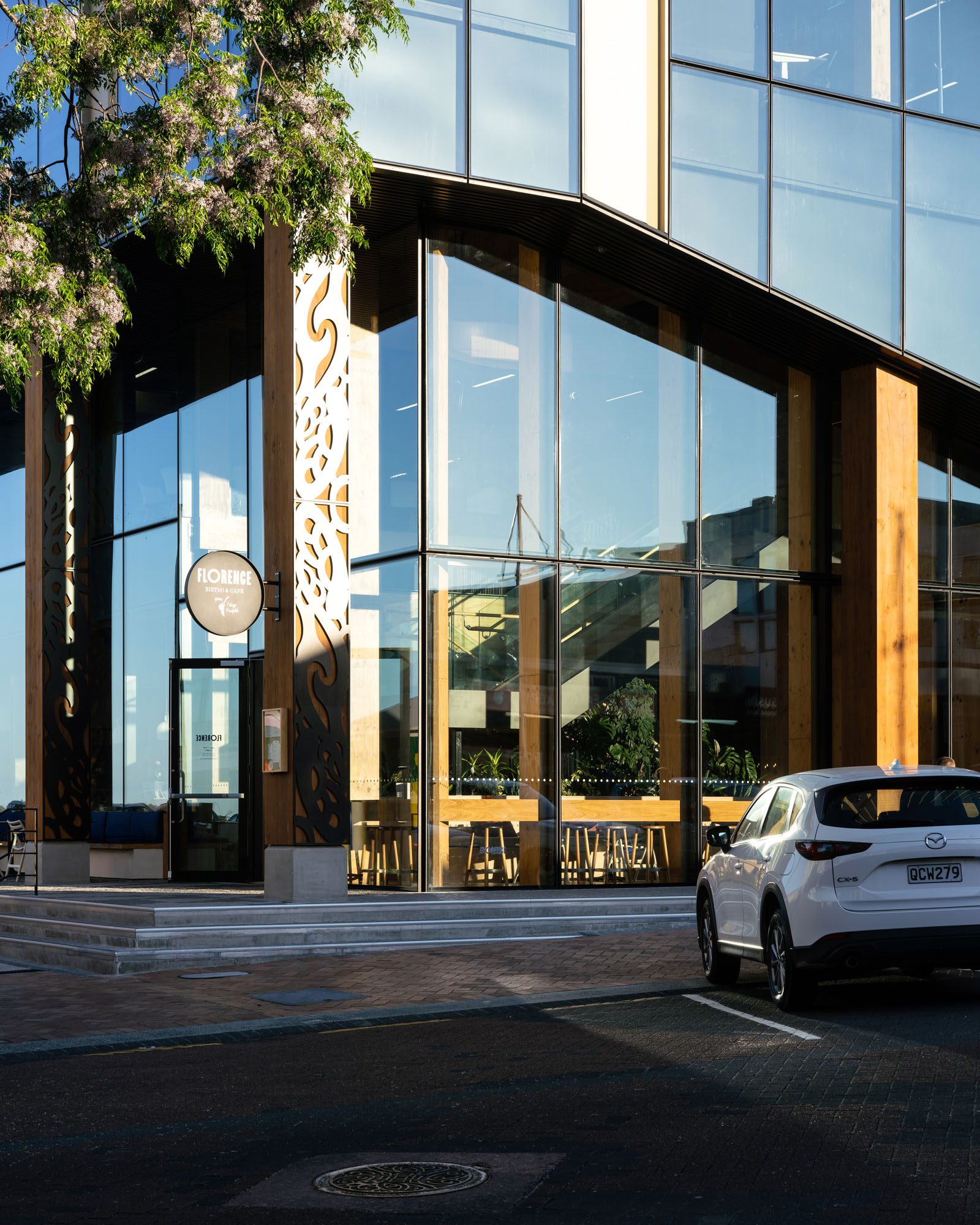
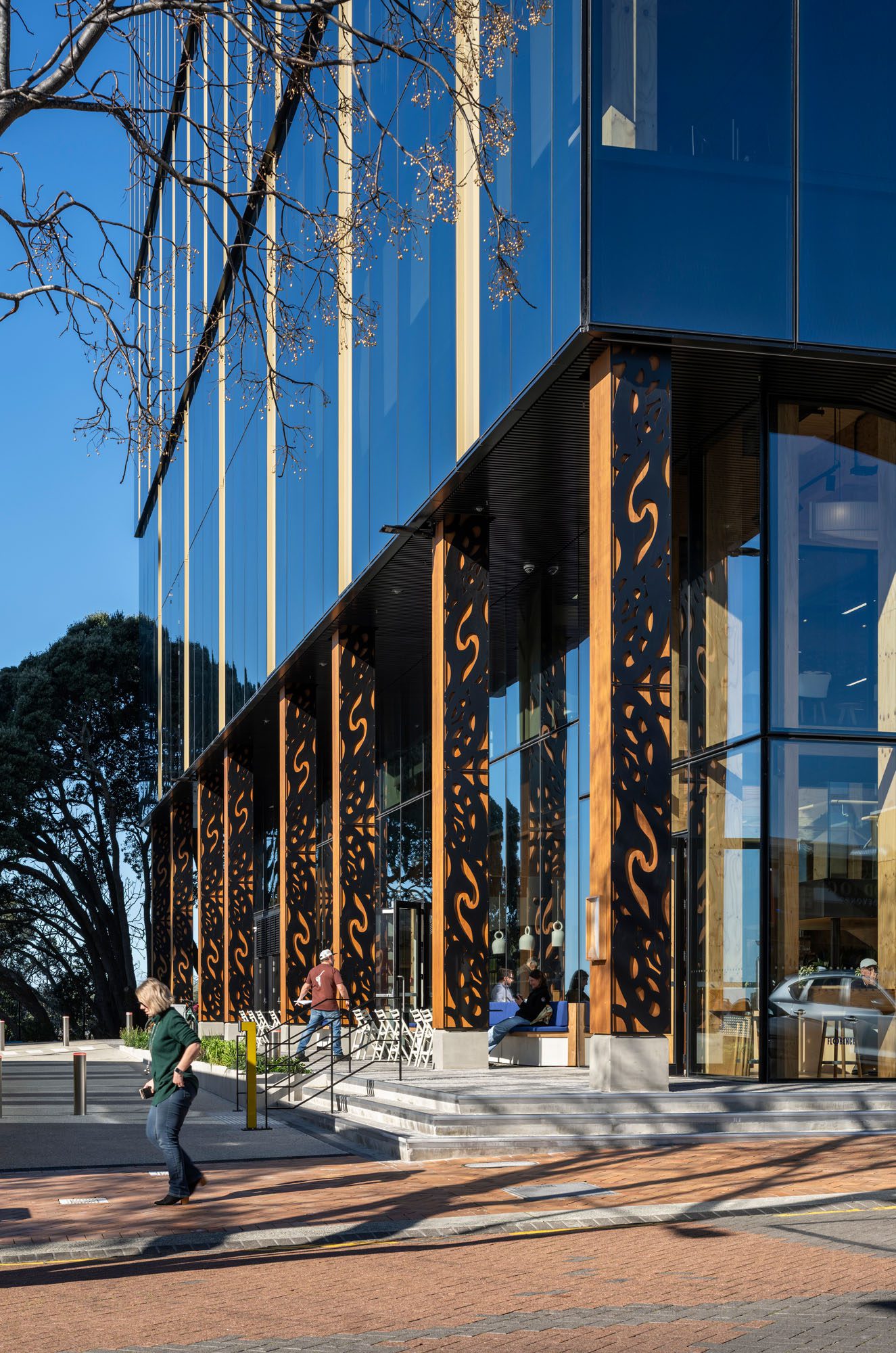
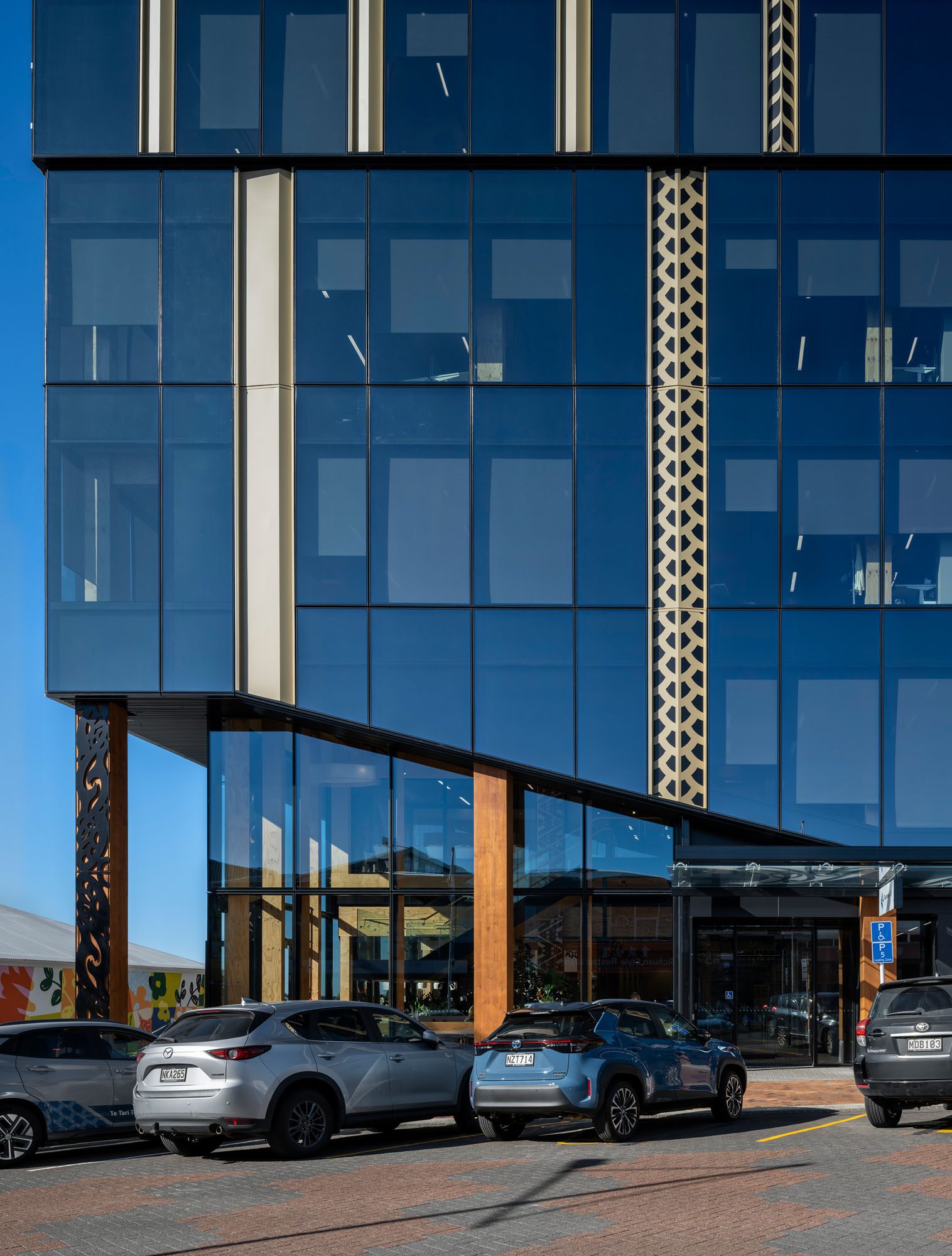
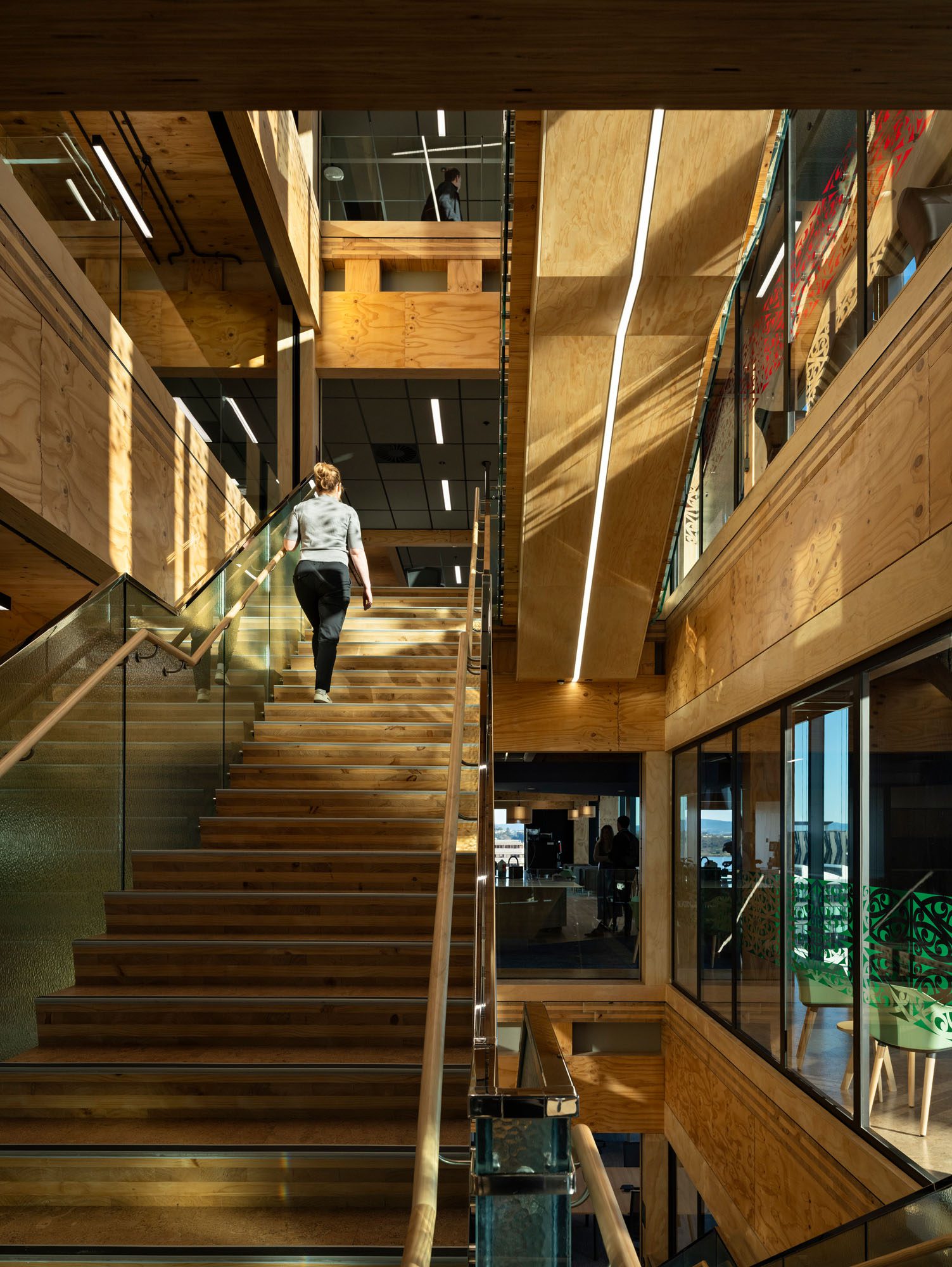
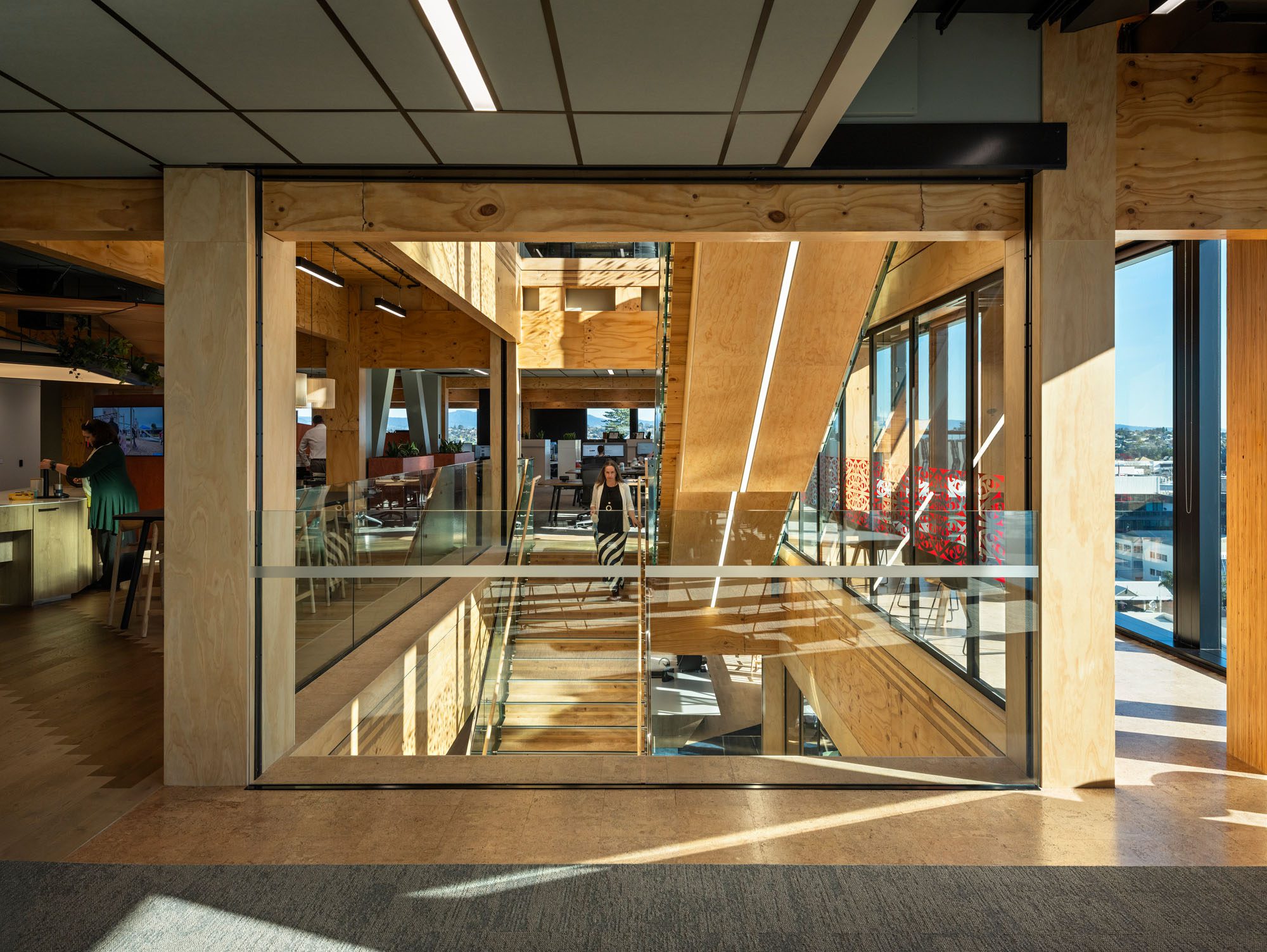
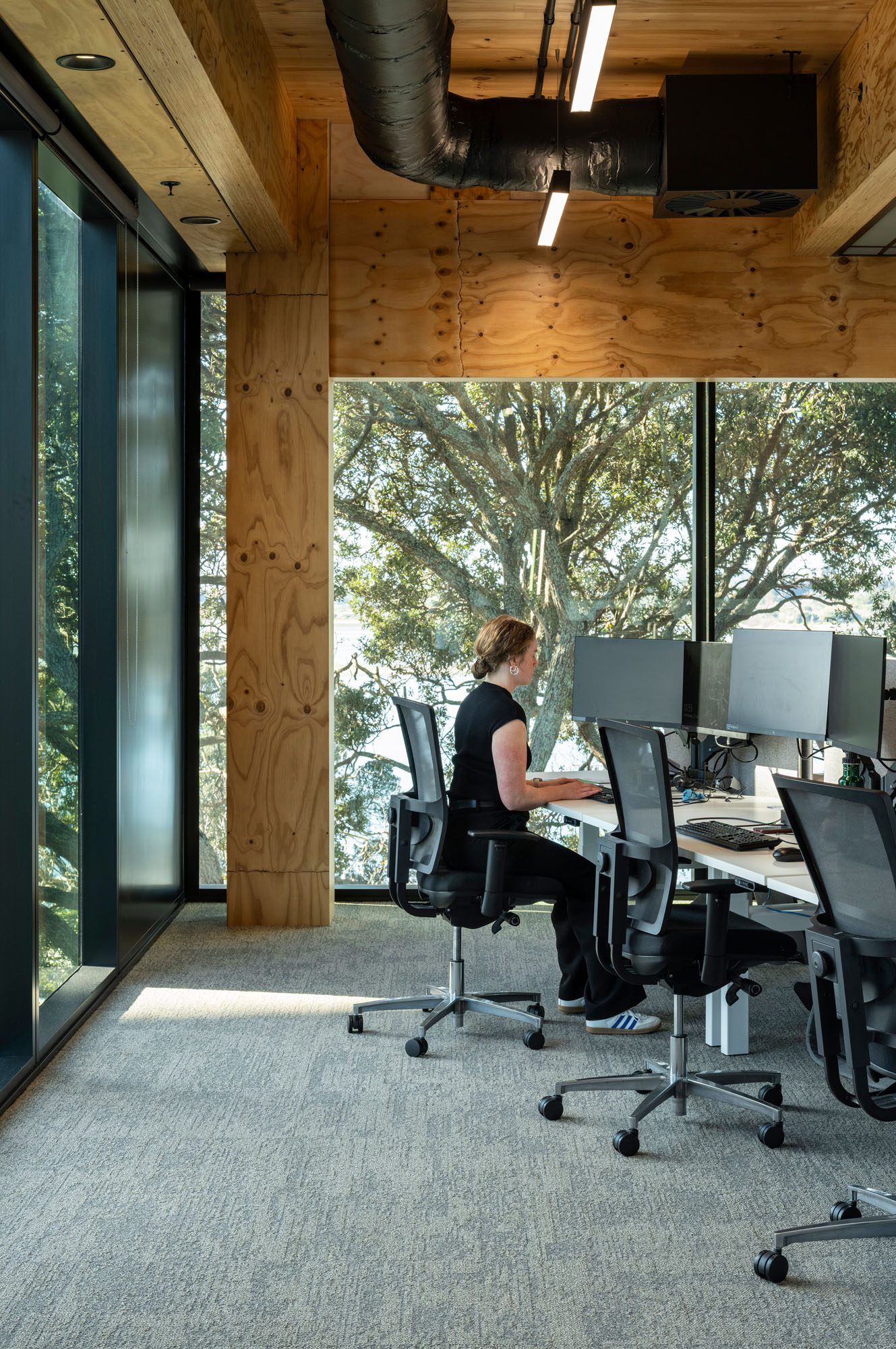
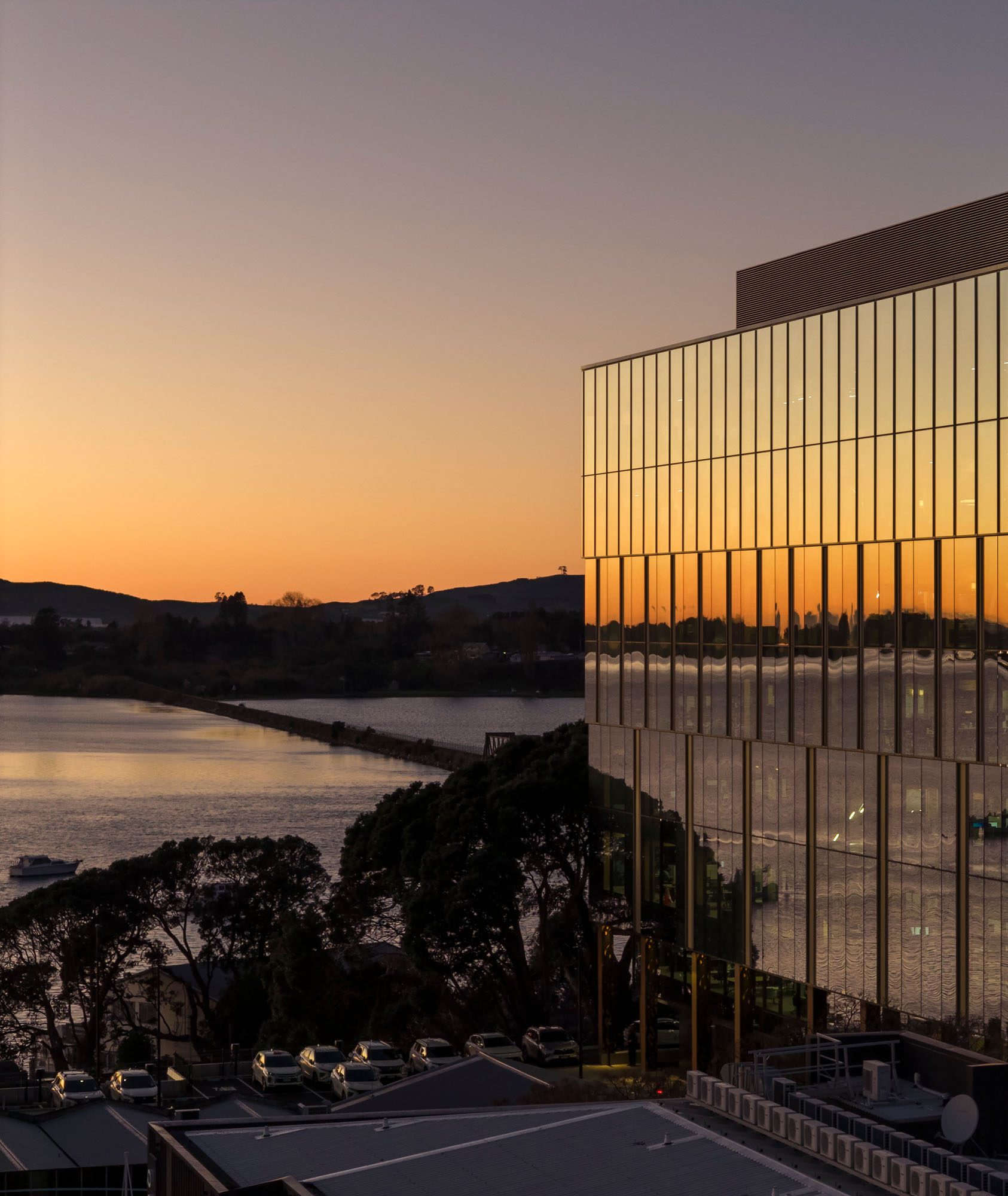
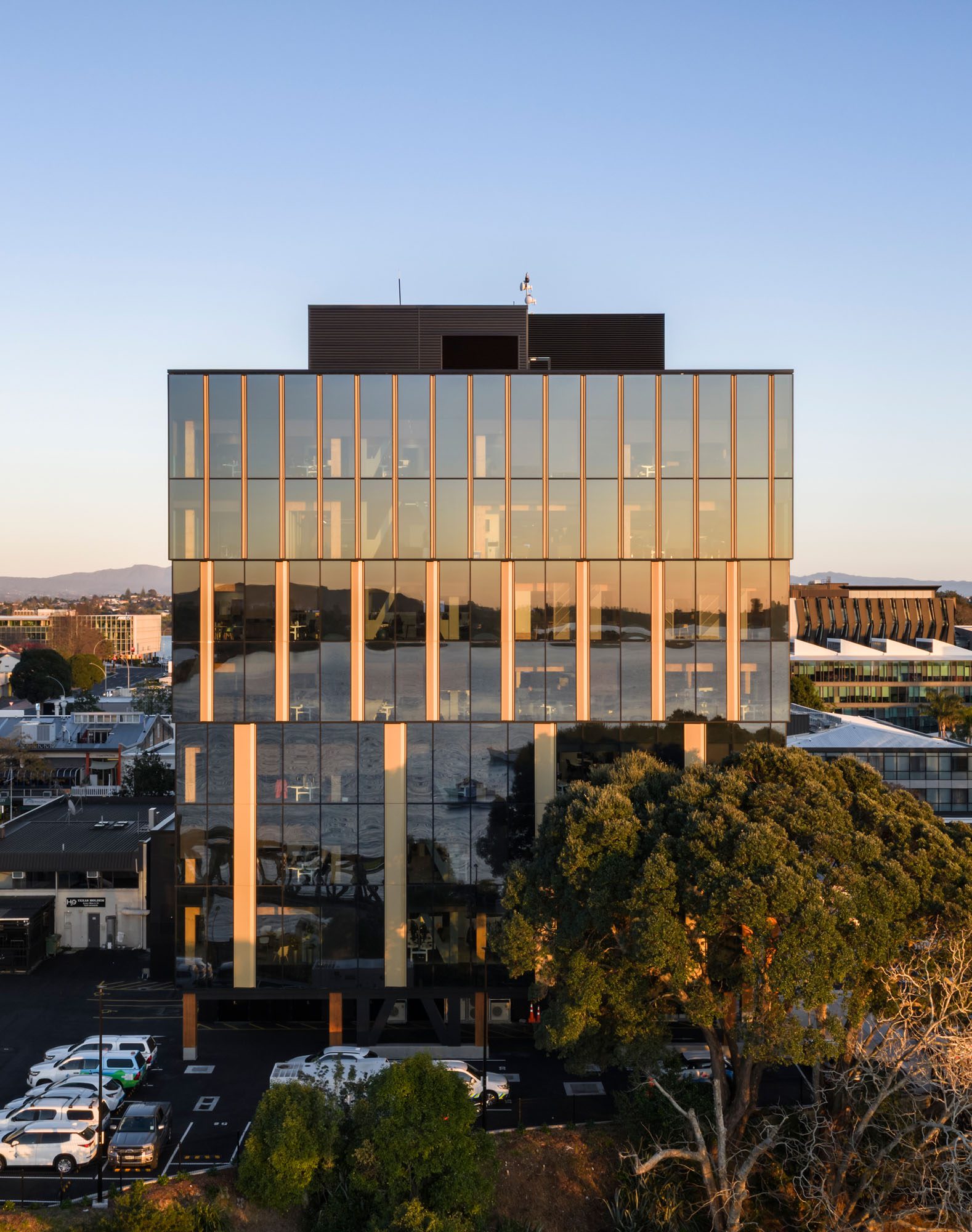
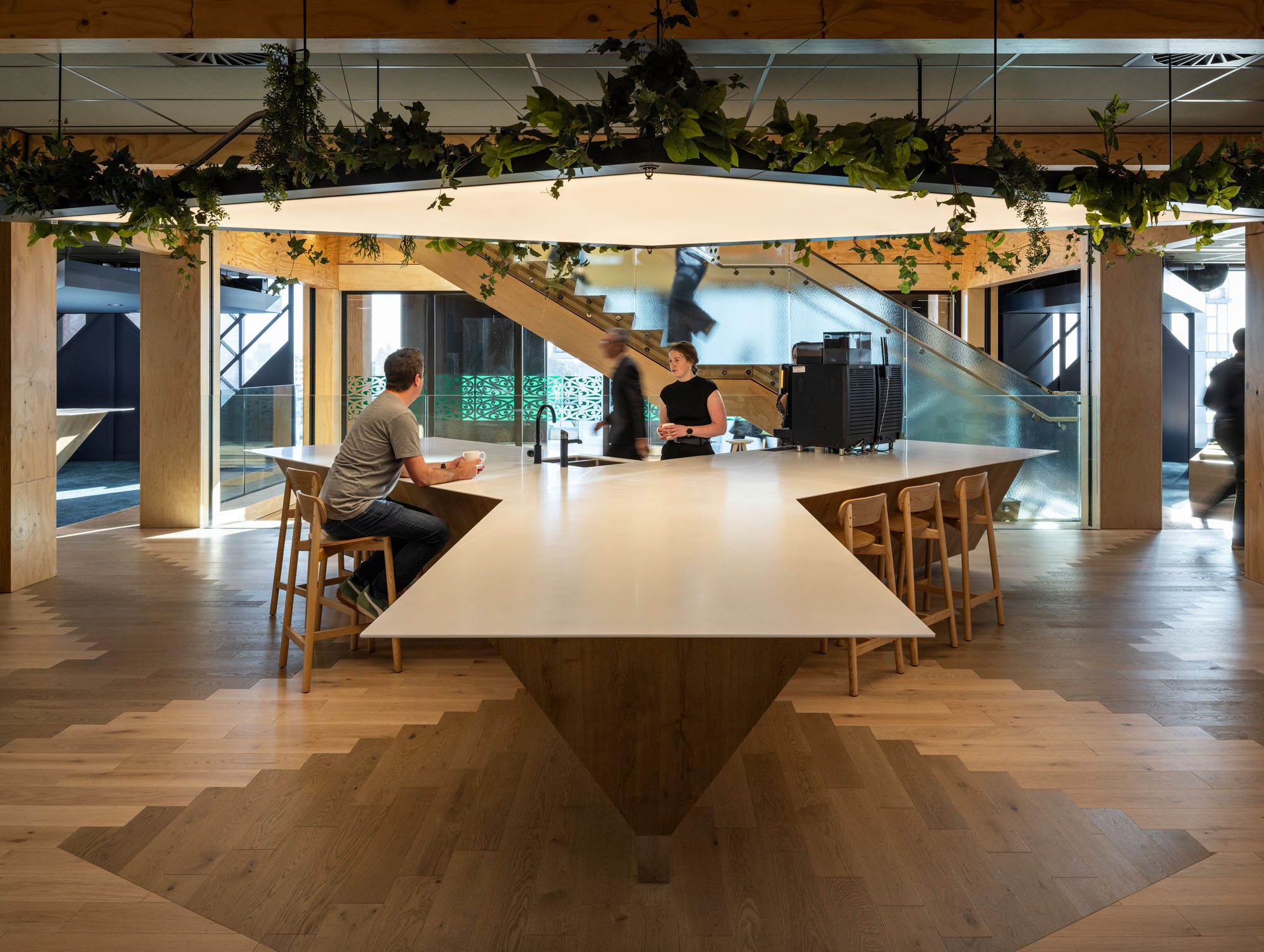
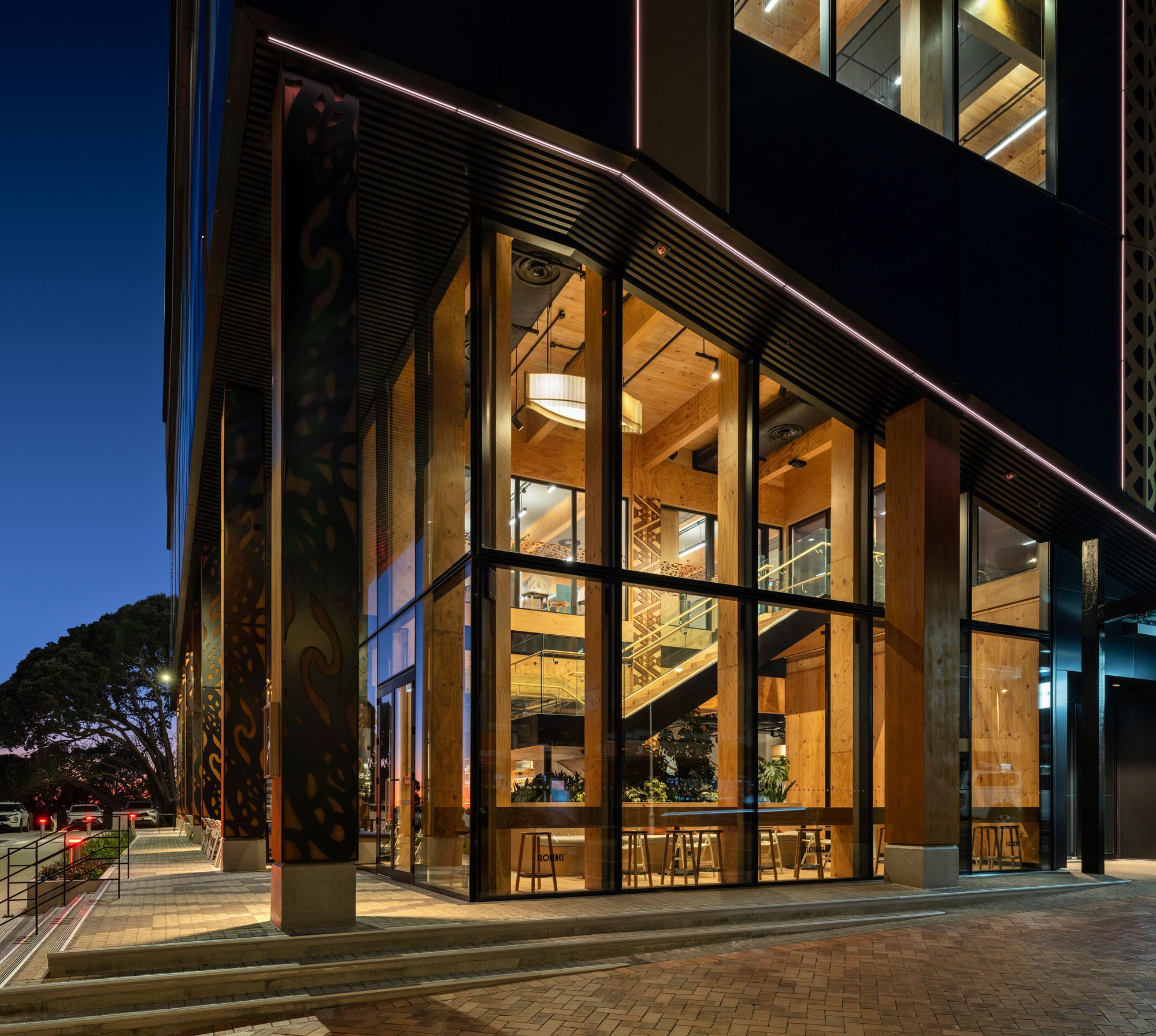
90 Devonport Road by Warren and Mahoney

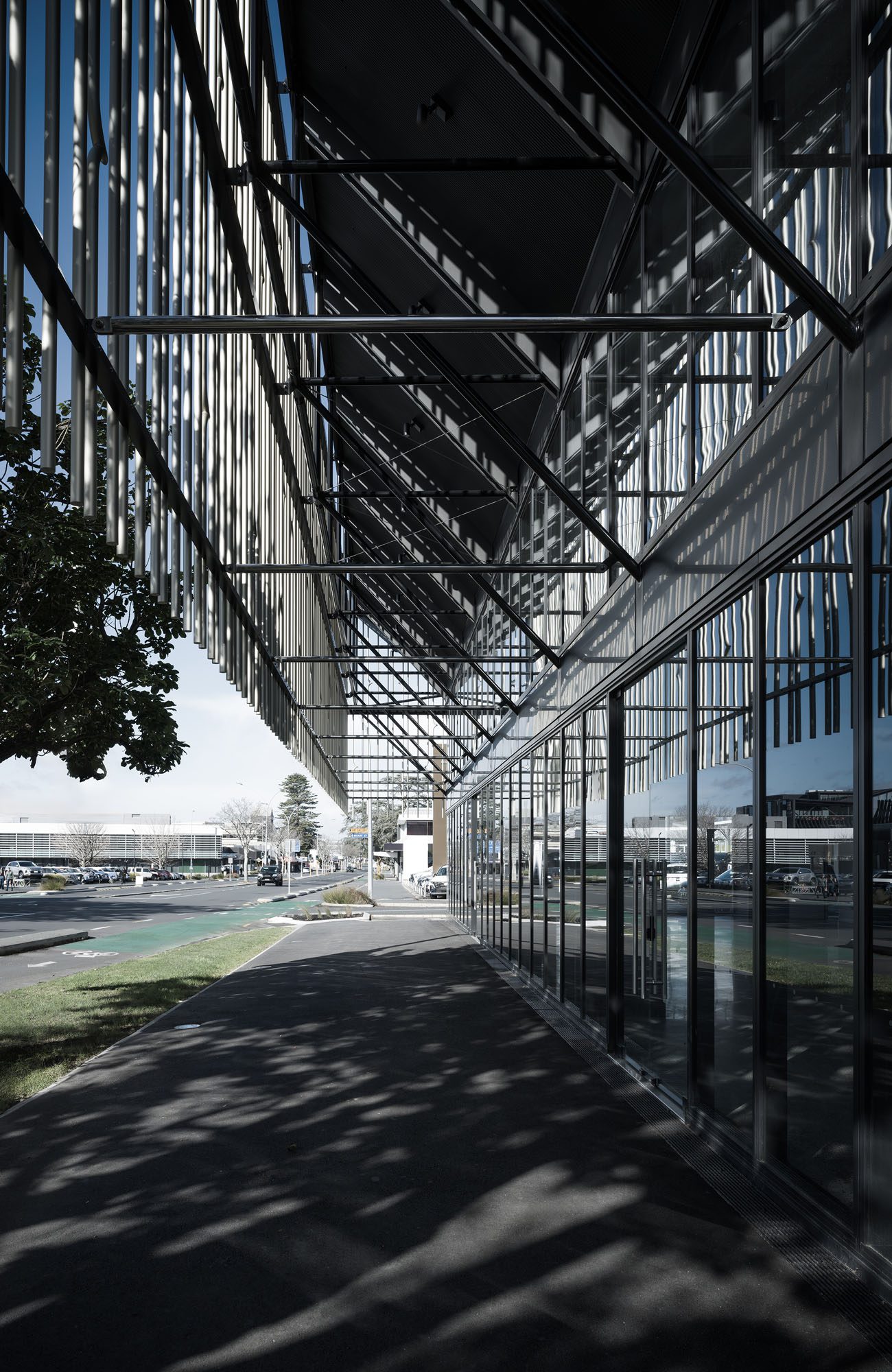
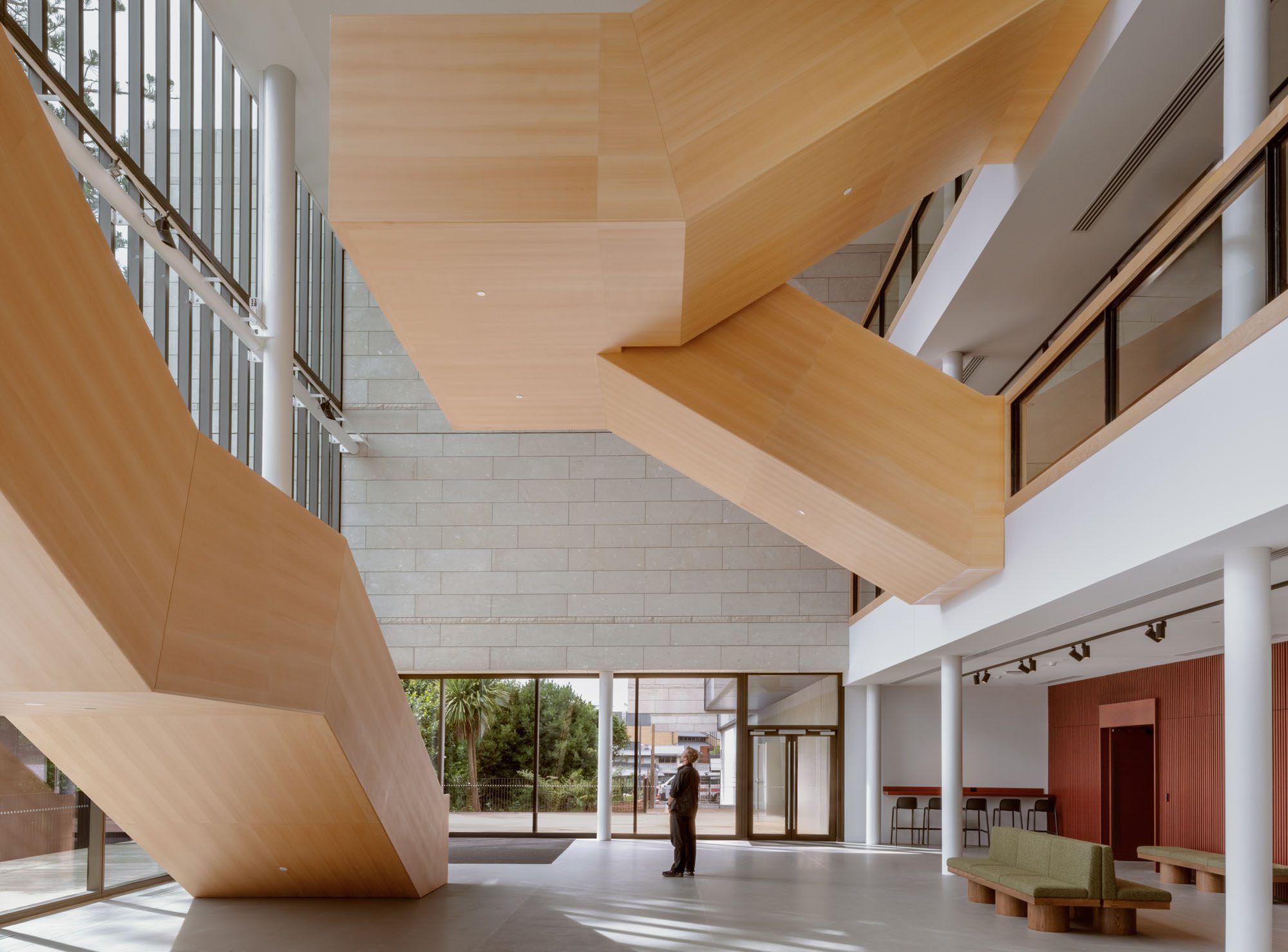
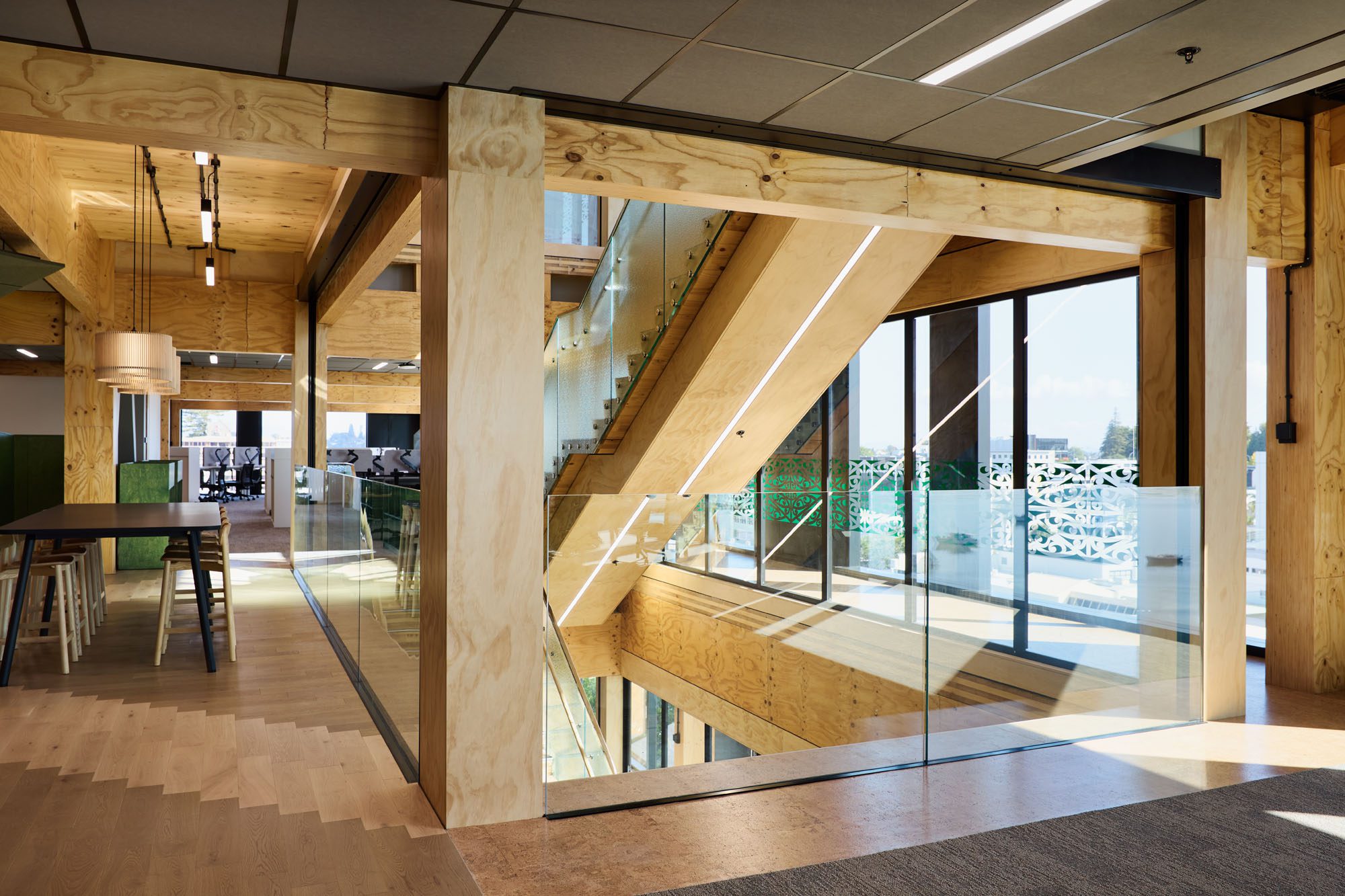
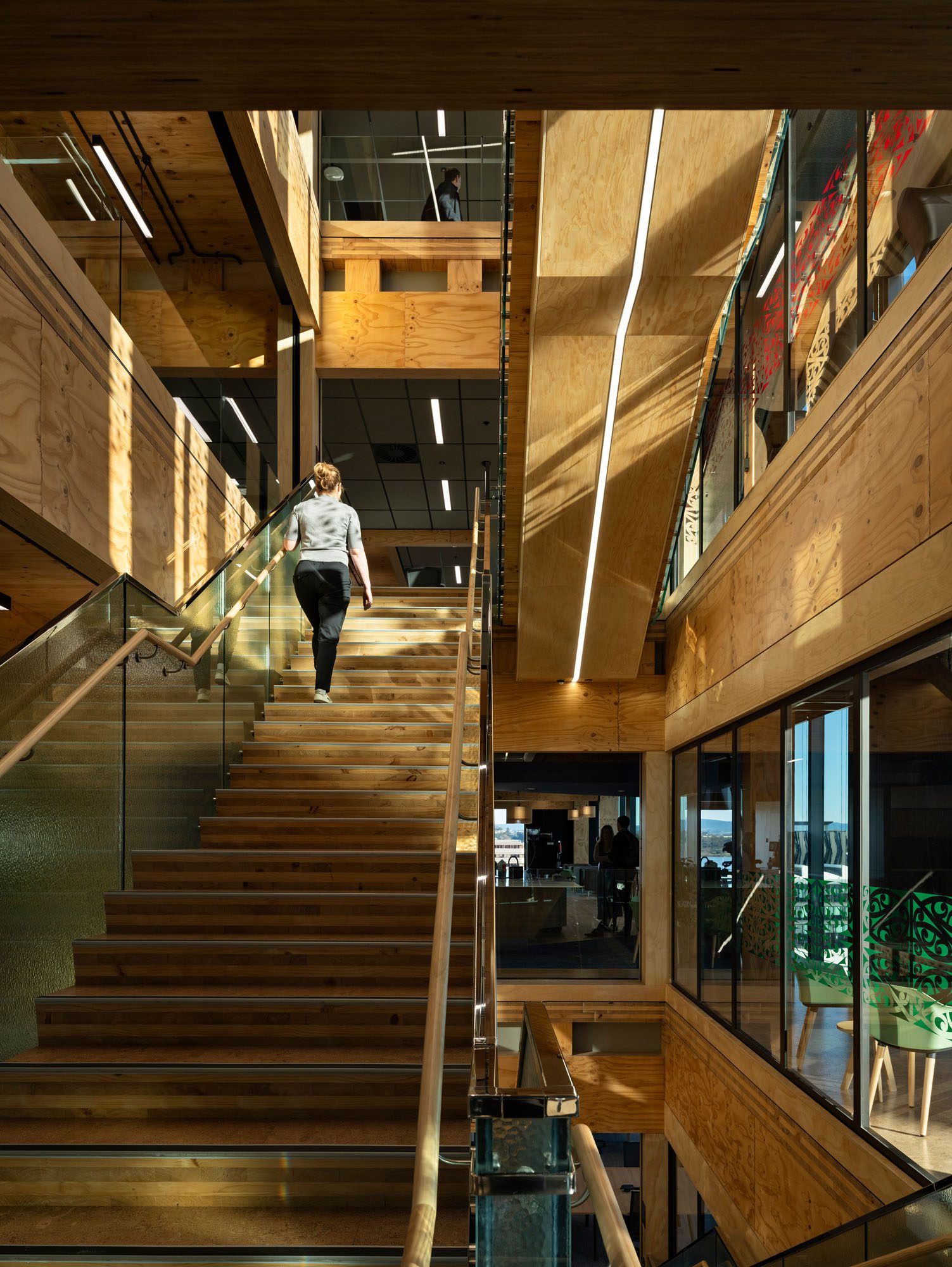
This eight-storey building could act as a gateway project for the adoption of mass timber construction in multi-storey office buildings in New Zealand. It is encouraging to see a City Council supporting and promoting this approach.

The building uses a simple, modular timber structure that helps reduce the higher costs often associated with mass timber, one of the main barriers to its wider use. The result is a project that clearly demonstrates the environmental and wellbeing benefits of timber construction. We congratulate the architects and clients on a building that can showcase the biophilic and sustainable qualities of mass timber construction to council staff and the community at large.

This project also received an Interior Architecture award.

Pūtahi Teia by Falk Tapsell and Beca in association

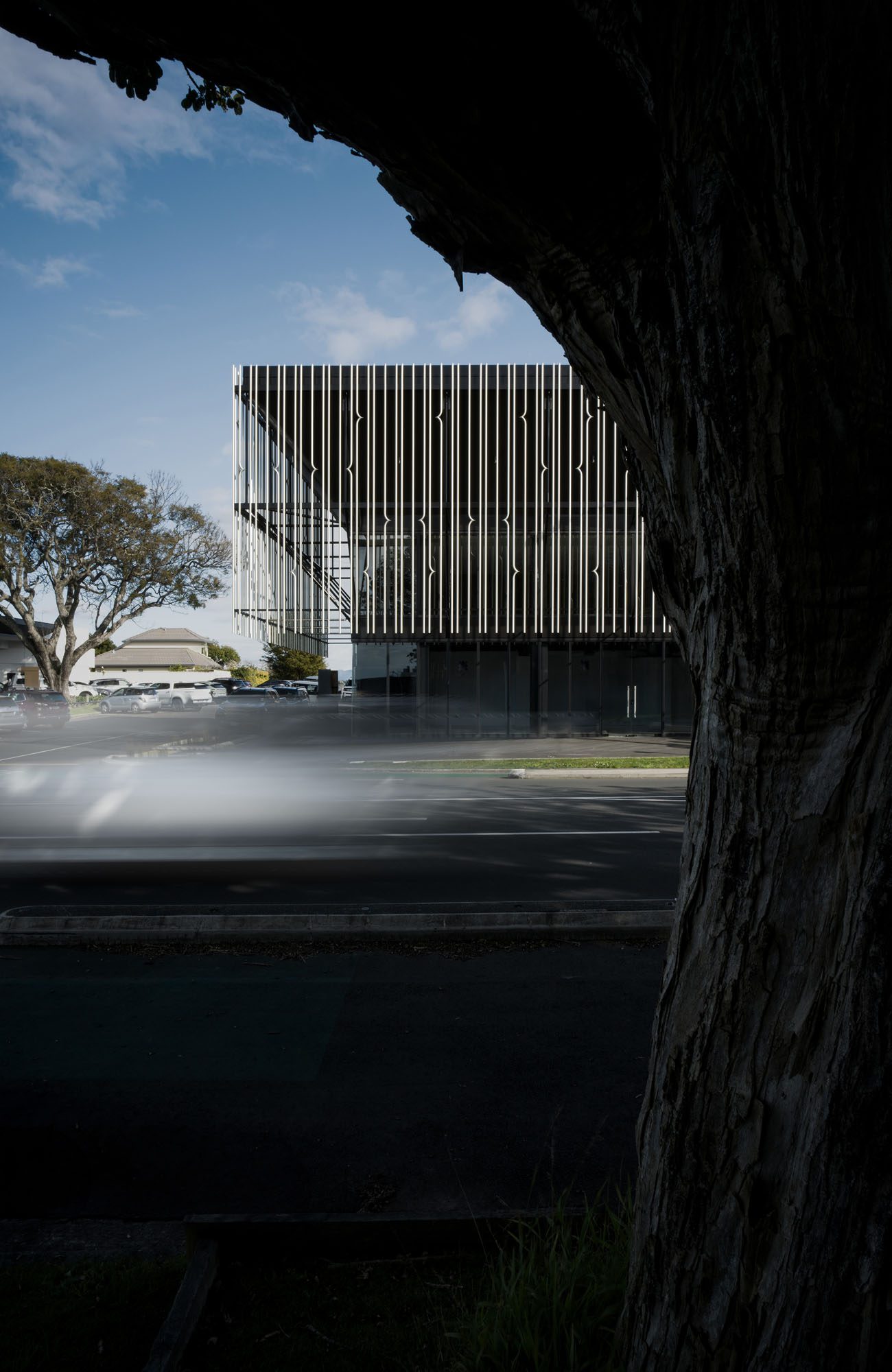
This is a thoughtful, rigorous, and beautifully detailed project. Pūtahi Teia highlights the strong potential of buildings grounded in cultural identity.

Designed as “the meeting place of Teia,” the project reflects the spirit behind the Trust’s origins. The repeated use of the ‘hononga’ creates a clear and meaningful visual connection to this idea. The result is a contemporary yet grounded expression of identity, representing a progressive Māori organisation that understands its place in the region’s history while contributing to its future.

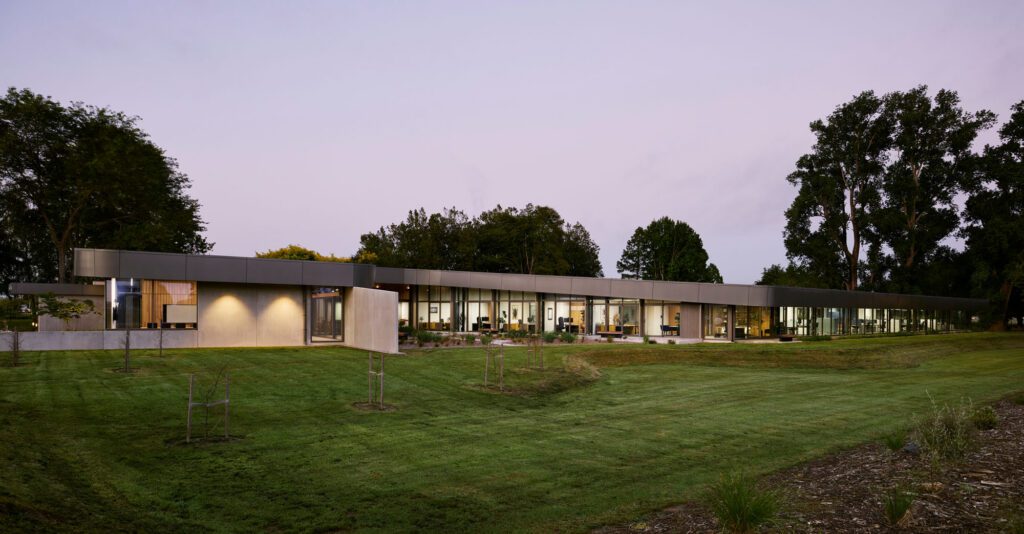
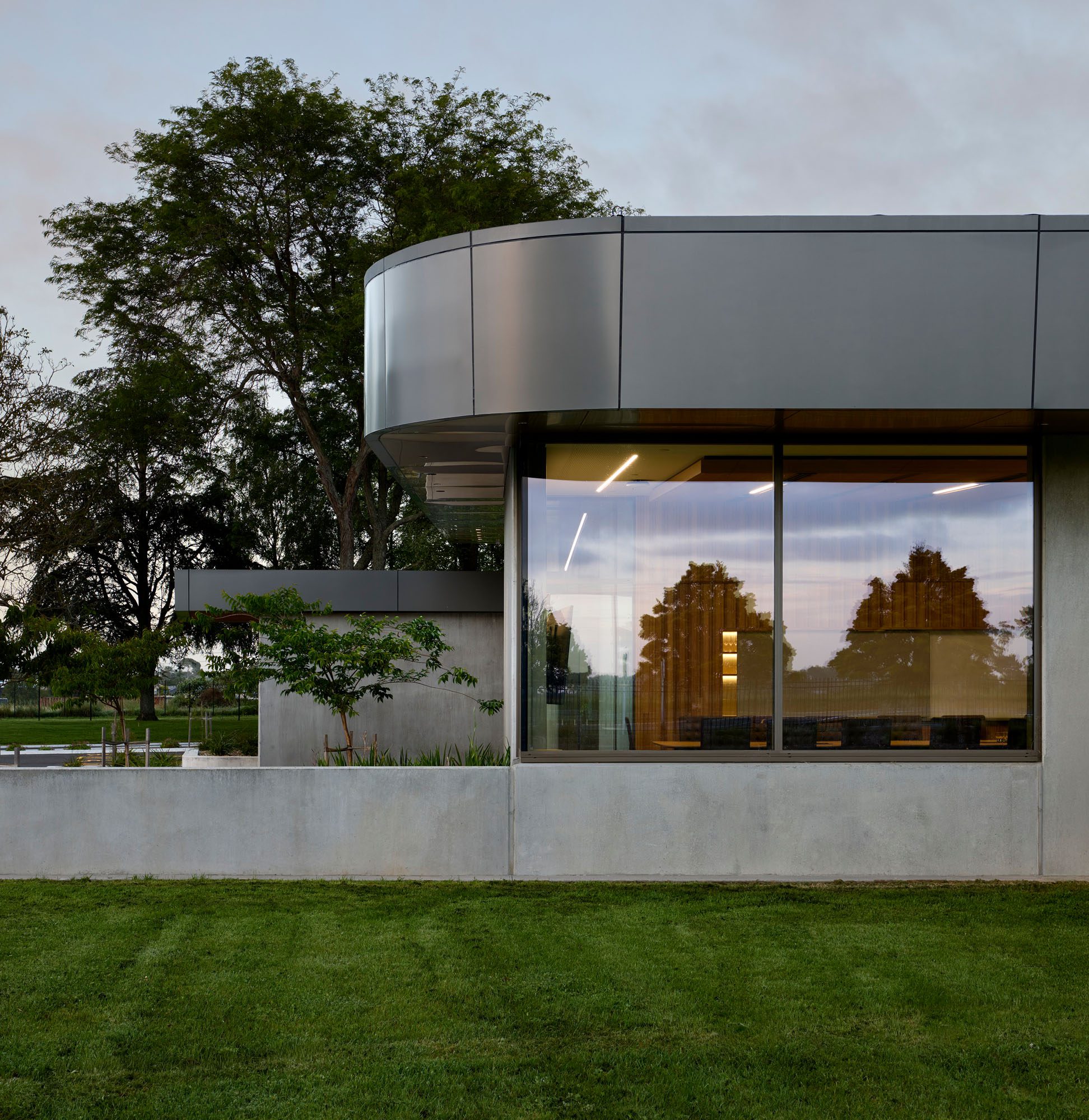
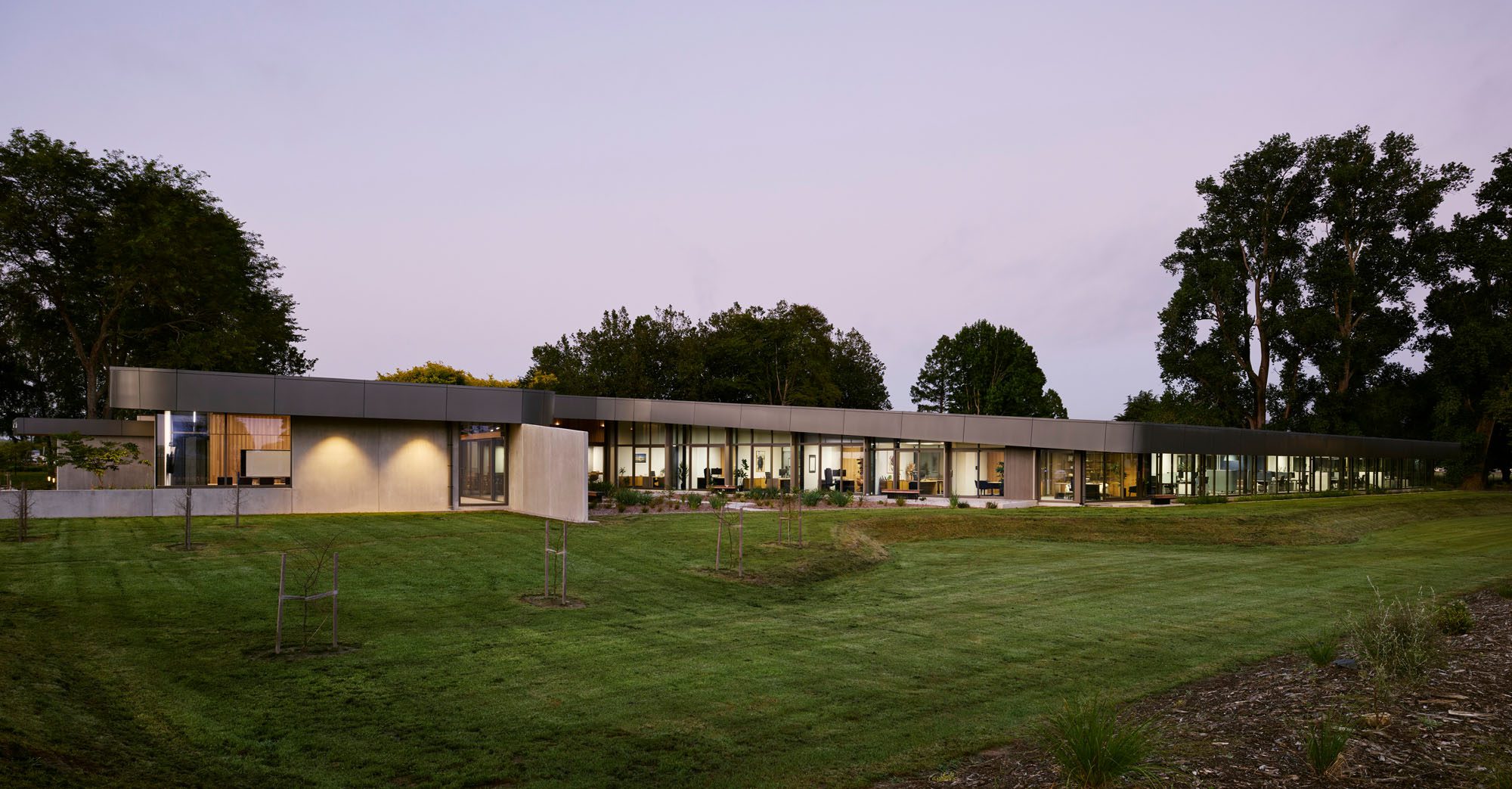
The Wedge – Head Office Building by Sheppard & Rout Architects

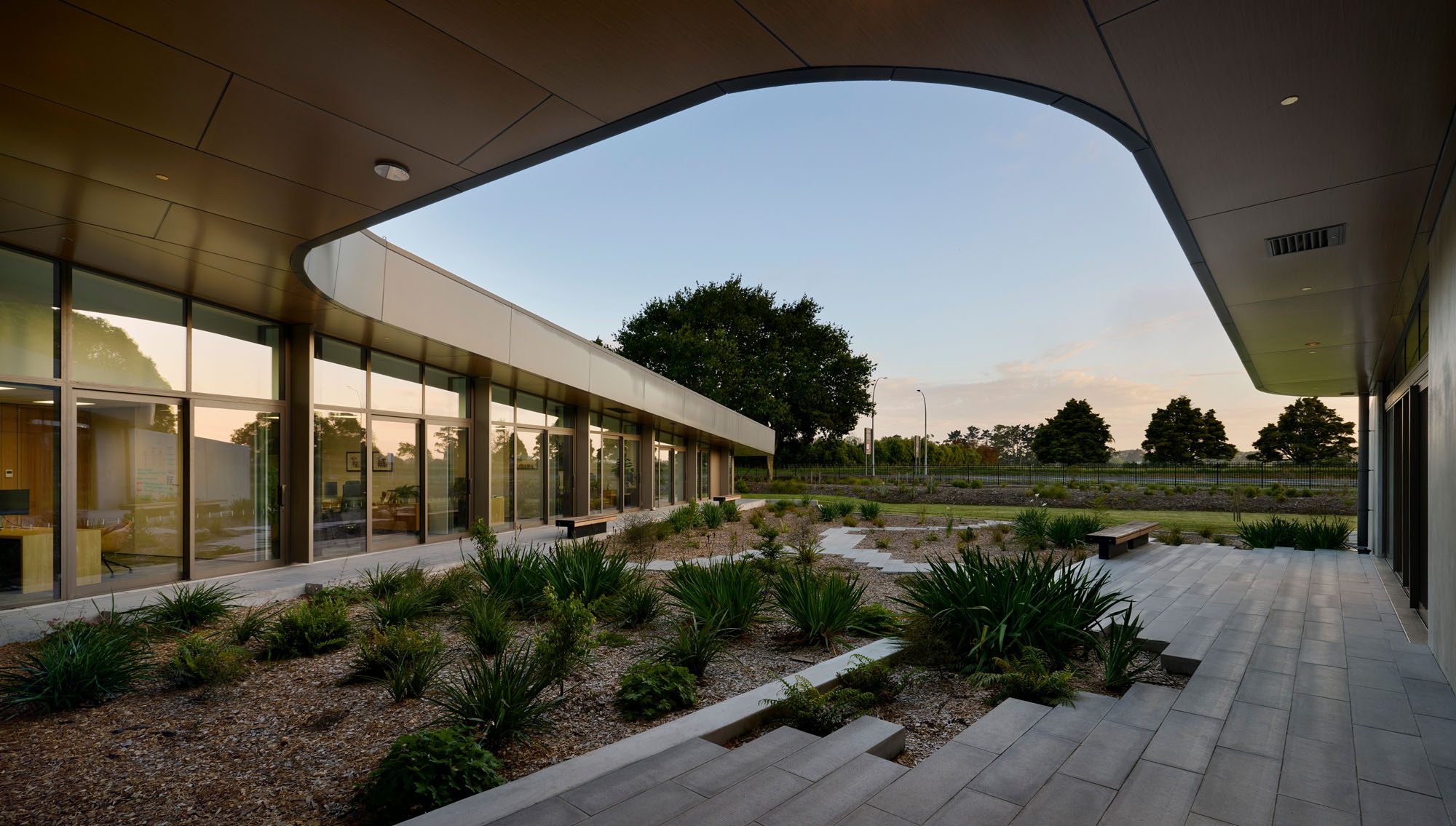
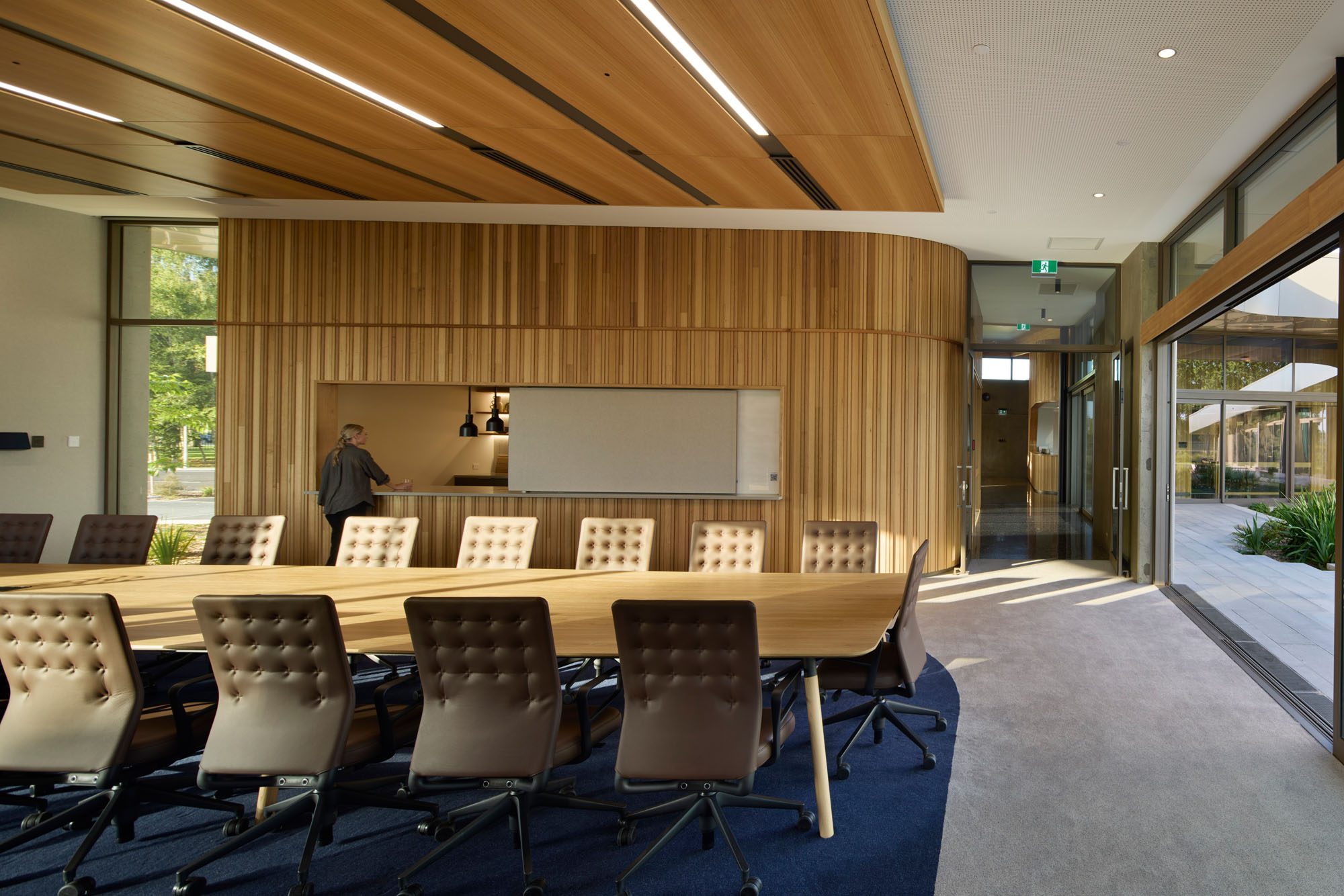
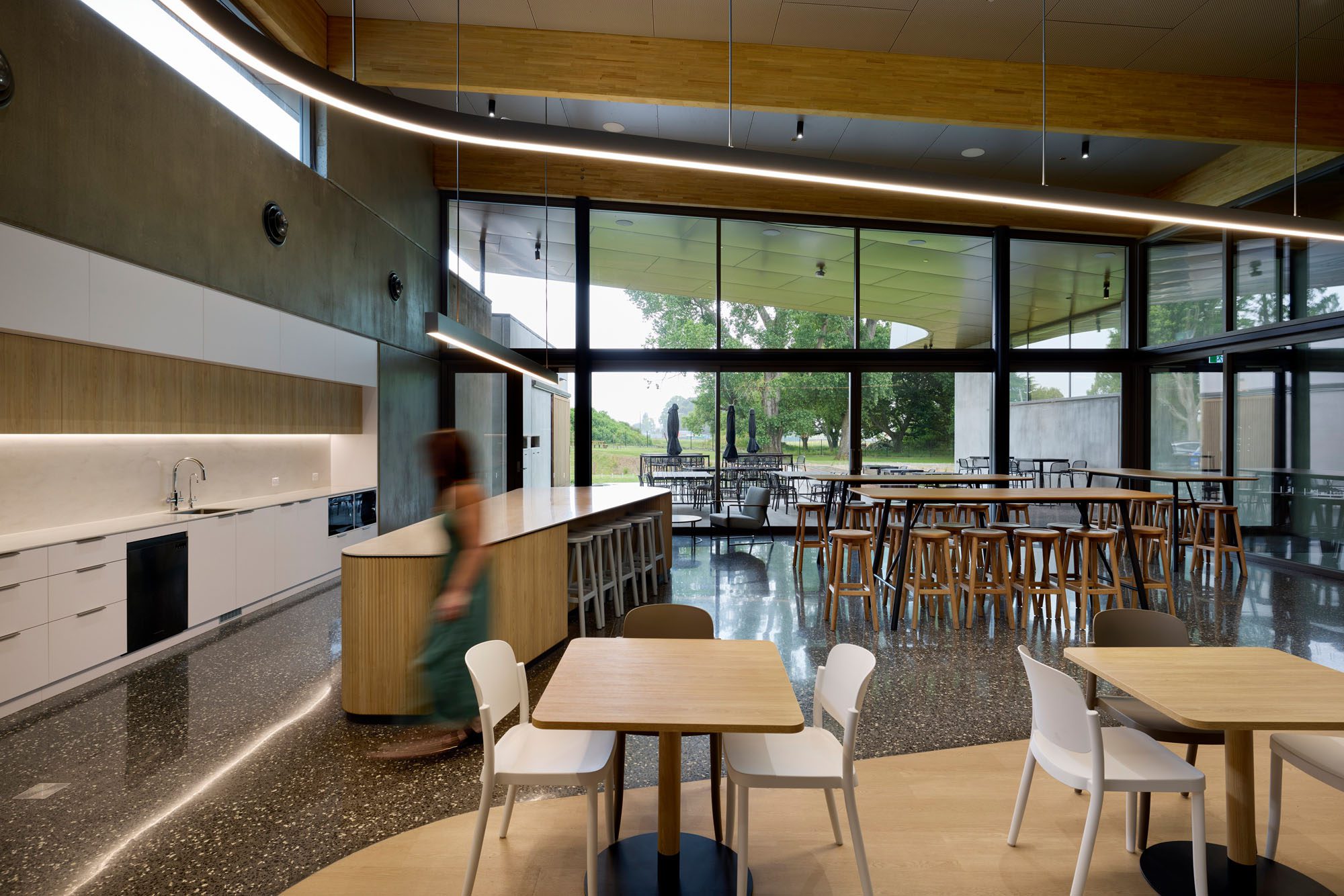
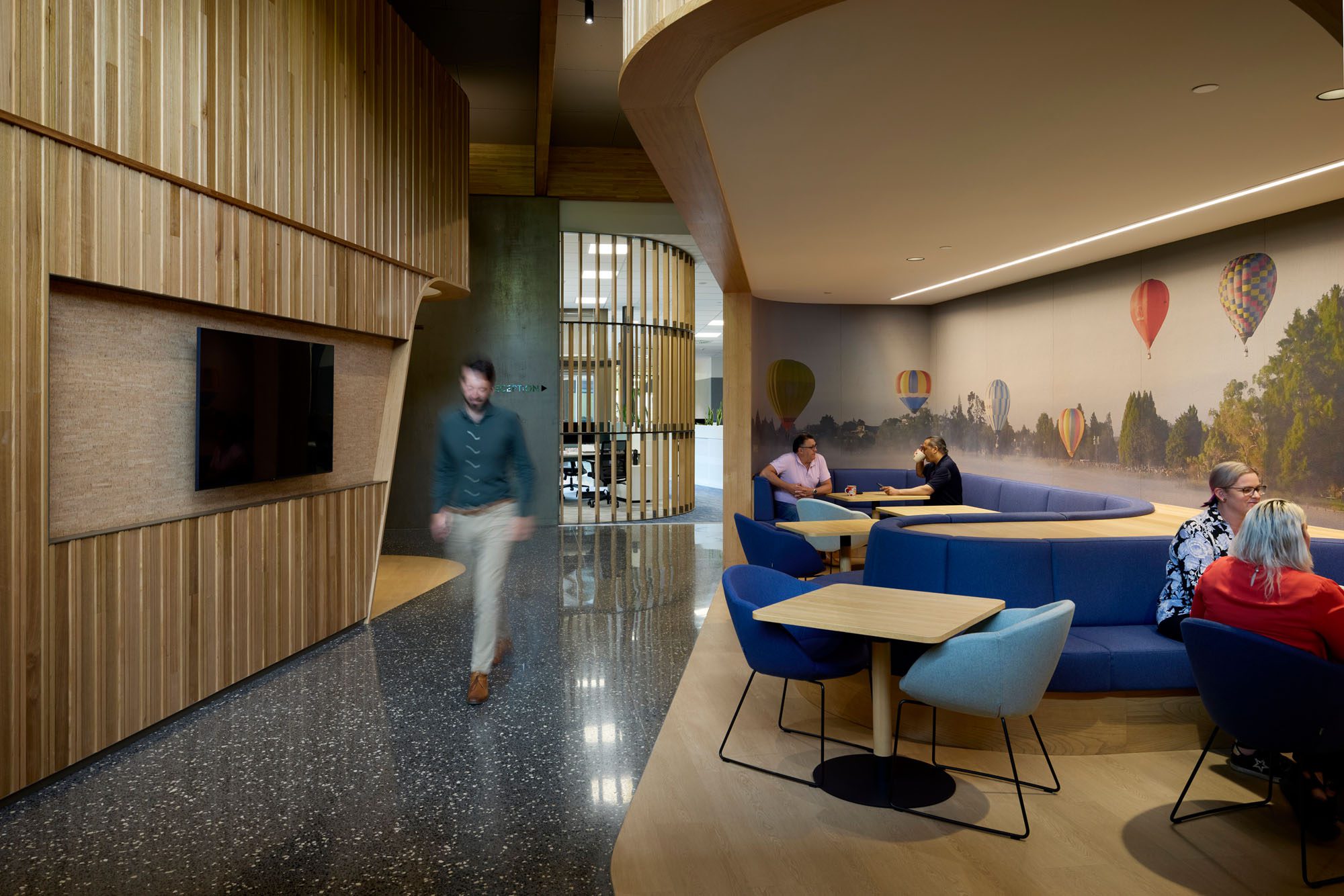
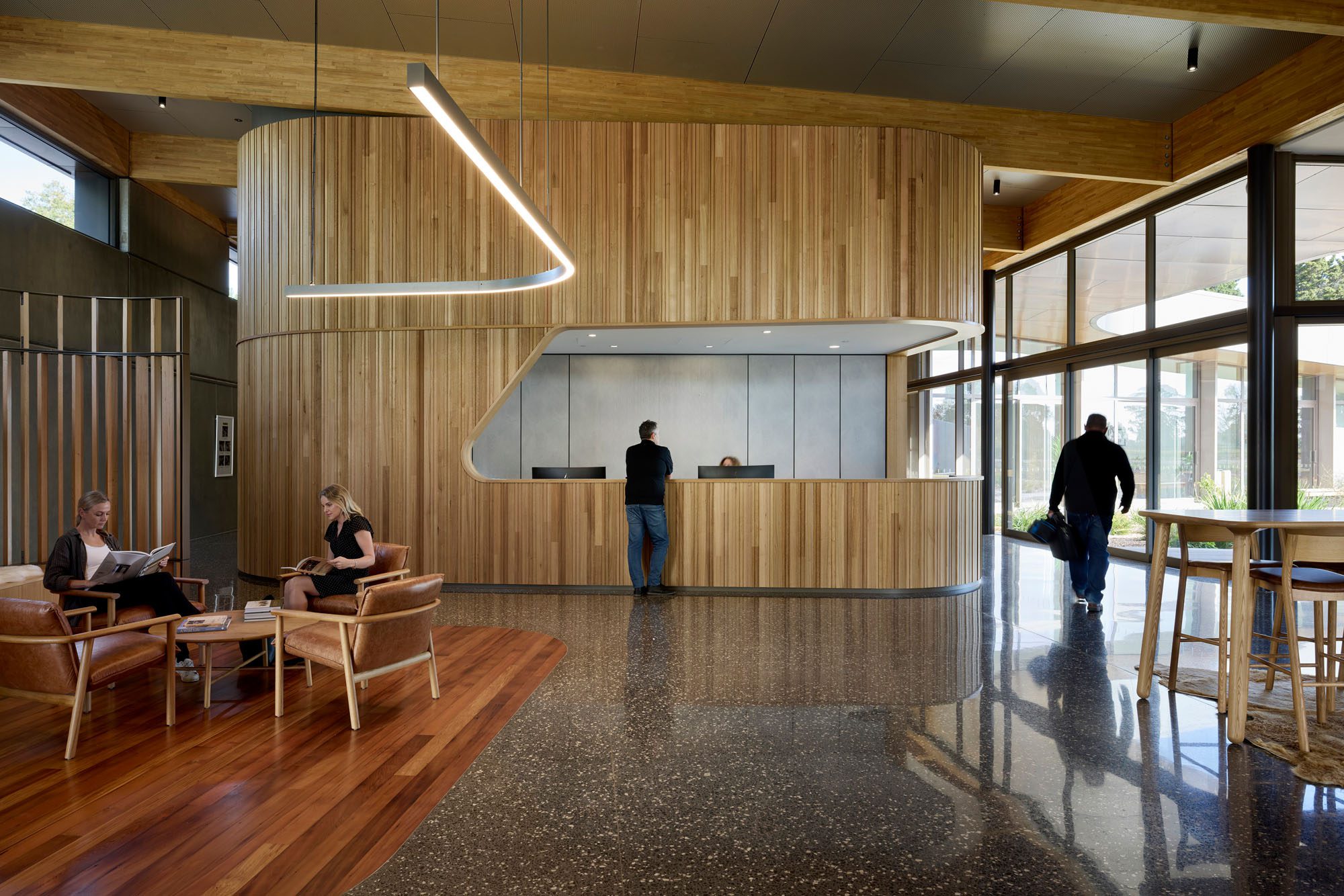
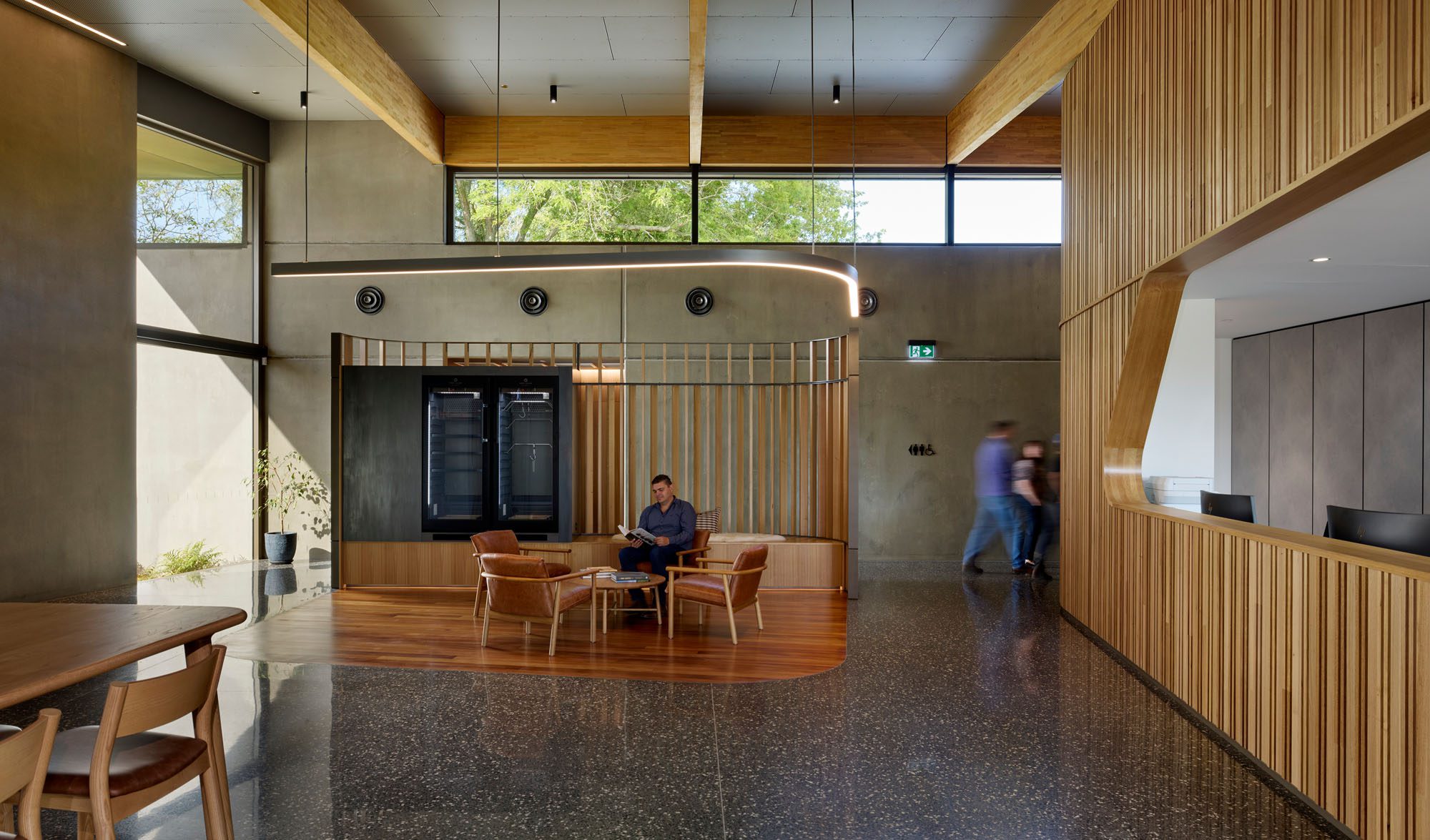
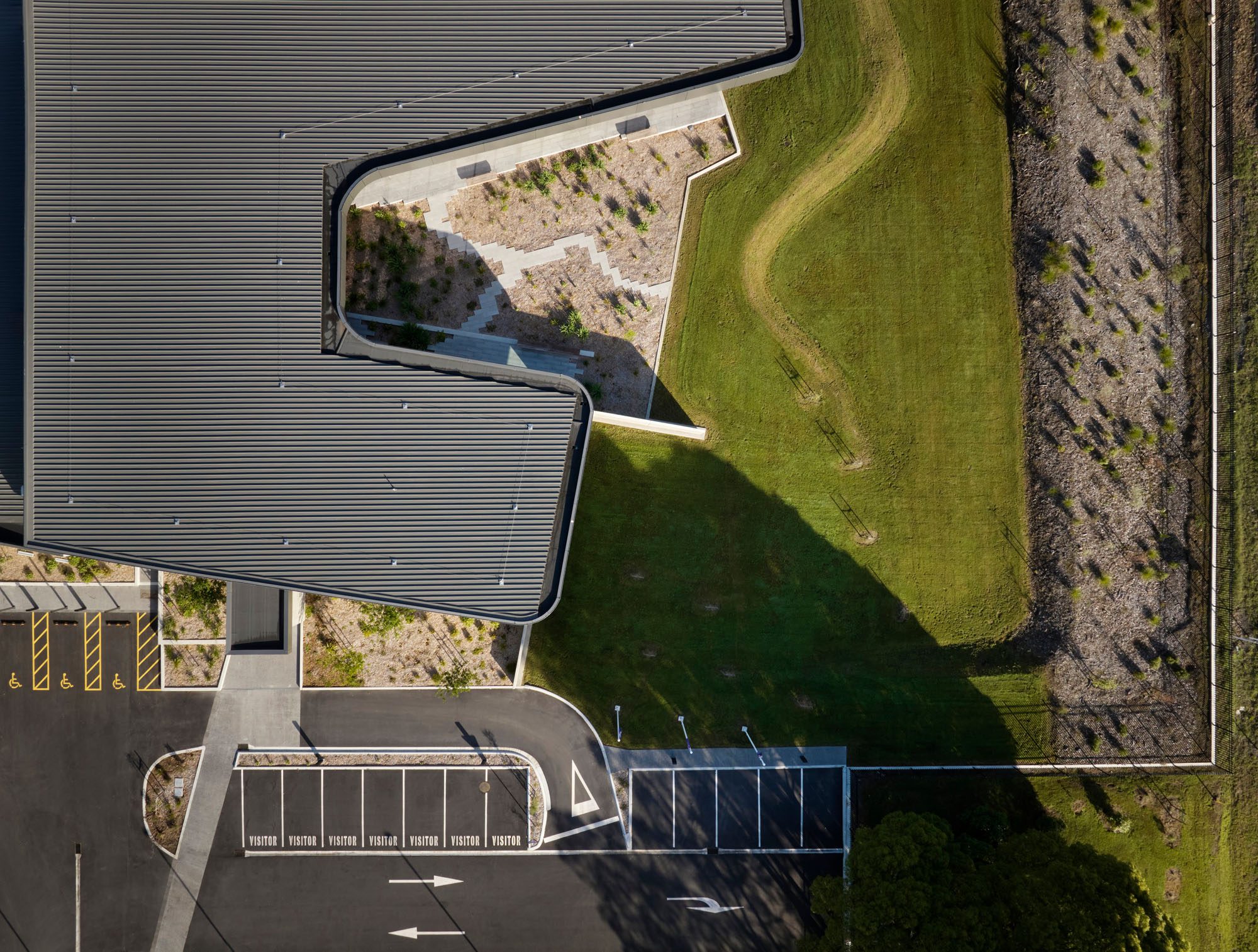
A single mono-pitched form is extended to create a large continuous wedge, with courtyards, lightwells, and entry spaces carved out beneath the roof. A clear central circulation path runs through the building, making movement easy while revealing warm concrete and timber materials.

Boardrooms and meeting spaces are carefully arranged around the courtyards and lightwells, leading to a café courtyard at the southwest corner. This space offers an open and welcoming place to gather, with barbecues under a high roof and views of existing trees and wetland gardens. The building provides a strong example of a well-designed, contemporary workplace.

Heritage

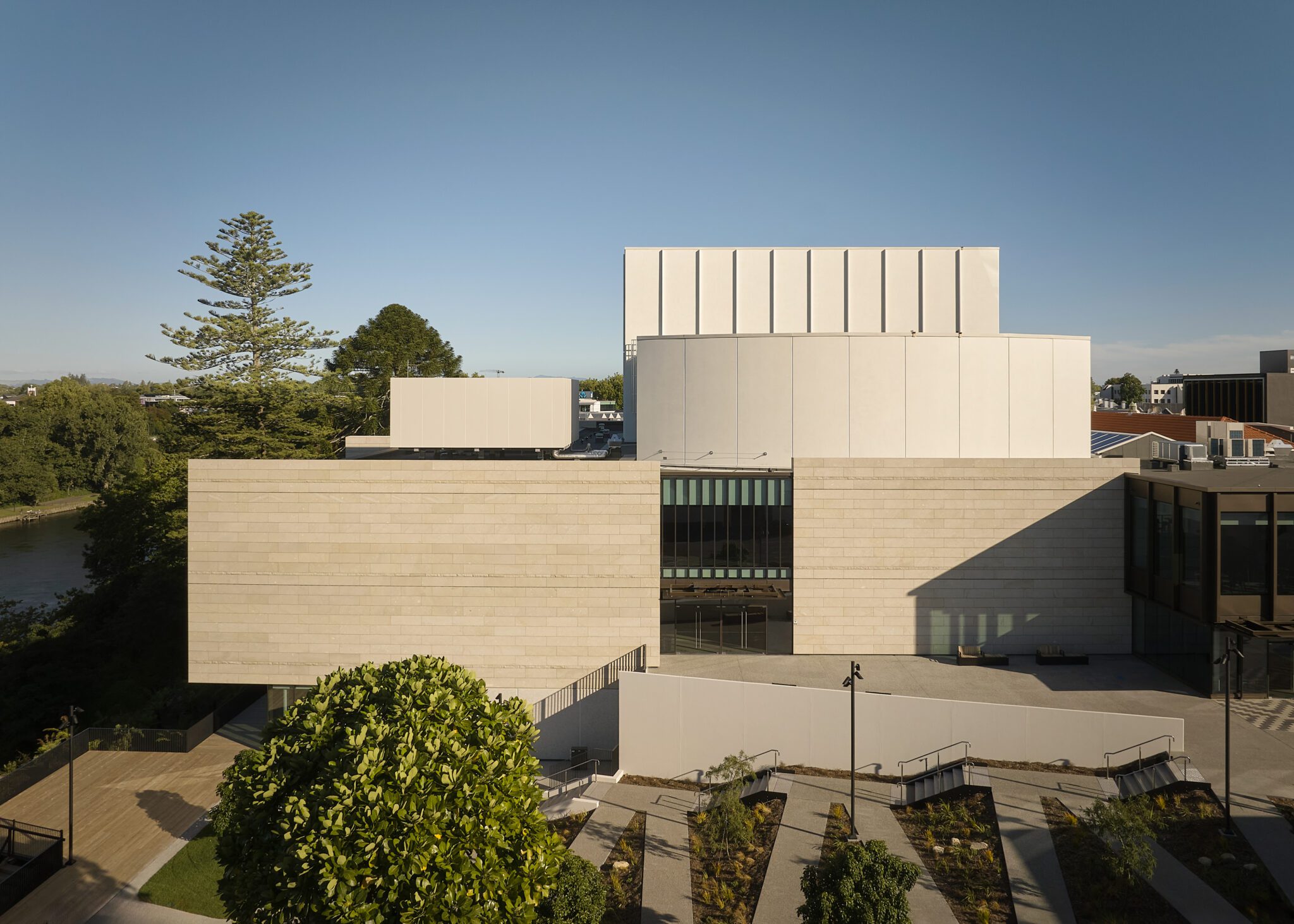
BNZ Theatre by Jasmax and Charcoalblue in association

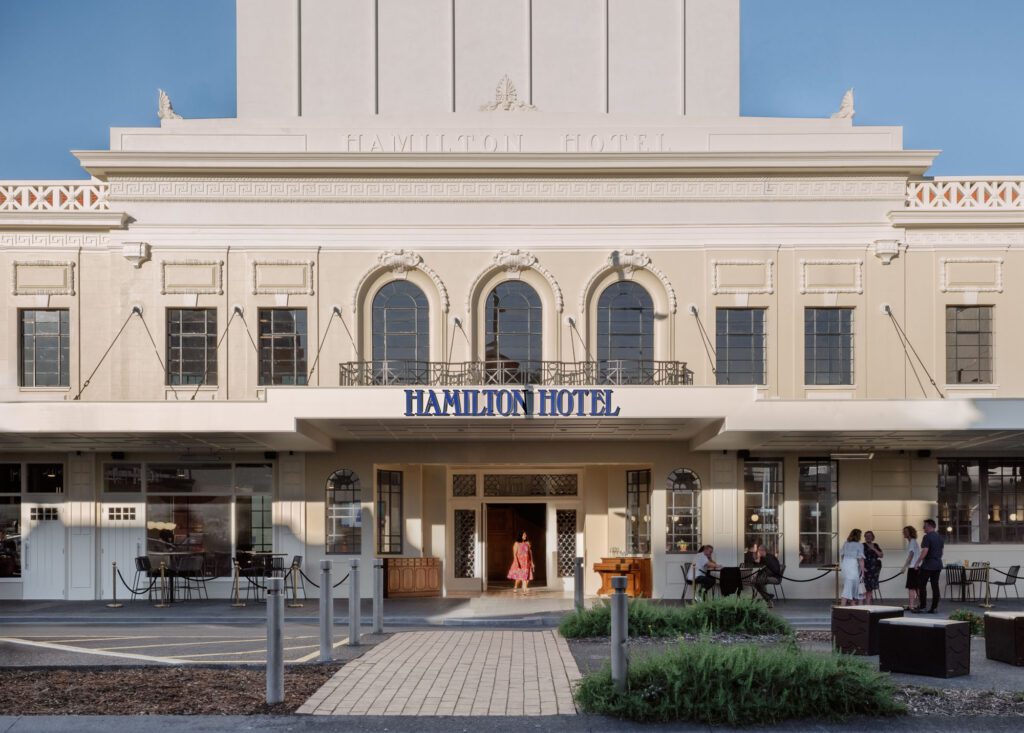
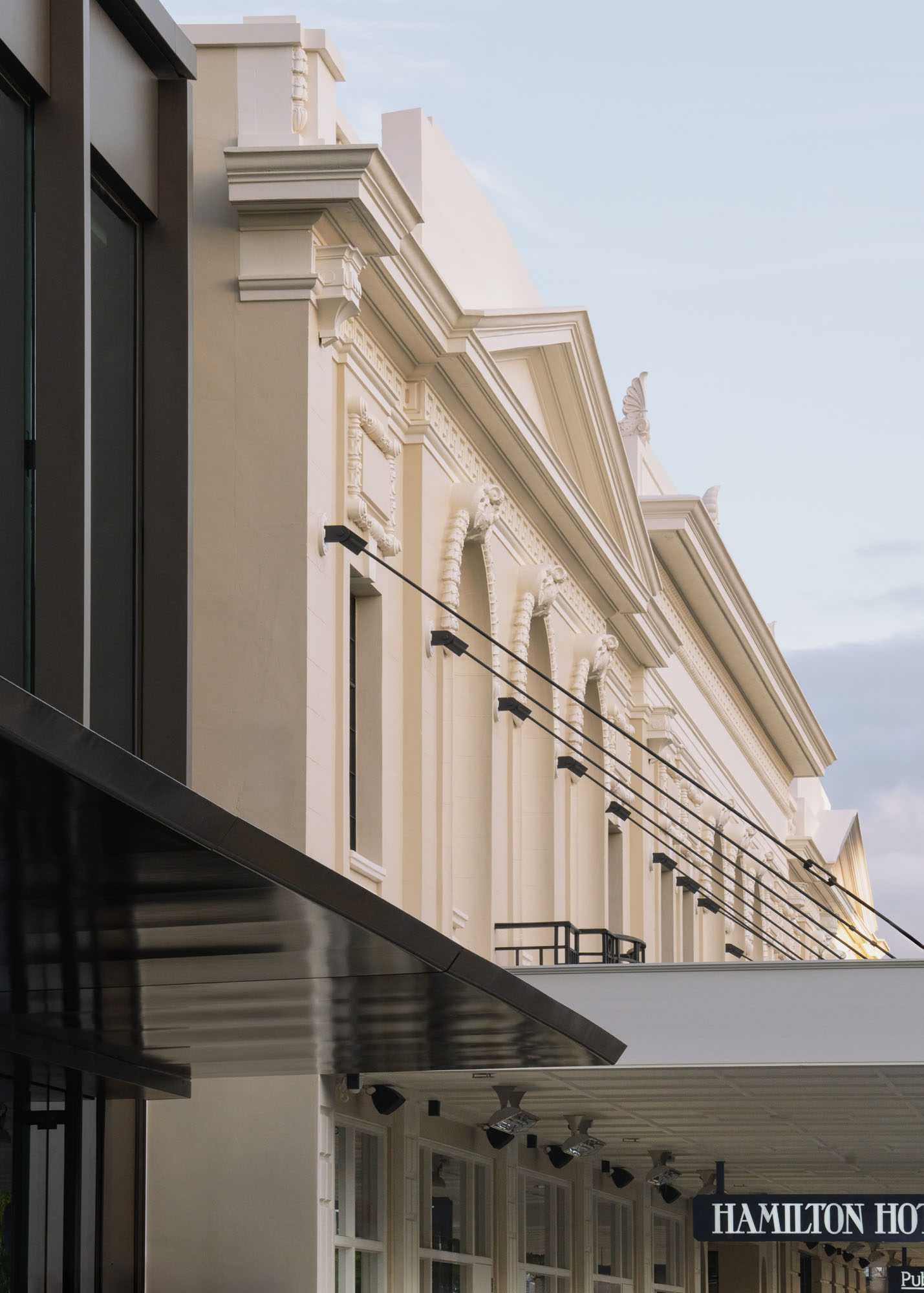
The BNZ Theatre project has been a major urban regeneration, restoring Kirikiriroa’s 100-year-old Hamilton Hotel and preserving an important part of the city’s architectural heritage. The building has been reconstructed behind the retained façade, with proportions, materials, and window details closely matching the original design. Care and craftsmanship are evident throughout the conservation work, including thoughtful on-site responses to unexpected discoveries using traditional techniques. Contemporary additions are clearly expressed yet complementary, creating a careful balance between preservation and renewal while maintaining the building’s civic presence.

This project also received a Public Architecture award.

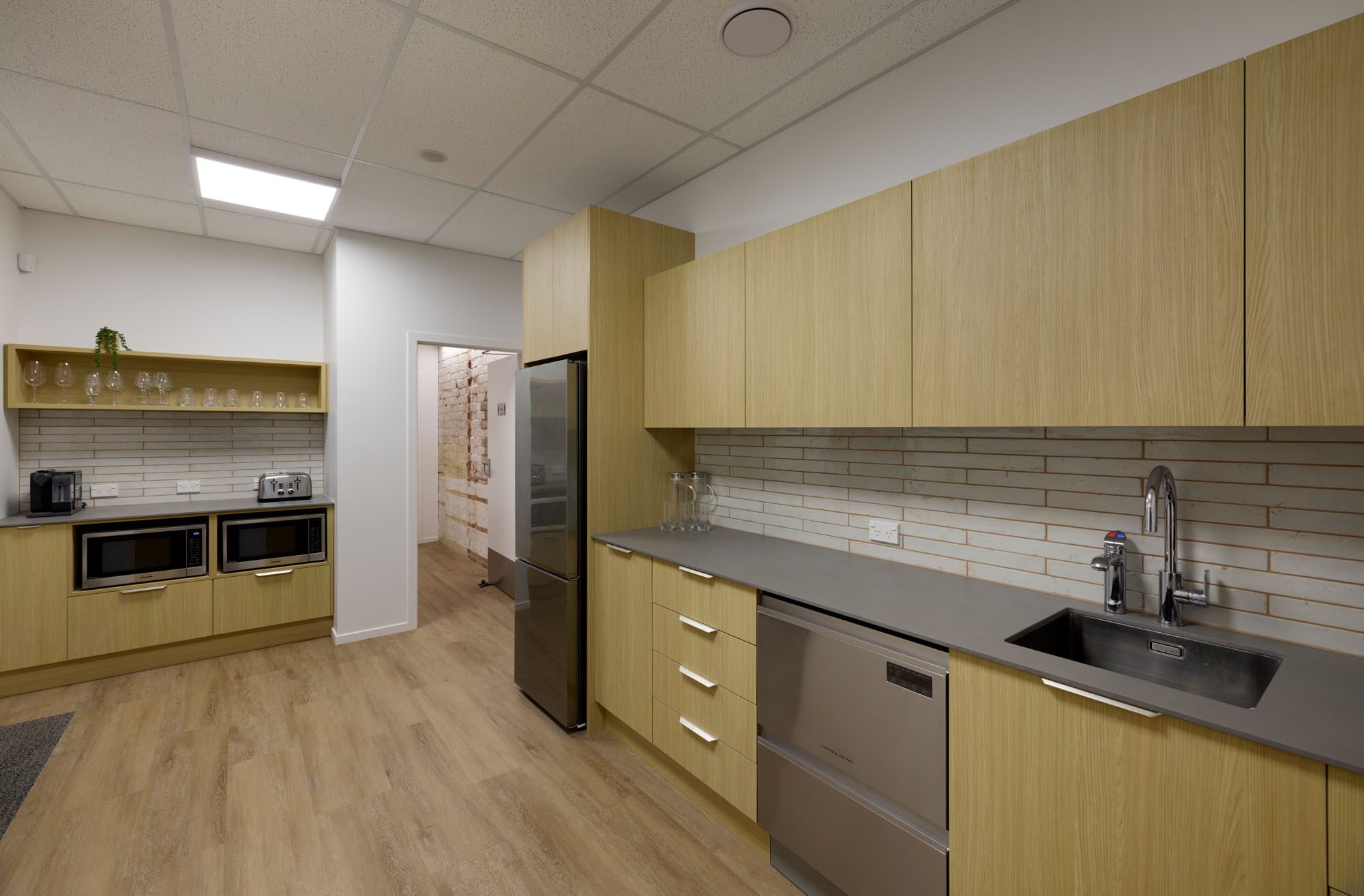
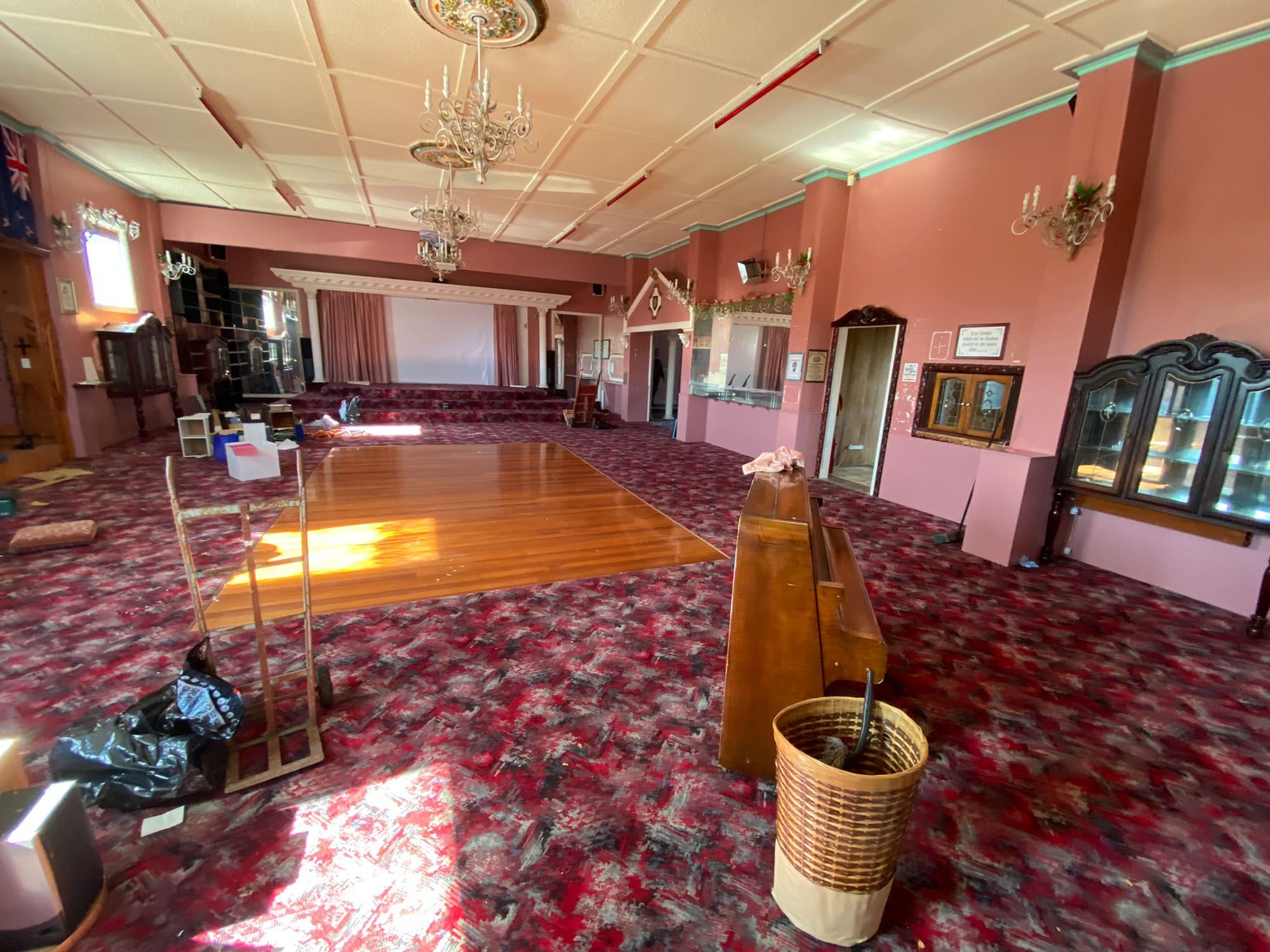
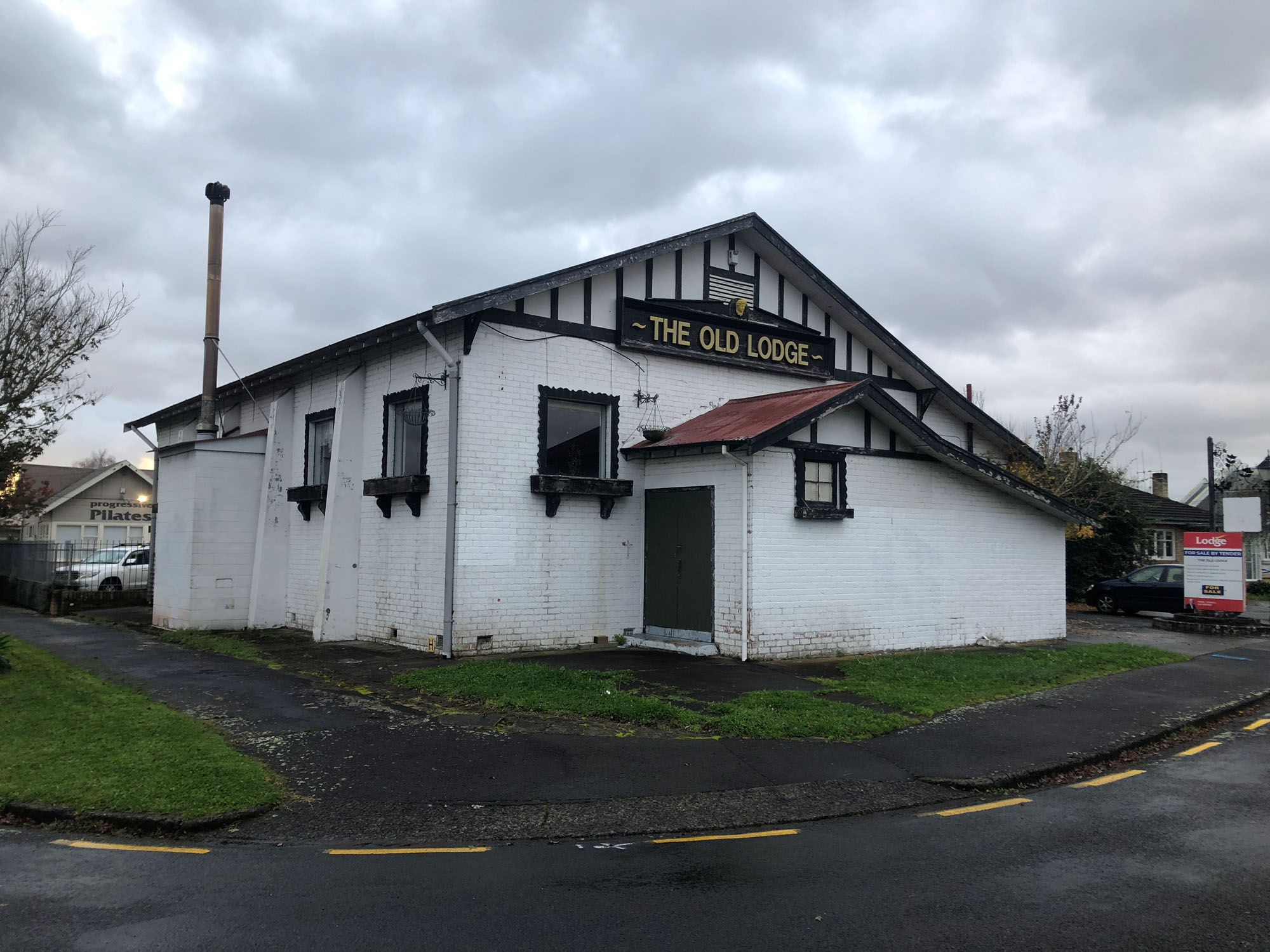
APG Offices

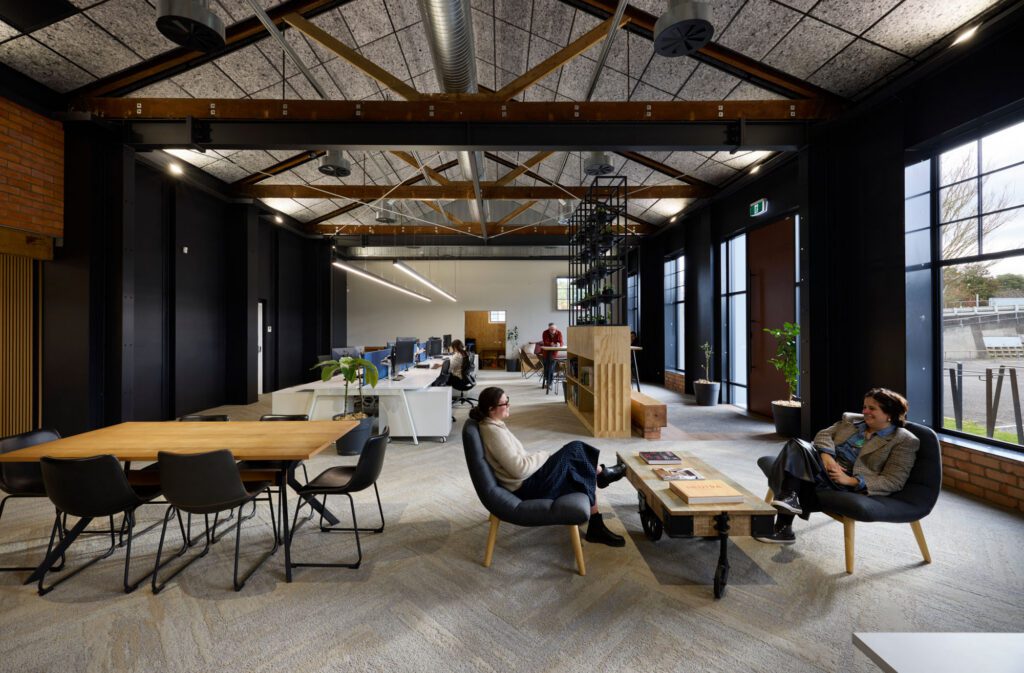
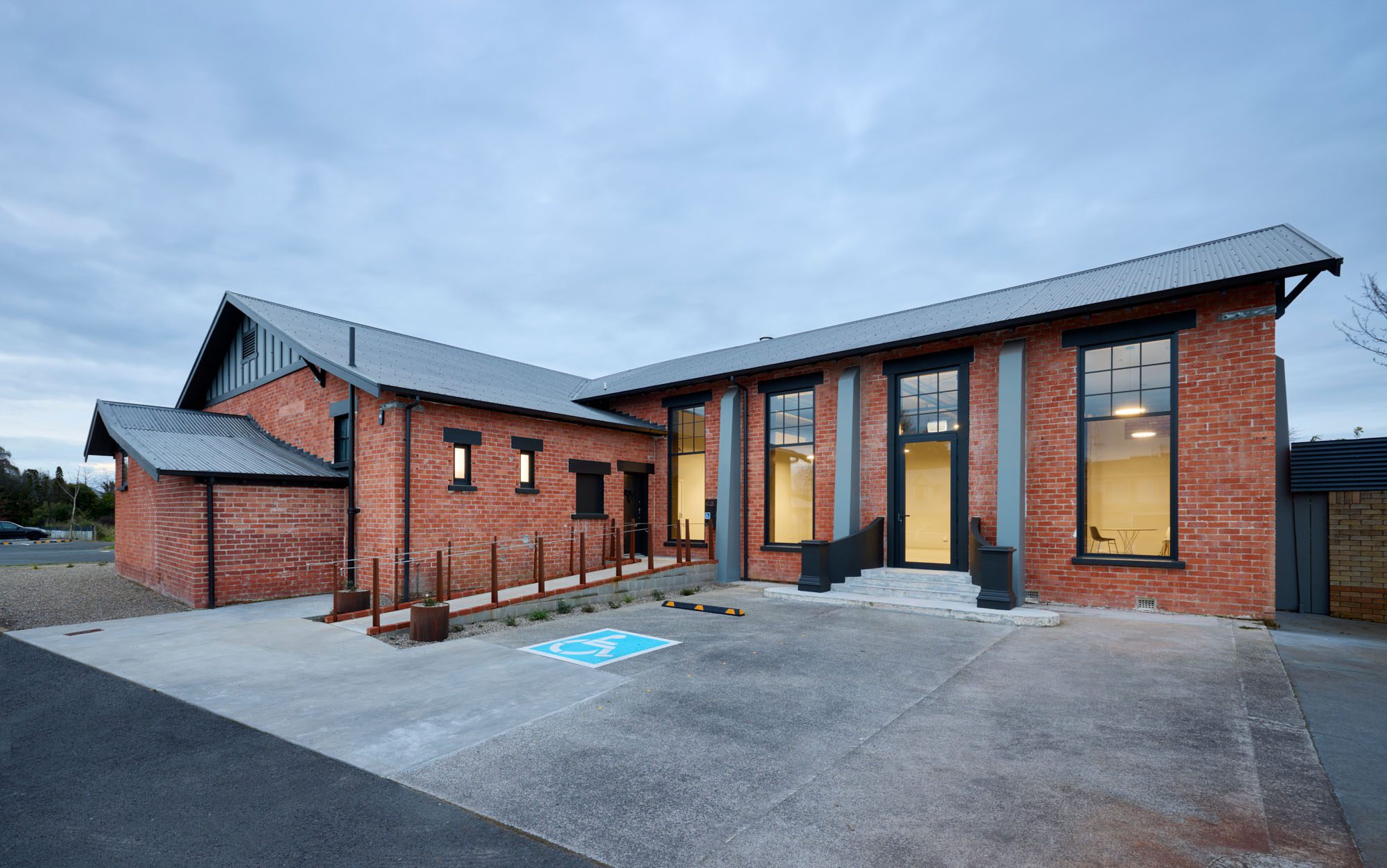
This conversion of a century-old former Masonic Lodge into an architects’ office is a striking transformation. Surface paint has been removed to reveal the original brick. Window openings have been extended below existing lintels, bringing more light inside and creating a warm, vibrant interior for the surrounding residential neighbourhood.

This is a clever and carefully executed reinvention of a once-derelict building, thoughtfully detailed with hands-on effort from its new owners and designers.

The project shows that effective ecological design can begin with saving and reusing an existing building.

Hospitality

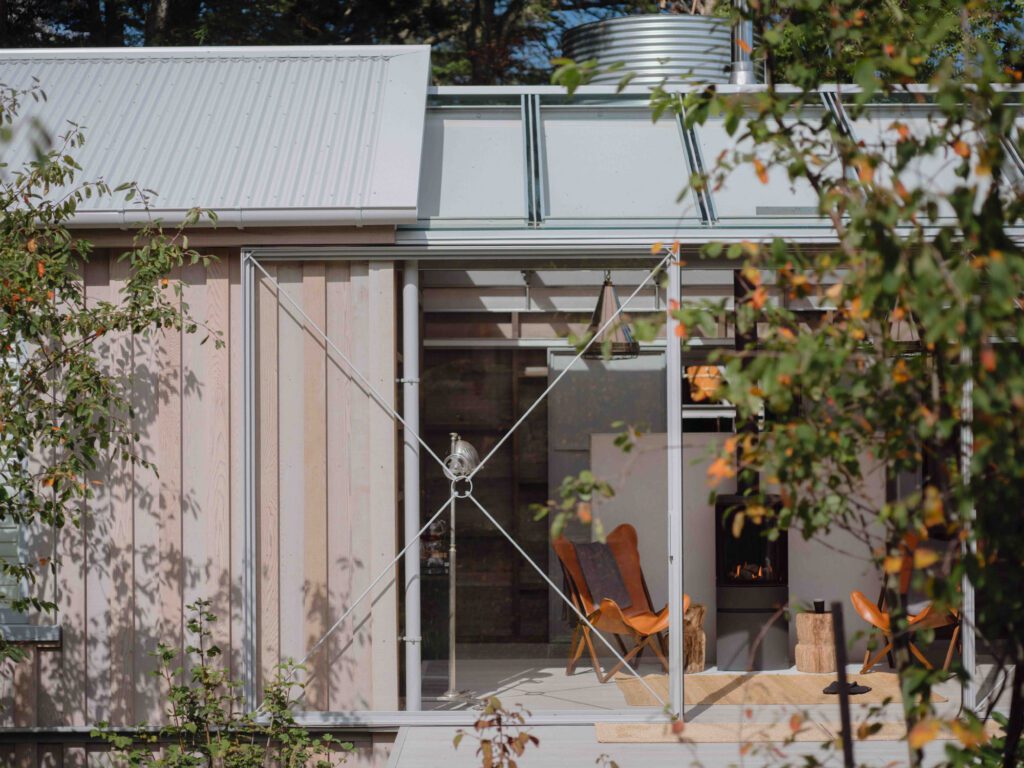
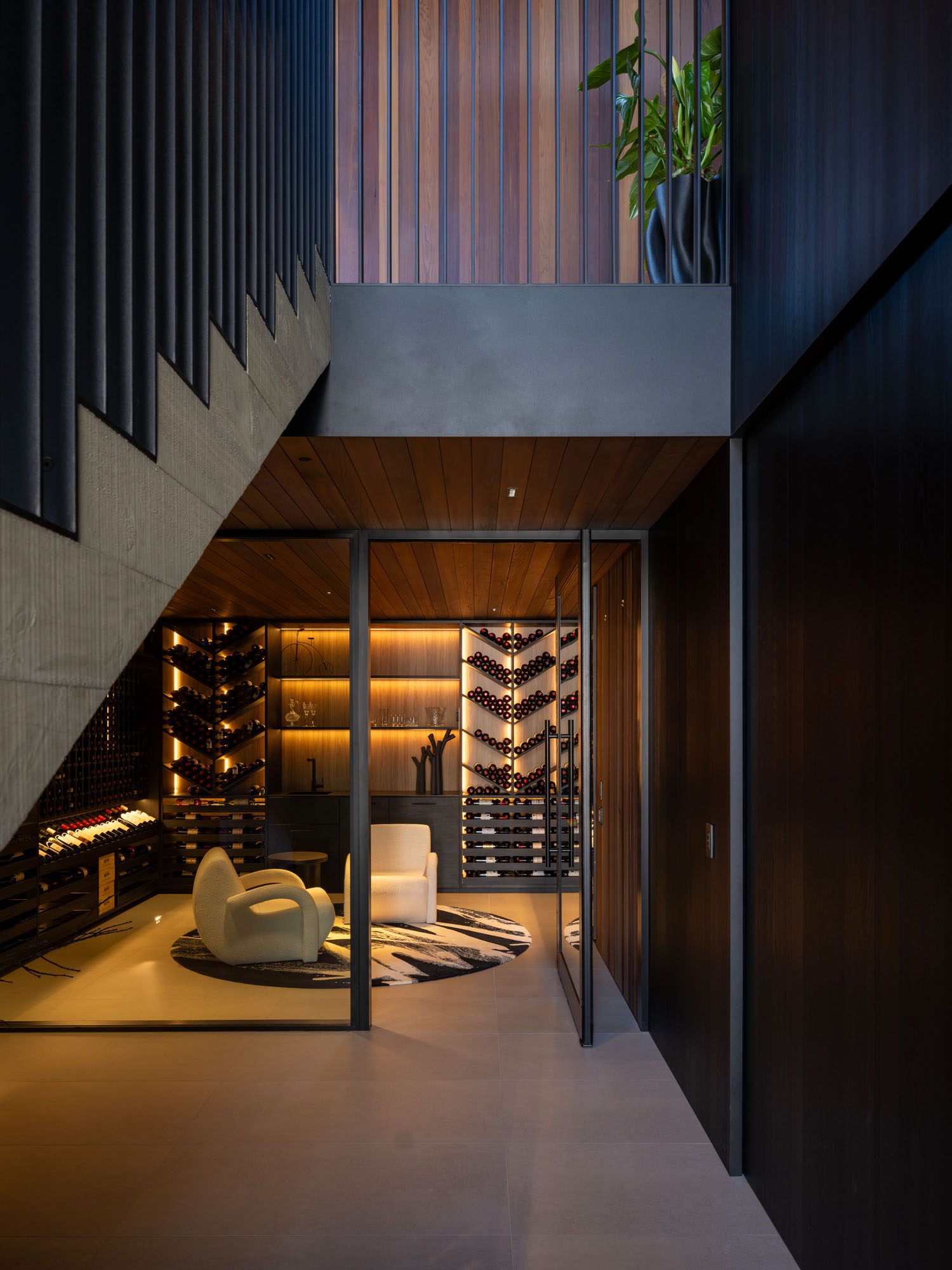
Huka Lodge Gym, Spa and Wellness by Christian Anderson Architects

This project is a thoughtful response to its unique setting. Surrounded by lush landscape, the design connects the building closely with nature, creating a calm and restorative experience.

Careful detailing and strong craftsmanship are evident throughout, with each element designed to enhance arrival, movement, and relaxation. Rich materials and simple, calm spaces work together with the natural surroundings to create a peaceful retreat.

The result is a quiet, refined space that feels both grounded and luxurious, celebrating the landscape, craftsmanship, and the art of escape.

Housing

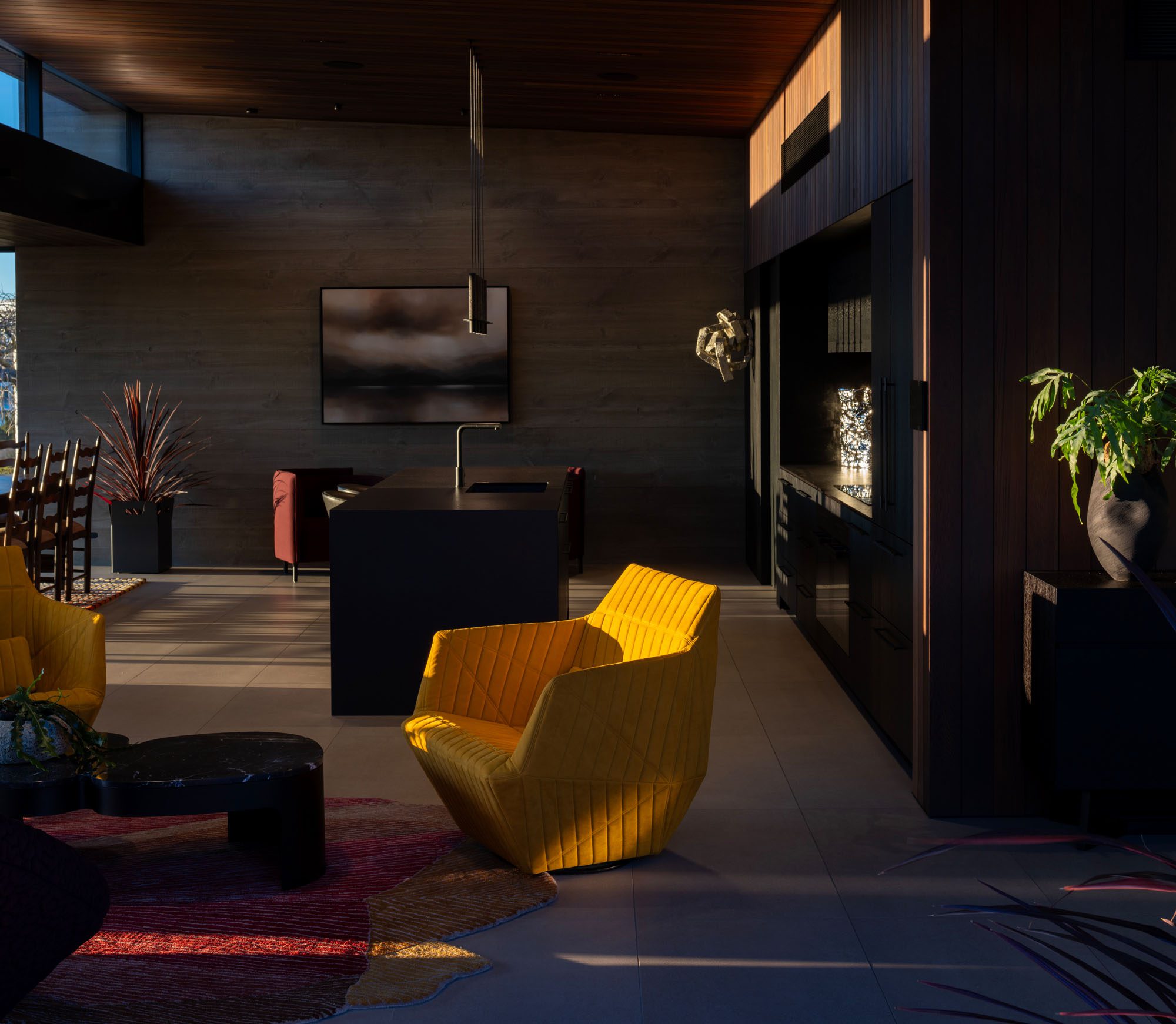
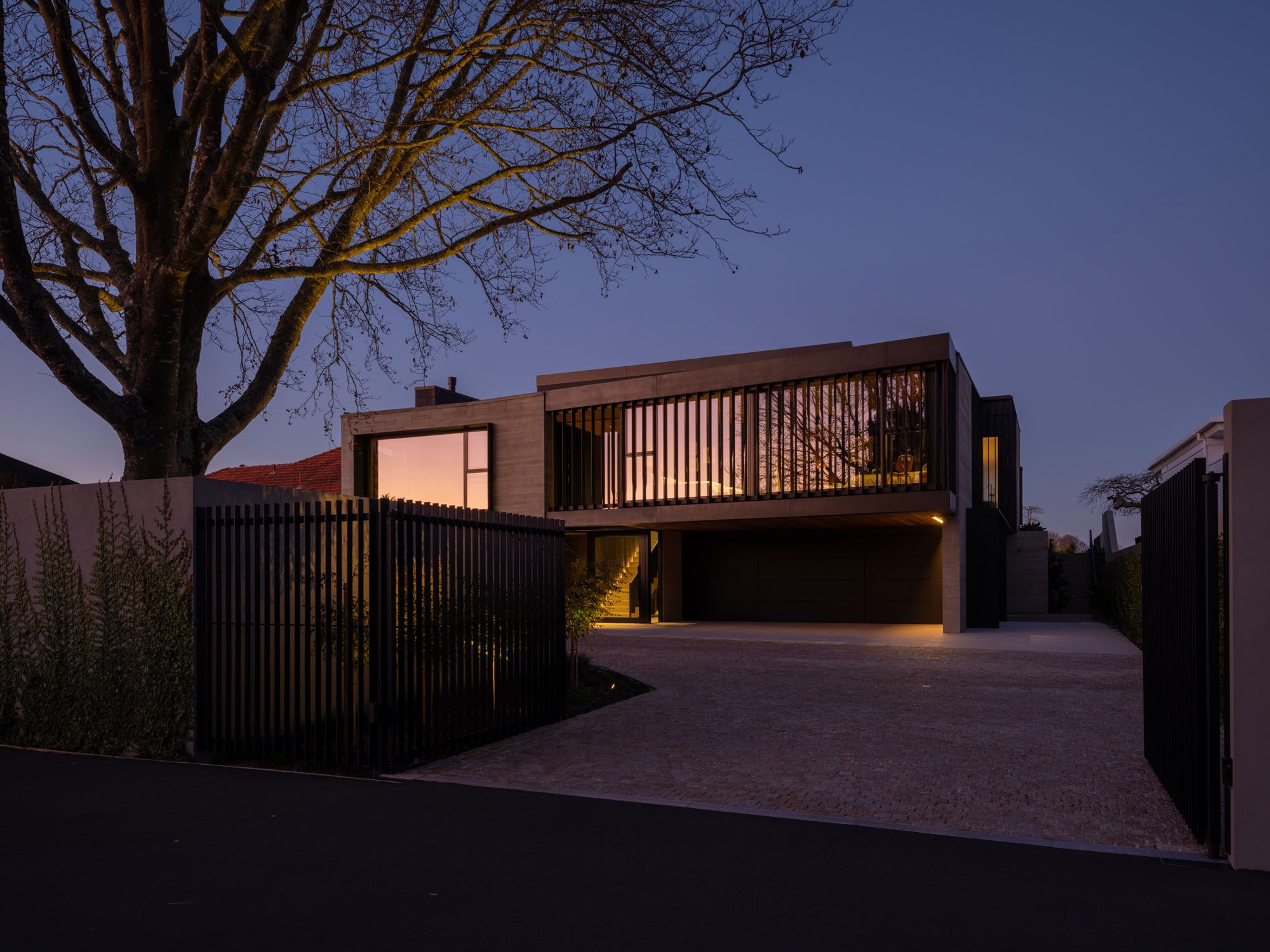
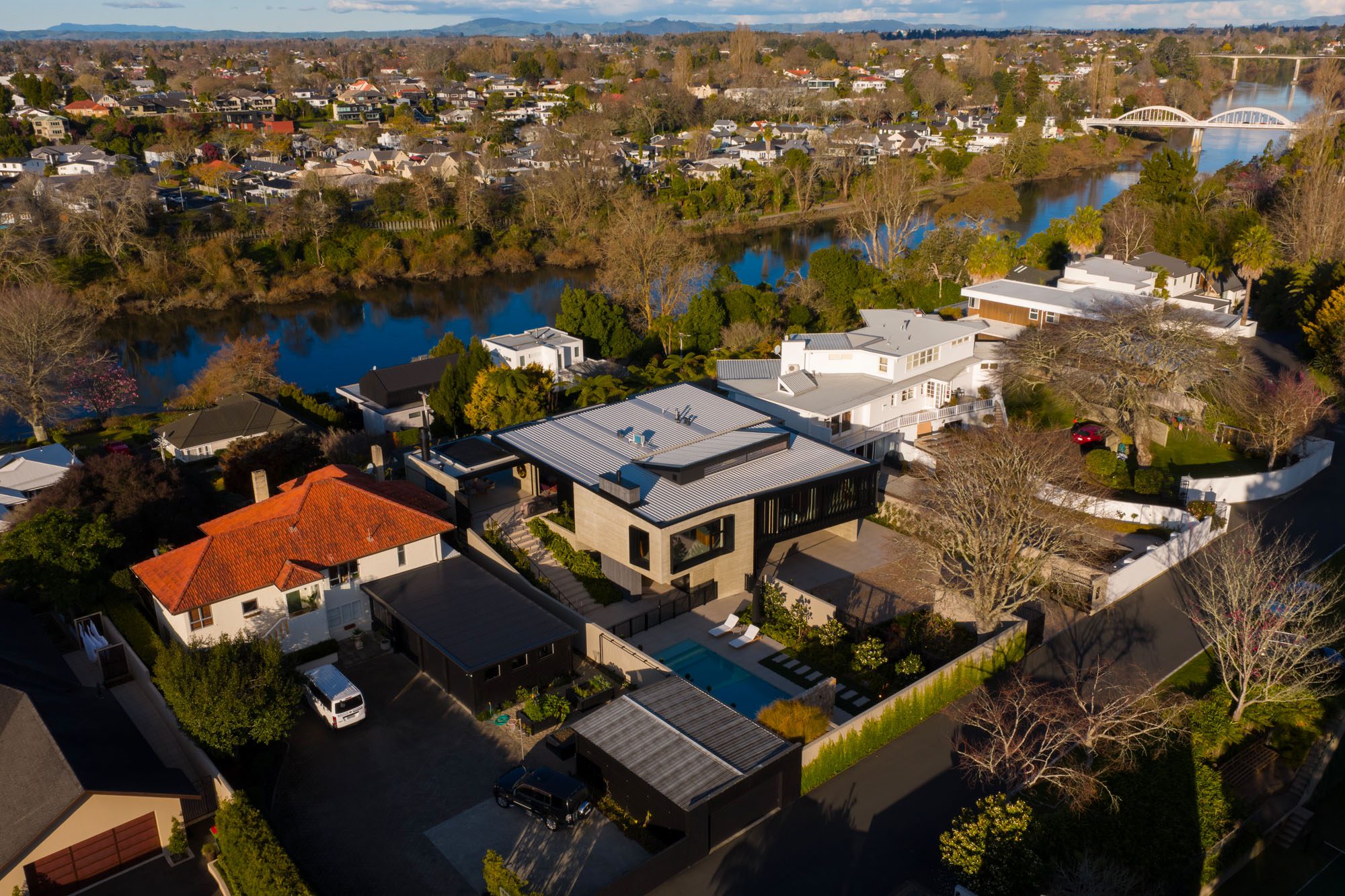
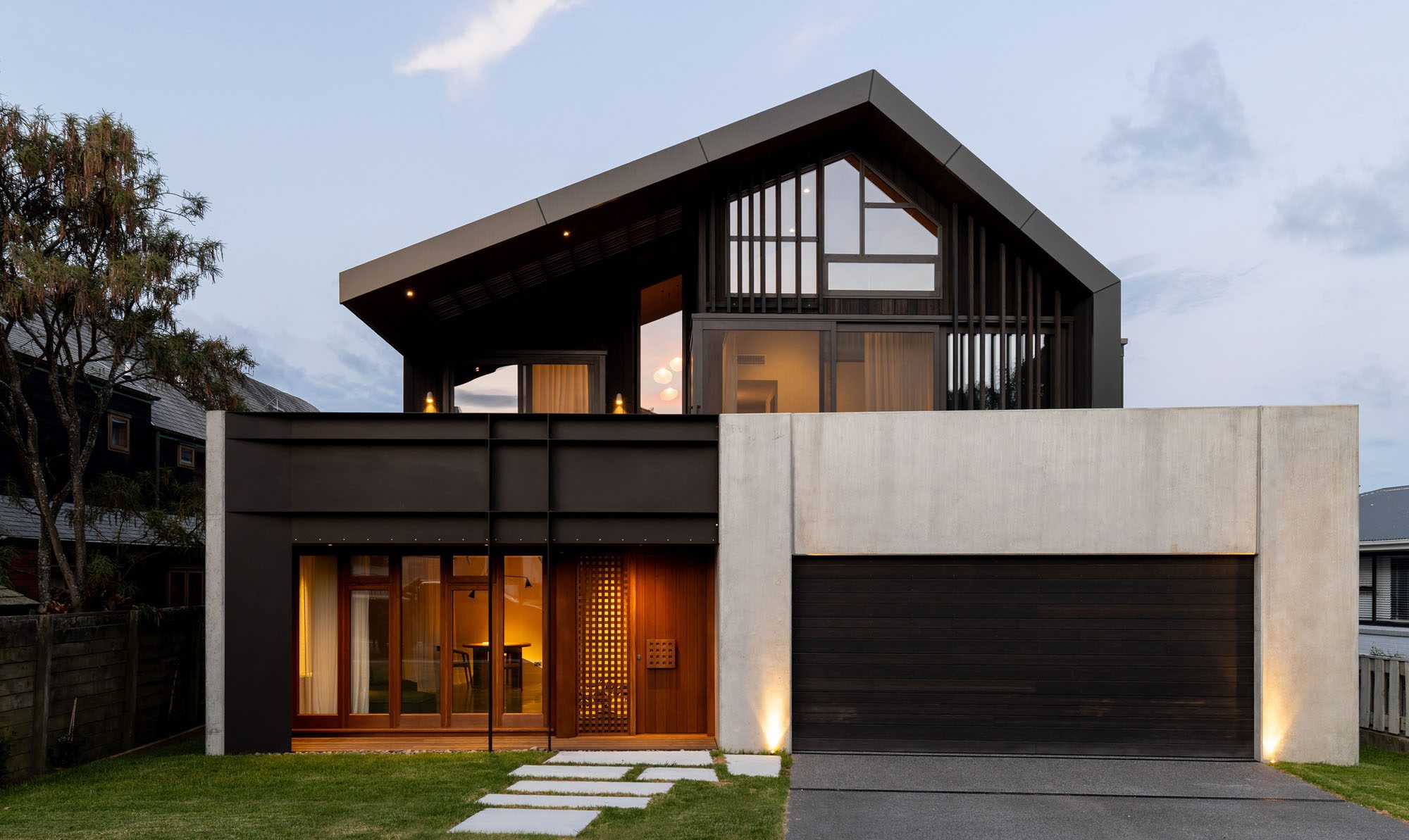
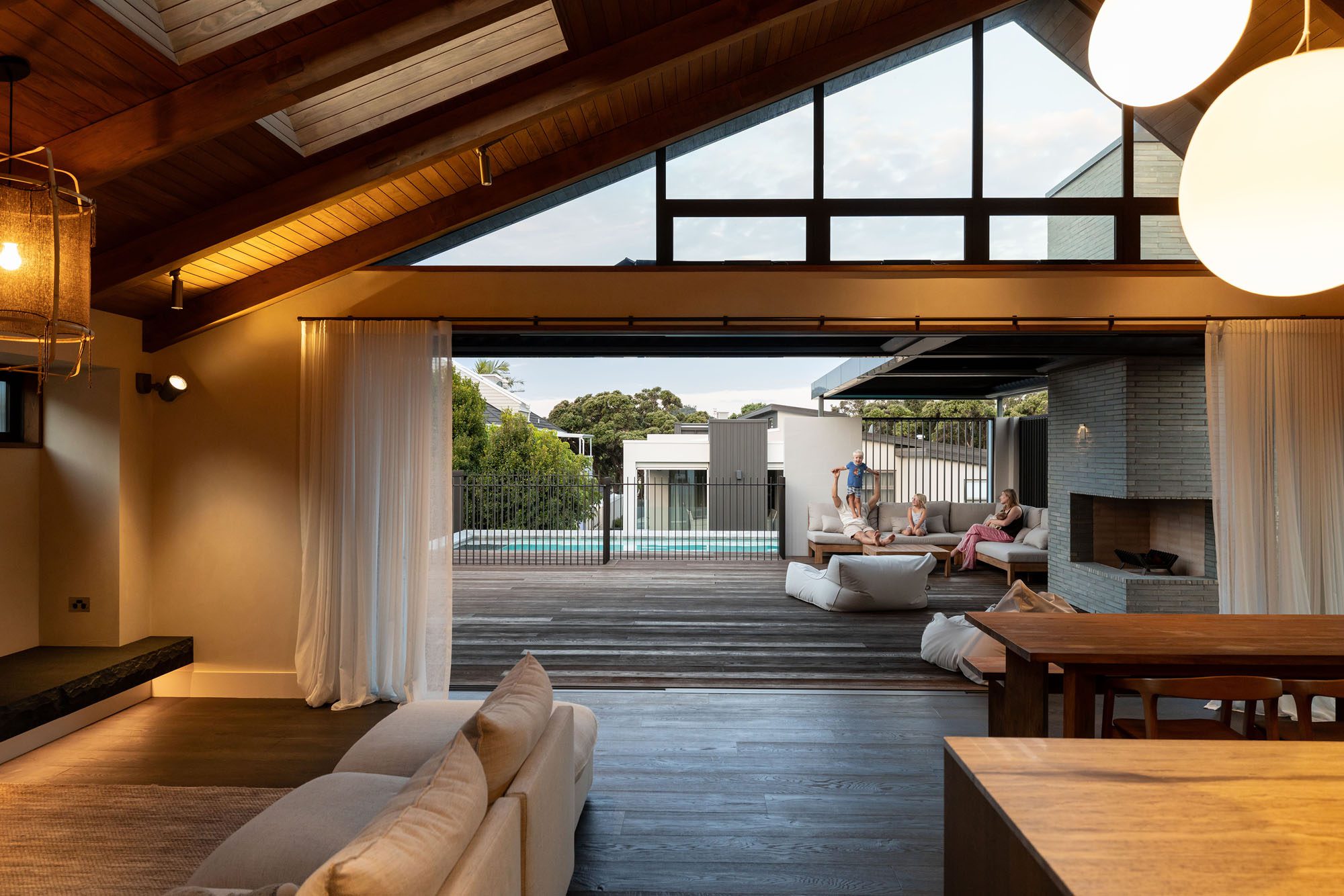
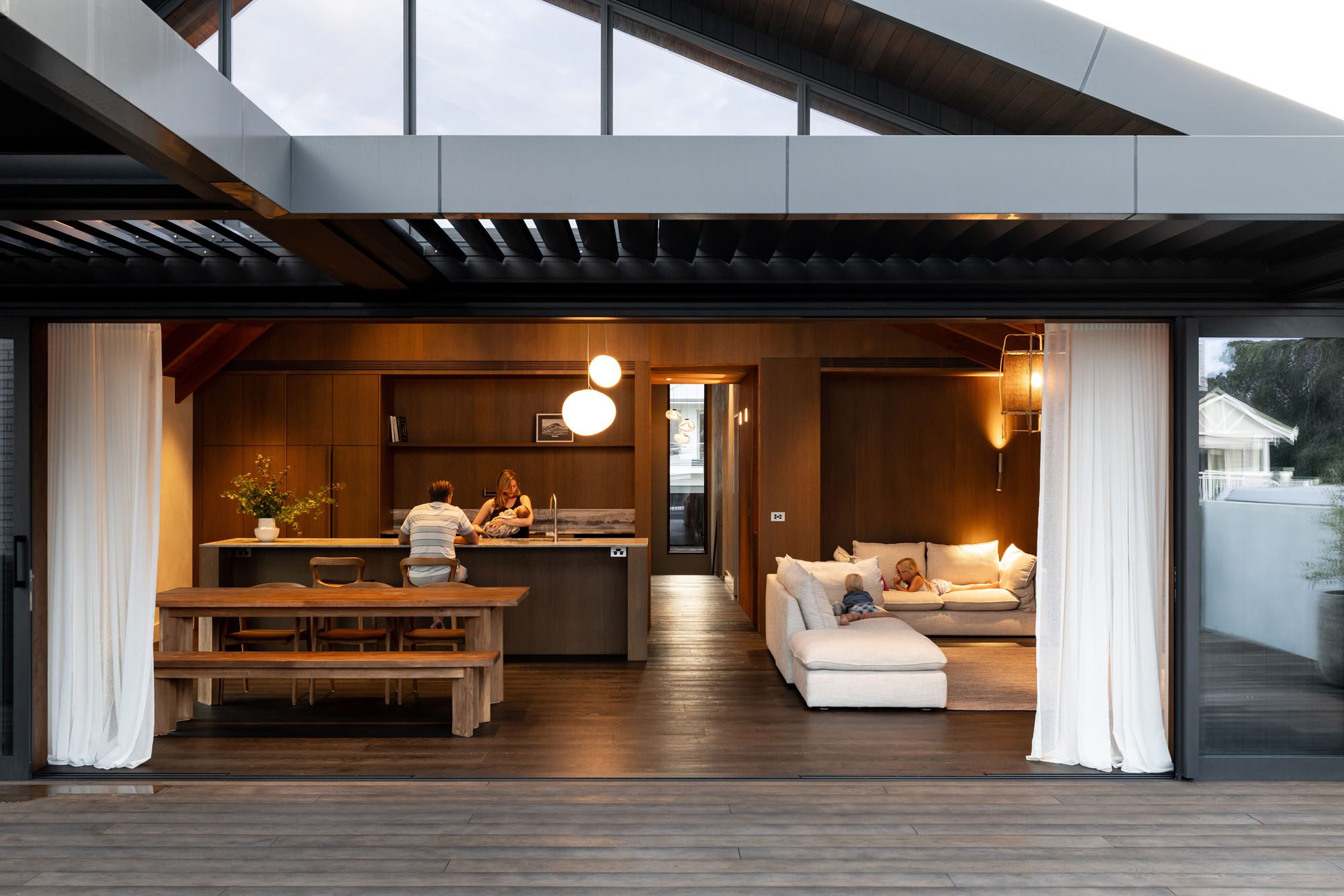
Awatere House by Chow:Hill Architects

This elegant riverside pavilion offers a home that can host large gatherings while still offering private, quiet spaces and a strong connection to the landscape.

A two-storey volume at the entry is set into the sloping site beneath a floating mono-pitched roof. From the river, the house appears as a single-storey form, respecting the scale of neighbouring homes.

The living areas form a glazed pavilion with seamless access to the river terrace and landscaped courtyards. A restrained palette of contrasting concrete and carefully matched cedar creates a refined and precisely crafted home.

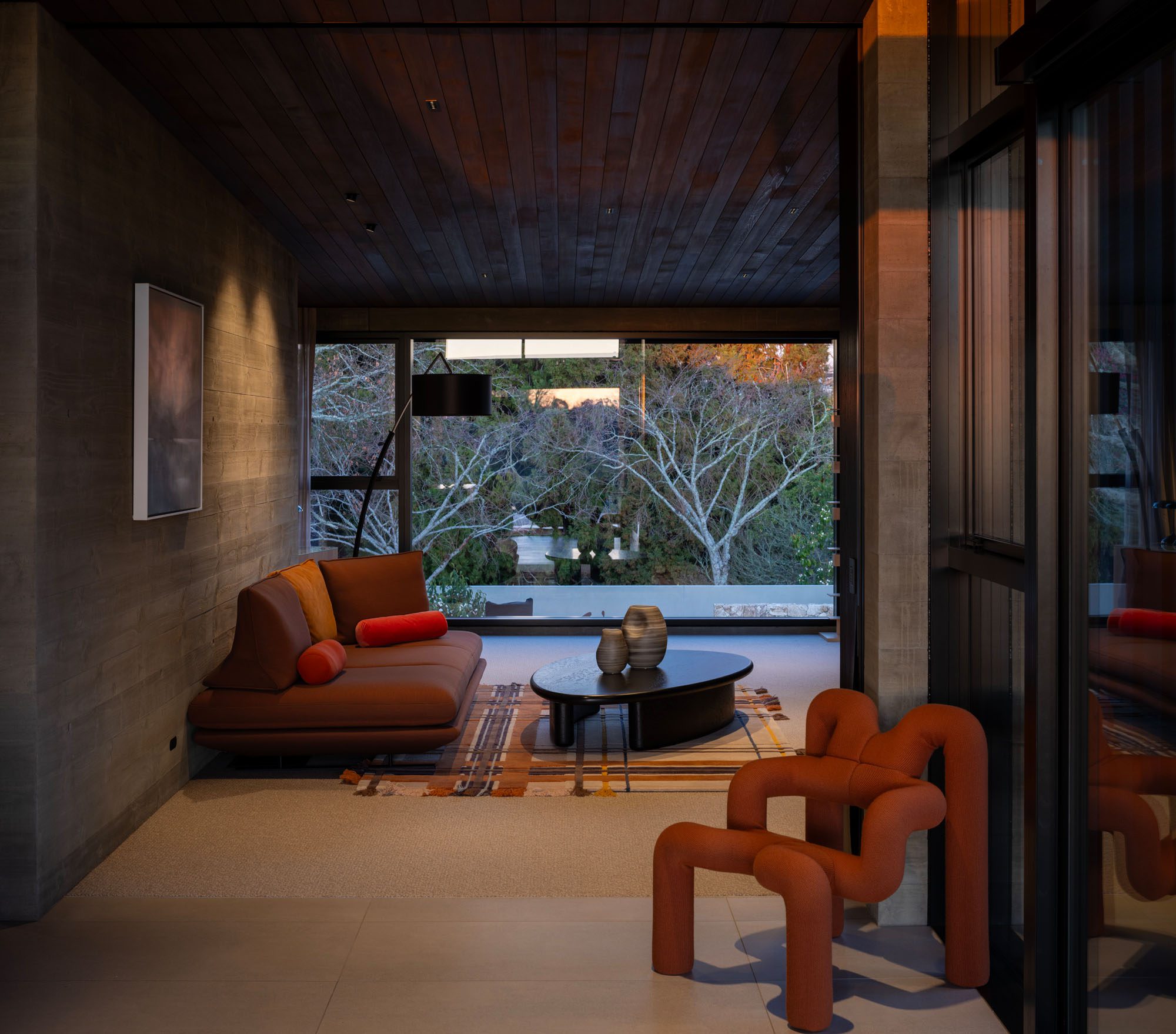
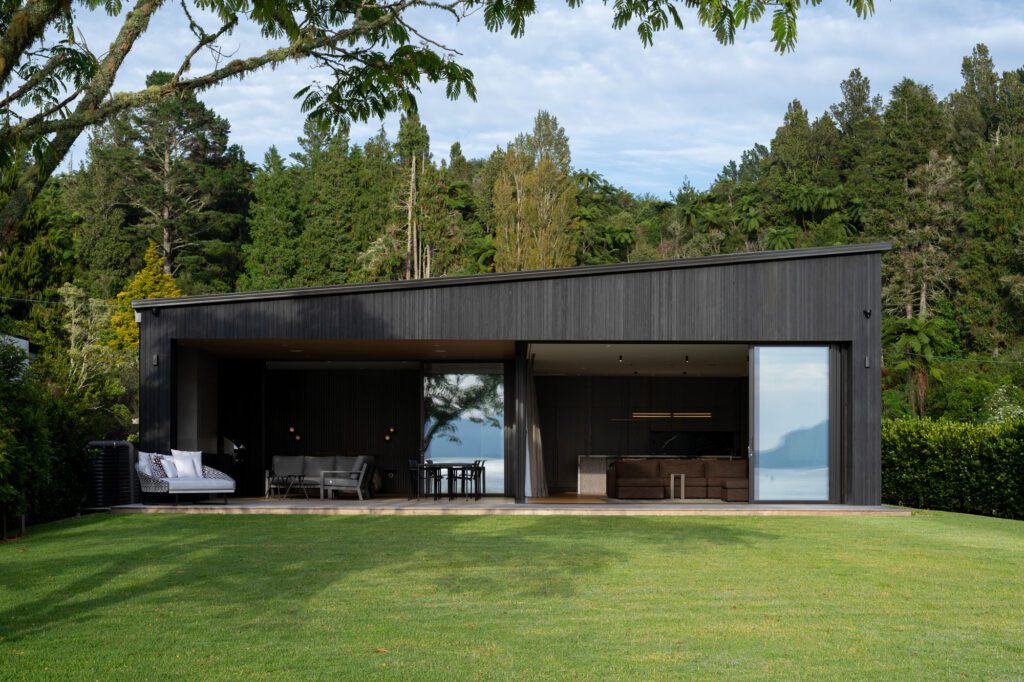
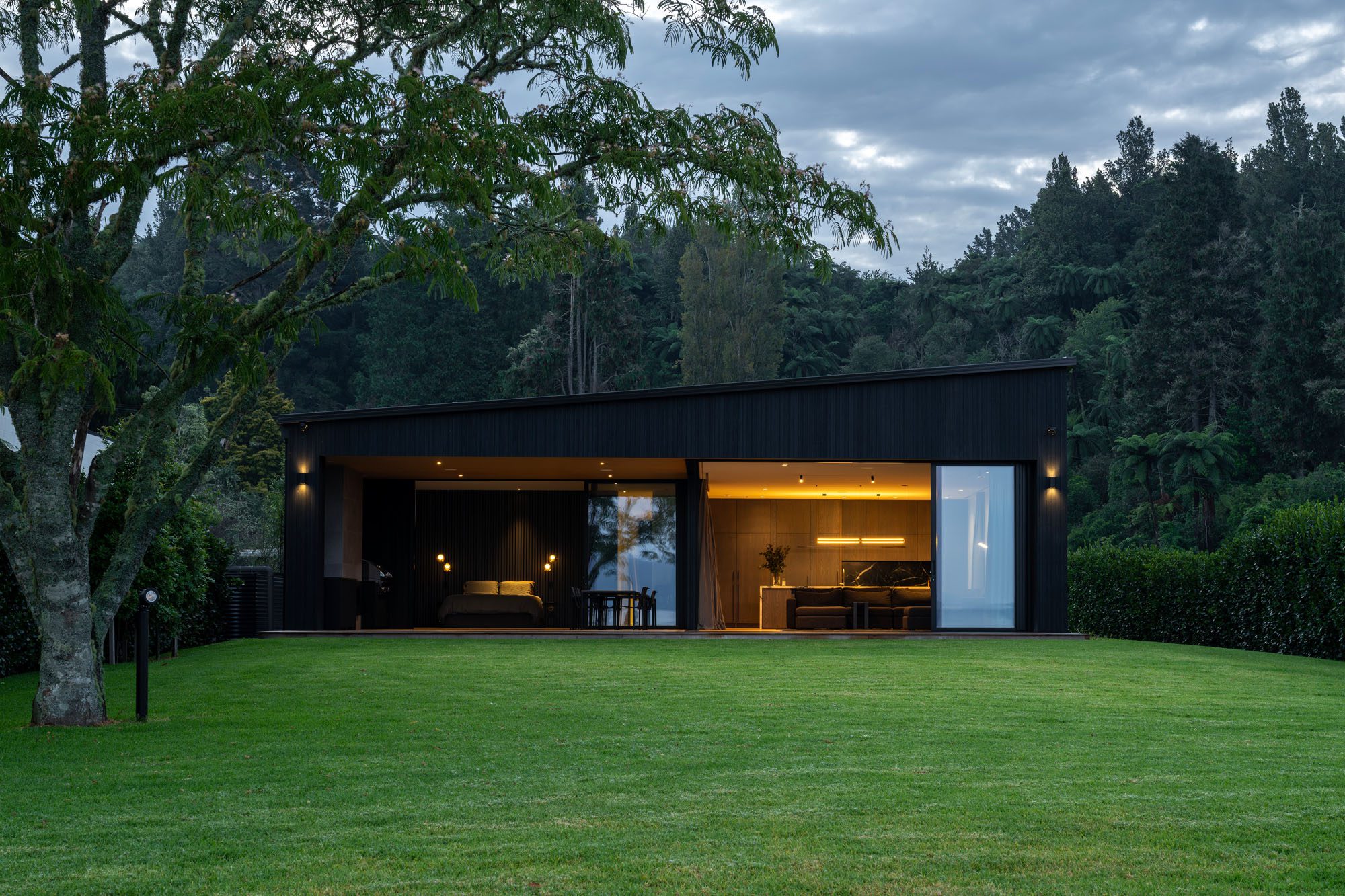
Hauparu Bay – DCA Architects of Transformation and Yvette Jay Interior Design in association

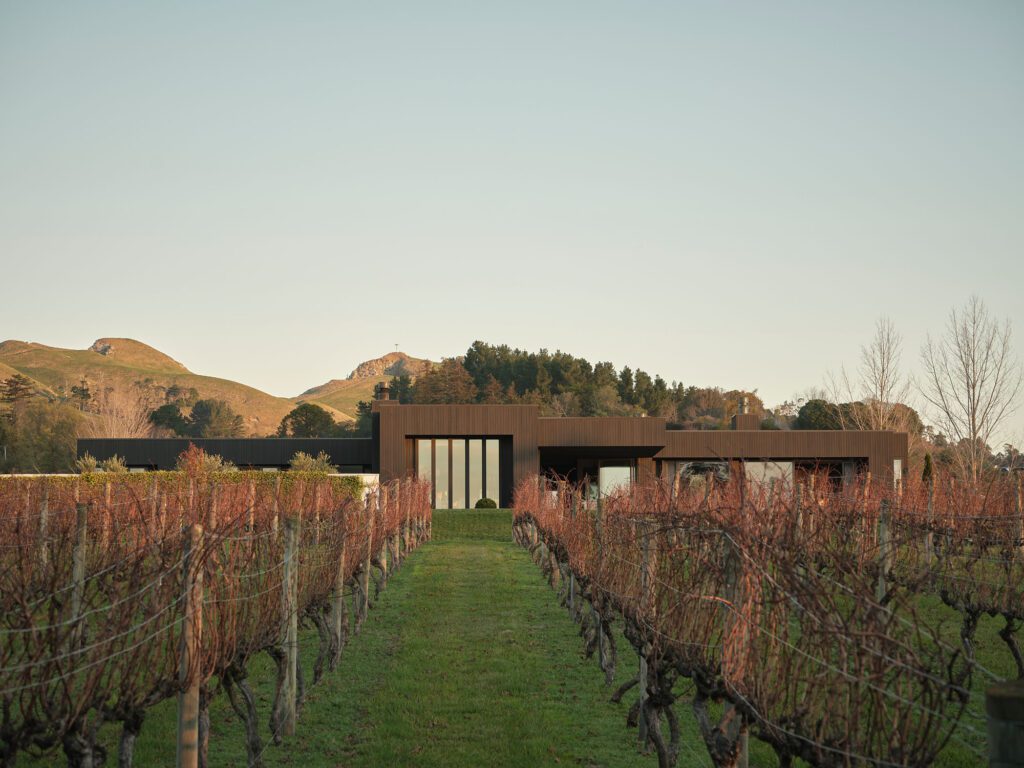
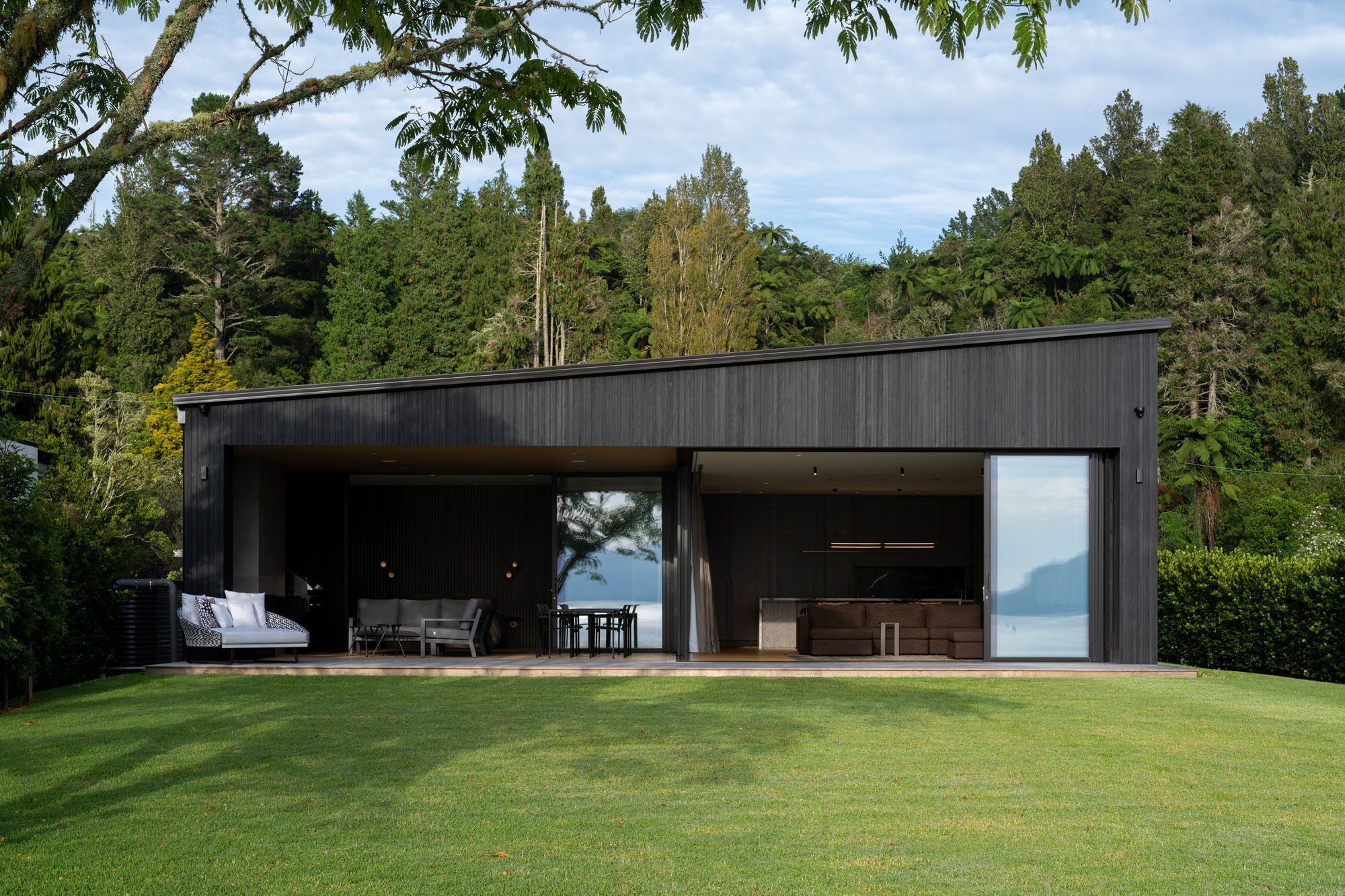
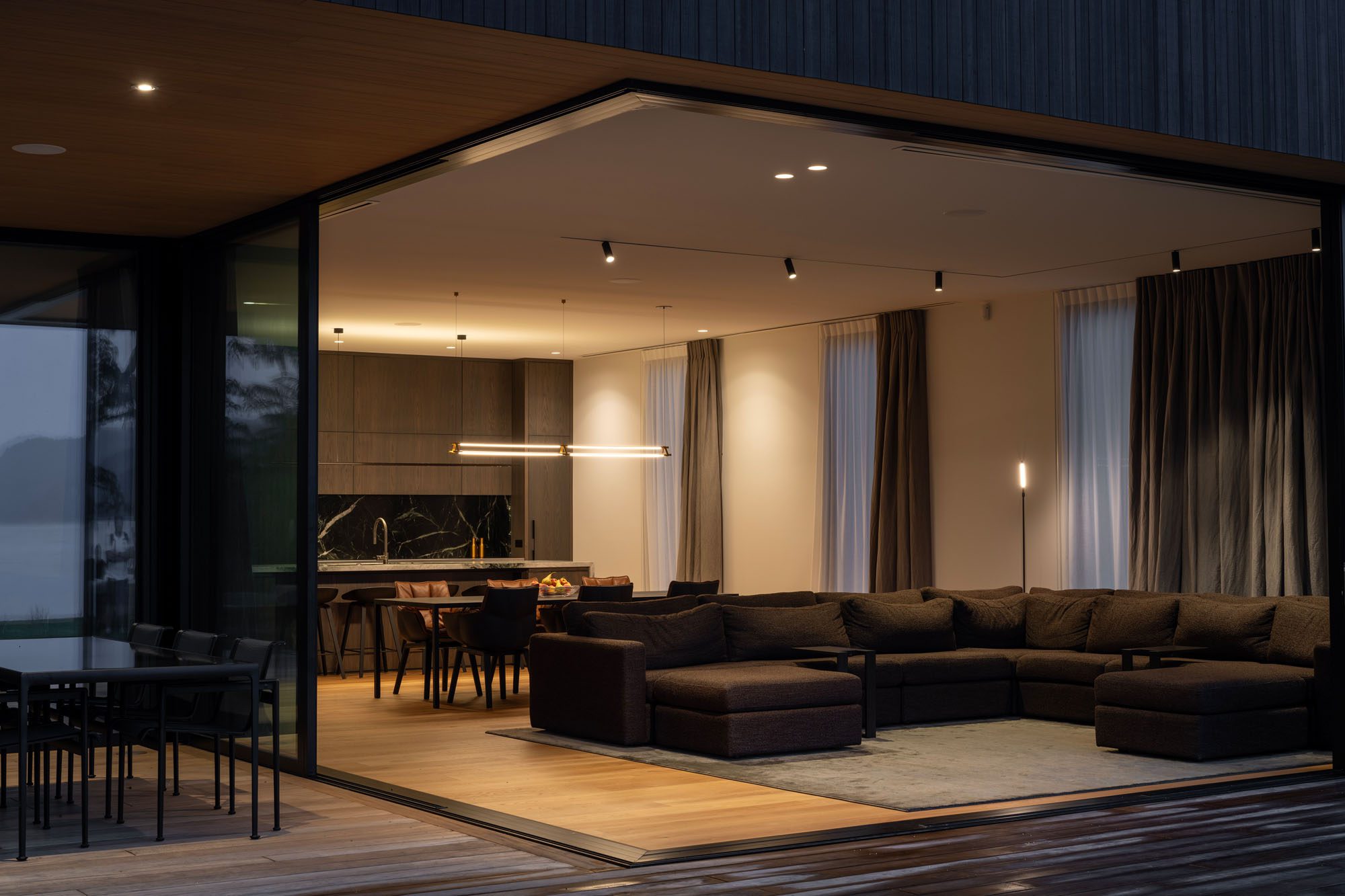
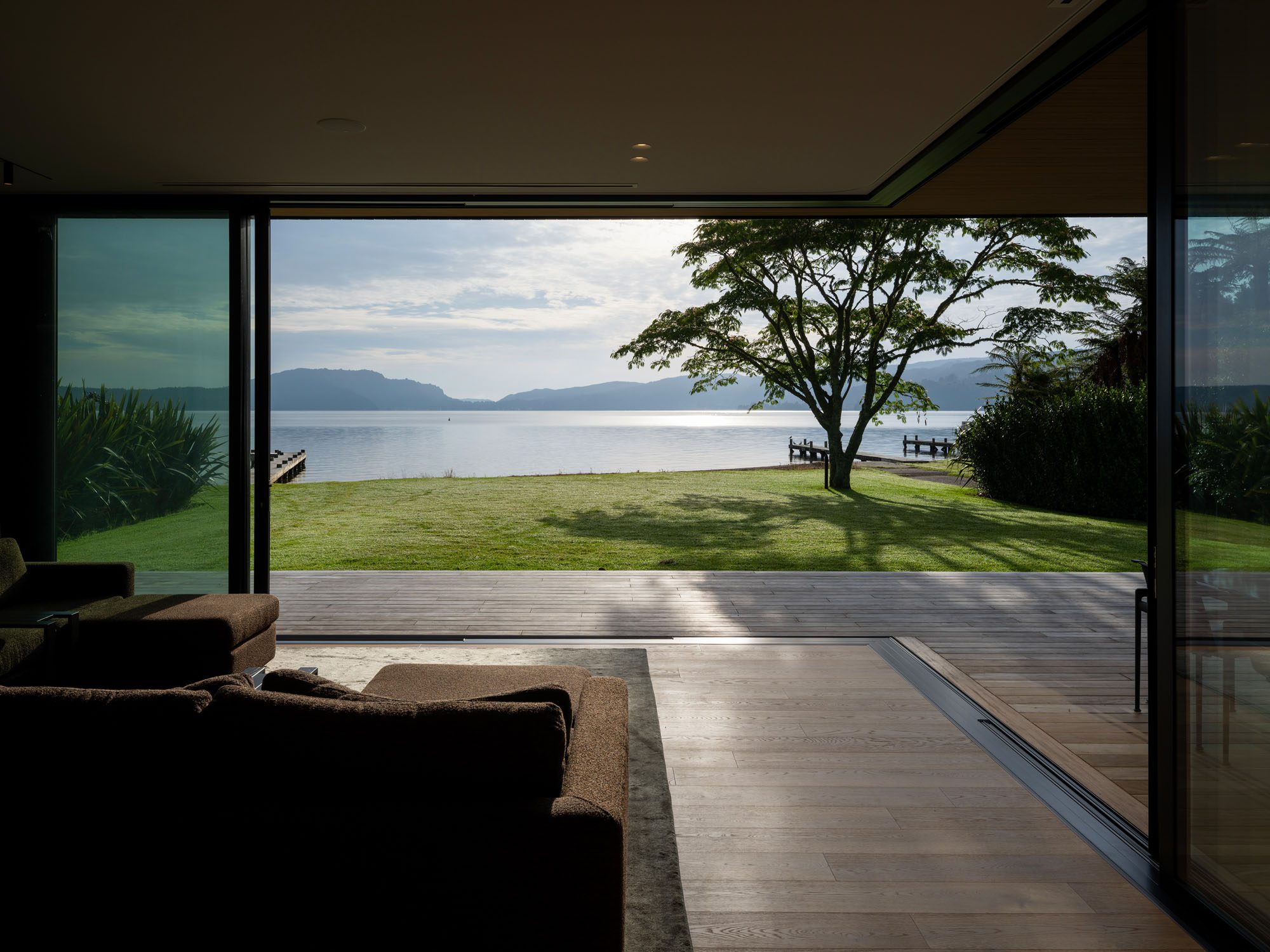
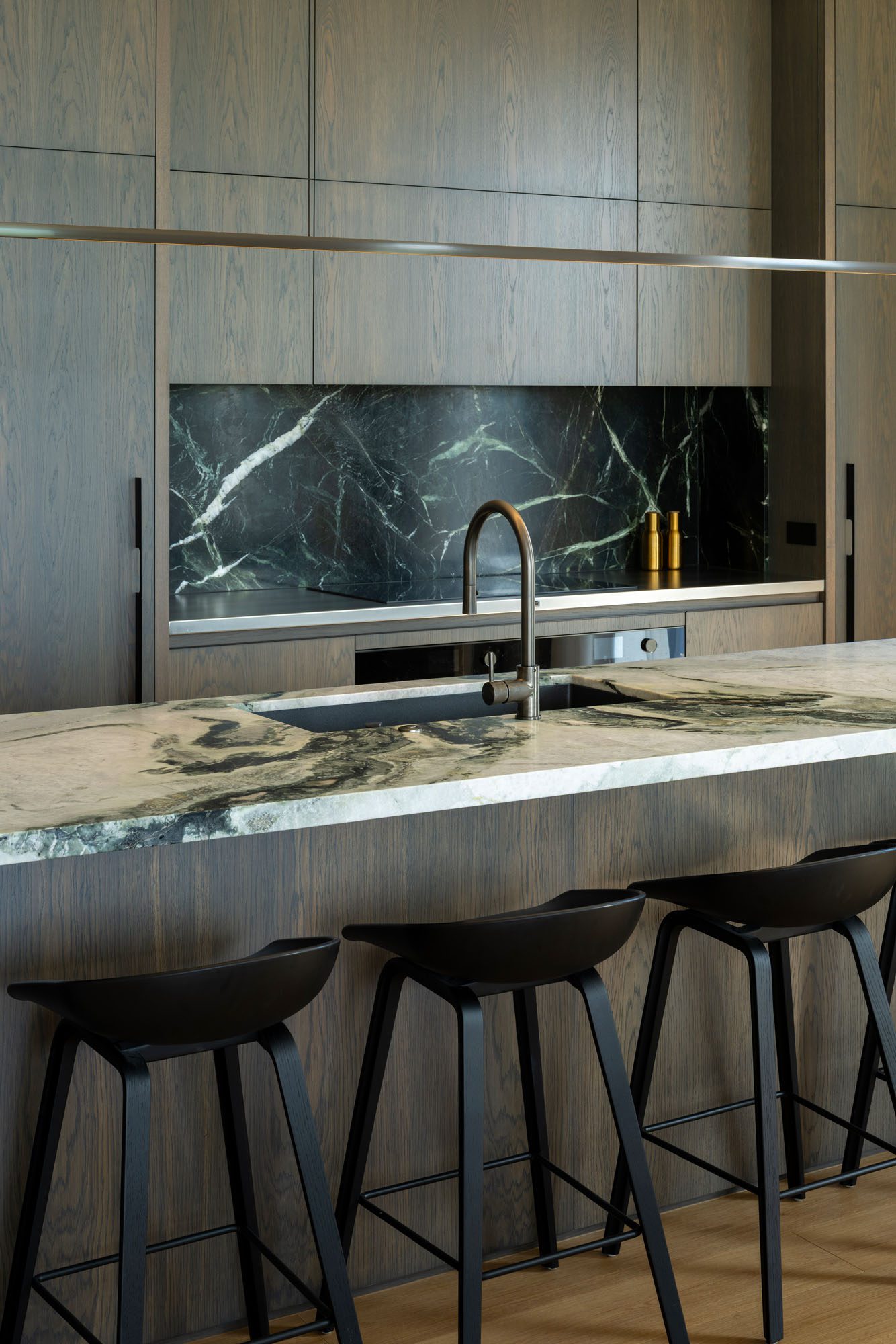
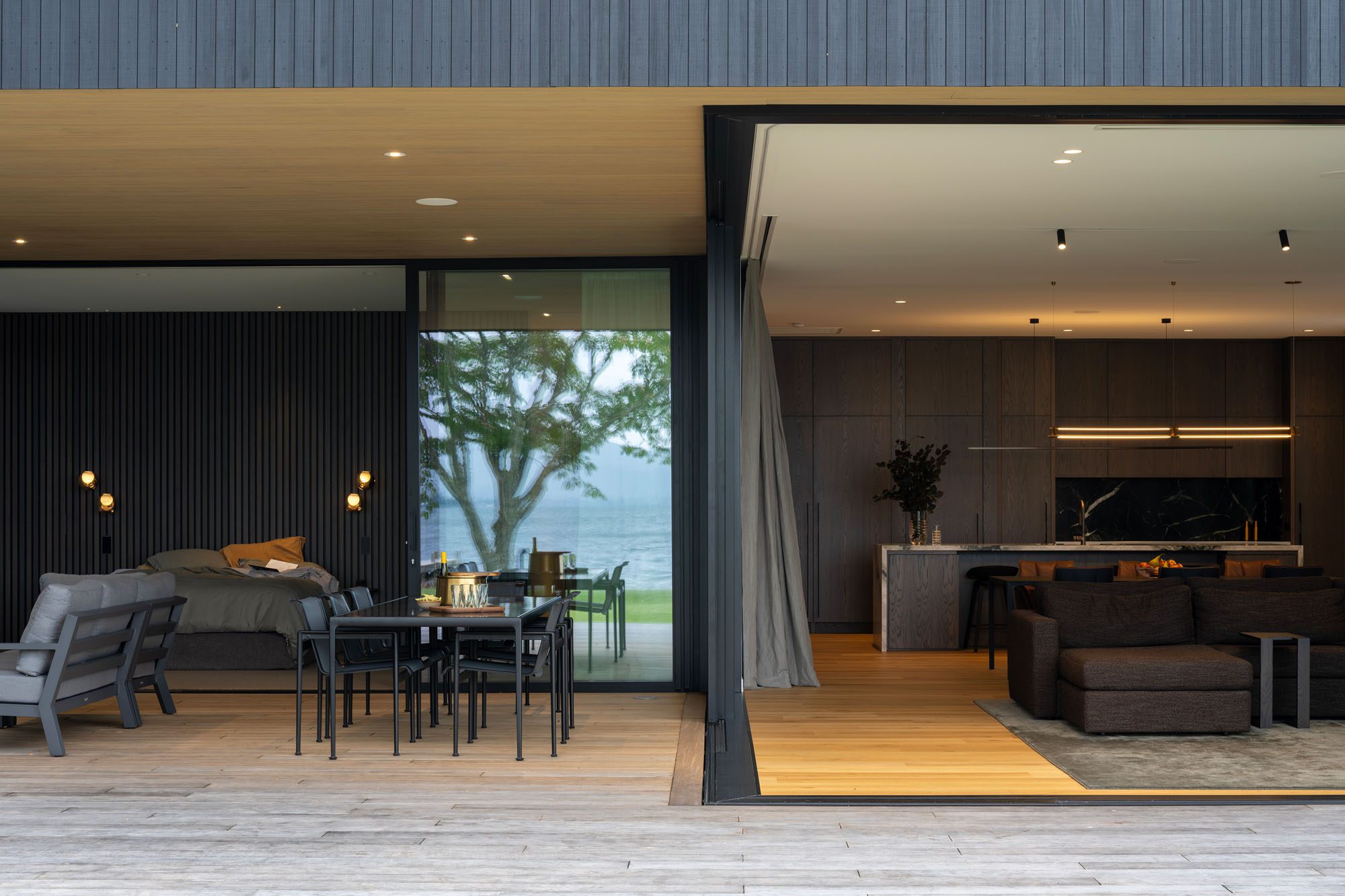
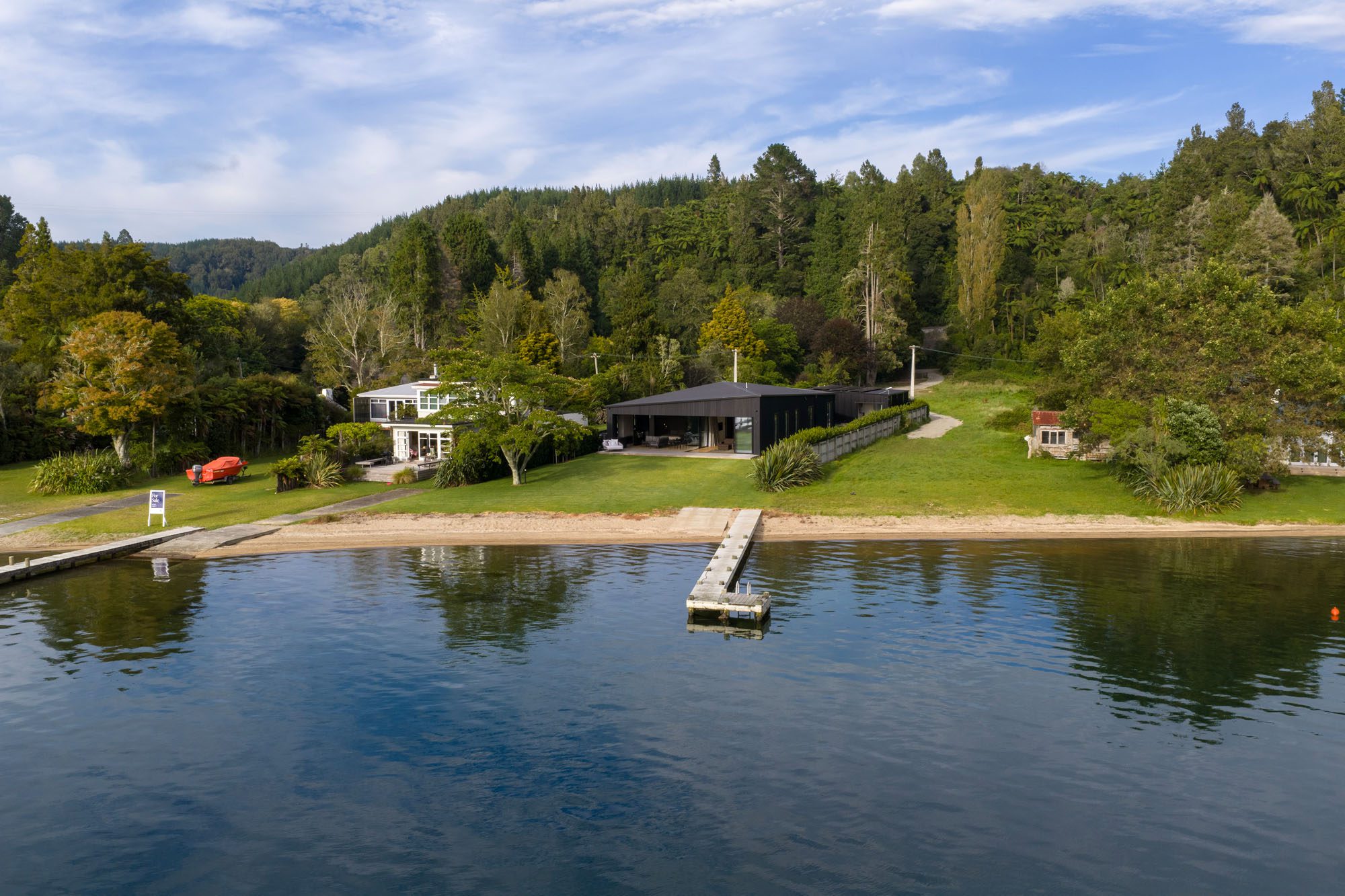
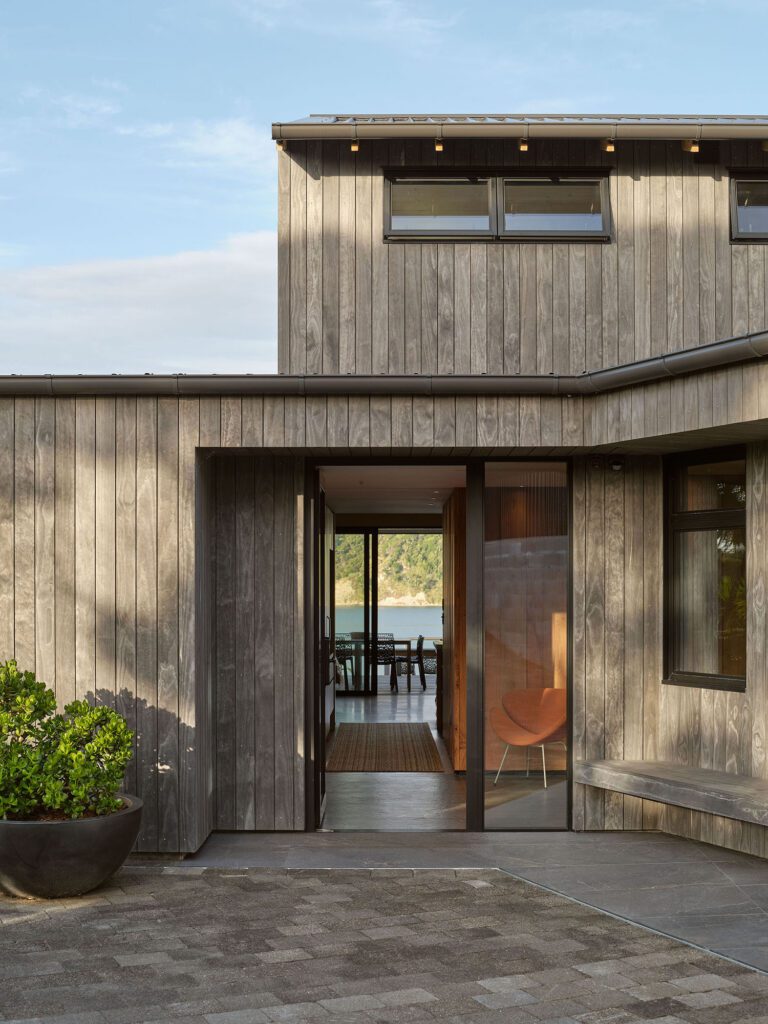
Hauparu Bay House is a calm and carefully designed lakeside home that demonstrates how simple and well-executed design can still make a strong impression. It sits on the edge of Lake Rotoiti, with hills covered in native bush behind. The house is oriented to take in lake views from the main bedroom and living areas, while the guest bedrooms face west to catch the afternoon sun and views of the surrounding land.

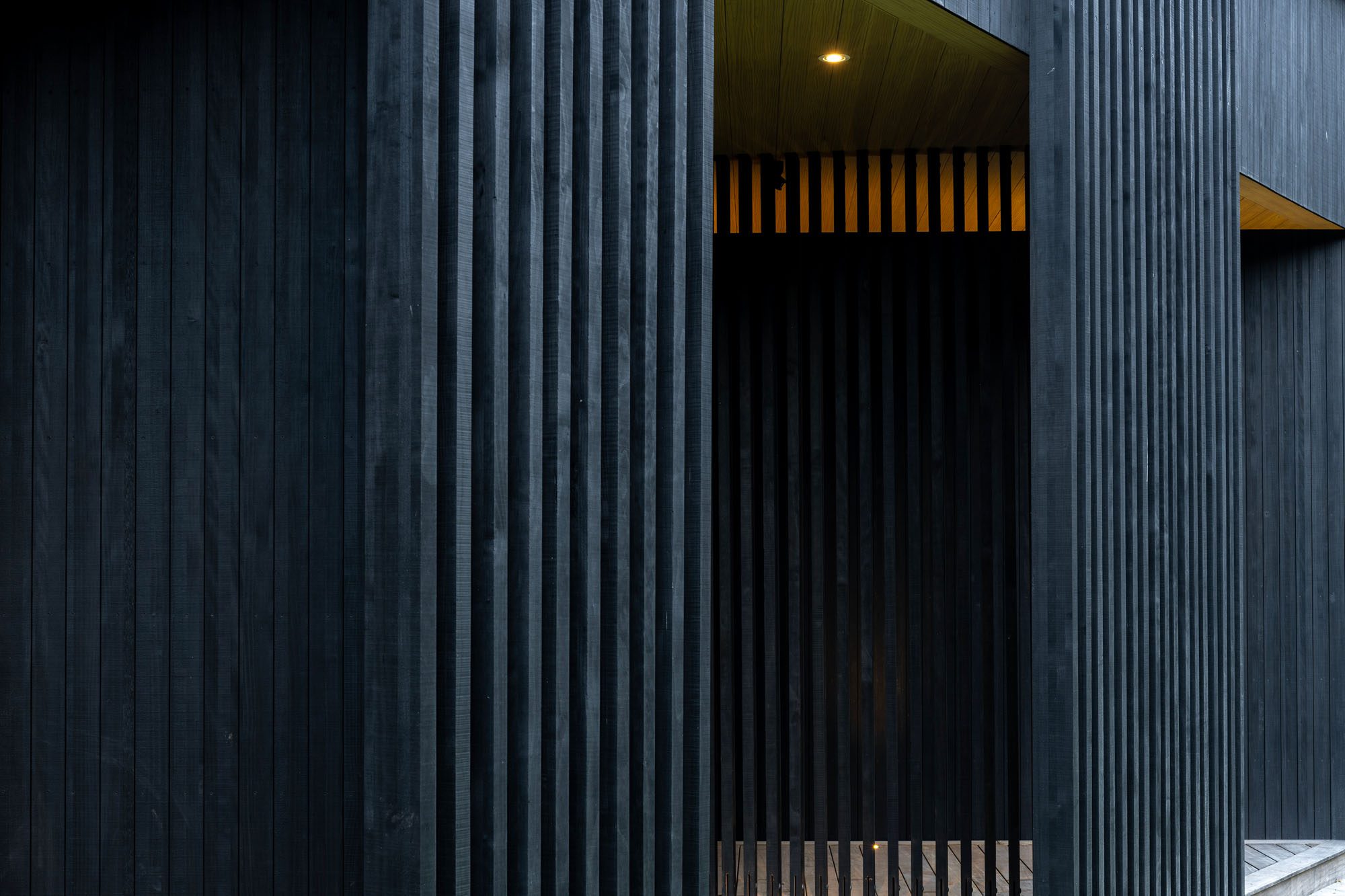
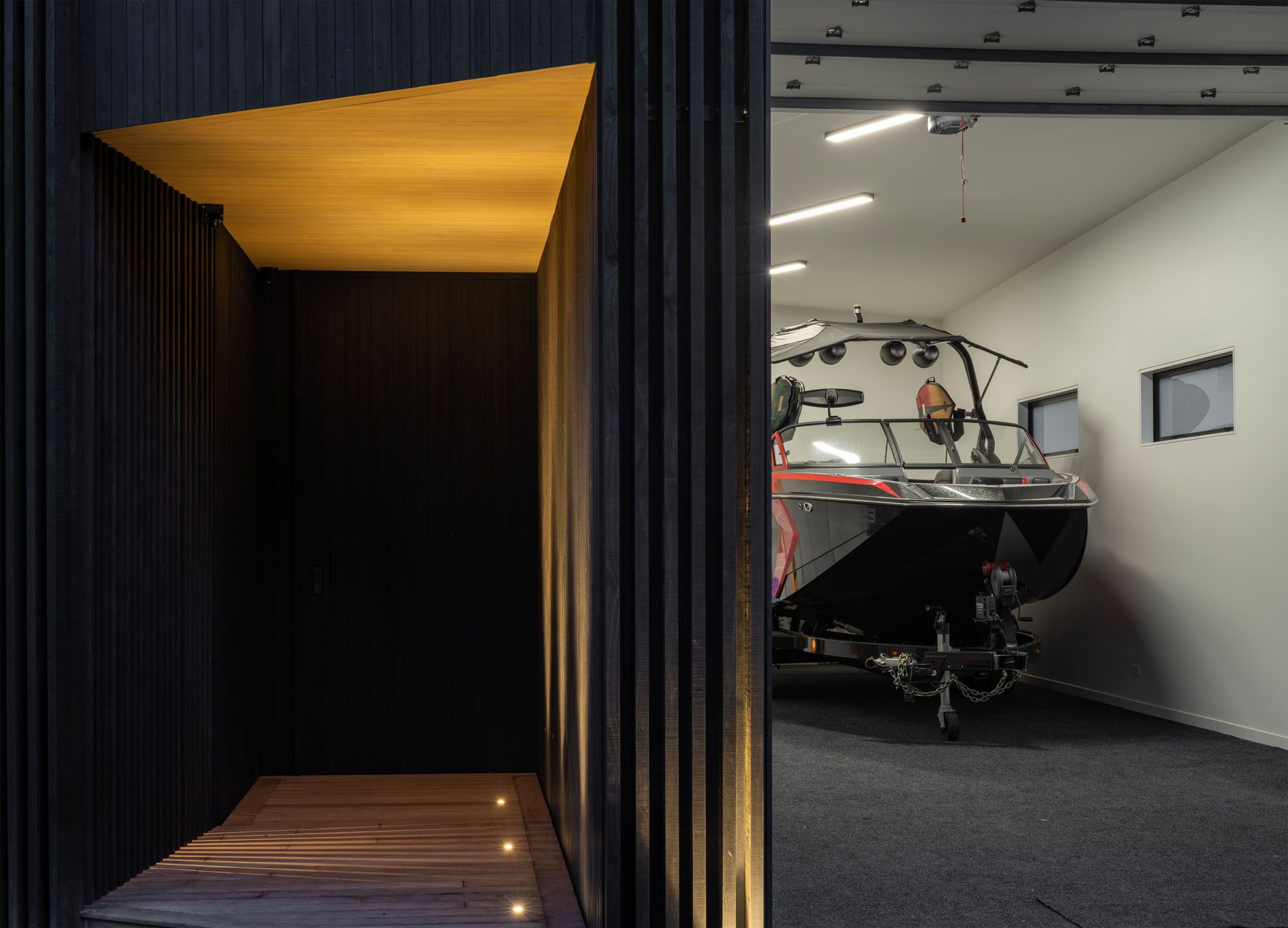
The design accommodates key client requirements and works for both large and small groups. There is a constant connection to the lake, which helps create a peaceful and relaxing atmosphere. It uses a single, clear form and a dark material palette, showing a strong and focused design approach that responds directly to its lakeside location.

Pohutukawa House – Sumich Chaplin Architects

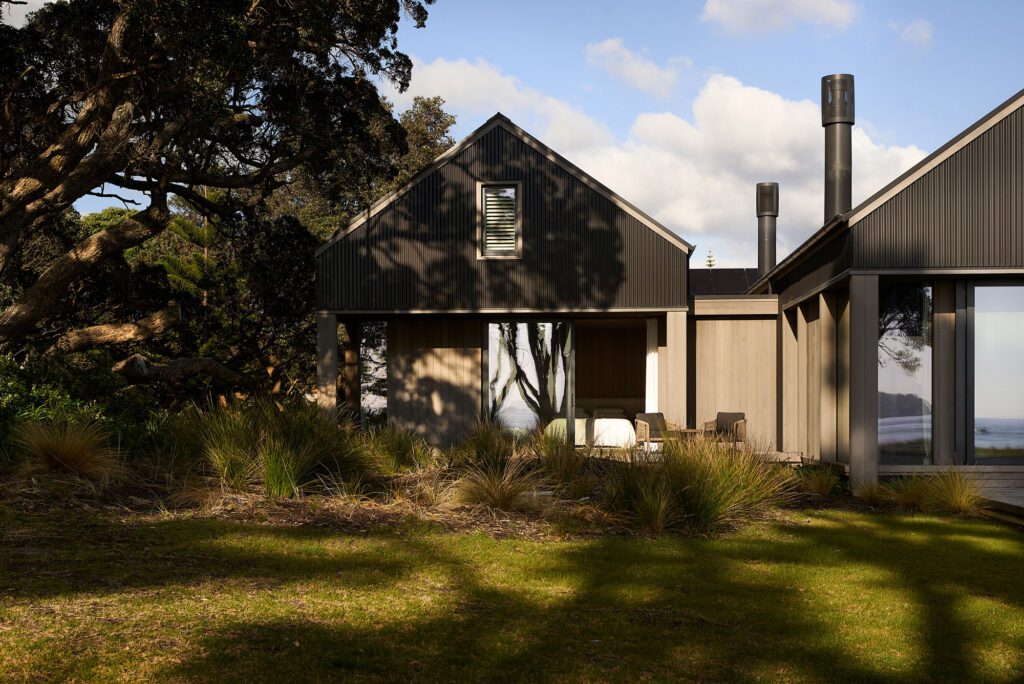
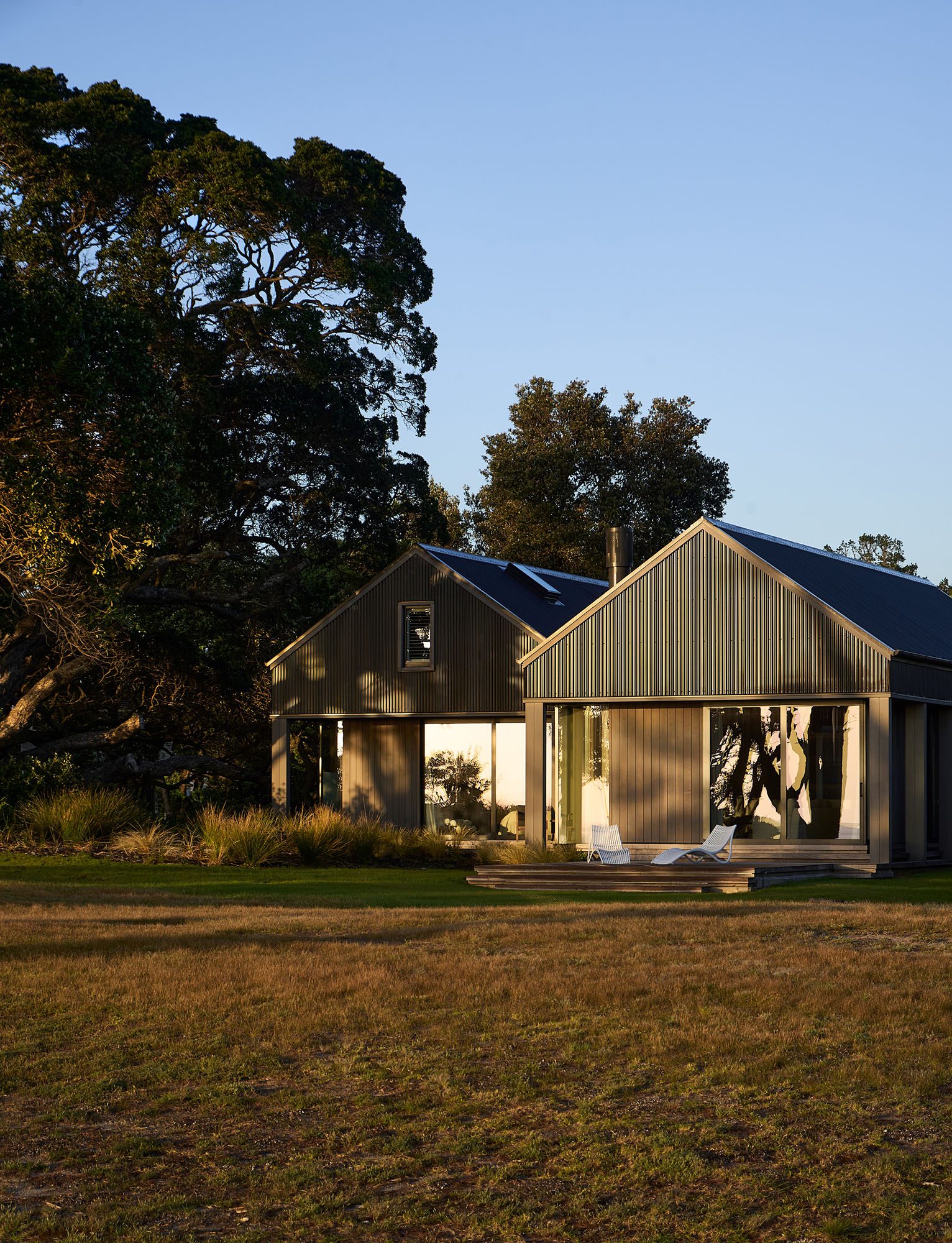
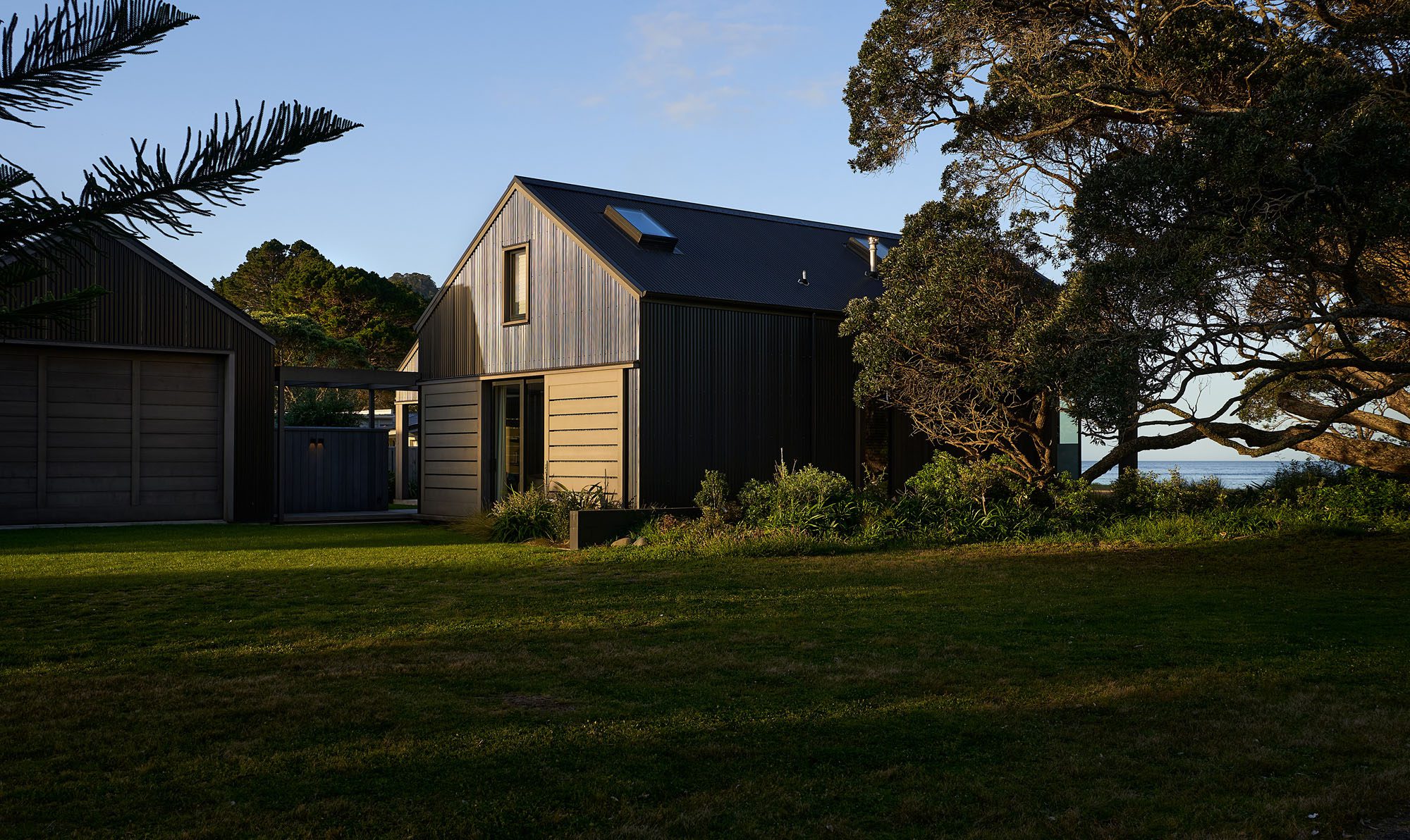
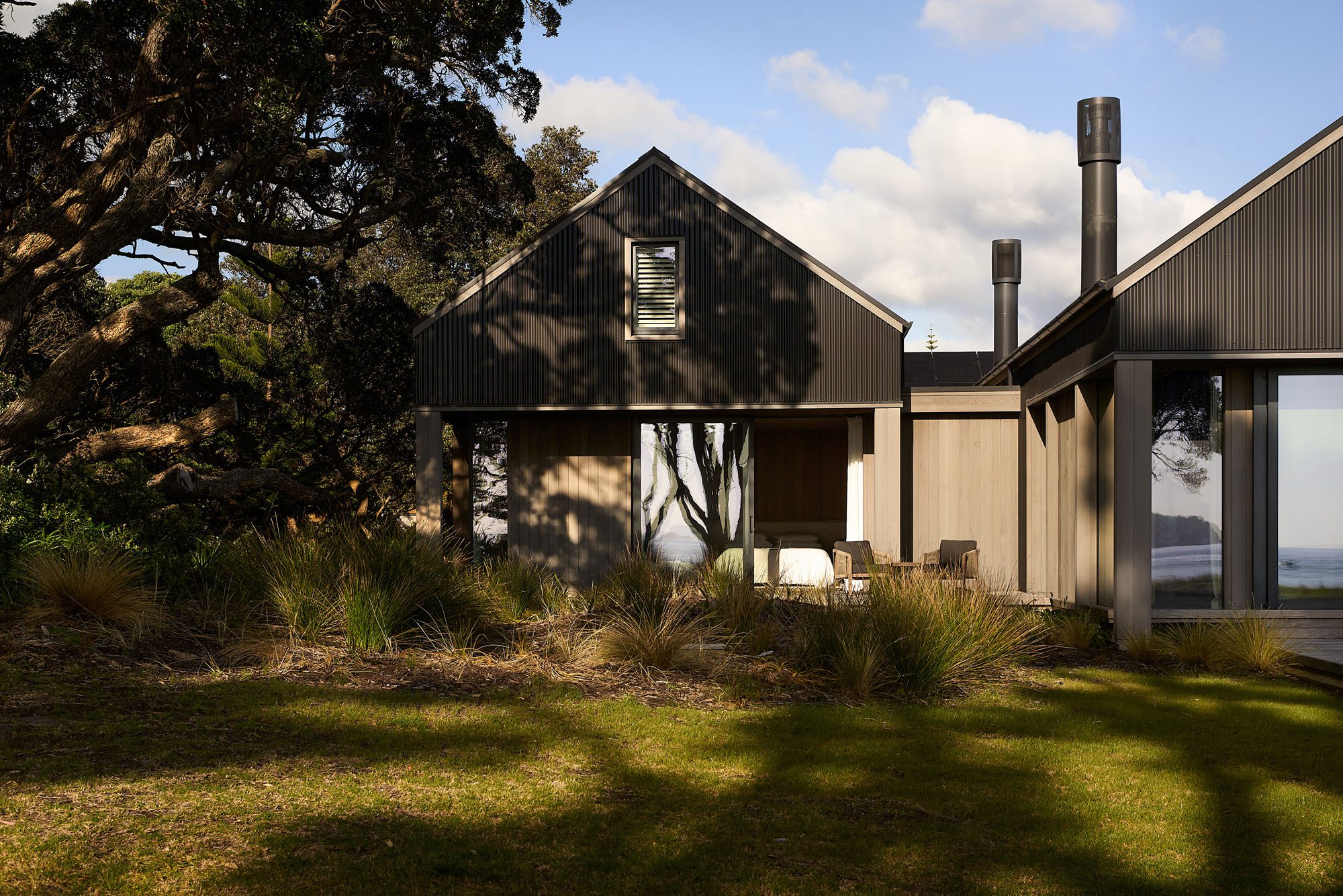
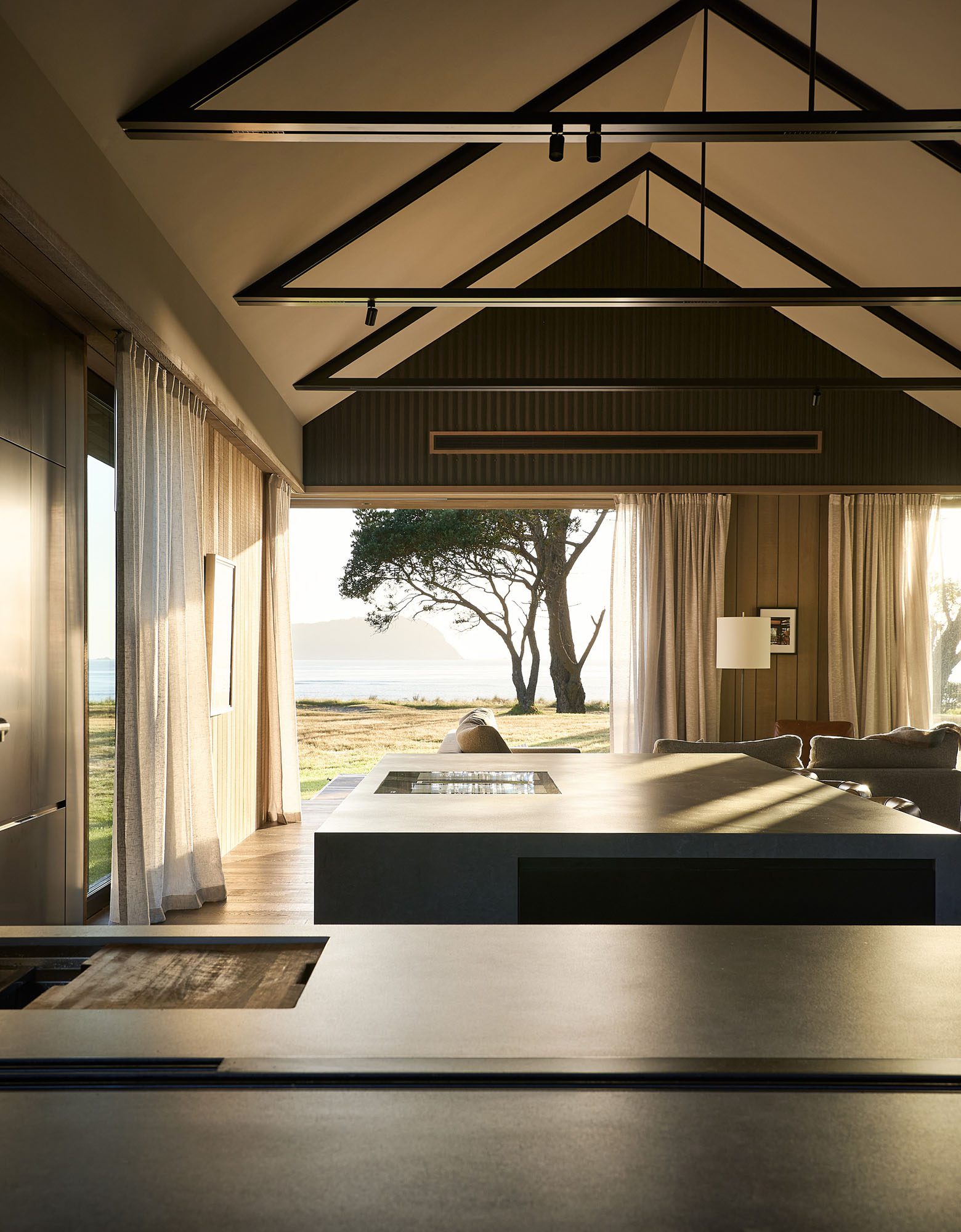
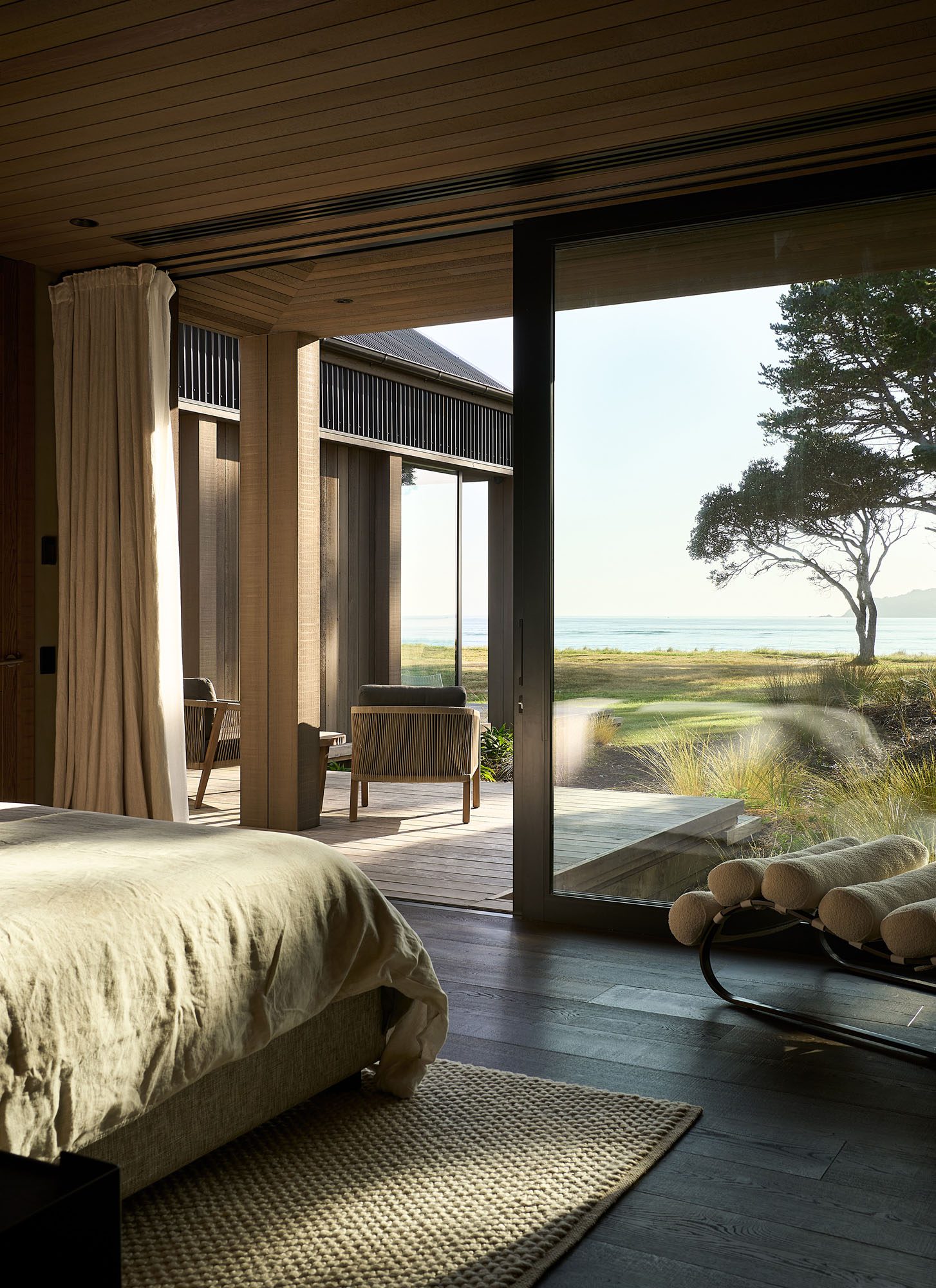
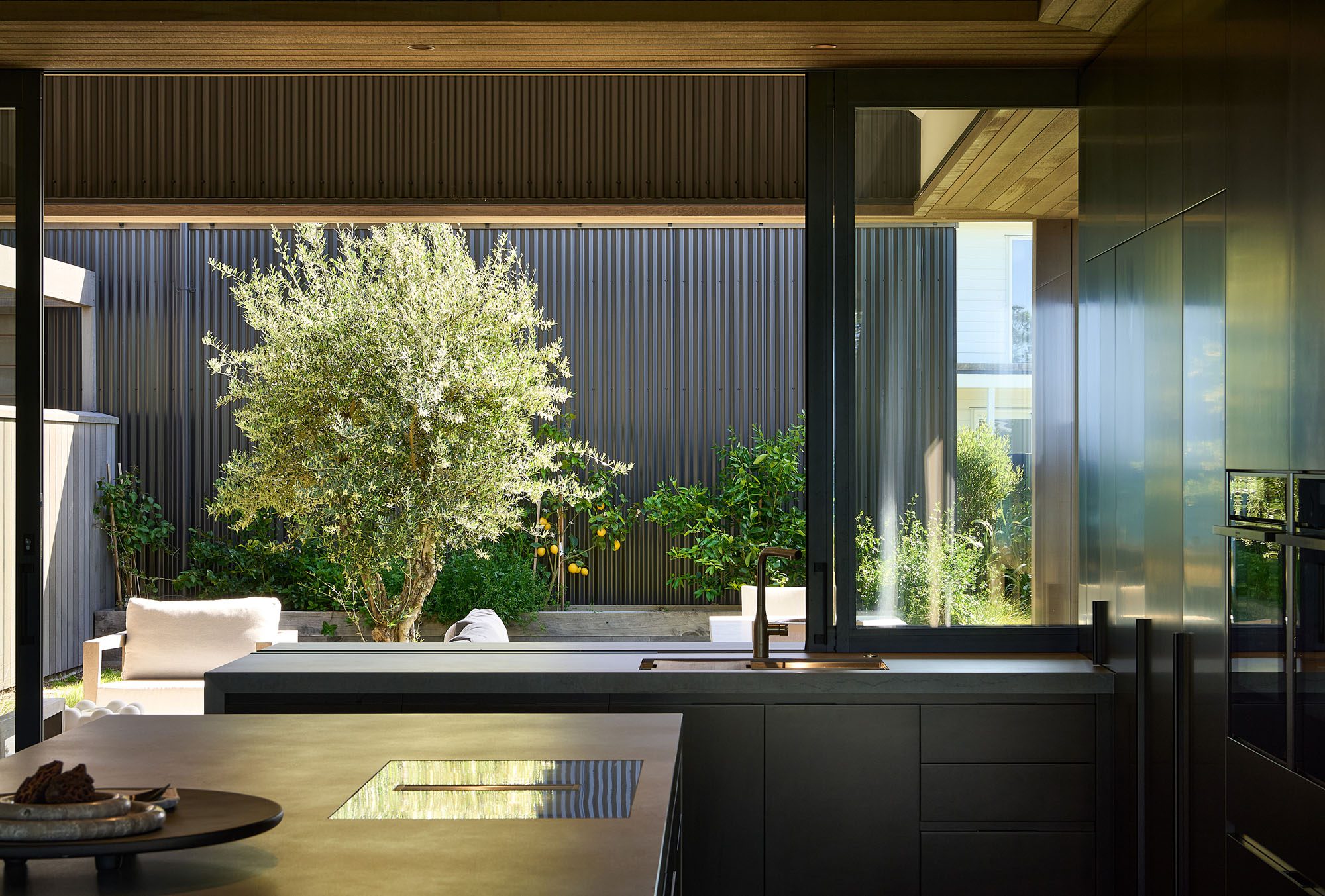
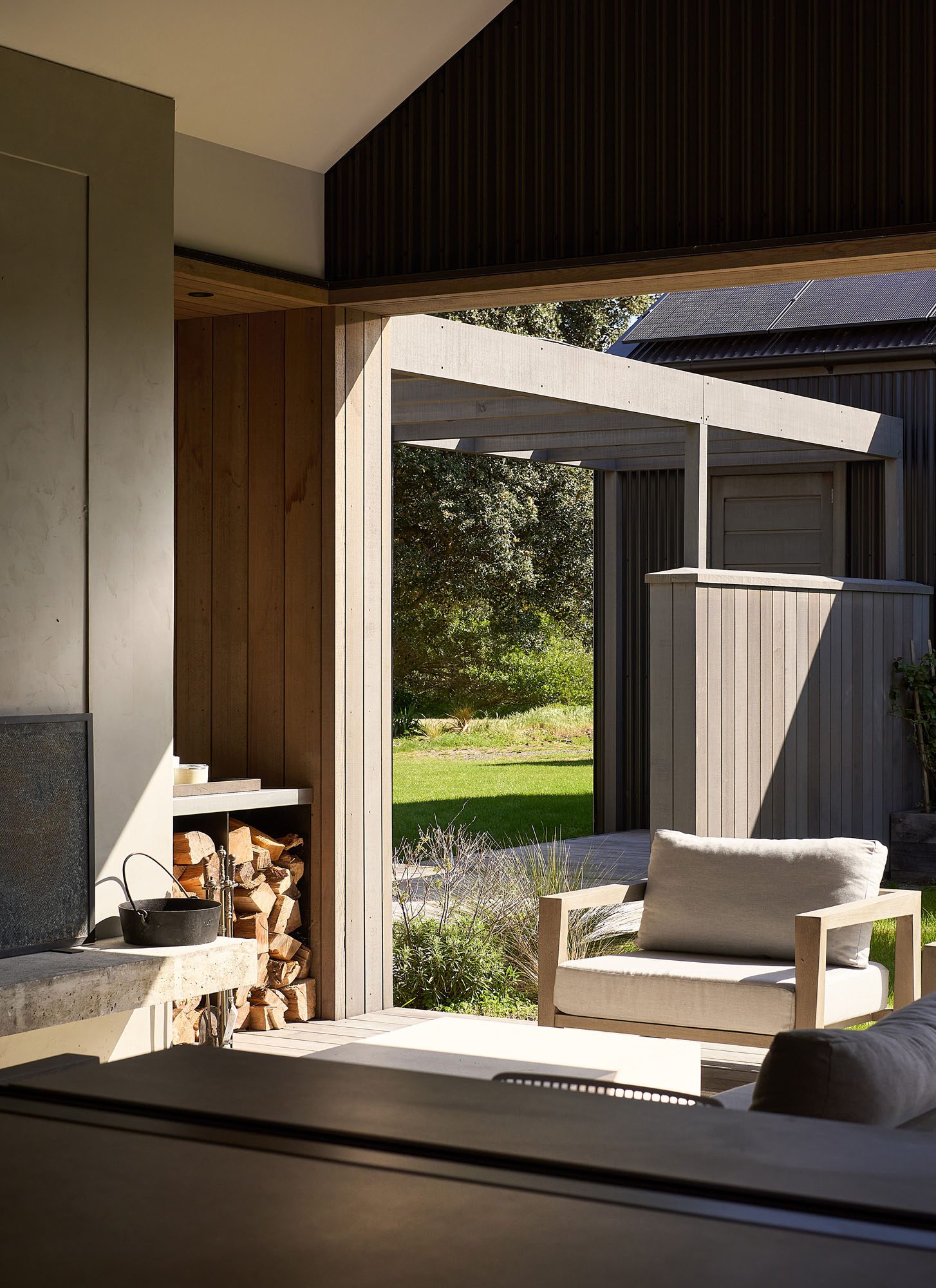
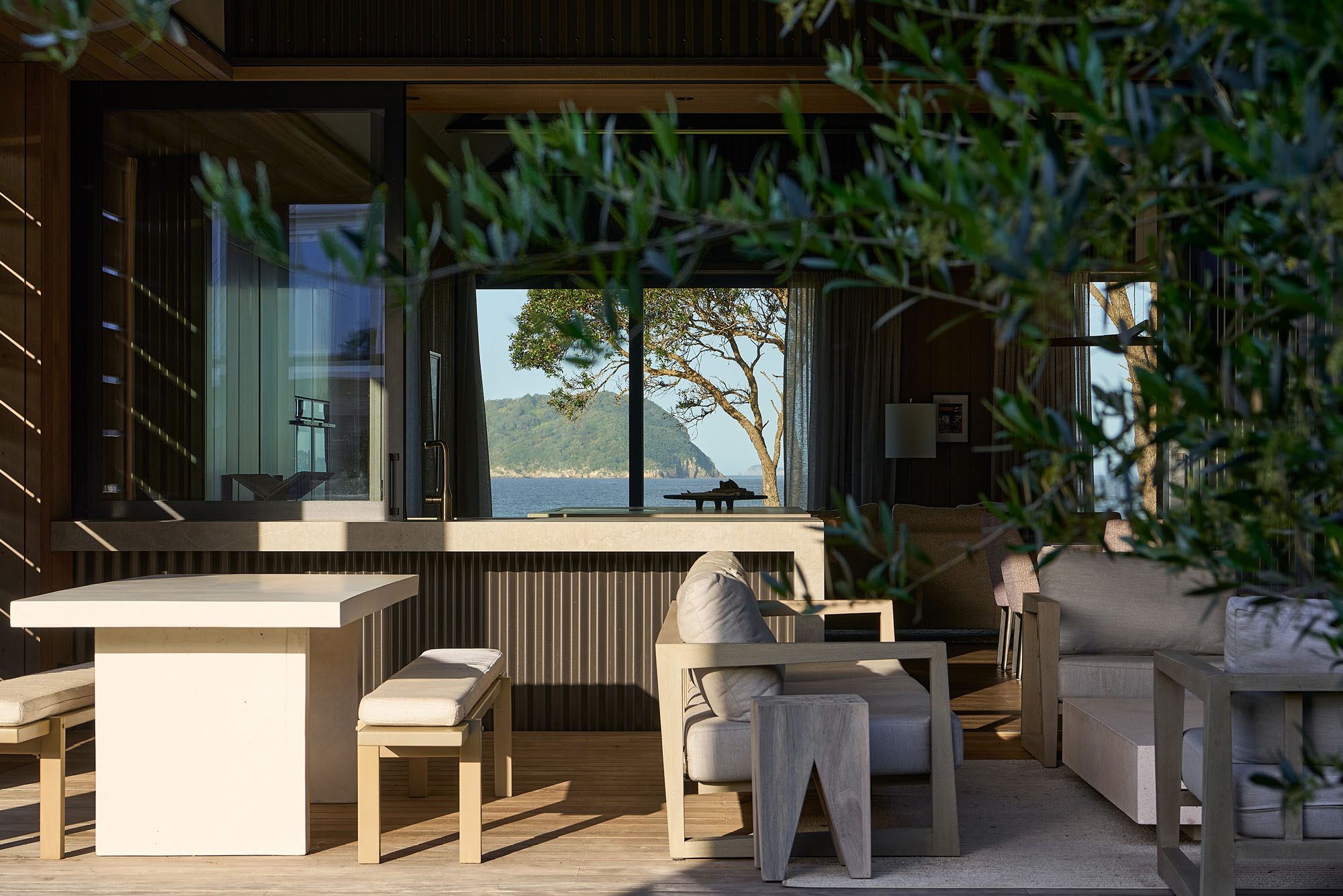
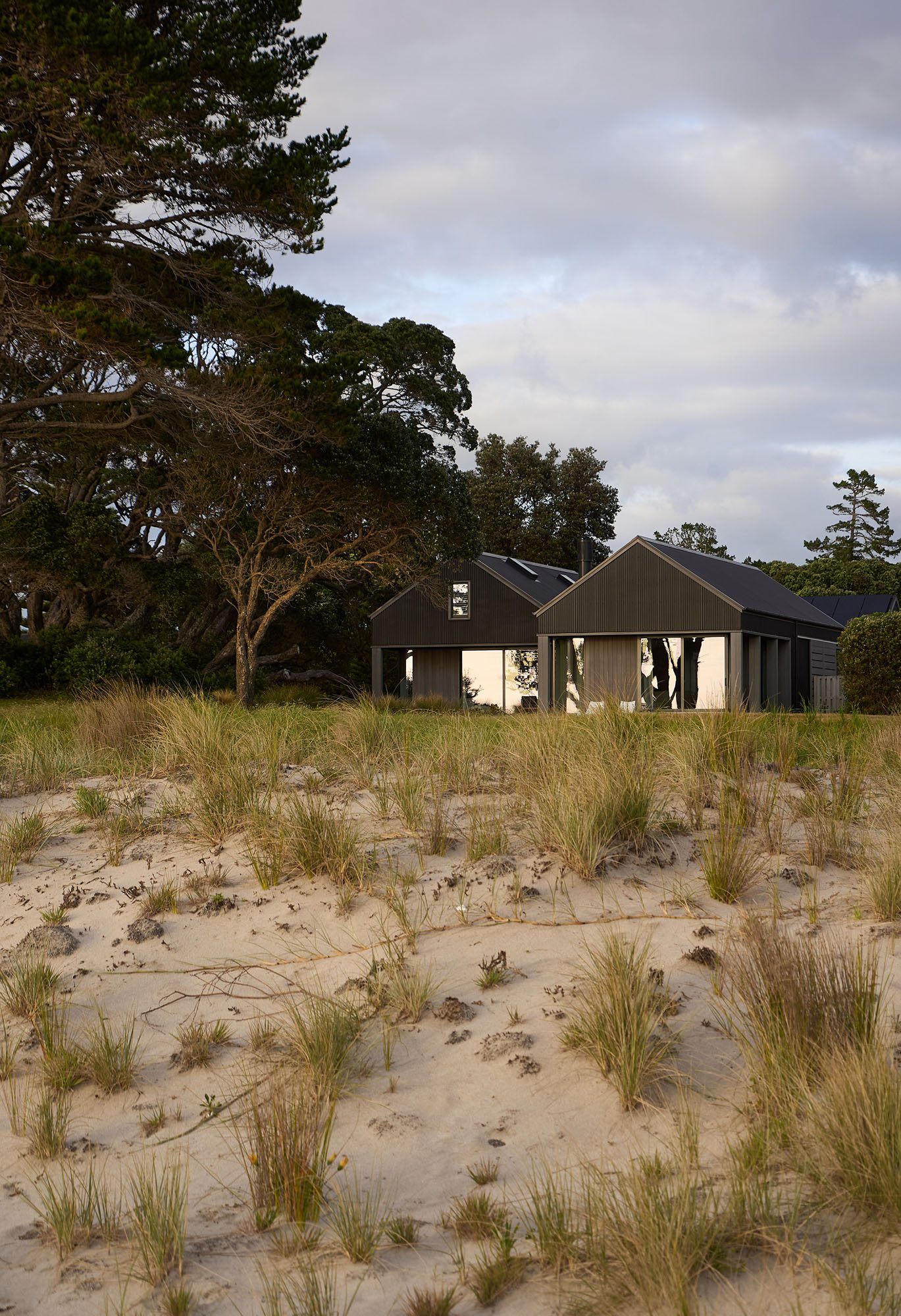
Set beneath a Pohutukawa tree on Pauanui Beach, the Pohutukawa House is a thoughtful and lasting take on a modern coastal retreat. It uses simple materials, led by corrugated iron, along with well-crafted details and careful planning. These elements help connect the inside and outside spaces to the nearby dunes and sea.

The design also creates a sheltered courtyard and outdoor areas, giving options to relax in different spots depending on the wind and the position of the sun.

Stretch by Architecture Bureau

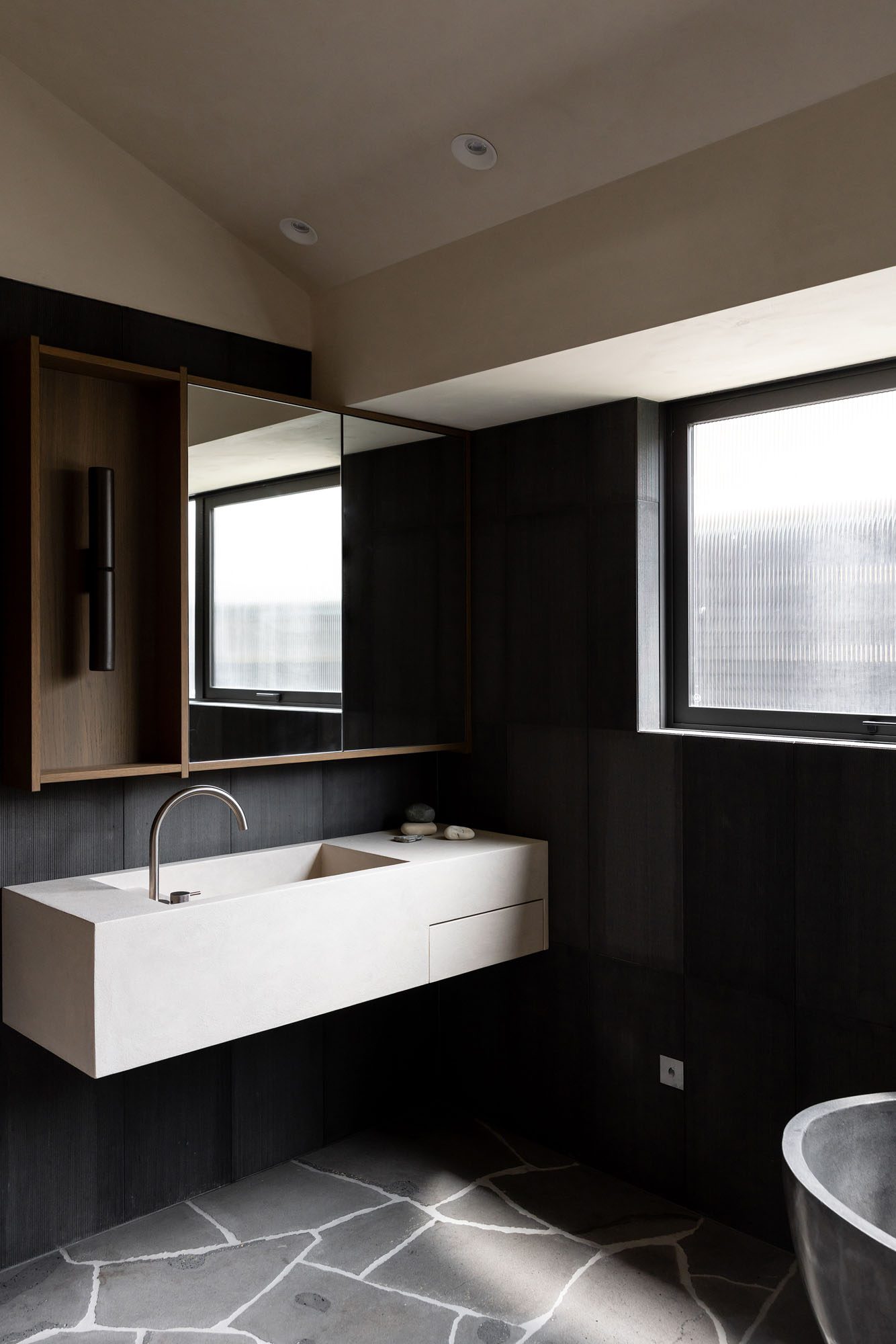
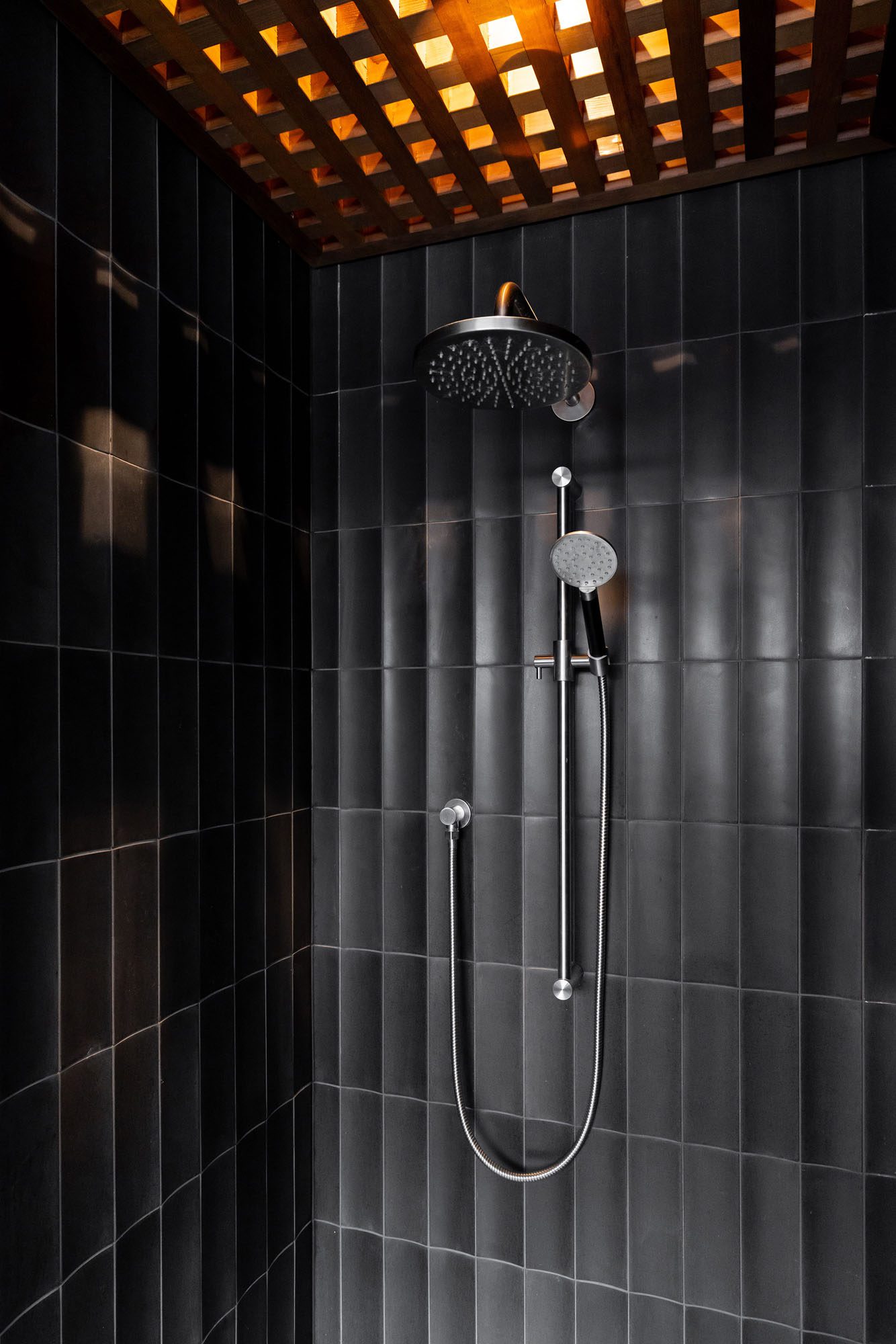
Set in suburban Mount Maunganui, this small beachside home offers a thoughtful and flexible response to a late change in client. It shows how good design can adapt to changing lifestyles and family needs, creating a home that lasts over time. Originally planned for a couple, it is now home to a young and growing family of six. The house responds carefully to its setting, focusing on privacy and using deep tones, warm materials, and details influenced by Balinese design.

The interiors are carefully arranged, leading people through spaces that feel both enclosed and open. Changes in light and levels of privacy create a strong sense of retreat. The result is a calm, unified, and lasting home with quiet architectural confidence.

Housing – Alterations and Additions

Spolia by Architecture Bureau

With a shared vision between architect and homeowner, this project turns a series of incremental additions into a cohesive and welcoming holiday home. The renovation and extension reconnect the living spaces to the outdoors, improving the family’s connection to the harbour and its surroundings. The weatherboard exterior keeps the home’s simple and modest character, while the interior materials are chosen for warmth, durability, and ease.

The project also shows a careful approach to sustainability by reusing and adapting many existing materials. This keeps the history of earlier generations visible while giving it new life. The result is a smart and lasting example of a well-considered renovation.

Housing – Multi-Unit

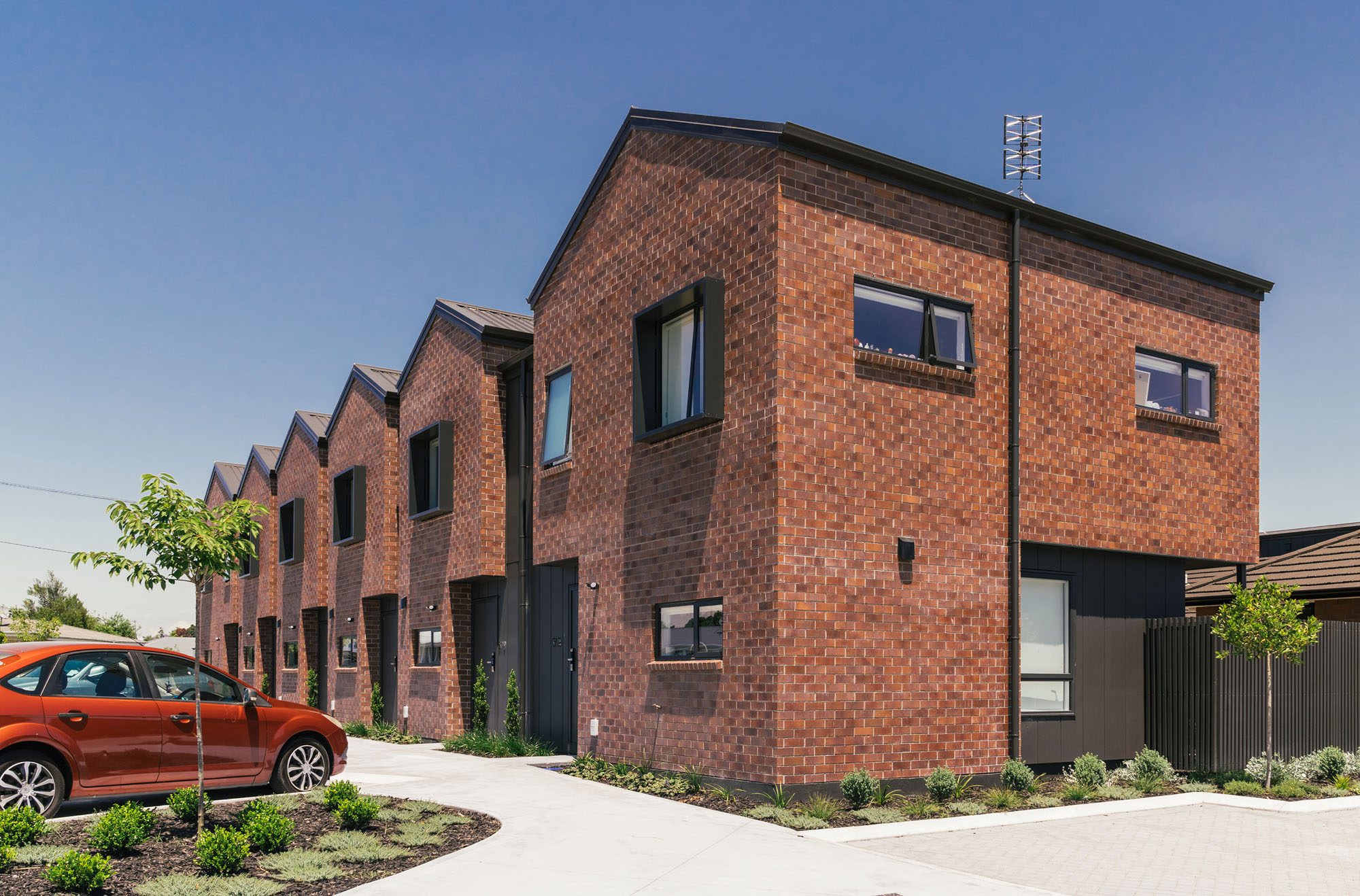
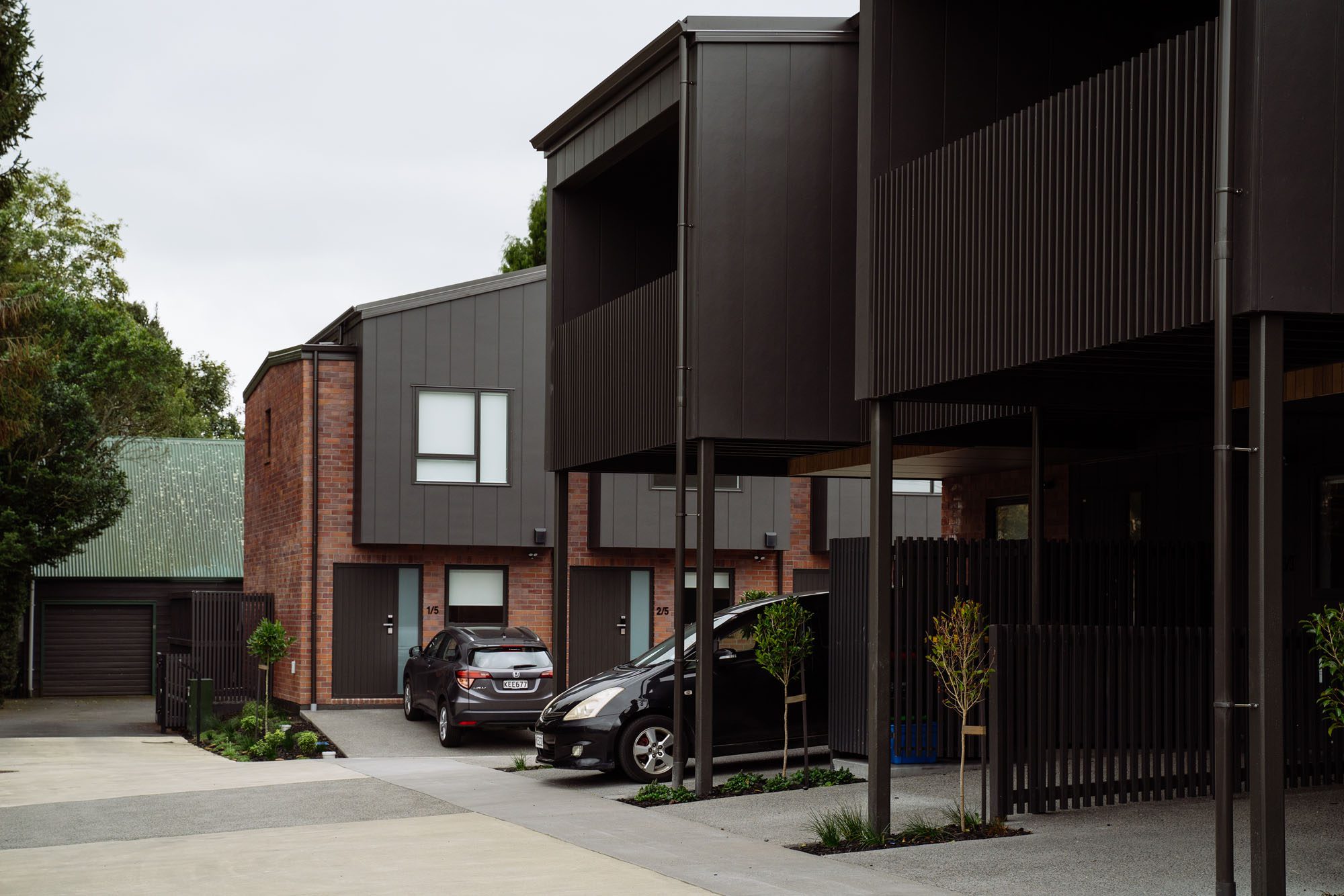
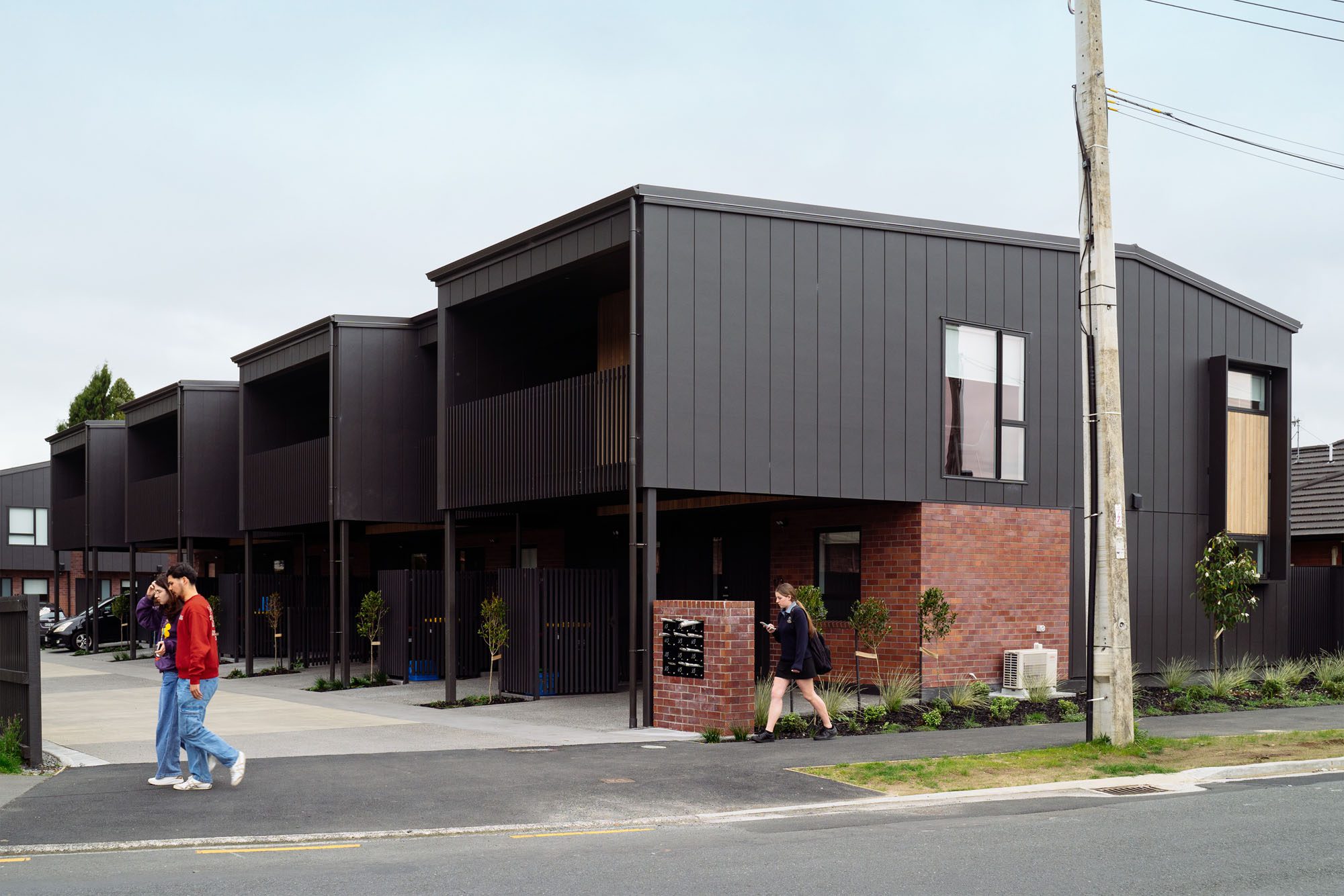
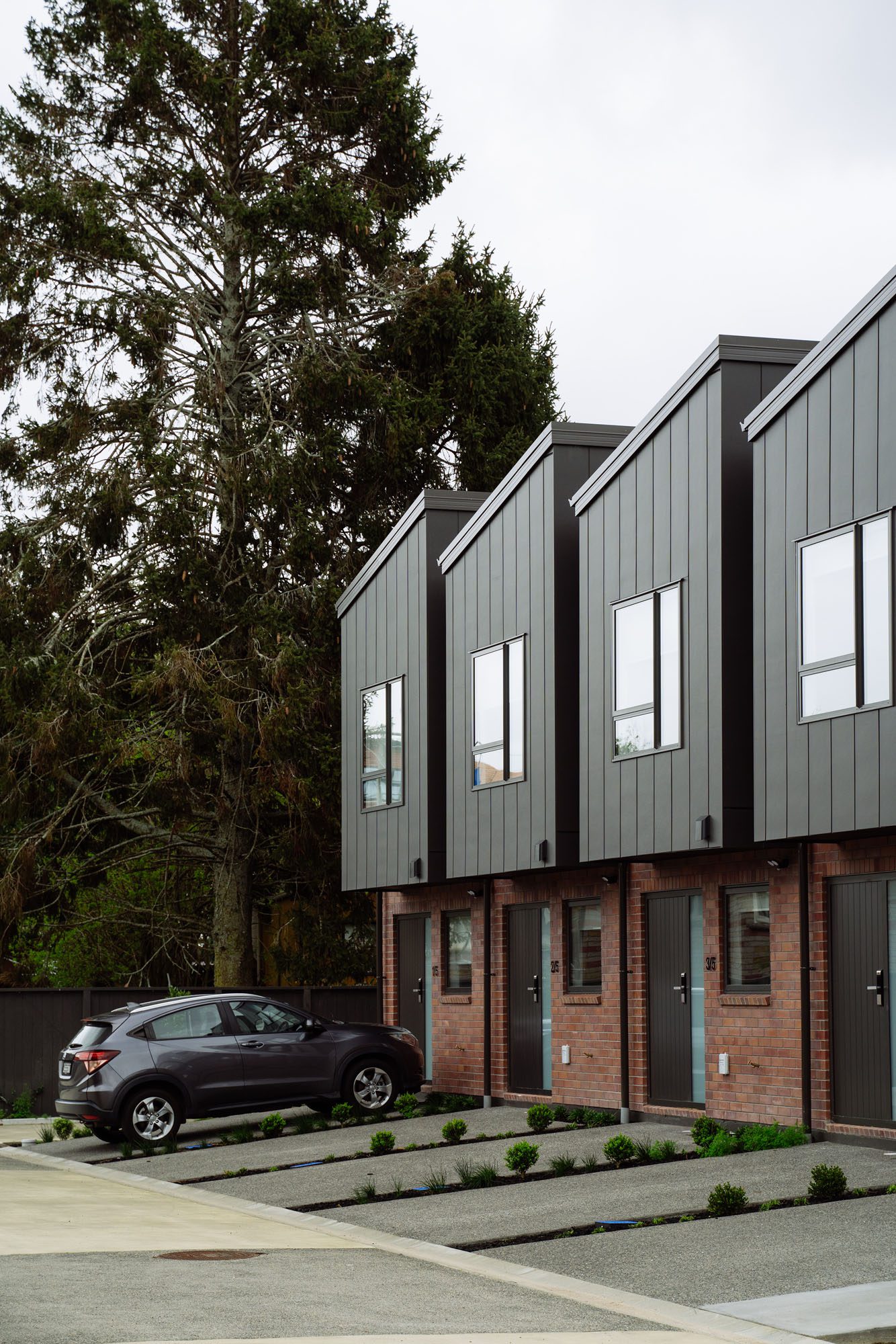
The Muse by Construkt Architects

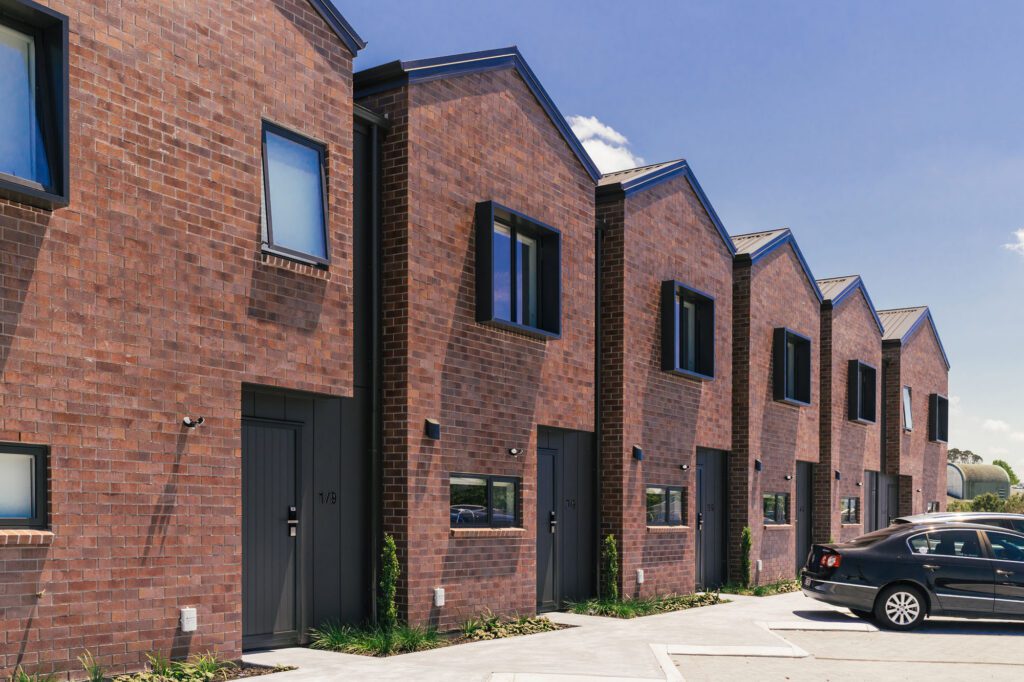
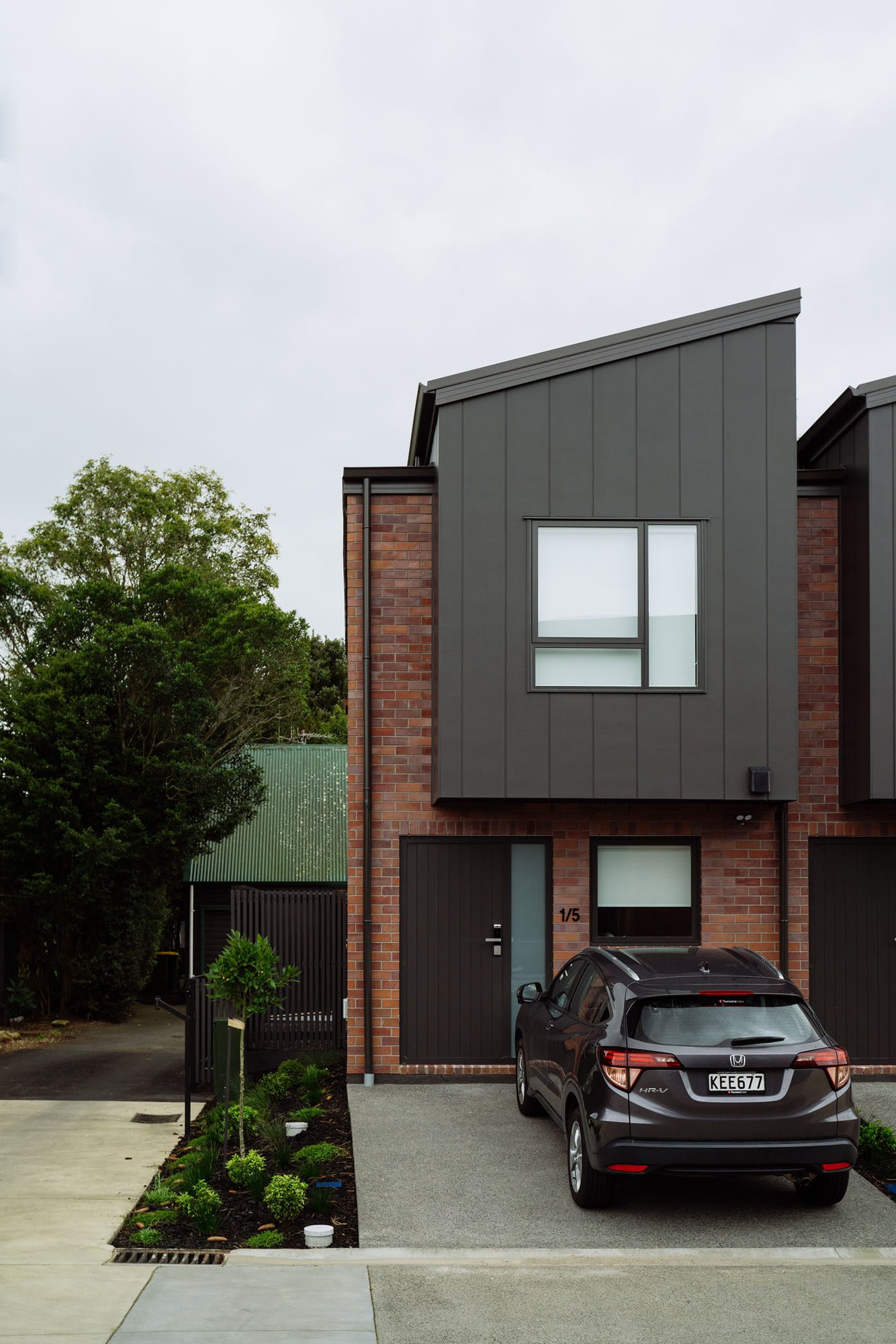
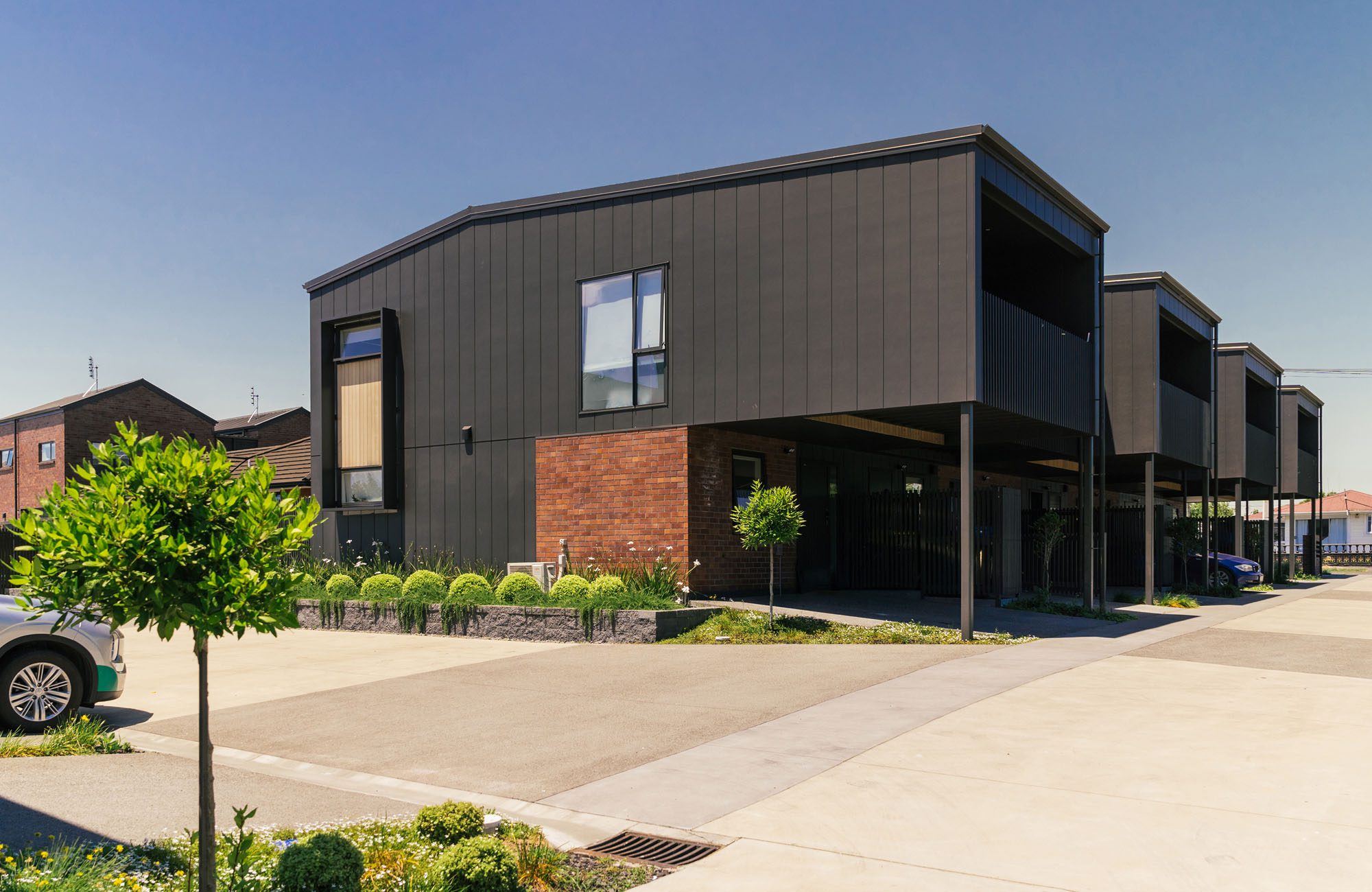
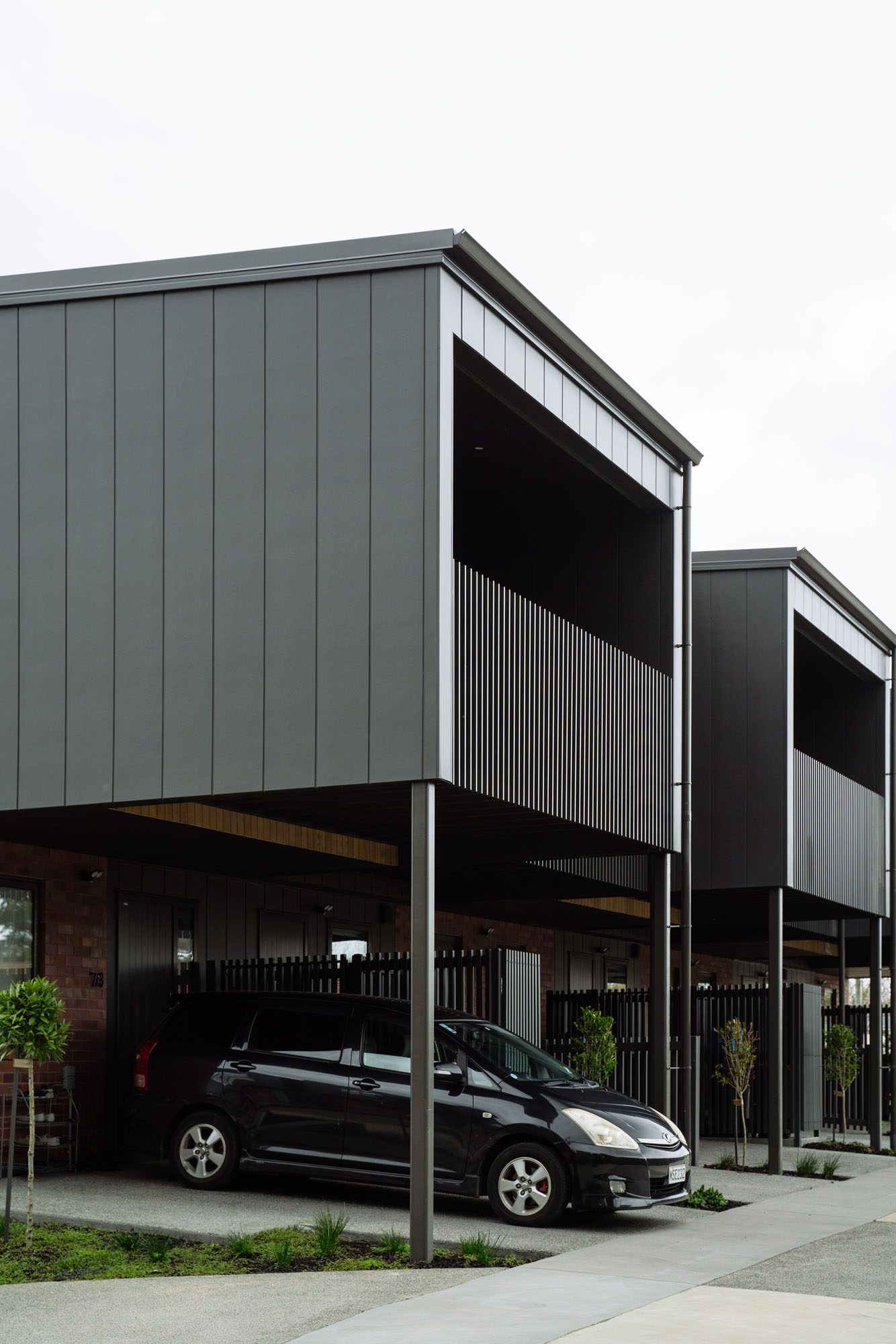
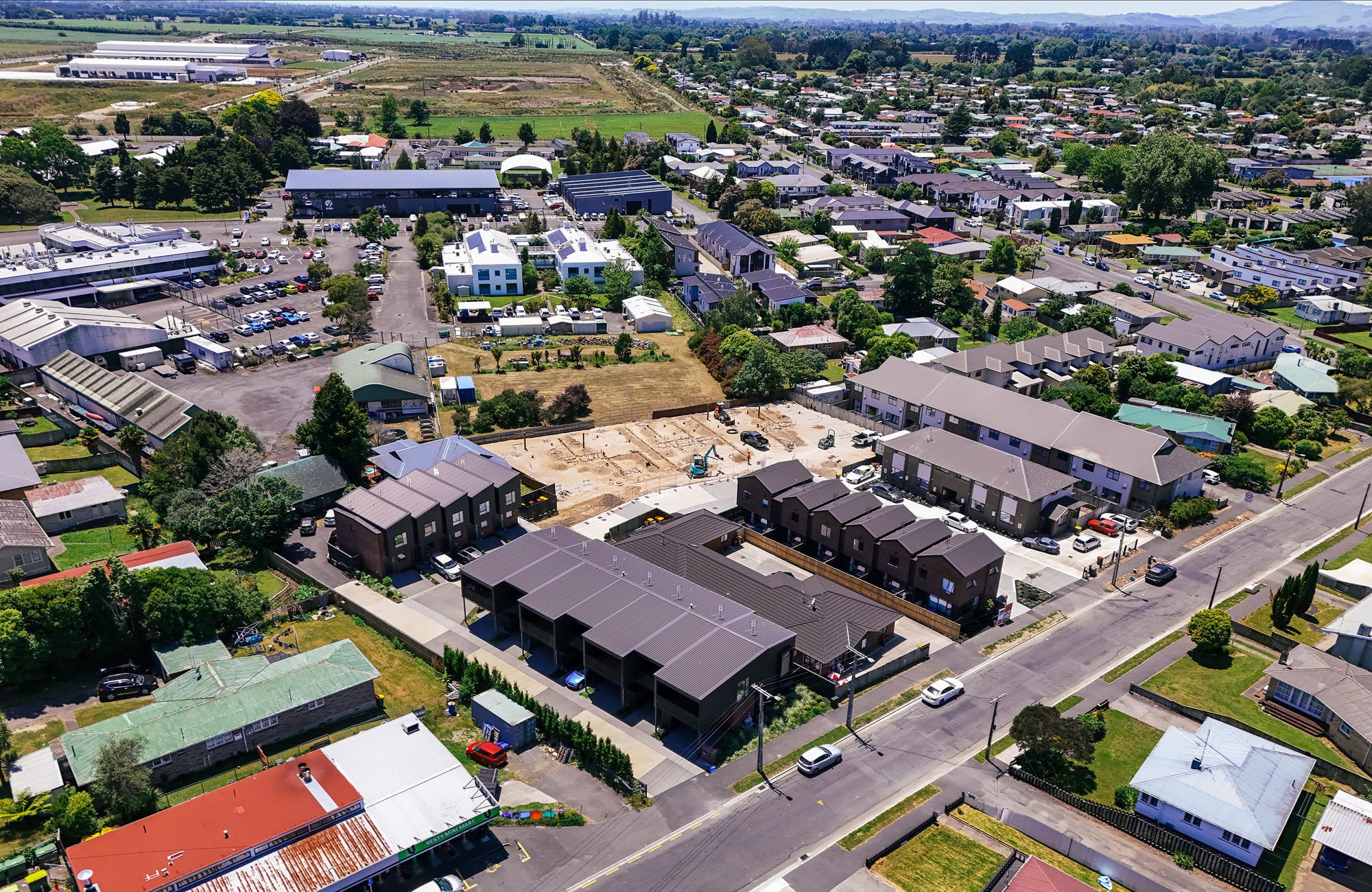
This medium-density development is considered, generous and cohesive, with gabled and single-slope roof shapes creating a consistent look. Rhythmic forms and large windows improve the street presence, while an internal laneway helps guide movement, builds a sense of identity, and encourages interaction between neighbours. This creates a safe, comfortable, and human-scale community.

Careful attention to key details—such as waste management and shared landscaping—enhances the overall communal experience.

Interior Architecture

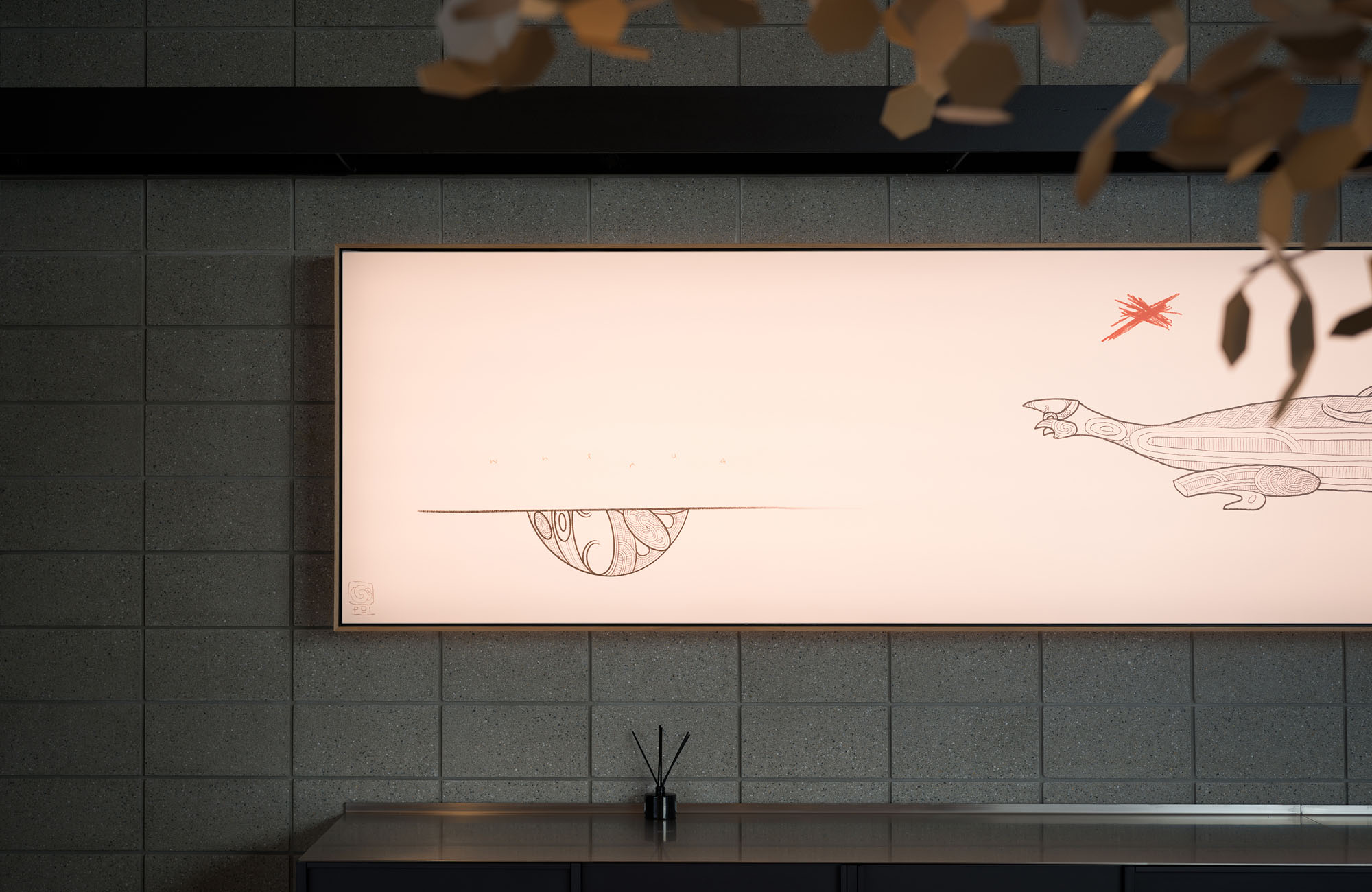
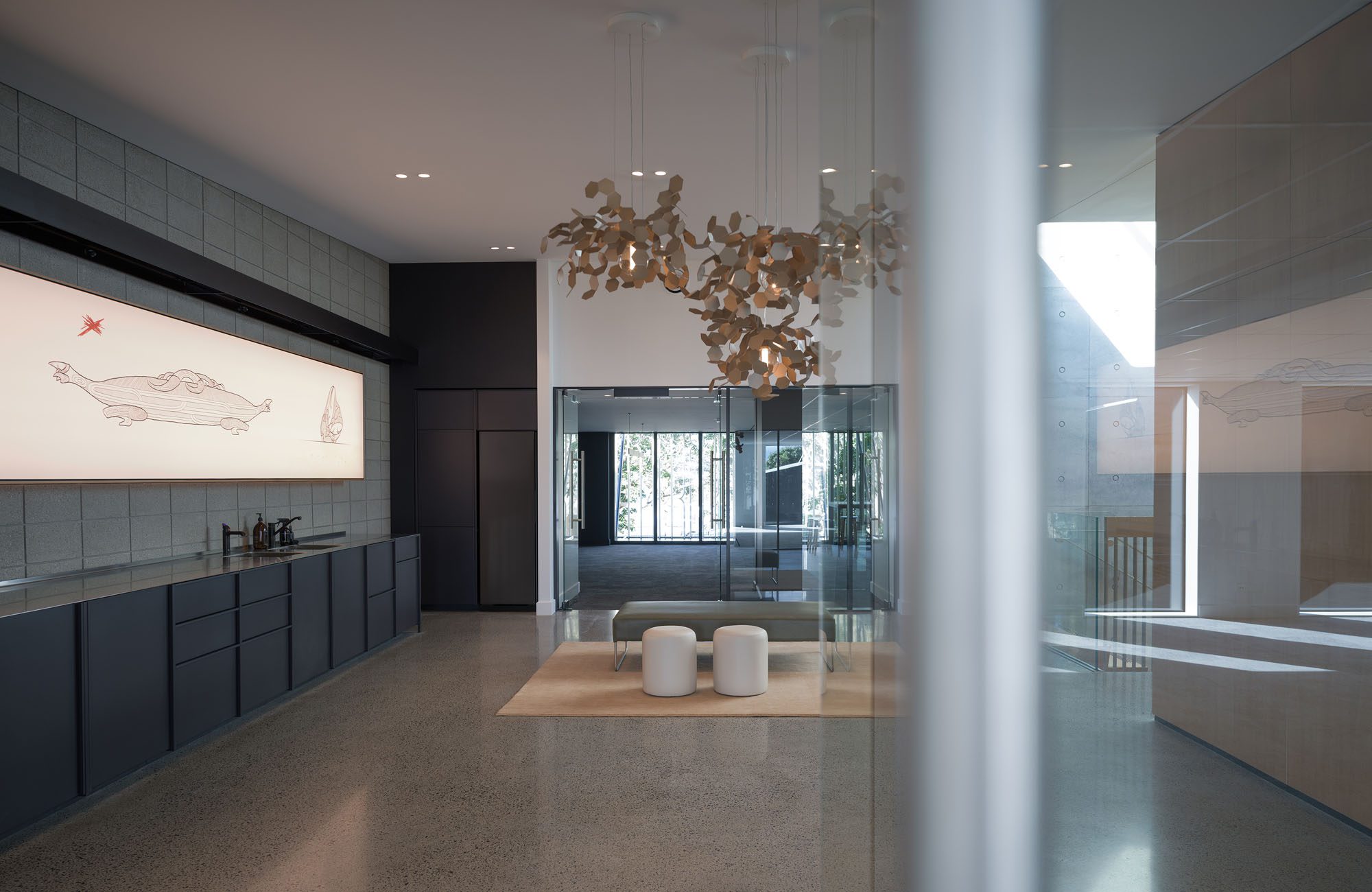
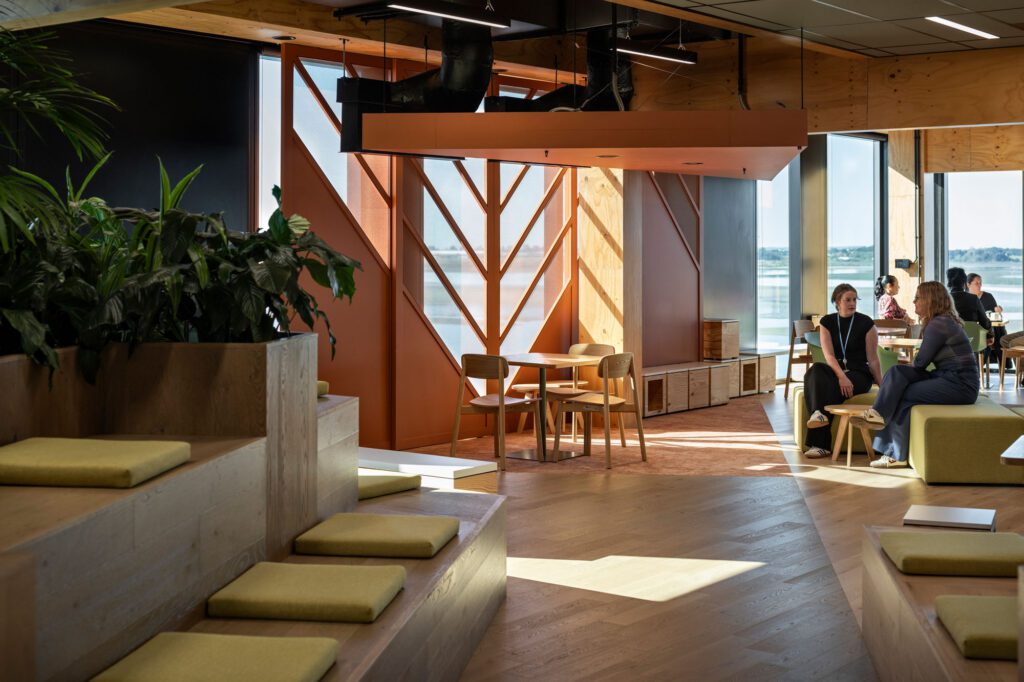
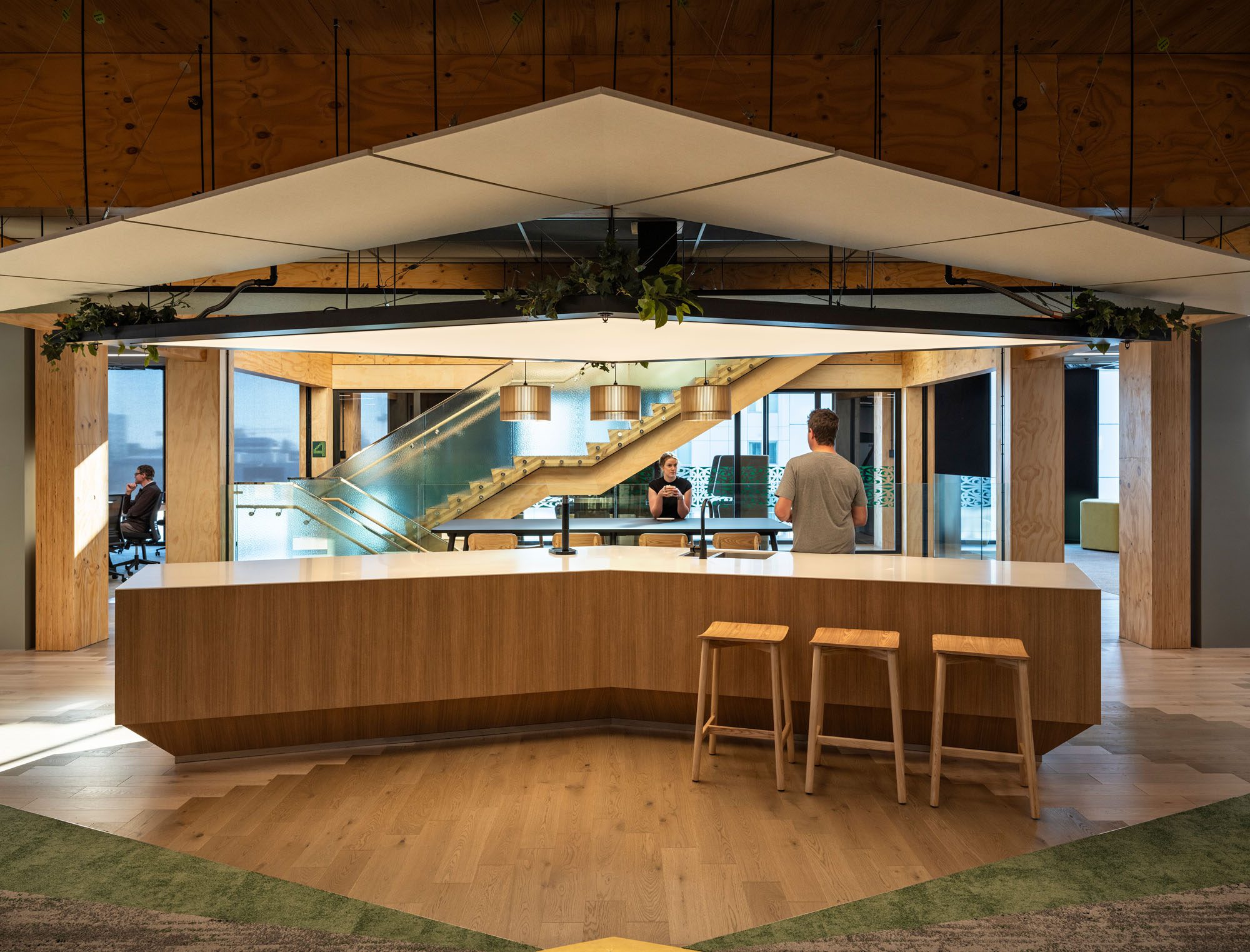
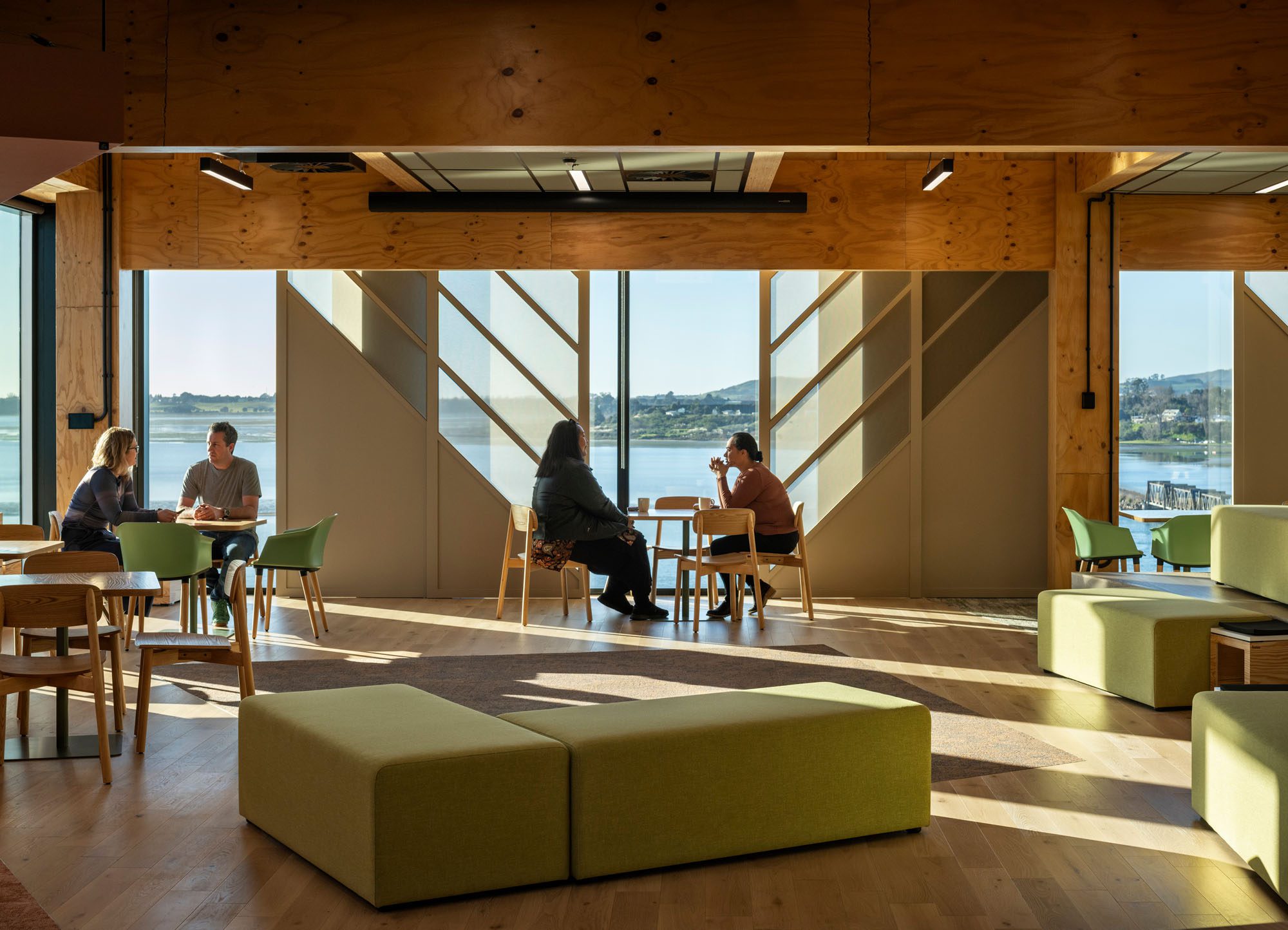
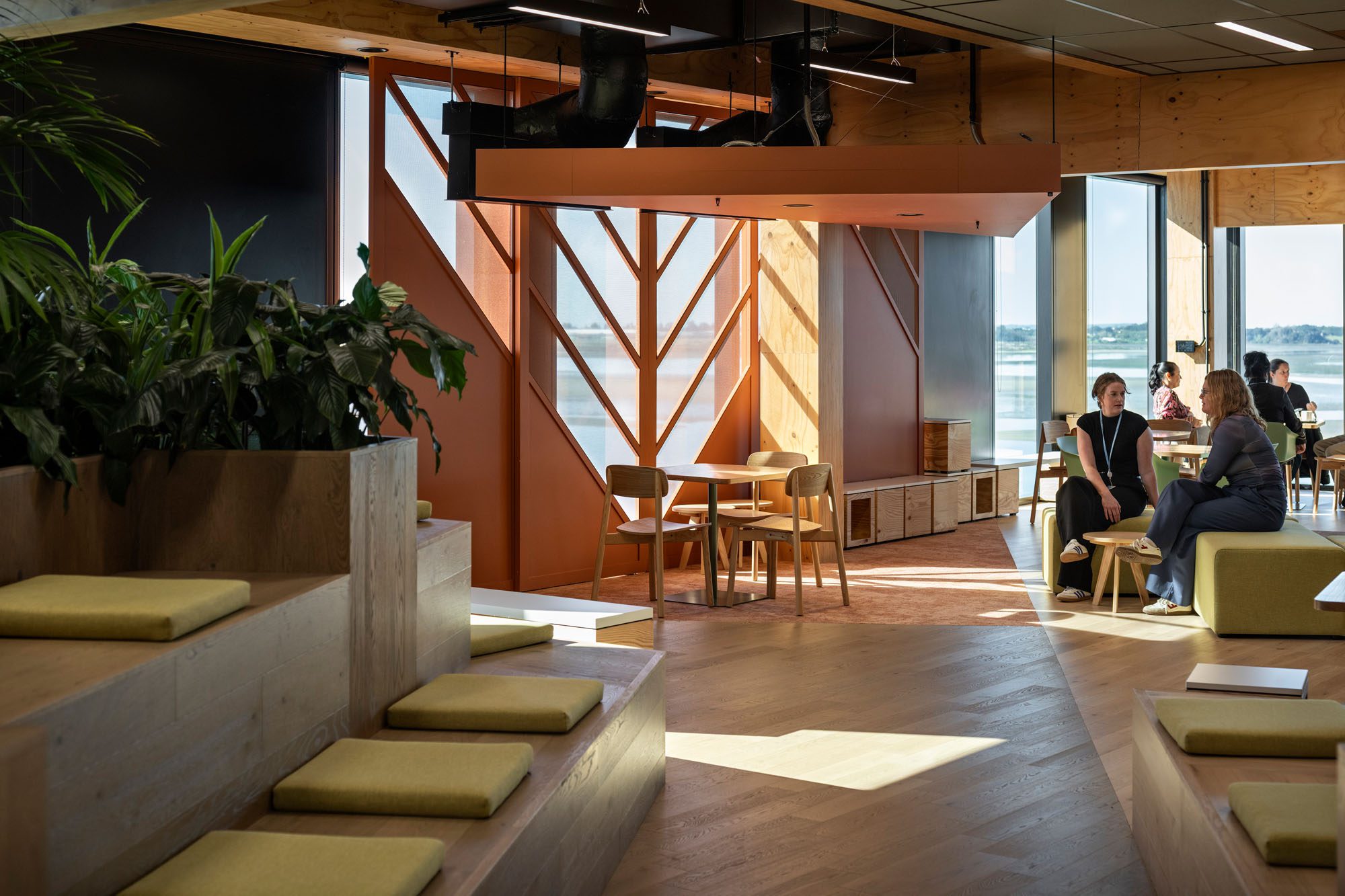
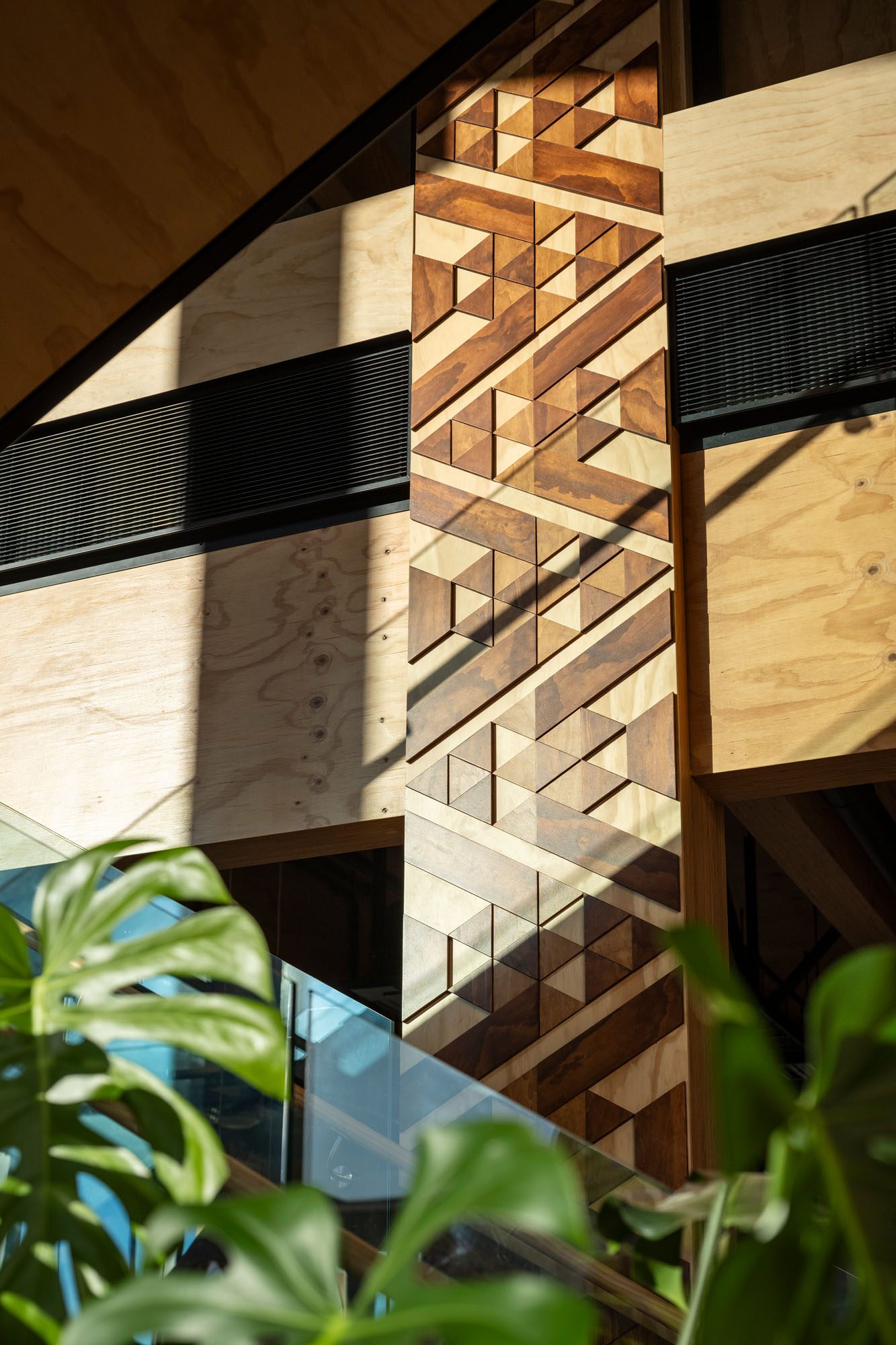
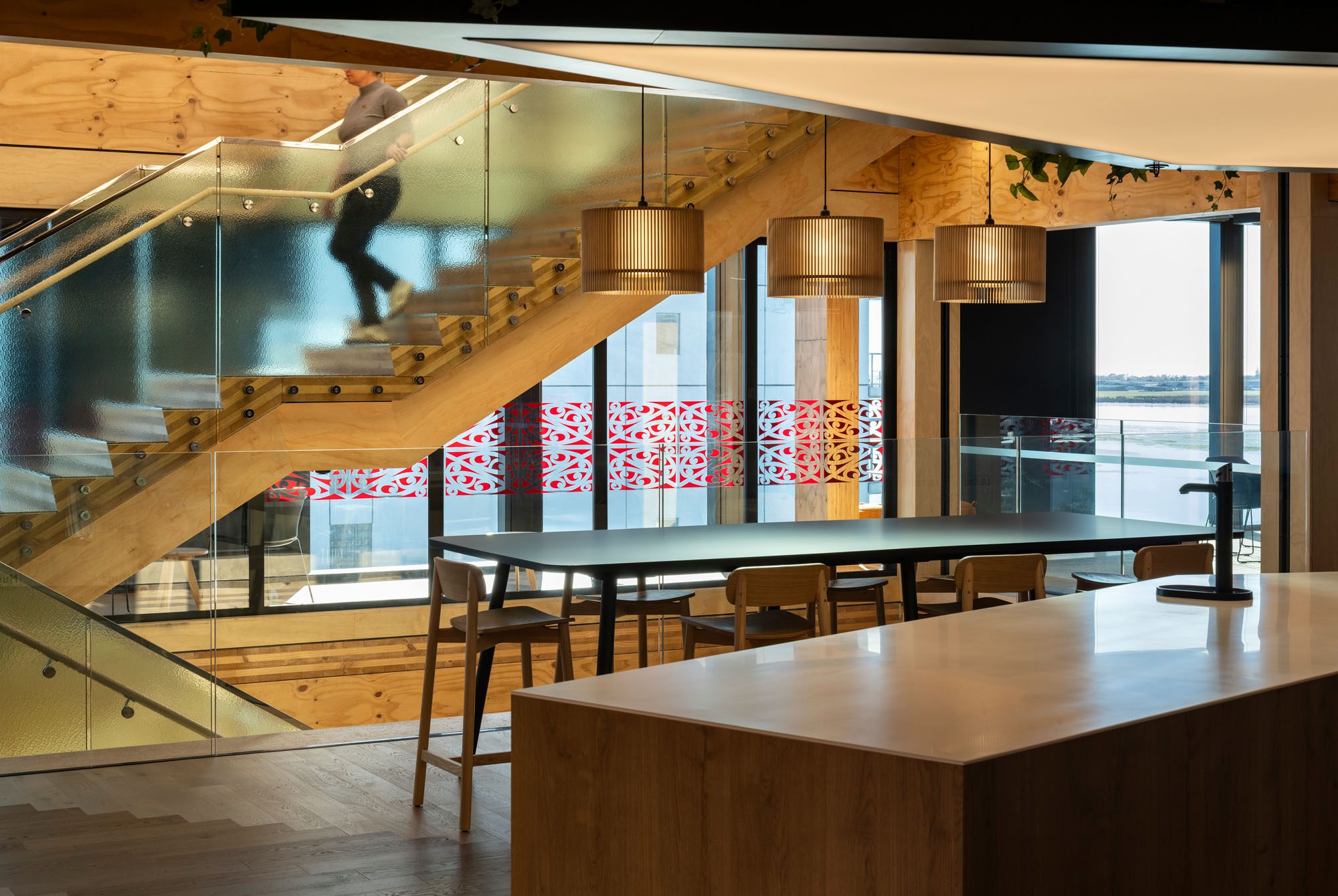
90 Devonport Road by Warren and Mahoney

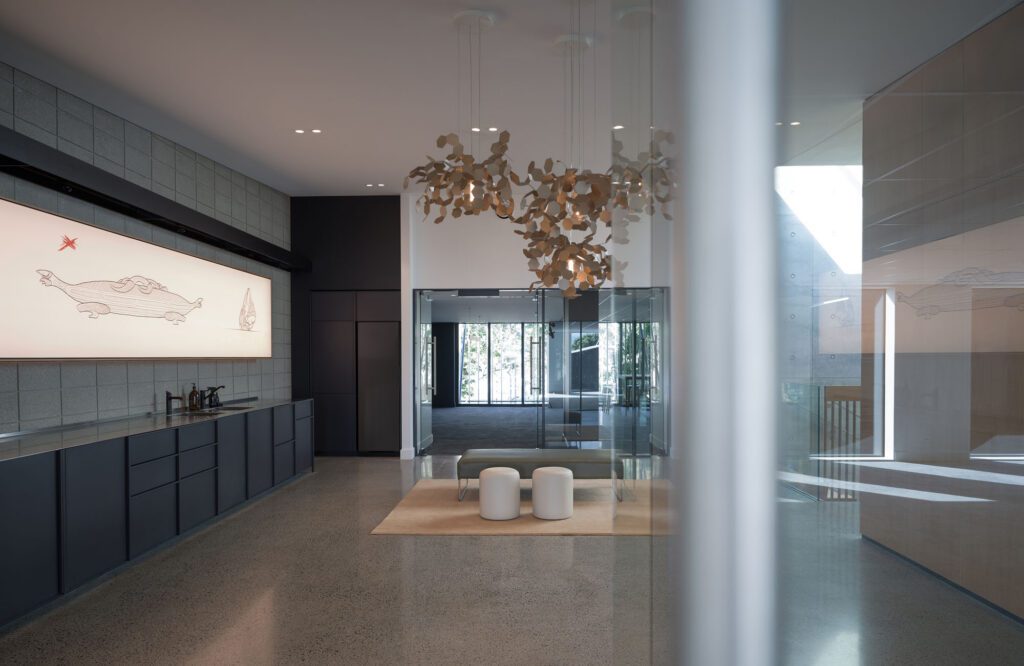
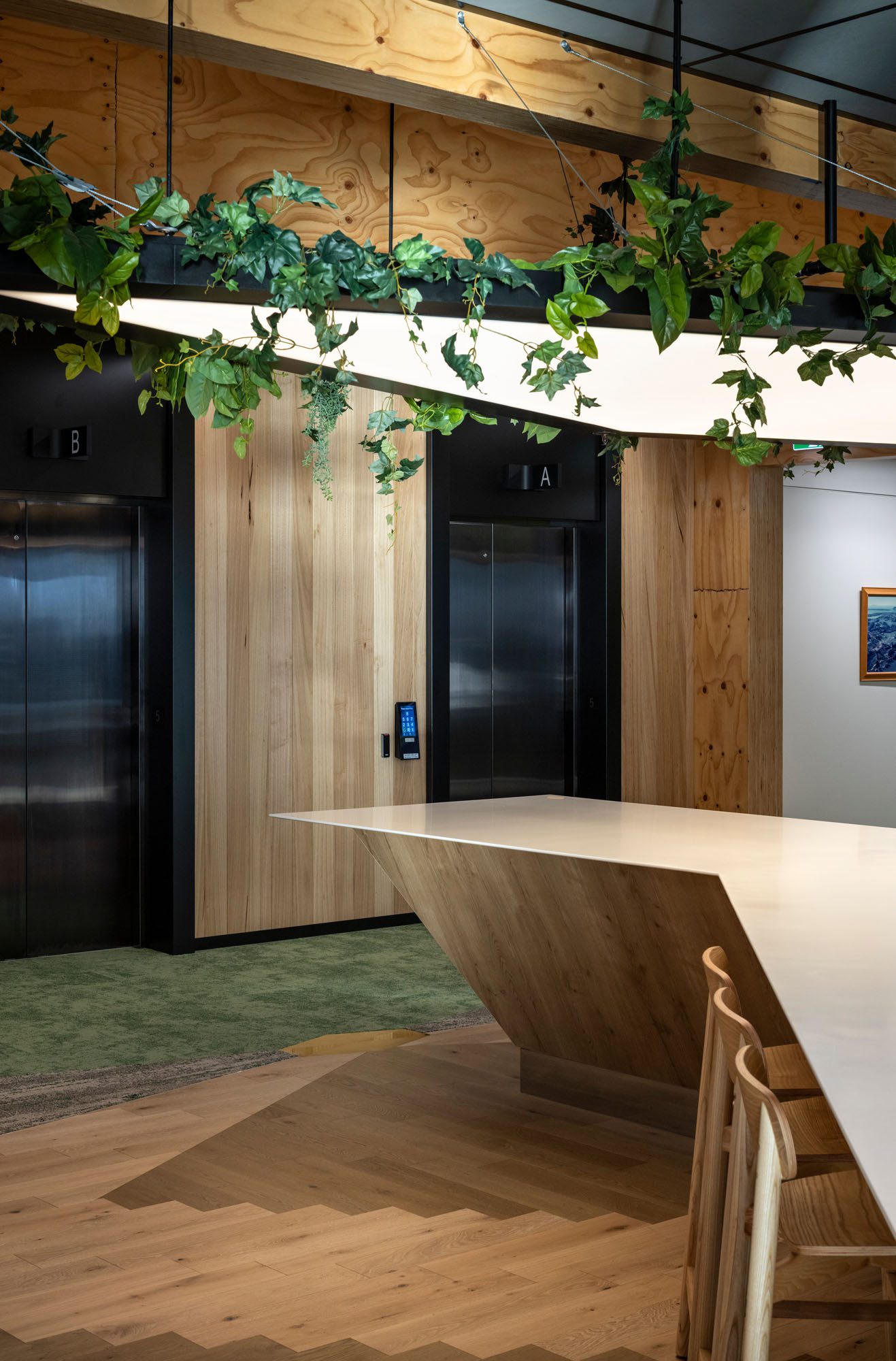
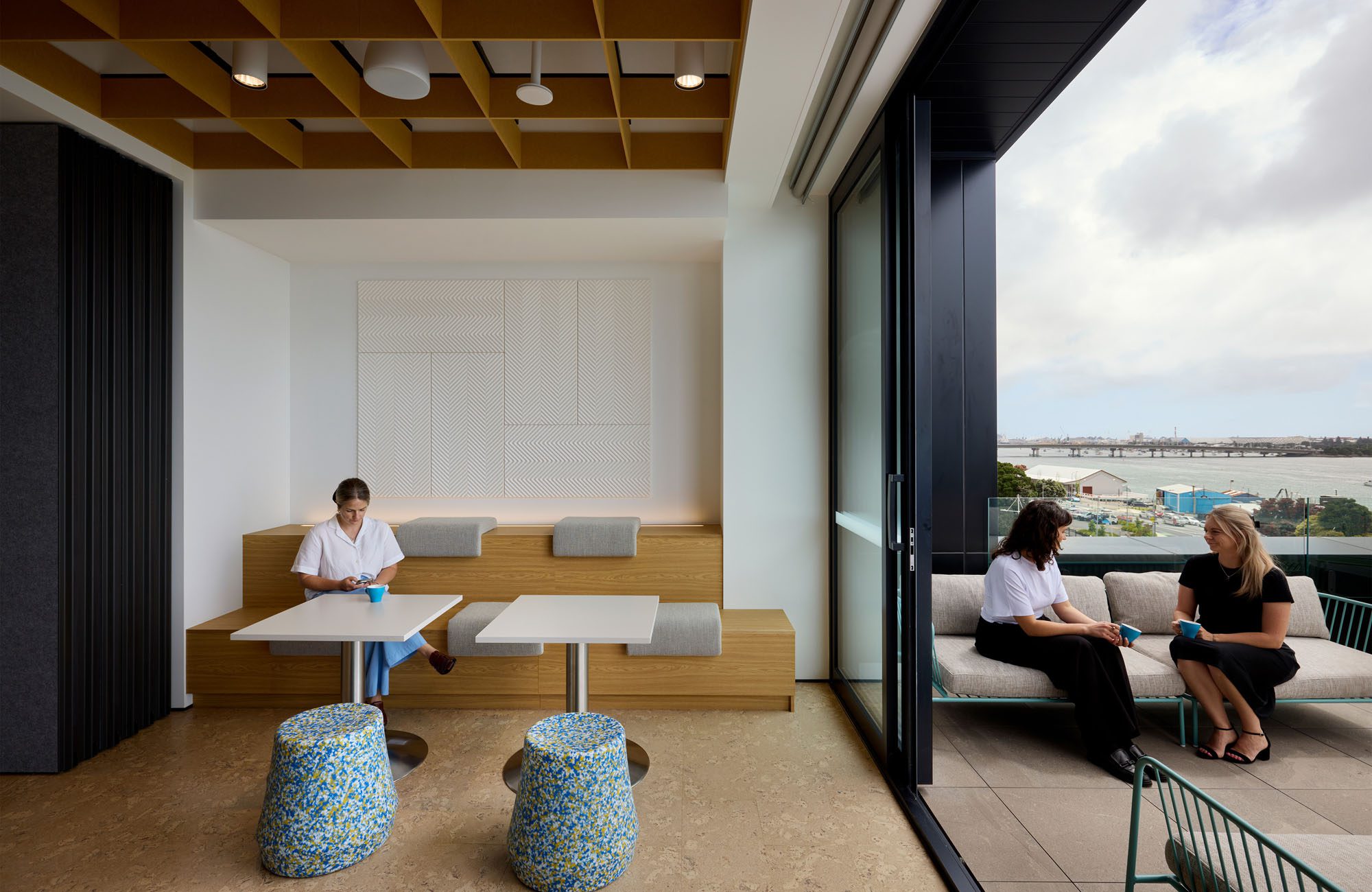
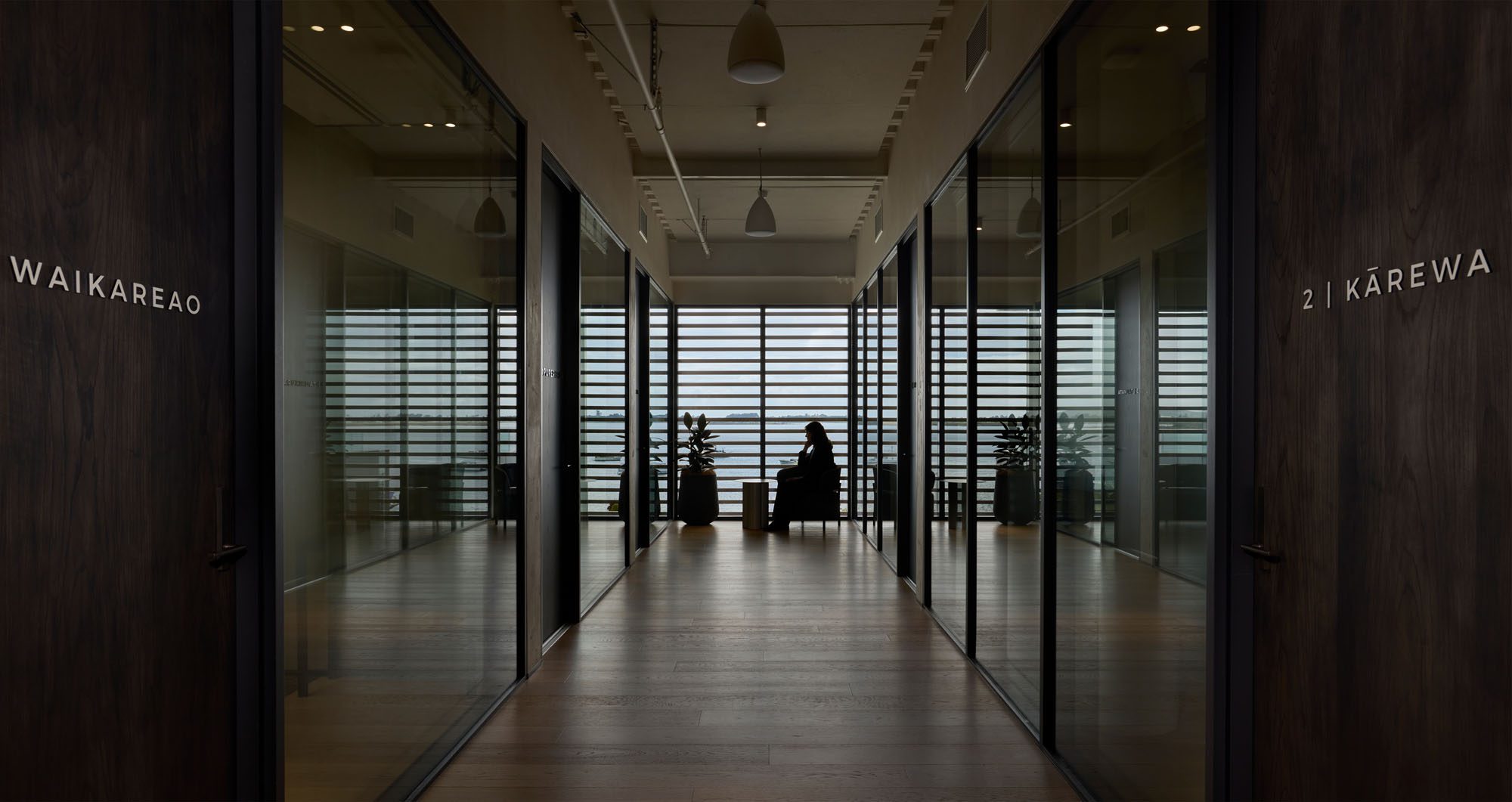
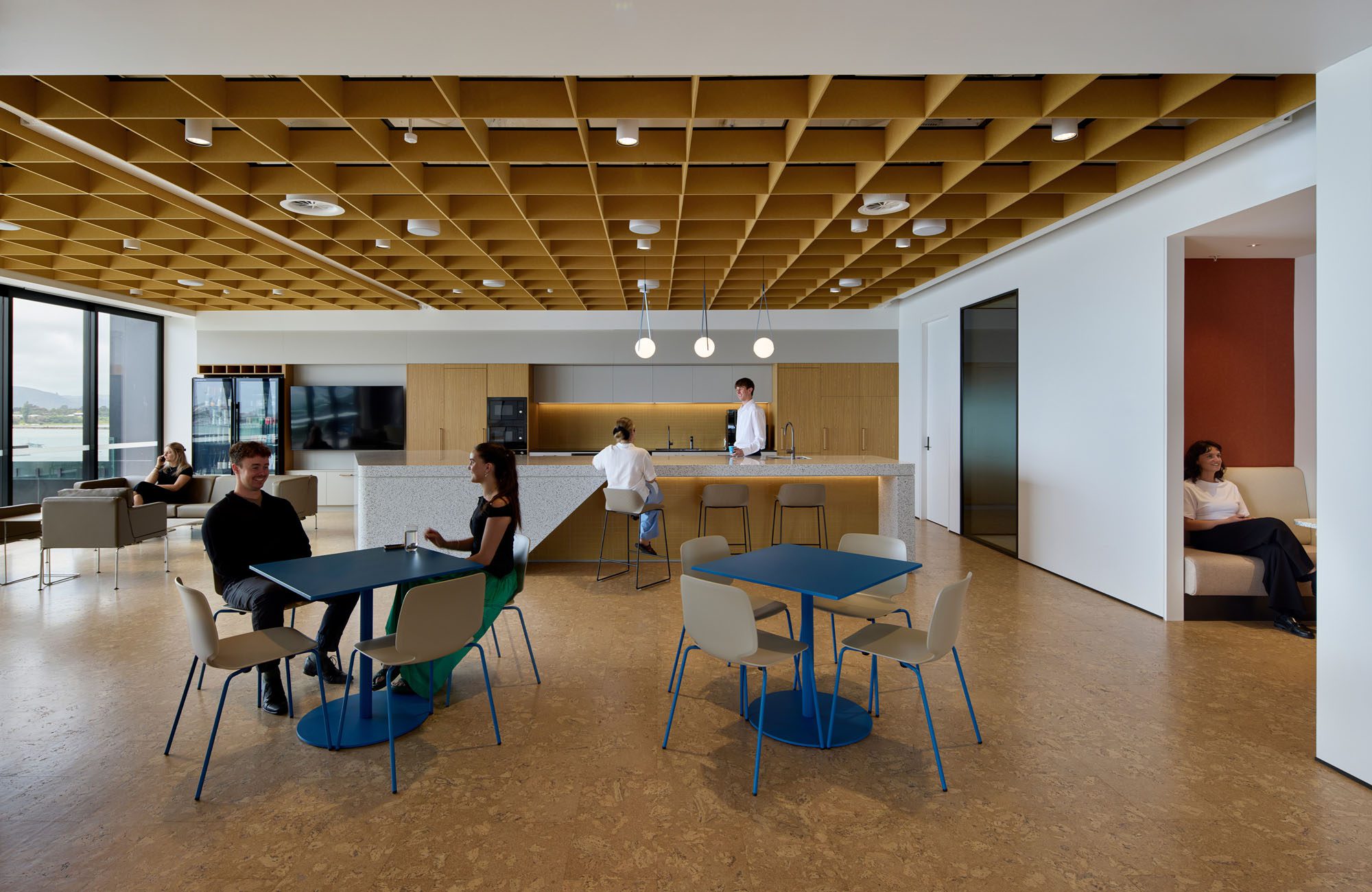
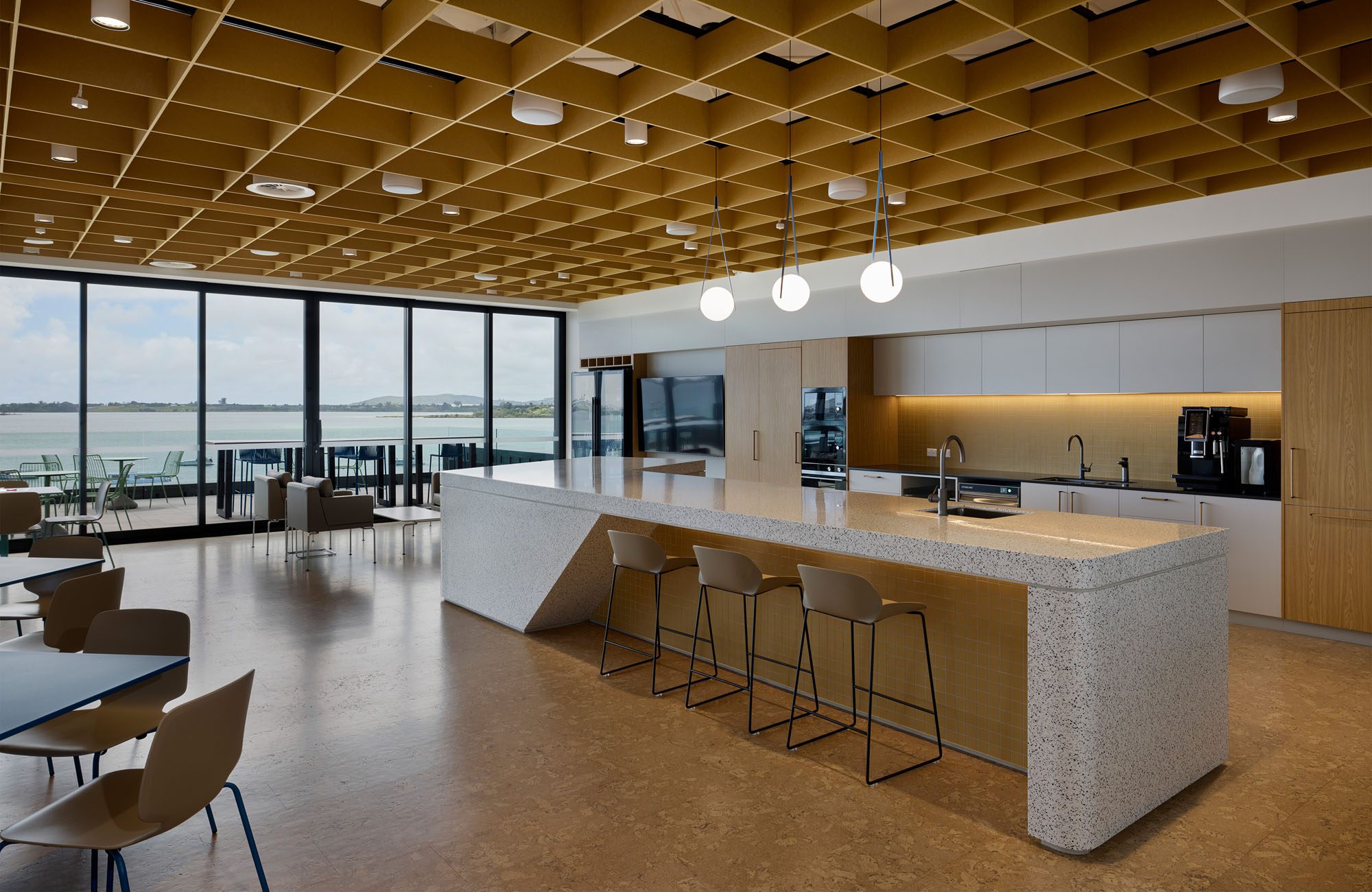
This project supports the revival of Tauranga’s CBD by bringing up to 1,000 city council staff together under one roof, creating a lively civic hub. The interiors support an inclusive, wellbeing-focused environment, encouraging movement, interaction, and collaborative workspaces.

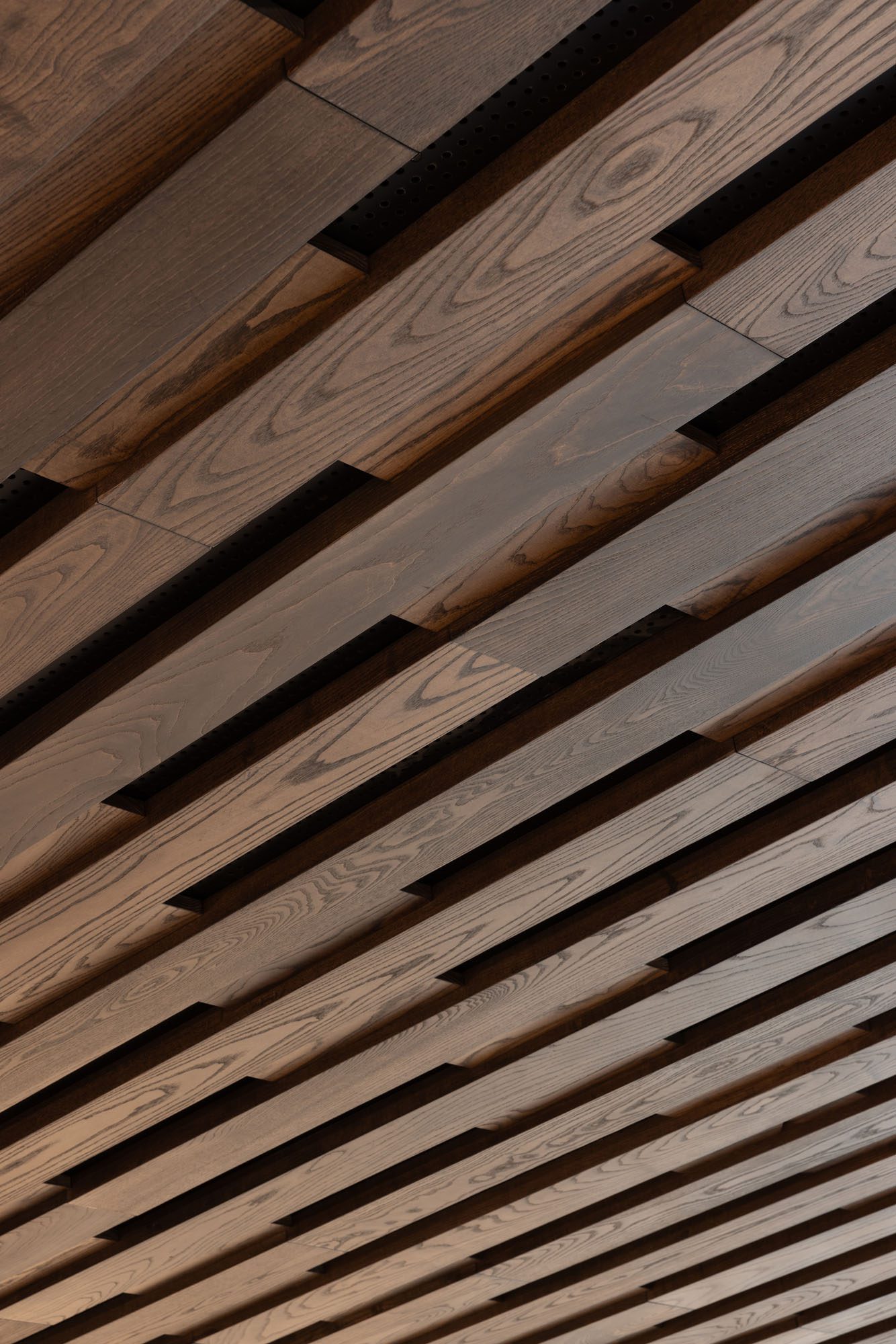
A timber-first approach celebrates the structure with minimal finishes, adding warmth and a strong sense of material integrity. Colour and wayfinding are inspired by the surrounding environment and help guide people through the space.

The interiors strengthen and highlight the building as a model of sustainability, wellbeing, and connection.

This project also received a Commercial Architecture award. 

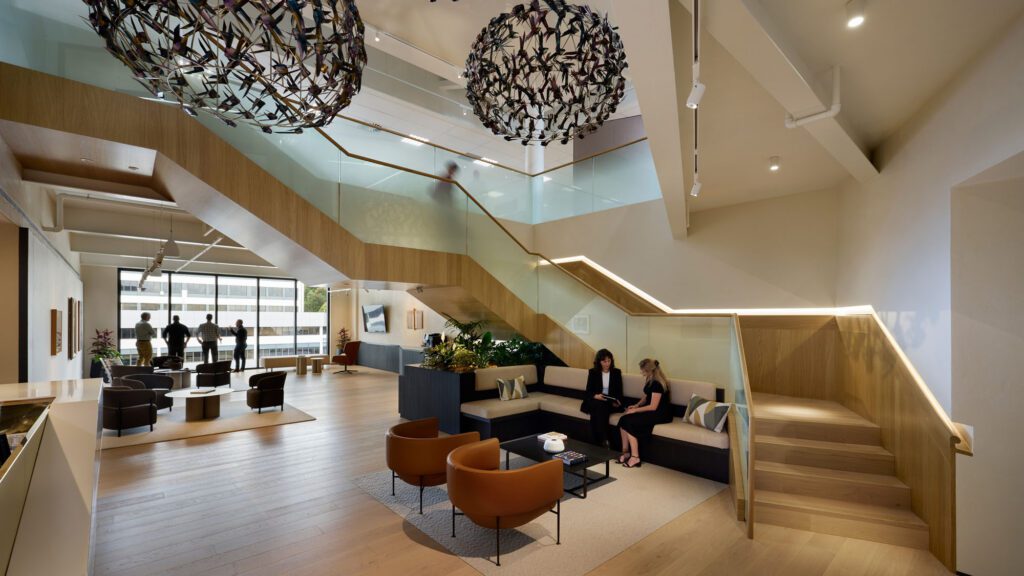
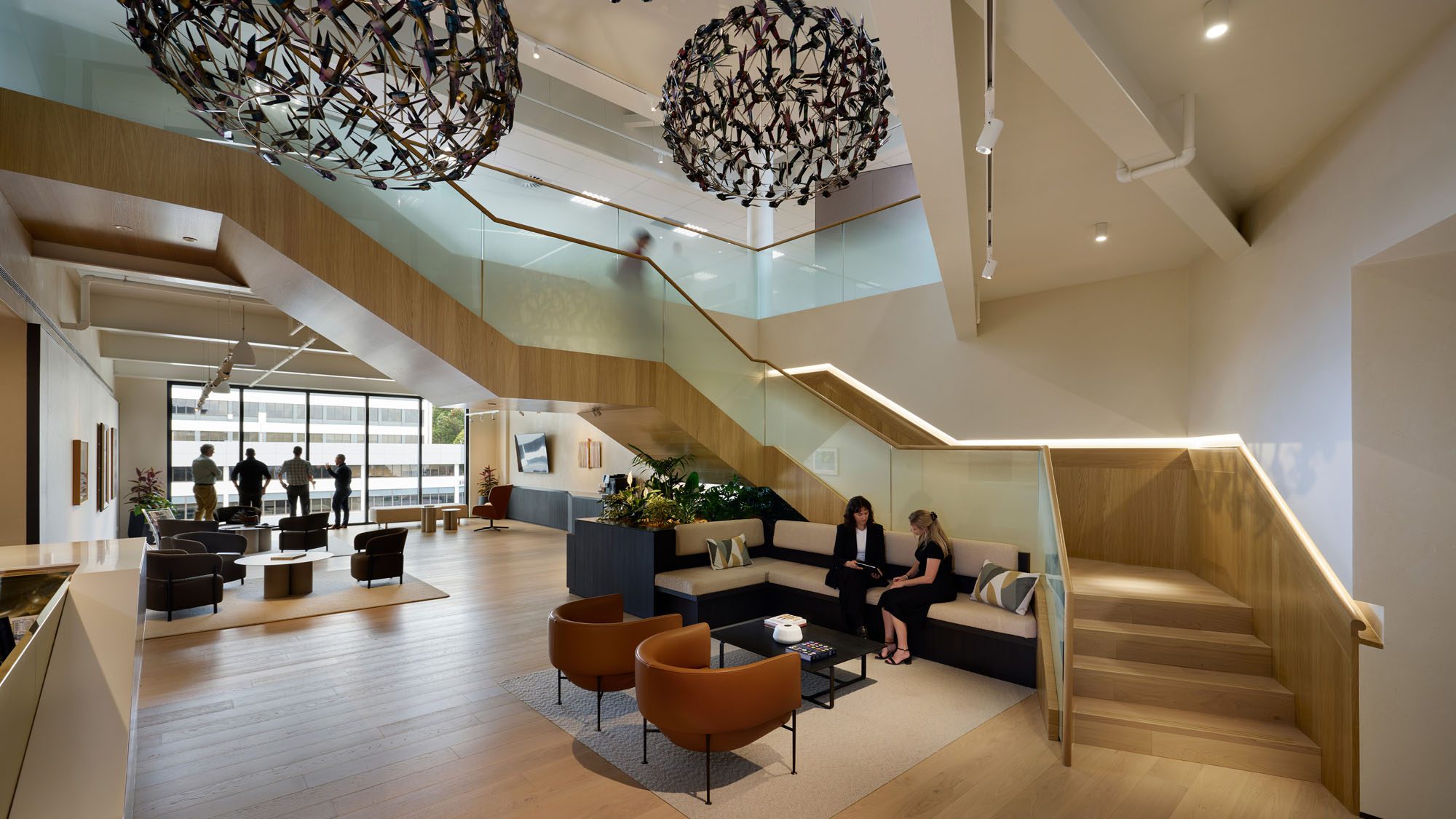
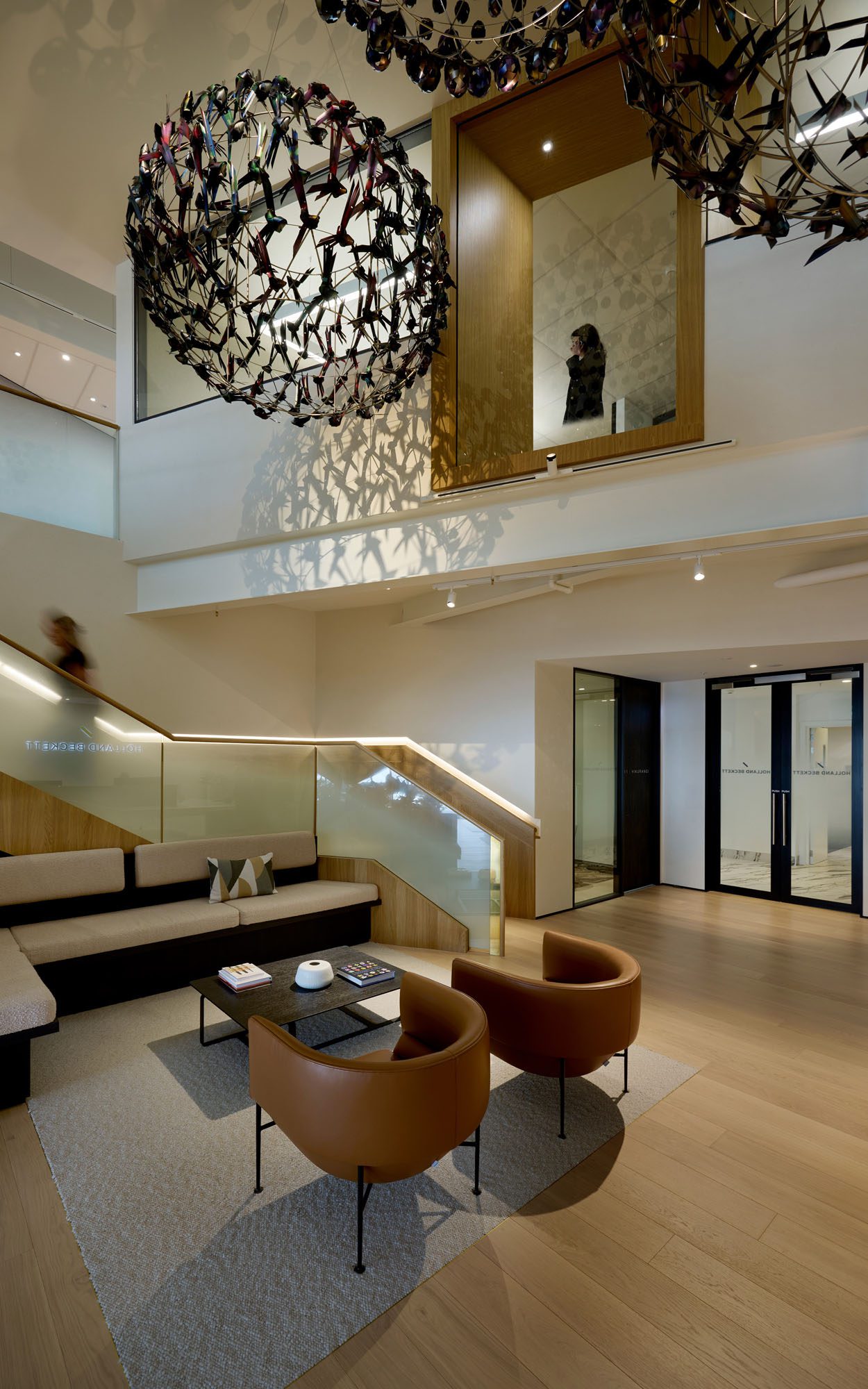
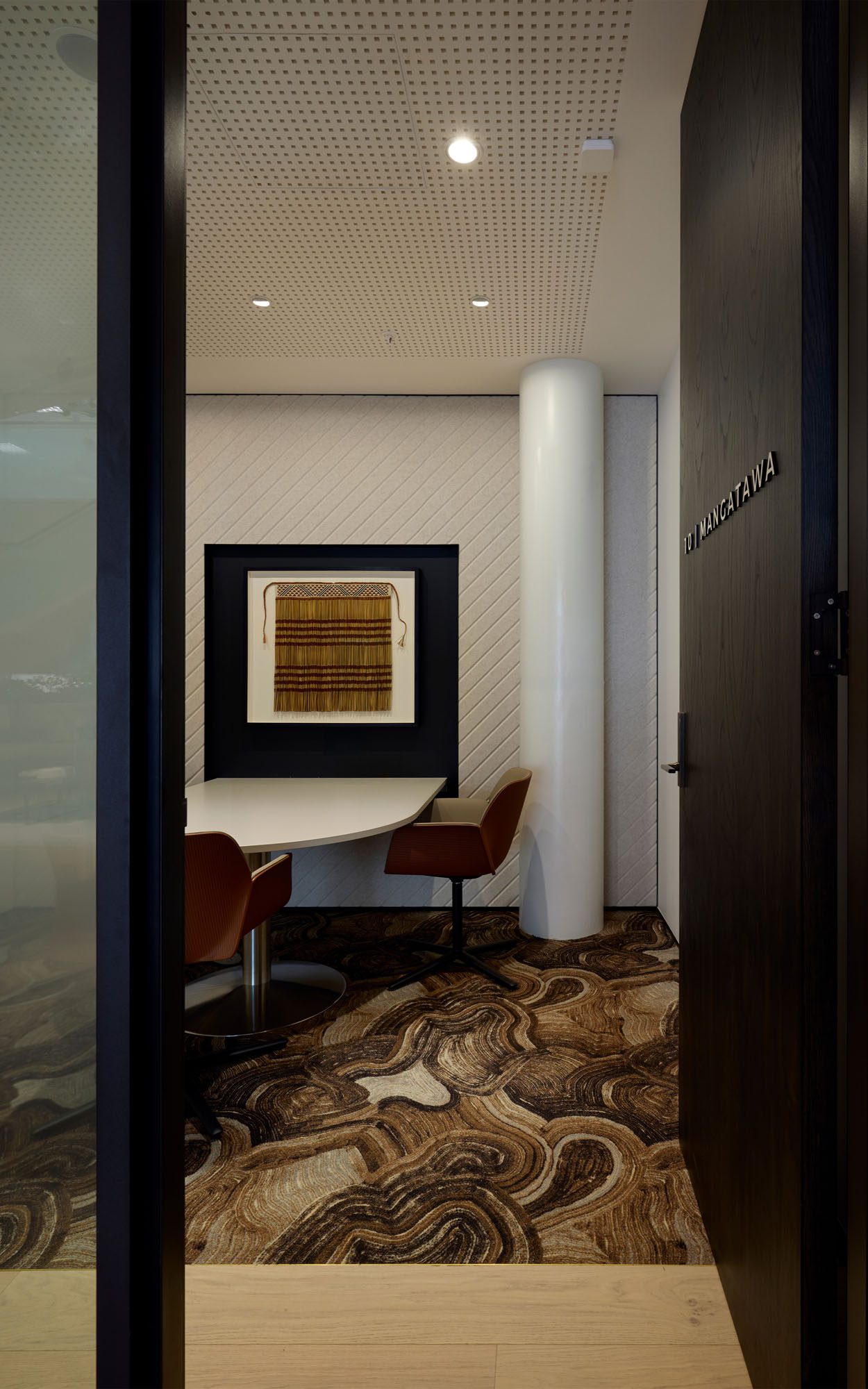
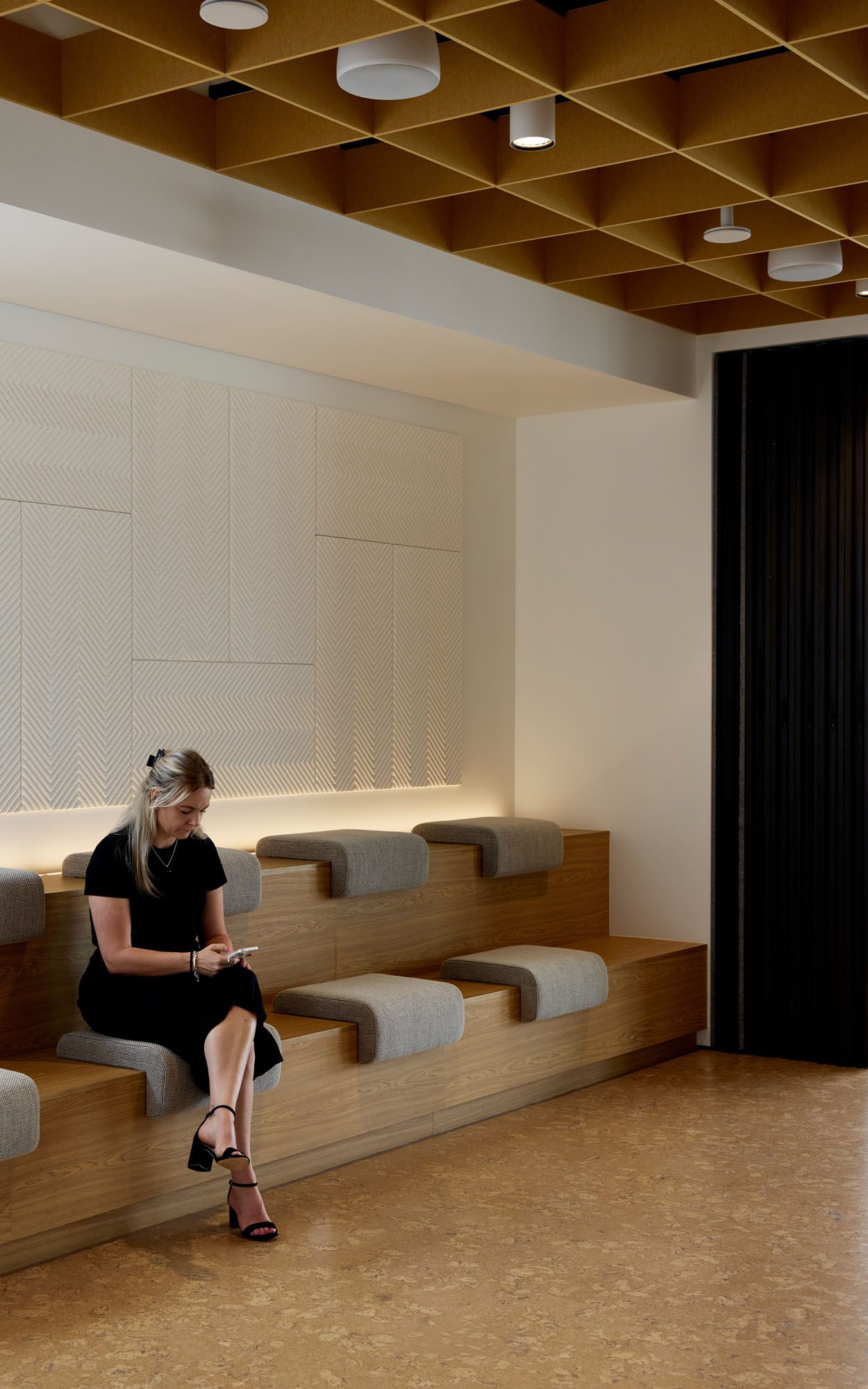
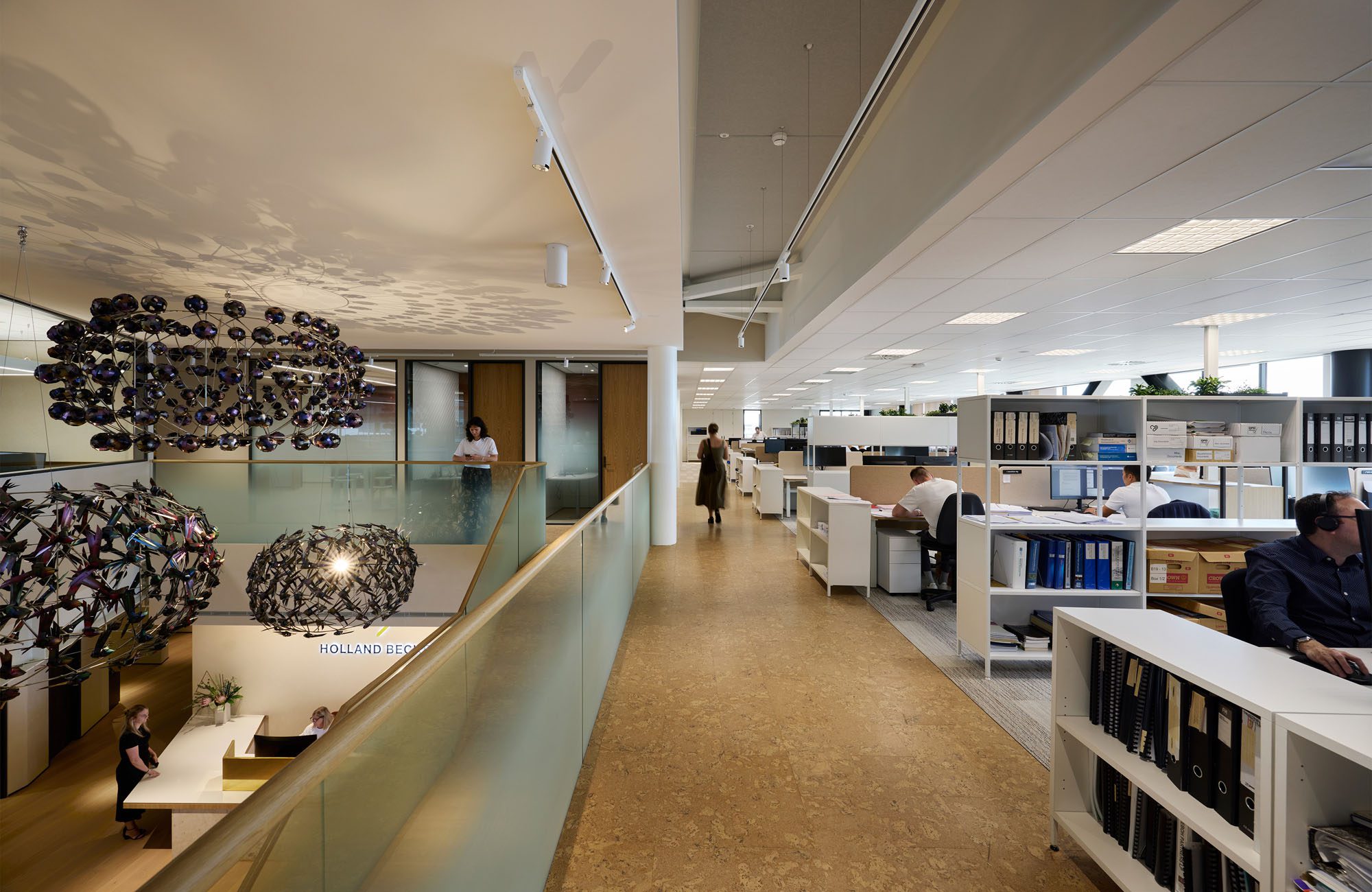
Holland Beckett Interiors by Wingates

Holland Beckett Interiors shows a confident and thoughtful response to a changing workplace, balancing professionalism with warmth.

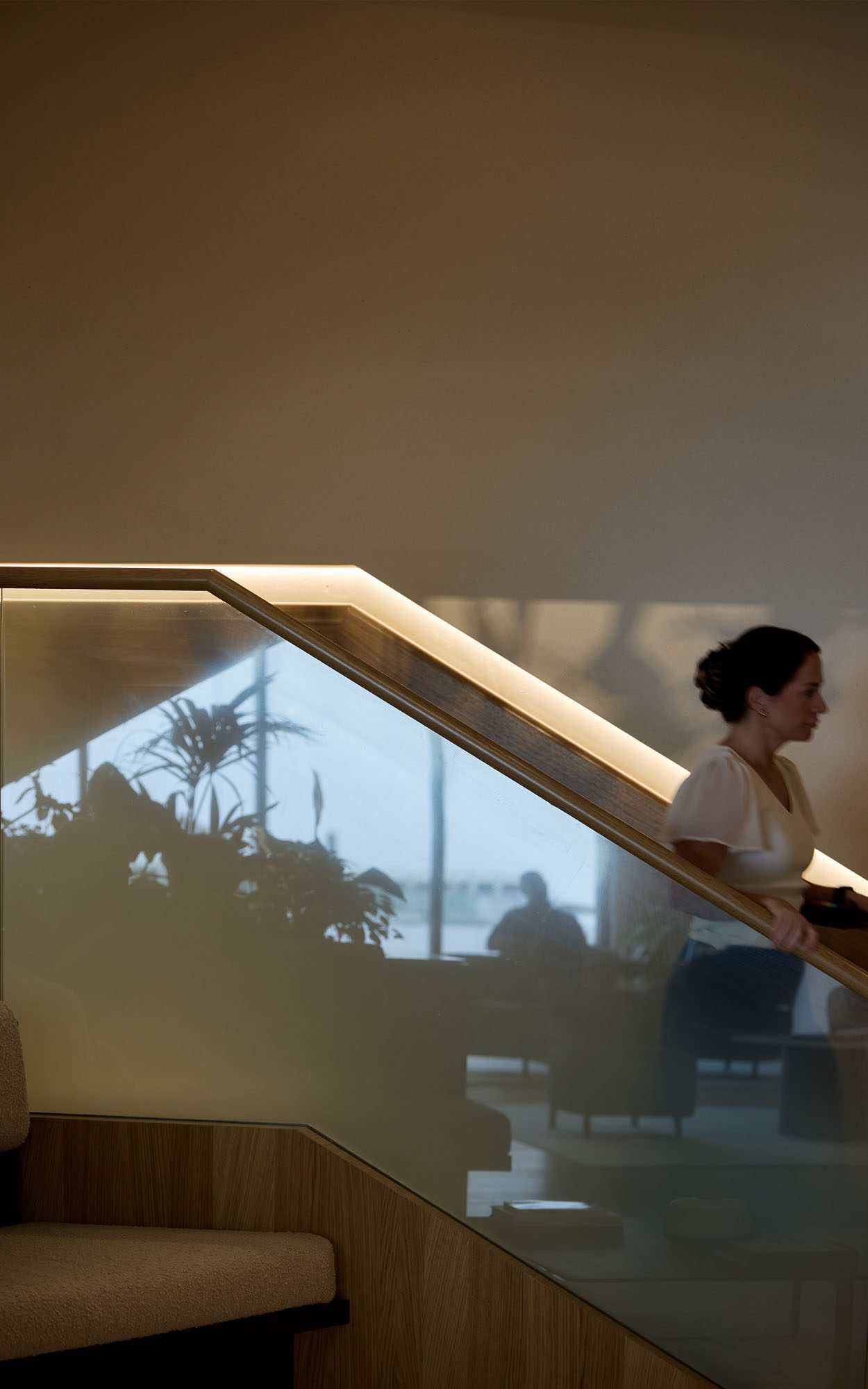
The layout gently guides movement and organisation, while a bold opening in the floor creates a central double-height space. This generous feature forms a strong, shared area, with a connecting stair linking the levels both visually and physically. A simple material palette is enhanced by integrated artwork and creative pendant lighting made from repurposed aluminium blinds, creating a refined and lasting workplace.

Public Architecture

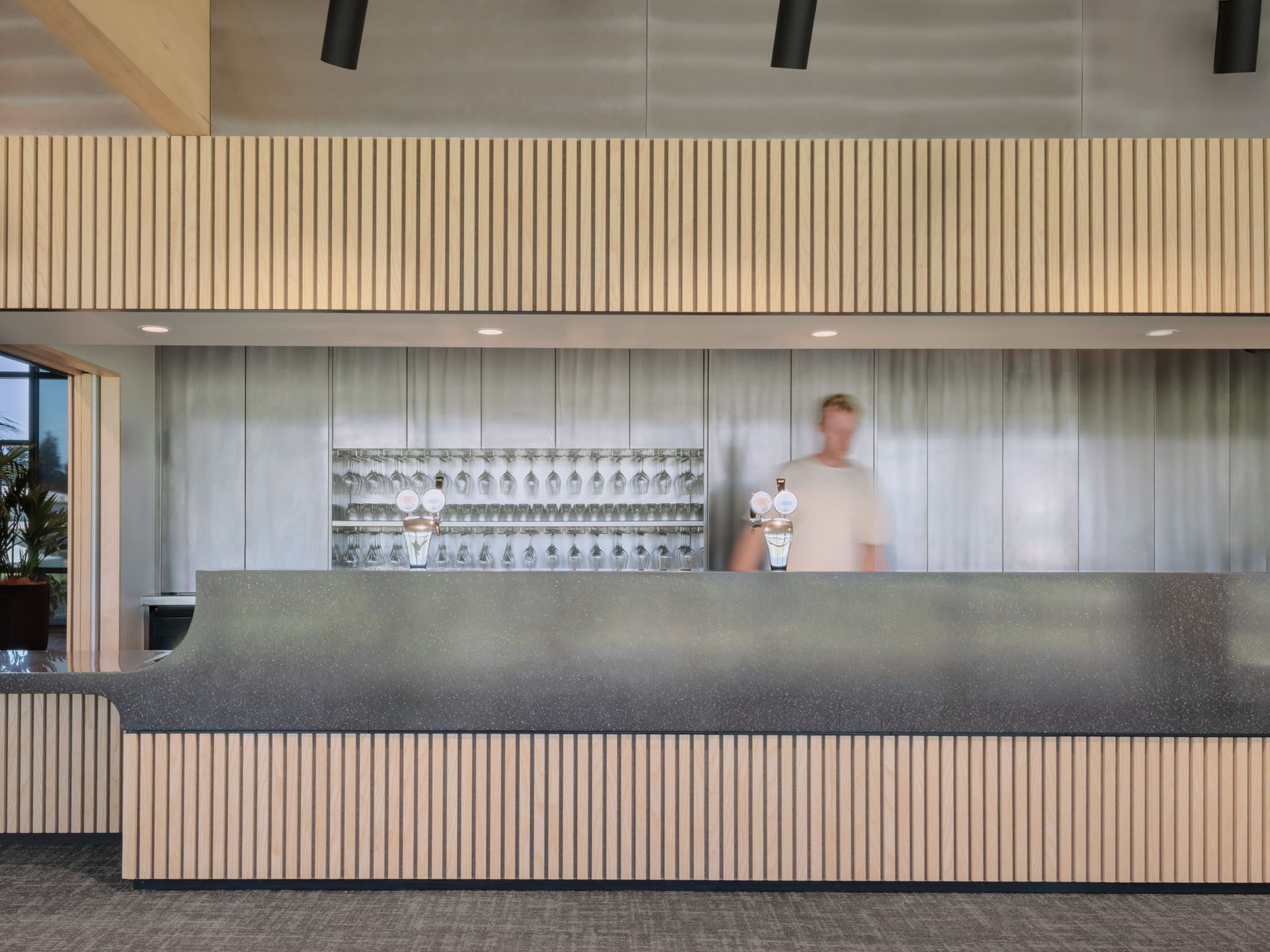
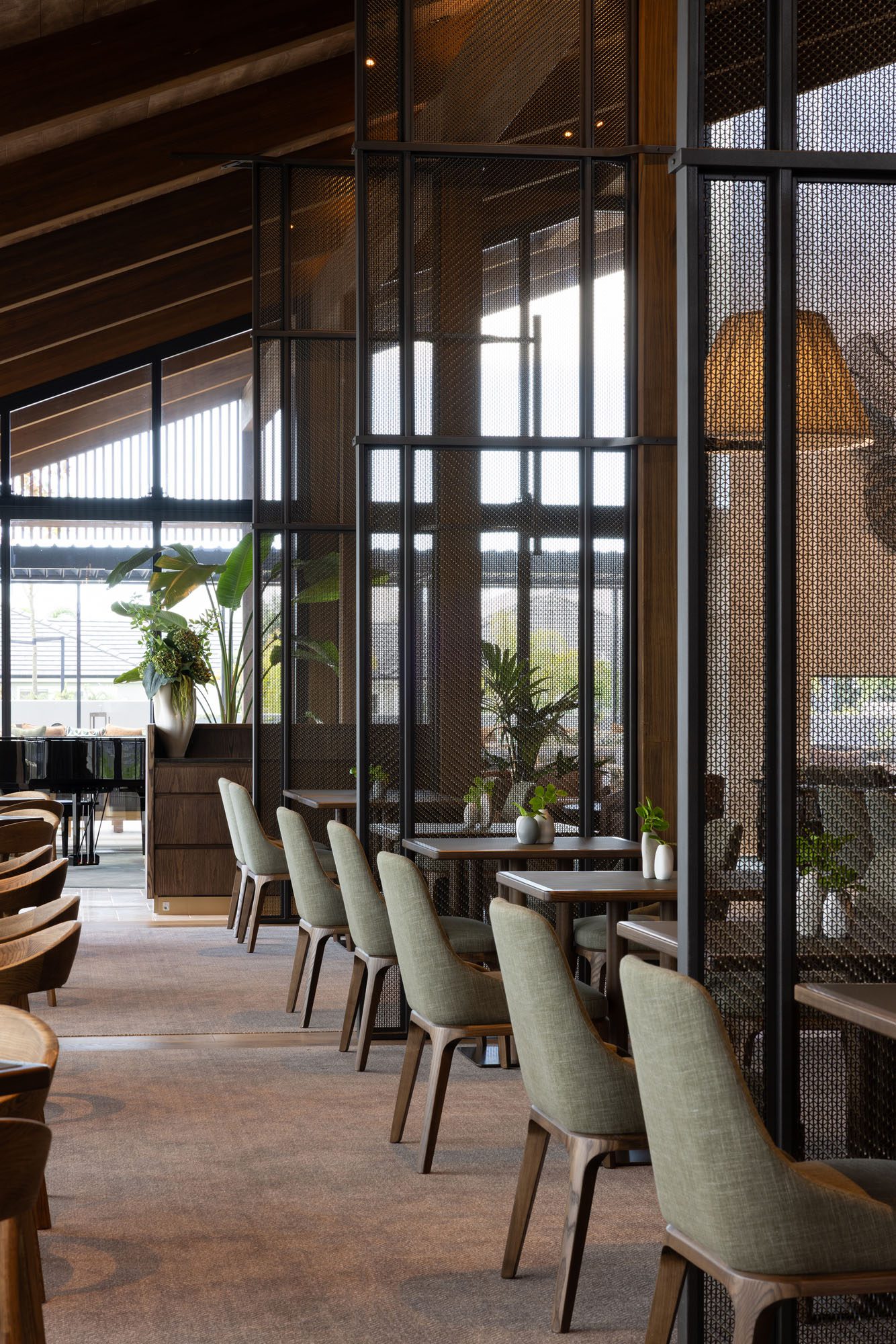
Bay Oval – Craigs Investment Partners Pavilion (Phase 2) by Jasmax

This second-phase development strengthens Bay Oval’s role as both a top-level venue and a valued local space. The clear 2007 masterplan is carried through, linking well with the first pavilion while expanding its use and refining the design. The radial form, elongated curvature and timber structure create a strong visual presence, both on screen and in person.

While it is best known as a cricket ground, the venue also supports many other events and is easily able to host corporate functions, fundraisers, sports, and large performances. The result is a flexible and lasting public space that continues to grow and serve its community.

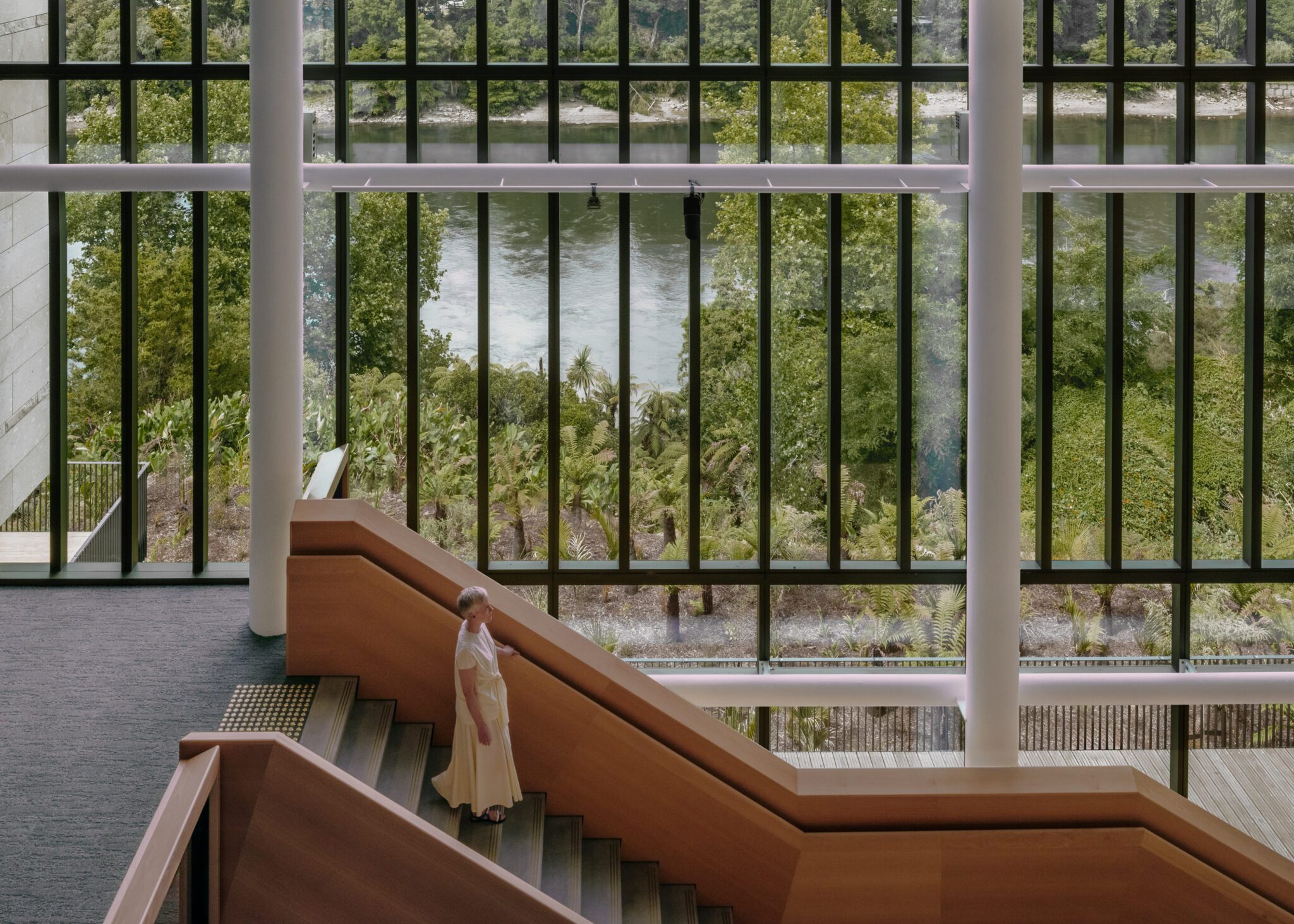
BNZ Theatre by Jasmax and Charcoalblue in association

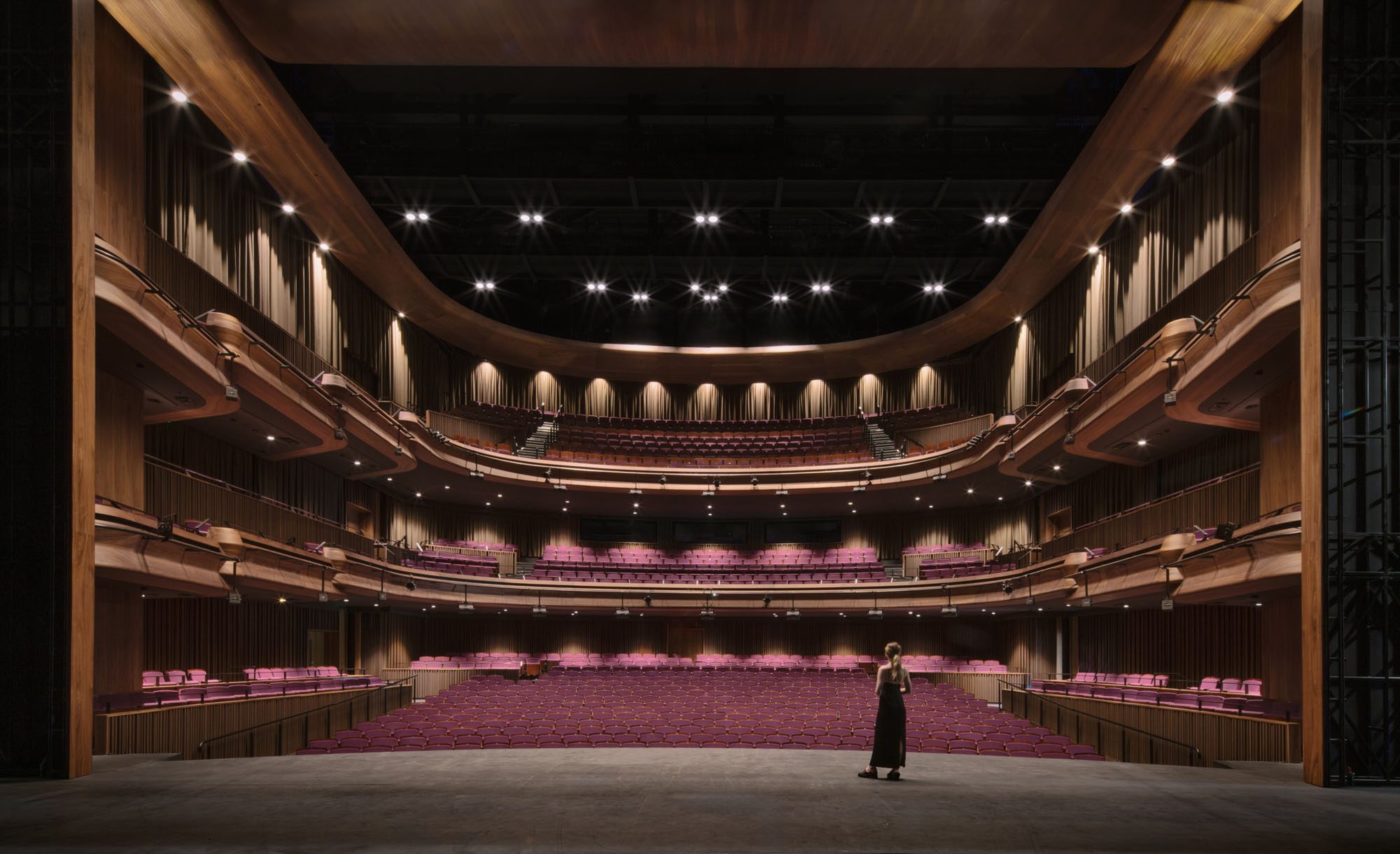
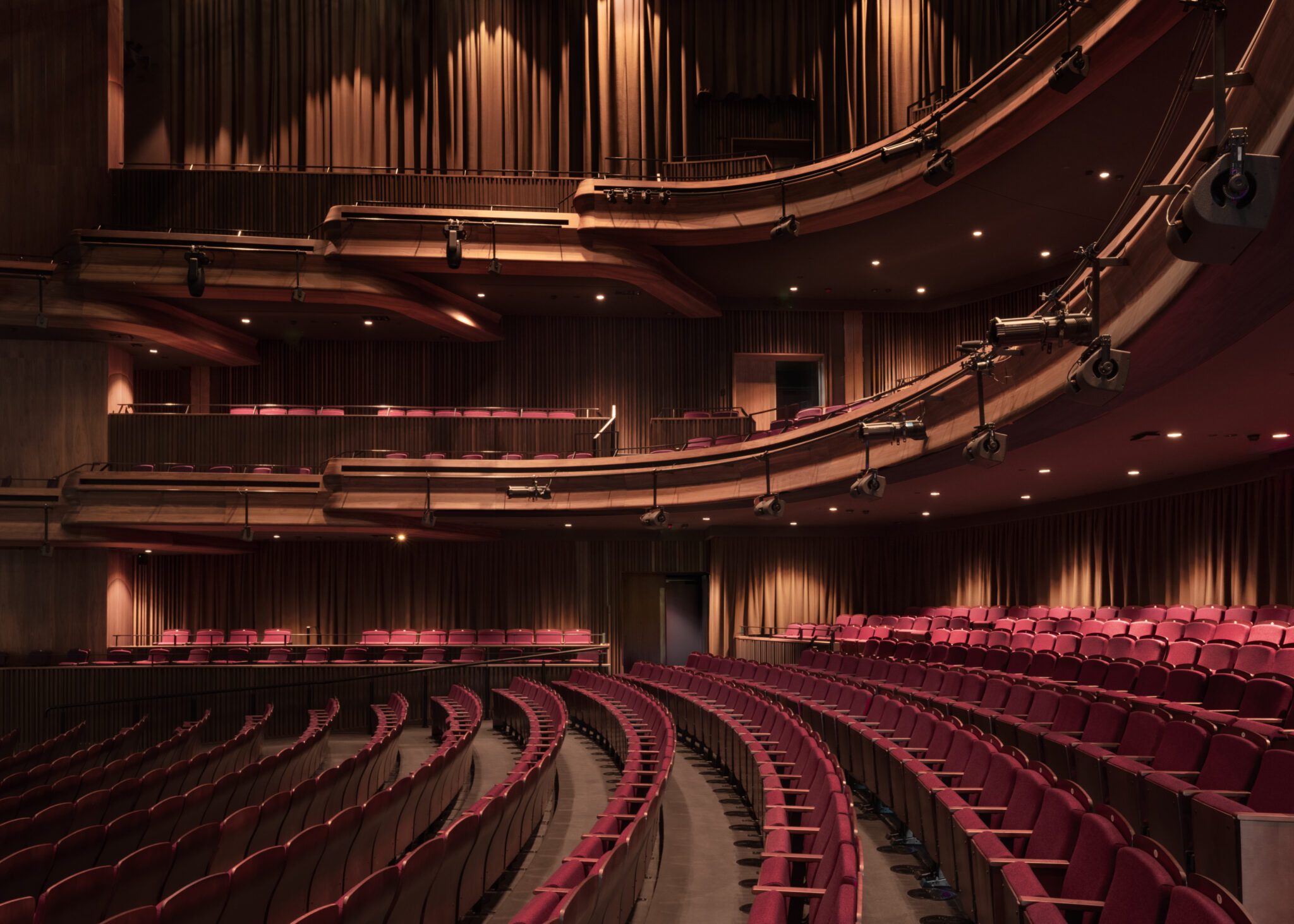
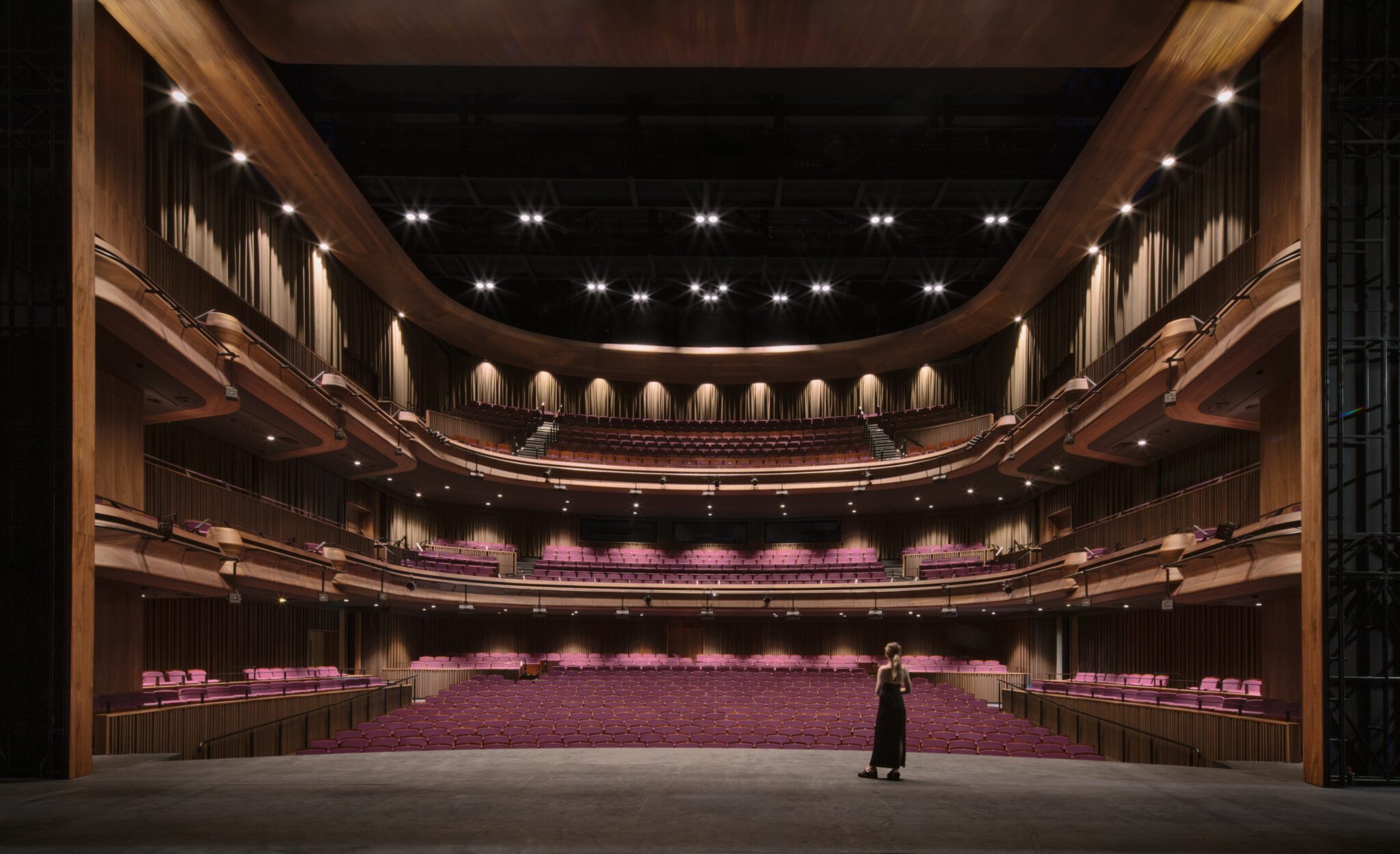
An important addition to Kirikiriroa, BNZ Theatre provides a major civic and cultural space that builds on the city’s performing arts history. The 8,500sqm development is centred around a 1,300-seat auditorium, designed to host theatre, orchestral, and contemporary performances. Built to international standards, the venue brings world-class productions to the Waikato, balancing technical excellence with acoustic intimacy.

Continuing the legacy of the Embassy and Founders Theatres, the project marks a confident new chapter. It will support cultural life, economic growth, and creative opportunities for Hamilton and the wider region.

This project also received a Heritage award.

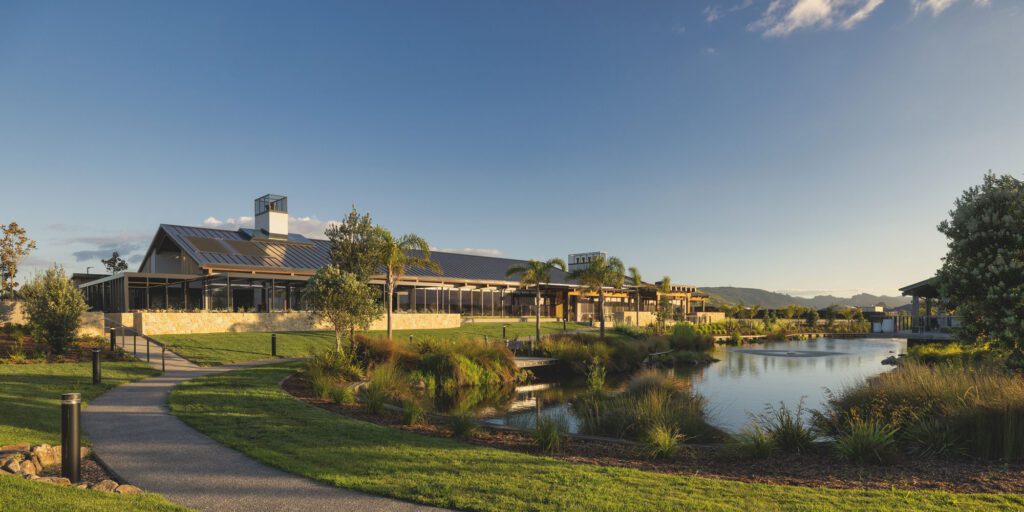
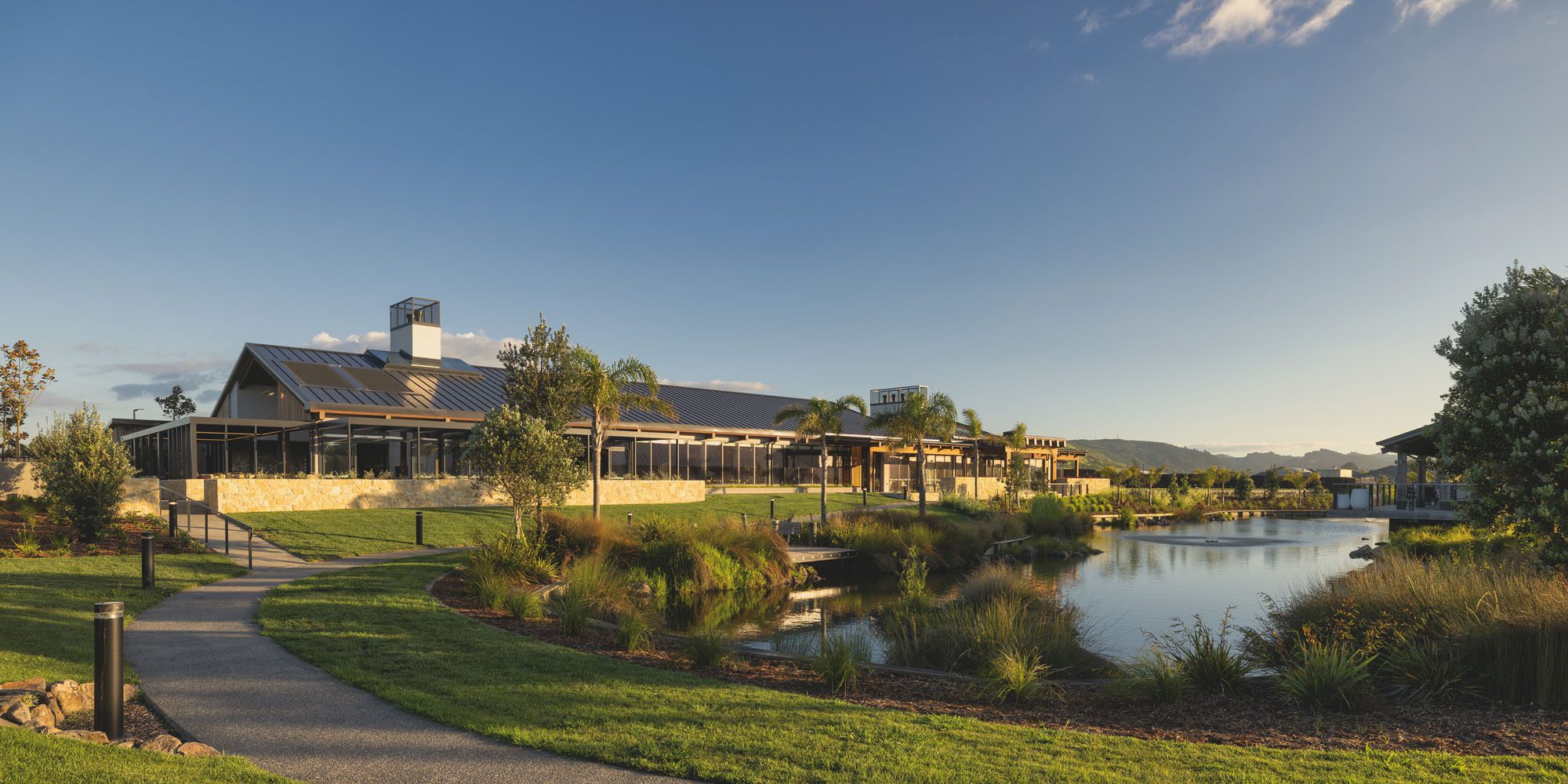
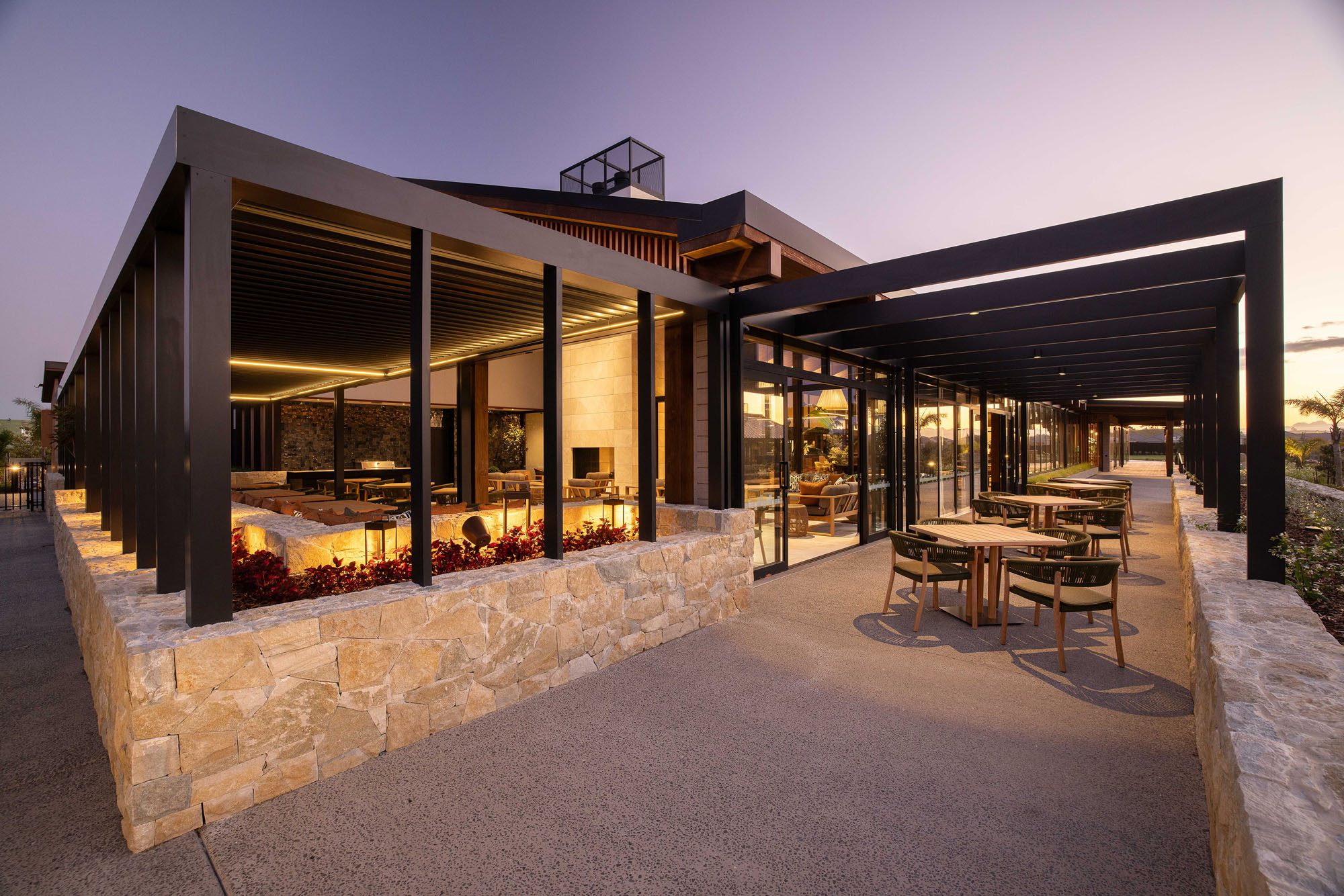
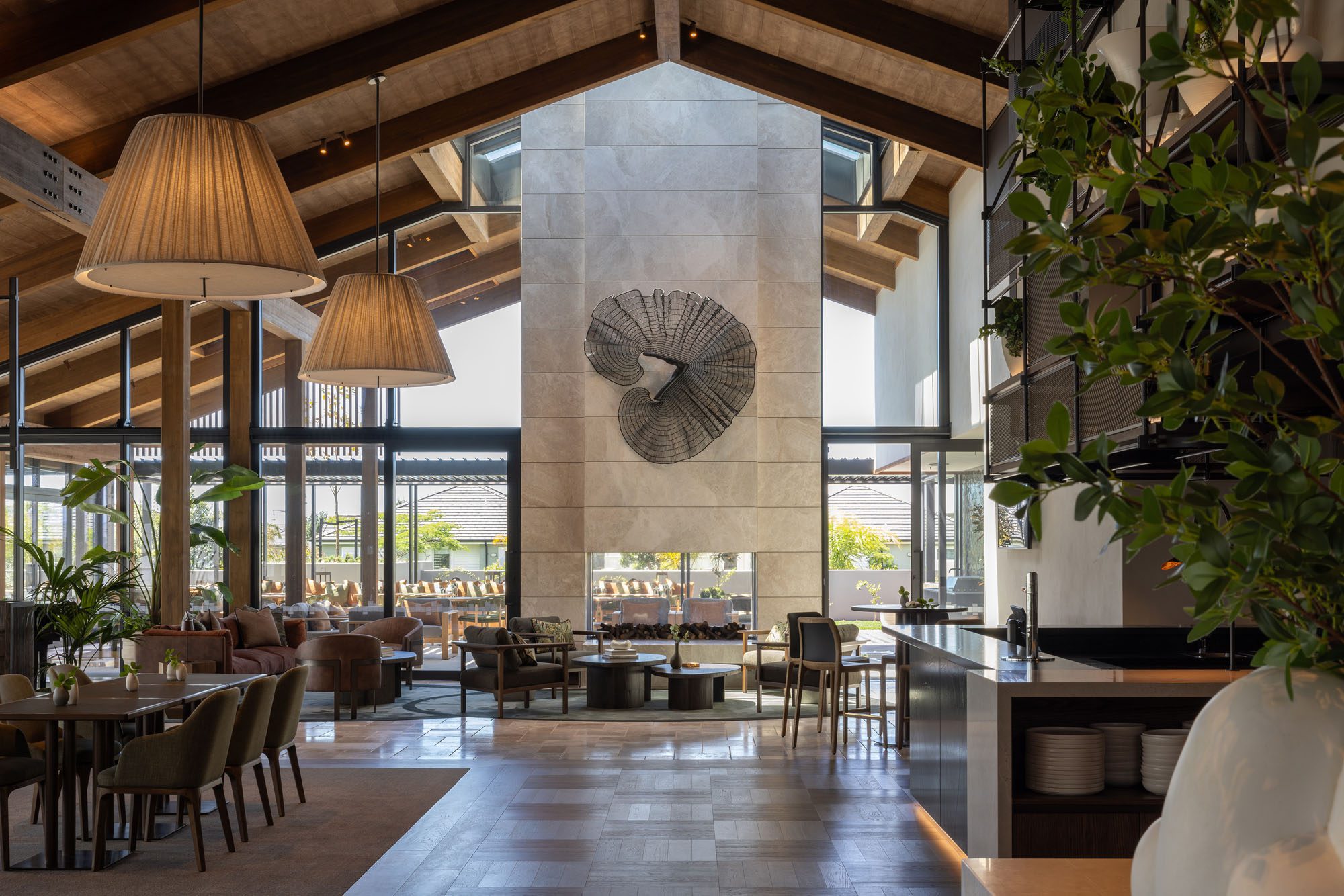
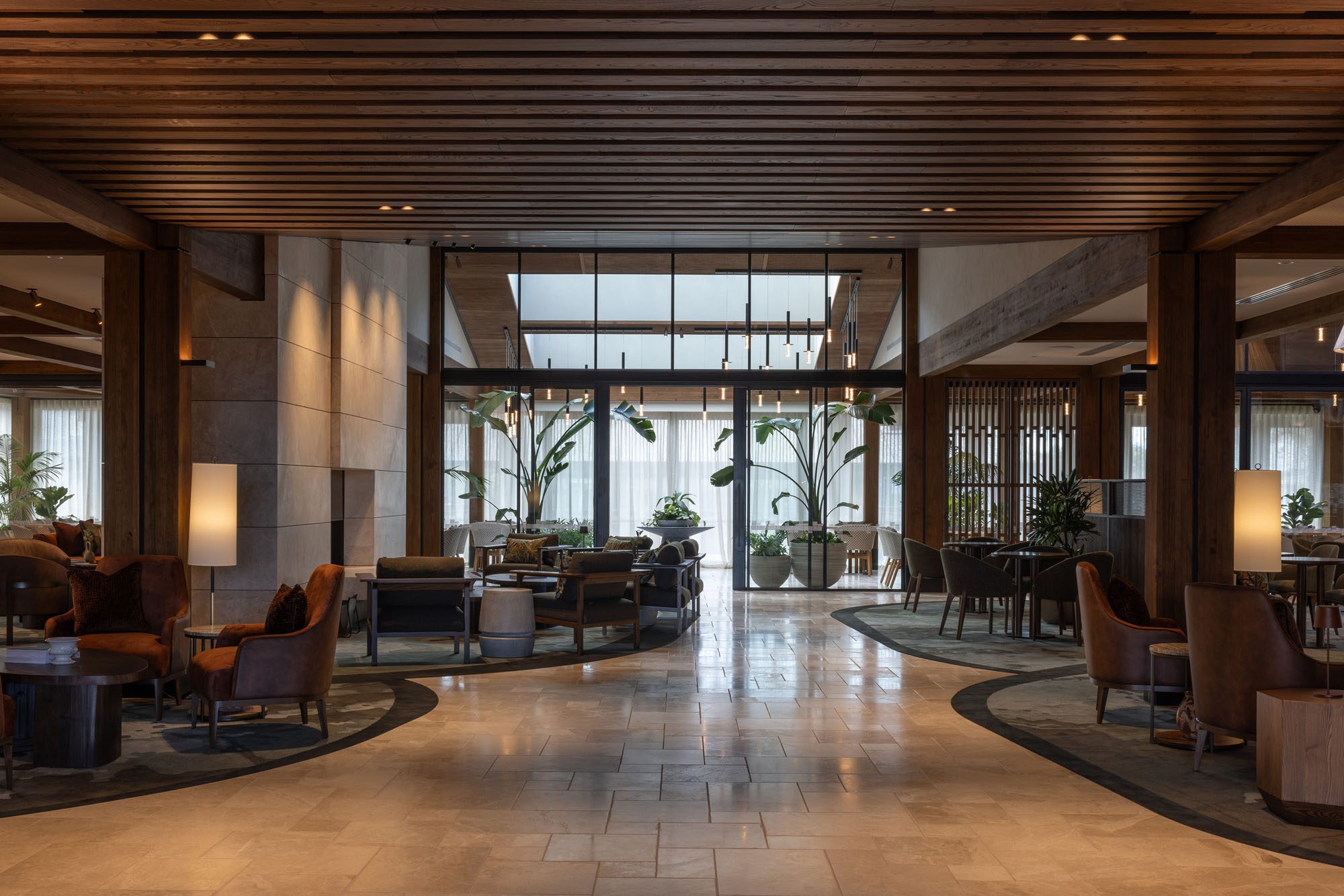
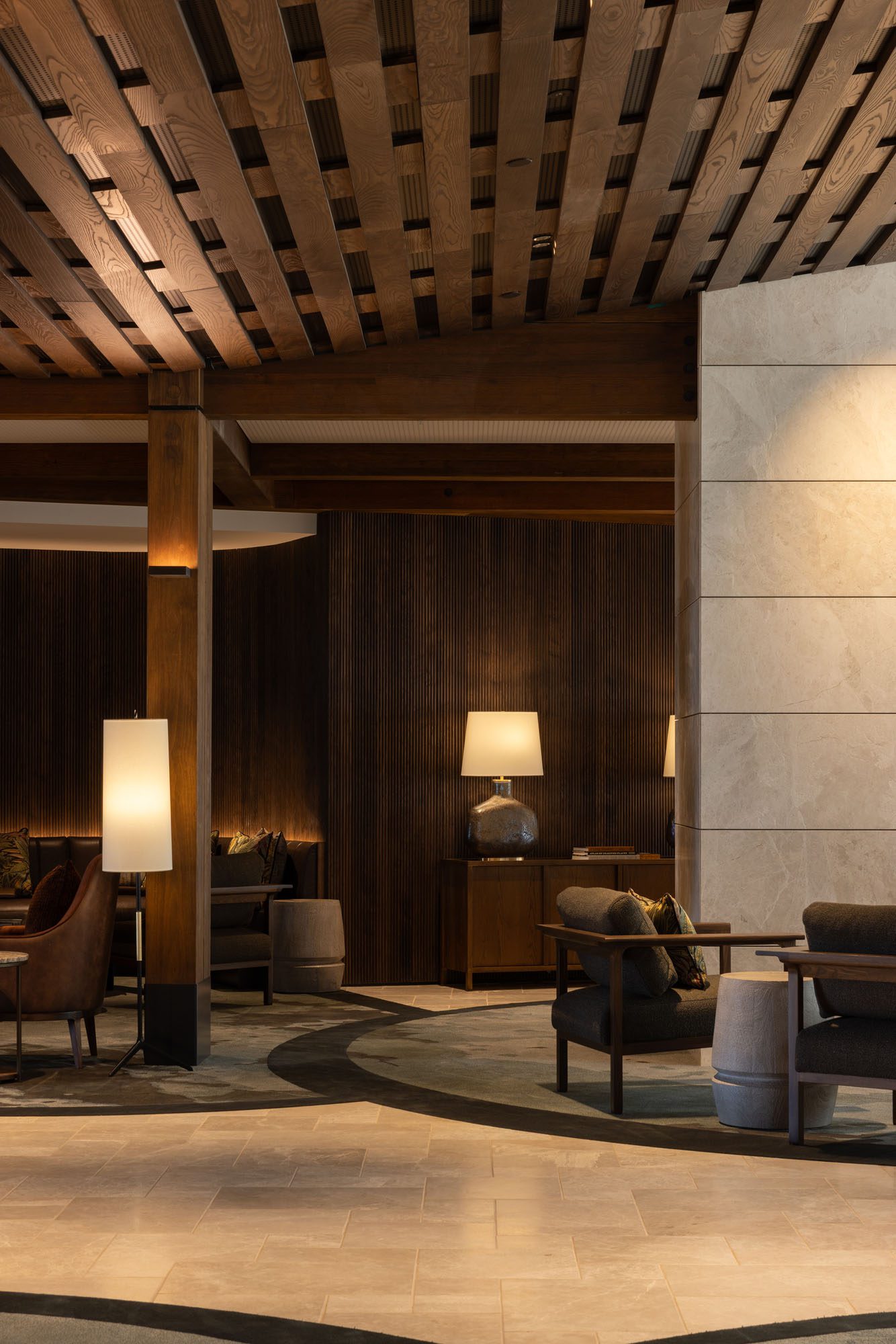
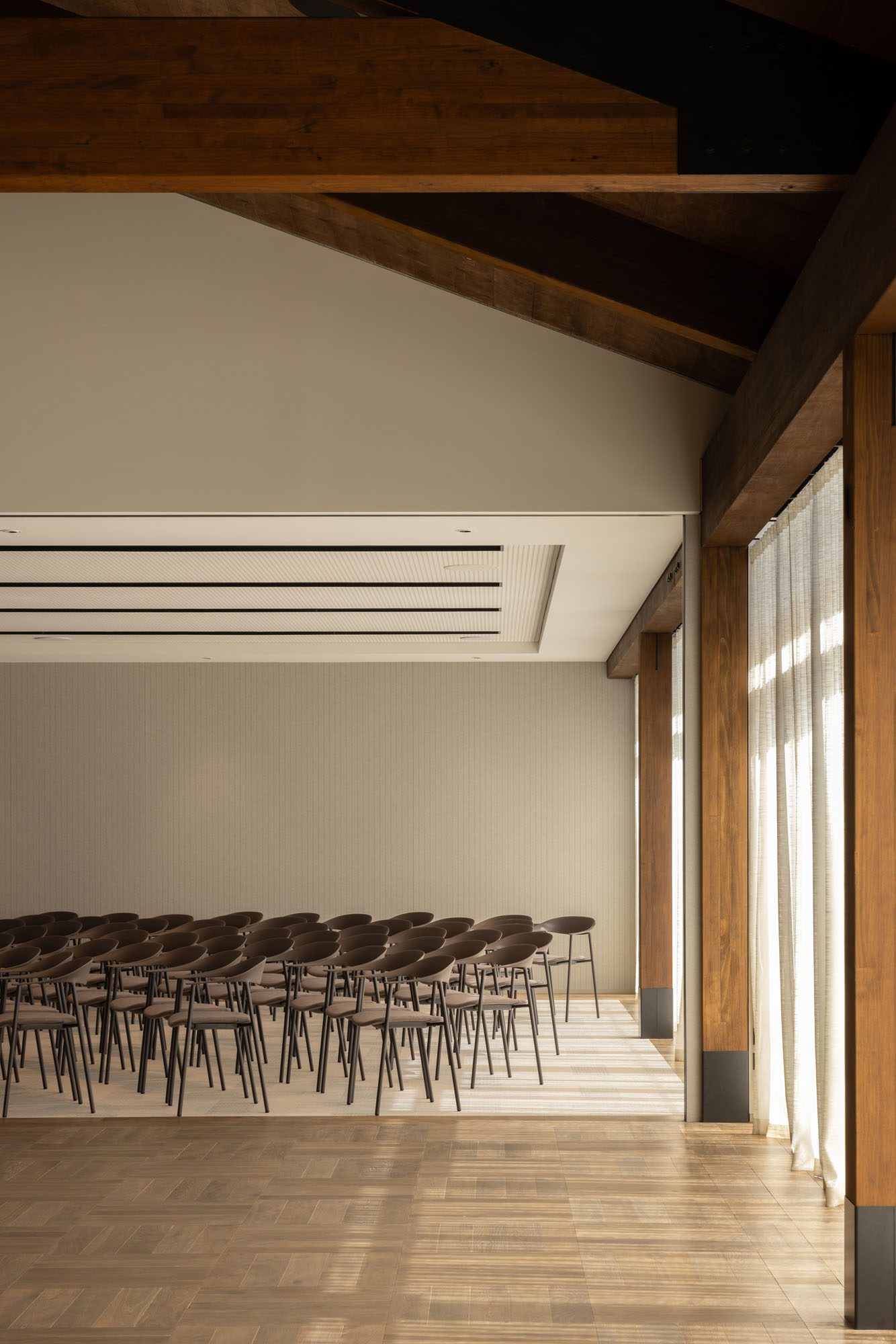
Pacific Lakes Village – The Pavilion by Peddle Thorp

This project creates a flexible and welcoming space for dining, wellness and social activities, while providing a strong sense of place and identity. Although the building is large, the spaces feel comfortable and easy to use. Smaller rooms branch off the main area, allowing for a range of different uses and experiences.

Located at the centre of Pacific Lakes and Pacific Coast Villages, it connects to its surroundings and supports social interaction. A clear sense of pride is shown in how often the building is used and in people’s willingness to share it with visiting friends and family.

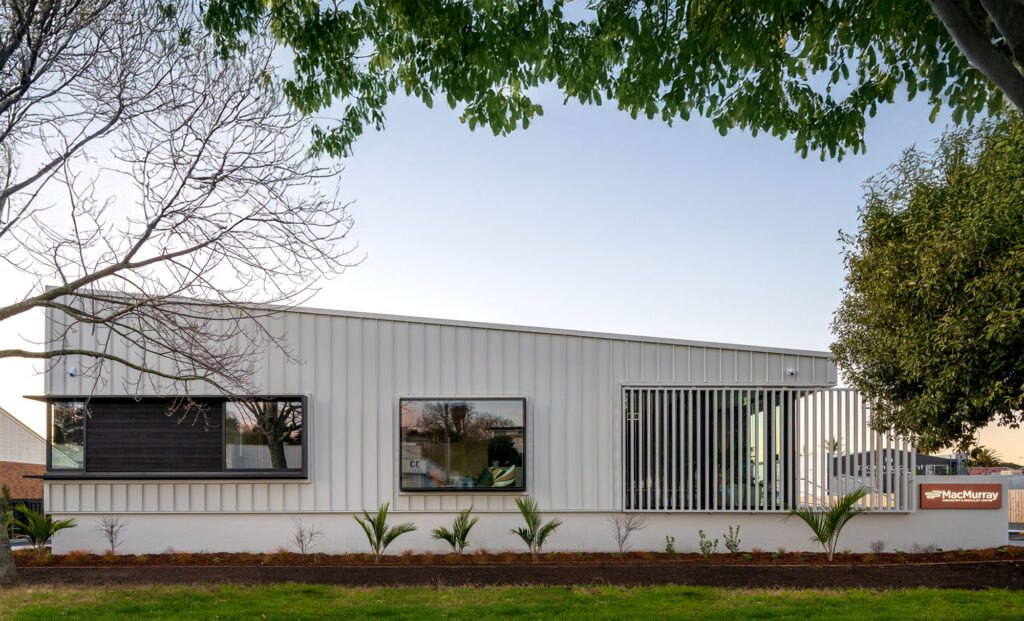
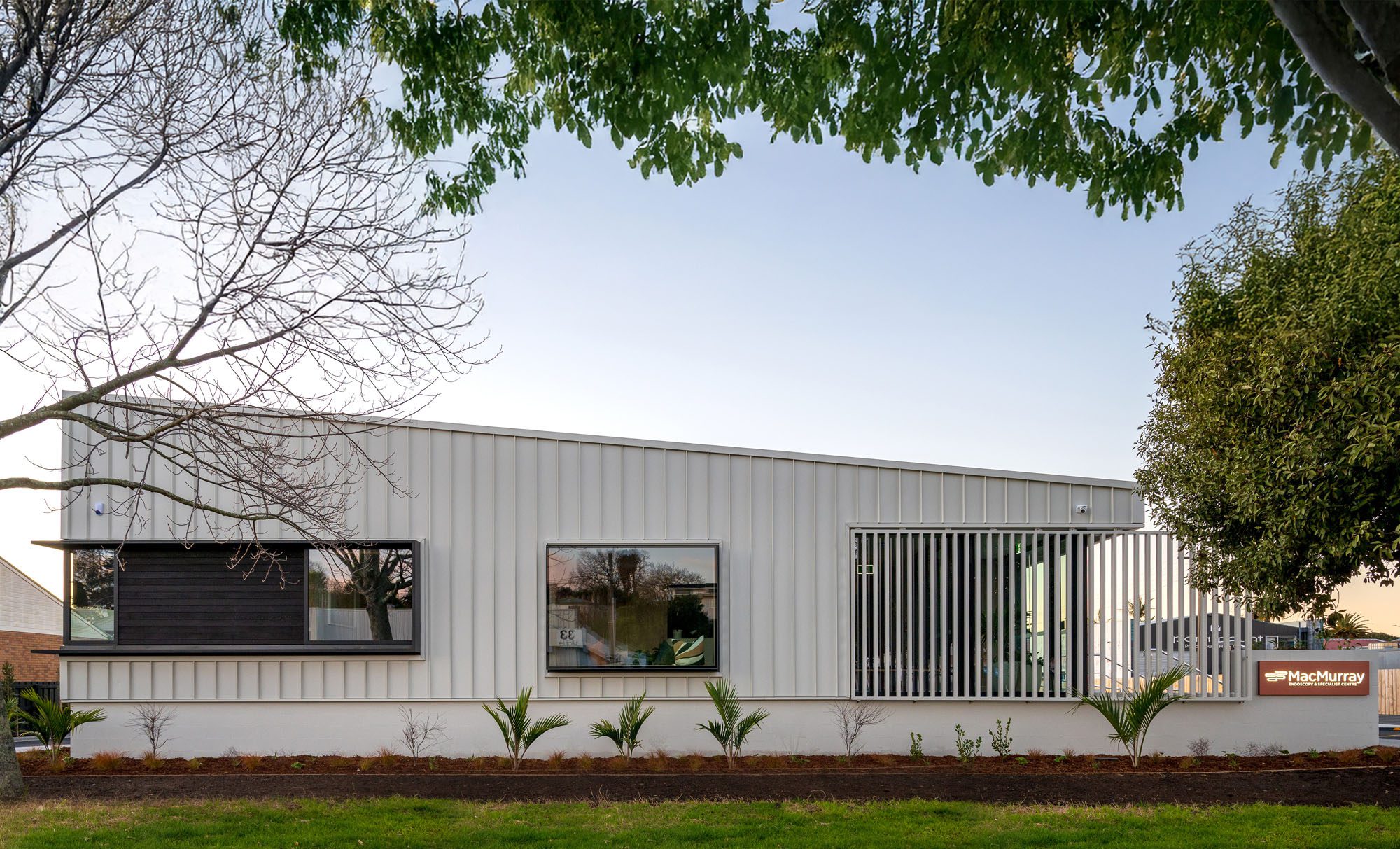
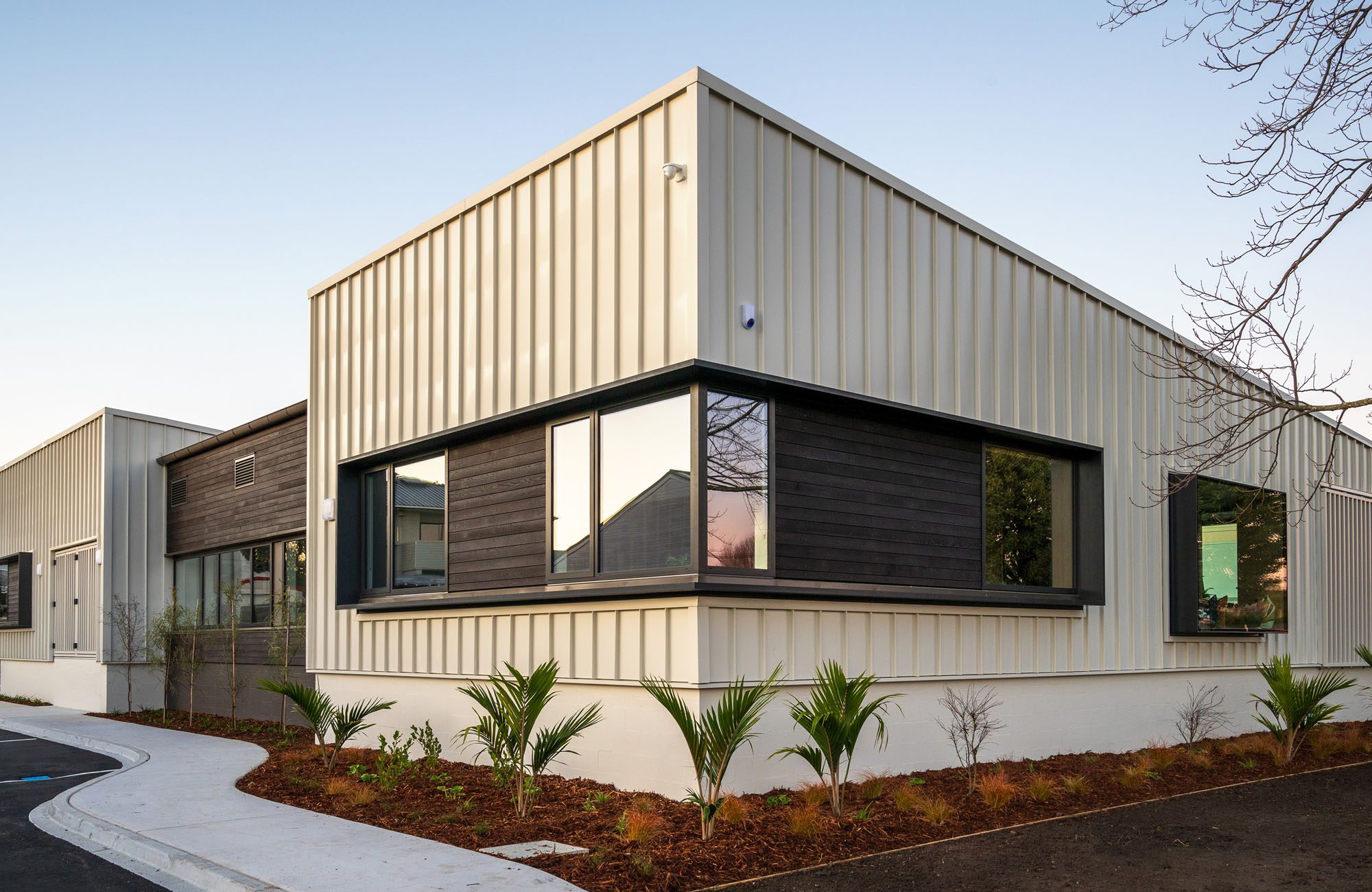
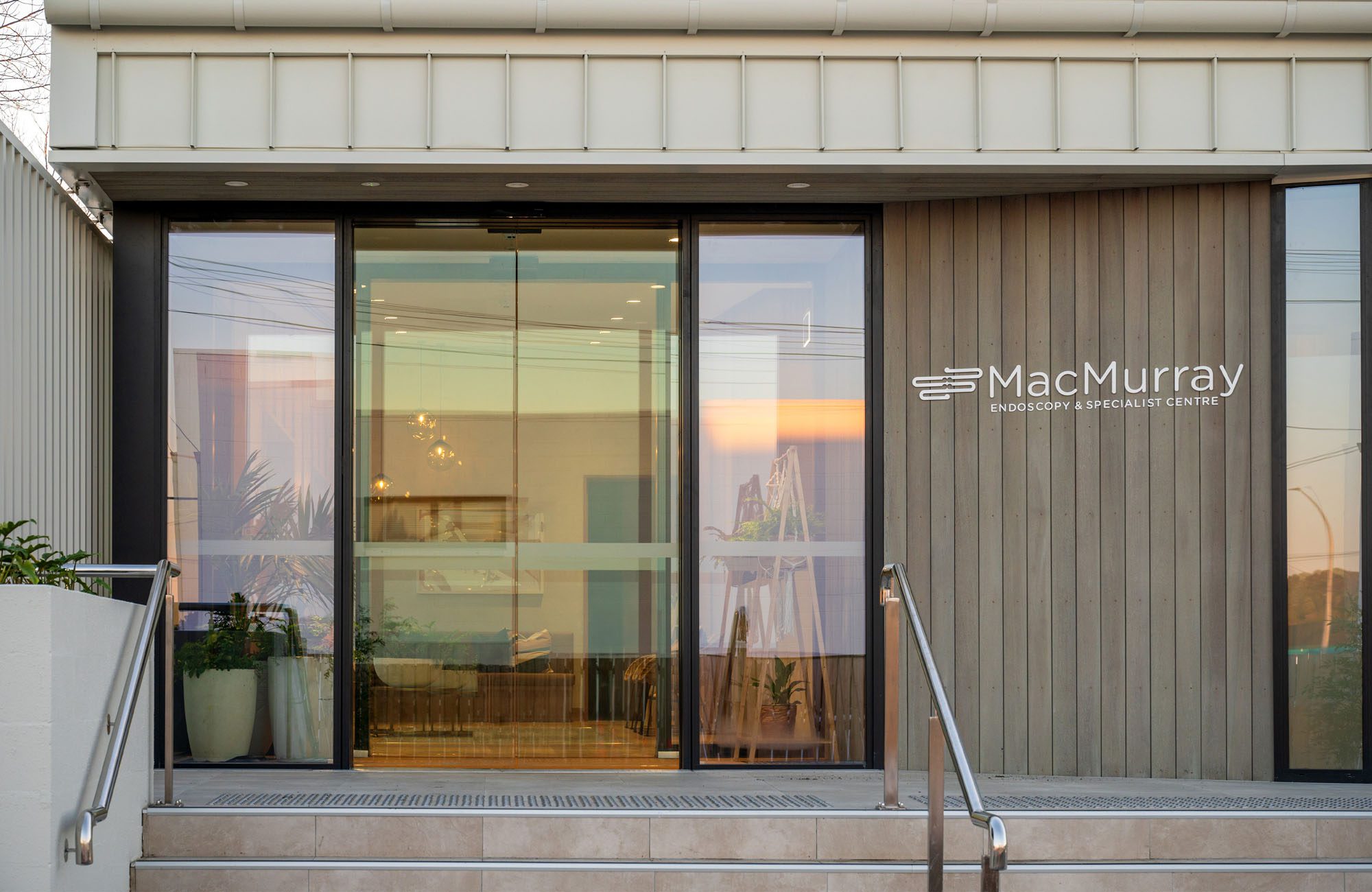
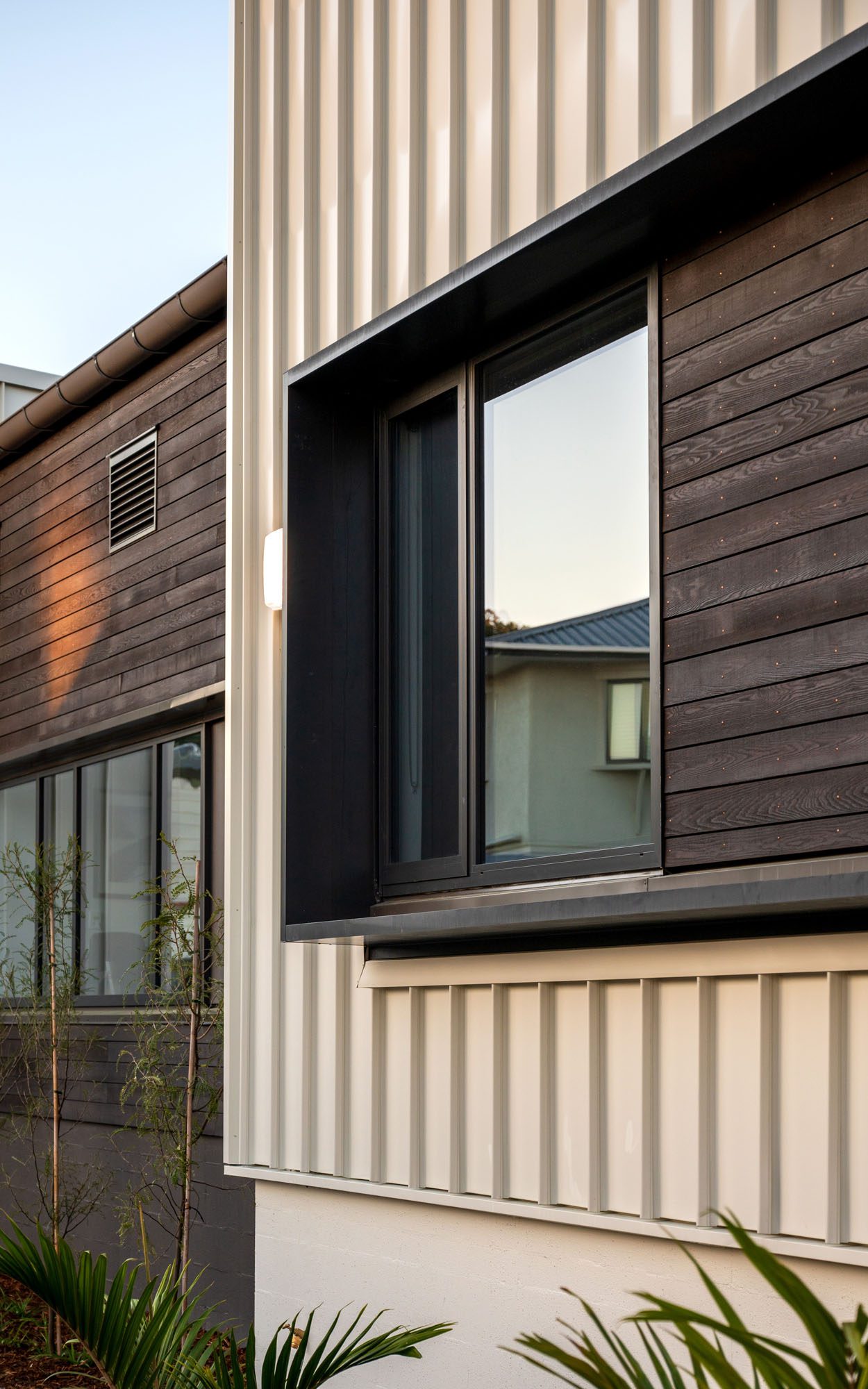
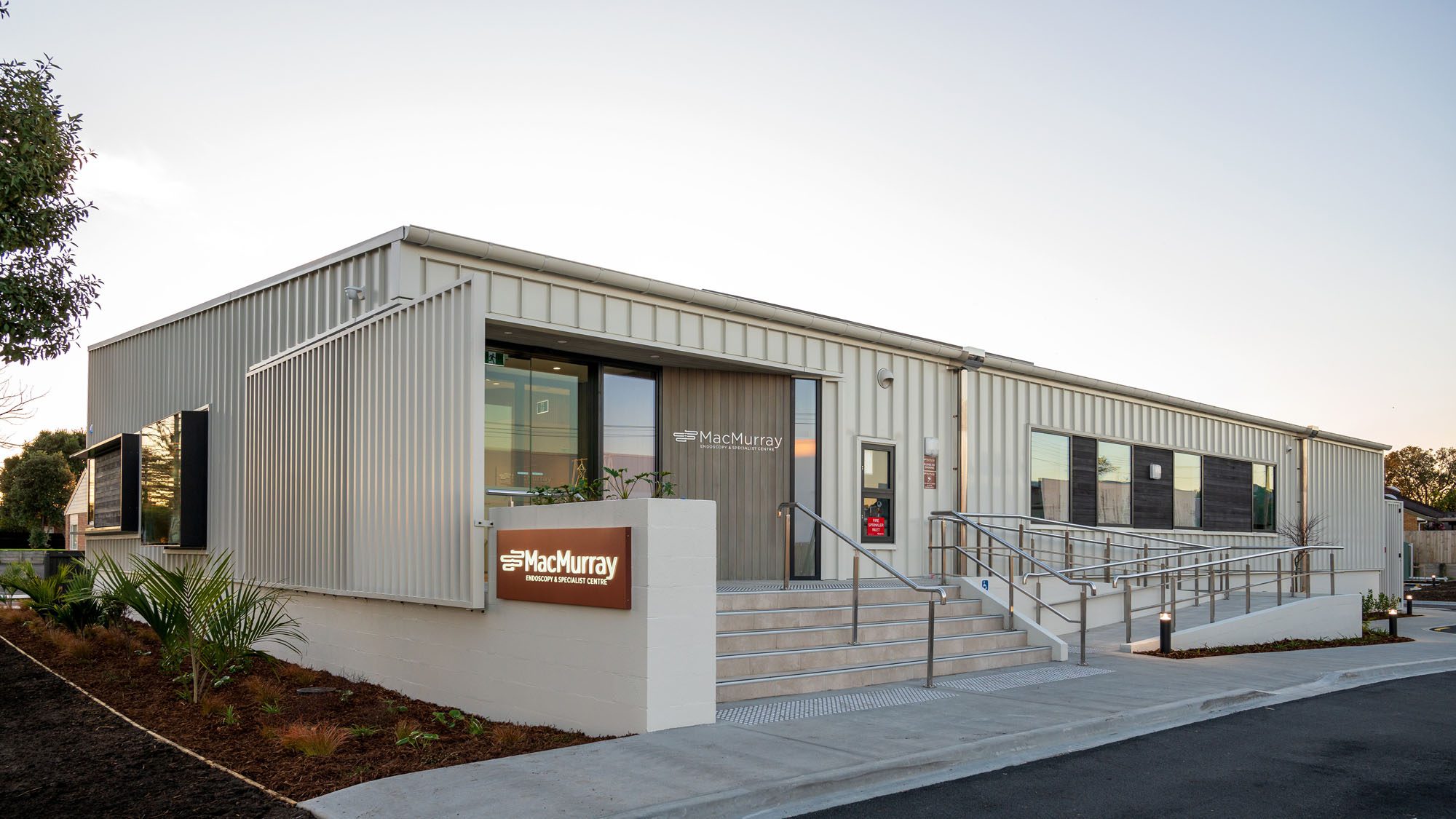
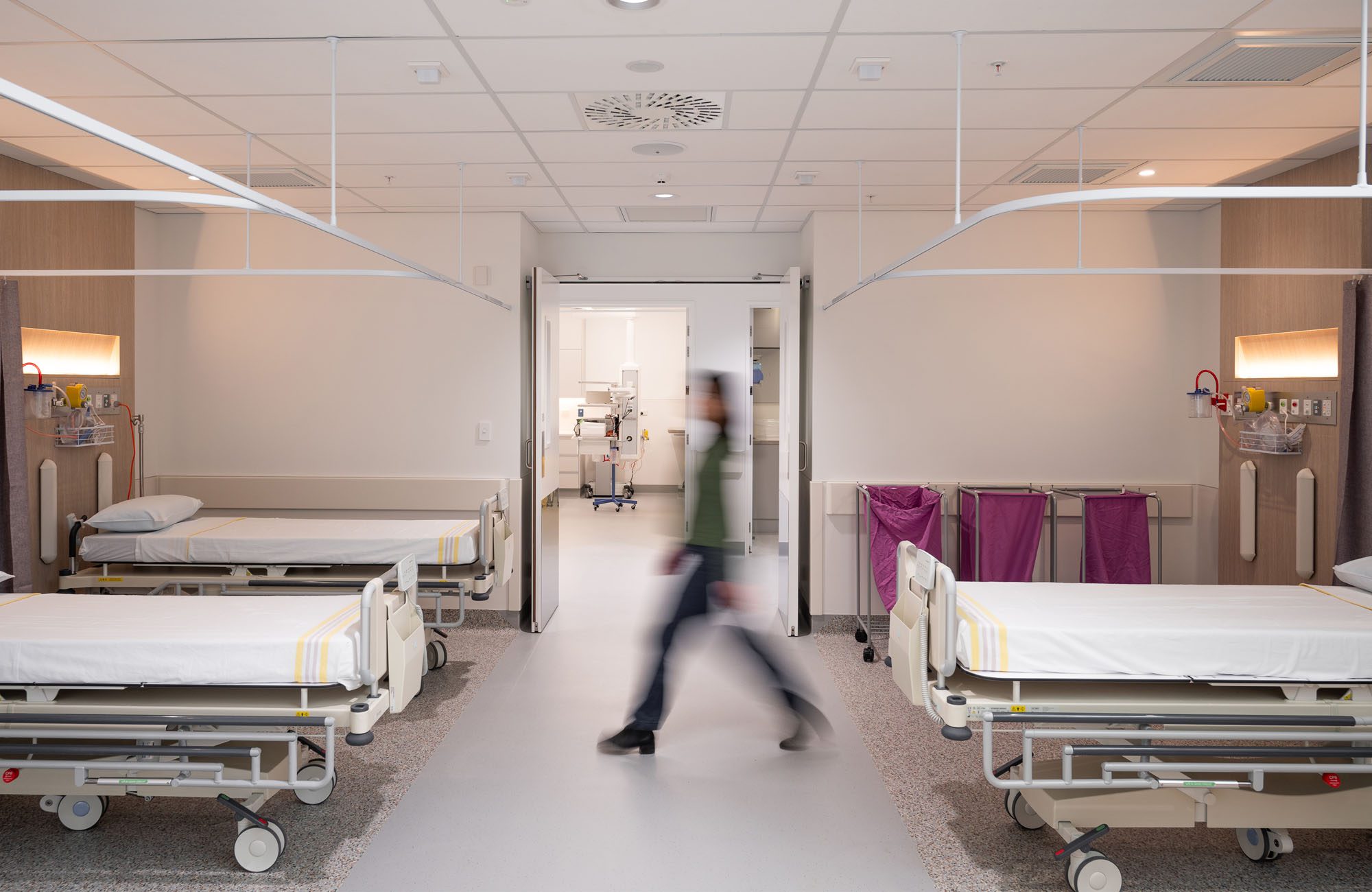
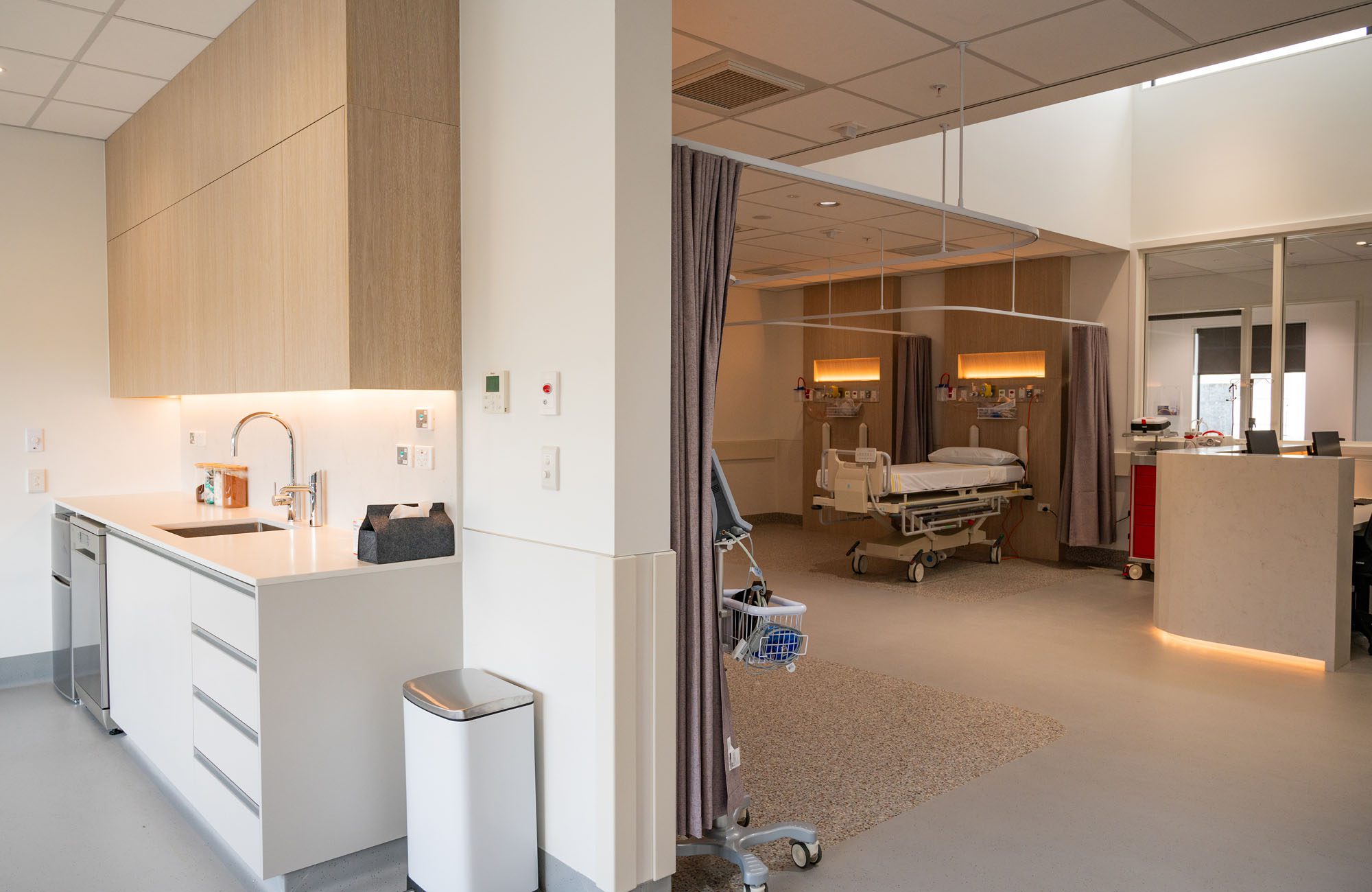
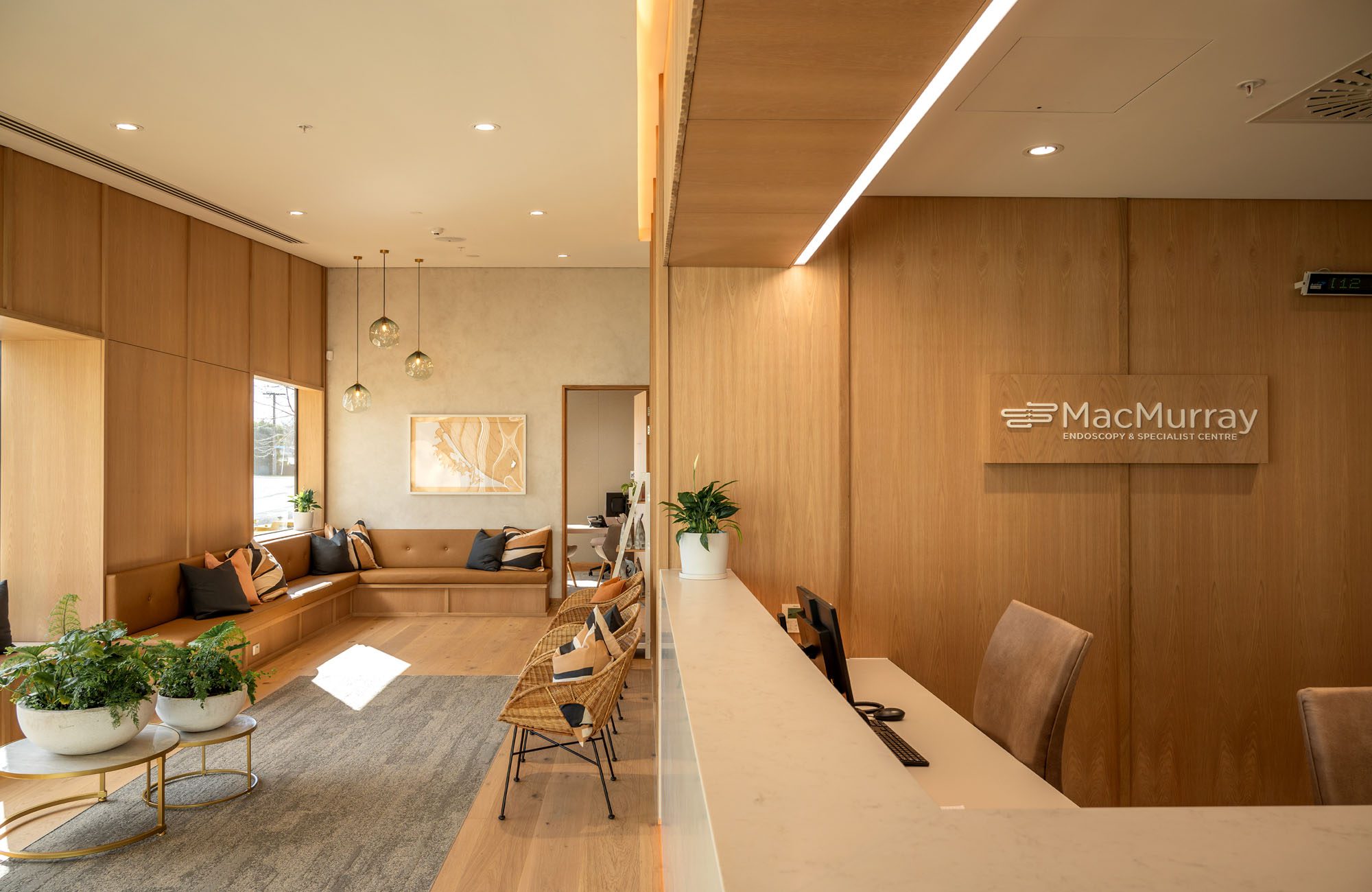
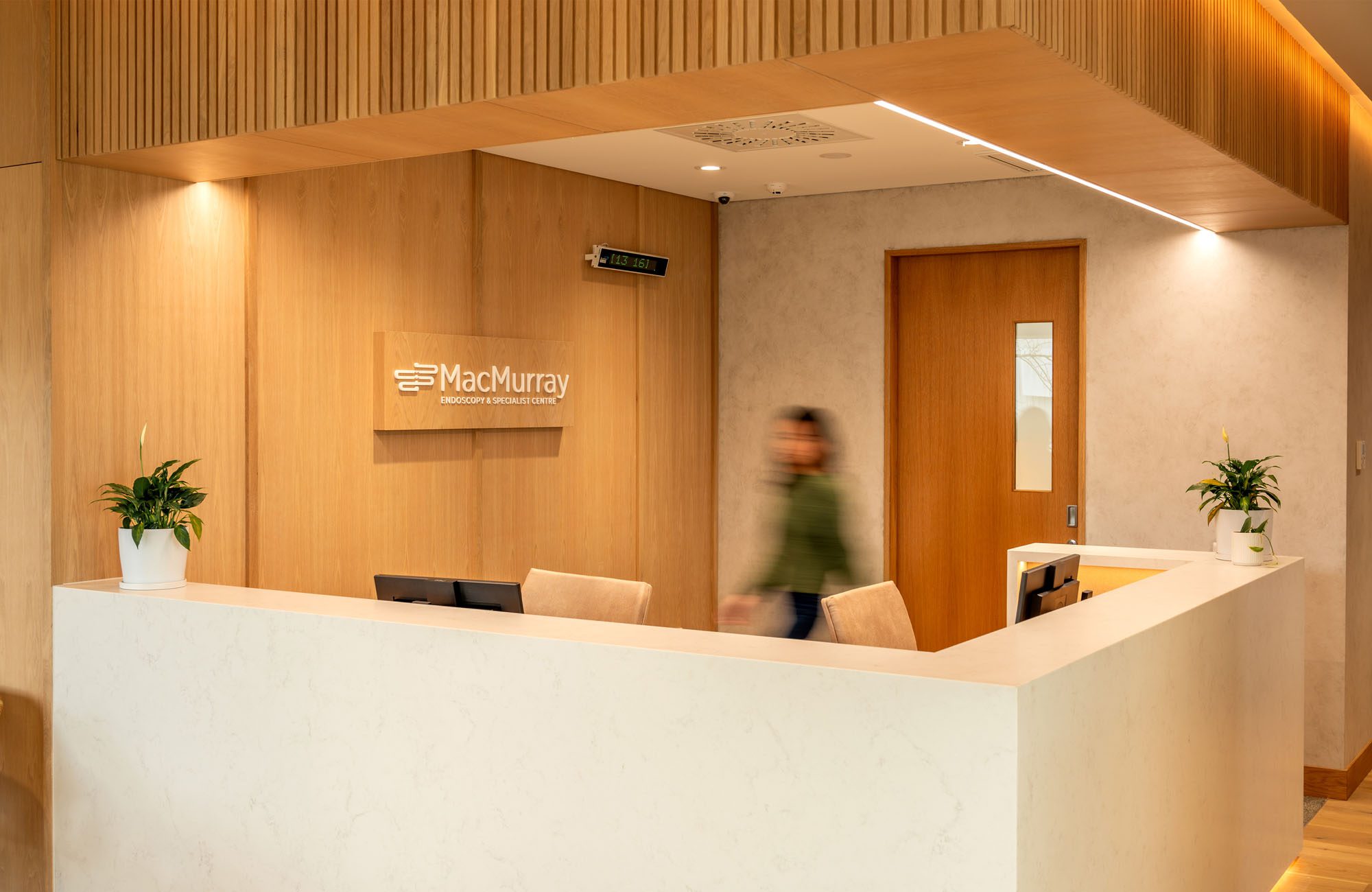
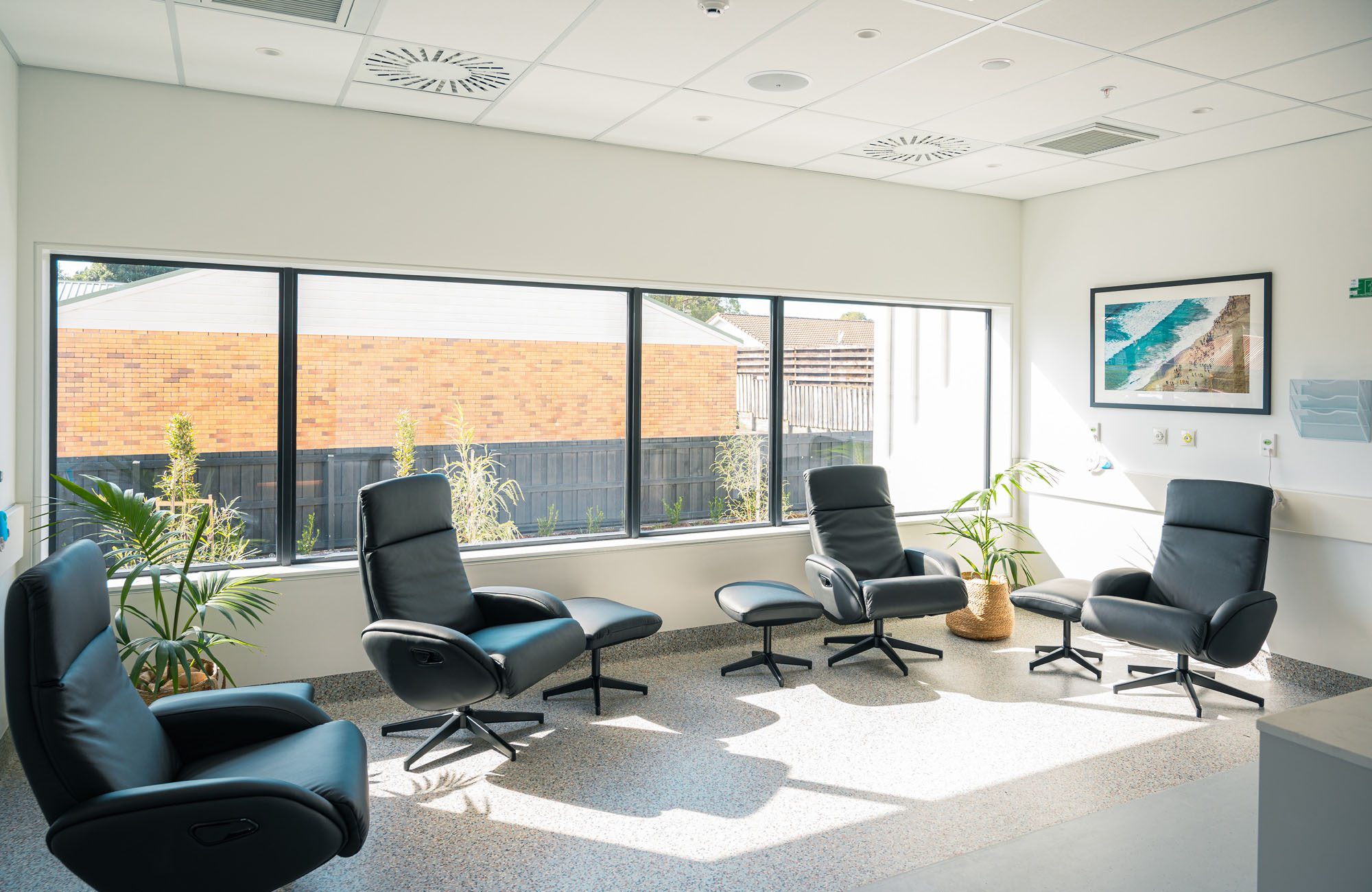
MacMurray Gastroenterology and Endoscopy Centre Tauranga by Wingates

In an otherwise industrial setting, this project takes a thoughtful approach to reducing scale, using a more residential feel to create a calm and comfortable environment for patients. The aim is to make people feel at ease, as if they are at home.

The smaller scale, along with a light and simple material palette, results in a well-made and carefully detailed building. Clear use of materials and form creates a strong human scale and a clear identity. High clerestory windows and good natural light brighten the recovery spaces, supporting comfort and a sense of healing.

Small Project Architecture

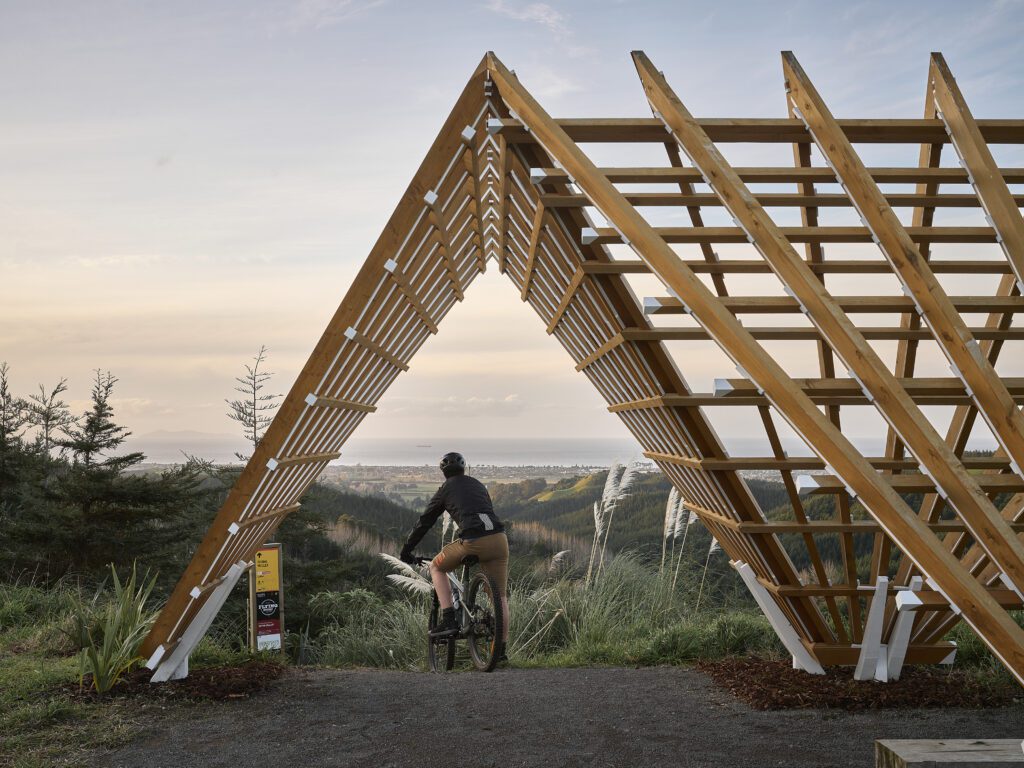
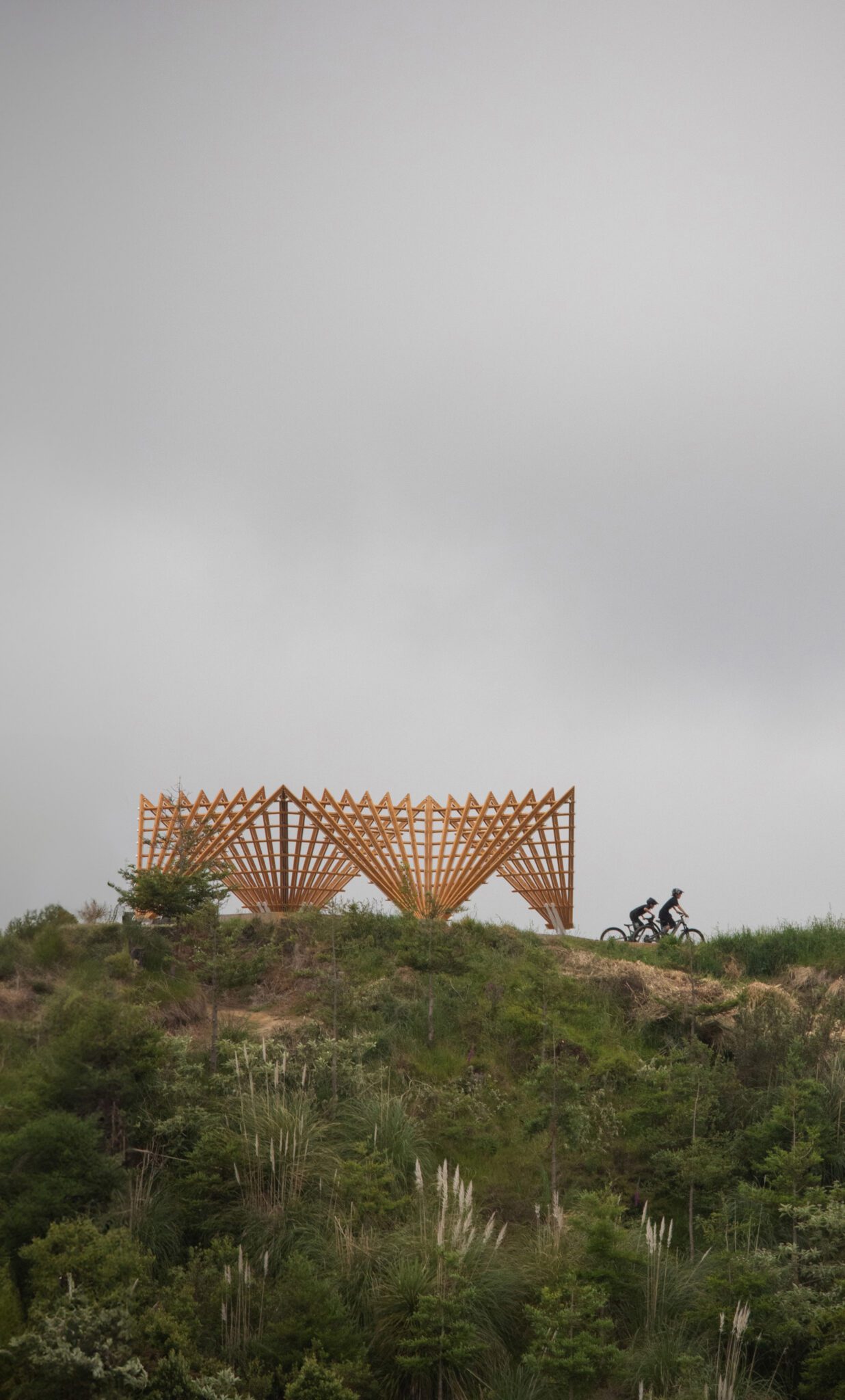
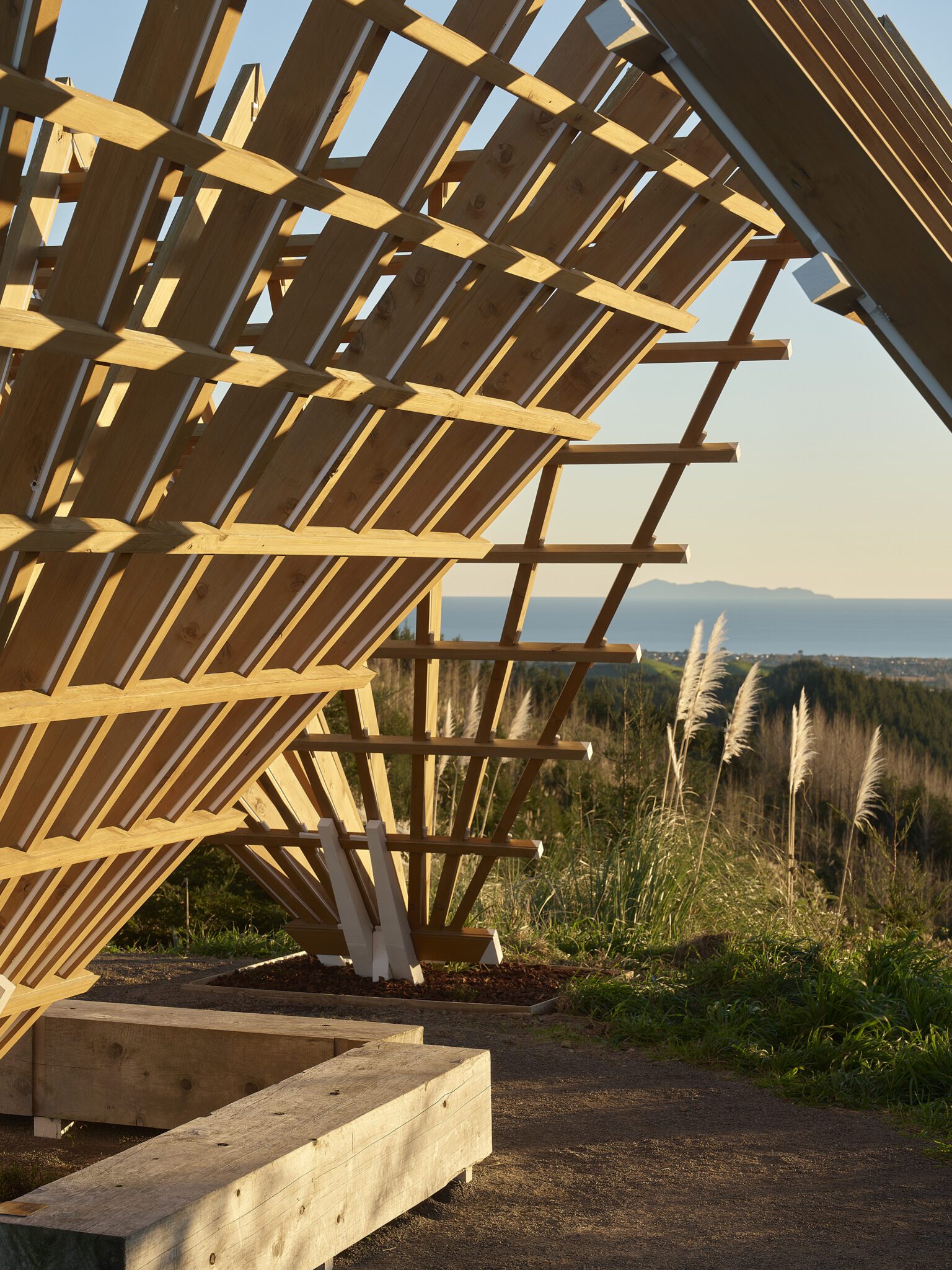
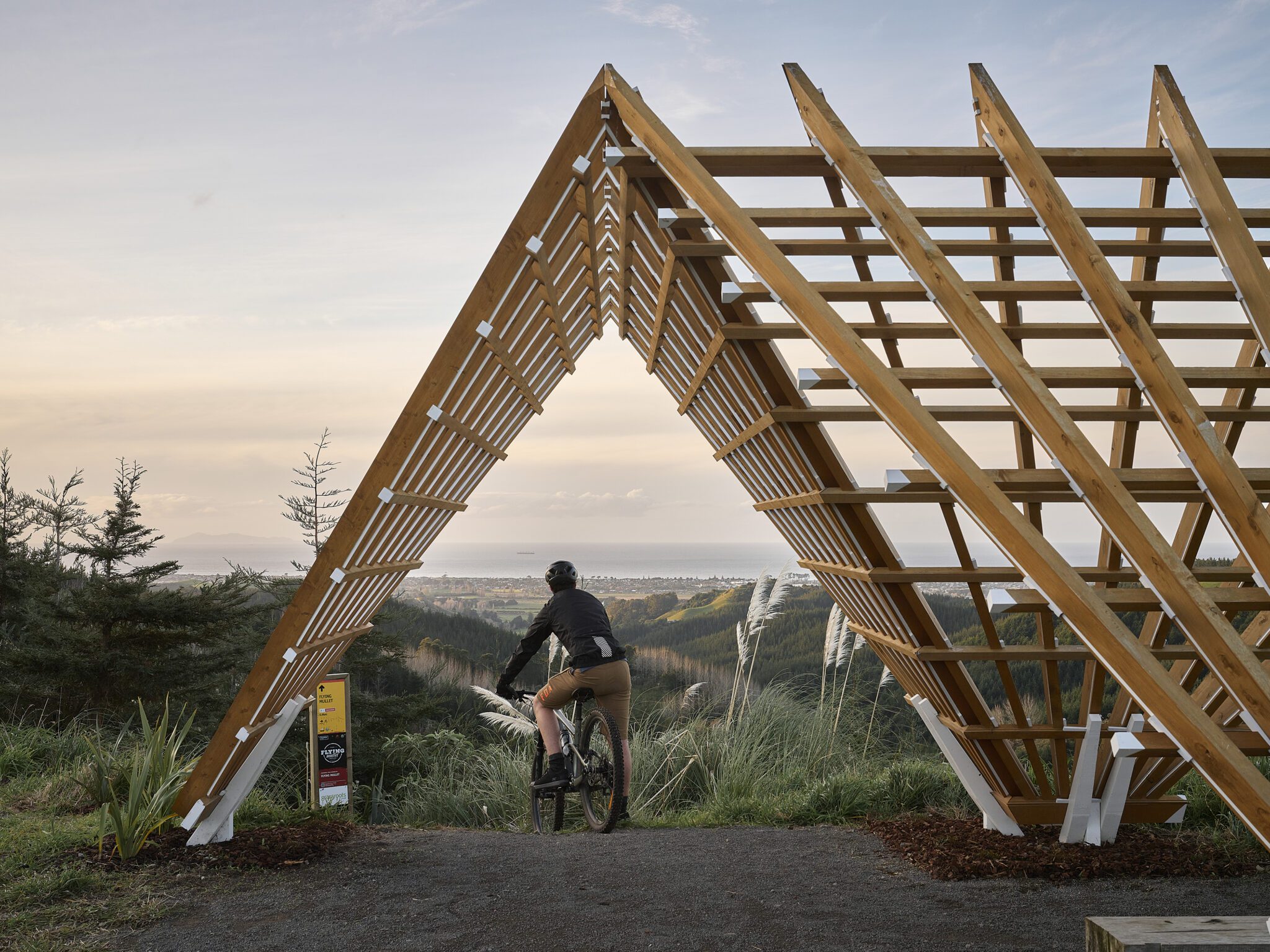
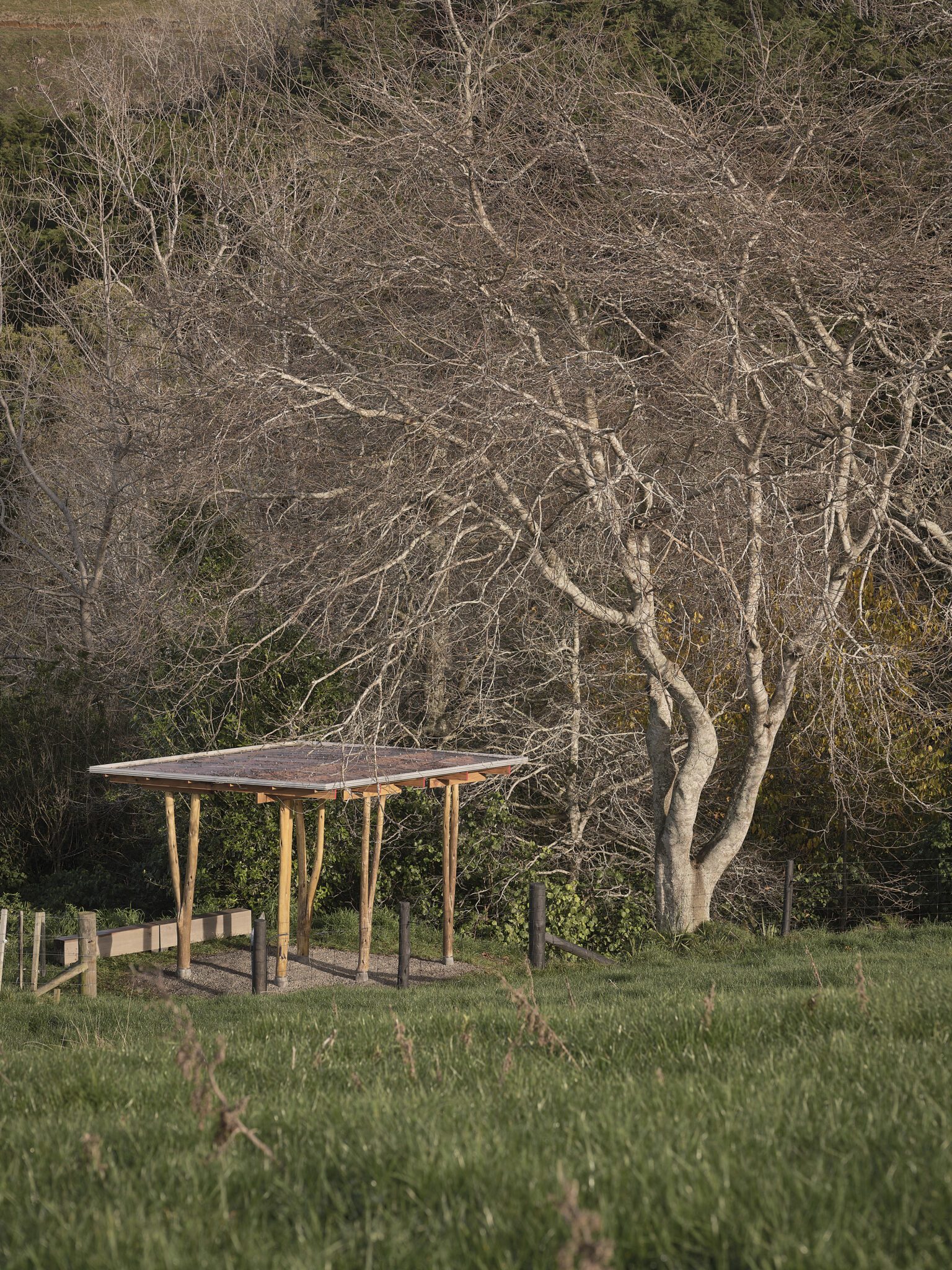
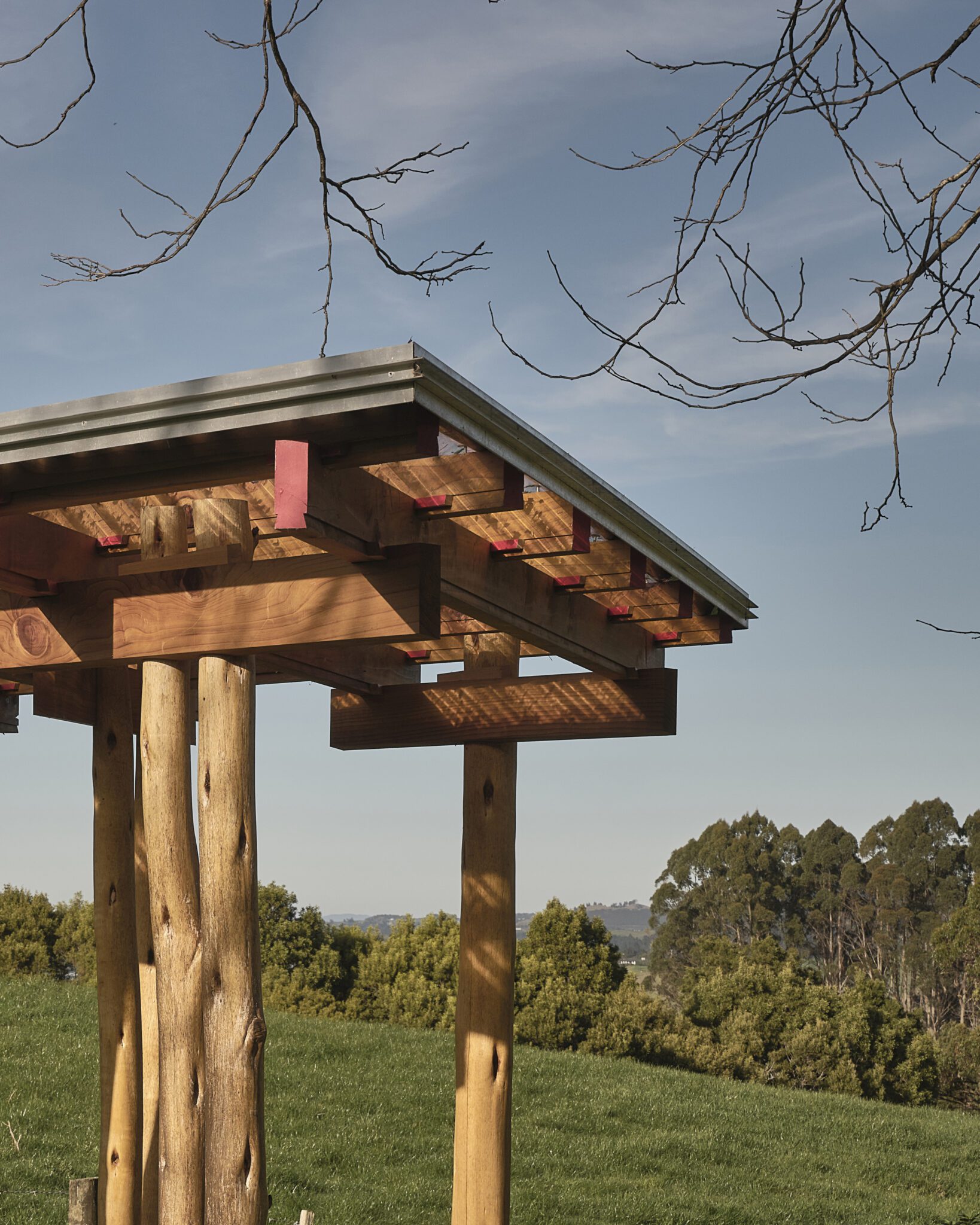
Summerhill 23 & ’24 by Andrew Barrie Lab, Gregory Mann and Billy Pengelly in association

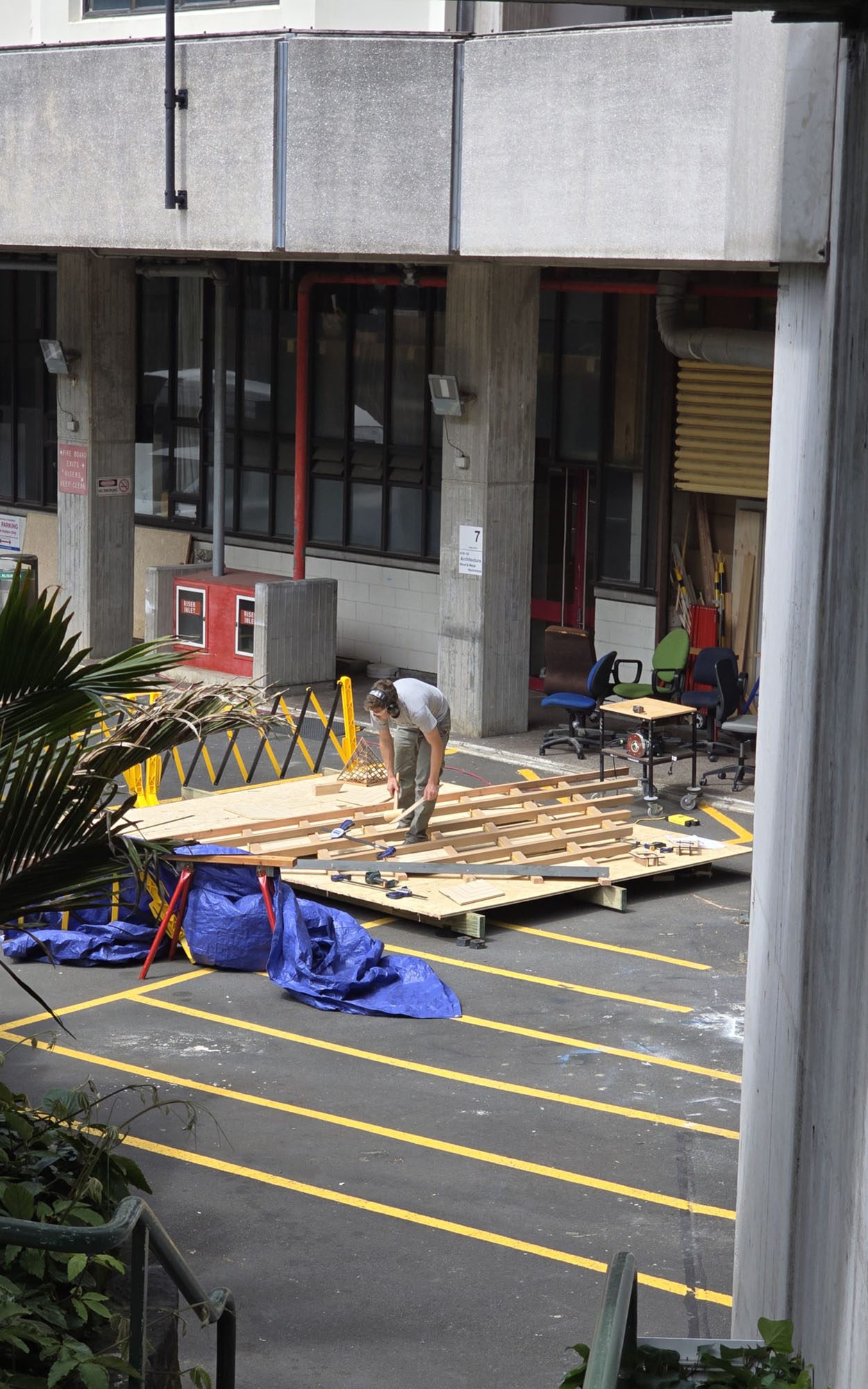
This is a beautiful, ambitious, and carefully designed student project.

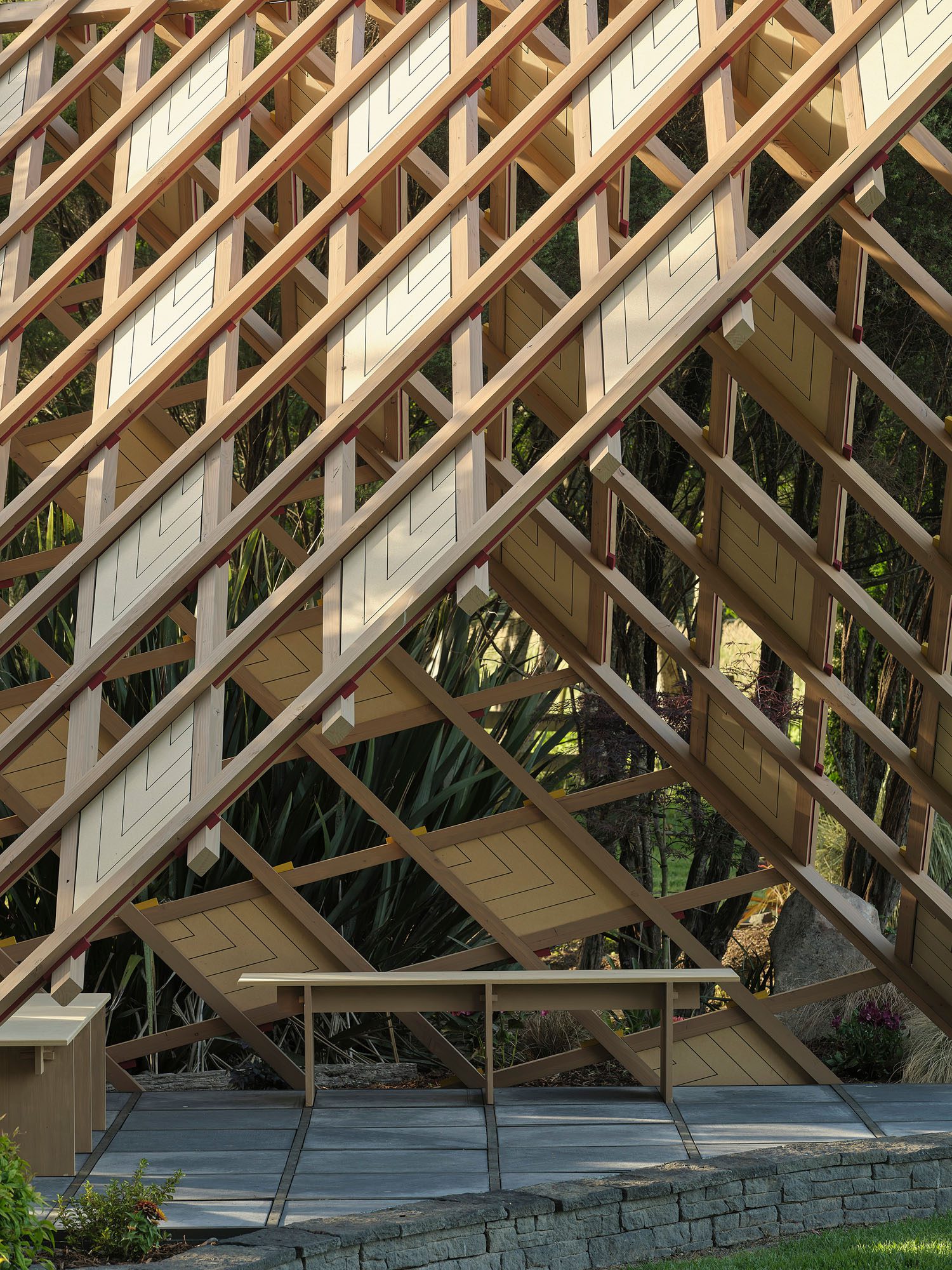
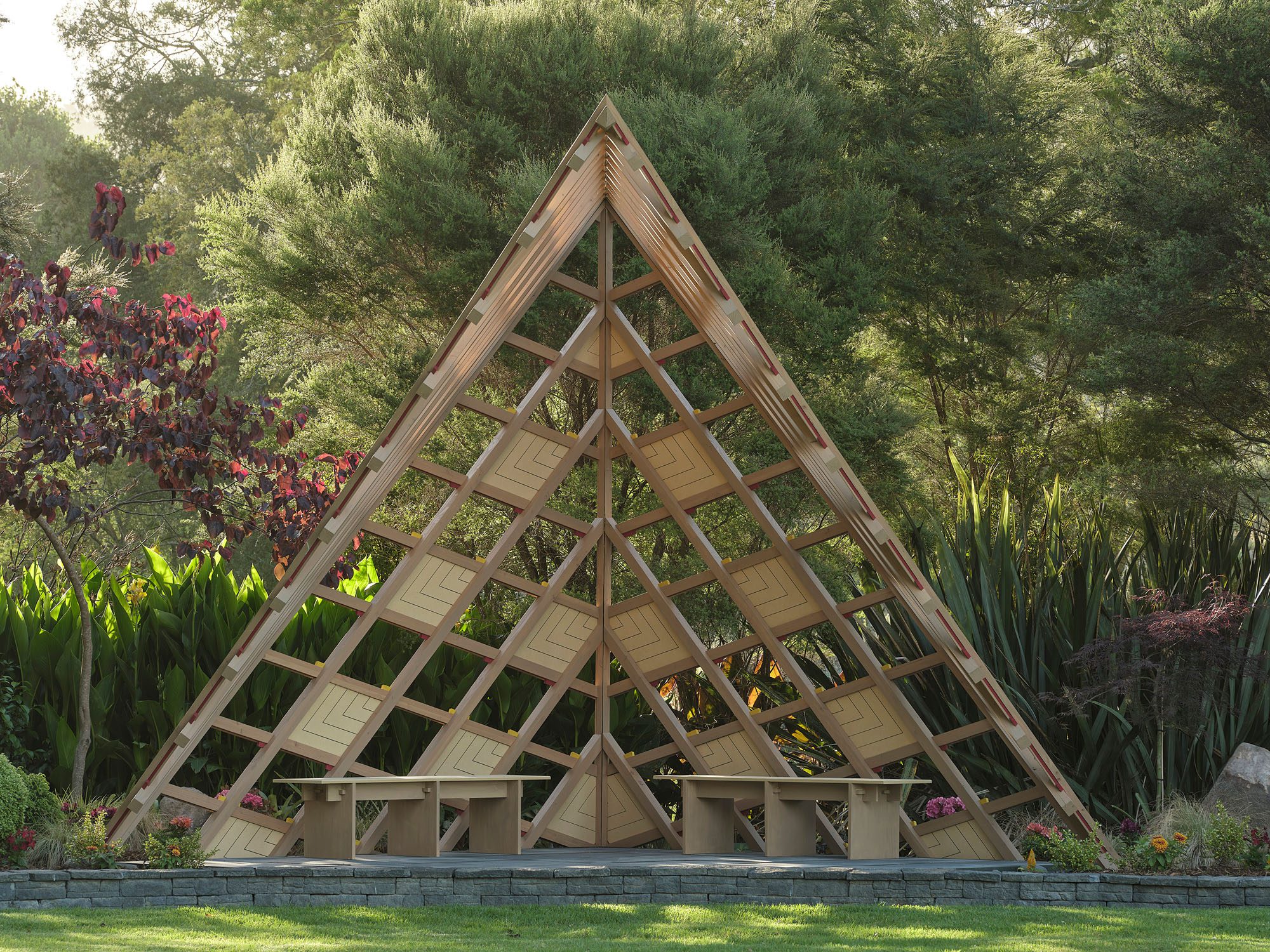
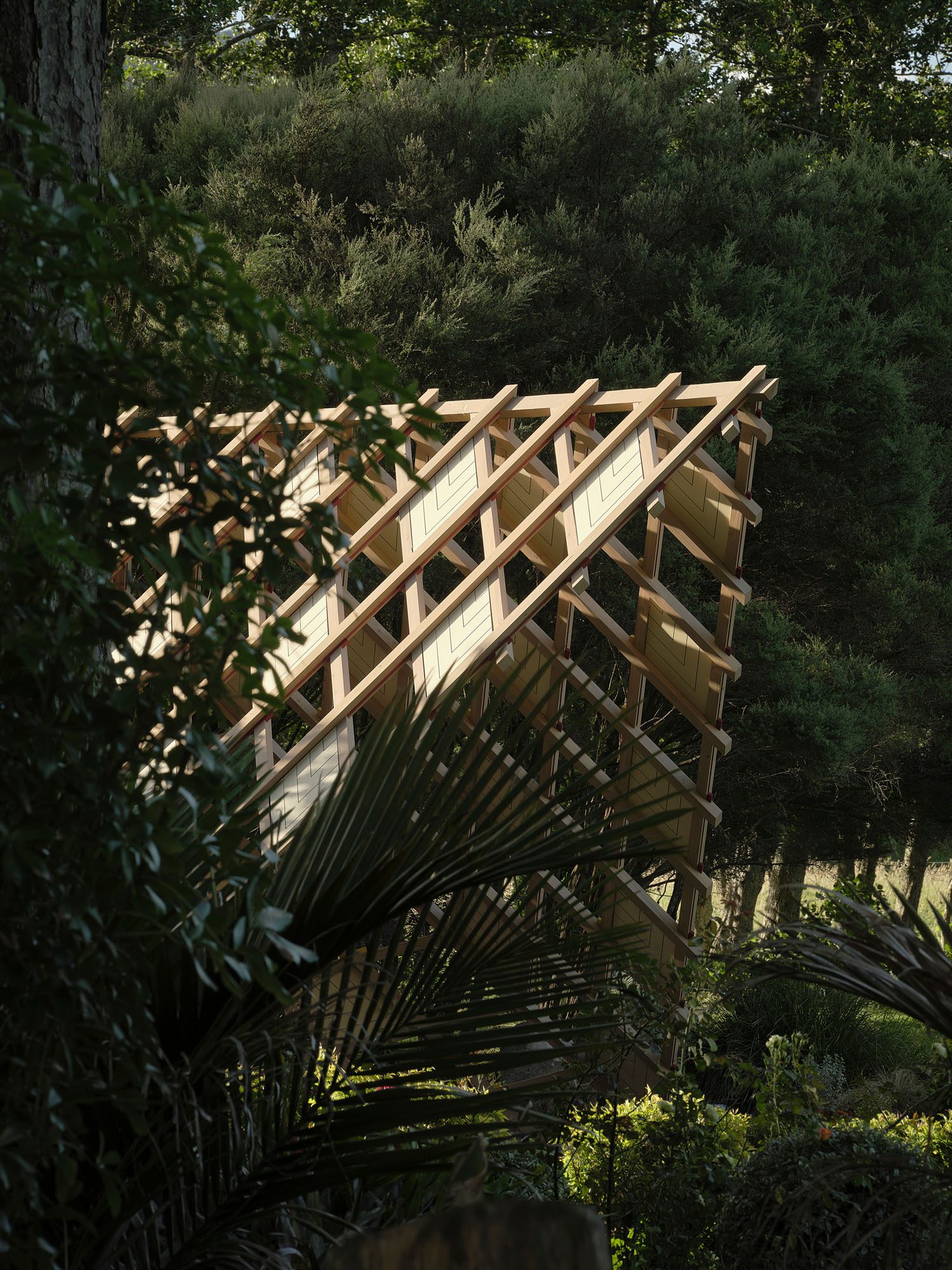
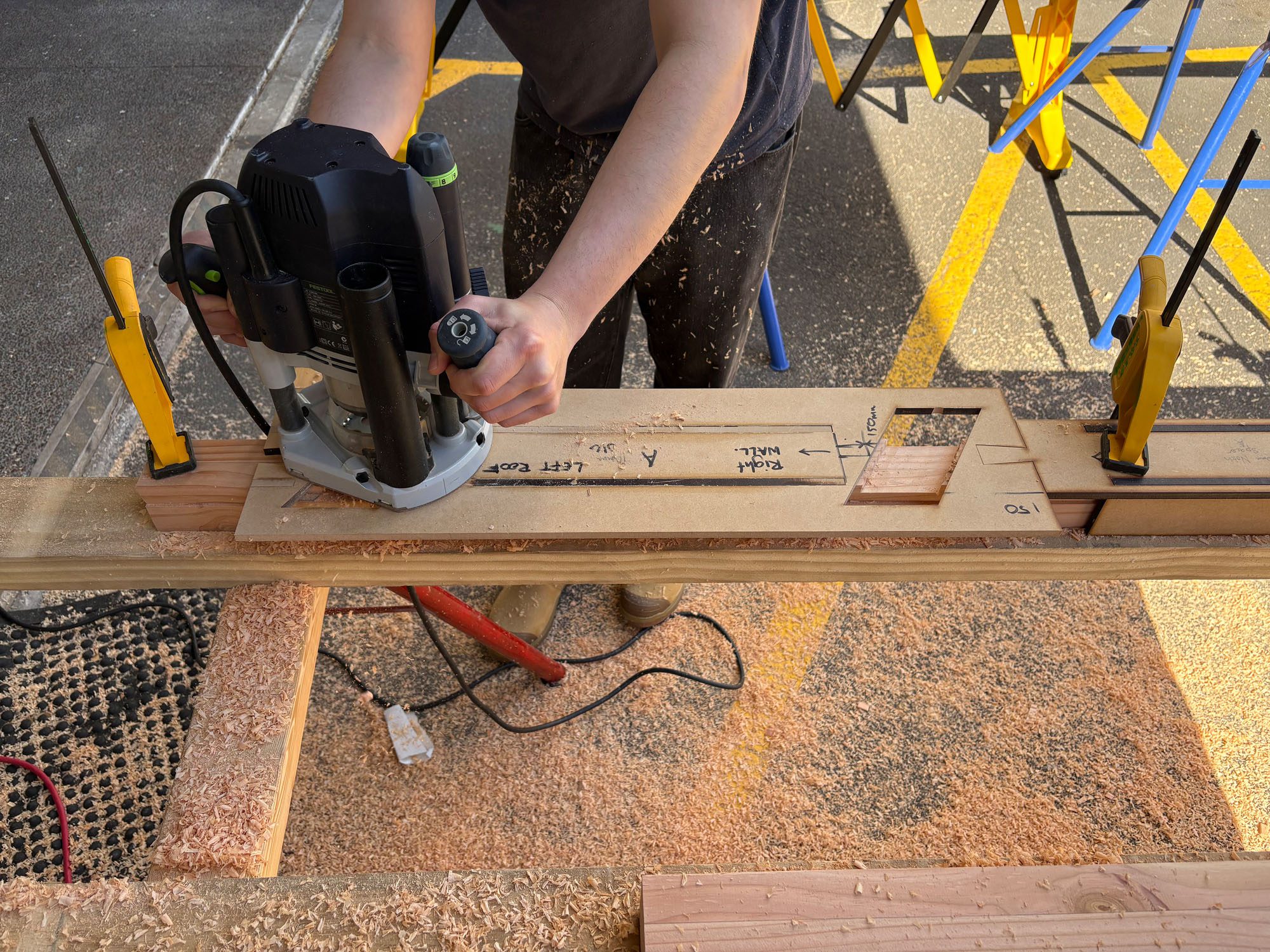
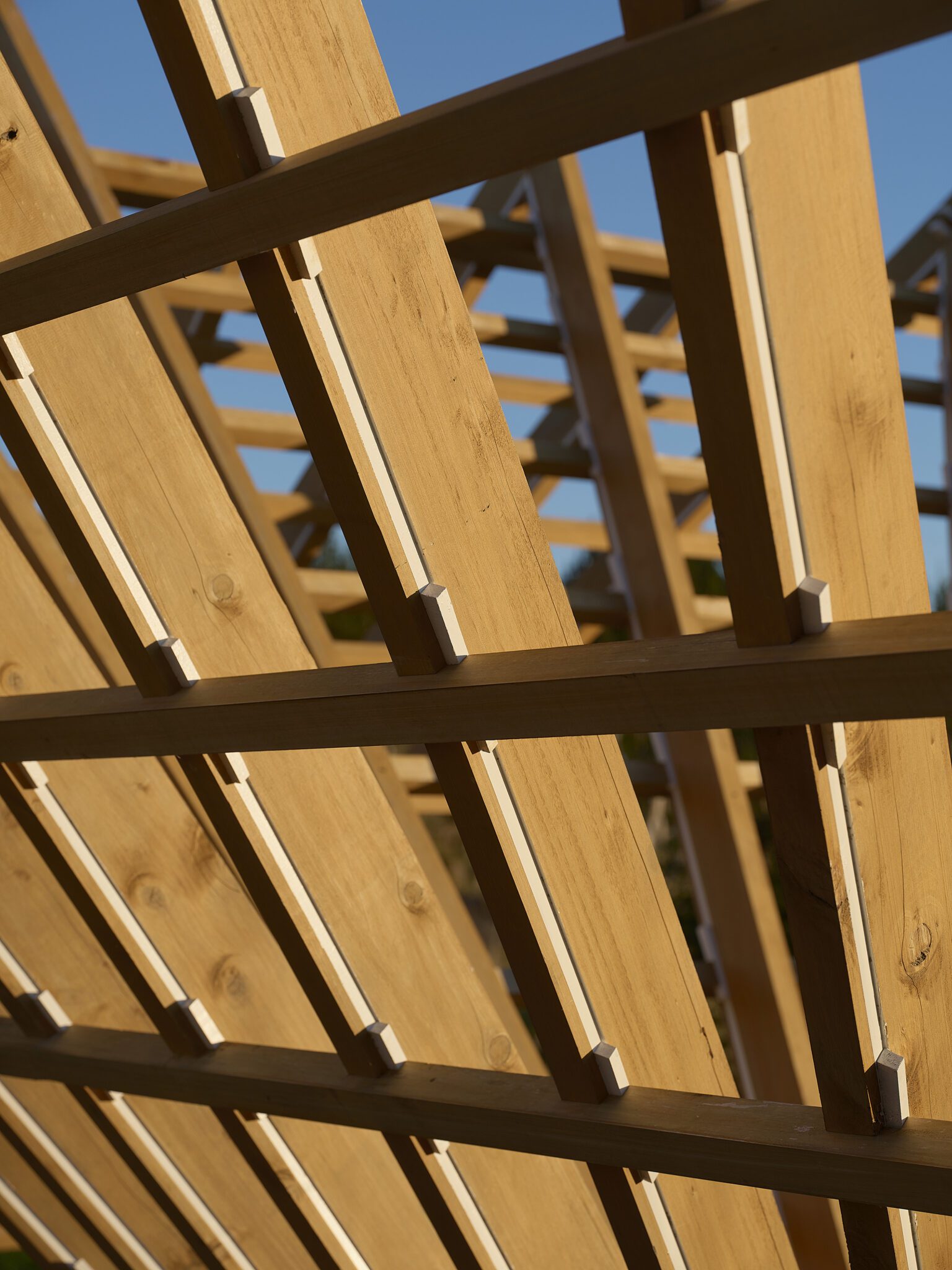
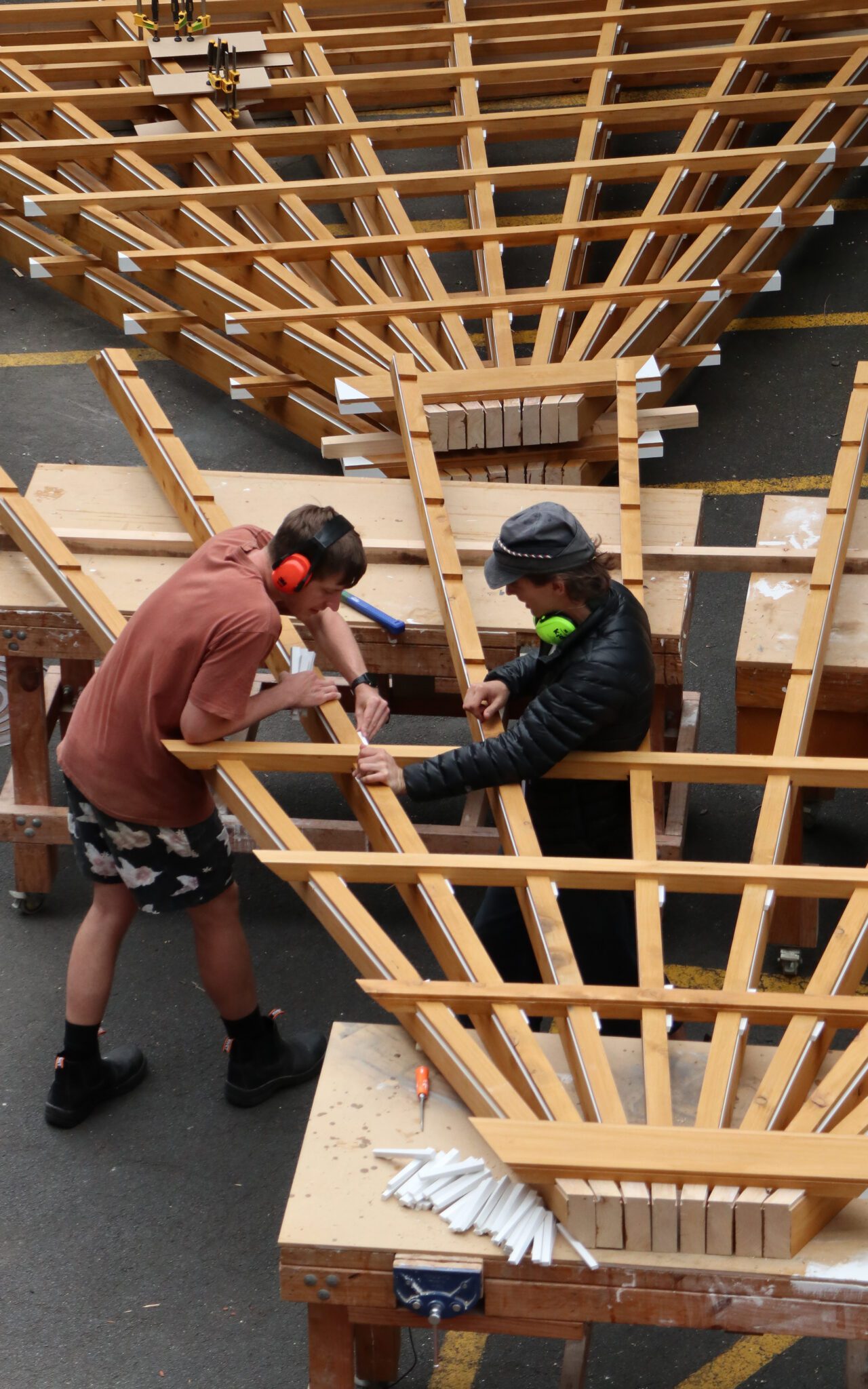
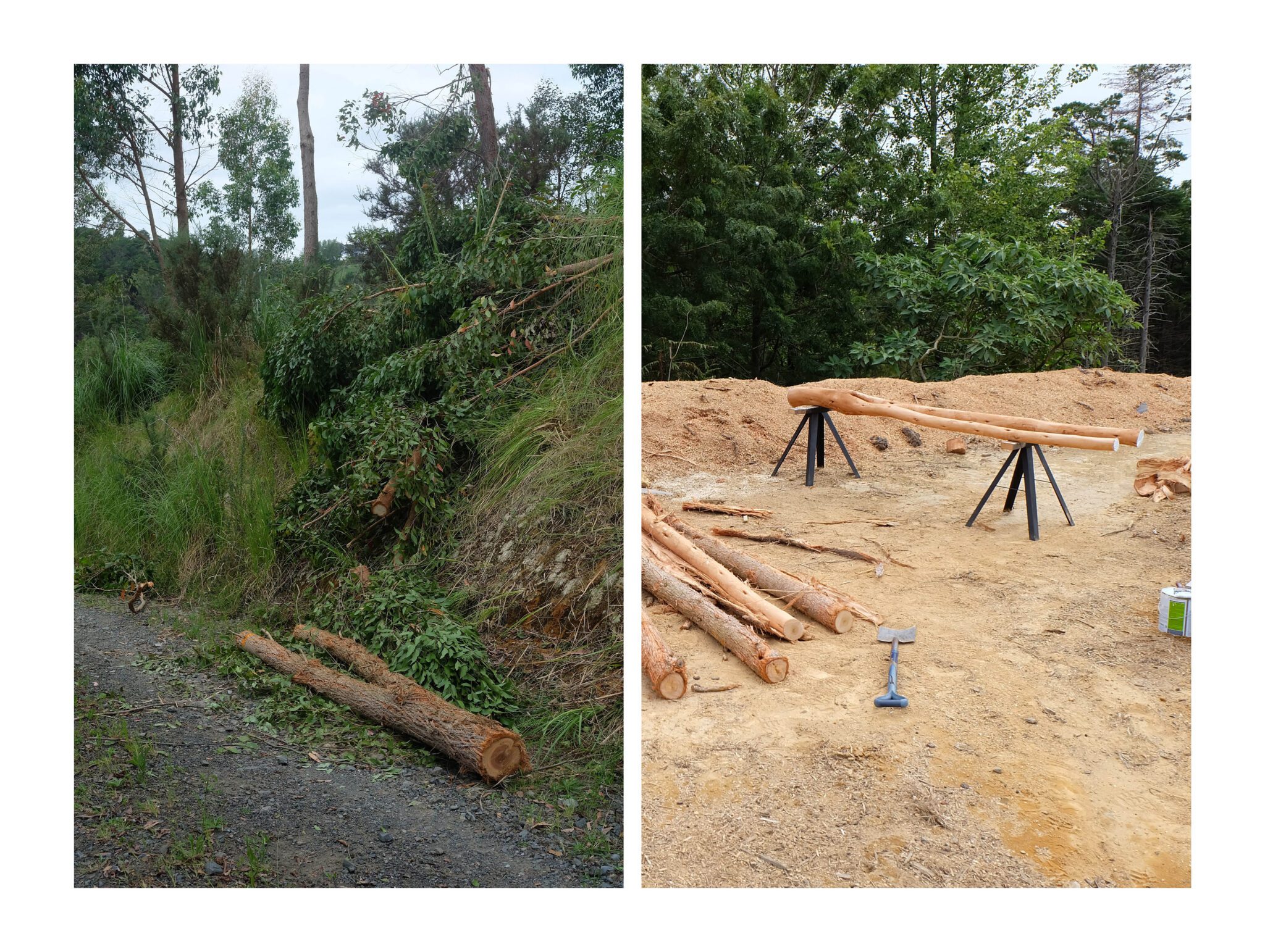
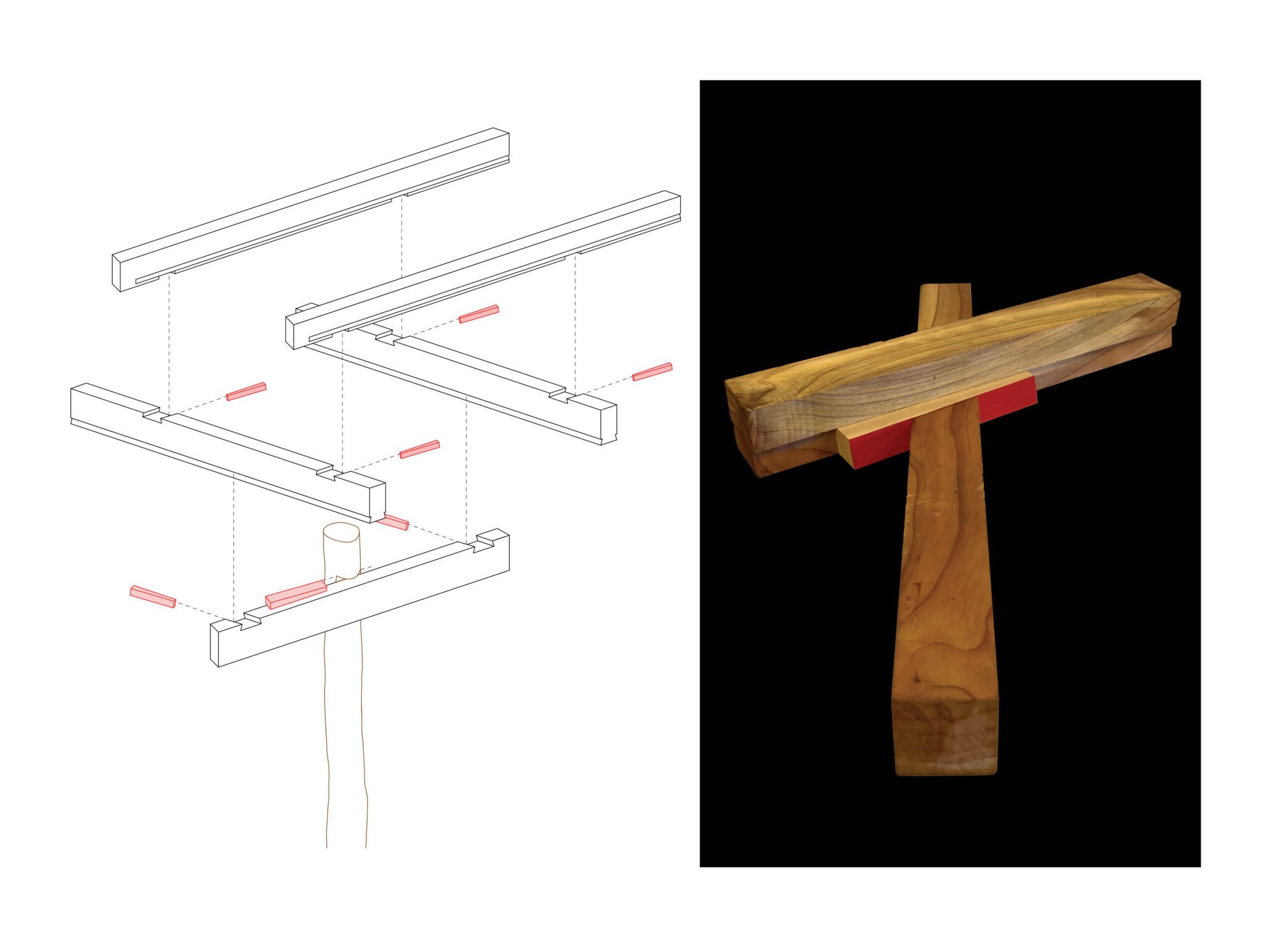
Set within a recreational park, one structure marks the start of a network of mountain bike trails, while another creates an entrance to a forest walking track. The design uses innovative timber construction methods inspired by traditional wedged joints, which help manage natural variations and movement in the wood.

These lightweight and sustainable structures explore new ideas in timber construction and respond to the challenges of the current climate crisis.

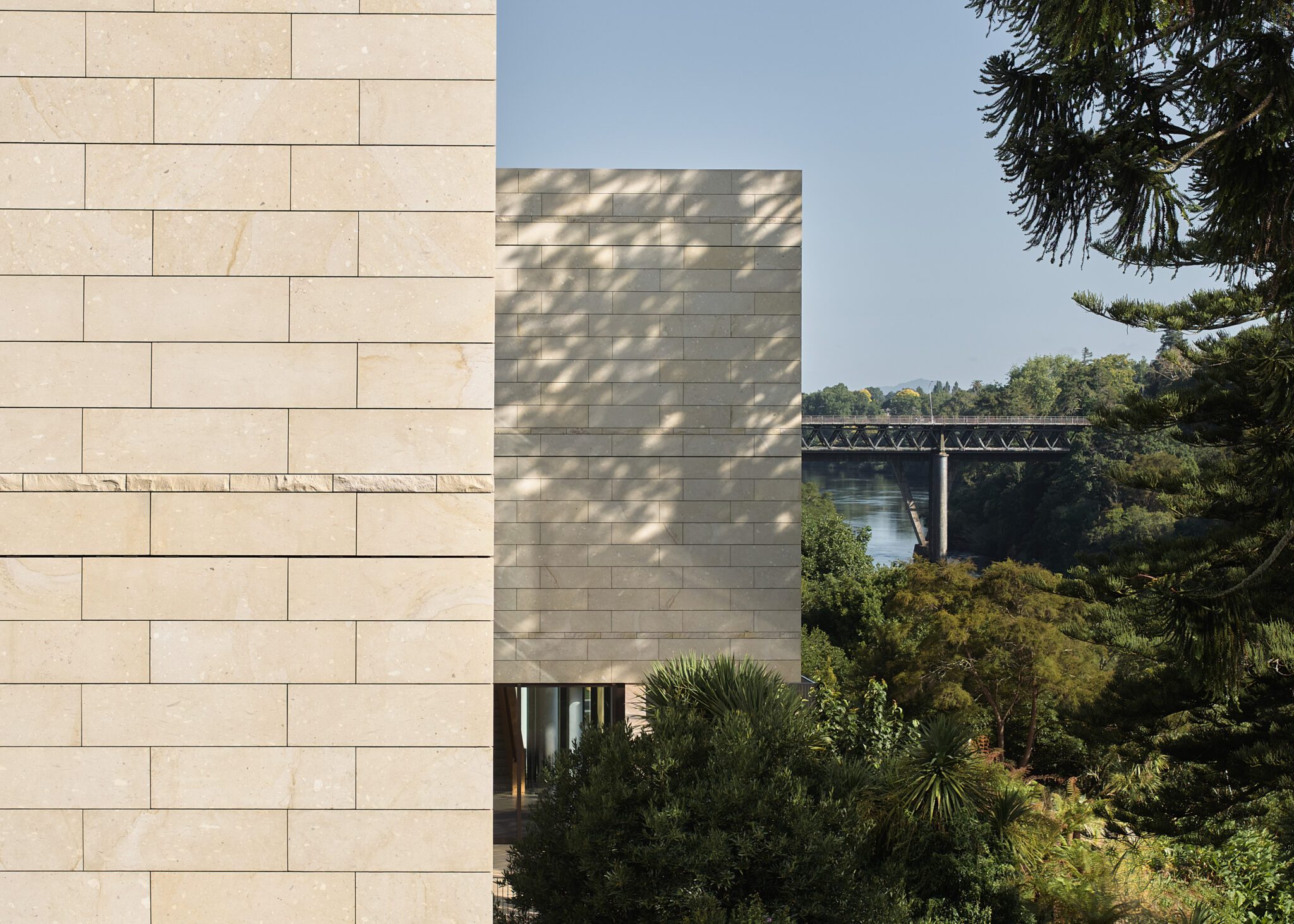
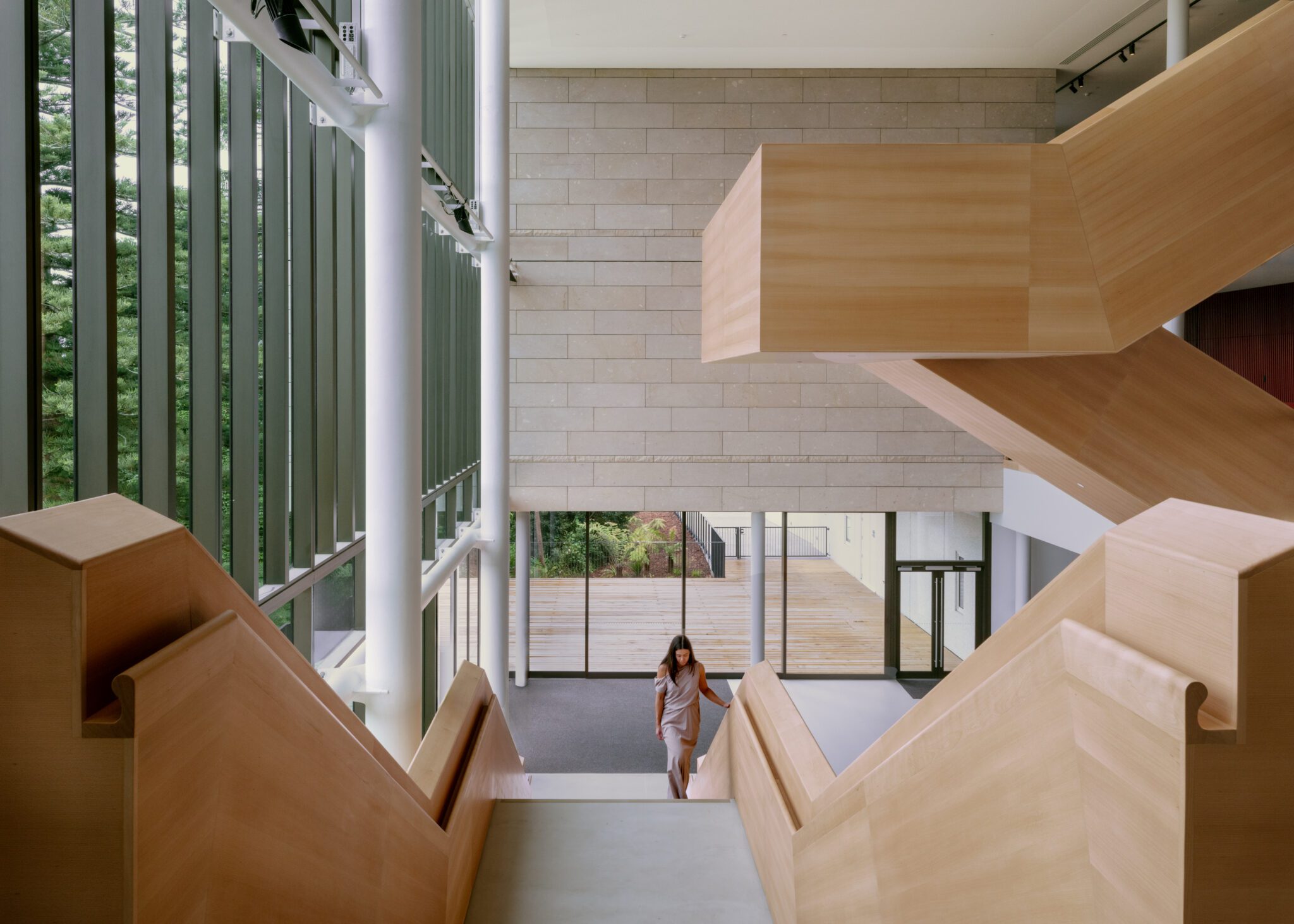
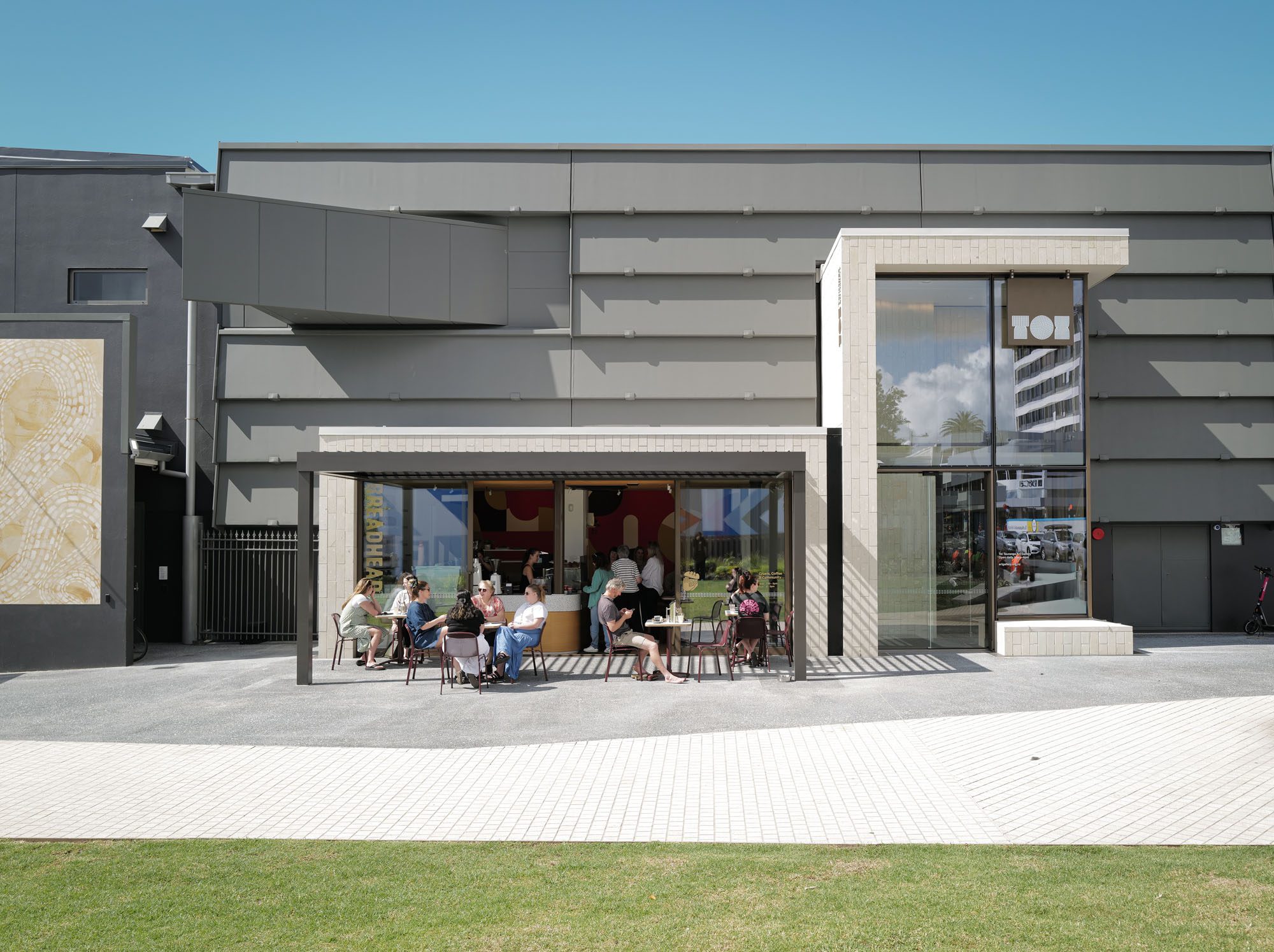
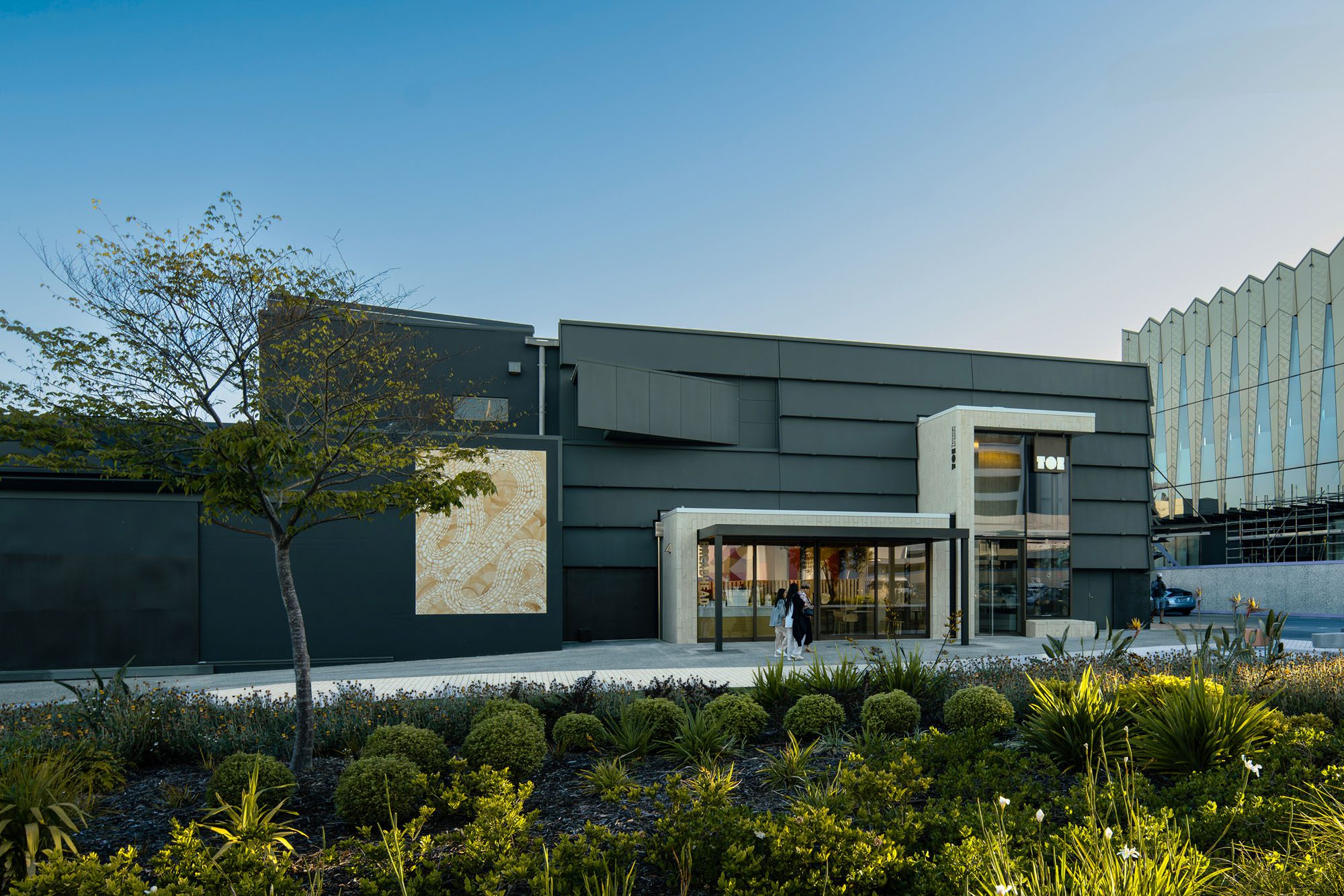
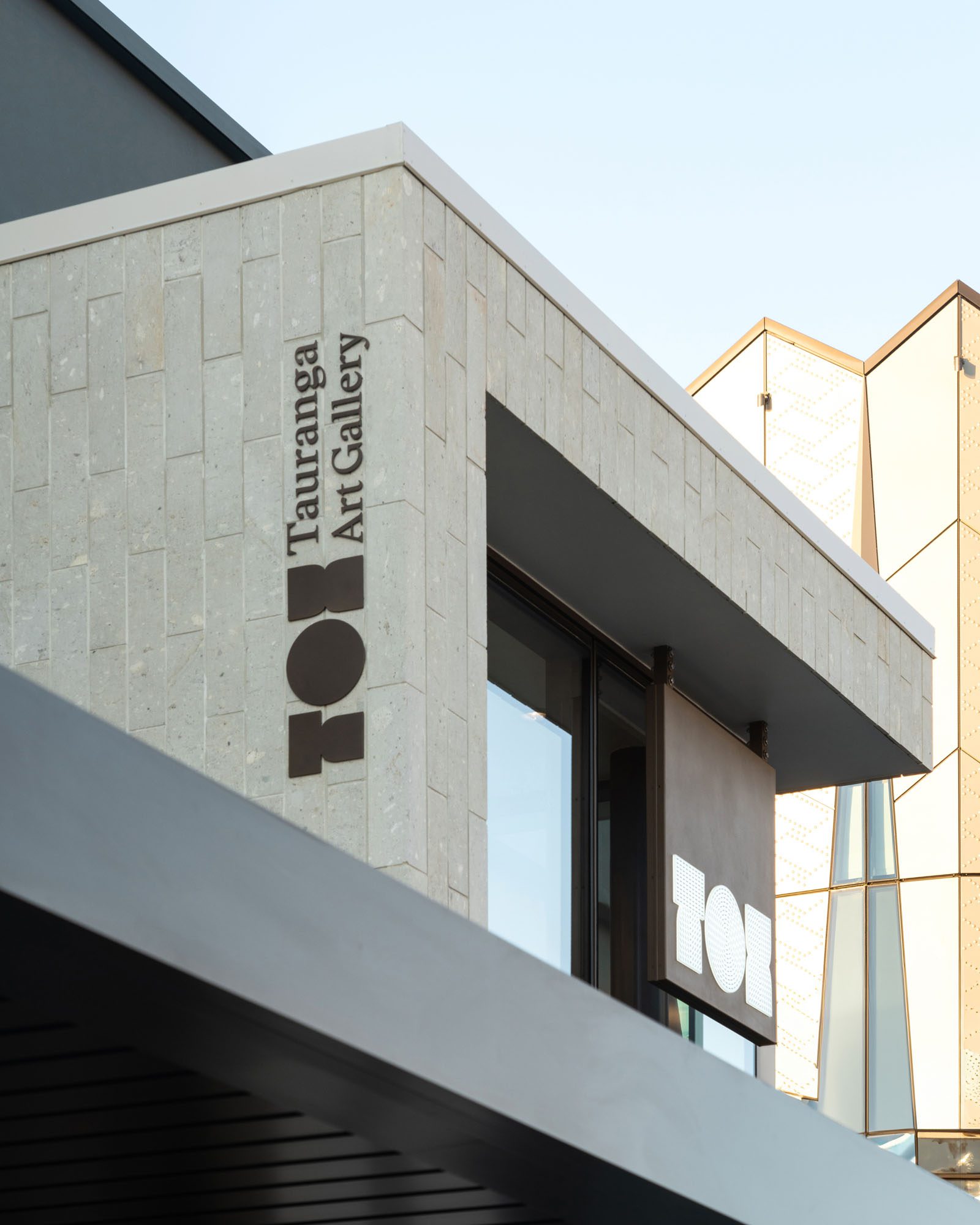
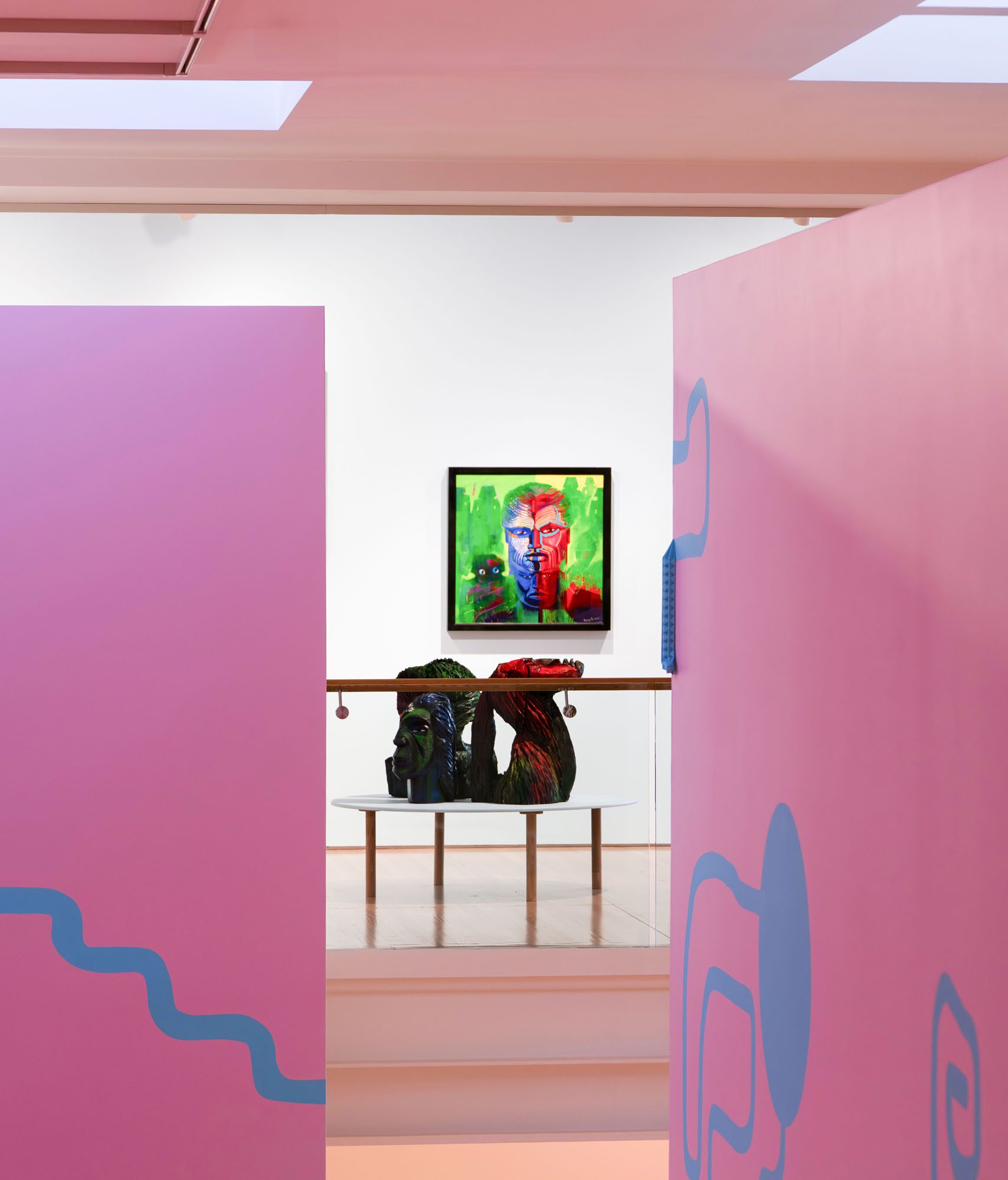
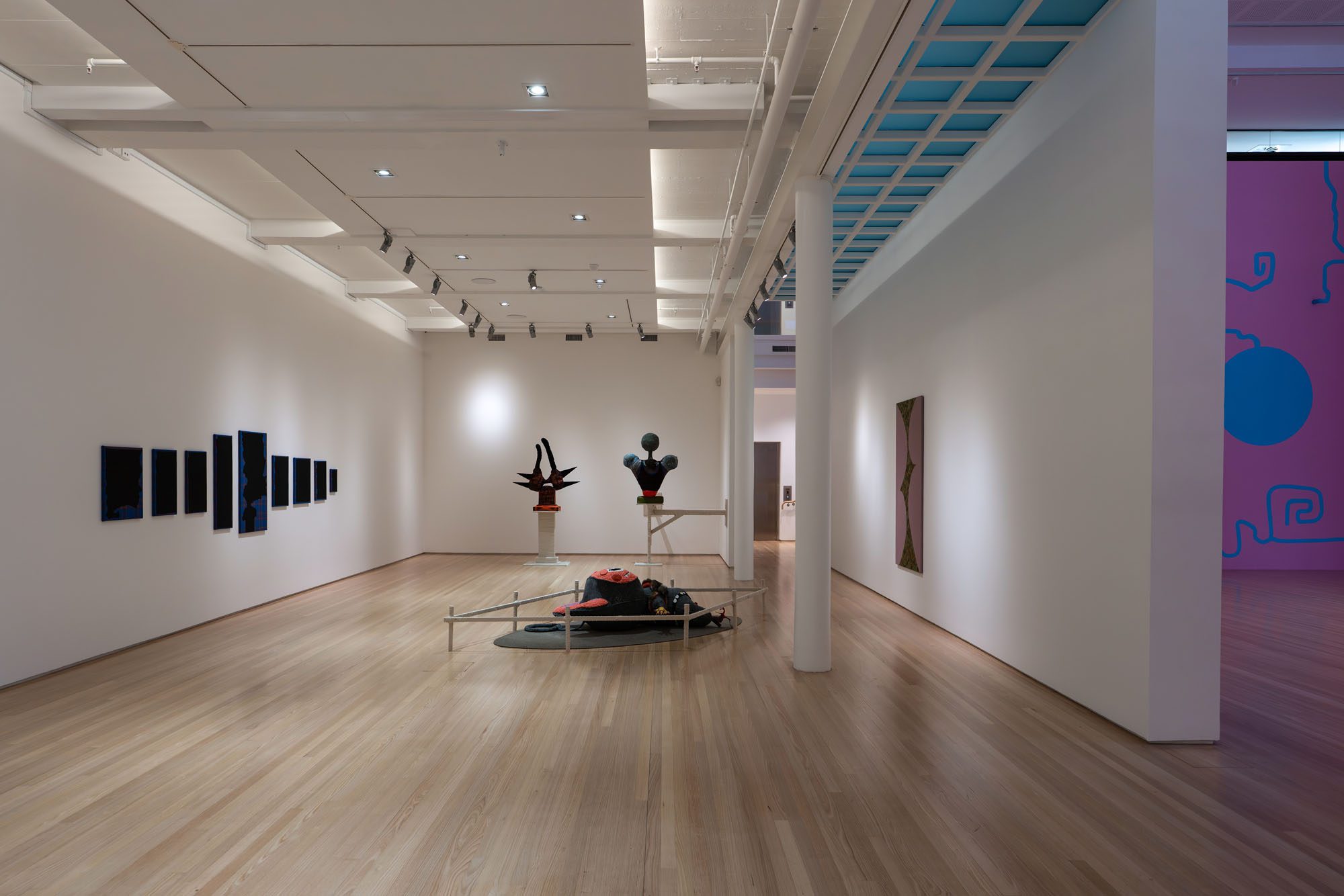
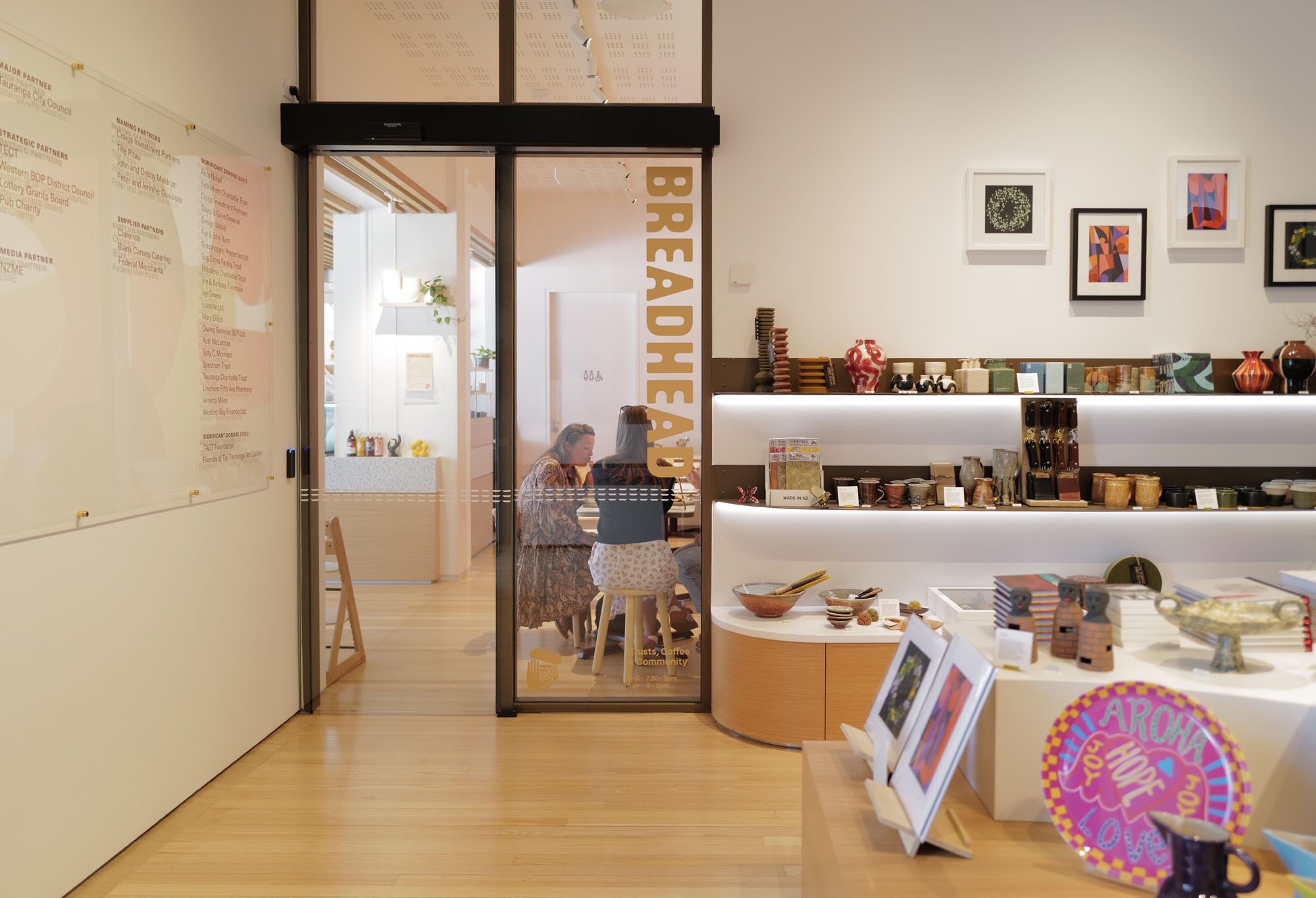
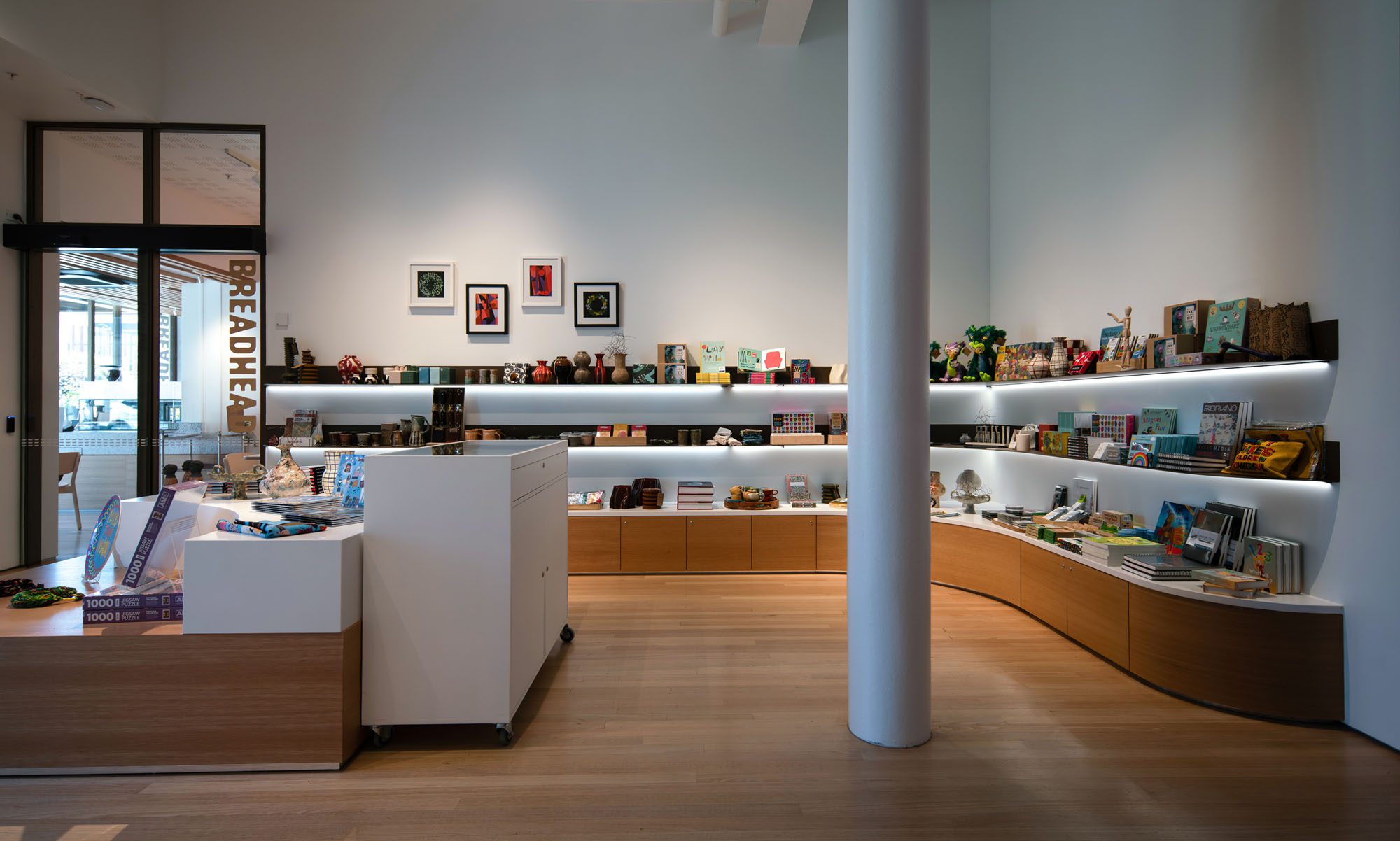
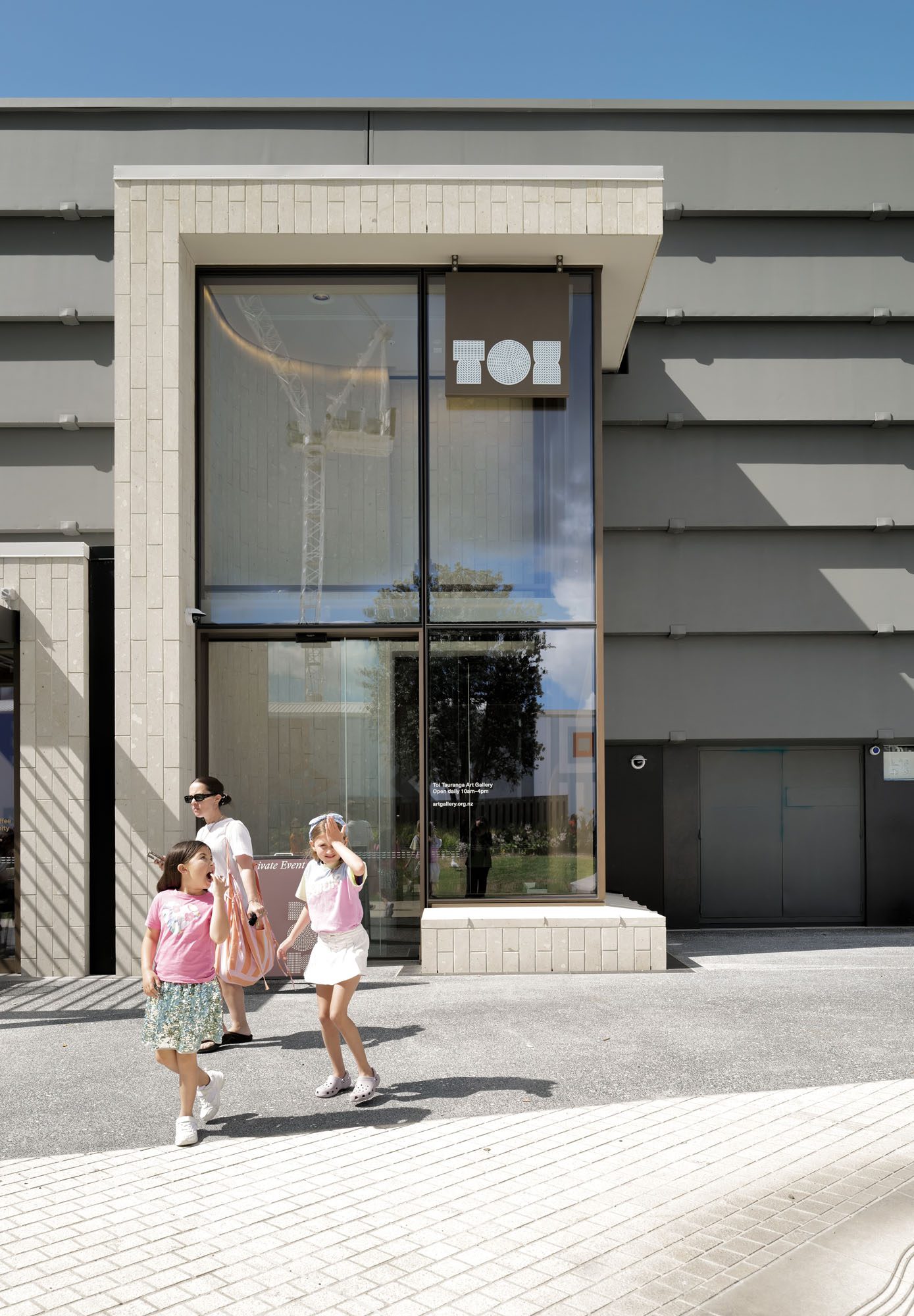
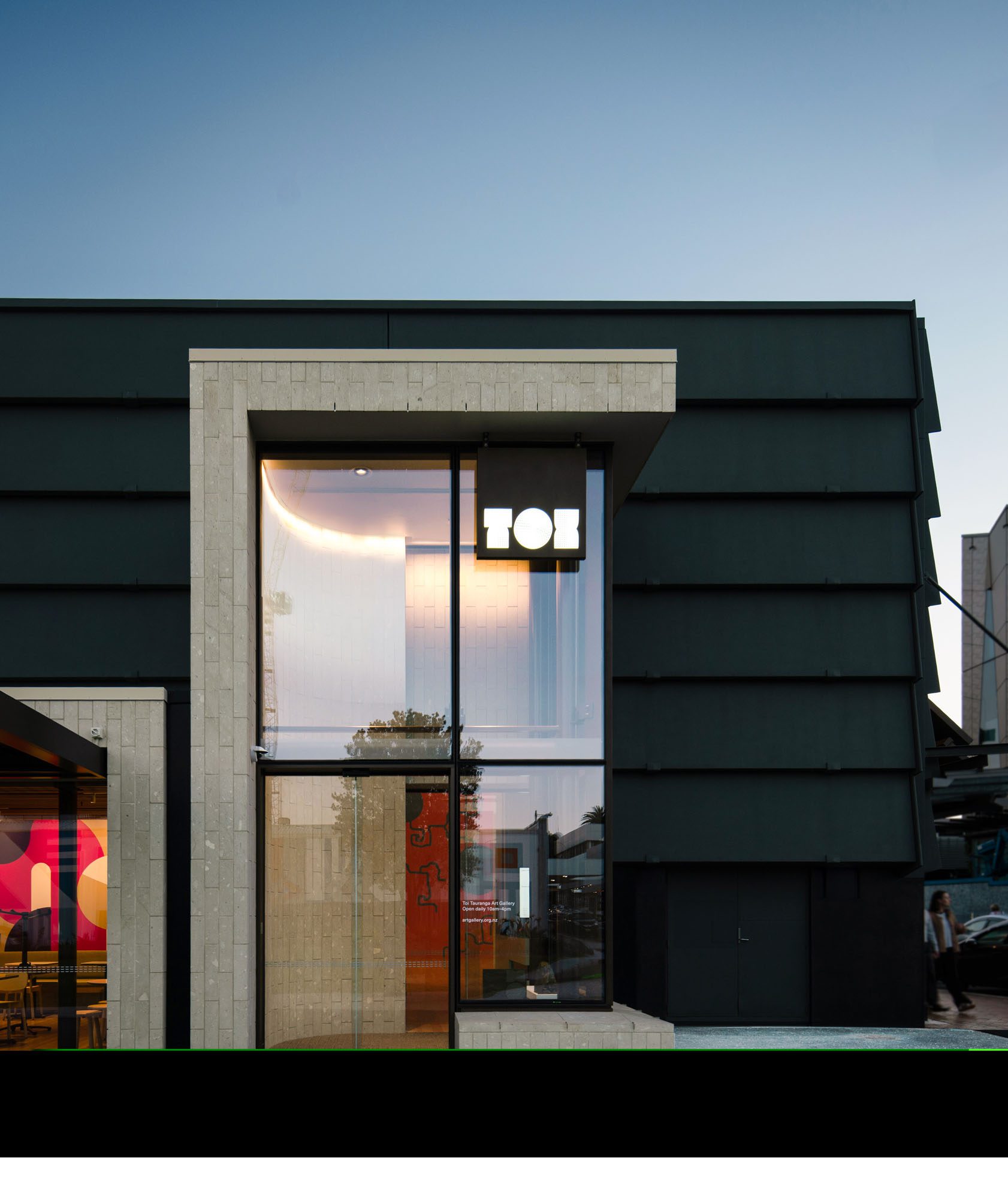
Toi Tauranga Art Gallery by Warren and Mahoney

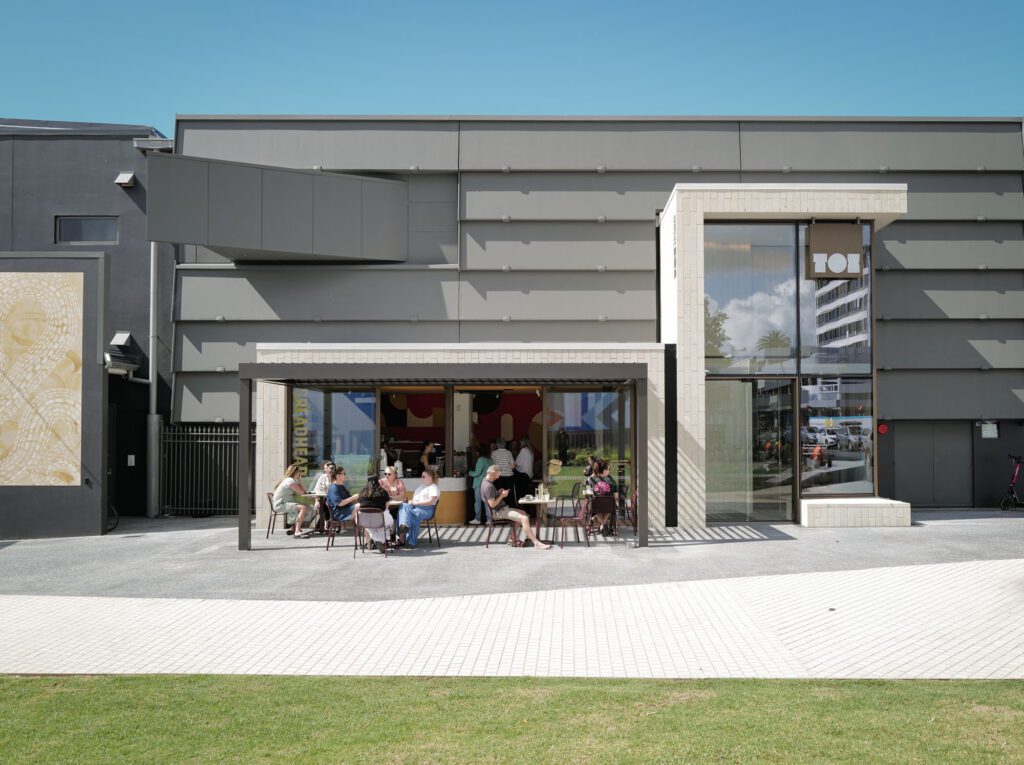
The new entrance to the Toi Art Gallery in Tauranga’s CBD creates a strong and welcoming connection between the city and the gallery. The design makes it easy to move through the space while also allowing places to pause, elevating the arrival into a thoughtful sequence that opens toward Masonic Park.

A simple and carefully chosen material palette provides a calm, lasting backdrop that lets the art stand out. Changes in scale and light create a warm and inclusive atmosphere, strengthening the gallery’s role in the city and making the arrival a memorable experience that connects people with art and the community.

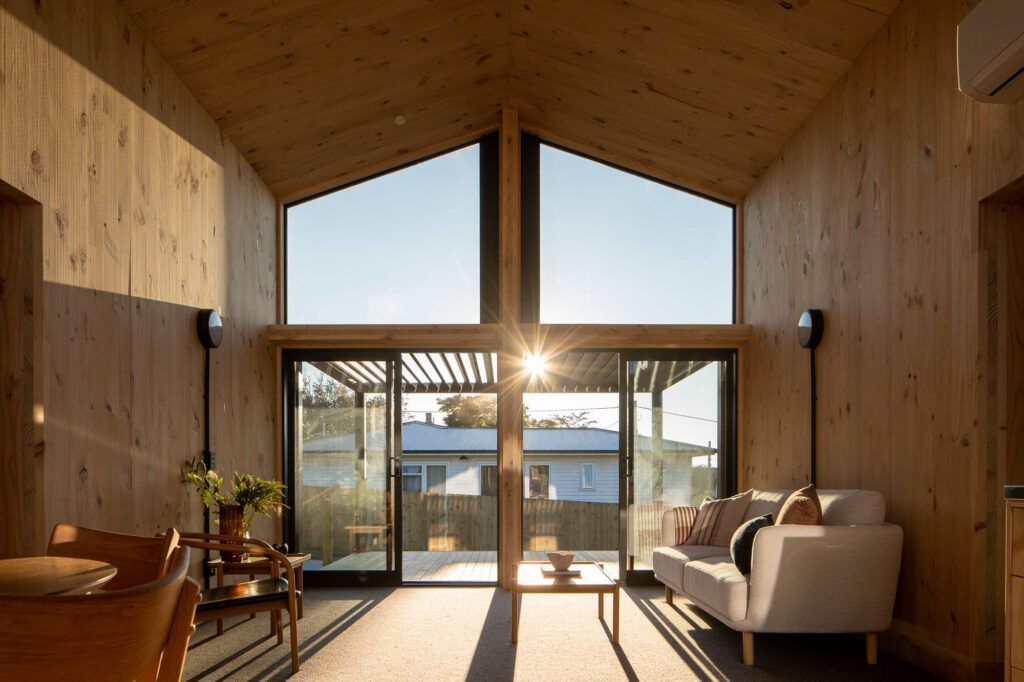
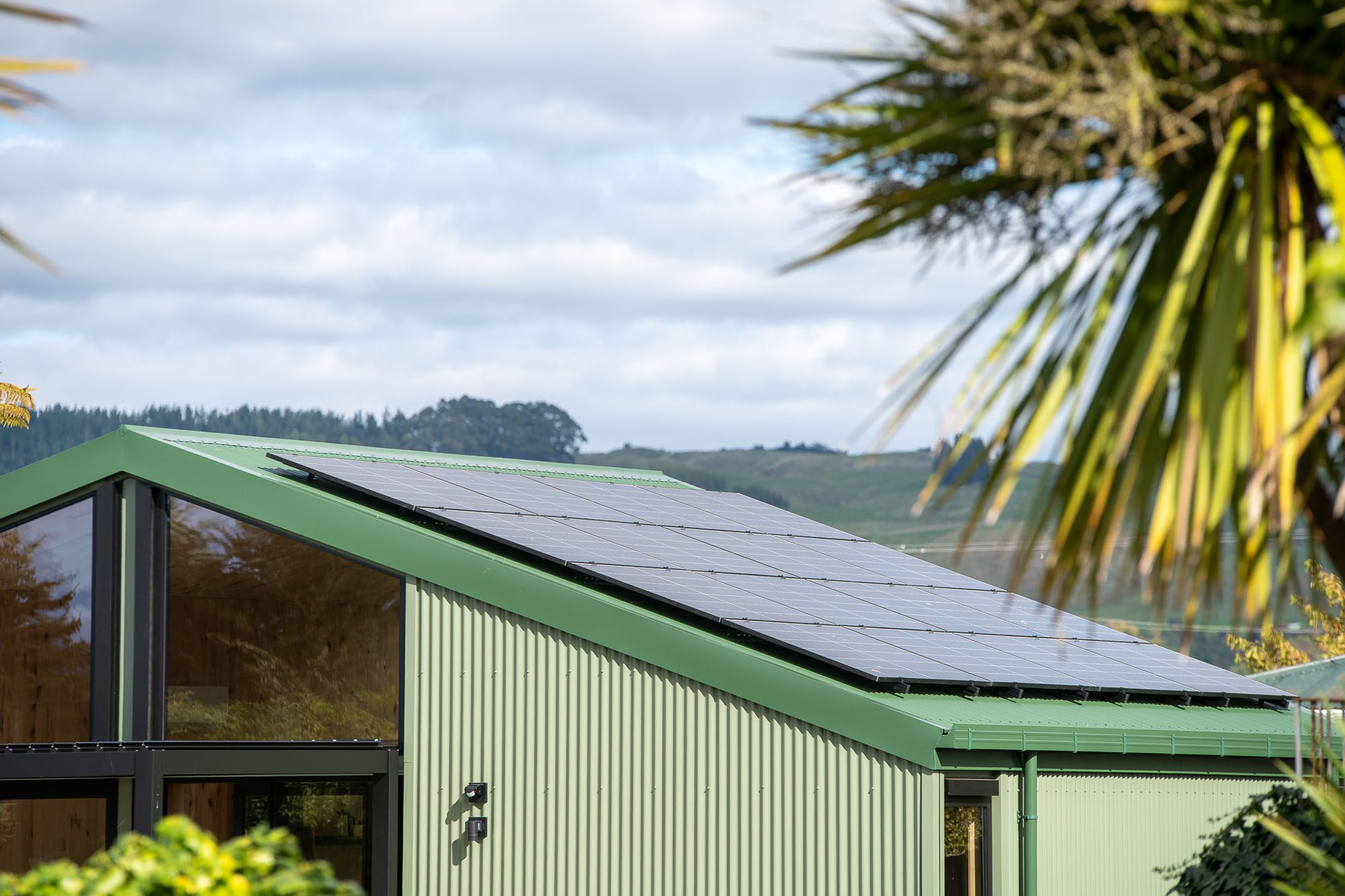
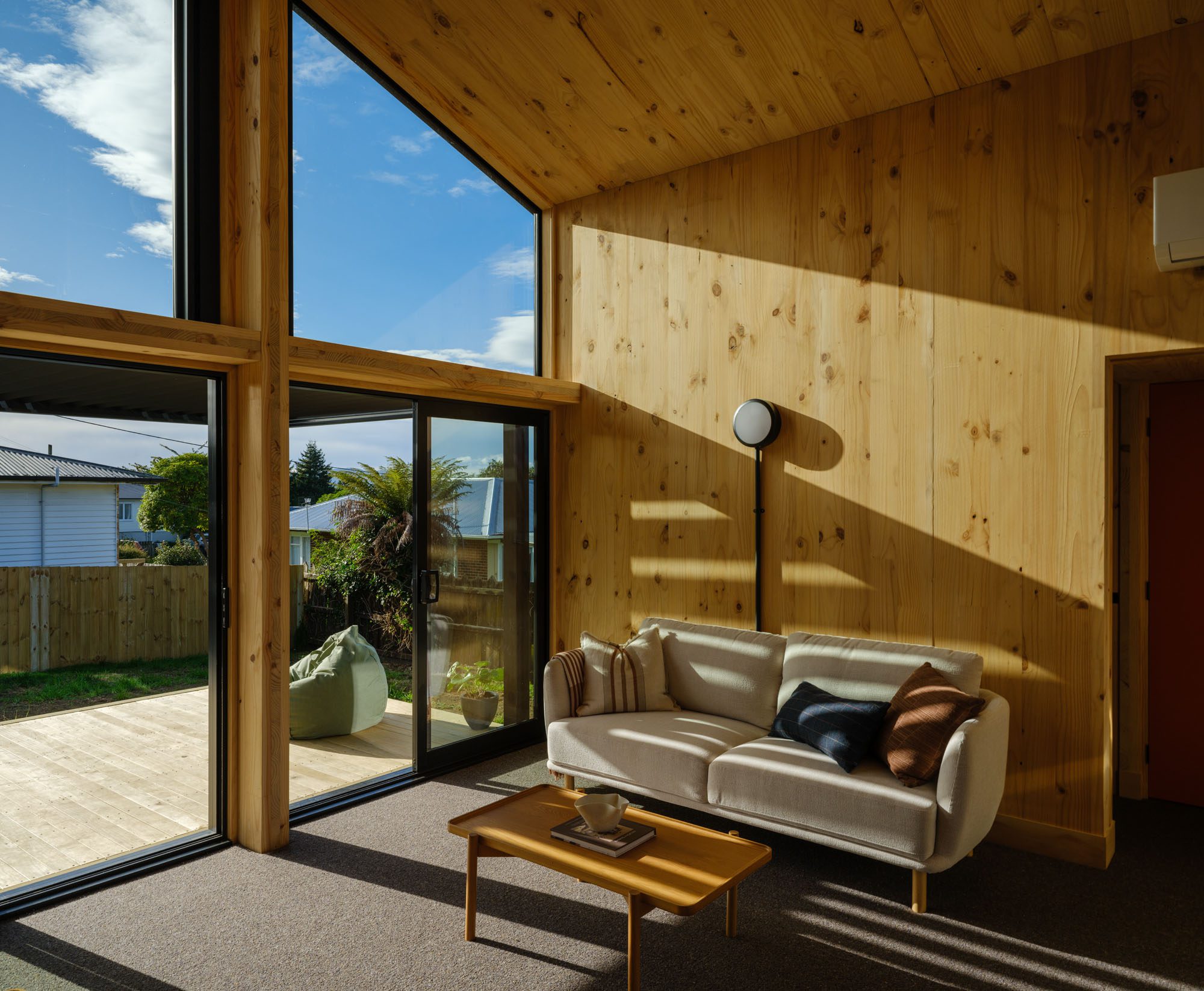
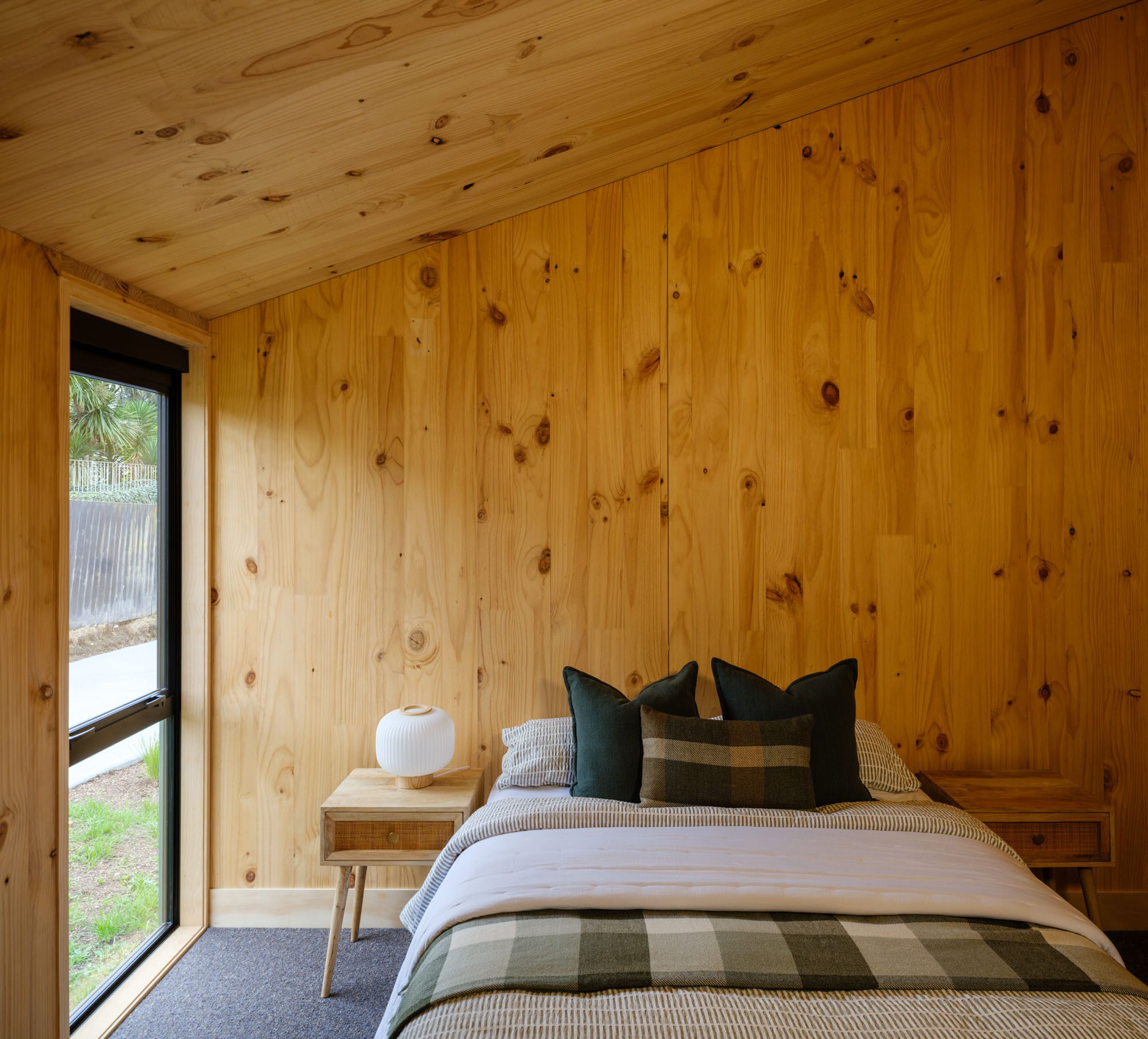
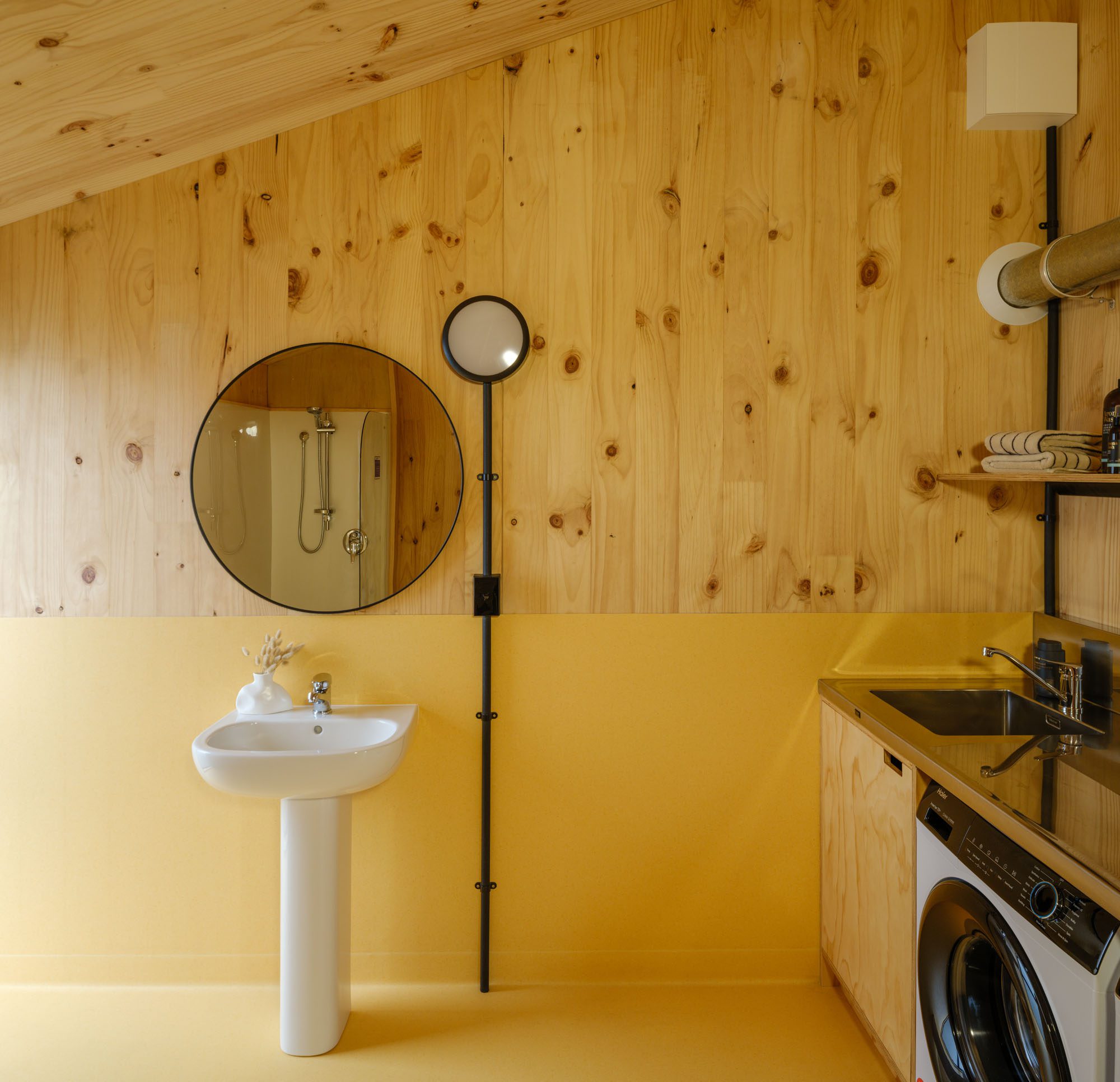
Living House by RTA Studio

This modular housing system is a strong new option for affordable housing. It shows how architects can innovate and work with manufacturers to deliver well-designed small-scale dwellings. Despite its compact size, the interior feels open and spacious. The house also has low embodied carbon, supported by a fast and efficient build process.

Exposed cross-laminated timber adds warmth and character throughout, with thick timber elements and a suspended floor creating a sense of solidity. Light pine surfaces contrast with bright interior colours. Though small in area, the design feels generous and offers a thoughtful alternative to typical, standardised housing.

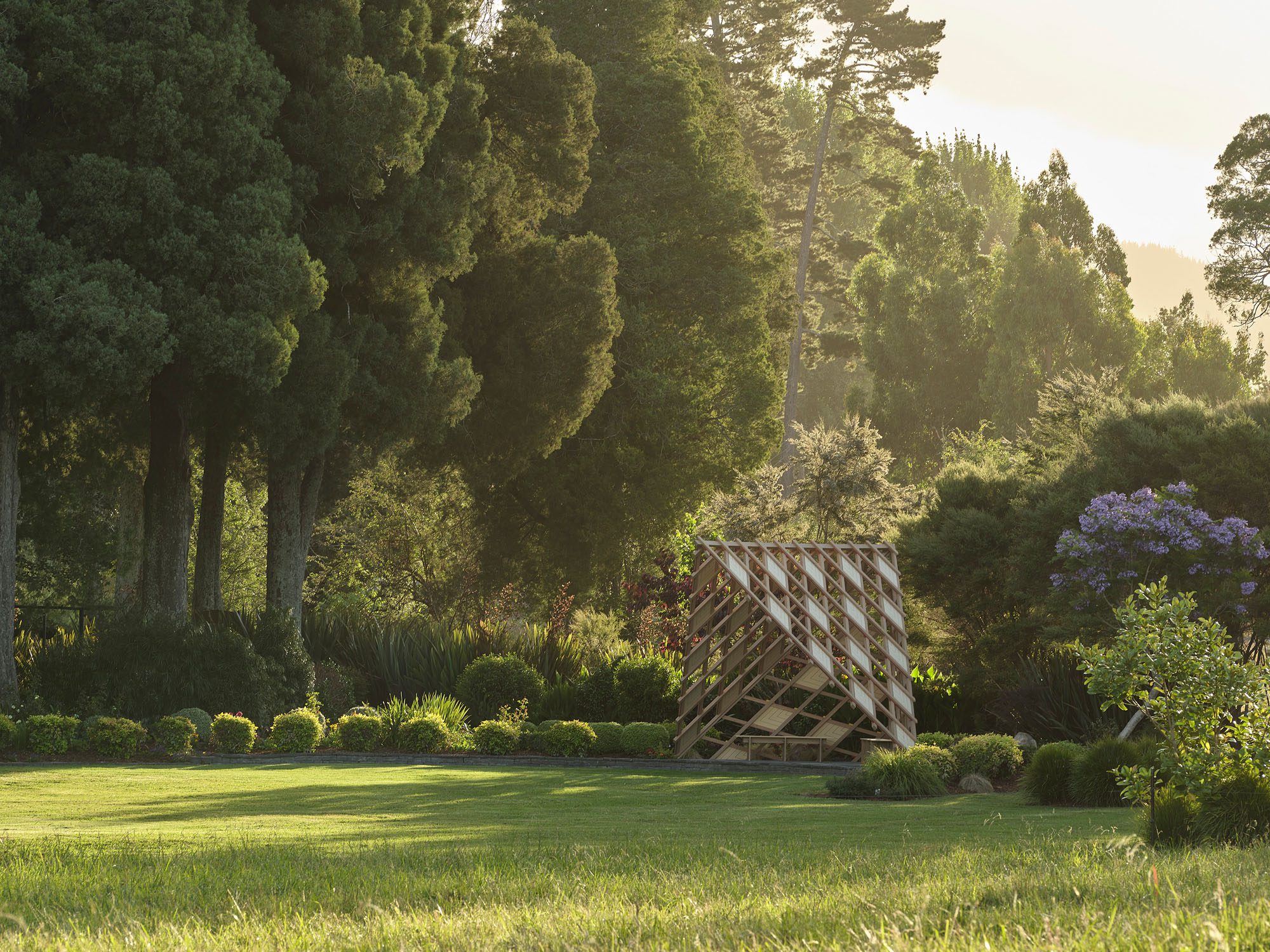
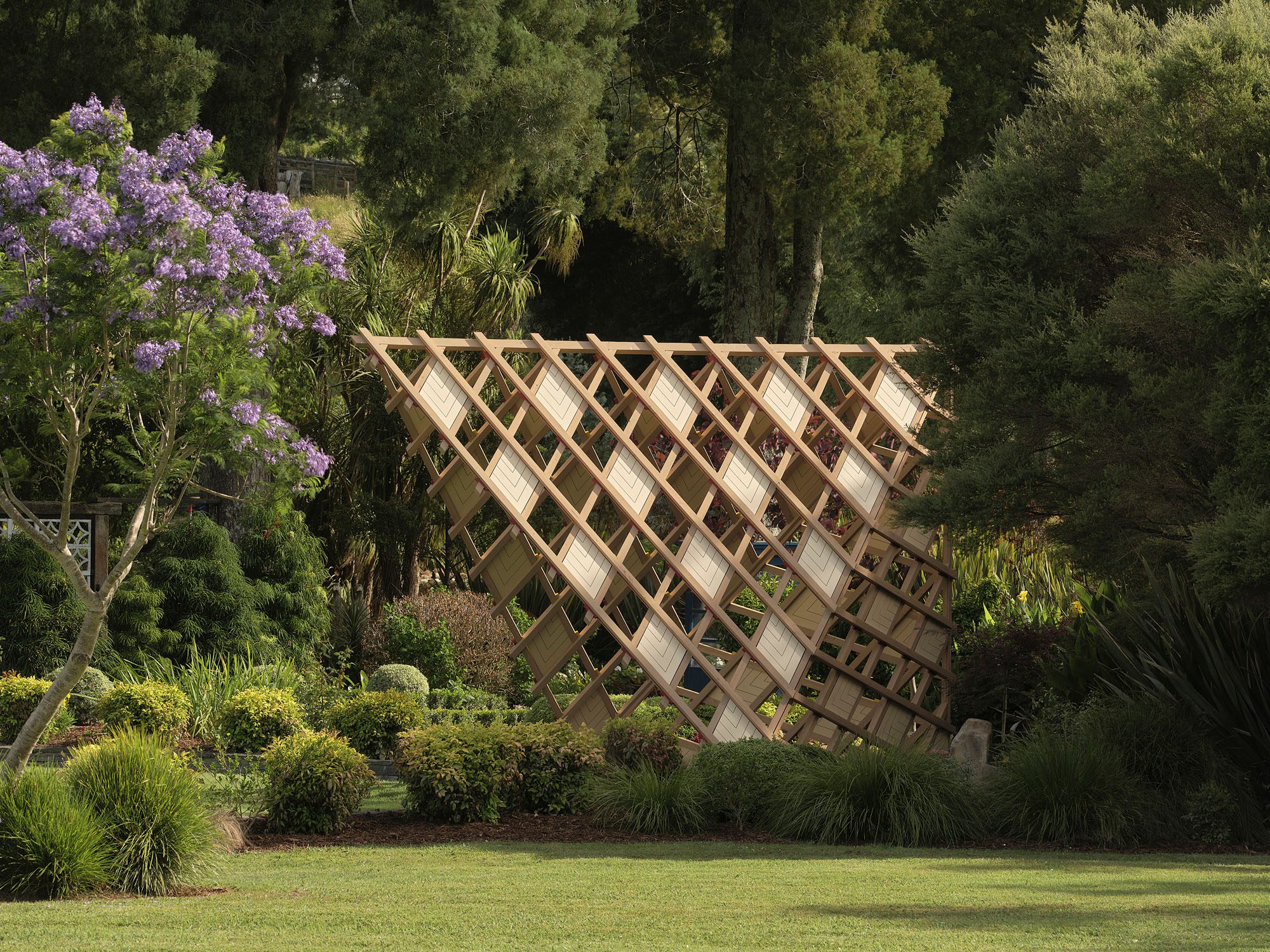
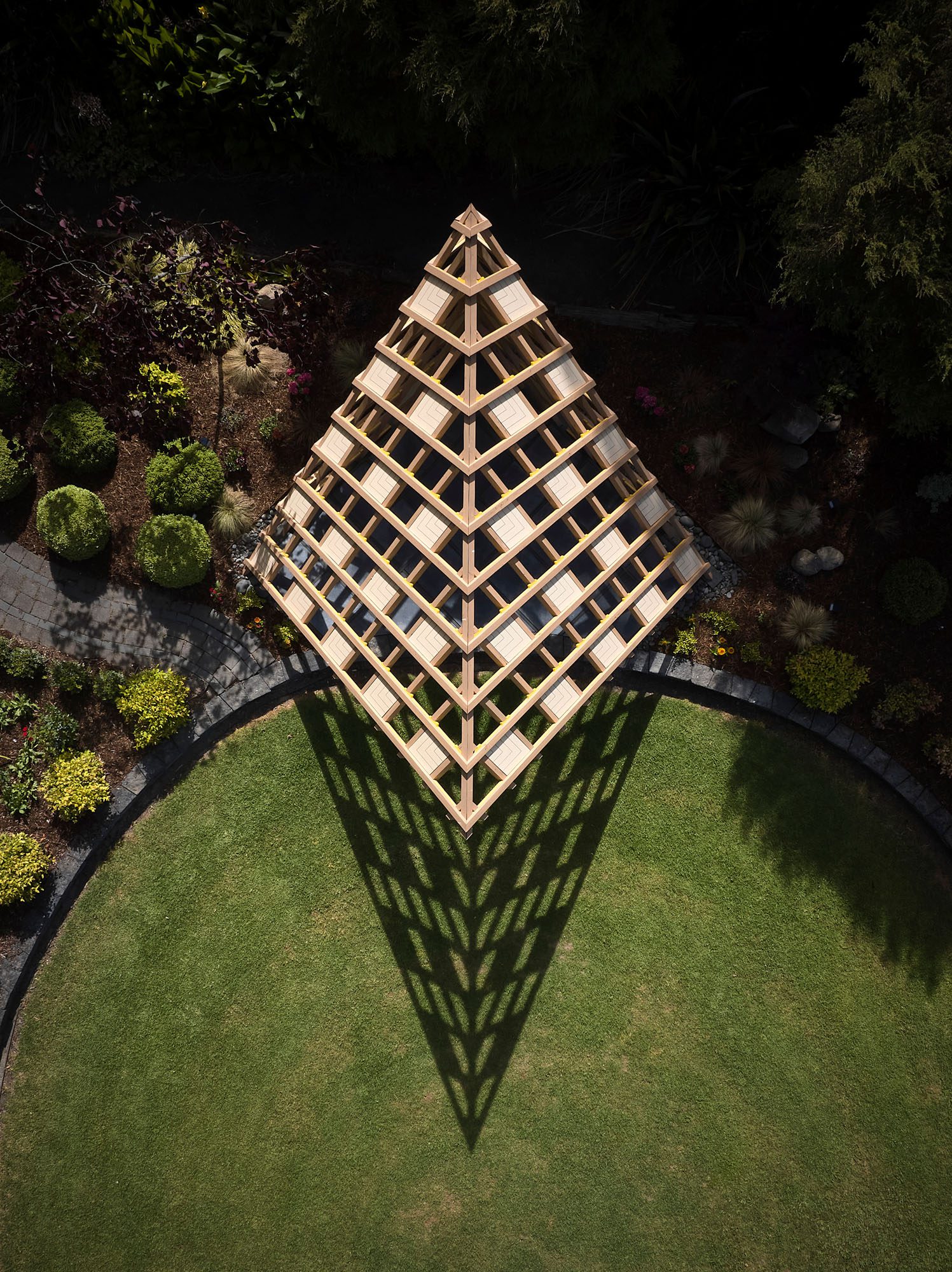
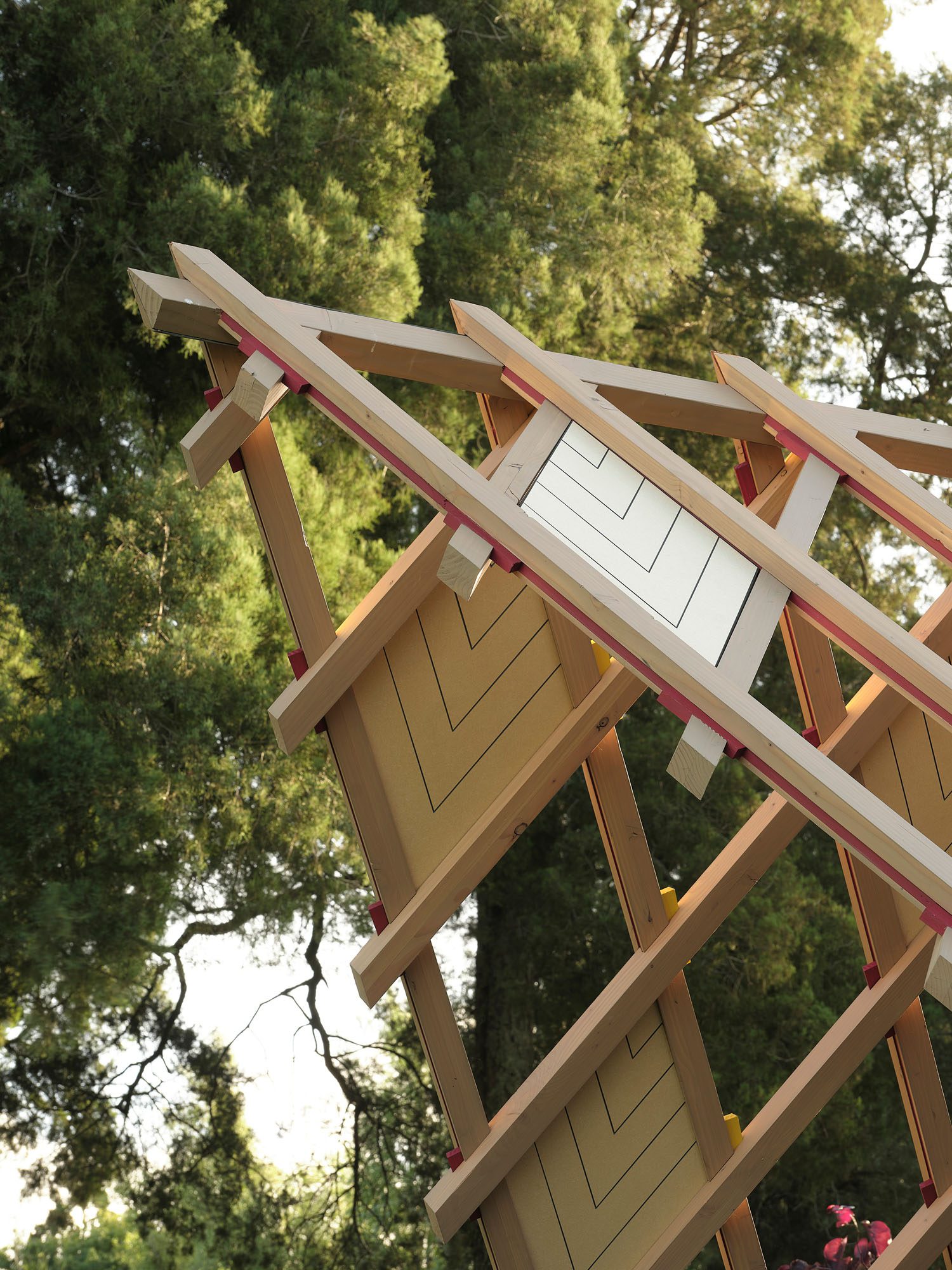
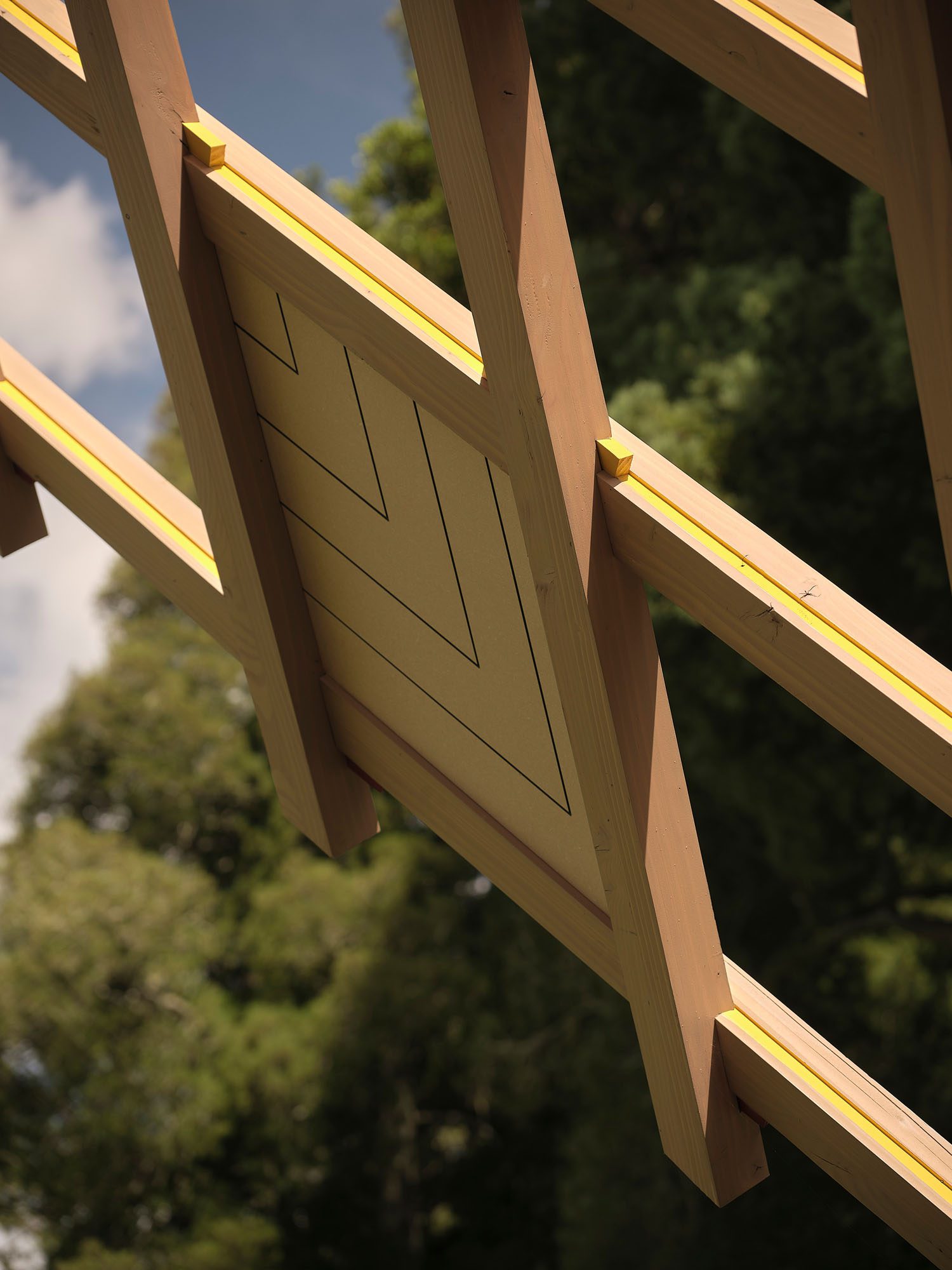
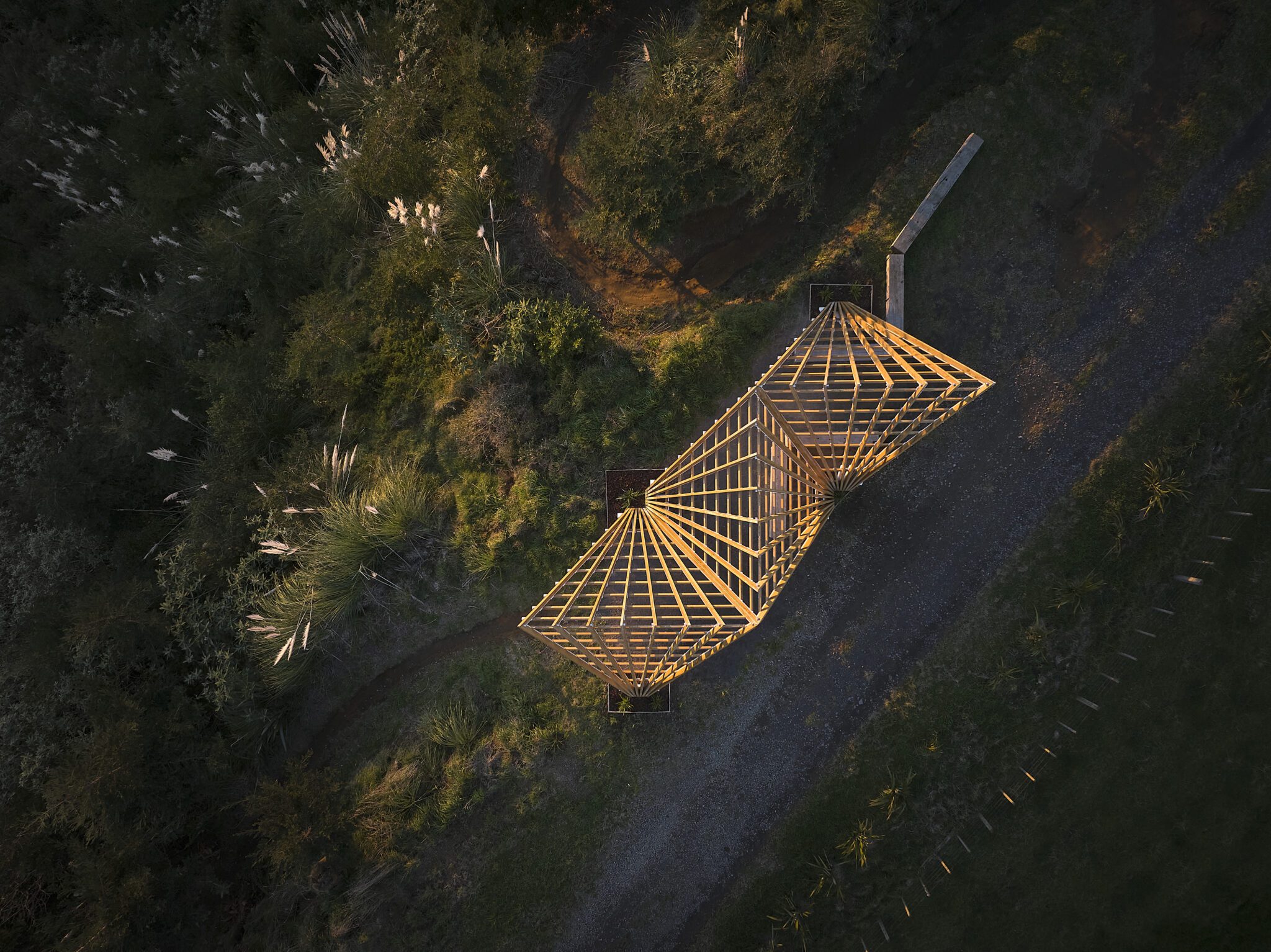
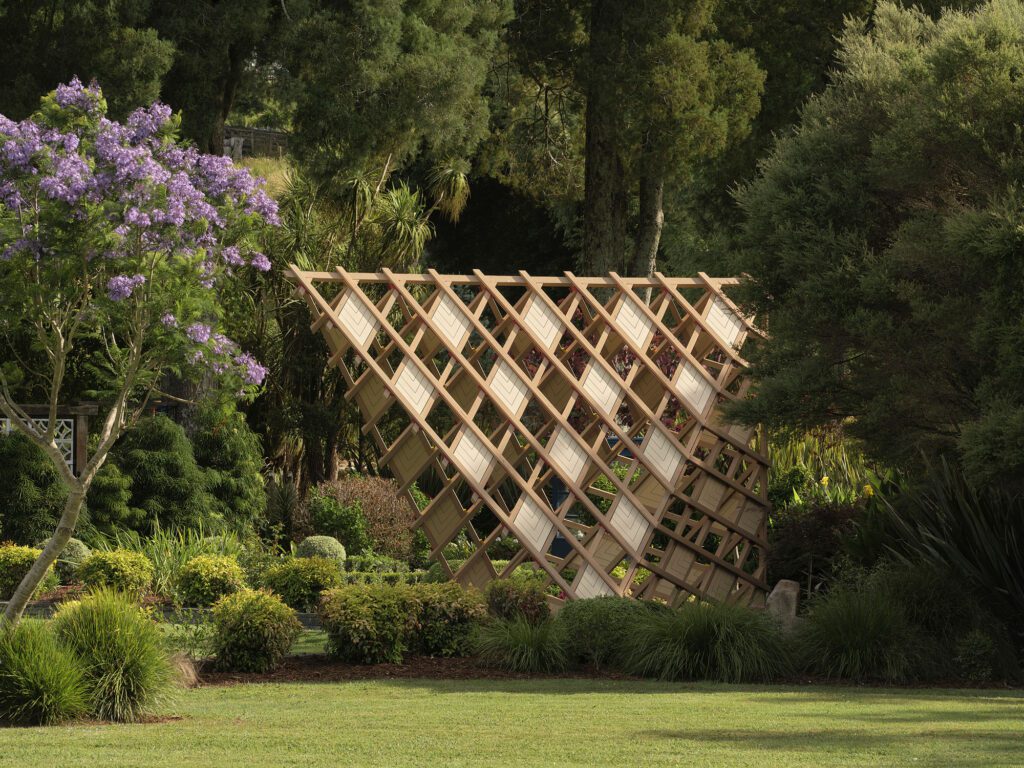
Te Tohu by Andrew Barrie Lab and Jeremy Cleland in association

This is a beautiful, well-resolved student project that responds cleverly to the client brief. It is based on detailed research by staff and students at the University of Auckland School of Architecture into traditional wedged timber joint techniques.

The prism-shaped structure is technically complex, using diamond-shaped bracing panels built into a system of wedges. Mirrored geometry allows the structure to wrap smoothly around its corners.

The result is an efficient, lightweight, and transportable timber structure. It highlights the potential of natural materials and explores new possibilities for creative and sustainable design.

See all the winners at nzia.co.nz/awards/

Latest video features

In the Coromandel, a home with a humble profile and a thoughtful design makes the most of a stunning location.

Built with awe-inspiring attention to detail, this Arrowtown home is a fresh interpretation of a familiar Otago rural vernacular.

This sculptural Northland bach is a perfect north arrow on a remote farm high above the sea.

With the sun on its bow and the community at its stern, this is a house in which the elements are always front of mind.

Trending articles

Design News

Kovacs: Made Right Here

There’s a certain allure to pieces that are defined by a story of locality. In the case of the Kovacs collection, that story begins in

Design News

Art and Heritage at The Central Art Gallery

Entering The Central Art Gallery is an encounter with layered histories. The former Canterbury College Library, a Gothic Revival structure completed in 1916, now holds

Design News

Quiet Ritual by Piper Architects

With a design that draws on the language of ancient bath houses, the former Birkenhead Post Office building has been transformed into a contemporary wellness