

The Architect as Collector

New Zealand architects have long occupied a privileged position in the art market: as buyers, commissioners, and collaborators. The recent sale of Sir Miles Warren’s collection at Webb’s Auction House made that relationship visible at scale.

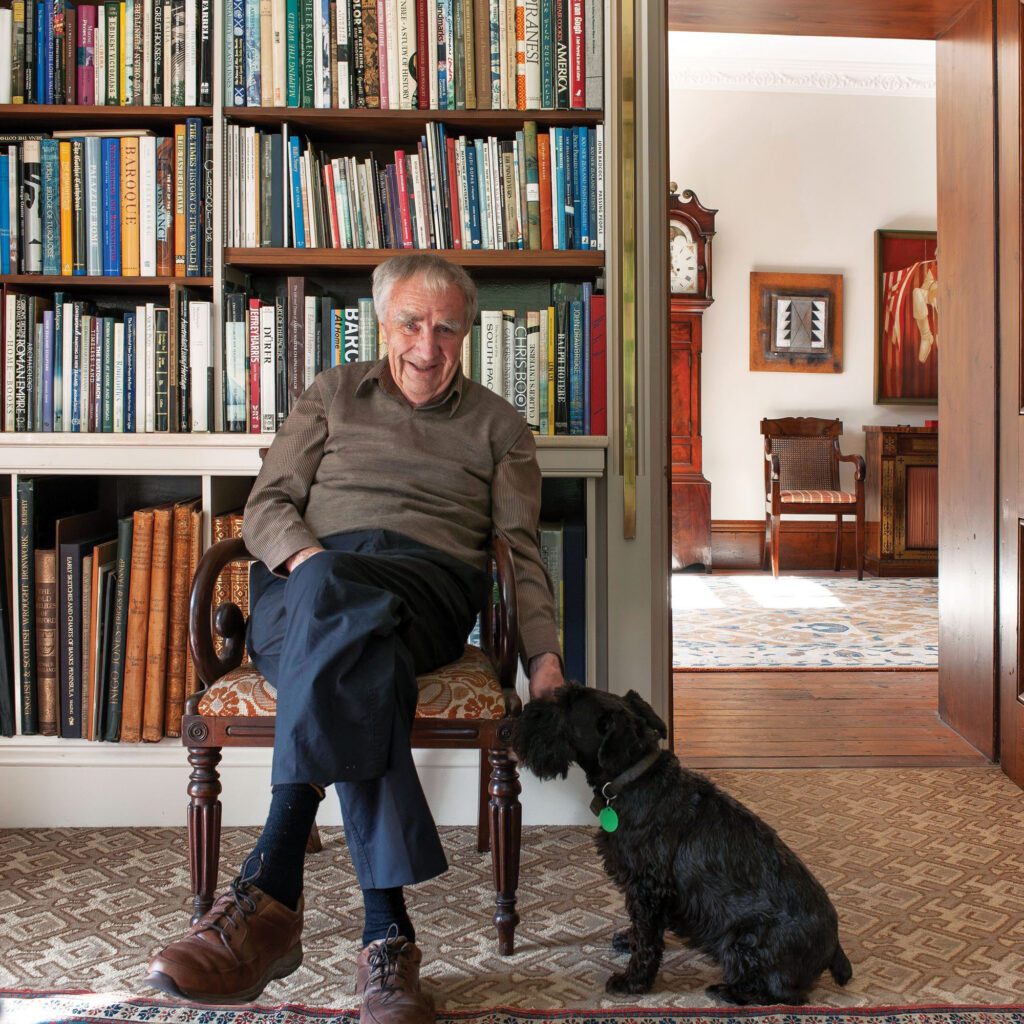
Sir Miles Warren at Ōhinetahi, courtesy of the Ōhinetahi Charitable Trust.

Across its 50-year history, Webb’s has operated at the intersection of design culture and the art market, working with collections shaped by architects and designers. From collaborating on the sale of Ron Sang’s Remuera residence to finding new custodians for rare pieces by Garth Chester, Ernst Plischke, Le Corbusier, Charlotte Perriand, and Charles and Ray Eames, among many others, the auction house has long understood that many of the world’s most compelling collections are formed by people able to think spatially.

The recent sale of works from Sir Miles Warren’s collection offered a compelling lens on the symbiotic relationship between architectural practice and collecting, and on the role architects in Aotearoa continue to play as custodians, commissioners, and collaborators in the visual art market.

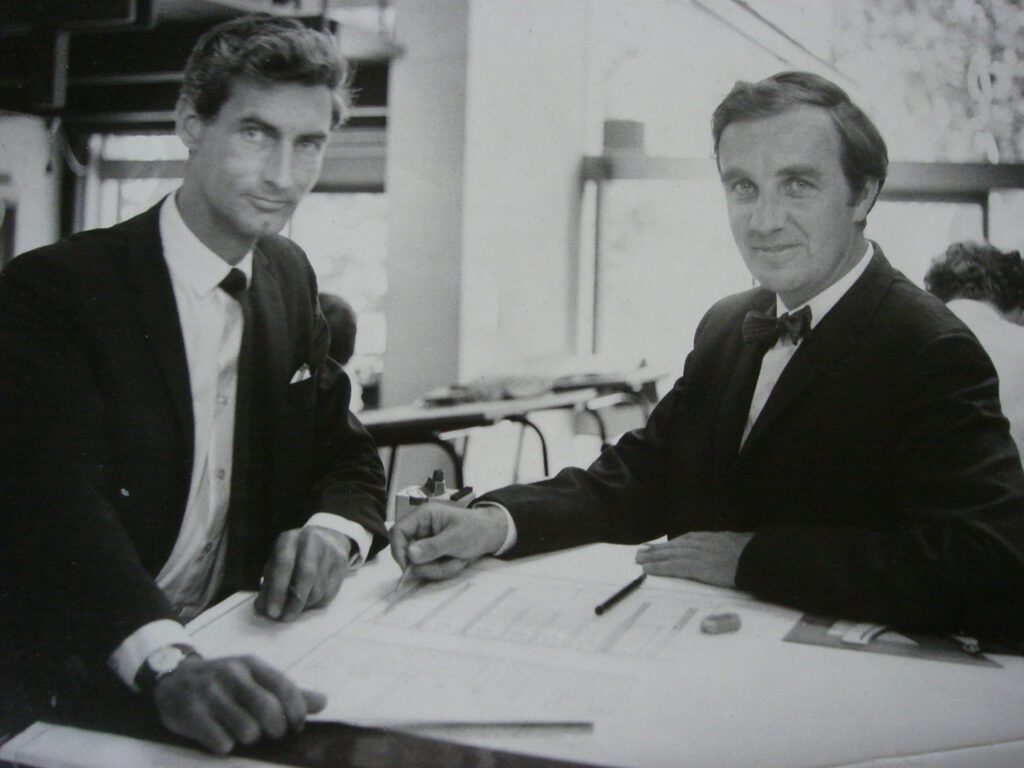
Maurice Mahoney (left) and Sir Miles Warren (right) circa 1966, courtesy of the Ōhinetahi Charitable Trust.

Webb’s Works of Art sale, held in Auckland in late March and achieving a total nearing $3 million, presented a carefully selected group of works from the private collection of Sir Miles Warren (1929–2022), co-founder of Warren and Mahoney and the defining voice behind Christchurch modernism.

Offered on behalf of the Ōhinetahi Charitable Trust, the sale raised close to half a million dollars in funds for the preservation of Ōhinetahi: the award-winning house and gardens Warren designed for himself in Governors Bay, and later gifted to the people of Aotearoa.

The auction provides a clear case study in the layered relationship between architecture and art.

Sir Miles was not simply a collector; he was an active commissioner, integrating works such as Pat Hanly’s monumental Rainbow Pieces mural (1972) into the fabric of the Christchurch Town Hall — one of Warren and Mahoney’s most enduring civic projects. He was also a peer, cultivating close relationships with artists across post-war Canterbury at a time when that community was producing work of considerable ambition.

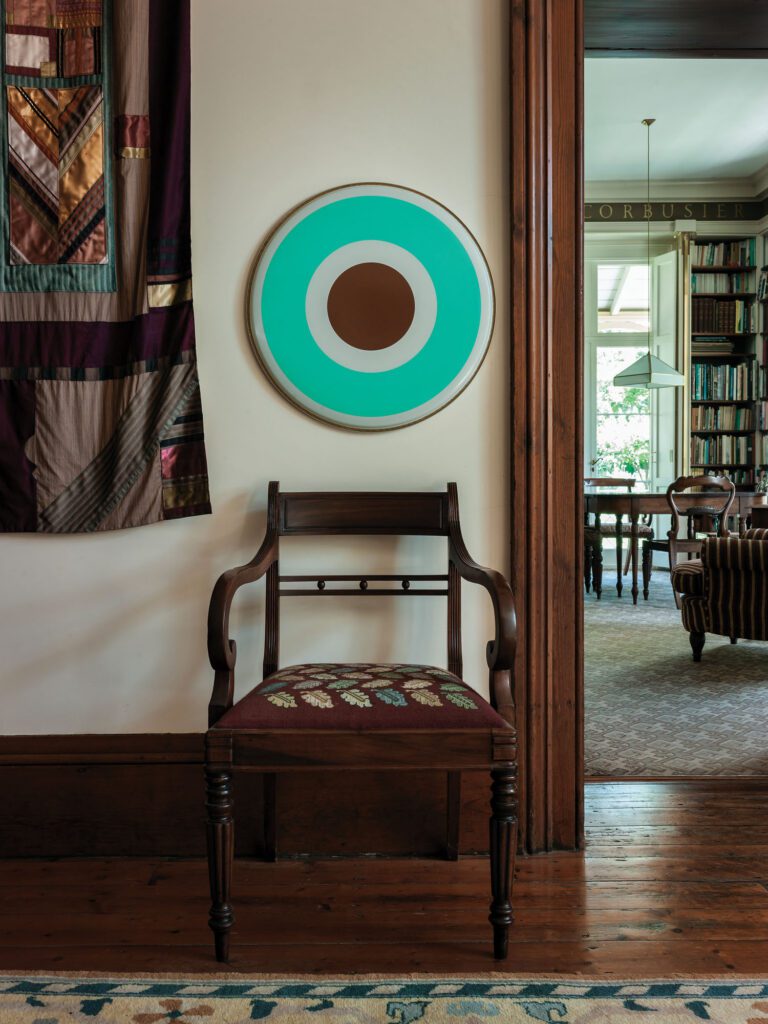
Installation view at Ōhinetahi. Photography by Jane Ussher MNZM. Artwork pictured: Julian Dashper, Untitled. Price Realised: $31,667.

The proceeds of the sale now contribute to the continued public life of Warren’s most personal domestic environment. This entire arc, from commission to collection to bequest, reflects a form of custodianship that architects understand instinctively, although it is rarely seen demonstrated so completely and with such clear articulation.

That understanding extends well beyond Sir Miles’ collection.

Architects in New Zealand continue to occupy a distinctive position in the secondary art market: as informed collectors, as instigators of site-specific artworks, and as collaborators in the placement of art within both private and public settings. 

These relationships are often long-standing and reciprocal. Artists gain considered placement and architectural context; architects gain access to work before it reaches broader circulation. This kind of creative dialogue sharpens both practices.

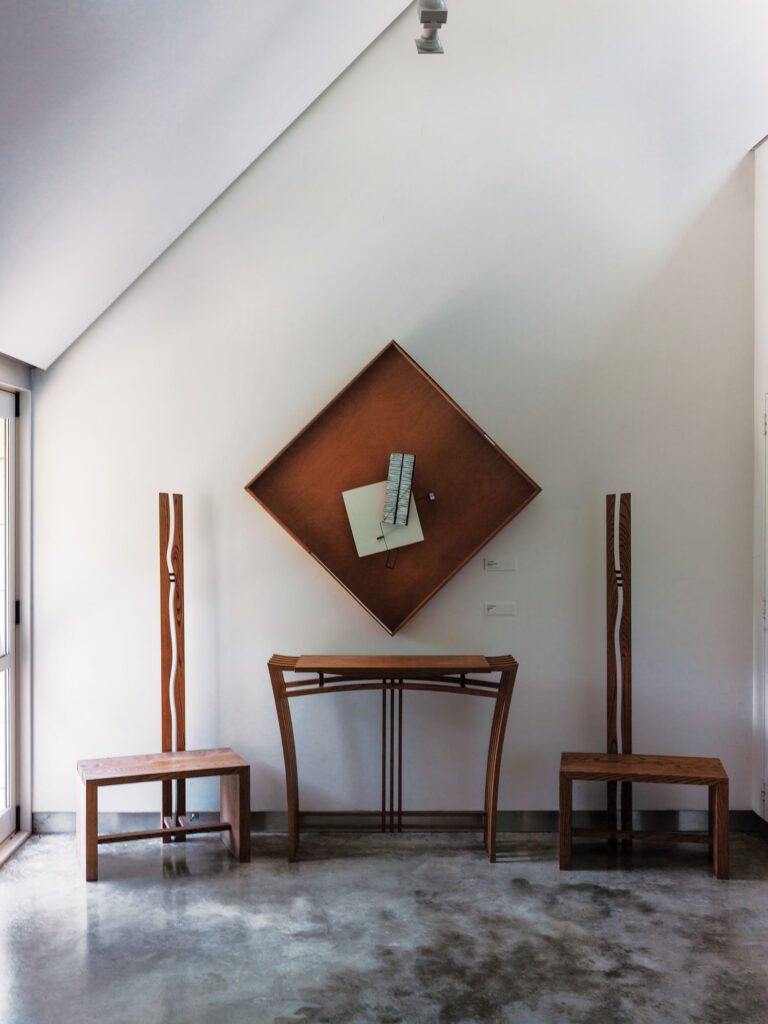
Installation view at Ōhinetahi, Photography by Jane Ussher MNZM. Artworks pictured: Don Peebles, Relief Construction. Price Realised: $35,850 Kazu Nakagawa, Pair of chairs. Price Realised: $5,676 Kazu Nakagawa, Hall table. Price Realised: $5,377.

The fruitful influence of architecture on artistic production is evident through the sheer number of culturally significant works of art shaped by architectural briefs or collaborations: Te Aho A Māui by Rewi Thompson, The Lighthouse by Michael Parekōwhai, public installations by Sara Hughes, Peata Larkin’s Piki Ake — Rise Up, and John Reynolds’ recent commission for Stevens Lawson’s Eastbourne House, among many others.

The Ōhinetahi collection sale brought this relationship into sharp focus, making it visible at scale. Highlights included Ralph Hotere’s Requiem (1974), which realised $143,450 — well above its pre-sale estimate; distinctive works by Paul Dibble and Don Peebles, and several significant works by Pat Hanly, including Protective Helmet (1962), a rare survivor from the Massacre of the Innocents series. A refined group of furniture by Kazu Nakagawa further underscored Warren’s sensitivity to craftsmanship and the interplay between form, function, and architectural space.

Taken as a whole, the sale demonstrated the enduring importance of quality and provenance, particularly when that provenance is grounded in significant architectural narrative.

Works of Art is Webb’s premier live art auction, presenting a curated selection of museum‑quality, investment‑level artworks by leading New Zealand and international artists, supported by nationwide exhibitions and events. Should you wish to consign, enquire about a private sale, or seek appraisals or valuations for your own collection or that of your clients, get in touch with Webb’s specialist team.

Latest video features

In the Coromandel, a home with a humble profile and a thoughtful design makes the most of a stunning location.

Built with awe-inspiring attention to detail, this Arrowtown home is a fresh interpretation of a familiar Otago rural vernacular.

This sculptural Northland bach is a perfect north arrow on a remote farm high above the sea.

With the sun on its bow and the community at its stern, this is a house in which the elements are always front of mind.

Trending articles

Commercial

The Architect as Collector

New Zealand architects have long occupied a privileged position in the art market: as buyers, commissioners, and collaborators. The recent sale of Sir Miles Warren’s

Commercial

Chief Post Office by Cheshire Architects

Built to celebrate New Zealand’s place within an empire, the Auckland Chief Post Office has spent the last century quietly revising that claim. Its latest