The NZIA’s 2026 in:situ conference, co-located with the Commonwealth Association of Architects’ General Assembly, will bring together speakers from across the globe — united by Manaakitanga as both theme and practice.
Something feels exceptional about this year’s New Zealand Institute of Architects’ (NZIA) biennial conference: in:situ. To be held at the Aotea Centre in Tāmaki Makaurau, unfolding across three days from 8-10 September 2026, in:situ will be co-located for the first time with the Commonwealth Association of Architects’ General Assembly, which is celebrating its 60th anniversary. in:situ usually draws serious international talent to our shores, but this year’s expanded platform will be the largest architectural event ever seen here in Aotearoa; it broadens the international dimension of the conference well beyond its usual, impressive scope.
Seemingly arriving at precisely the right global moment, September’s events feel weighty and ambitious. The three days will be shaped by four streams: Politics, Oceania, Economics of Housing, and Beyond Typology.
A distinctively curated group of impressive speakers from both our own backyard and well beyond will create moments for thought, examination, and real-world insight.
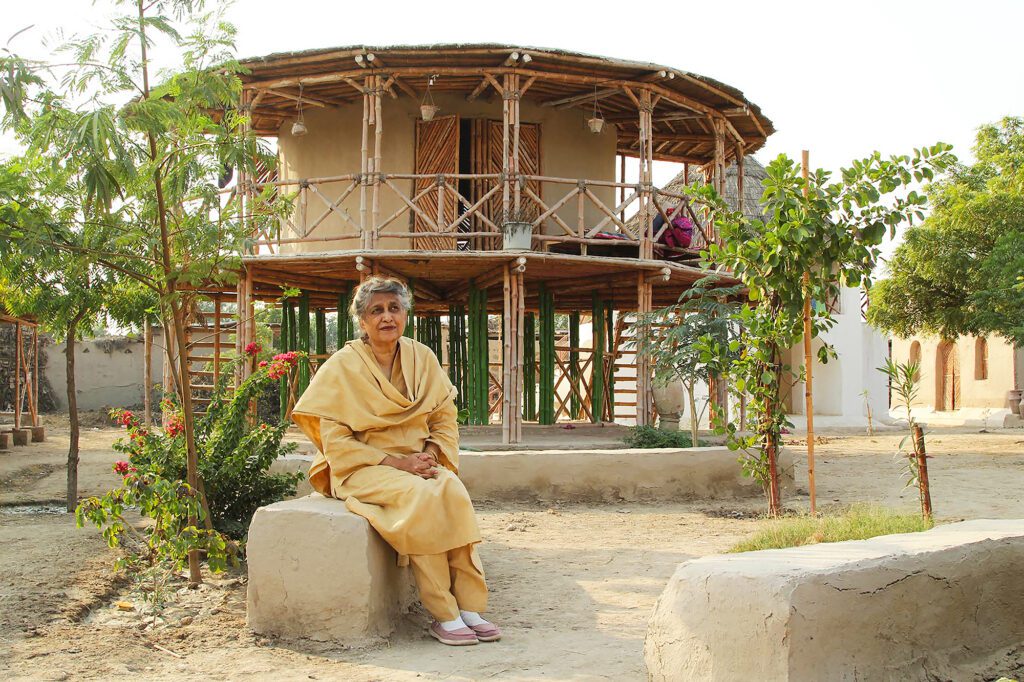
When Bengaluru-based architect Chitra Vishwanath (founder and managing director of Biome Environmental Solutions) was asked about her decision to attend the event, her response reflected something unique that a conference brochure certainly couldn’t manufacture.
She said, “I come from an ancient civilisation, and I’m looking forward to learning from a younger one … where Māori indigenous wisdom sits alongside one of the world’s most diverse immigrant communities, and where New Zealanders today … are choosing empathy … I see a country building integration daily [and] that’s how I try to work, too … because no design of mine ever stood alone … that’s Manaakitanga: a table where everyone helps hold the roof up.”.
As Vishwanath mentions, the principal prompt given to the speakers by the NZIA for 2026 is Manaakitanga, a foundational Māori concept of support, generosity, and hospitality that provides an exploration of the way architecture can offer these values for those who participate with it. Vishwanath’s unique voice will bring 30 years of experience that is grounded in her respect for and thorough knowledge of traditional Indian architectural wisdom and the wider intelligence of our ecologies, with a sprinkling of her passion for collaborative practice.
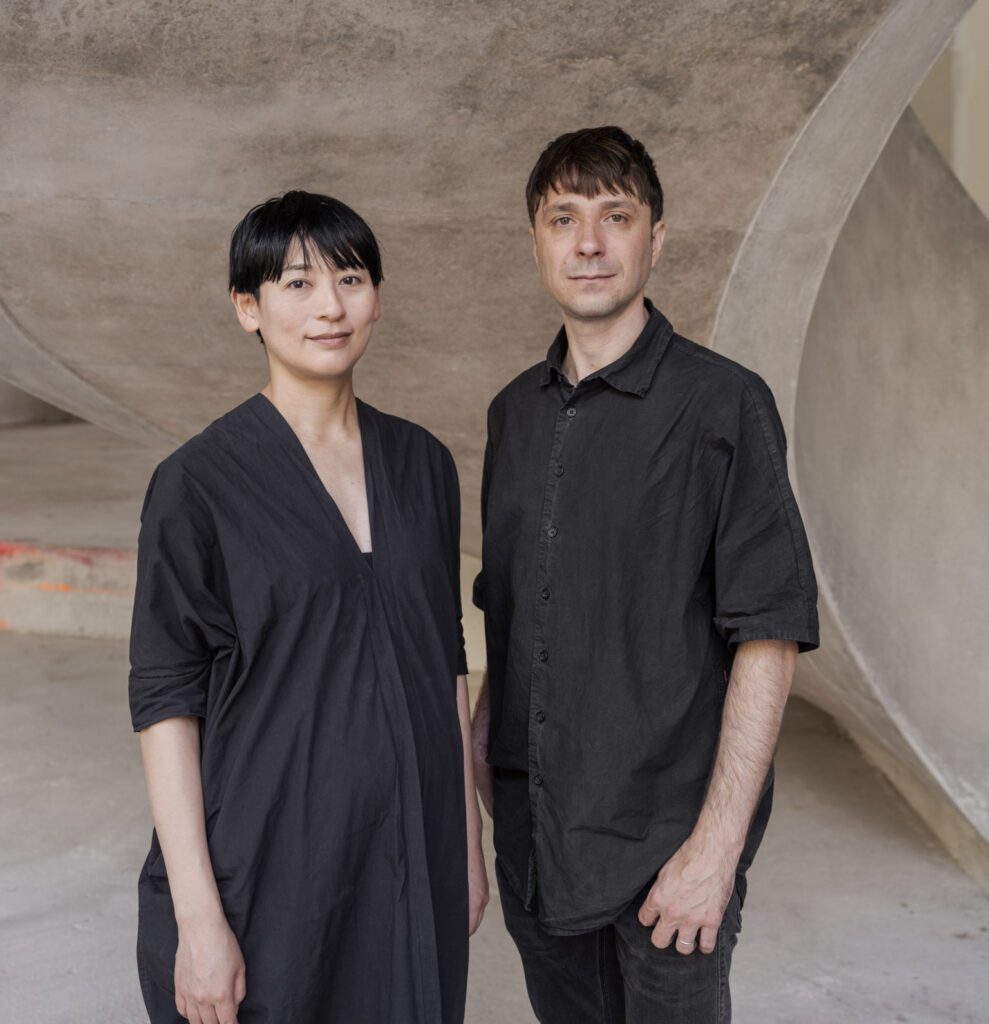
Adding to the breadth of perspective and bringing with him a spatial sensibility shaped by his international practice will be French architect and co-founder of Moreau Kusunoki, Nicolas Moreau. Moreau’s Paris-based practice was founded with Hiroko Kusunoki in 2011 and brought together a shared passion for both Western and Japanese ideologies of urbanism. The studio has the enviable responsibility for the ongoing renovation of the Centre Pompidou in Paris through to 2030.
Moreau Kusunoki is well known for its approach of using undefined spaces. The ideas around this are linked to the Japanese principle of Ma, where negative or fluid space can allow for life and meaning to emerge organically, where the user can appropriate the space and become responsible for its activation.
With his architecture fluctuating between reason and intuition, Moreau’s ideas fit in naturally with the conference’s Beyond Typology pillar.
Tāmaki Makaurau locals may recognise American-based educator, architect, and theorist, Peggy Deamer, from her time in 2007 as Head of Architecture and Planning at The University of Auckland. Deamer is a Professor Emerita at the Yale University School of Architecture, and runs her own practice, Deamer Architects. She is a founding member of The Architecture Lobby, an advocacy group that works for better recognition and working conditions for architectural workers.
With in:situ grounded in ideas that include the Economics of Housing and the Politics related to architectural practice, Deamer is ideally placed to deliver inspiration with both her energy for advocacy and her intellectual thoroughness.
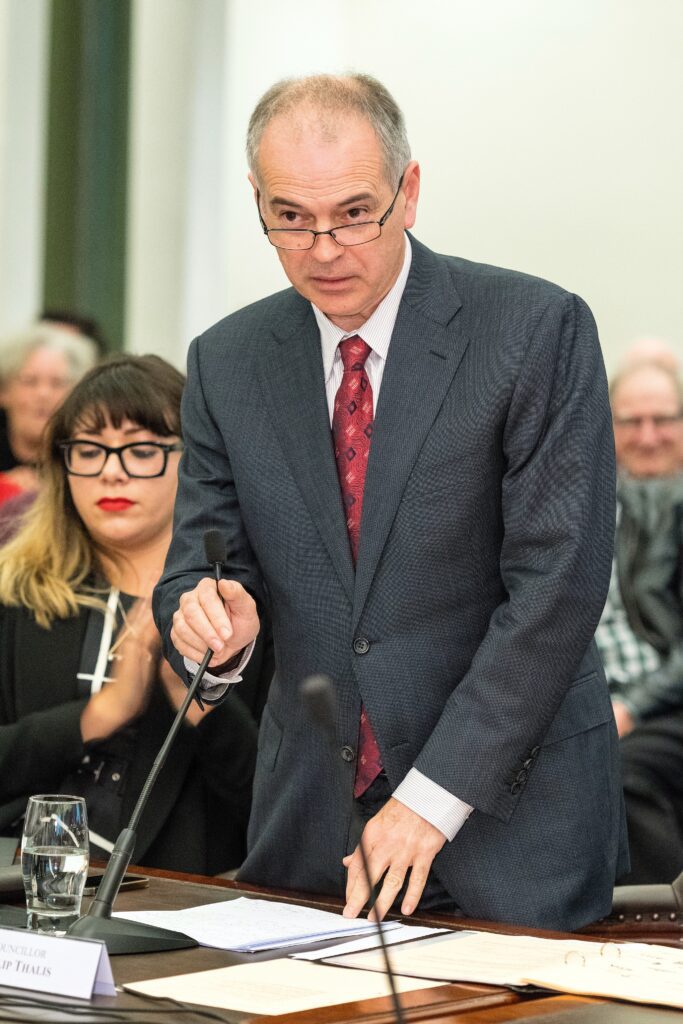
“Every city seems to be grappling with sustainability, housing affordability, and liveability challenges. For us architects, so many questions: What urban form? Which housing types? How to build? How to prioritise landscape’s presence? I’m looking forward to discussing such issues with NZ colleagues,” says Philip Thalis, founding principal at Hill Thalis Architecture + Urban Projects and 2024 RAIA Gold Medalist.
As one of Australia’s most respected urban architects, with three decades of work under his belt, Thalis has spent his career practising, teaching, writing, and advocating for architecture’s role in shaping the public life of cities. With the second edition said to be released this year, Thalis’s book Public Sydney: Drawing the City (co-authored with Peter John Cantrill in 2013) is known as a leading, comprehensive documentation of Sydney’s buildings and public spaces. Practising across architecture, urbanism, and advocacy, Thalis feels a perfect fit to rigorously explore the streams of Beyond Typology and Politics at in:situ. Expect him to be thorough, and not just a critical voice but a generator of new ideas and thinking.
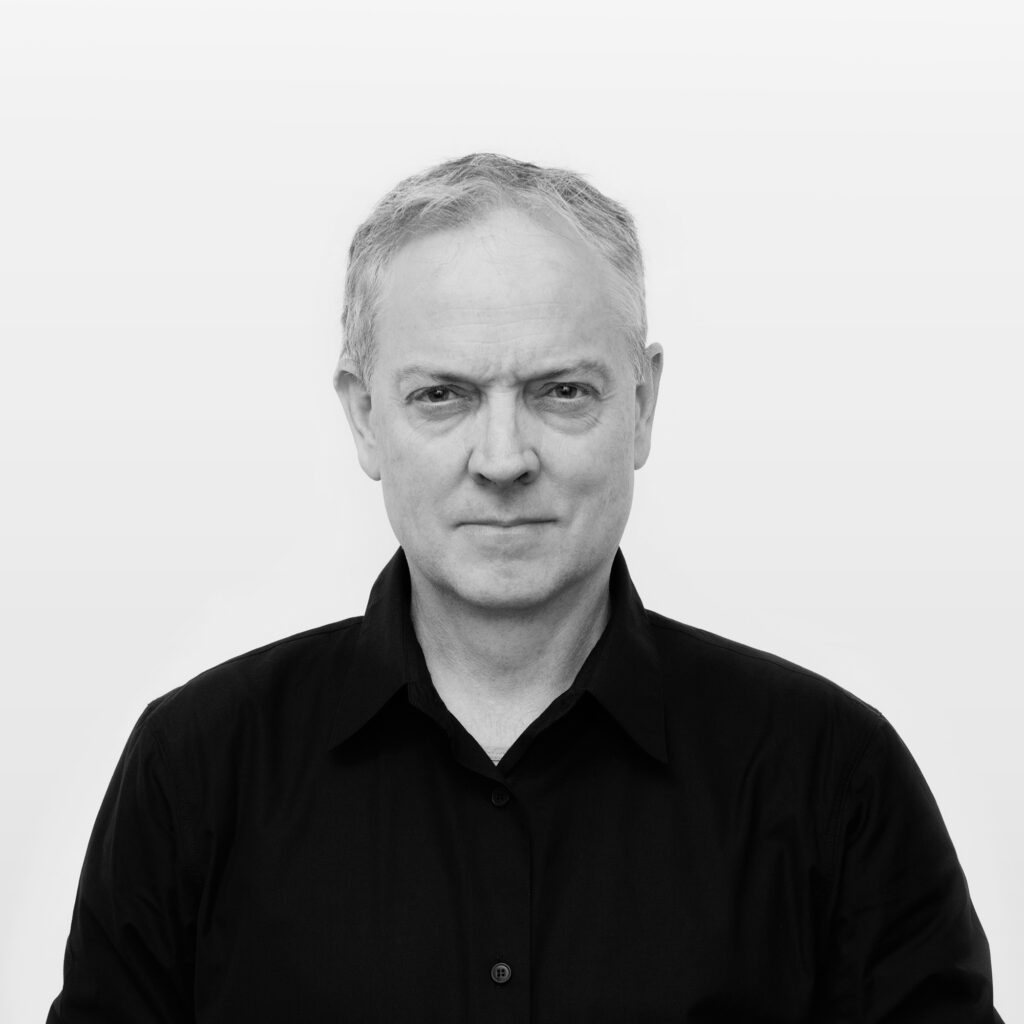
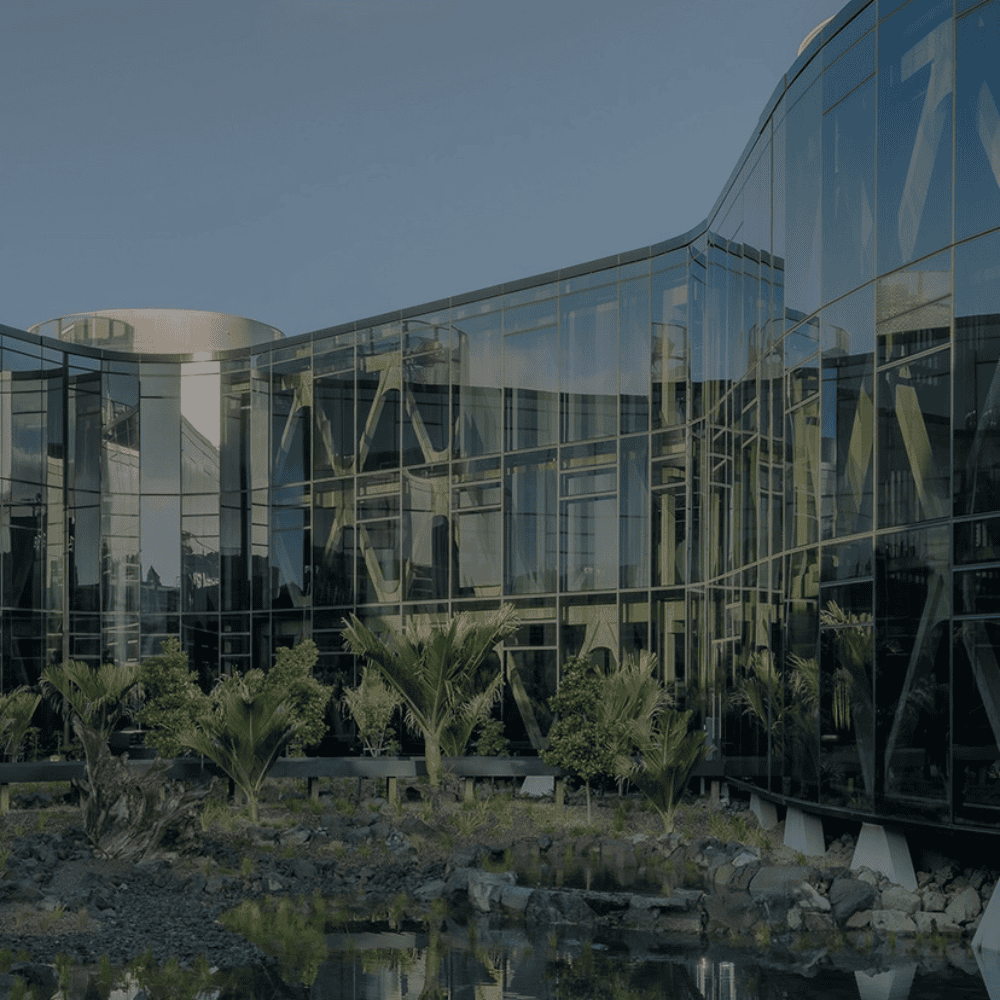
New Zealand–born Brendan MacFarlane is a founding partner of Paris-based practice, Jakob+MacFarlane, which he co-founded with Dominique Jakob in 1998. An alumnus of Harvard Graduate School of Design, MacFarlane will bring with him to Aotearoa a perspective moulded by decades of digitally-driven project work that radically pushes the boundaries of composition, shape, and structure — such as the iconic green structure along the banks of the Seine, Cité de la Mode et du Design.
Teaching at the Bartlett School of Architecture and the Architectural Association in London, École Spéciale d’Architecture in Paris, and the Harvard Graduate School of Design in Cambridge, Massachusetts, MacFarlane has also maintained a notable academic career.
“As a New Zealander, I’m very much looking forward to returning home and presenting the recent projects by our office,” he says.
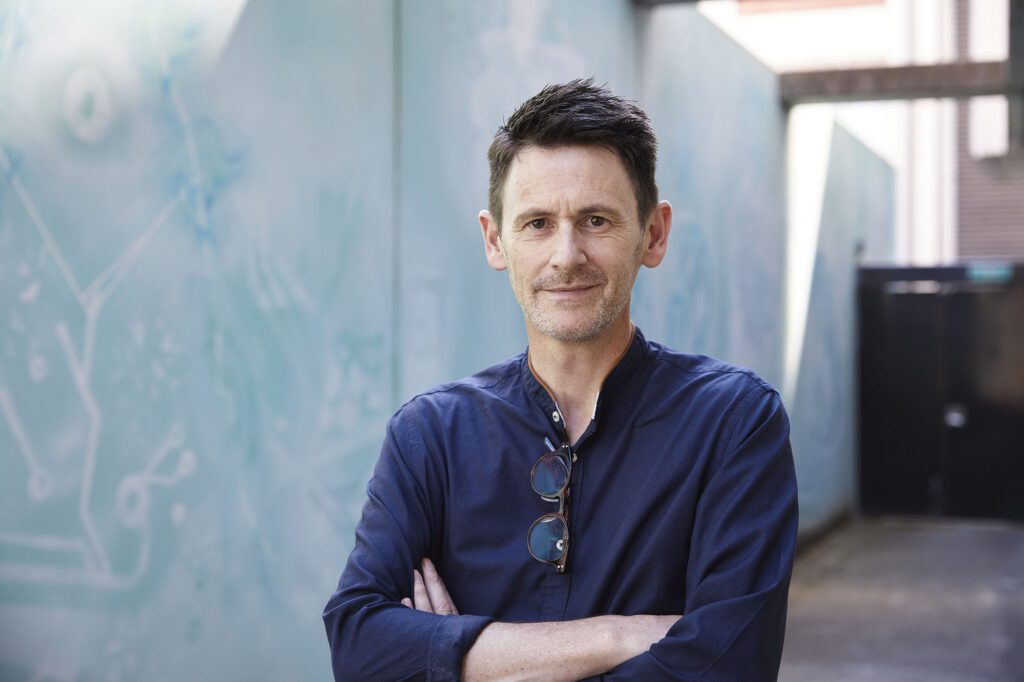
Research-driven, Adelaide-based architect, Damian Madigan, is an academic at the University of South Australia and best known for his urban-infill Bluefield Housing model and subsequent planning amendments to make the model a permitted form of development.
Madigan reflects in anticipation of September’s events, “I think one of the things we share across the ditch … is how to fit the new housing we know we need while retaining the character of the neighbourhoods we already have. I’m excited to share the Bluefield Housing Model and the planning reform we’ve created in Adelaide to make it legal. It’s a bottom-up design approach to planning that allows alterations and additions to create additional housing in older suburbs rather than only making existing houses bigger or replacing them entirely through knock-down-rebuild duplexes. This is a development model architects have intuitively known for decades, and it leverages our ability to create sociable, supportive, and connective homes.”
Where some conferences favour the new and spectacular, here we can look forward to learning about a systemic approach to densifying our cities and making housing more accessible.
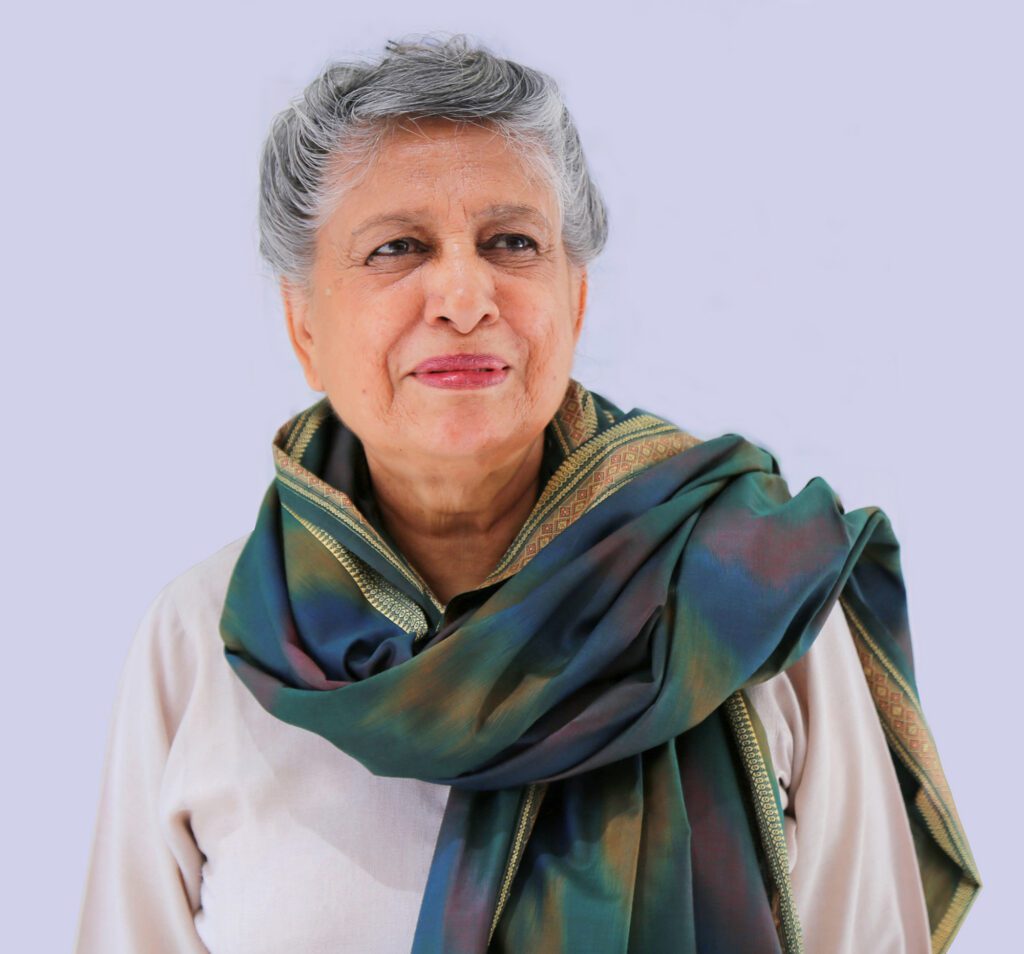
The presence at in:situ in Auckland of Dr Yasmeen Lari, one of the most compelling figures in current architecture and co-founder of the Heritage Foundation of Pakistan, will carry real gravitas. After decades of work in Pakistan and her revolutionary role as Pakistan’s first female architect, Lari rejects the idea that architecture is an elite pursuit. She has developed the model of Barefoot Social Architecture as a core of her practice, where, among other things, she advocates for architects taking on a facilitator role that enables communities to take the lead on their own projects.
Lari’s entire career has been a political statement on the practice of architecture, and you can expect her to discuss how she defines architecture as a tool for social transformation, resilience, and nurture. She has been recognised internationally multiple times, with these honours including the prestigious Jane Drew Prize in 2020, a 2024 Commonwealth Association of Architects’ Lifetime Achievement Award, the RIBA Royal Gold Medal, and the Fukuoka Prize. These accolades recognise her work, which melds sustainable architecture, social justice, activism, human rights, and localised innovation.
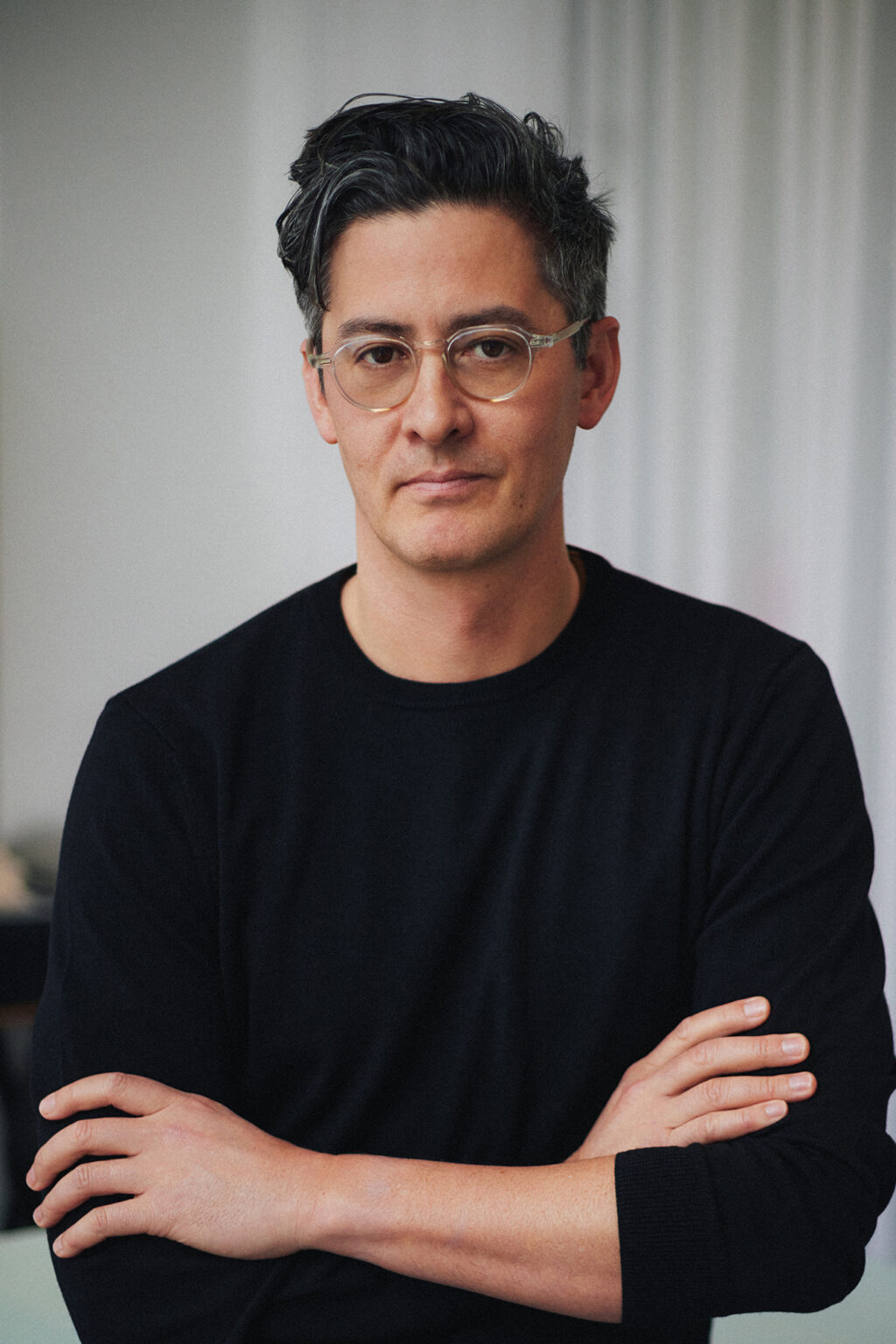
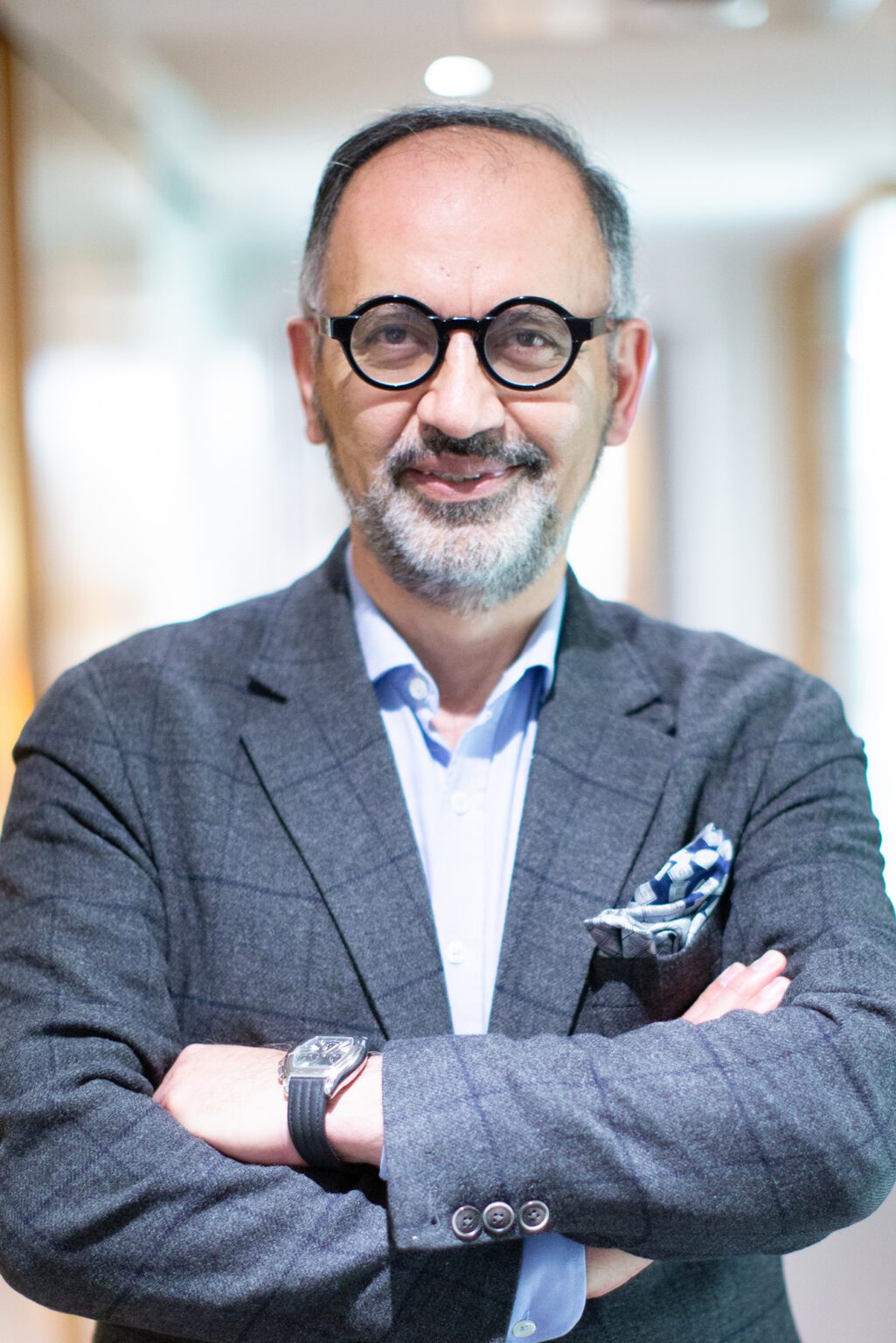
Based in the New York and Geneva respectively, the remaining international speakers, Dominic Leong and Farrokh Derakhshani, complete a generous, substantial, and rousing cast that will extend the conversations at Tāmaki Makaurau’s Aotea Centre to cover multiple geographical and disciplinary contexts. Leong’s work sits at the intersection of architecture and cultural identity, while Derakhshani’s is focused on institutional leadership and practice with his long-serving role as director for the Aga Khan Award for Architecture, a triennial award recognising excellence in architecture specifically in societies where Muslim communities have a significant presence.
In 2009, Leong founded his Manhattan-based practice, Leong Leong, with his brother Chris. The studio’s client list and project archive range from deeply rooted collaborative, cultural work to commissions from within the arts and culture sector. An example of the latter is their recent design for the Sleeping Beauties: Reawakening Fashion exhibition for the Metropolitan Museum of Art’s Costume Institute in 2024. In his role as a visiting professor at the Yale School of Architecture, and with family links to the islands of O‘ahu and Maui in Hawai‘i, Leong’s academic practice aims to encourage partnerships with the indigenous Polynesian people of the Hawaiian Islands and to re-establish systems of care for their land through architecture. His contributions and his understanding of what it means to build with and for Pacific peoples will add deeply to the Oceania theme in September.
With more than 40 years of experience, architect and urban planner, Derakhshani, started out in Iran, working on large-scale public infrastructure projects, before going on to practise in France and Switzerland and then becoming involved with Aga Khan at its establishment in 1982. Derakhshani is set to bring a welcome perspective that pairs architectural excellence and social responsibility. His generous breadth of cross-cultural experience builds further on the global credibility of the conference.
This inspiring international list of speakers is matched with an equally impressive group of our own speakers from Aotearoa, including Dr Karamia Müller and Dr Deidre Brown.
The strength of the programme reinforces just how lucky we are to work in the built environment here in Aotearoa.
As Brendan MacFarlane put it “… there is something very special about coming back. It’s about very basic things — light, landscape, people … things that never leave me [and] that have formed me as a creative spirit and continue to do so. [These things have] given me a sense of what is vital, what we should value on this planet … this principle of caring, which Manaakitanga suggests, is something that we as architects should support and develop through our work.”
As well as coming along to learn from the world, this may just remind us that the world has so much to learn from us. This is a gathering that is ambitious in scope, anchored in our own te ao Māori cultural values, and showing gracious generosity in its international reach. Worth showing up for.