Architecture Aotearoa is a principal sponsor of Weaving, the 2026 Australasian Student Architecture Congress (ASAC), to be held in Tāmaki Makaurau from 30 November to 5 December.
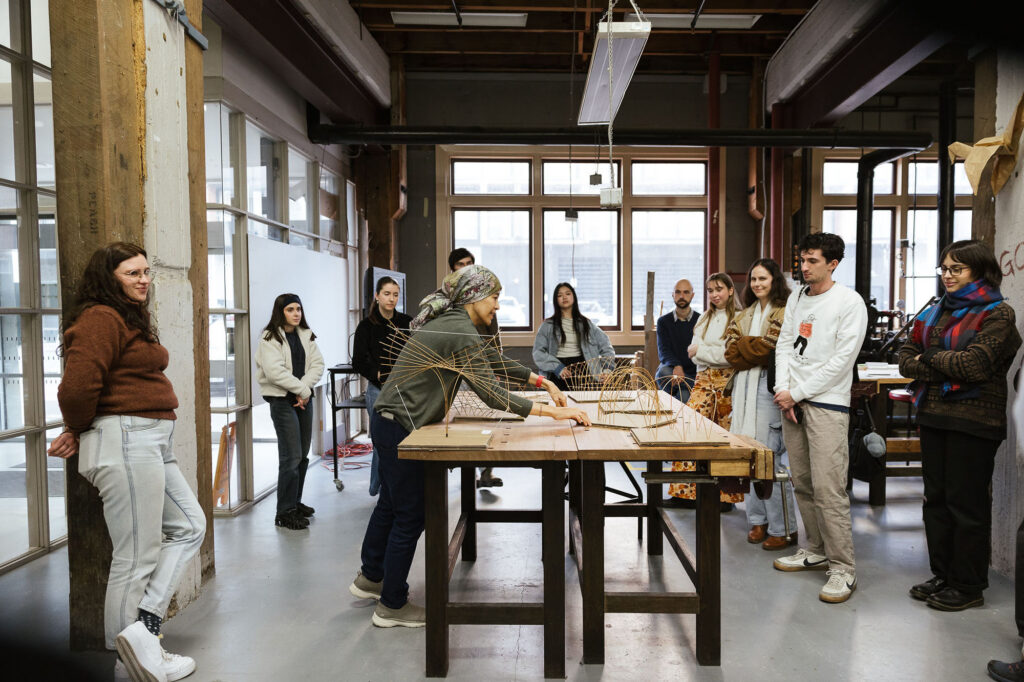
Run by students, and handed from one organising committee to the next, the biennial congress has a long history, with Auckland hosting in 1971 and 1983.
The most recent edition, Ground Matters, took place in Nipaluna / Hobart in June 2024. Some 170 students heard practitioners, including Kerstin Thompson, Timothy Hill, Eleena Jamil and Collaboratorio, testing the proposition: “If architecture is the end, the ground is the beginning”.
During six days of talks, tours, workshops and a two-day festival, architecture students will take ‘weaving’, a practice shared by all peoples, as a framework for a collective and connected architecture discipline. The programme has four themes: place, space, connections and knowledge, with a fifth, futures, intended as the binding thread that carries questions beyond the congress.
The congress opens with ‘If Memory Serves’, in which three alumni reflect on earlier editions.
‘Weaving Place’, on Day 2, is a series of tours led by local practitioners. Julie Stout, former chair of Urban Auckland and recipient of the 2021 Te Kāhui Whaihanga NZIA Gold Medal, leads a Waitematā waterfront walk; Bill McKay traces the invisible histories of Tāmaki Makaurau; LandLAB discusses urban regeneration in Wynyard Quarter; Jeremy Hansen leads a Britomart Precinct Tour; and Dr Mahshid Ezbarami examines Auckland’s heritage.
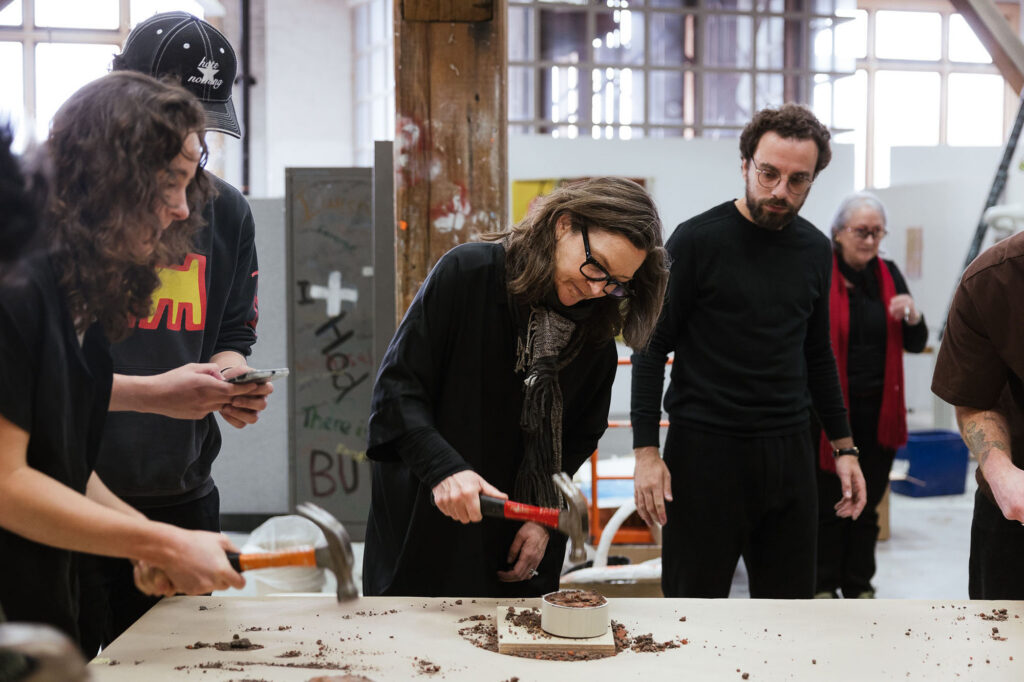
Day 3, Tukutuku or Conference Day, sees kairaranga and kaupapa Māori researcher, Hinewaimarama Reihana-White (Ngāti Maniapoto, Ngāti Whātua, Ngāti Hineāmaru), present the raranga plenary, drawing on her doctoral research into raranga as indigenous ecological design and a practice of kaitiakitanga. Elisapeta Heta (Jasmax Waka Māia), co-presents the plenary talk.
Other speakers include Dr Karamia Müller, co-director of MĀPIHI, the Māori and Pacific Housing Research Centre; Ōtautahi / Christchurch practice Field Studio of Architecture + Urbanism; and Troy Casey, co-director of First Nations–led practice Blaklash, based in Magandjin/Meeanjin /Brisbane, Queensland.
The day closes with the Fast Forward Lectures — presented by the University of Auckland and GIB — from Beatriz Colomina of Princeton University and Mark Wigley, Dean Emeritus of Columbia GSAPP, co-authors and co-curators of the 2025 book and Triennale Milano exhibition We the Bacteria: Notes Toward Biotic Architecture.
On 3 and 4 December, the congress moves to Riverhaven Artland for the Weaving Festival: two days of talks, workshops, live builds, music and shared meals. Workshops are led by conference speakers and local practitioners. Contributors include Jade Kake of Matakohe Architecture and Urbanism; architecture cooperative GroupWork; architectural designer and artist, Matt Liggins (Ngāti Ruanui); Naarm / Melbourne not-for-profit practice OFFICE; Leali’ifano Dr Albert Refiti of AUT’s Vā Moana Research Cluster, whose work centres on the Pacific concepts of vā (space) and wā (time); and Professor Mel Dodd, Dean of Monash Art, Design and Architecture. Tickets to these talks will be available stand-alone.
The congress concludes with The Pitch, the traditional closing at which attendees elect the committee that will organise the next congress.
Images Provided
Additional contributors for the festival are still to be announced. Tickets are available through Humanitix, with schedule updates at weaving.nz and on Instagram at @weaving_2026