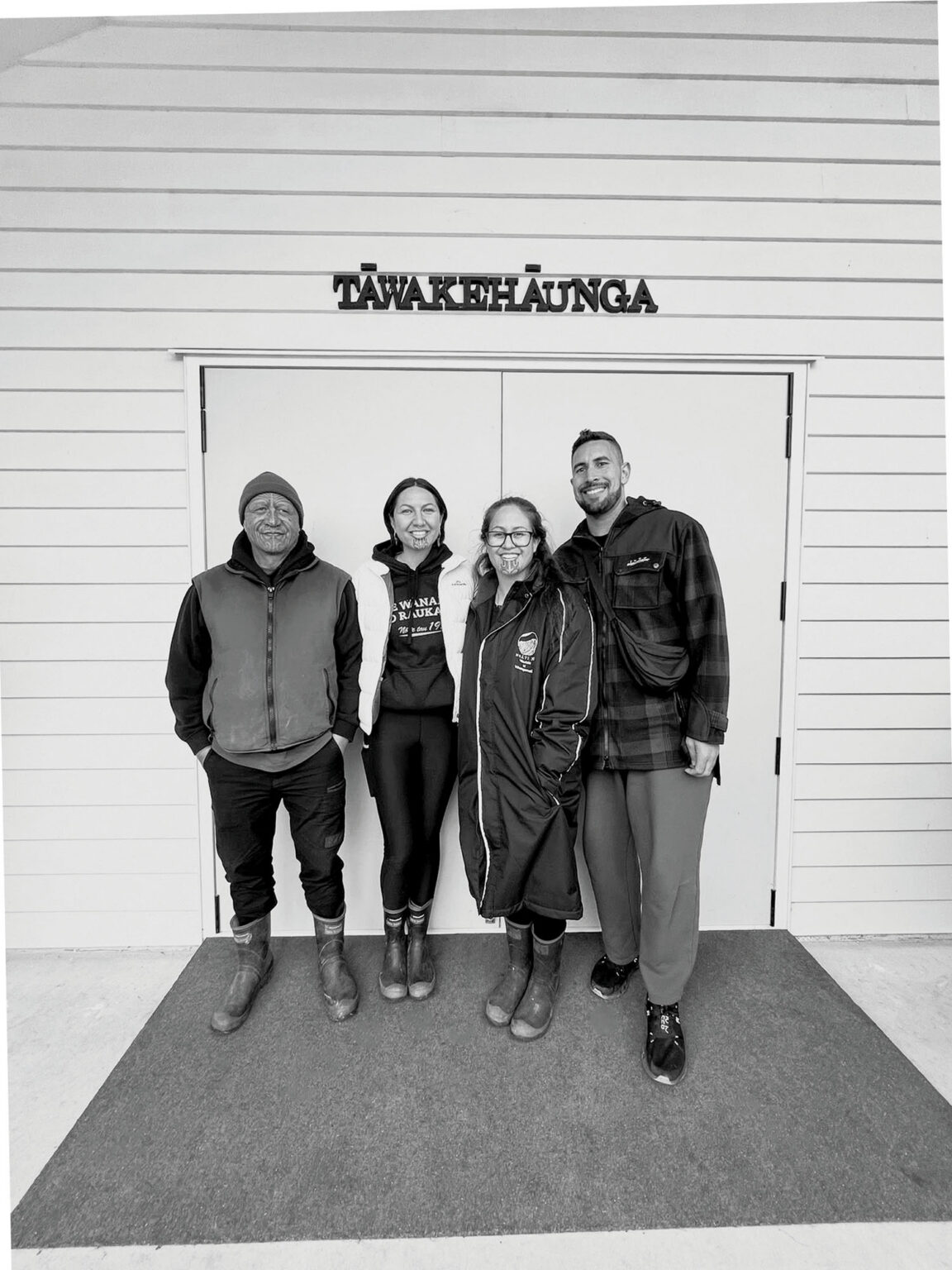
Ōrua’s Rameka Alexander-Tu’inukuafe talks about the many ways in which te ao Māori and architecture intertwine in his own practice.
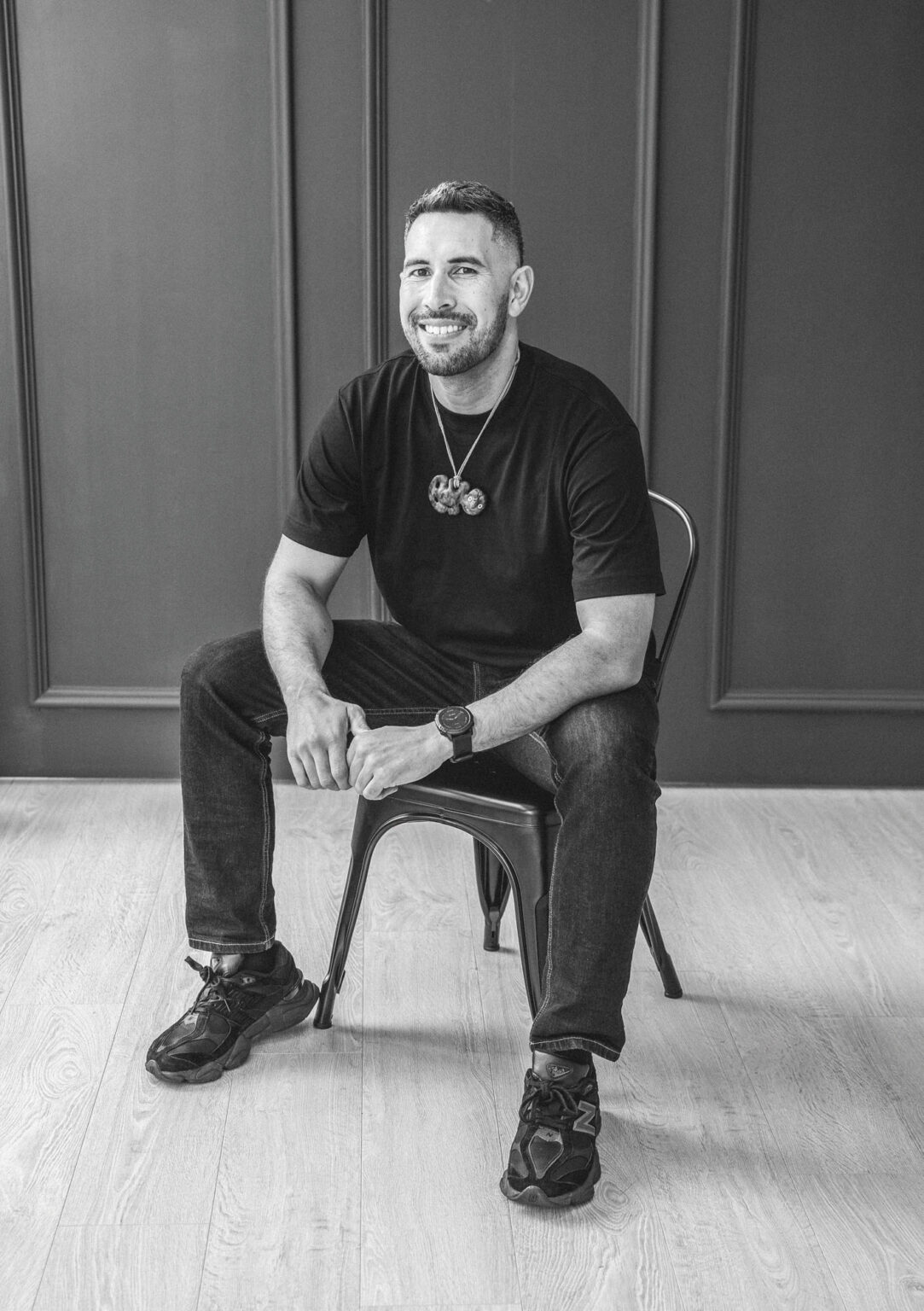
Rameka Alexander-Tu’inukuafe has bones in Te Waimate within Te Whare Tapu o Ngāpuhi. A well-known whakataukī — Ngāi Tāwake ki te waoku, Ngāi Tāwake ki te Tuawhenua, Ngāi Tāwake ki te takutai Moana — speaks to the whenua of Ngāi Tāwake and wealth of kai, which stretches from the dense forests, the inland areas, to the coastal areas.
Ngāti Rēhia Mata Momoe, Ngāti Rēhia Mata Kakaa. Tītiro ki ngā maunga, ngā awa, ngā moana, ngā whenua tapu o Ngāti Rēhia.
It is these whakataukī, these tribal proverbs and statements of identity, that foreground Rameka’s design practice and identify him as a Ngāi Tāwake, Ngāti Rēhia and Ngāpuhi architect. His design journey began with a spatial design degree from AUT and has led, through study and practice, to registration as an architect.
For many Māori practitioners, professional and personal journeys are intertwined, involving both unlearning aspects of a Western education (often bound up with colonialism, Eurocentrism and cultural erasure) and learning how to give mana to te ao Māori through decolonial practice. The tension is inherent: practising in this space means becoming competent in a highly technical, strictly regulated profession while seeking to change how it operates in Aotearoa.
Rameka describes two concurrent projects as turning points. The first, the Tauranga campus of Te Whare Wānanga o Waikato, involved overseeing a complex project from start to finish, including site observation. The second, Te Kura Kaupapa Māori o Hokianga, saw Rameka work professionally, for the first time, with his own iwi in his home rohe.
The experience sparked two potentially conflicting desires: to develop the technical skills to become a registered architect, and to bring his ao Māori and ao hoahoanga (architectural world) into closer alignment. Māori graduates are often pushed towards front-facing cultural roles without the chance to fully develop those skills.
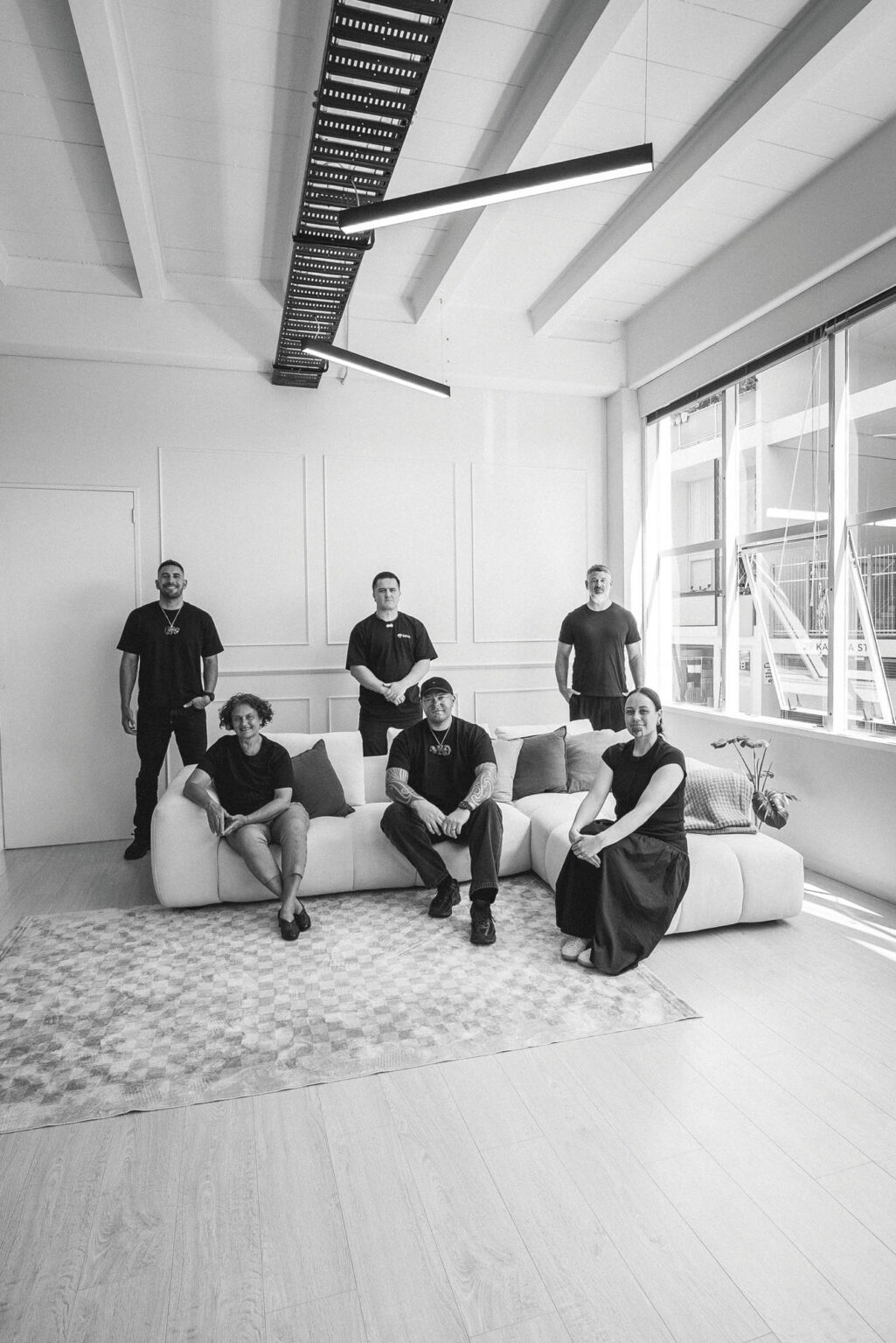
It was that turning point that led him to a careful and strategic career trajectory across large and small practices, kaupapa Māori and mainstream, in Tāmaki Makaurau and Tauranga Moana. Rameka is now part of the team at Ōrua, a kaupapa Māori practice that is deeply grounded in te ao Māori, and seeks to uphold te reo Māori, mātauranga Māori and tikanga Māori through its work and relationships.
A kura kaupapa graduate, the shift to Ōrua felt like a natural fit for Rameka, and the culmination of his personal and professional experiences to date.
For Rameka, his Māoritanga is inseparable from his mahi as an architect.
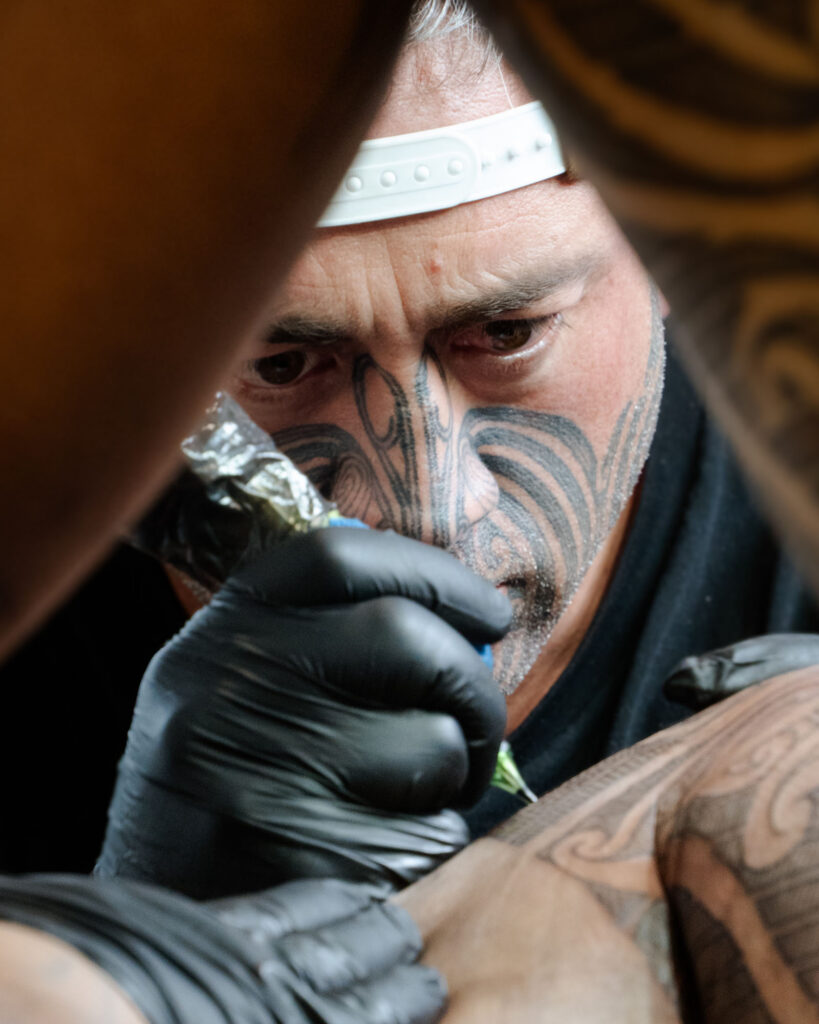
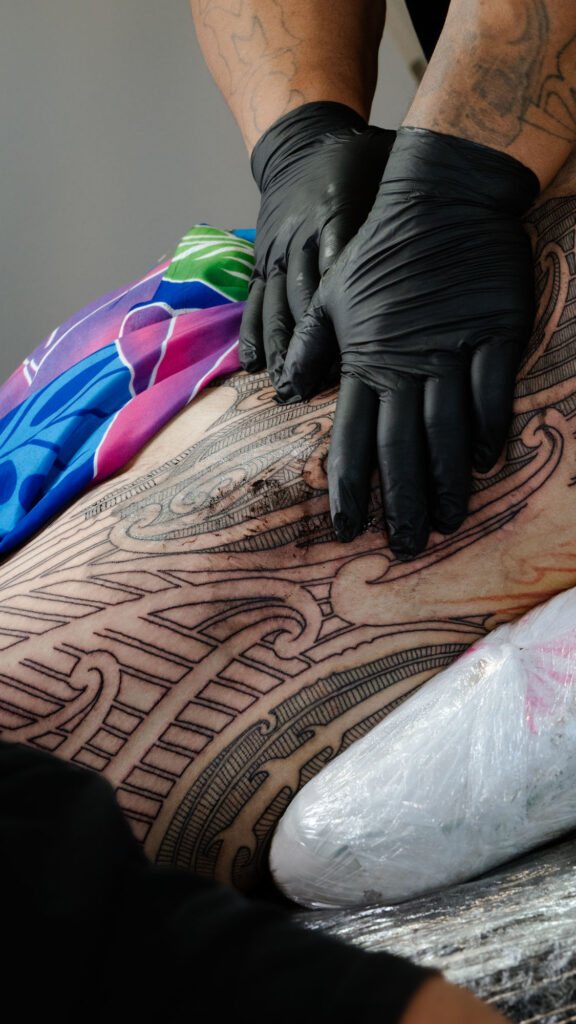
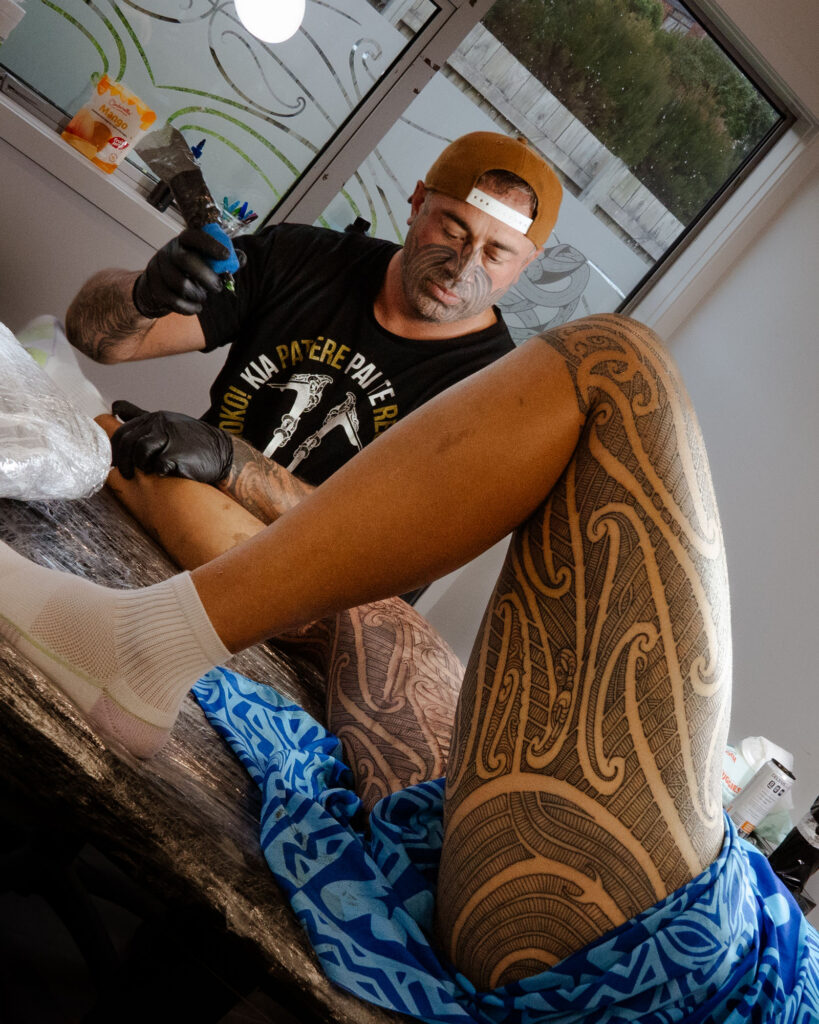
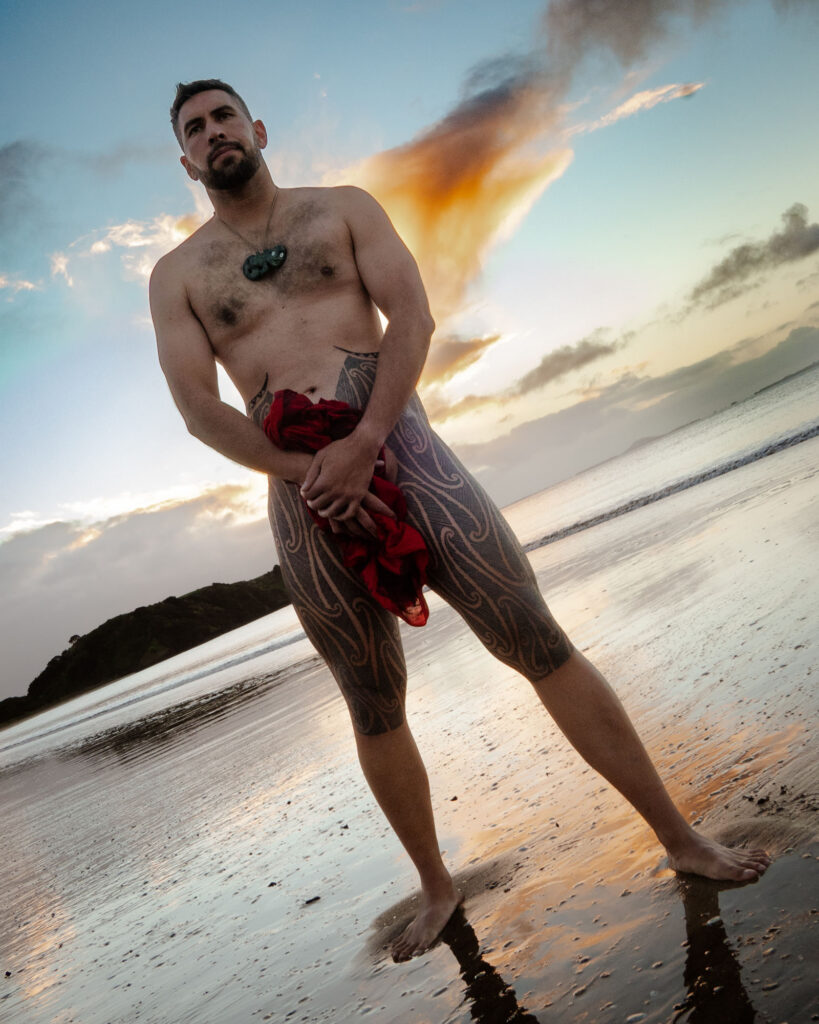
Over Matariki, Rameka undertook a seven-day pūhoro wānanga under the guidance of tāmoko artist Raniera McGrath, one of Te Tai Tokerau’s foremost experts in tāmoko. The wānanga deepened his connection to his whakapapa as an uri of Rāhiri, strengthened his understanding of the distinctive styles and traditions of Ngāpuhi tāmoko, and culminated in passing the challenges of this intensive cultural learning experience.
“My practice as a Māori designer is always grounded in whakapapa, in kōrero tuku iho, and building those relationships with tangata whenua of that place, depending on where the project is,” he explains.
This translates, at times, into prioritising process and relationships, allowing time for wānanga and co-design, and advocating to clients to ensure people and whenua remain at the forefront of decision-making.
Rameka recently received puhoro, a customary form of tā moko. The process is intense and deeply personal: receiving and wearing this taonga involves a slow, sustained wānanga into whakapapa and culture, which may yield different interpretations at different stages of life. It has connected with his architectural practice in unexpected ways that continue to evolve.
As Rameka says, “For me, that’s what that puhoro journey is about: our moko, our mahi toi, the interface with our architecture. Now, having received one, it brings a lot of my thinking around that and how that might influence my own practice.”
Rameka quotes tā moko artist Raniera McGrath, from whom he received his puhoro, in emphasising this point.
“Kore e taea te whakawewehe nei i te reo, i te whakairo, i te tā moko, i ngā wānanga reo, wānanga whaikōrero, tā atu, tā atu. Tā te mea, ko te ngako, ko te pūtake o ēnā kaupapa katoa, ko tō tātou Māoritanga. Ko te reo kei roto i ēnā kaupapa katoa.”
A straightforward interpretation of this kōrero is that it’s not possible to separate te reo Māori from Māori customary arts and knowledge systems. Māoritanga and te reo Māori are the core of these kaupapa (topics or practices), and they are connected in ways that cannot be separated.
To that list, Rameka adds whaihanga (the indivisible concept of design and construction), a customary form of art and technology that has been largely divorced, at least as a living practice, from contemporary architecture in Aotearoa and that many Māori practitioners, including Rameka, are working to revitalise in meaningful ways.
Rameka describes his favourite whakataukī, which begins: “He mea hanga tenei tōku whare. Ko Ranginui te tuanui, ko Papatūānuku te paparahi. Ko ngā maunga ngā poupou o Te Whare Tapu o Ngāpuhi!”
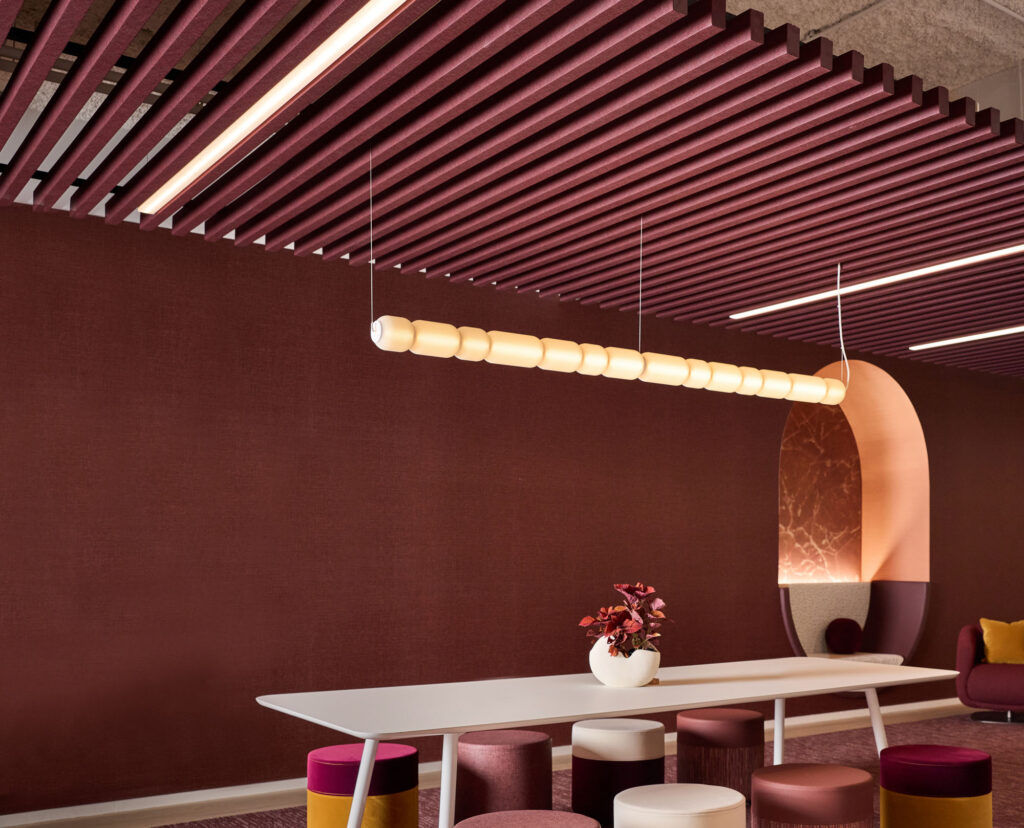
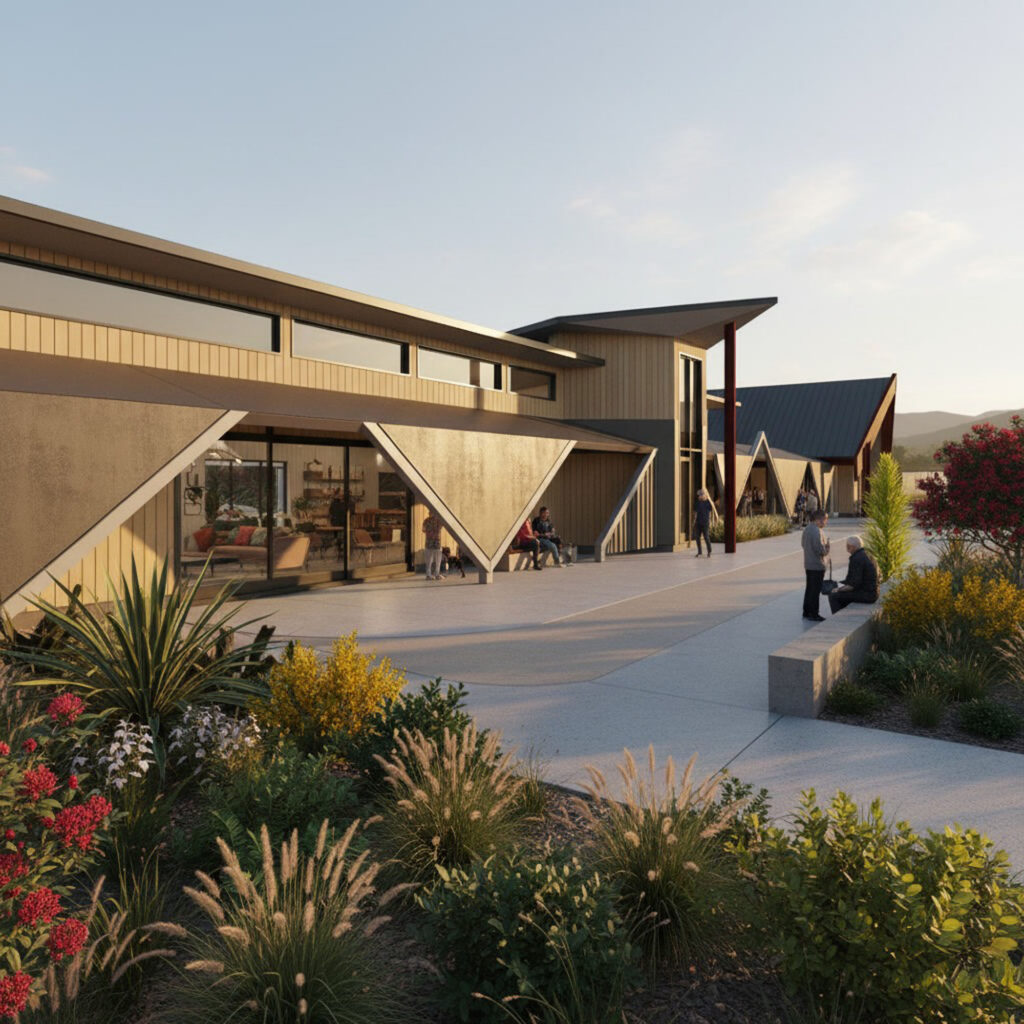
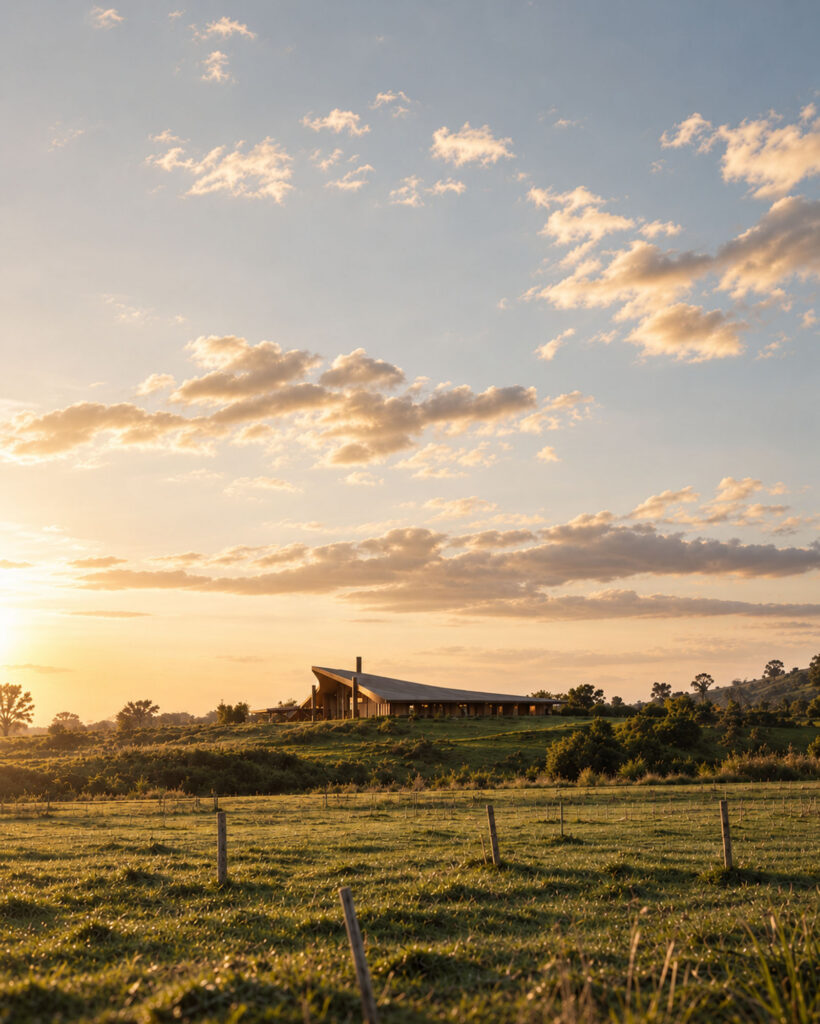
ŌRUA is currently developing designs for three marae along the East Coast: Hinemaurea, Puketawai in Uawa, and Takipu Marae in Te Karaka. All three marae were affected by Cyclone Gabrielle and have received Crown funding to relocate to higher ground, supporting the long-term resilience, wellbeing and connection of these communities to their whenua
This is the beginning of a longer whakataukī that describes the ancestral house of Ngāpuhi, with the metaphor of the whare used to describe tribal boundaries, with the maunga serving as pillars between the earth mother and the sky father. The whakataukī is an architectural provocation, a grounding in whakapapa, and a literal invitation to deepen one’s knowledge of and active relationship with whakapapa, whenua and collective identity.
It is this concept of tū māia, standing confidently in the world — a confidence derived from your own tribal perspective — that seems to be at the heart of Rameka’s relational and culturally grounded approach to architecture.
“The thing that’s resonated for me lately is spending the time to learn our mōteatea, our waiata, of home, and in those are the kōrero, the concepts, the kōrero tuku iho that relate to our whenua. For me, practice-wise, those are the things that you can dive deeply into. In my role as an architect, we go into these spaces, we go into other iwi rohe, and you have to stand up and say who you are. Bringing my whakapapa and tribal knowledge into these spaces means I can ultimately stand stronger as an architect.”
This is the first iteration of Ngā Tātai Whaihanga, a series focusing on individuals who are increasing the representation and understanding of te ao Māori in our built environment. Jade Kake is an architect, writer and housing advocate. Her design practice is focussed on working with Māori organisations on their marae, papakāinga and civic projects, and in working with mana whenua groups to express their cultural values and narratives through the design of their physical environments.
Words Jade Kake
Images Courtney Church, Rameka Alexander-Tu‘inukuafe, Ara Media
This article originally appeared in Architecture Aotearoa Issue 03.