Georgia Duncan’s trajectory has taken her from graduate to principal and, most recently, shareholder at Edwards White Architects, the Hamilton-based practice she joined straight out of university.
Georgia Duncan’s impressive ascent is as unusual for its speed as it is for the variety of the work in which she has managed to have a hand.
“Once we established a level of trust, and once we realised our values aligned, there wasn’t so much surprise in the trajectory,” she says. “I do have a lot to thank the directors at Edwards White for. Their trust, guidance, and willingness to create opportunities for me paved the way, and gave me the chance to show what I could bring to the practice.”
Georgia’s path into the profession began with a summer internship at Edwards White before her final year at university.
“Even just a couple of months in practice, seeing what they do on the ground, gave me much more valuable knowledge than sitting in the university lecture theatre did,” she comments.
Georgia is candid about what she sees as a likely gap in local architectural education, pointing to Denmark’s model of government-funded graduate internships as a possible template.
“Something like that internship programme would be amazing for universities to focus more on, even a placement for six months afterwards.”
Her fascination with Copenhagen goes beyond its academic model. She spent several months there, absorbed in the city’s human-scaled, heritage-dense architecture, working almost exclusively on interiors within an existing fabric rather than new-build shells, a discipline in which the building envelope is a given and the design response is entirely about inhabitation.
“You’re essentially fitting out this amazing, beautiful space and using those existing heritage elements to influence the design,” she says of the work.
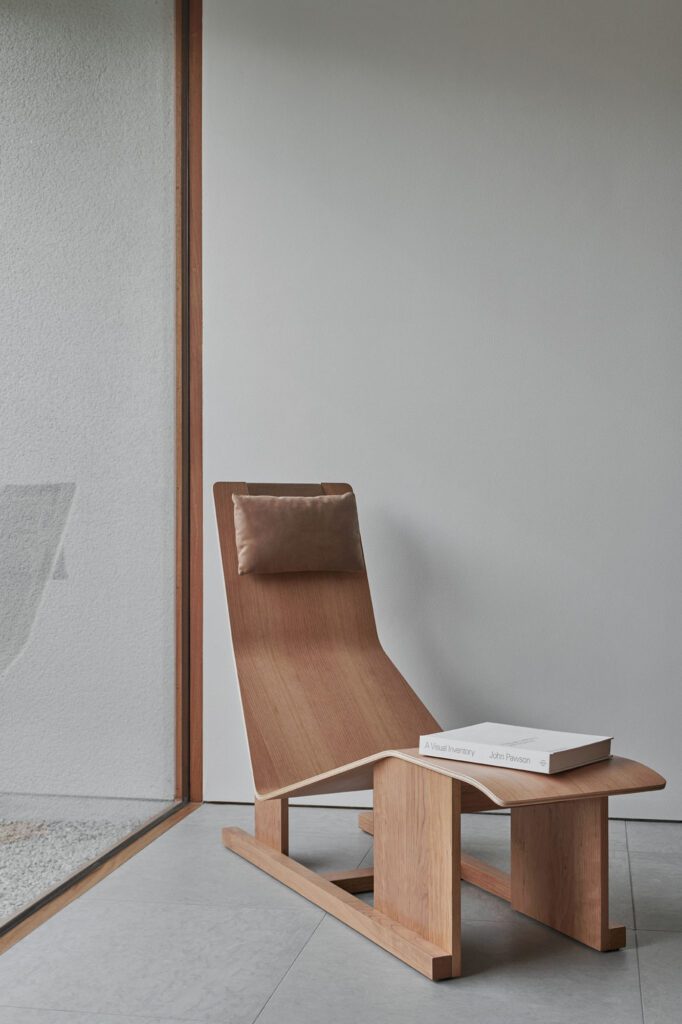
Denmark is also where Georgia first experienced a model of practice largely absent, at the time, in New Zealand: architects and furniture makers collaborating directly, with pieces designed for a single project later adopted into a manufacturer’s standing line.
“I think we could do more of that here,” she notes, citing Simon James and Woodwrights as local signs of the same instinct taking hold.
That Copenhagen sensibility — an interest in heritage fabric, materiality, and restraint — sits alongside a firm commitment to the Waikato, where Georgia has practised since returning. Since she joined Edwards White, a great deal of the practice’s work has been revitalisation projects within Hamilton’s CBD, much of it in post-war building stock she describes with palpable interest.
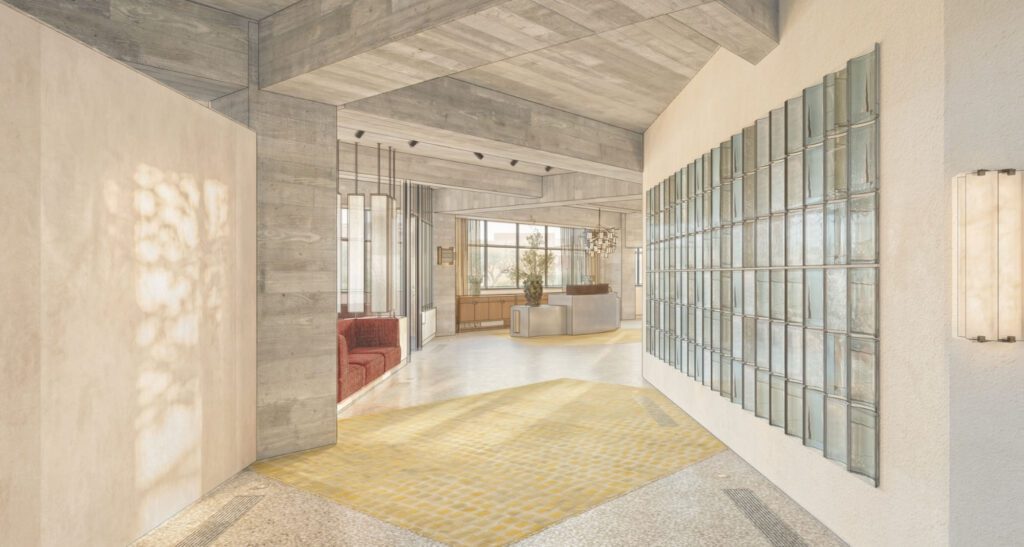
“There’s untapped potential in post-war buildings, whereby, if you remove the suspended ceiling and expose the structure, you find a beautiful waffle slab above that can create a really rich starting point for interiors.”
Georgia is equally direct about the trade-offs of working outside a main centre, noting a lighter calendar of peer events and architecture programming, set against the depth of relationships built with developers over time.
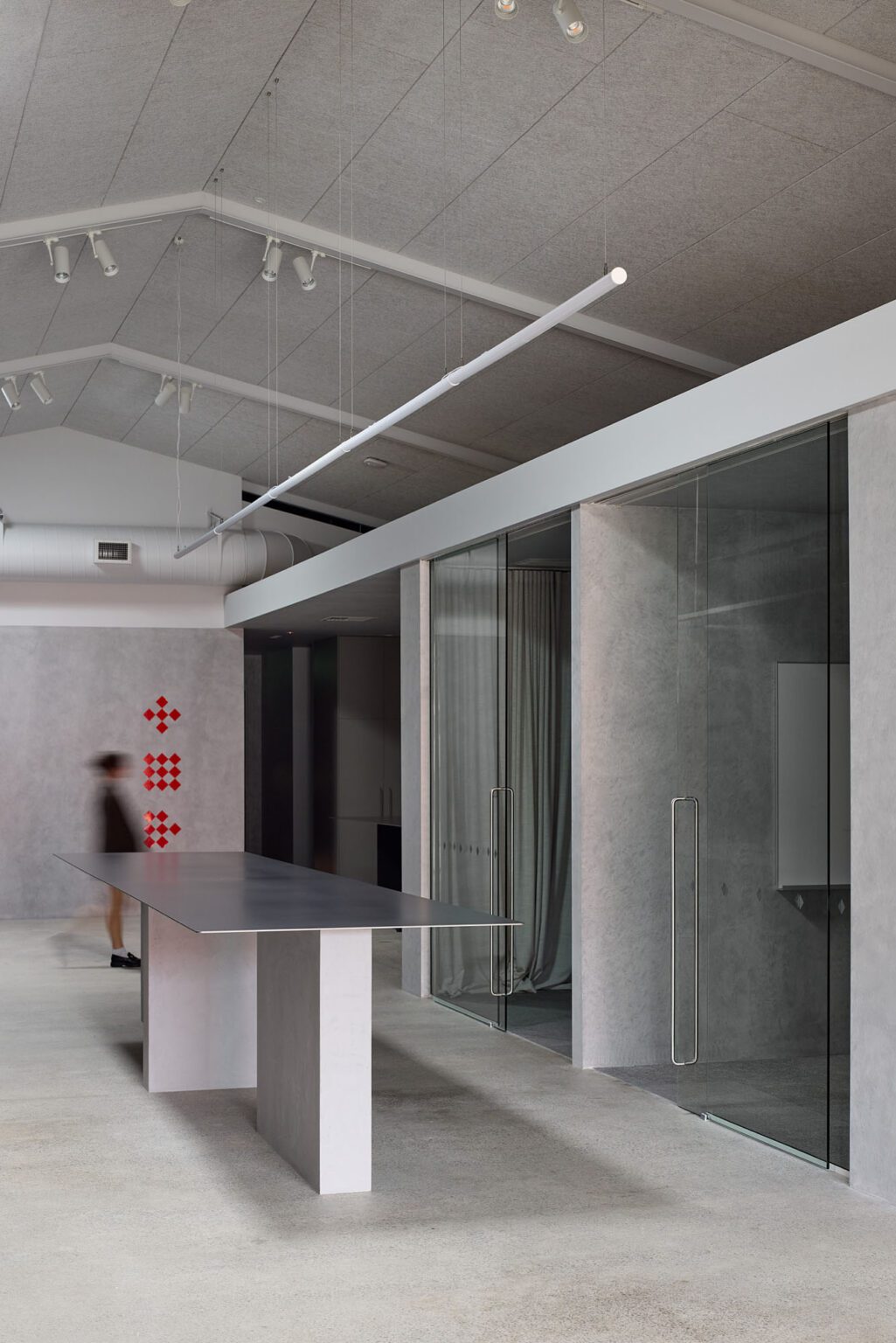
Central to her account of her own practice is an argument about where interior design sits relative to architecture, one she has pursued systematically.
“Interiors and architecture are not separate conversations; we’re not exterior decorators,” she says. “It’s such an integral part of the design and the architecture; it is the interior experience, and it needs to be considered as
a whole part of the design response.”
Fittingly, she built a briefing document that brings cabinetry and interior detail into client conversations from the outset of a project, well before consent is lodged — a shift from what had previously been standard sequencing at the practice. Cabinetry, materiality, and furniture, she says, carry the same weight as wall placement and deserve the same early scrutiny.
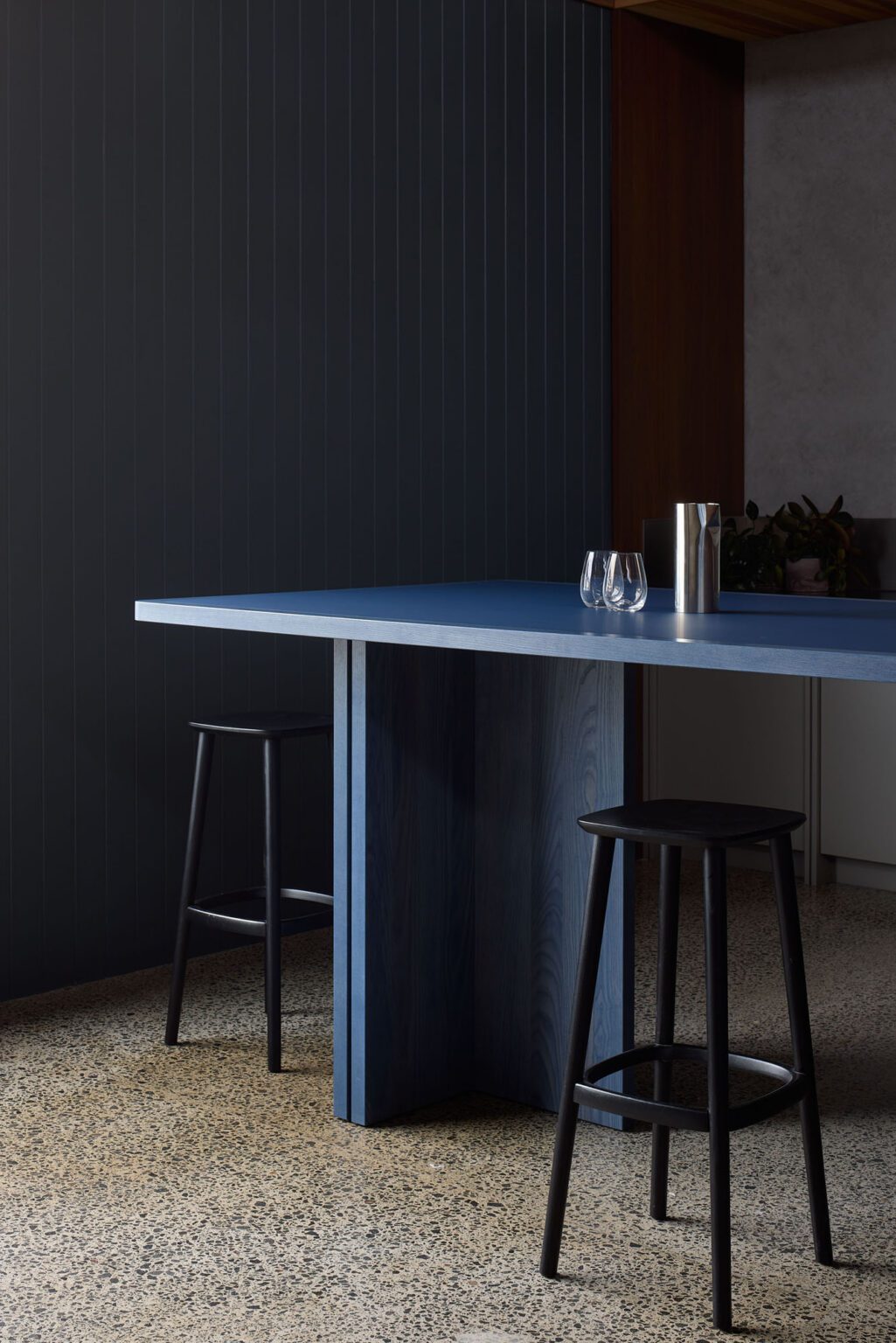
Sisters Sanctuary — a project so named because it was developed with her sisters on a family landholding — gave Georgia her first experience of a project from brief through construction to occupation, on a three-bedroom, two-bathroom programme, and a budget that required active prioritisation.
“There was significant learning that came from the tension of being a client — with a limited budget, but also wanting a certain feel or level of quality — as well as the tension of leading my older sisters through the process with my newly found expertise!”
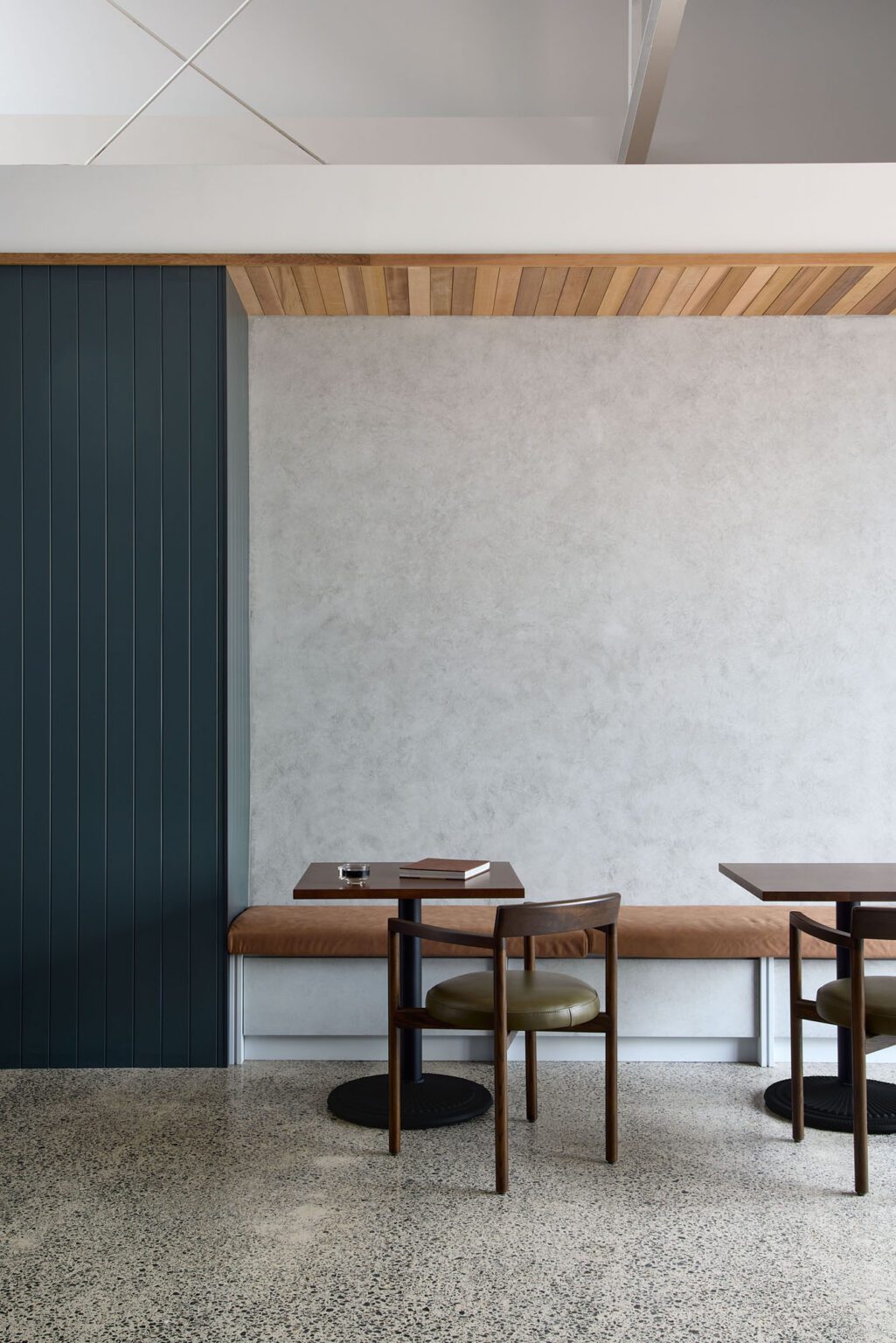
Asked what runs consistently through work as varied as bespoke residential fit-outs and customised apartments, Georgia resists the idea of a signature look.
“I don’t want to be the designer people go to for one particular look,” she explains, describing her material choices as beginning with the client’s brief rather than a personal palette, developed through mood boards and, she admits with a smile, the odd Pinterest. She notes a current interest in maximalism as a counterpoint to the prevailing minimalism of recent years, drawn to “spaces that have an element of surprise or discovery, juxtaposed and even contrasting.”
The words of wisdom she names as most useful are not about taste but about range: an early note that good outcomes are achievable across price points, not only at what she calls “the super-high-end, bespoke 5 per cent.”
Looking ahead, she describes an interest in the turnkey model, specifying a project down to ceramics and cutlery, and revisits the Copenhagen furniture-collaboration model as an ambition. Her longer term measure of success is institutional rather than personal: building a practice in which clients no longer feel they need to engage an interior designer separately.
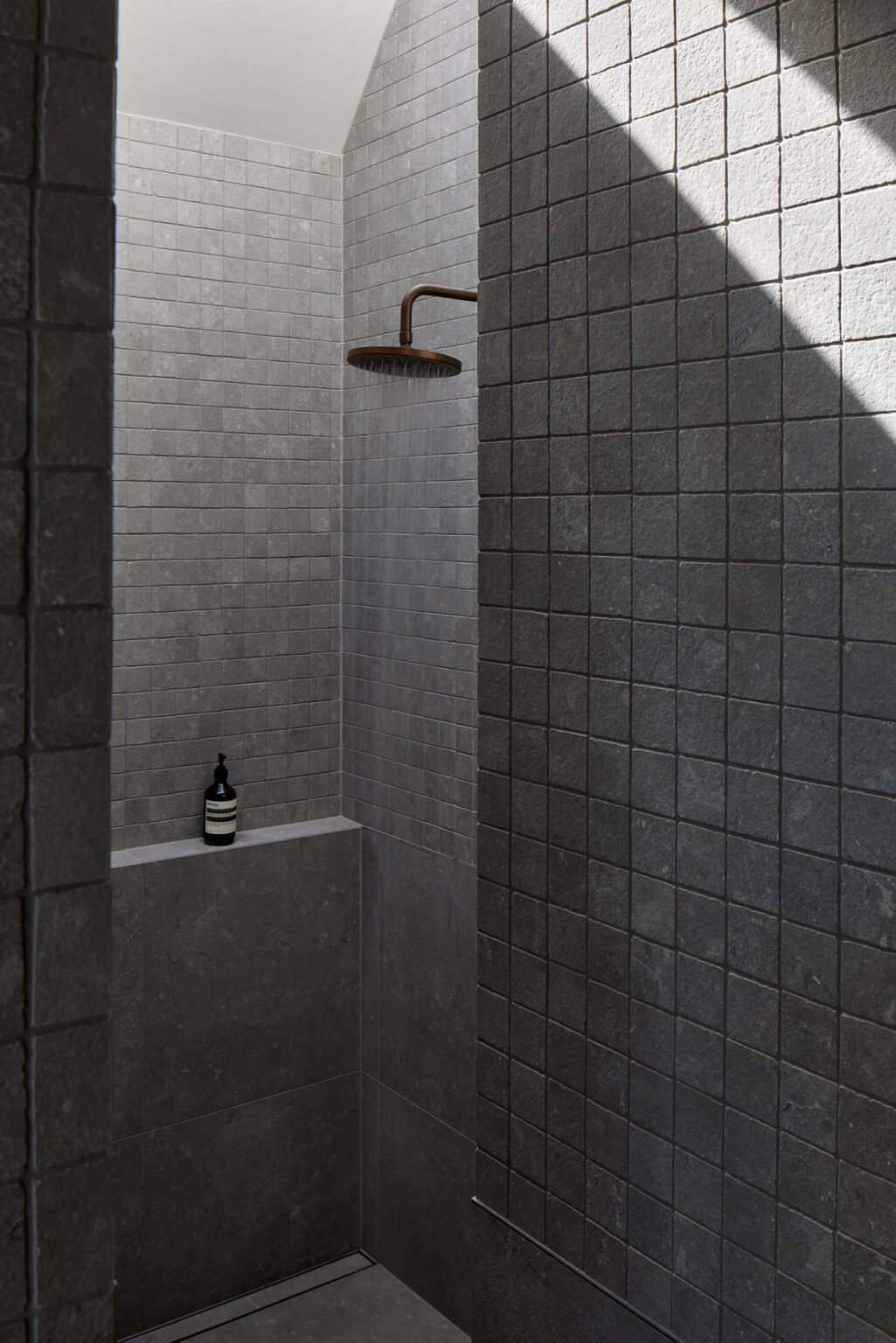
The projects in which Georgia has been involved at Edwards White include Sisters Sanctuary, Southpac office, RCP office, Hills Residences, and The Garden Room. Several of these have garnered NZIA award attention, ranging from being regional finalists through to receiving a Sir Ian Athfield Award.
This work spans revitalisation, workplace, and residential briefs across the Waikato and beyond, and Georgia now carries the Interior of the Year Emerging Designer citation alongside her name.
Judges’ Citation
Georgia Duncan has progressed from graduate to design leader in a remarkably short time, building a portfolio that spans commercial fit-out, multi-unit residential and bespoke interior work across a wide range of project types and scales.
This work demonstrates a designer equally at home with the complexity of large buildings and the precision of detailed material specification. Her leadership of the studio’s interior design direction has included improvements to briefing and engagement processes, and signals a designer who understands the mechanics of practice as well as the creativity of design.
Clear-headed, thoroughly knowledgeable, and with an impressive breadth of built work already behind her, Georgia is a rising figure, and Hamilton is fortunate to have her helping shape its interior character.
Interior of the Year is presented in partnership with