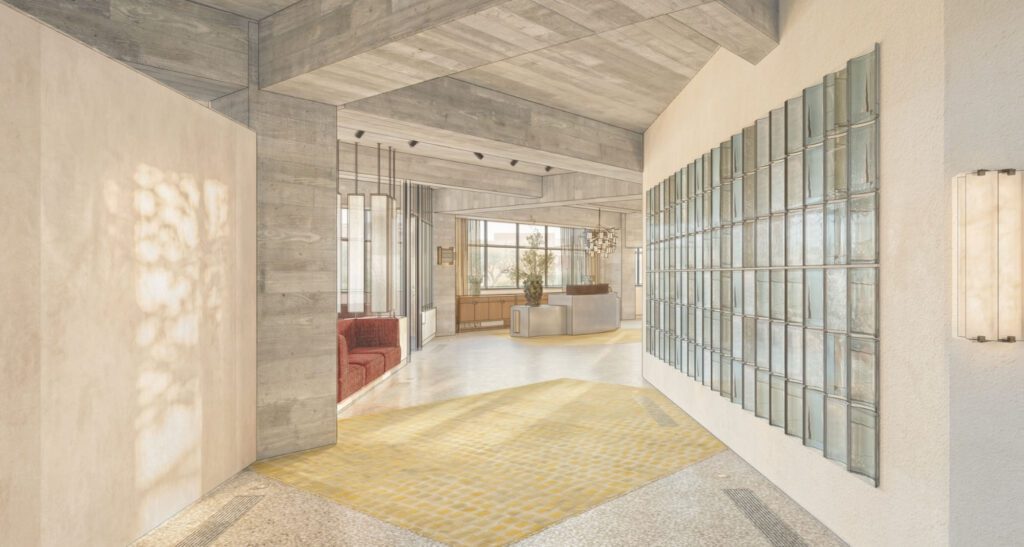
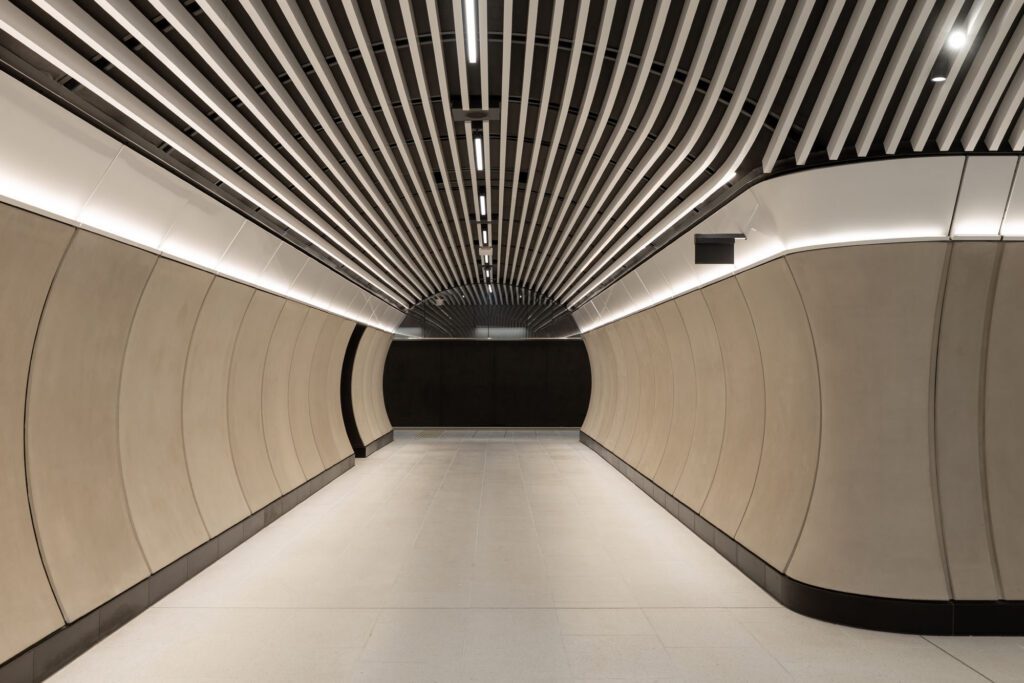



When the City Rail Link opens to passengers, most will notice the big architectural gestures: the basalt-clad walls referencing the volcanic field of Tāmaki Makaurau, the cultural narratives developed with mana whenua and embedded by Grimshaw, Jasmax, and WSP across Te Waihorotiu, Karanga-a-Hape, and Maungawhau stations. Fewer will register the surfaces underfoot and at hand, or the years of work behind them.
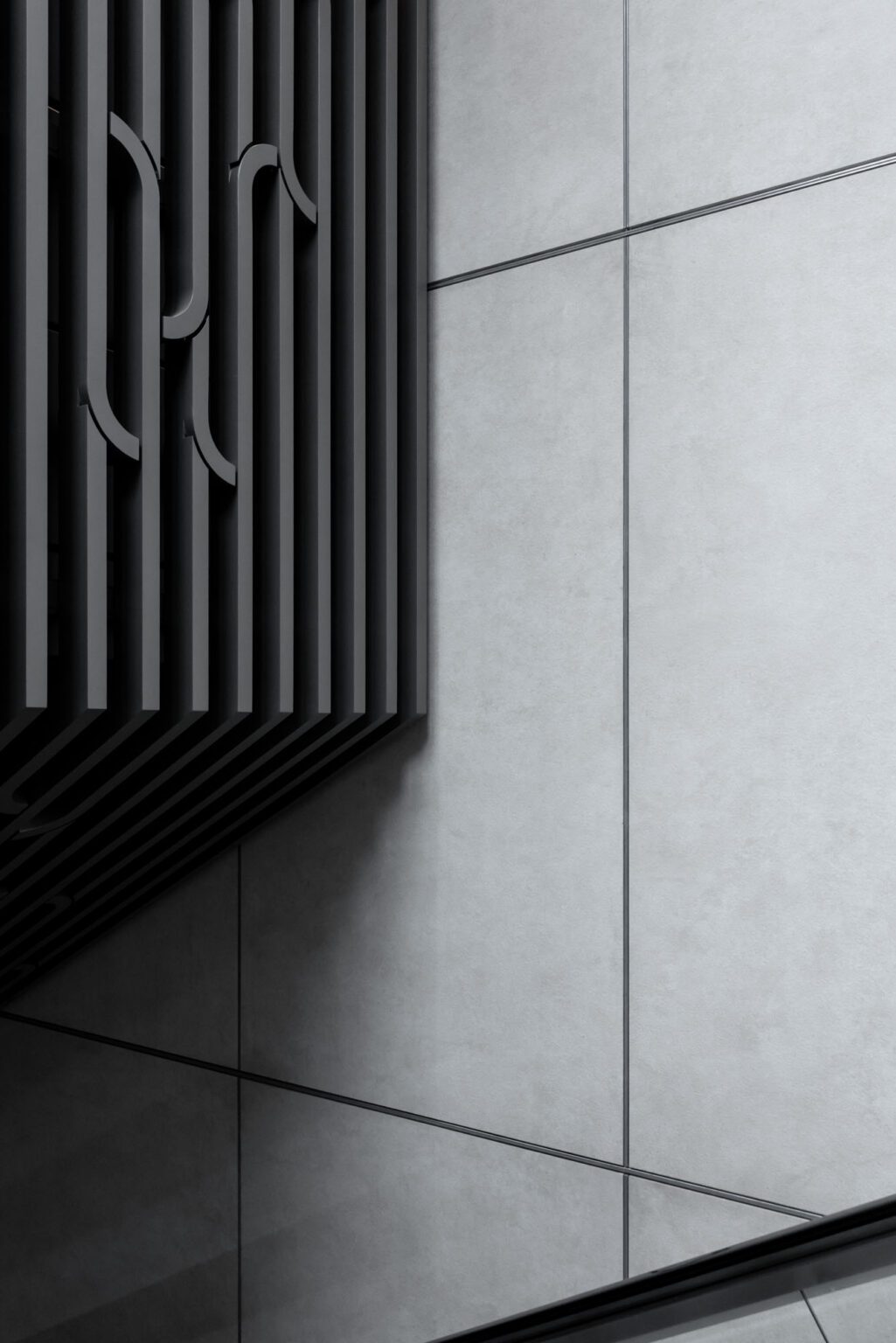
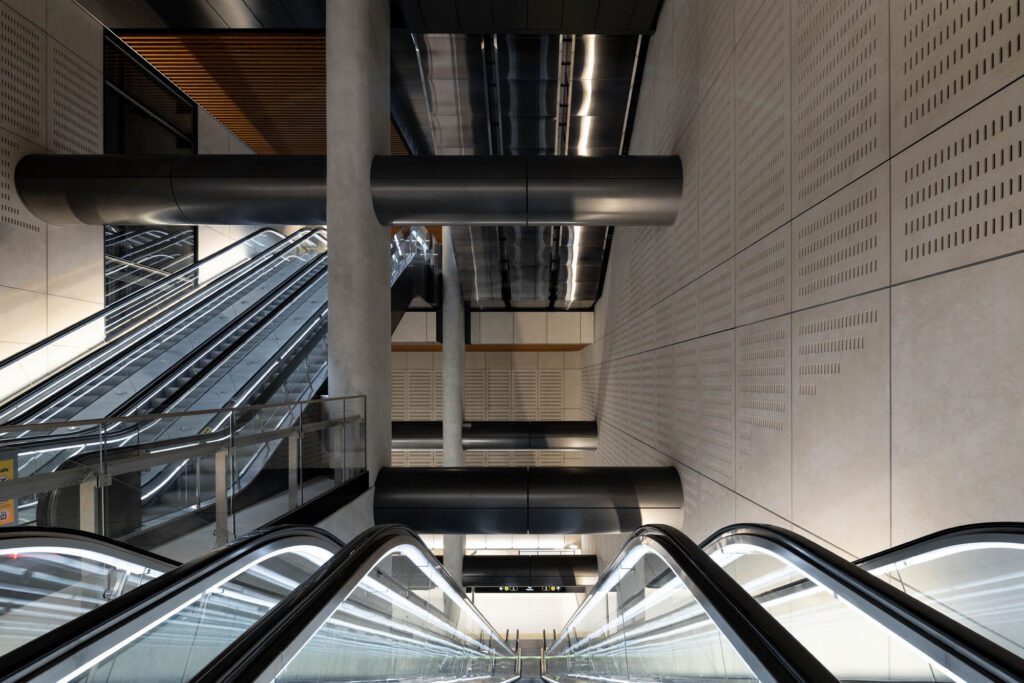
Across the three stations, Auckland firm The Tile People fabricated, supplied and installed more than 18,900 square metres of finishes: basalt, large-format limestone-look porcelain slabs with custom water-cut detailing, and bespoke terrazzo, laid through concourses, platforms, entries and circulation spaces. In transit environments of this scale, materials must satisfy demands rarely encountered in commercial fit-outs: durability under constant footfall, slip resistance, and precise tolerances within vast underground voids. All large-format porcelain slabs were mechanically fixed, a system requiring specialist installation techniques and exacting set-out, with panels manoeuvred into position deep below street level.
The package drew together local and international capability. Obery, sister company to The Tile People, worked with Grimshaw on product sourcing and specification, procuring materials from overseas manufacturers alongside New Zealand fabrication.
At Maungawhau, the material story folds back on itself: salvaged basalt was reincorporated into the station precinct, a fitting gesture on the site of the former Mt Eden station, at the foot of the maunga whose lava flows shaped the ground the tunnels pass through.
Behind the surfaces sits a workforce whose contribution is largely invisible: dozens of crafts from The Tile People coordinated over several years of planning, fabrication and installation, solving logistics on a site shared with tunnellers, engineers and dozens of other trades. Their work now forms the tactile register of the country’s largest transport infrastructure project; the surfaces commuters will touch, cross and lean against daily, long after the story of how they got there fades from view.