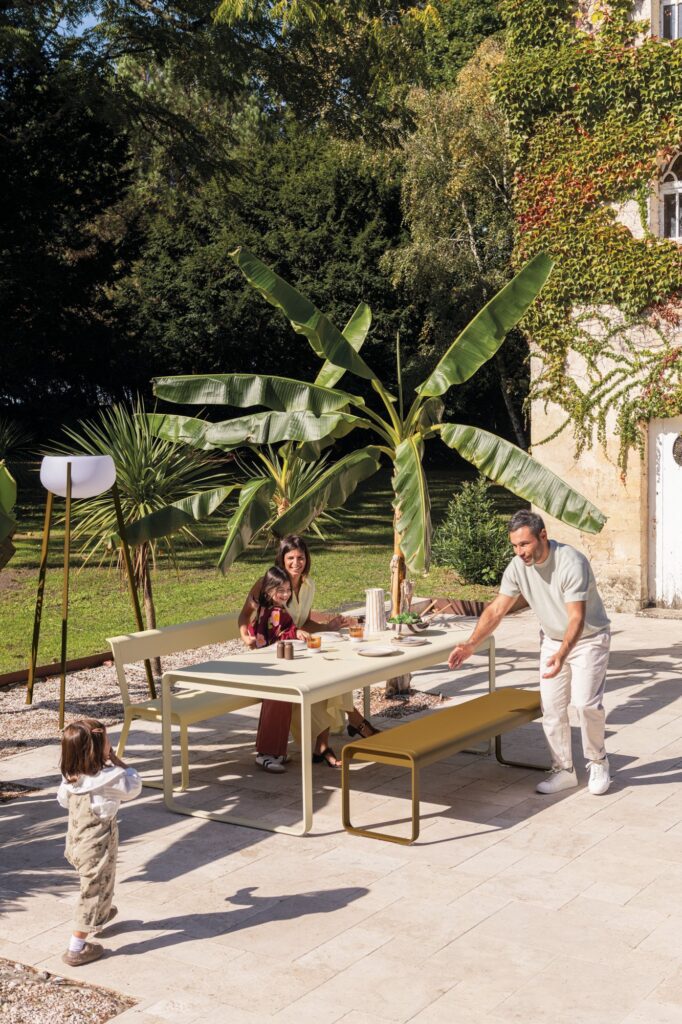


Whether bold and vibrant or soft and tonal, Fermob’s considered use of colour invites a more expressive approach to outdoor living.
Outdoor living has become an essential extension of the architectural narrative — a space where material, landscape and lifestyle converge. As these environments are designed with increasing intention, the furniture within them takes on a more considered role: not just supporting how we live, but shaping how a space feels. It is within this intersection that Fermob, available through Jardin, offers a distinctly versatile proposition.
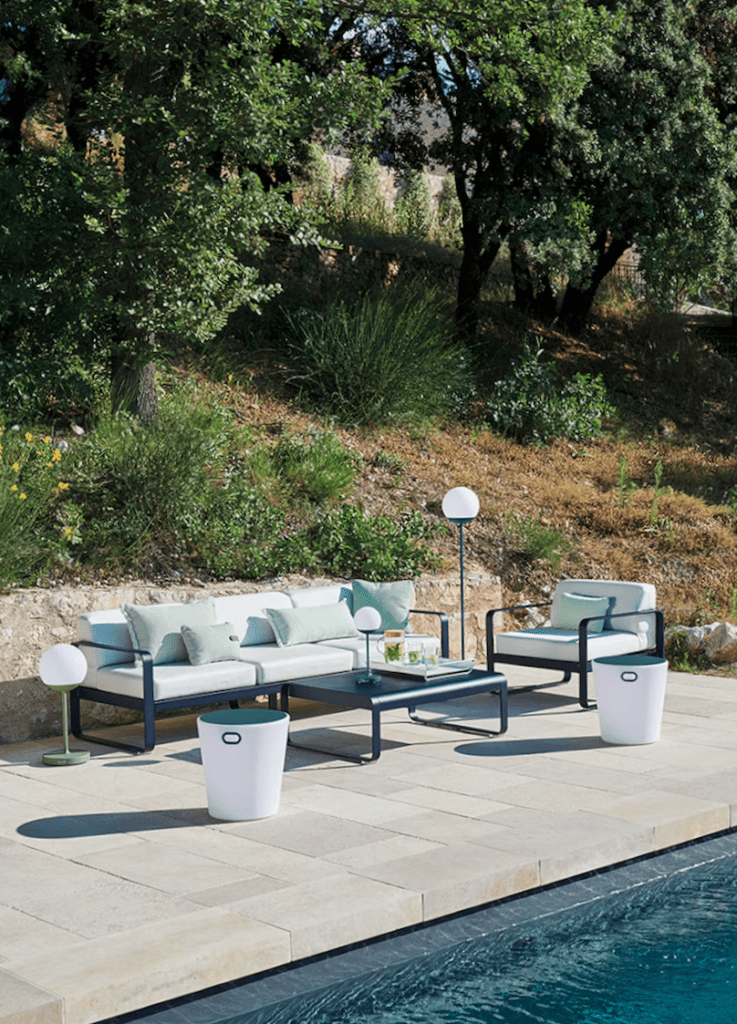
At the heart of Fermob’s appeal is its expansive colour palette. Spanning 25 tones and applied across most collections, it allows for a level of flexibility that feels both practical and creatively liberating. Designers are not confined to a single suite of products; instead, they can select pieces based on how a space will be used, then unify — or deliberately contrast — the scheme through colour. It’s a subtle shift in approach, but one that opens up a more layered, responsive way of designing outdoor environments.
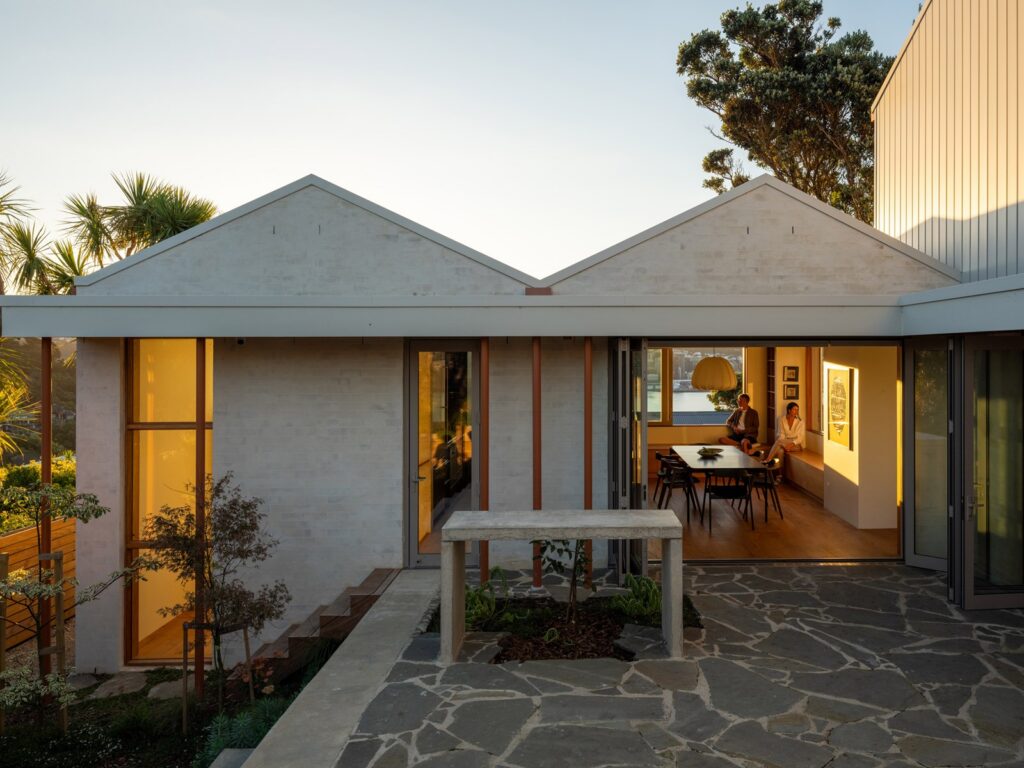
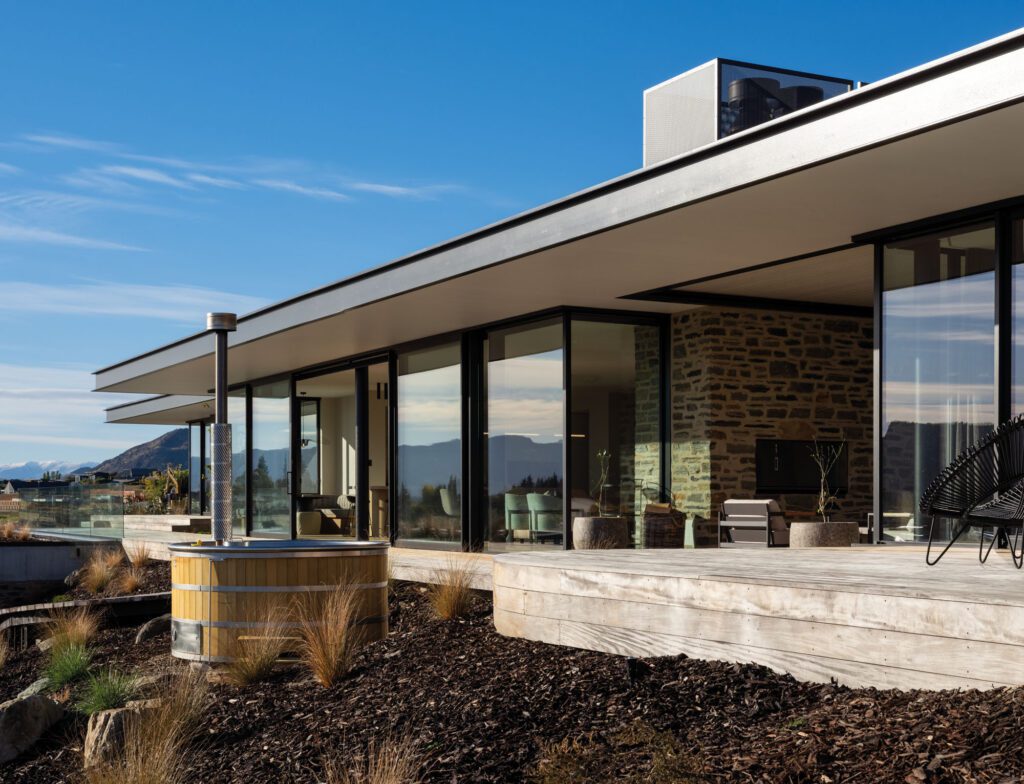
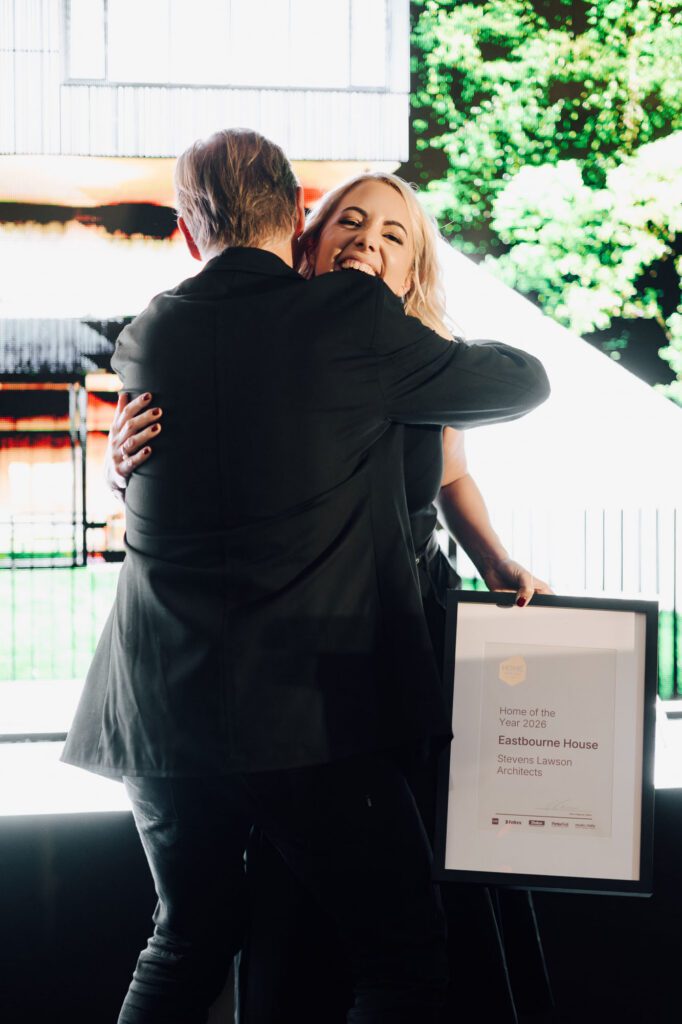
This is especially evident across homes recognised in this year’s Home of the Year, where outdoor settings are treated as extensions of the architectural language.
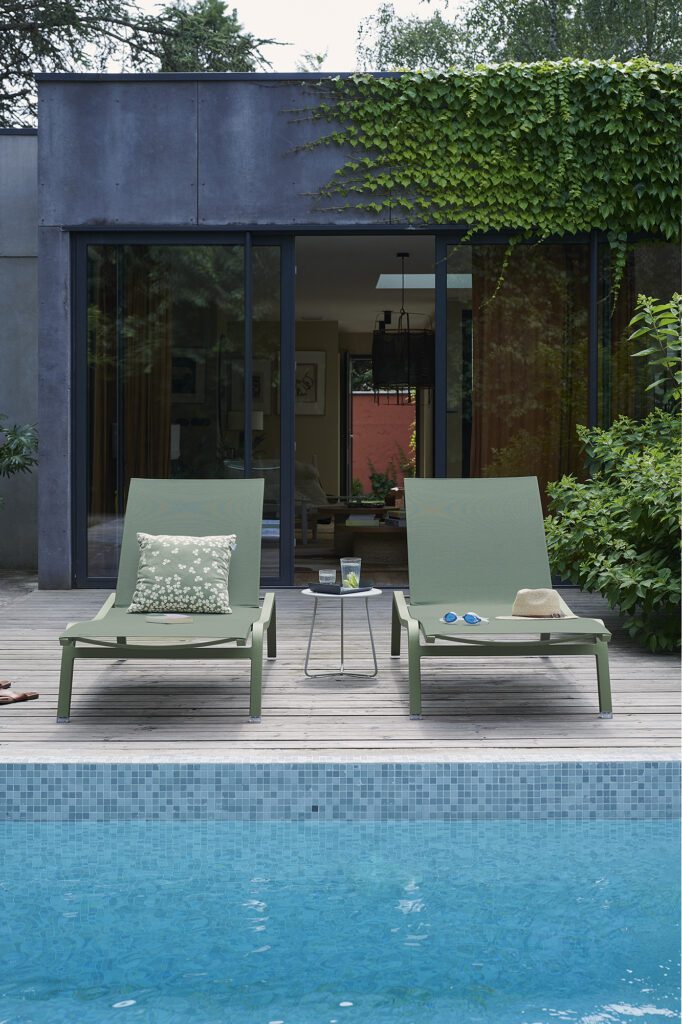
At the Home of the Year 2026, Eastbourne House by Stevens Lawson Architects, Fermob’s Bellevie dining table, benches and low table sit alongside Alizé sunloungers, all finished in Cactus — a fresh, invigorating green. Positioned poolside against a backdrop of deep black cladding, the effect is immediate. The colour introduces a sense of play, softening the intensity of the architecture while heightening its clarity.
There is also a strong connection to context. The Cactus tone subtly echoes the surrounding native bush, drawing on the layered greens of the landscape beyond the built edge. Against the dark envelope of the house, it acts as a visual bridge between architecture and environment, reinforcing the sense that this outdoor room belongs to its setting.
A different expression emerges at M House by Ponting Fitzgerald Architects. Set within a newly planted olive grove in Martinborough, the home references the classic Kiwi hay shed, reimagined as a singular, elevated form. From a distance, the long structure appears grounded in the rural landscape; on arrival, it reveals itself as a hovering vessel, floating lightly among the trees.
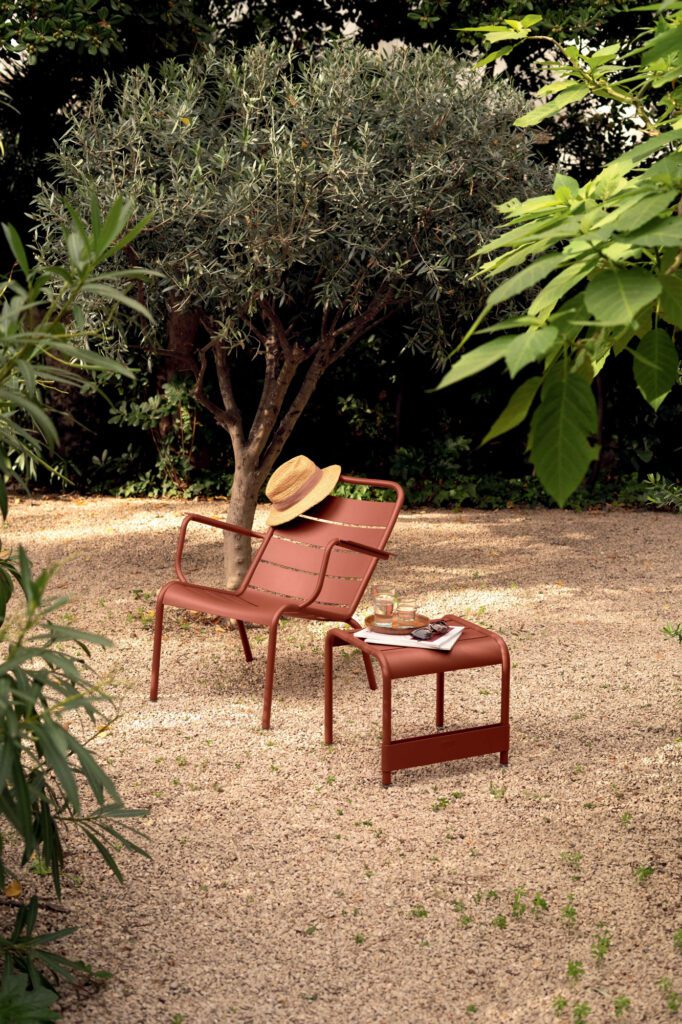
Here, the architecture explores contrast — open and closed, modern and vernacular, refined and robust — creating a quiet tension against the softness of the grove. Outdoor spaces are less about spectacle and more about immersion, offering places to sit within the rhythms of the landscape.
It is in these moments that Fermob’s versatility becomes most apparent. The same collections that bring vibrancy to a coastal poolside can, in another context, adopt a more restrained, tonal presence. This ability to shift — to be expressive or understated — gives the brand its enduring relevance.
With Fermob, designers can prioritise how a space functions — dining, lounging, gathering — and then use colour to shape its emotional register. The result might be energetic and playful, or calm and grounded, but it is always intentional.
Defined by refined craftsmanship and built for longevity, Fermob’s collections span everything from iconic bistro chairs to sculptural loungers and considered lighting. Each piece is designed to endure in both form and function, offering a balance of elegance and durability suited to the demands of outdoor living.
Available via Jardin, Fermob invites a more expressive approach to exterior spaces — one where colour becomes a material in its own right, and where the boundaries between architecture, landscape and design dissolve into something altogether more cohesive.