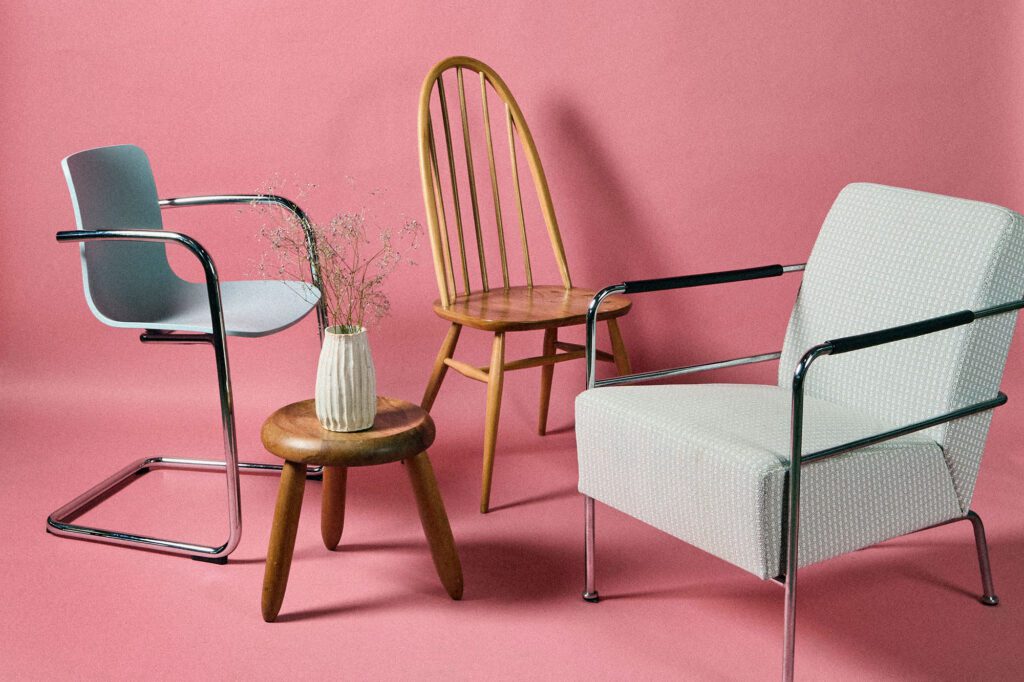


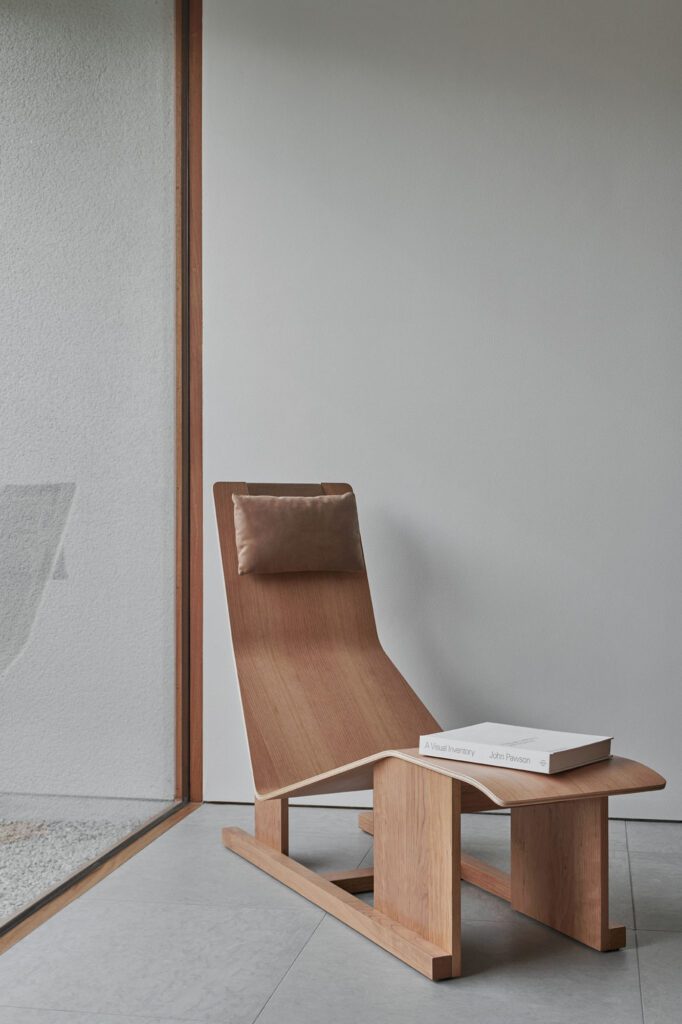
Time is the judge of great design. Longevity, in both aesthetic appeal and quality, remains one of the surest measures of whether an object has achieved design’s imperative to stay relevant and useful. Auction houses the world over have long served as legitimisers of that quality; returning pieces to circulation and letting the secondary market assign a value to their relevance, or lack thereof.
In Aotearoa, The Estate has been doing so for nearly half a decade. Webb’s fortnightly online auction of curated furniture, design, antiques, and collectibles recently celebrated its 100th sale and its Mount Eden showroom has grown into one of New Zealand’s more serious platforms for collectible design and as a litmus test of everyday objects’ cultural and utilitarian resonance.
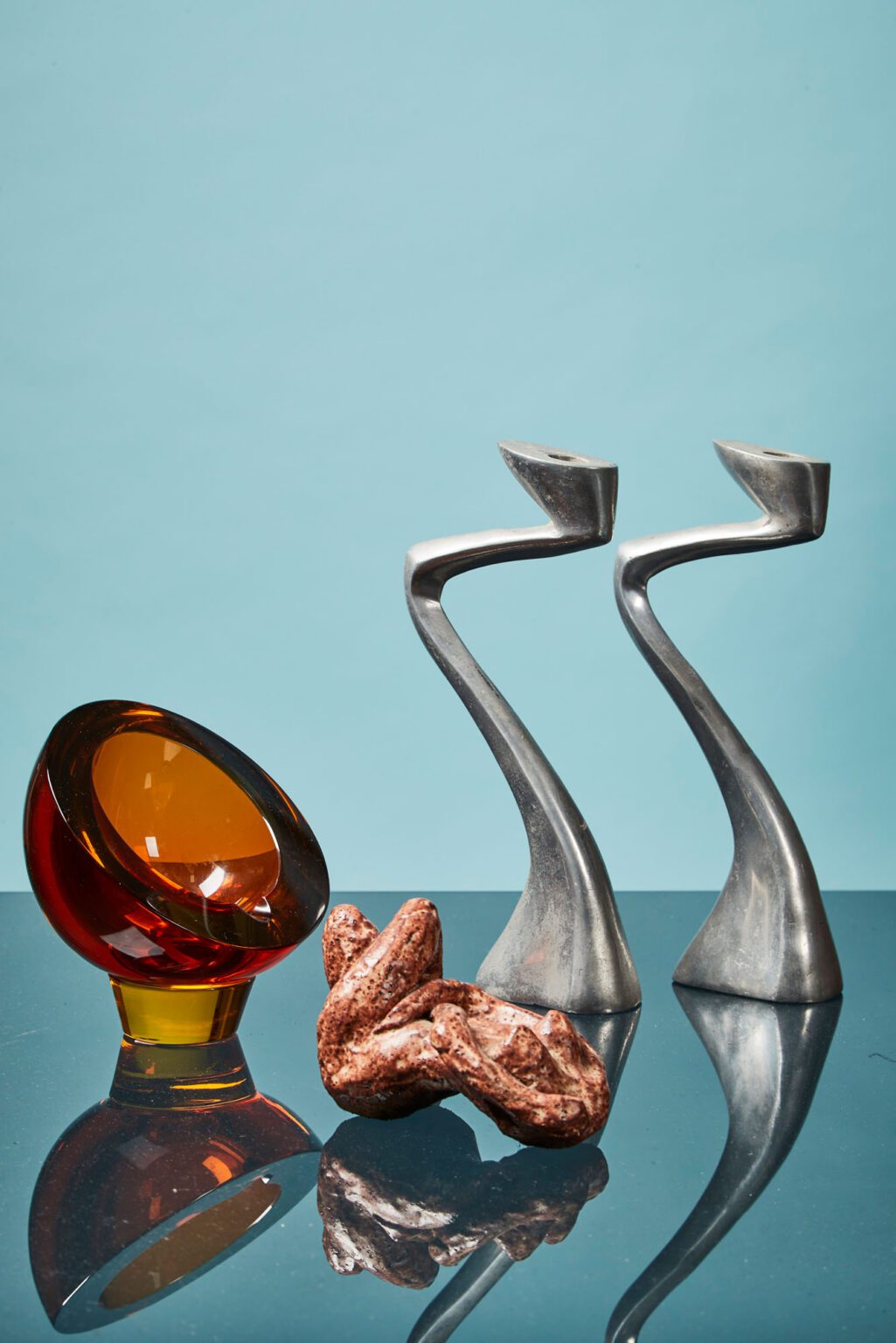
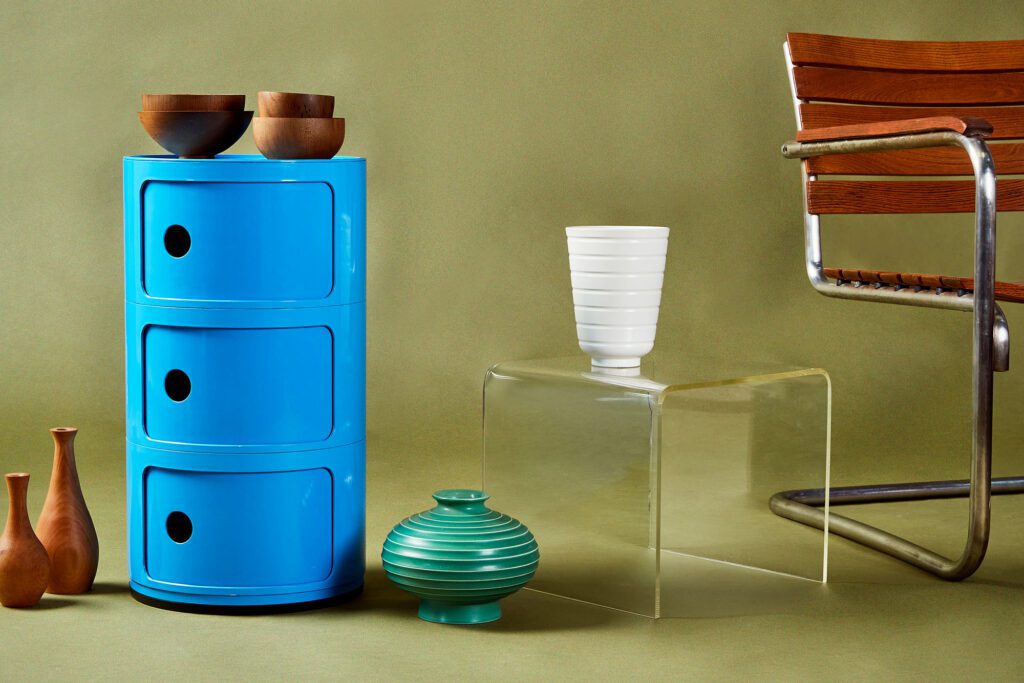
What distinguishes The Estate, and its annual, more curated version Design Edit, from the broader second-hand market is the quality of what surfaces: alongside everyday vintage finds, rare works by significant local and international designers appear with enough regularity to reward close attention.
Across 100 editions, The Estate catalogues have read like a selective survey of design history, from Bauhaus to Memphis revival: Pierre Jeanneret’s Chandigarh originals, Charlotte Perriand, the Eameses for Herman Miller, Hans Wegner, Ettore Sottsass, and Carlo Scarpa, alongside Garth Chester’s quietly radical New Zealand modernism, Resident, David Trubridge, and Ernst Plischke.
The deeper logic of the auction also aligns with ideas the design professions are articulating with increasing urgency, that of quality and intent over trend-driven pieces. An original Eames or Backhouse that has served three households over decades needs no sustainability certification; its environmental argument is embedded in the piece. Objects built with genuine understanding of materials and joinery circulate, are repaired, and are treasured, not as fast furniture, but as repositories of memories and domestic monuments to great craft.