






Fifty architectural projects across Auckland and Northland have been deemed the very best in Te Kāhui Whaihanga New Zealand Institute of Architects’ Regional Awards this year.
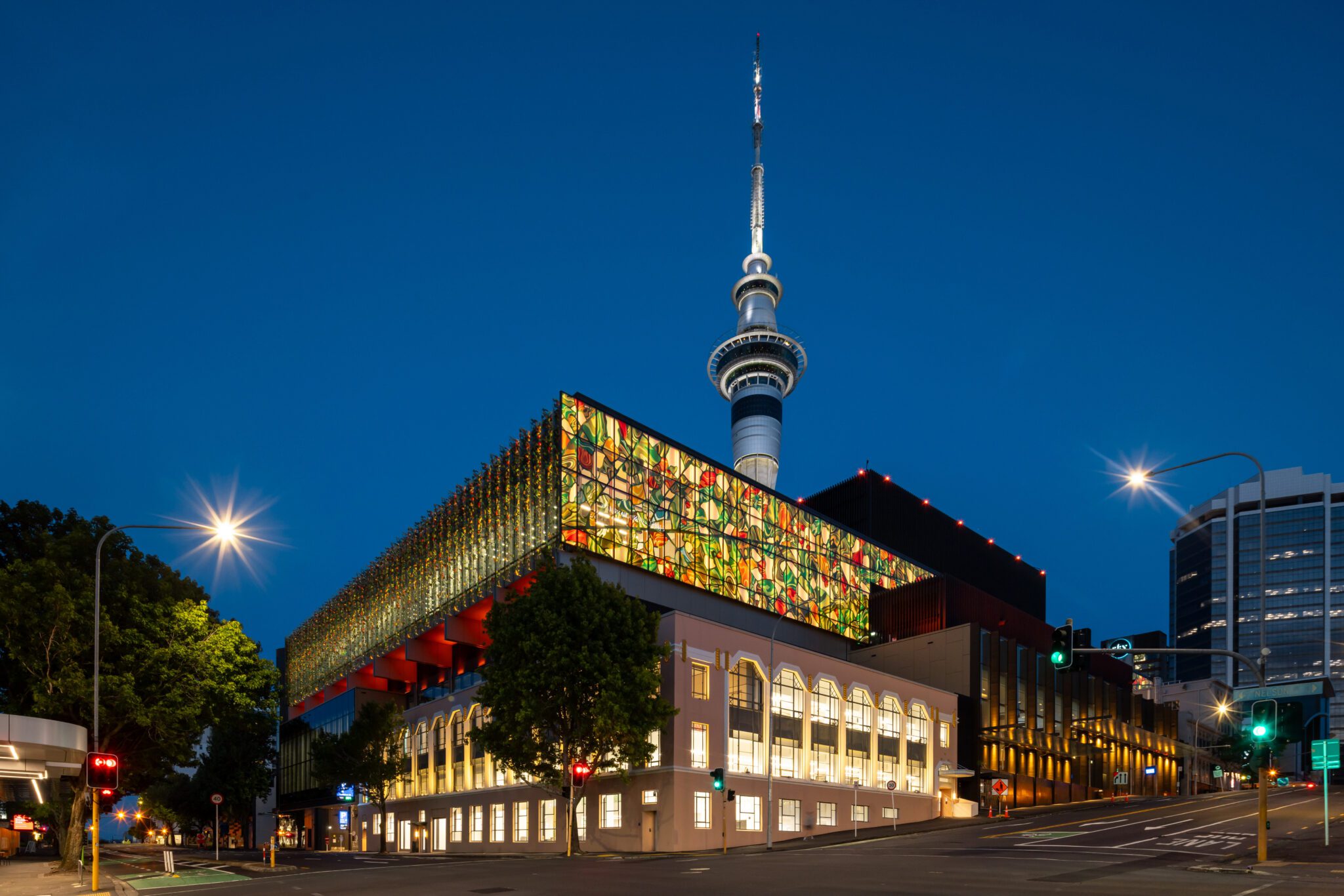
Te Tumu – New Zealand International Convention Centre (NZICC) and The Chief Post Office Refurbishment each won two awards, claiming recognitions in the Interior Architecture and Public Architecture categories and the Commercial Architecture and Heritage categories respectively.
The Awards this year also featured a strong showing from Northland, with winning entries from Whangārei (Public Architecture), the Bay of Islands (Enduring Architecture) and Pātaua North (Housing).
The seven winning Heritage projects were the most in this category since at least 2008, representing the strength and renewed focus on preserving these buildings as part of Auckland’s ongoing development.
“With an exceptionally strong field of entries this year, the jury saw the transformative impact architecture can have on our lives — shaping our cities, supporting investment, and creating communities — while the quality of heritage and renovation projects reflected a growing appreciation for adapting and renewing existing buildings,” says jury convenor and architect Rachael Rush of Klein Architects.
Rush was joined on the jury by Nicholas Dalton (TOA Architects), Kelly O’Sullivan (SGA Architects) and Brian White (Edwards White Architects).
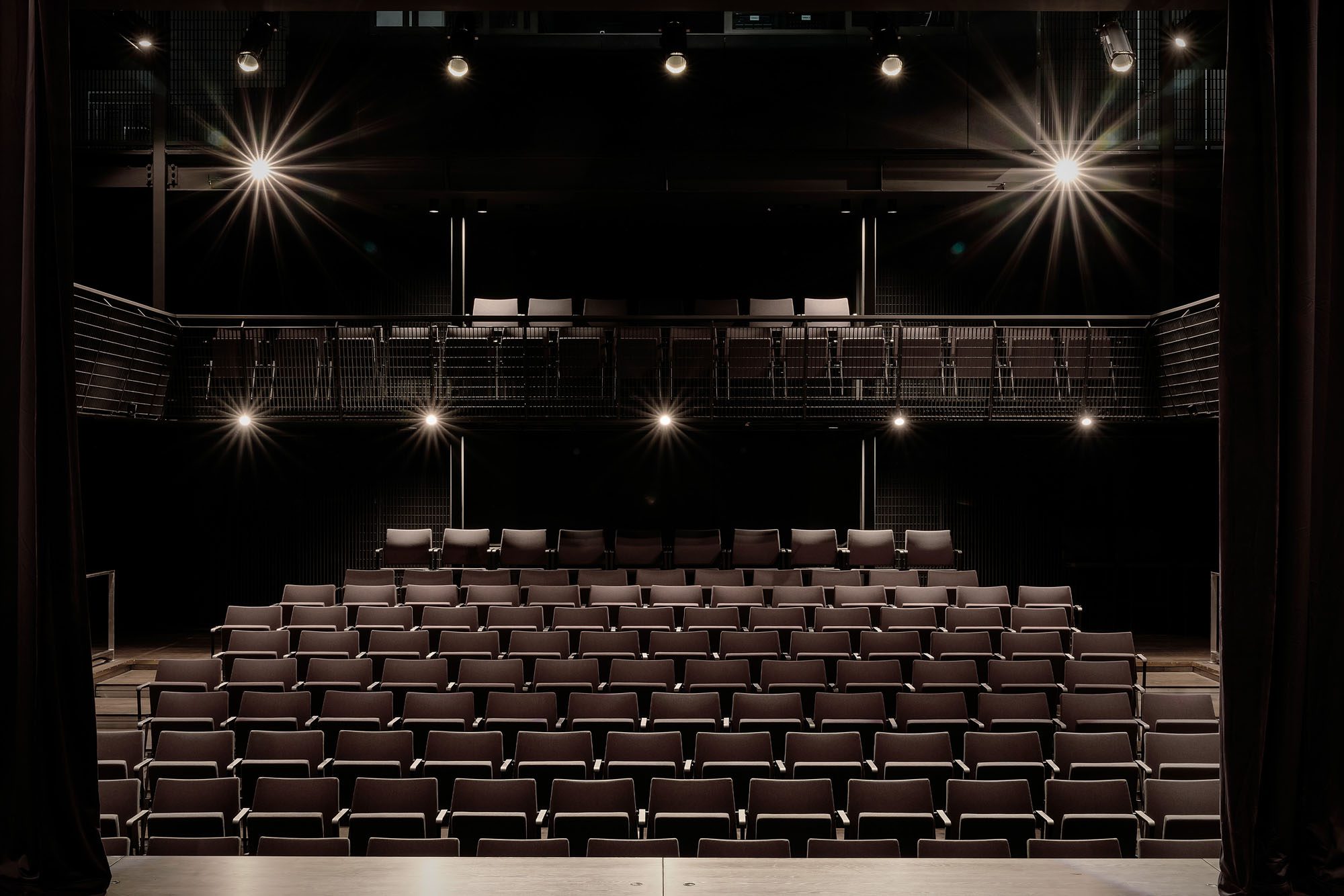
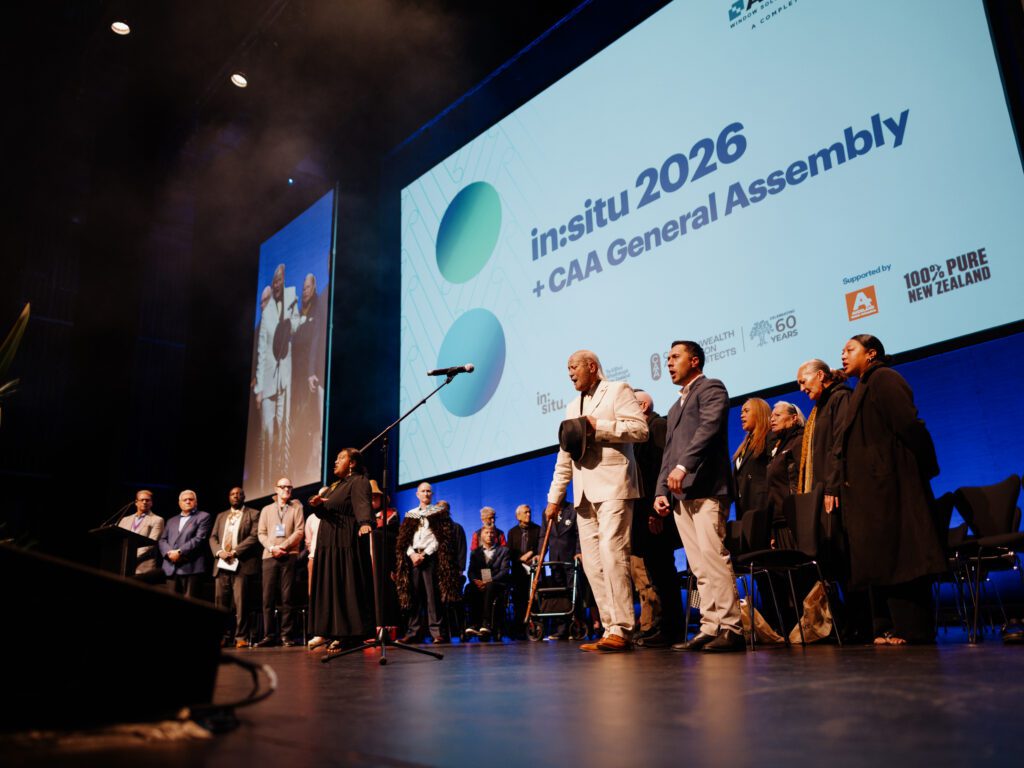
The winners received their awards at an event at the SkyCity Theatre in Auckland on 18 June.
Explore the winners by category:
Commercial Architecture
50 Albert Street by Architectus
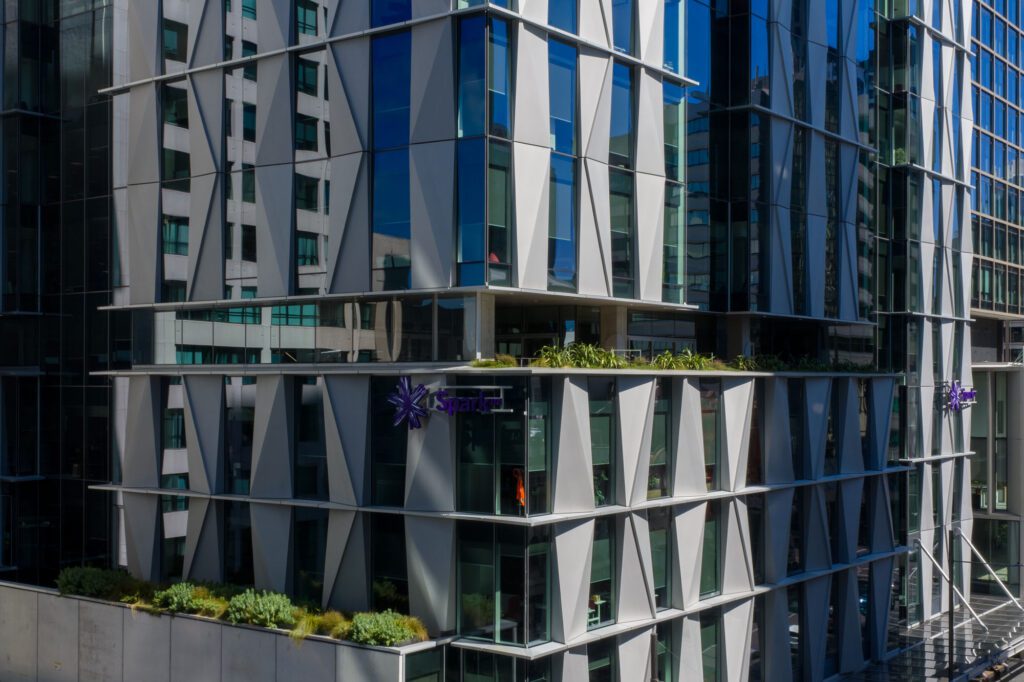
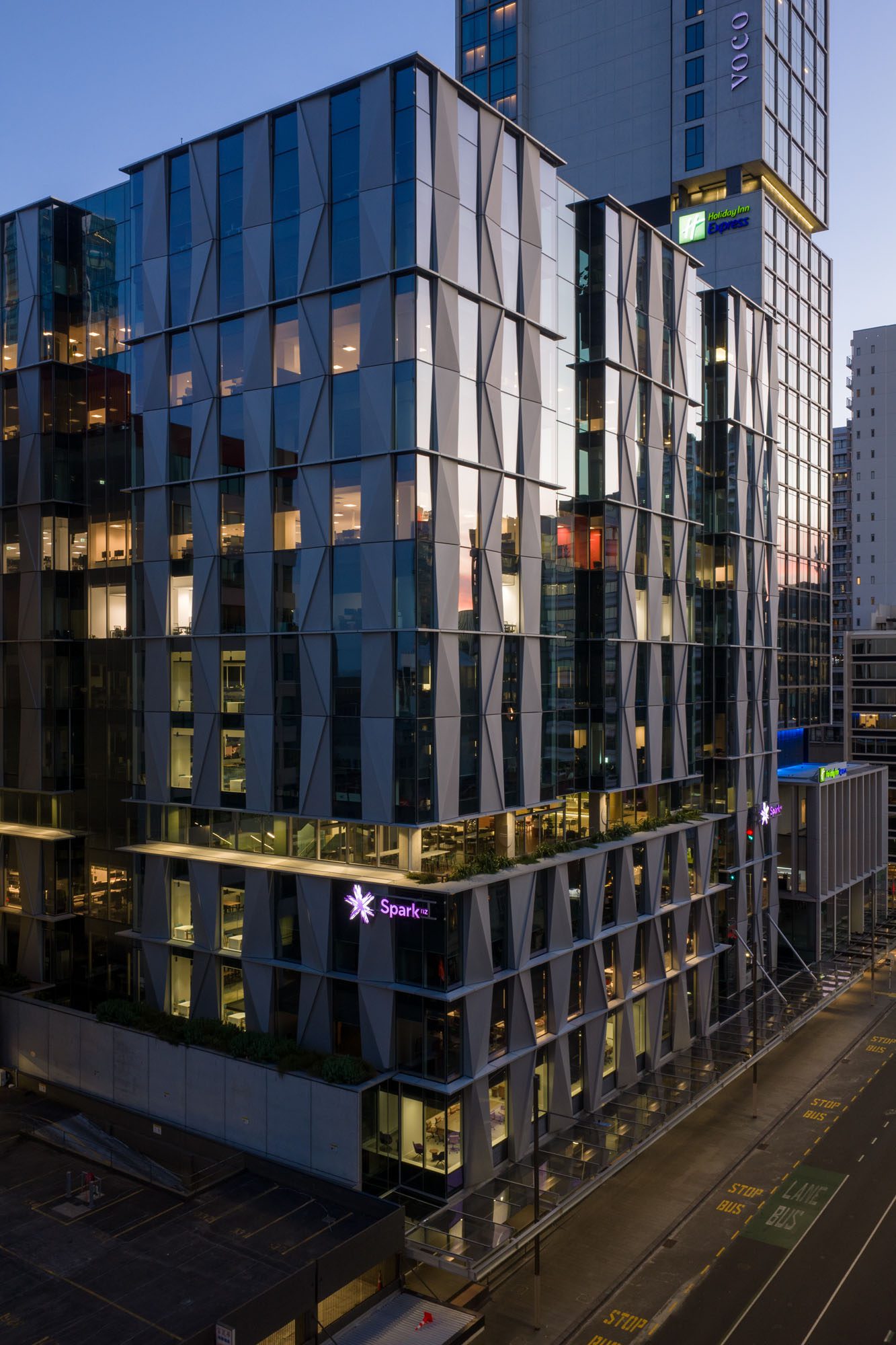
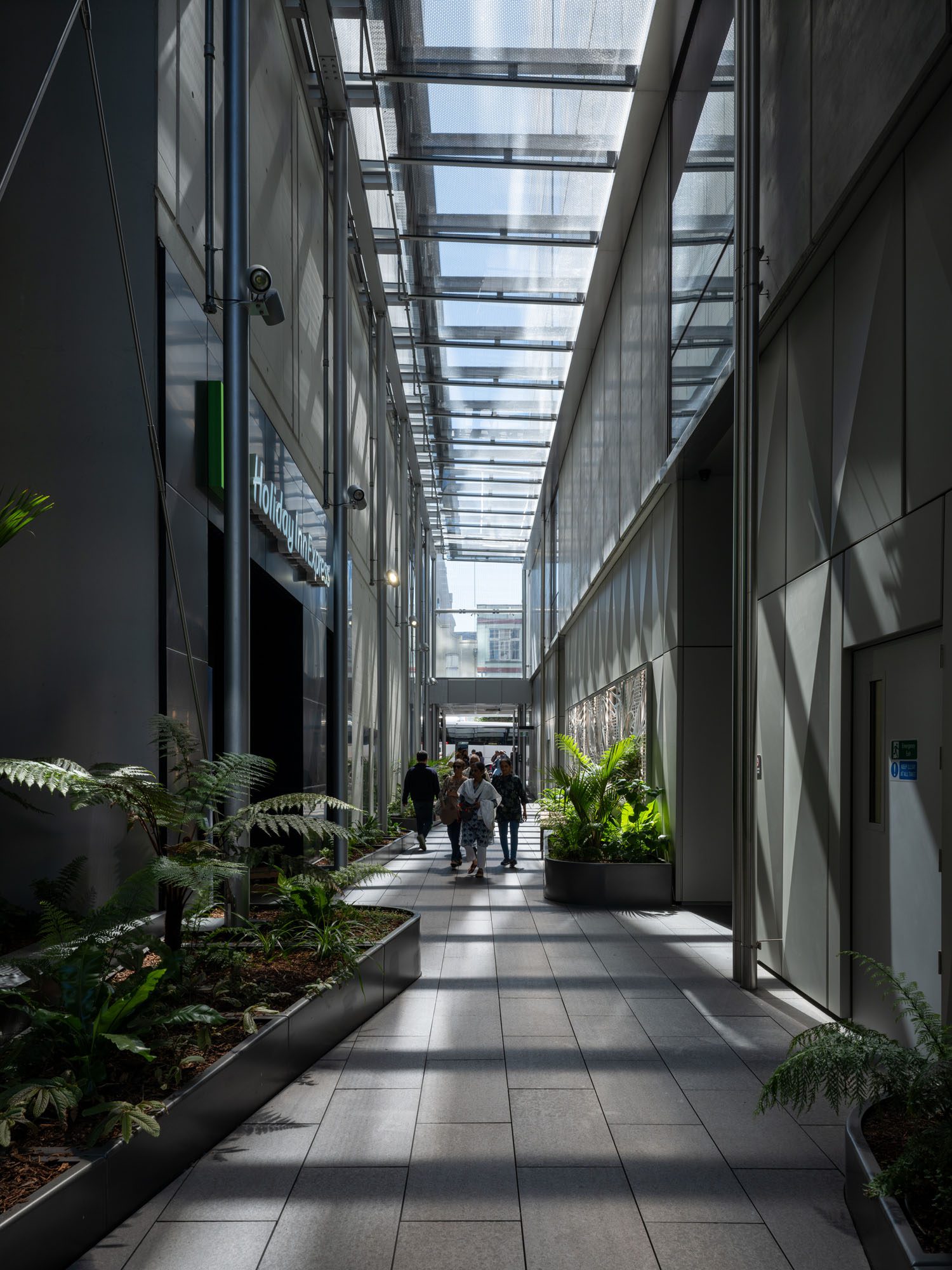
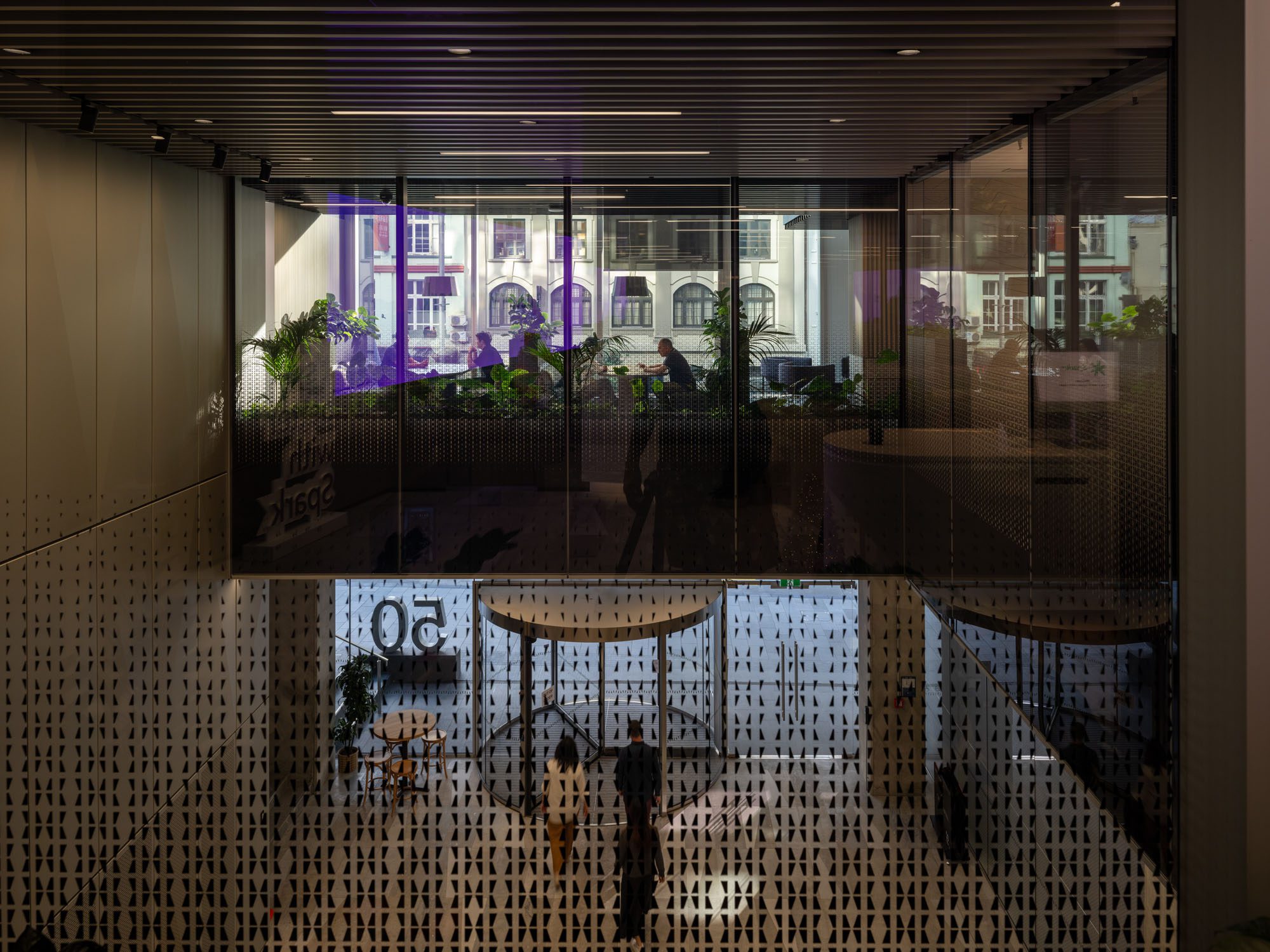
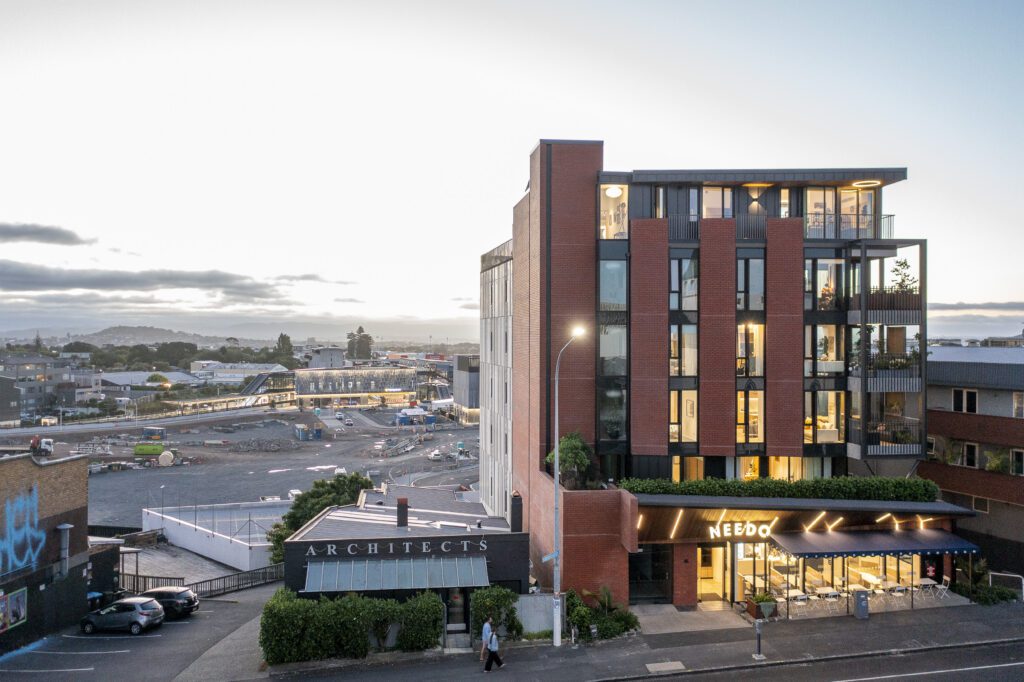
This is a quality commercial building that combines strong sustainability performance with a positive contribution to Auckland’s CBD streetscape. The project carefully balances commercial needs with public benefit, linking two street frontages across a difficult change in level. A new public laneway connects the neighbouring hotel and brings new life to the previously overlooked Mills Lane.
Native planting, texture, lighting, and small moments of hospitality create an inviting and lively public space. A widened footpath and generous verandah improve the Albert Street frontage for pedestrians and bus users. Technically sophisticated, the building has achieved 6-Star Green Star and Platinum WELL certifications while creating healthy, high-quality spaces for staff and visitors.
Air New Zealand – Hangar 4 by Studio Pacific Architecture
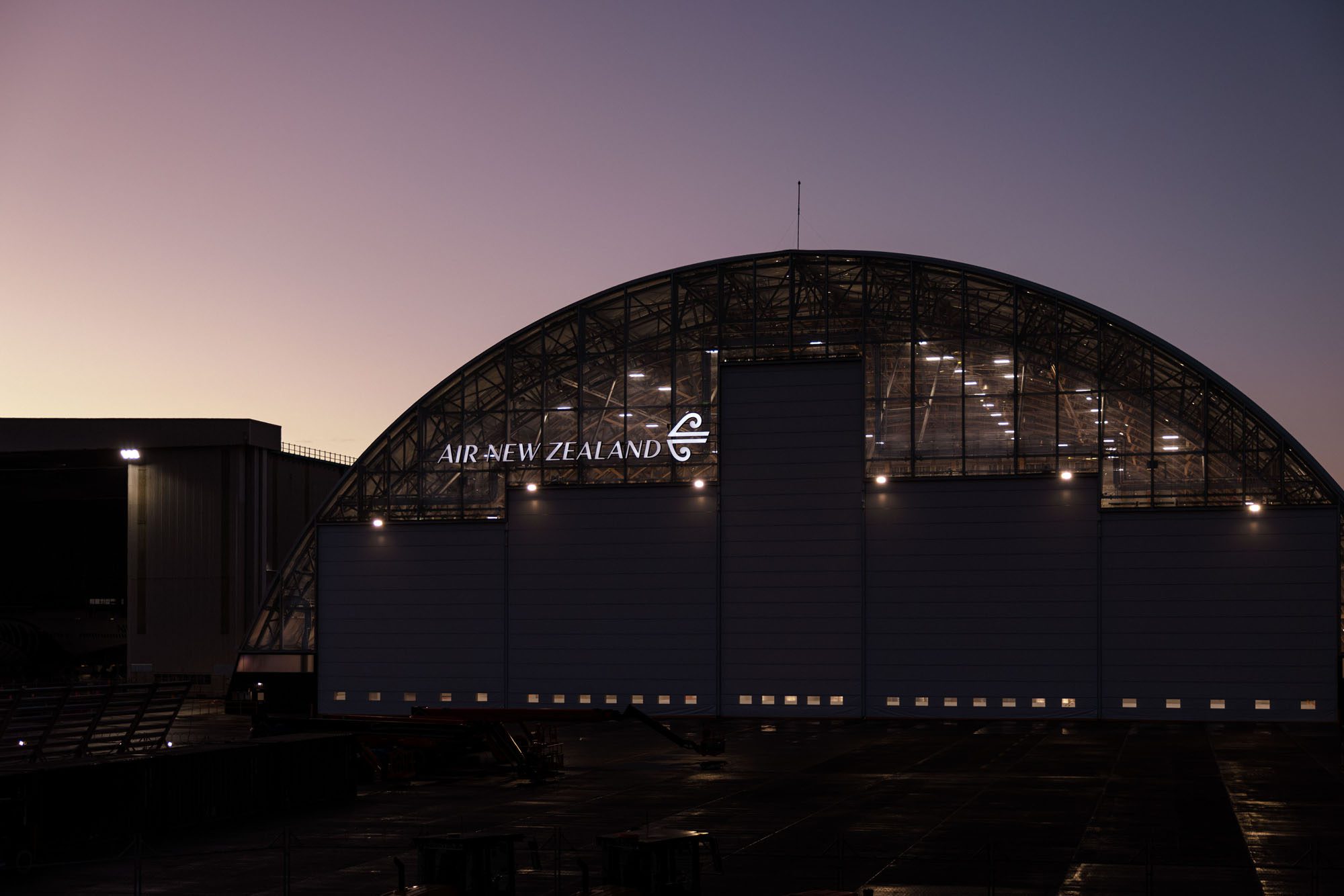
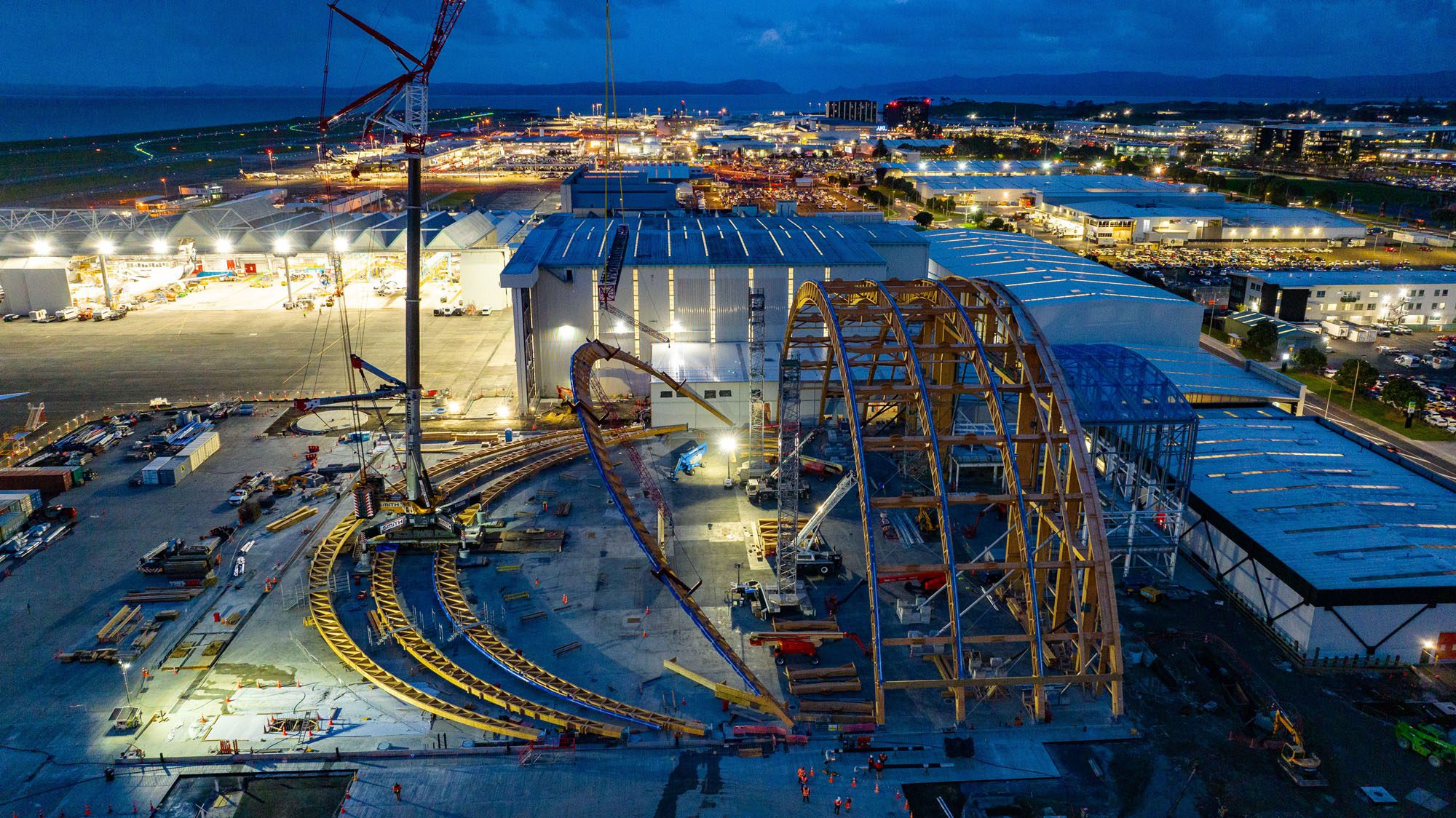
Auckland Airport Hangar Four is a confident piece of infrastructure designed to do exactly what it needs to do — and to do it well. Built to house a Boeing 787 Dreamliner alongside two Airbus A320 aircraft, the project works at a huge scale while still feeling refined and carefully resolved.
The structure combines engineered timber, precision fabrication, and innovative construction methods in an impressive and highly coordinated way. Large LVL and CLT arches span 98 metres beneath a glowing roof that fills the vast interior with natural light. The project demonstrates how low-carbon materials can perform at a very large scale. It is a powerful example of collaboration, technical skill, and Aotearoa ingenuity.
Atlas Headquarters by JWA Architects
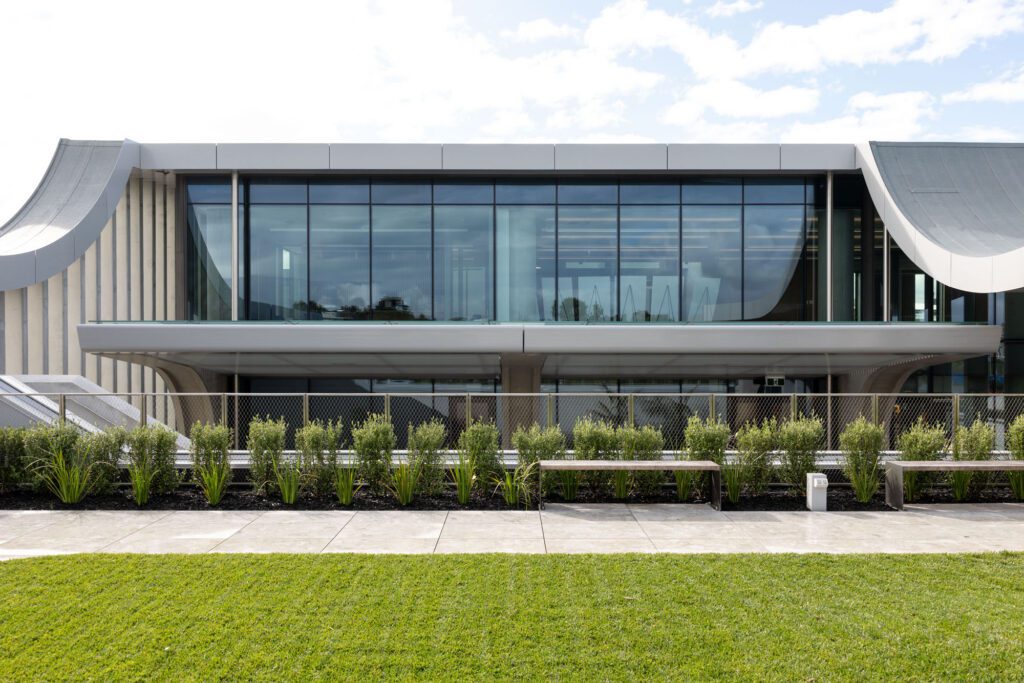
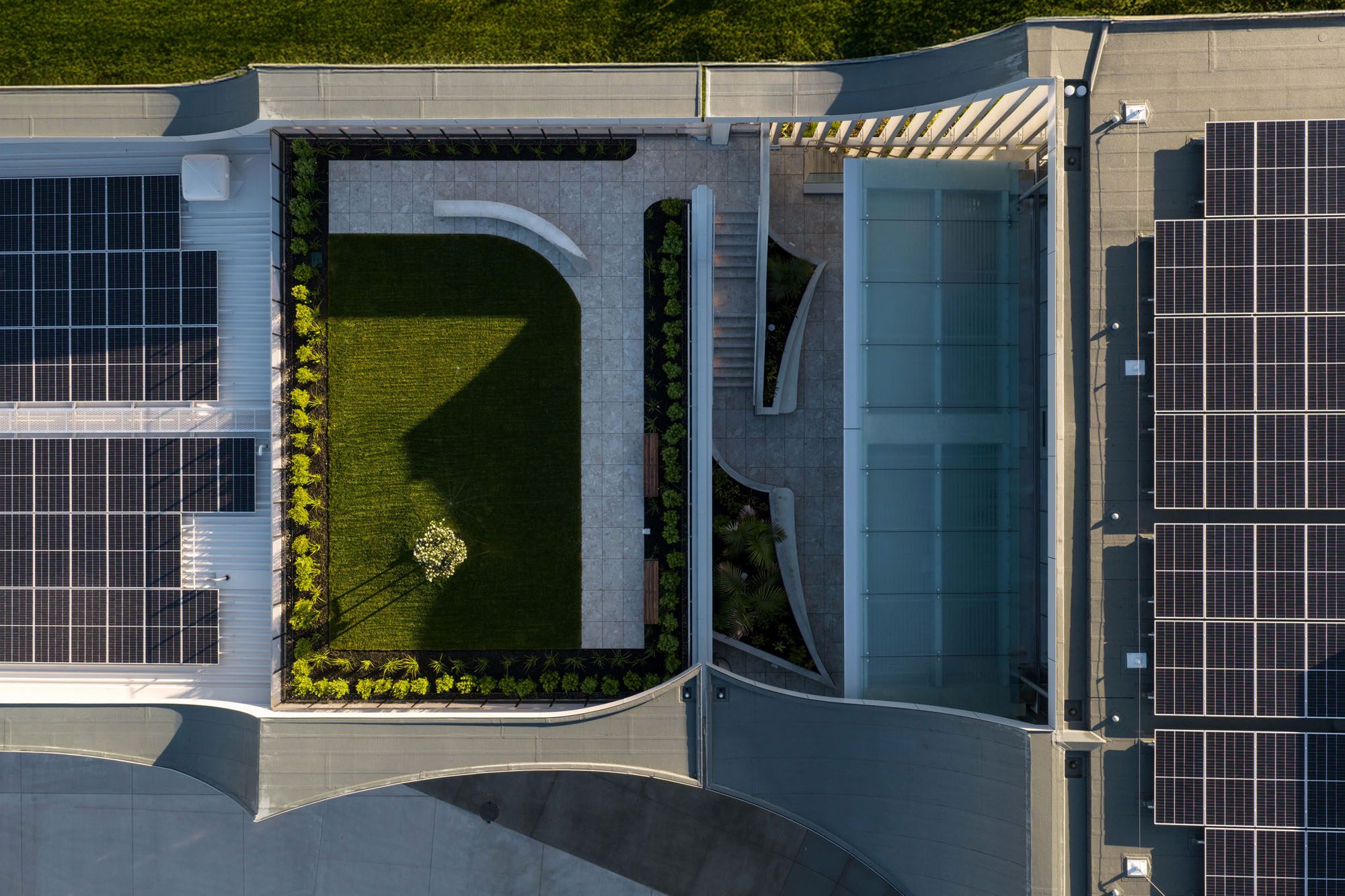
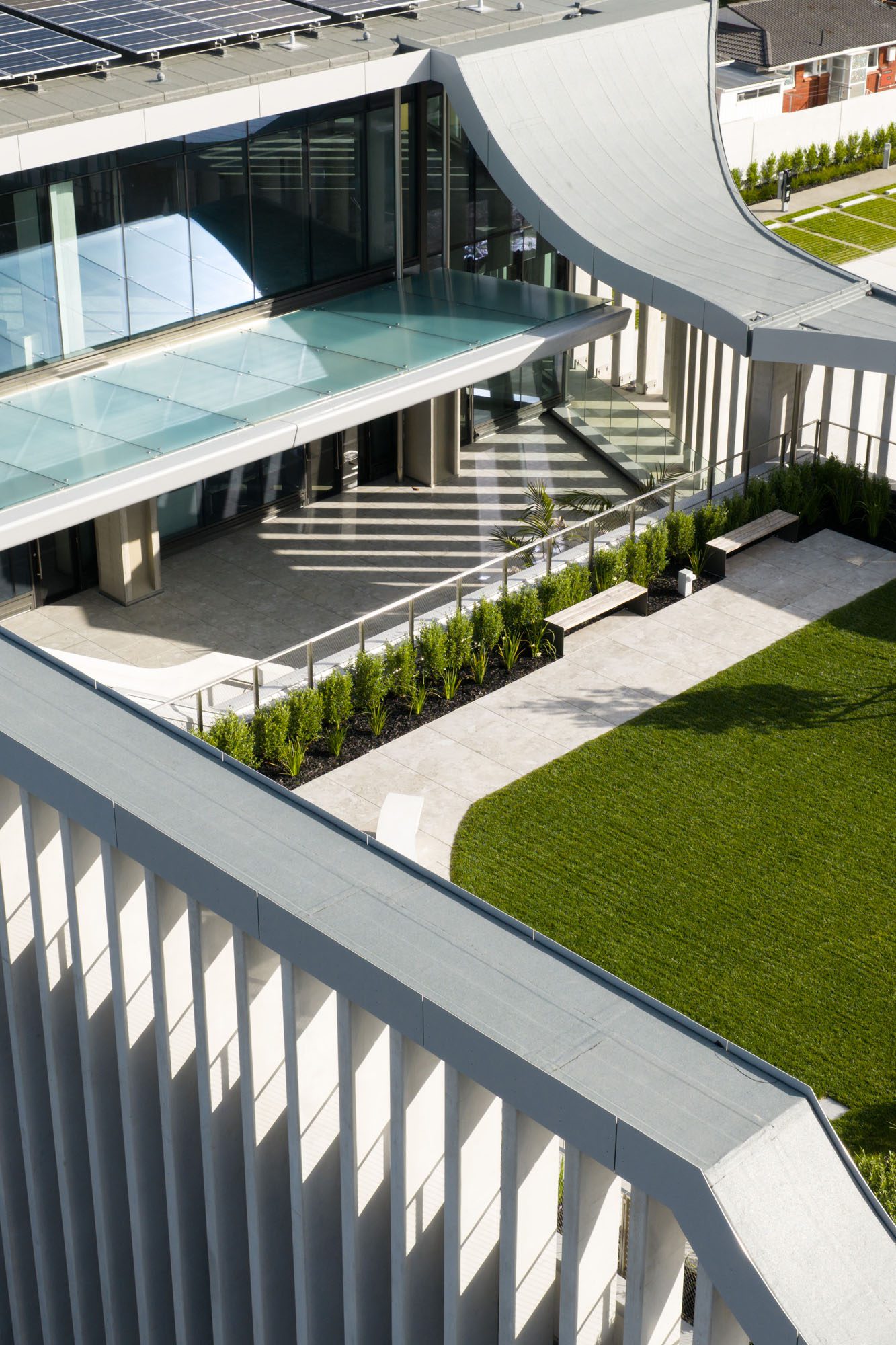
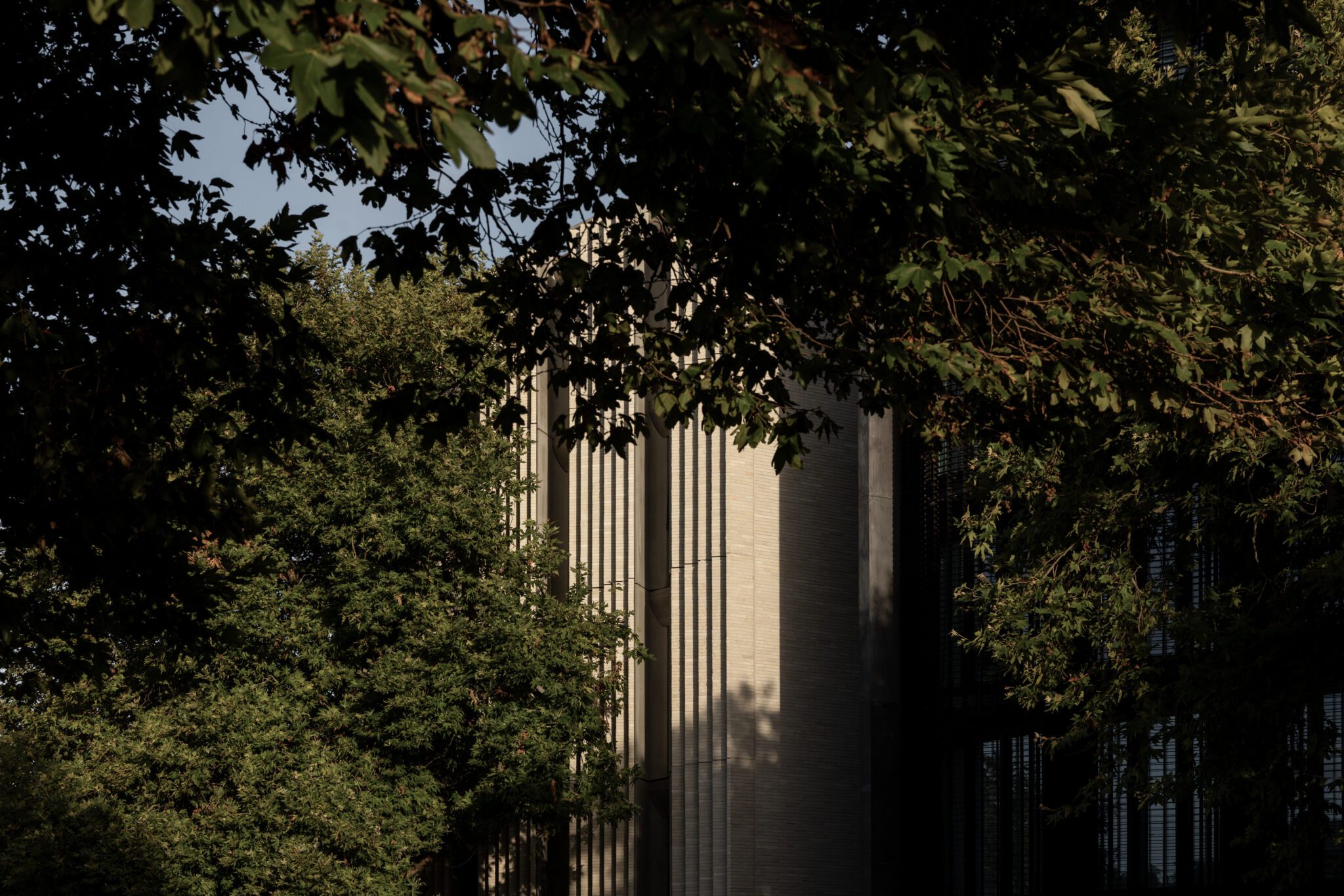
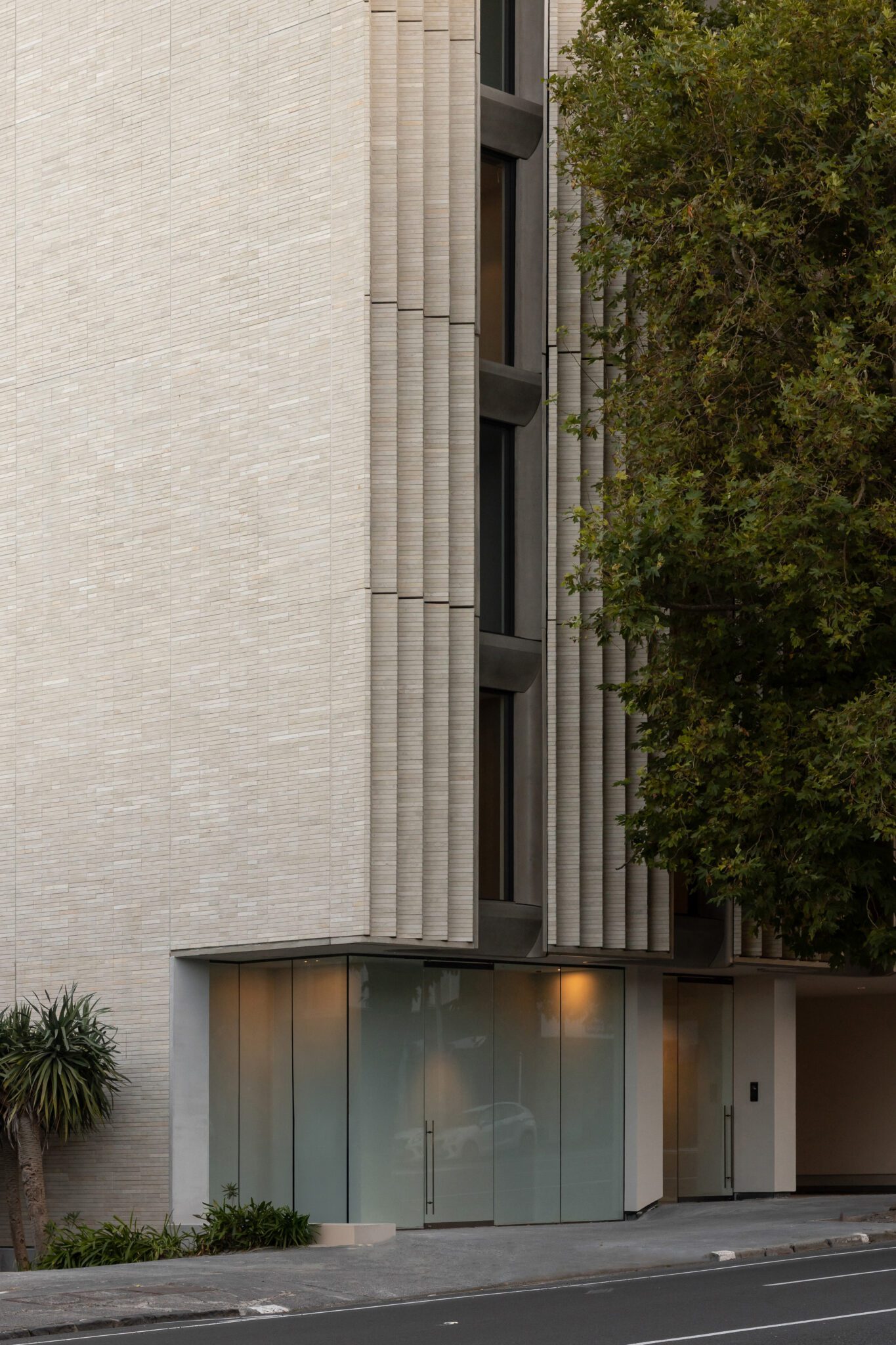
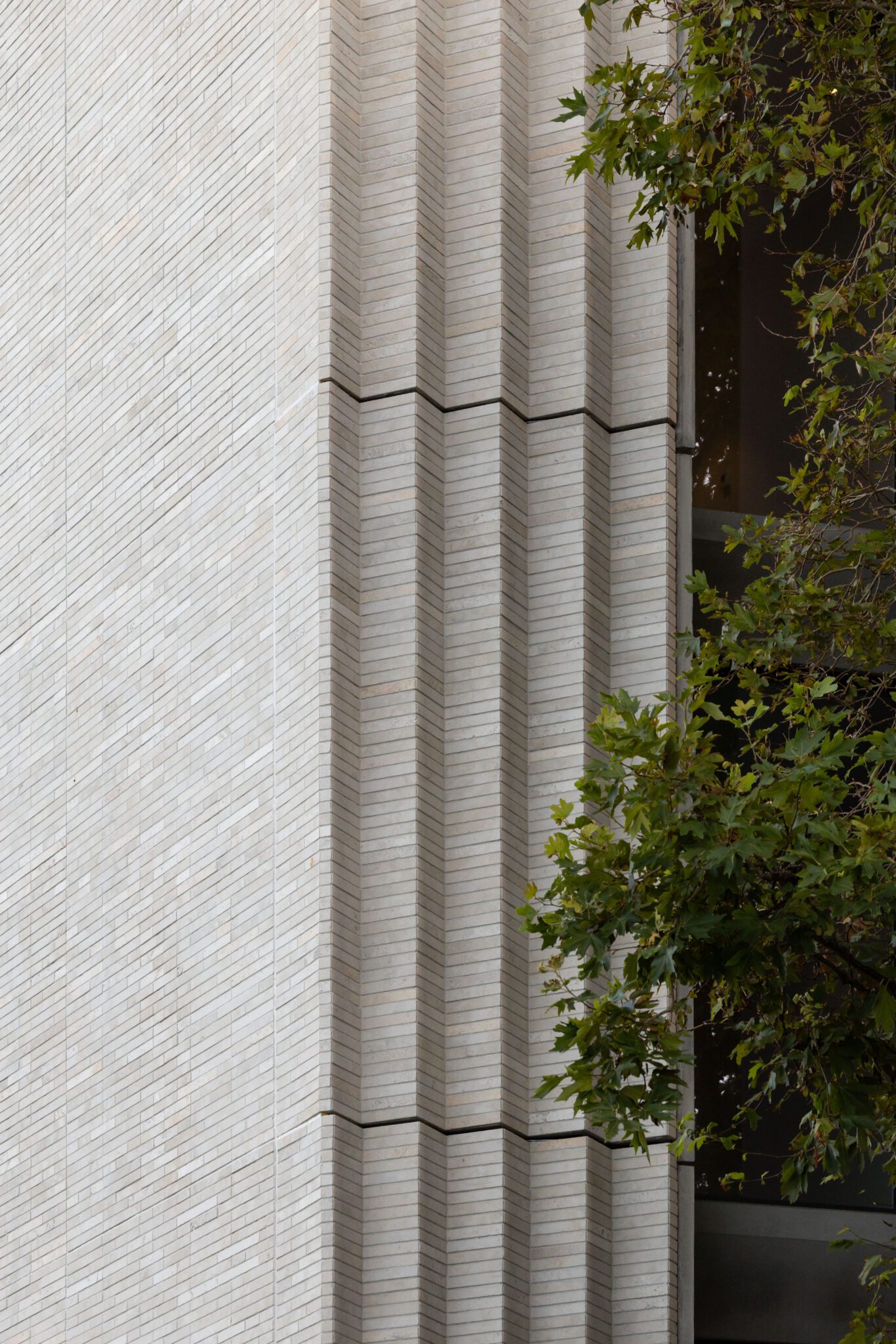
Atlas Concrete Headquarters reimagines the industrial workplace as a civic landmark—an enduring new home for a company rooted on its site for 50 years and designed to serve the next 50. The project celebrates concrete as both structure and craft, using fluted facades and slender fins to create a building that commands attention from a distance and rewards close inspection through light, texture and precise detailing. Beyond performance, it offers generosity: an outdoor terrace and elevated roof garden that enrich daily work life. This is not merely an industrial facility, but an aspirational work of architecture.
The Chief Post Office Refurbishment by Cheshire Architects
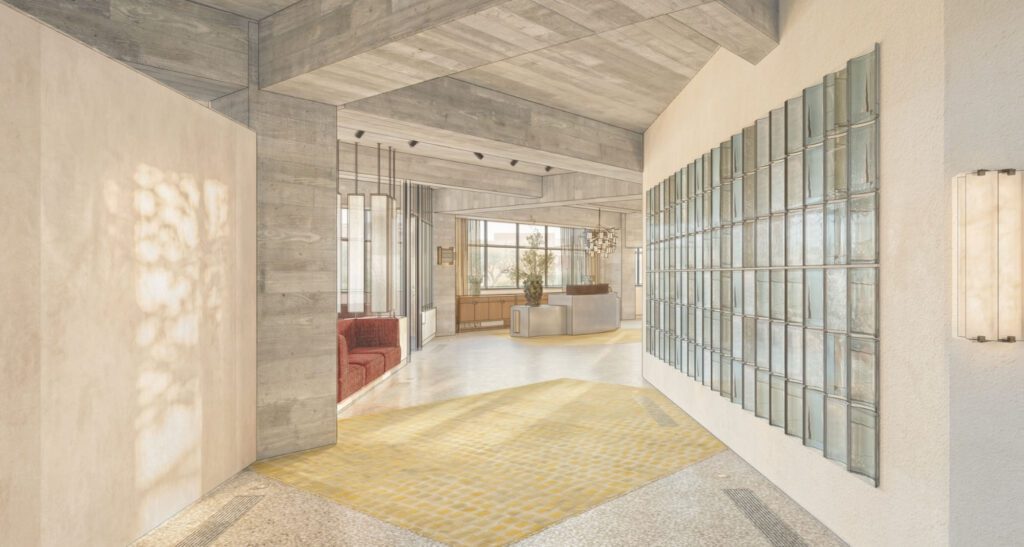
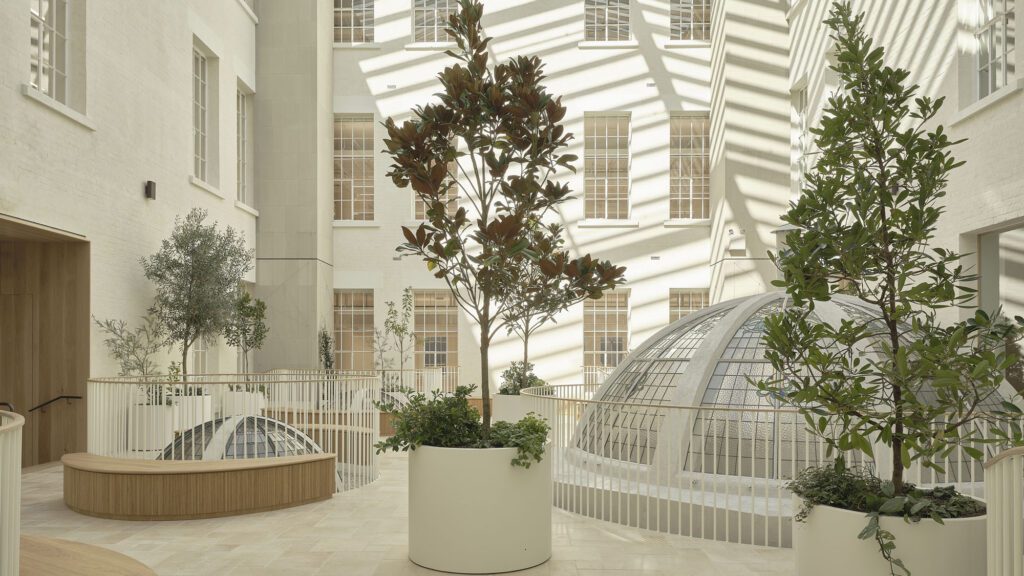
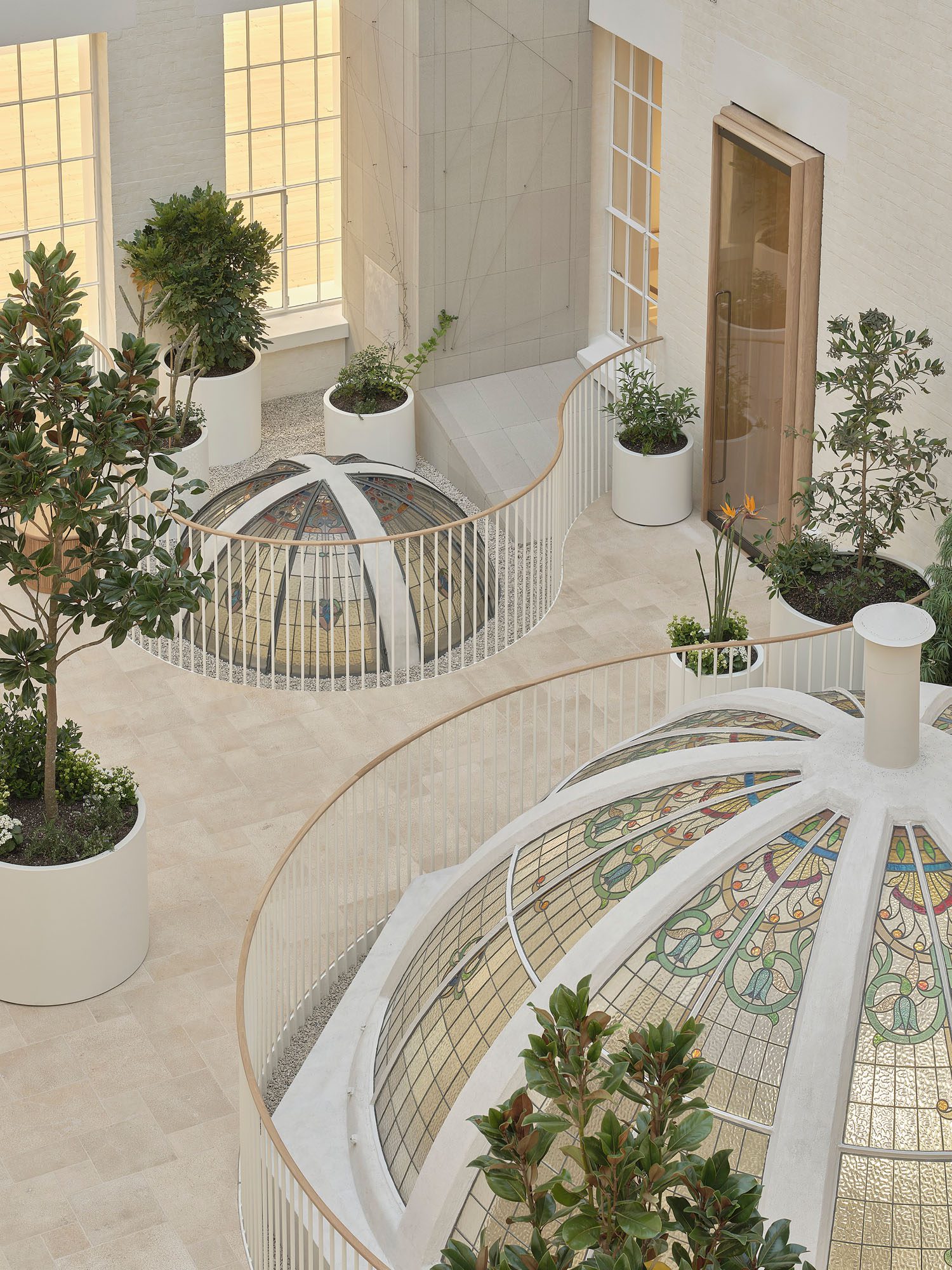
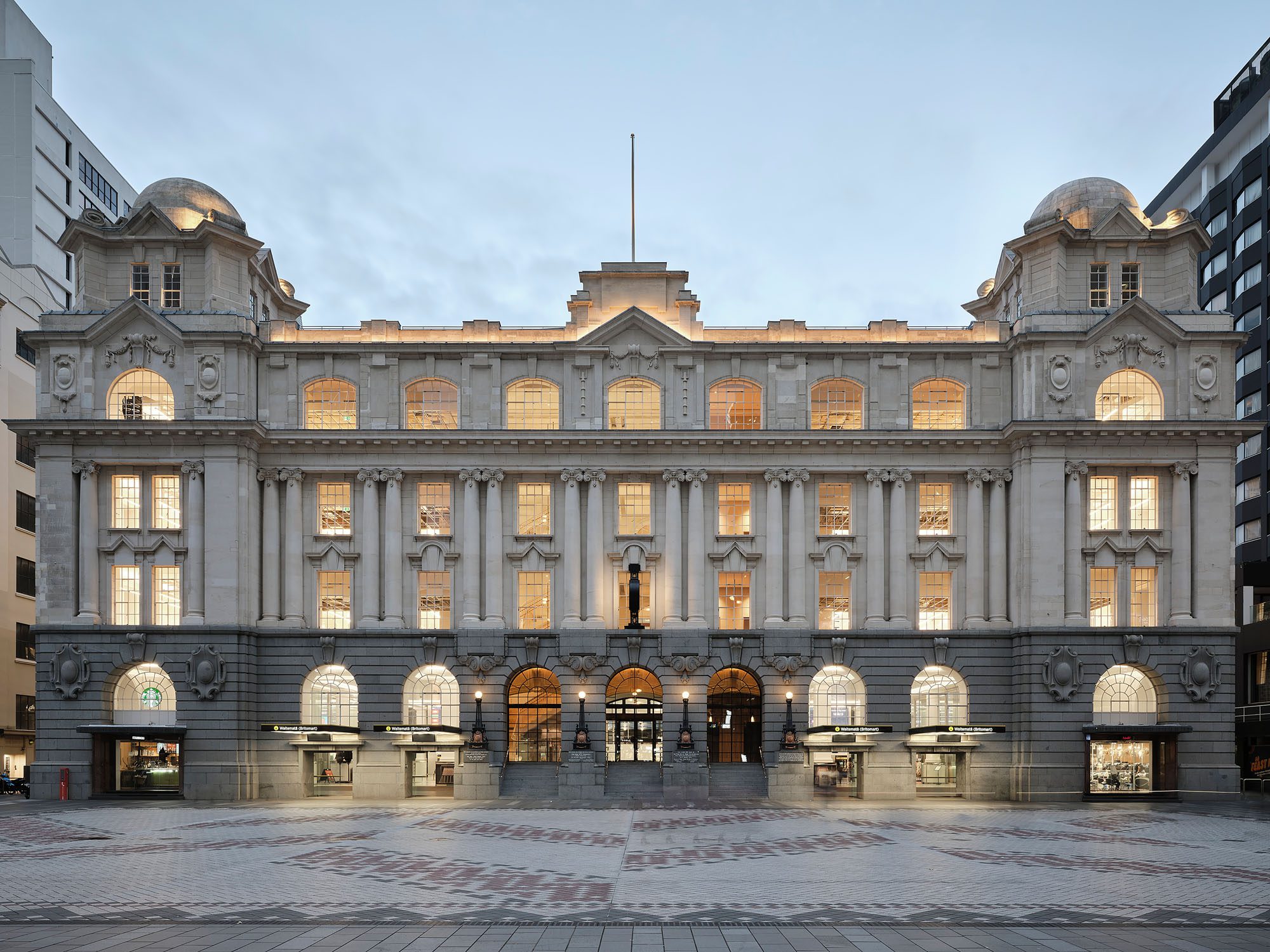
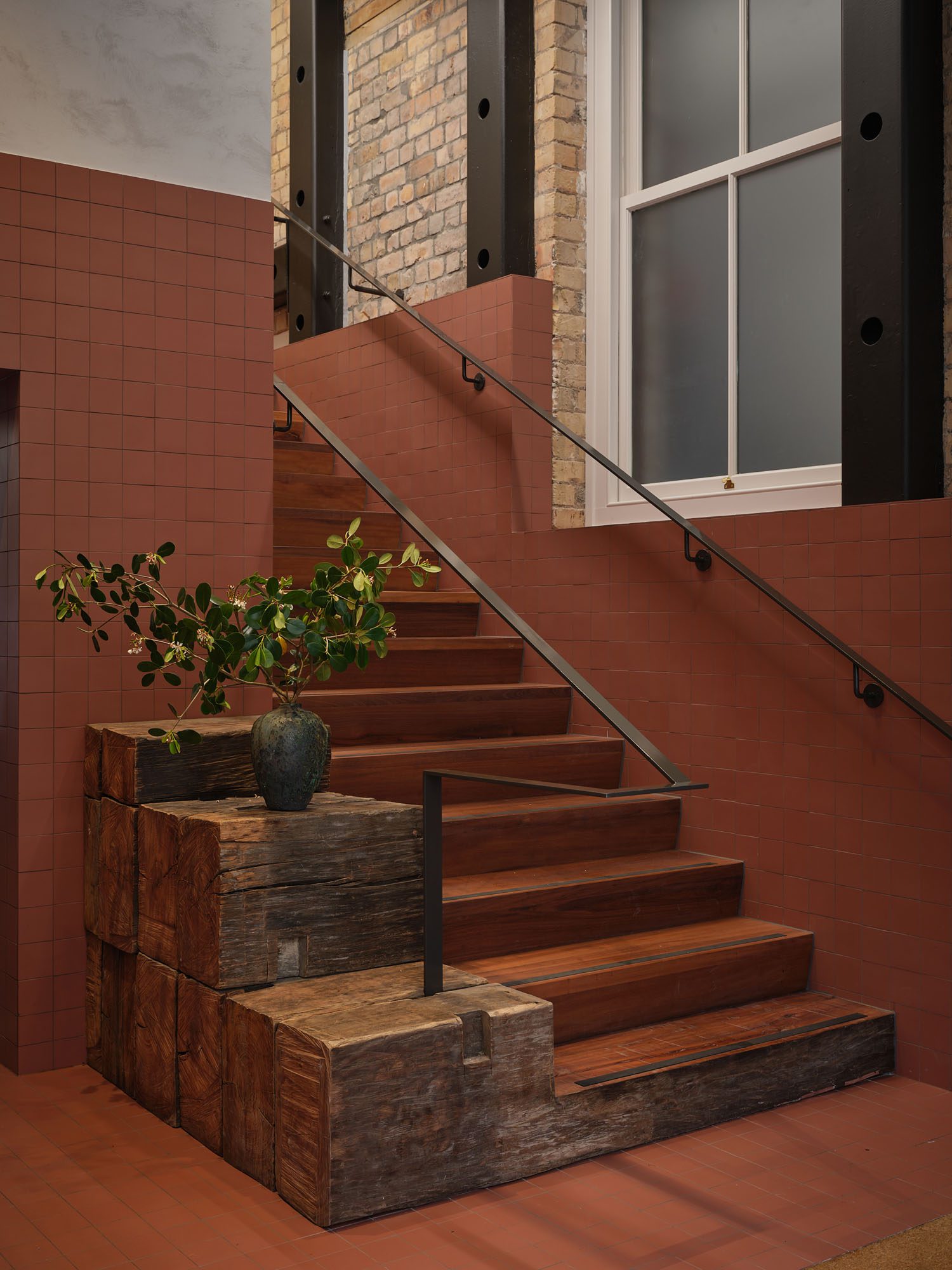
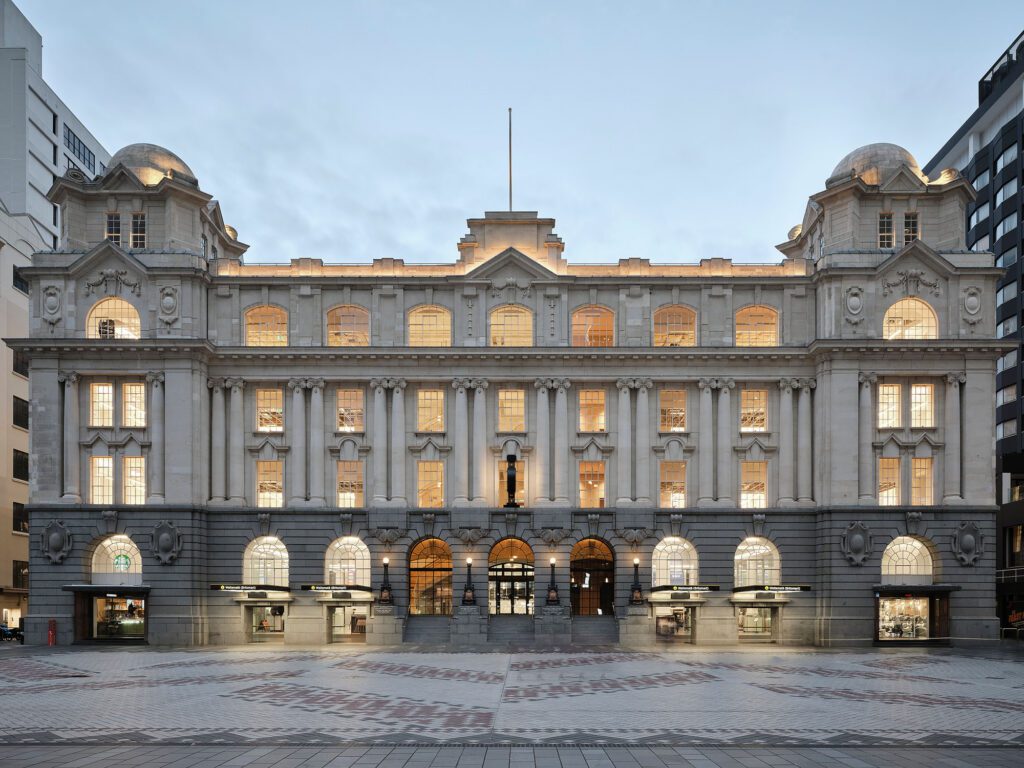
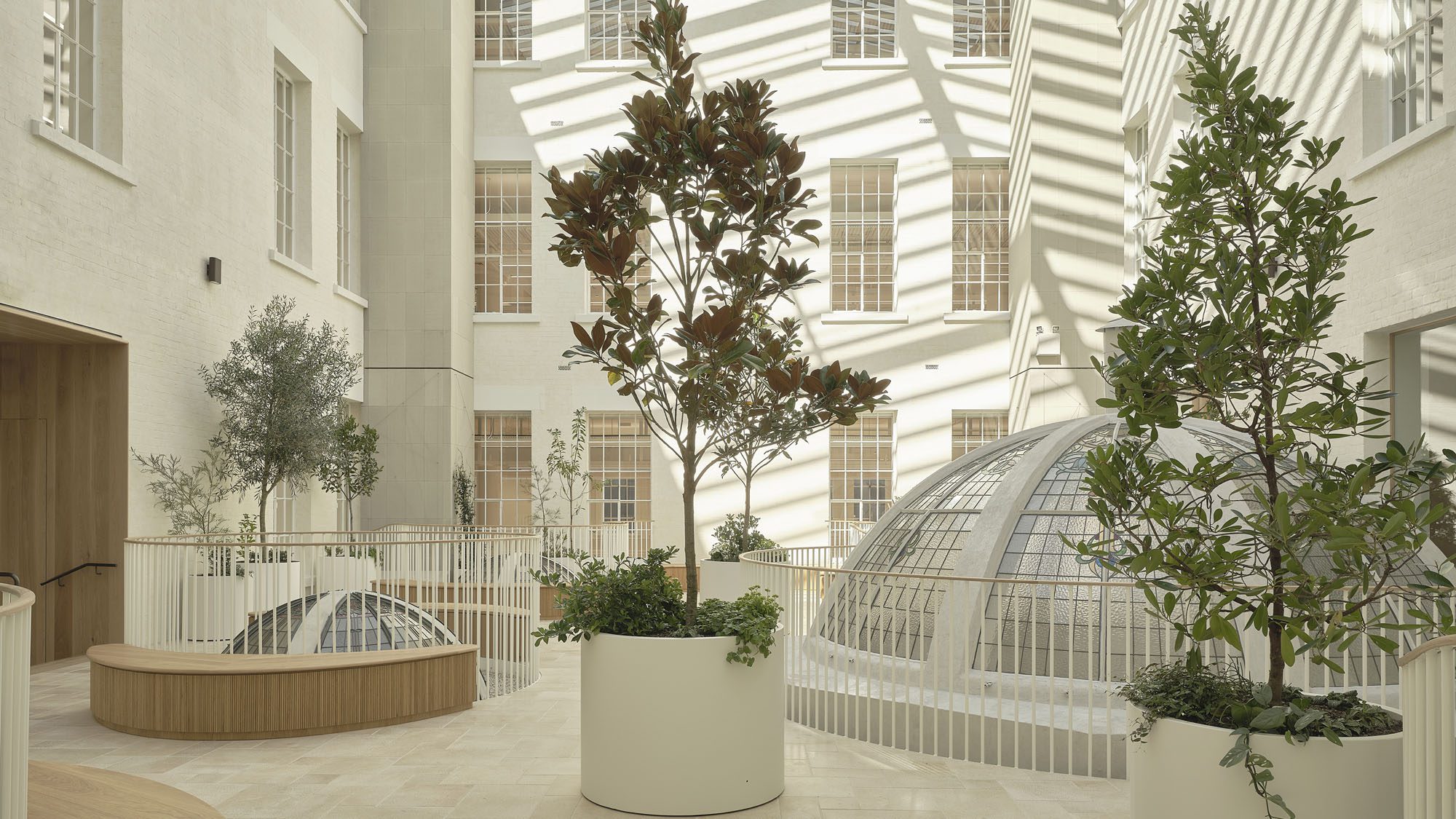
This exemplary heritage refurbishment returns the Chief Post Office Building to civic prominence as a contemporary commercial workplace. Carefully concealed seismic strengthening fits within the restrained, meticulously crafted interior, putting the building’s elegance and symmetry on display. Sustainability is a prominent factor: the project is the first heritage refurbishment in Aotearoa New Zealand to target 6 Green Star and WELL Gold certification. A former lightwell is reimagined as a garden atrium—daylit, planted, generous and peaceful —creating a social heart that supports wellbeing and shared space at the building’s core.
Read Architecture Aotearoa’s Chief Post Office Refurbishment feature.
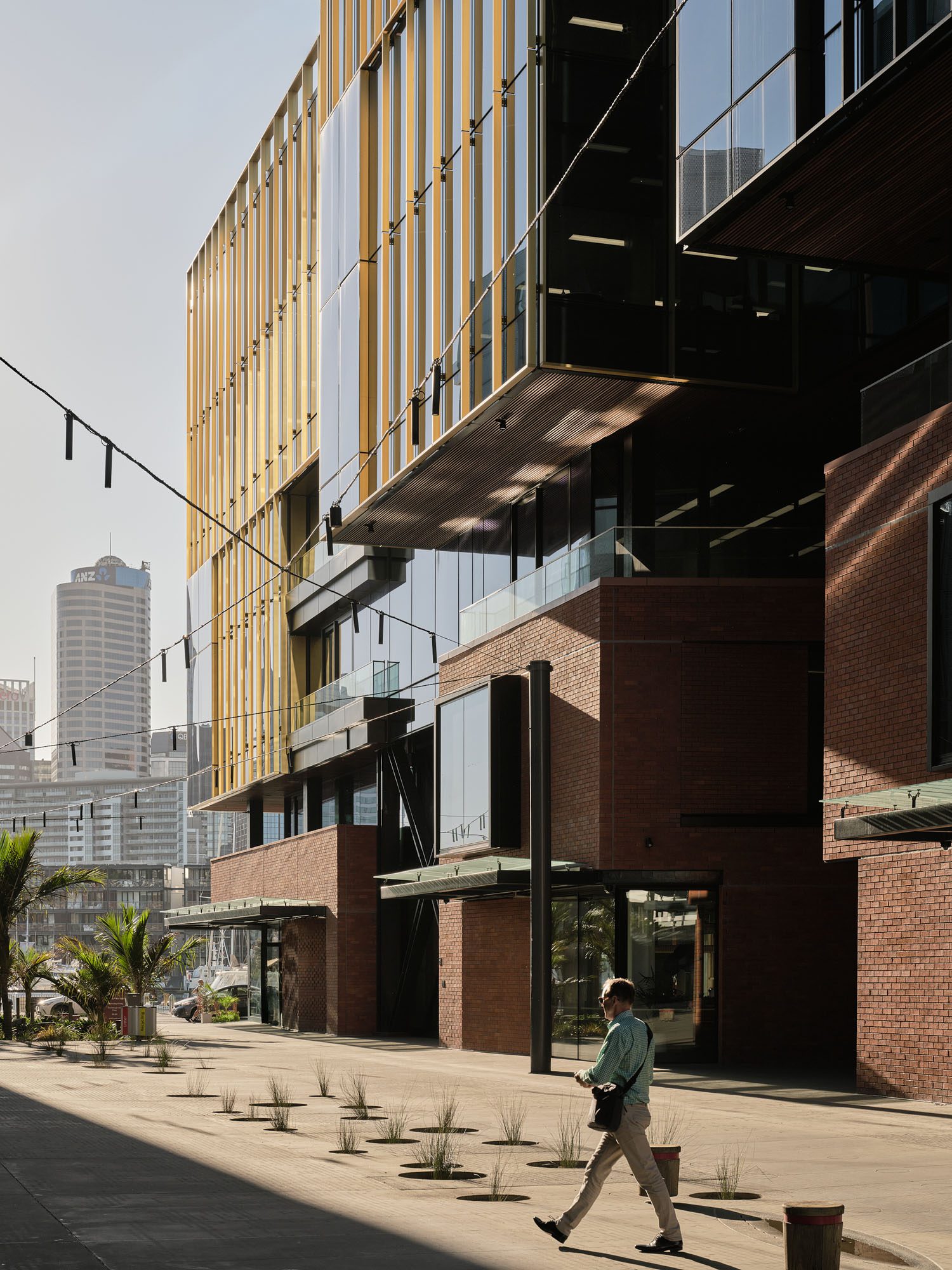
Wynyard Quayside by Warren and Mahoney
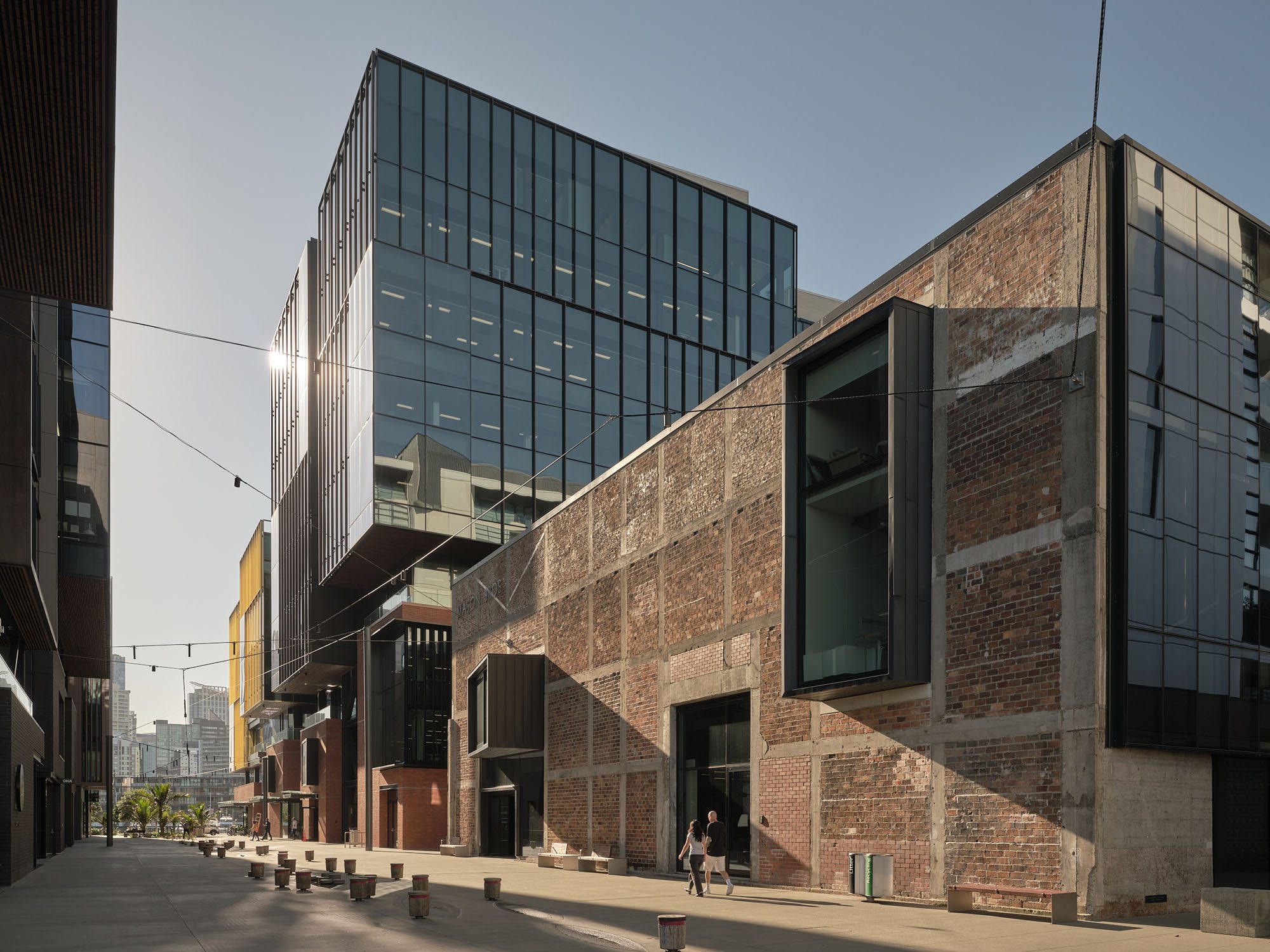
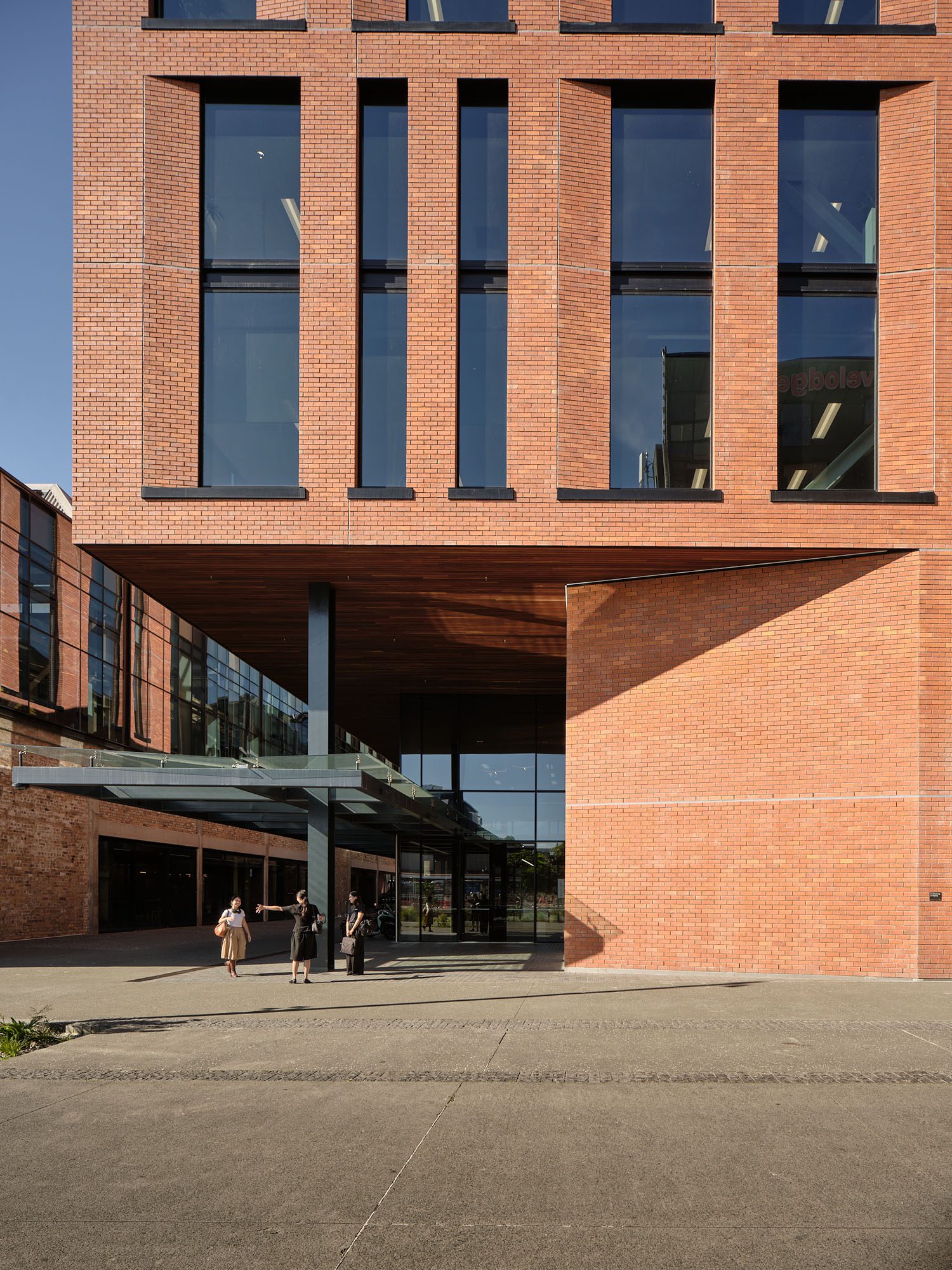
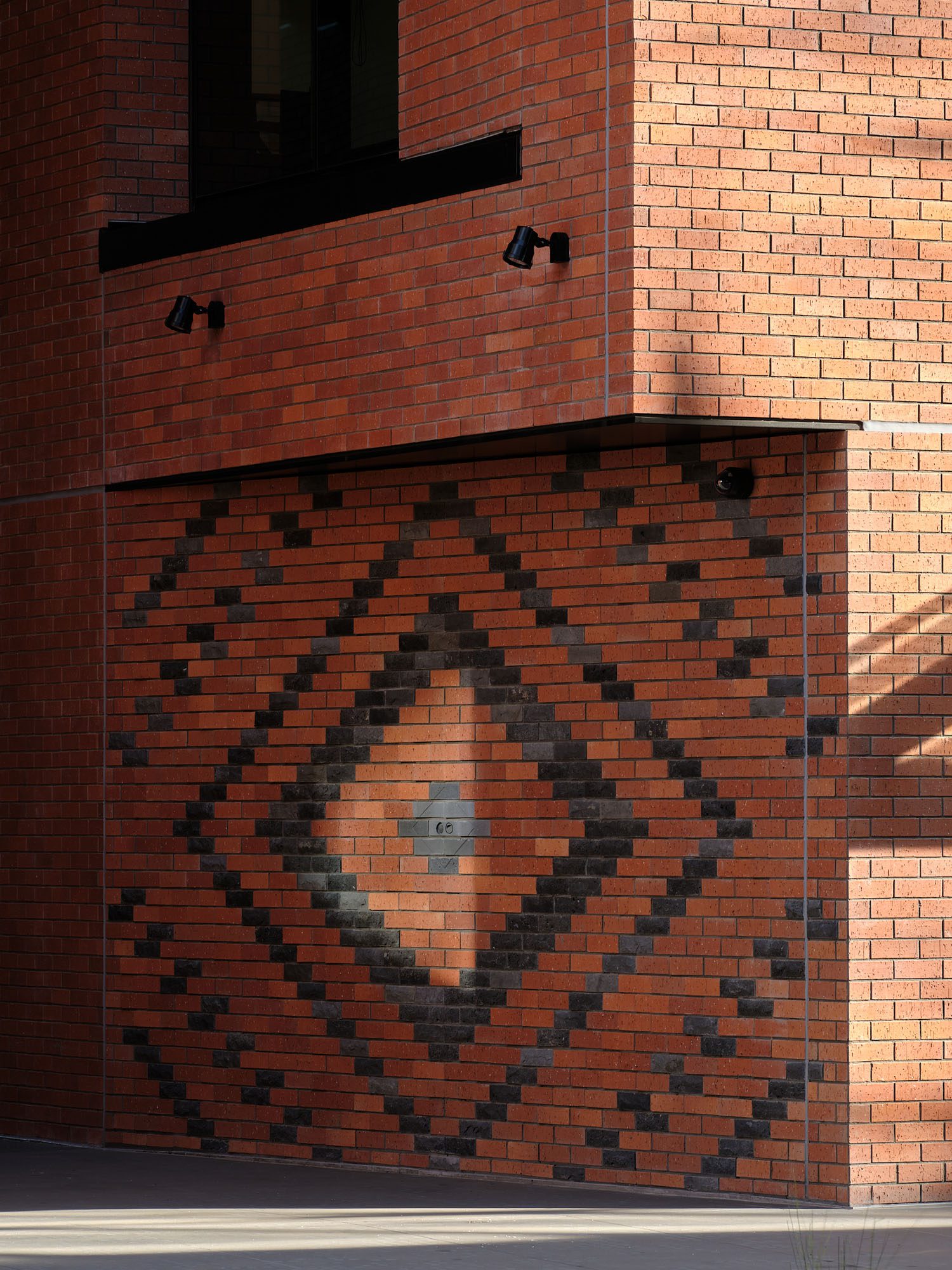
Wynyard Quayside completes the Wynyard Quarter Innovation Precinct with a cohesive group of five waterfront buildings. The project carefully balances a complex brief through strong masterplanning that prioritises pedestrian movement, active street edges, and high-quality public space. Heritage buildings, including the Halsey Traders Building, have been retained and restored as part of the wider development. Industrial references, carefully controlled scale, and a mix of textures strengthen the connection between the city and harbour. Warm mass-timber workplaces and a 6 Star Green Star As Built rating demonstrate a strong commitment to sustainability and create a high-quality model for future city development.
Education
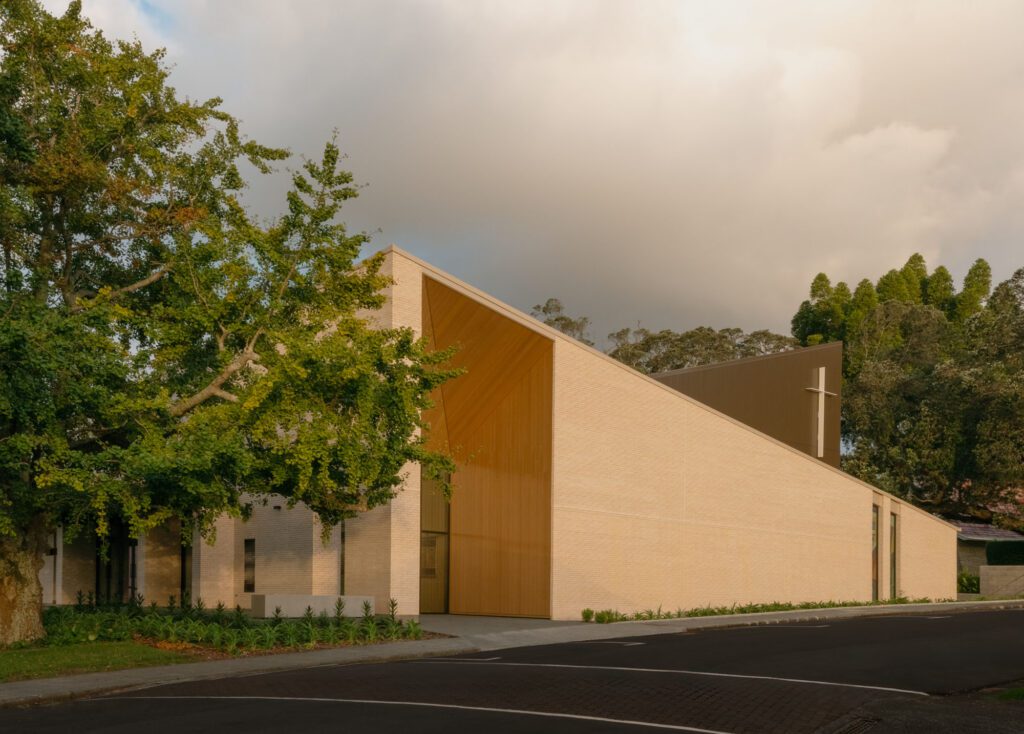
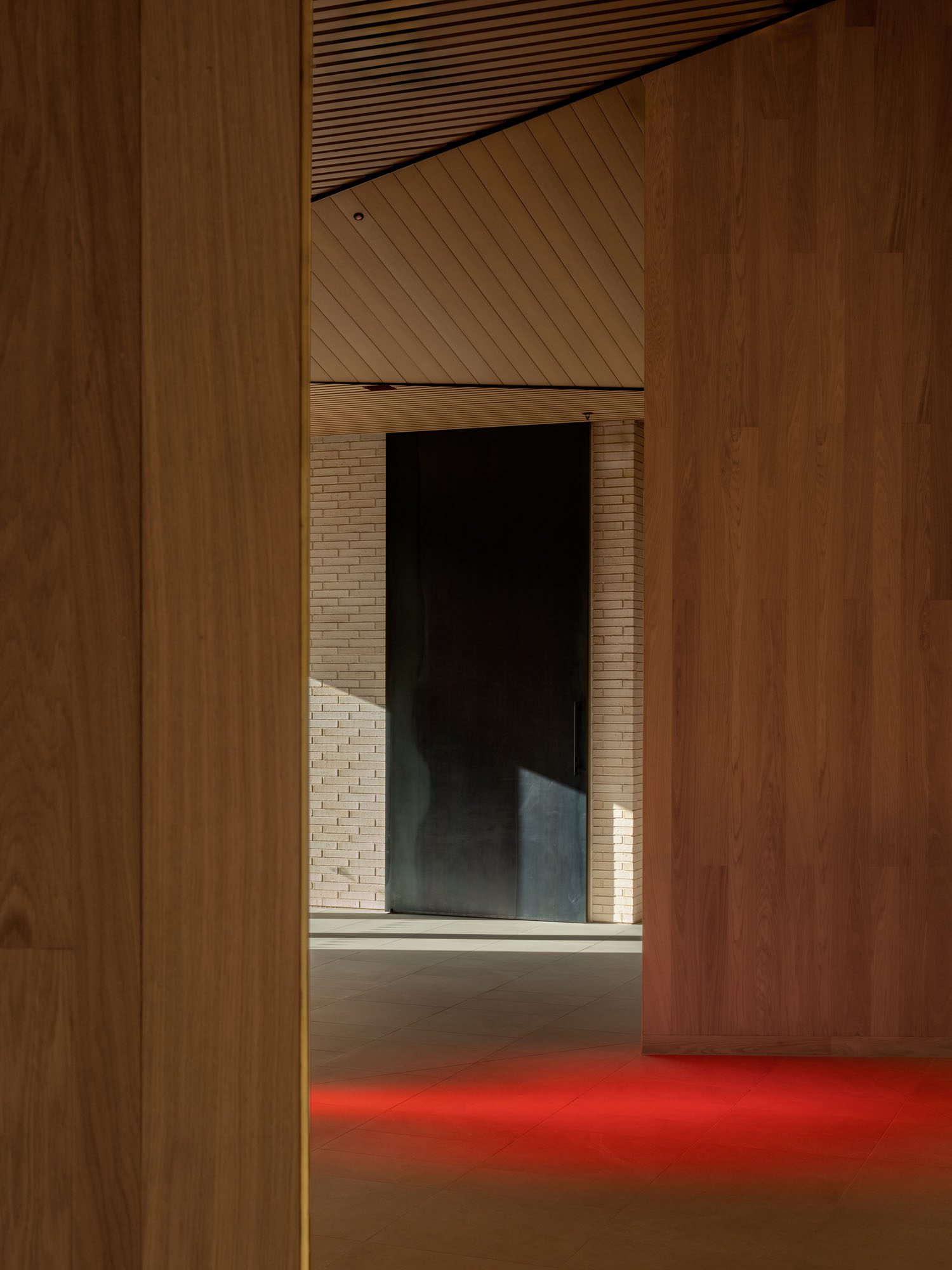
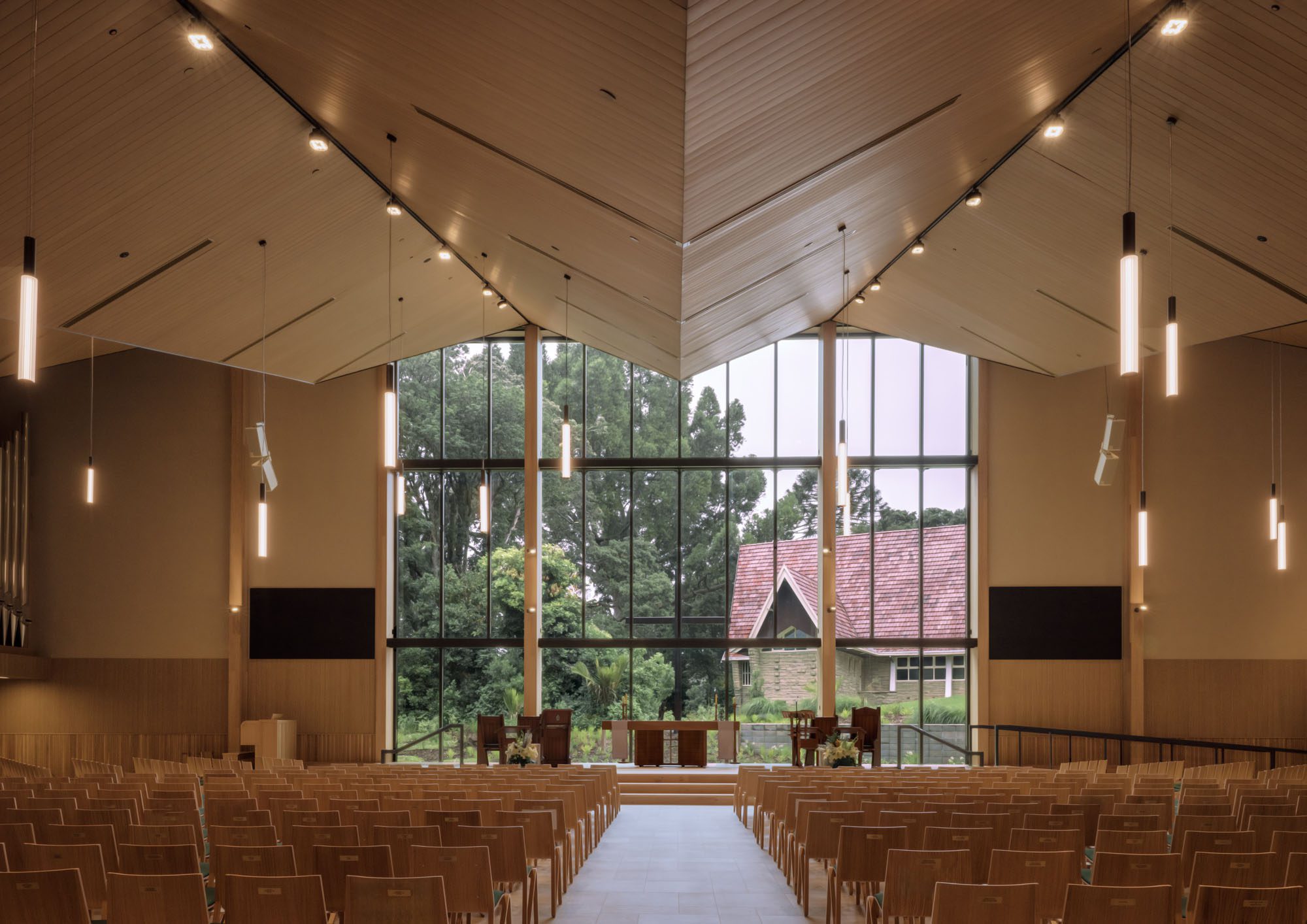
St Patrick’s Chapel, Dilworth School by Jasmax
St Patrick’s Chapel provides Dilworth students and the wider community with a calm and welcoming space for reflection, connection, and spiritual growth. Carefully positioned within the existing campus, the chapel respects the school’s architectural heritage while creating a confident new presence at the Senior Campus entrance. Inside, the traditional long and narrow church layout has been reworked into a wider and more inclusive arrangement that strengthens a sense of community. A sculptural pleated ceiling rises toward the sanctuary, while large areas of glazing frame mature trees and bring natural light deep into the space. At dusk, the chapel glows warmly within the campus.
Watch Home of Architecture’s St Patrick’s Chapel, Dilworth School video feature.
Toi Manawa by Patterson Associates
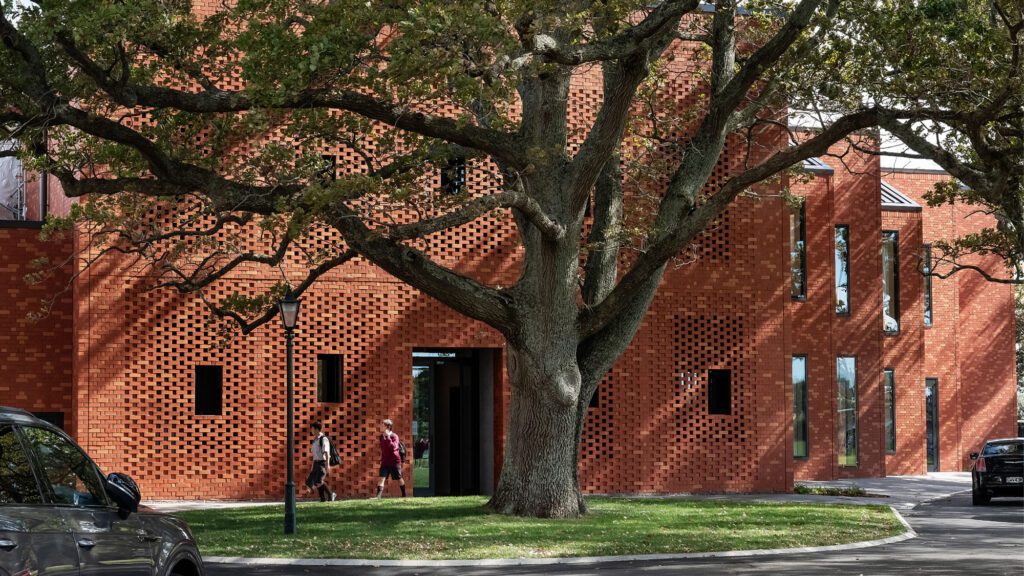
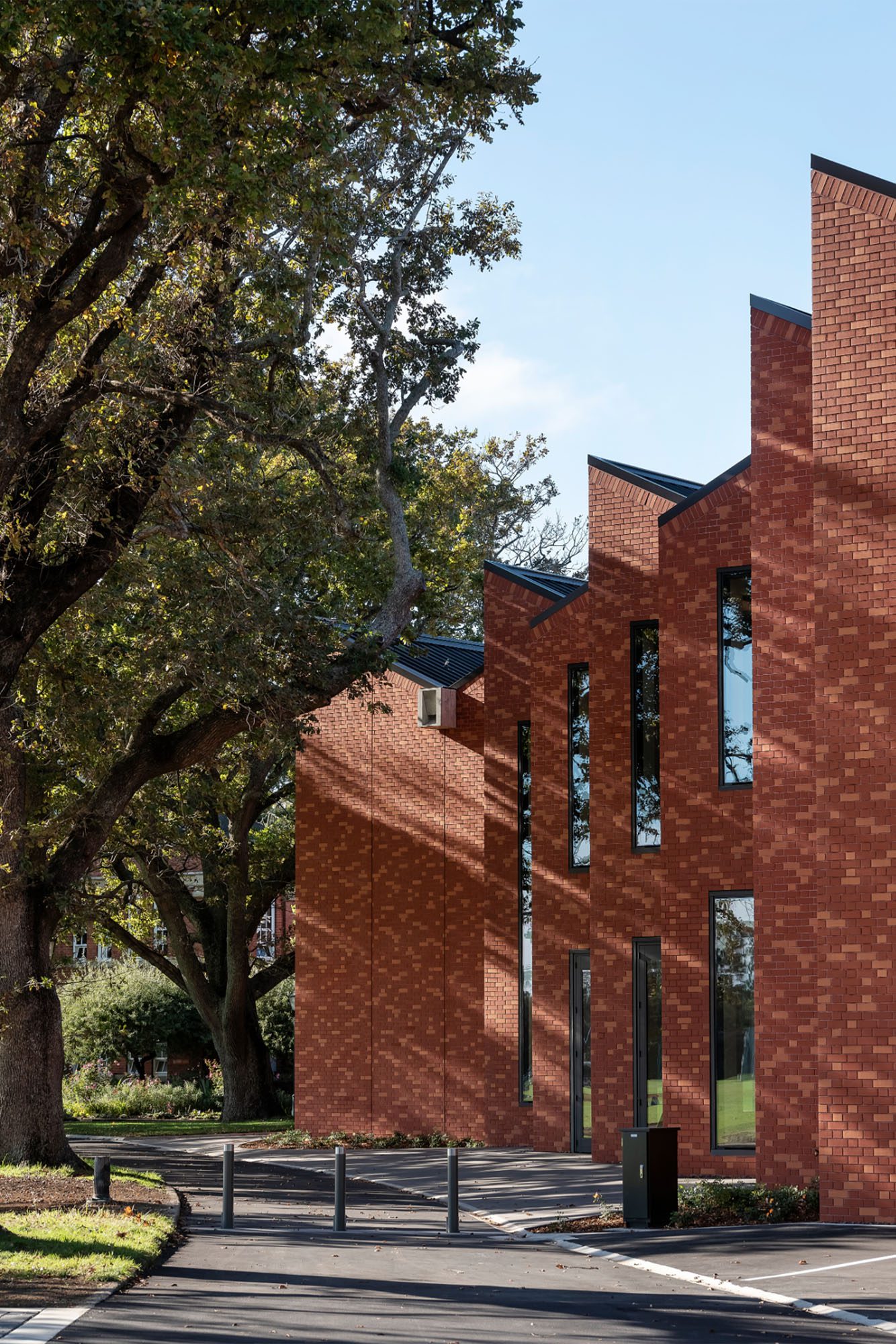
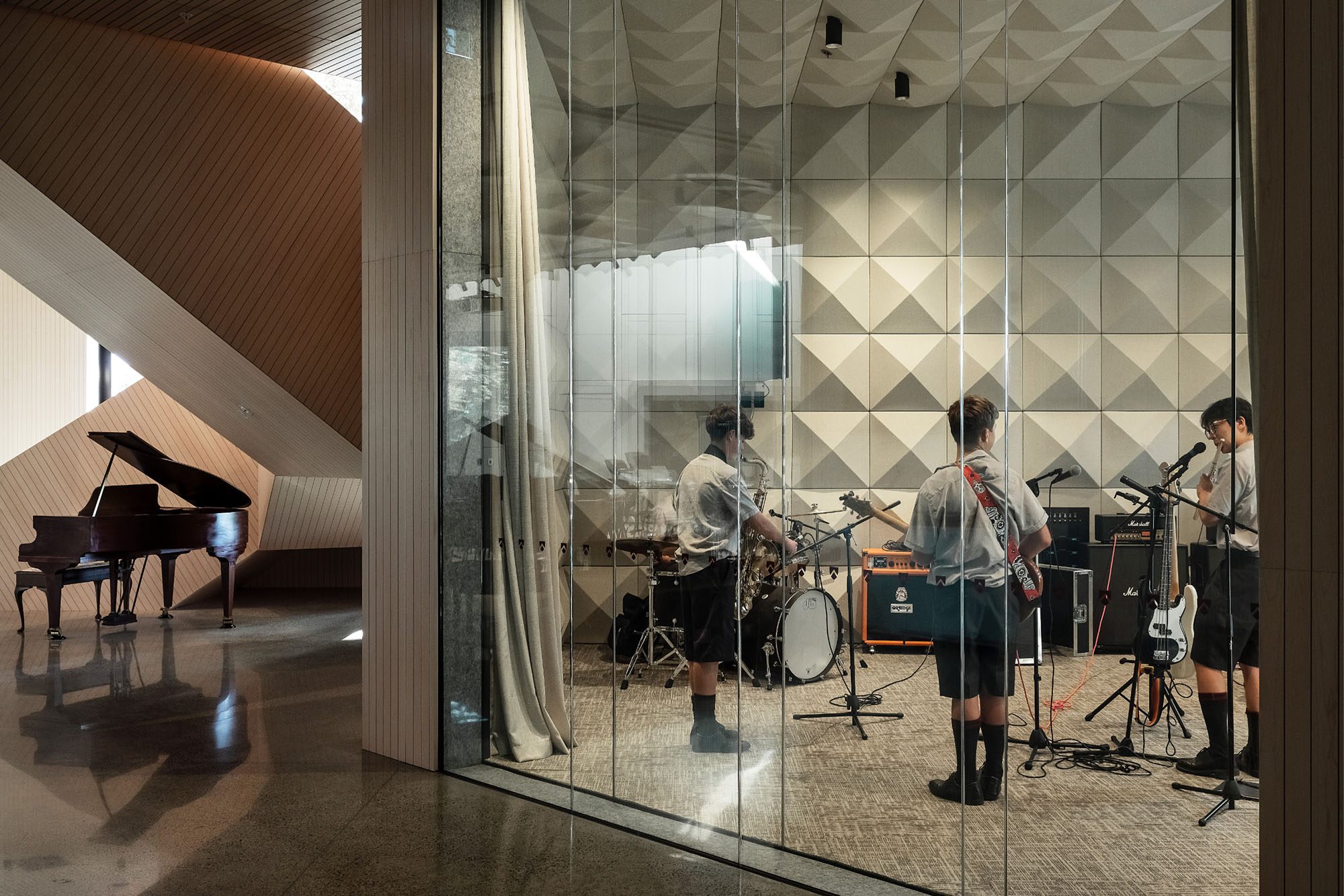
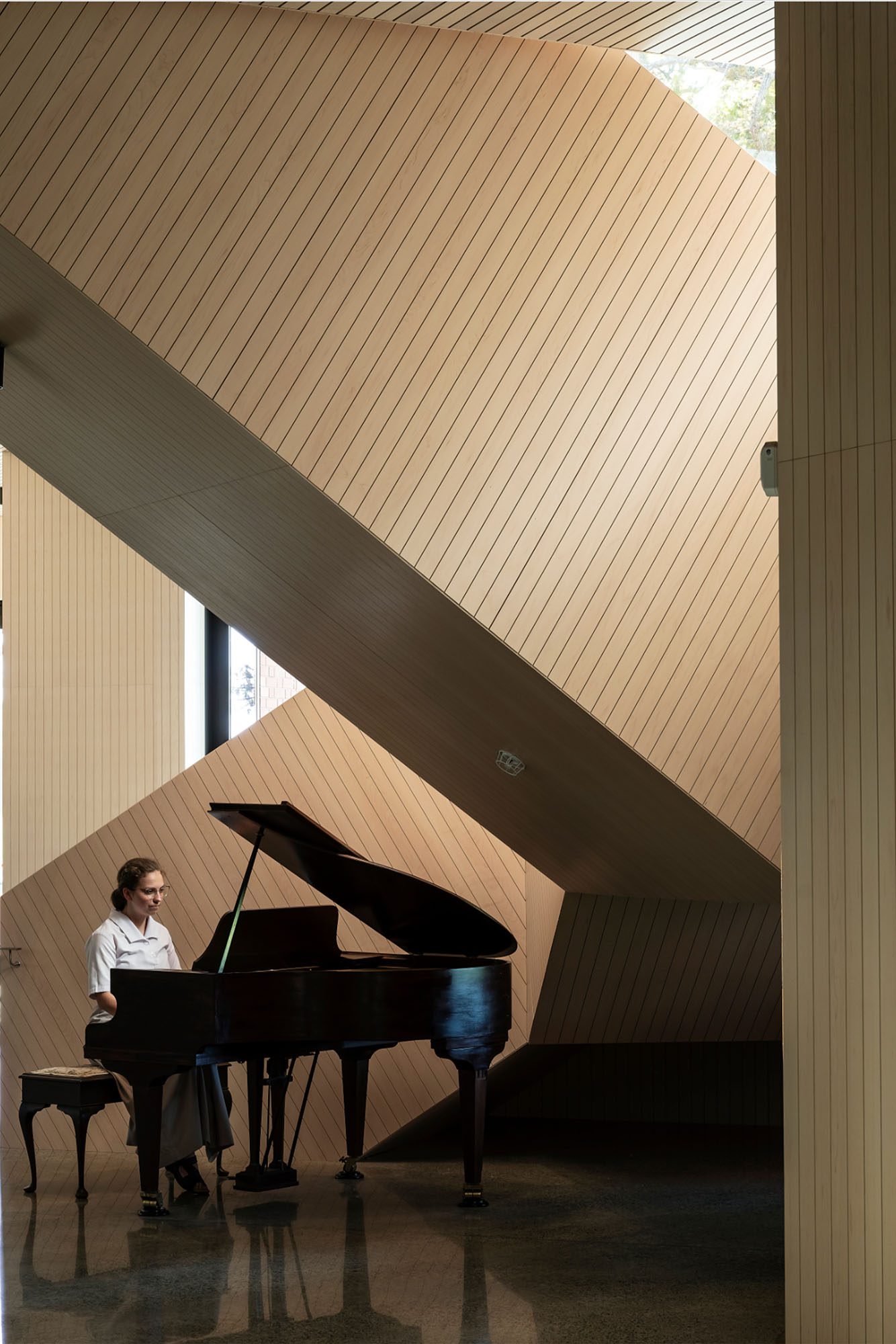
Toi Manawa at King’s College redefines performing arts within a historic Collegial Gothic campus. Its contemporary form responds carefully to the scale and proportions of the surrounding buildings while creating a strong connection between the arts precinct and the sports fields nearby. More than a new building, the project reflects a wider cultural shift within the school, placing greater value on music, performance, and creativity. Positioned prominently on campus, it gives the arts a new visibility and presence. Open and transparent rehearsal and performance spaces encourage curiosity, participation, and student engagement, creating a lasting impact on both the school and its students.
Enduring Architecture
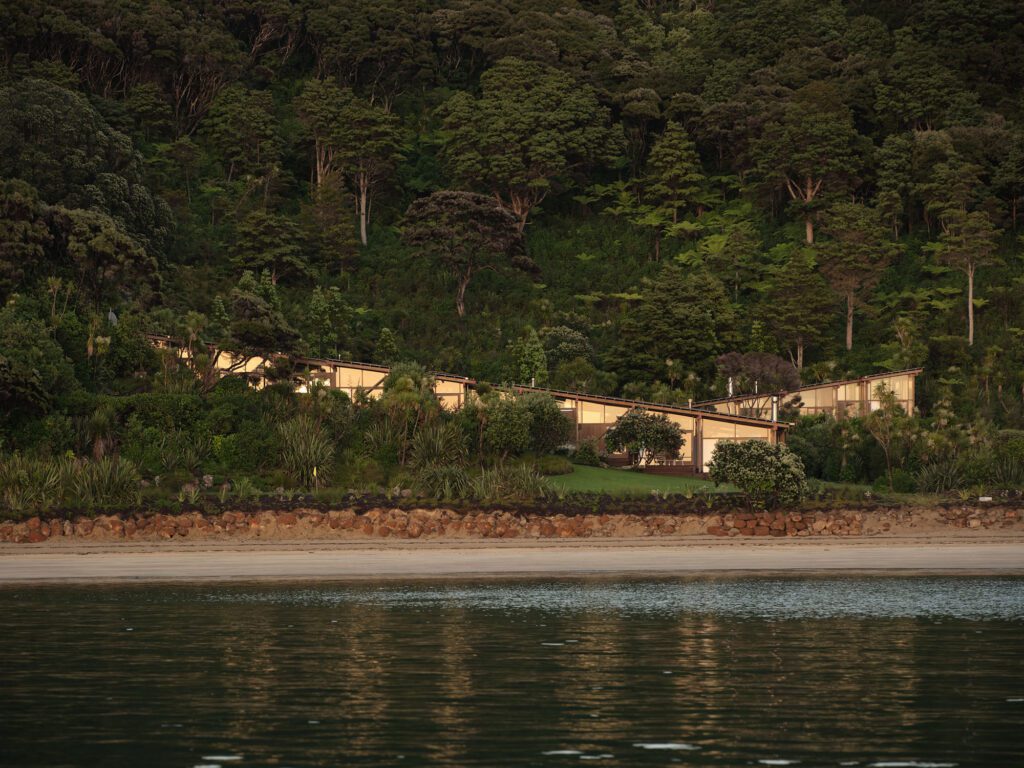
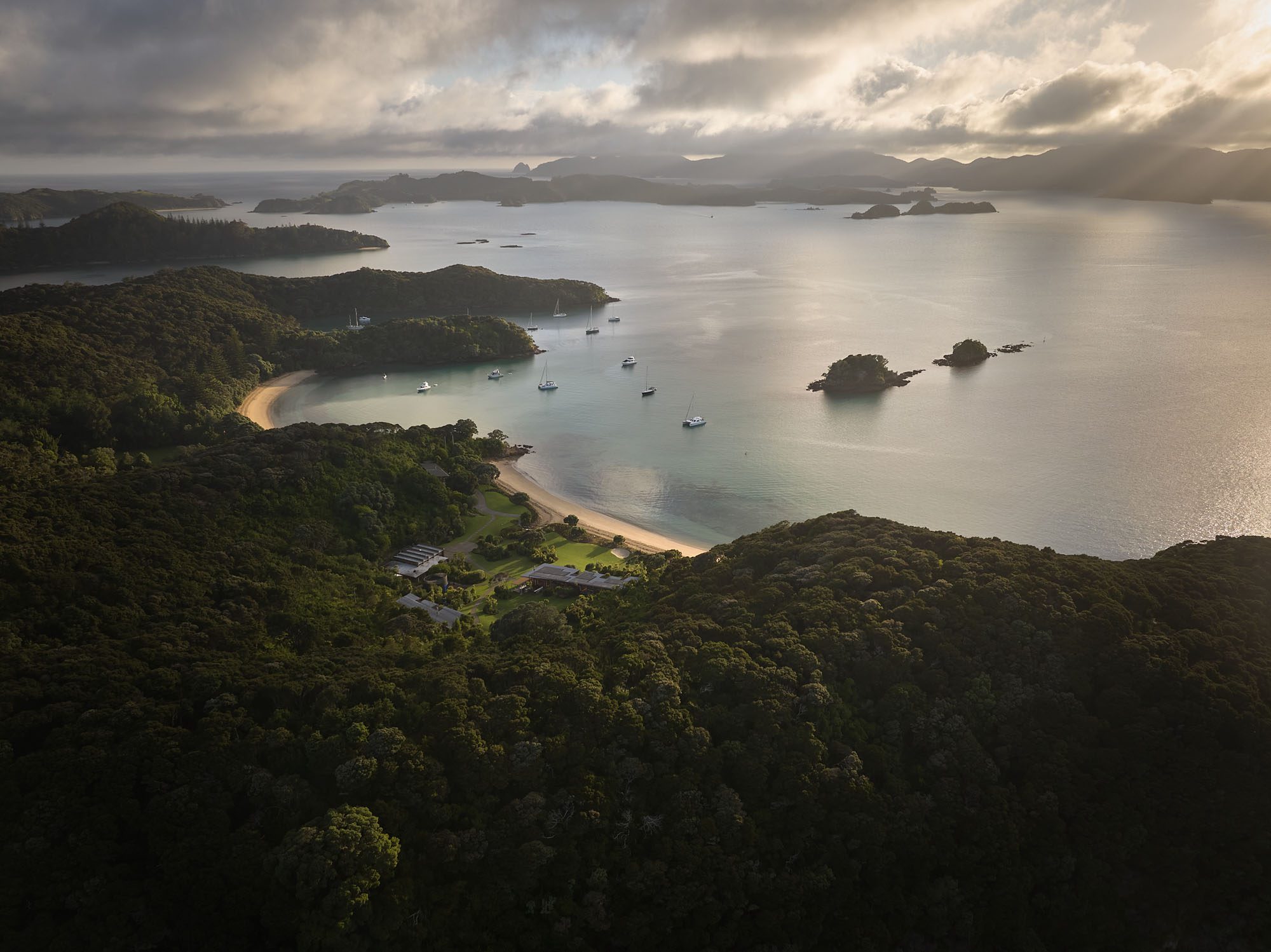
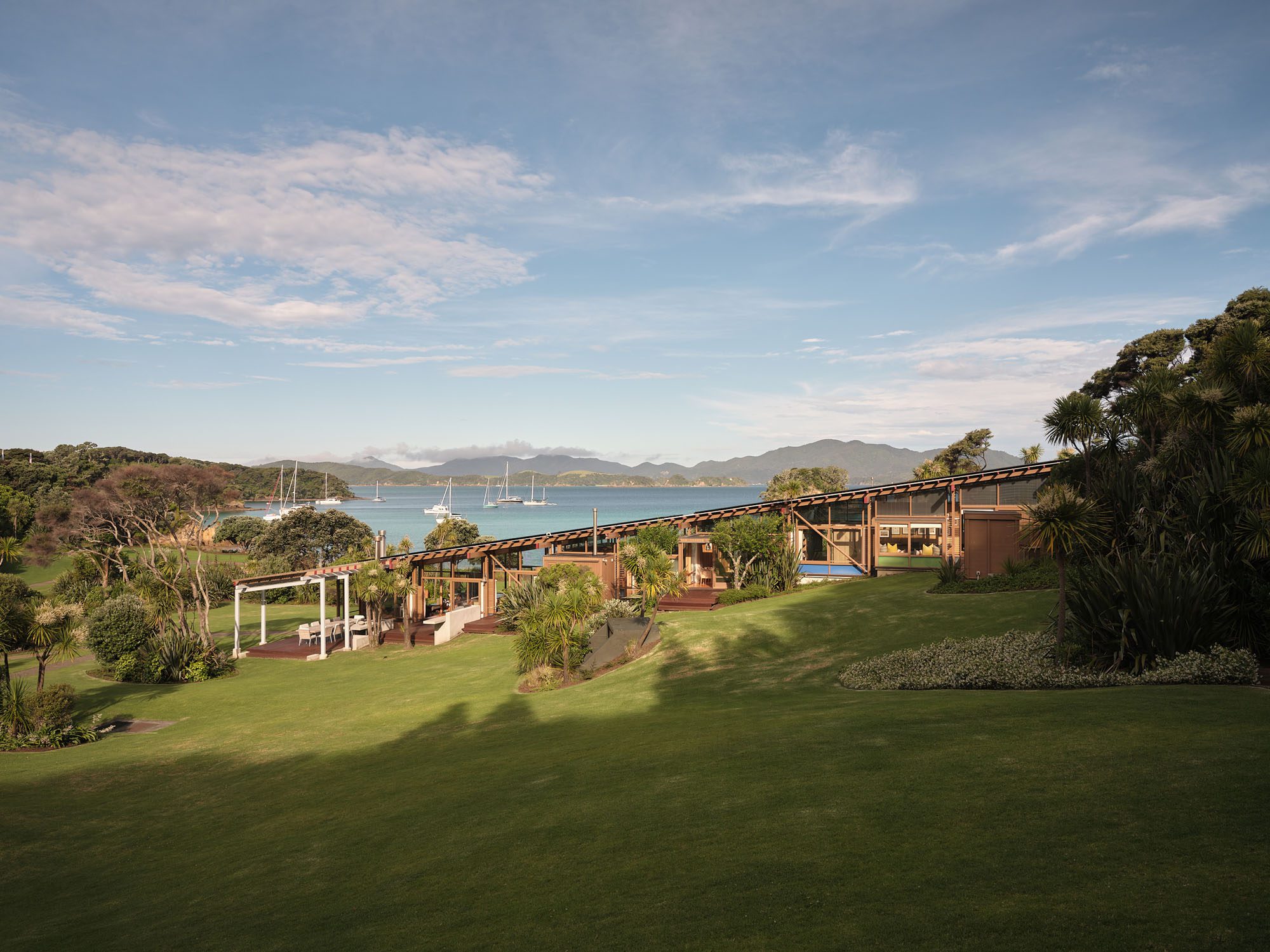
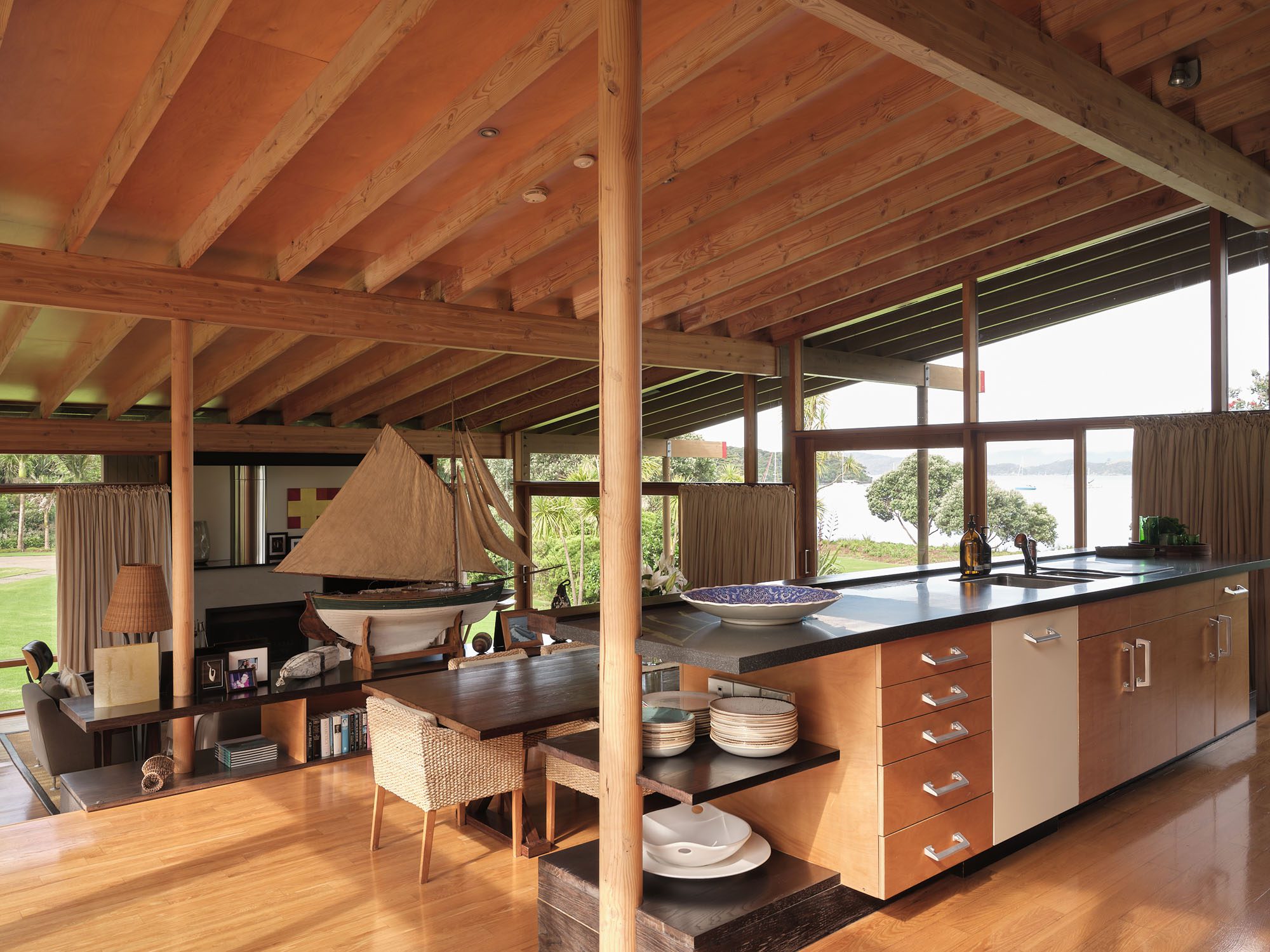
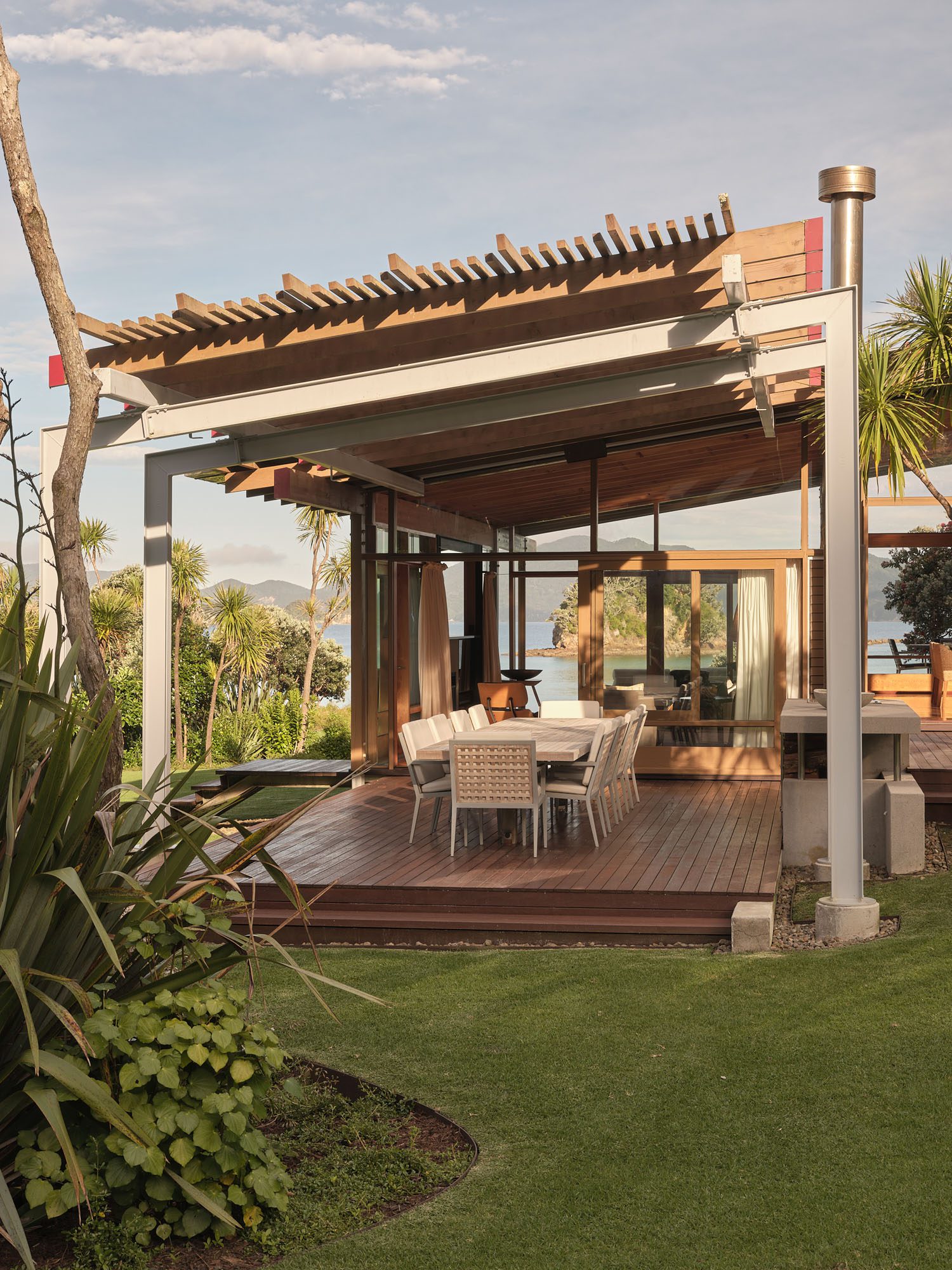
Moturua Island House (1999) by Pete Bossley Architects
Tēnei te mihi ki a koe e te tuakana Pete for this remarkable work. Moturua Encampment is a reminder that lasting architecture is not about trends or attention, but about buildings that gain meaning over time. Shaped by family, landscape, and everyday life, the home feels generous, robust, playful, and completely unpretentious.
One of the project’s greatest strengths is that it feels even more beautiful now than when it was first completed. The house carries a strong sense of soul, shaped not only by design, but by years of occupation, weather, laughter, and aroha. It is architecture that feels deeply lived in, loved, and connected to place.
Heritage
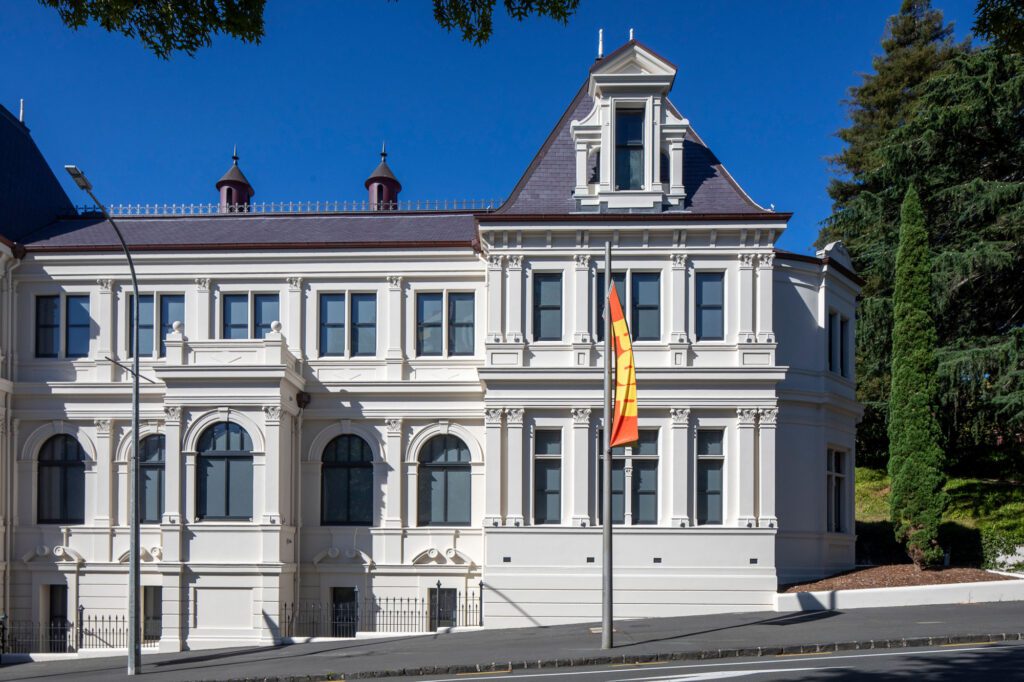
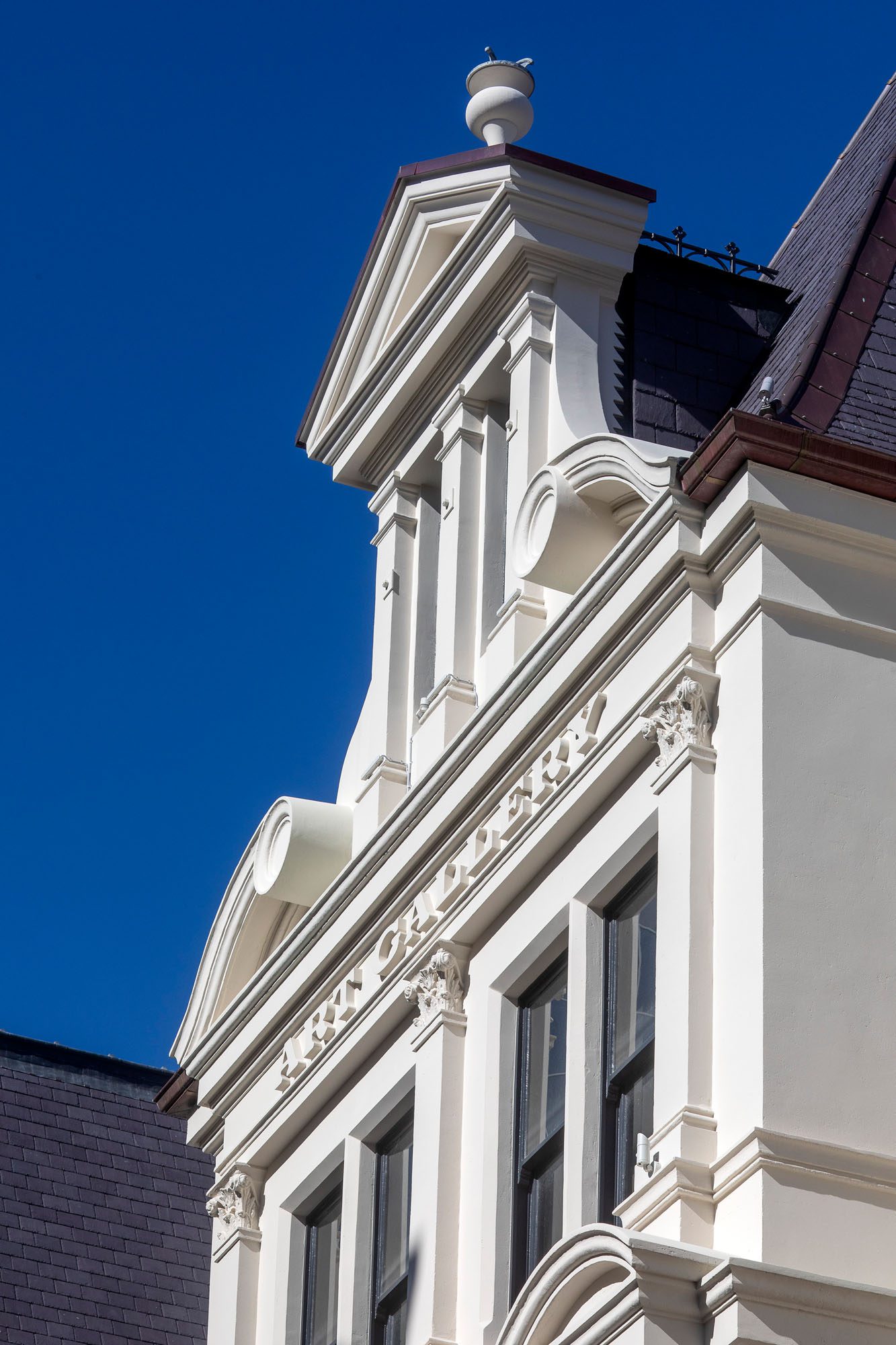
Auckland Art Gallery Kia Whakahou, Kia Whakaora by Ignite Architects and DPA Architects in association
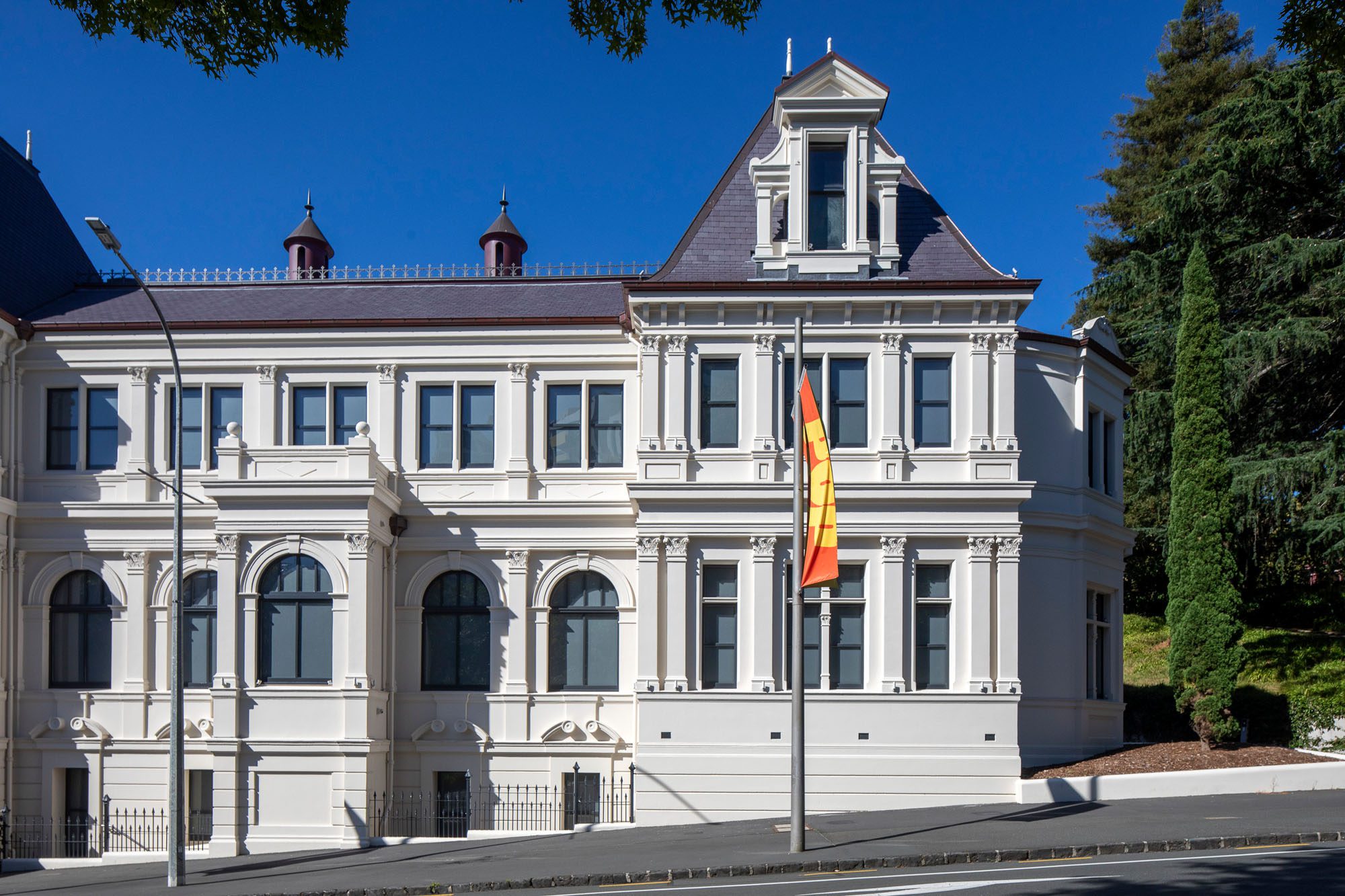
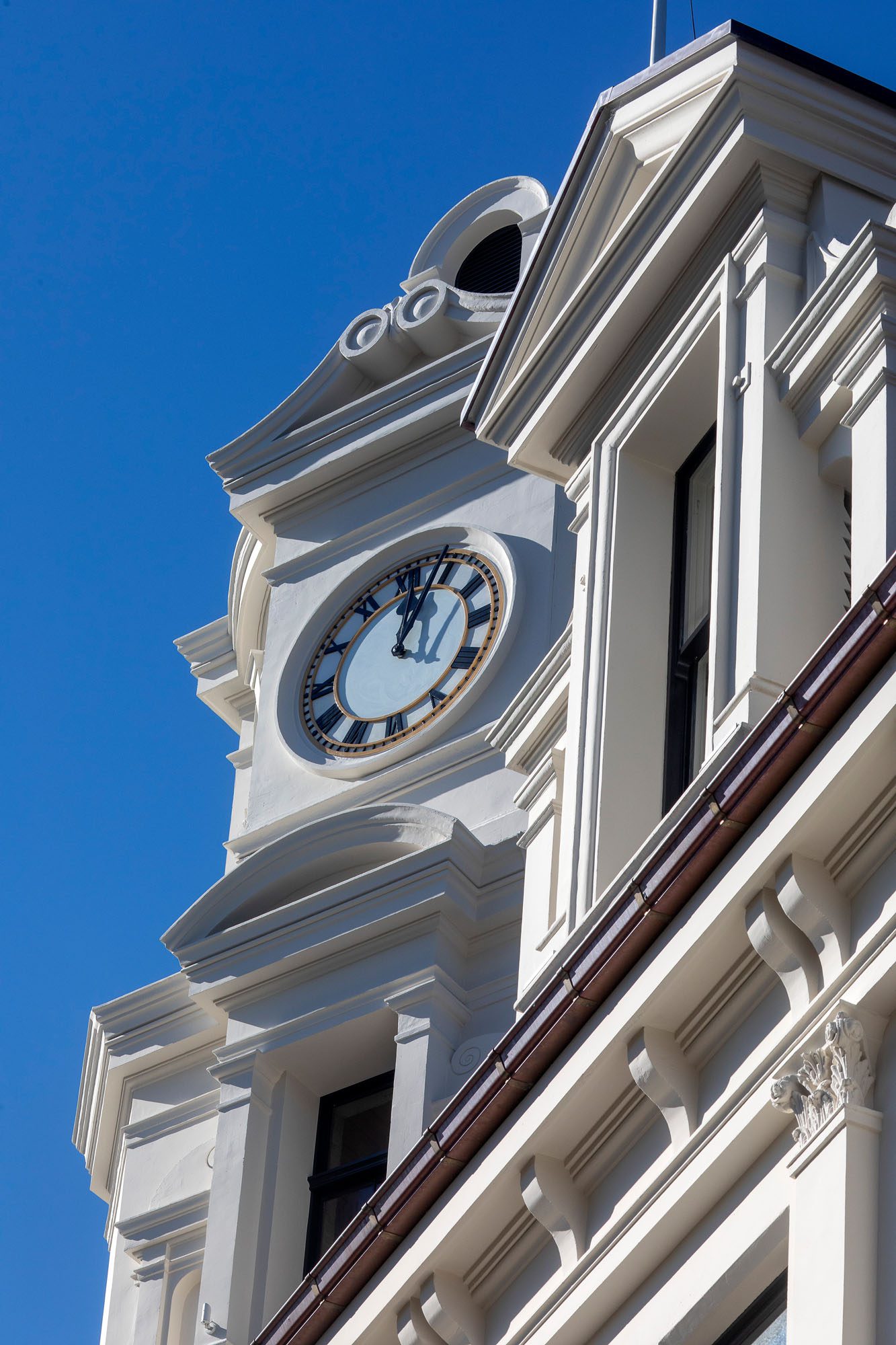
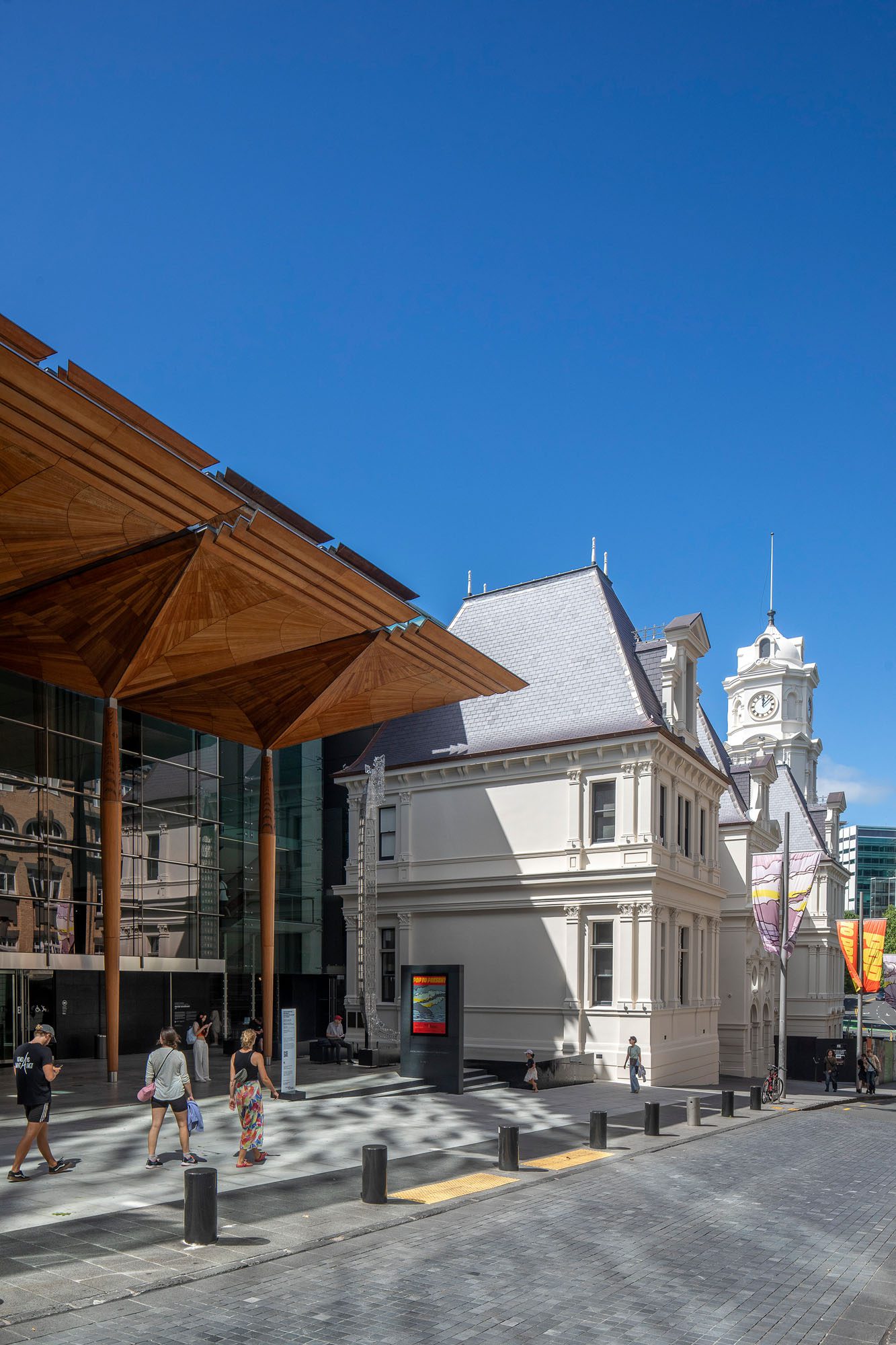
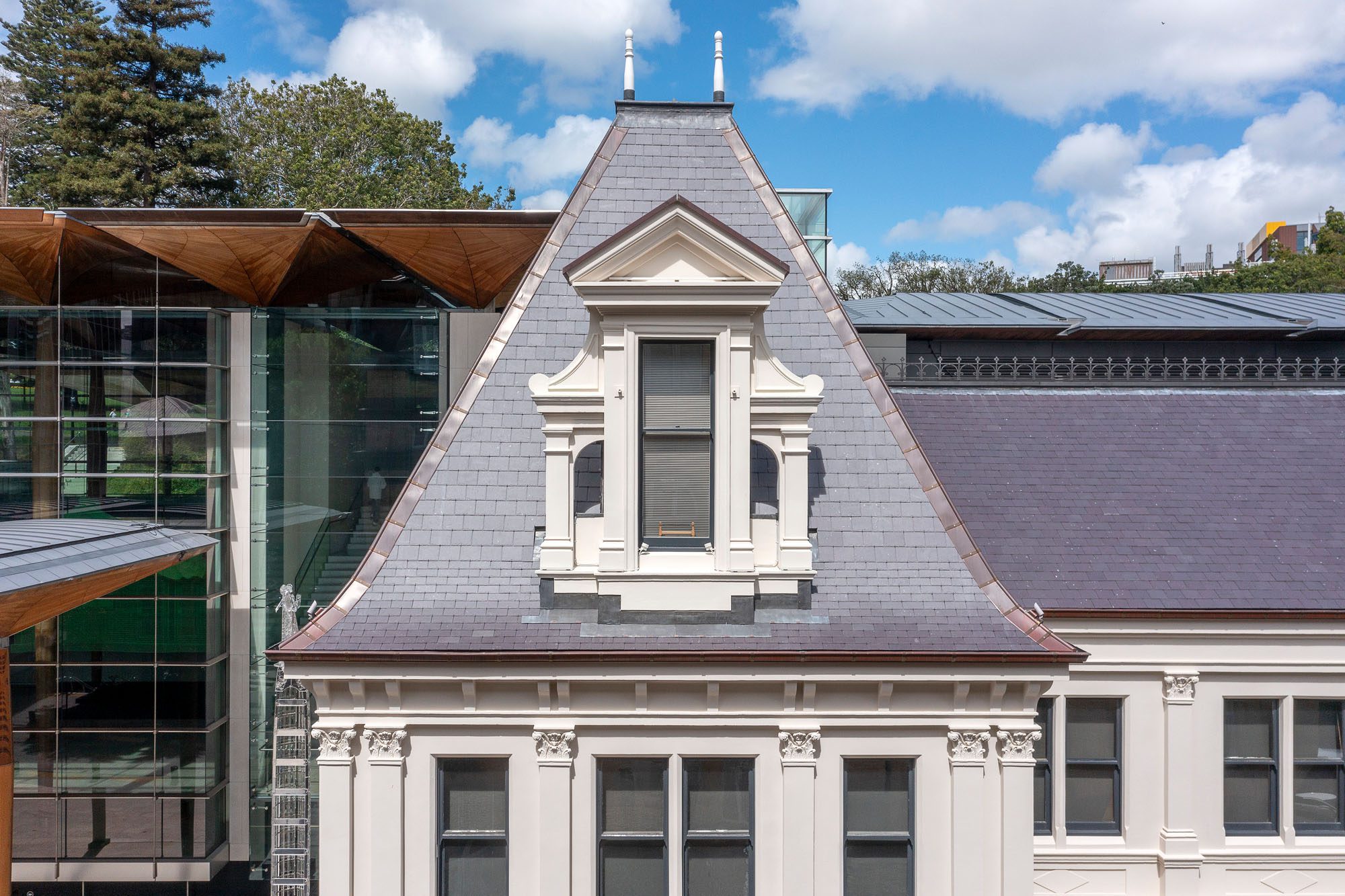
Auckland Art Gallery Kia Whakahou, Kia Whakaora is a carefully researched restoration of the gallery’s 1887 heritage building. Extensive archival research and on-site investigation informed a restrained approach that retained original fabric, removed intrusive additions, and accurately restored lost heritage details. Technical upgrades have been integrated carefully and discreetly throughout the building. The project shows a strong commitment to material authenticity, craftsmanship, and long-term stewardship. Through the careful work of the architects and wider project team, this important civic building has been respectfully restored and strengthened for future generations.
Diocesan School for Girls’ Chapel of Our Glorified Lord and St Barnabas’ Chapel by Salmond Reed Architects and Creative Arch in association
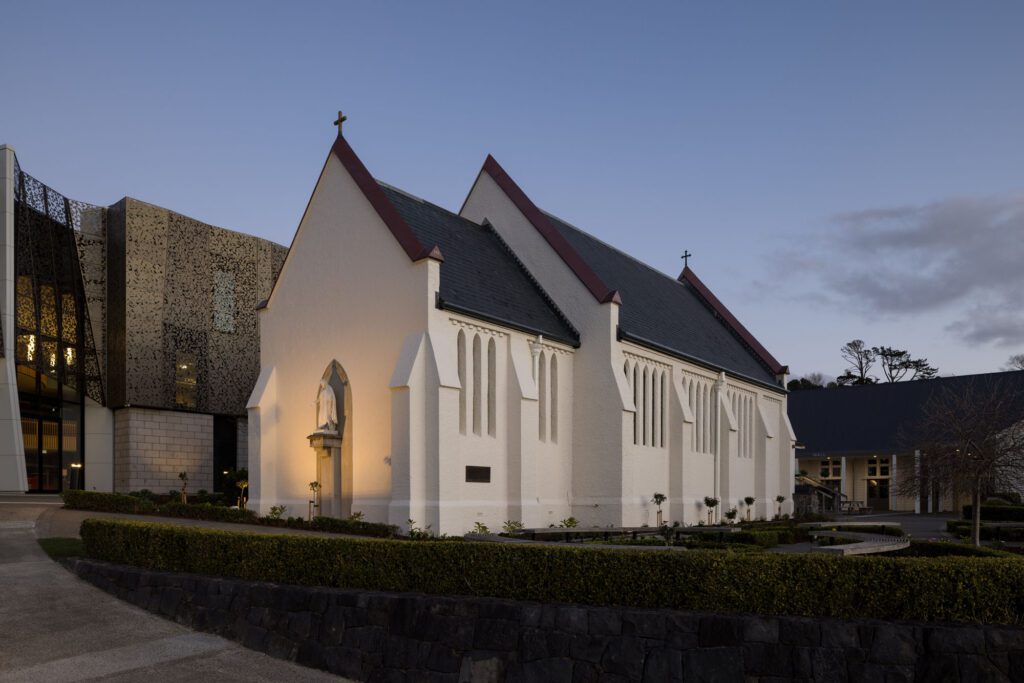
St Barnabas’ Chapel, a Category A Selwyn Gothic landmark constructed between 1863 and 1866, and the adjacent 1922 Chapel of Our Glorified Lord have stood at the heart of Diocesan School for Girls for over a century. Now, they have been carefully restored through a conservation-led approach that protects their historic character while improving long-term resilience. Structural strengthening, including rebuilt gable walls and concealed steel and concrete work, has been integrated with care and restraint. Specialist craftsmanship in timber, slate, copper, and stained glass helps preserve the quality and detail of these important buildings. Sensitive and highly resolved, the project ensures both chapels will continue to serve the school and wider community well into the future.
Gardener’s Rest by Megan Edwards Architects
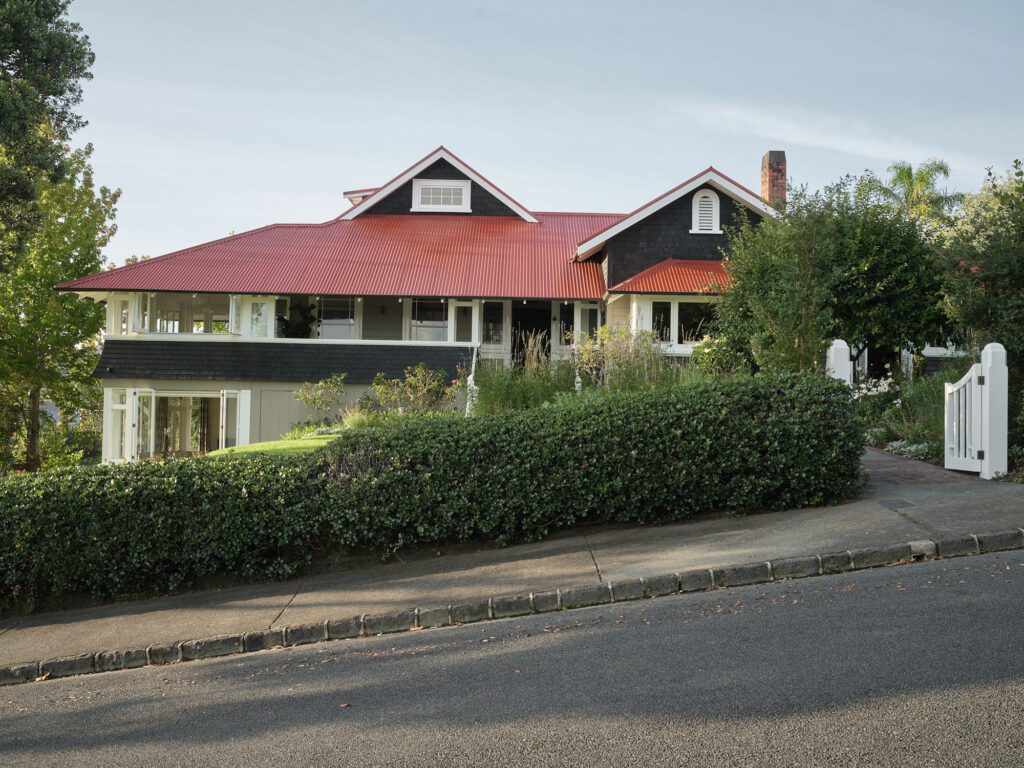
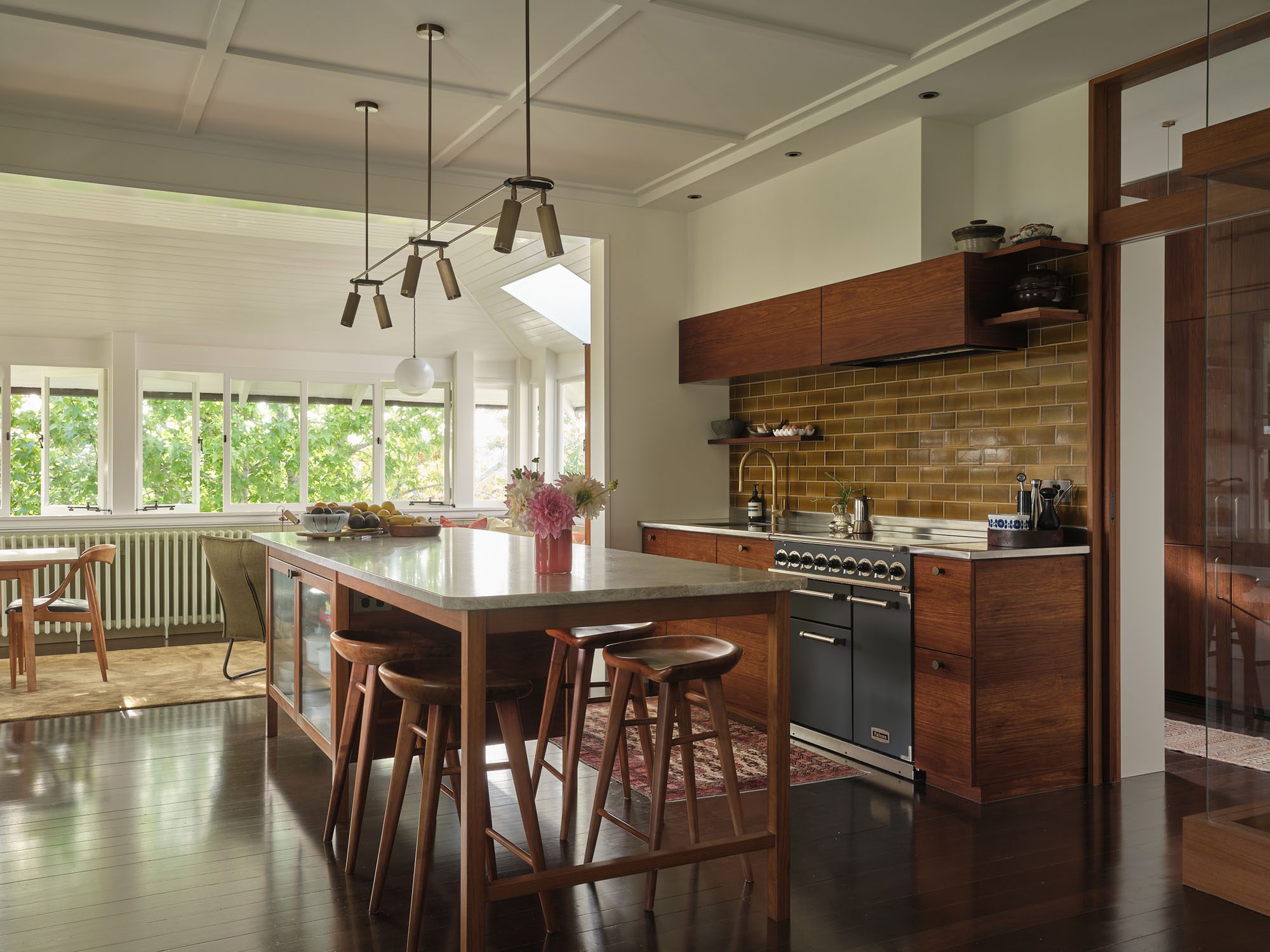
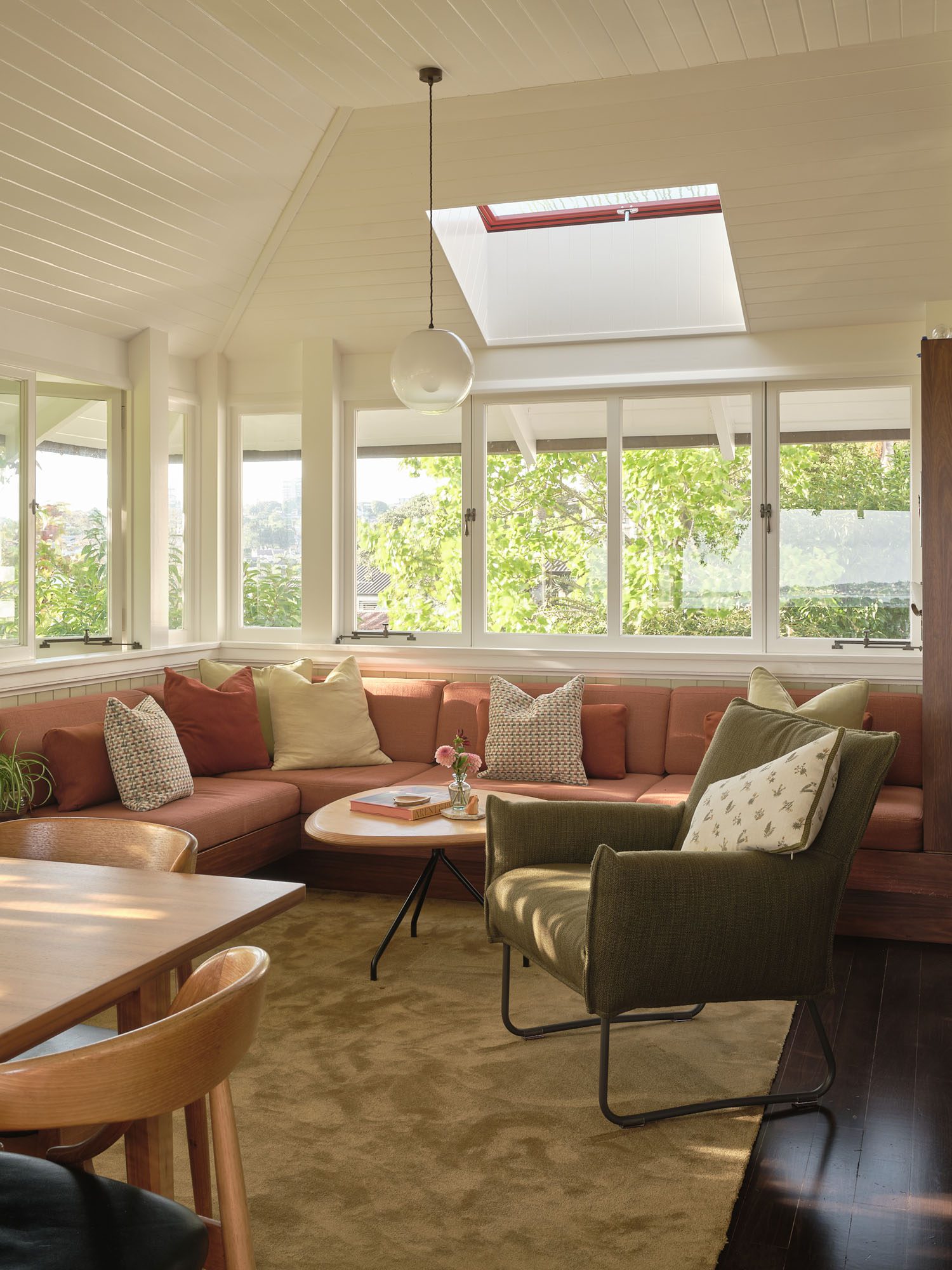
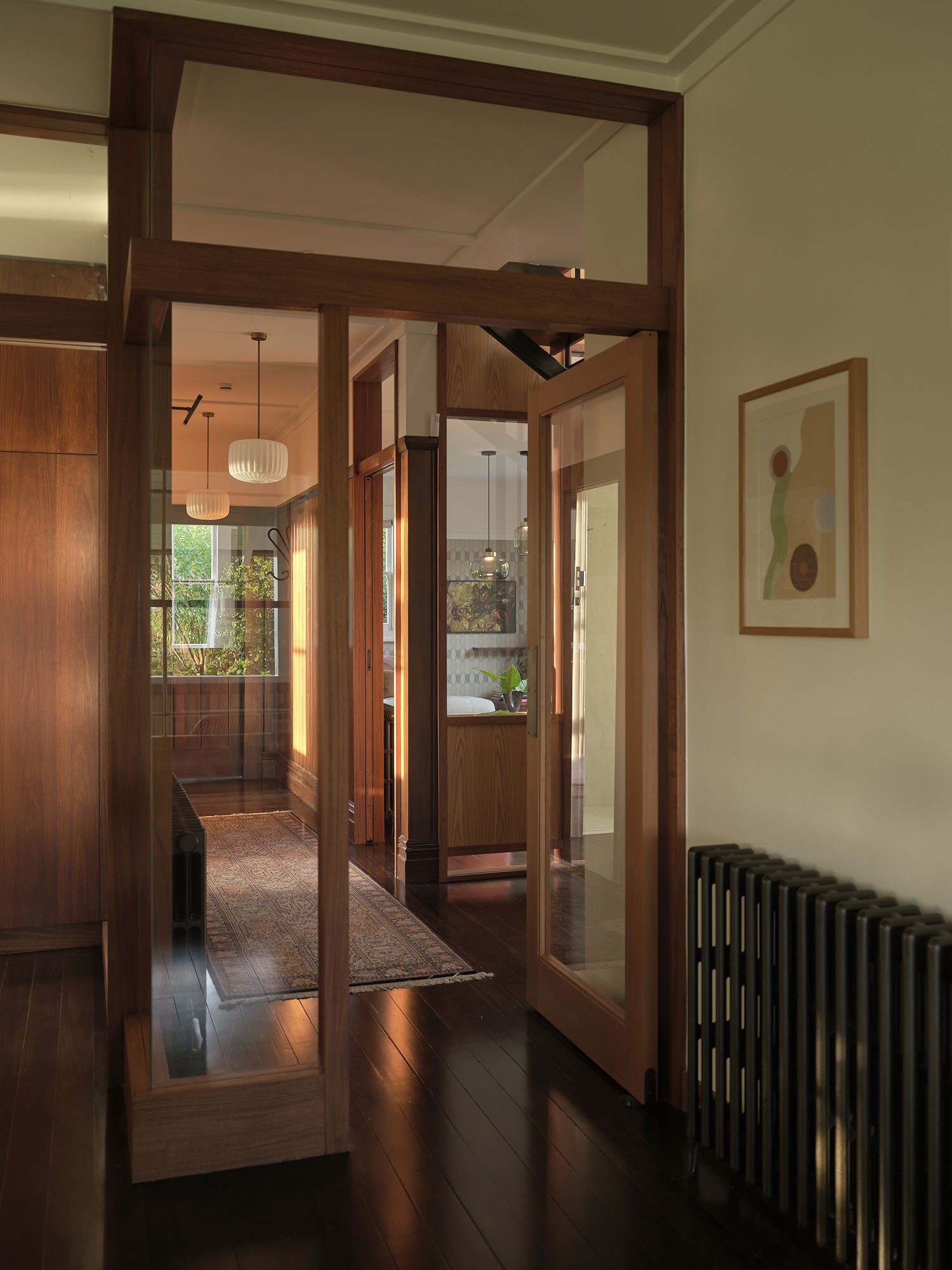
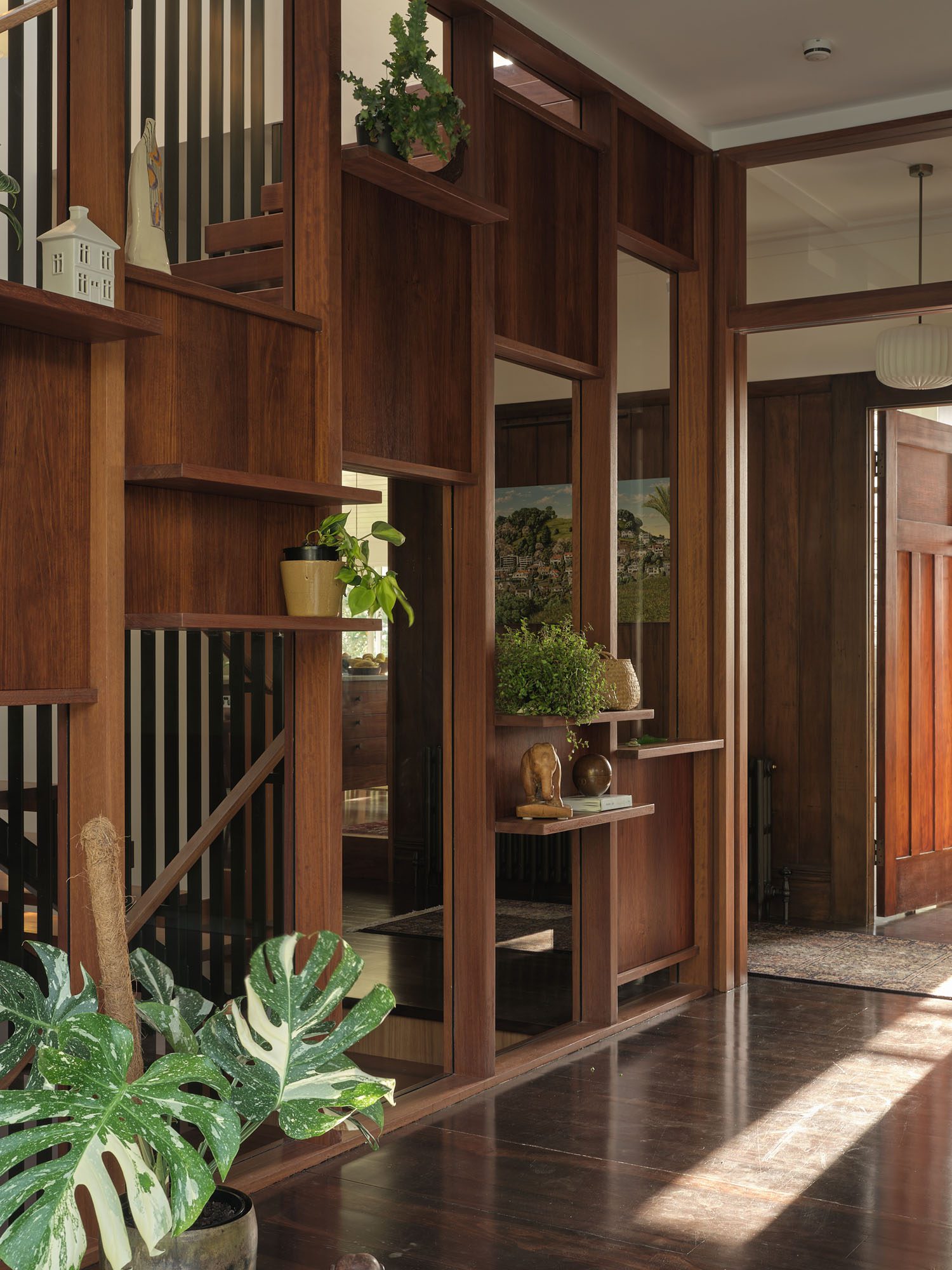
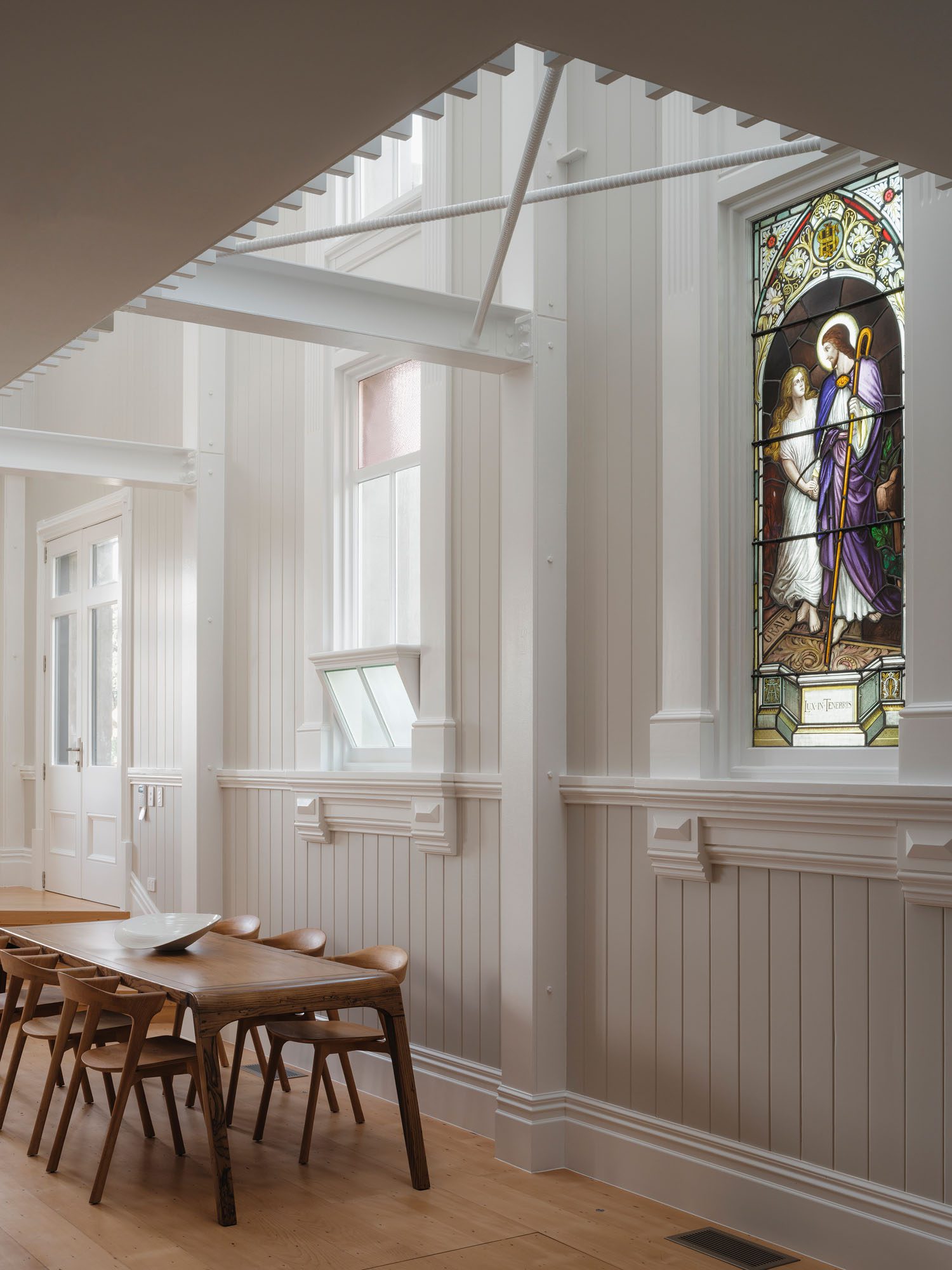
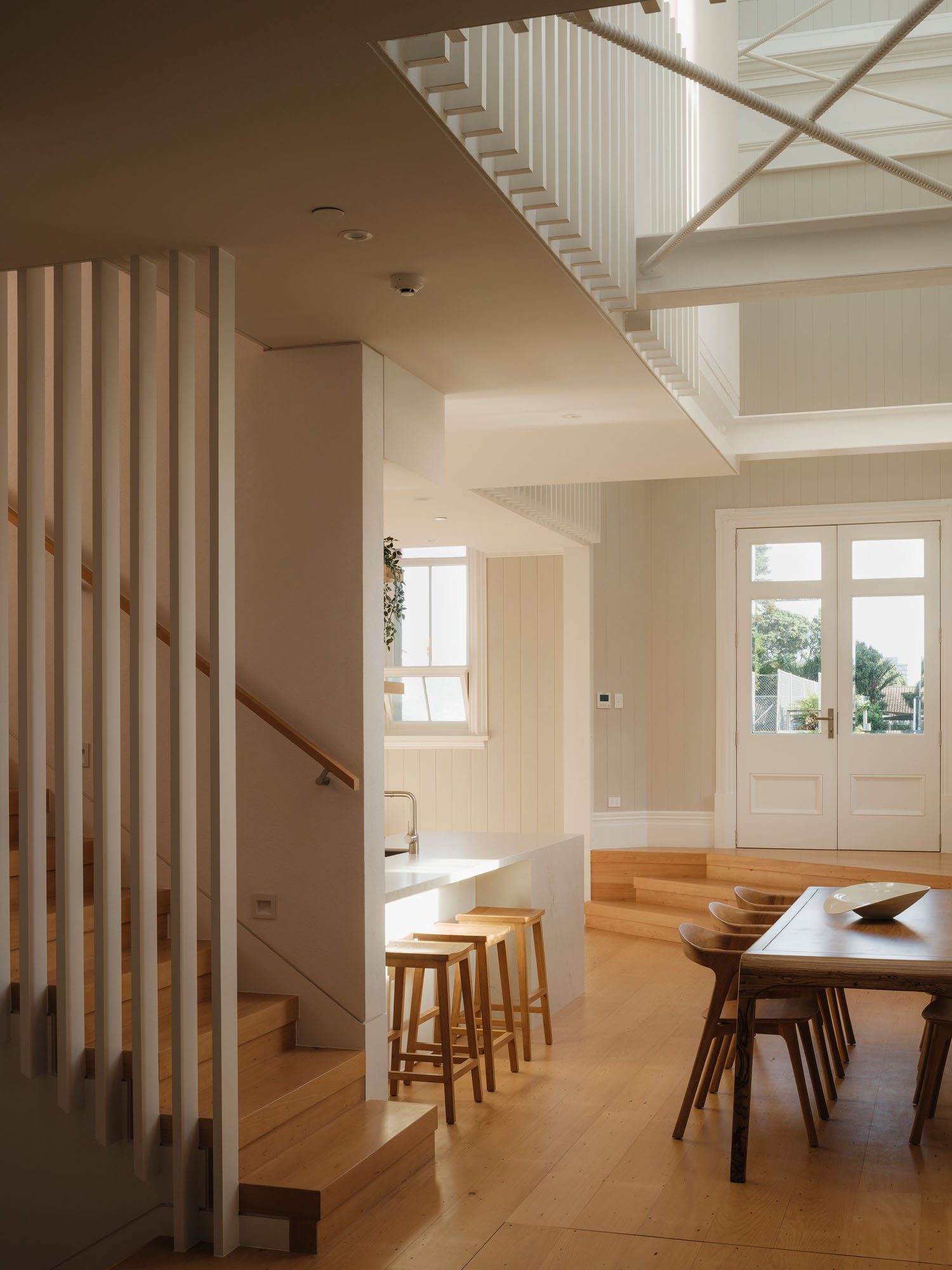
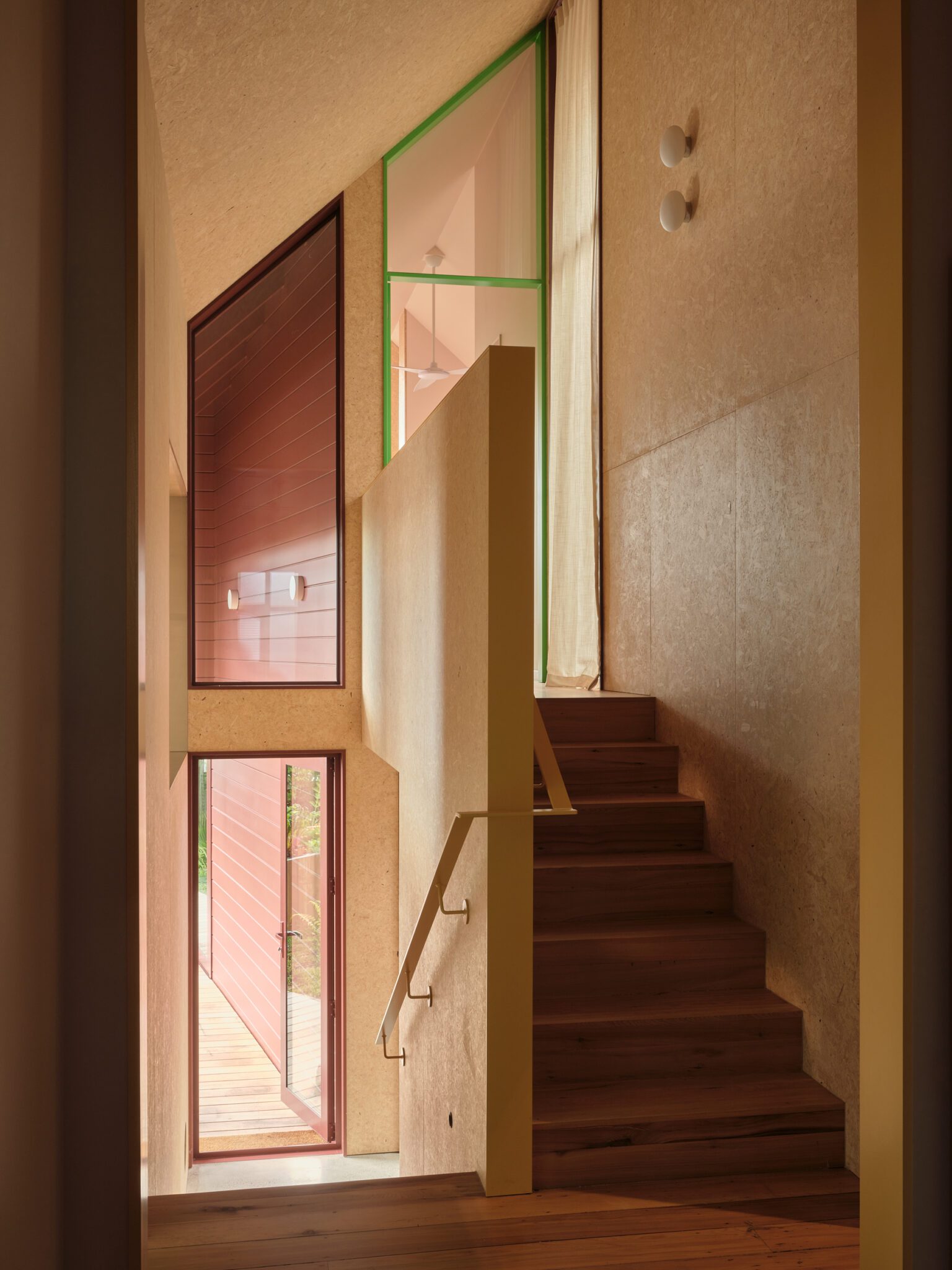
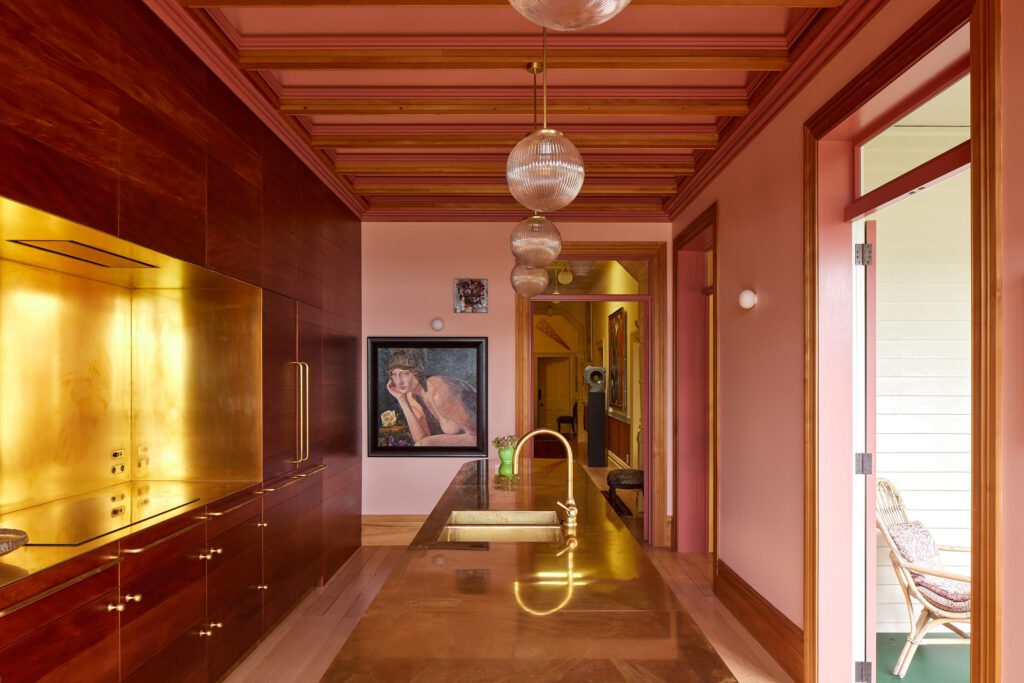
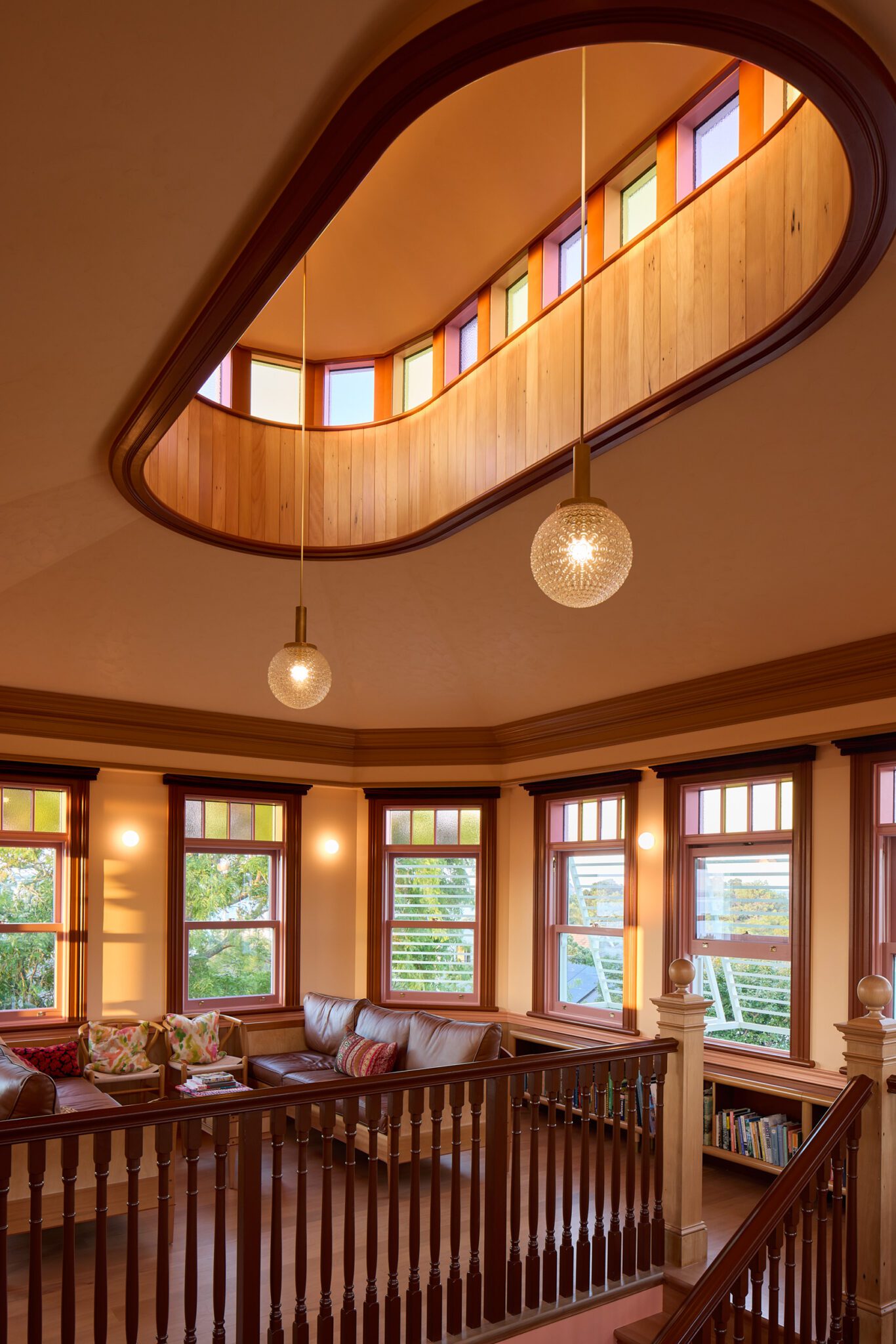
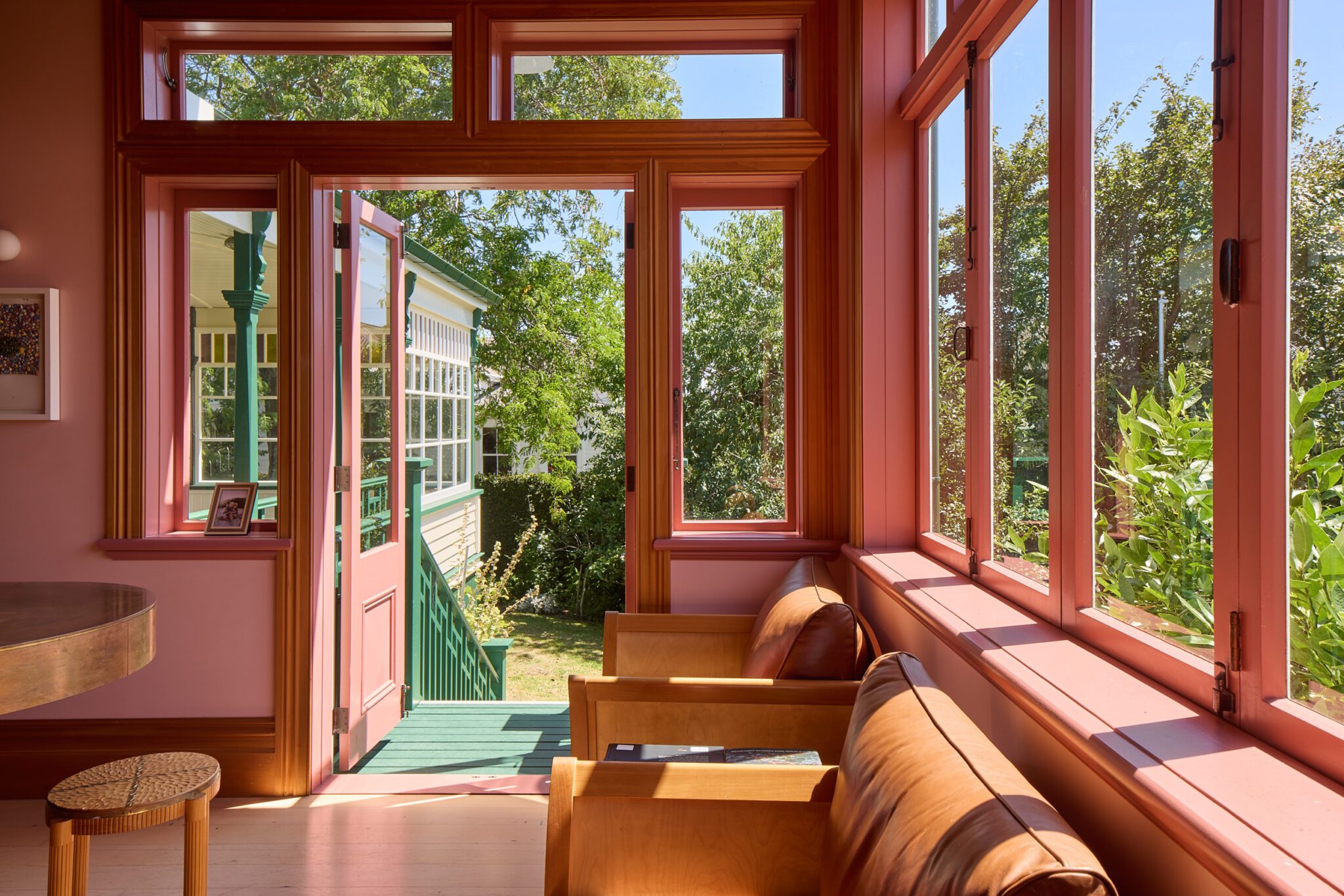
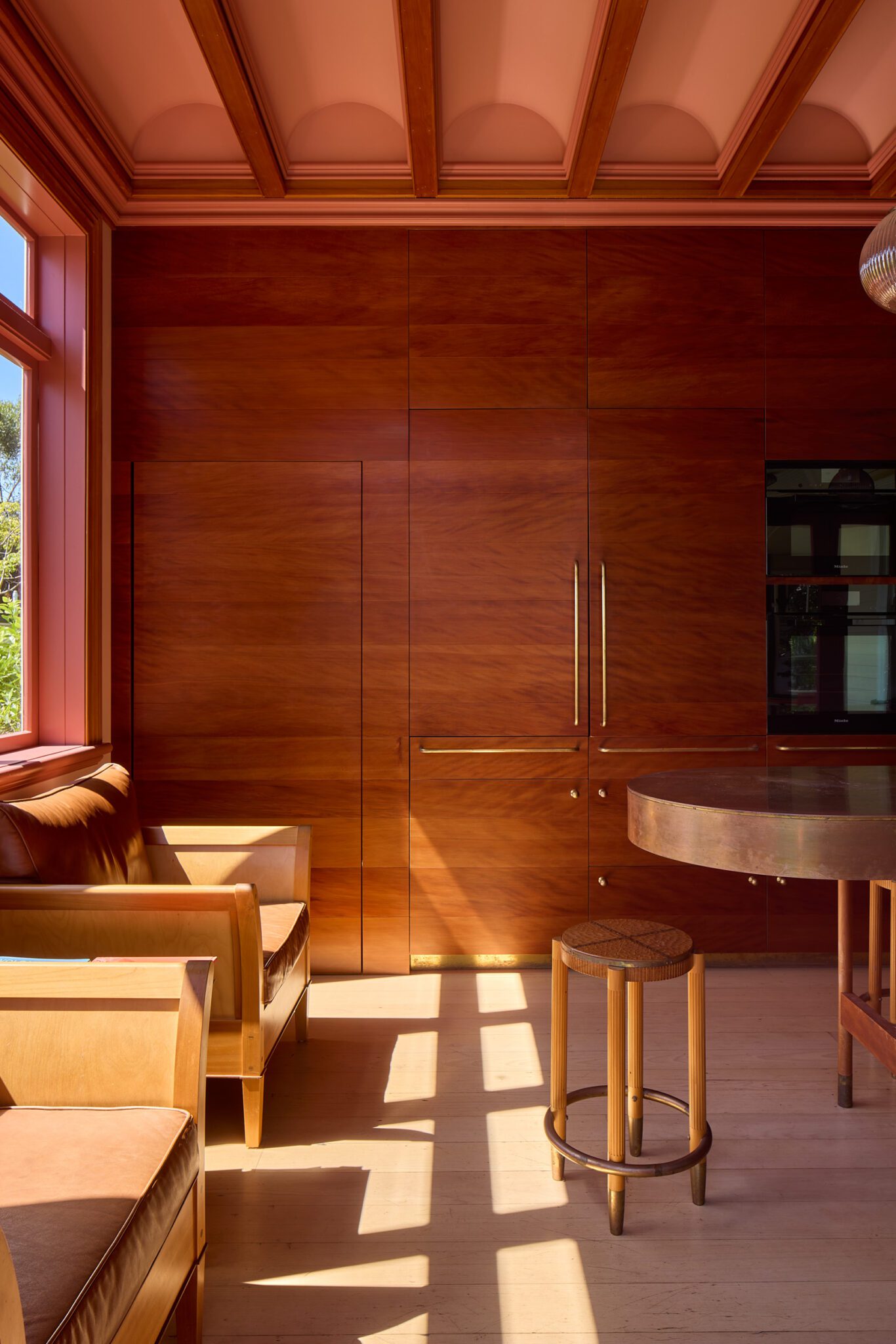
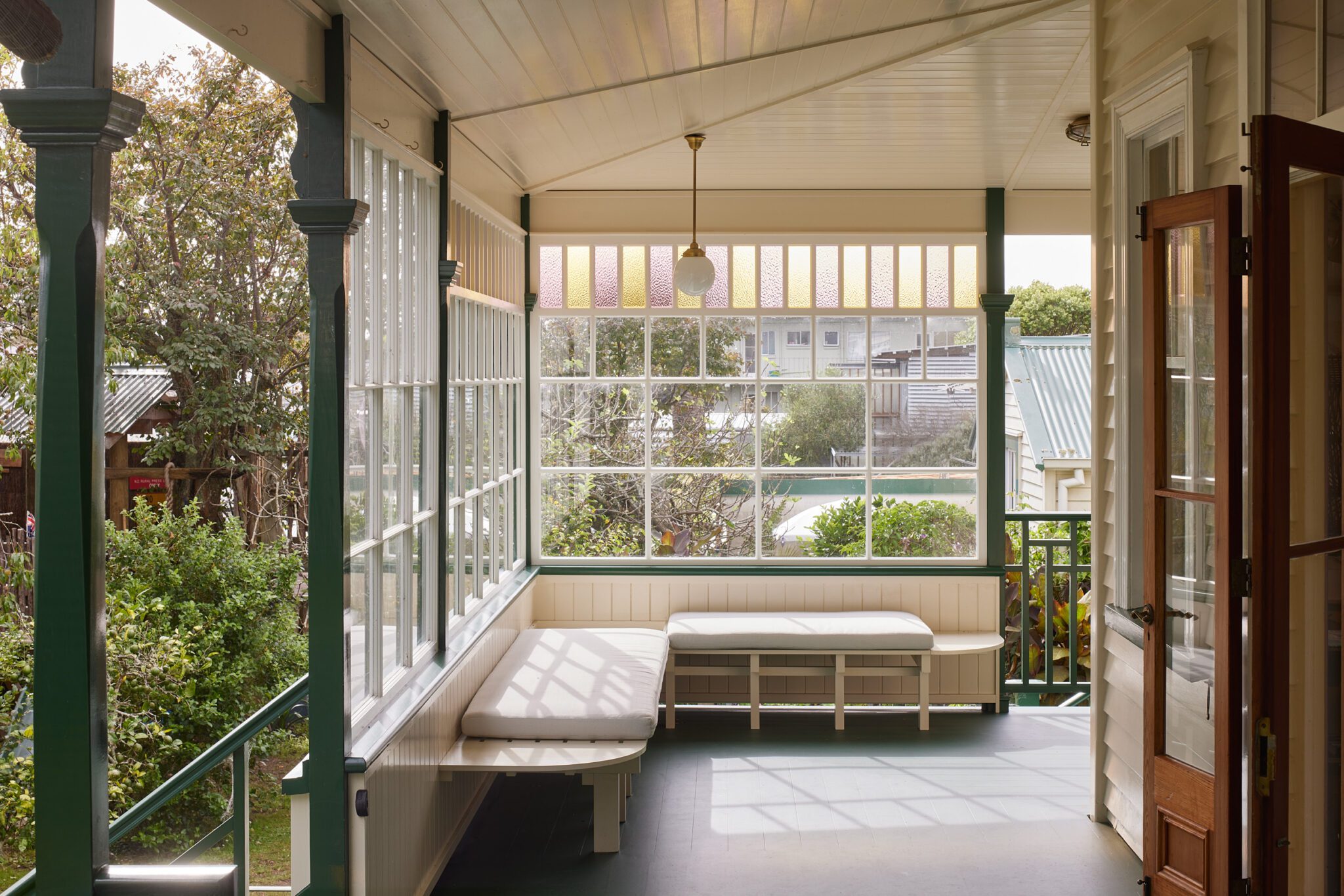
Gardener’s Rest is a sensitive renovation of an Arts and Crafts home that carefully preserves views to the harbour while improving the internal layout. A new vertical lightwell and stair connect spaces across three levels, bringing light and clarity into the centre of the house. From the moment of arrival through the garden path, the project creates a calm and thoughtful sequence of spaces. Minimal additions have been made to the original footprint, yet the home feels warm, generous, and rich in texture. Carefully balanced and highly resolved, the project creates a quiet dialogue between old and new while respecting the character of the original building.
Kiwi Tavern Refurbishment by Cheshire Architects
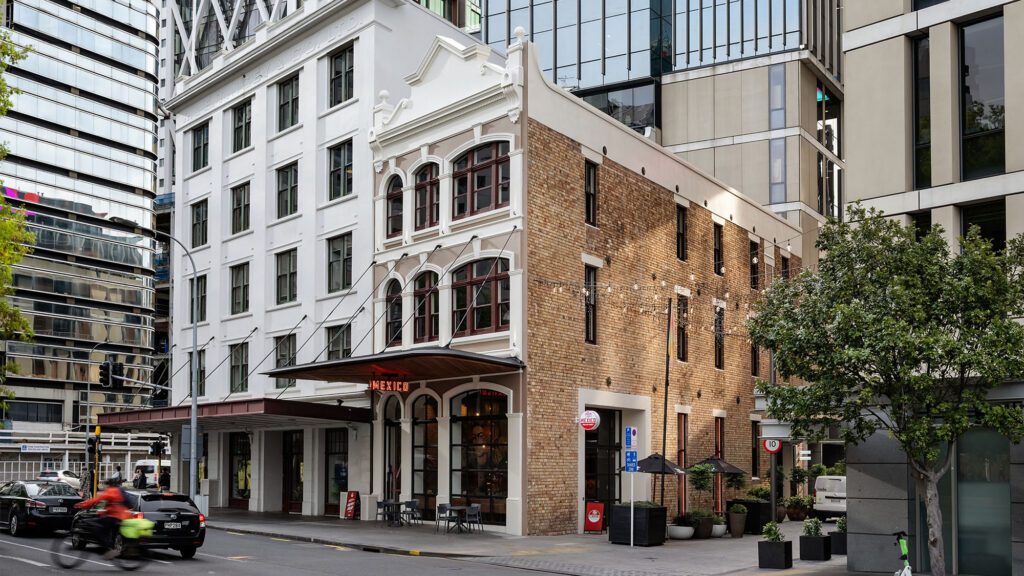
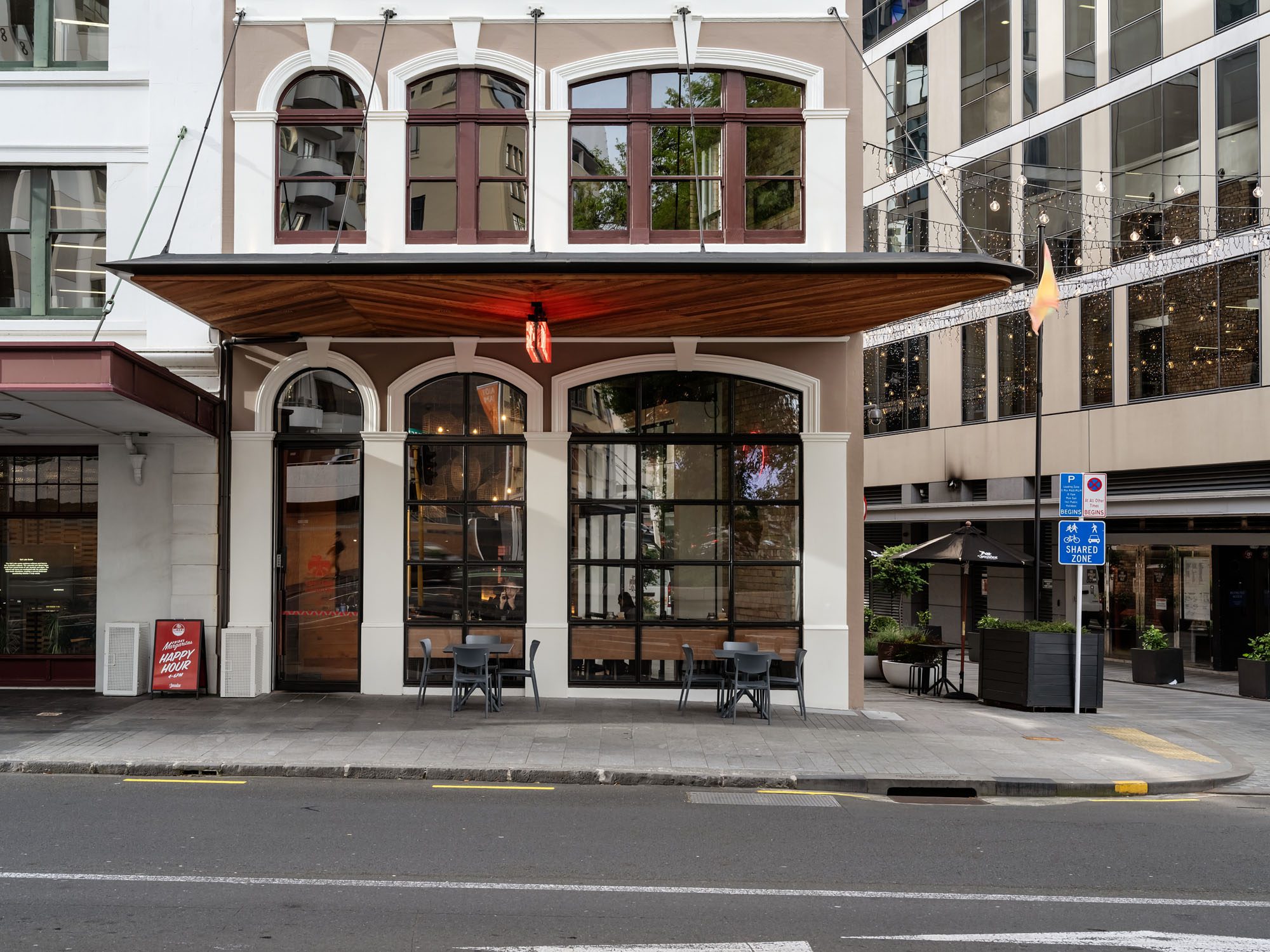
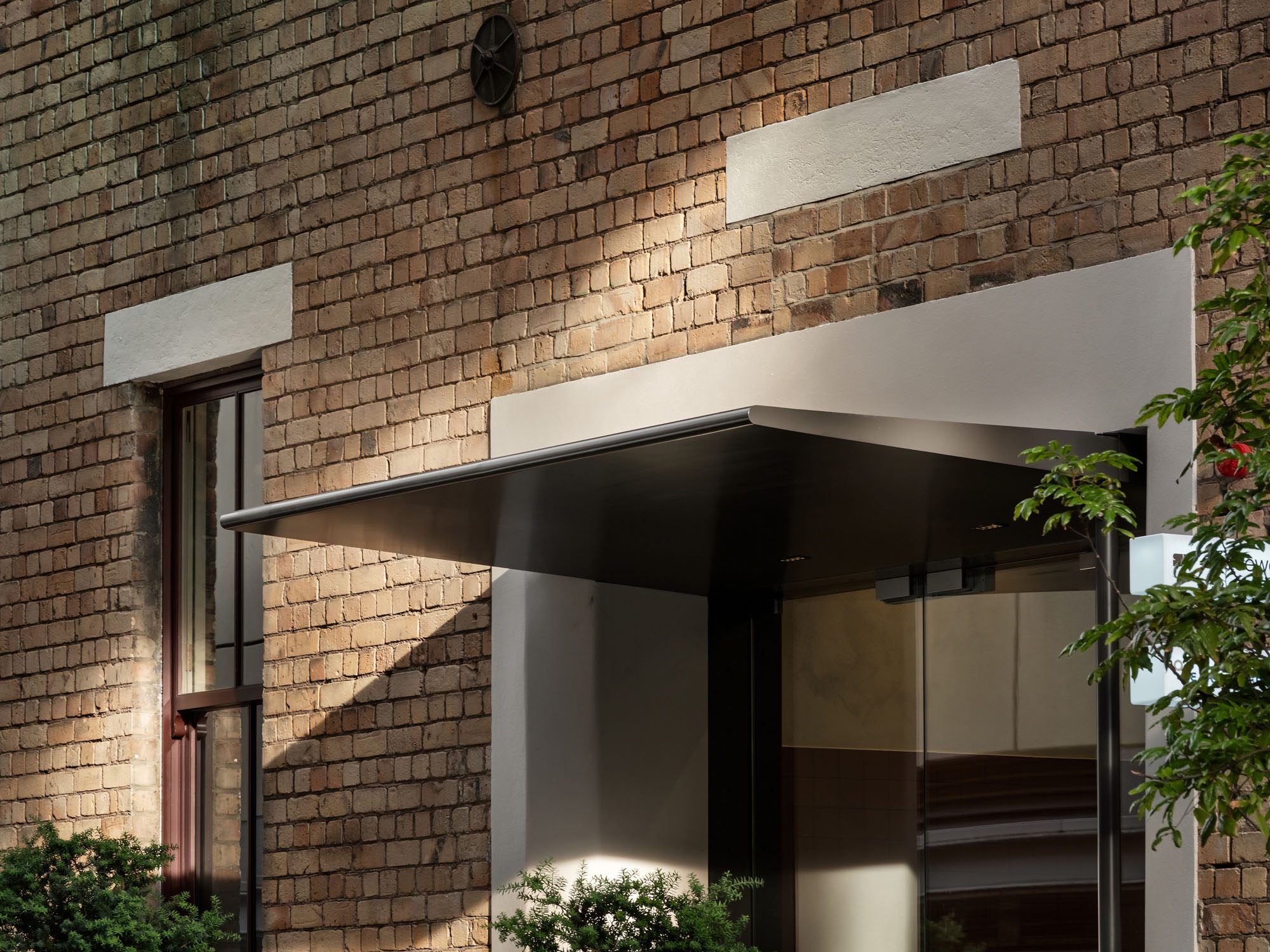
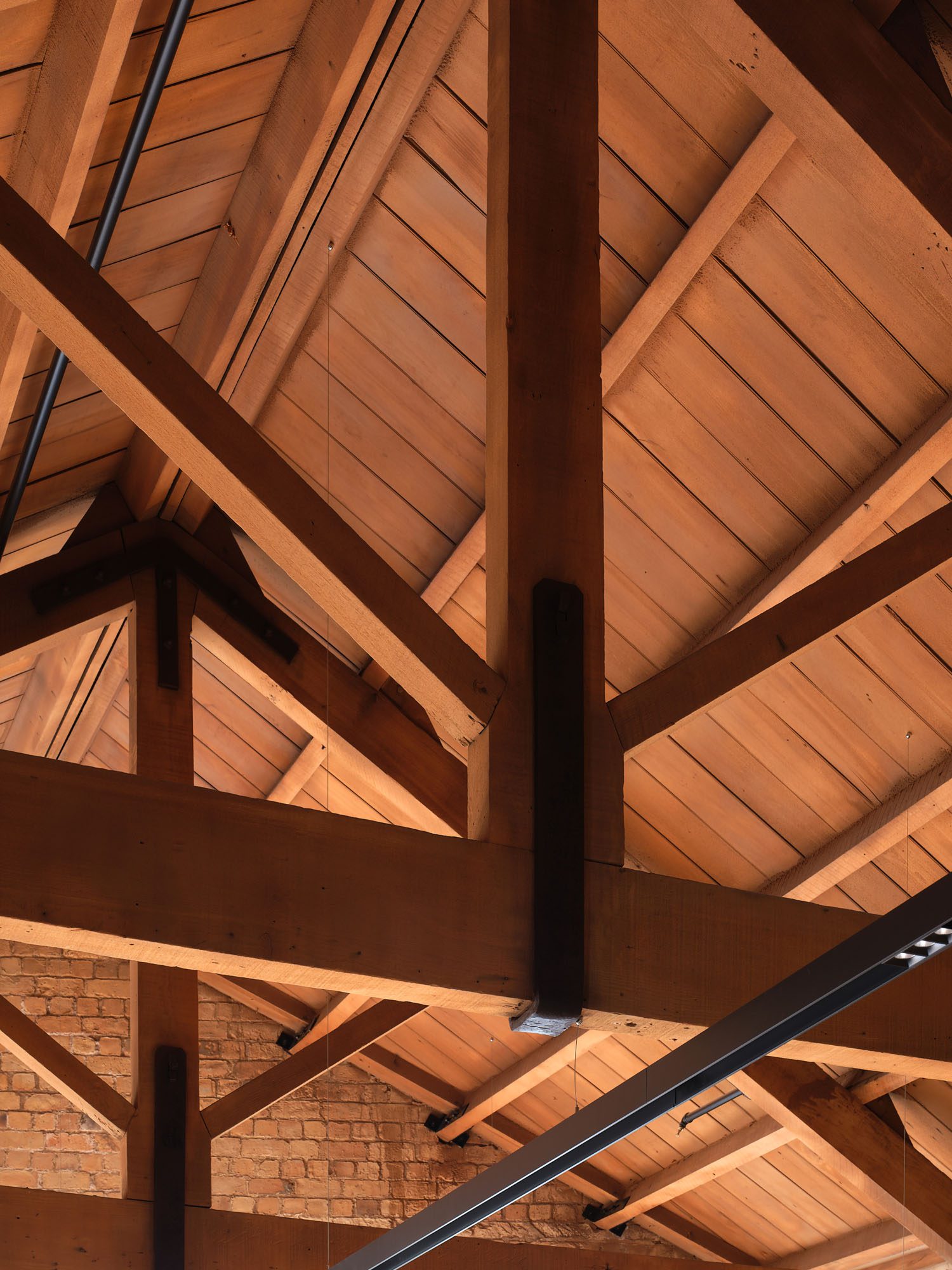
The Kiwi Tavern refurbishment completes an important corner within the Britomart Heritage Precinct through a careful and highly resolved restoration. The warm brick façade strengthens the character of Galway Street, while a new entry and improved circulation allow better movement through the narrow building. These changes allow full retail use at ground level and preserve views of the original roof structure above. Balancing detailed heritage research with confident contemporary additions, the project achieves full seismic strengthening and a 5-Star Green Star rating. It is a strong example of sustainable and adaptable heritage reuse within the city.
Maritime Building Refurbishment by Cheshire Architects
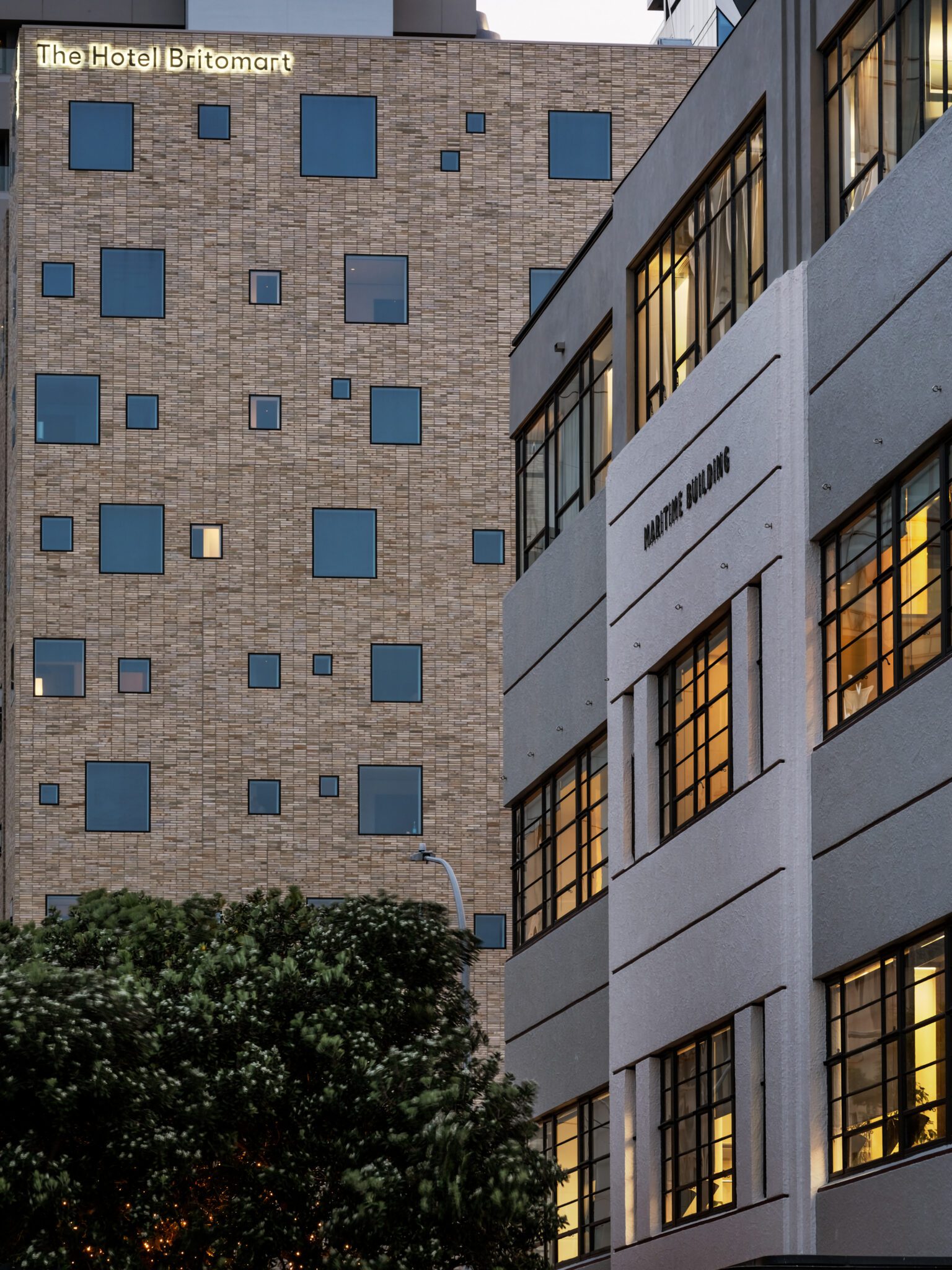
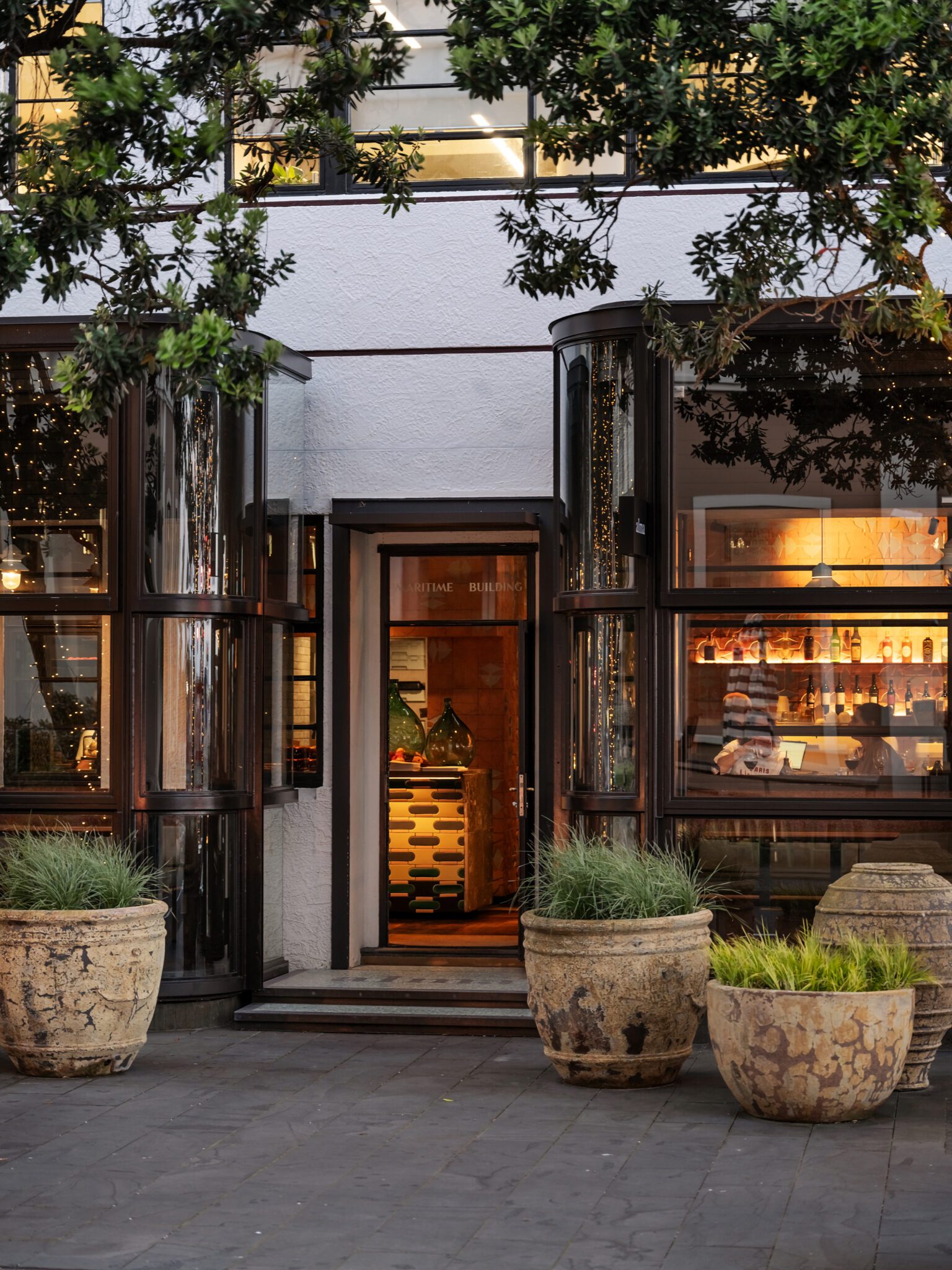
The Maritime Building Refurbishment builds on decades of heritage work within the Britomart precinct in Tāmaki Auckland. Originally constructed in 1946, the Modernist building had gradually lost clarity through unsympathetic alterations. Using archival photographs and original drawings, the project carefully restored lost façade elements and refined later additions to strengthen the building’s original character. Through a series of careful and disciplined interventions, the refurbishment ensures the building remains relevant and useful while reinforcing its historic, social, and architectural significance within the city.
St James Apartments by Gel Architects
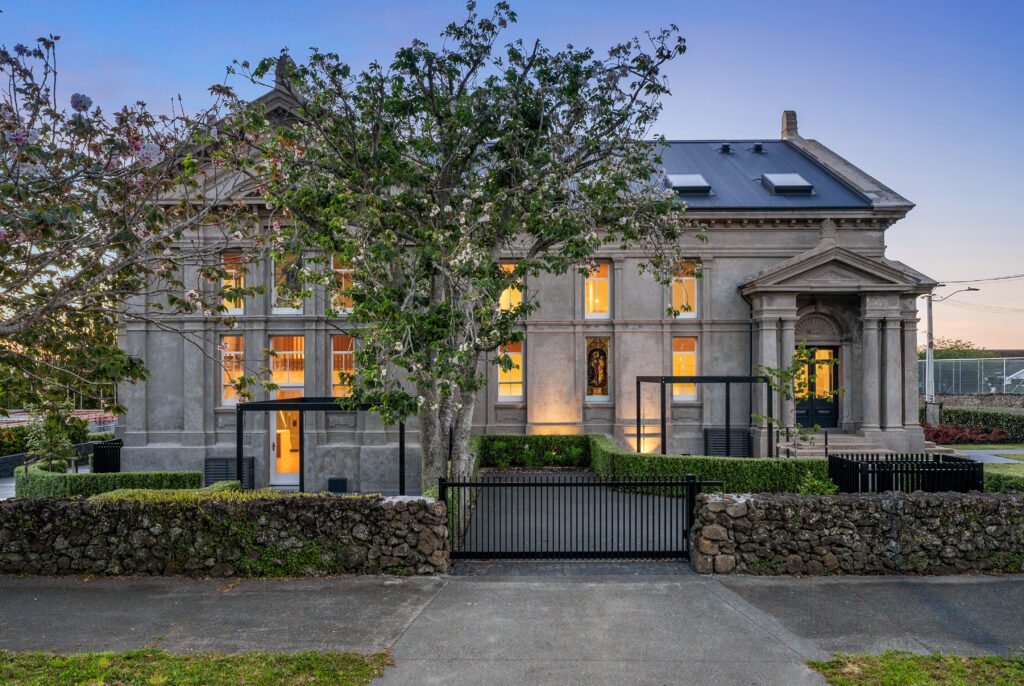
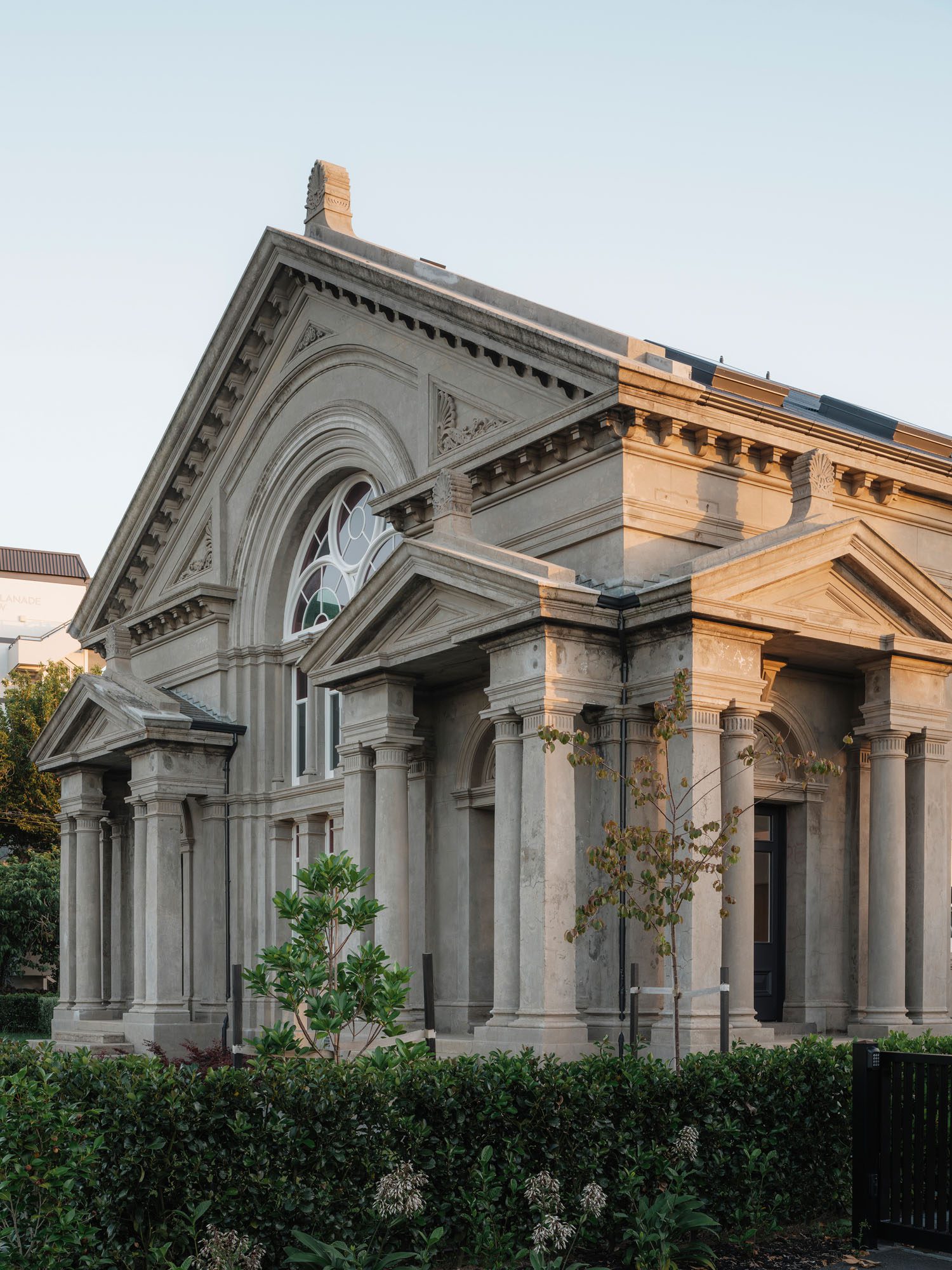
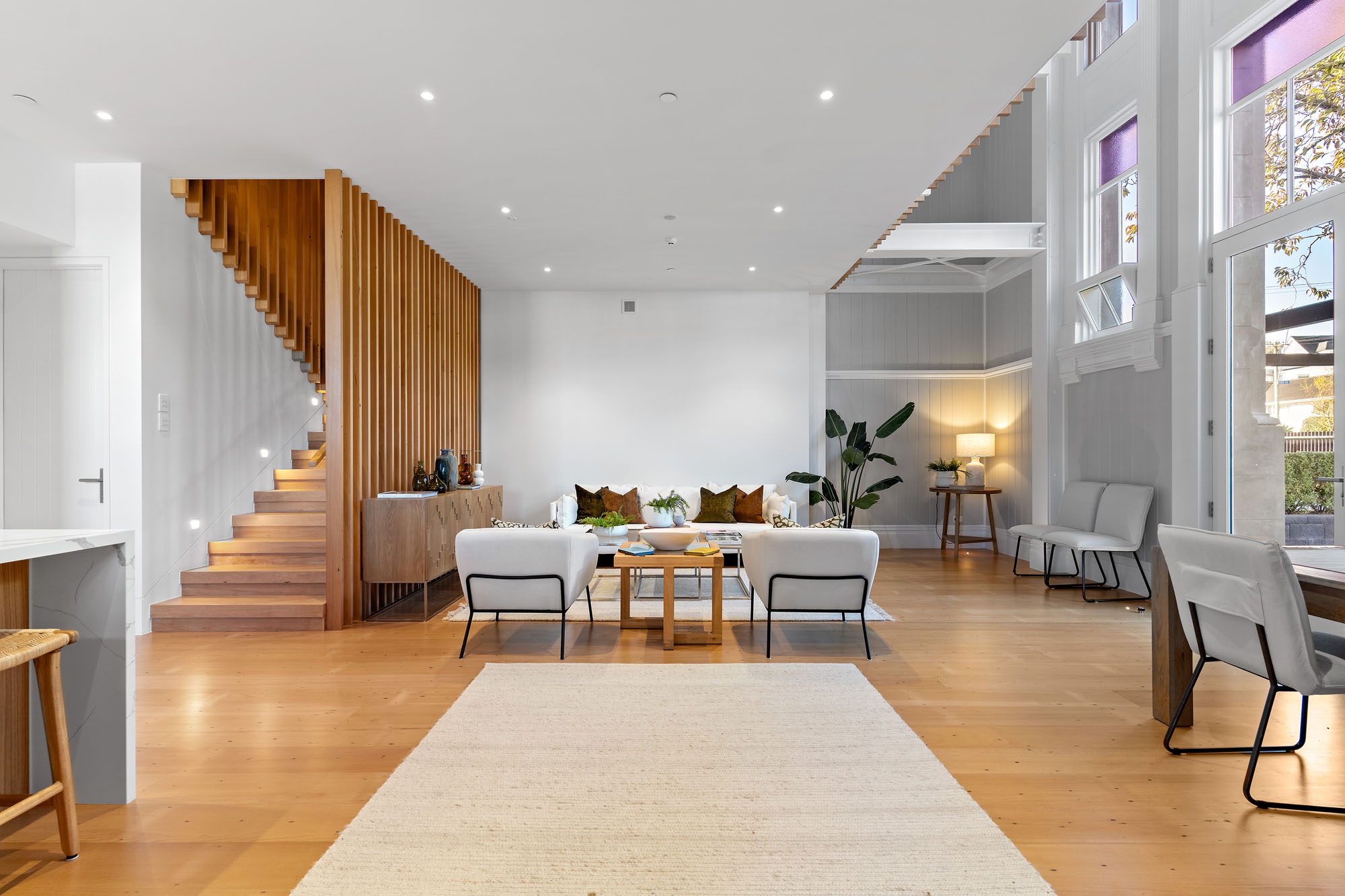
Converting historic architecture in Aotearoa is not for the faint-hearted. This project deserves recognition for the sheer rigour of its execution and respect for heritage. A 125-year-old Category B neo-classical building, long left to decline, has been given extraordinary new life. The restored façade, major seismic strengthening, and careful insertion of four contemporary apartments within the historic fabric is an impressive act of stewardship. Stained glass, decorative bracing, and kauri boards have been beautifully repurposed and celebrated. This is heritage architecture as city-making — proving Auckland’s treasured buildings can evolve, endure, and serve new generations.
The Chief Post Office Refurbishment by Cheshire Architects and Salmond Reed Architects in association
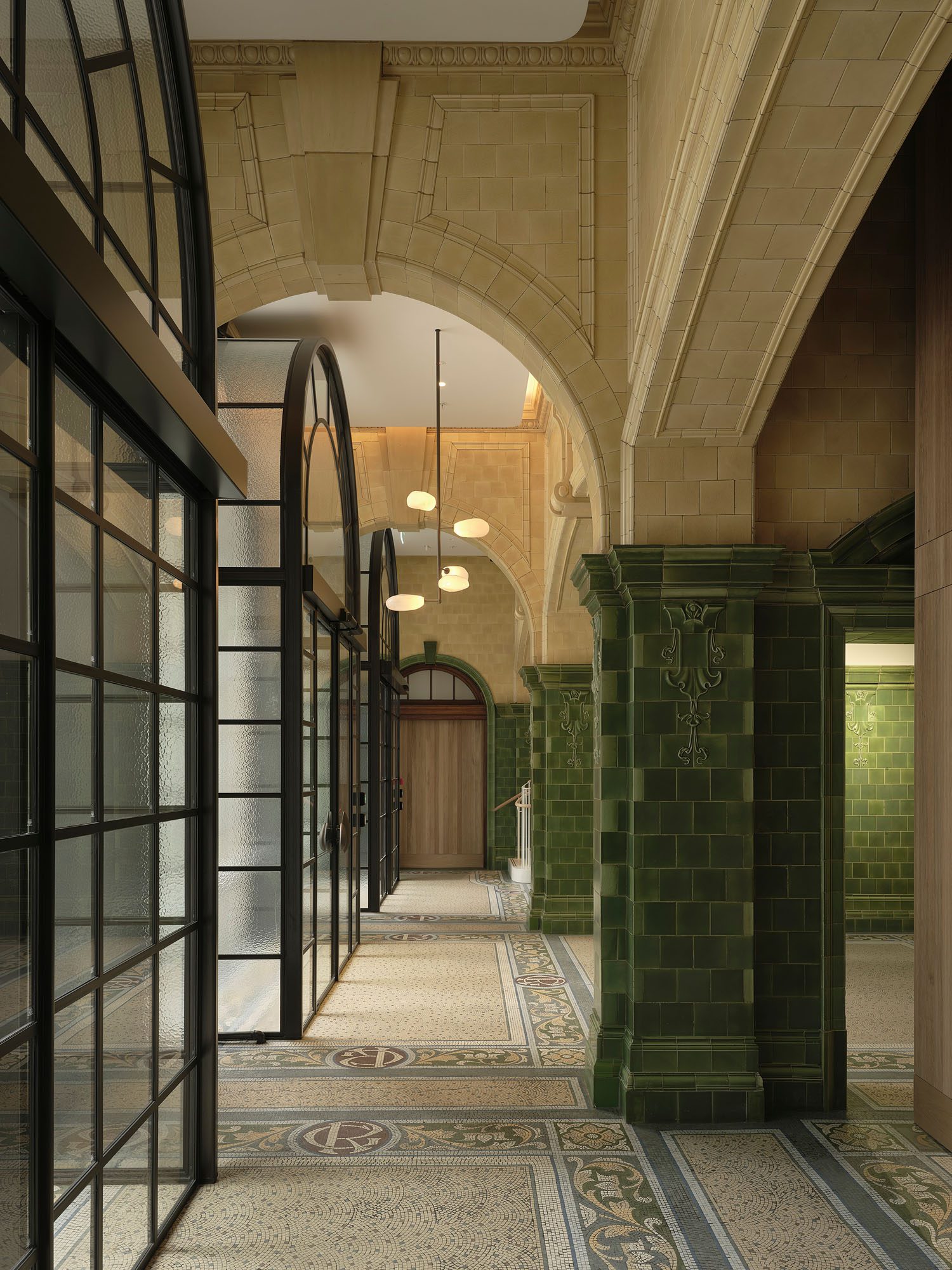
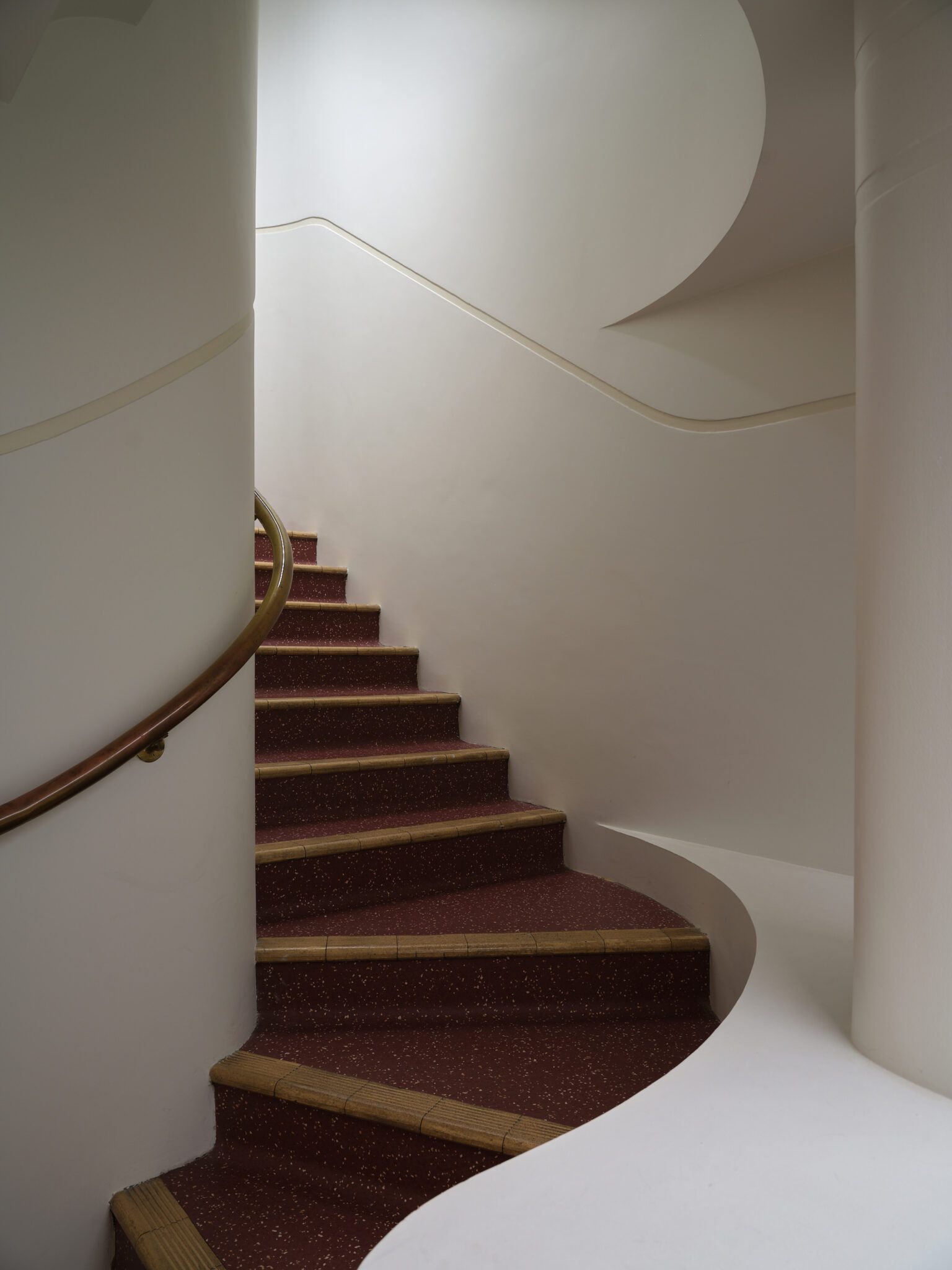
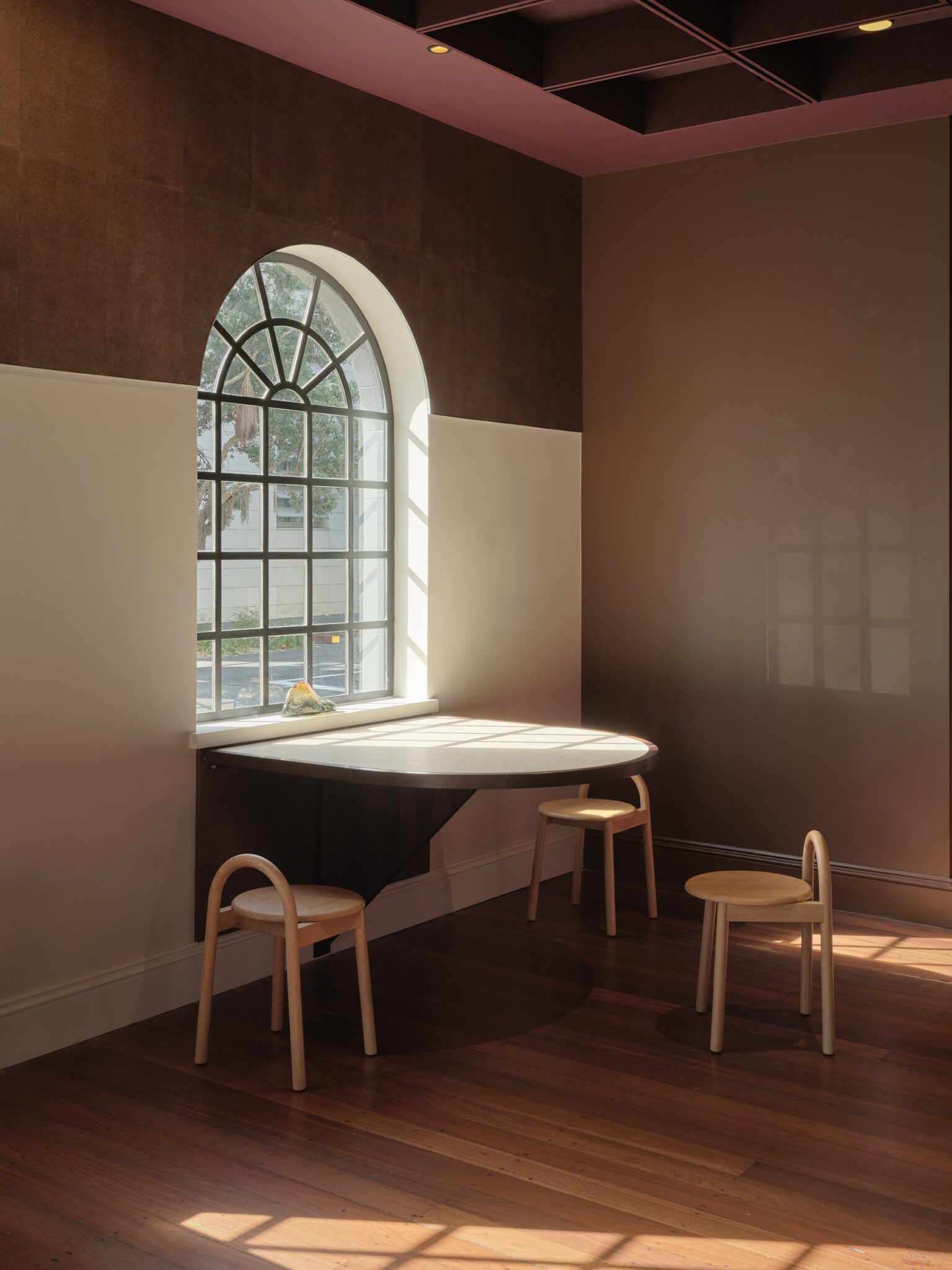
The restoration of the Chief Post Office is a restrained and carefully crafted project that balances heritage with contemporary use. Rather than simply recreating the past, the design introduces a calm and material-rich new interior language that works respectfully alongside the original building. At its centre, the former lightwell has been transformed into a generous garden atrium that brings daylight, planting, and a quiet sense of calm into the heart of the building. Detailed elements, from the steel entrance doors to terrazzo surfaces and hand-blown glass lighting, show a high level of care throughout. The result is an interior that honours the building’s history while confidently supporting its future.
Hospitality
Bunker Bar by Studio John Irving
Studio John Irving proves yet again that small projects can carry serious punch. Bunker Bar is all atmosphere — a moody, cleverly crafted little retreat that leans into its subterranean brief without becoming a gimmick. The sunken lounge is a masterstroke; intimate, unexpected, with cracking views that catch you off guard. The curved bar invites conversation and turns cocktail-making into theatre. A pocket rocket of hospitality design with real character, confidence, and delight — proof that memorable architecture is never about size, but the strength of the idea.
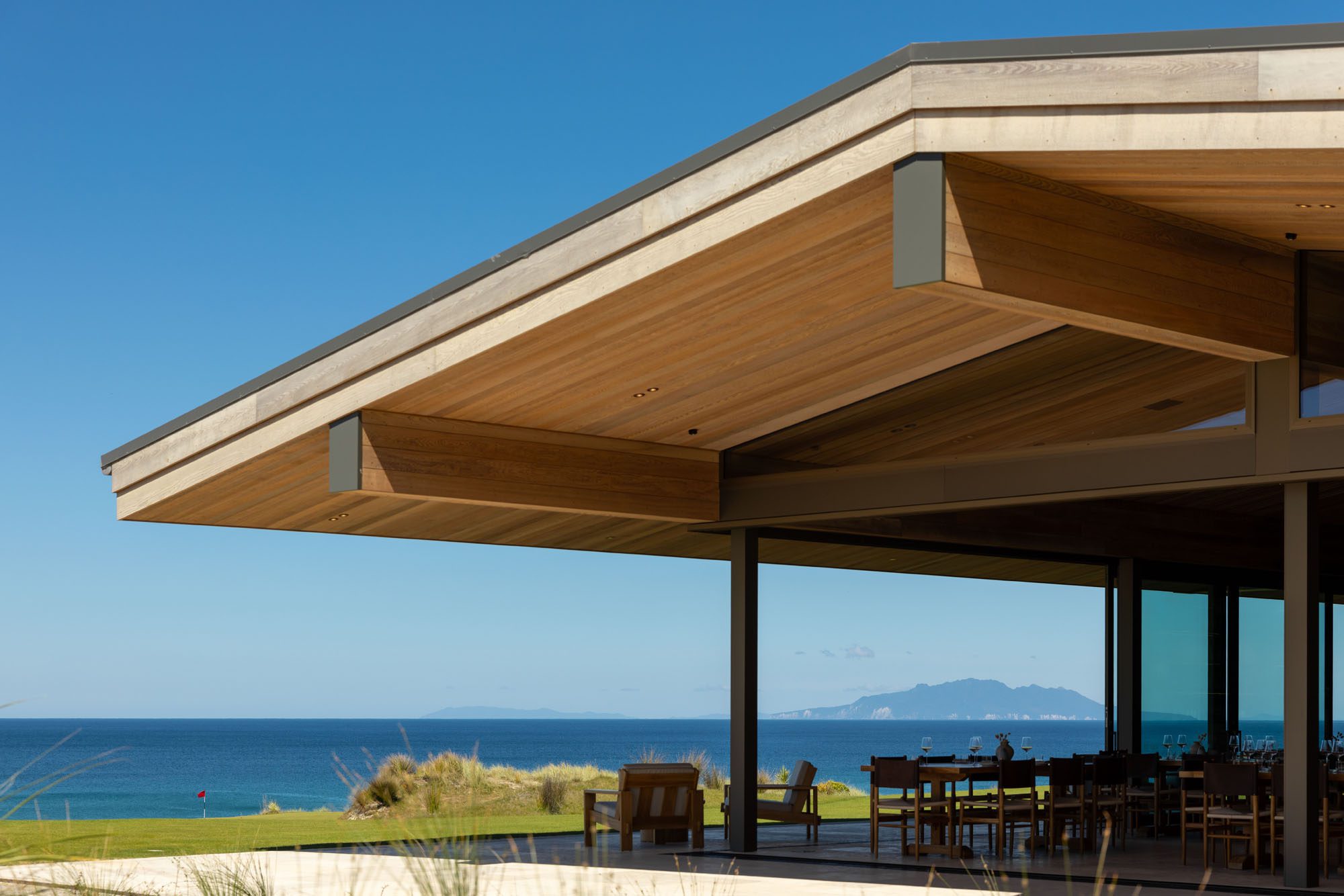
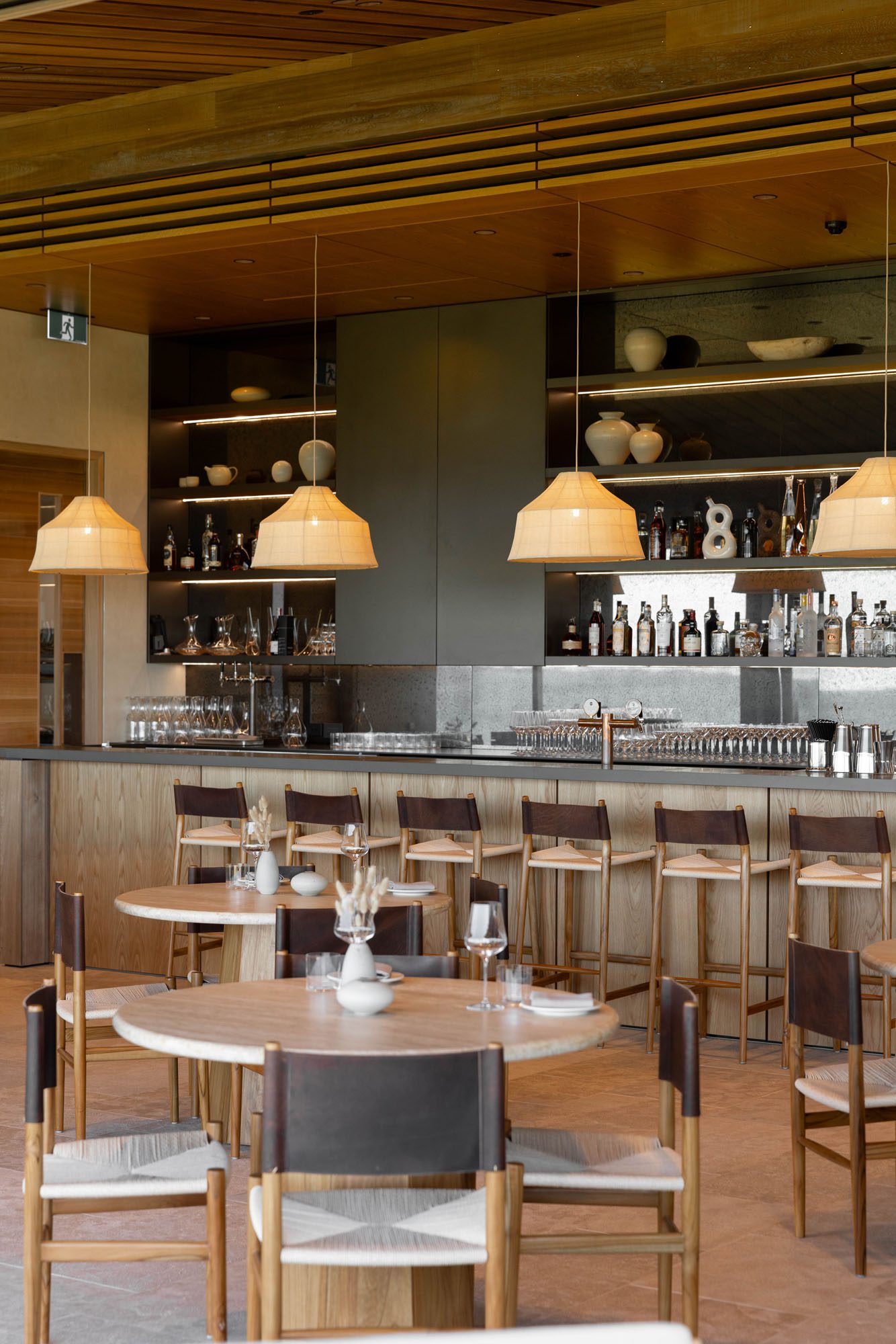
Ocean Restaurant by Studio John Irving
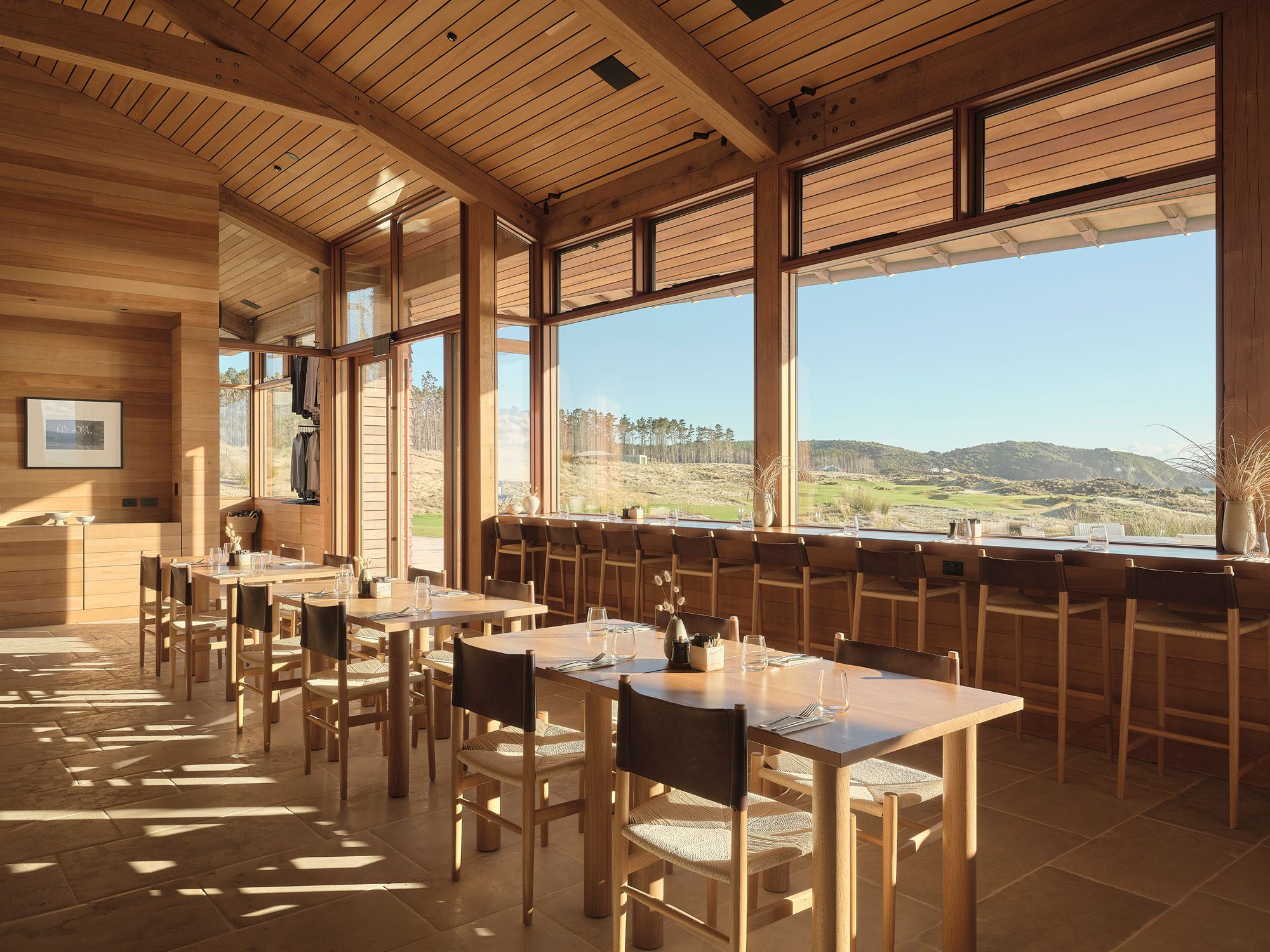
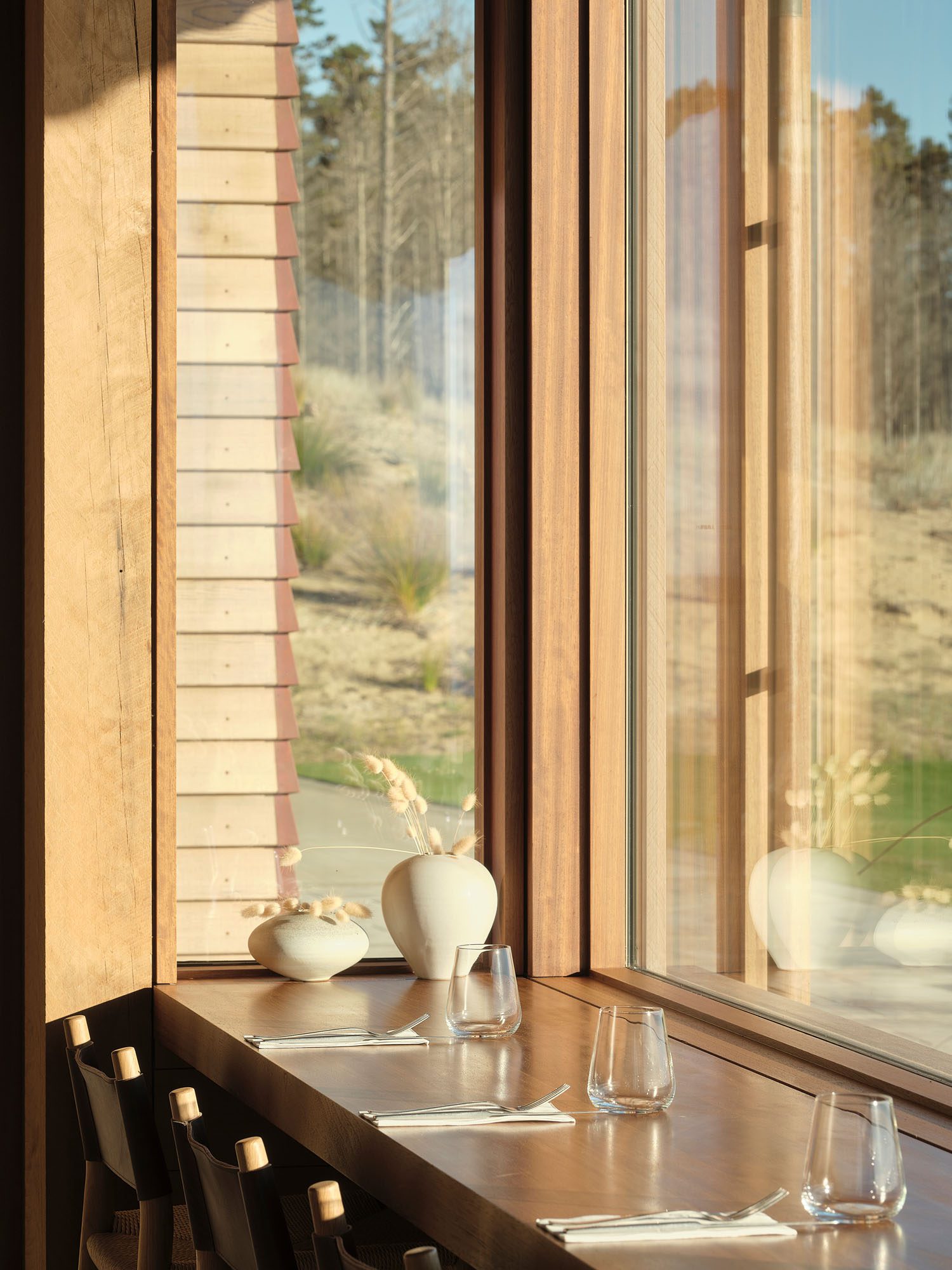
Ocean Restaurant is a deft piece of hospitality architecture by John Irving — calm, confident, and technically highly resolved. While connected to the wider Te Arai resort development, it maintains a strong identity of its own. The detailing is disciplined; ventilation, drainage, and the hidden machinery of hospitality are handled with real finesse. The raised bar seating cleverly creates prospect and refuge, enriching the guest experience, while the material language carries through with cohesion and warmth. This is sophisticated hospitality architecture from a practiced hand — expertly executed, highly considered, and delivering its brief with quiet confidence and genuine architectural maturity.
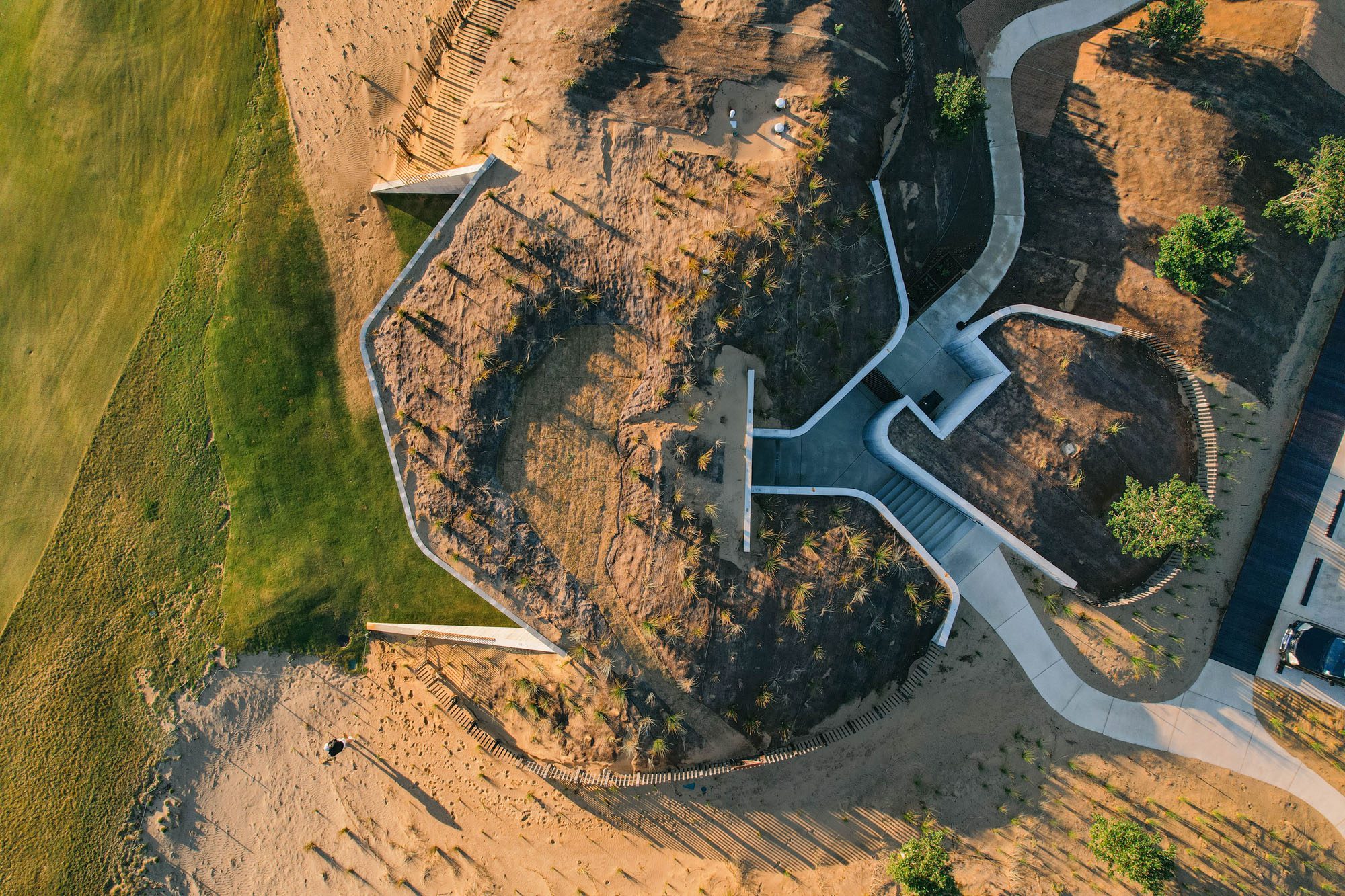
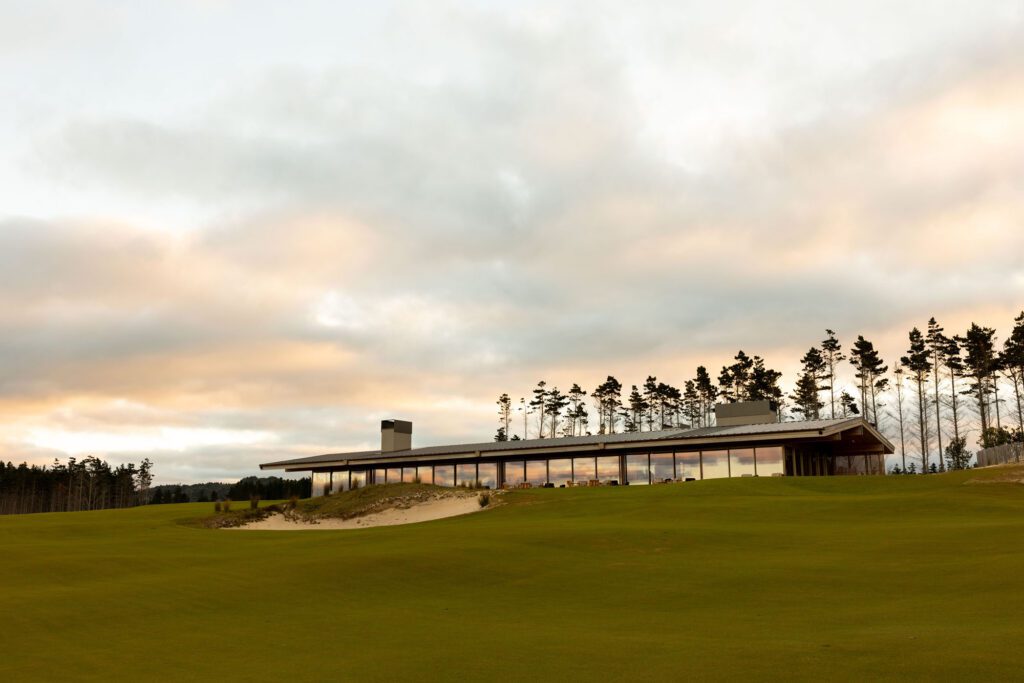
Te Arai Links Northern Clubhouse by Cheshire Architects
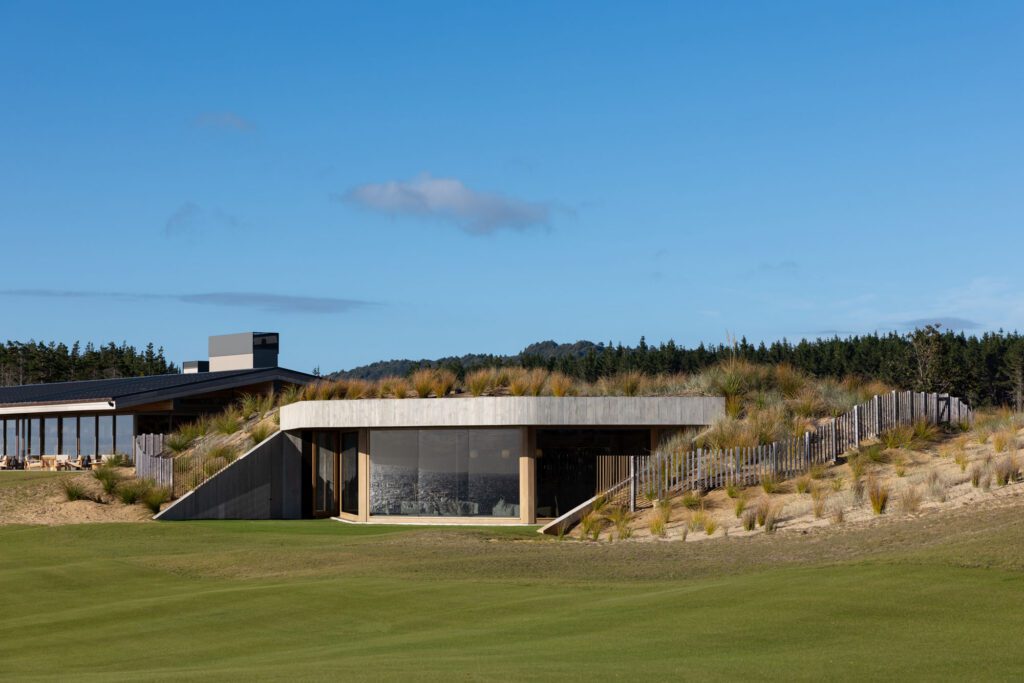
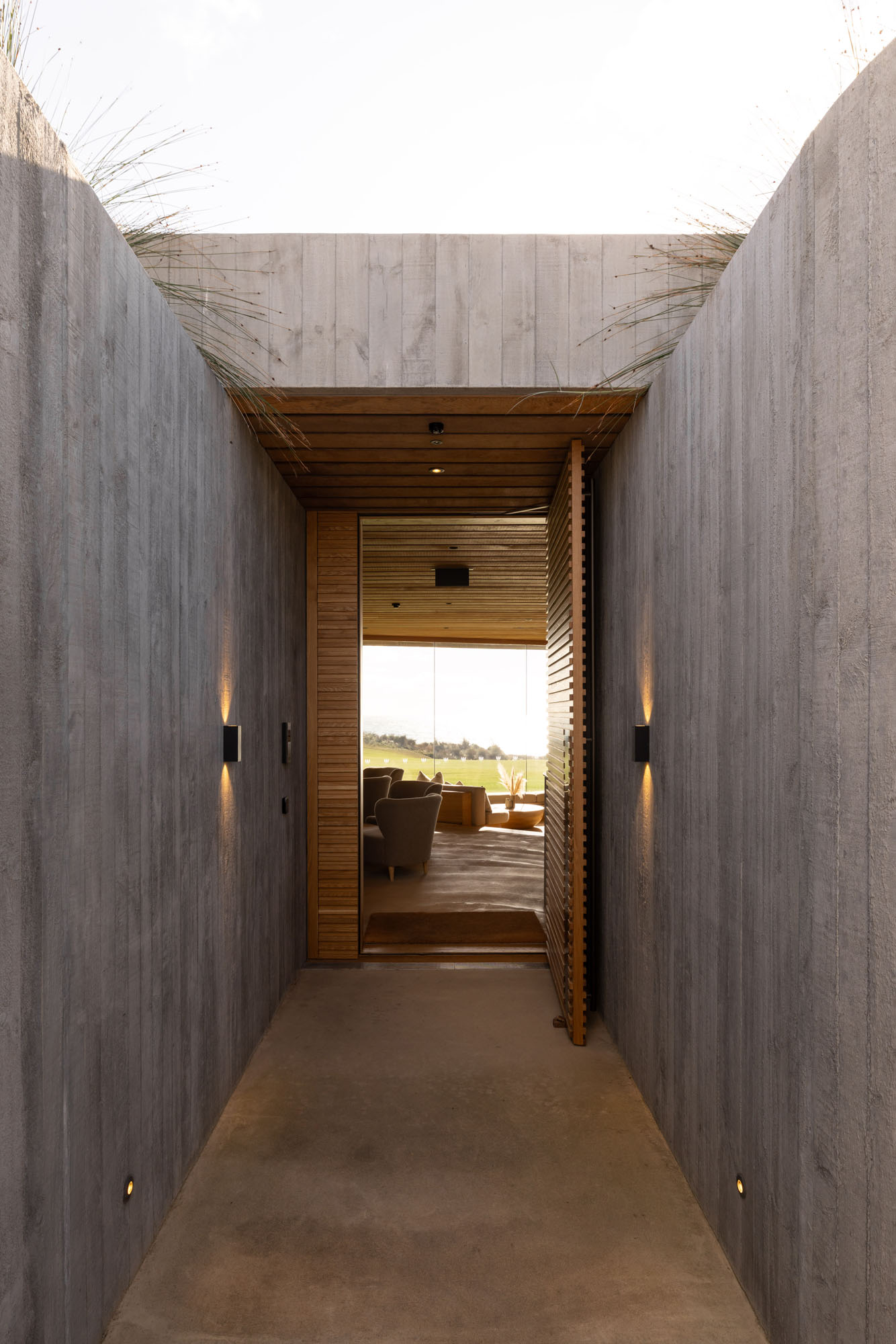
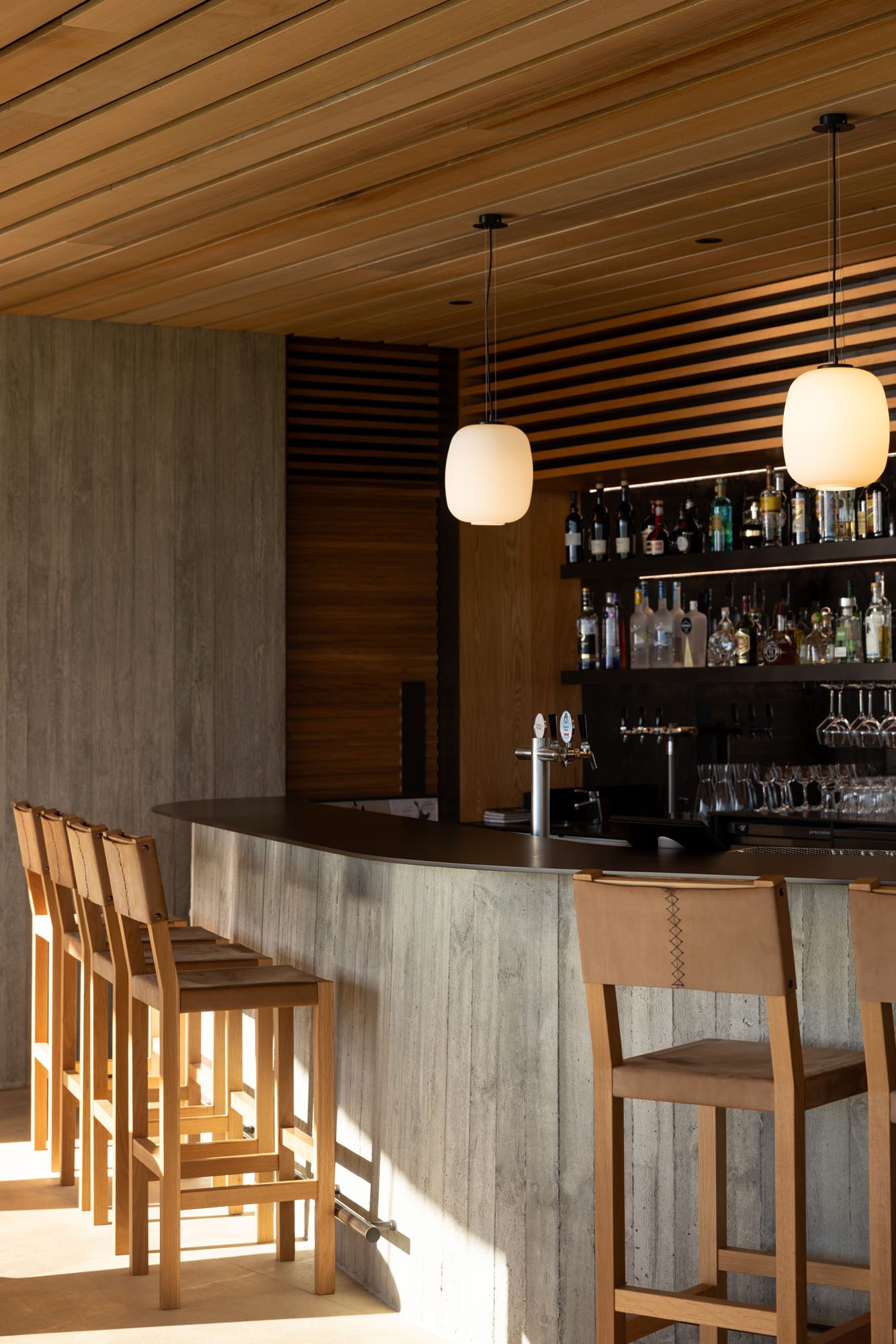
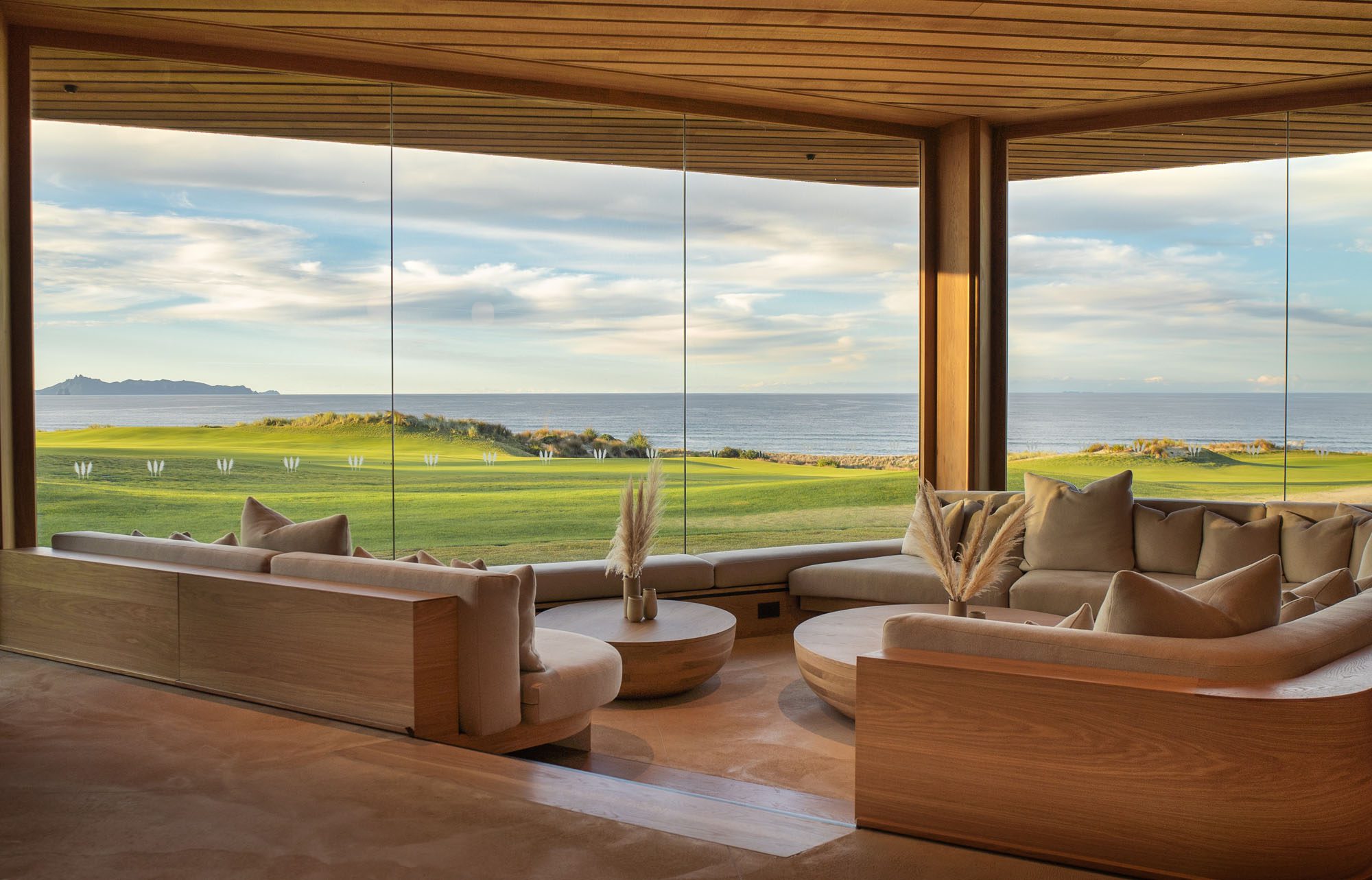
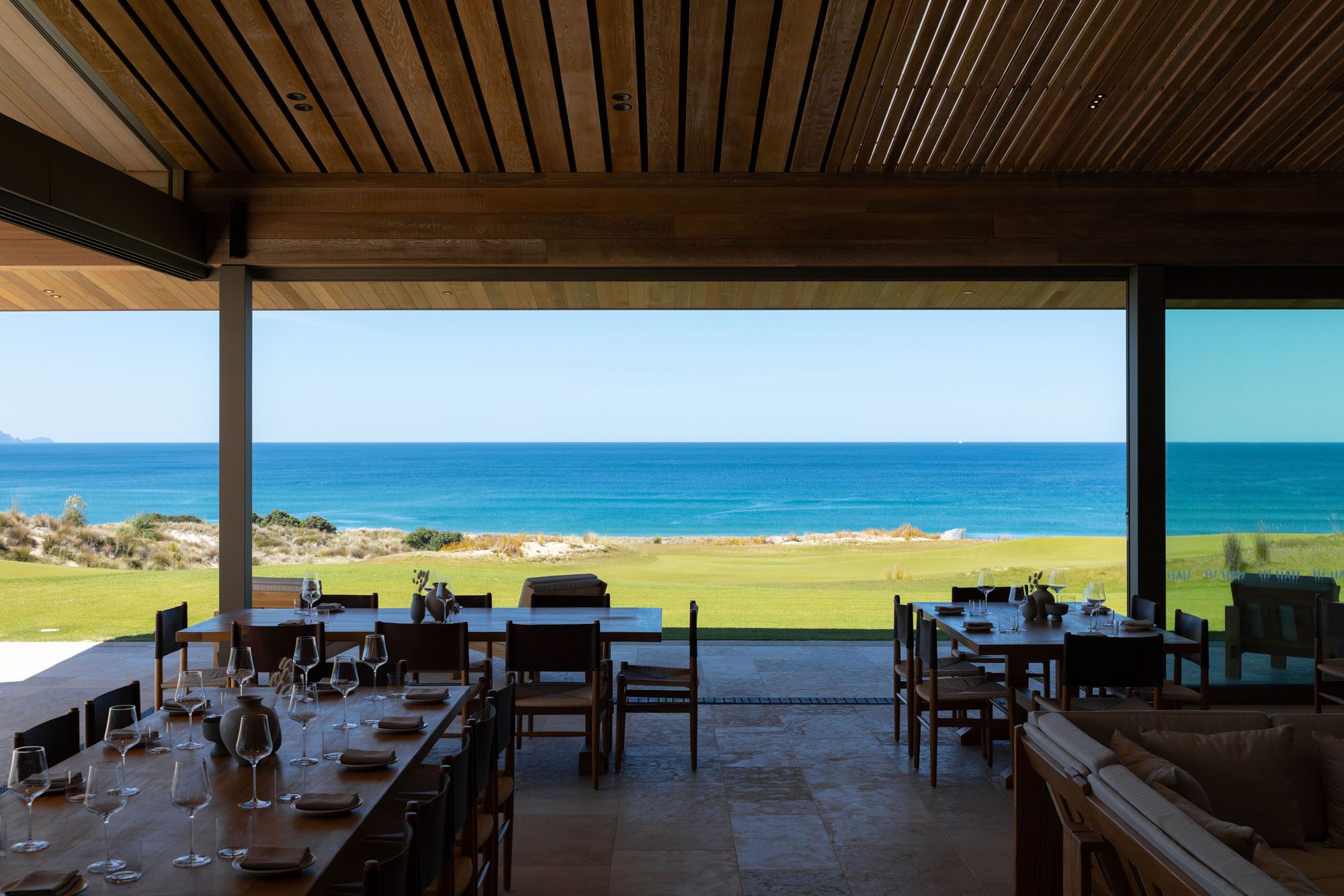
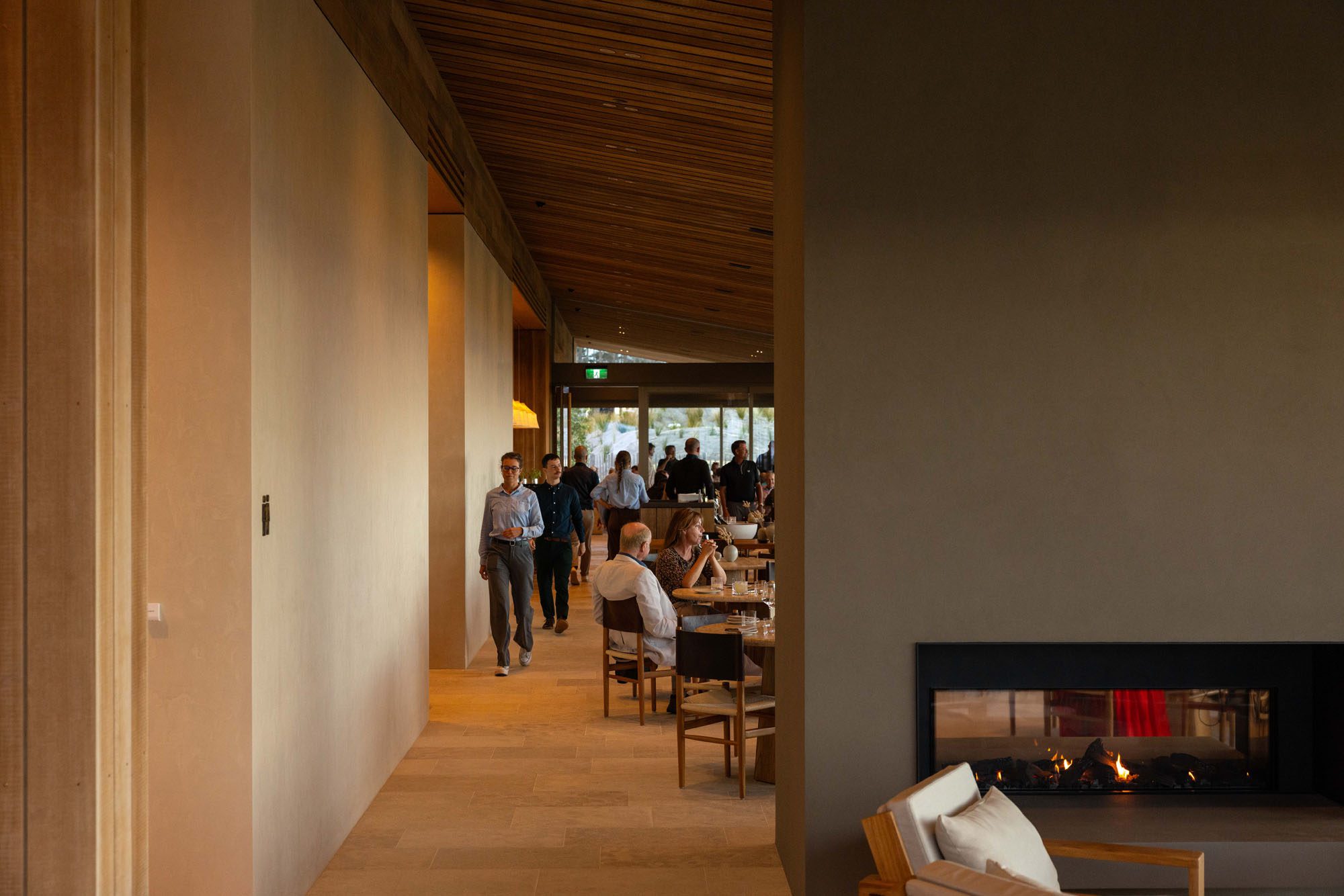
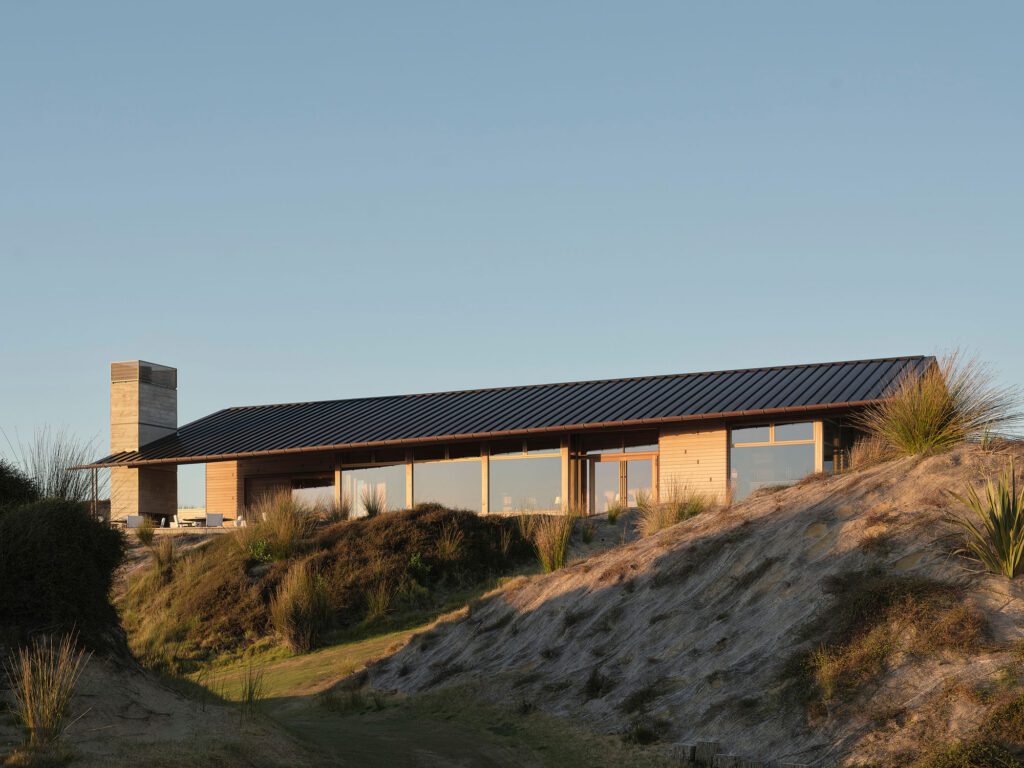
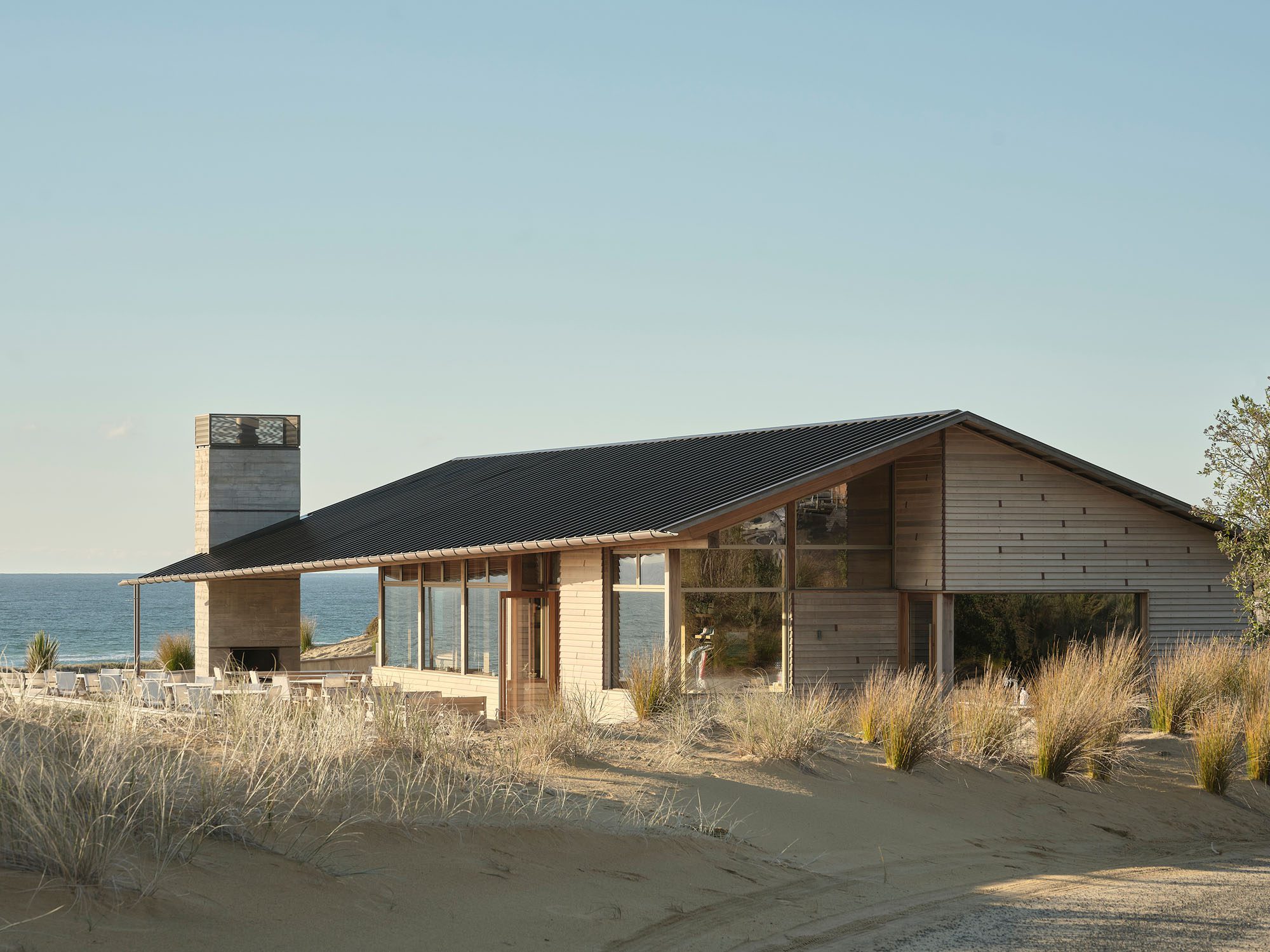
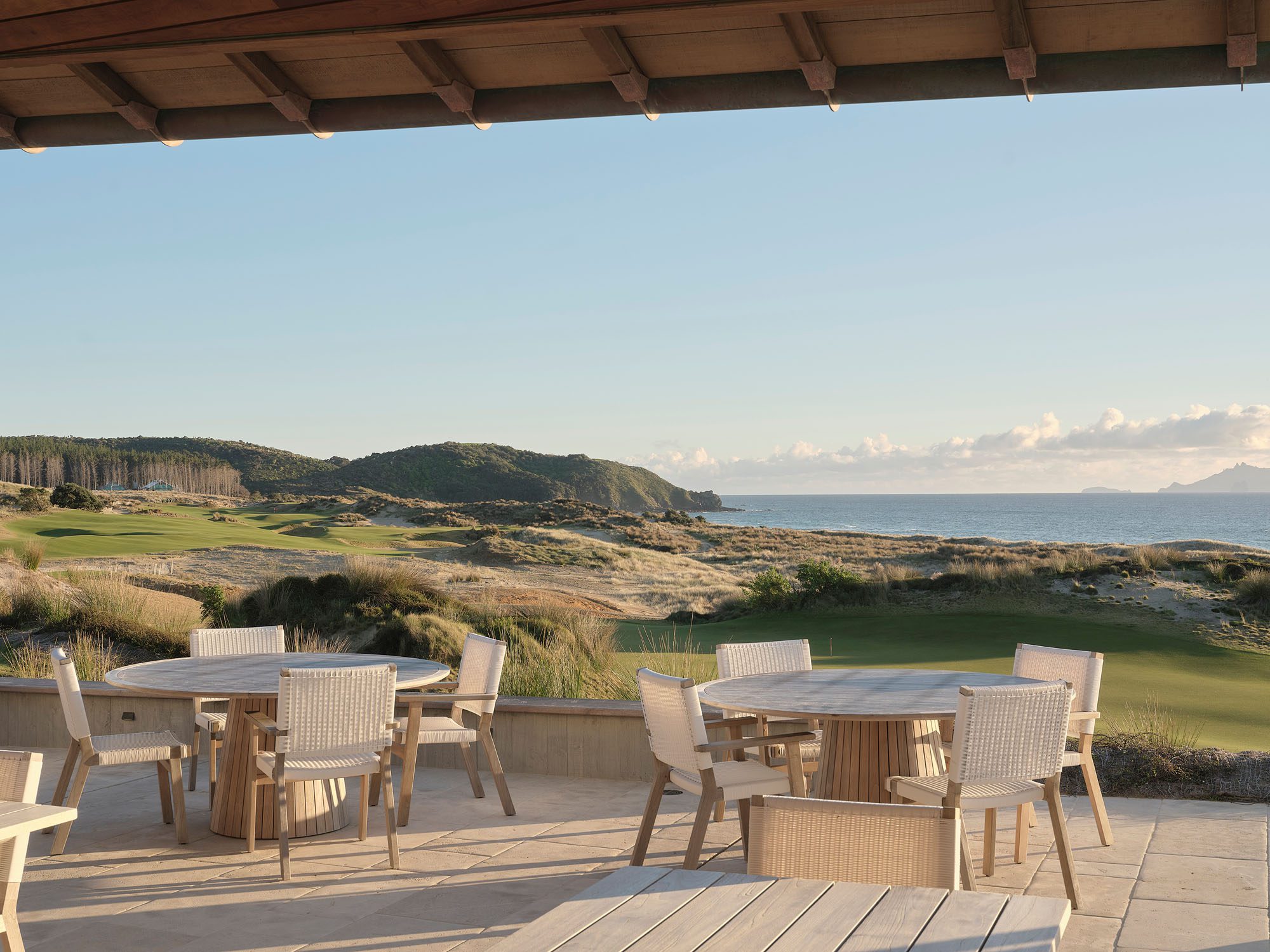
Northern Clubhouse by Cheshire is a quietly assured piece of hospitality architecture — elegant, restrained, and beautifully resolved. Elegant proportions, refined detailing, and a roofline that creates a sheltered courtyard-like atmosphere all contribute to a calm and welcoming environment. The project shows confidence through its simplicity, avoiding unnecessary gestures while maintaining a strong architectural presence. Careful execution and clarity of design set it apart, creating a hospitality space that feels comfortable, generous, and highly resolved. Quietly confident rather than attention-seeking, the building succeeds through quality, atmosphere, and thoughtful design.
Housing
Chamberlain Tower by EADA Architects
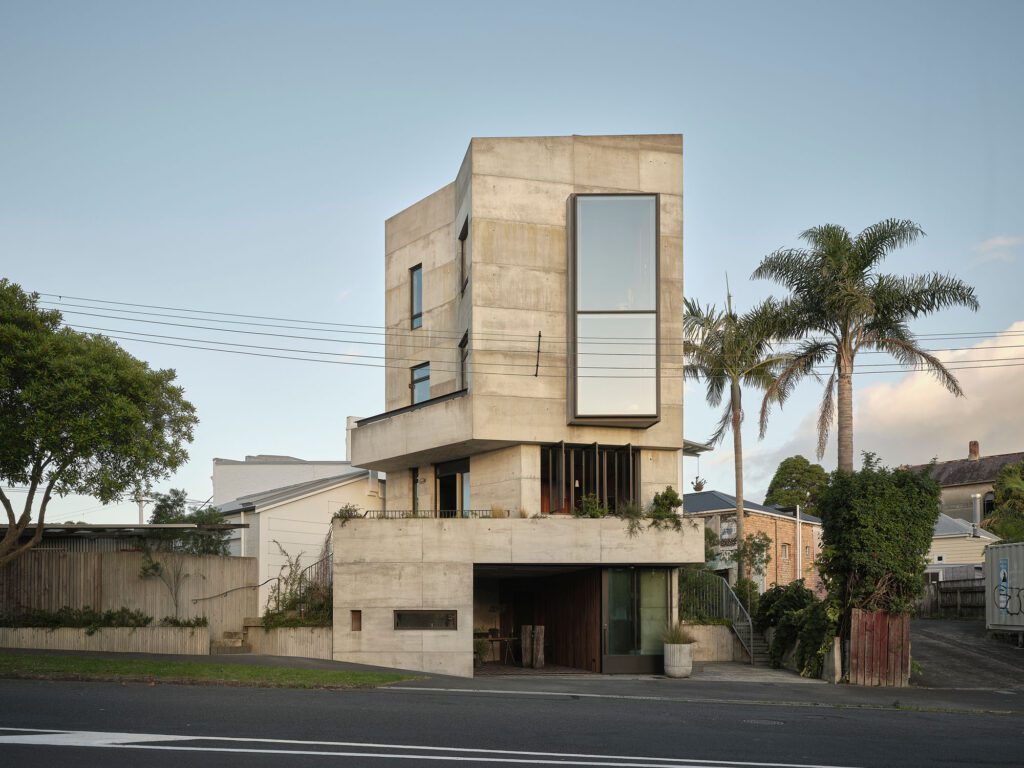
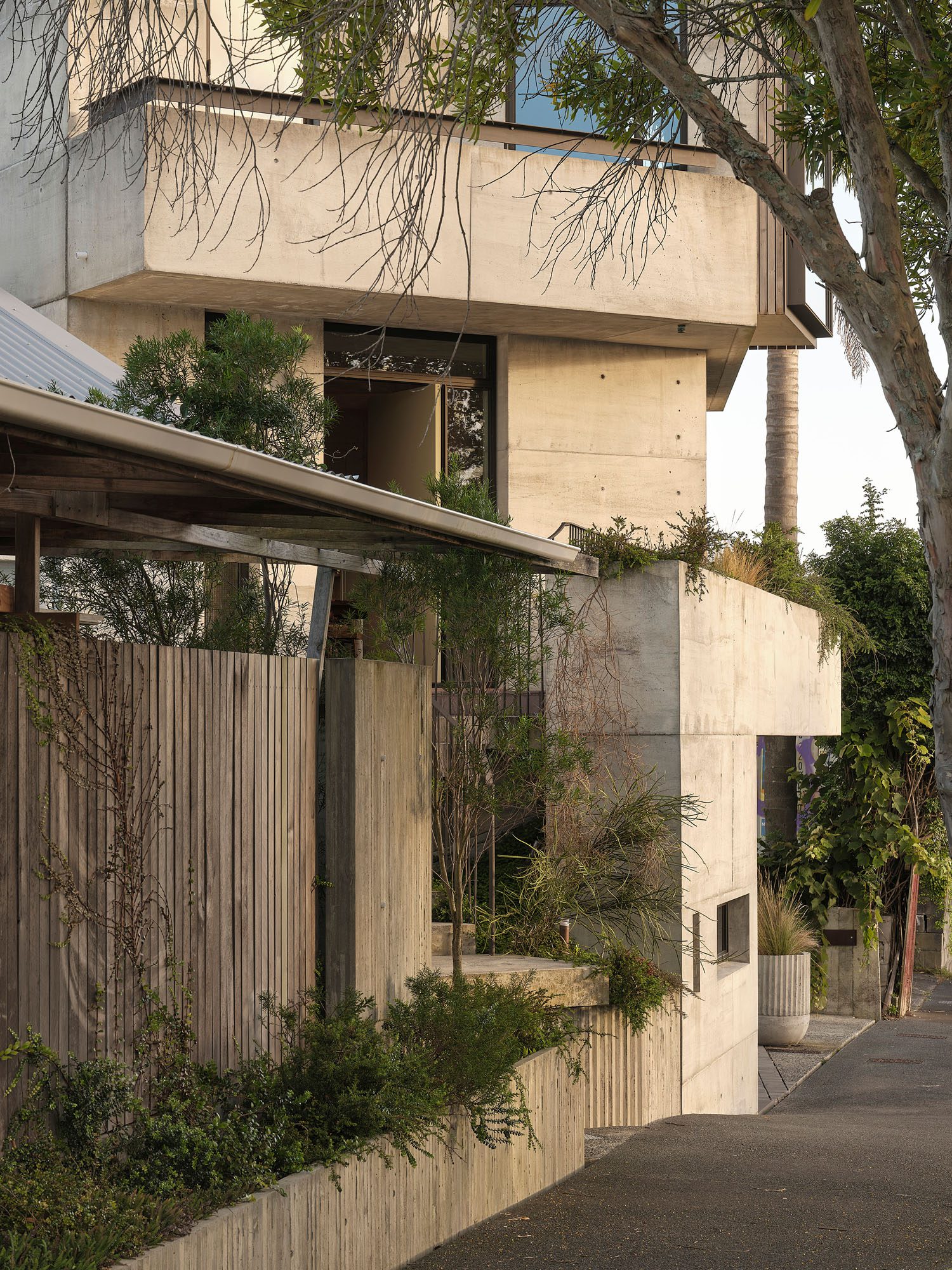
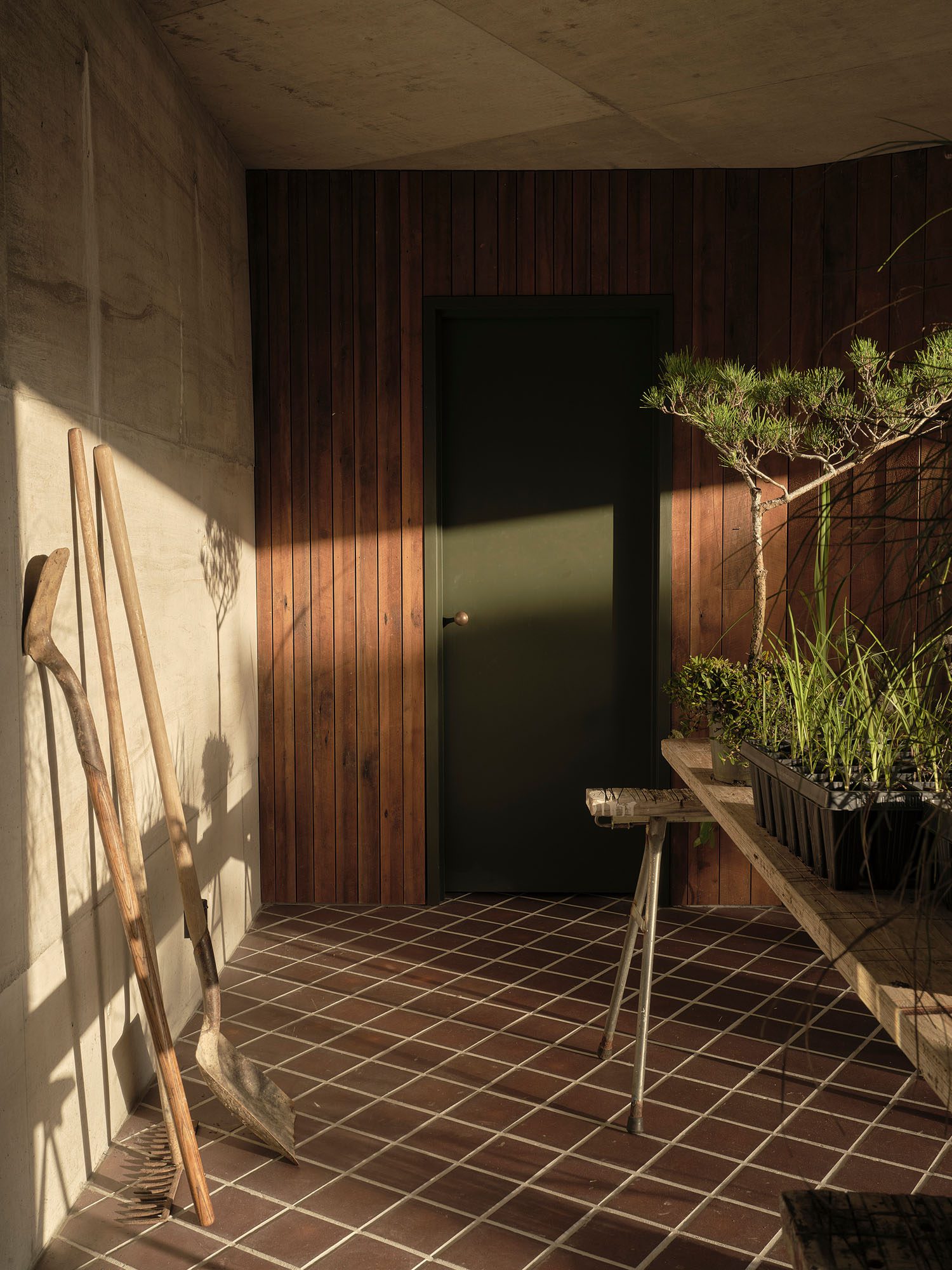
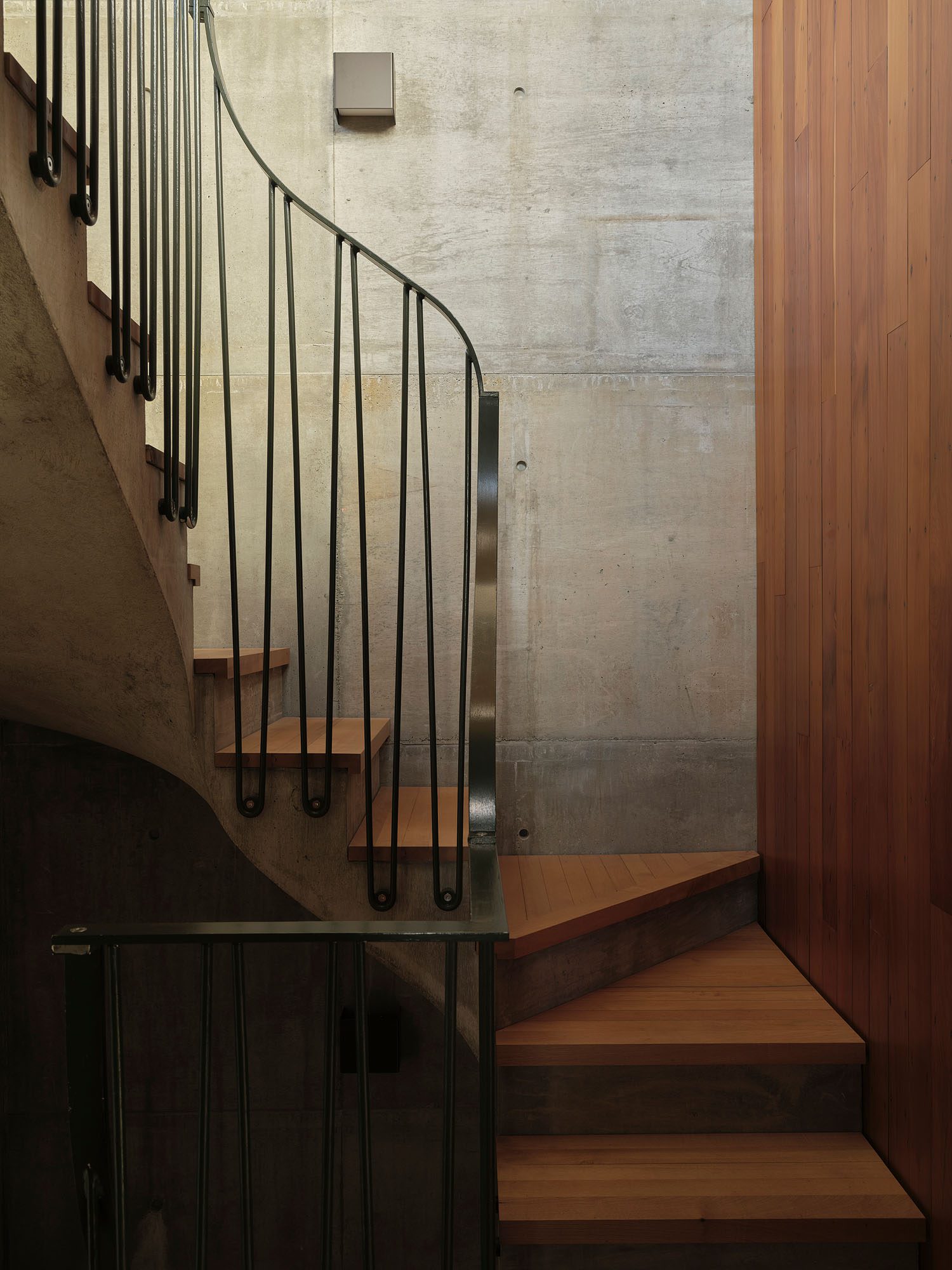
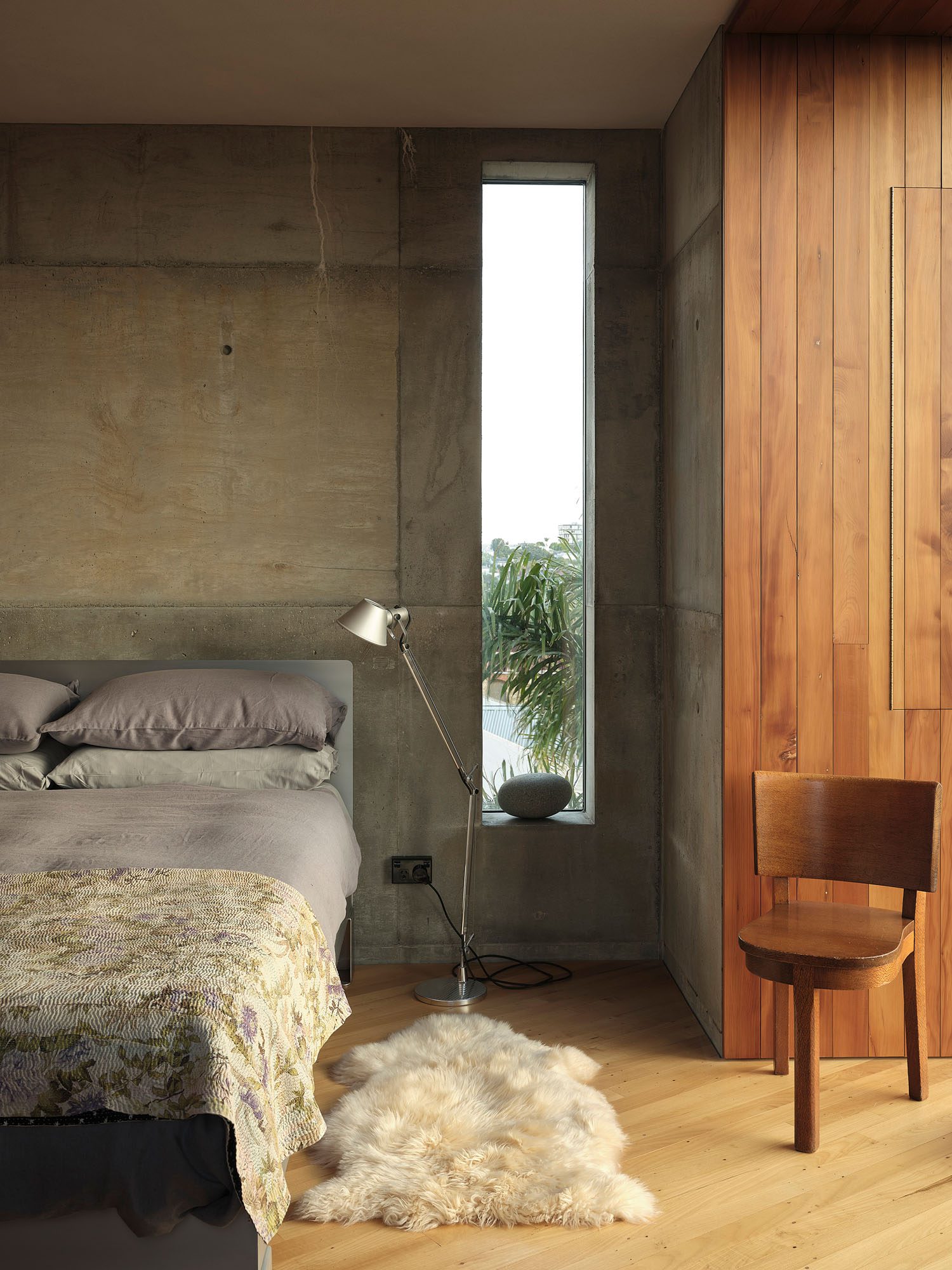
Chamberlain Tower is a bold addition to Auckland’s inner-city ridgeline, responding confidently to its busy neighbourhood setting with views toward the Waitākere Ranges. Drawing on the character of Japanese townhouses, the project explores vertical living through strong geometry and carefully layered spaces. In-situ concrete, salvaged timber, and a winding stair create a consistent architectural language carried into the interiors. Ambitious and highly resolved, the project asks important questions about urban density while delivering a distinctive and imaginative response that feels both practical and memorable.
Double Courtyard House by Roberts Gray Architects
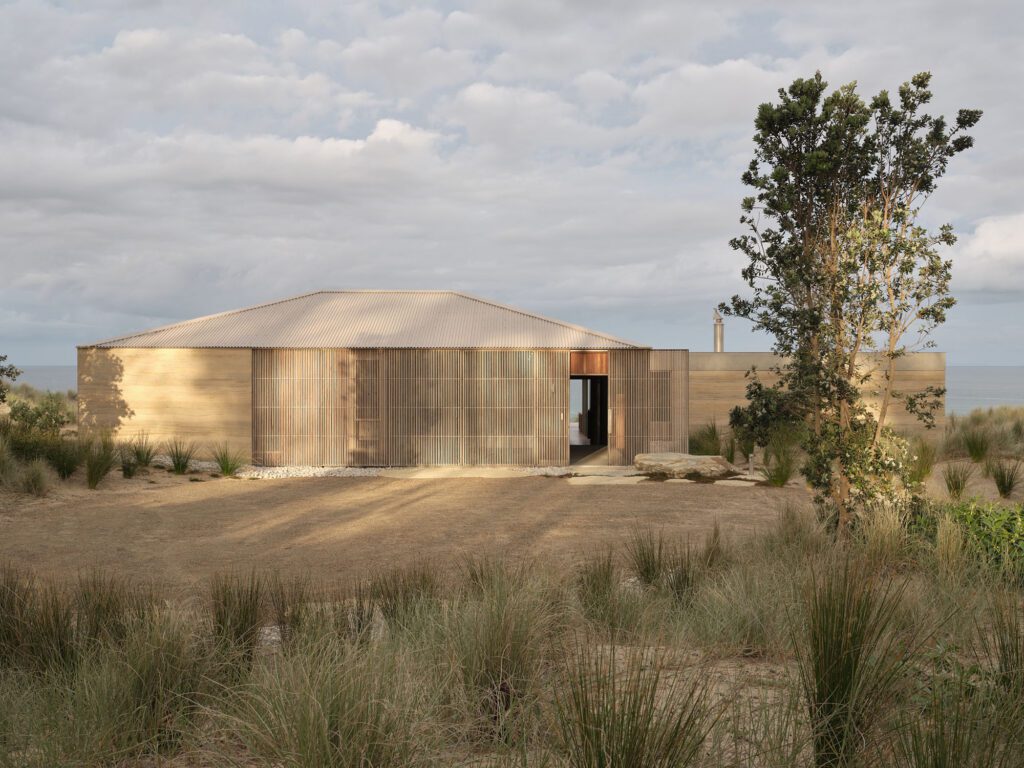
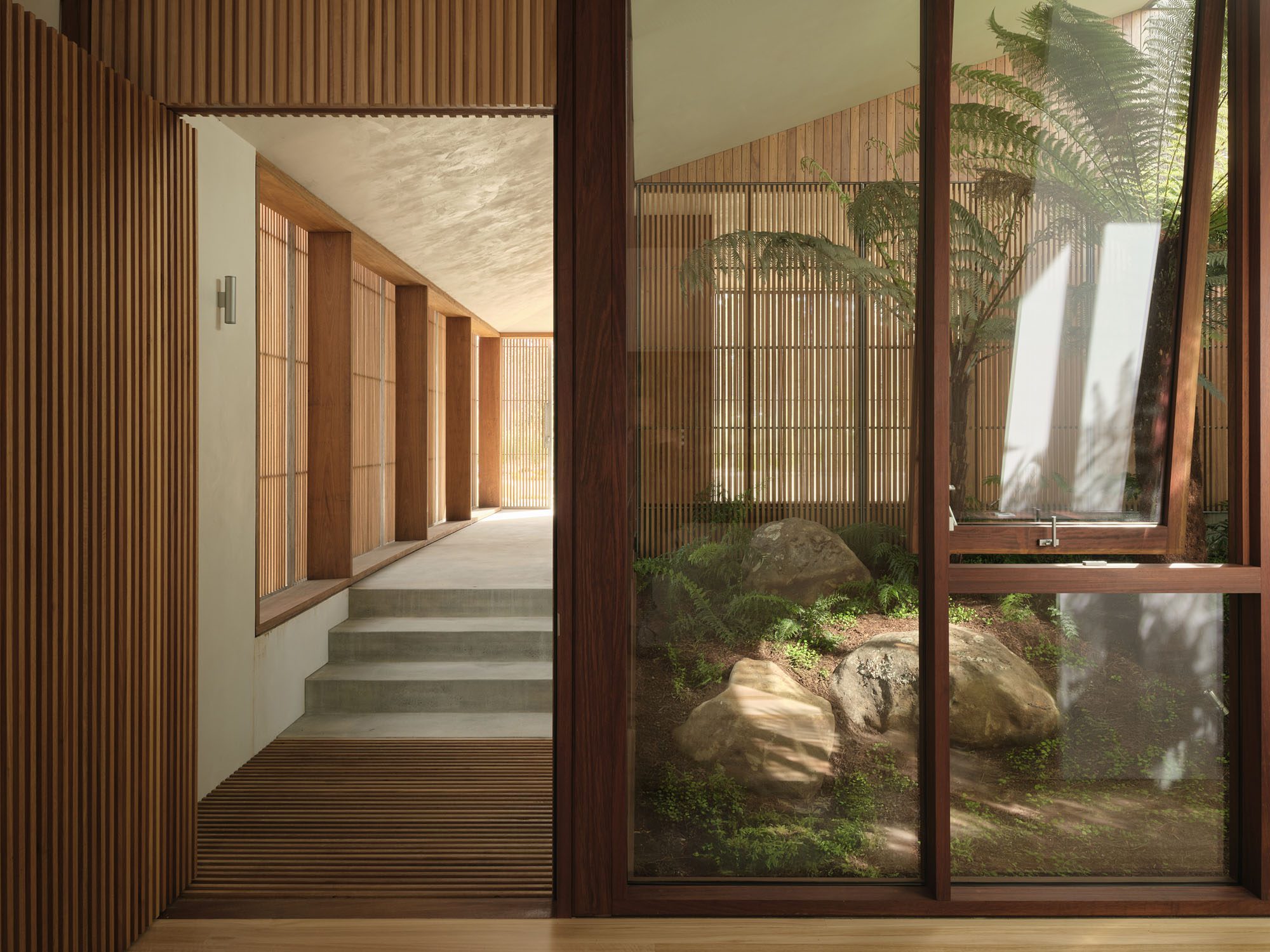
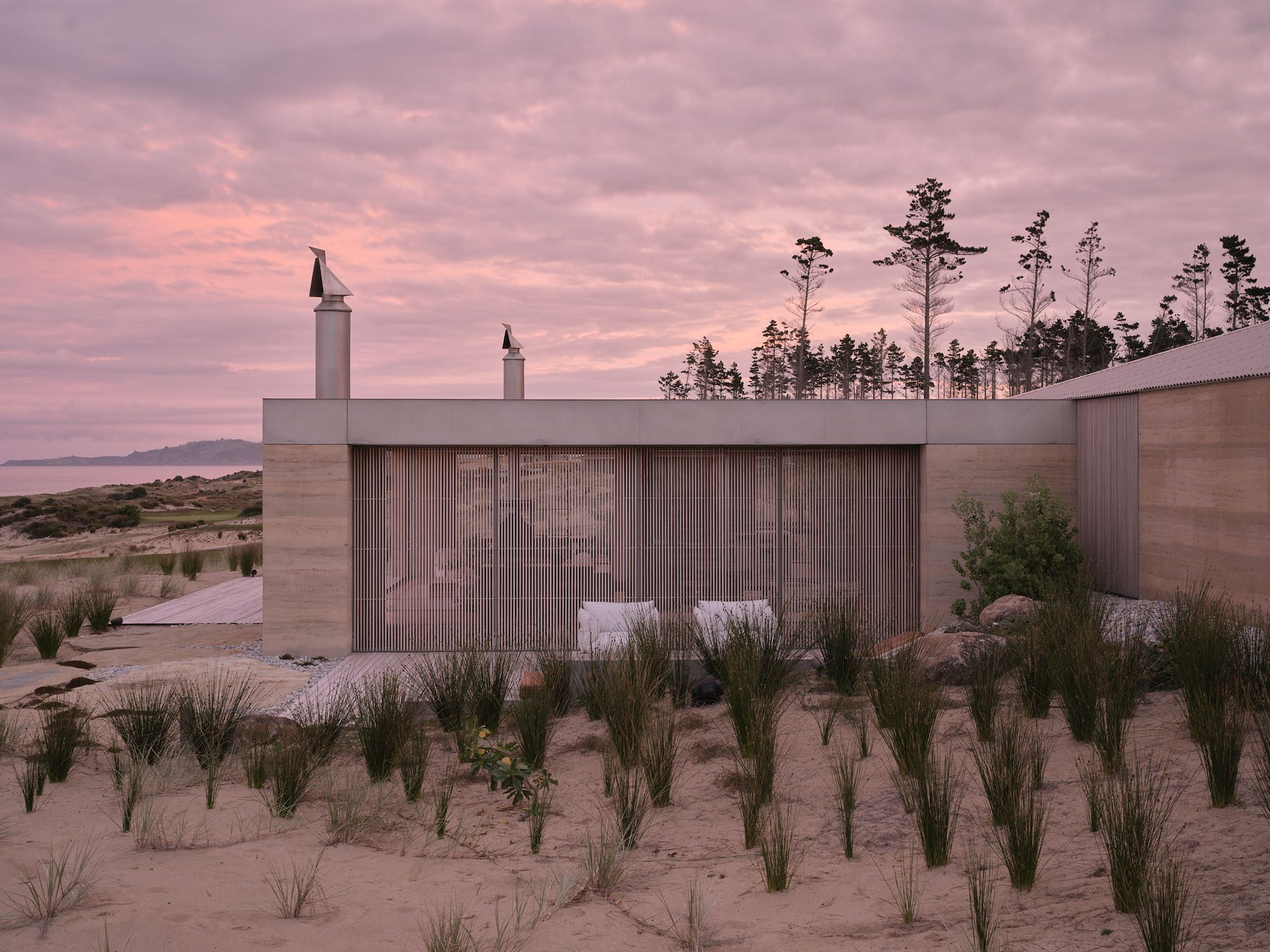
Double Courtyard House emerges from the Te Arai dunes as two carefully crafted rammed-earth pavilions. Each pavilion is organised around its own courtyard, creating different experiences of shelter, light, and openness. One courtyard brings filtered light into a fern-filled garden beside the bedrooms, while the other opens toward wide ocean views. Carefully detailed and strongly connected to its coastal landscape, the house balances permanence with sensitivity to place. Through precise craftsmanship and a calm material palette, the project creates a confident and grounded response to its dramatic setting.
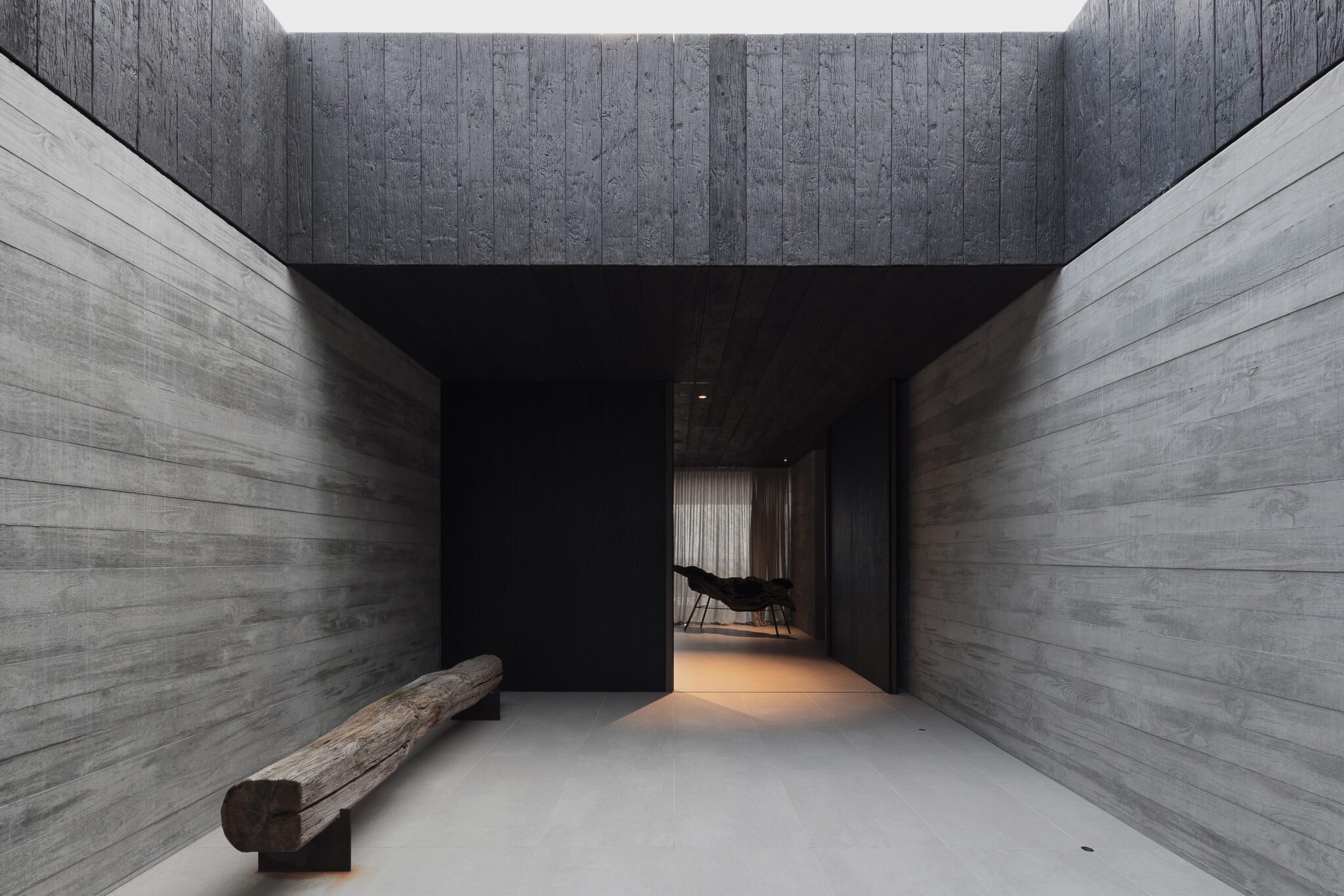
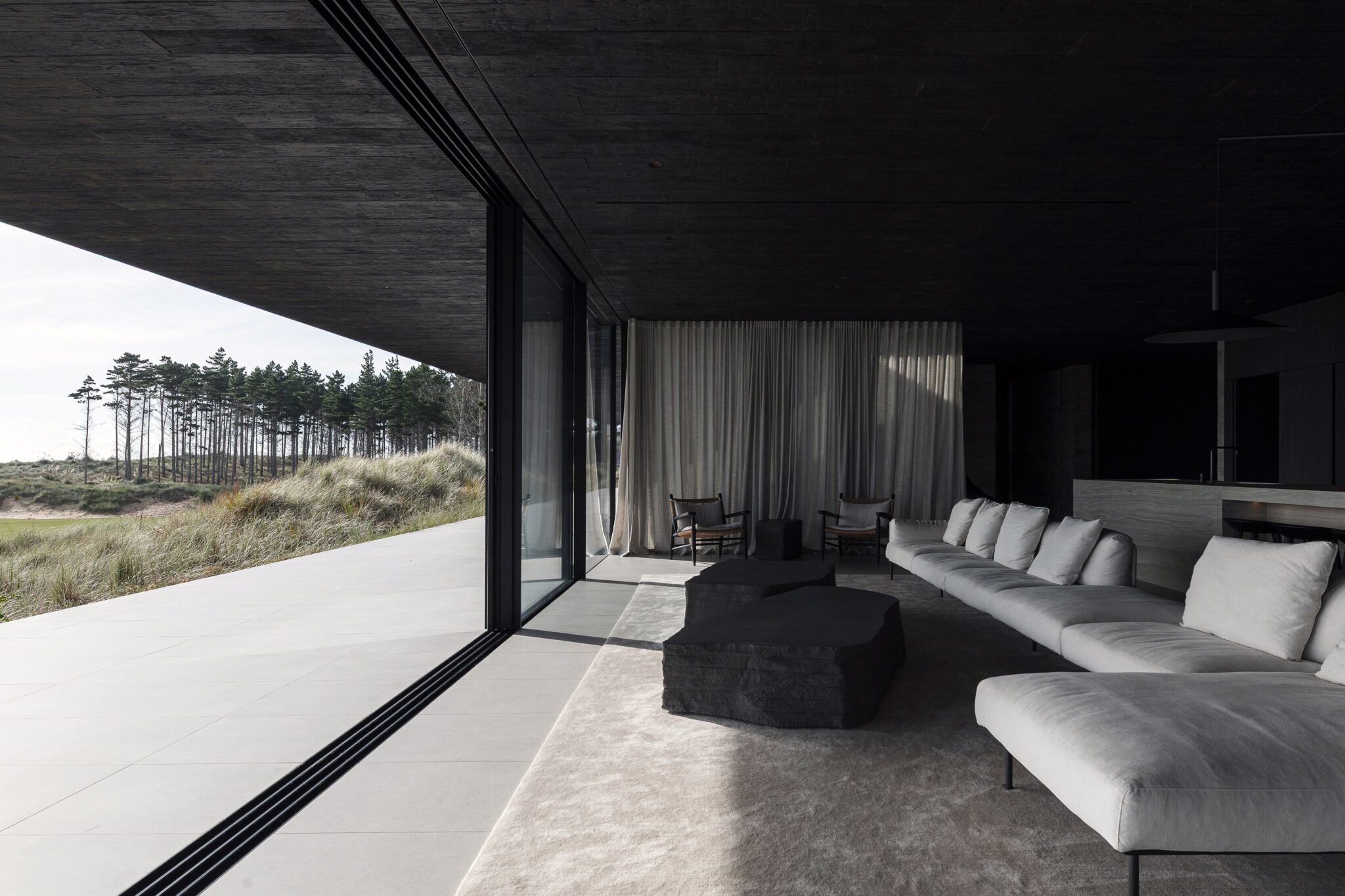
Ember by Monk Mackenzie
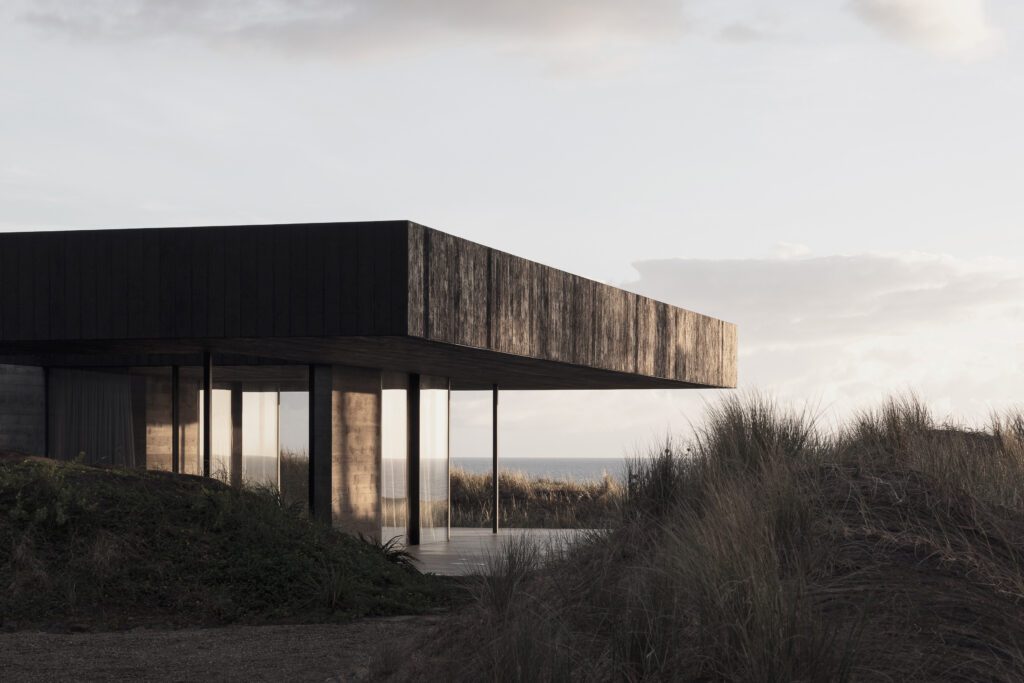
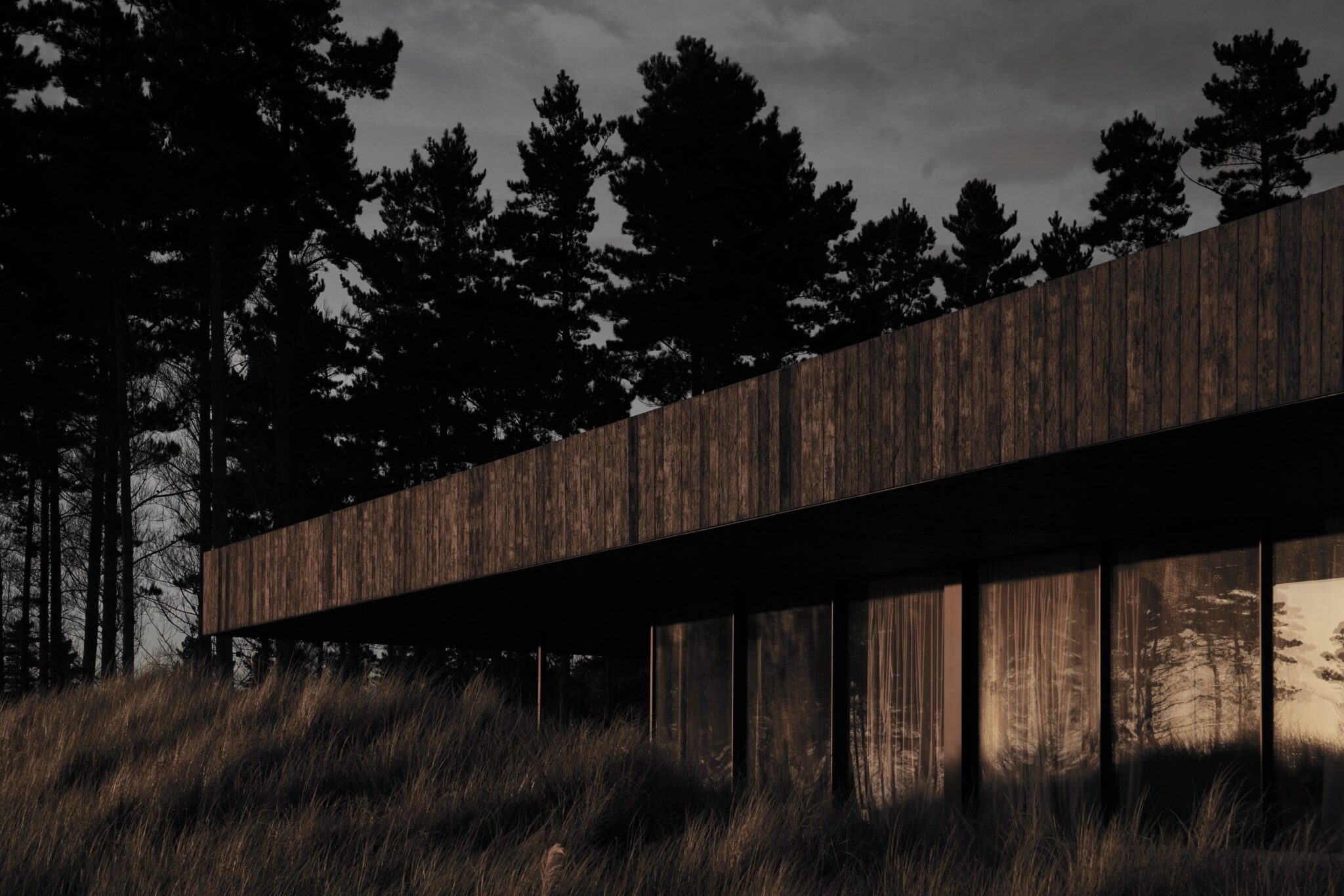
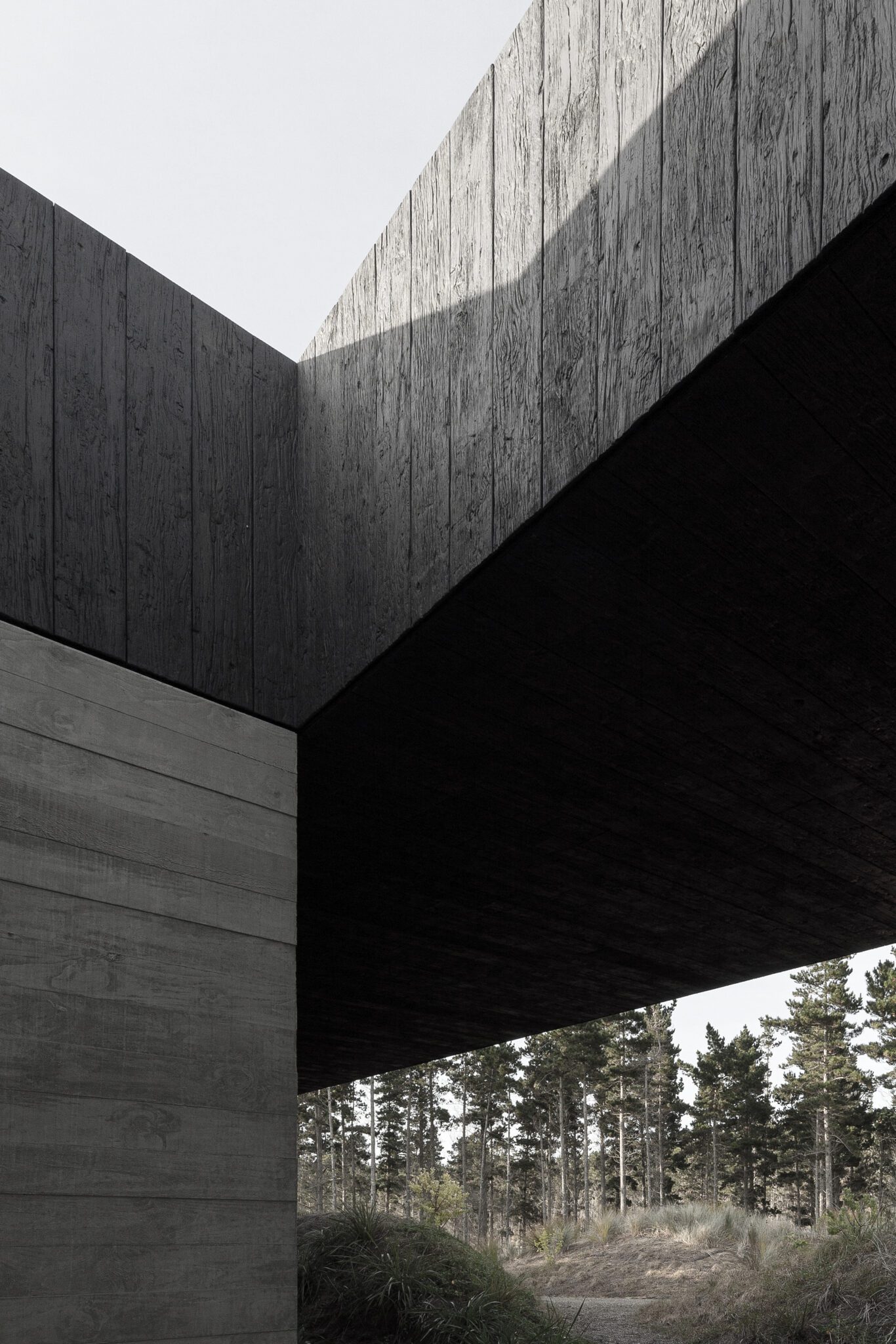
Set between dunes and pine trees on the Te Arai coastline, Ember is shaped as a dark monolithic form that appears to hover above the sand. Its charred exterior recalls driftwood washed ashore, helping the building feel connected to its coastal environment. A central foyer separates private and shared living spaces, while small courtyards bring planting and natural light deep into the home. Heavy walls create a strong sense of shelter, balanced by large, glazed openings that dissolve the boundary between indoors and landscape. Carefully controlled and highly resolved, the project sits confidently within its setting.
Jack’s House by W3 and Cede in association
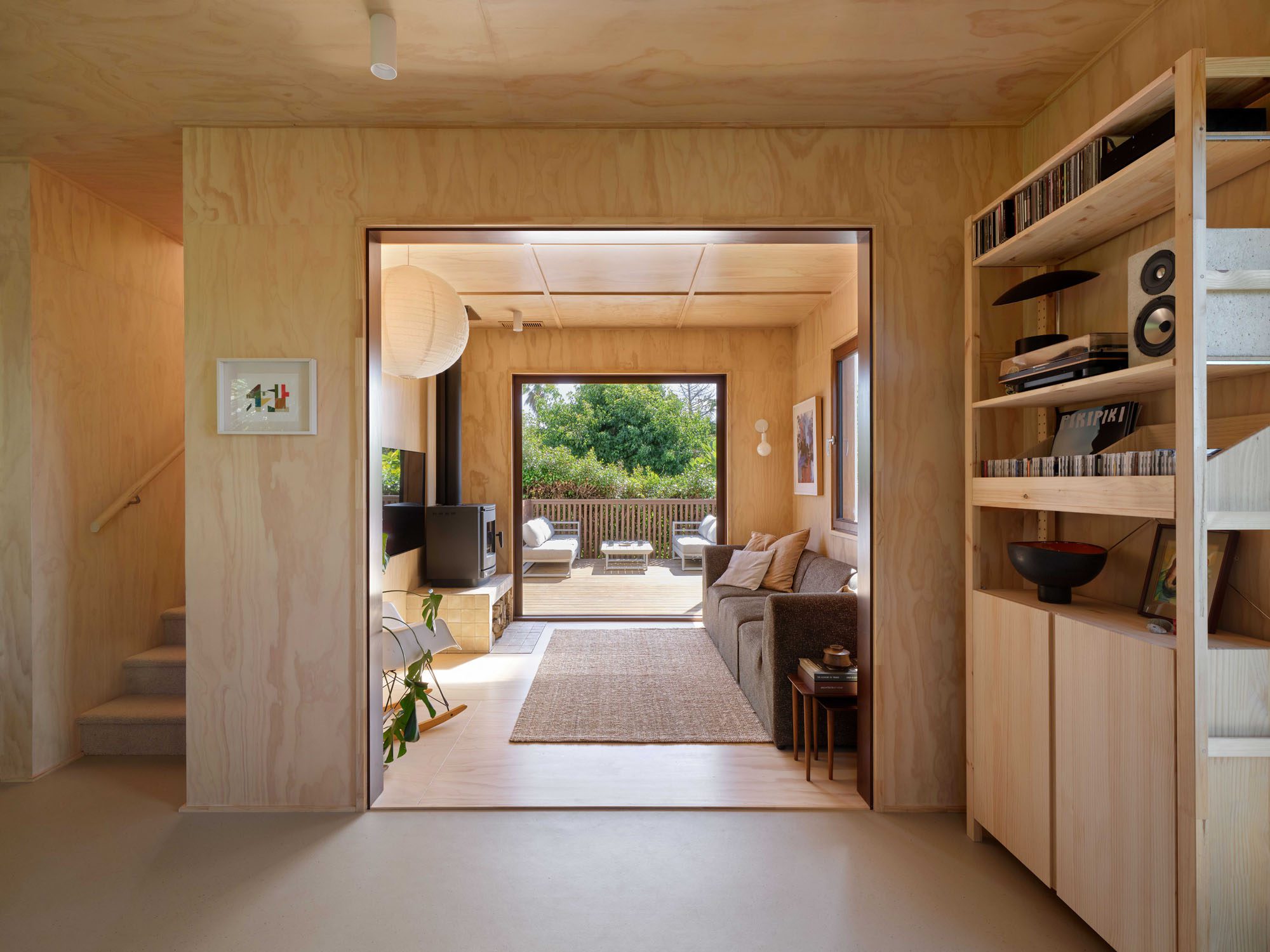
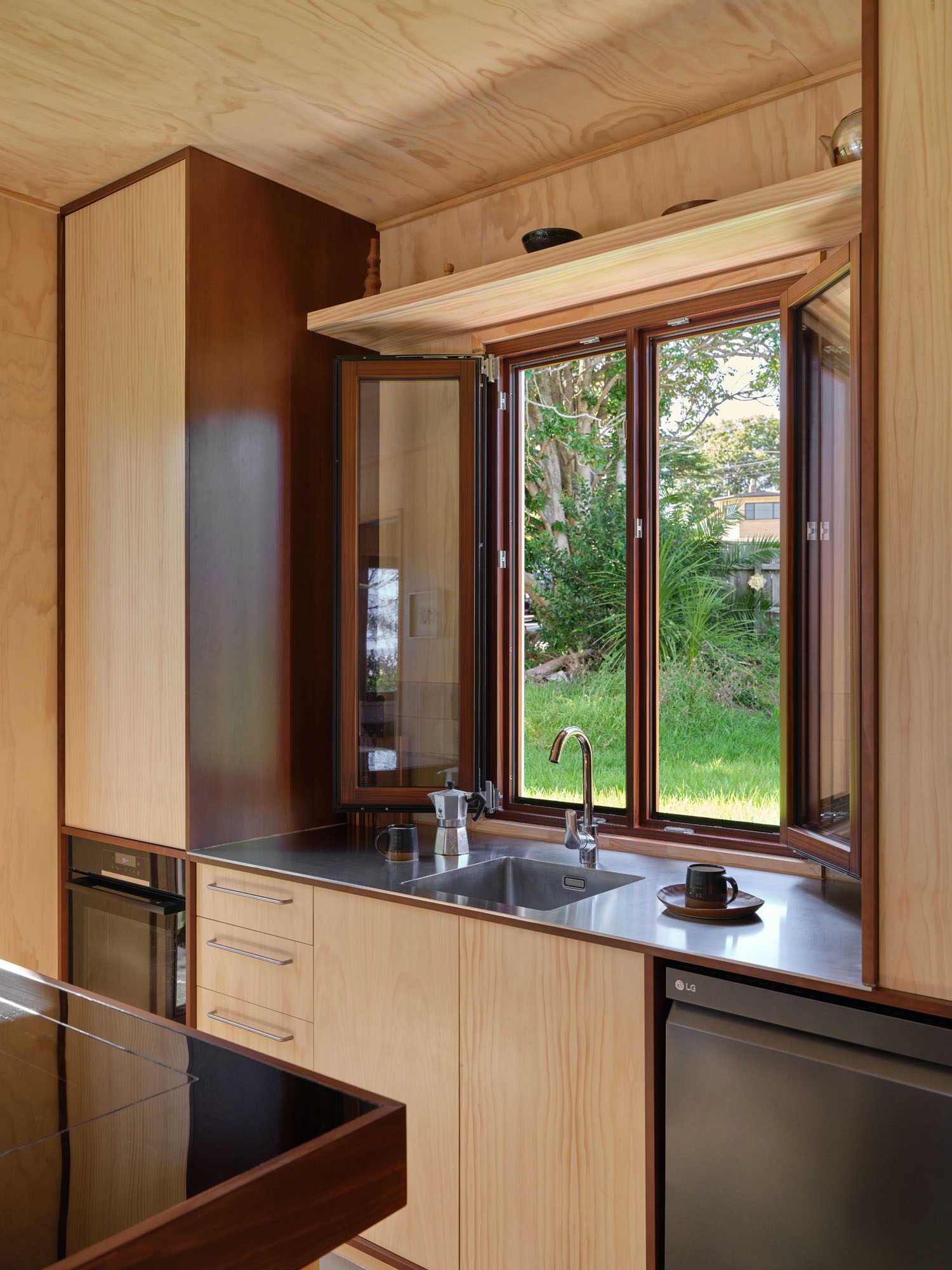
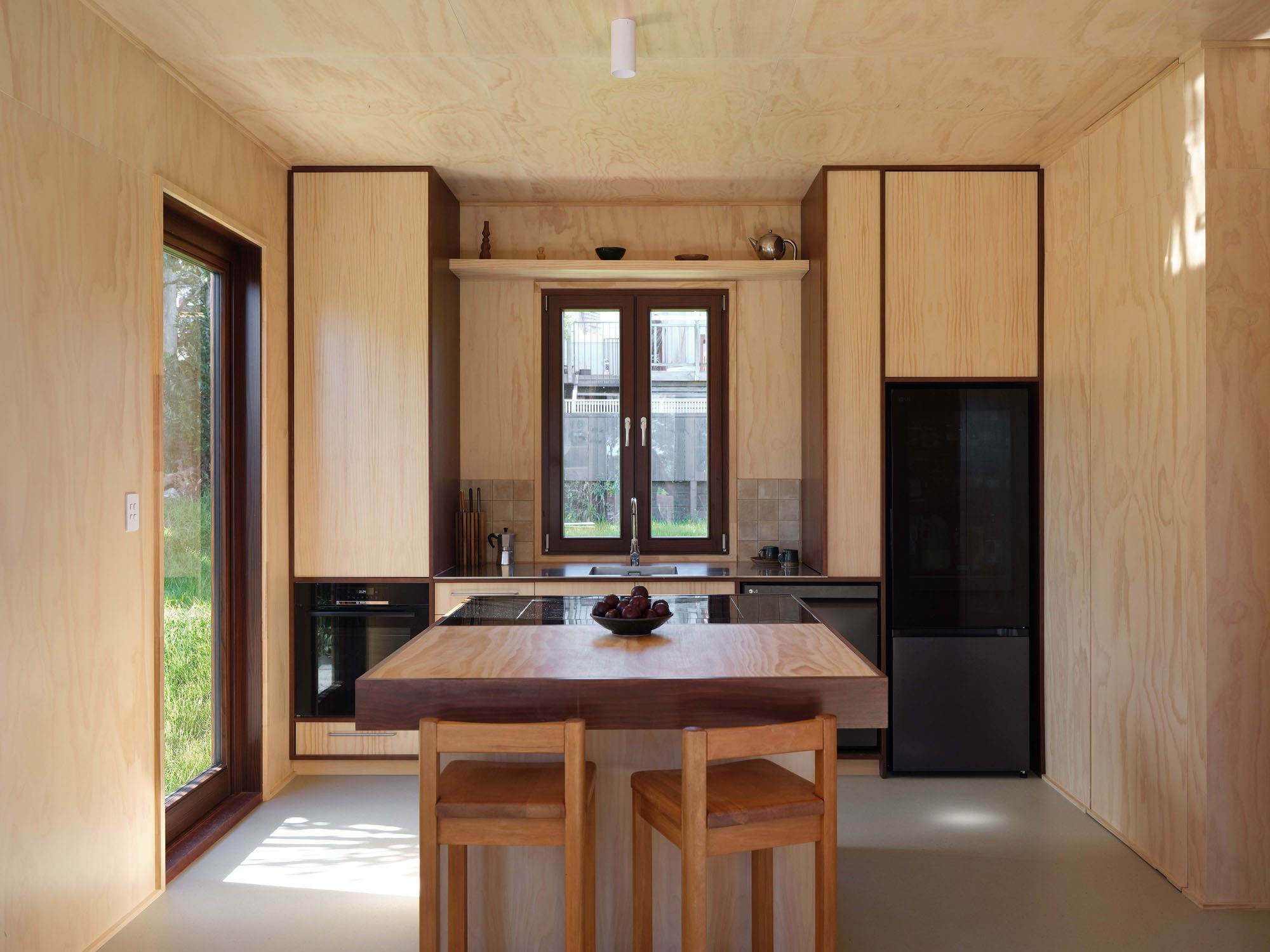
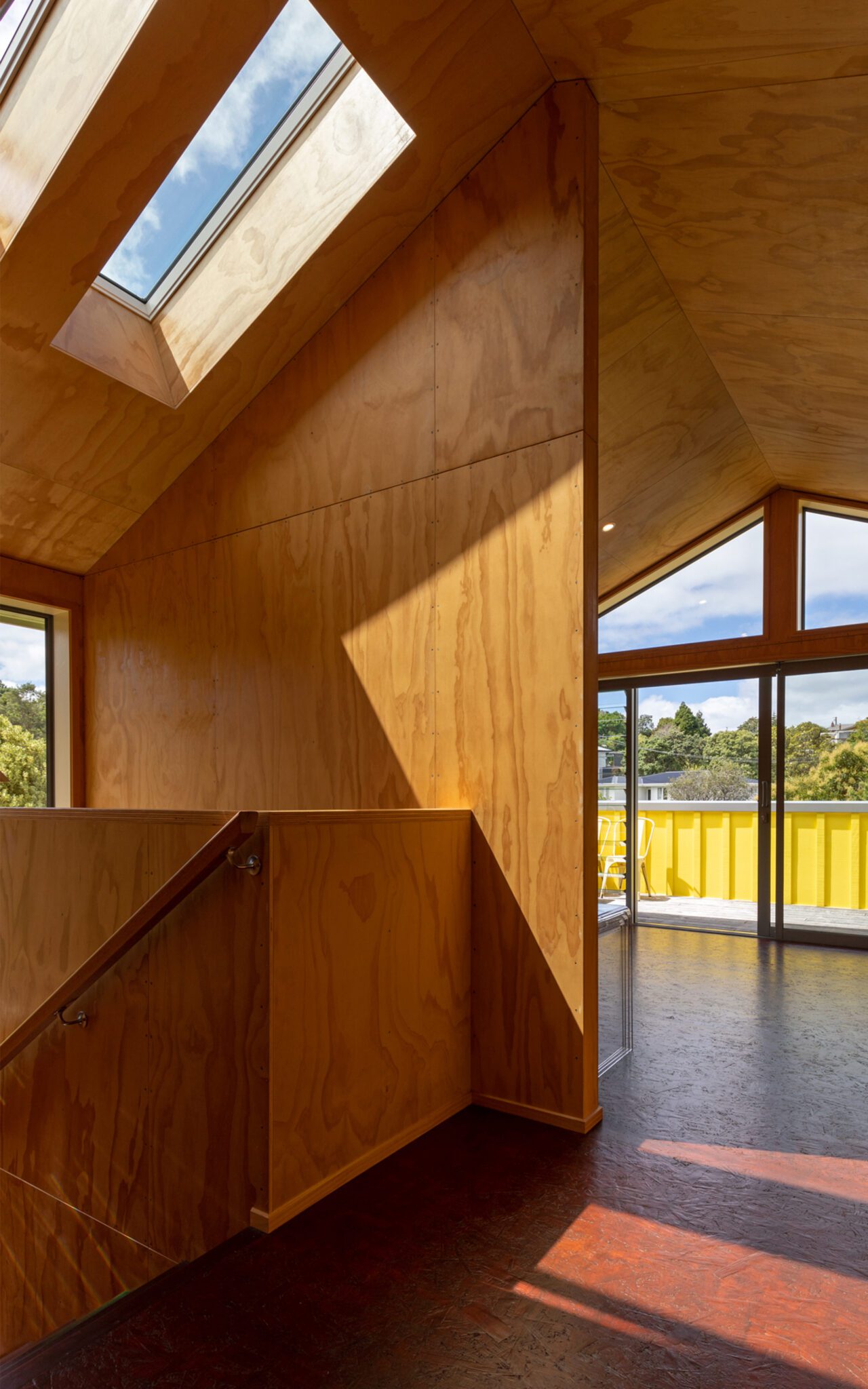
Jack’s House is a carefully designed two-level family home that tracks the sun, connects closely to outdoor space, and creates warmth through natural materials and thoughtful planning. Despite its small footprint, the home feels generous and highly livable. Built almost entirely from sustainably grown pine, the project celebrates honesty in materials both inside and out. The house reflects a strong commitment to craftsmanship, careful detailing, and resourceful design. Developed in response to questions around Auckland’s housing challenges, the project shows how thoughtful architecture can achieve richness, comfort, and quality without excess.
Watch HOME’s video feature for Jack’s House by W3 and Cede in association.
Matakana Inlet House by Fearon Hay Architects
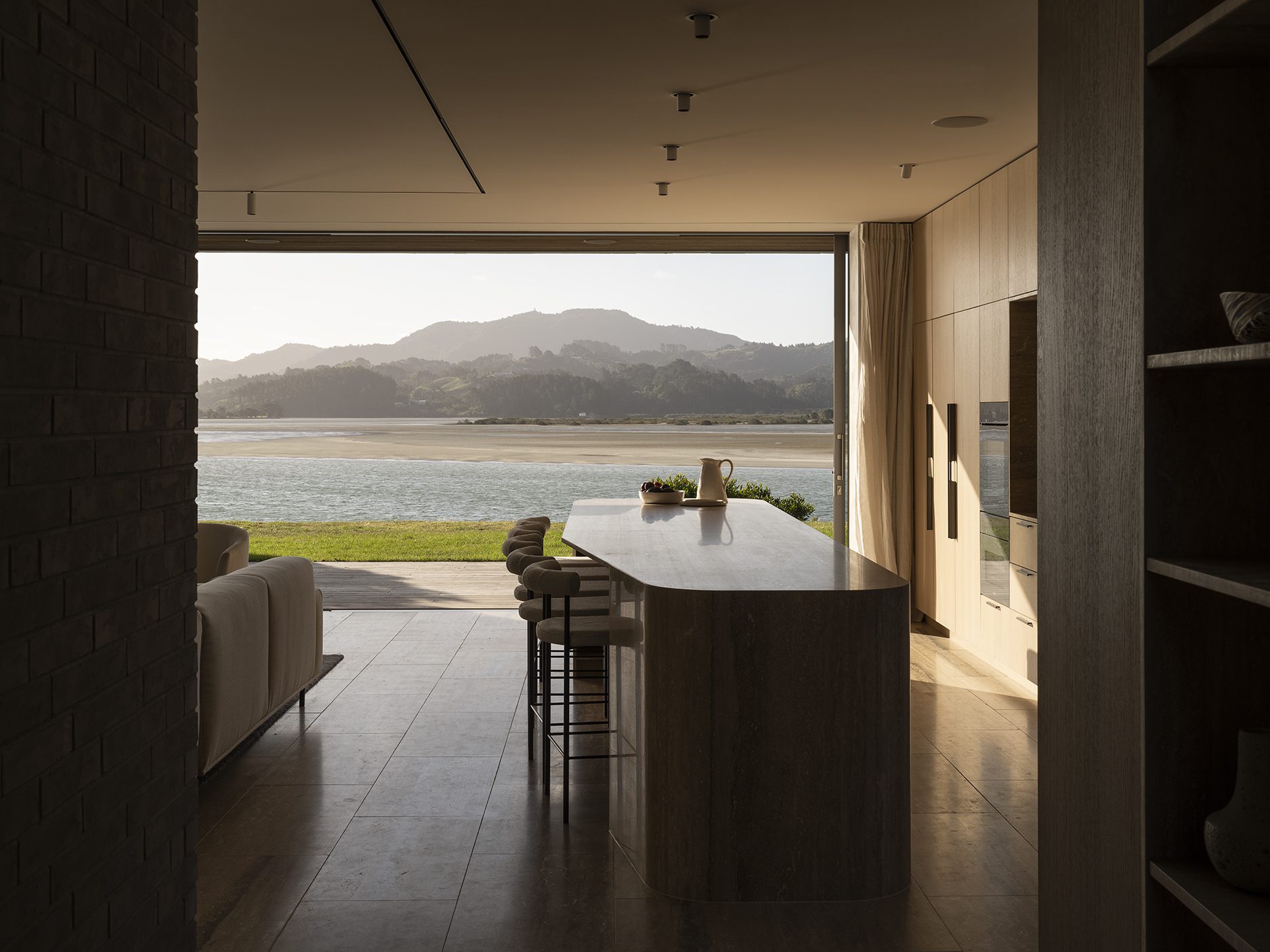
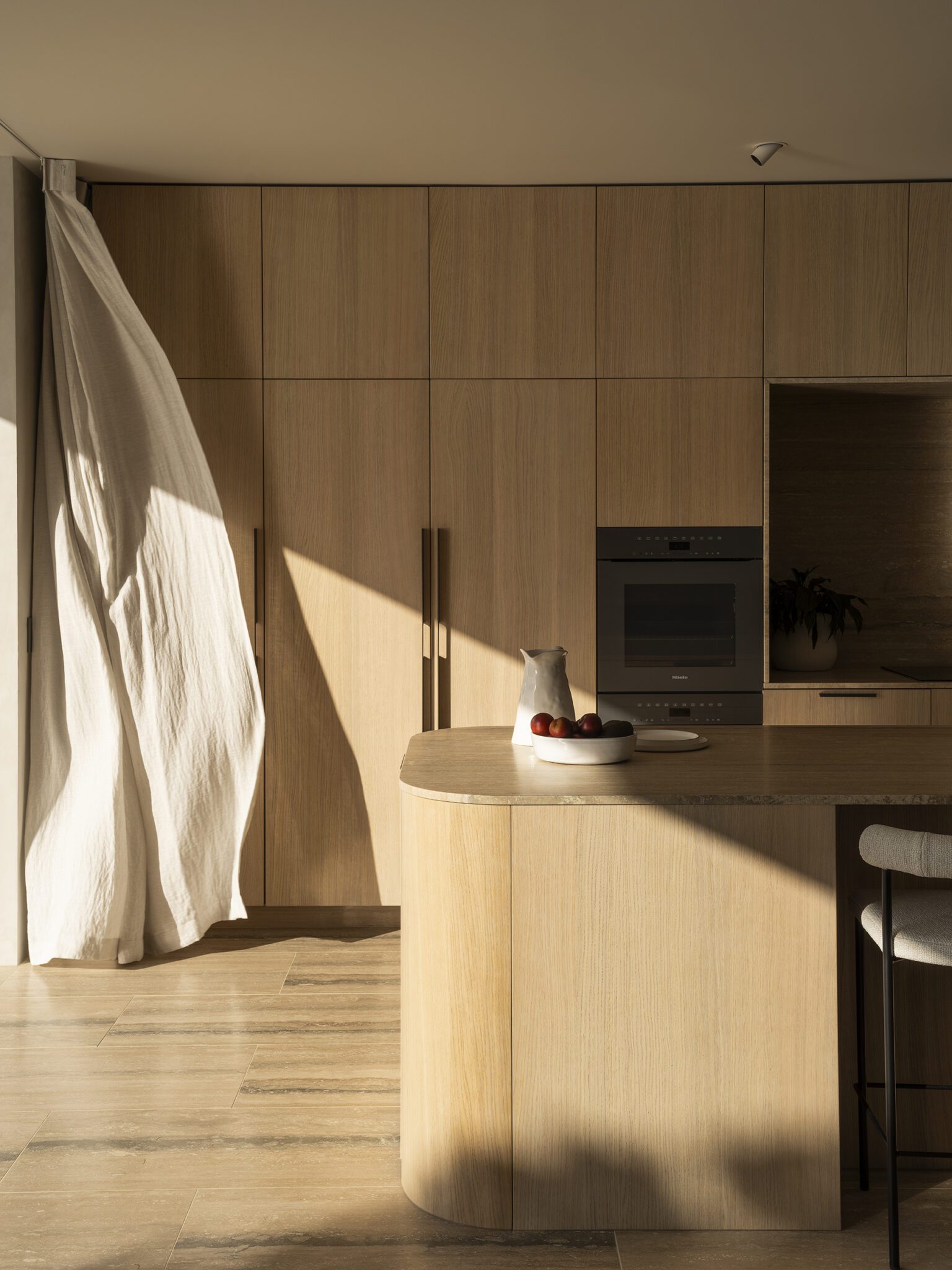
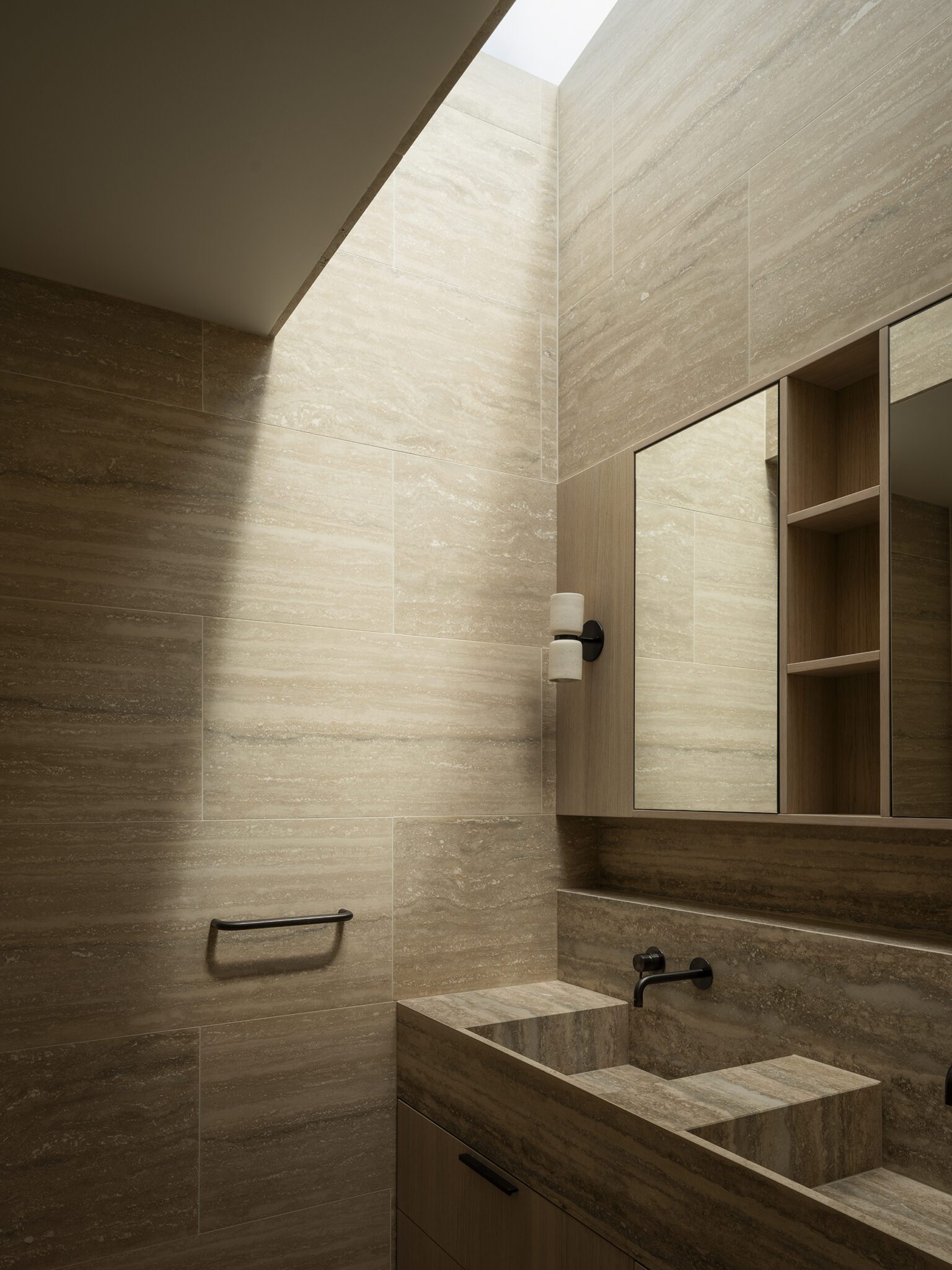
Matakana Inlet House sits quietly within a bush clearing, opening toward sloping land and water views beyond. The home uses shifting interior volumes to create distinct zones for shared and private living, while a consistent material palette adds warmth and calm throughout. The simplicity of the building’s form is matched by a high level of detail and precision, with carefully resolved junctions and efficiently planned spaces throughout. Every material and element feels deliberately chosen. Calm, refined, and highly resolved, the house creates a strong connection to its landscape while maintaining a sense of retreat and quiet sophistication.
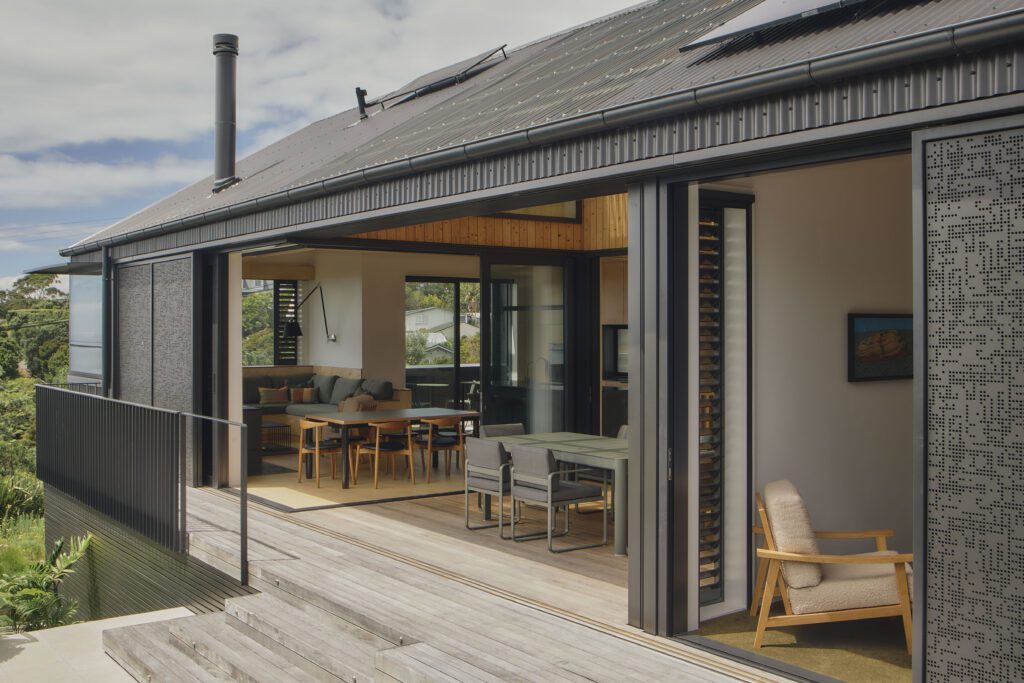
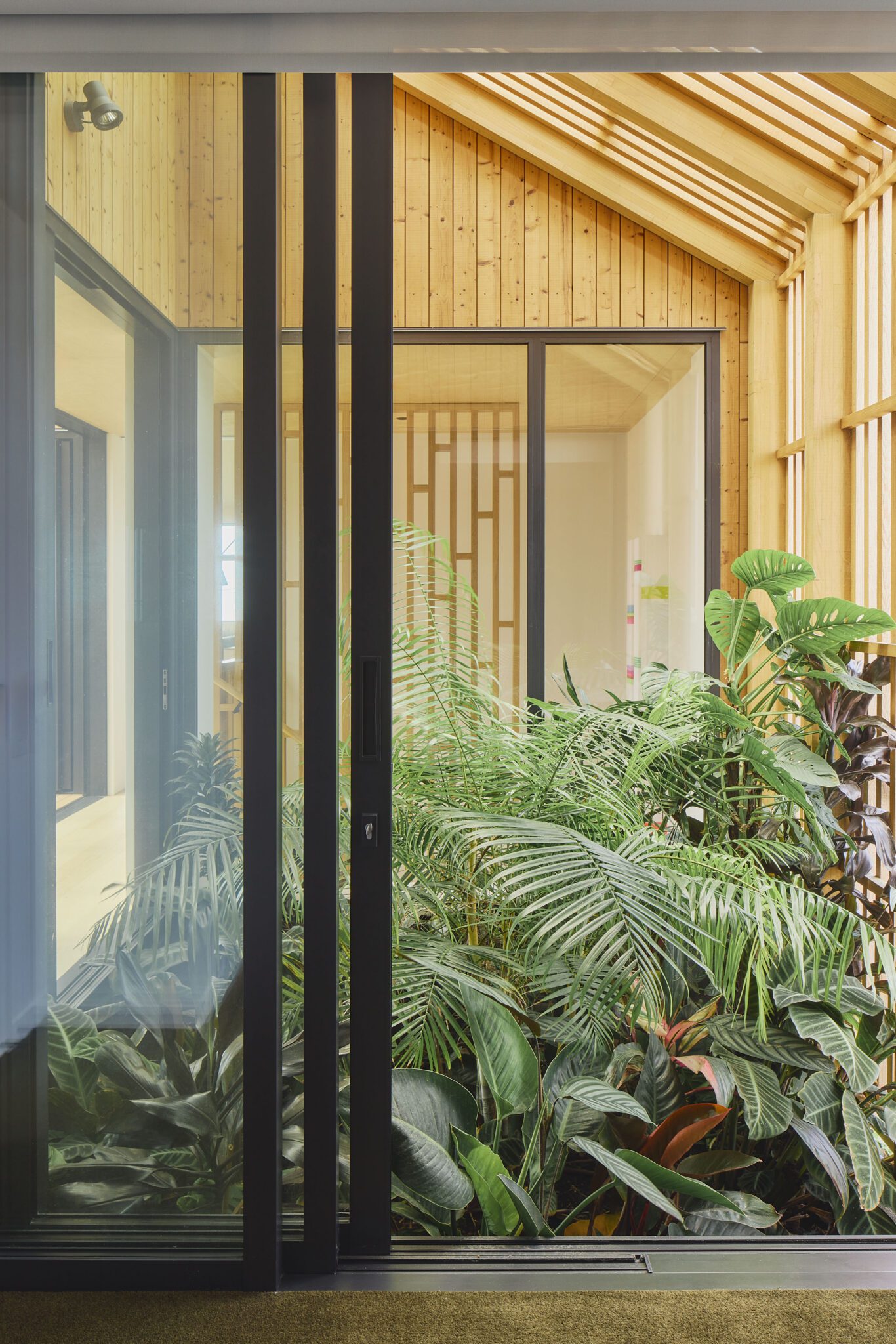
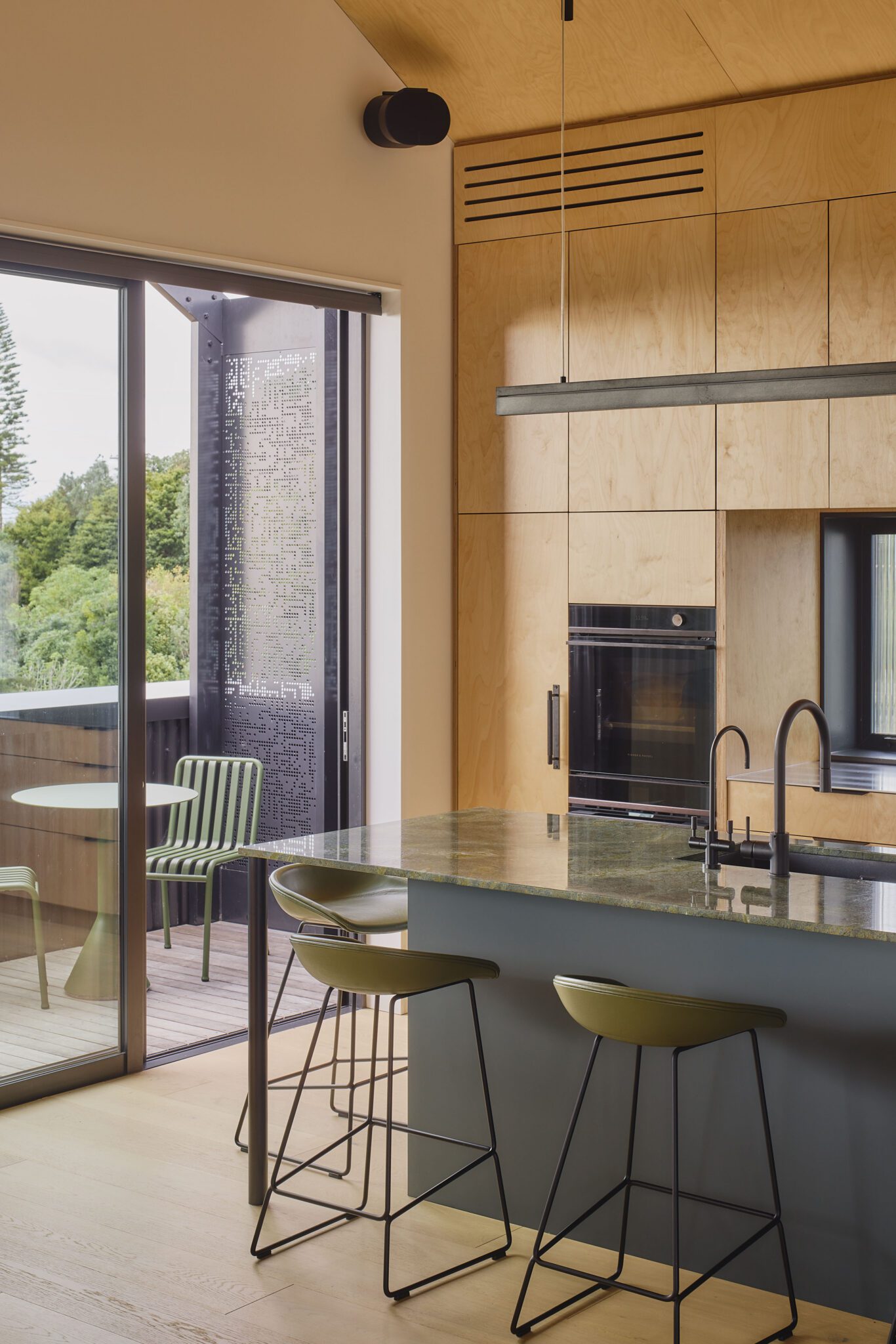
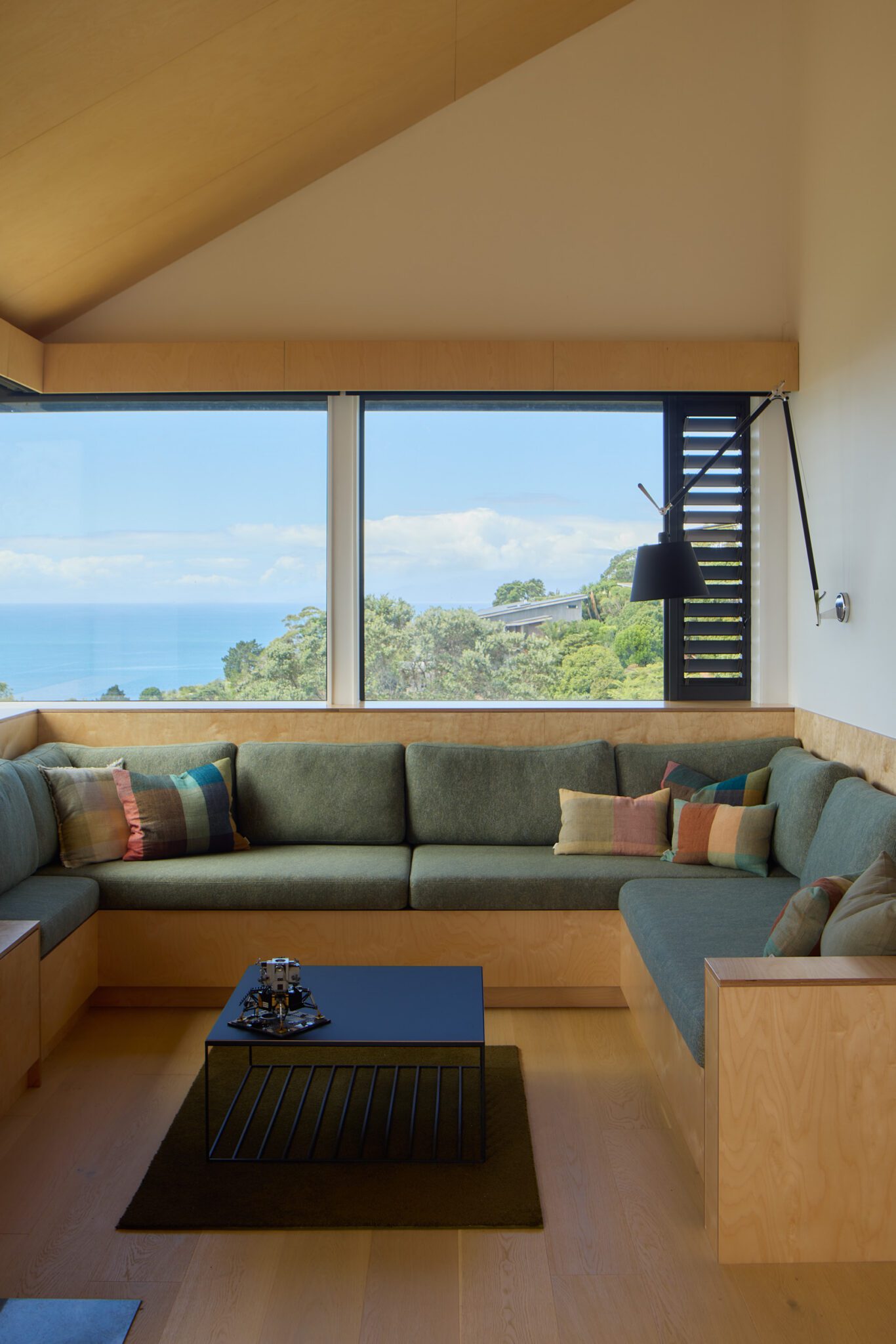
Open + Shut by Rogan Nash Architects
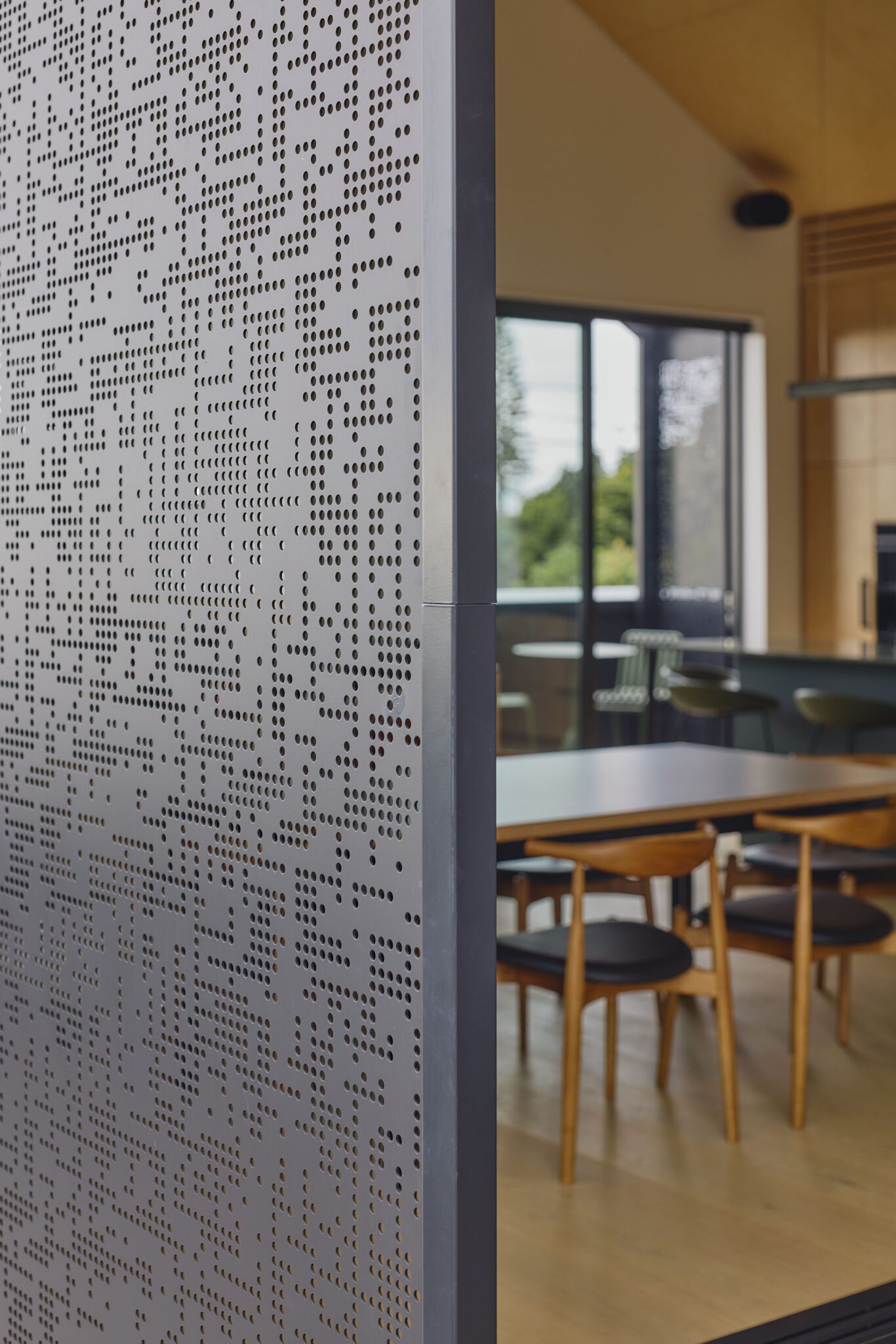
Open and Shut is an adaptable retreat that responds to its environment with discipline and quiet ingenuity. A series of operable perforated screens form a secondary skin — tempering wind and glare, casting fine-grained shadow, and allowing the home to cocoon or open wide as the day demands. At the plan’s heart, a sheltered internal garden draws light deep into the interior while moderating the island breeze. A robust exterior contrasts to warm timber linings within, where considered colour and generous volume create an interior that feels larger and more welcoming than its footprint suggests. A home that reshapes itself to life’s gentle rhythms, and moves beautifully with the day.
Roseman Whare by Sunday Architects and Burgess Treep & Knight Architects in association
Roseman Whare creates a warm and generous family home on a subdivided site while carefully respecting the original state house behind it. Simple in overall form but playful in detail, the project uses colour, light, and layered spaces to create a joyful and highly liveable environment. Generous circulation areas and a courtyard connected to the kitchen and living spaces help bring openness and natural light into the home. Much of the house was built by the architect and family themselves, adding another layer of care and craftsmanship throughout. Quietly inventive and deeply personal, the project feels thoughtful, welcoming, and full of life.
Sandtrap by Lloyd Hartley Architects
Sandtrap is a carefully planned coastal home designed for a multi-generational whānau. The layout balances togetherness with privacy through layered family spaces, six bedrooms, and a series of indoor and outdoor connections. Relationships between laneways, stairs, and courtyards are handled with clarity and elegance, while the upper deck opens to views back toward the moana. Details are carefully resolved throughout, from the larger planning decisions to gutters and material junctions. Passive cooling strategies add another layer of sophistication. Thoughtful, refined, and highly liveable, the project is a strong example of careful and deeply crafted residential architecture.
Read HOME’s feature on Sandtrap by Lloyd Hartley Architects.
Shadow Box by Jack McKinney Architects
Shadow Box is a playful and carefully crafted Waiheke home perched above Onetangi Beach. Wrapped in curved battens, the house has a strong coastal character while maintaining warmth and softness throughout. Curved forms, a slatted outdoor room, and an elevated courtyard create spaces that feel open, relaxed, and connected to the landscape. A sunken fire pit forms the social heart of the home, while the unconventional layout carefully separates work, living, and beach life. Full of care, personality, and inventive detail, the project is a memorable and highly resolved piece of coastal architecture.
Tahi House by Patterson Associates
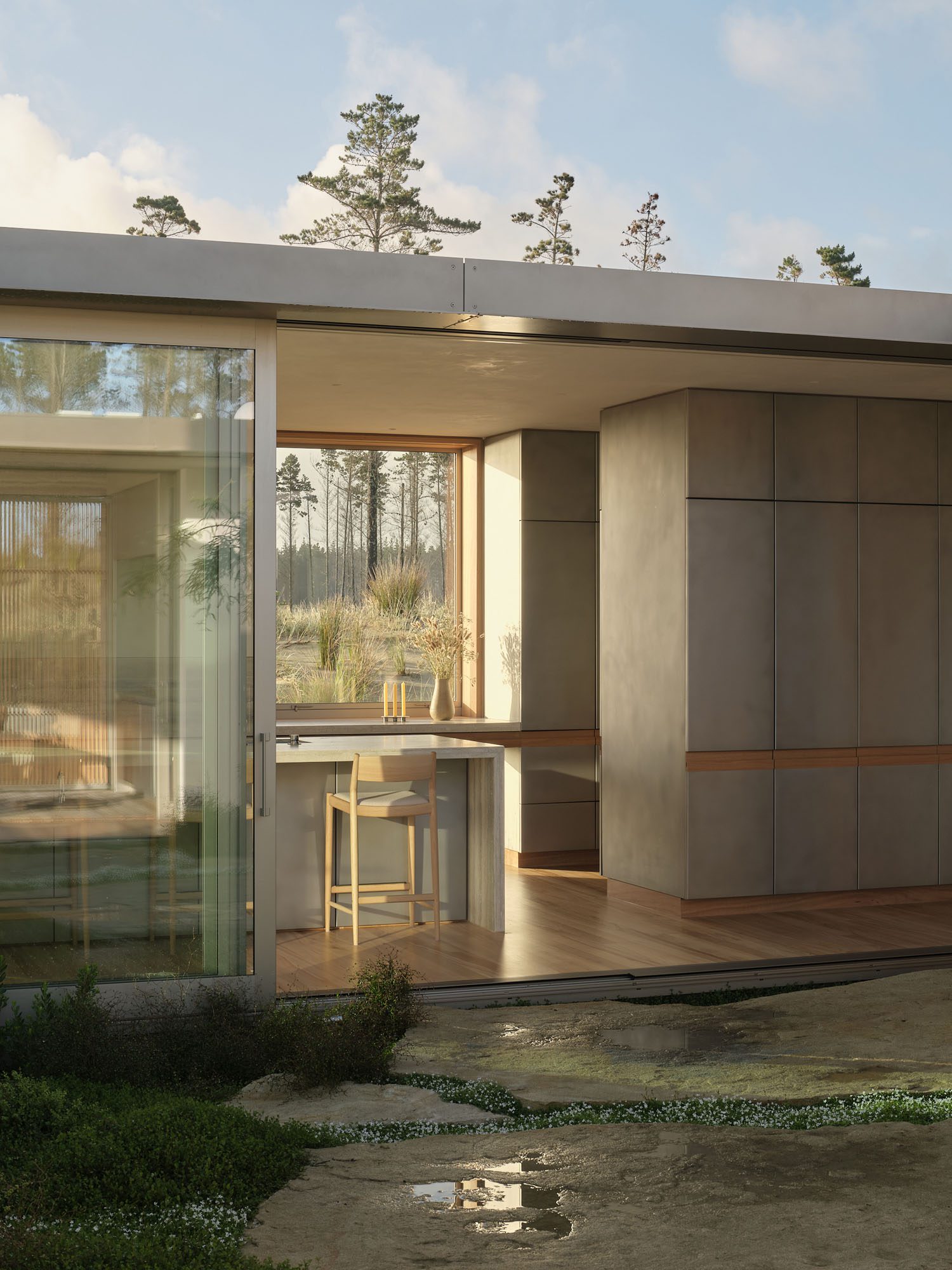
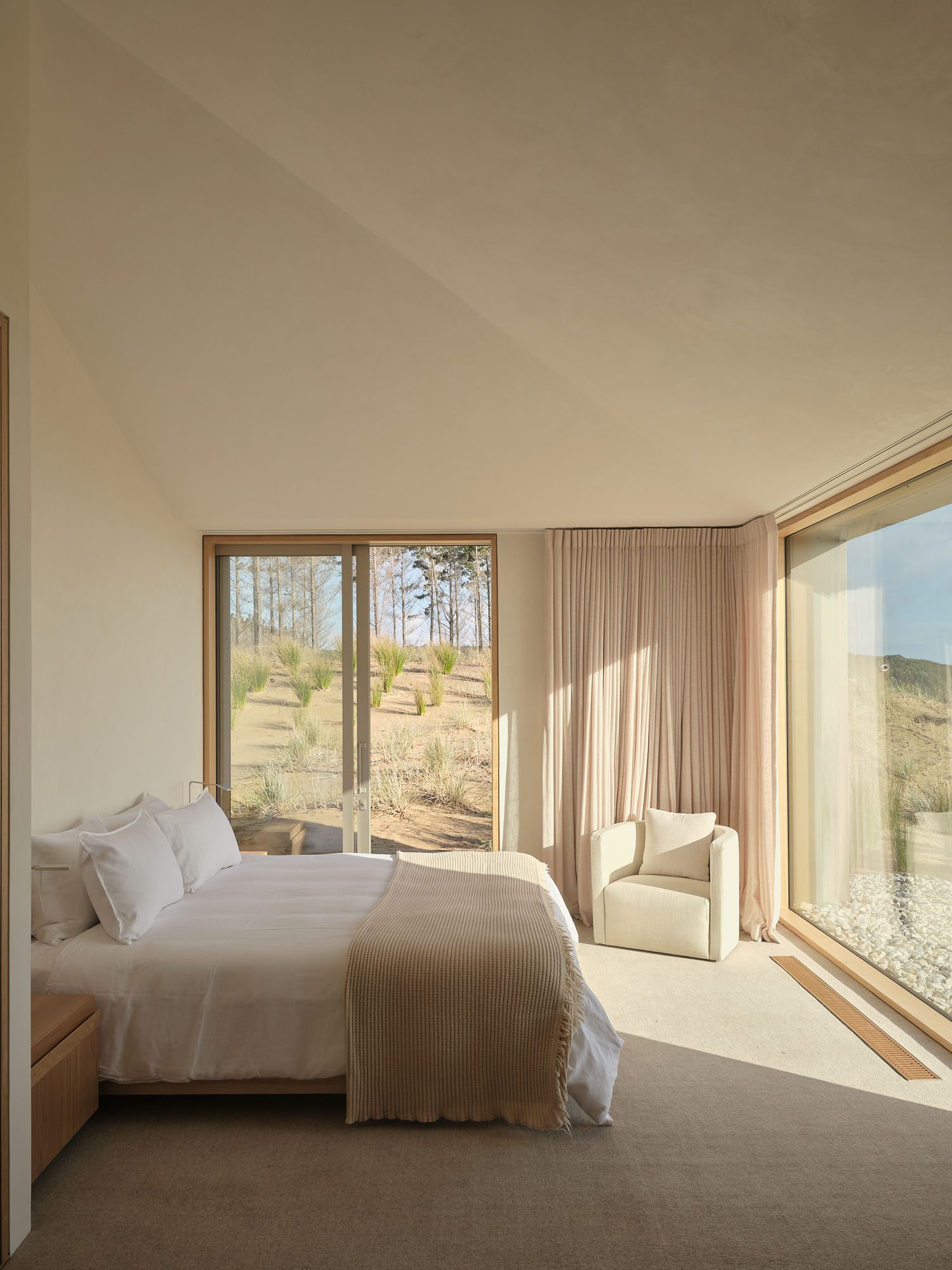
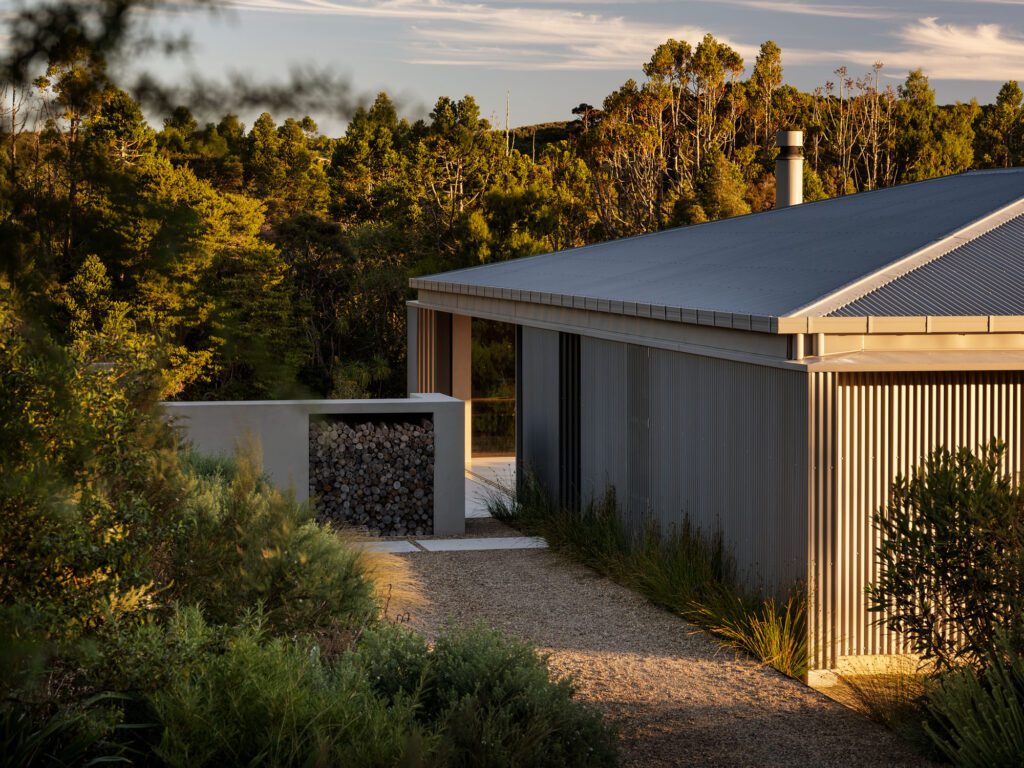
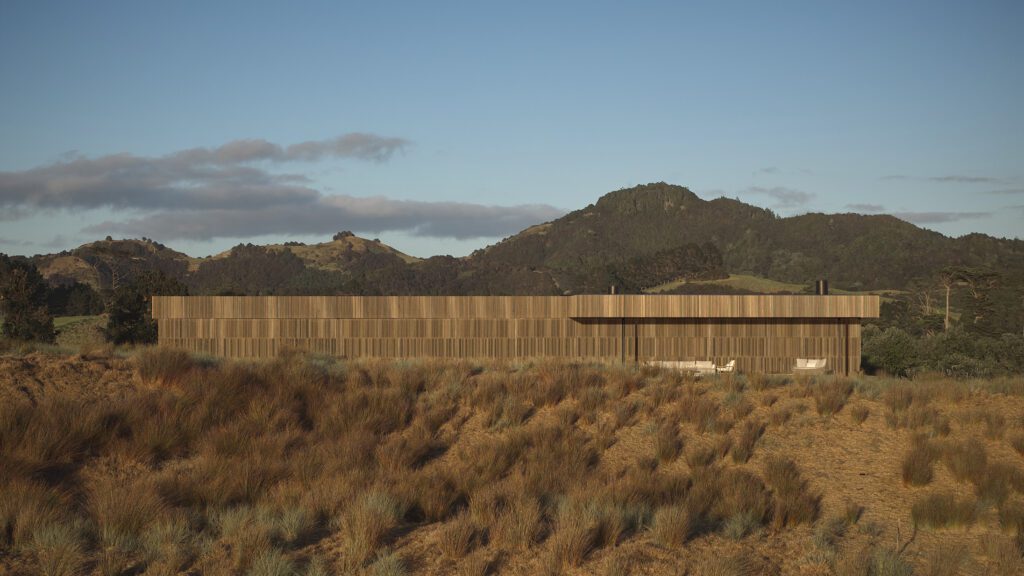
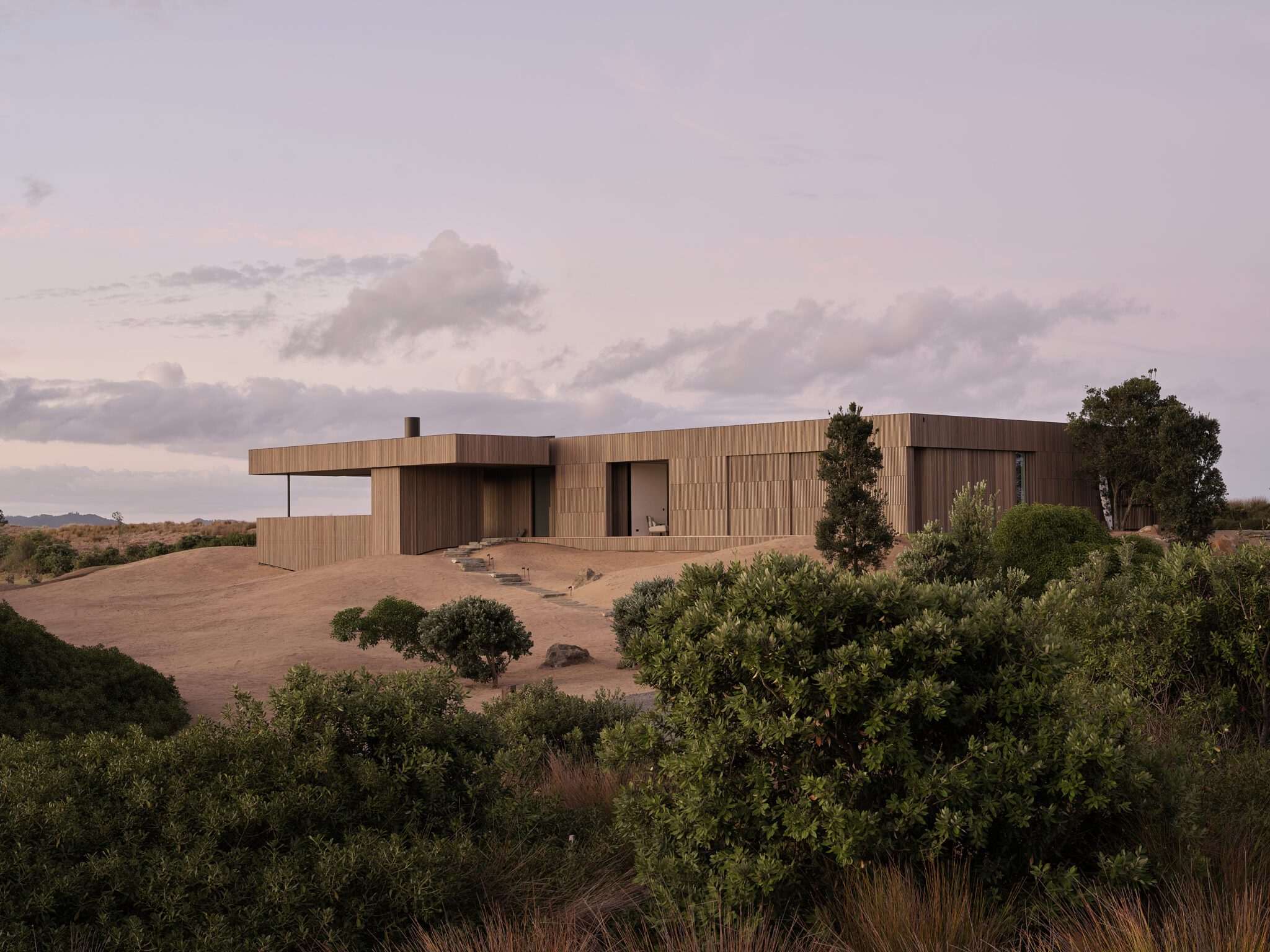
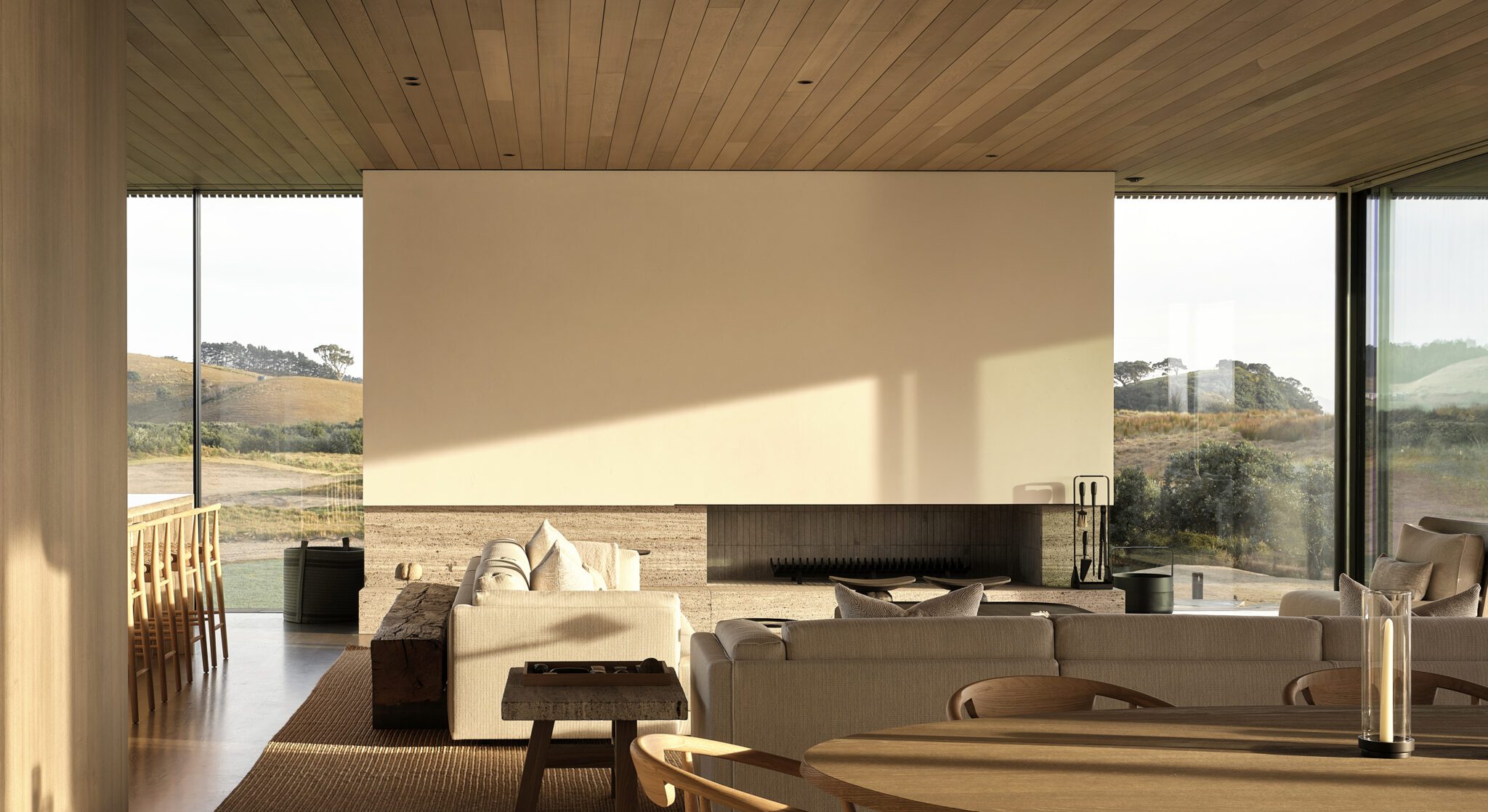
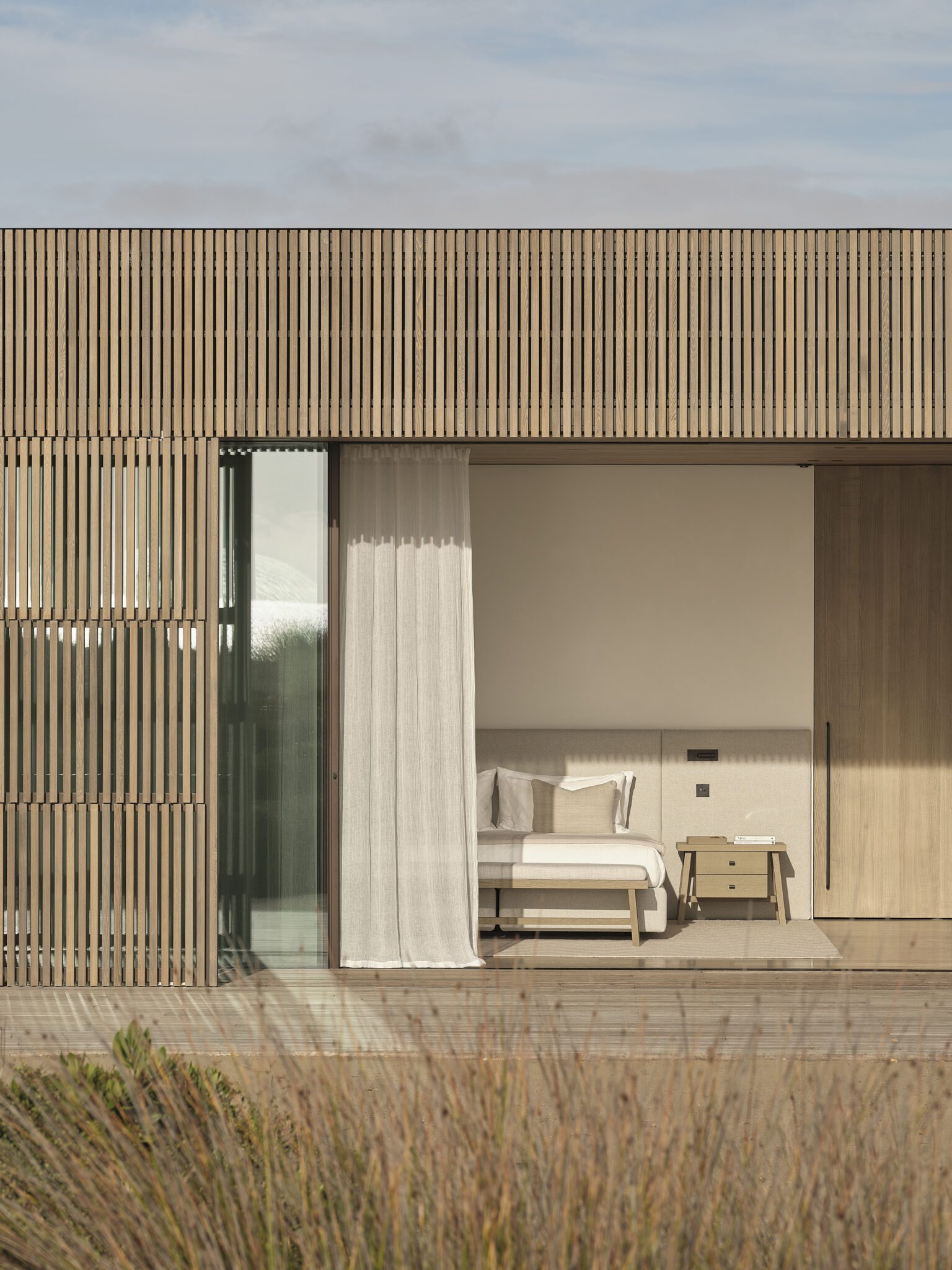
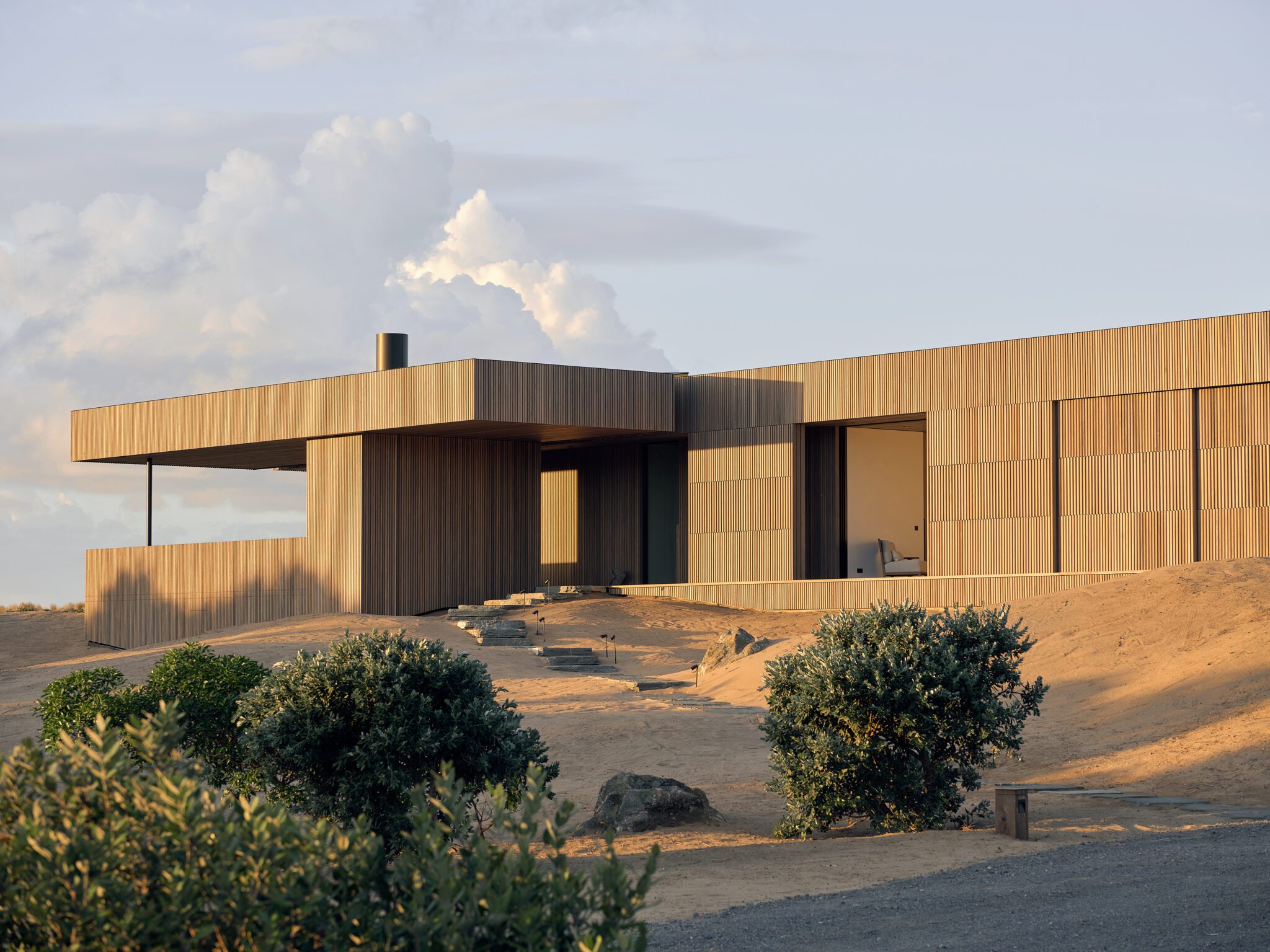
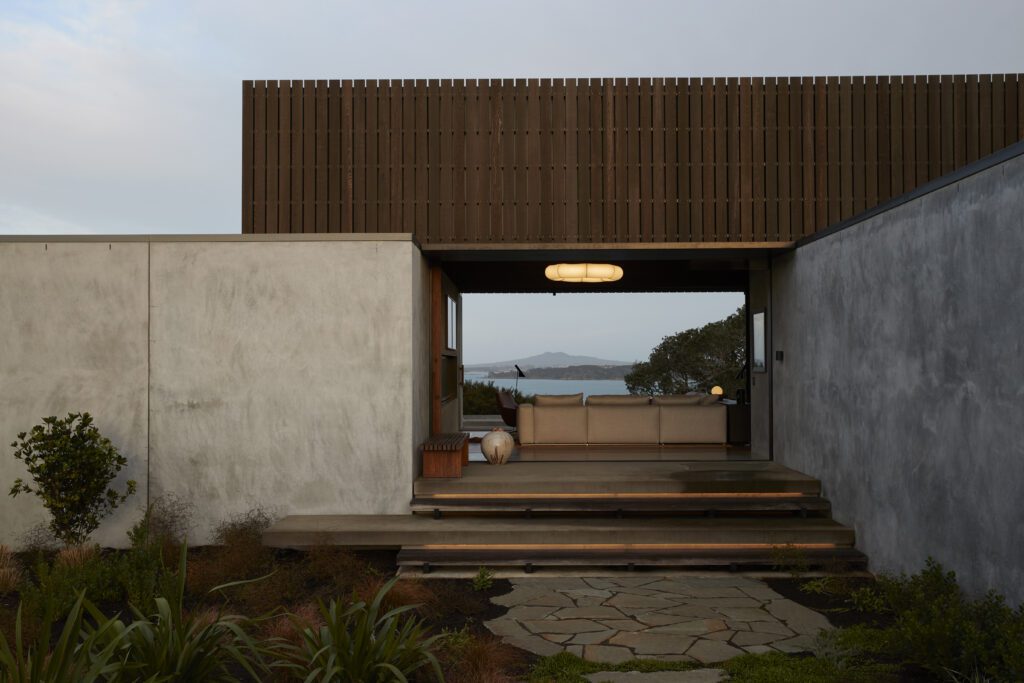
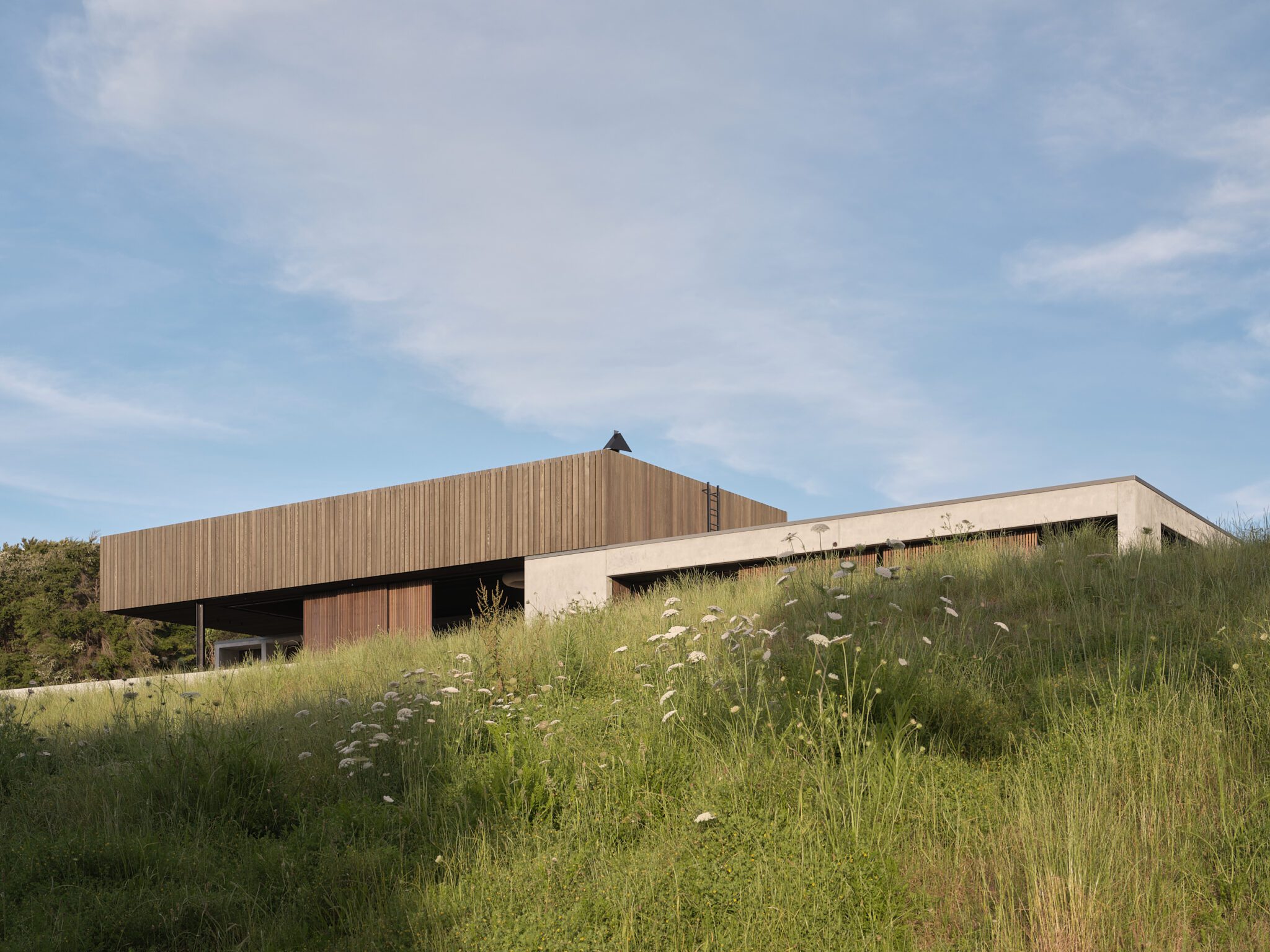
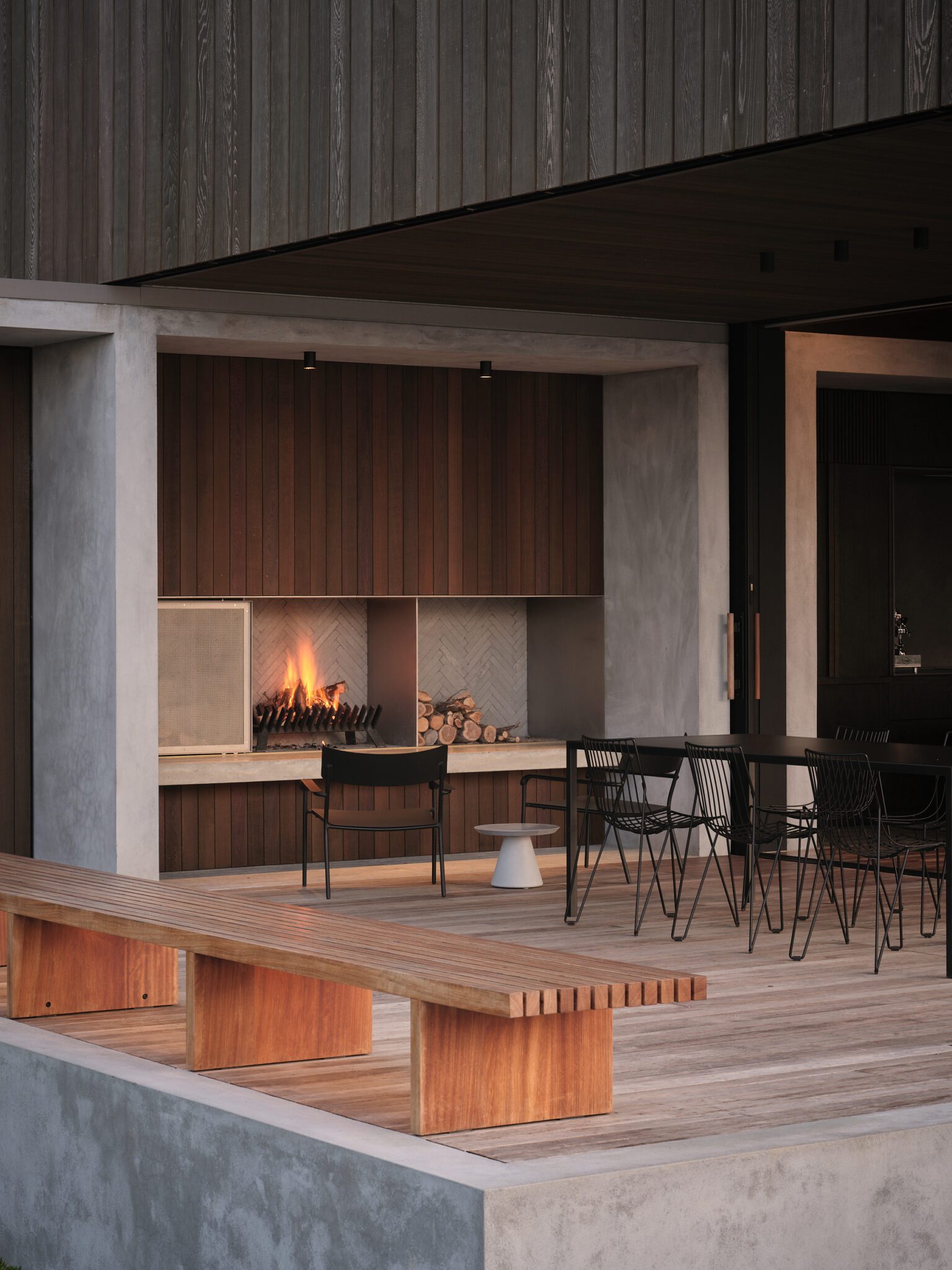
Tahi House is a coastal retreat set within a restored dune landscape at Pātaua North. The low-profile form sits carefully within the environment, helping reduce its visual impact while maintaining a strong connection to the landscape. Natural materials and low-reflective finishes are designed to weather over time, allowing the building to blend further into its surroundings. Patterned batten screens reference rural fencing traditions while helping the house shift between openness and enclosure. Passive design strategies and a sheltered outdoor space balance exposure and protection with ease. Quietly sophisticated and carefully crafted, the project responds sensitively to its fragile coastal setting.
Te Whau by Herbst Architects
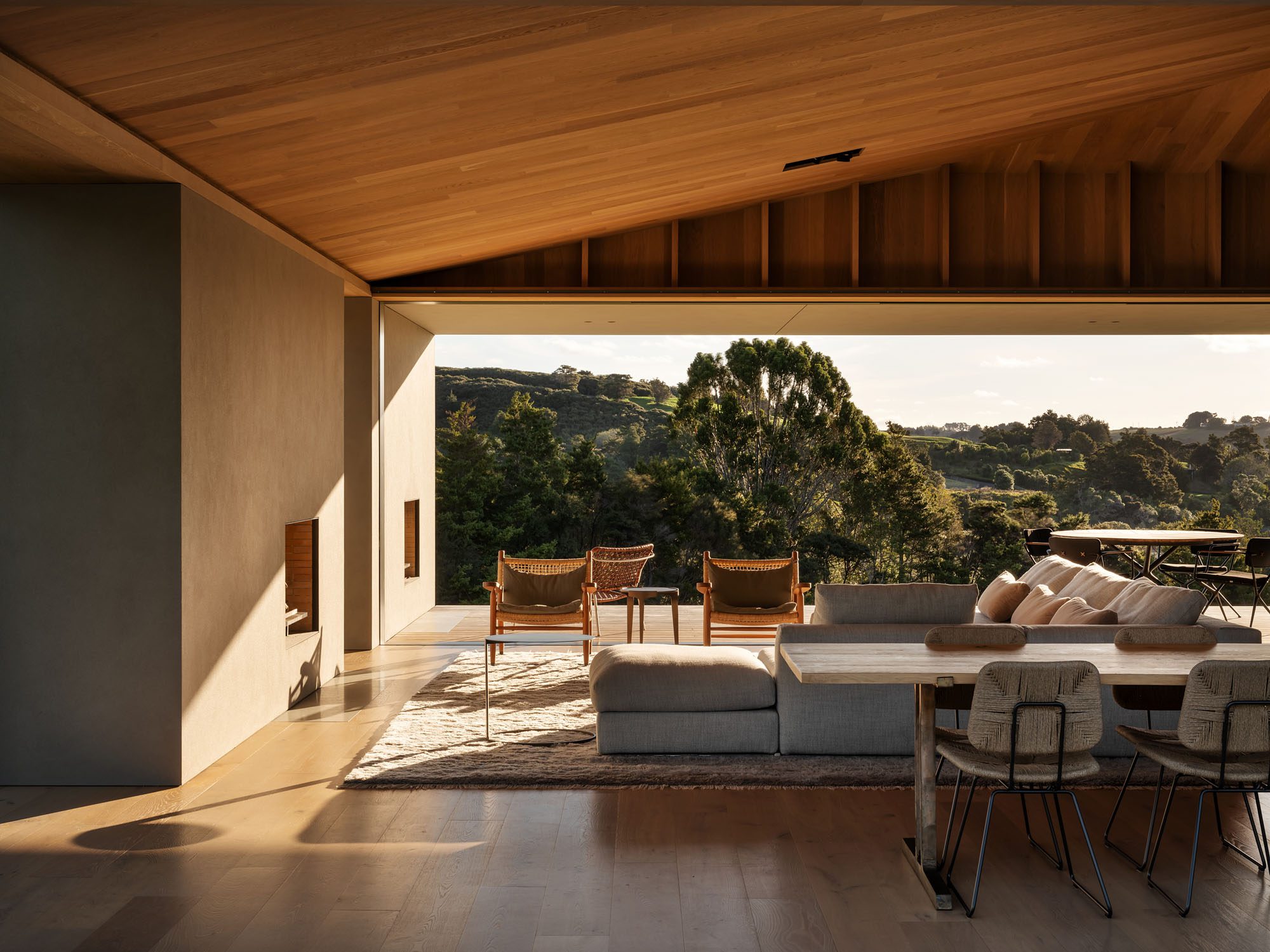
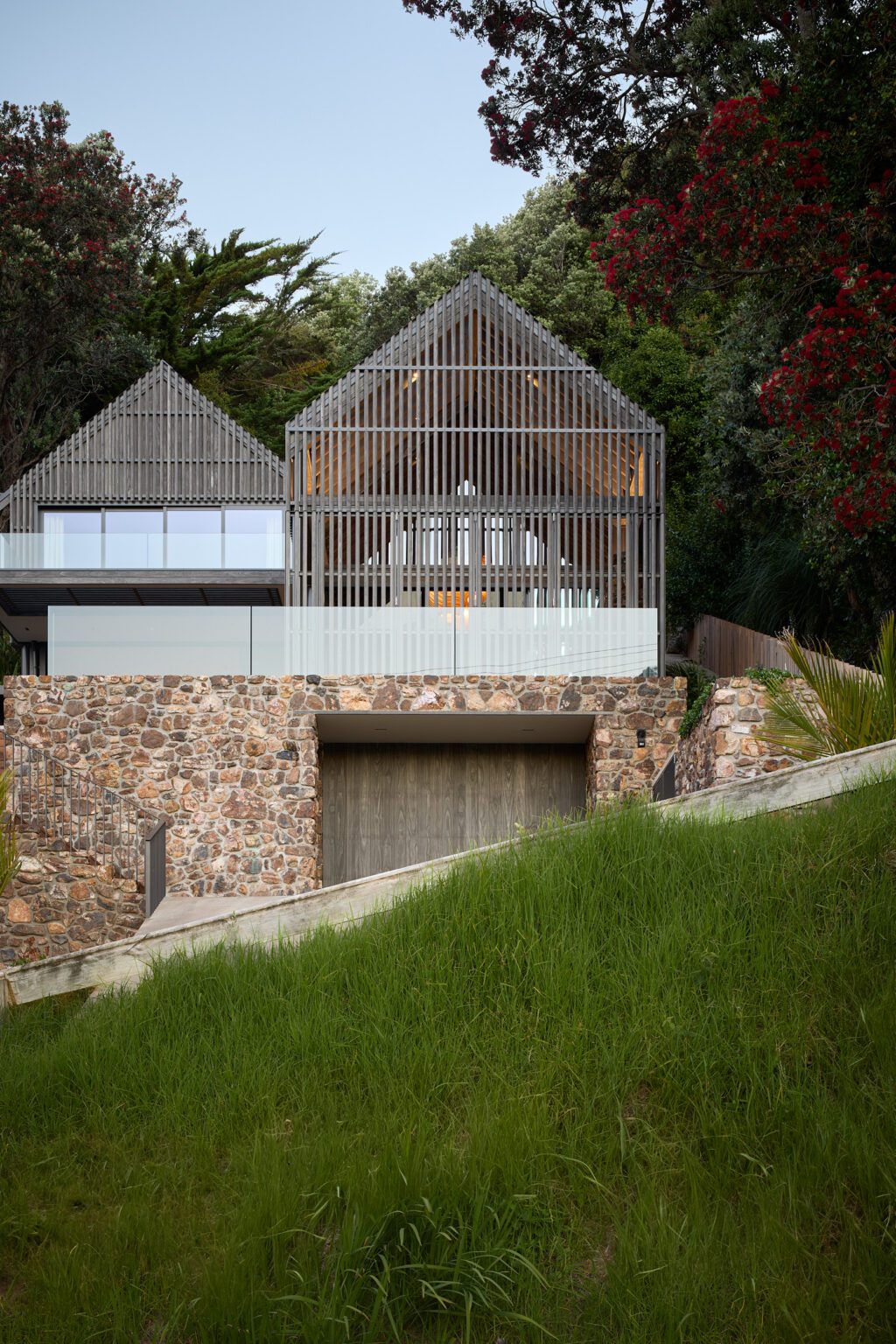
Embedded into the ridgeline on Waiheke Island, Te Whau is a refined response to an outstanding landscape. Two grounded masonry forms are linked by a lighter timber living pavilion that opens toward expansive views of the Hauraki Gulf and Auckland skyline. Sliding glass doors allow the main living areas to open fully to the land, while changes in level create a sense of intimacy and retreat within the bedroom spaces. Bathrooms open to private courtyards, turning everyday routines into moments of calm reflection. Beautifully proportioned and highly detailed, the house demonstrates exceptional care, craftsmanship, and connection to place.
Wawata House by Julian Guthrie Architecture
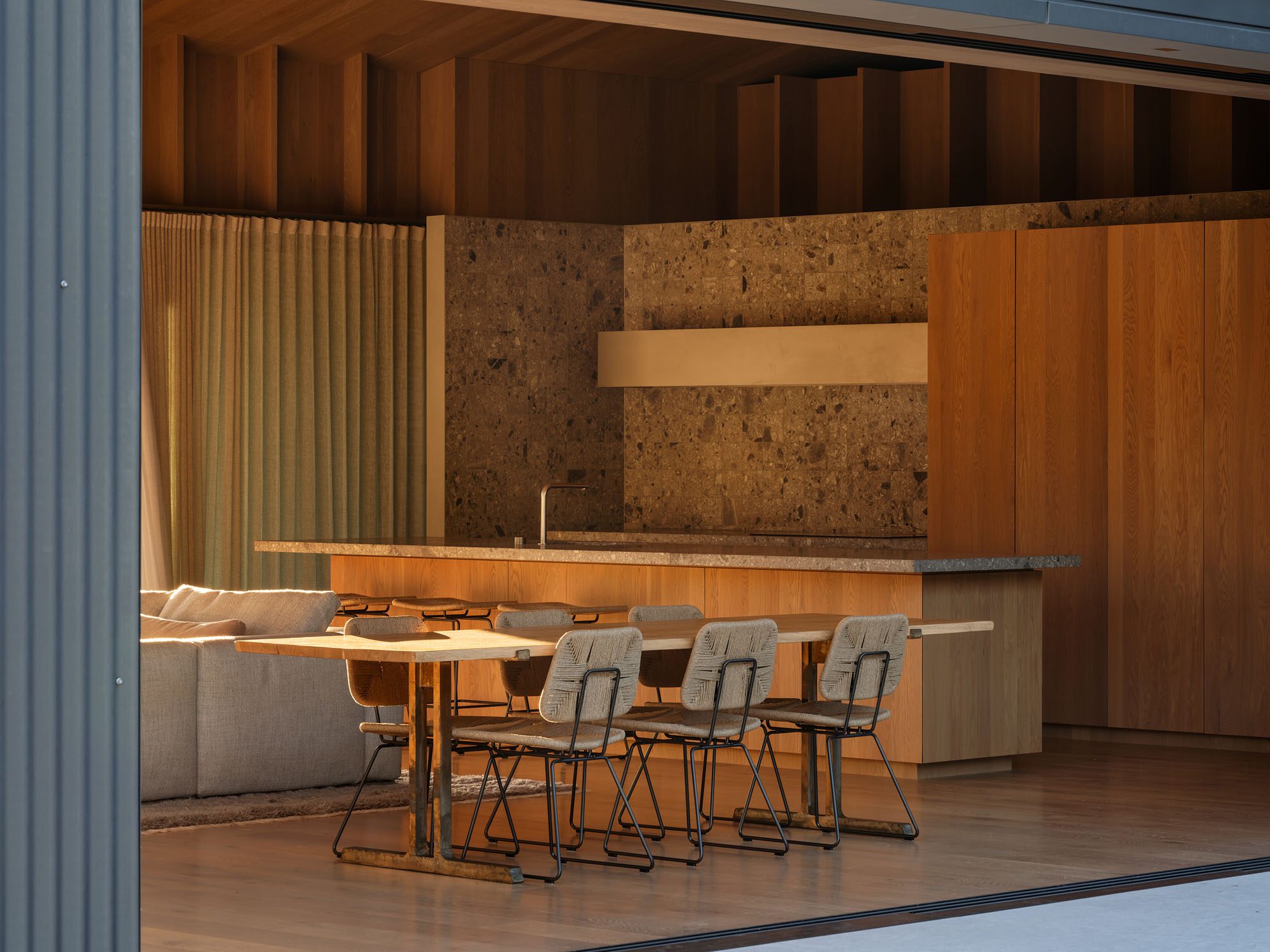
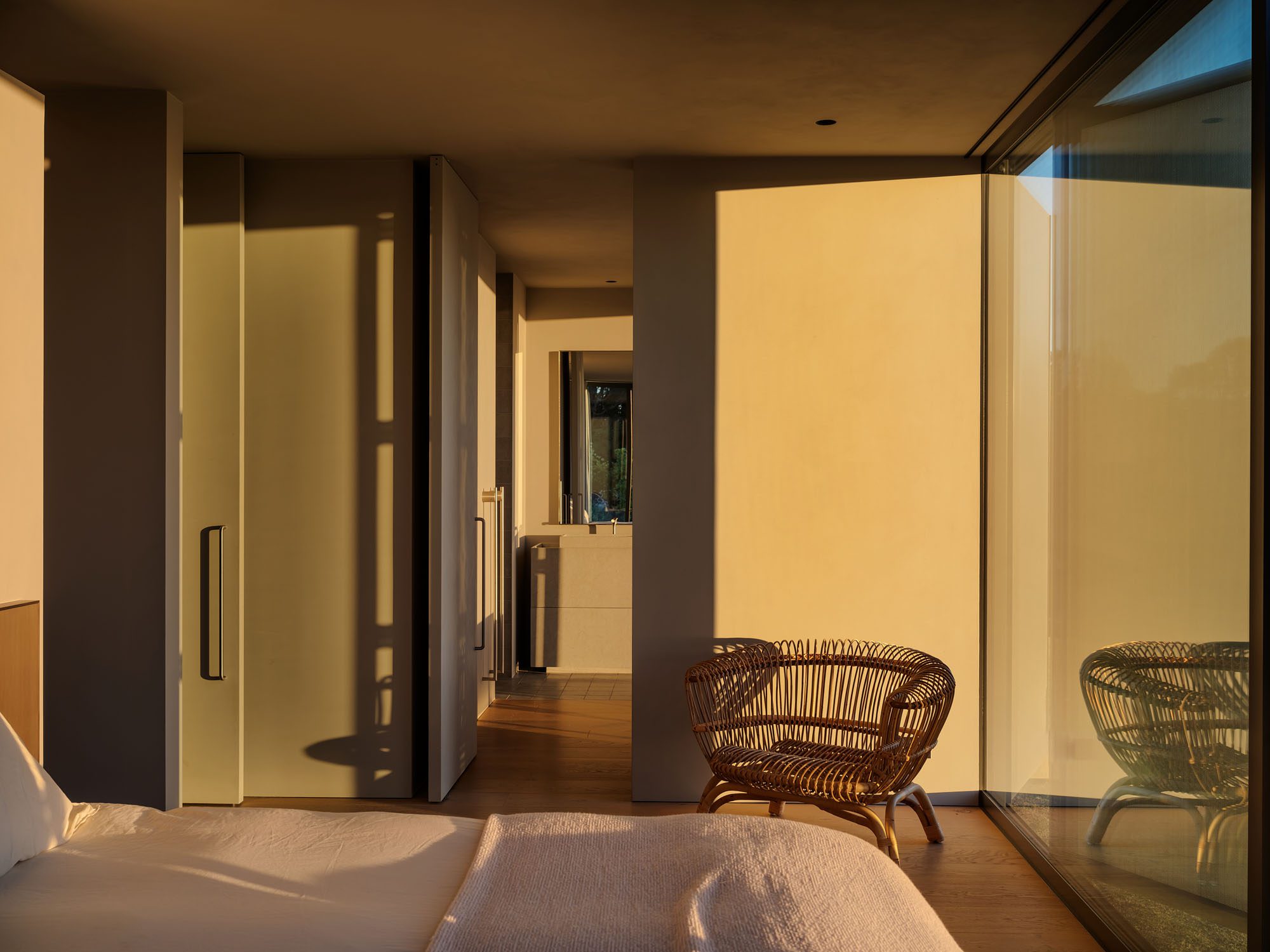
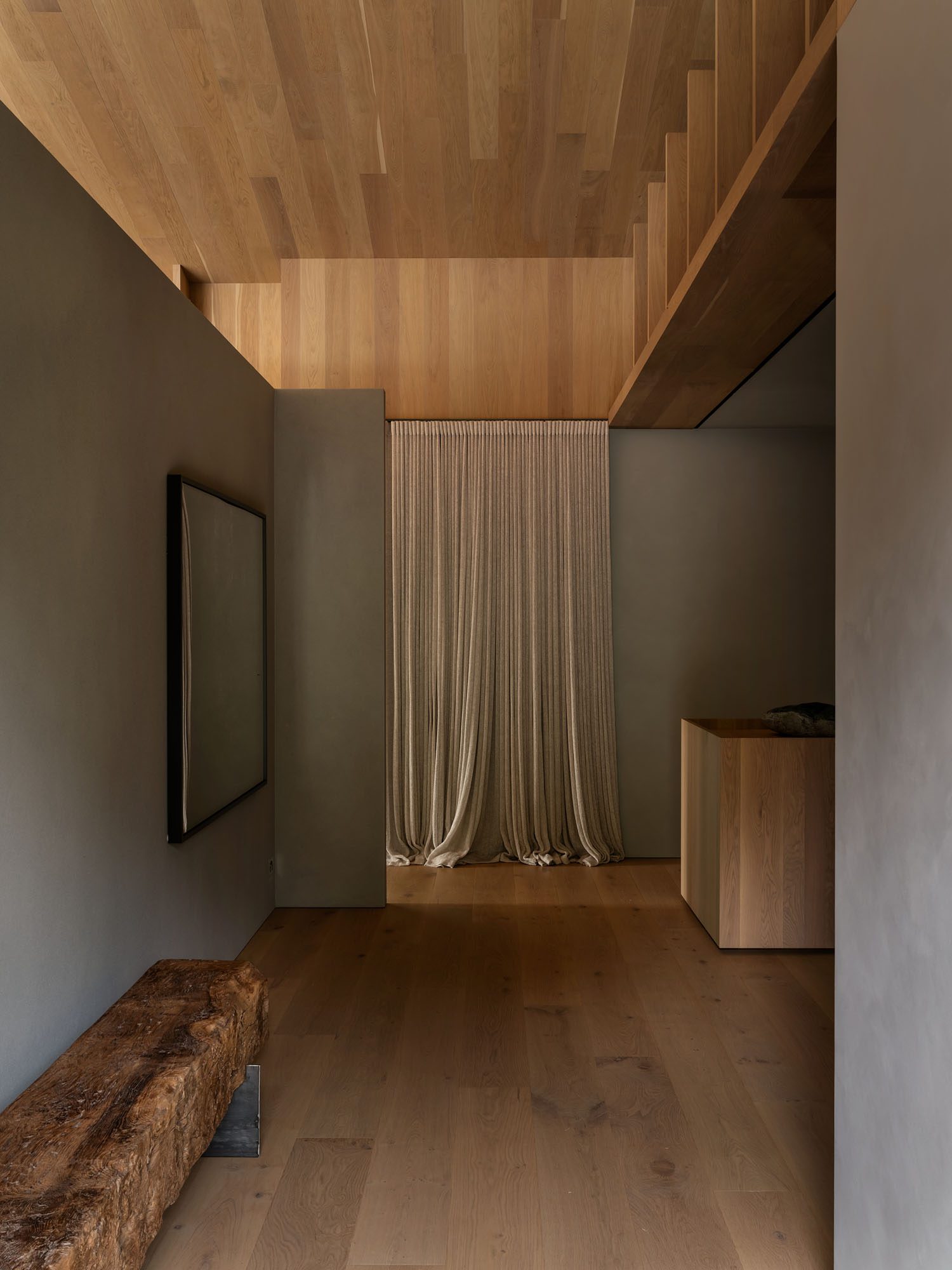
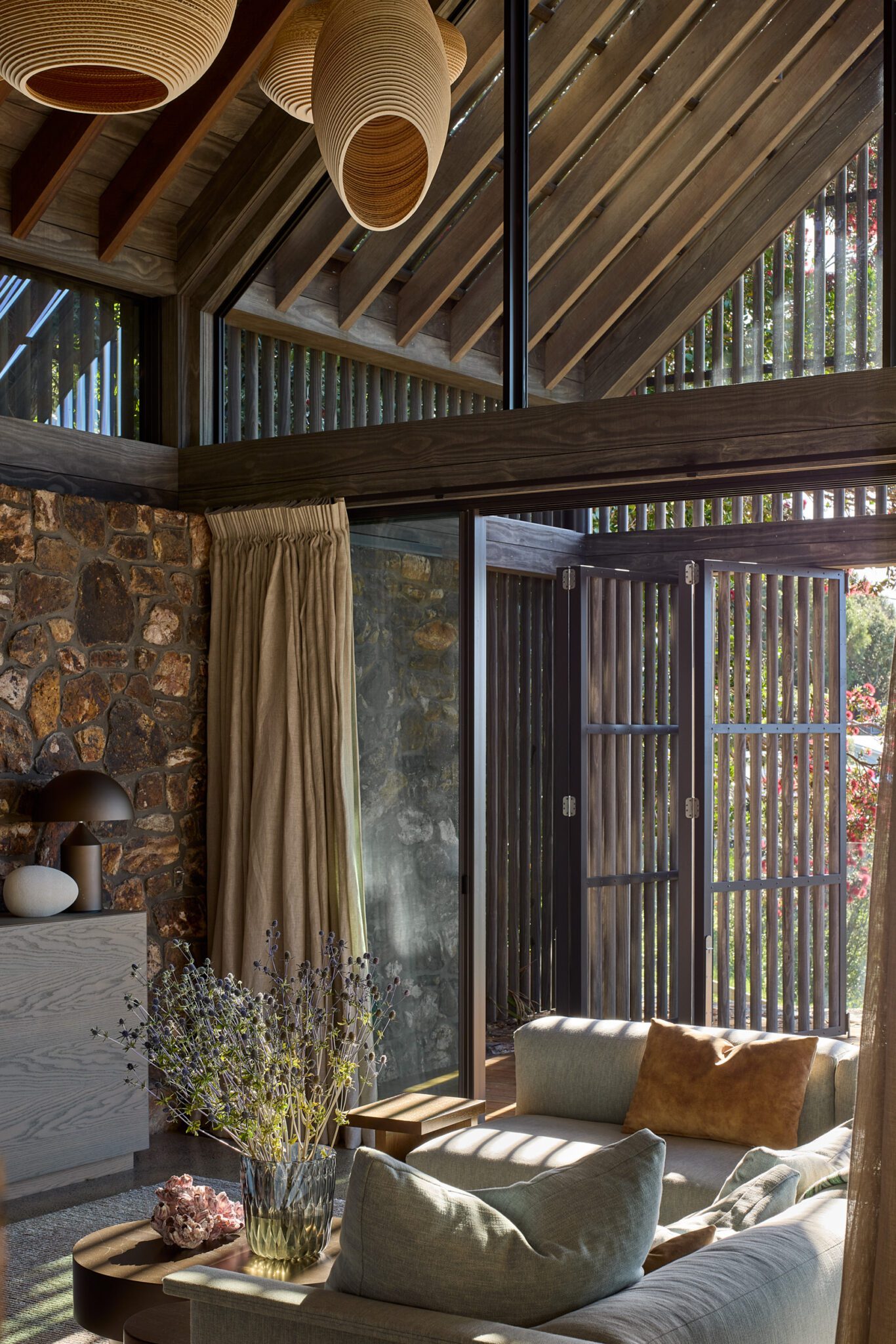
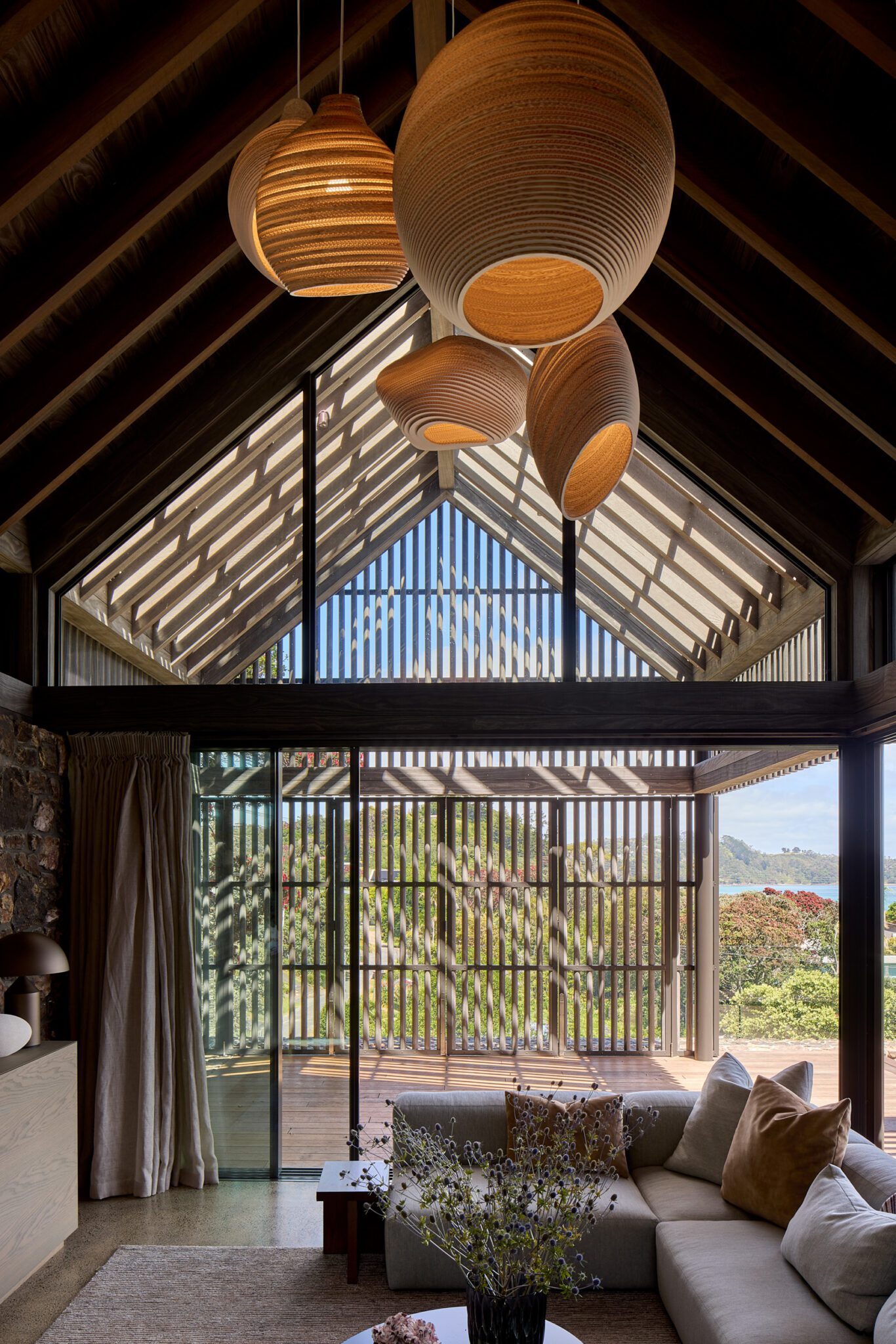
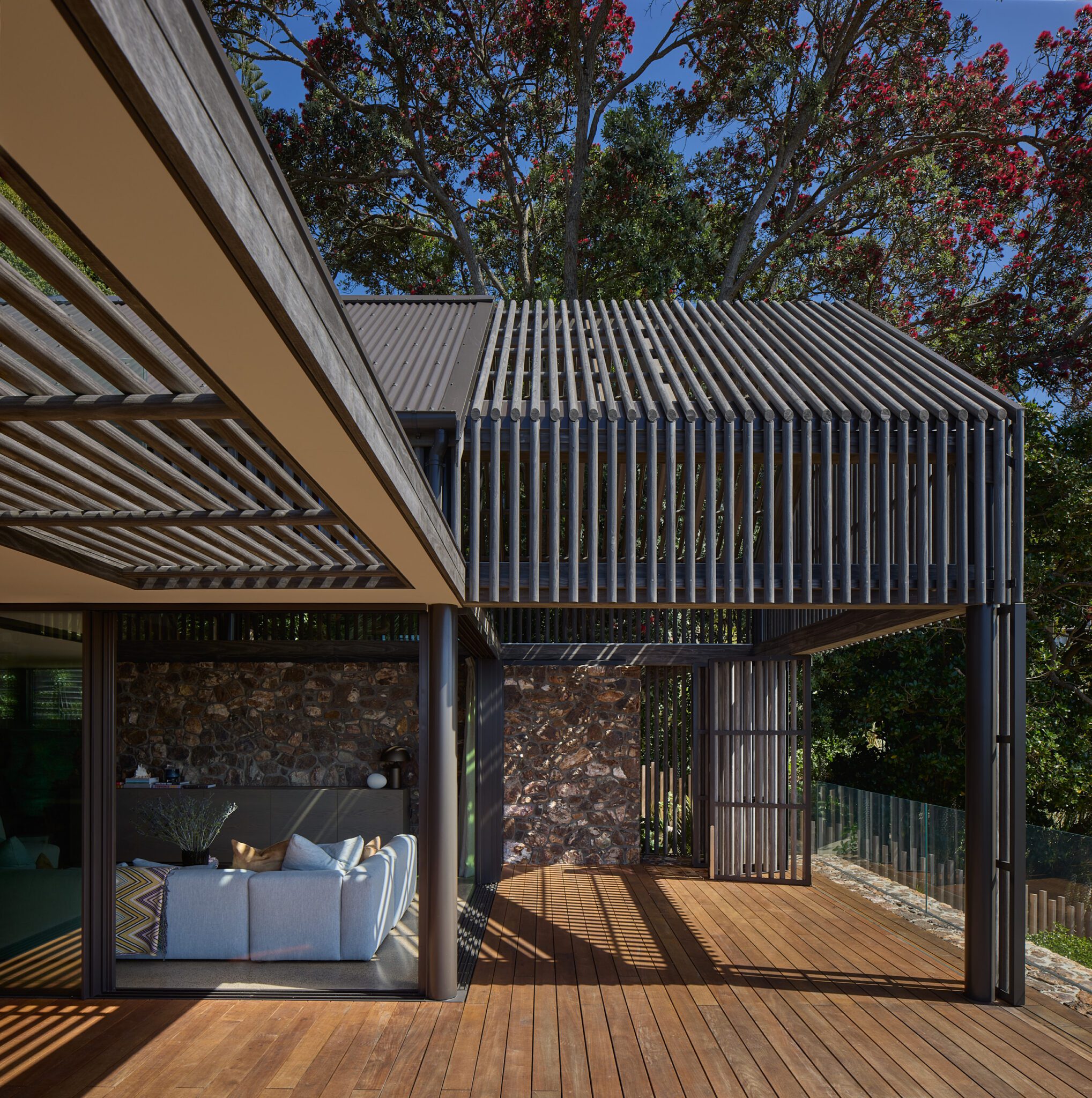
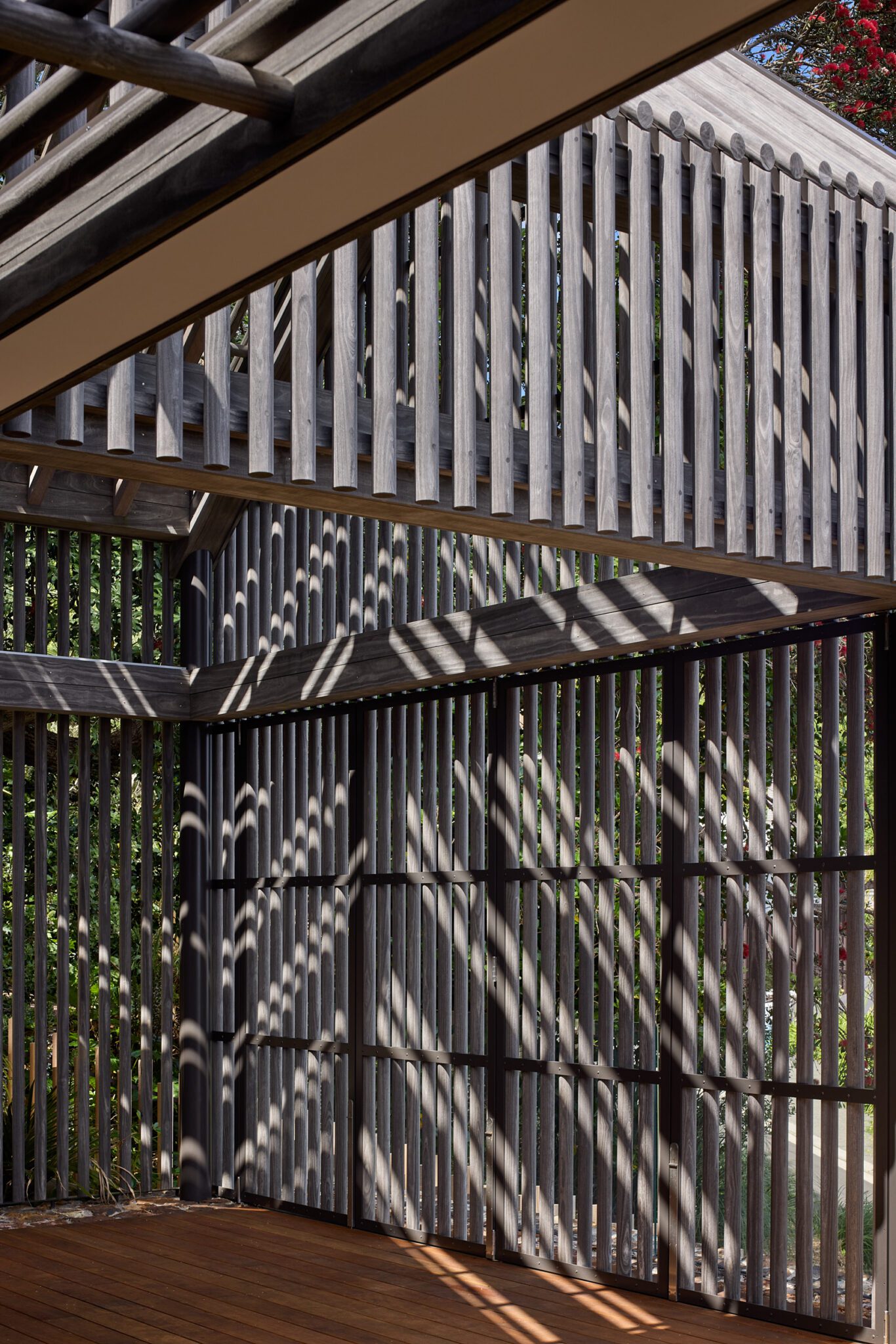
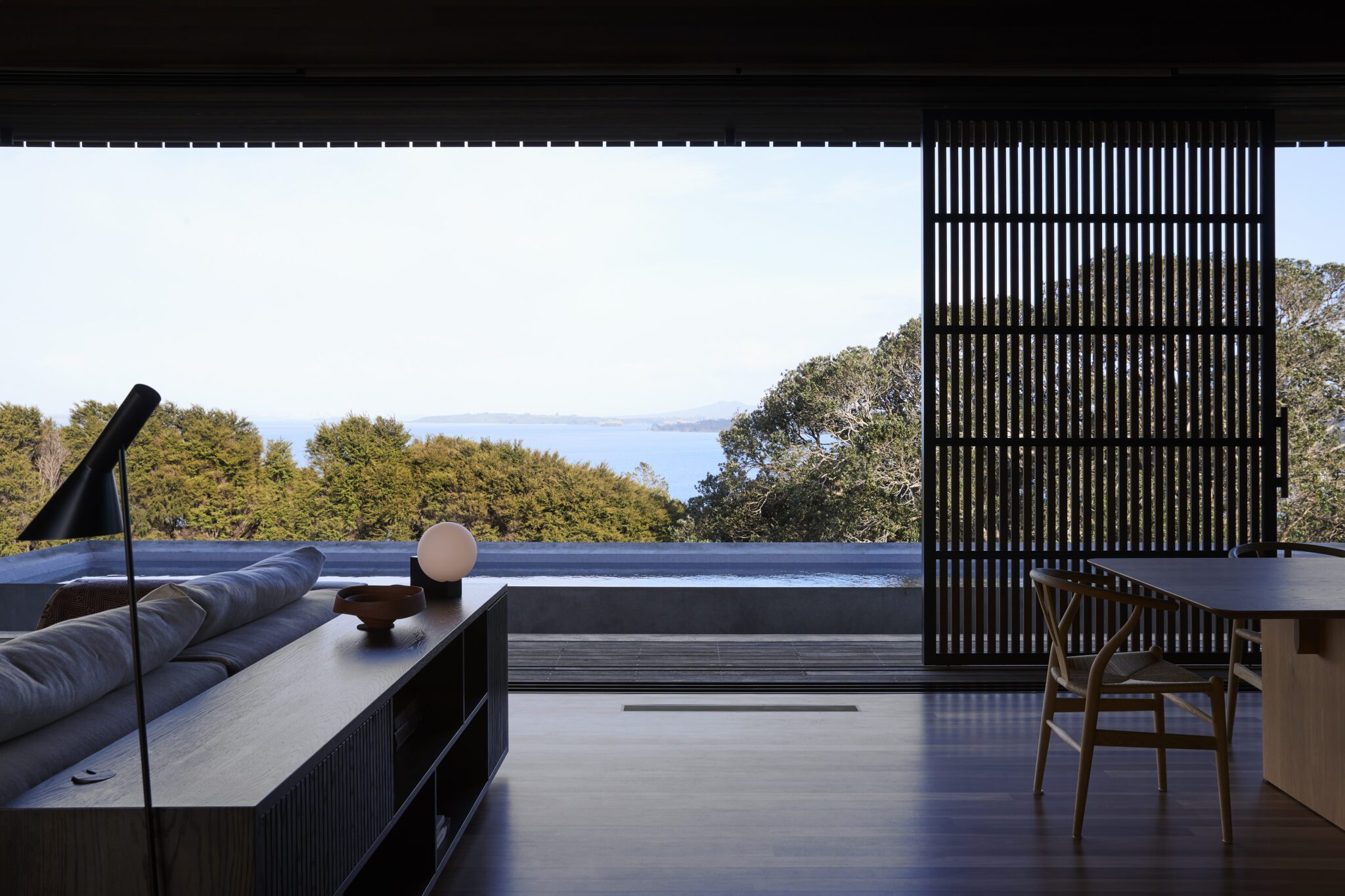
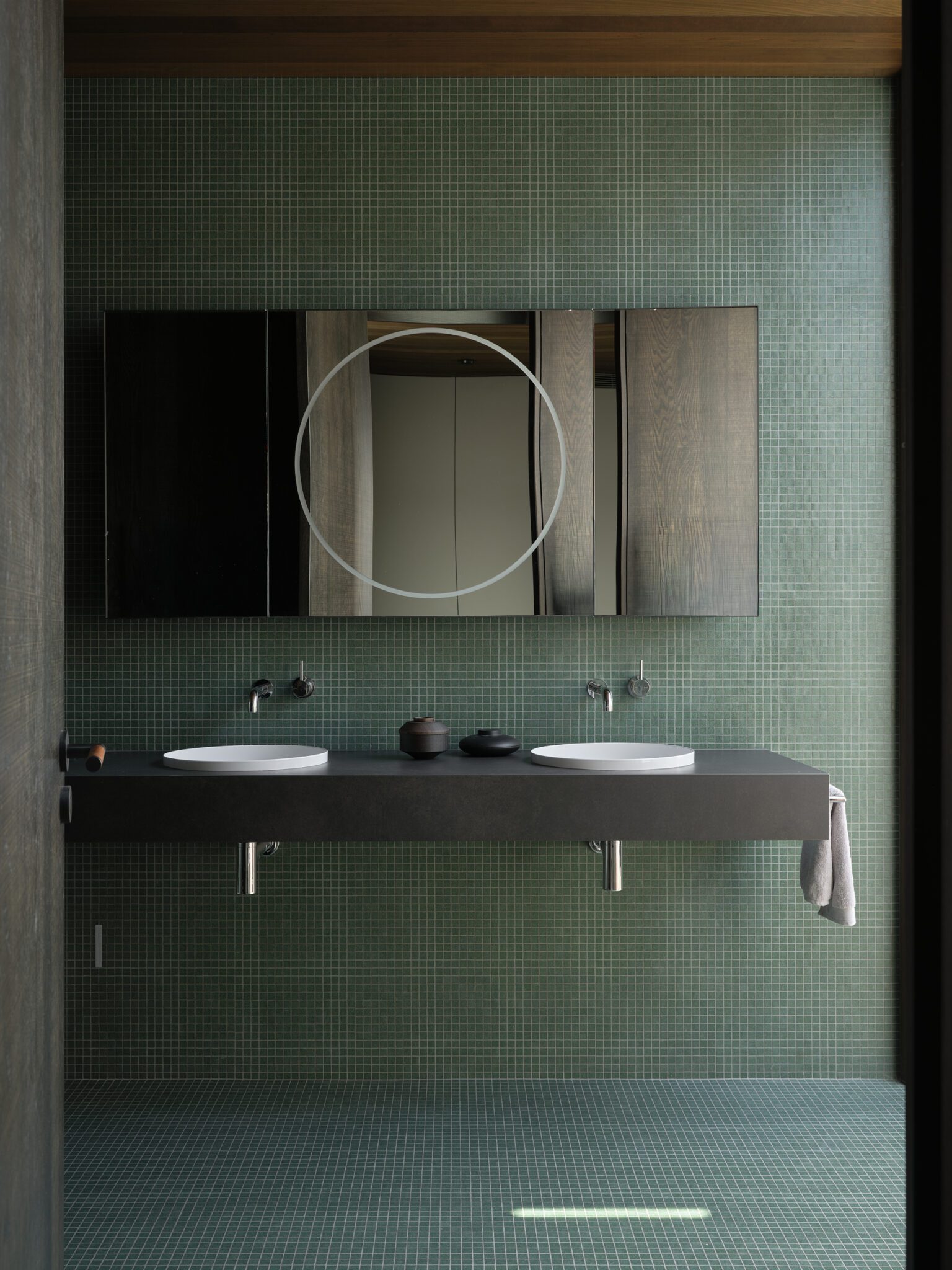
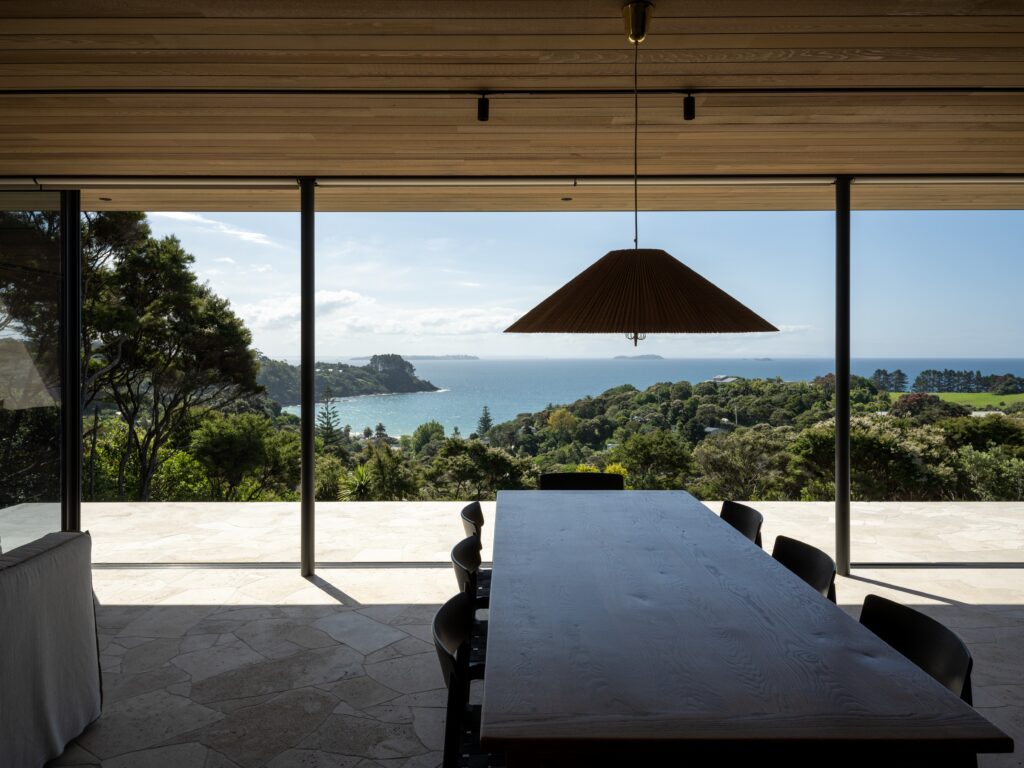
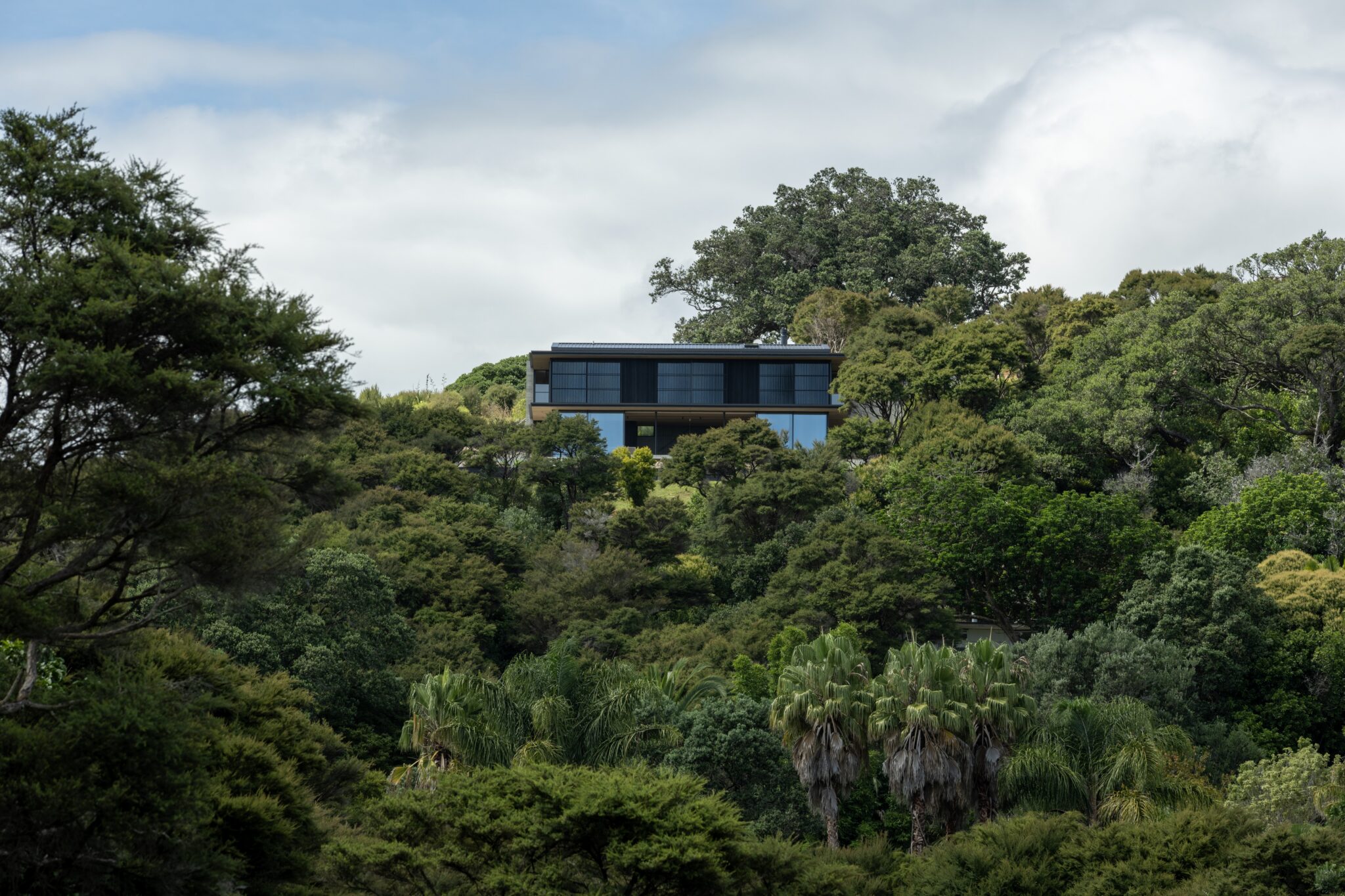
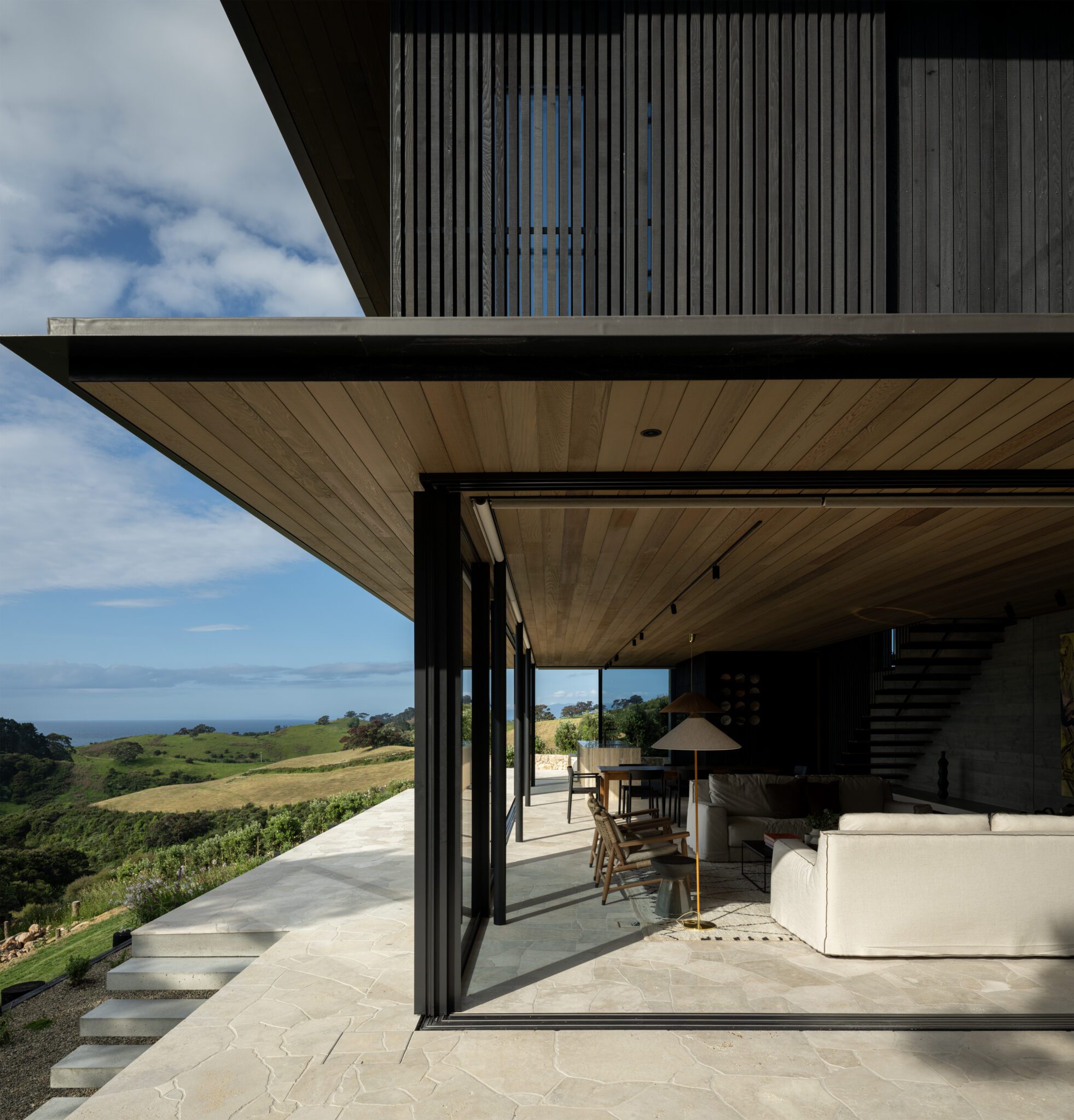
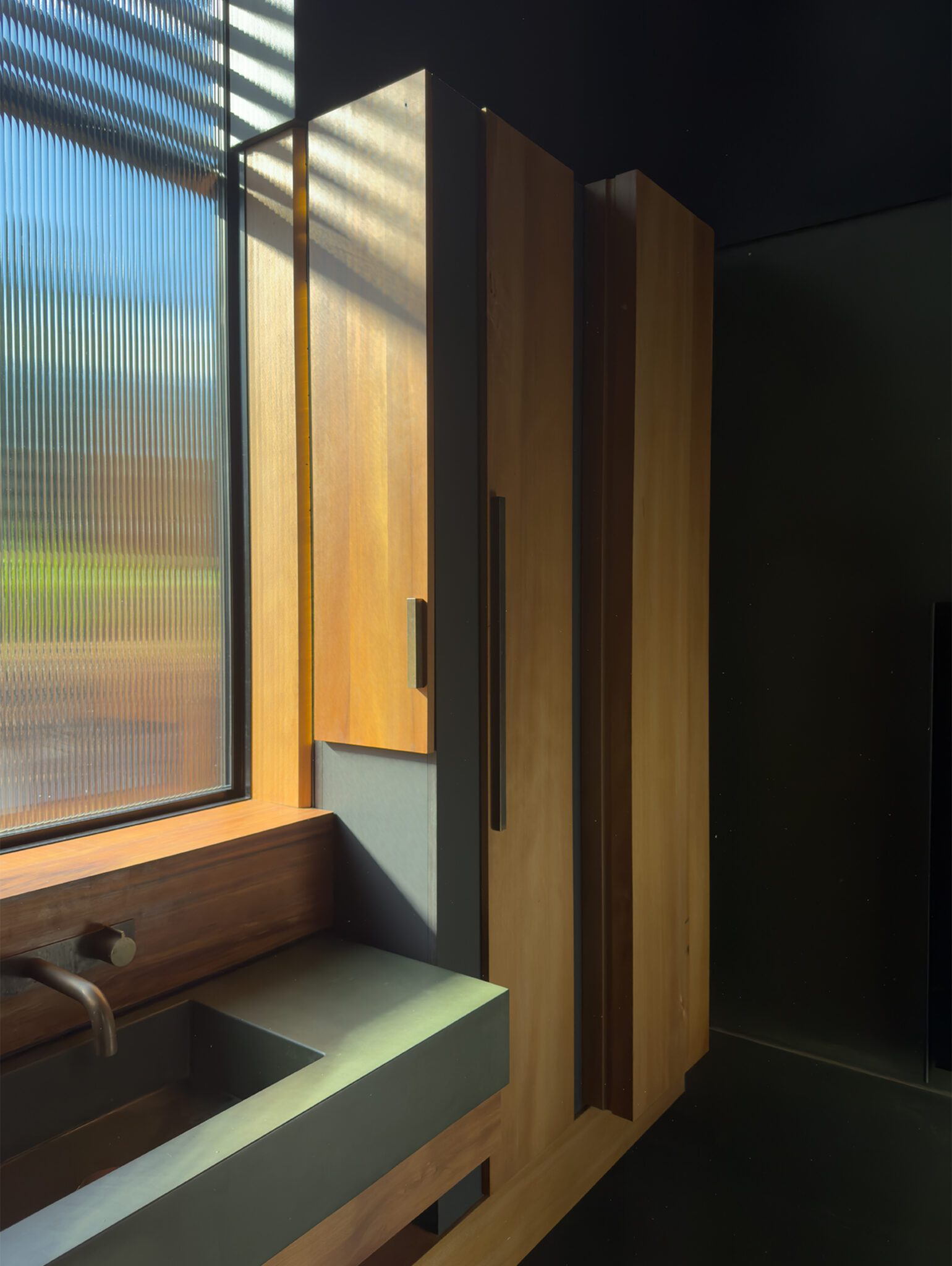
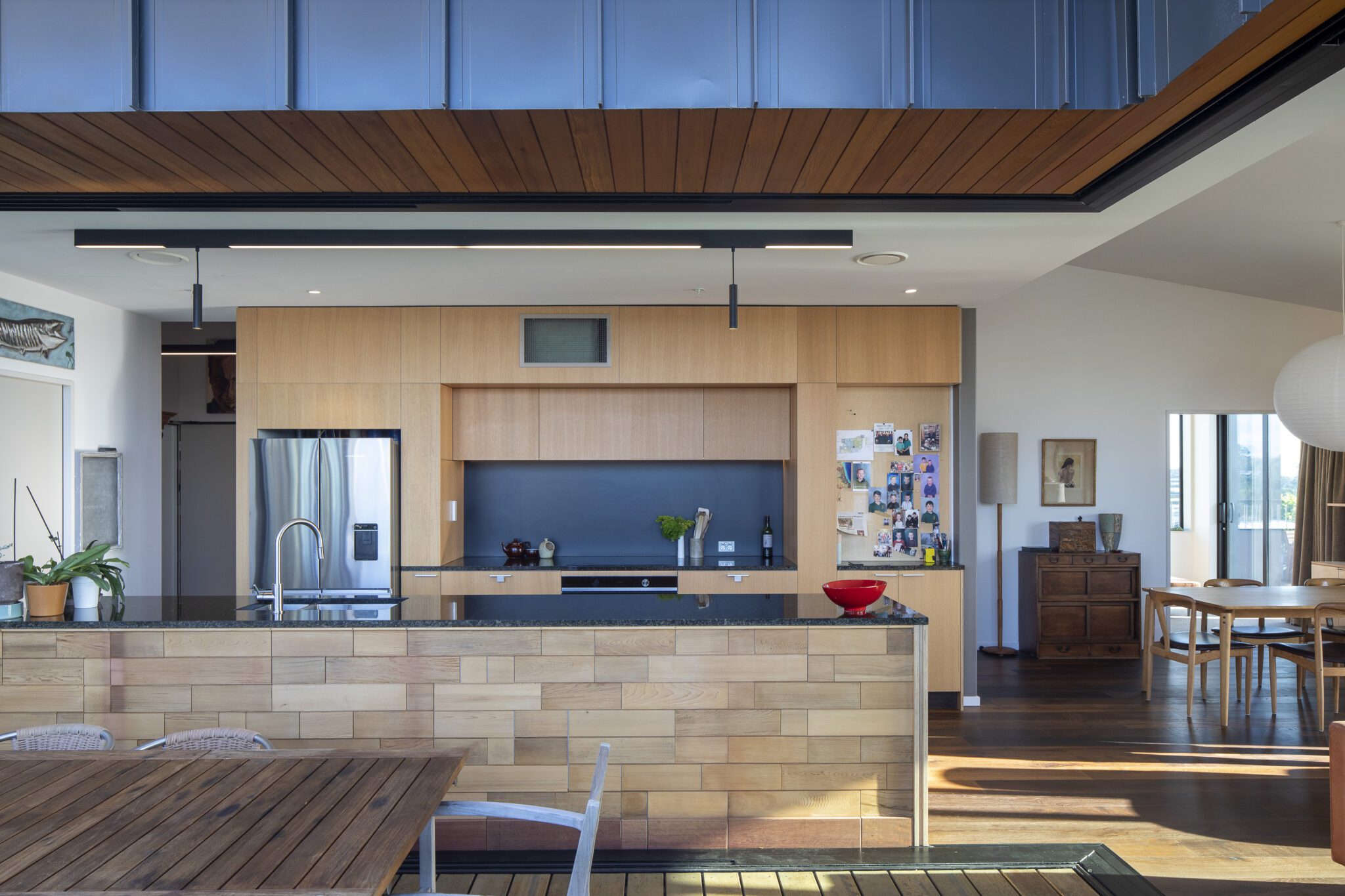
Wawata House is a finely resolved coastal retreat that responds with confidence and restraint to its steep setting and expansive bay views. Anchored by an insitu concrete wall that braces the building into the slope, the house balances robustness with warmth through an assured palette of dark steel, cedar, stone, oak and rattan. The jury admired the contrast between the home’s dark, recessive exterior and the softness, informality and tactility of its interior spaces. Generous glazing, sliding timber shutters and carefully integrated outdoor rooms create a richly layered living environment that is both grounded in its landscape and beautifully crafted.
Watch HOME’s video feature on Wawata House by Julian Guthrie Architecture.
Housing – Alterations and Additions
Dolly by Studio John Irving
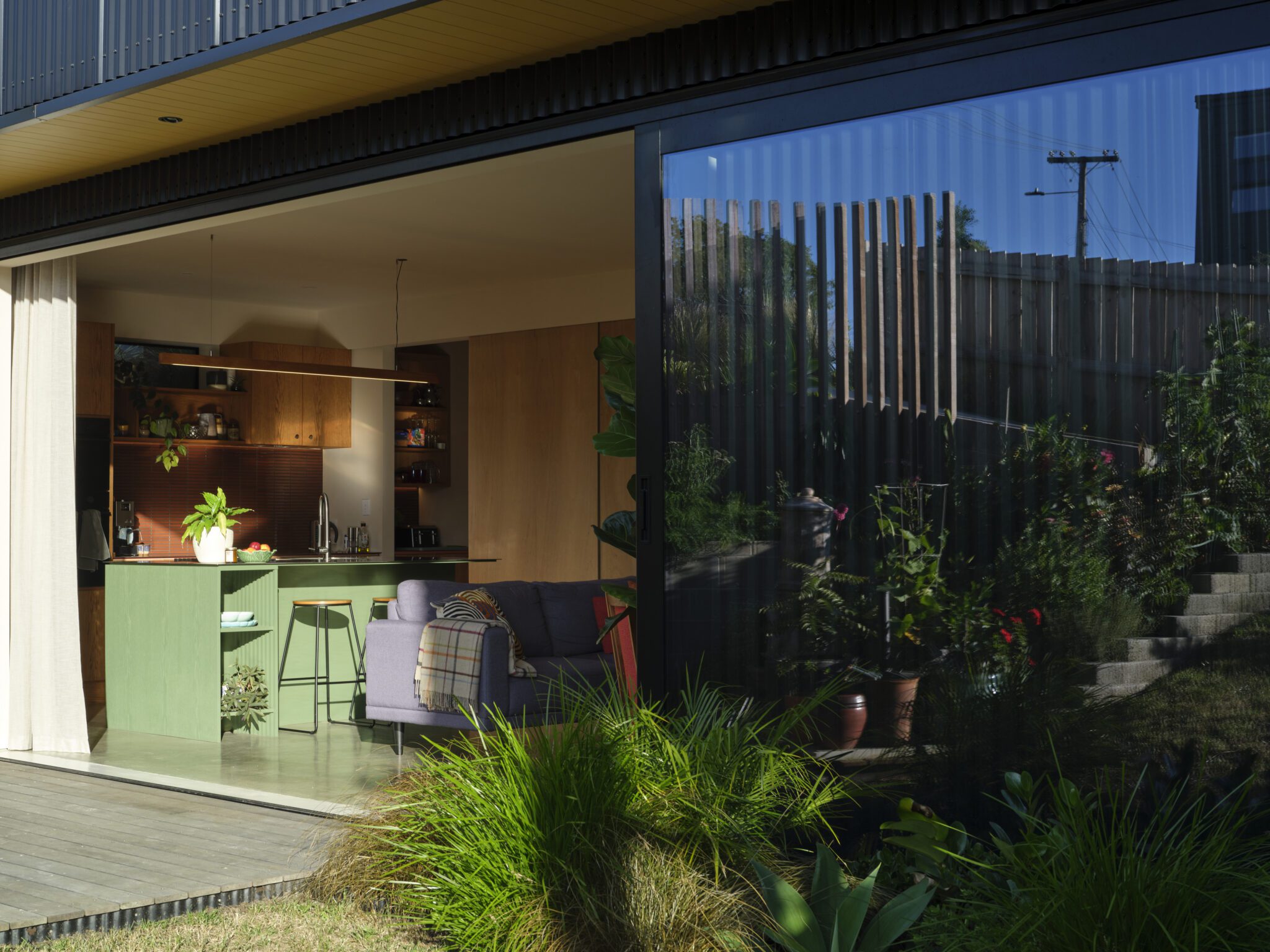
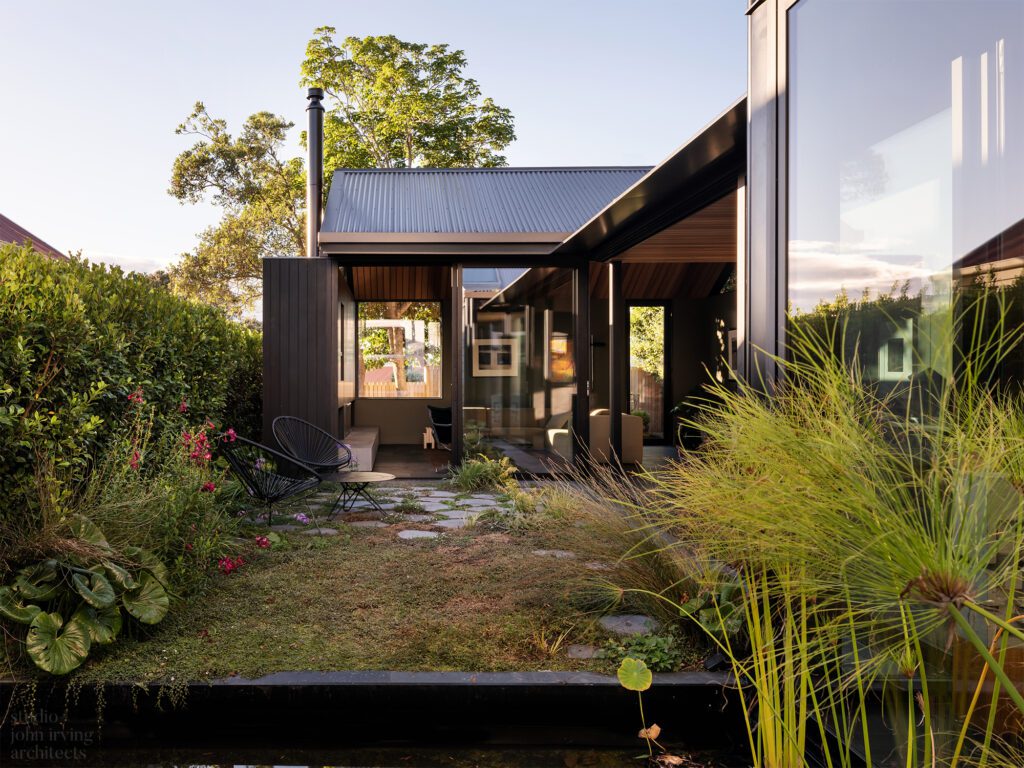
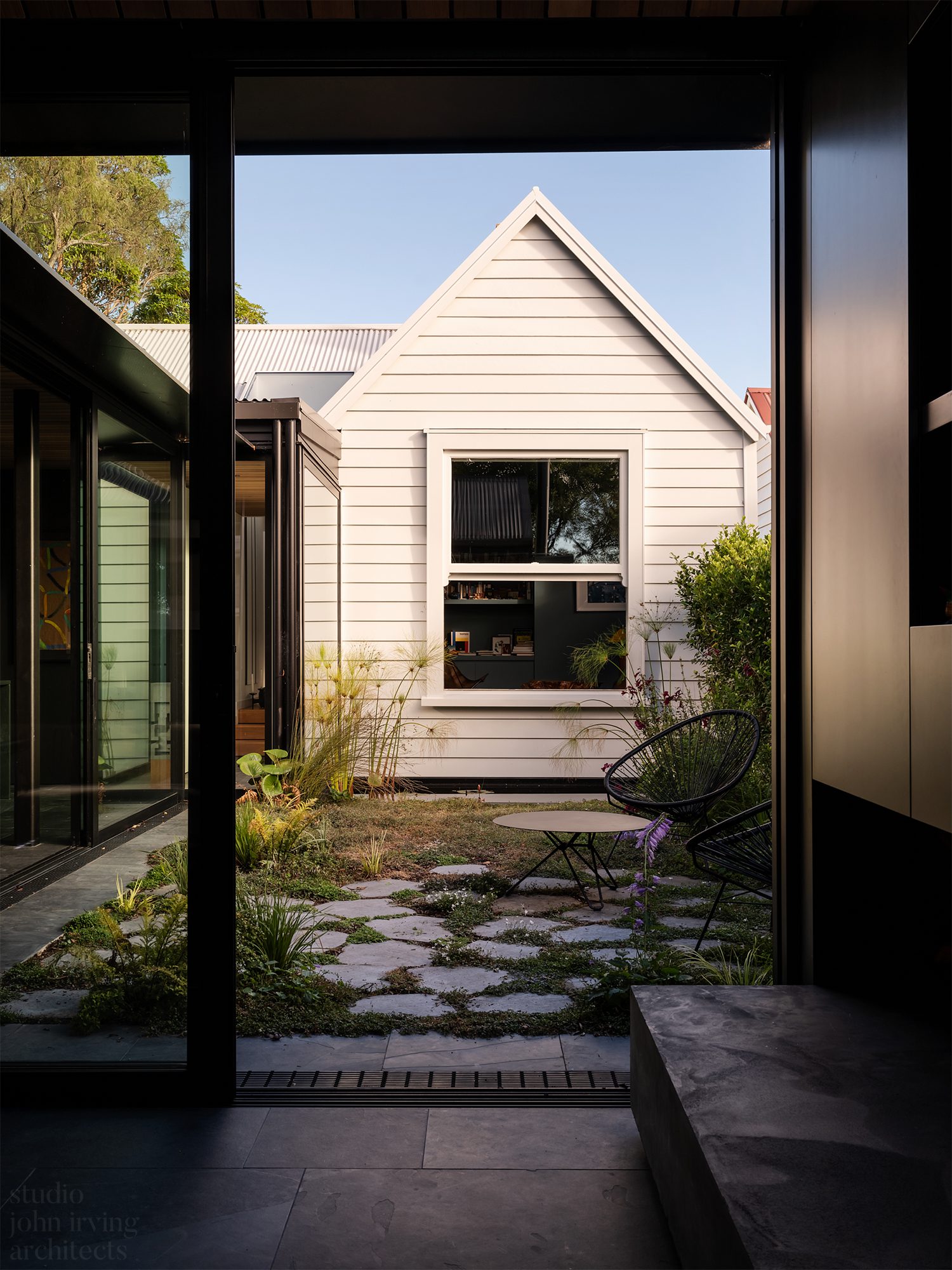
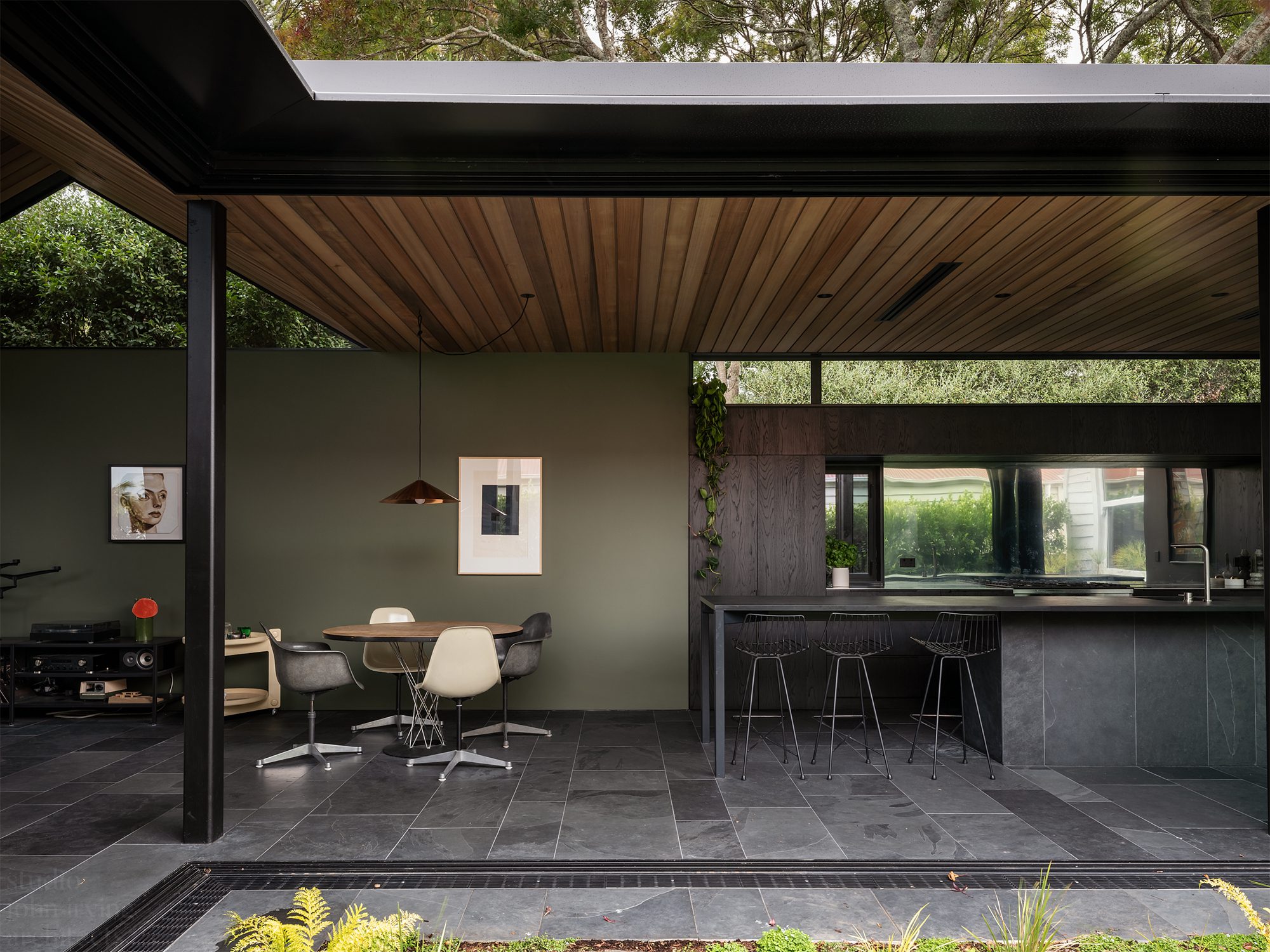
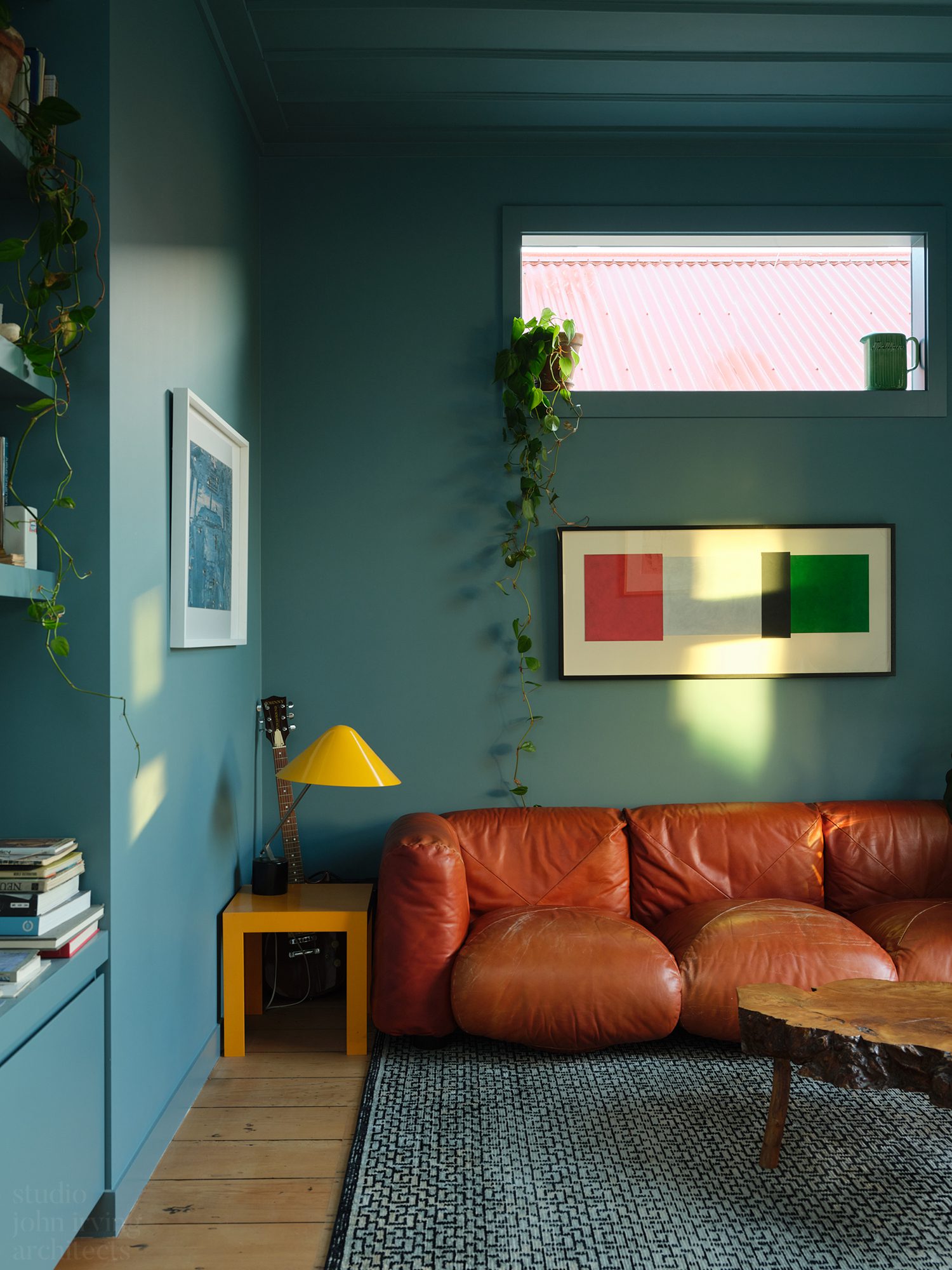
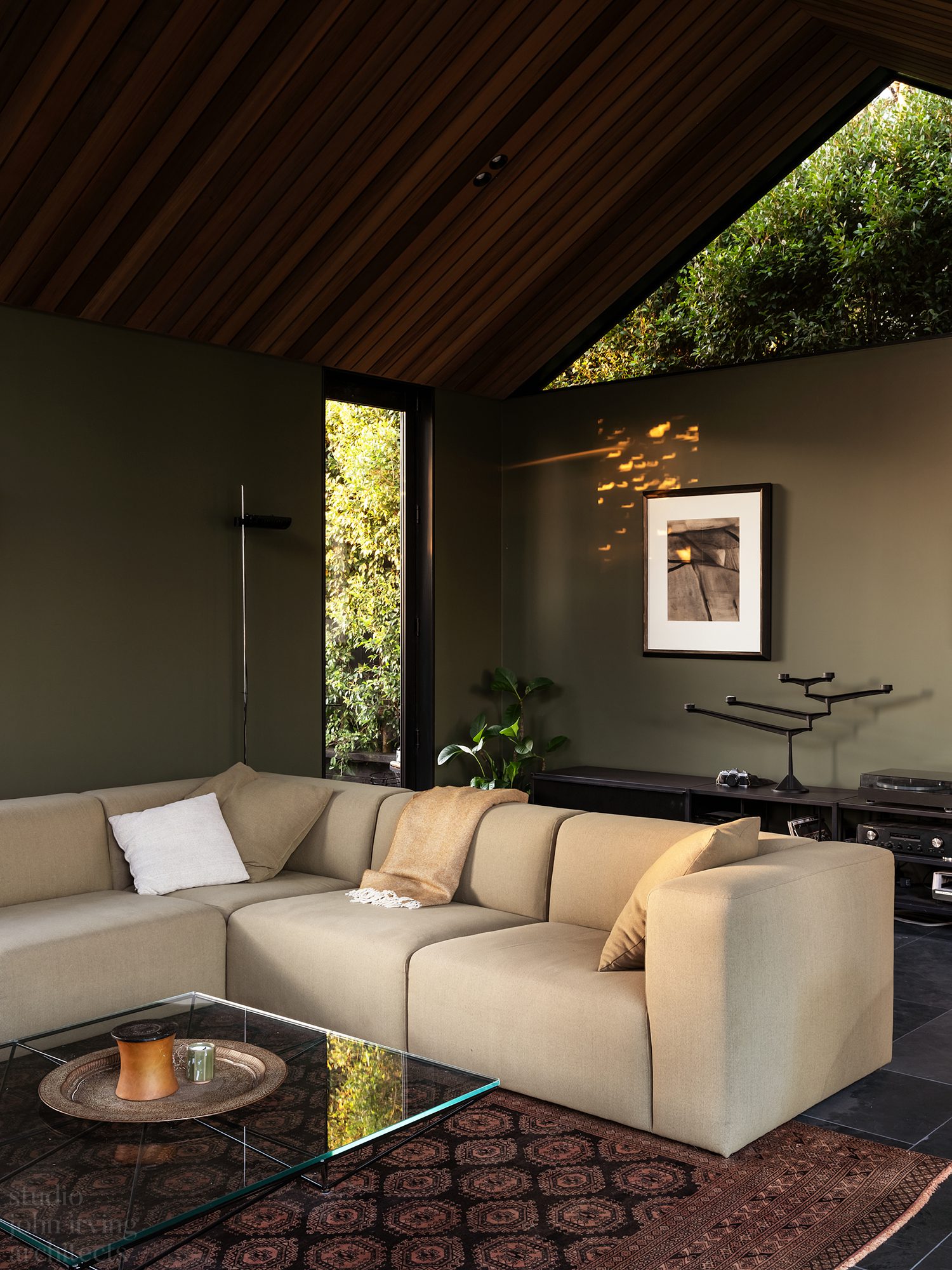
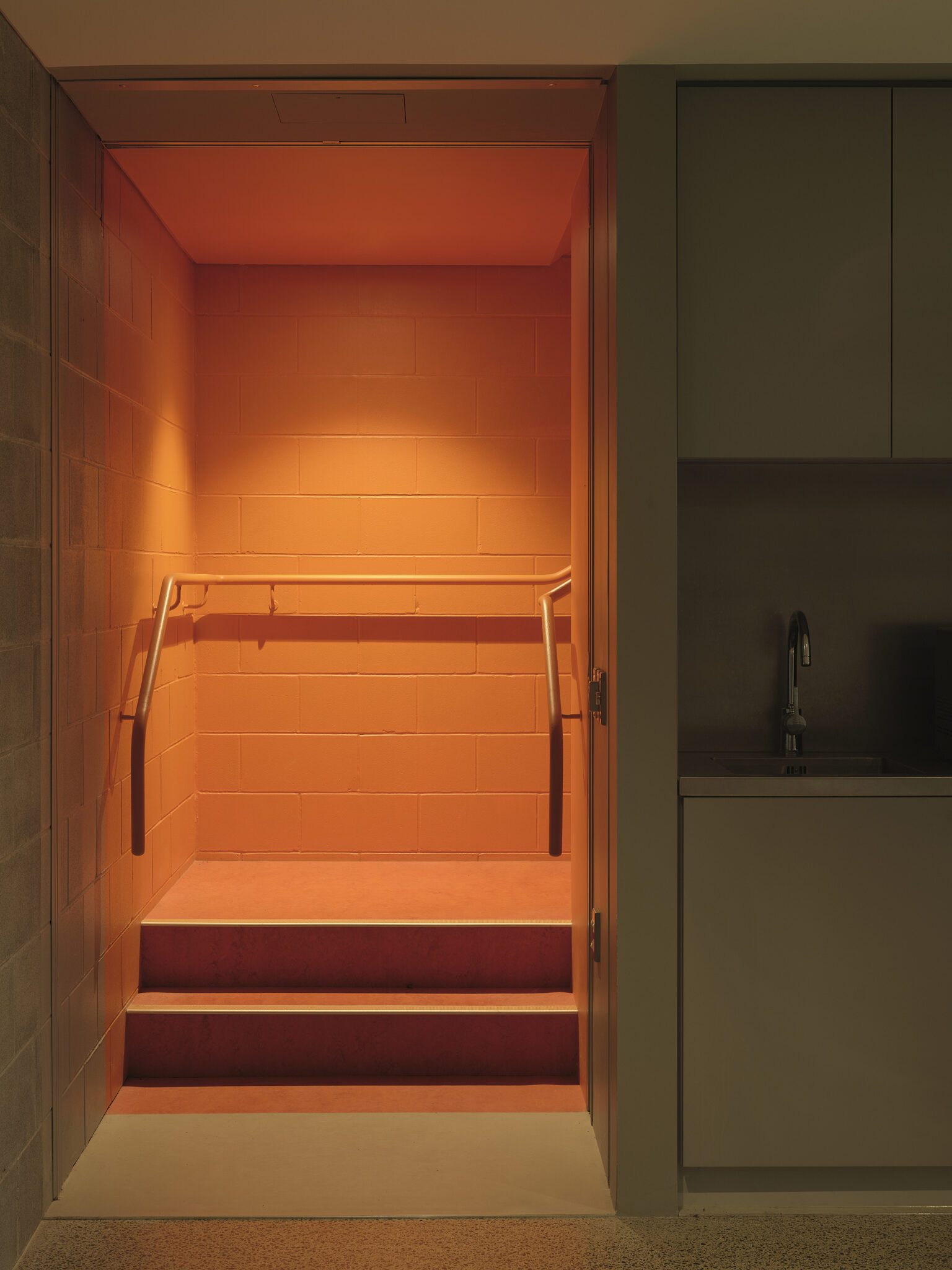
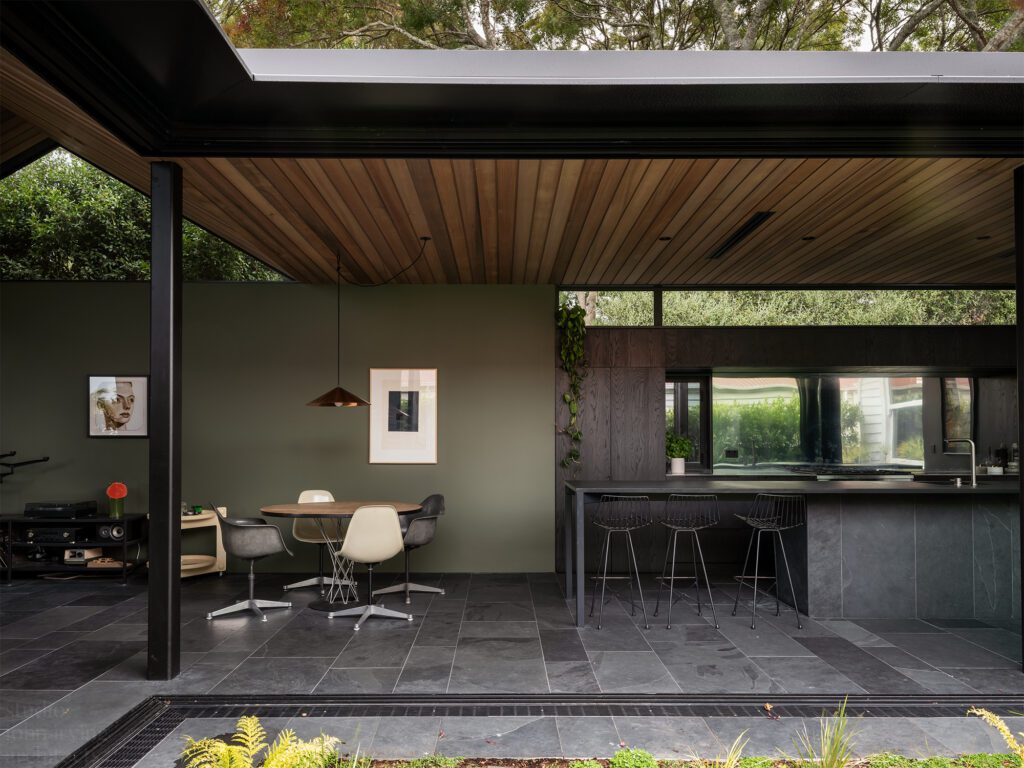
John Irving’s own whare is a masterclass in quiet surprise. From the street it appears modest and familiar, but inside it unfolds into a playful and deeply personal series of spaces. Clever interventions, bold use of colour, and carefully crafted moments give the house warmth and character throughout. A reflective splashback in the galley kitchen even allows the owner to watch the cook at work. One of the project’s strengths is the lounge, which reconnects visually to the courtyard and original cottage. Small in scale but full of personality and delight, the house creates an atmosphere people simply want to stay in. Modest in scale, rich in joy.
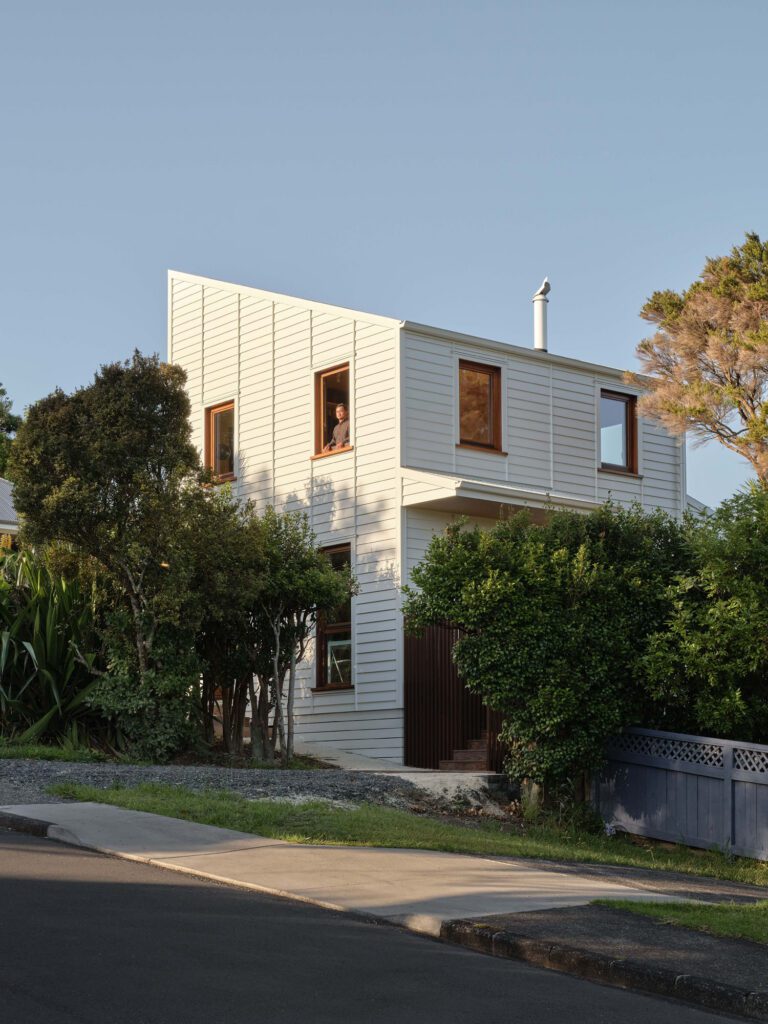
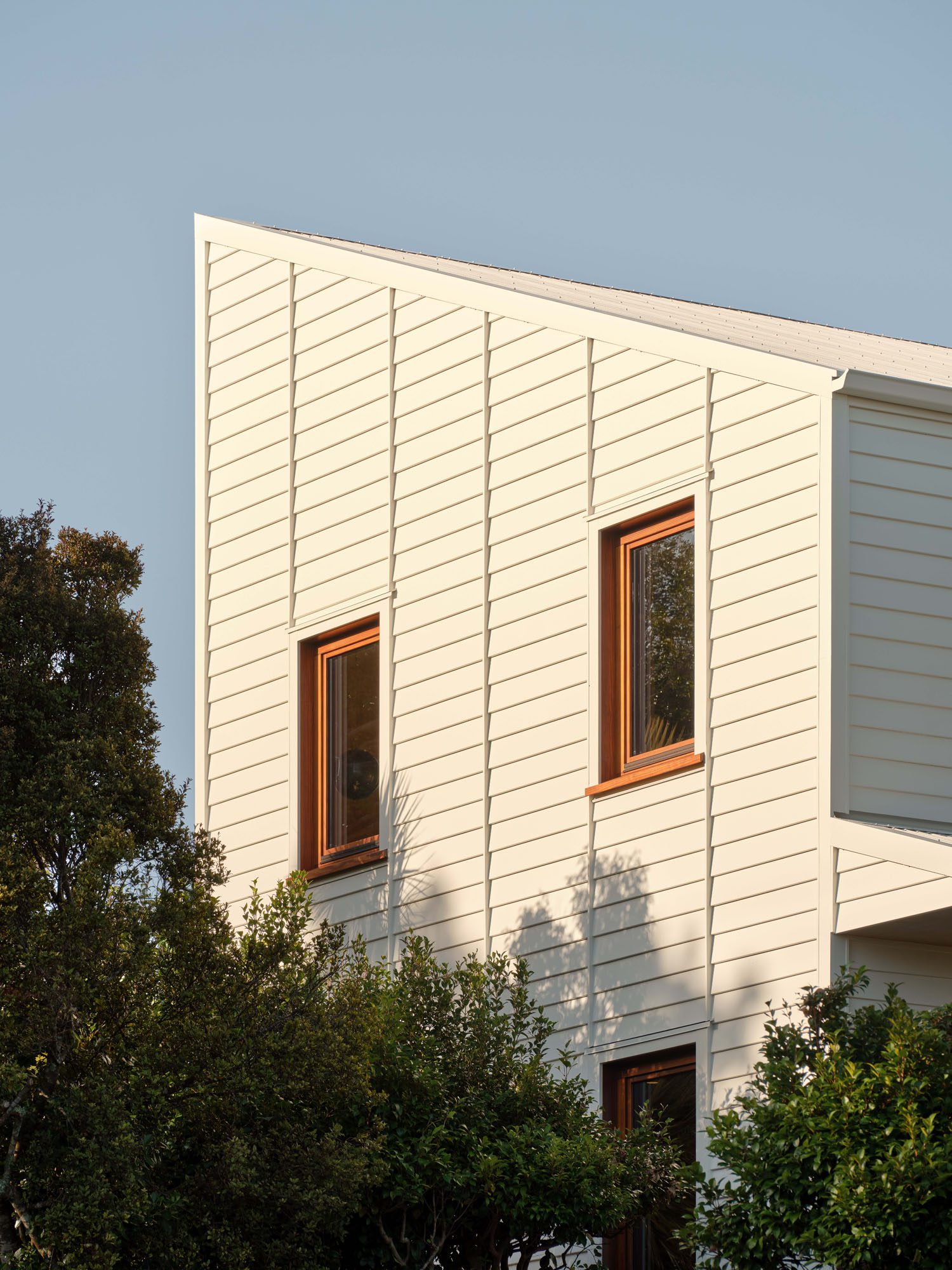
Long Play House by Megan Edwards Architects
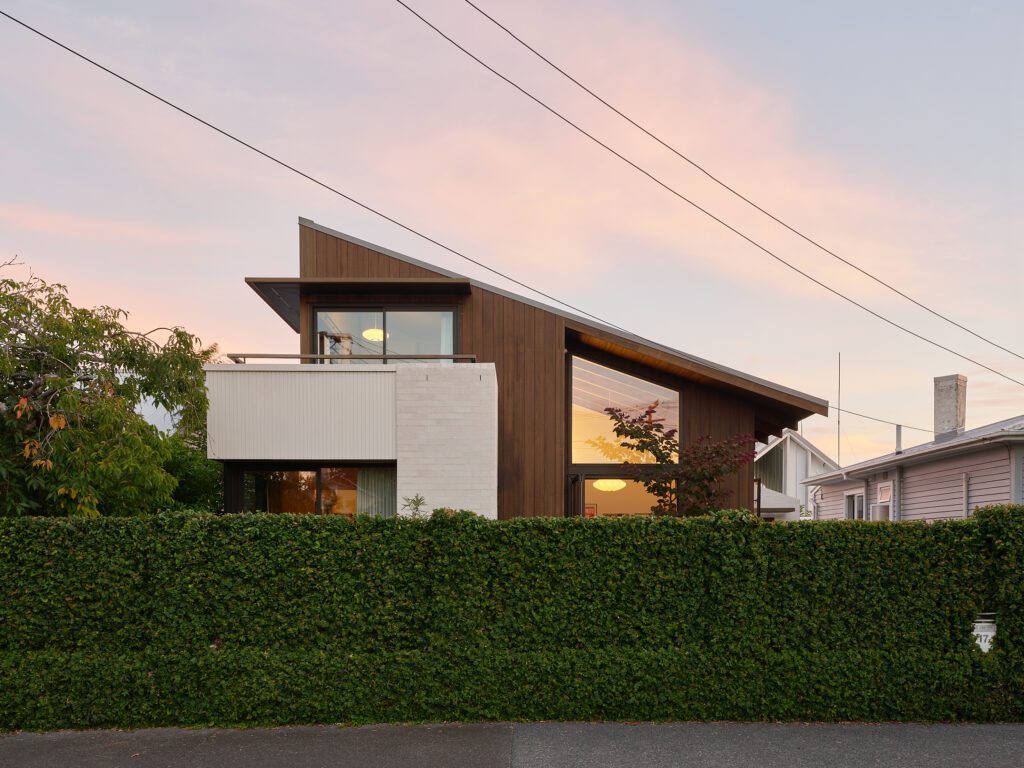
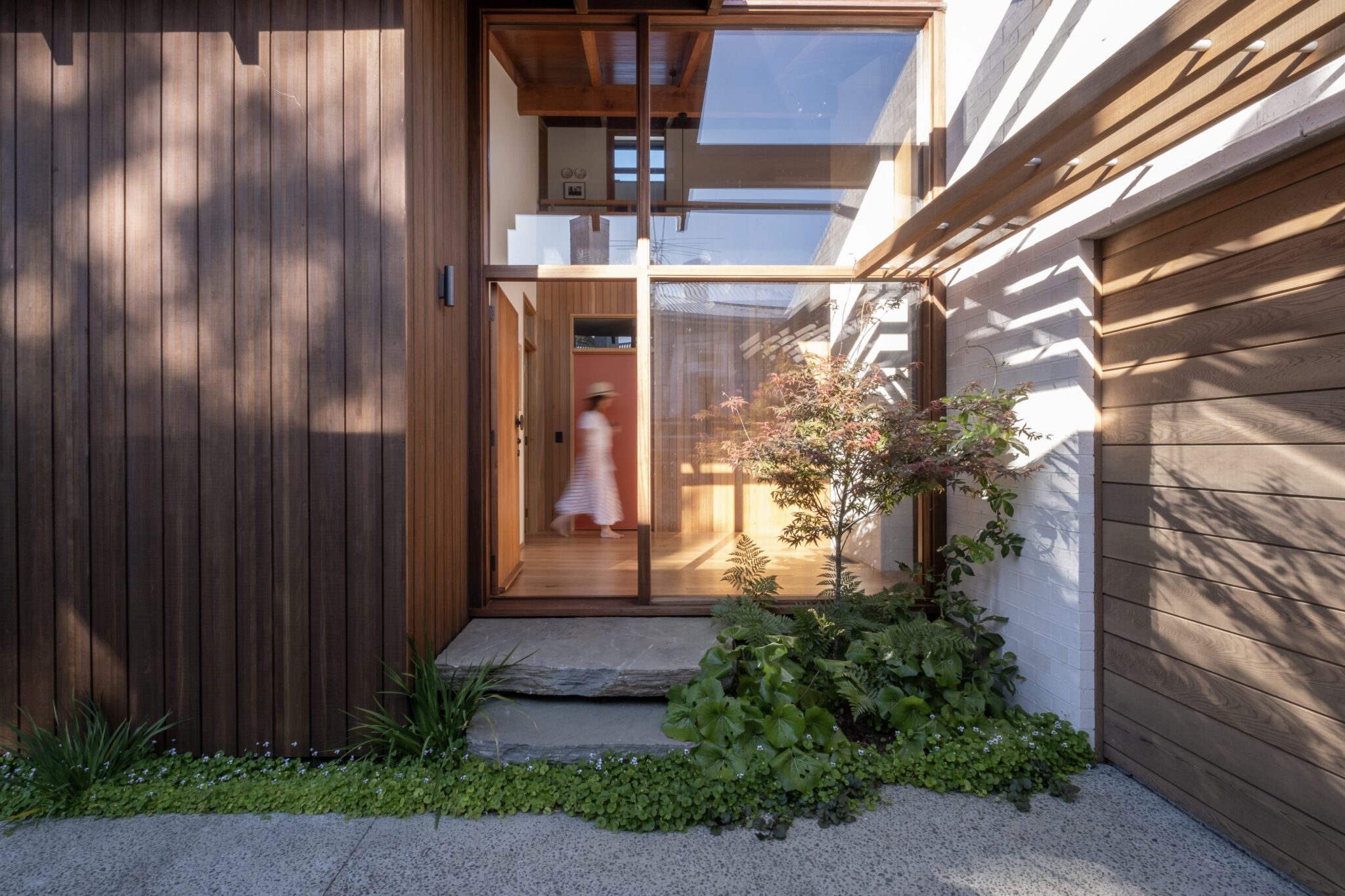
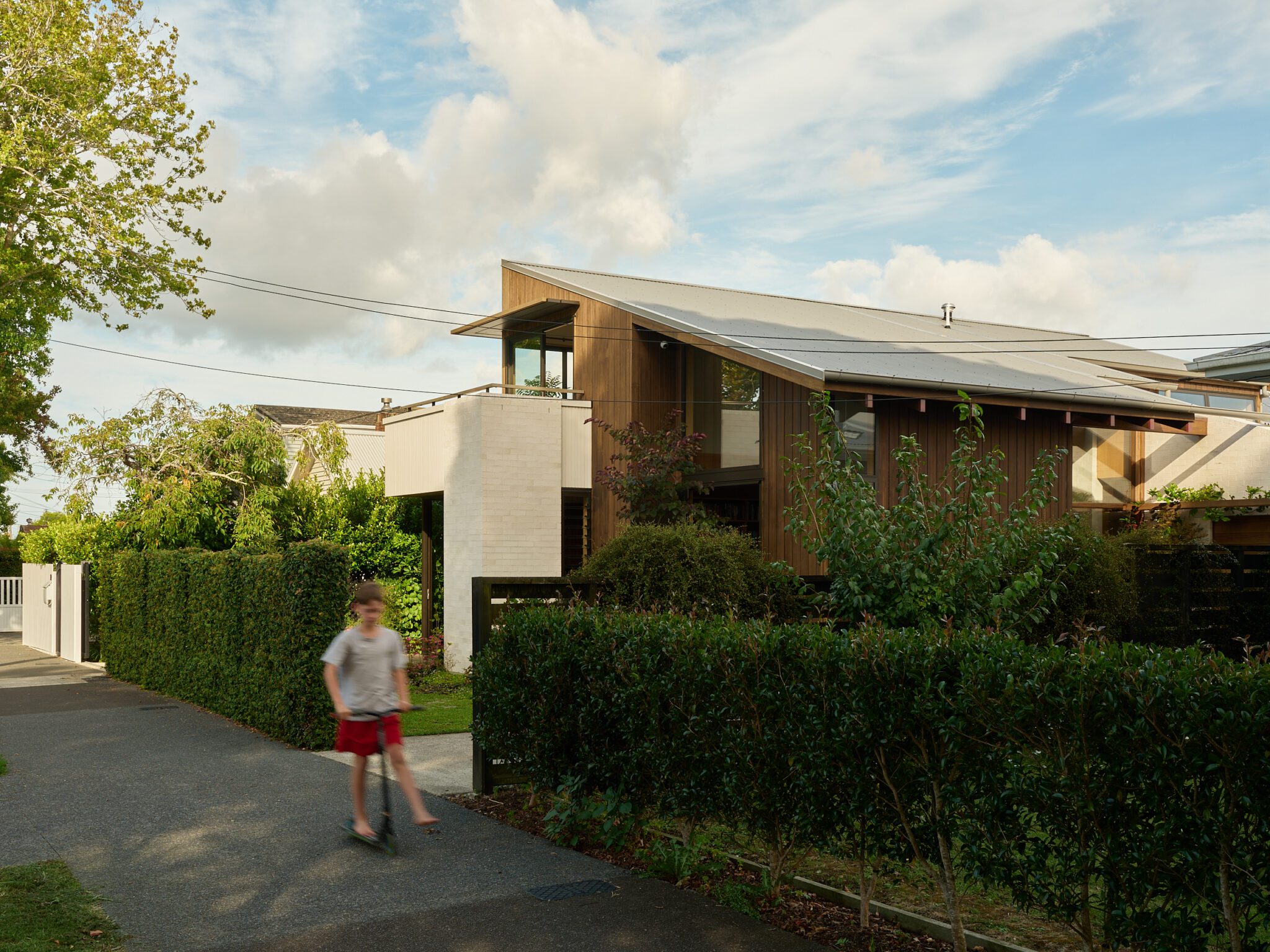
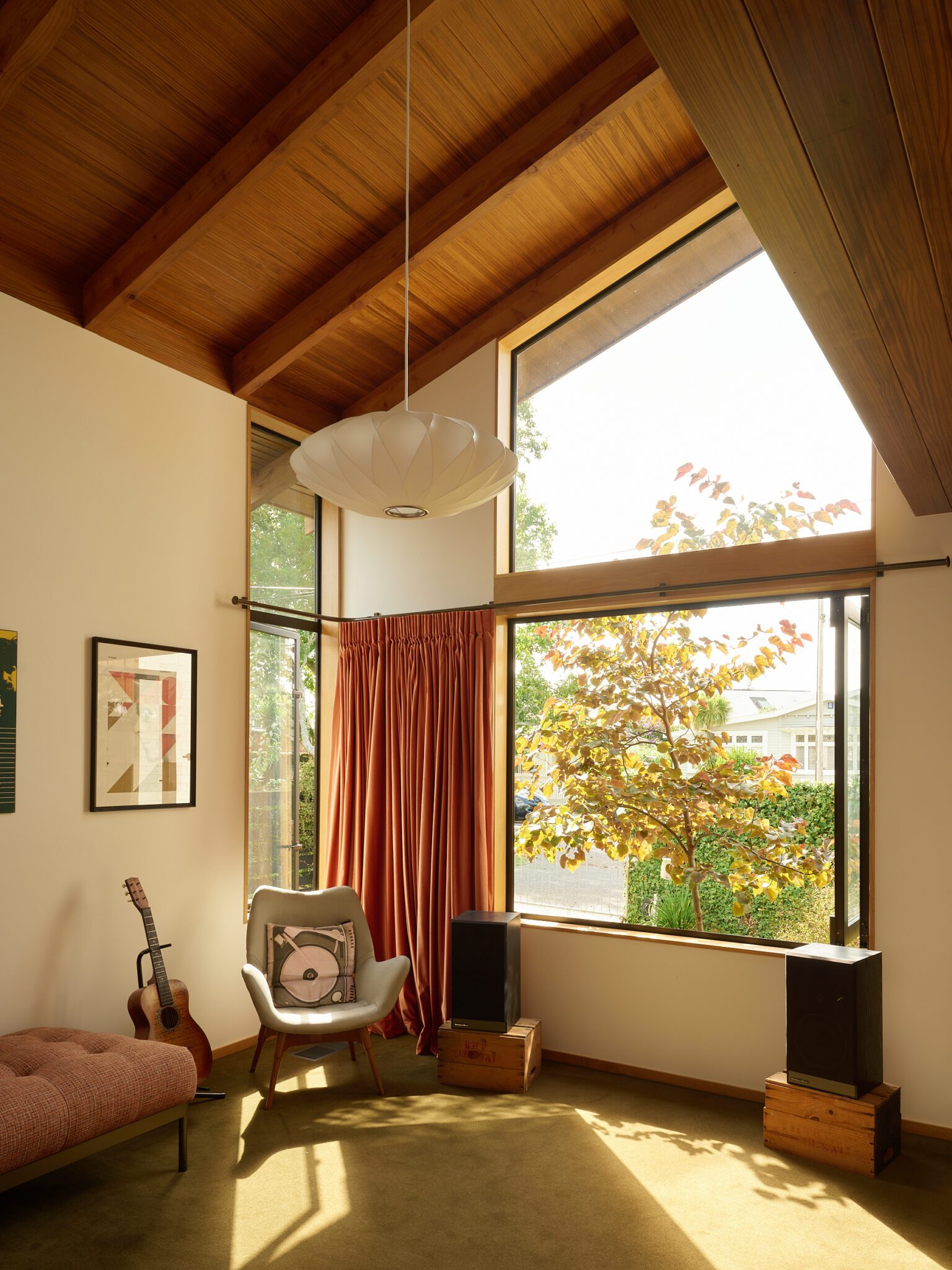
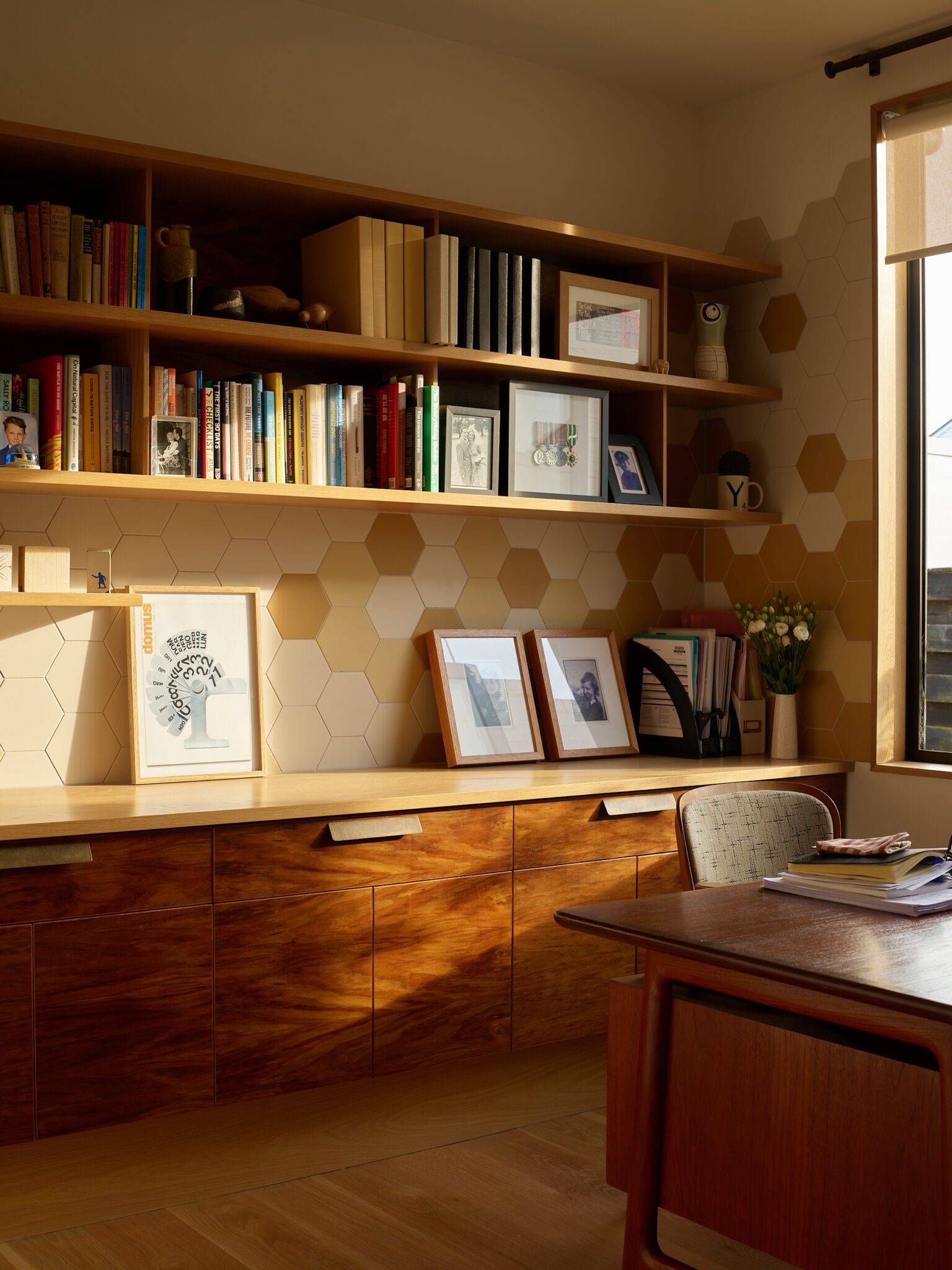
Long Play House is a warm and joyful transformation of a Point Chevalier bungalow. By carefully reworking the front of the house and introducing a generous double-height entry, the project turns a previously dark home into a bright and welcoming family space. A simple mono-pitch roof with exposed rafters creates a clear and confident form while allowing new upper-level bedrooms and bringing more light into the centre of the plan. Music and hangout rooms add flexibility and personality, while a rich material palette of redwood, brick, timber, and soft finishes creates a home that feels warm, textured, and inviting.
Onetangi Pavilions by Lynda Simmons Architect and Sayes Jackson Architects
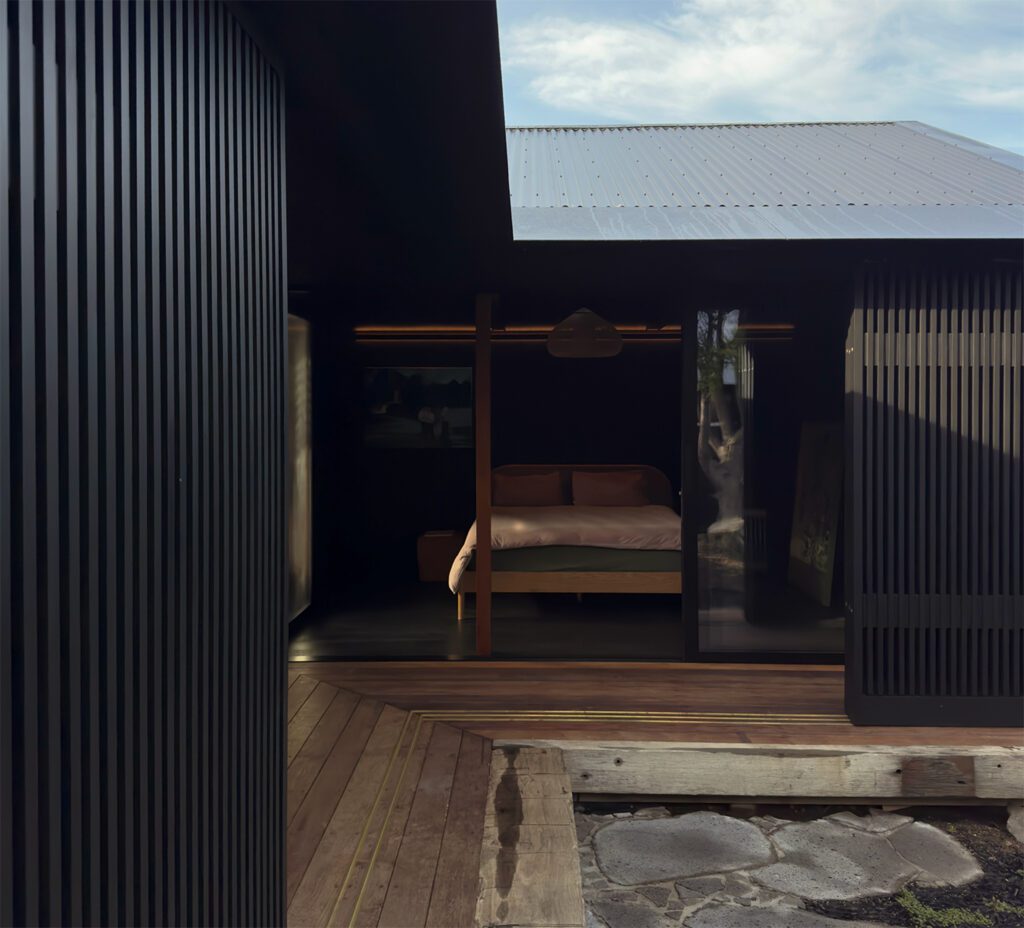
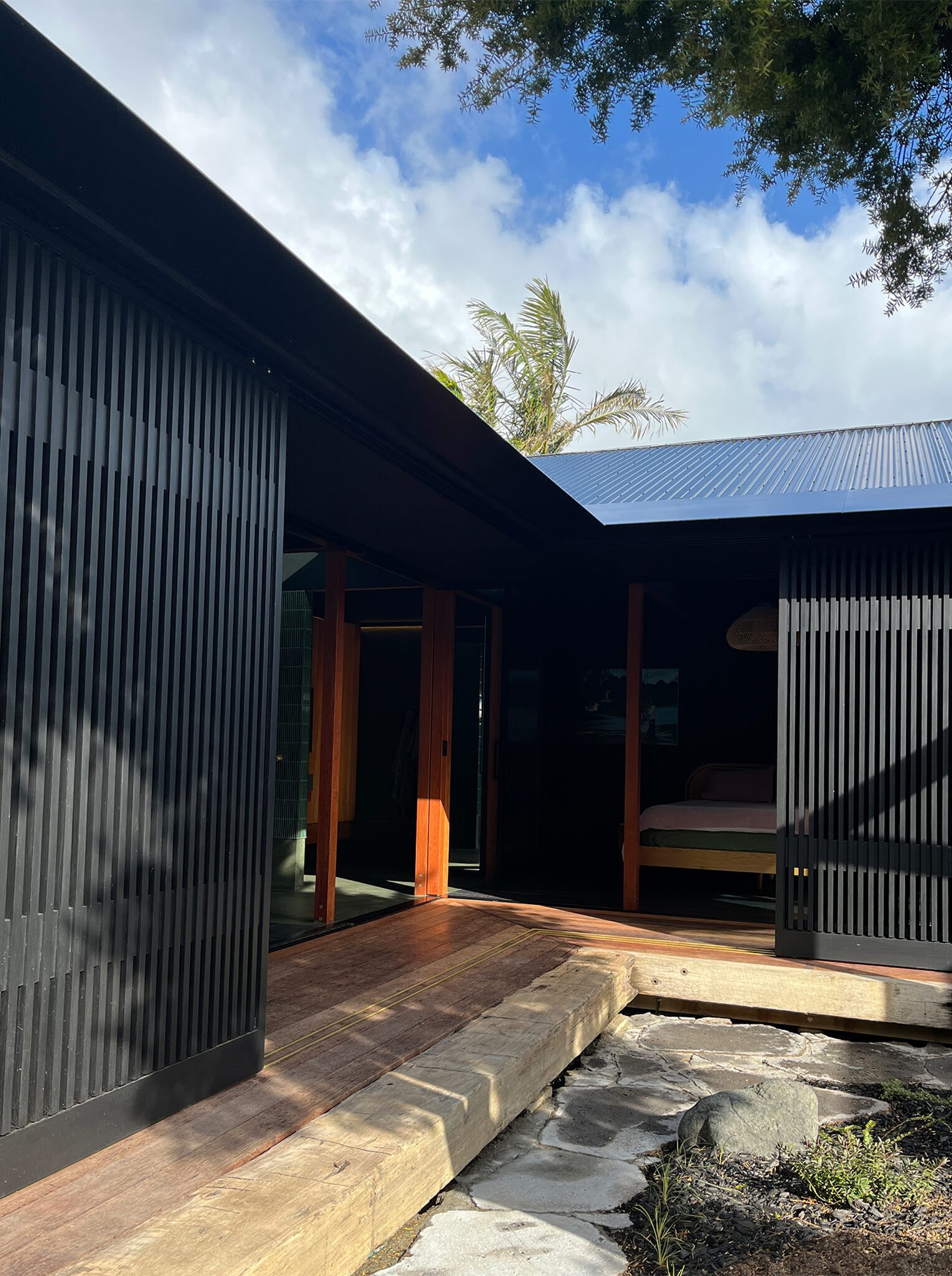
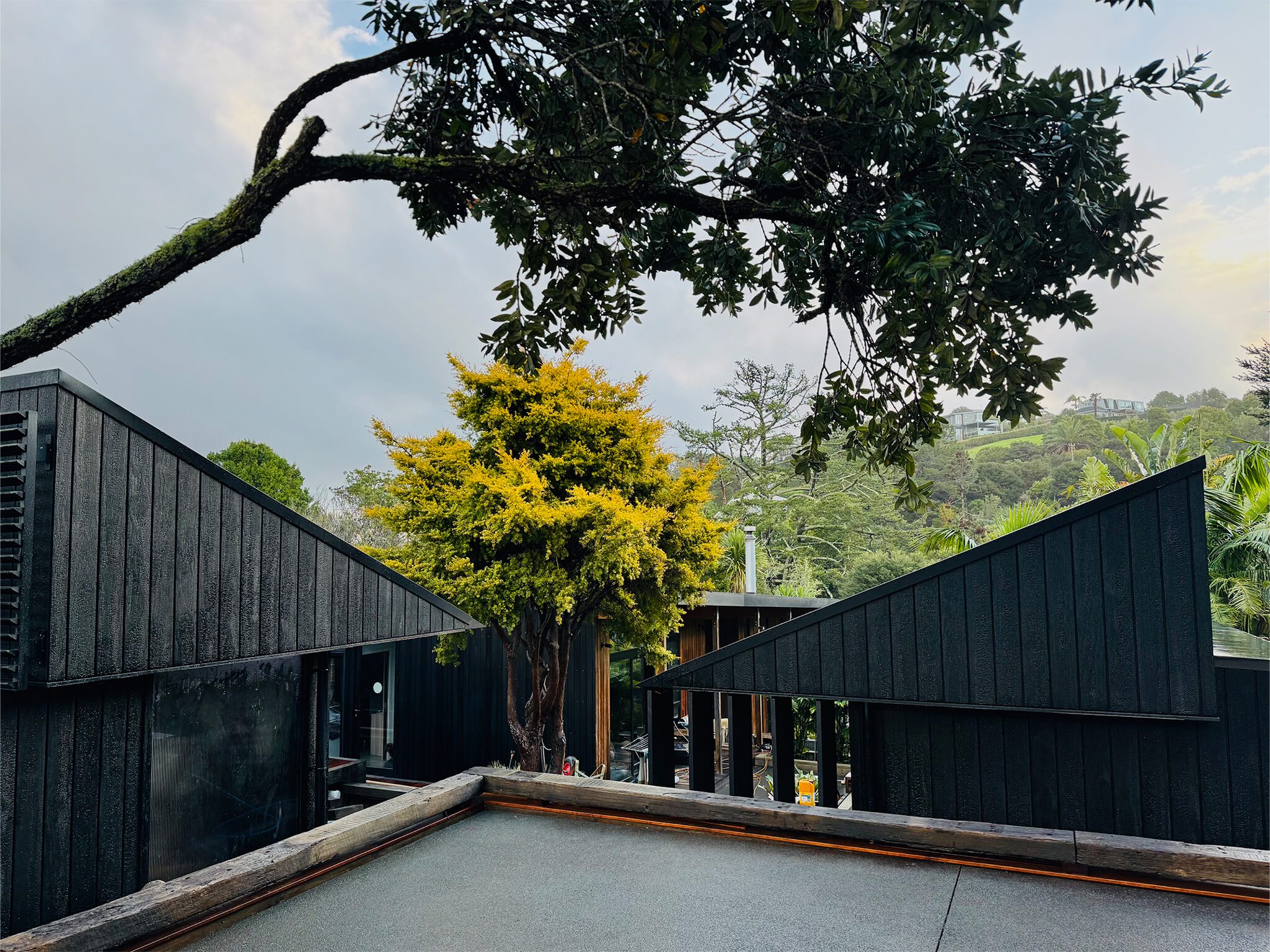
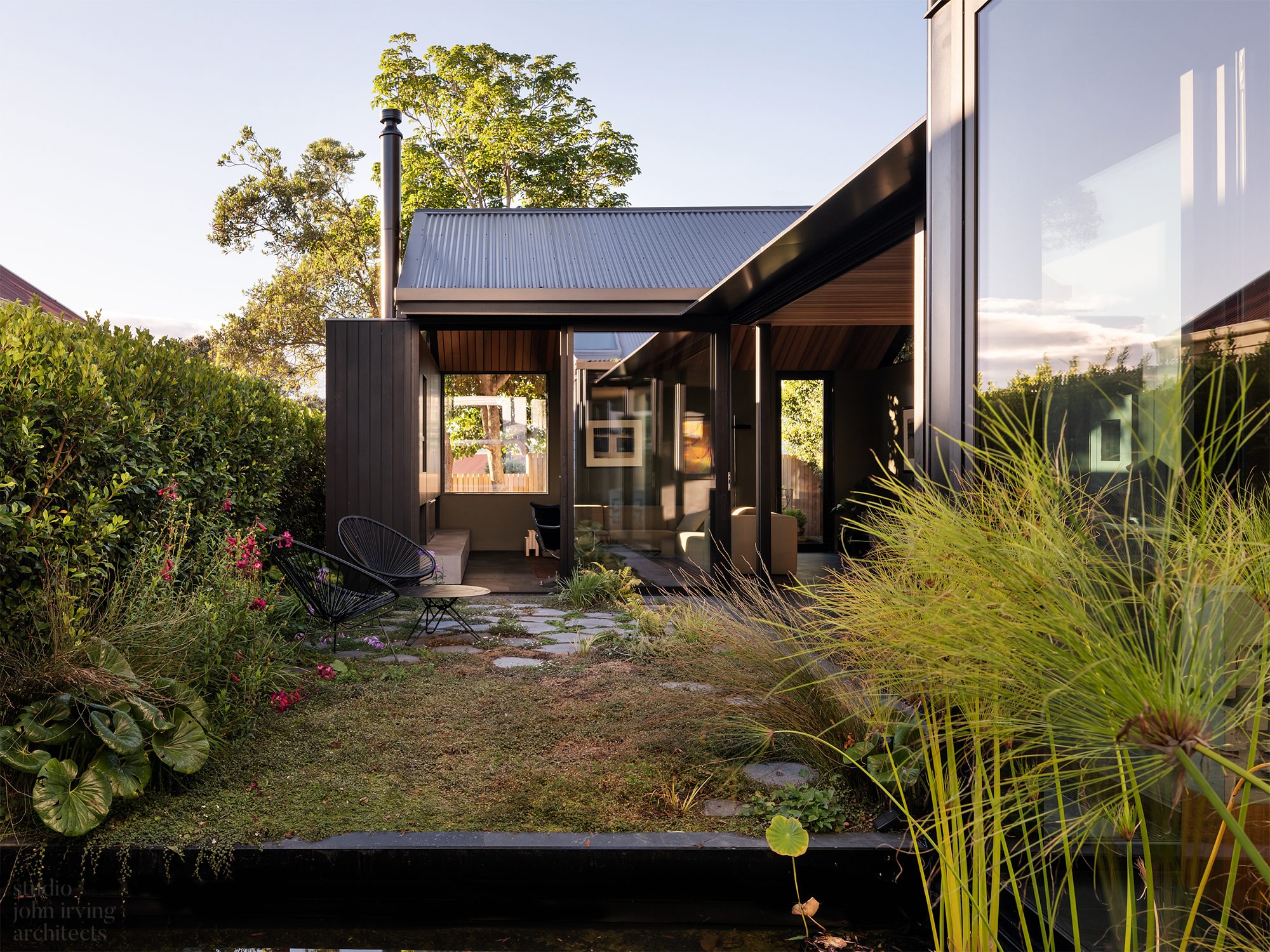
Two new black pavilions are skilfully positioned beside an existing dwelling to form a sun-catching, lush green courtyard centered around a mature tōtara tree. Sliding screens allow the spaces to open or close depending on changing patterns of use, creating flexible thresholds between indoors and outdoors. Inspired by traditional Japanese courtyard architecture, the project uses light and shadow with great control and restraint. Yakisugi cladding and black plywood linings strengthen the calm and atmospheric character of the spaces. Small in scale but highly refined, the project demonstrates how carefully considered detailing can support a strong and cohesive architectural vision.
Red Threads by Pac Studio
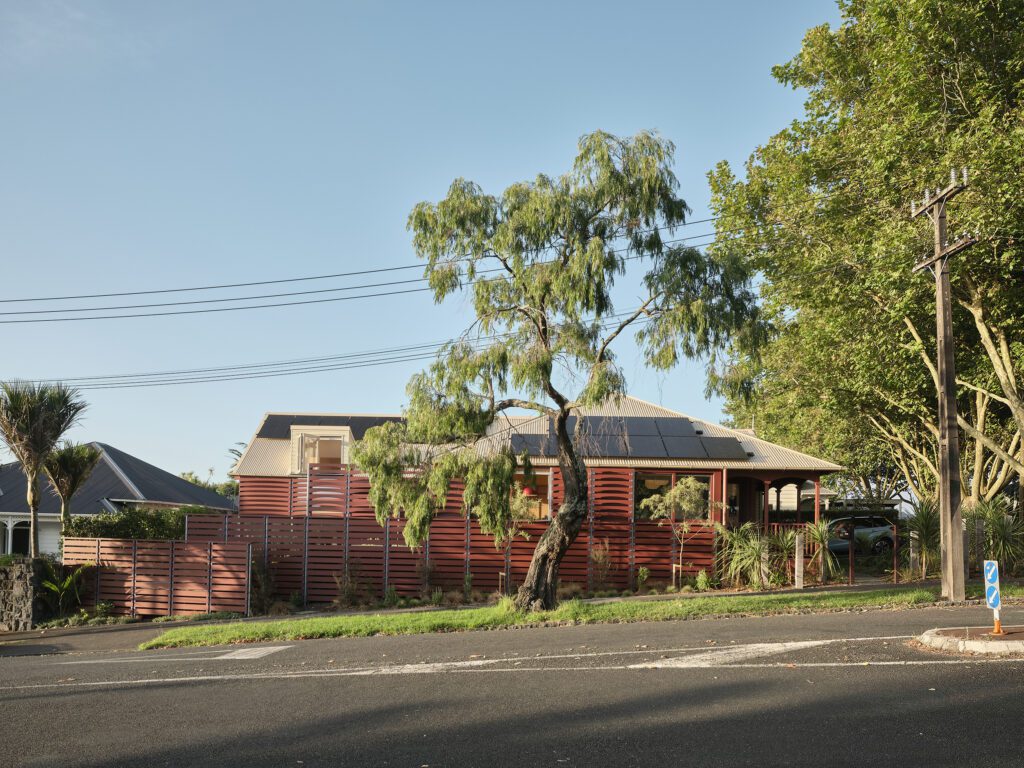
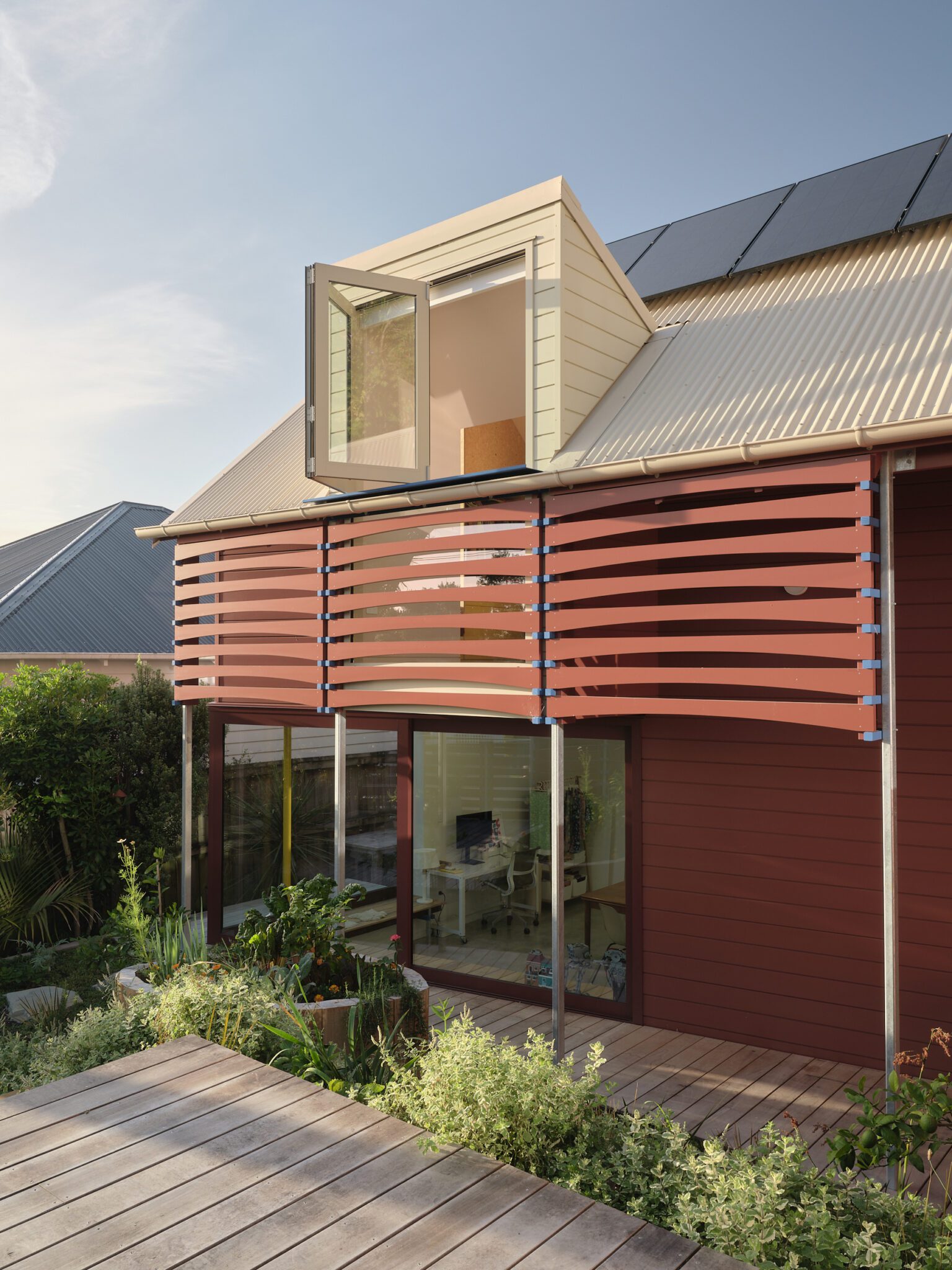
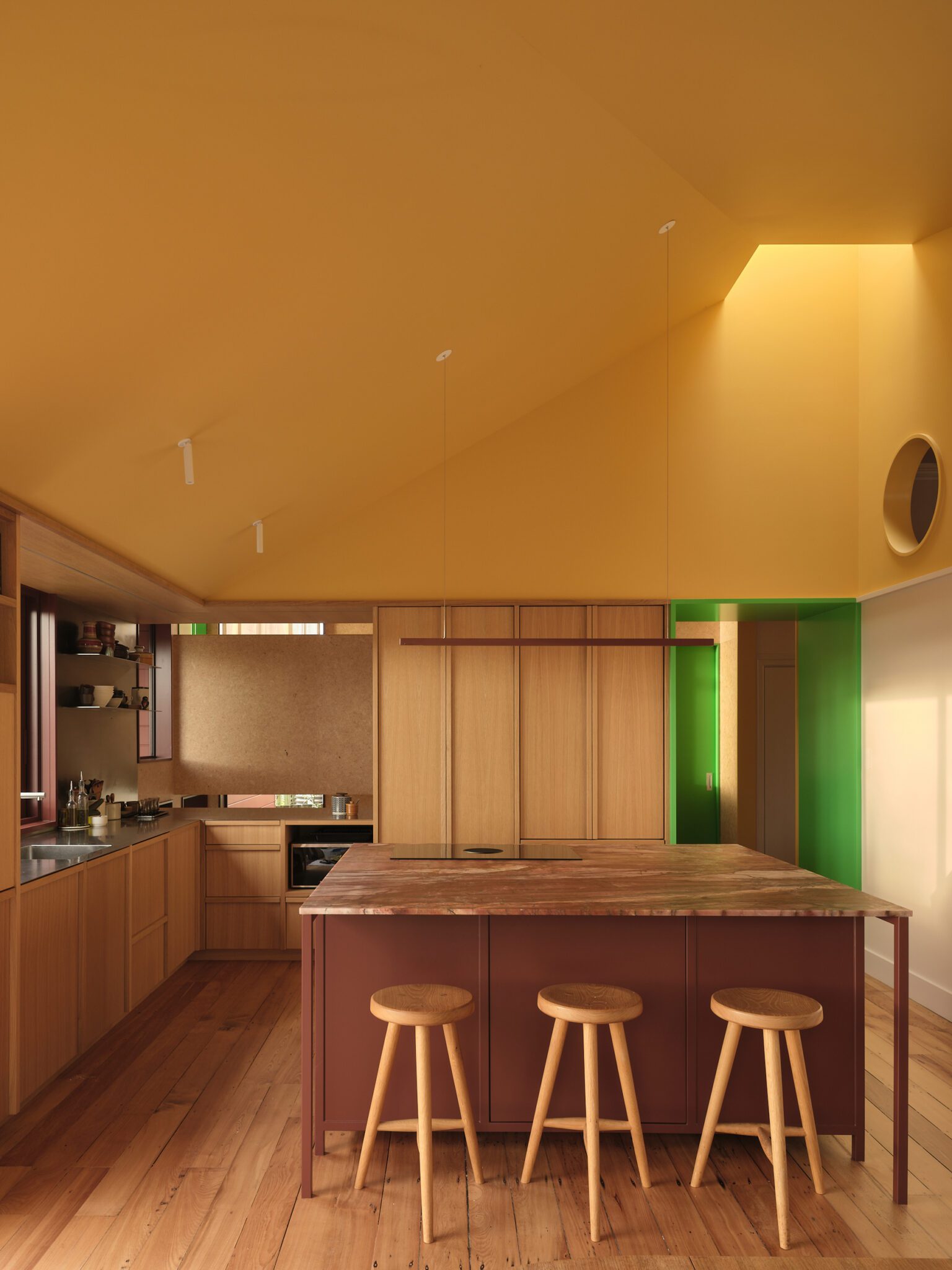
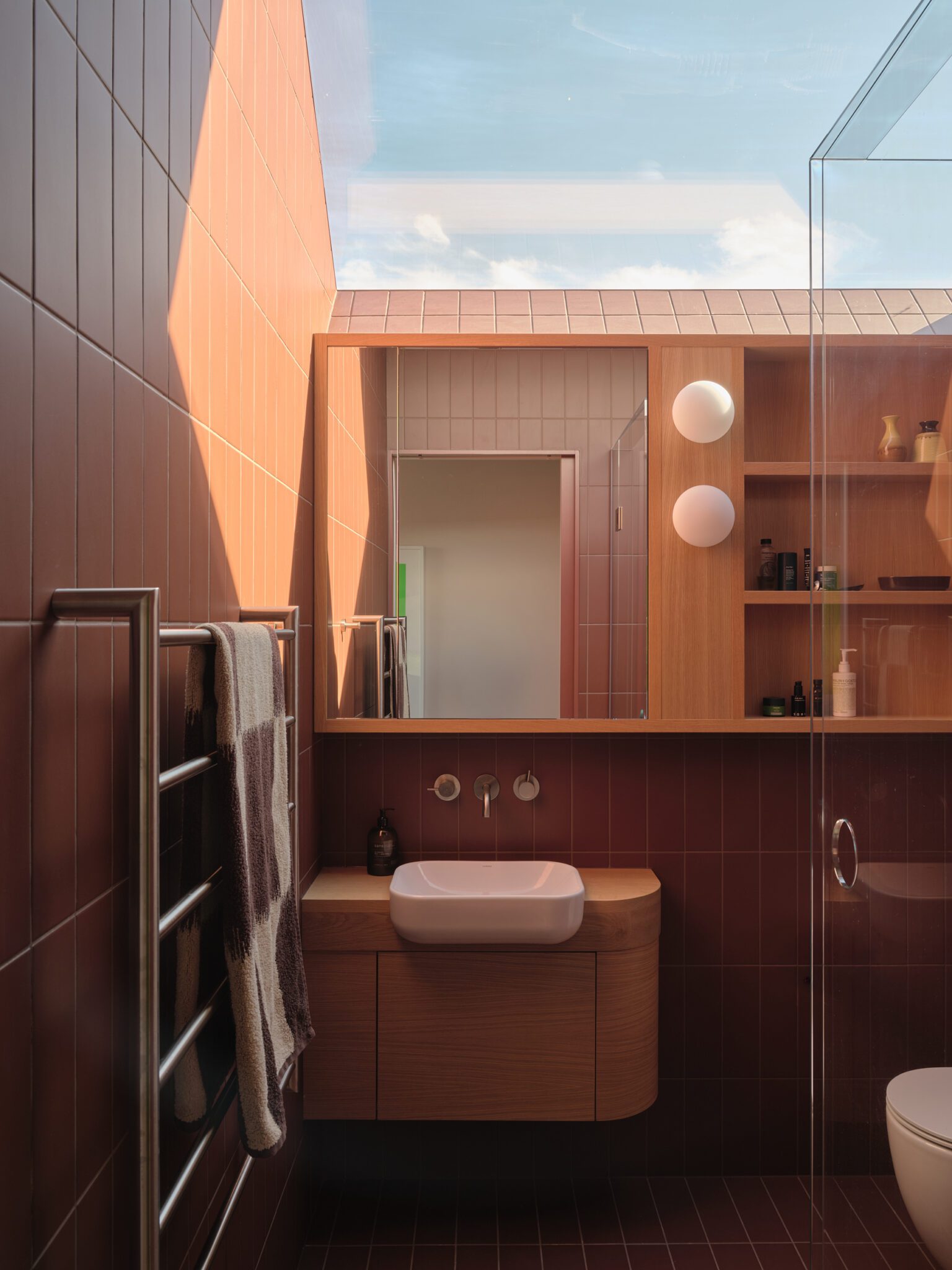
Red Threads by Pac Studio is architecture with a smile — joyful, playful, and deeply attuned to the personalities of those it was made for. The clever manipulation of levels, the courtyard that belies the building’s true height, the internal round yellow opening catching the sun — each move is deliberate and full of delight. This is a home that wears its values lightly: sustainable in practice, generous in spirit, and quietly inventive in every detail. A project that reminds us that architecture, at its best, can simply make people happy.
Waka Huia by Pac Studio
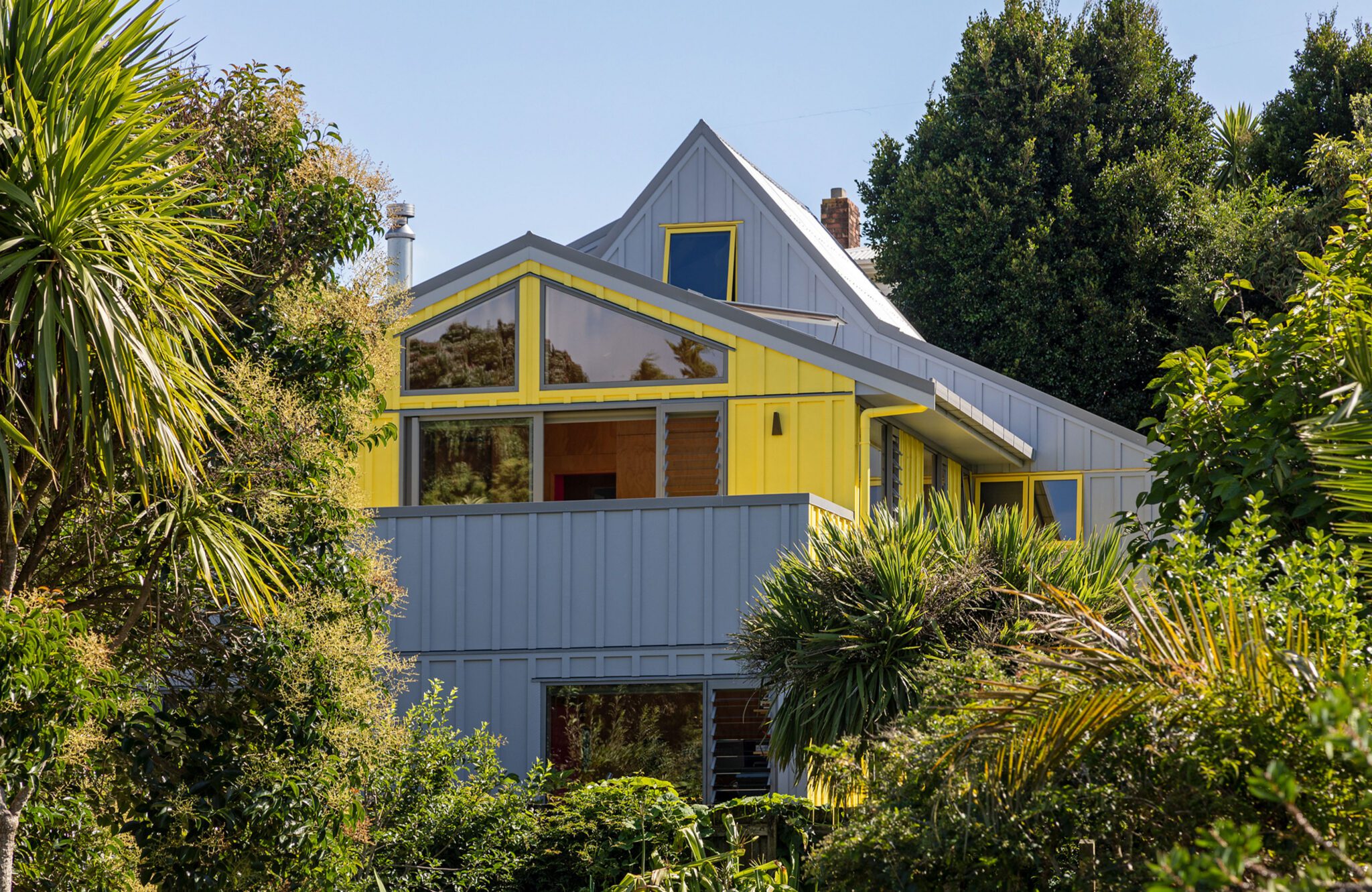
Waka Huia is a glorious, unapologetic celebration of life — a bombastic floral bouquet of colour, character, and bold personal taste, honouring the client and, in spirit, his late wife. This is a passion project in the truest sense, making joyful statements to the street, the neighbourhood, and its inhabitants alike. Every part of the home reflects confidence and personality, from the vibrant materials to the dramatic belvedere lifted into place by helicopter. Rich in detail and full of life, the project embraces architecture as something emotional, expressive, and deeply connected to the people who live within it.
Yansané McMillan House by Bonnifait + Associates Architects (Atelierworkshop)
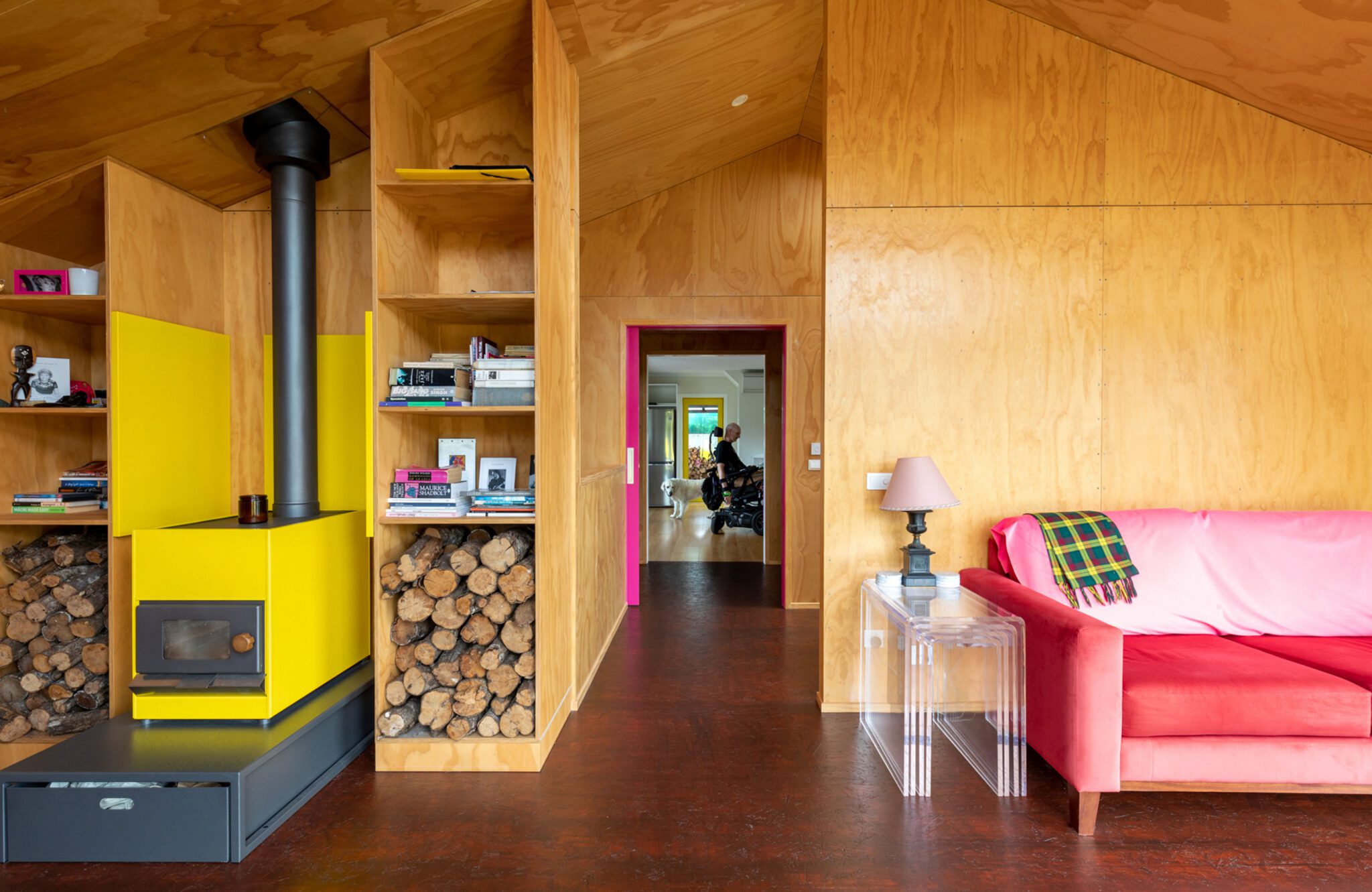
Yansané McMillan House transforms an existing suburban home to support specialised mobility needs while maintaining comfortable family living. Working within a modest budget, the design team approached the project with creativity, care, and strong attention to detail. Every threshold, material choice, and spatial decision has been carefully considered to support independence and improve everyday life. Small moments of colour and warmth bring personality into the home while reinforcing dignity and comfort. Though modest in scale, the project demonstrates the powerful impact thoughtful architecture can have on the lives of the people it serves. Small in scale, immeasurable in impact.
Housing – Multi-unit
45 Mt Eden by ASC Architects
This project anticipated Auckland’s urban future well before the City Rail Link transformed the area around it. This mixed-use development creates a vertical community with active street edges, shared infrastructure, communal gardens, and a central stair that encourages interaction between residents. Housing families, professionals, and the architect’s own home, the project demonstrates a thoughtful approach to higher-density living. Carefully planned and community focused, it creates a strong sense of connection and belonging while making a confident contribution to Auckland’s changing urban environment.
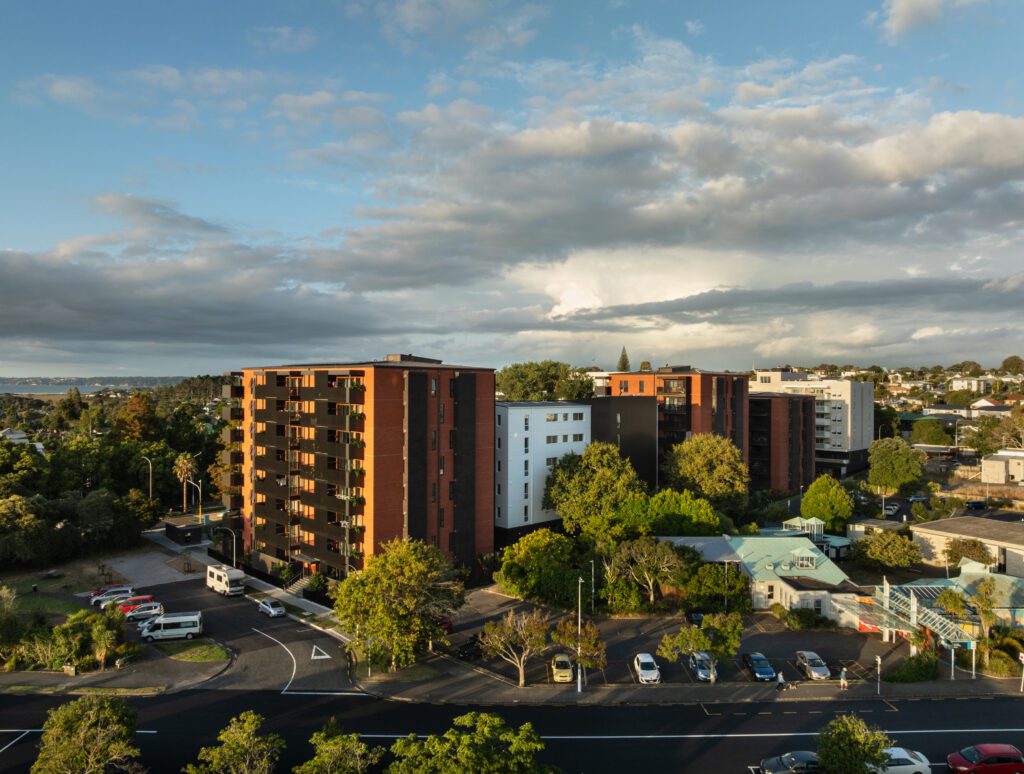
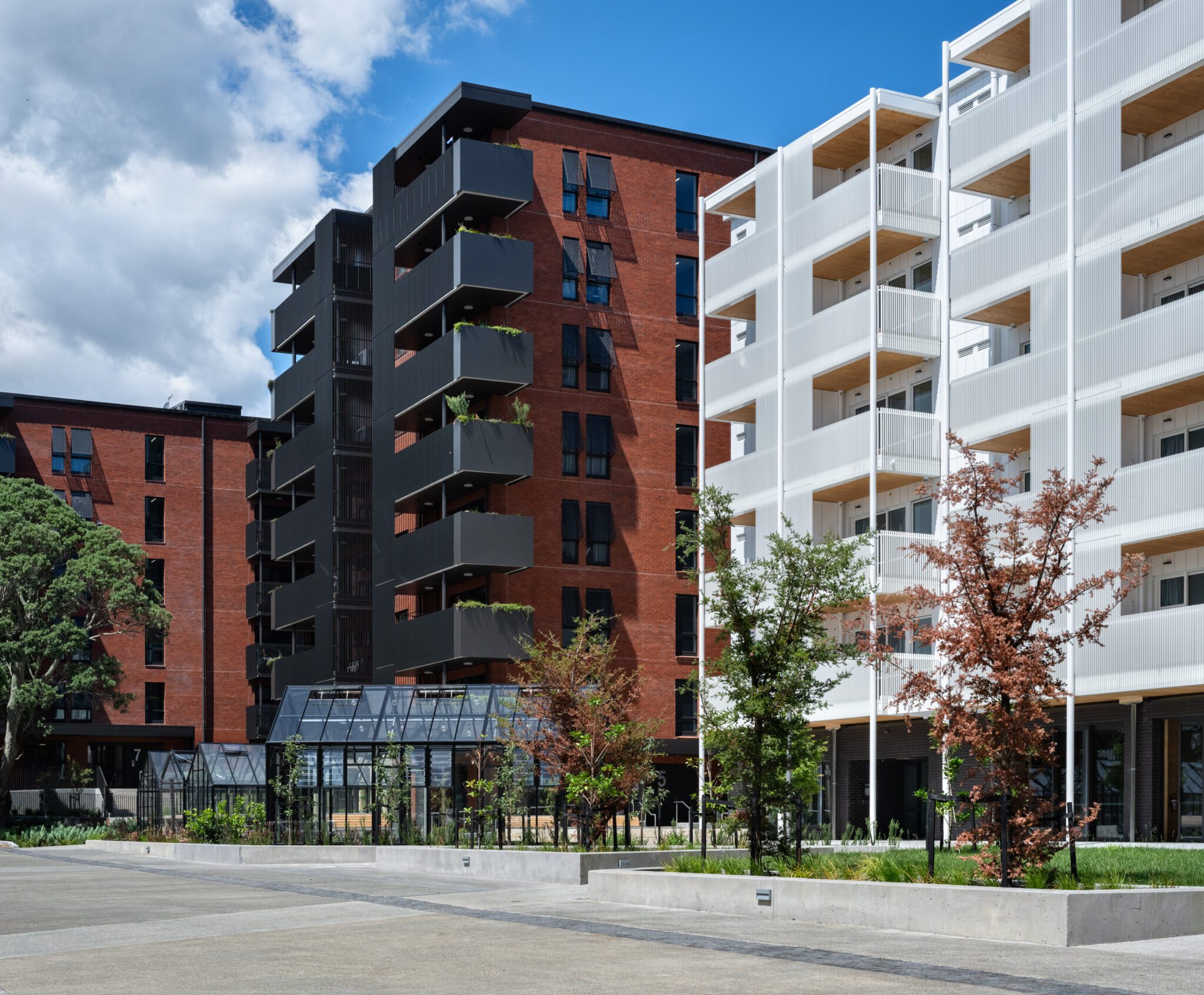
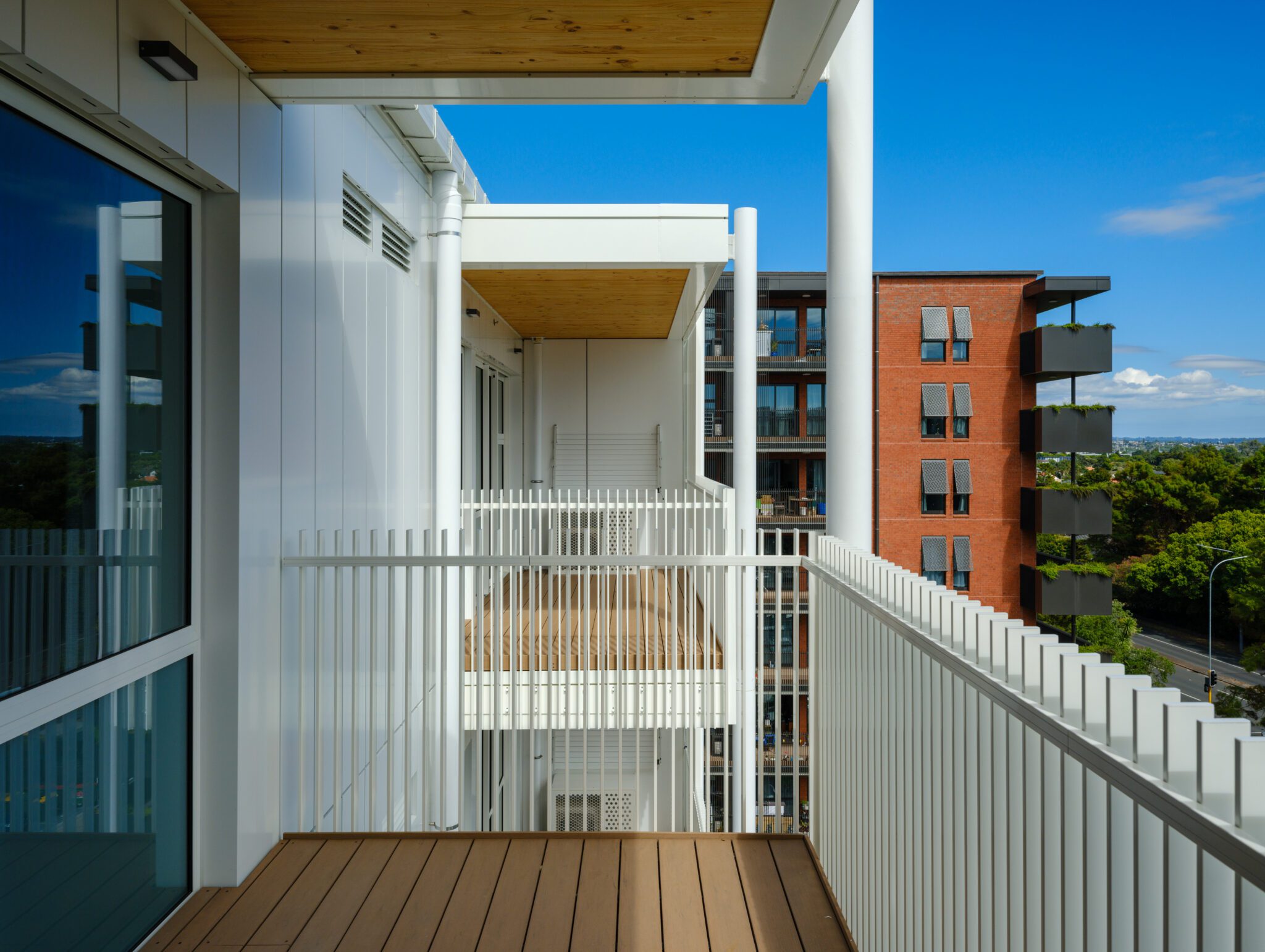
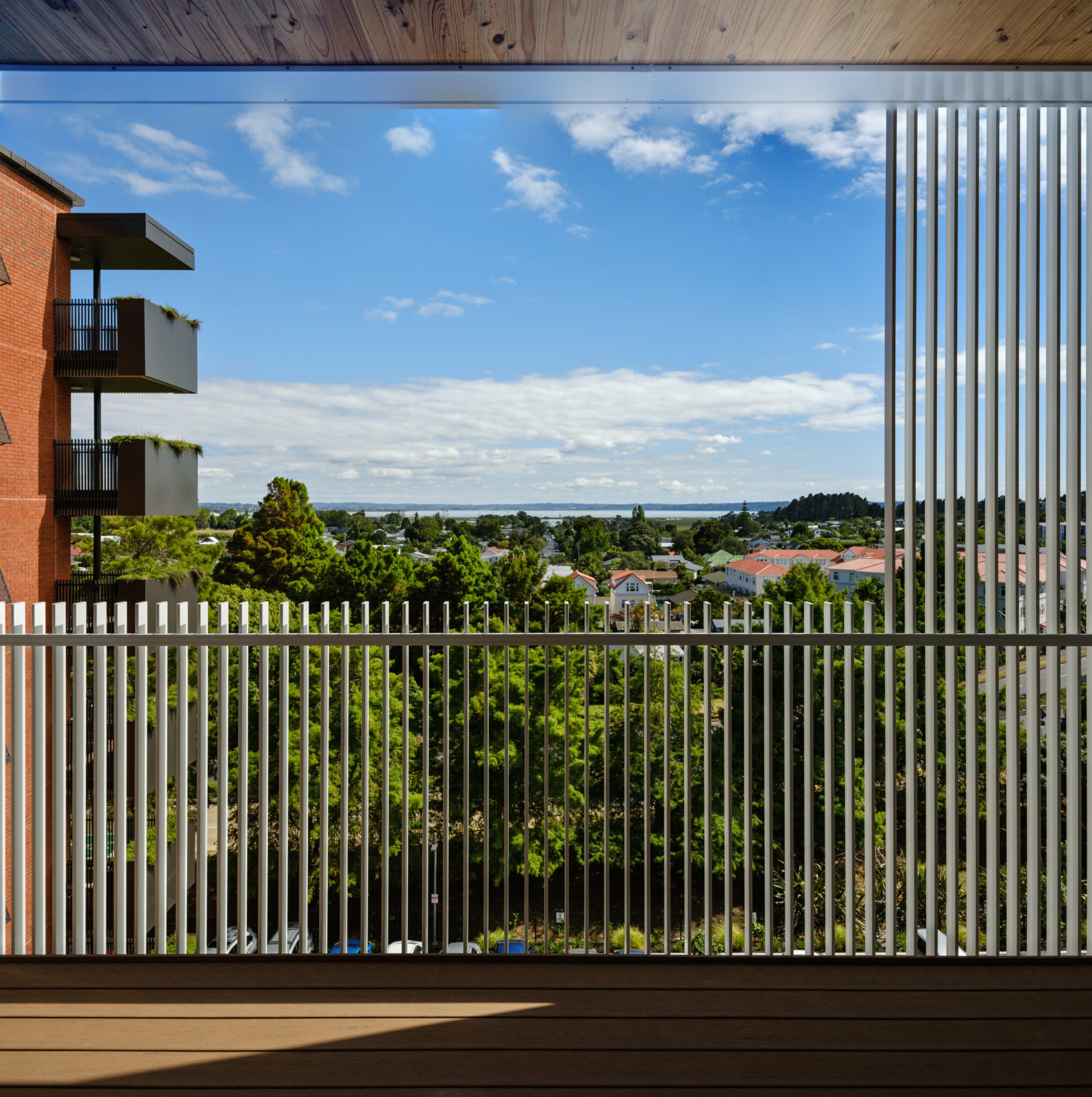
Community Lane by Architectus
Community Lane is density with a conscience — a five-building development that creates 236 homes without ever losing sight of the individual. The development also creates a new lane that connects the community to the wider neighbourhood. Along this lane, community gardens and glasshouses create a variety of open spaces for residents to enjoy.
From the warmth of shared interior spaces to the on-site services and generous apartments, every human-centric detail has been carefully considered and delivered. Tenants move in and feel pride. Community forms. Lives genuinely improve. In a housing landscape where efficiency too often crowds out generosity, Community Lane holds both in careful balance.
Exhibit by Monk Mackenzie
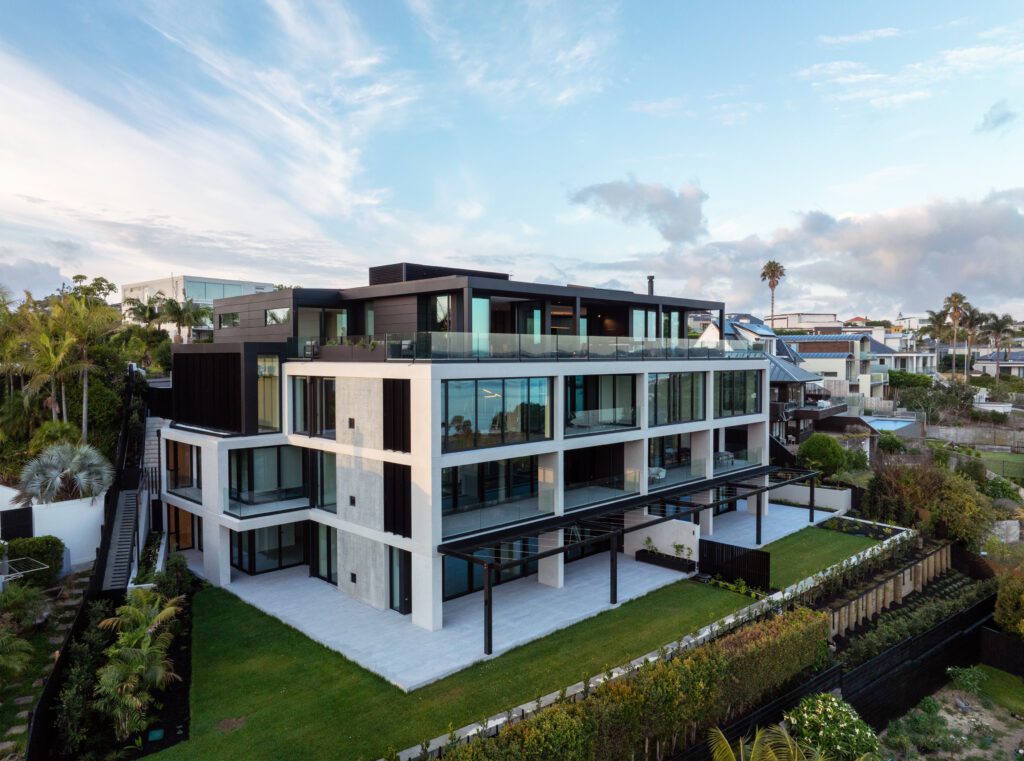
Exhibit is a refined multi-unit development that balances privacy, natural light, and urban sensitivity on a compact site. Careful planning around a central core and basement parking allows the apartments above to enjoy strong connections to daylight and outdoor outlook. Restrained materials, controlled openings, and finely resolved detailing create interiors that feel calm and sophisticated while contributing positively to the surrounding Herne Bay neighbourhood. On a tight footprint, the project demonstrates how apartment living can feel generous, private, and carefully connected to its urban setting.
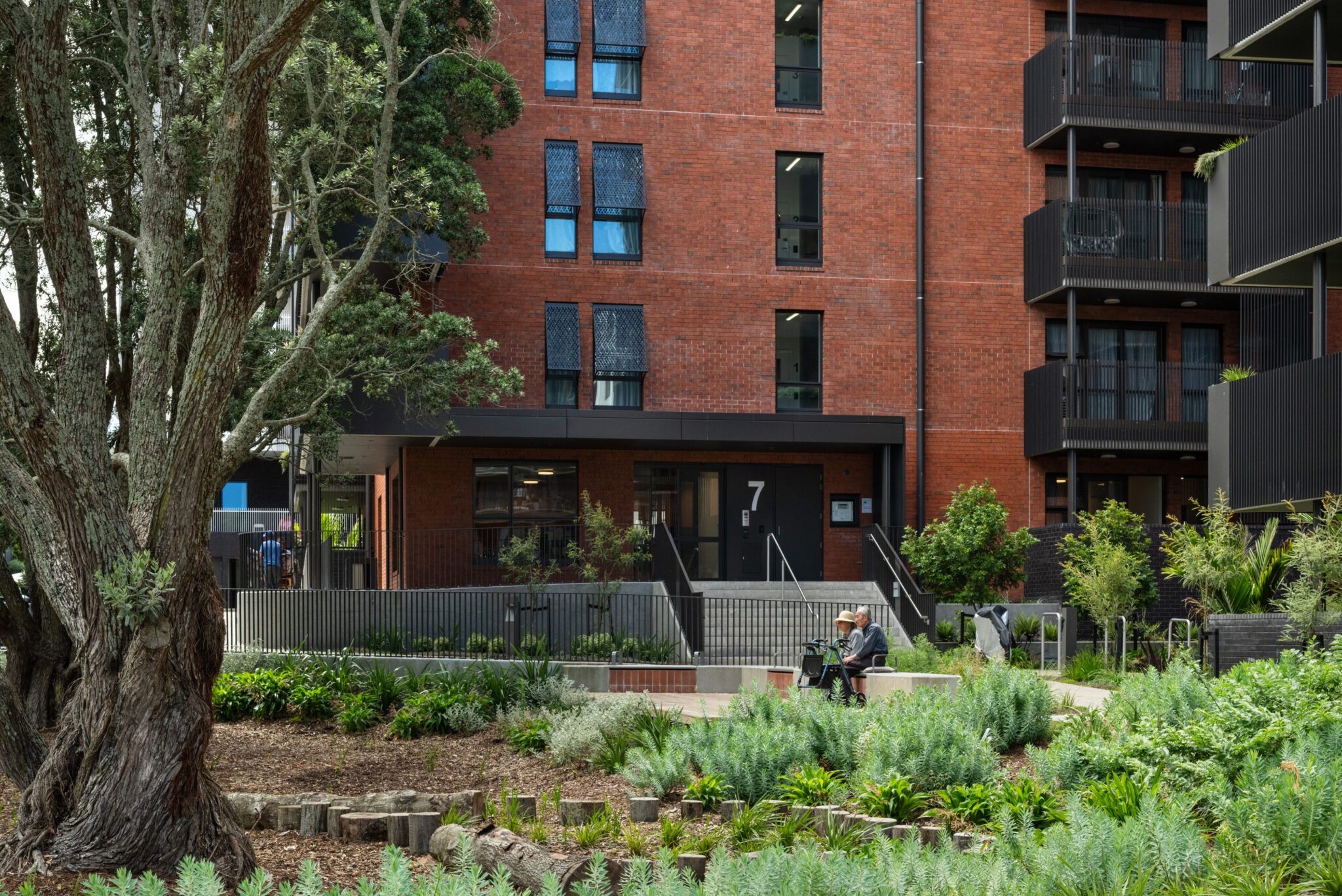
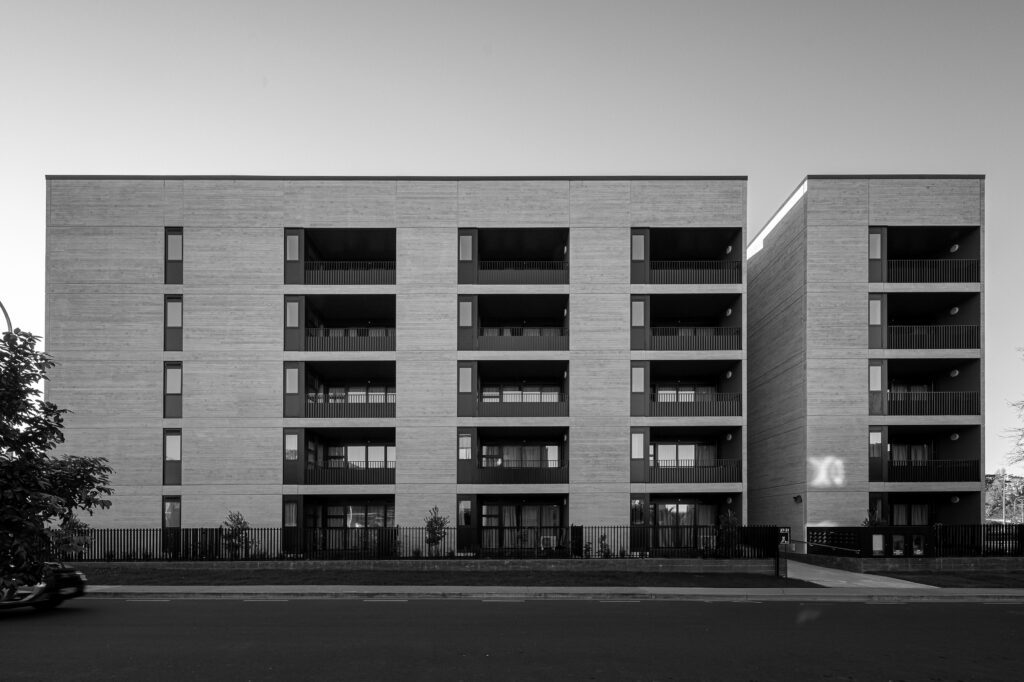
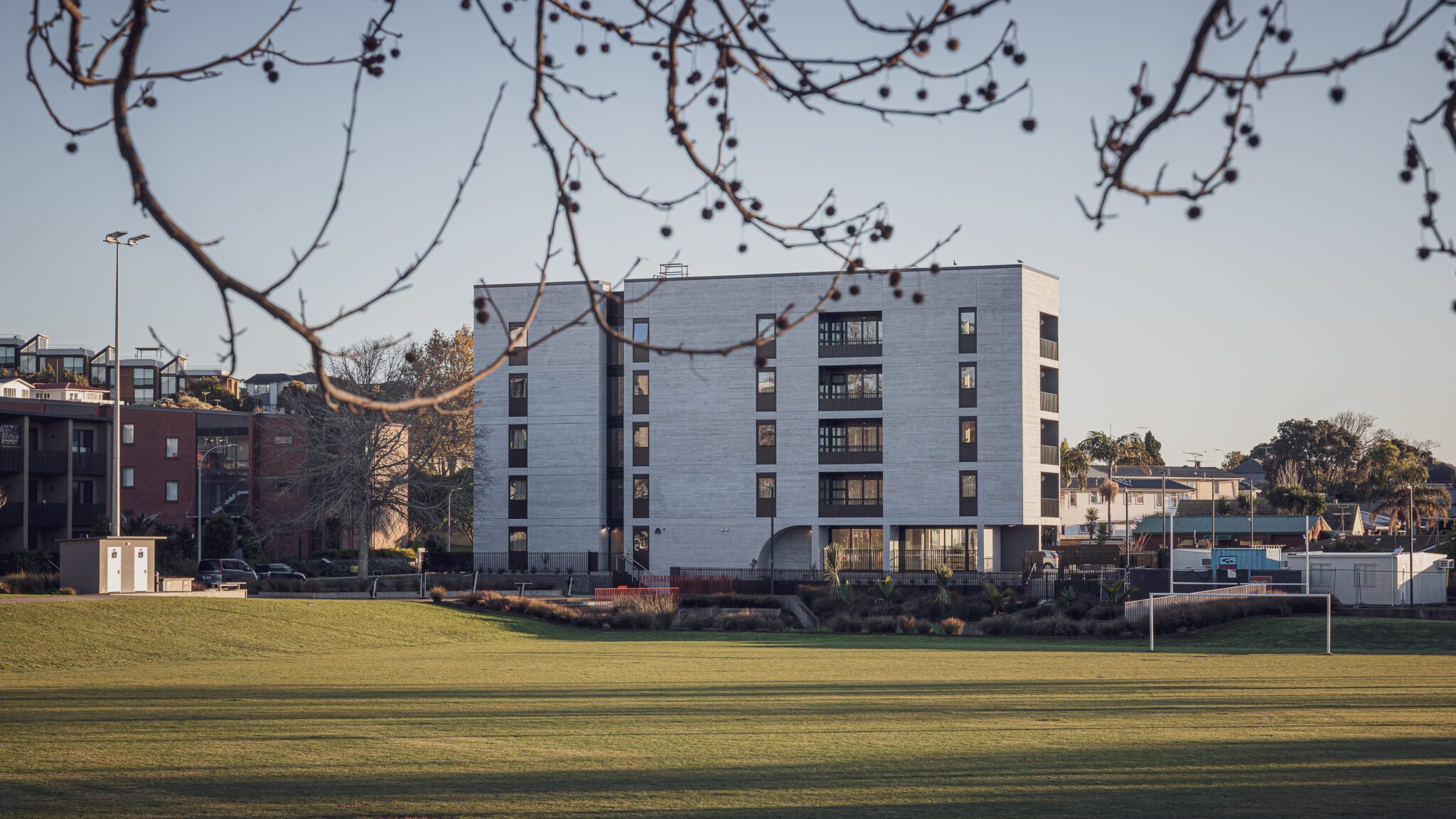
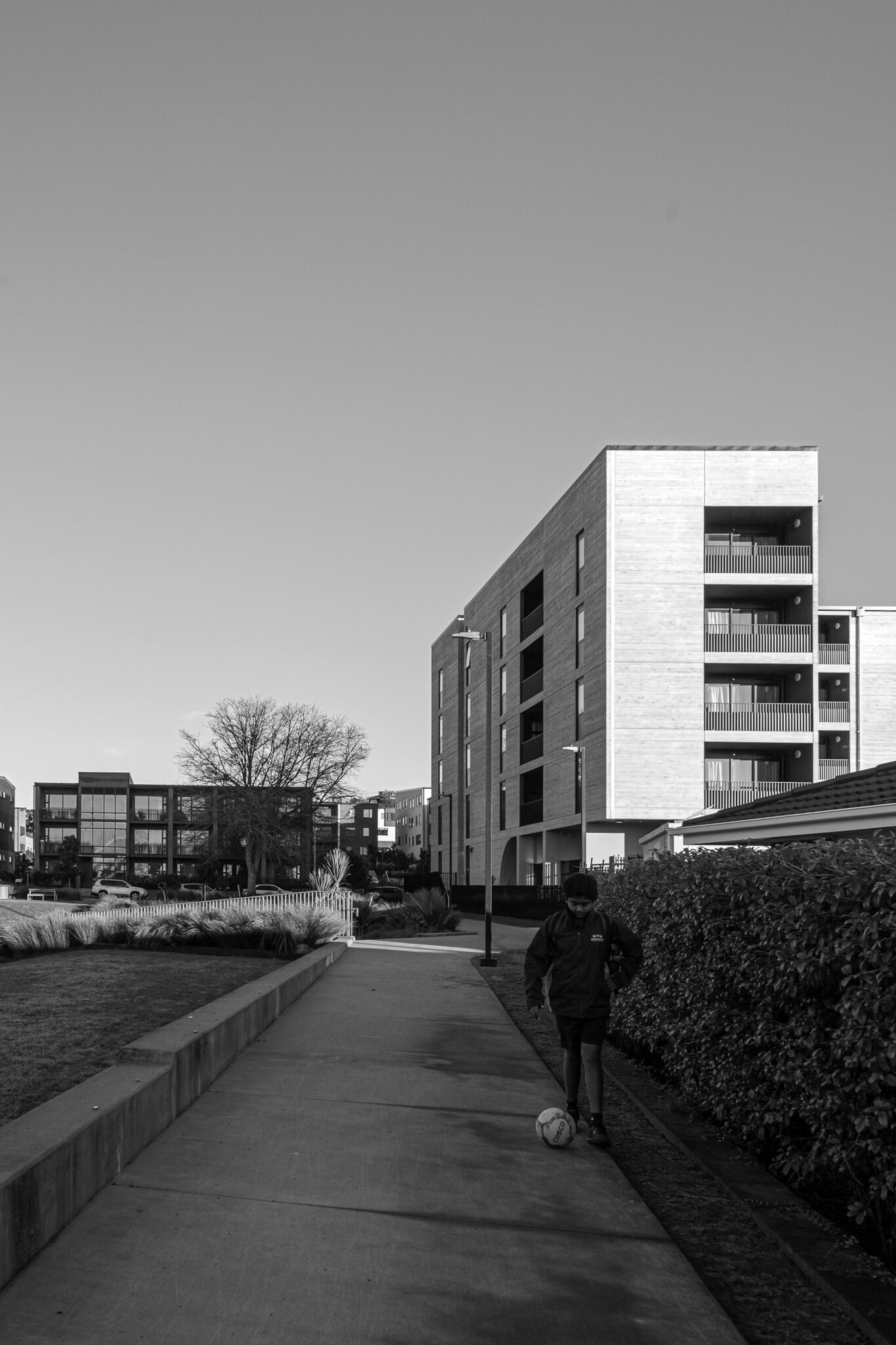
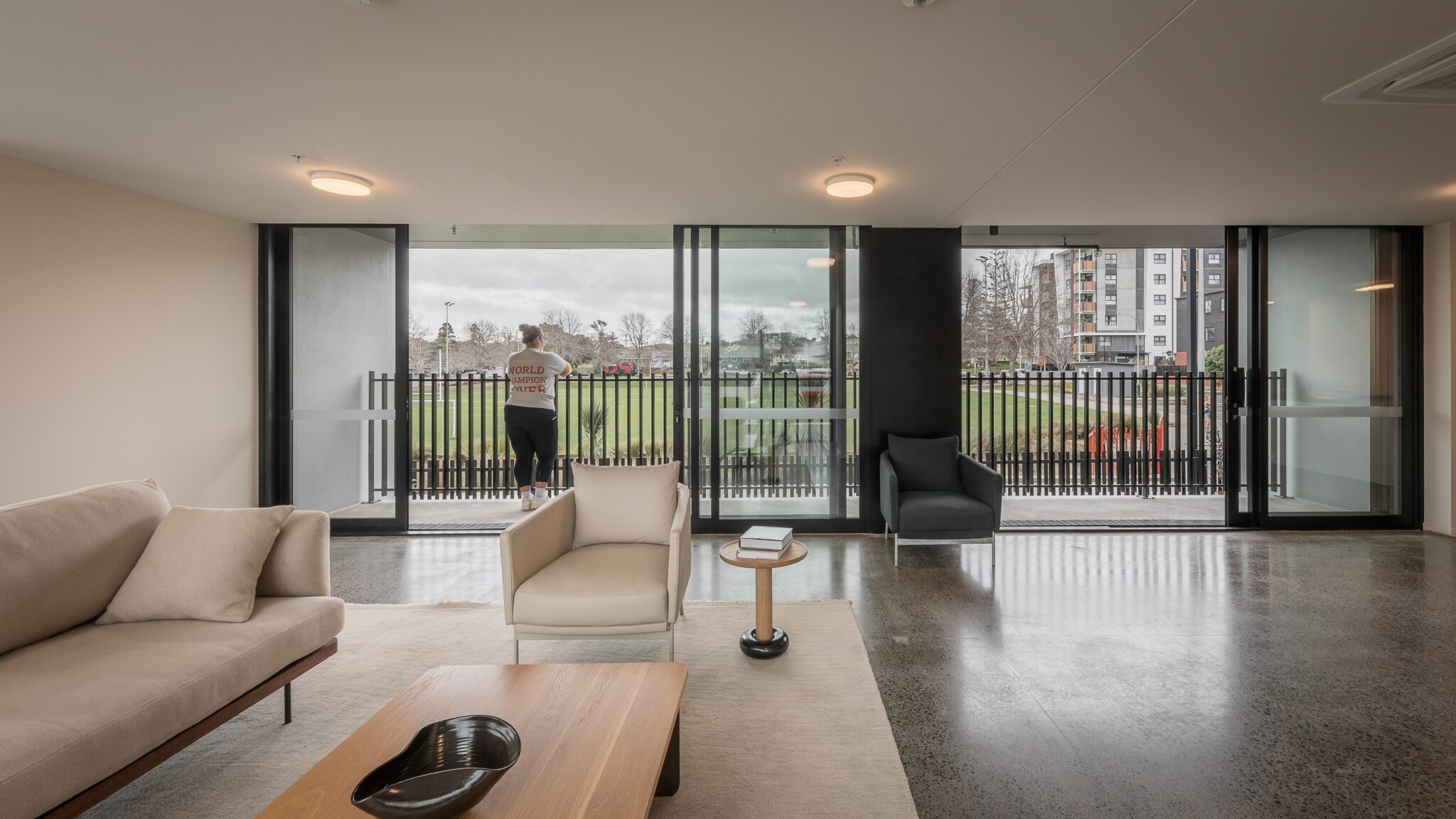
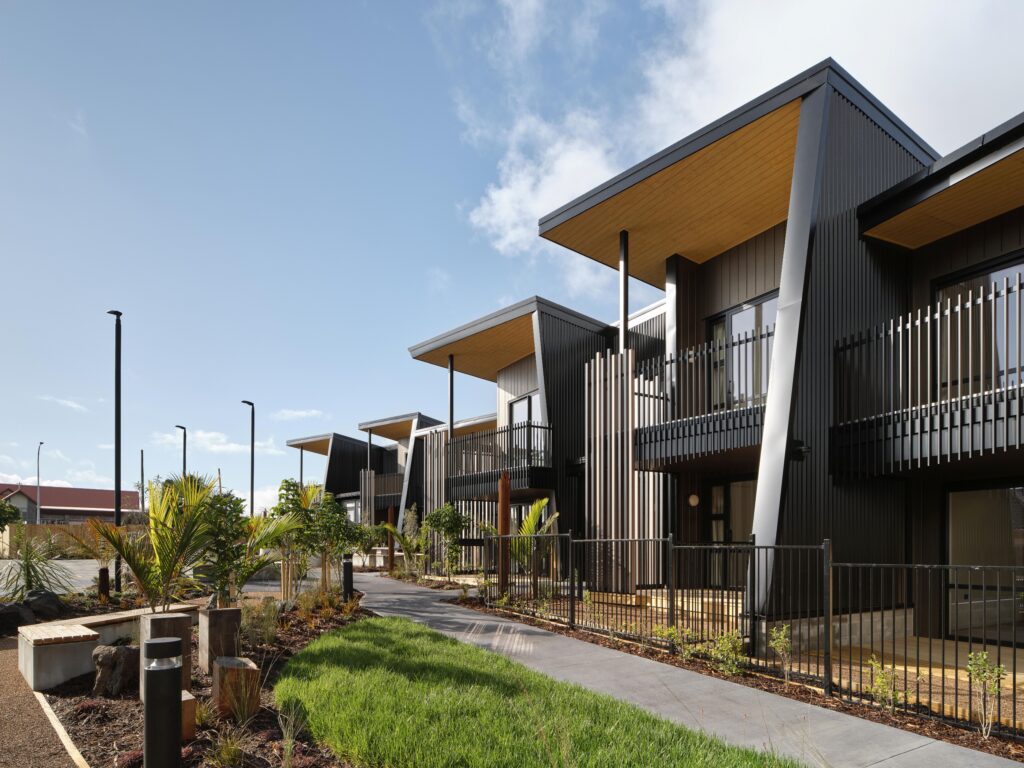
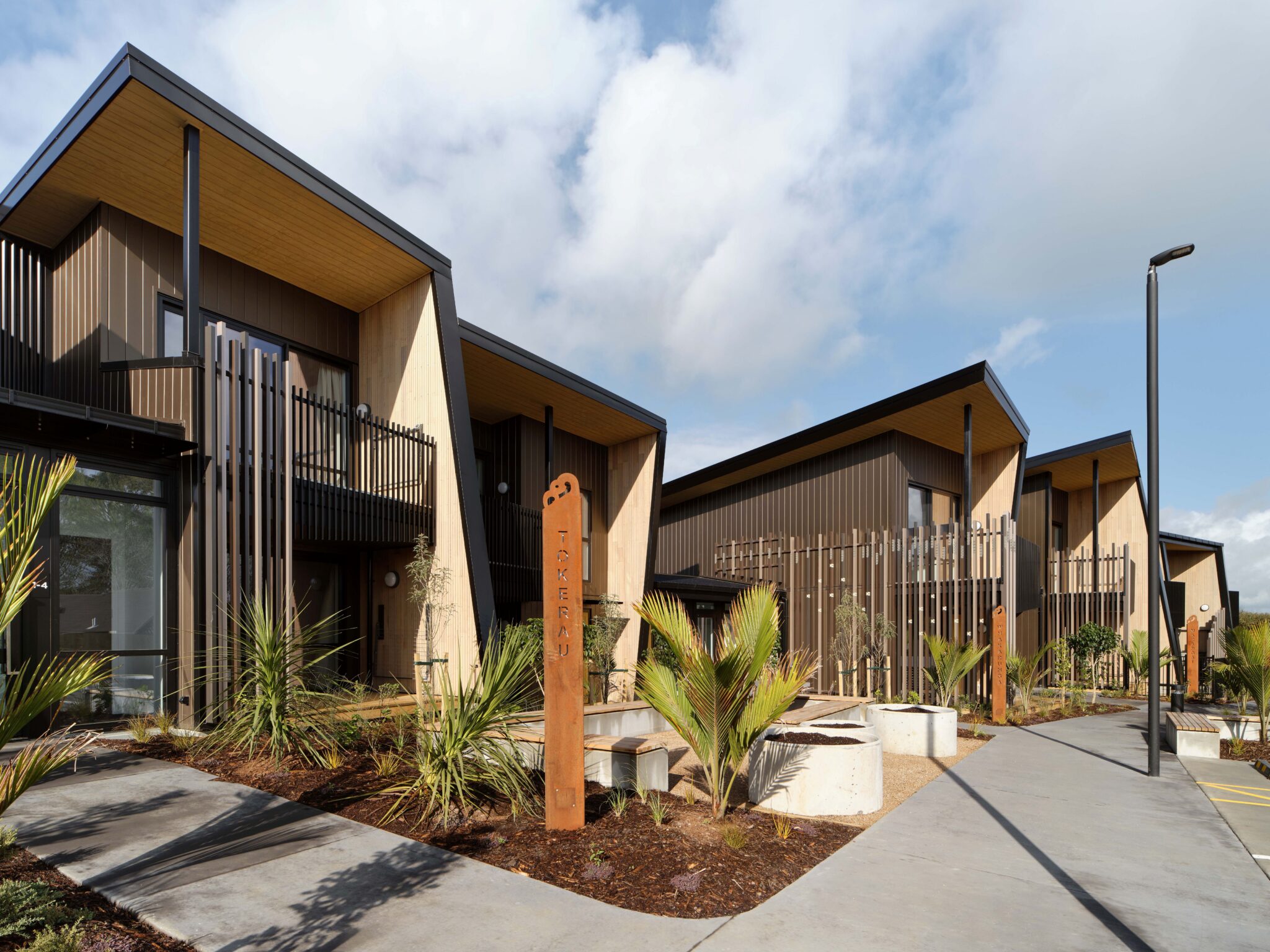
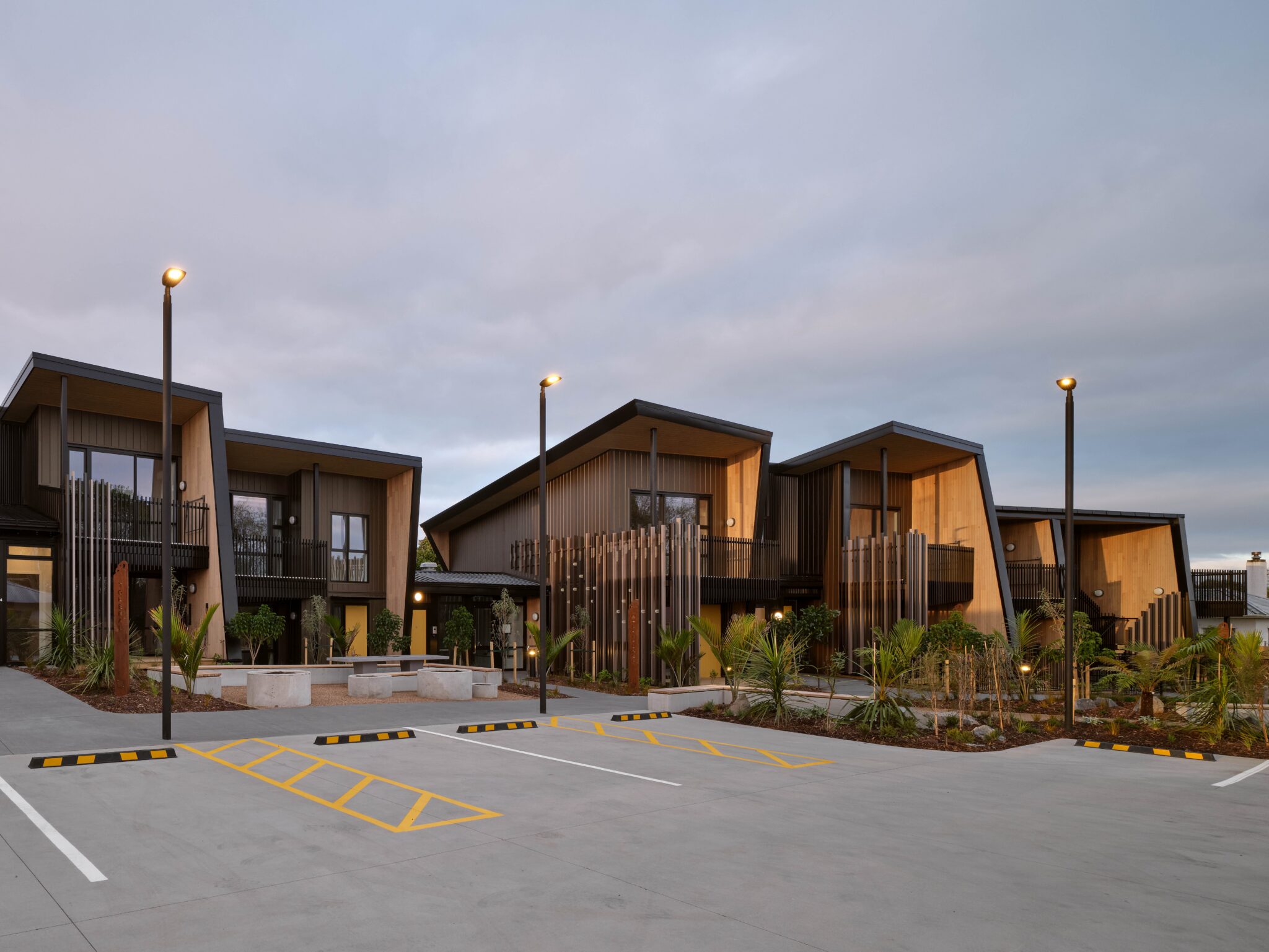
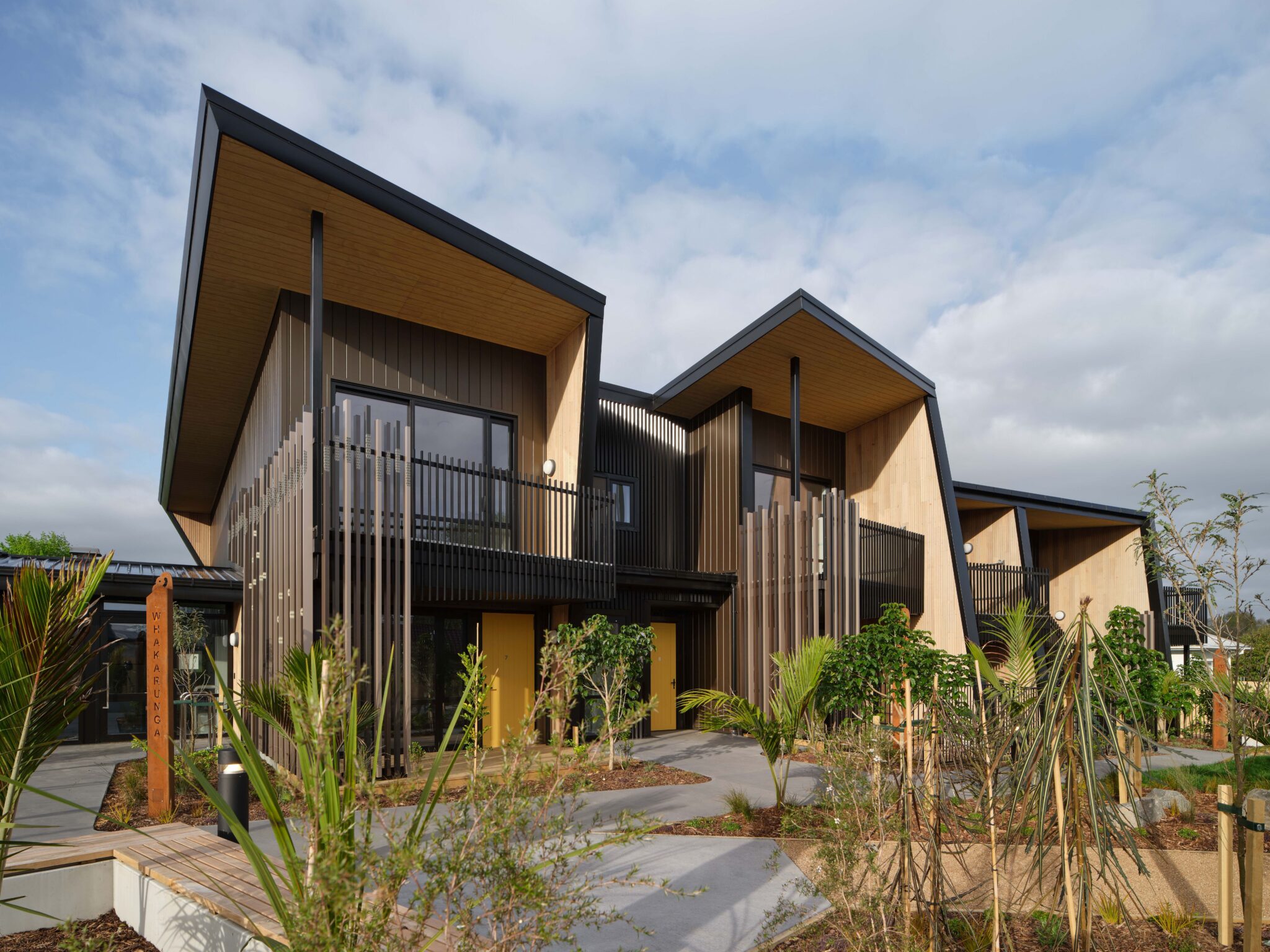
A project that delivers 57 Homestar 6 accredited homes for older residents, Greenslade integrates into the emerging fabric of the local community and encourages social engagement on the edge of the park. Its sculptural form is expressed with notable simplicity and clarity, while a restrained, consistent material palette gives the building calmness and presence. Robust materials, generous light-filled circulation, and a shared community space that is clearly well-loved and well-used together create something increasingly rare in multi-unit social housing — a genuine sense of home. Greenslade proves that liveability is not a function of budget but of care, delivering community and dignity in equal measure.
Karori by +MAP Architects
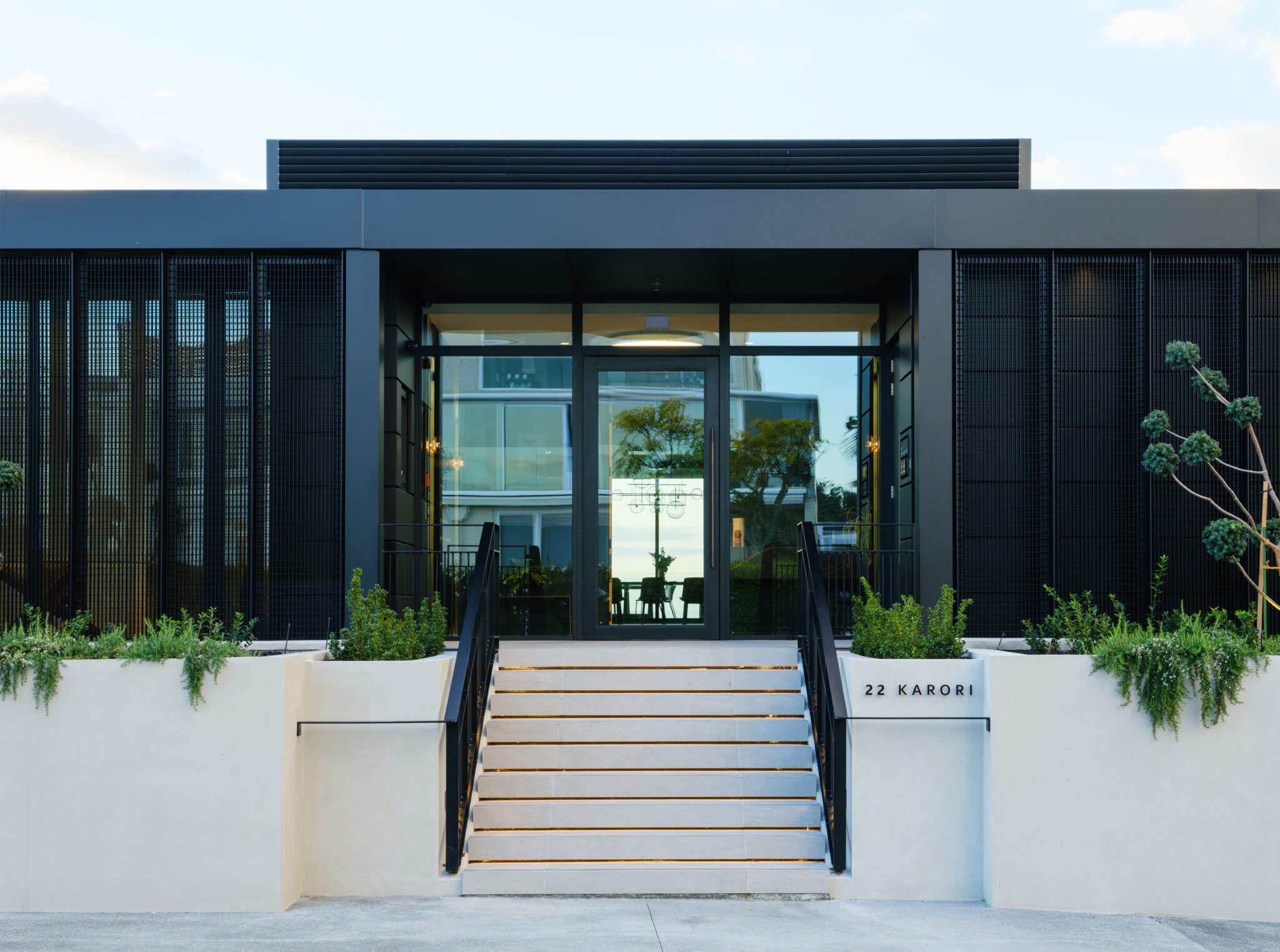
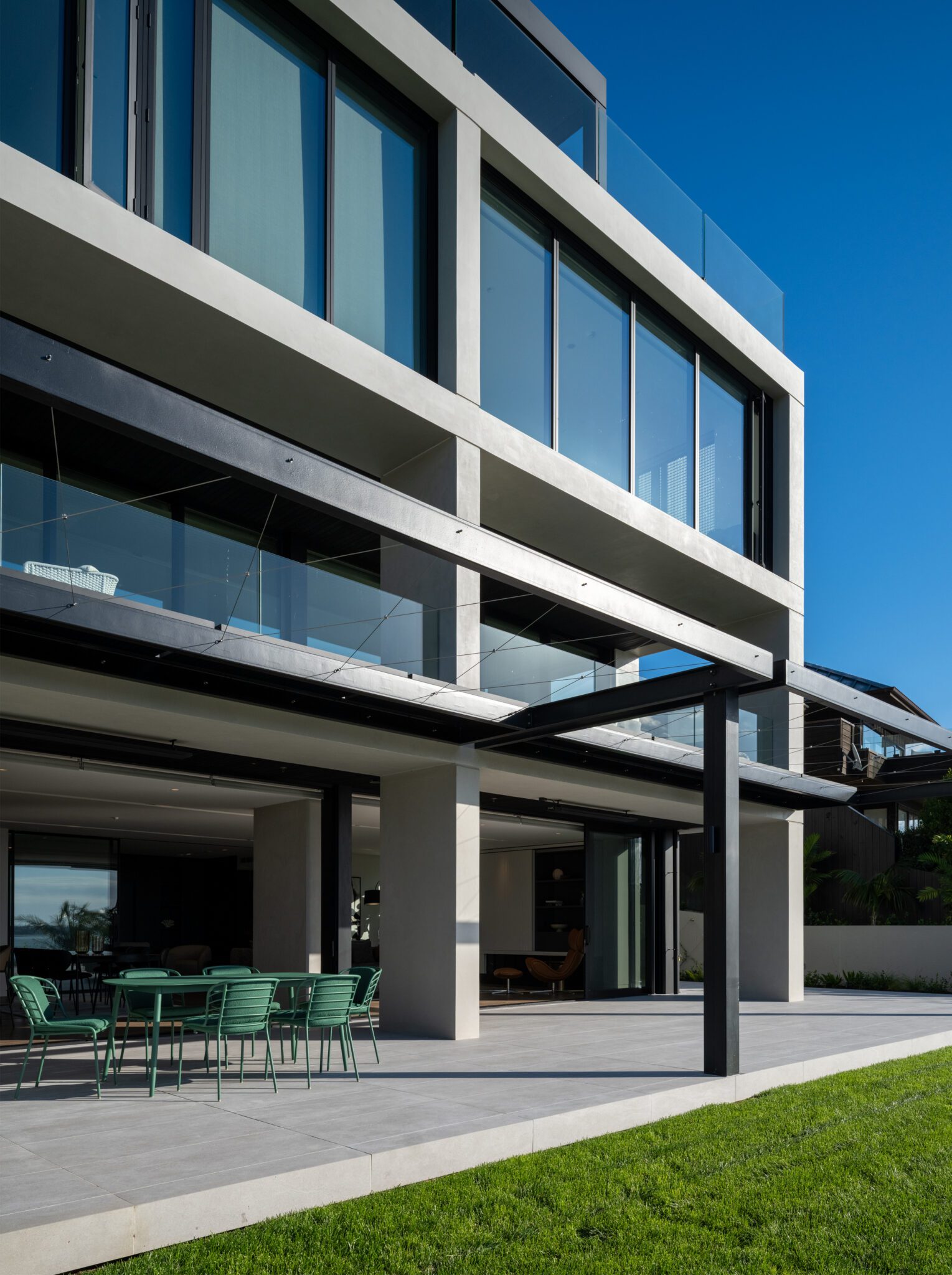
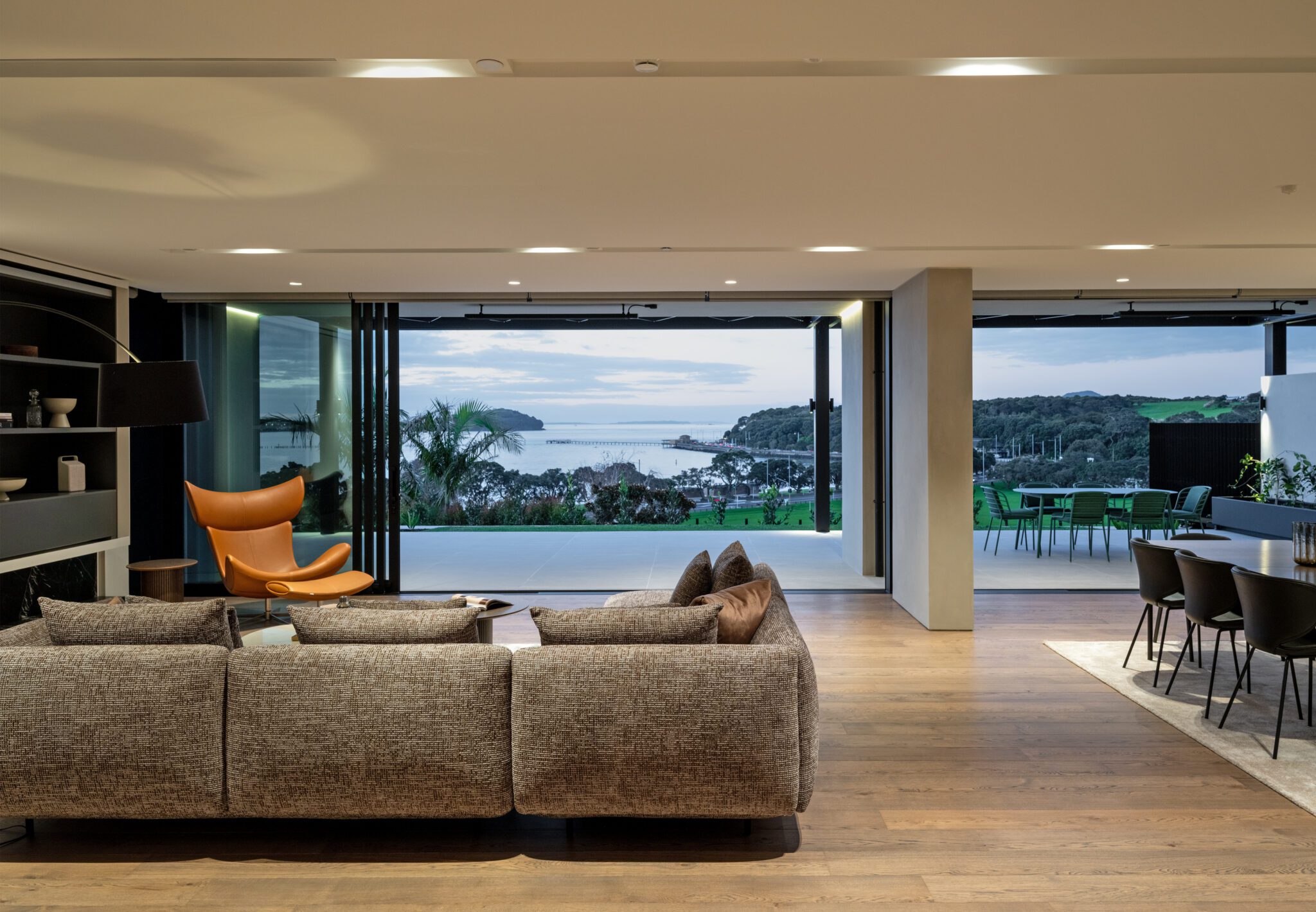
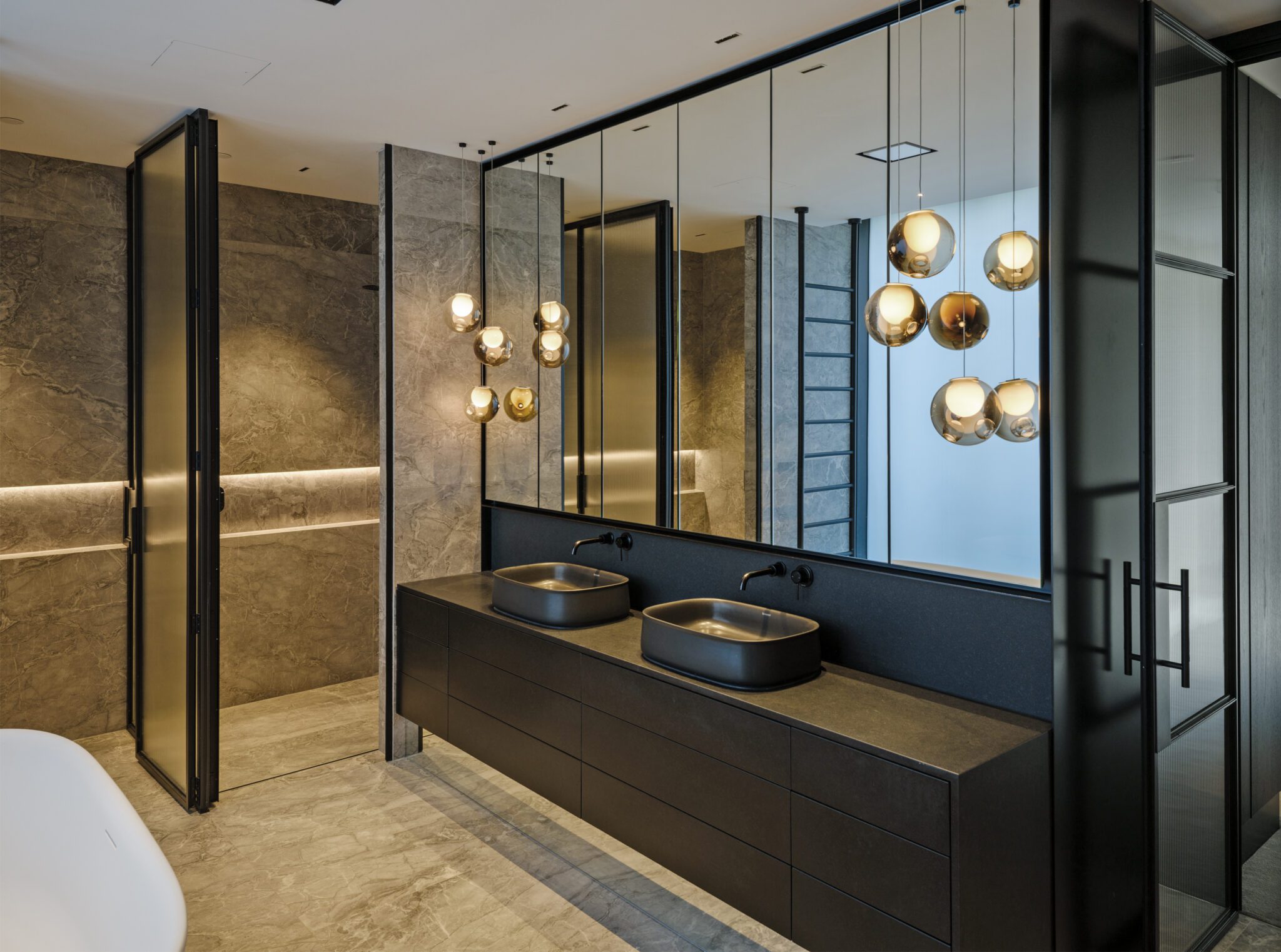
Karori Crescent is a sophisticated multi-unit development shaped by careful planning and strong attention to detail. A raised upper level, layered landscaping, and screening create privacy and depth along the street frontage while strengthening the entry experience. Durable materials and a strong tectonic expression give the building a clear sense of quality and permanence. The six apartments are carefully arranged to feel more like individual homes, while a cleverly resolved mid-level parking solution addresses the complexity of the site. Thoughtful and highly livable, the project provides a strong model for apartment living aimed at empty nesters.
Rongo Te Ata by Ashton Mitchell
E Hemi, tēnei te mihi ki a koe e te tuakana. Mihi hoki ki a Ngāti Tamaoho mō tō koutou manaakitanga me te mātauranga woven throughout this kaupapa. This project is an exquisite showcase of what can be achieved when discipline, aroha, and architectural excellence align. On a tight budget, every move feels deliberate — orientation, light, materiality, and community all carefully resolved. Genuine co-design, not theatre. Supported by native planting and thoughtful planning, the project demonstrates how architecture can become more than shelter — it becomes whanaungatanga made built form.
Interior Architecture
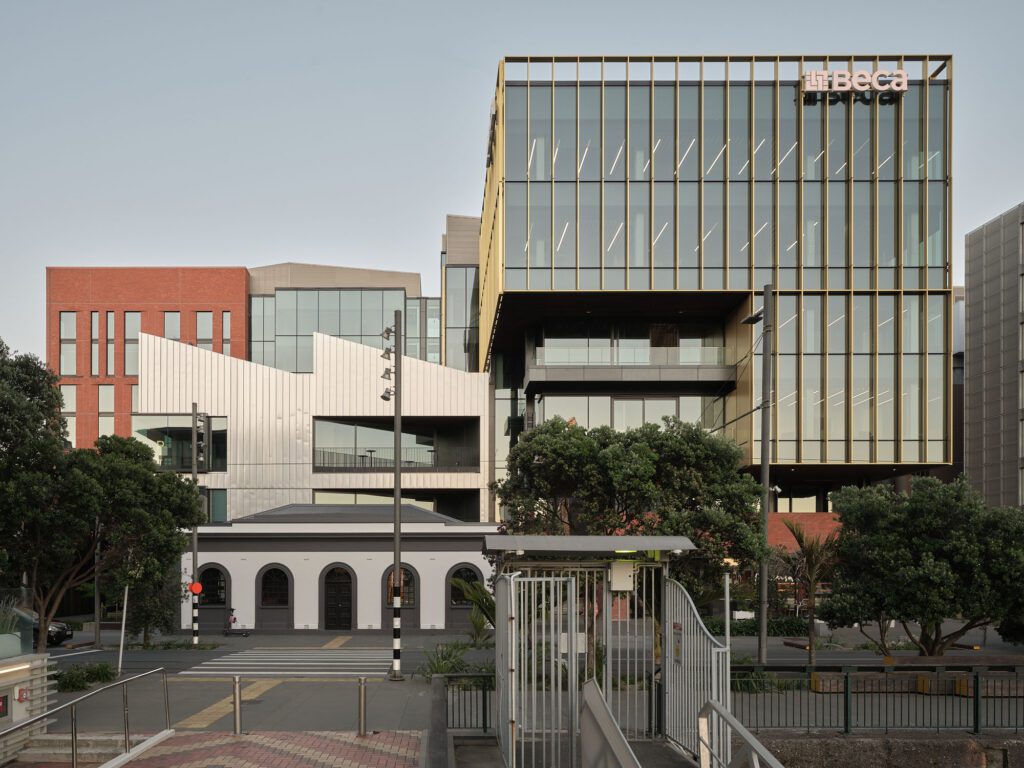
Beca House – Te Paeroa o Te Kawau by Warren and Mahoney
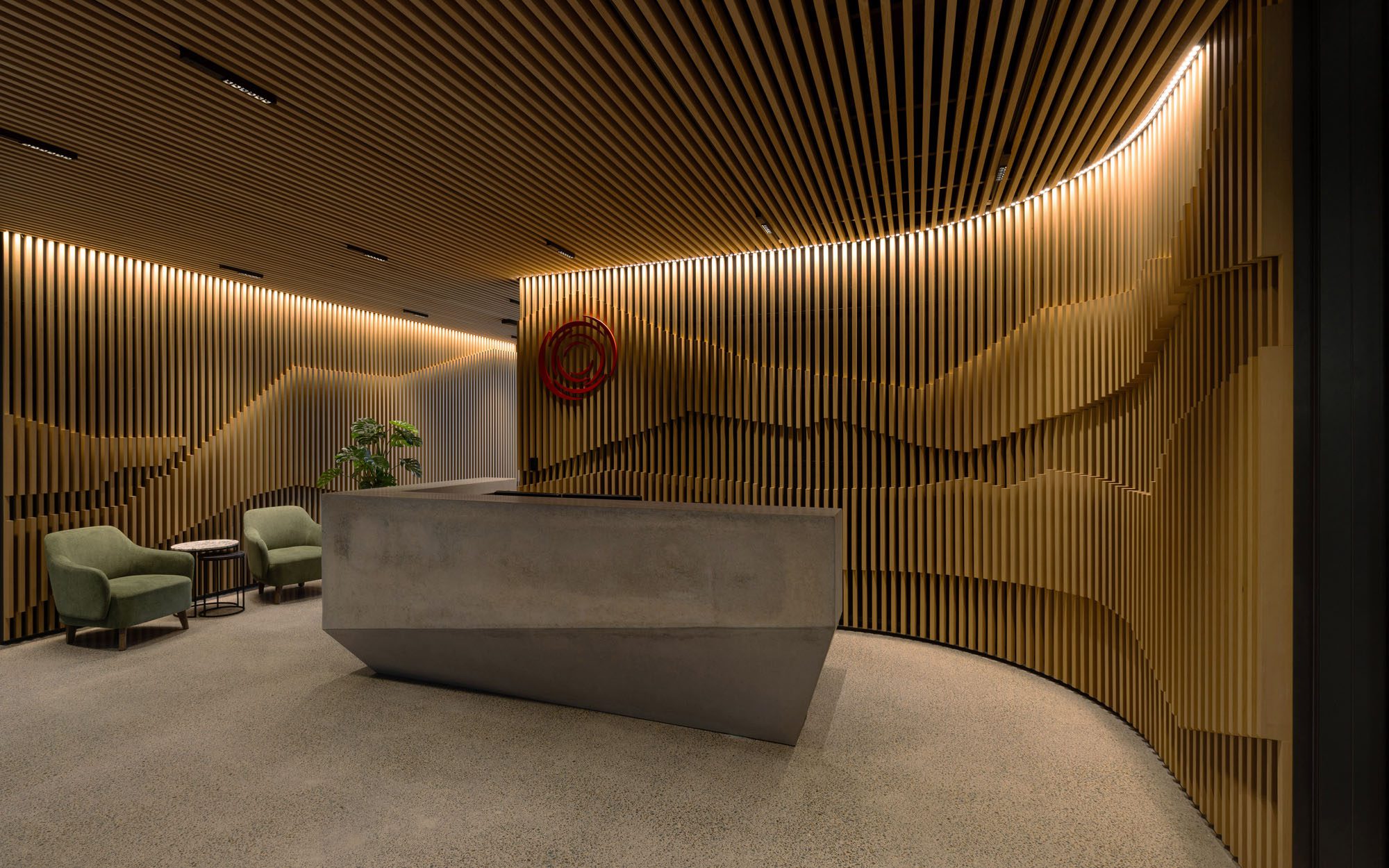
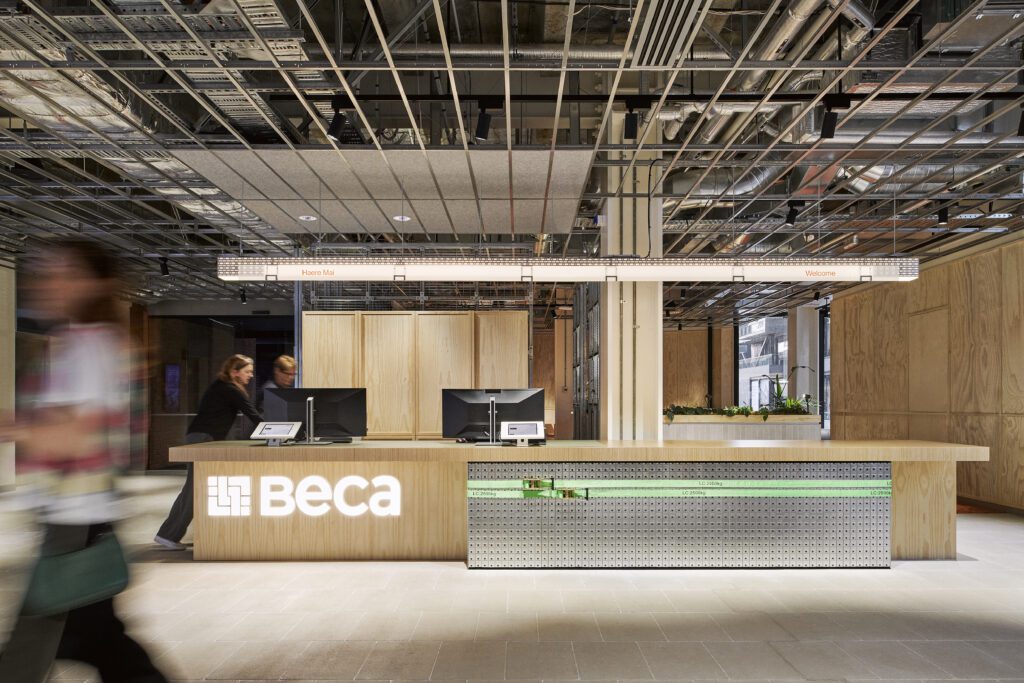
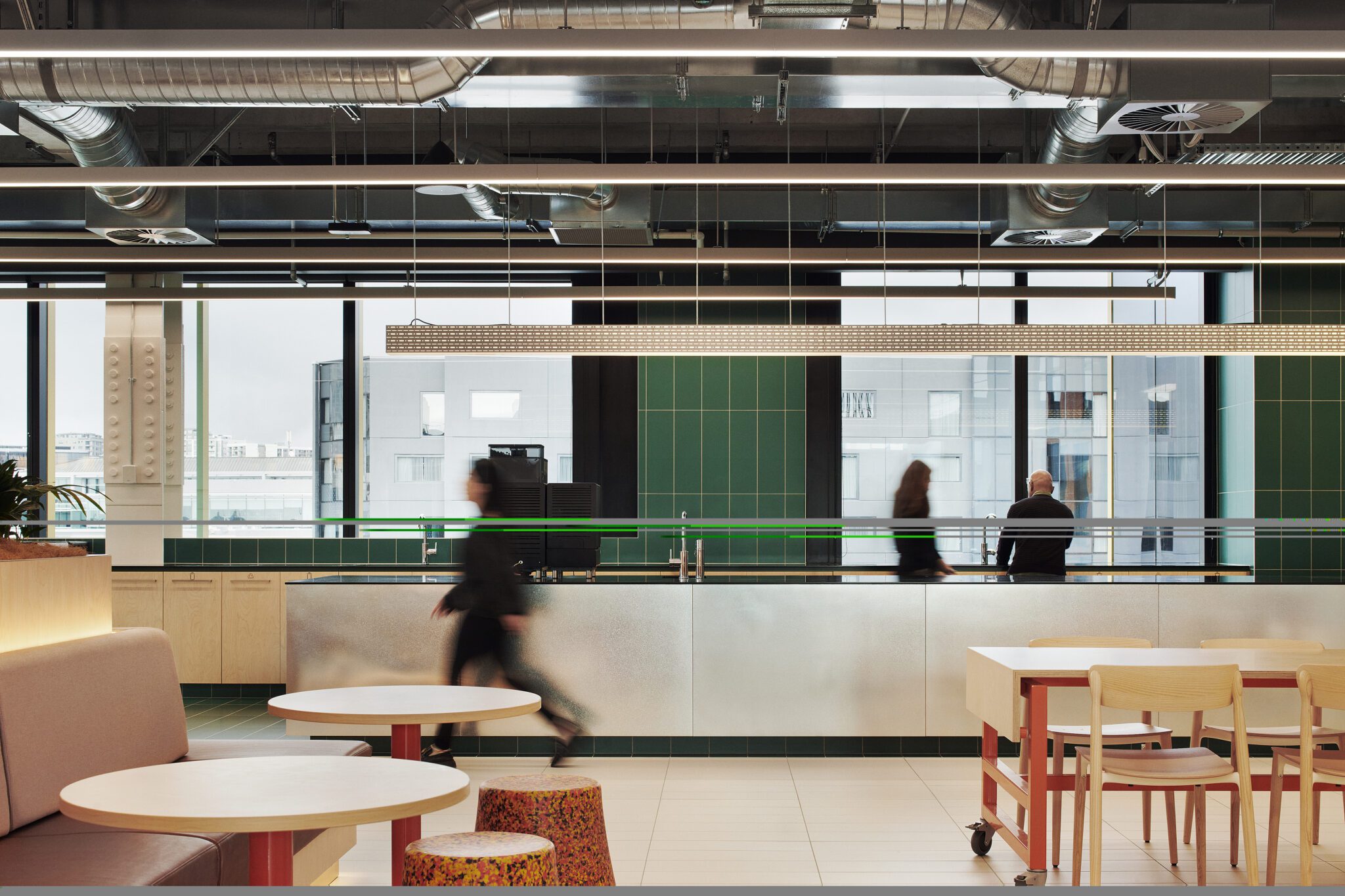
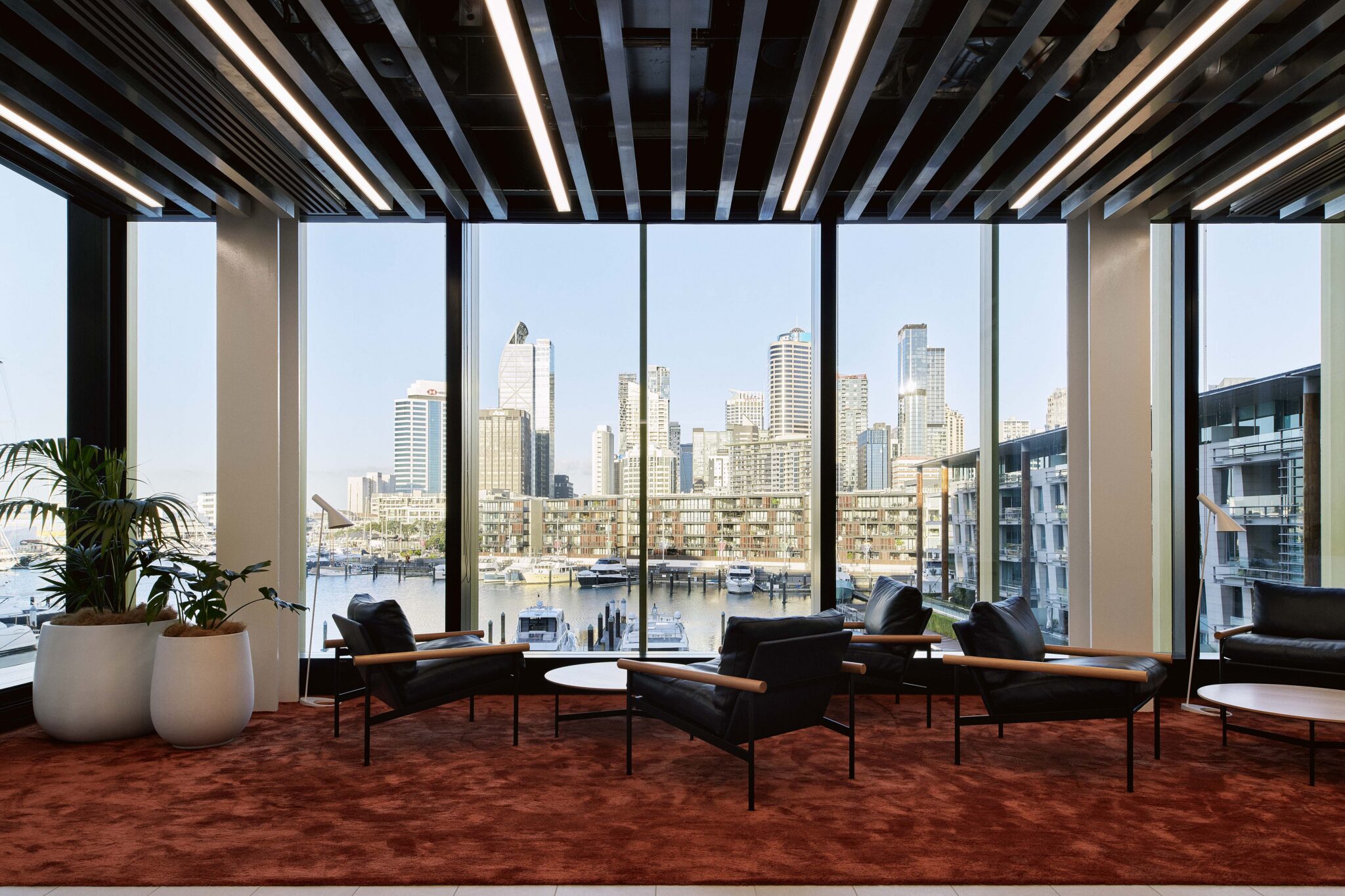
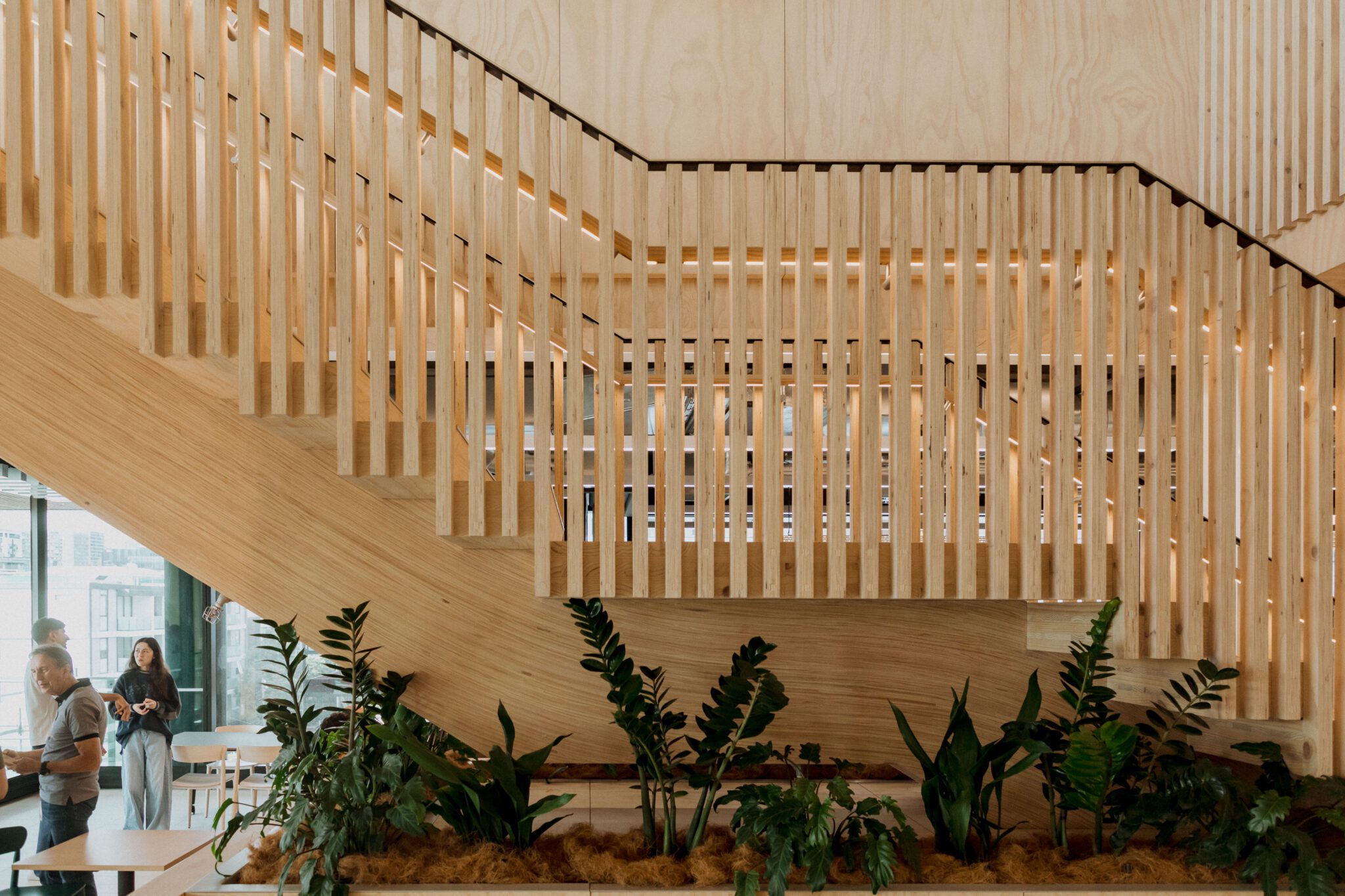
Beca’s new headquarters, Te Paeroa o te Kawau, brings together more than 1,800 staff into a single integrated workplace that supports wellbeing and achieves ambitious sustainability targets. The staff experience is front and centre, with the two-storey Heart Space positioned to engage the skyline and marina as a daily hub for connection. Client spaces and outdoor terraces are carefully separated from focused work areas. Three large timber staircases made from CLT, glulam, and LVL act as social and visual connectors throughout the building. Honest detailing and playful references to engineering create a workplace that reflects Beca’s culture of learning, innovation, and technical excellence.
Precinct Flex – Pipiri Lane by Warren and Mahoney
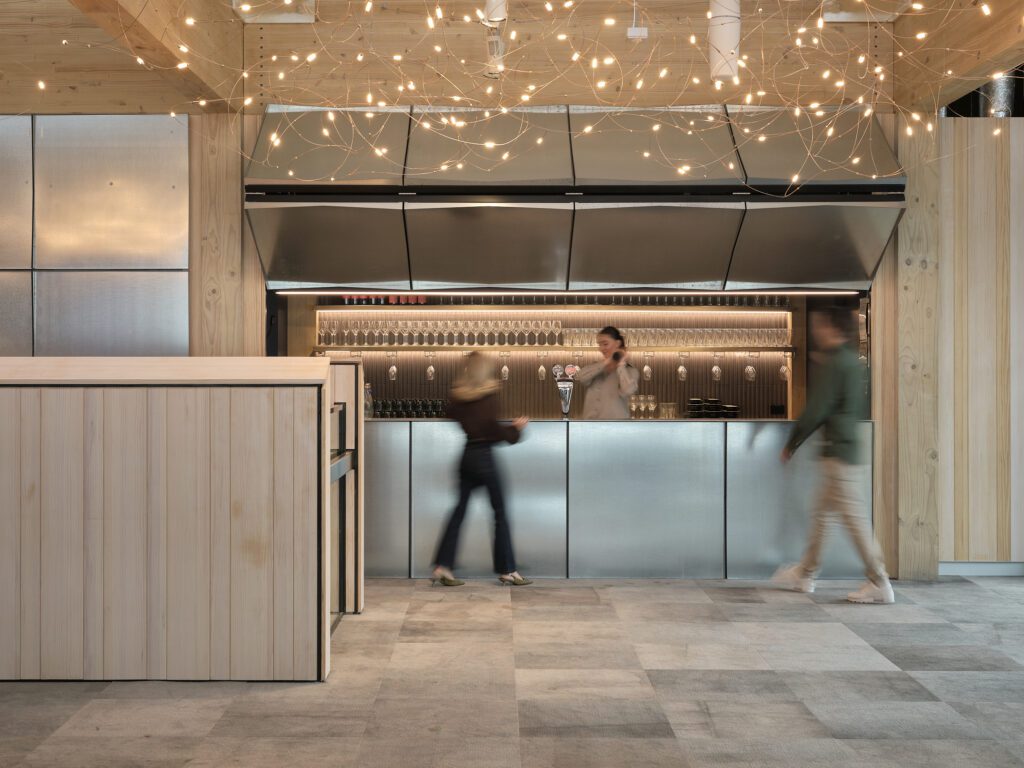
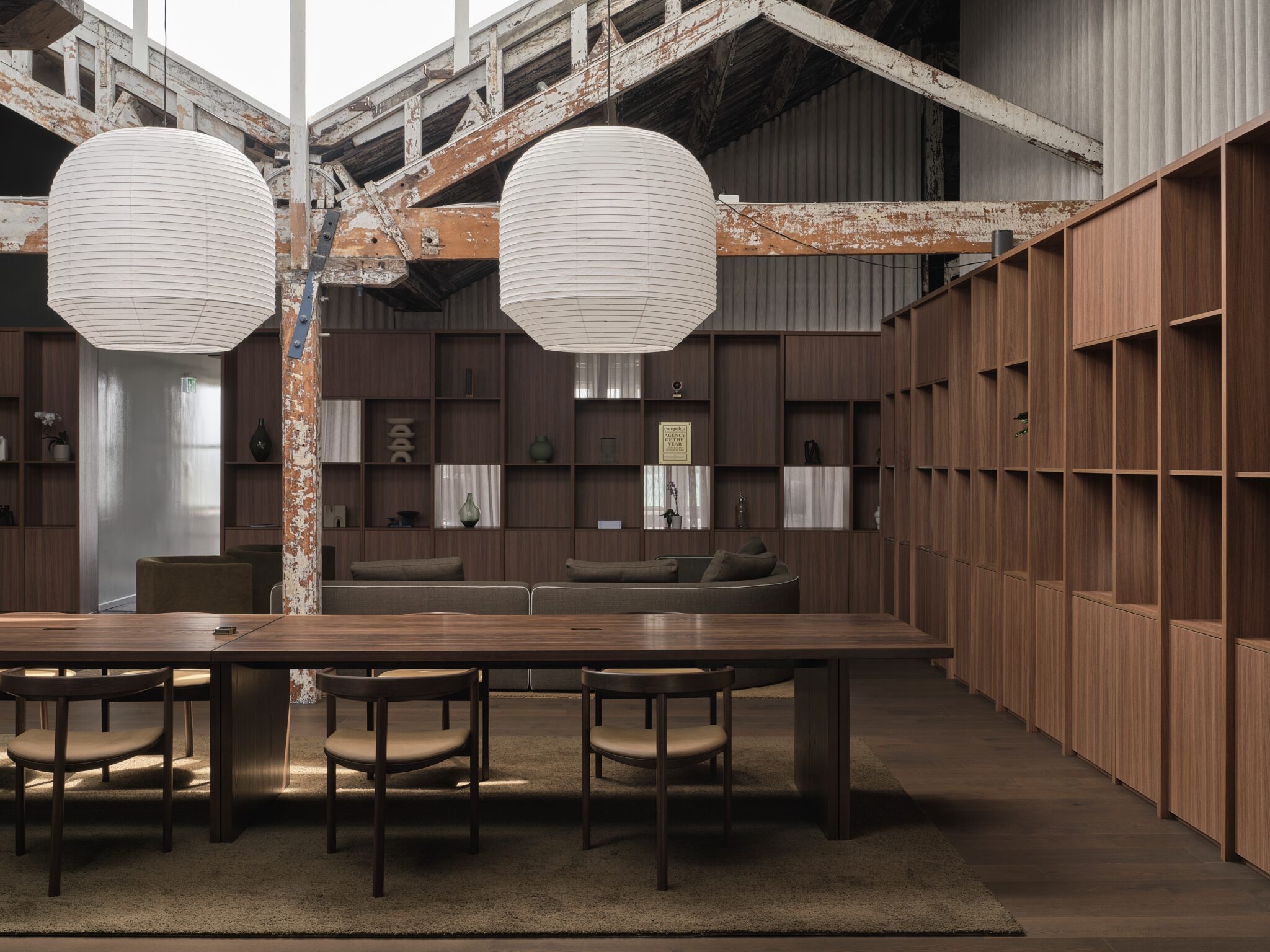
Precinct Flex – Pipiri Lane is a flexible workspace and events venue designed to bring people together within Auckland’s Wynyard Quarter. The restored Halsey Traders building creates a warm and intimate hospitality setting, with soft finishes, lower ceilings, and arched heritage windows contributing to a calm and welcoming atmosphere. This contrasts with the lighter timber workspace beyond, where exposed CLT structure and blonde timber create a contemporary working environment. A carefully crafted timber reception desk anchors the arrival experience, while lighting, hardware, and furniture add small moments of delight throughout. Cohesive and carefully detailed, the project balances heritage character with modern workplace flexibility.
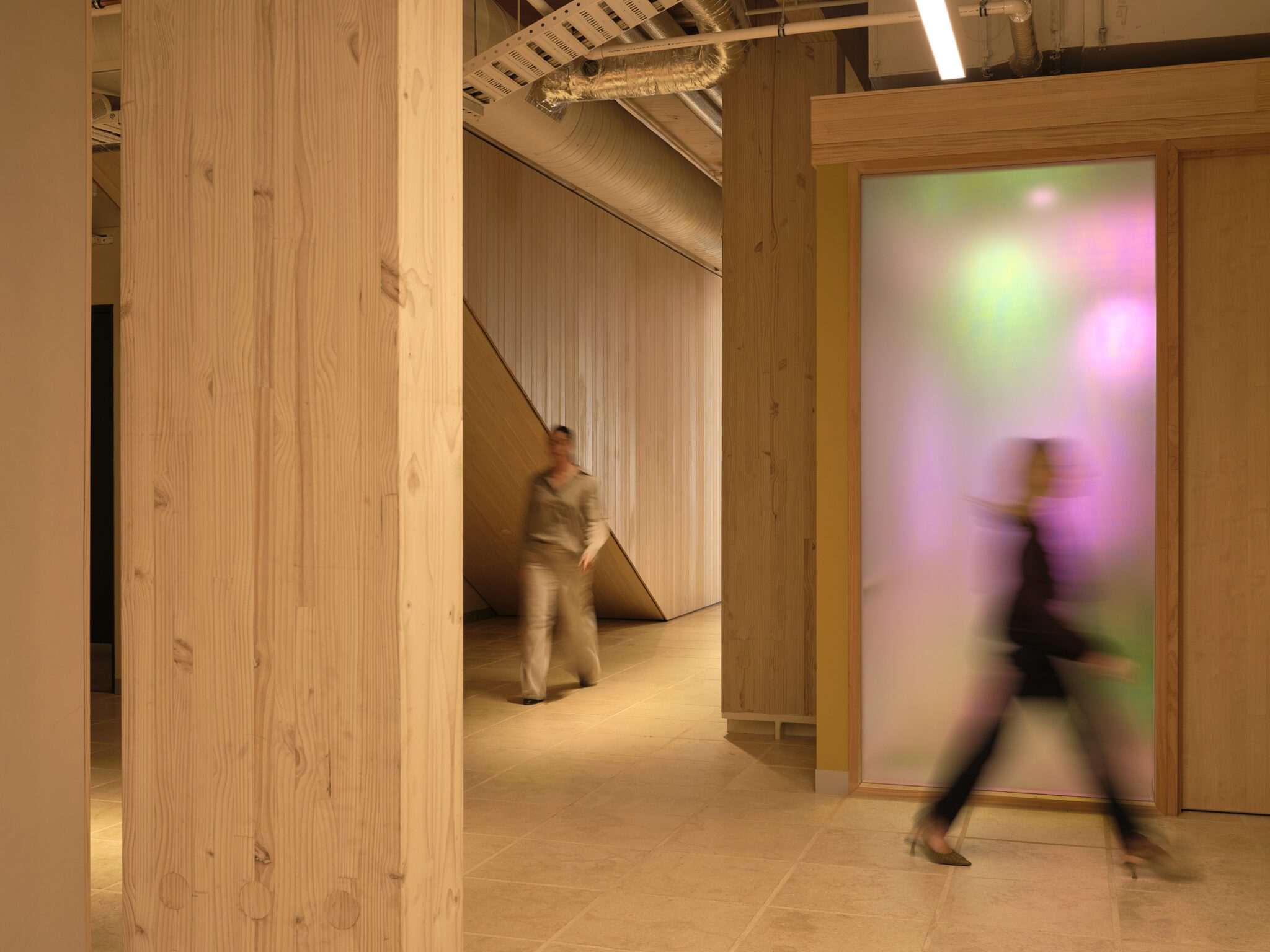
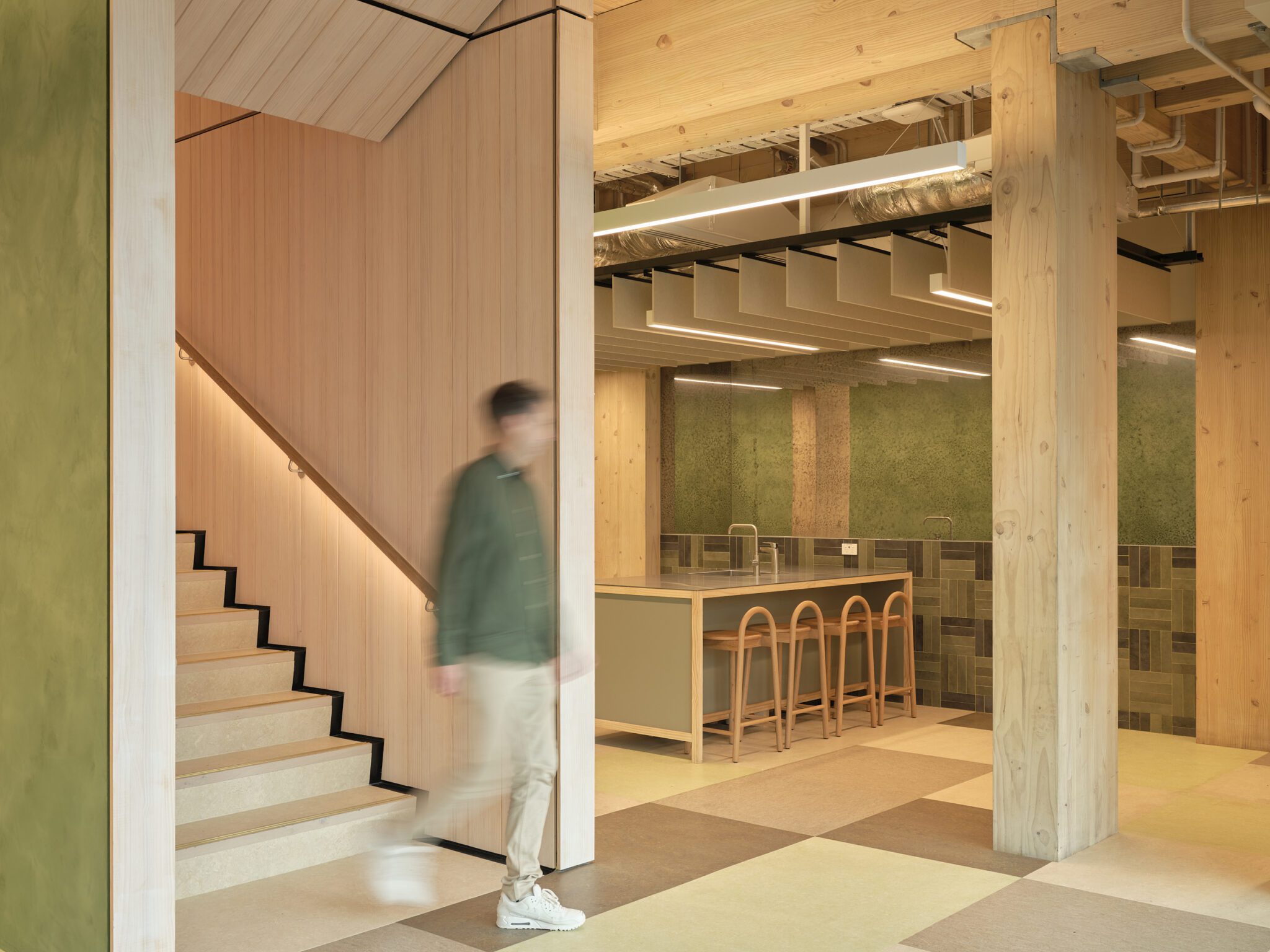
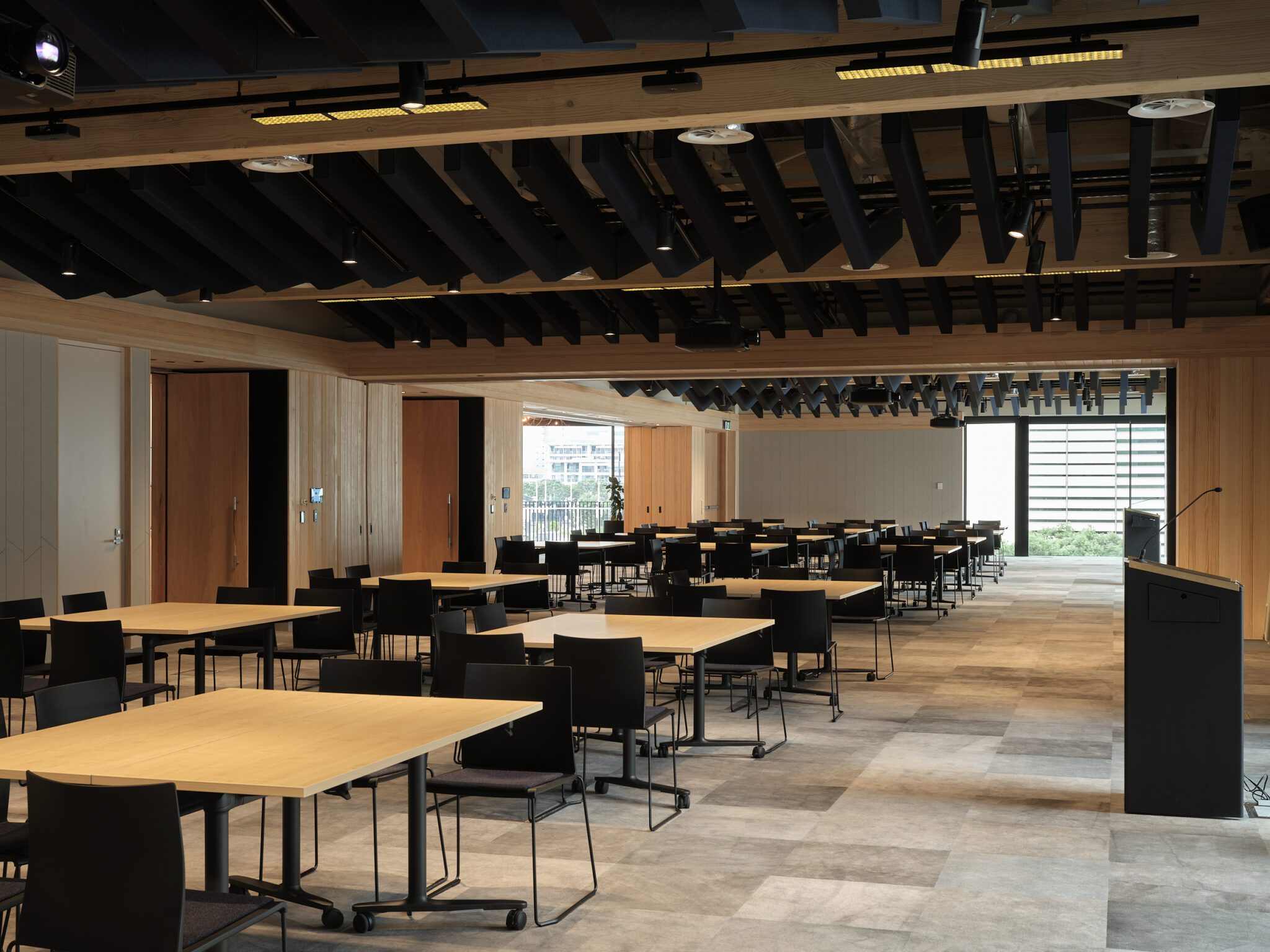
Te Tumu – New Zealand International Convention Centre (NZICC) by Warren and Mahoney, Moller Architects and Woods Bagot in association
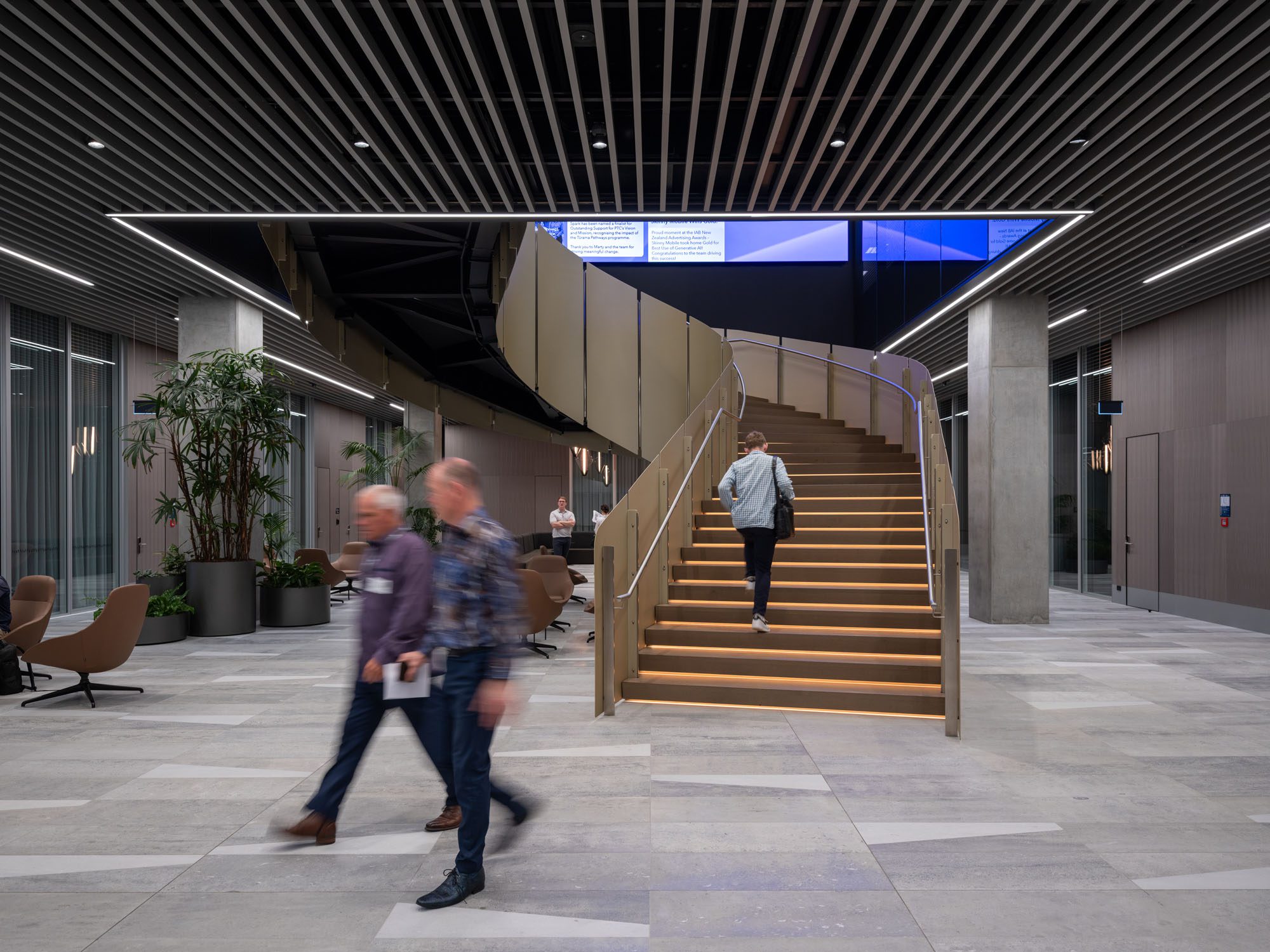
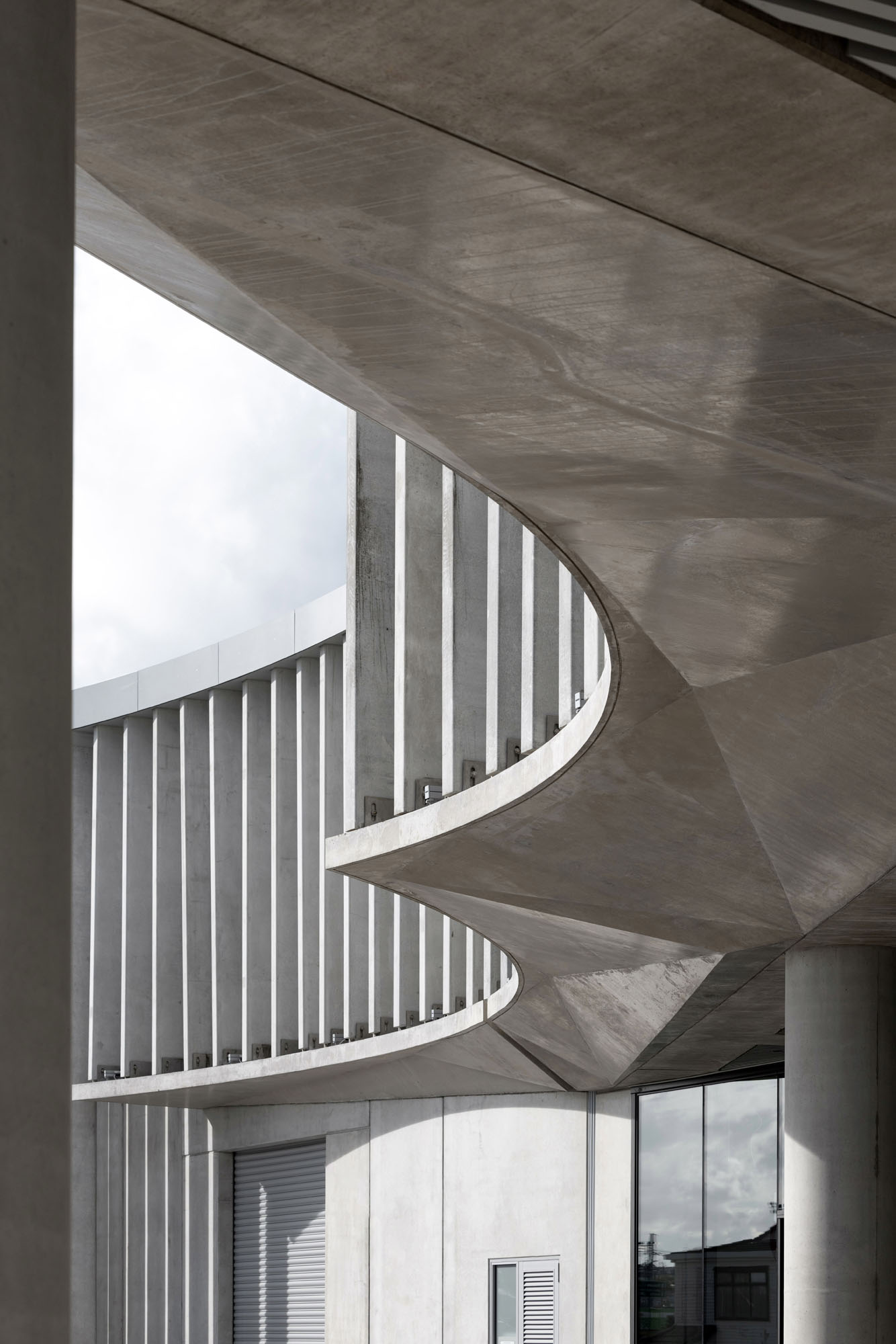
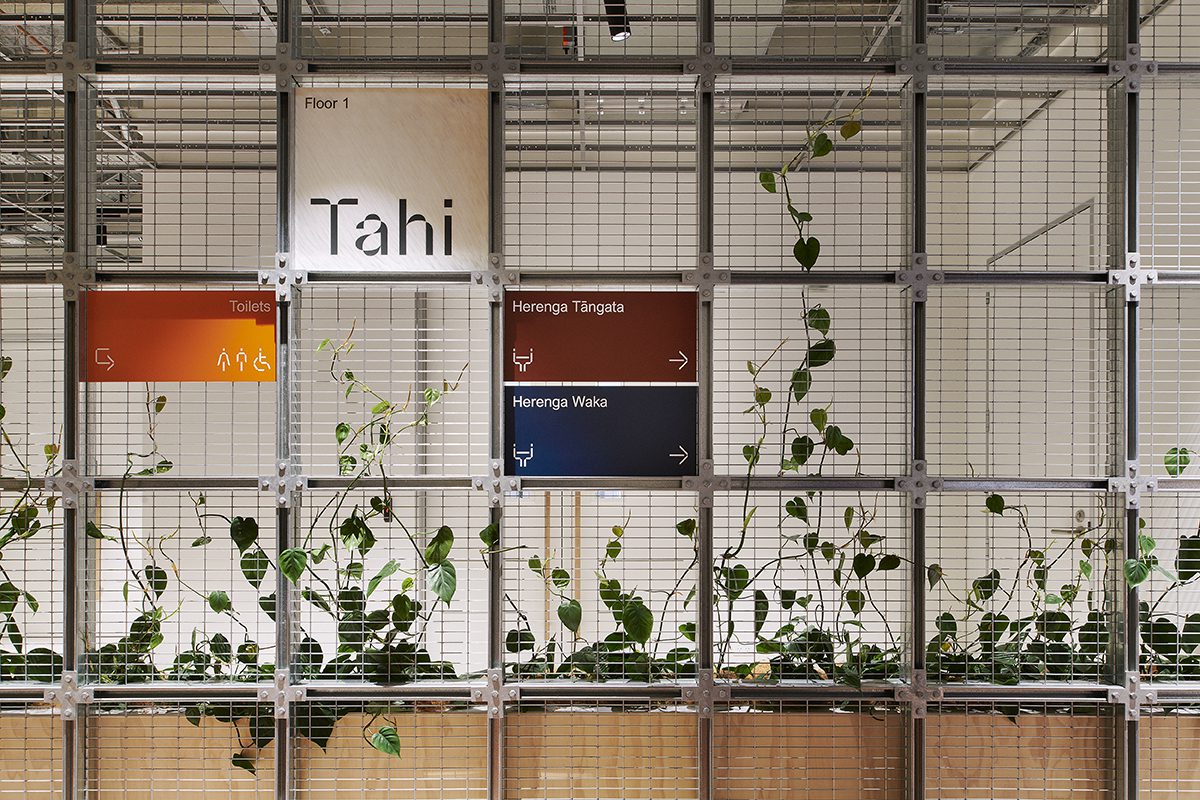
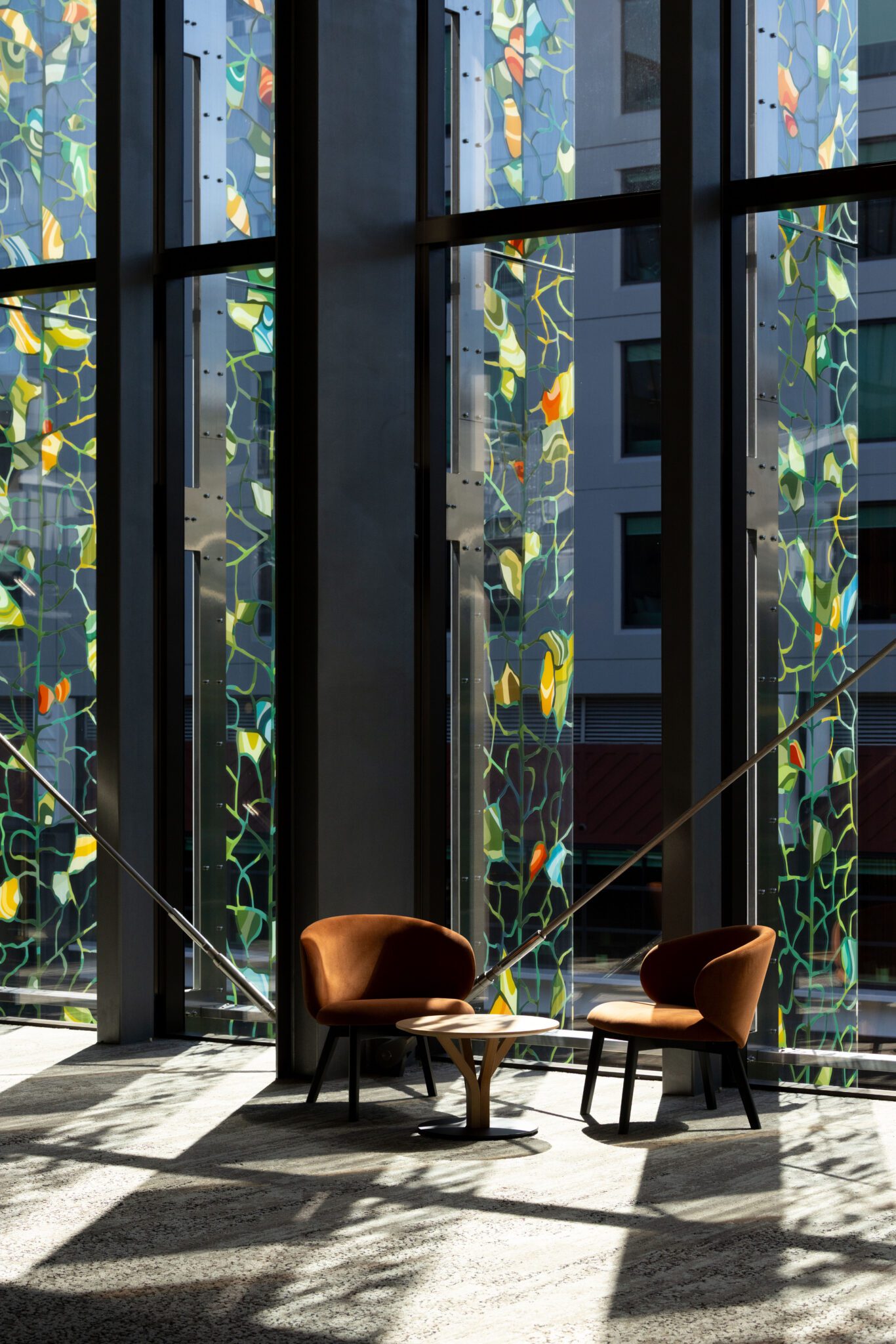
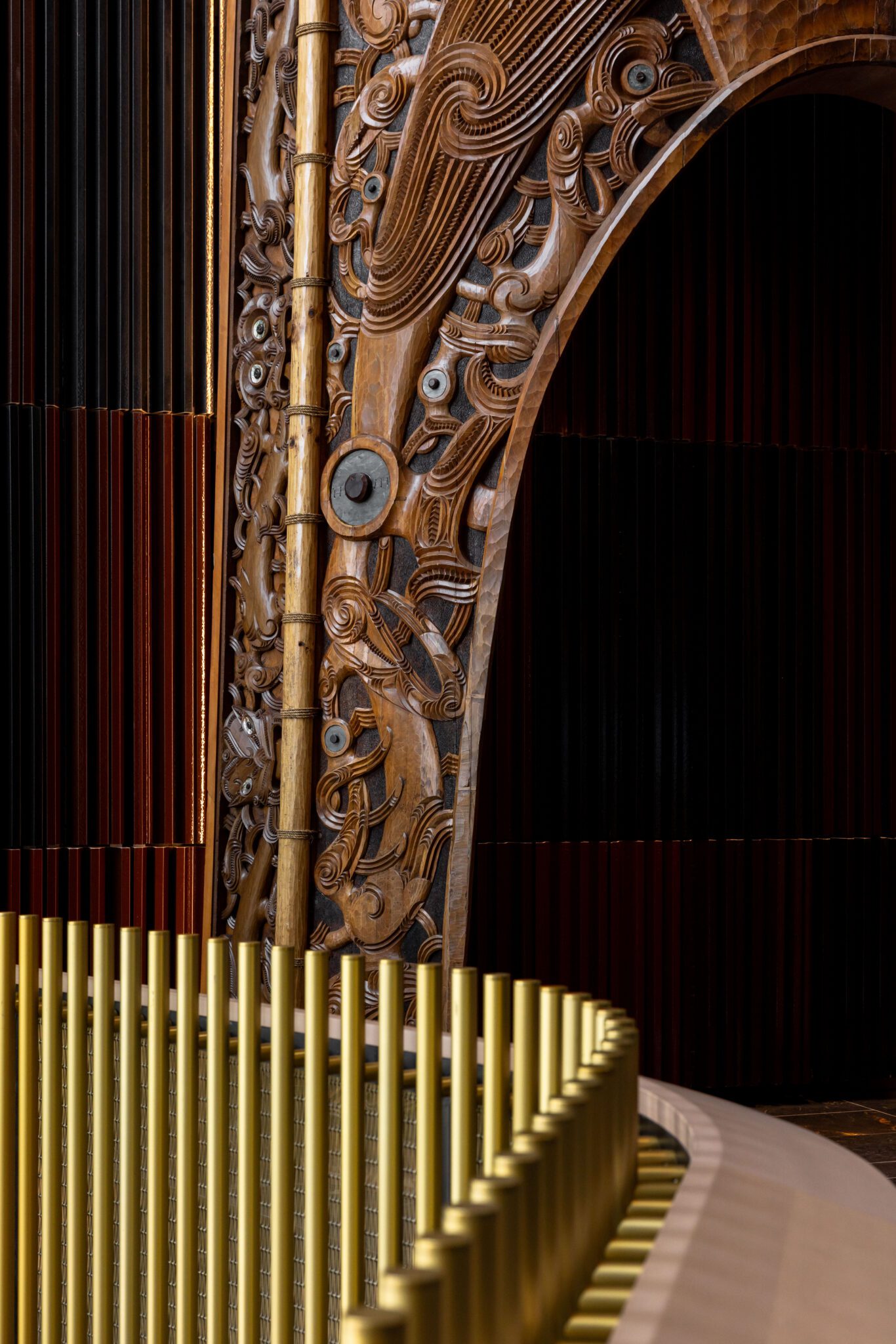
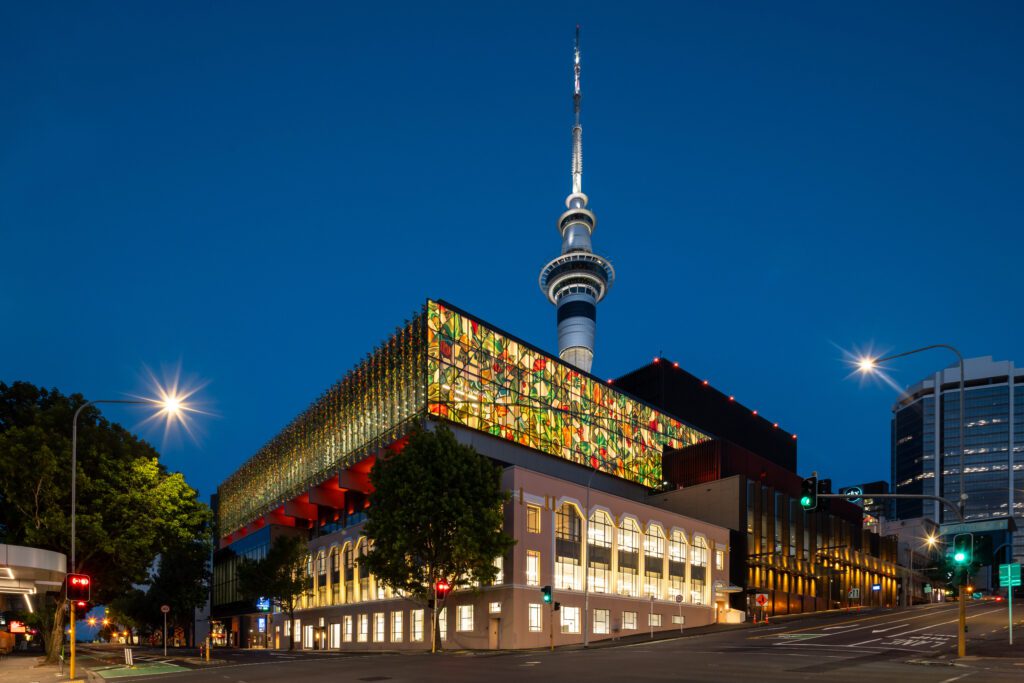
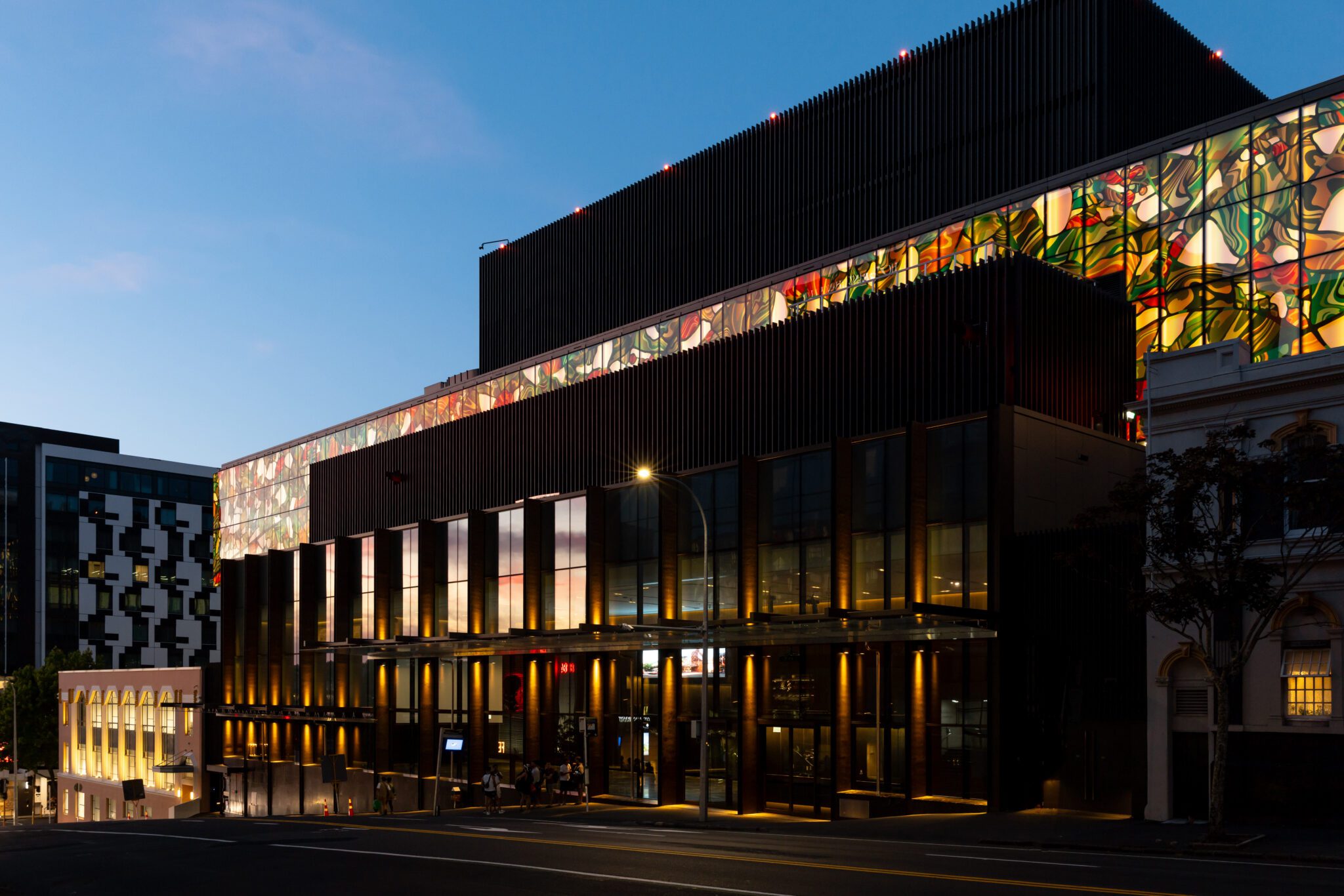
Te Tumu resolves the complex demands of a large convention centre with clarity, generosity, and technical skill. A vertically stacked layout places the main theatre above large exhibition spaces, while a multi-level atrium brings daylight and creates strong visual connections throughout the building. Flexible meeting and event spaces allow multiple activities to happen simultaneously while maintaining a clear and coherent experience for visitors. Materials have been carefully chosen for durability and performance while also supporting a strong Aotearoa identity through integrated artworks and detailing. Welcoming and highly functional, the project delivers a memorable public interior that works effectively at a very large scale.
TRA by Jose Gutierrez
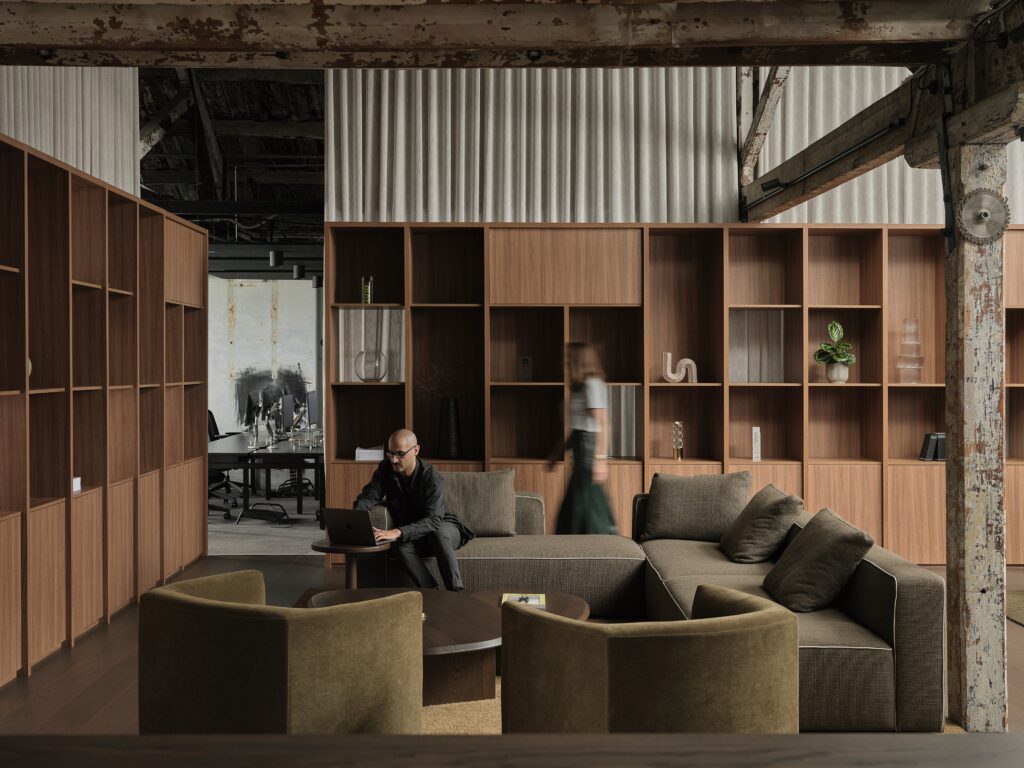
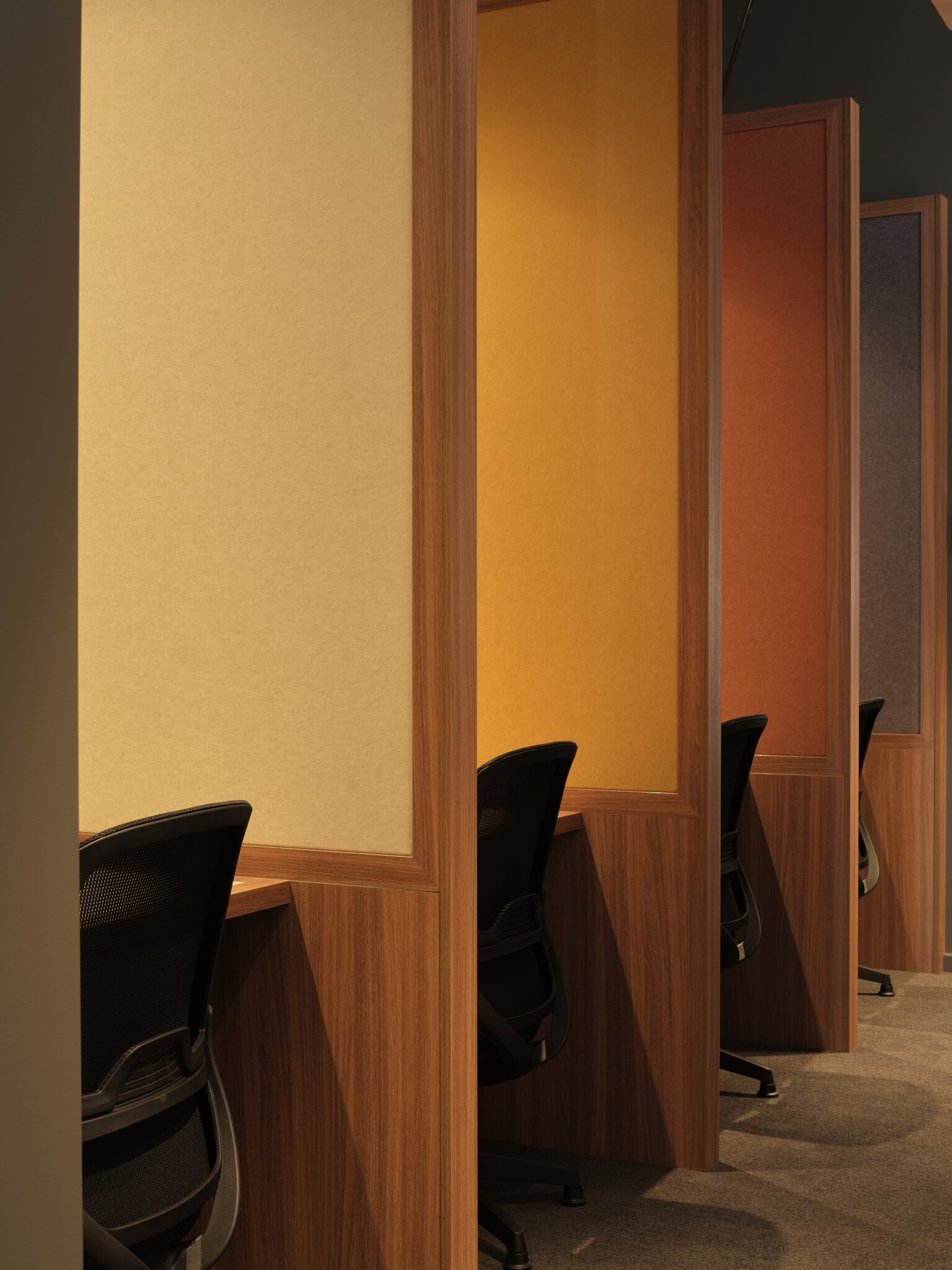
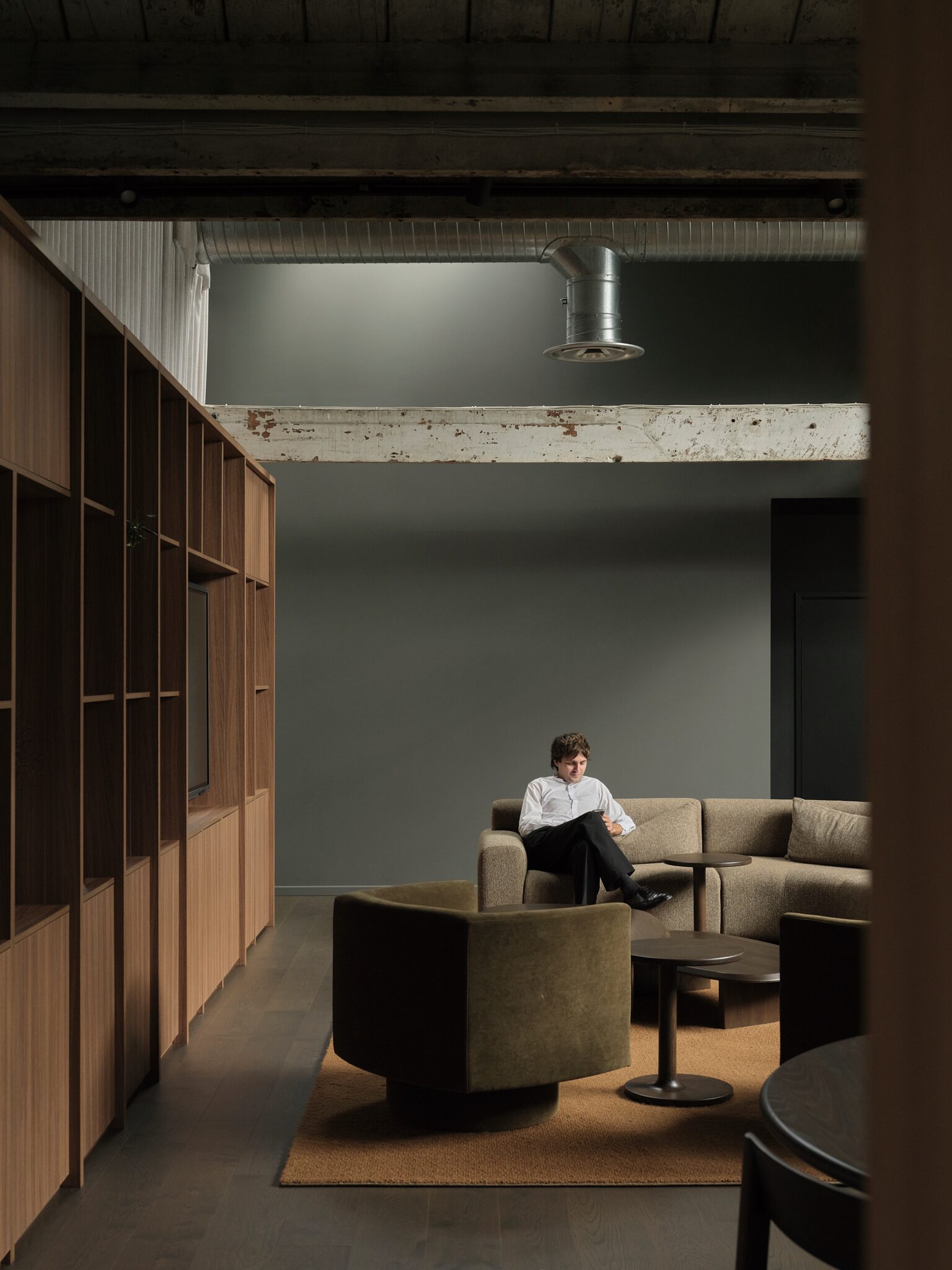
TRA is a workplace designed around people, comfort, and connection. From the moment of arrival, a generous lounge space creates a welcoming atmosphere that shifts the workplace away from feeling purely transactional. Acoustically, the project performs exceptionally well, allowing different groups to share the space comfortably without disrupting one another. The curtain strategy — separating and connecting with equal grace, filtered through woven light — is genuinely clever. A sophisticated workplace that understands people first.
Public Architecture
Rose Street Bus Hub by Isthmus
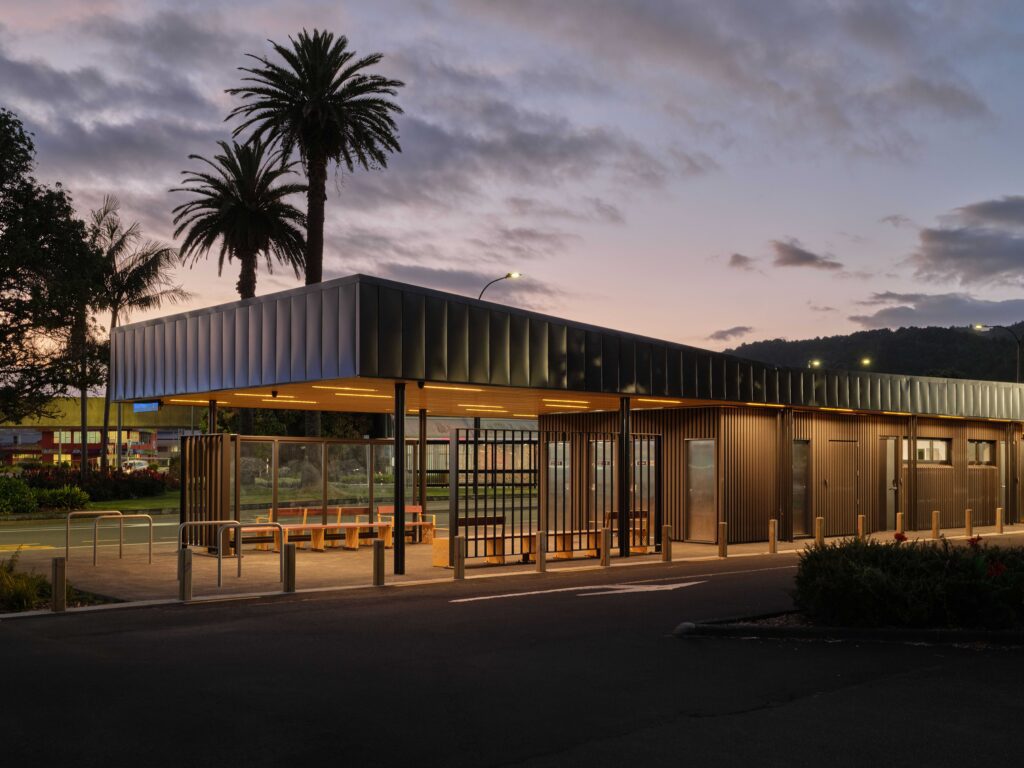
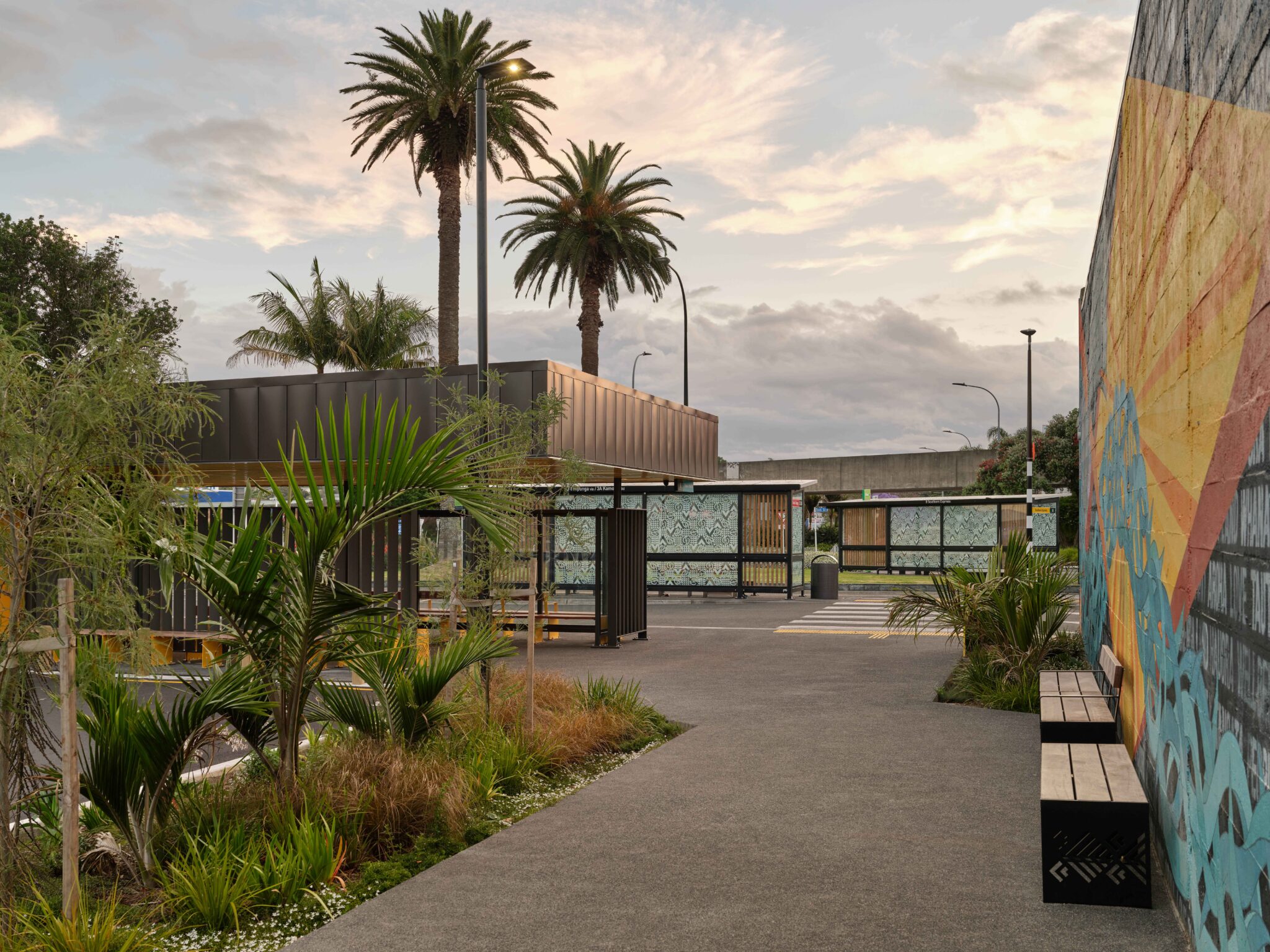
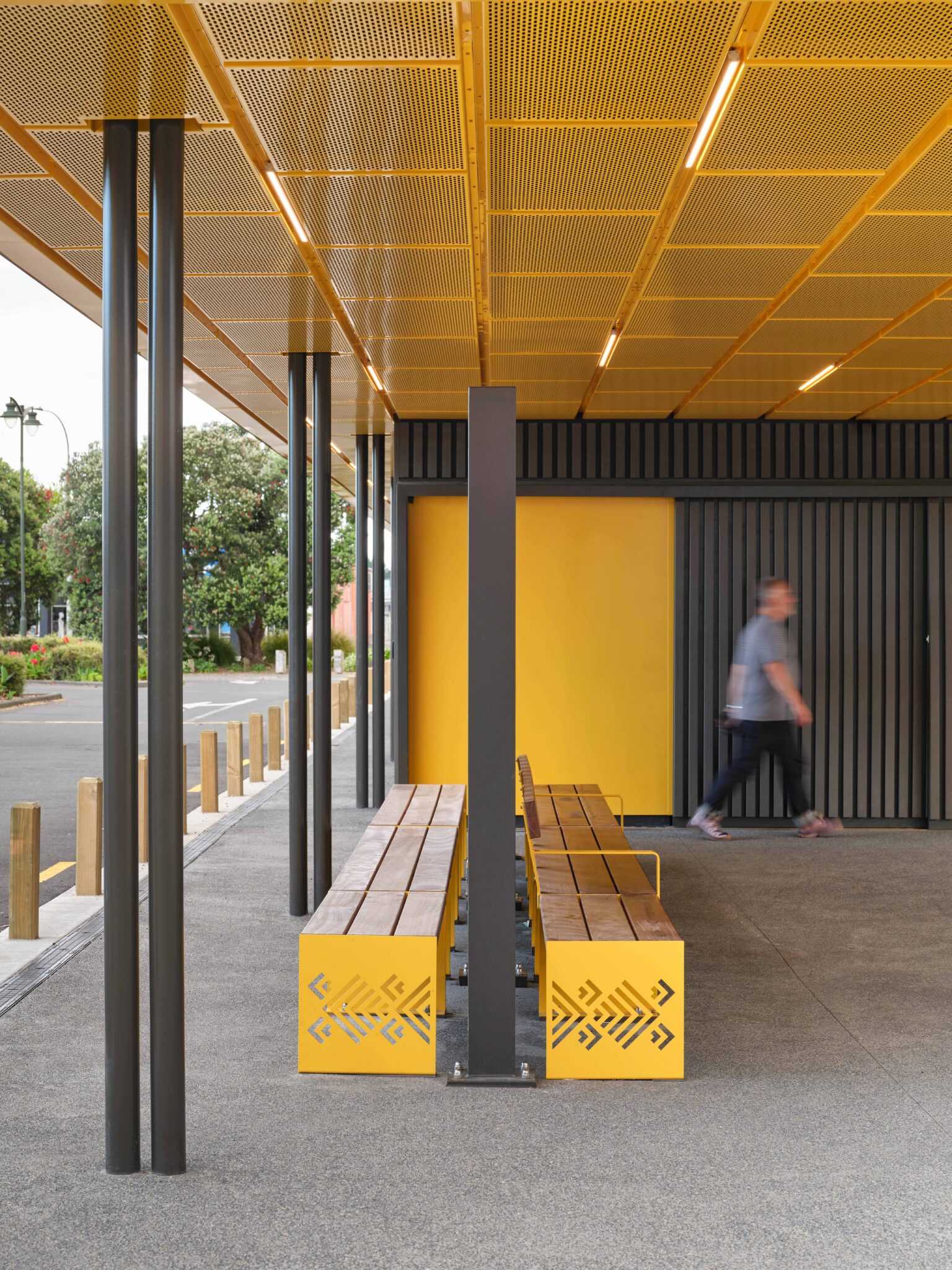
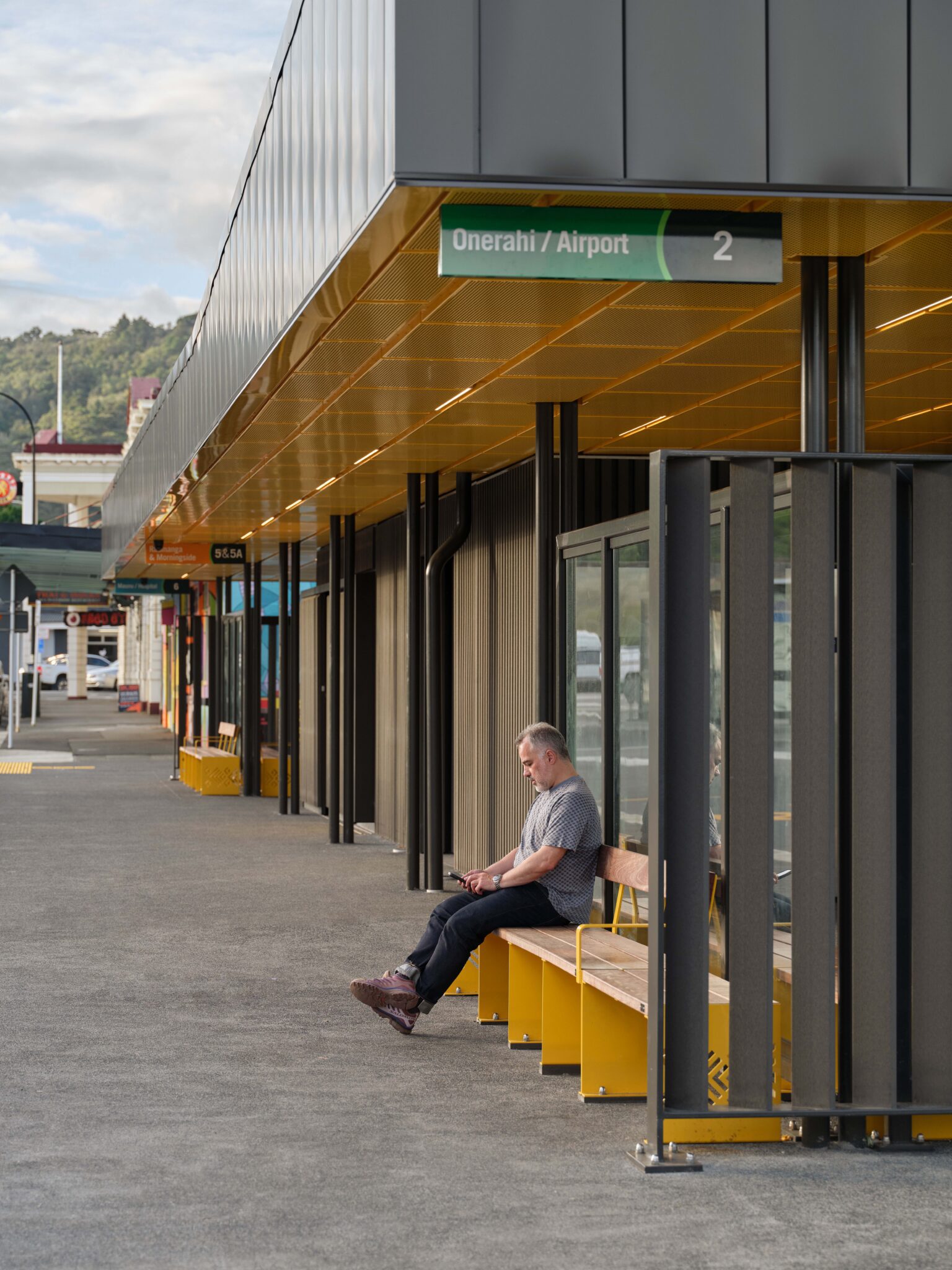
Rose Street Bus Hub shows how a small project can deliver outsized civic benefit. Replacing a neglected and unwelcoming corner with clear shelter, amenities and a new laneway link, it makes Whangārei’s public transport safer, more legible and inviting to use. A restrained, robust palette and buildable detailing prioritise durability, ease of maintenance and rapid delivery, while the kōwhai-yellow soffit and planting support brand identity and place. Beyond its immediate utility, the hub is understood as the first stitch in a broader network of city connections—an aspirational move that builds public trust through design and sets a standard for future public works.
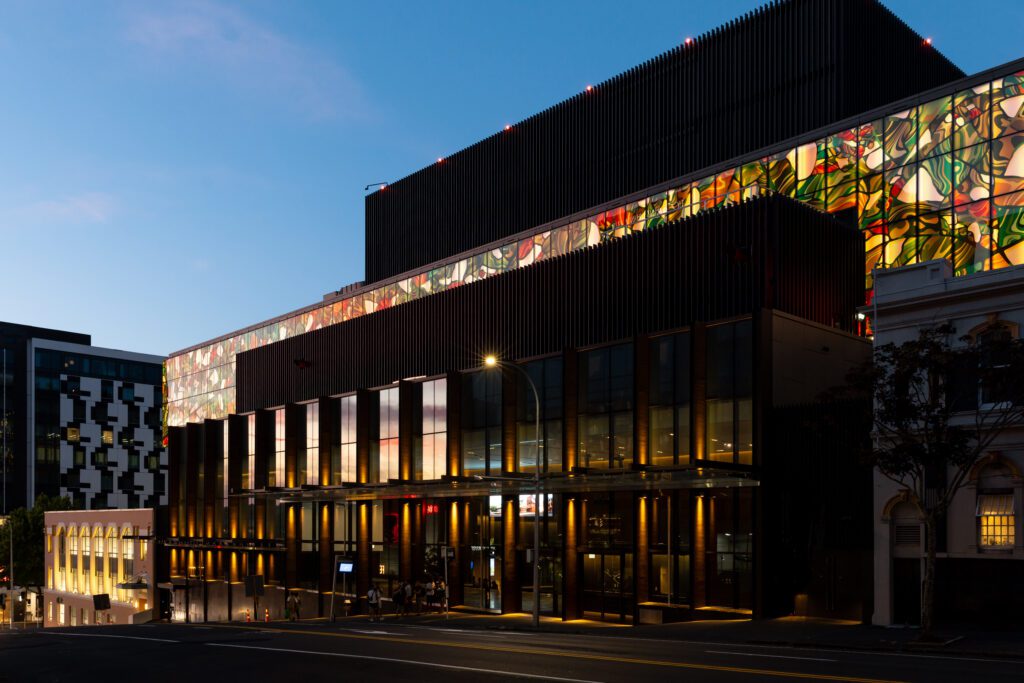
Te Tumu – New Zealand International Convention Centre (NZICC) by Warren and Mahoney, Moller Architects and Woods Bagot in association
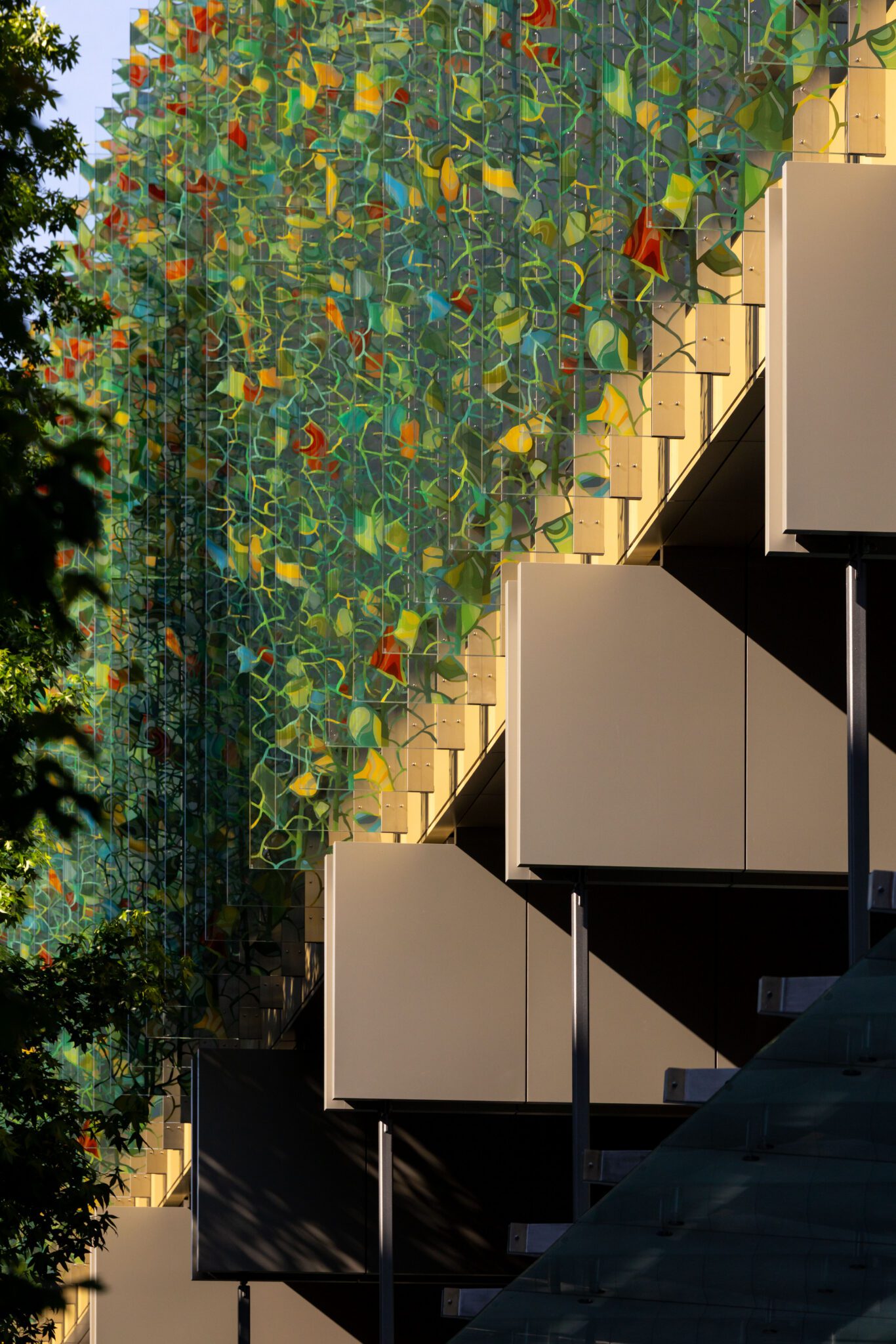
Te Tumu – the New Zealand International Convention Centre – transforms a vehicle-dominated part of the city into a welcoming and highly functional civic destination. Flexible spaces and multiple entry points allow different events to happen at the same time while clearly separating public and operational areas. Large daylit atriums create clear circulation paths and help the interiors feel open, connected, and easy to navigate, avoiding the feel of a typical convention centre “box.” The retention of an existing historic building adds character and provides light-filled workspaces for staff and support functions. Integrated artworks by Sara Hughes and Peata Larkin strengthen the project’s Aotearoa identity, creating a major public building with a strong sense of place.
Small Project Architecture
Garden Studio by Henri Sayes
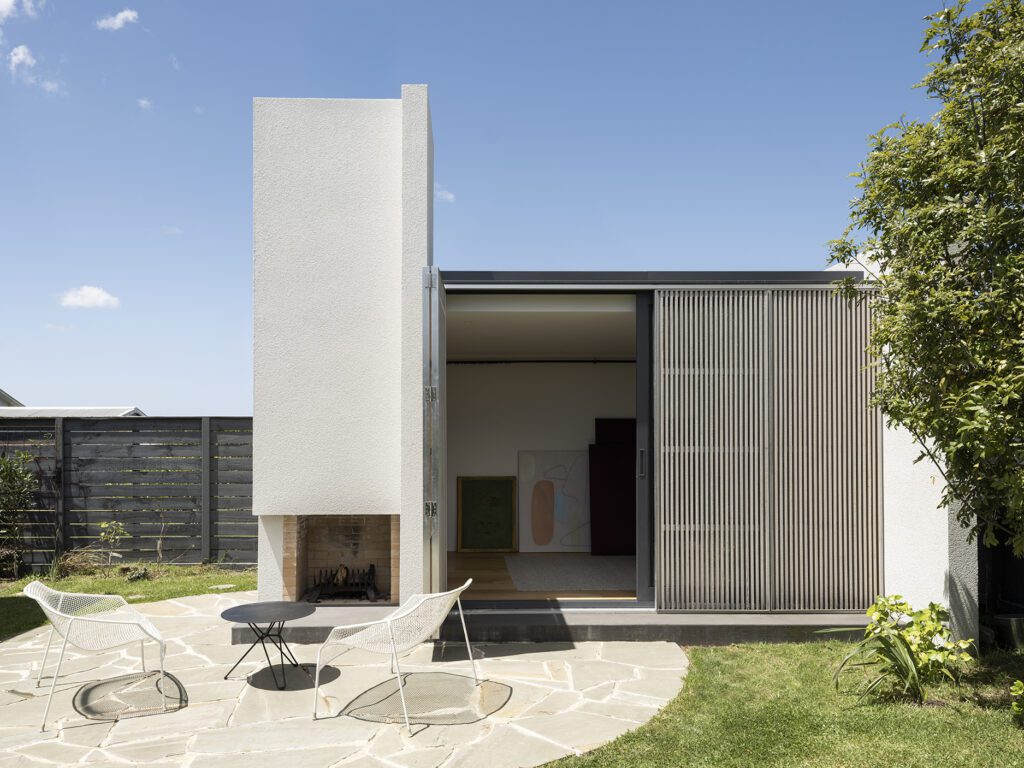
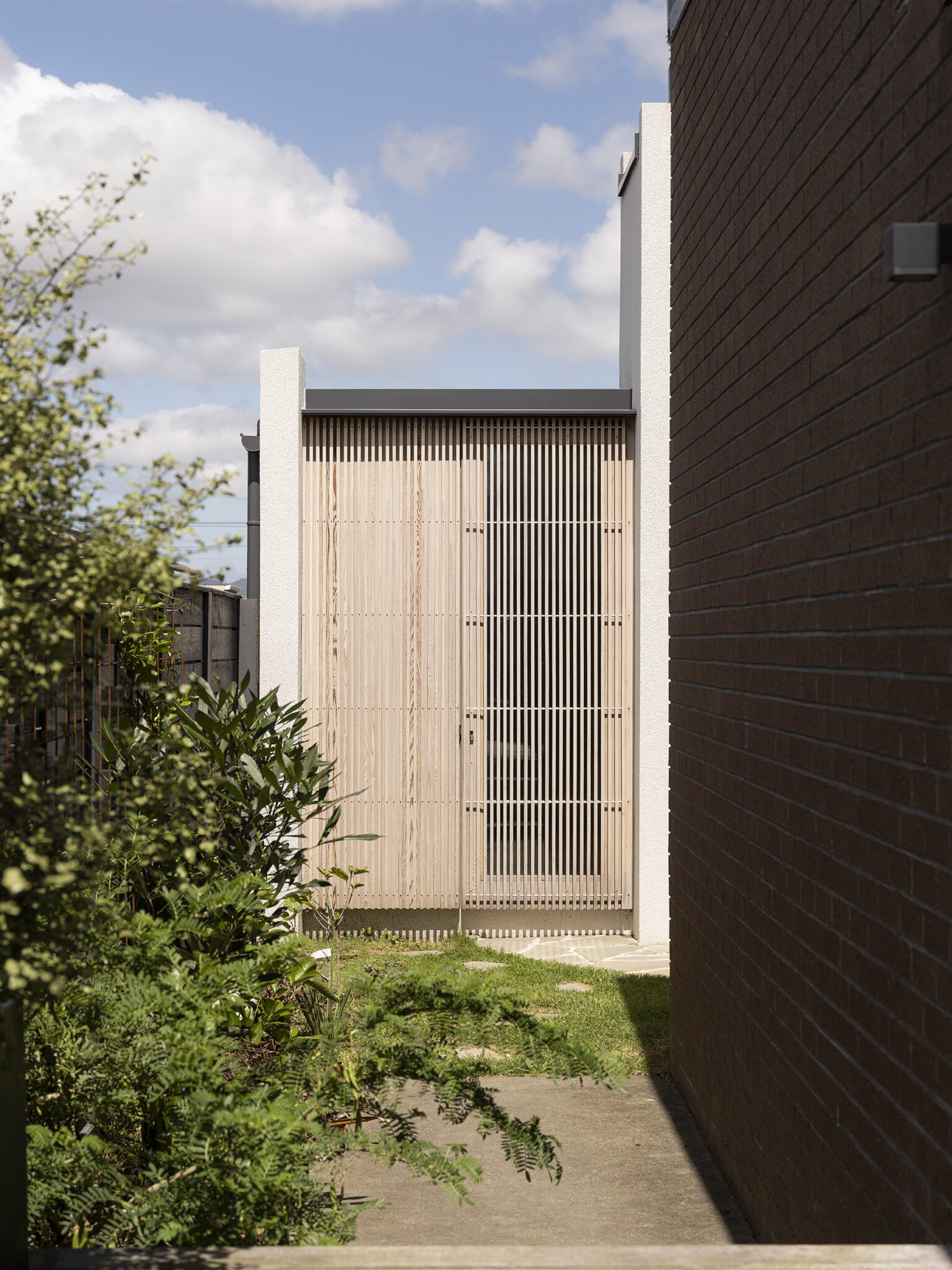
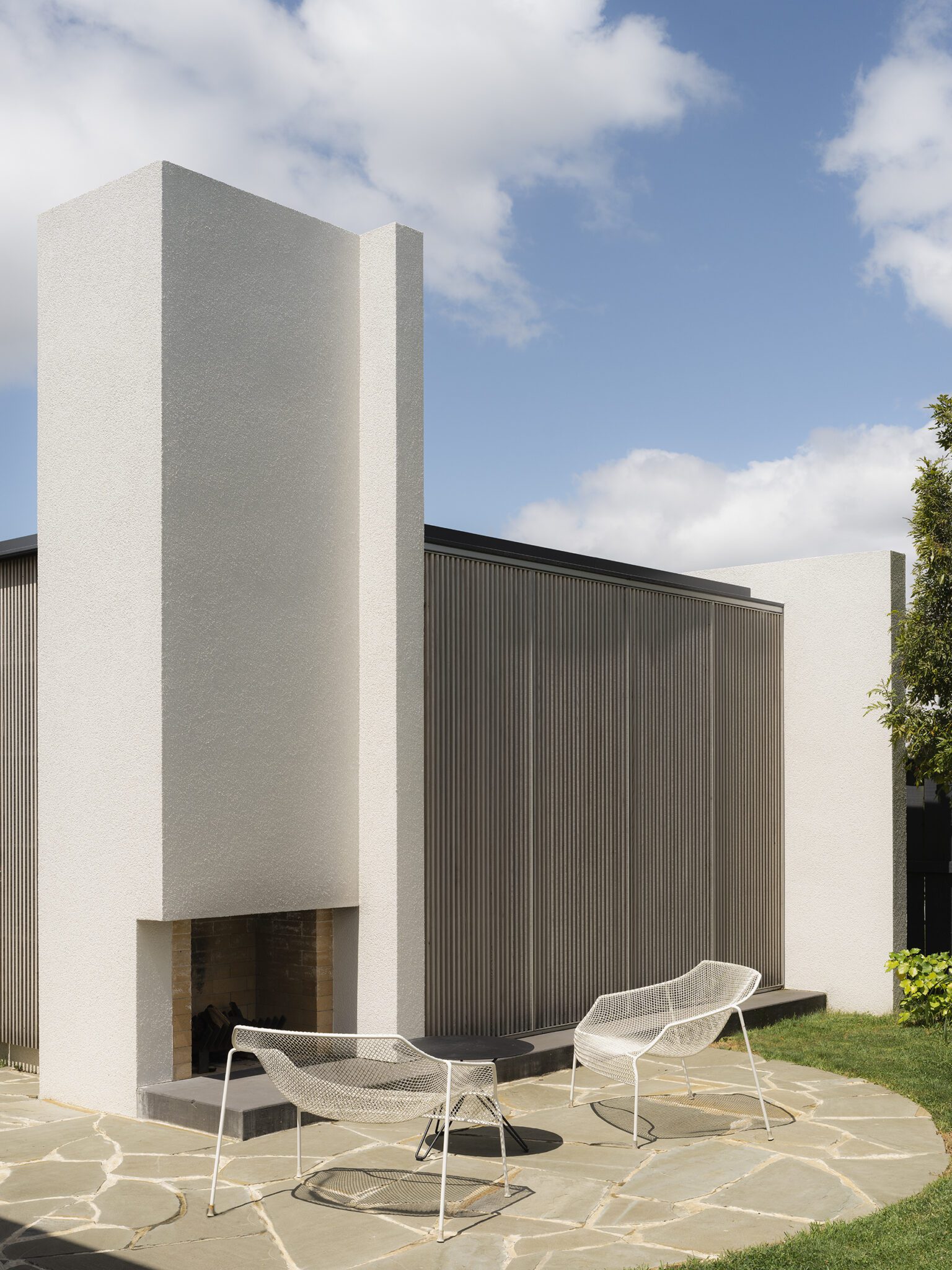
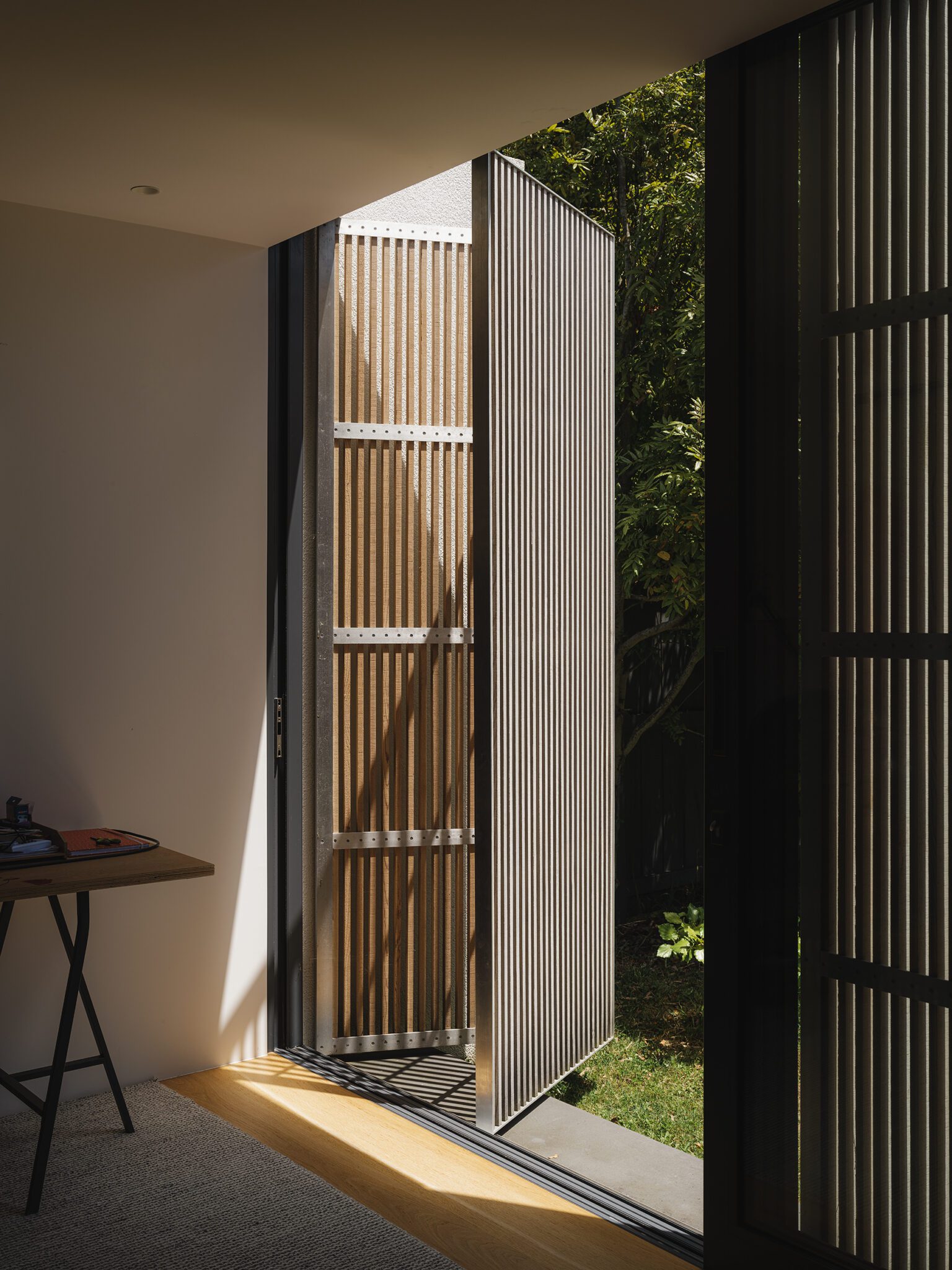
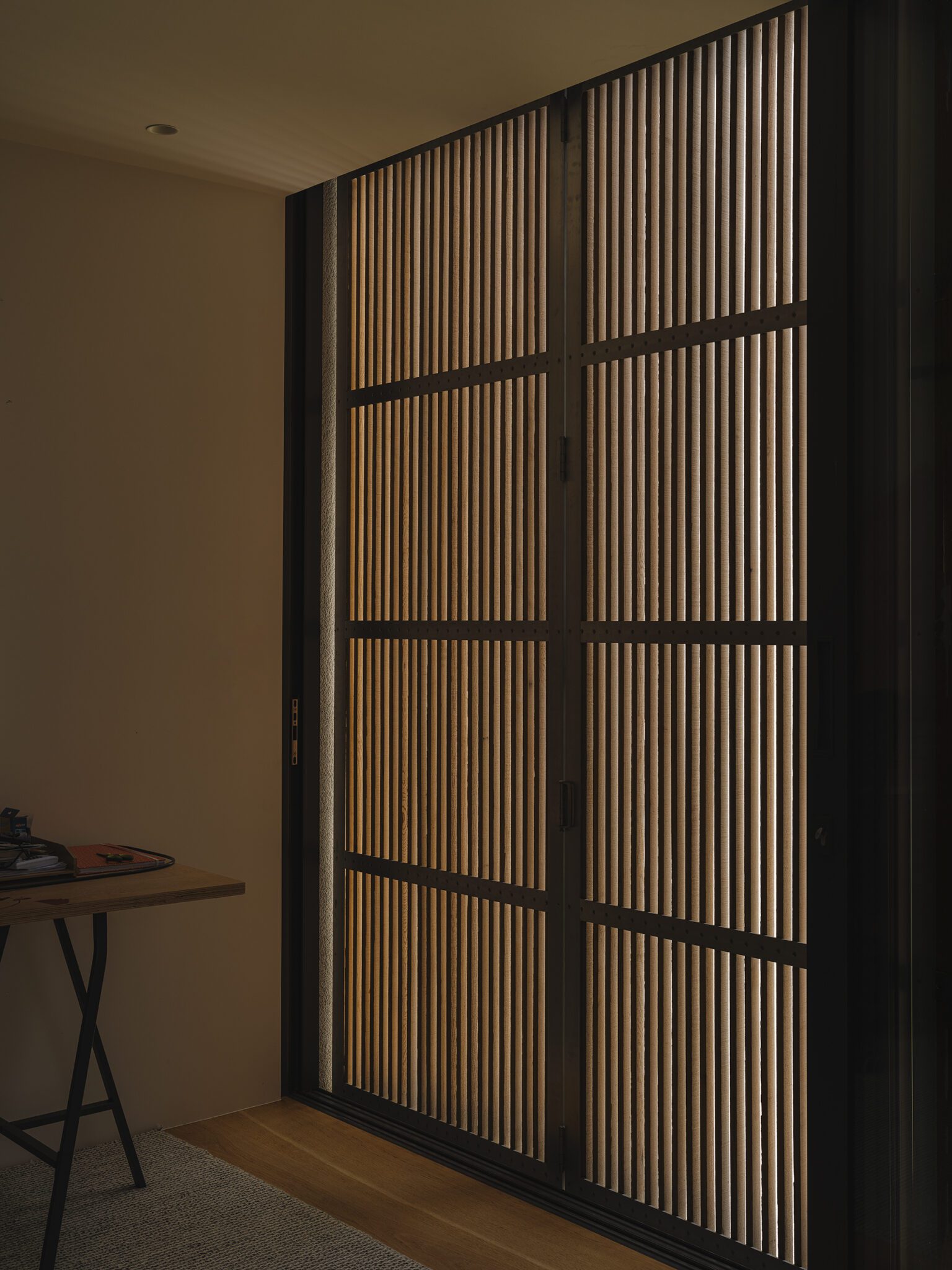
At the rear garden of an art deco duplex in Point Chevalier, the architects have crafted Garden Studio as a quiet, versatile space to think, work, paint and make music. Finely detailed cedar screens provide privacy and allow the bulk of the building to recede into its surroundings. A sculptural outdoor fireplace embedded in the corner of the structure creates an external social space. This bold move elevates this project from simply taking up precious backyard space to becoming a meaningful intervention that enhances the surrounding garden landscape.
St Luke’s Hospitality Centre by Andrew Barrie Lab
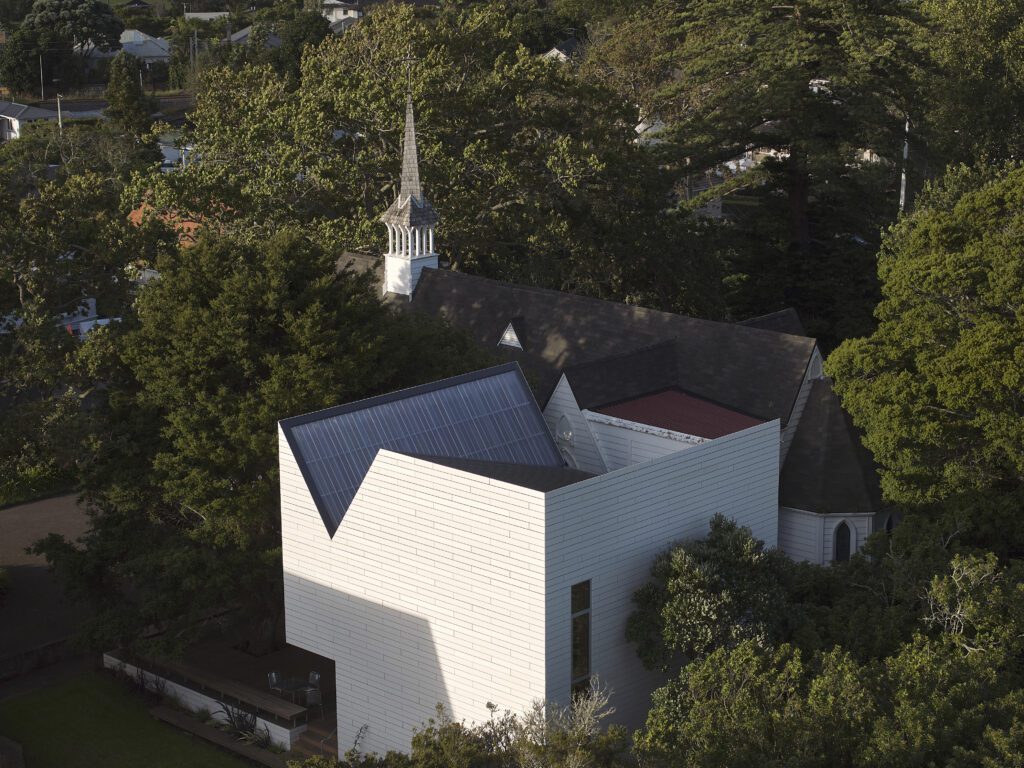
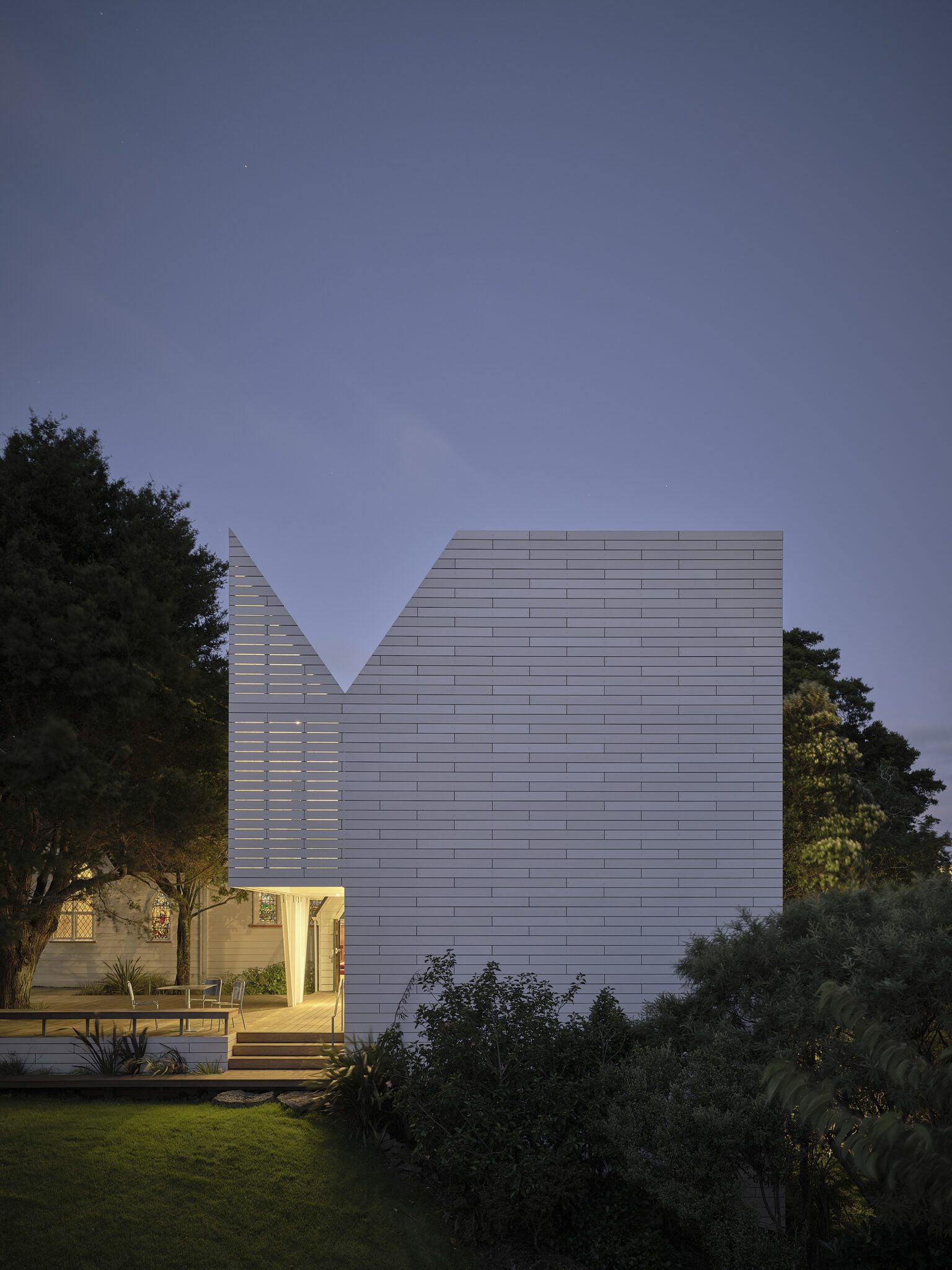
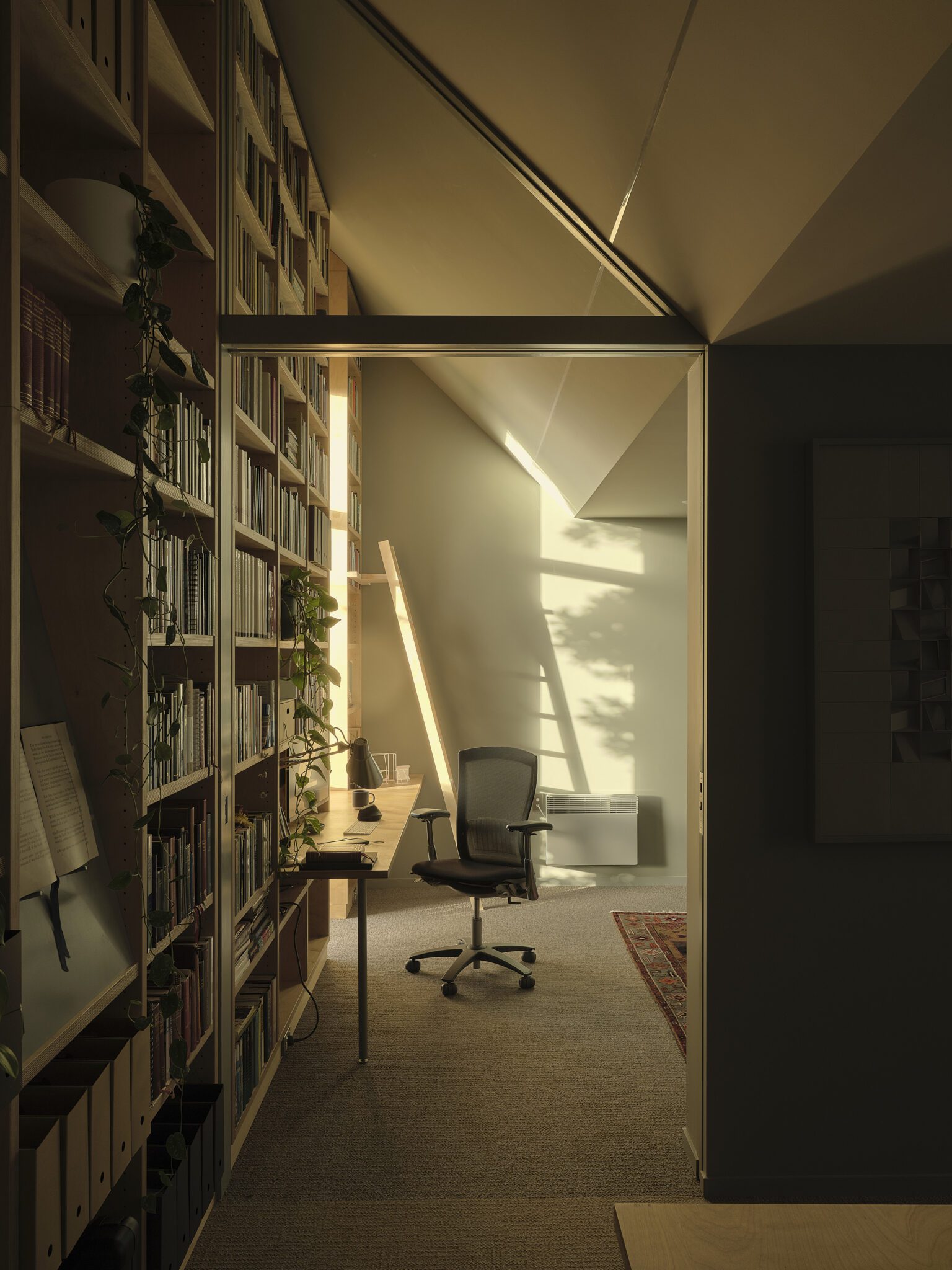
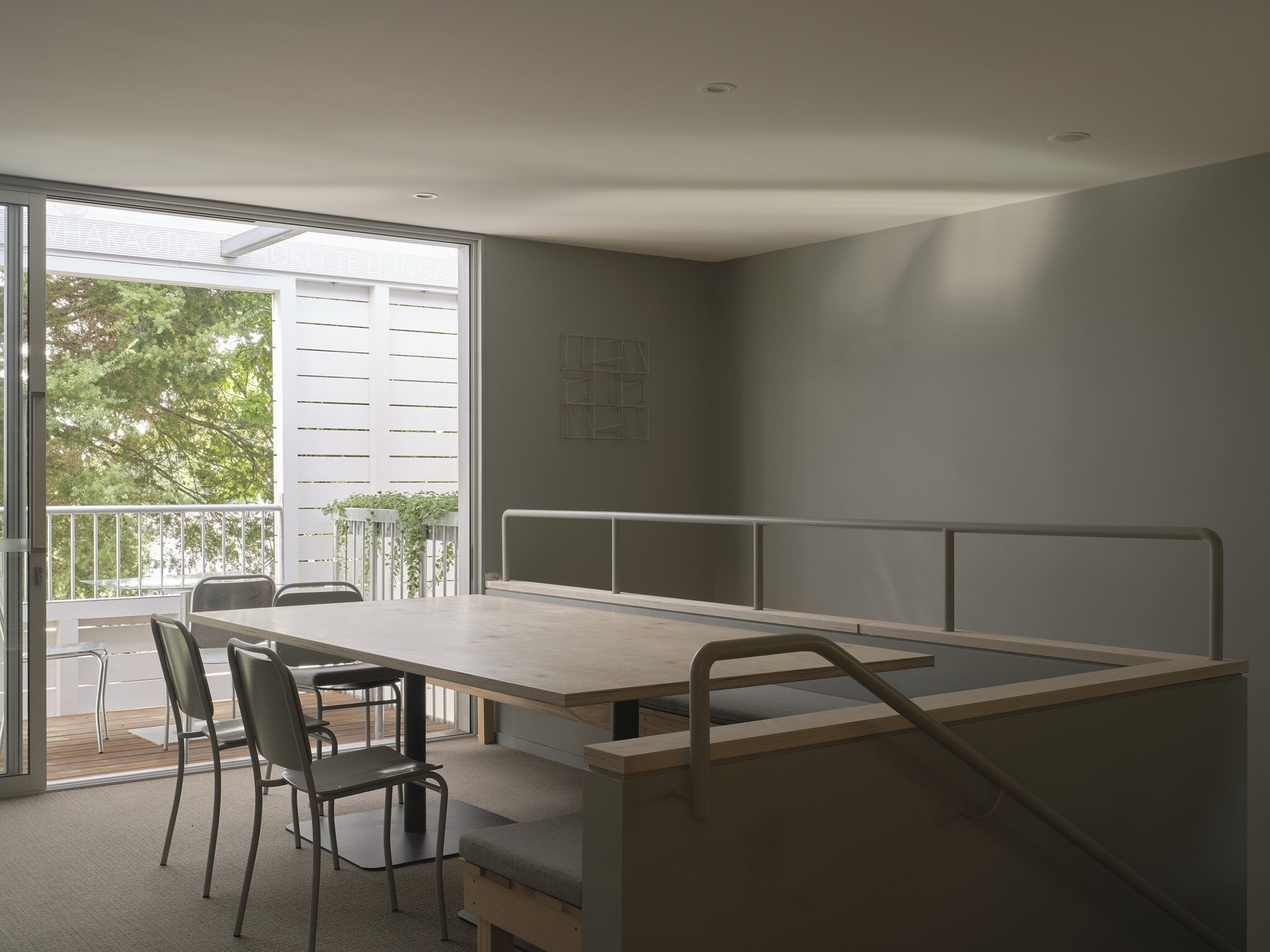
Surrounded by mature trees, a heritage church, and historic stone walls, St Luke’s Hospitality Centre carefully balances respect for the past with the changing needs of the church and wider community. Abstracted roof forms help the new building feel connected to the neighbouring church while still expressing its own identity. Despite a modest budget, the project creates spaces that feel rich, welcoming, and emotionally engaging. Carefully crafted details add depth and meaning throughout the building. Developed through strong collaboration between architect, builder, church, and community, the project delivers a humble and generous building that supports the people who use it every day.
Resene Colour Awards
Dolly by Studio John Irving
At Dolly, a lighter palette with neutral and soft blue tones, refreshes the restored cottage sitting above the ground, holding the sleeping spaces calmly.
Stepping down into the extension the living areas offer moodier tones with a green base, anchoring the spaces and connecting to the courtyard and borrowed foliage of the neighbouring park. The use of colour in defining levels creates separate zones that transition from the busy inner city suburb beyond through to the grounded sanctuary created within the new addition.
Roseman Whare by Sunday Architects and Burgess Treep & Knight Architects in association
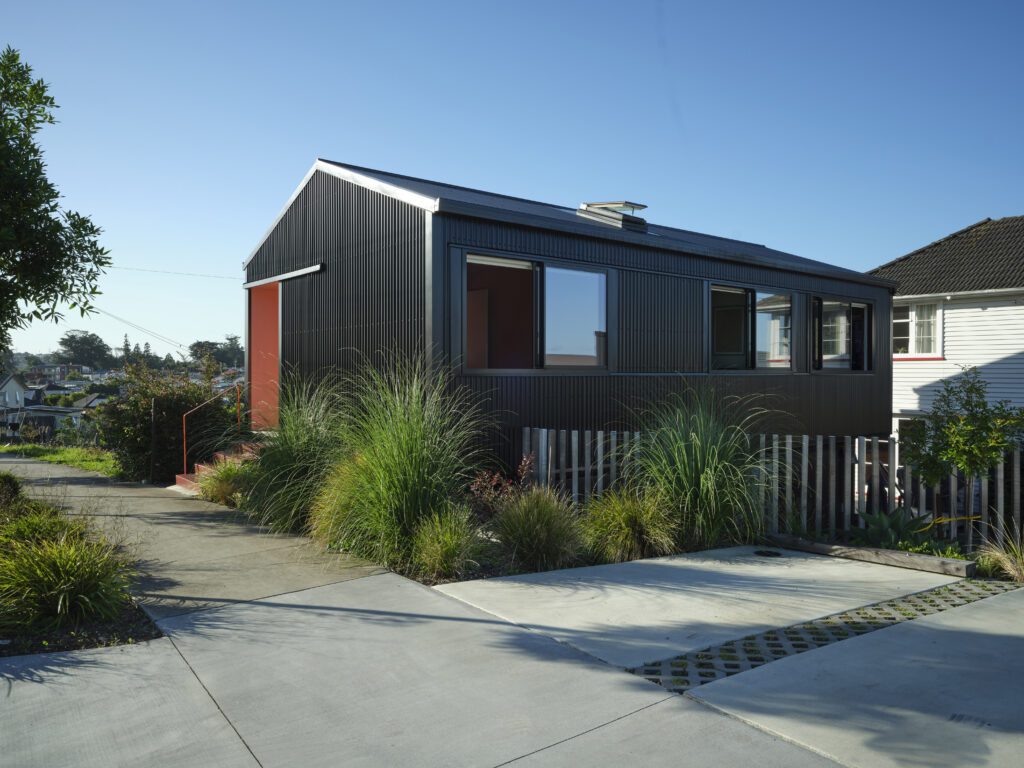
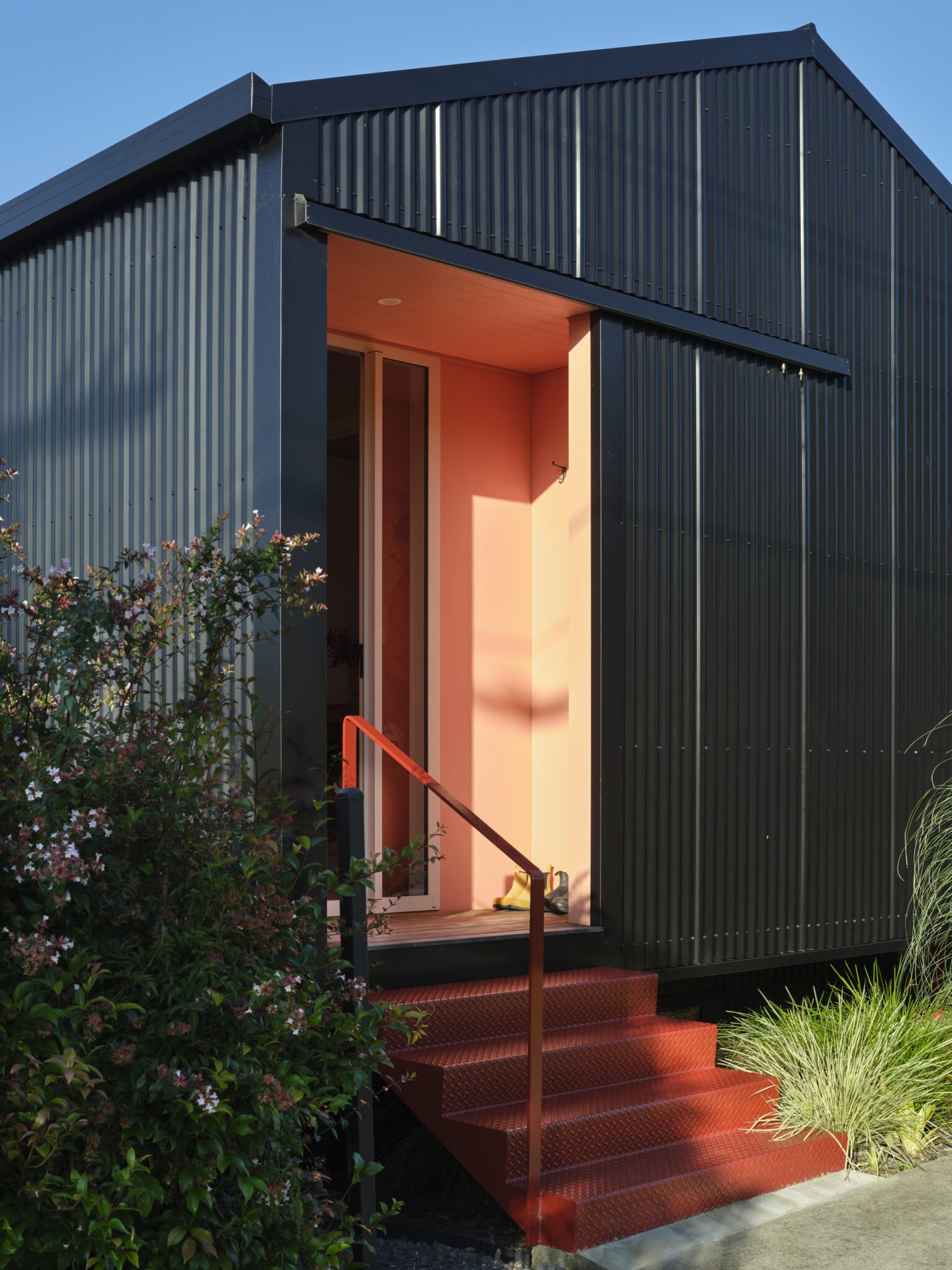
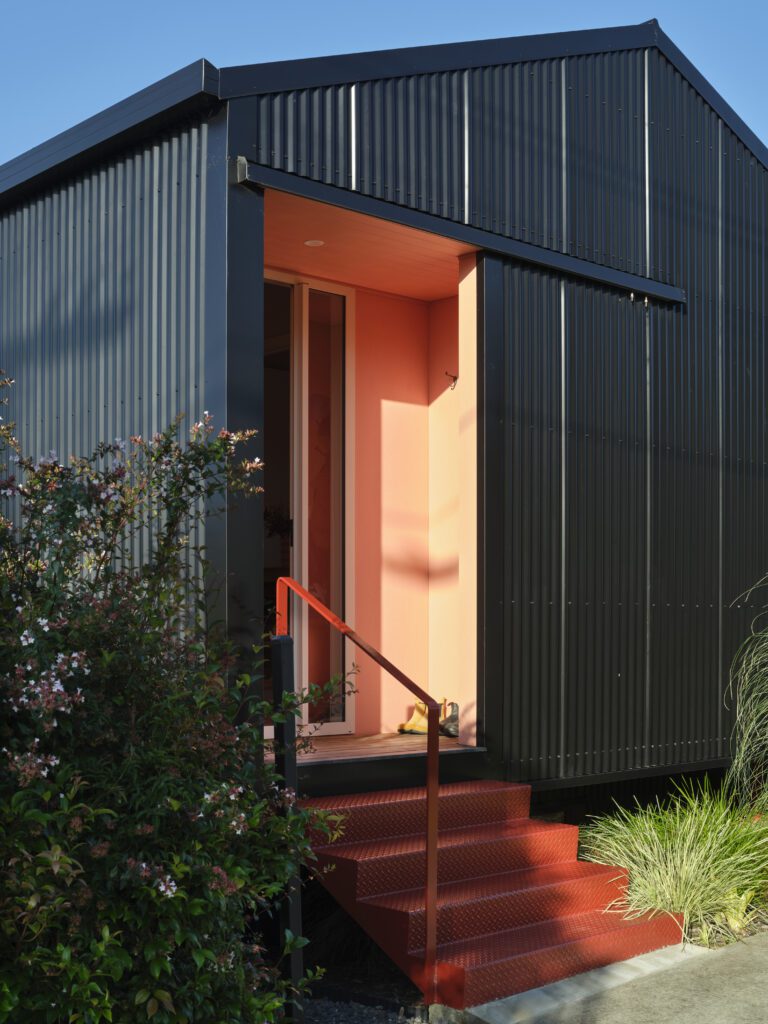
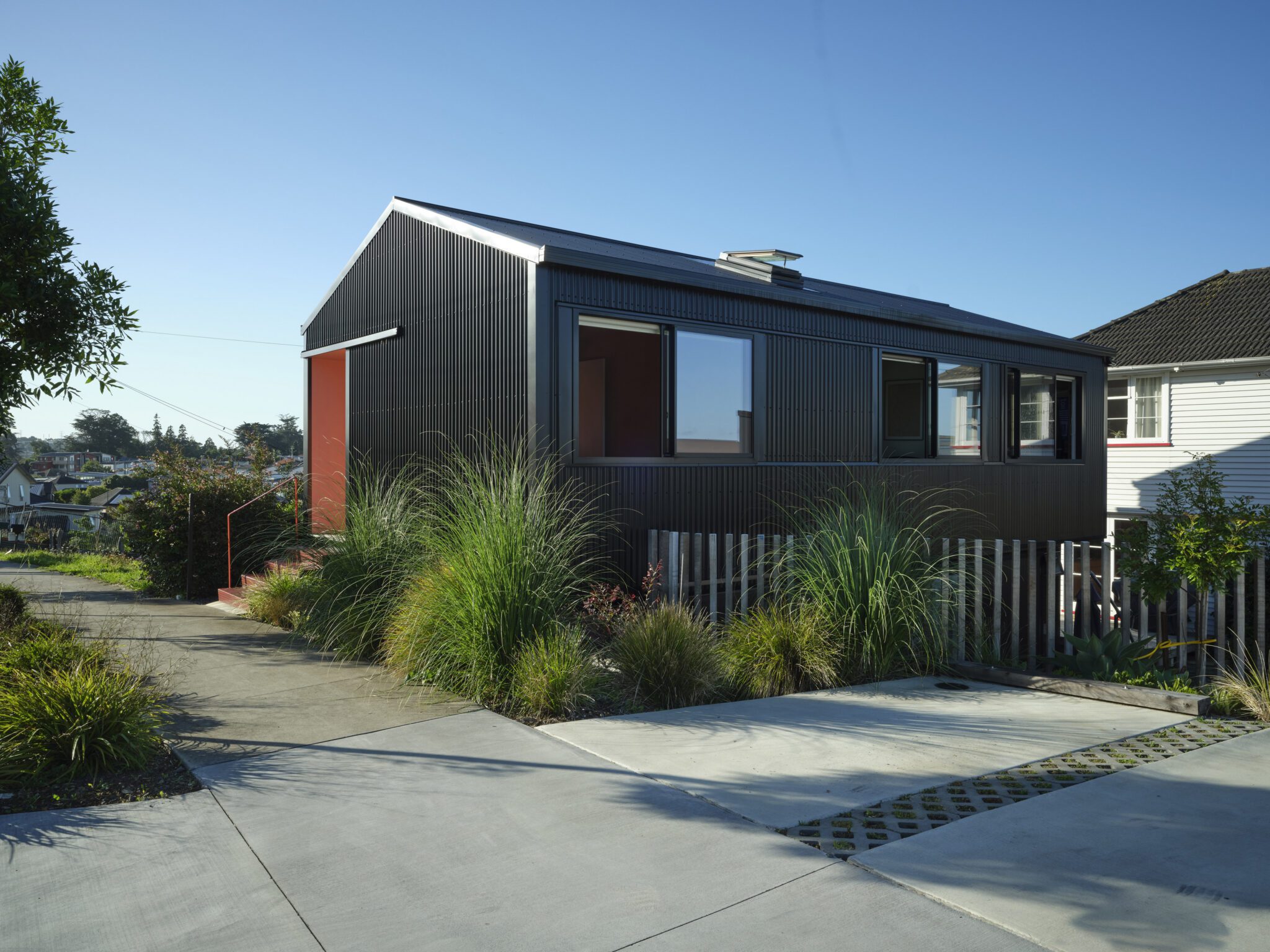
At Roseman Whare, colour is not applied — it is inhabited. The black finished steel exterior is punctuated with a welcoming pink entry and red steps to the street, inviting and intriguing in one simple move. Internally, each room experiments with its own hue, creating a sequence of distinct experiences as you move through the home. It feels curated and joyful, each transition a surprise. Colour defines space, deepening the warmth of the home and offering retreat, creativity and inspiration depending on the room occupied.
Yansane McMillan House by Bonnifait + Associates Architects (Atelierworkshop)
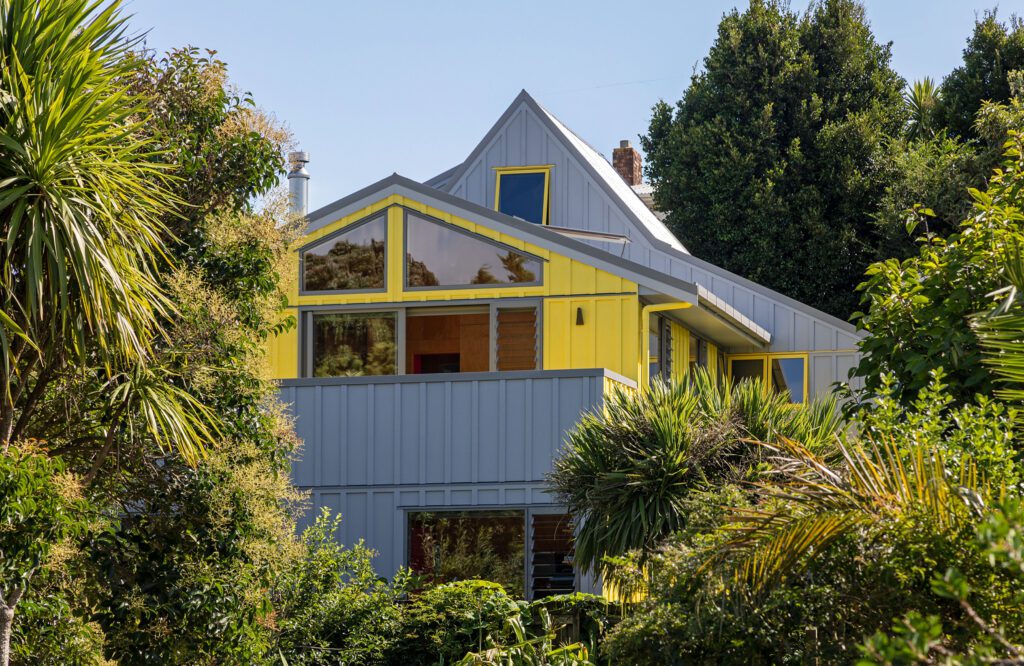
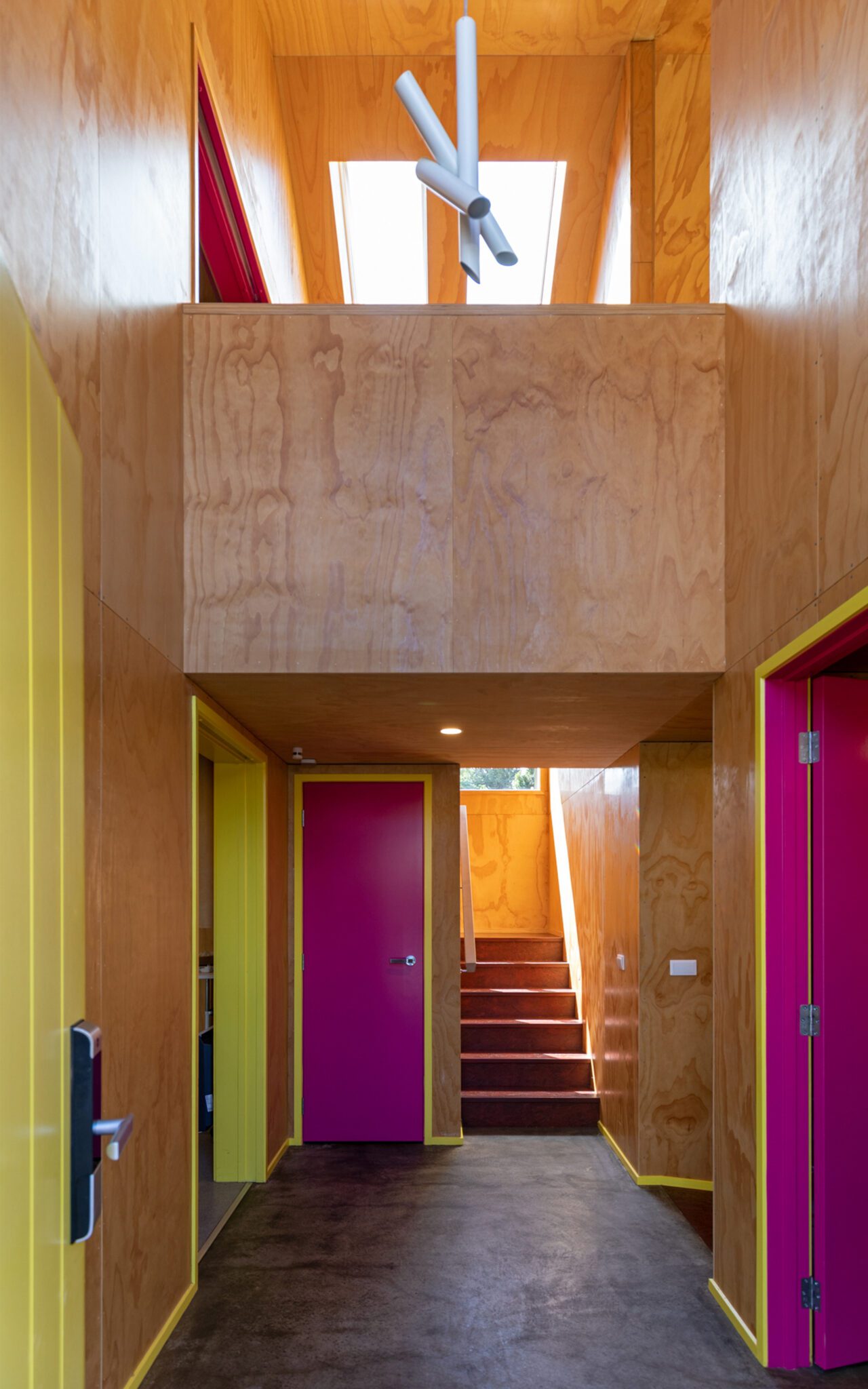
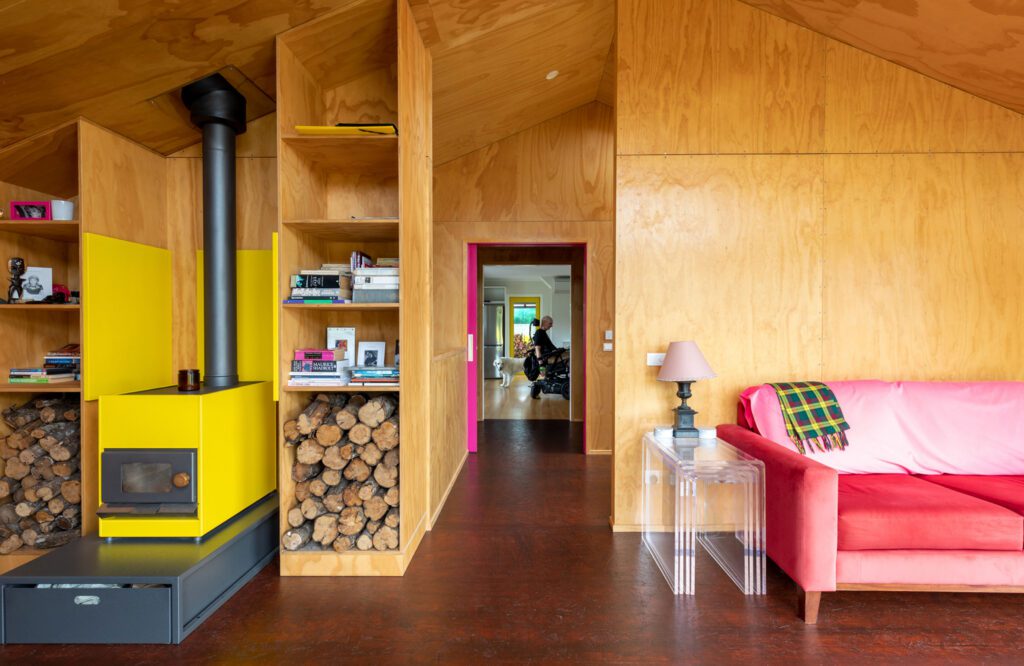
A composed grey exterior unifies old and new from the street, allowing the architecture to sit quietly within its suburban context. A bold yellow front door defines the entry and suggests more playfulness beyond. The yellow reappears through the joinery of the original house, highlights the new addition on the side elevations, and combines with magenta to define interior doors. Together, the two colours provide visual clarity and joy, punctuating the natural pine-lined interior. The full magenta lift is a sensation.
Auckland Art Gallery Kia Whakahou, Kia Whakaora by Ignite Architects and DPA Architects in association
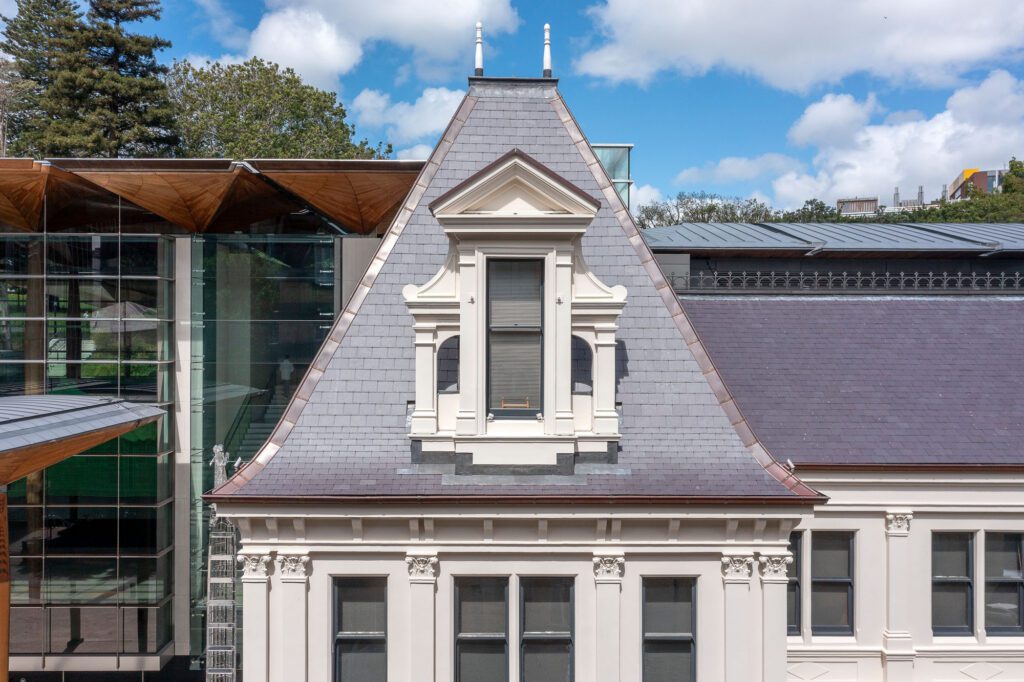
The conservation-led restoration of the exterior of this heritage building is commended for the use of colour in a manner that is true to a philosophy of minimal intervention and material authenticity. New ‘Heather Blue’ slate roofing has been carefully colour matched with the original. Paint scrapings and historical photographs informed the colour of new mineral effect paint finishes. Underpinned by rigorous research, the subtle use of colour has made a significant contribution to the success this careful heritage restoration.
See all the winners at nzia.co.nz/awards/