

In contemporary architecture, material selection is rarely just about performance — it is a question of atmosphere, longevity and cultural resonance. Architects turn to timber not only for its environmental credentials, but for its ability to shape spatial experience.
It is for this reason that Abodo’s locally grown and crafted timber products often sit at the forefront, offering a refined palette that moves seamlessly between rural and urban contexts.
Three Home of the Year-winning projects — Two Sheds by RTA Studio, 161 West Tamaki by Stevens Lawson Architects, and Stanmore House by Jessop Architects — demonstrate the versatility of Abodo timber across vastly different conditions.
A rural expression
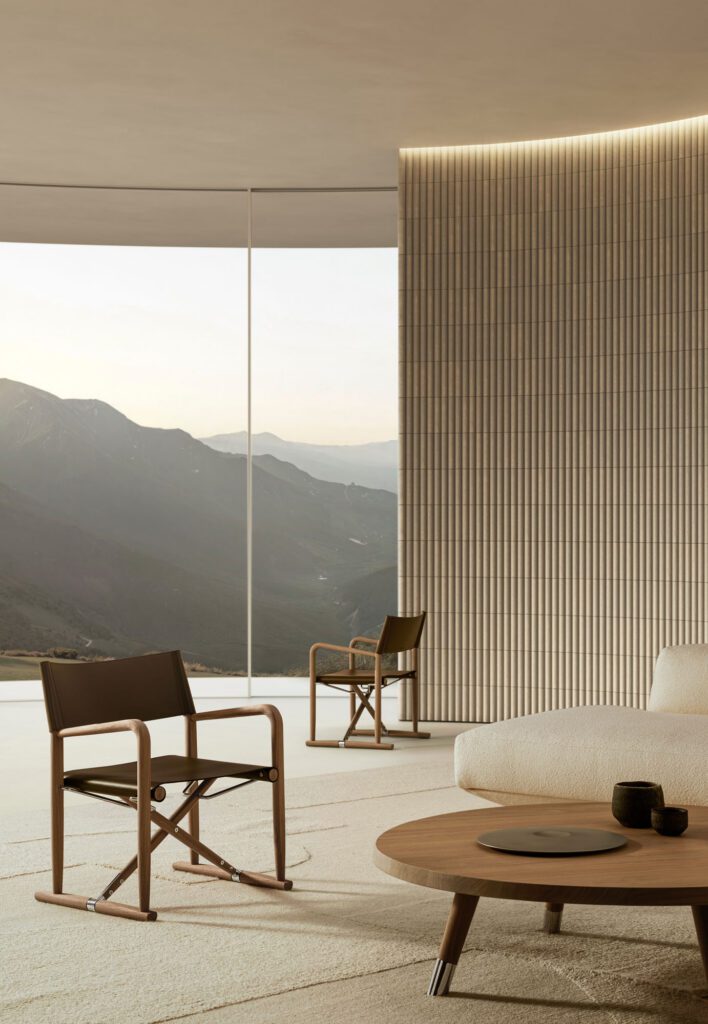
Perched on a ridgeline with sweeping views towards the Remarkables, Kingston and Coronet Peak, Two Sheds — the Reader’s Choice Home of the Year — is a confident reworking of the rural vernacular. RTA Studio abstracts the language of farm buildings, slicing and reassembling gabled forms into a composition that feels both playful and resolved.
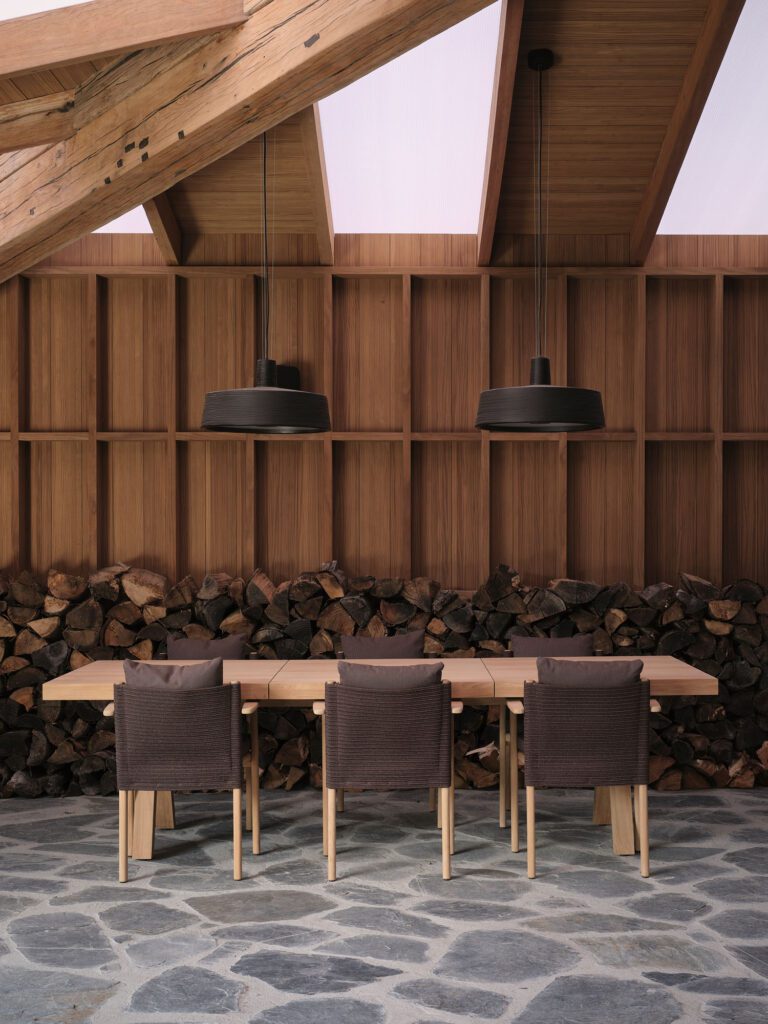
At its core is a material palette shaped by context. Abodo’s Vulcan Panelling (TG9 square edge profile) lines ceilings and walls, forming a continuous timber envelope that shifts in expression — at times textural and rustic, at others sleek and controlled.
This timber-lined interior softens the scale of the architecture, drawing occupants inward and creating warmth against the dramatic alpine setting. Around the central hearth — a sculptural stone drum anchoring both structure and social life — the timber glows, lending intimacy to expansive spaces.
Urban density, softened
Multi-Unit Home of the Year winner 161 West Tamaki explores how materiality can elevate density in residential architecture. Designed by Stevens Lawson Architects for Jalcon Homes, the project reimagines suburban housing through a carefully composed arrangement of five dwellings.
A rhythmic series of gabled forms — clad in charcoal brick — is articulated with Abodo timber across soffits, privacy screening, wing walls and garage doors. The contrast is deliberate, with timber introducing softness to balance the solidity of brick.
Abodo tempers the composition, bringing warmth and tactility to the street while mediating scale through deep, timber-lined eaves and carefully resolved detailing. The result is housing that feels generous, liveable and architecturally assured.
A coastal renewal
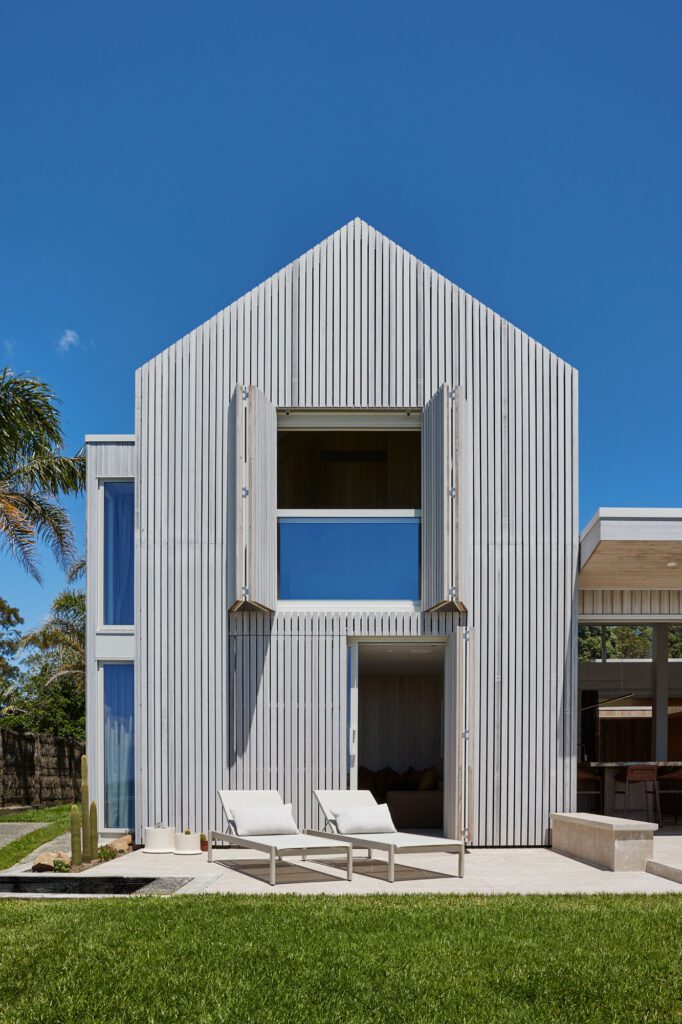
Just north of Auckland on the Whangaparāoa Peninsula, Alt and Reno Home of the Year winner Stanmore Bay by Jessop Architects has been carefully reworked to retain its easy seaside character.
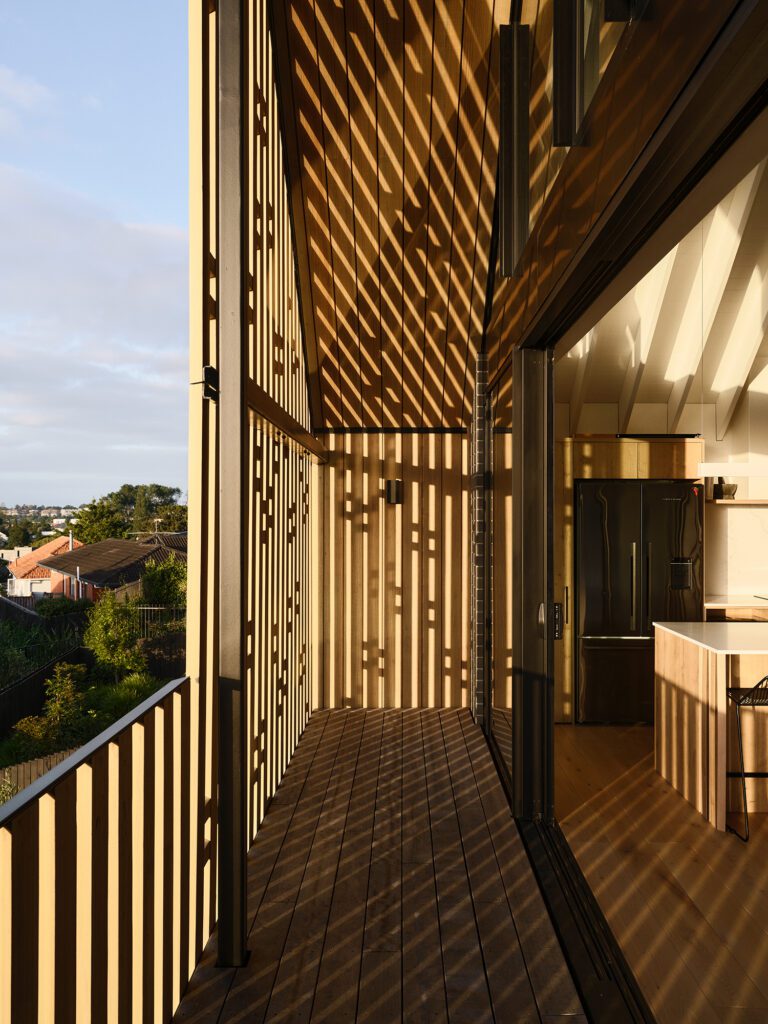
Here, Abodo timber plays a defining role. Vertical cladding establishes warmth and rhythm from the outset, paired with sandy-toned stone that draws you inward. The material palette is restrained yet expressive — grounded in texture, light and durability suited to the coastal environment.
The brief called for a contemporary update without ostentation. Interiors respond in soft whites and layered neutrals, with timber accents balancing the richness of stone elements. Above, a newly introduced pitched form — fully clad in Abodo — brings a subtle dynamism, with operable screens that allow the upper level to open to the coast or close protectively against it.
Crucially, the home’s social heart shifts outdoors. A covered terrace with a retractable roof, fireplace and kitchen becomes a year-round living space — connected visually to the horizon while offering shelter and privacy. Throughout, Abodo timber reinforces a sense of cohesion, warmth and lightness of touch.
A unifying thread
Across these projects, Abodo timber operates as a connector — aligning structure, materiality and atmosphere.
In Two Sheds, it anchors a bold rural narrative. In 161 West Tamaki, it softens density and introduces tactility. While in Stanmore Bay, it brings warmth and continuity to a sensitive coastal renewal.
Together, they reflect a broader trajectory in New Zealand architecture: one that favours materials capable of both performance and expression. Through precision engineering and a distinctly local sensibility, Abodo timber enables architecture that is not only enduring but deeply attuned to its context, while protecting what matters.