

Multi-Unit Home of the Year 2026

There is a certain composure to the work of Stevens Lawson Architects — an ongoing dialogue of ideas that seems to flow between projects. Here, on a ridgeline at the meeting point of Auckland suburbs Glen Innes and Glendowie, that conversation finds expression in an unexpected setting.

That this project emerged from a collaboration between architect and developer is perhaps precisely what makes it so compelling. By their very nature, multi-residential developments are not always places in which architectural integrity is prioritised. Yet, in this instance, a partnership with Jalcon Homes has produced something beautifully considered; a project that hints at a more optimistic trajectory for Auckland’s evolving suburban density. 

The site in question was particularly interesting from an architectural perspective. 

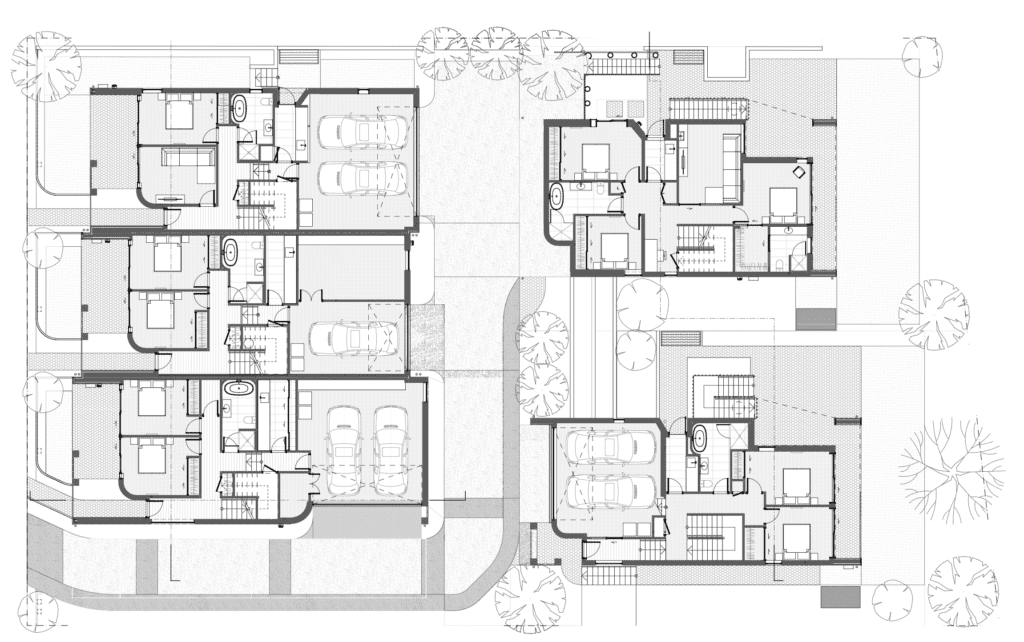
The development includes three terraced homes to the street, and two stand-alone homes at the rear of the site.

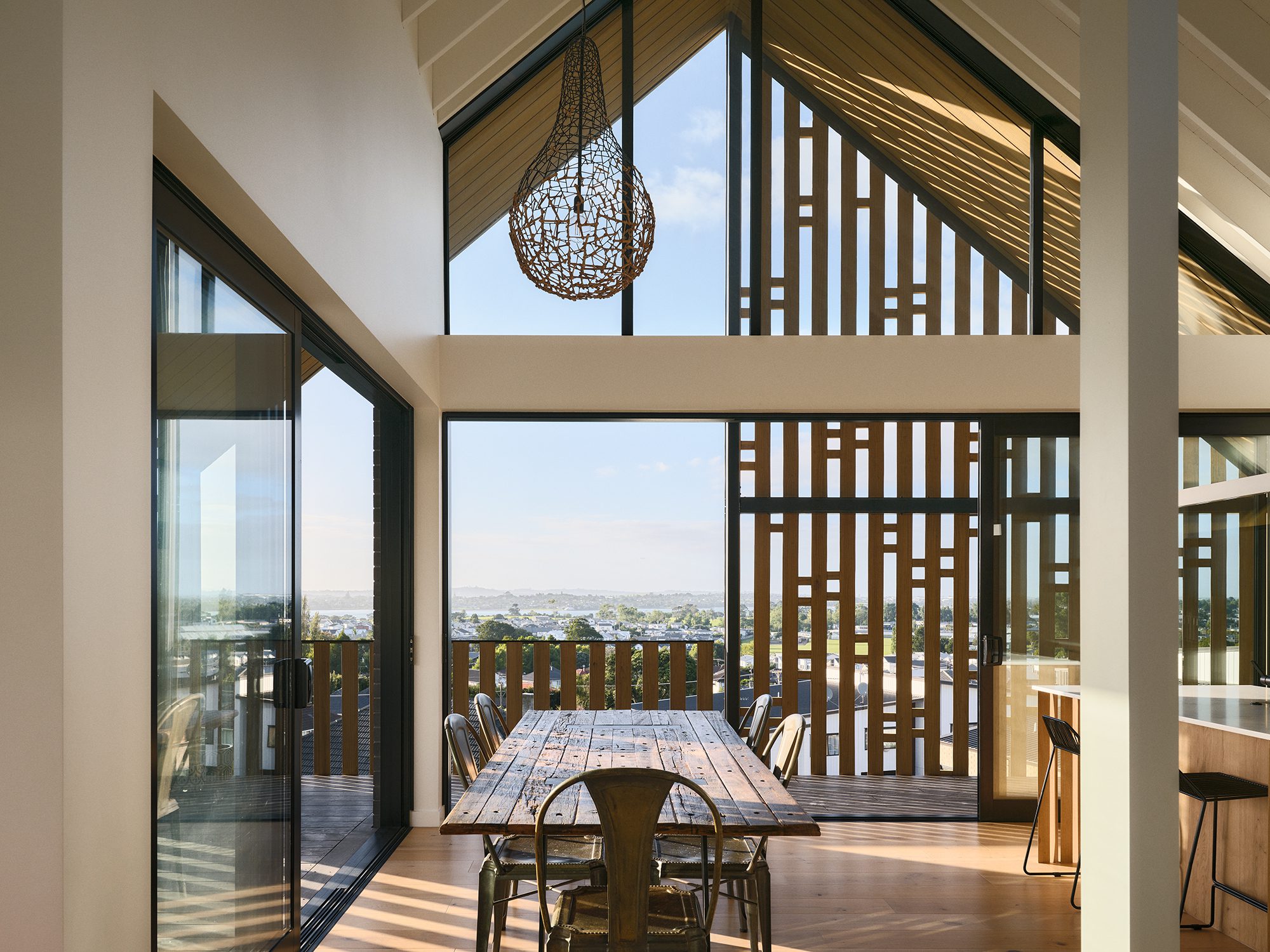
“It was a beautiful proposition to design for because it is elevated, has a fantastic north-facing sun aspect, and has brilliant views out over East Auckland. However, because the sun is in one direction and the views are in the other, a site like this demands quite a lot of you,” architect Gary Lawson explains.

The response was a carefully composed arrangement of five homes — three terraced and two stand-alone dwellings — organised around a central laneway. The two free-standing houses positioned at the rear of the site capture the most expansive views, while their placement allows the street-facing terraces to borrow glimpses of the outlook beyond.

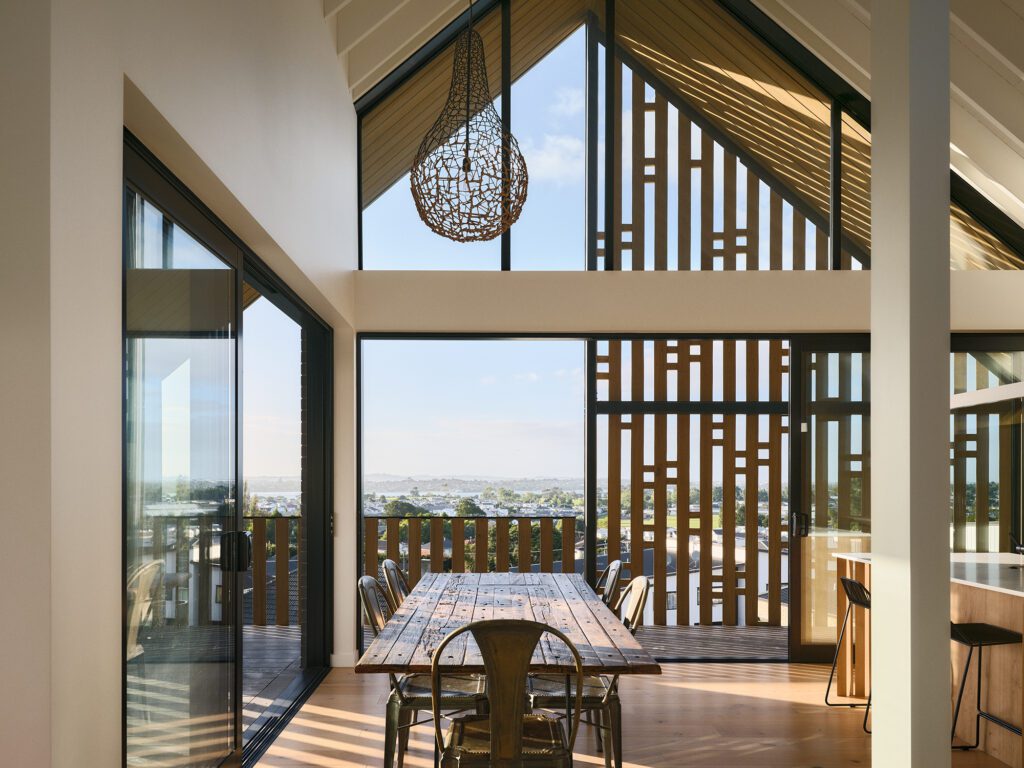
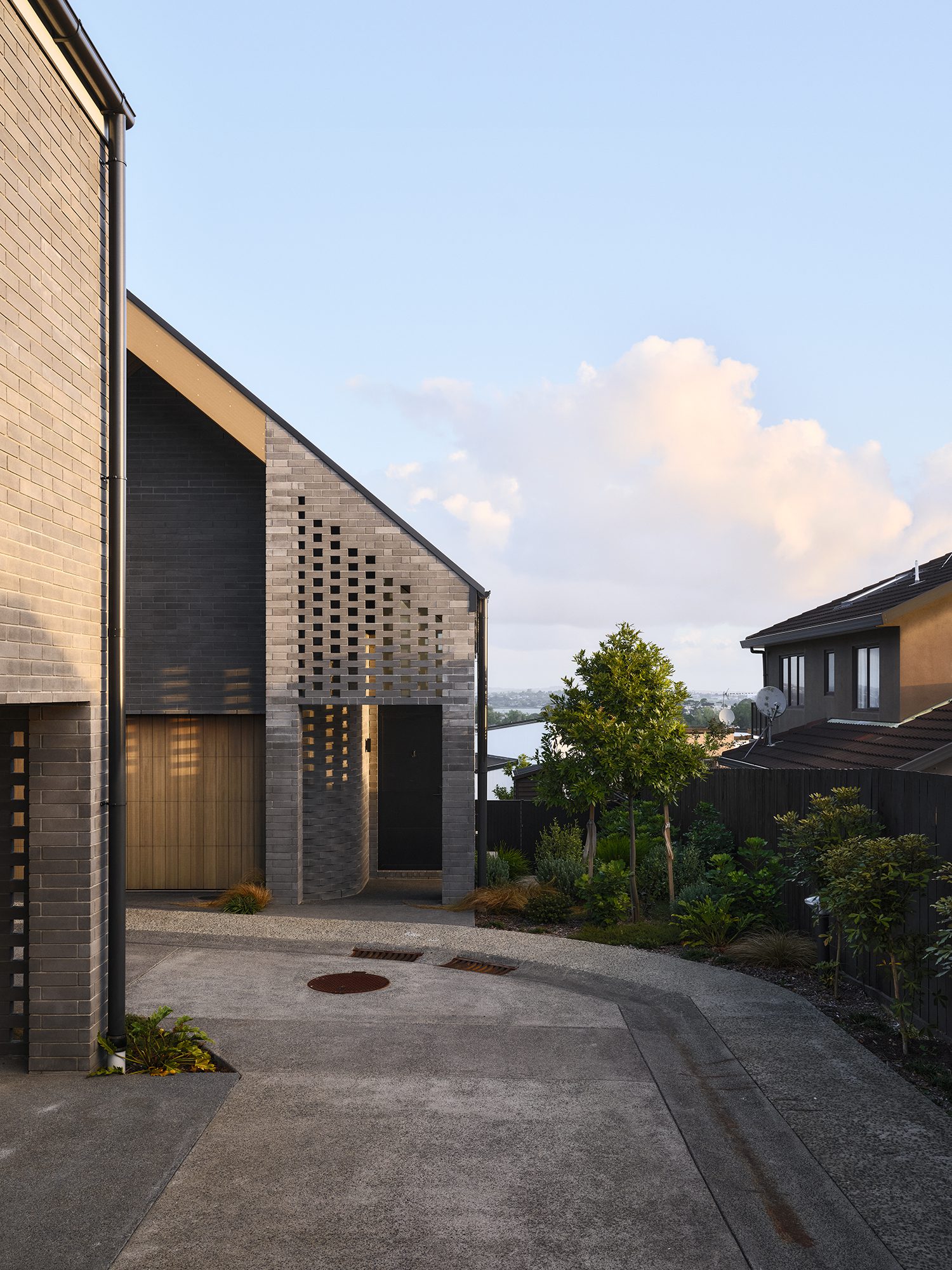
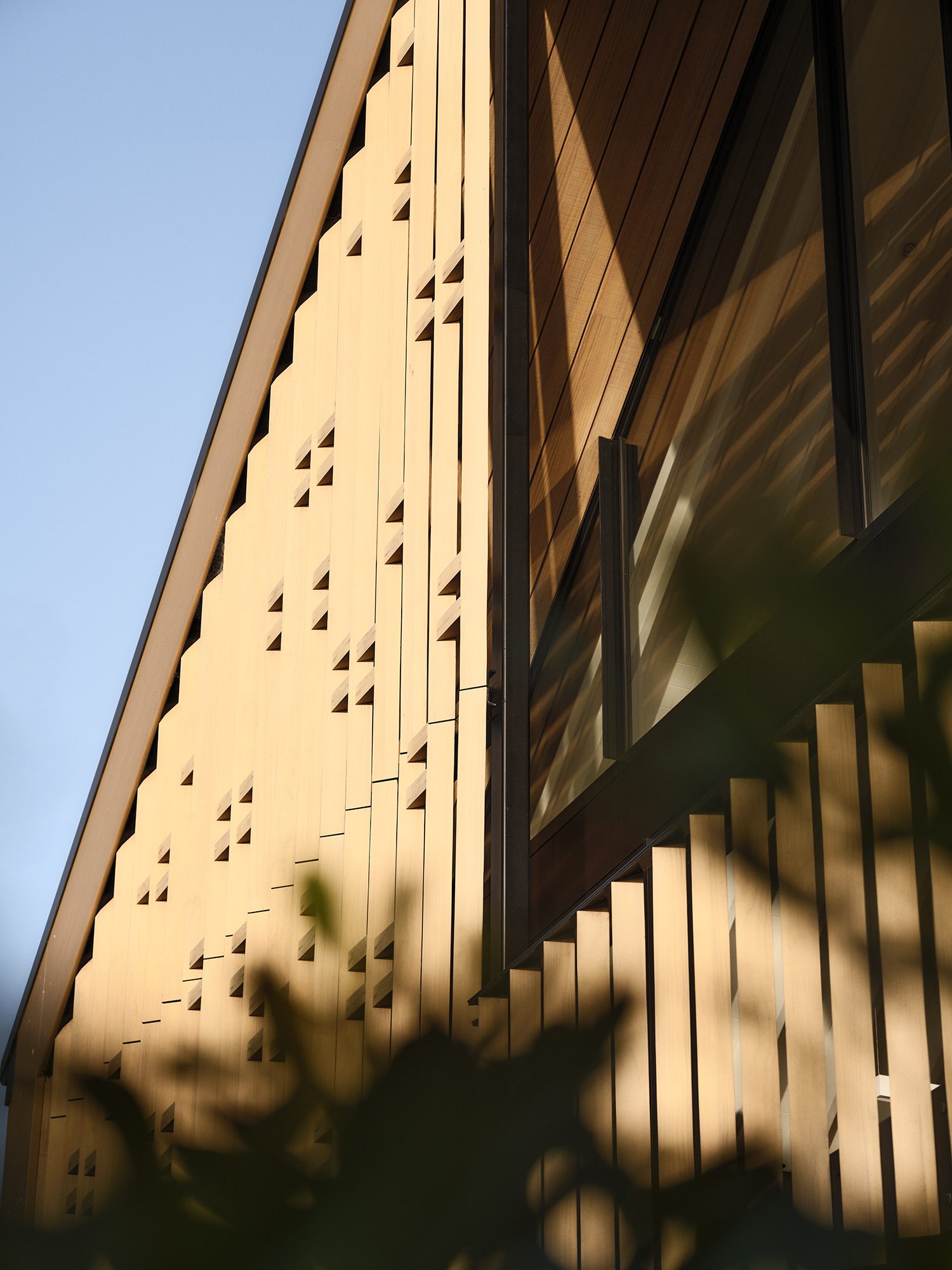
In contrast to the perforated brick screens of the terraced houses, these homes have lighter, timber screens that still provide privacy but allow for the views to be the focus.

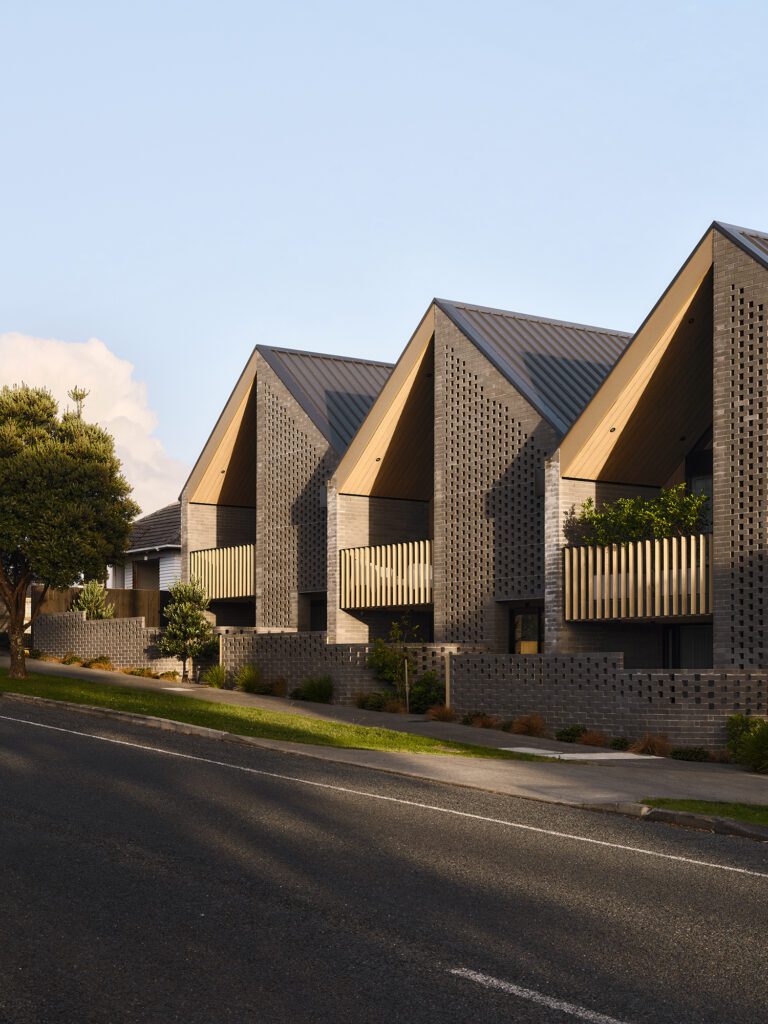
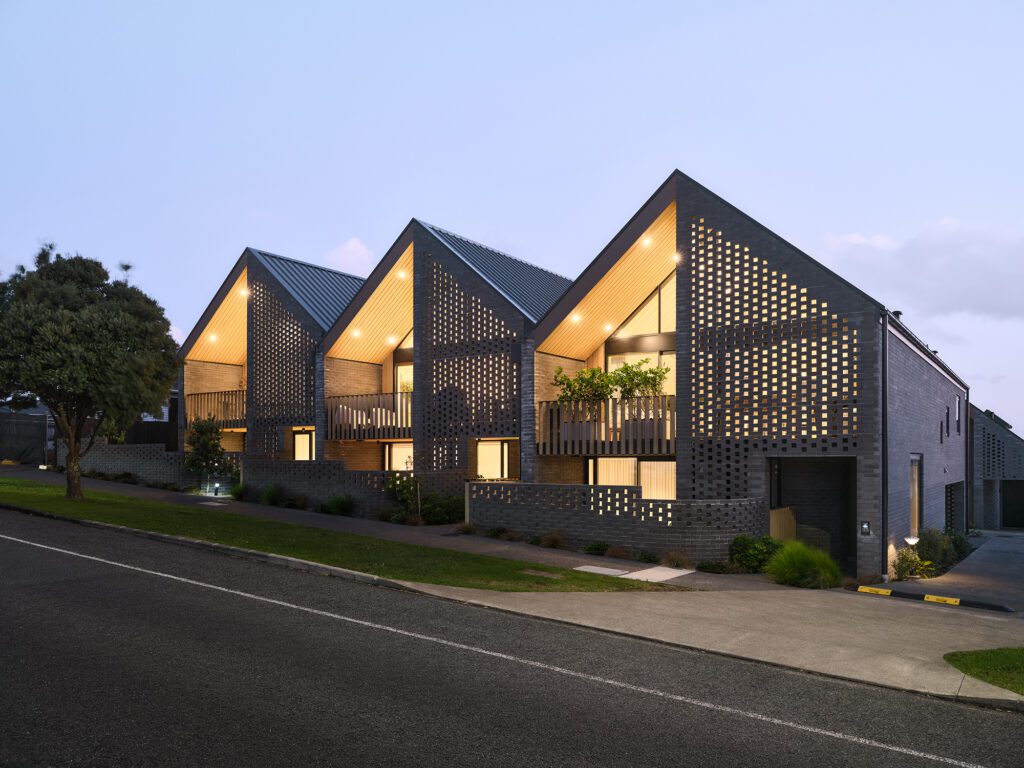
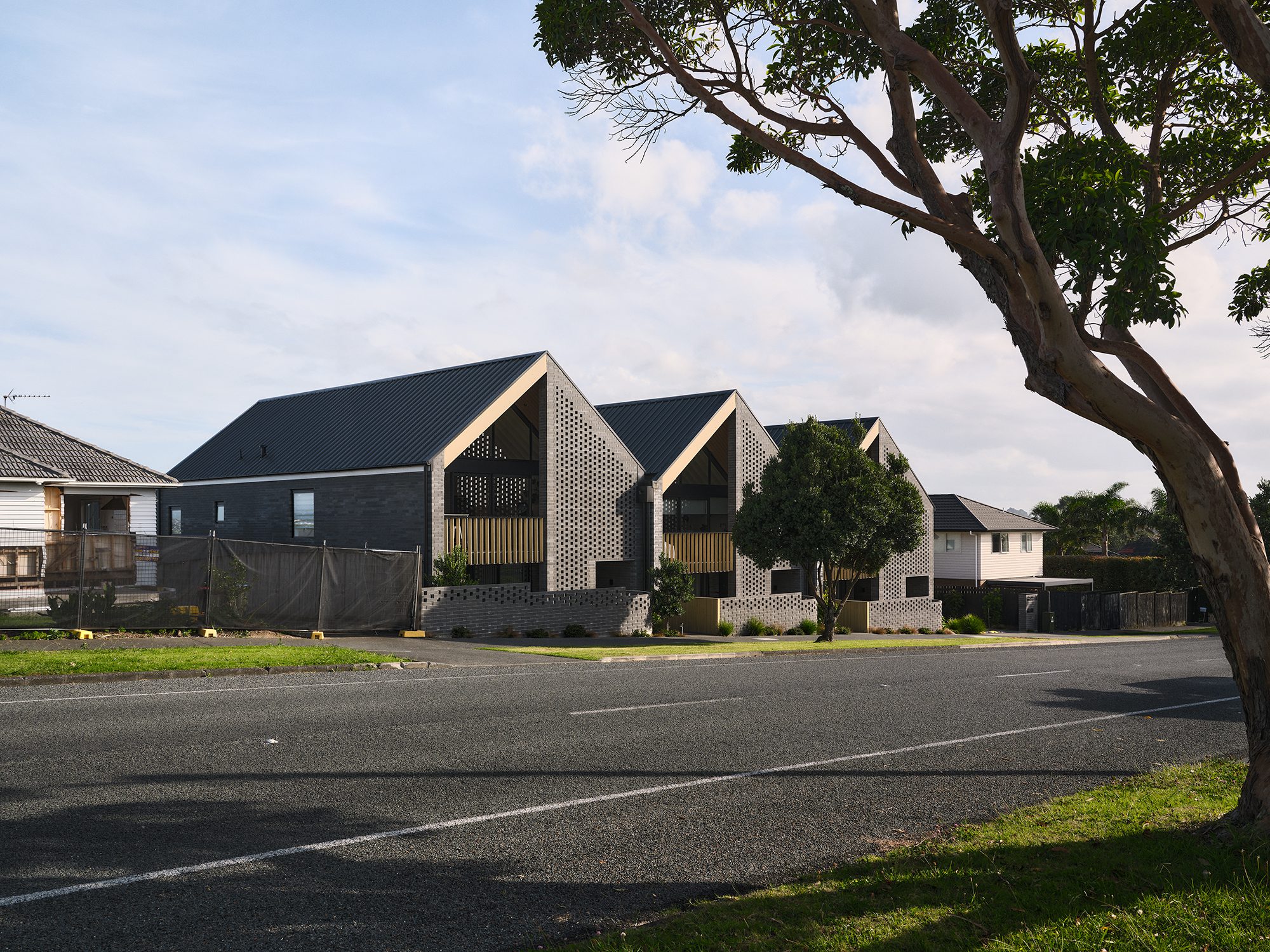
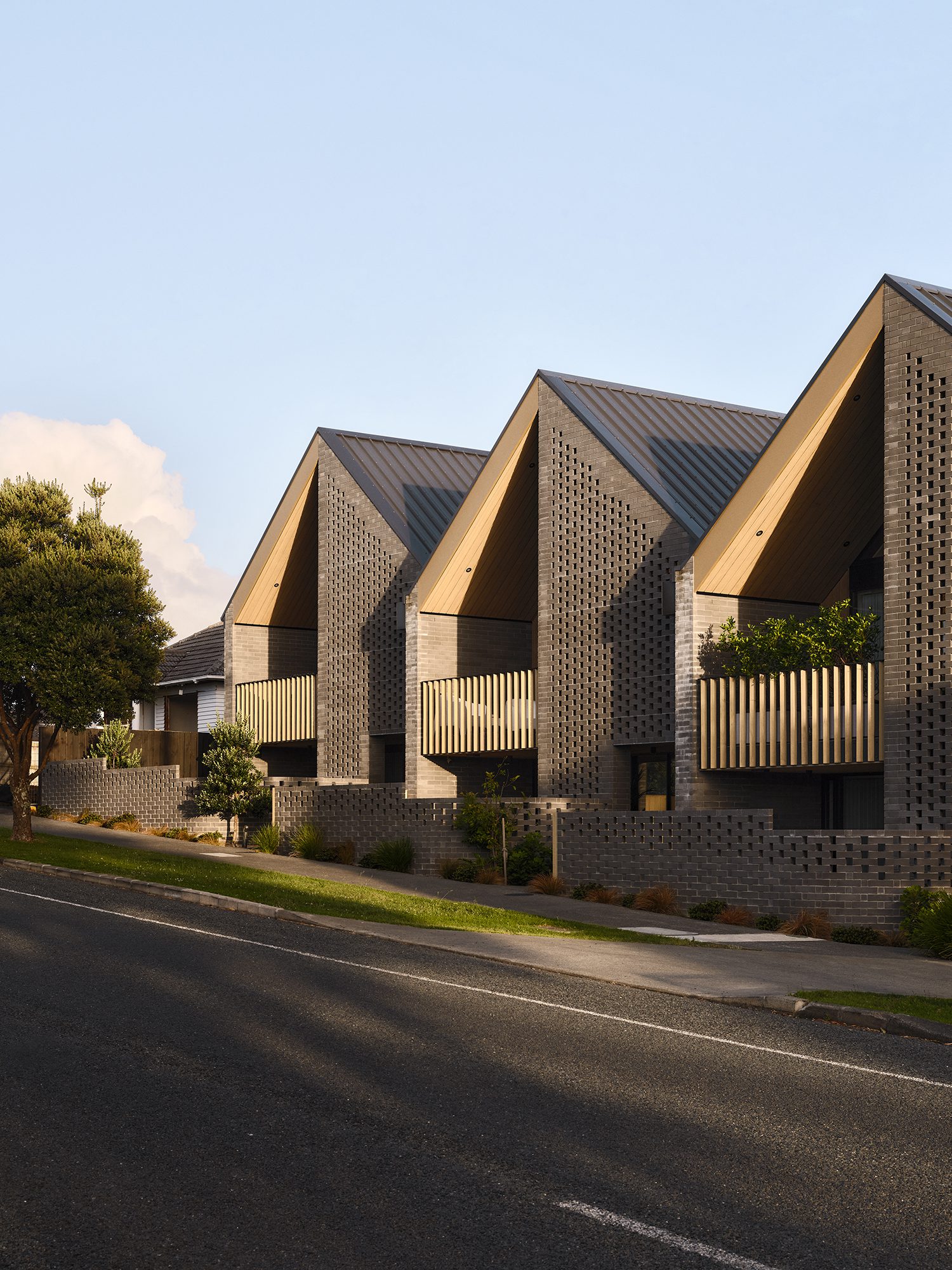
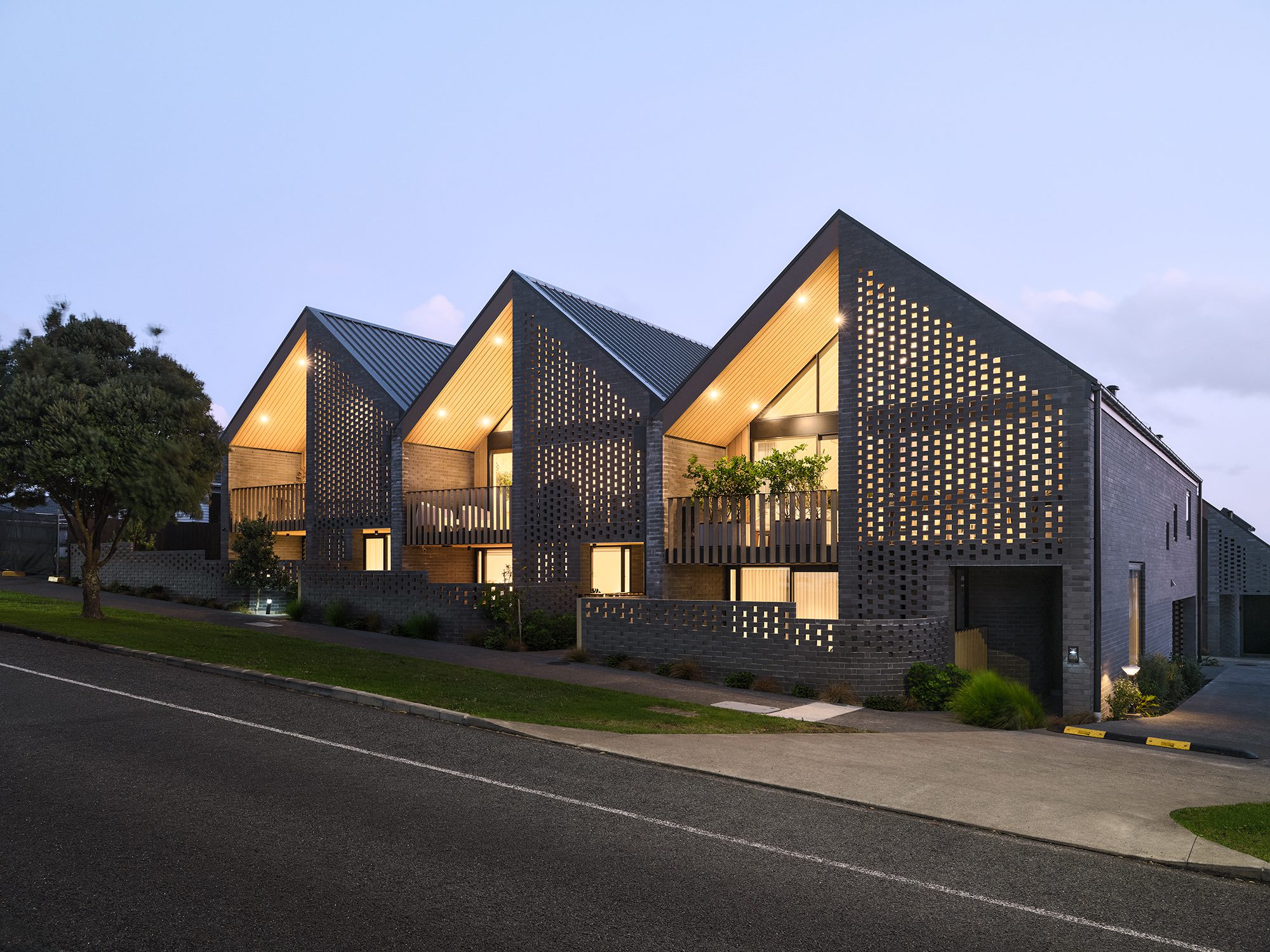
The row of terraces is rhythmic in its simplicity: three identical gabled forms composed of charcoal brick and timber. 

“The materials we’ve built these houses with are familiar to the neighbourhood. The surrounding houses often have pitched roofs and are commonly constructed with brick or timber, so this combination sits quite naturally in the neighbourhood.

The two stand-alone homes at the rear of the site make the most of expansive views across Auckland.

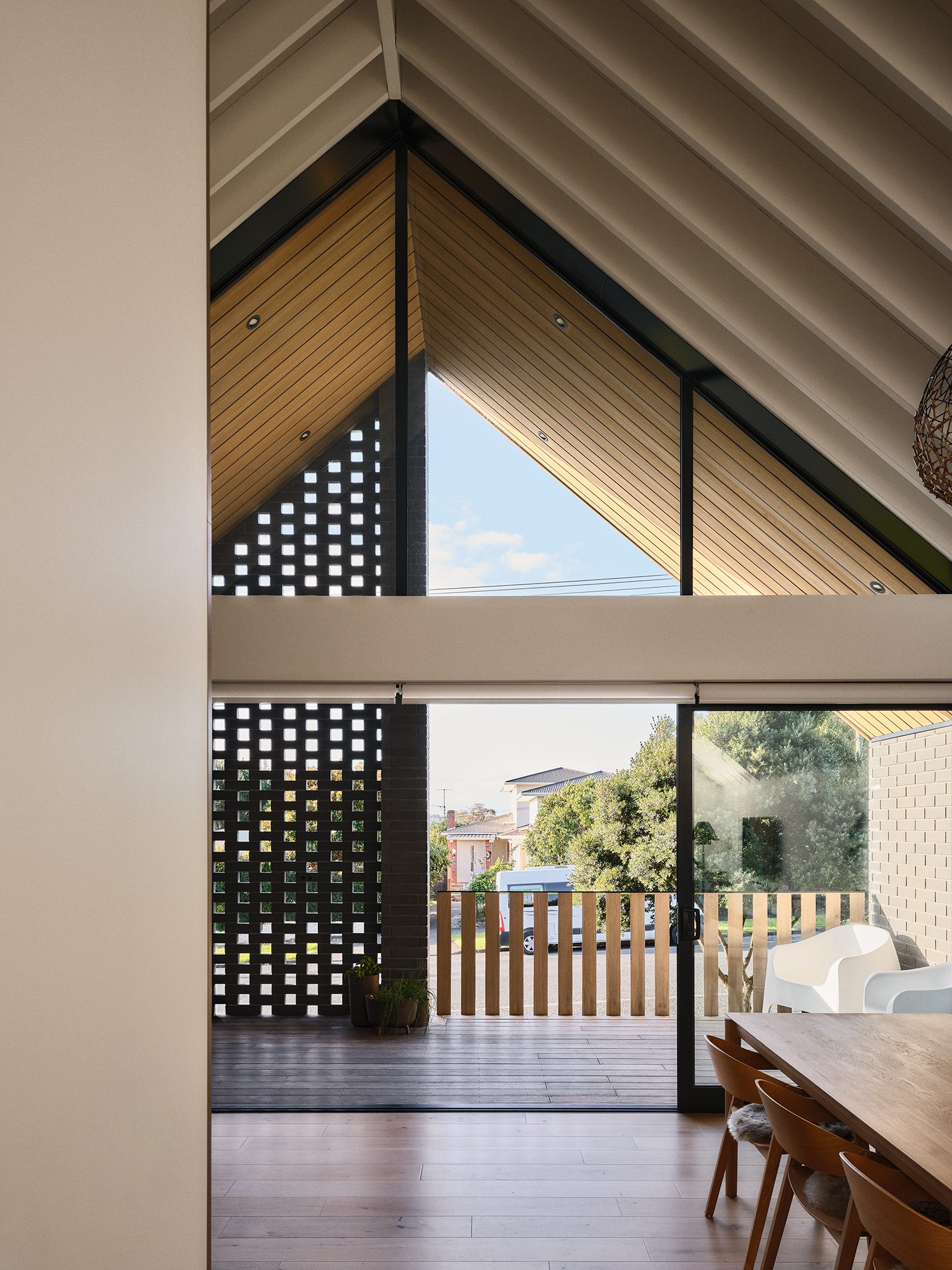
“The simple pitched roof forms are a favourite of ours. They are an iconic house form but, set in a group of three, they feel quite strong and self-assured. Teasing apart the brick to create screening, they make for quite a dynamic street frontage.”

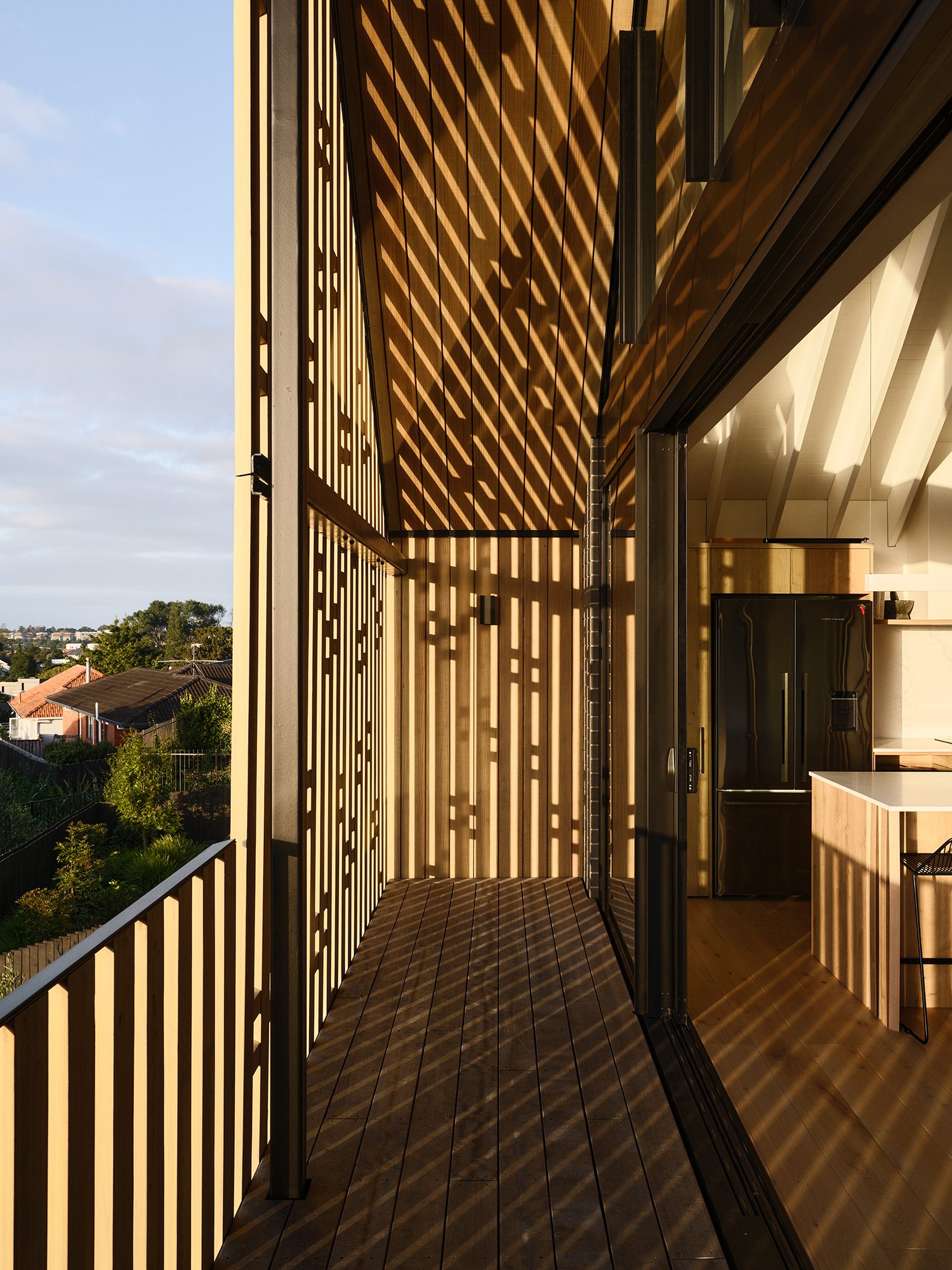
Those perforated brick screens, covering half of each boatshed-like form, carefully mediate two situations — offering connection with the community, or the ability to retreat from it when desired. Behind them, floor-to-ceiling glazing extends the living spaces outwards, where deep balconies are sheltered beneath the eaves.

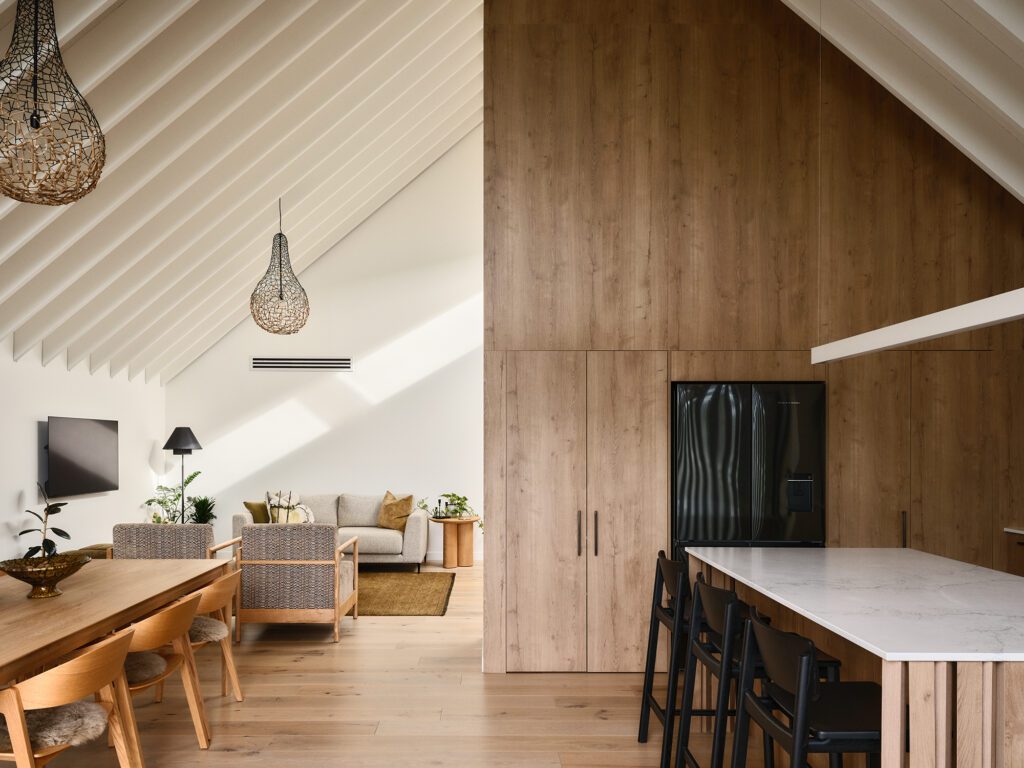
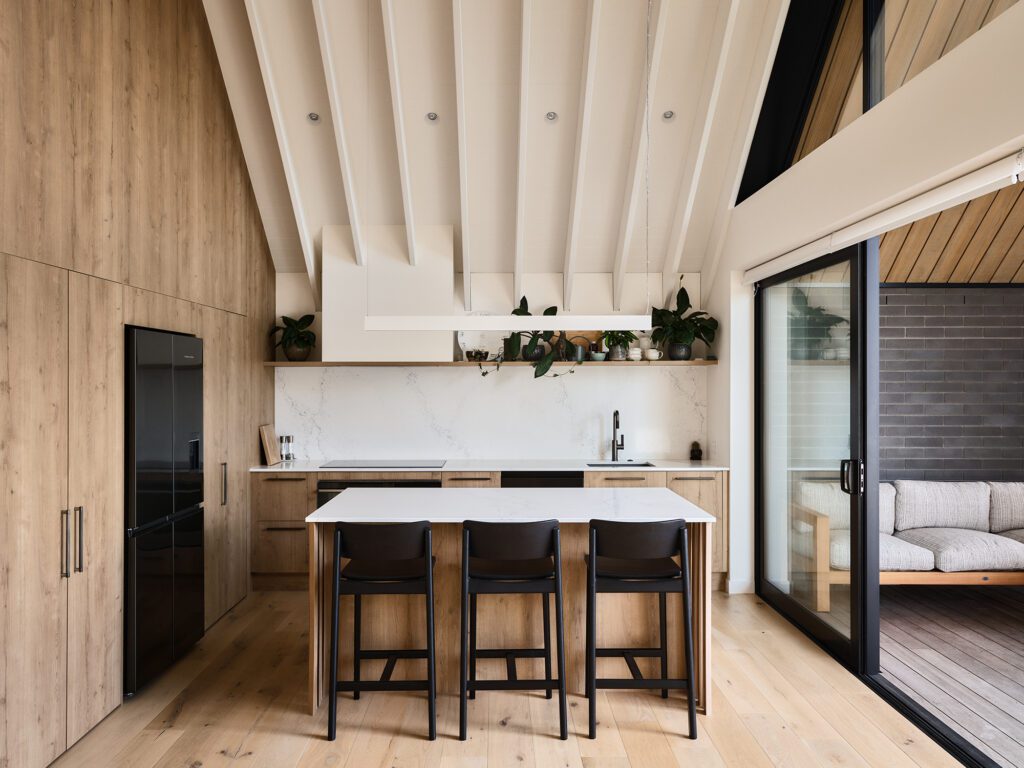
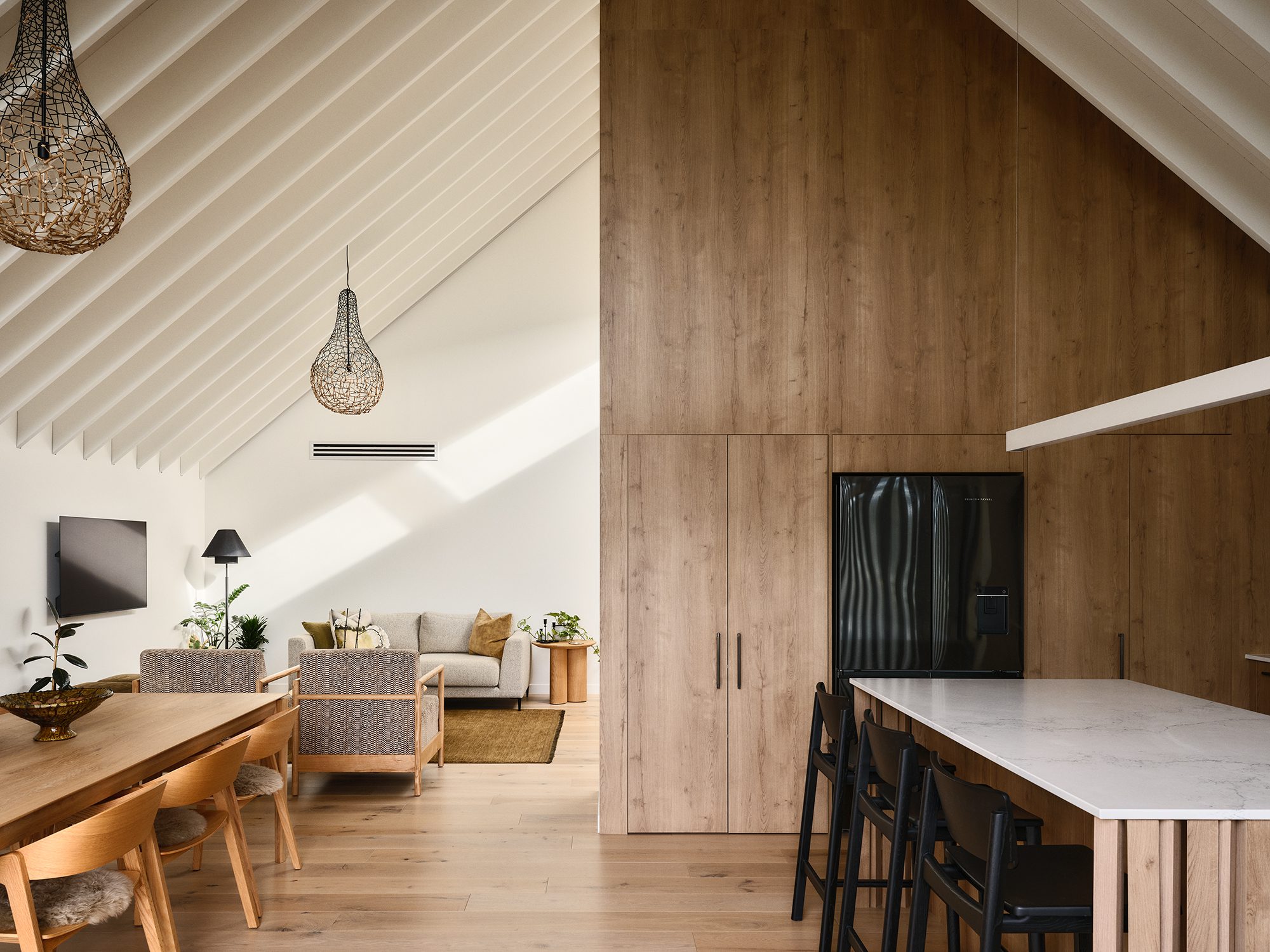
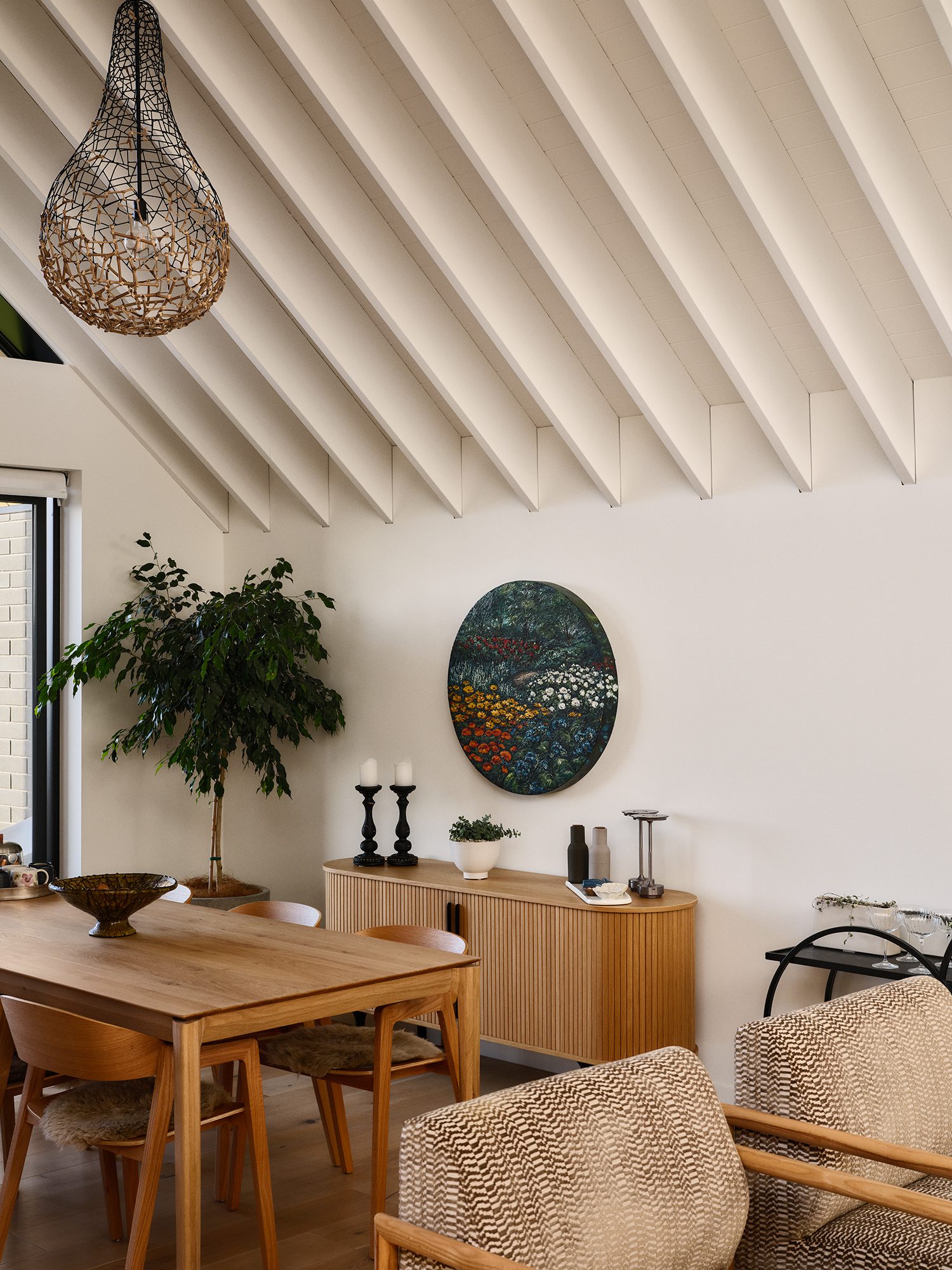
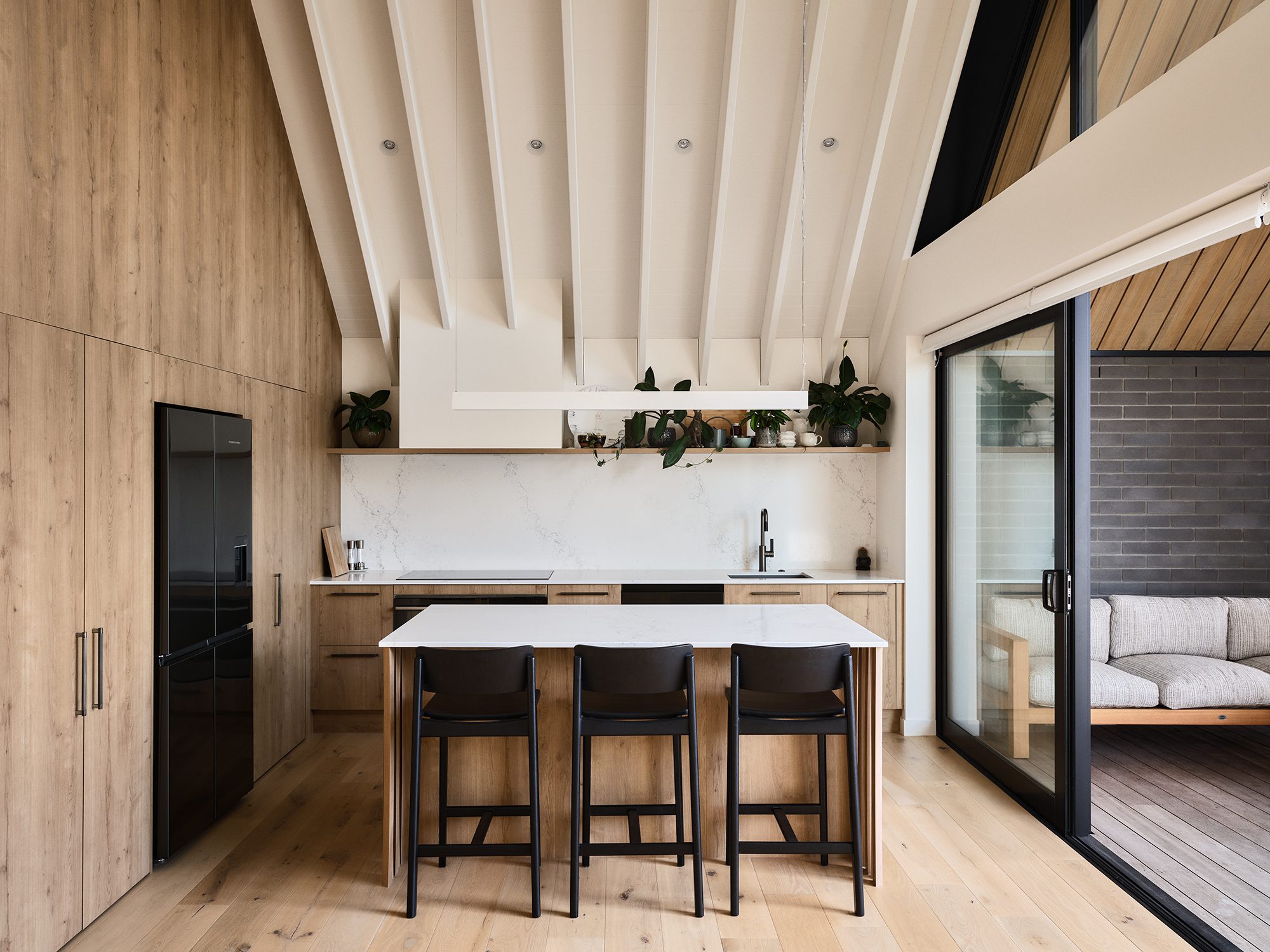
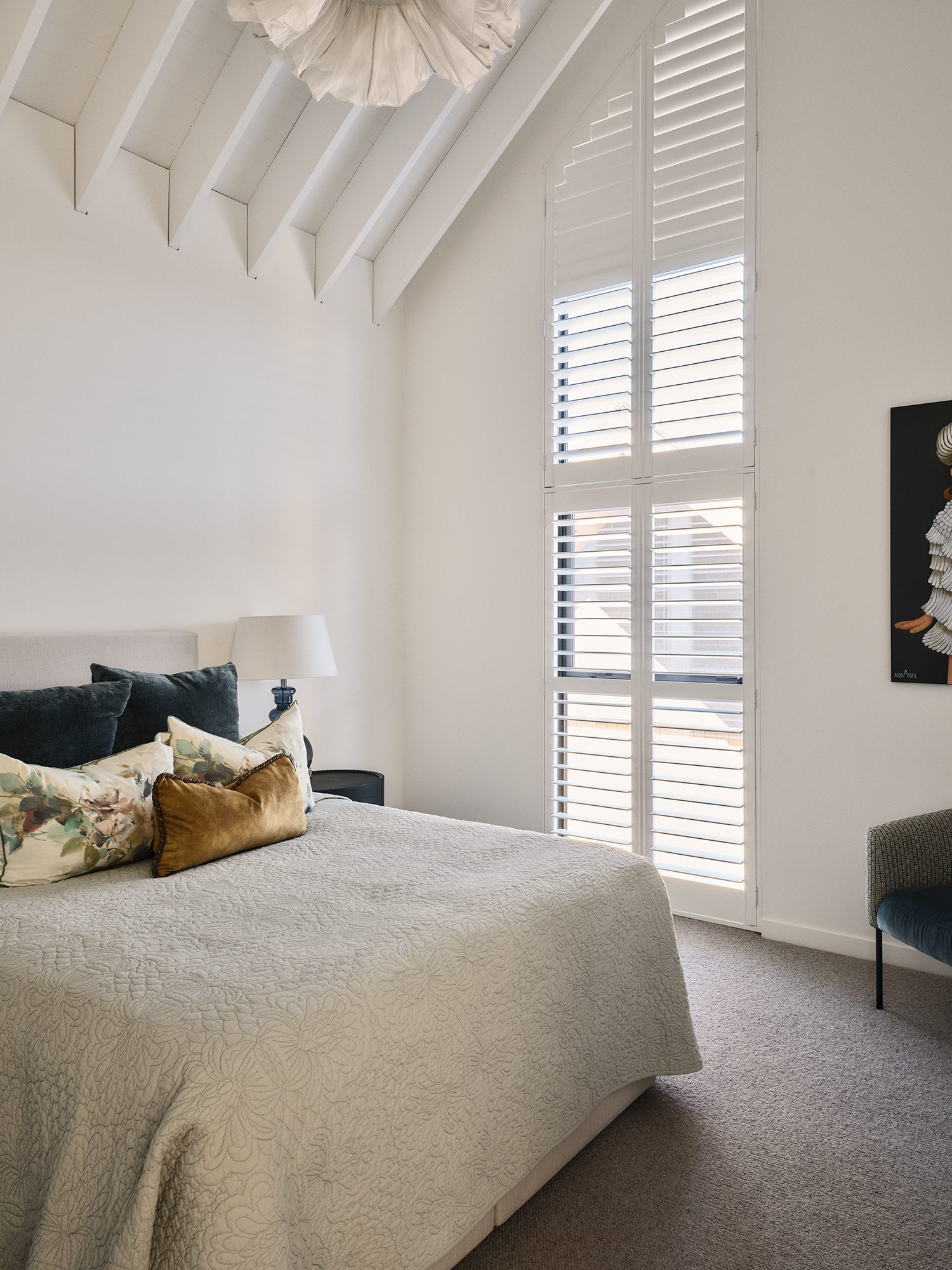
Exposed rafters and a restrained material palette lend a lofty, voluminous appeal.

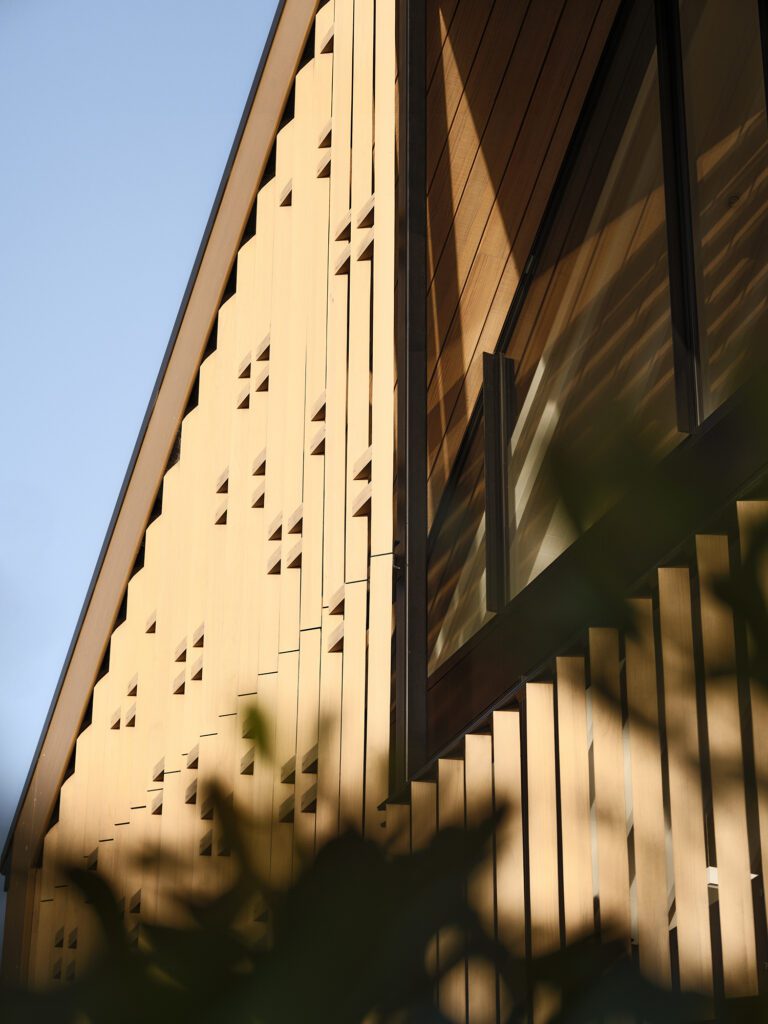
“To contrast the strength of the brick, we’ve used Abodo timber to soften the forms — two materials quite different in what they reveal. One is perceptually quite hard while timber has a warmth to it. They work beautifully together in contrast,” Gary explains.

There is a familiar language at play here. A hint of Stevens Lawson’s earlier work can be felt in the composition — echoes of the dramatic material interplay of Rawene House (2018), and the sculptural clarity of Mawhiti (2021). Here, those ideas are distilled and translated into a multi-residential context; architecture that feels both generous and assured. 

Deep balconies are softened with the use of Abodo timber — a strong juxtaposition to the perceived solidity of brick.

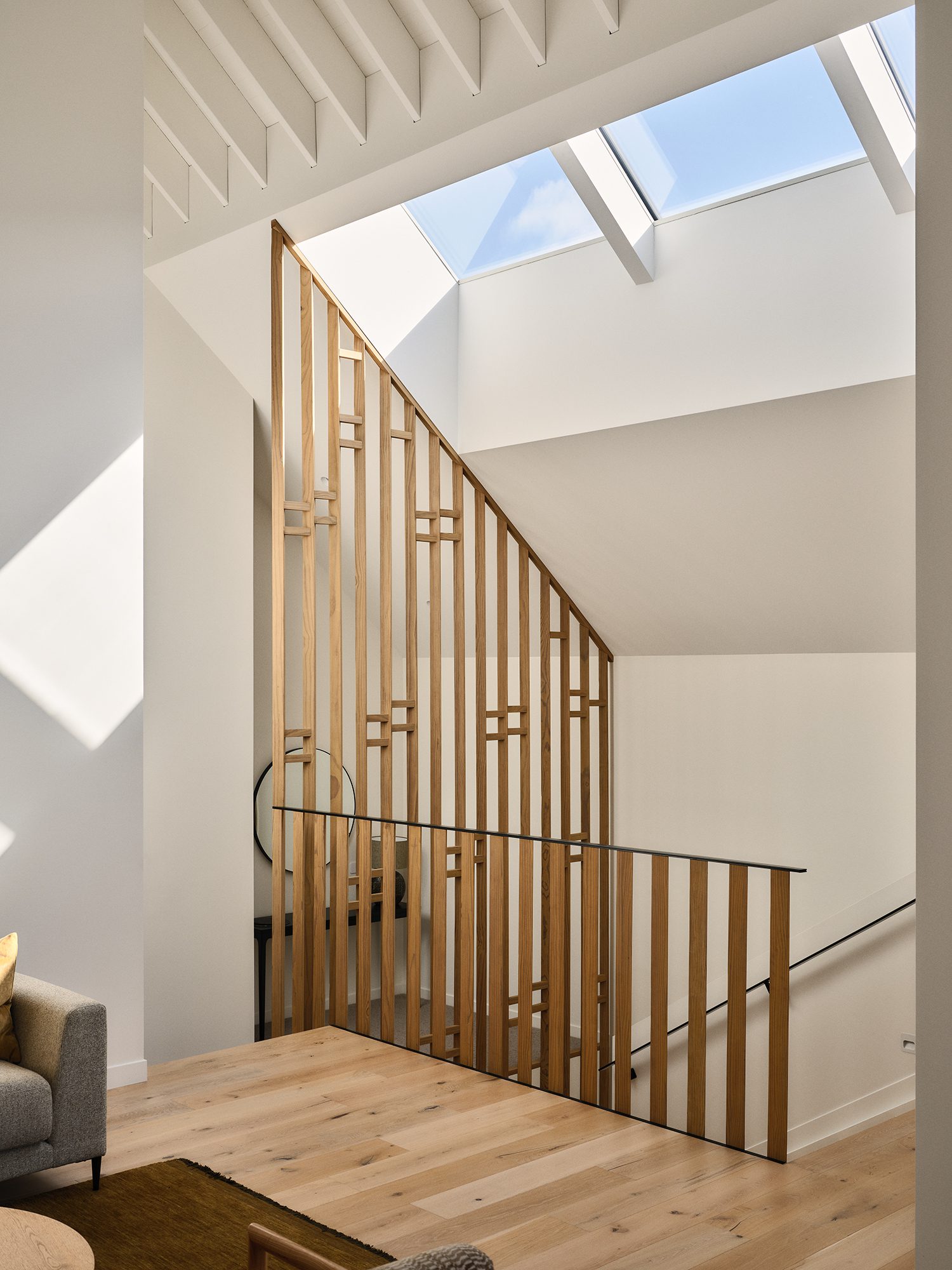
Inside, that distillation continues. The triangular geometry of the exterior is repeated in various ways. 

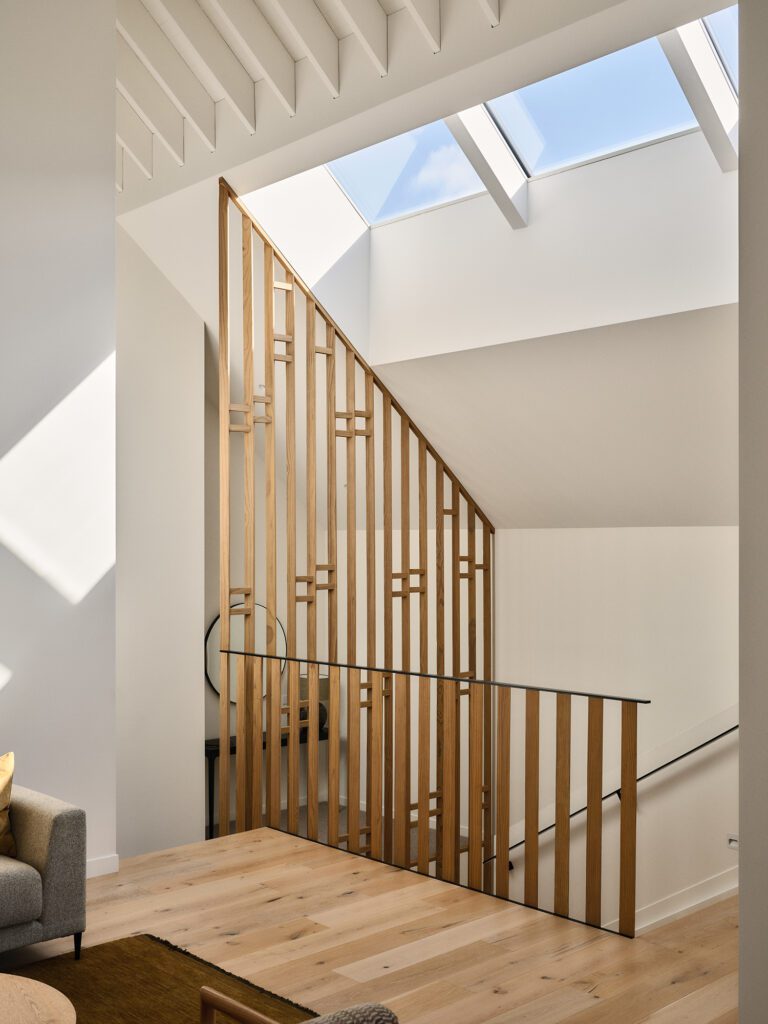
“This is a hallmark of our work; the macro idea being distilled down to the micro, so we have this motif repeating in elements such as the stair screen, the ends of the kitchen island.” 

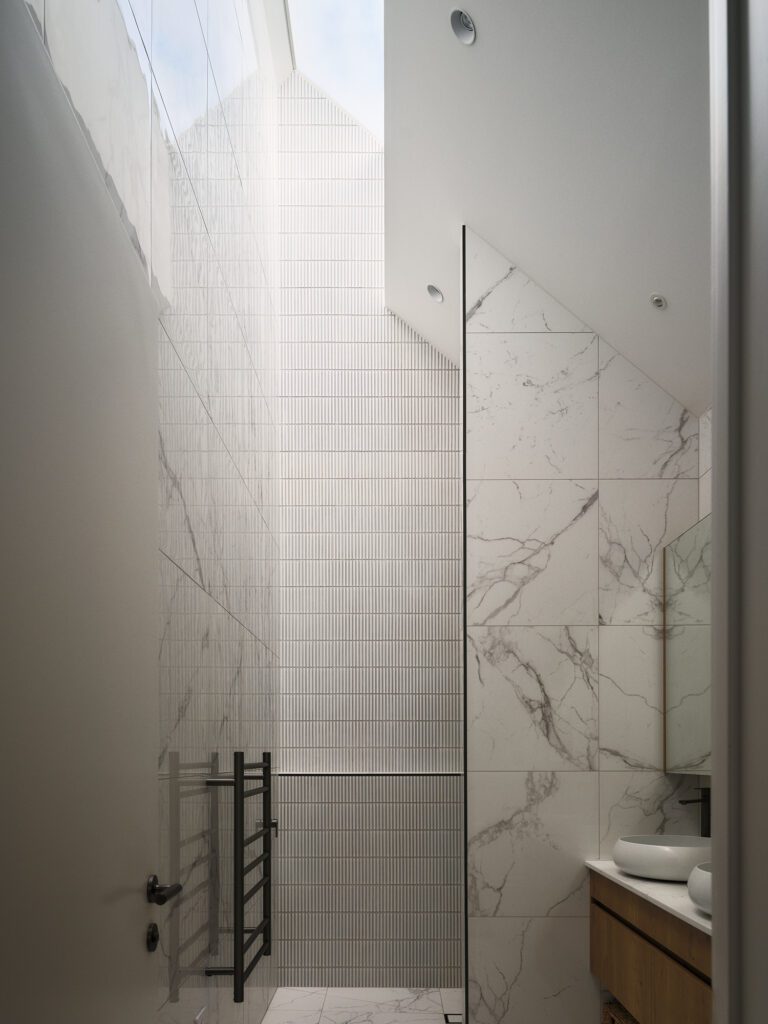
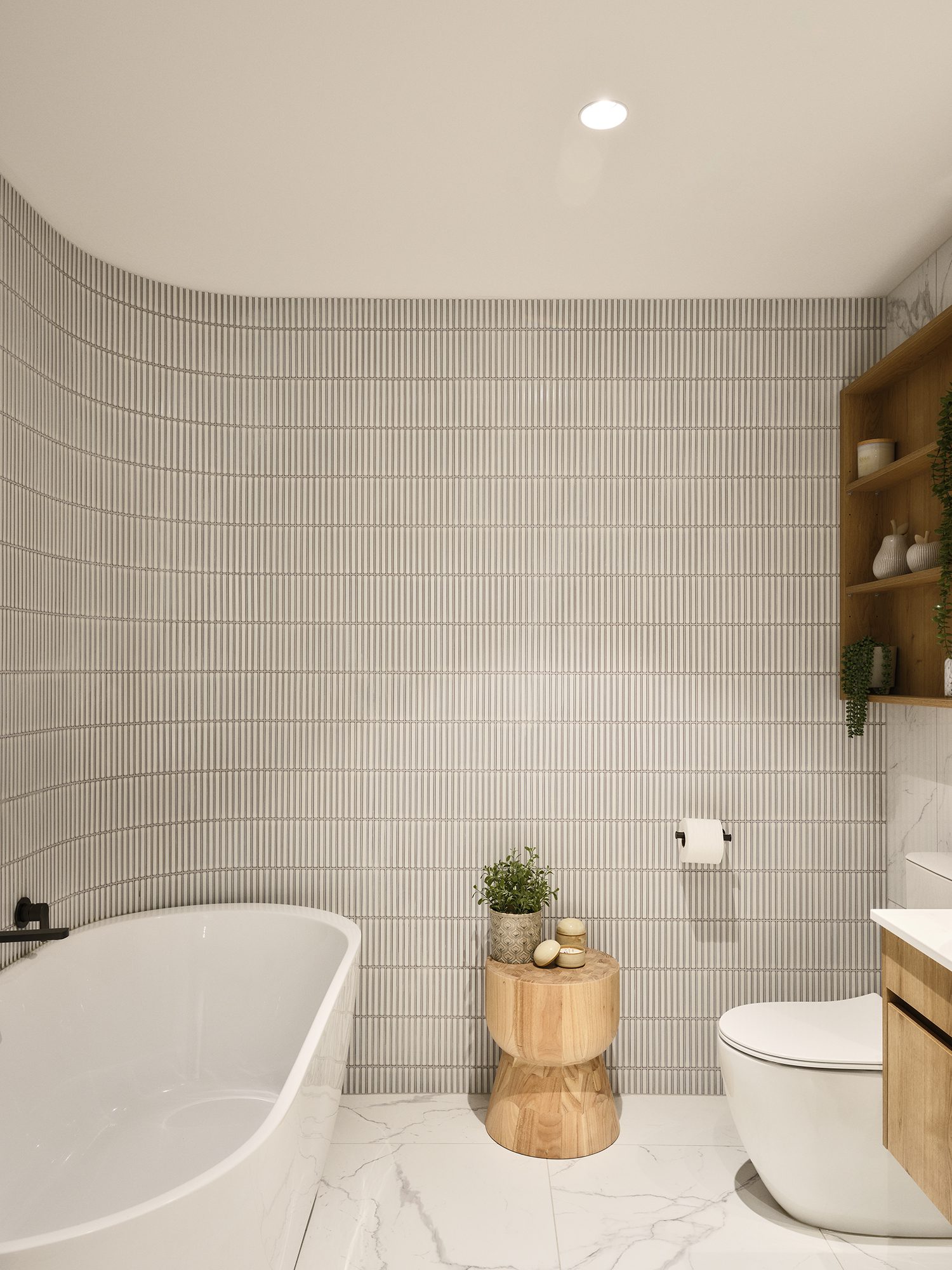
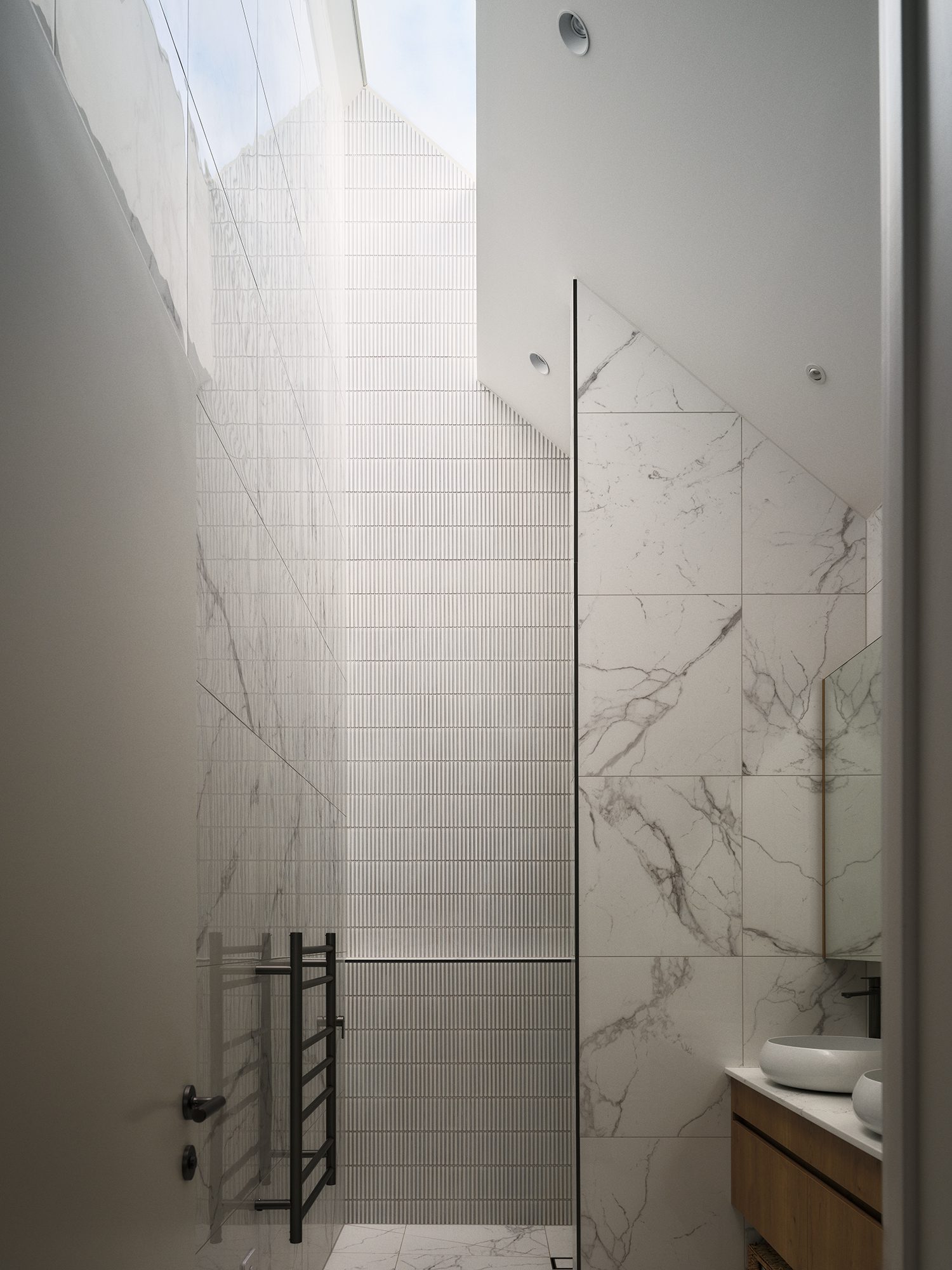
The use of skylights in bathrooms and above stairwells ensures a sense of generosity in these interiors, and draws light deep into the centre of each home.

These details, combined with other moves, such as the expression of the rafters and the use of skylights, create spaces that feel particularly characterful — with light a key protagonist. 

“Jalcon Homes wanted these homes to be architectural, so one of the big expressions of that is the interior spaces, which are lofty and generous — unusual in a developer-led market,” Gary says. “We love introducing light in surprising ways: skylights in stairwells and in bathrooms, and interesting windows. Here, that play of light has the effect of adding another dimension to the experience, and making the interior spaces feel quite special — with a real point of difference to a lot of terraced product.”

The use of timber and brick and the pitched roof forms create a sense of familiarity with the surrounding homes — predominantly constructed with similar materials.

With simple forms and a restrained material palette, the architects have achieved a balance between individuality and cohesion. Each home has its own nuances, yet together they form a beautifully composed set. 

“In terms of an approach to multi-unit projects, we have designed five houses for a site where once there were only two. The density doesn’t feel stifling, so, to us, it’s an example of how Auckland can develop over the coming years, with houses that have an architectural quality, at a level that is repeatable.” Gary observes.

In a city continuing to grapple with the realities of intensification, these homes offer a persuasive reminder: thoughtful architecture has the power to shape not only buildings but also the character of the neighbourhoods around them.

Words Clare Chapman
Images Zico O’Neill-Rutene

Judges’ Citation

A persuasive example that multi-units do not have to equate to homogeneity. Through thoughtful planning at both urban and domestic scales, this development creates not only a collection of slightly different houses but a genuine sense of community. 

Bold roof forms and carefully articulated masonry give the buildings a confident presence, while generous glazing, skylit stairwells, and elevated living spaces bring light and drama rarely seen in this category. 

Ambitious in its quality and spatial richness, the project demonstrates that increased density in a growing city need not come at the expense of architectural generosity.

Project Credits

Architecture: Stevens Lawson Architects 
Build: Jalcon Homes 
Landscape: Strachan Group Landscape Architects
Words: Clare Chapman
Images: Zico O’Neill-Rutene
Timber: Abodo

Latest video features

In the Coromandel, a home with a humble profile and a thoughtful design makes the most of a stunning location.

Built with awe-inspiring attention to detail, this Arrowtown home is a fresh interpretation of a familiar Otago rural vernacular.

This sculptural Northland bach is a perfect north arrow on a remote farm high above the sea.

With the sun on its bow and the community at its stern, this is a house in which the elements are always front of mind.

Trending articles

Design News

From Art to Object

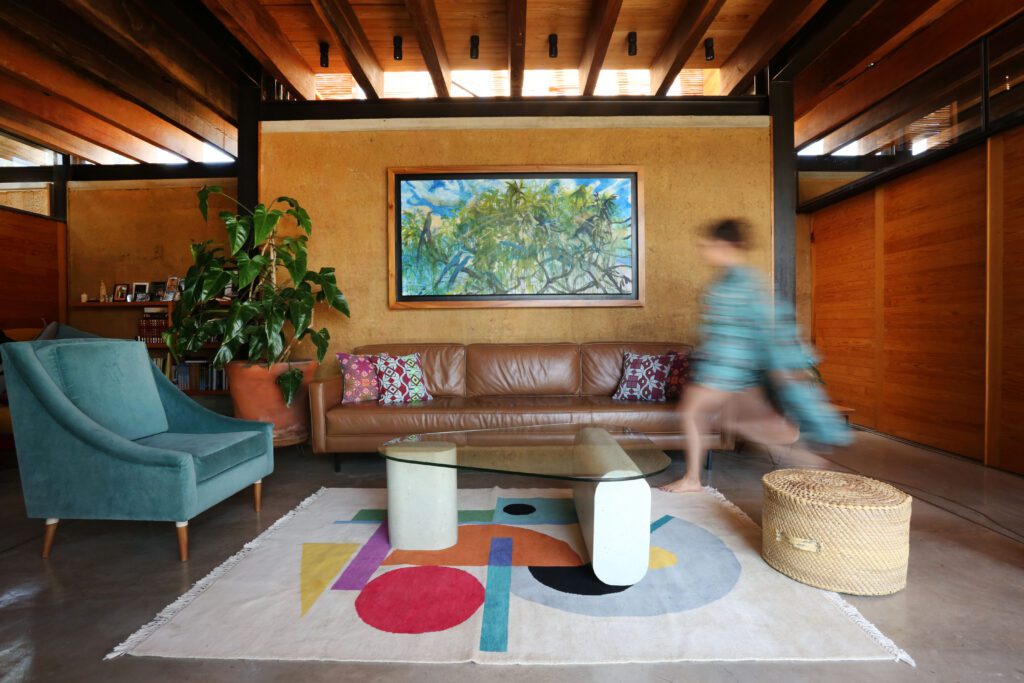
Two sisters — a creative director and an artist — have launched a new studio, bringing painterly abstraction into the tactile realm, with handwoven rugs
Architecture For Sale

The Crescent

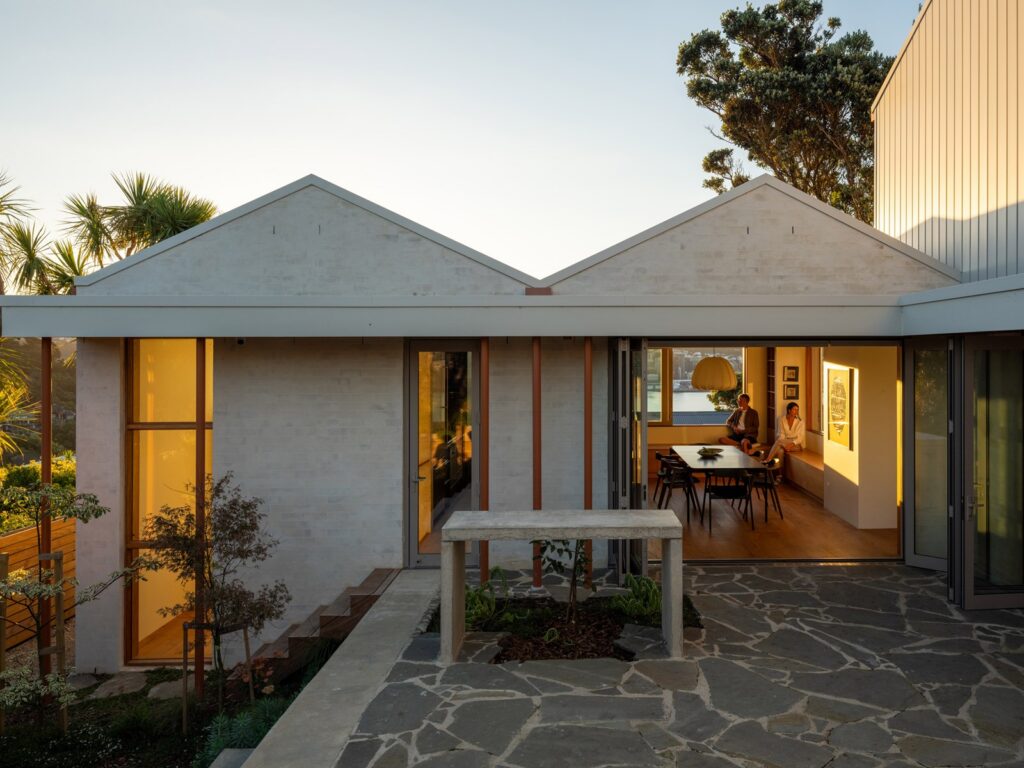
An award-winning Roseneath home, now for sale, unfolds across five levels — where crafted materiality and calibrated views shape a composed, enduring response to the
Homes

Modernist Bunker Residence

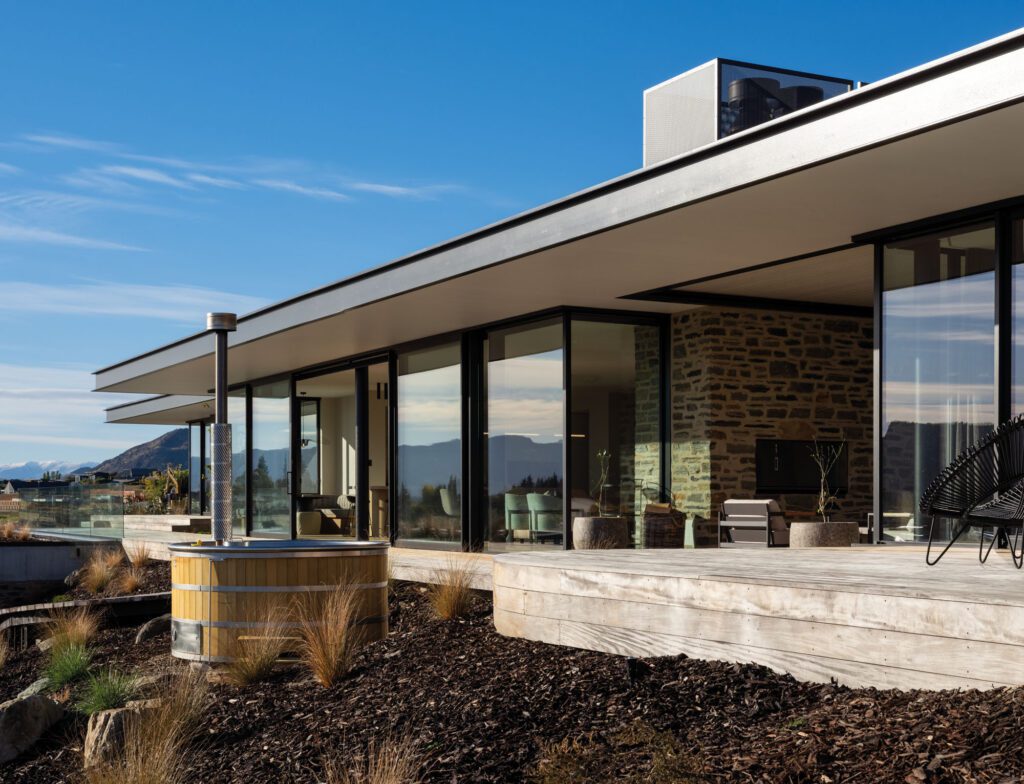
A low-slung, linear form recessed into the foothills of the Southern Alps. A semi-subterranean minor dwelling, and a family home that creates a strong and
Design News

Social Gallery: Home of the Year 2026

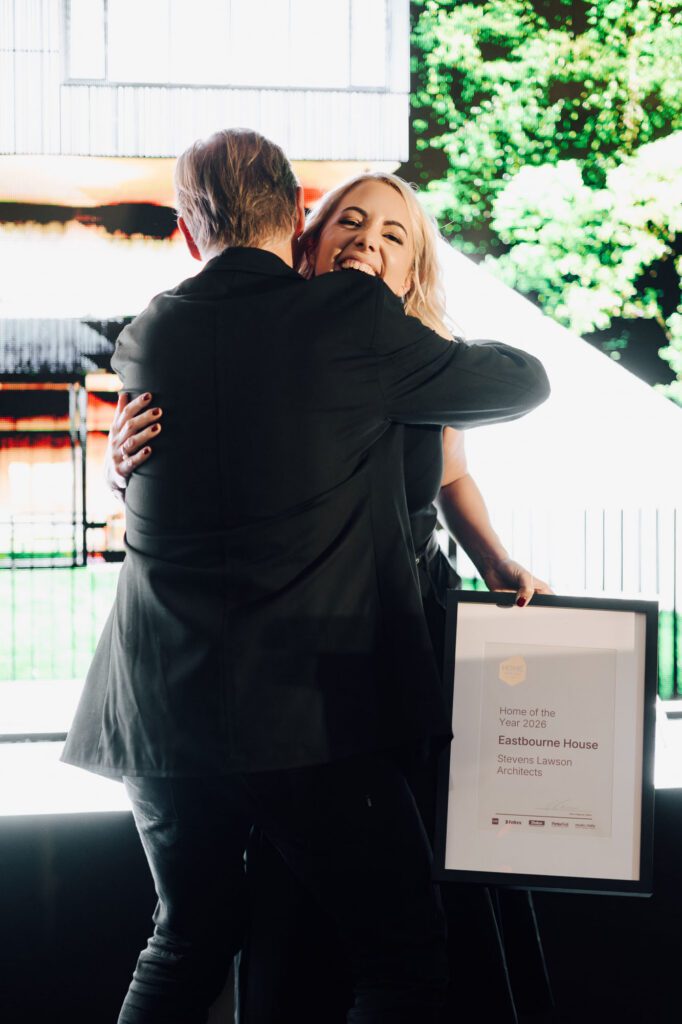
More than 200 architects, designers, suppliers and homeowners gathered in Auckland to celebrate this year’s Home of the Year — an evening that brought together