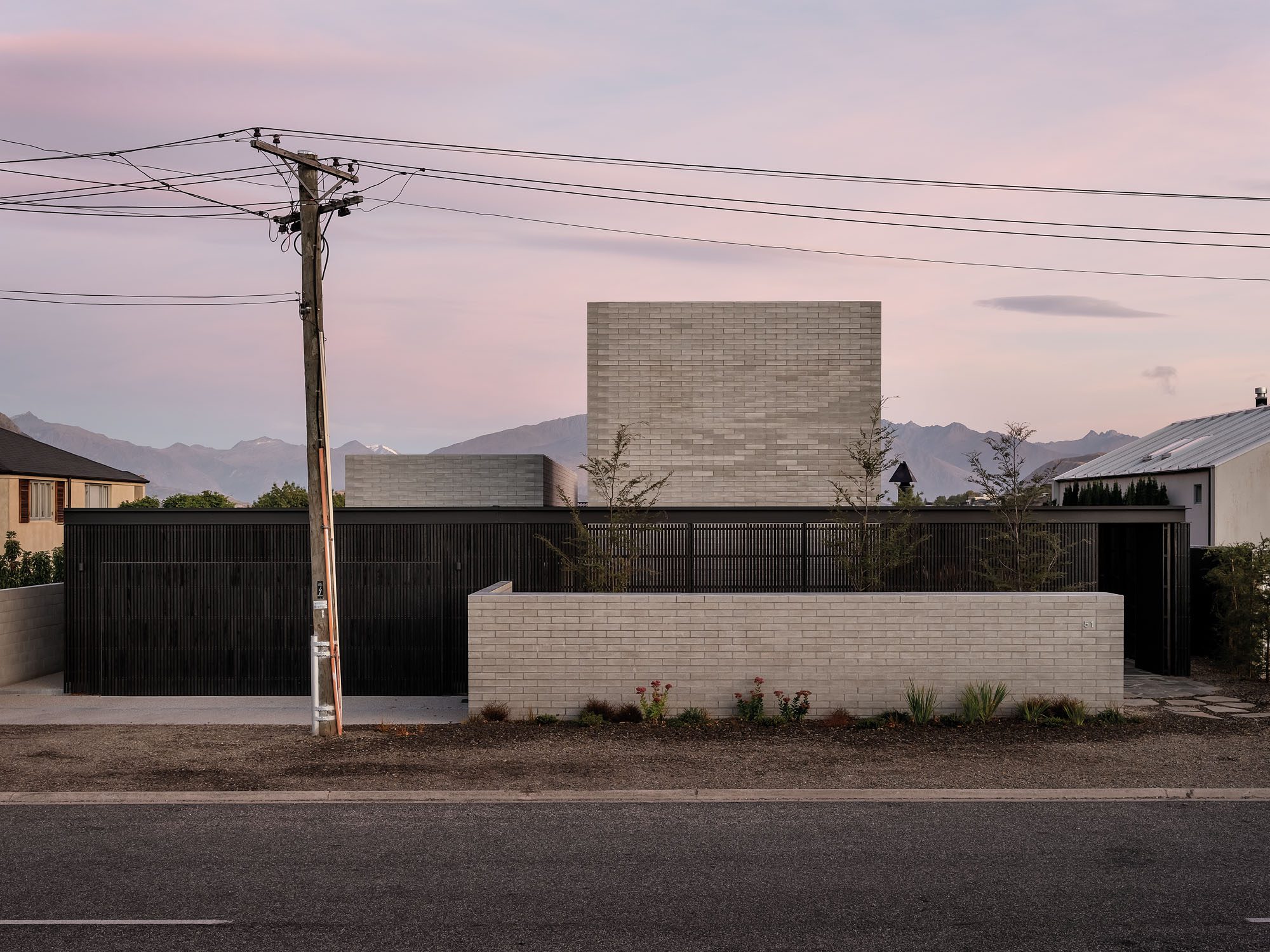


With a generous relationship to its streetscape, a rich material palette and an imaginative approach to the vernacular, this home by Roberts Gray Architects is a mature addition to Wānaka and the wider architectural vocabulary.
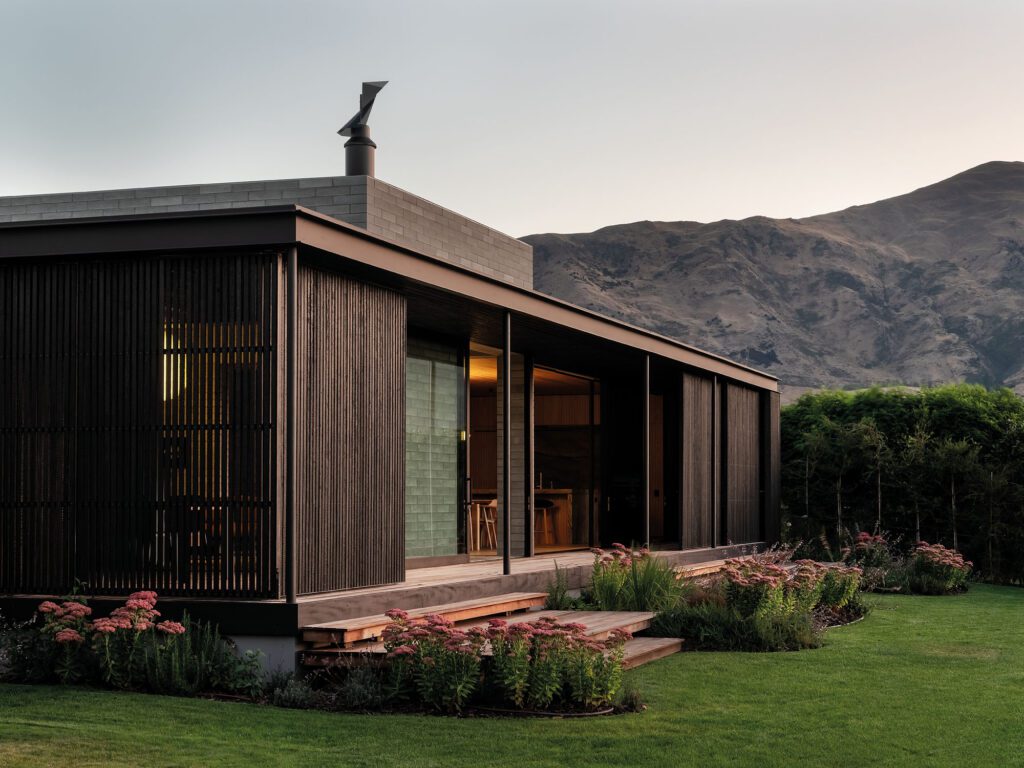
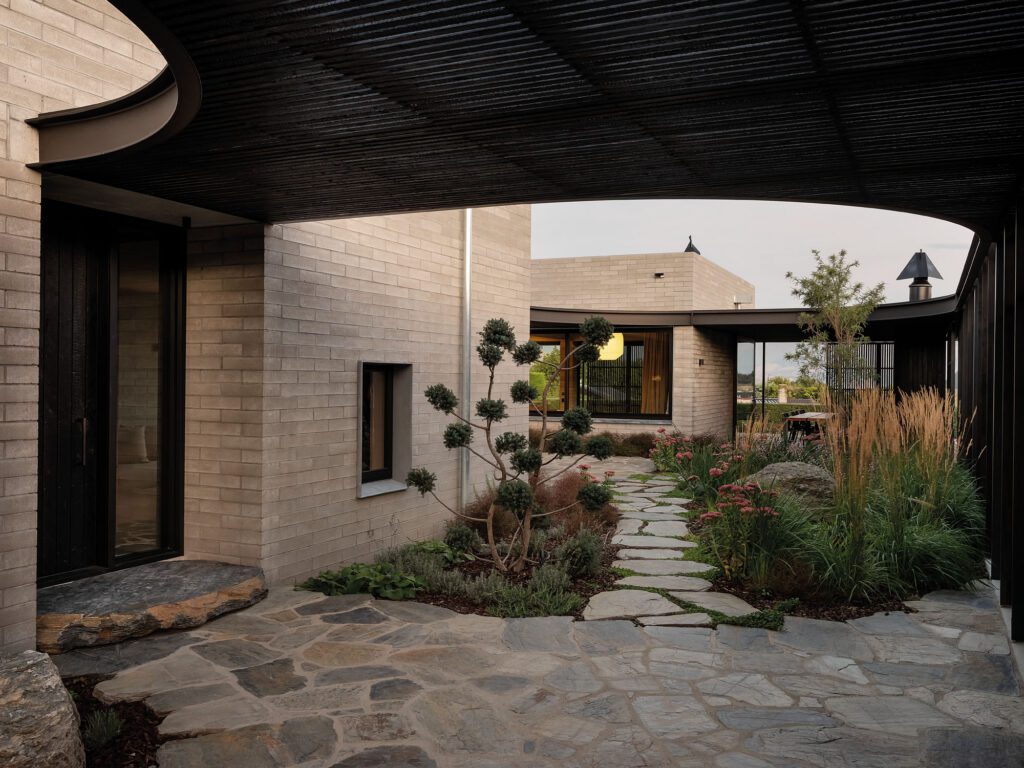
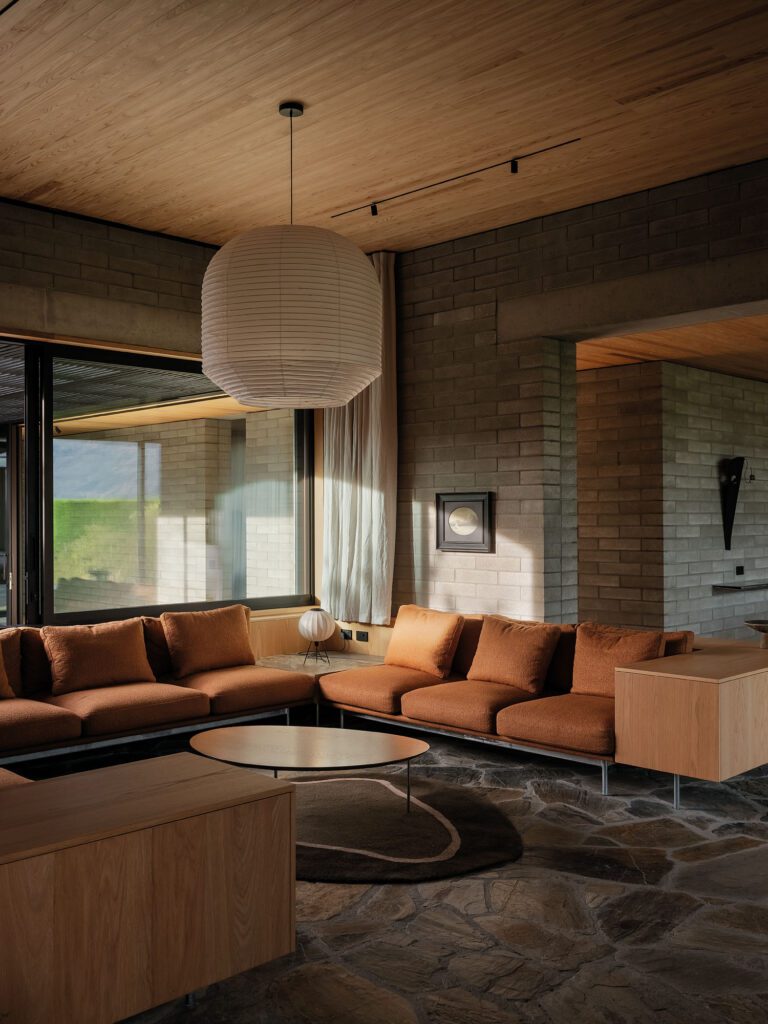
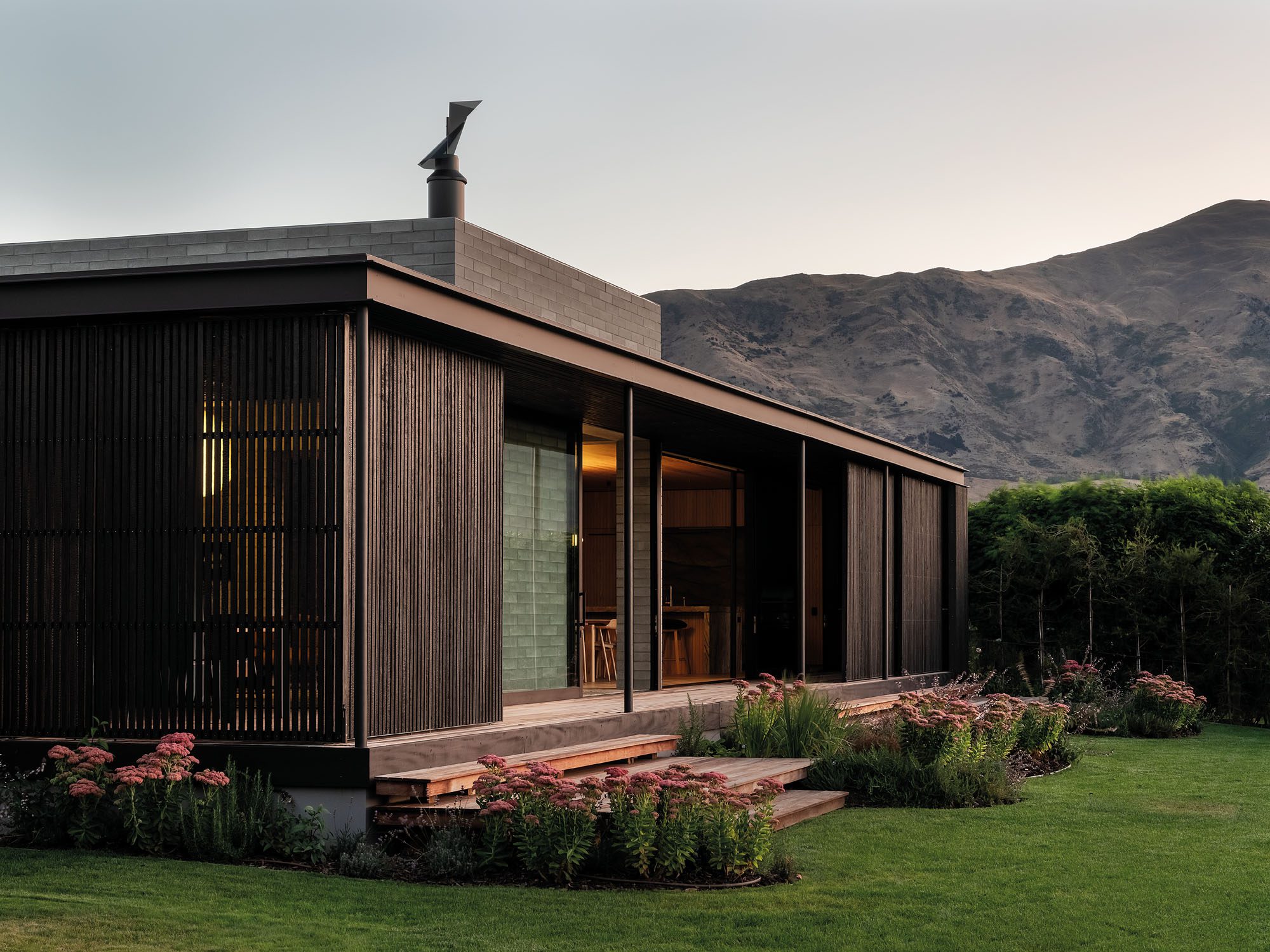
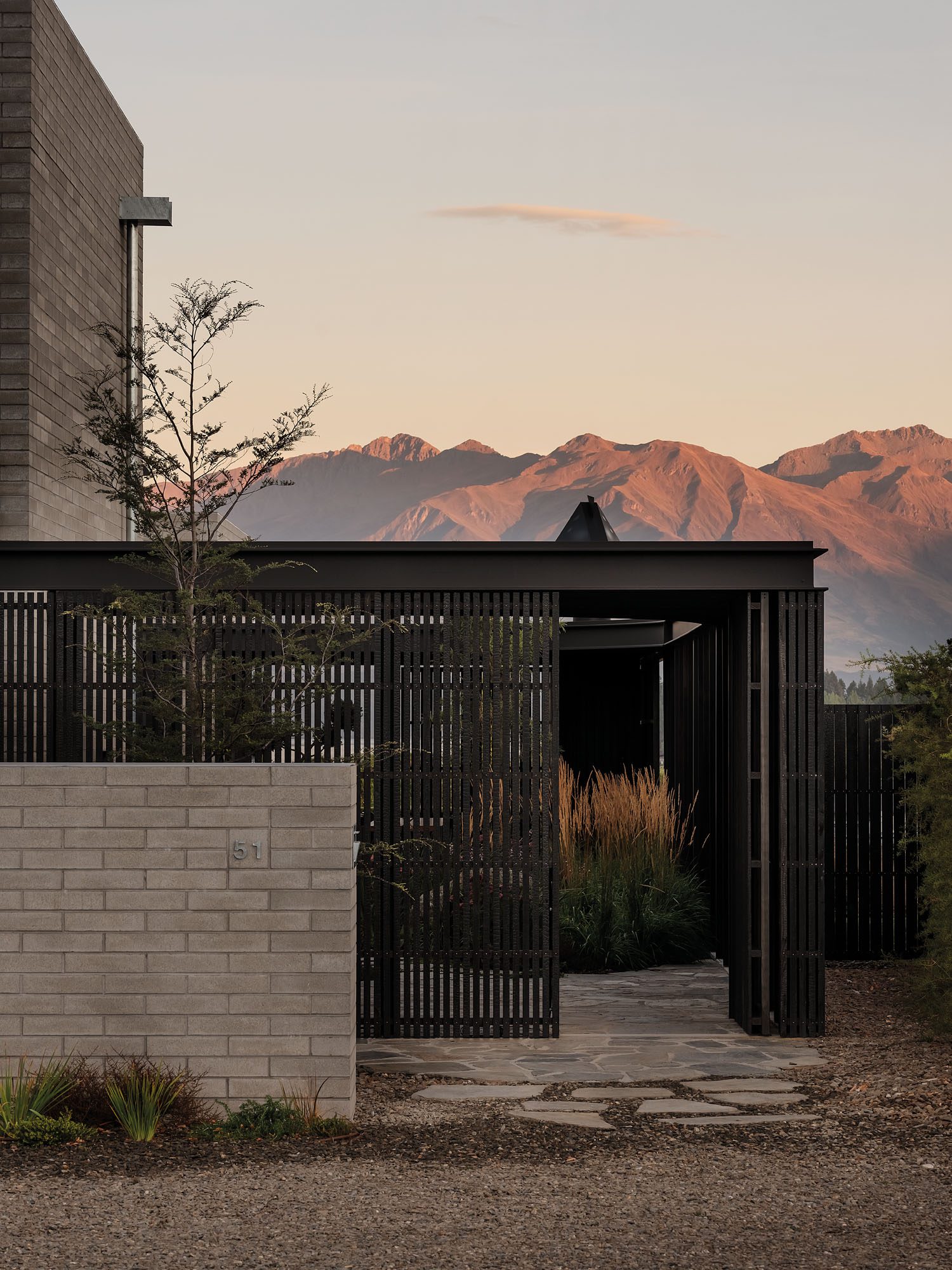
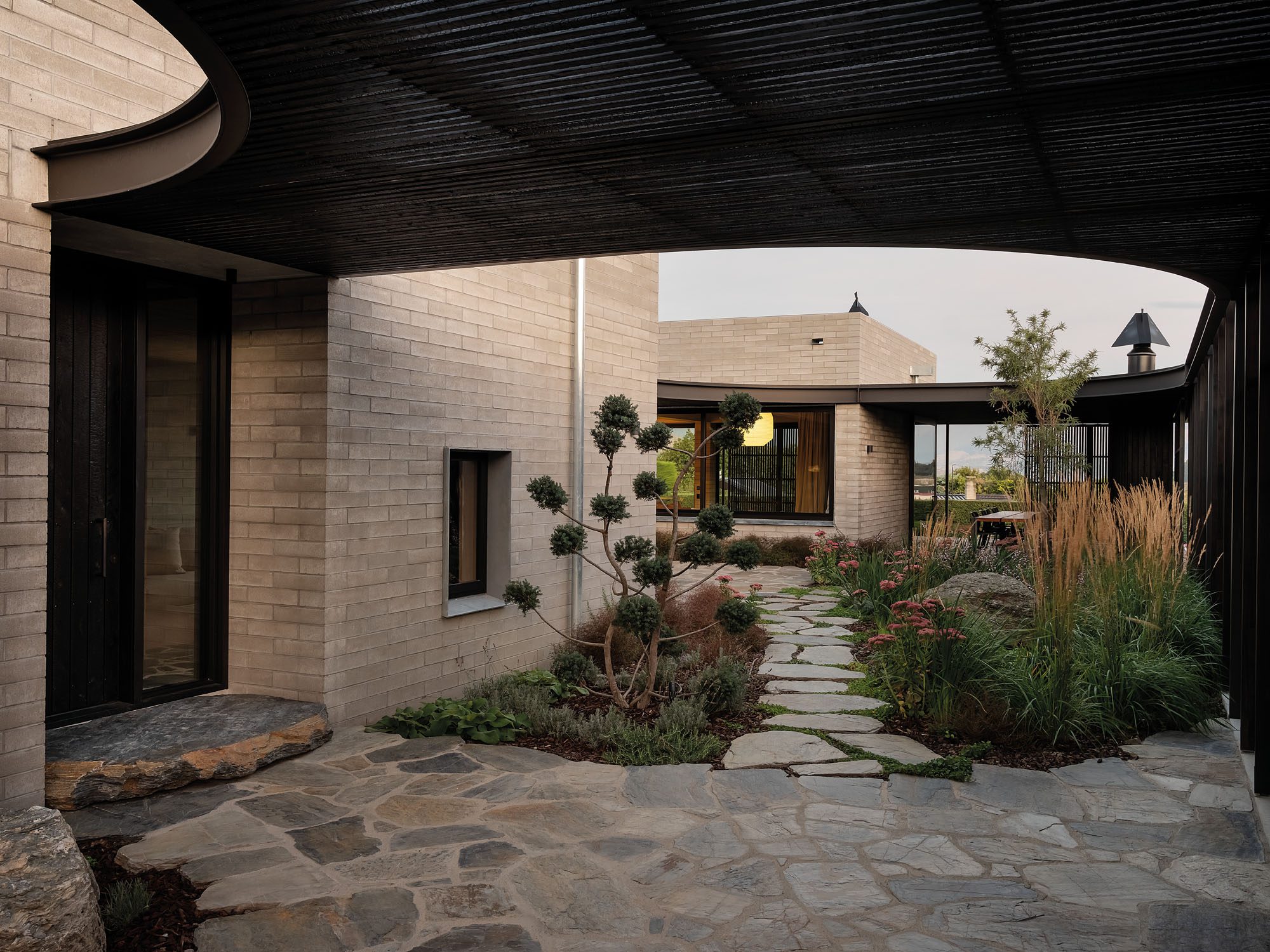
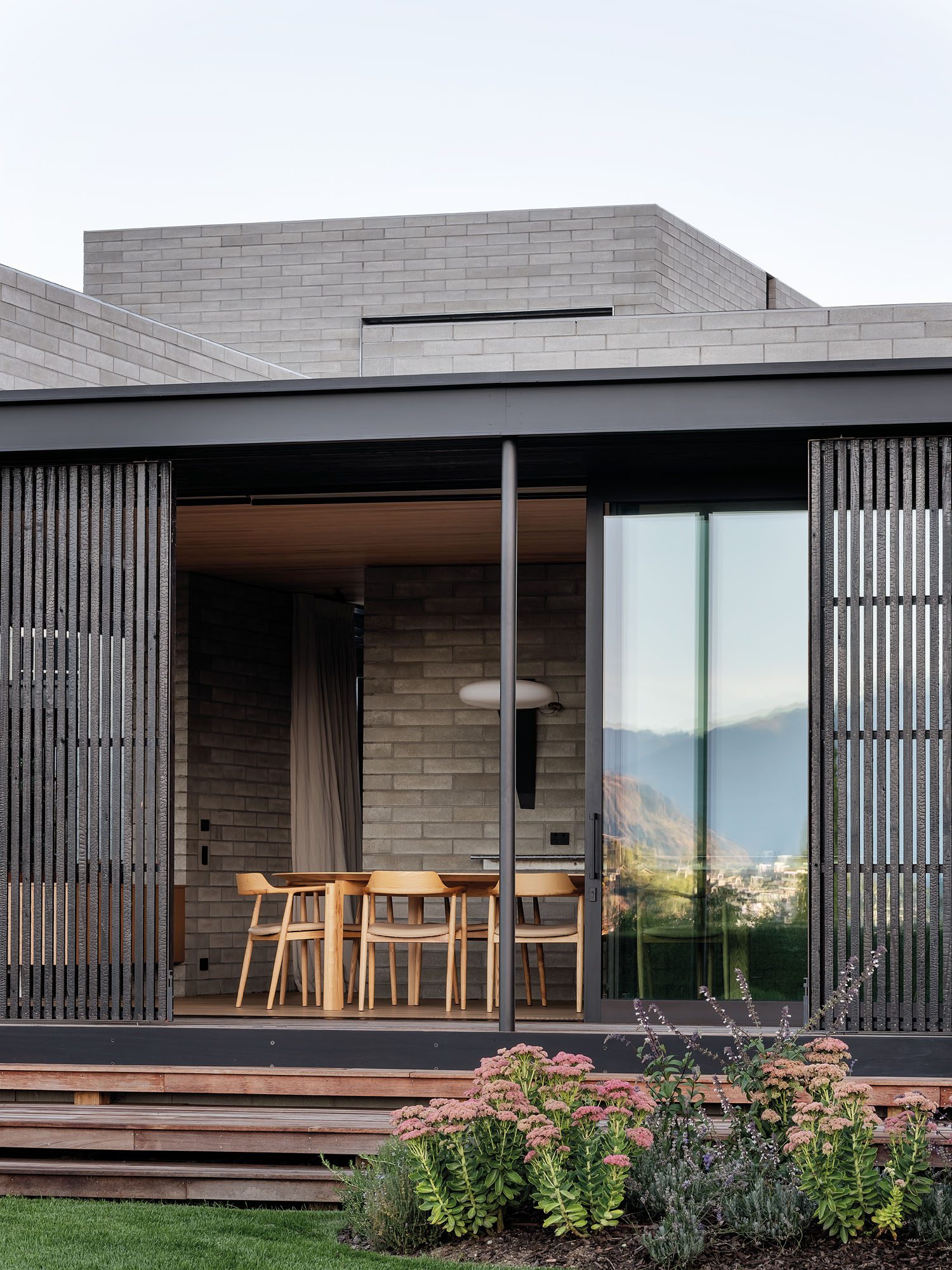
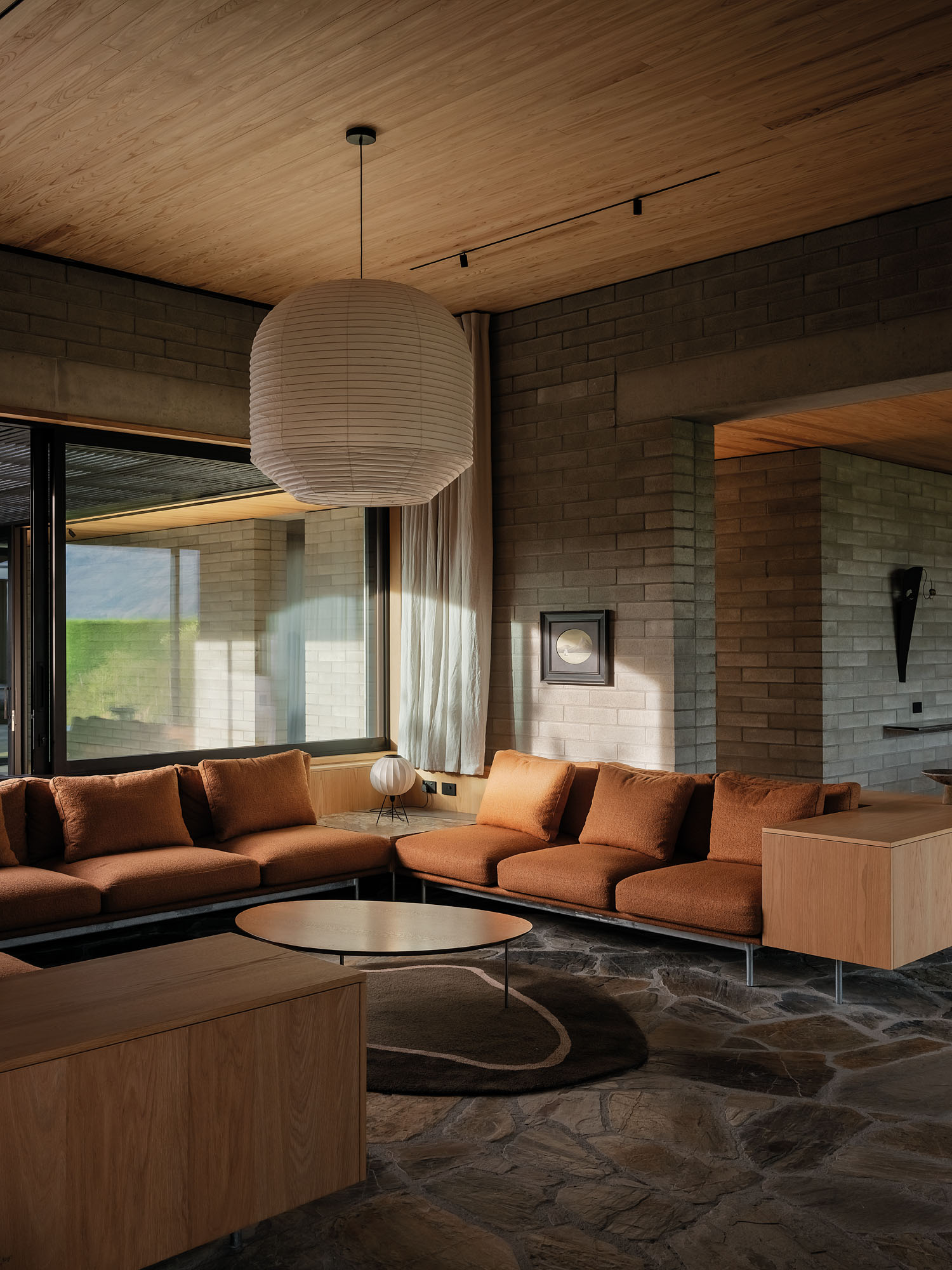
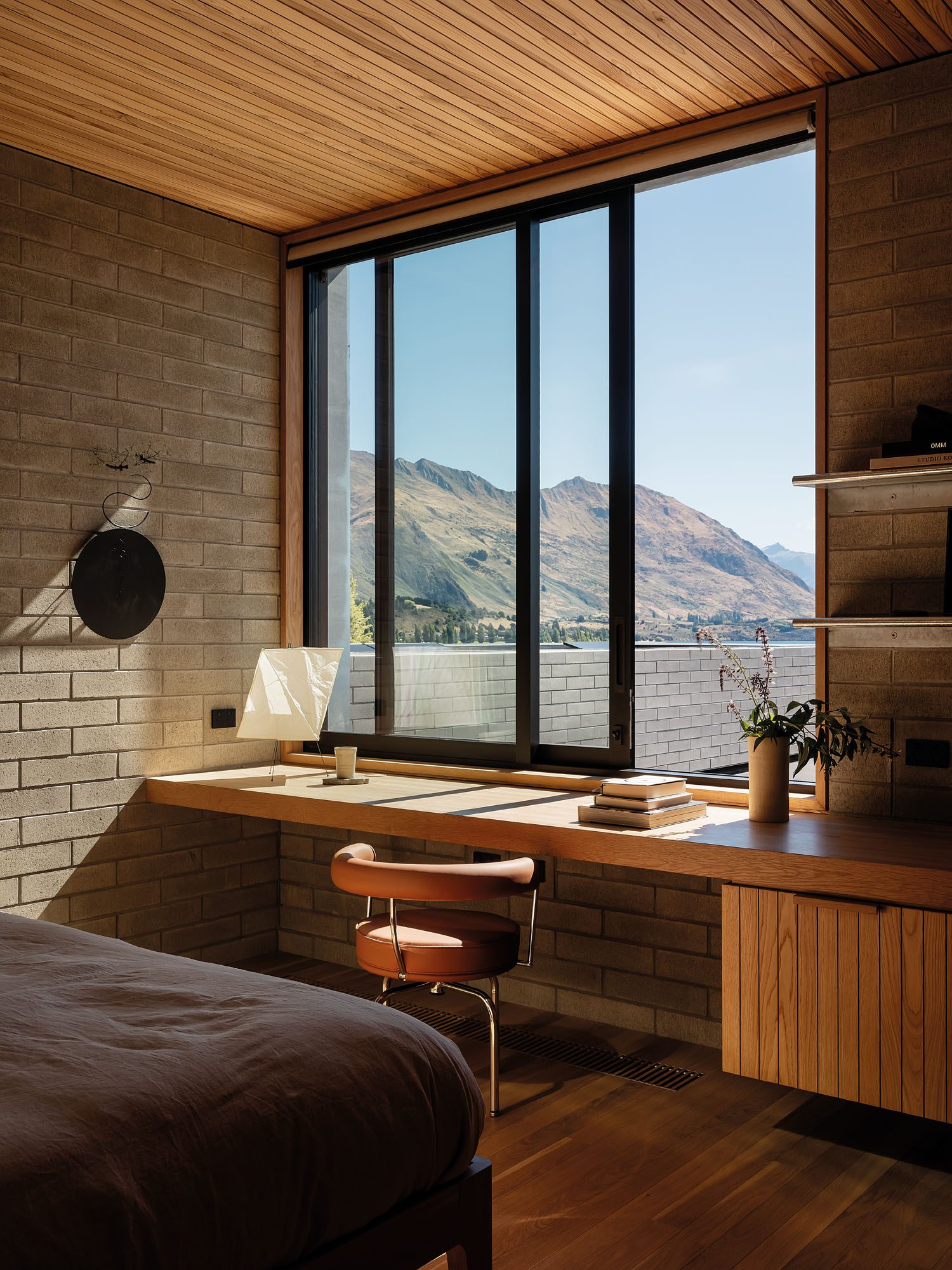
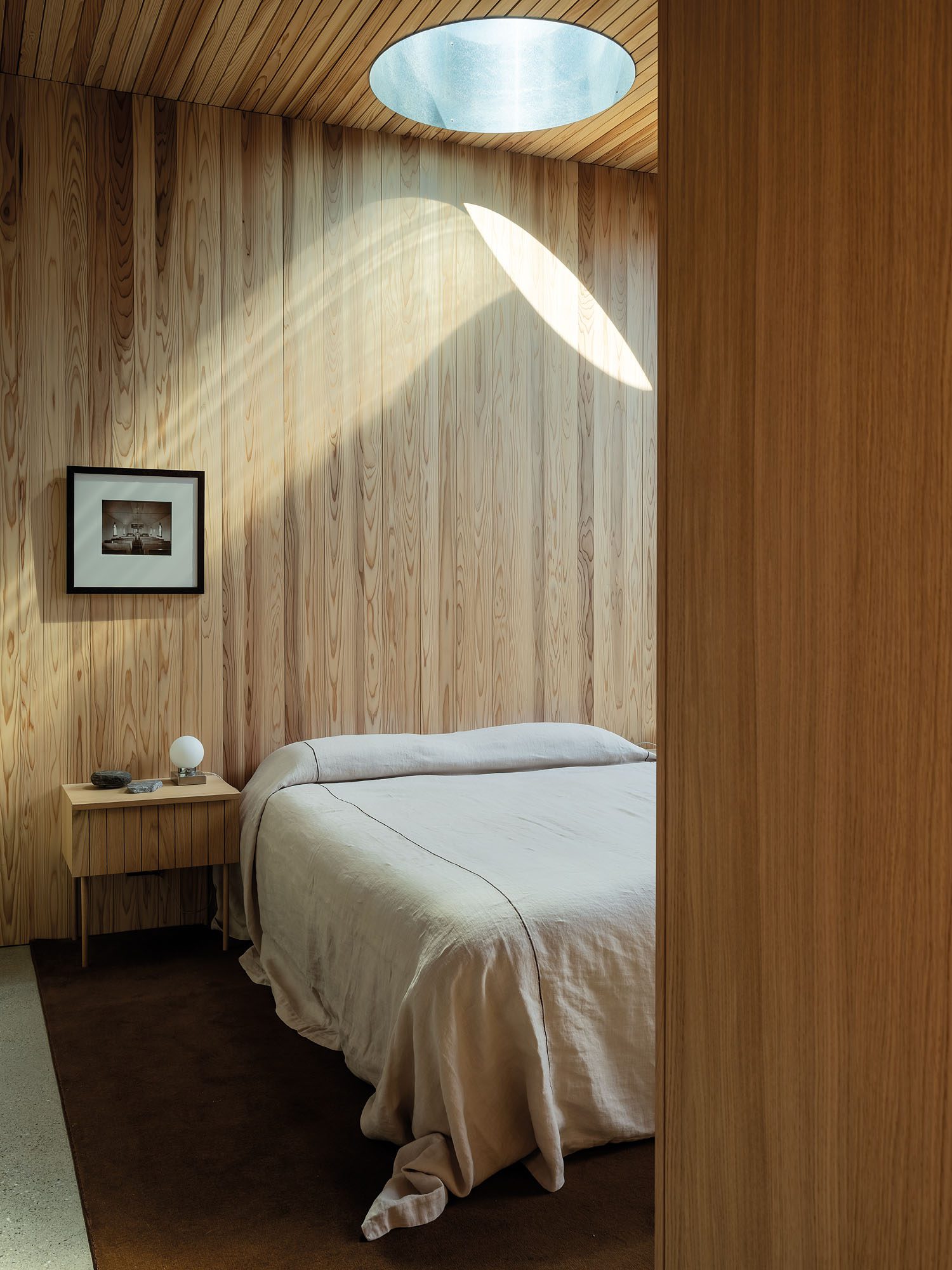
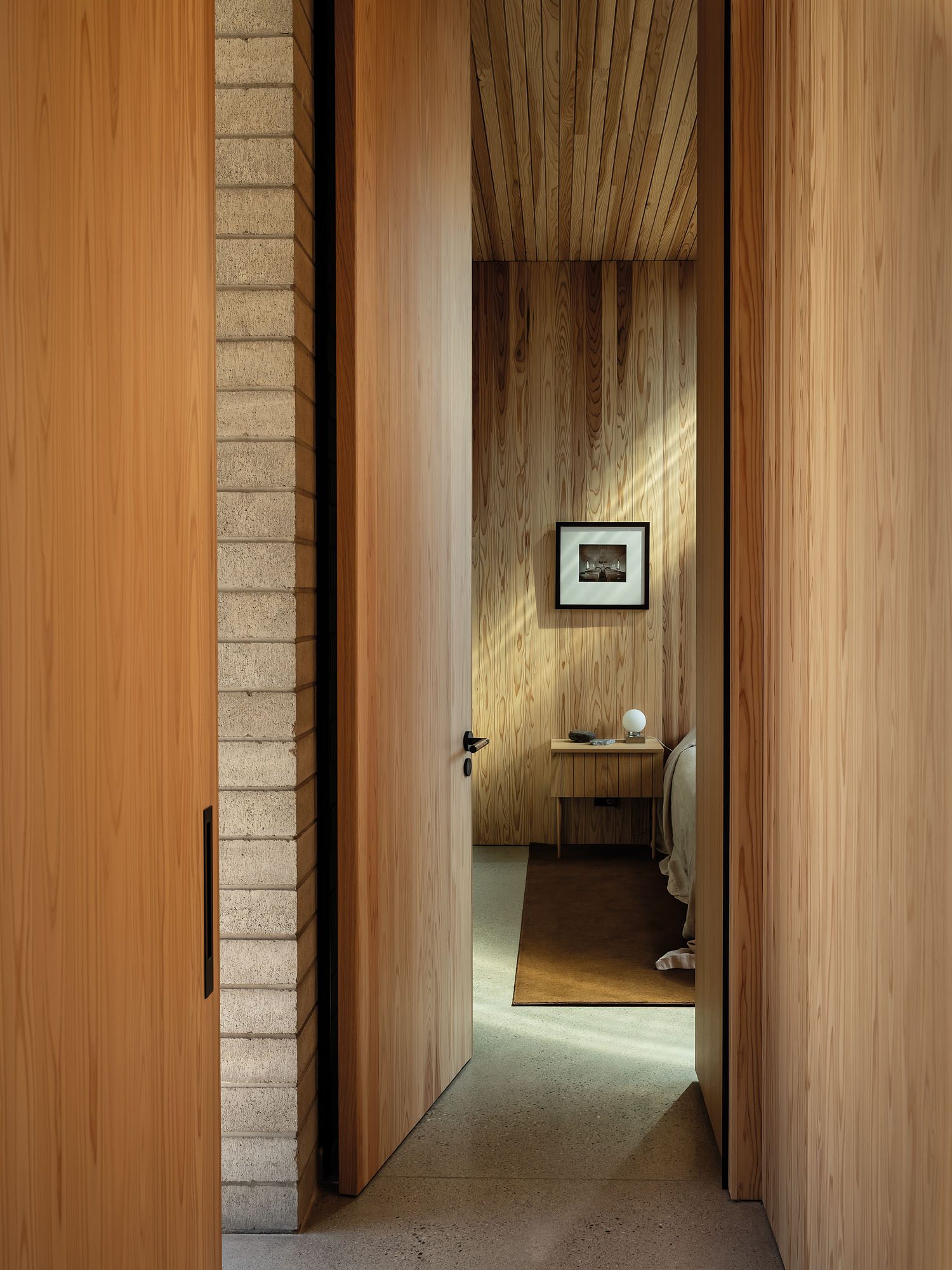
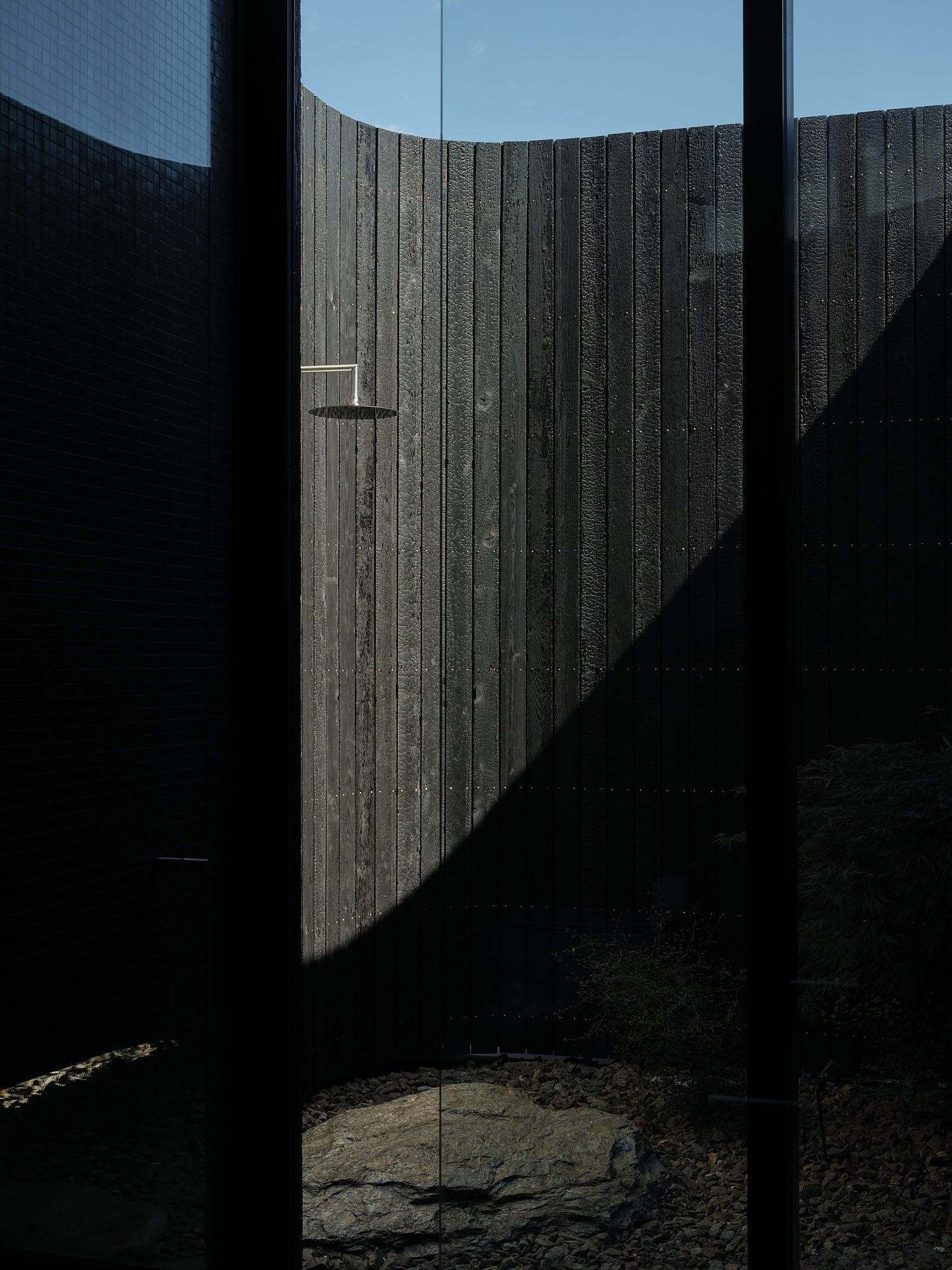
This project is undeniably cohesive — an amalgam of rich materials and textures, patterns and spatial solutions. Japanese cedar, both charred and raw; crazy paving used indoors and out; half-height concrete block, expressive steel, and Silver River marble — all work in tandem to create a quietly confident persona, while remaining laser-focused on interpreting the architectural context.
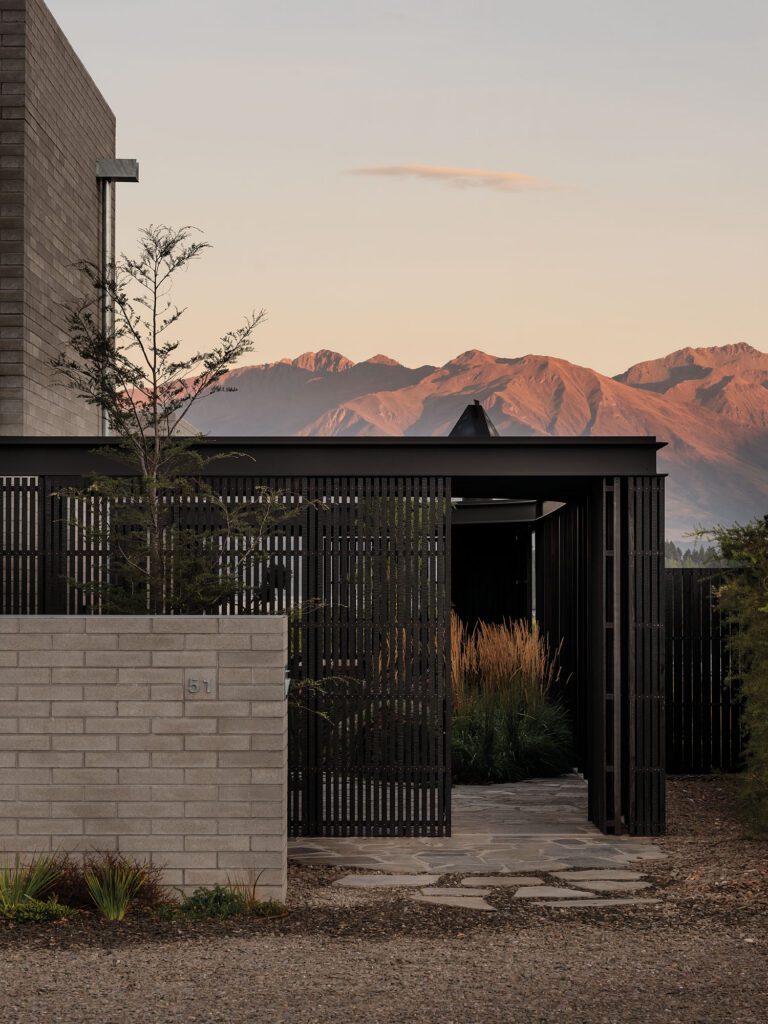
“Wānaka embraces a vernacular of schist cladding, gable roofs, and exposed timber inspired by old mining buildings,” says Elspeth Gray, co-director of Roberts Gray Architects. “While early homes used timber, concrete and steel, the schist gable became iconic. We drew inspiration from these buildings’ material honesty and craft rather than their form.”
Part of the project’s cohesion lies in its materiality and tonal adherence to locality. The veins on the kitchen island’s marble, as well as those on the charred cedar, and the negative lines between the crazy paving all talk to each other and, in a way, to the local braided rivers and patterns formed on nearby hills by the thawing of snow.
The macro is equally as interesting as the detailing. “The core diagram of the S.K.I. House has never been a singular complete form. Rather, the series of volumes, pavilions and landscape spaces that characterise the house suggests the possibility of ongoing projects within the project,” says architect Jimmy Gray, who is familiar with the site as he spent many years holidaying in it with his parents, the owners of this property.
The house is composed of a series of solid volumes dotted along a rectangular site, with an immaculately designed central courtyard created in collaboration with Jared Lockhart Design at its heart.
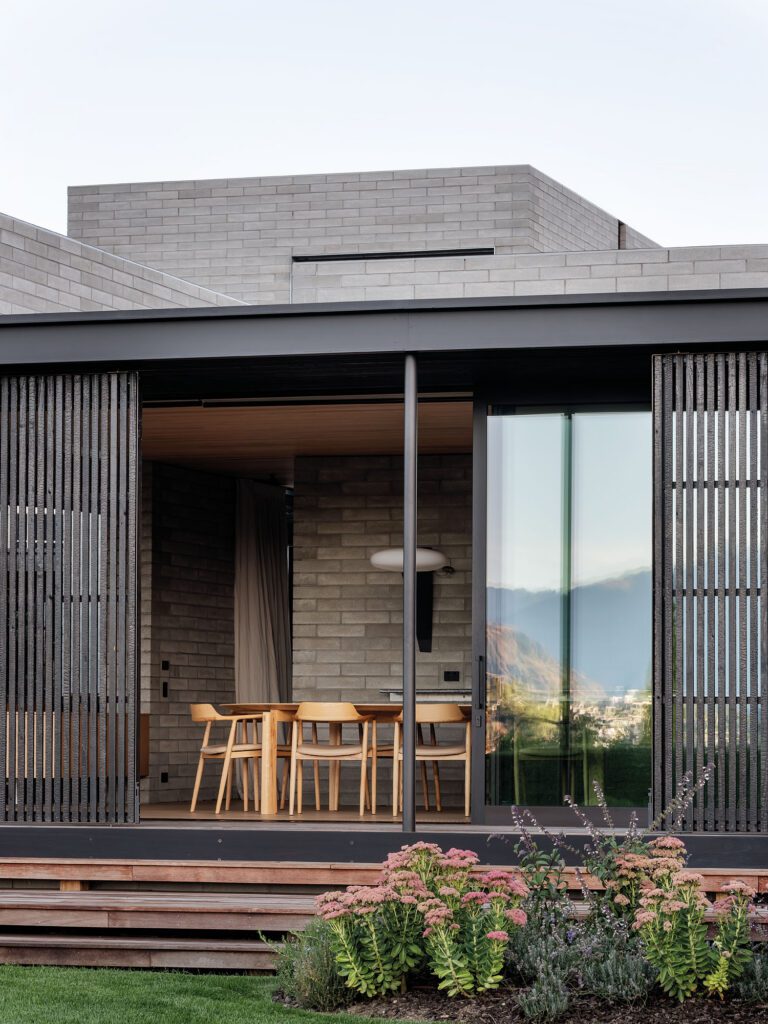
These strong geometries are softened and interconnected by a dynamic screen system that constantly reconfigures and reinvents the glazing or solidity of the block.
“Hybrid construction techniques project qualities of mass, depth and warmth on one hand, and openness and operability on the other,” says Jimmy. “A double-skin masonry system enabled a fully-insulated envelope for better thermal performance, while the delicate veil of screens shifts and adjusts in response to changing sun and wind conditions.”
Nick Roberts, co-director of Roberts Gray, says: “Rather than simply designing a house on the site, we have designed the entire site. In doing so, we have put forward an enduring piece of architecture where every inch is considered and crafted, from part to whole.”
And that it is. This home, by a relative new-comer to the industry, has already received several accolades — all while relaying a strong narrative of what it means to be rooted in the heart of Otago.
Words: Federico Monsalve
Images: Sam Hartnett
This feature first appeared in Homes of this Decade 2015-2025, which was published by Nook Publishing in 2025.