

Perched high on a Titirangi hillside with sweeping views from the Waitākere Ranges to the Auckland City skyline, this modest home carries a larger architectural intent.
Conceived as the first built example of architectural practice W3’s CEDE housing concept, the project explores how compact, carefully designed homes can offer a sustainable and accessible model for living at density in Aotearoa.
Developed over four years, CEDE was created as a response to the climate crisis and New Zealand’s housing challenges. The word is derived from Latin, meaning ‘to yield’ or ‘to give way’.
“This meaning reflects our intention to relinquish control, in a positive sense, through designing a system that empowers our clients to participate in the building process,” says W3 Collective architect consultant Antonia Lapwood.
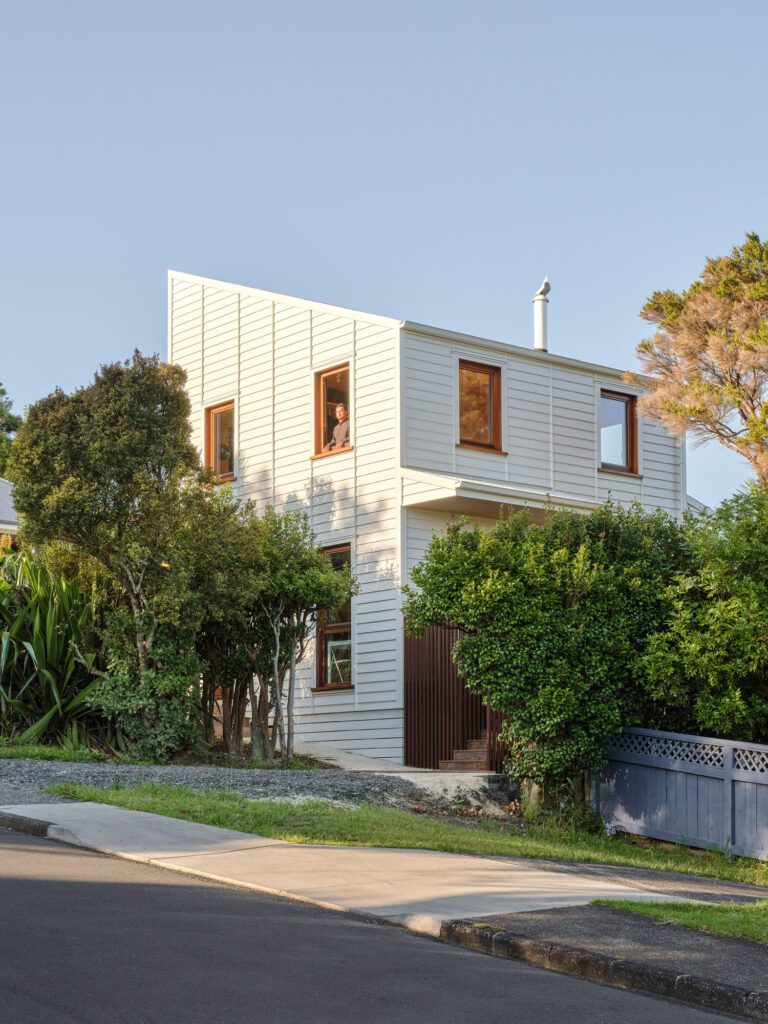
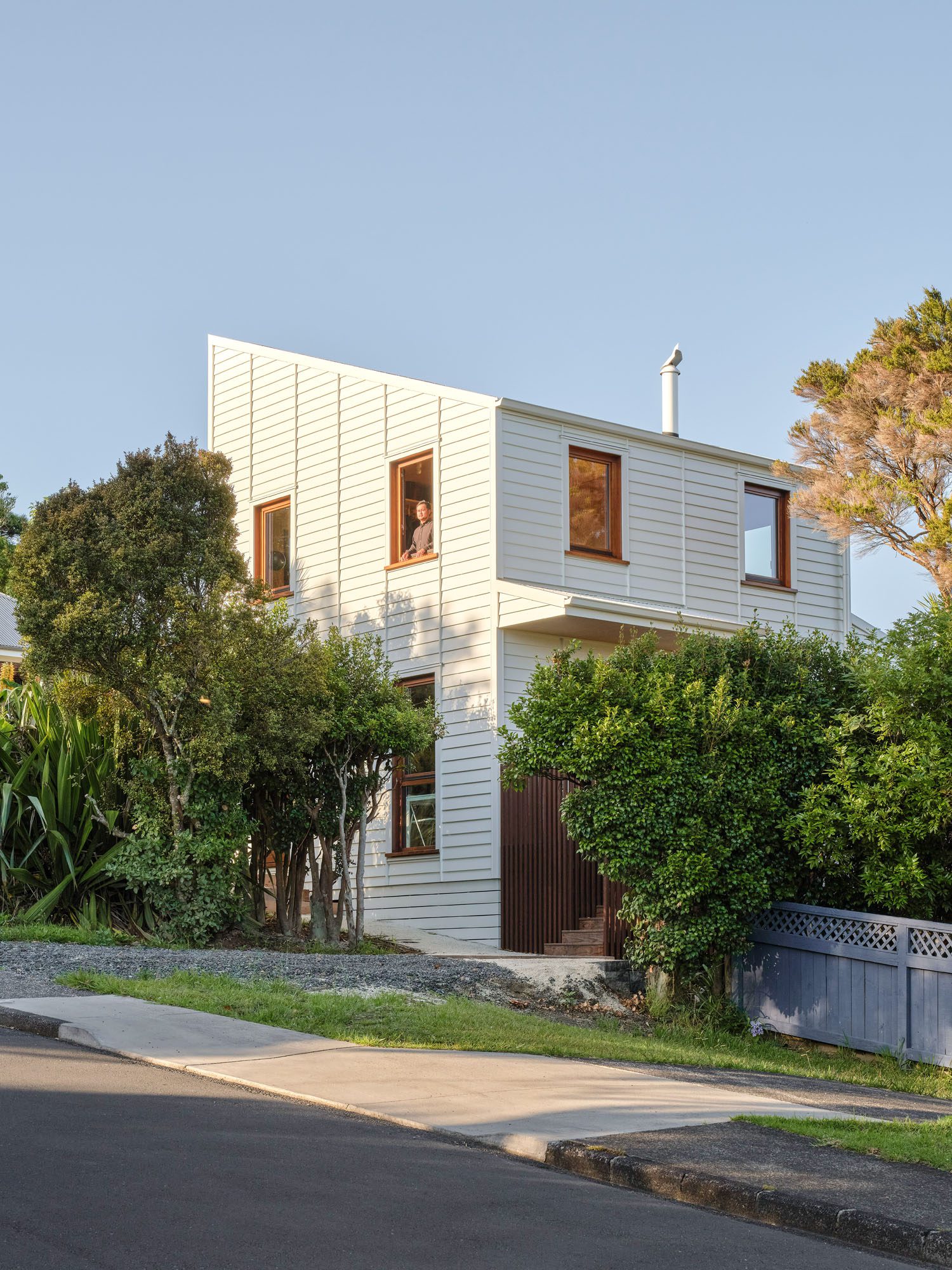
Jack’s House adapts this concept to a specific client brief: a father and his two sons seeking a modest, efficient home on a subdivided site that was once part of the neighbour’s backyard. The steep section sits on the northern side of a hill, surrounded by the dense vegetation characteristic of West Auckland. Nearby, weatherboard houses from the 1960s establish a familiar suburban context.
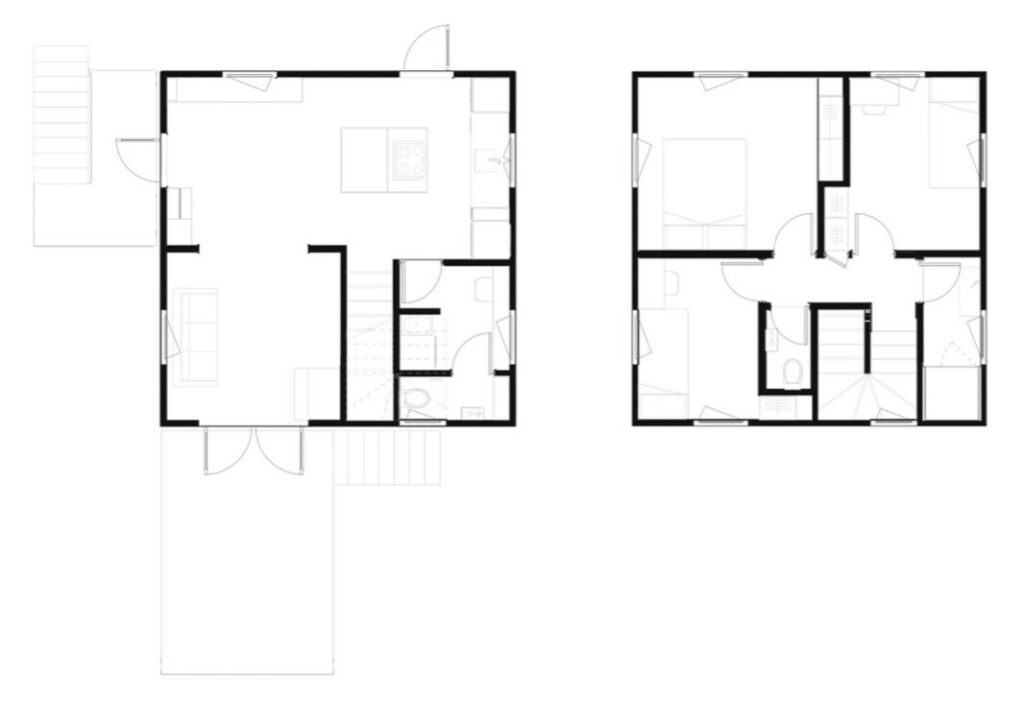
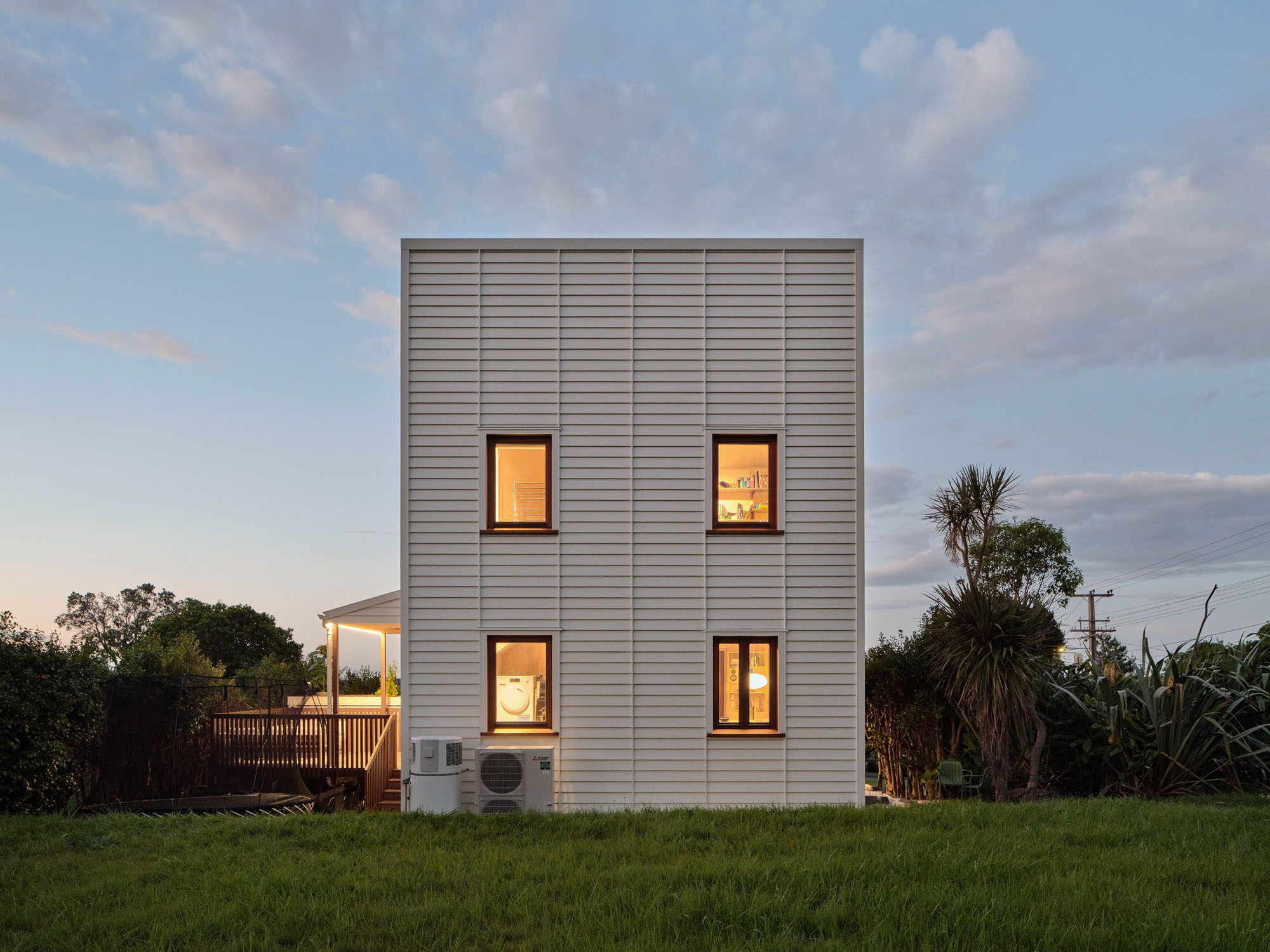
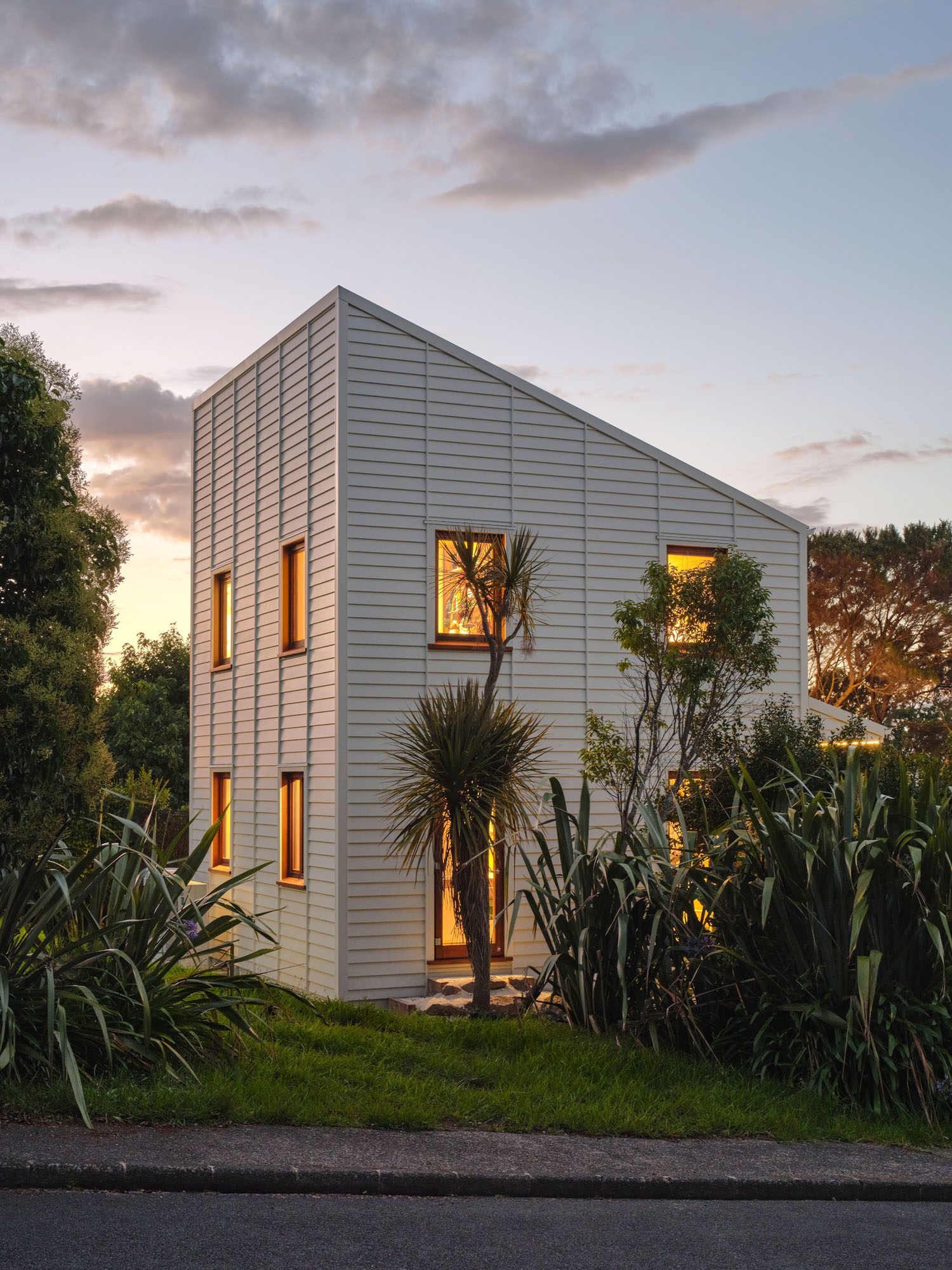
The design is striking in its simplicity. A compact, two-storey volume measuring just 6.5 by 6.5 metres; living spaces downstairs with three bedrooms above. Its form is intentionally simple, conceived as a ‘seed’ placed lightly on the land.
“The idea of a seed was inspired by the notion that a CEDE building could theoretically spread and be sown on many sites throughout the country,” explains Sammy Ho, director and architect at W3 Collective.
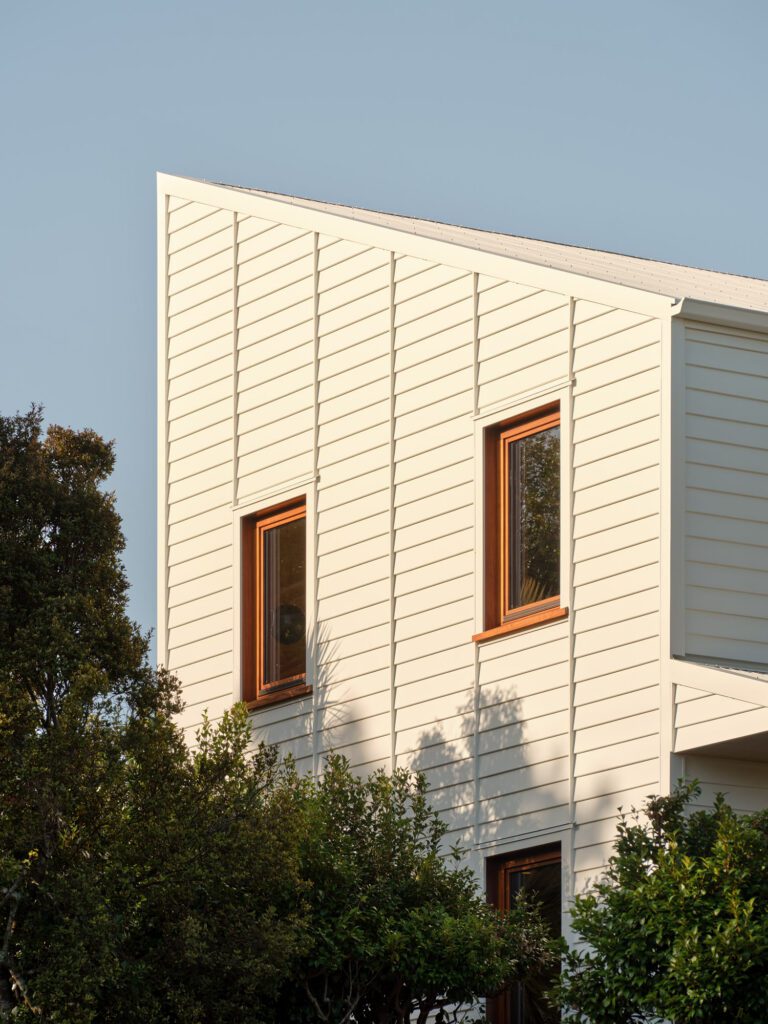
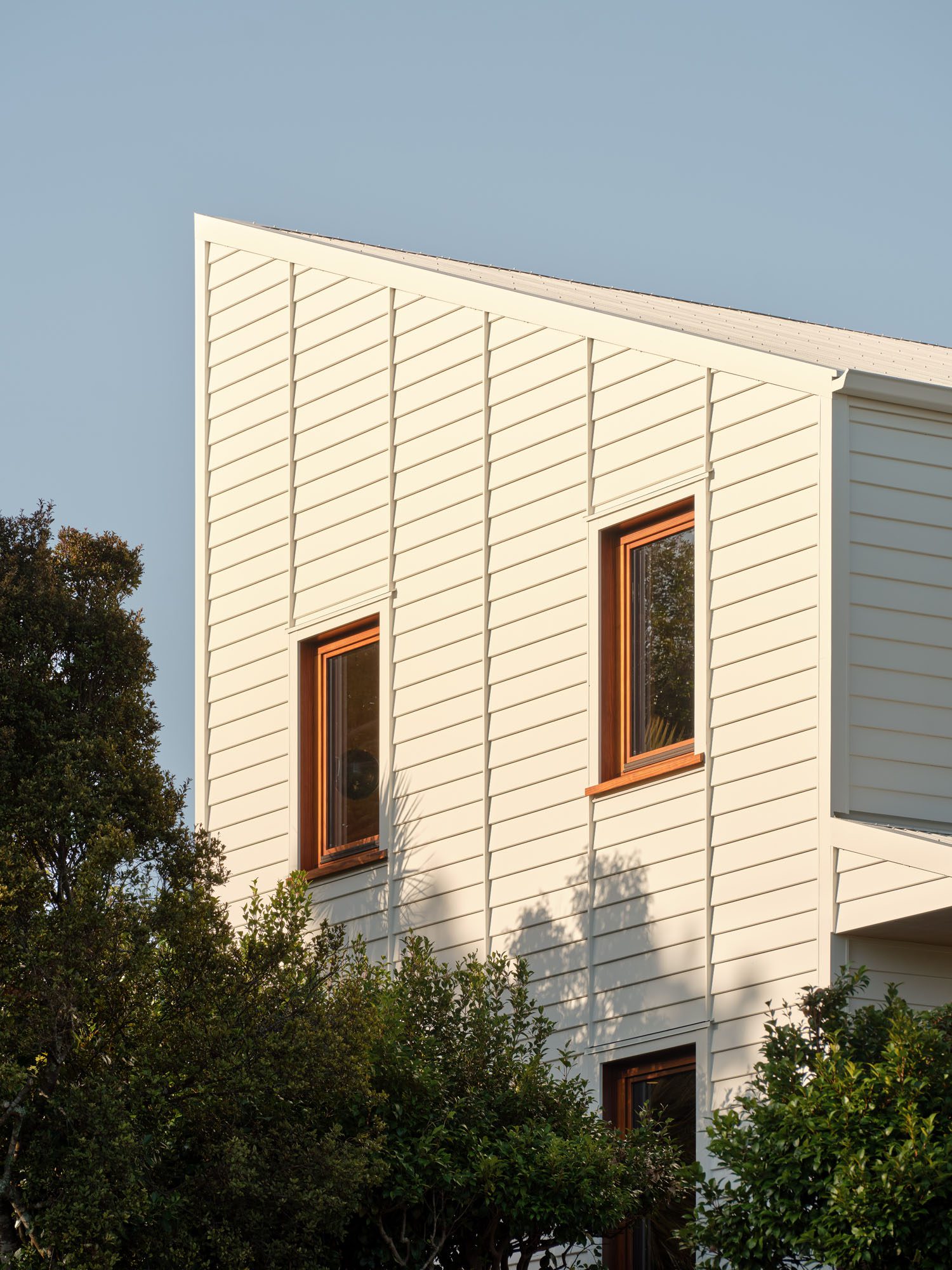
The exterior is defined by classic timber weatherboards; detailed scribers create a subtle relief, providing texture and rhythm to the building envelope. This material language draws on the tactile qualities of the seed metaphor while retaining familiarity with the surrounding streetscape.
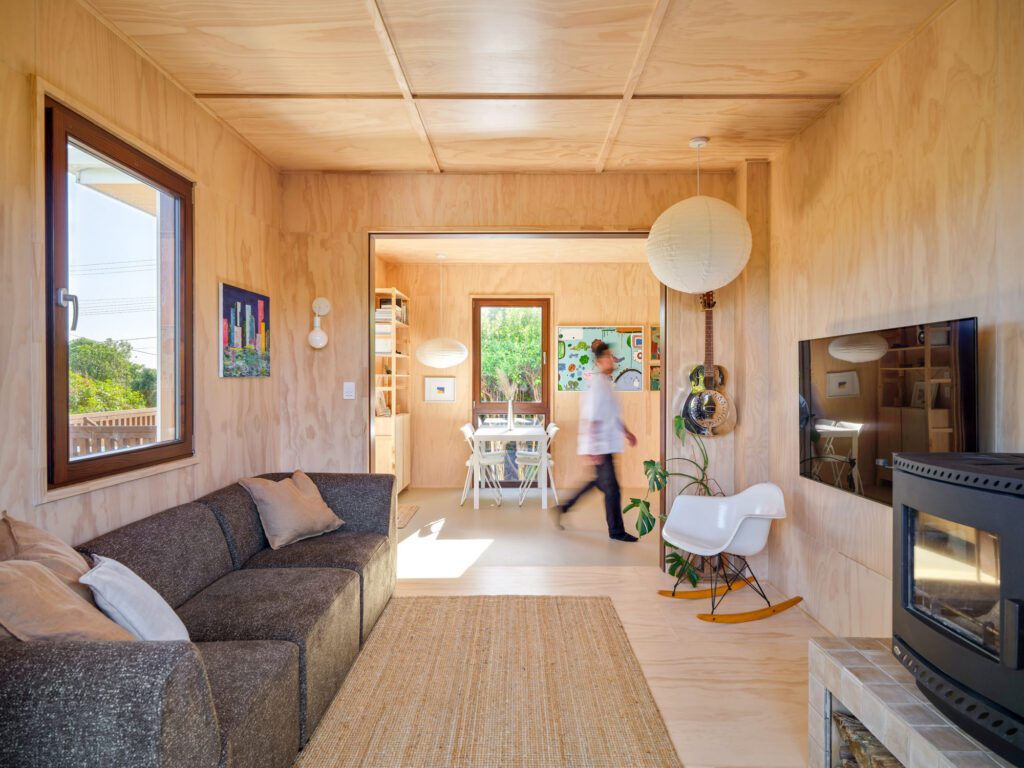
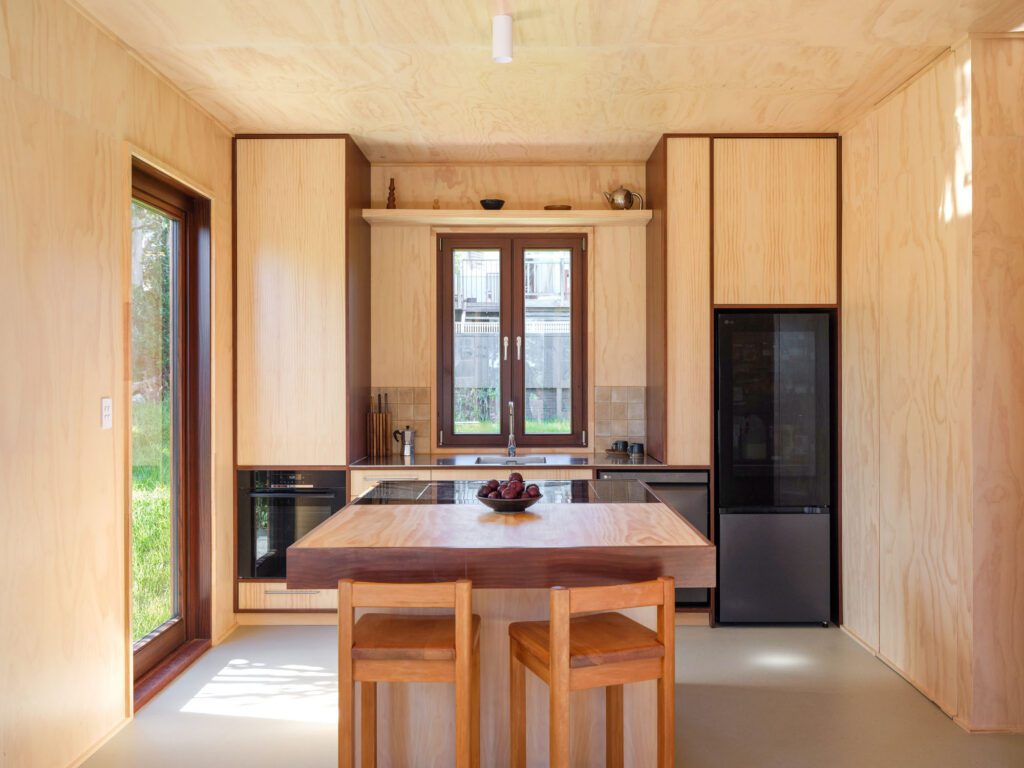
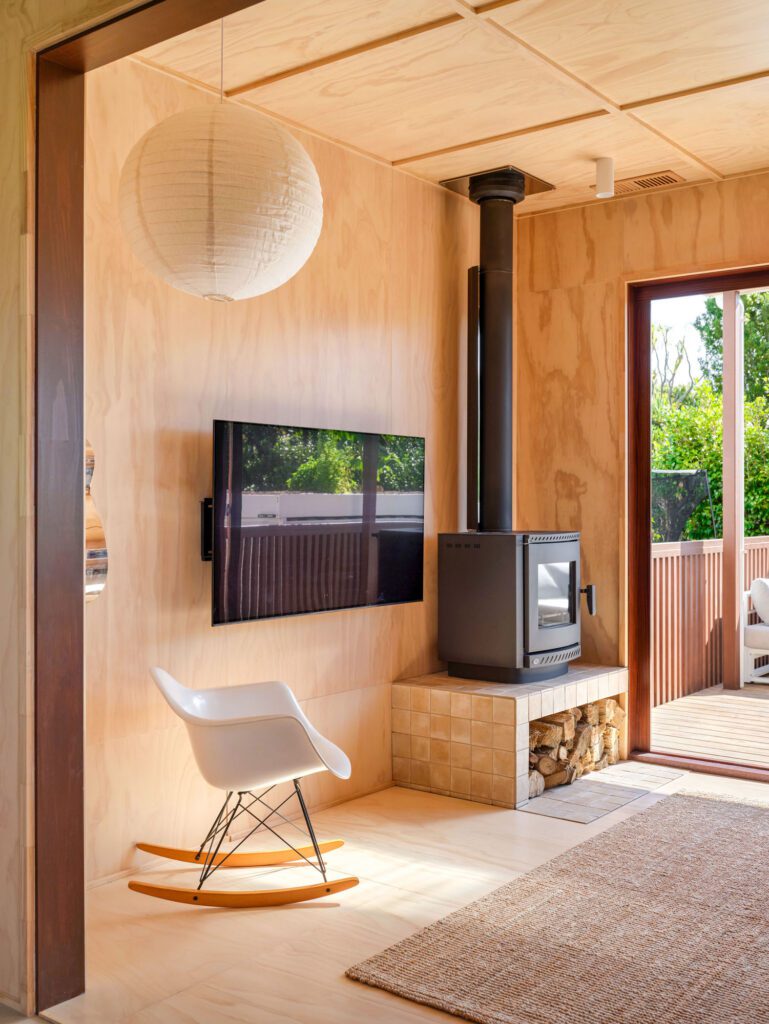
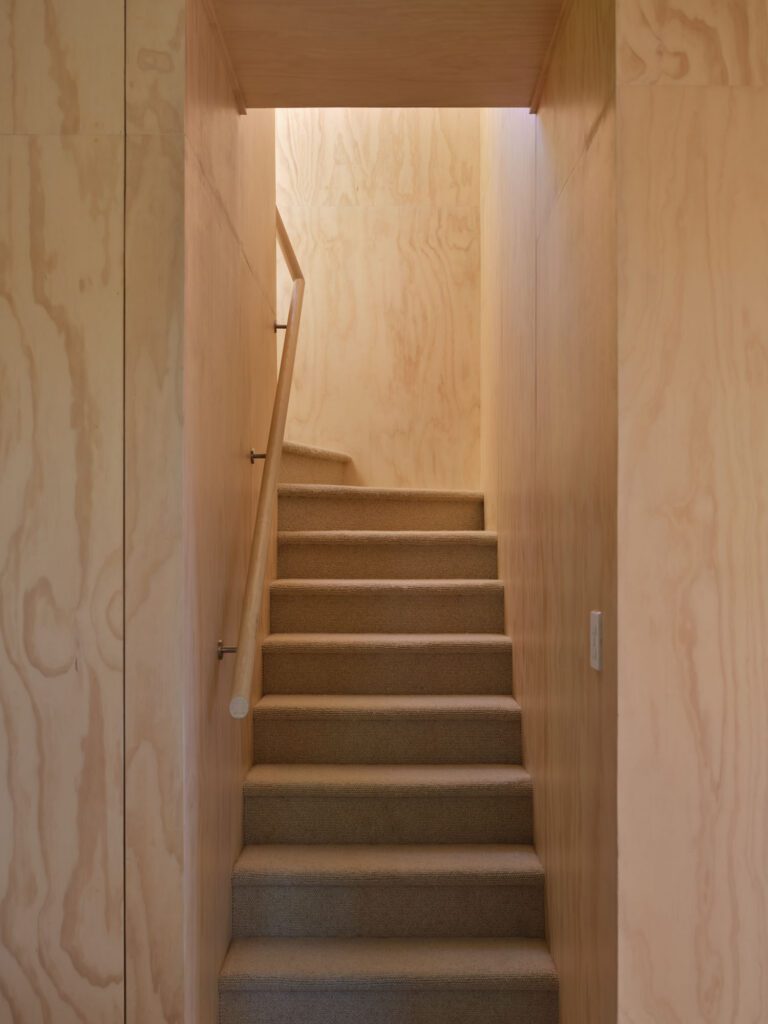
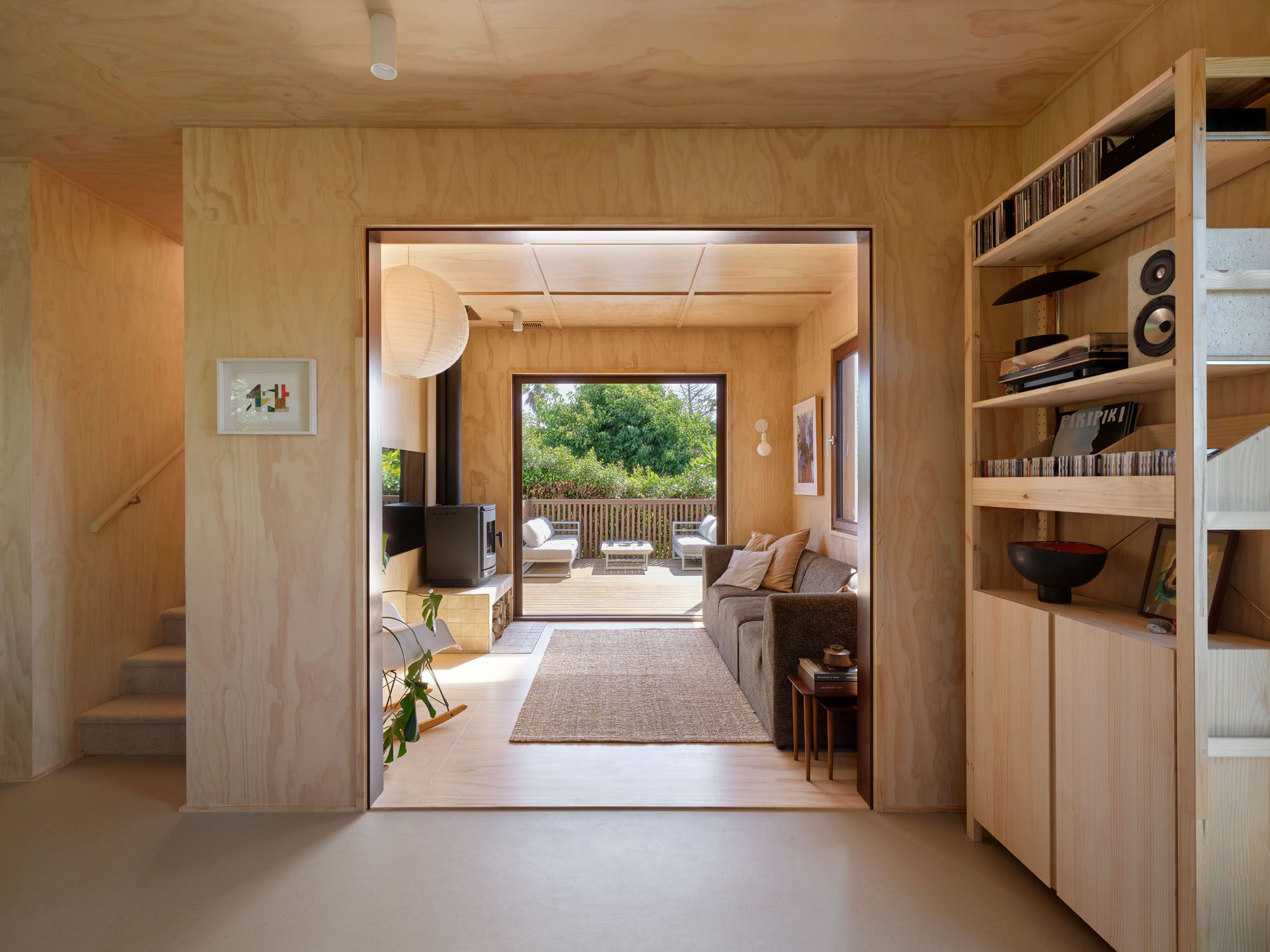
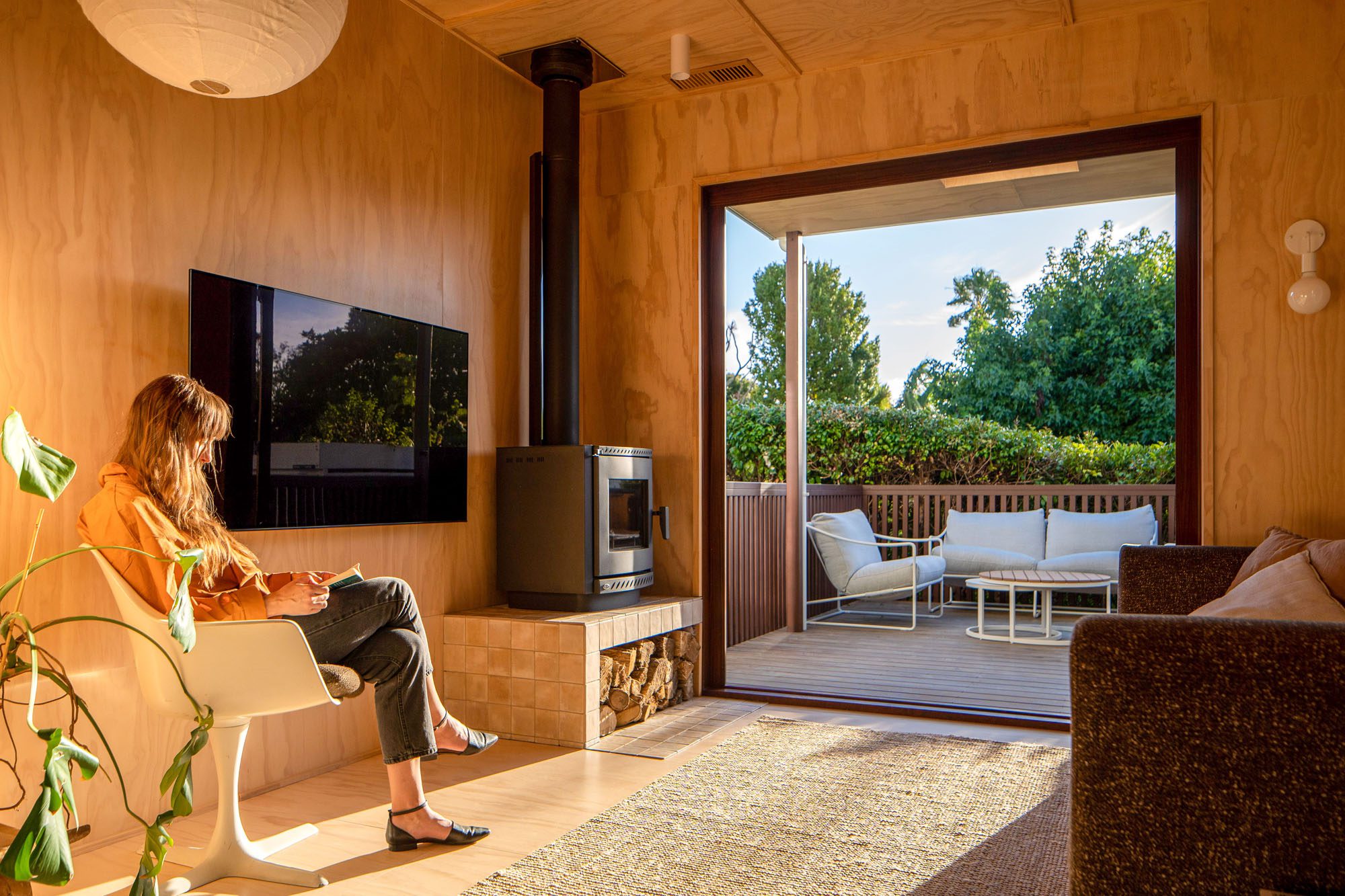
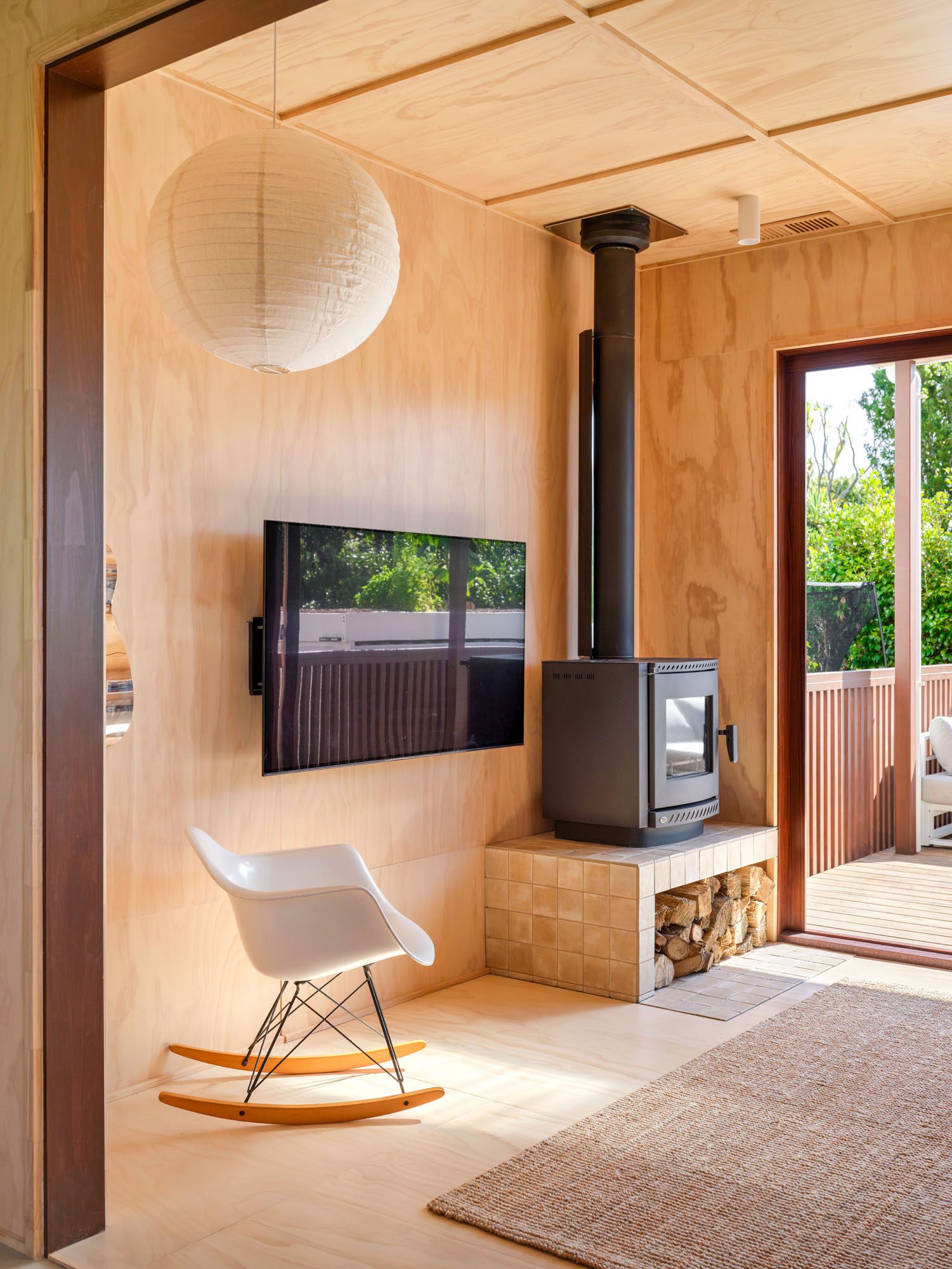
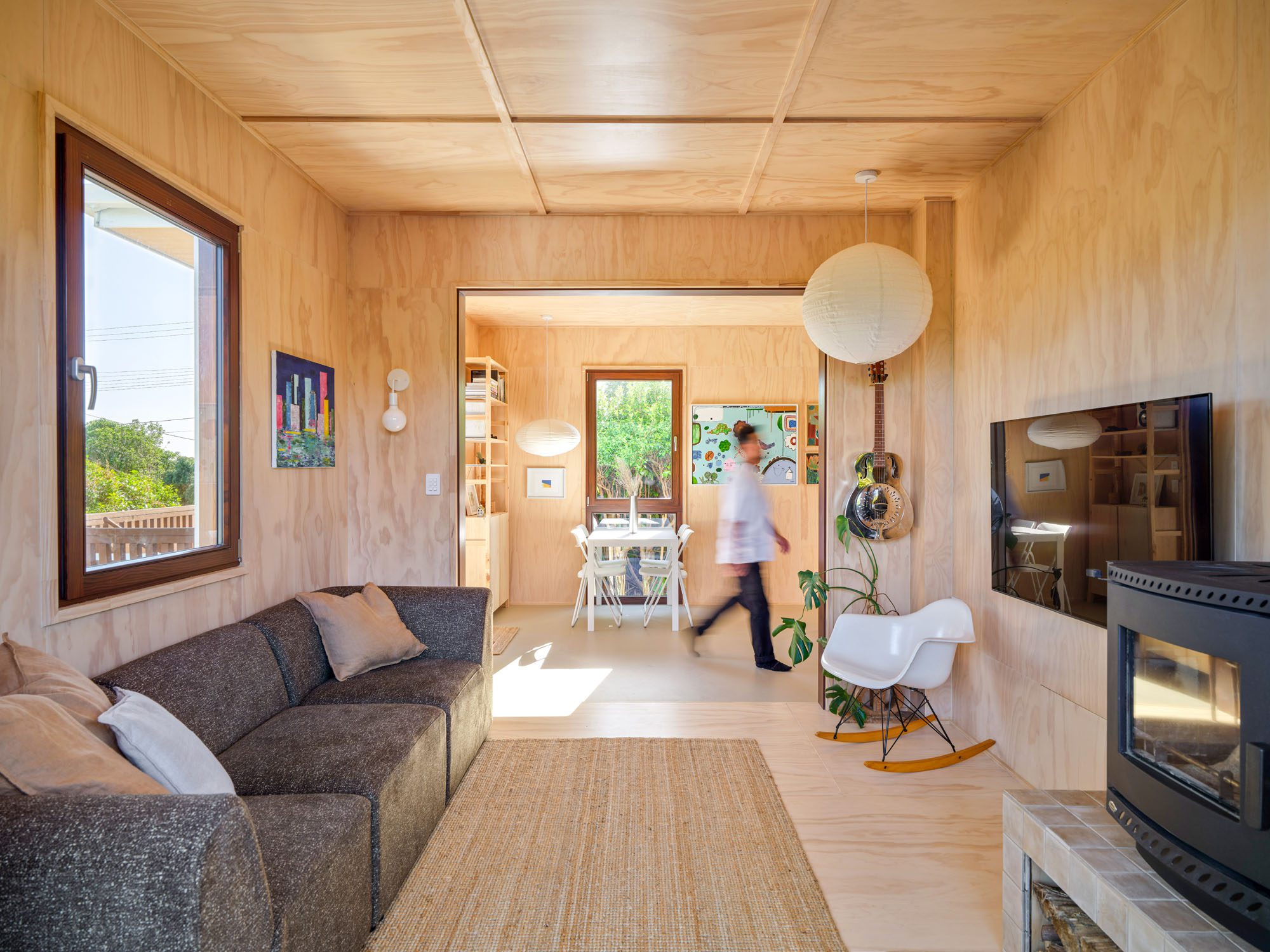
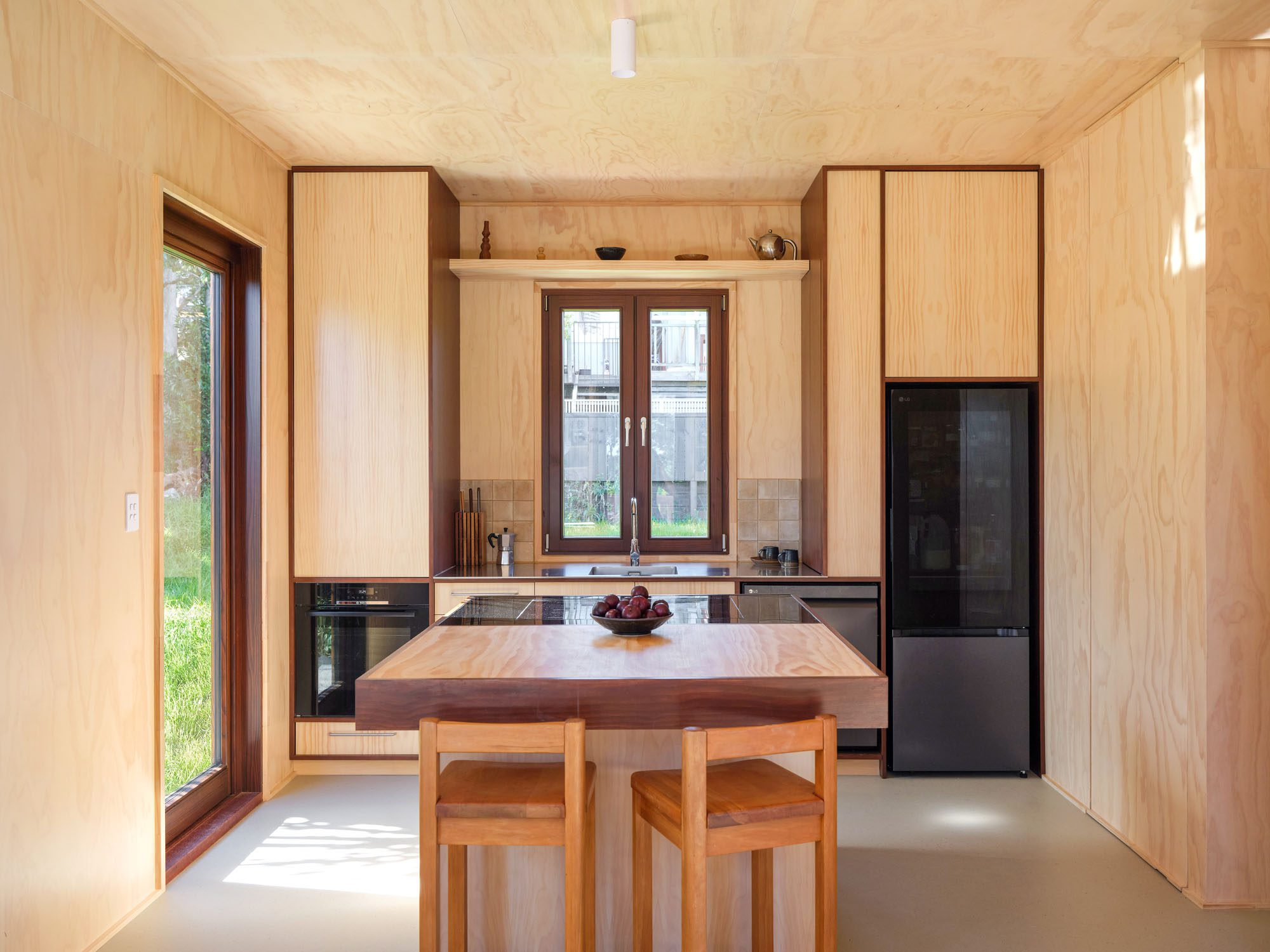
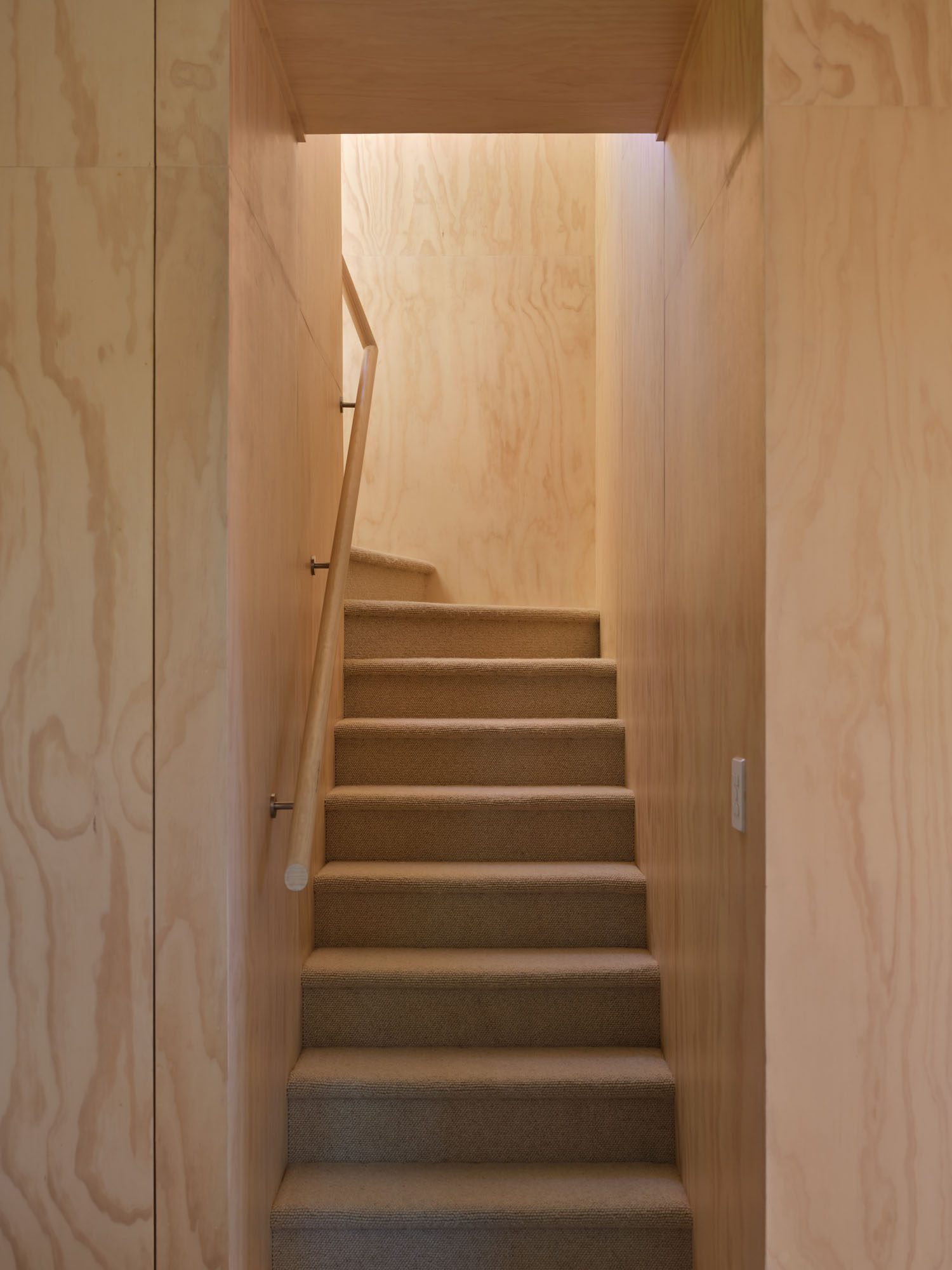
Step inside and the architecture shifts from restraint to immersion. The interior is entirely lined in New Zealand–grown plywood, wrapping floors, walls, and ceilings in a continuous surface of warm timber.
“Every joint is concealed, every corner mitred — the result is a sense of sculptural solidarity within the interior; a calm, cohesive environment,” Antonia tells us.
Despite the compact footprint, the spatial experience is surprisingly expansive.
“We wanted the home to feel larger than it is,” Sammy explains. “The separation between spaces, reduced sight-lines, and extended travel distances between rooms create a maze-like form, a house that feels greater than it actually is.”
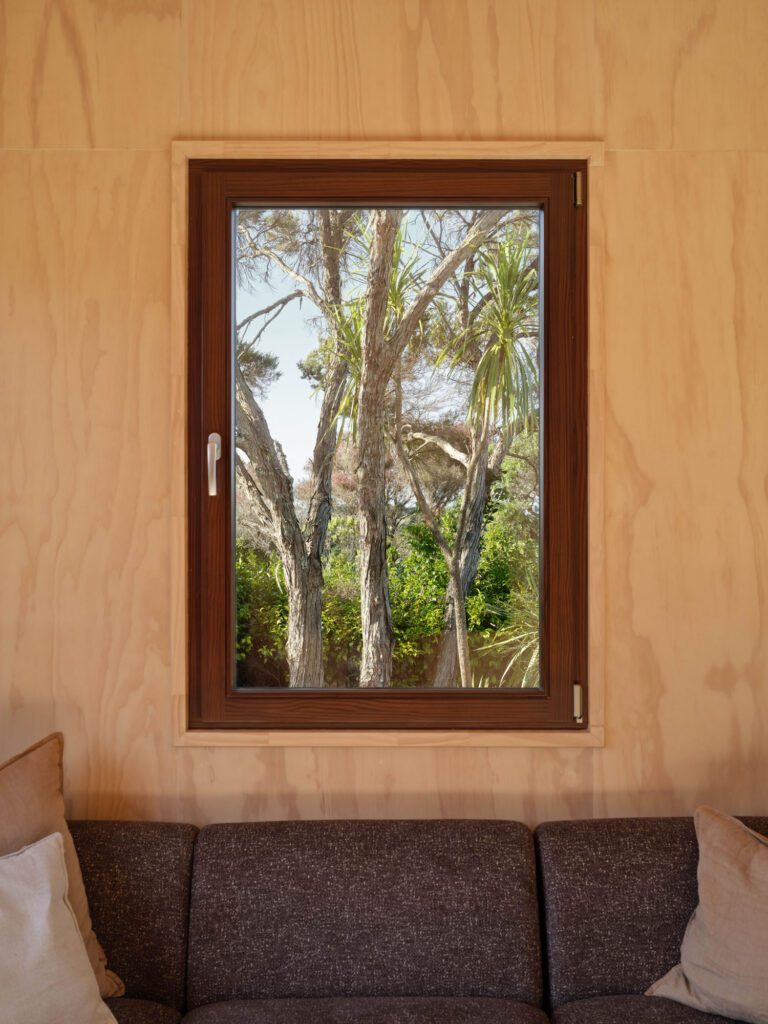
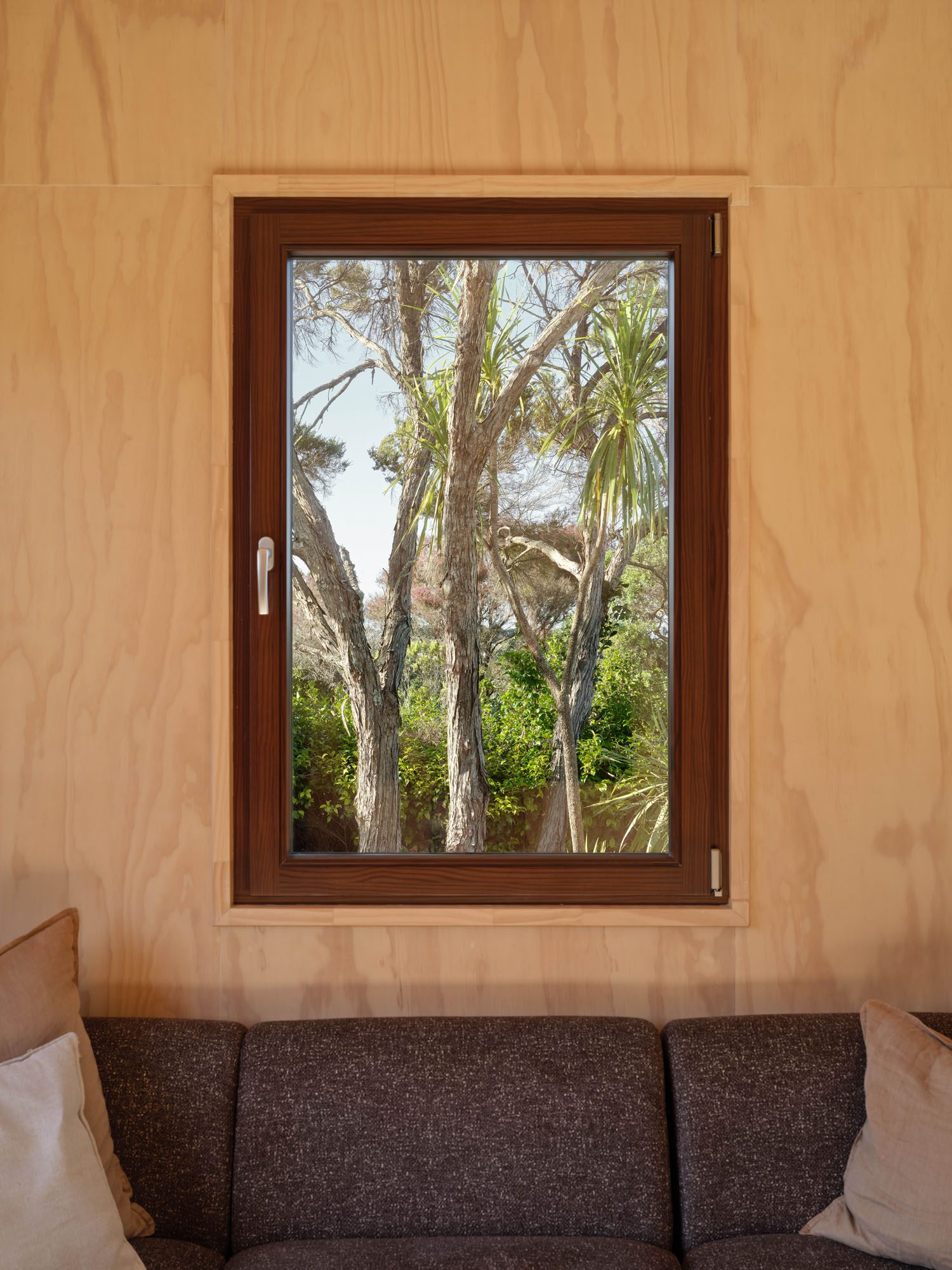
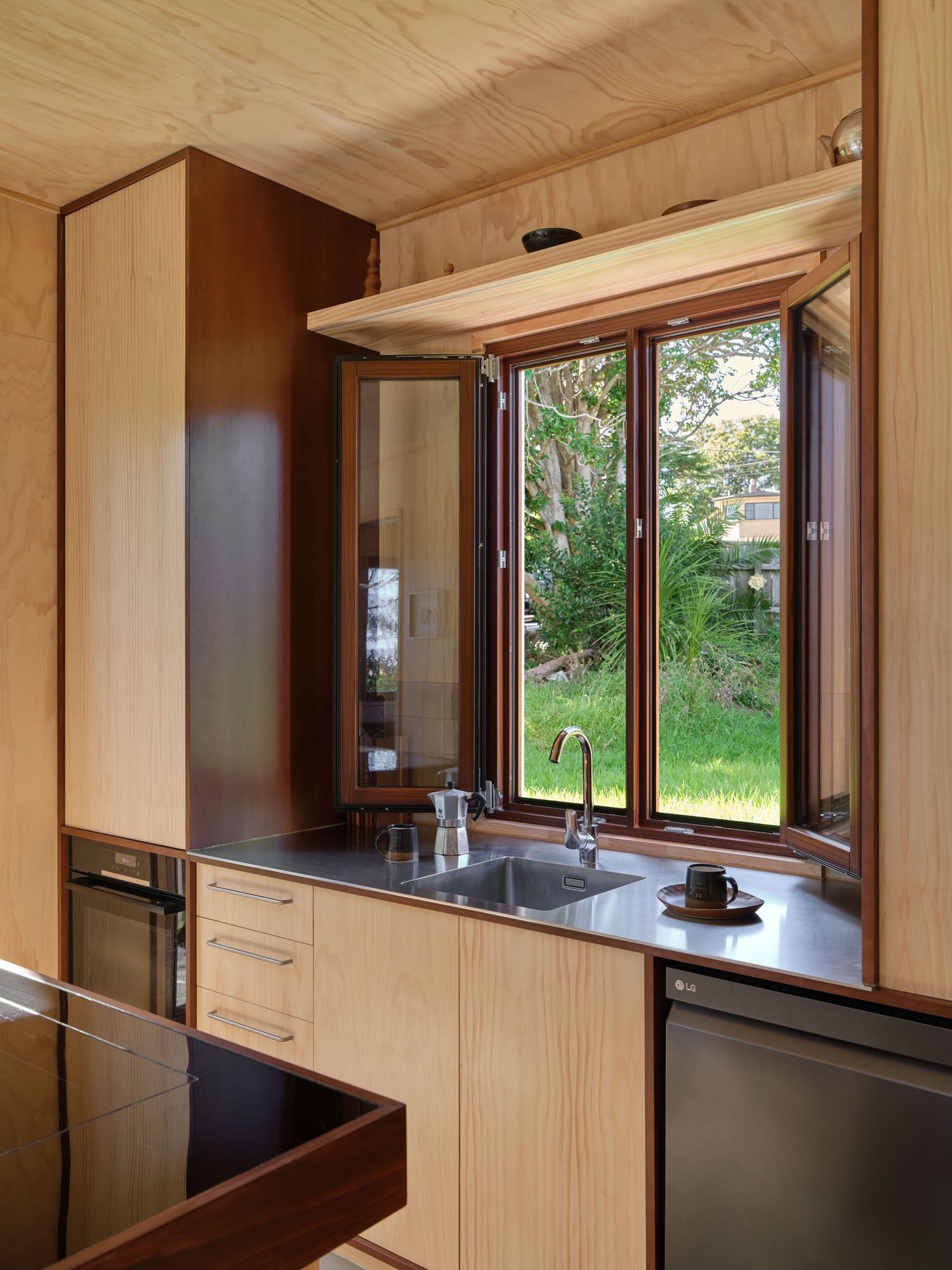
Windows also play a key role in the spatial strategy. Tilt and turn units open fully inwards, framing composed views and strengthening the connection with the surrounding fauna — including mānuka, tī kōuka, pūriri, and harakeke.
“From the exterior, the windows’ modular arrangement reinforces the balanced form and concept of the seed; from within, they crop the view into a series of unique portraits,” Sammy says.
Material selection was integral to the sustainability ambition of this project. The home is almost entirely constructed from locally grown New Zealand pine — structure, weatherboards, kitchen, cabinetry, and, of course, interior linings.
“Using renewable, locally sourced materials is important not only for the building’s carbon footprint but also for our industry’s long-term resilience,” says Antonia. “For W3, this structure reflects our commitment to supporting a self-sufficient future in a geographically isolated nation where global supply chains are increasingly uncertain.”
The construction method is equally significant. Developed through a digital fabrication model with a detailed step-by-step assembly guide, the house was delivered as a kitset system. This approach allowed the home to be built in 25 weeks for a total cost of $400,000, streamlining the construction process while allowing for cost certainty.
As the first realised example of the CEDE concept, Jack’s House is both prototype and proposal.
“Homes can be compact, materially honest, and beautifully designed, offering a richness of space and experience,” Sammy says. “The hope is that many more seeds will be sown lightly across Aotearoa — small homes that offer a path to attainable, more sustainable living.”
Judges’ citation
This project proposes a compelling residential typology: compact, efficient, and perfectly at ease within its suburban streetscape. Symmetrical, calm, and rigorously resolved, the design stood out immediately to the judges.
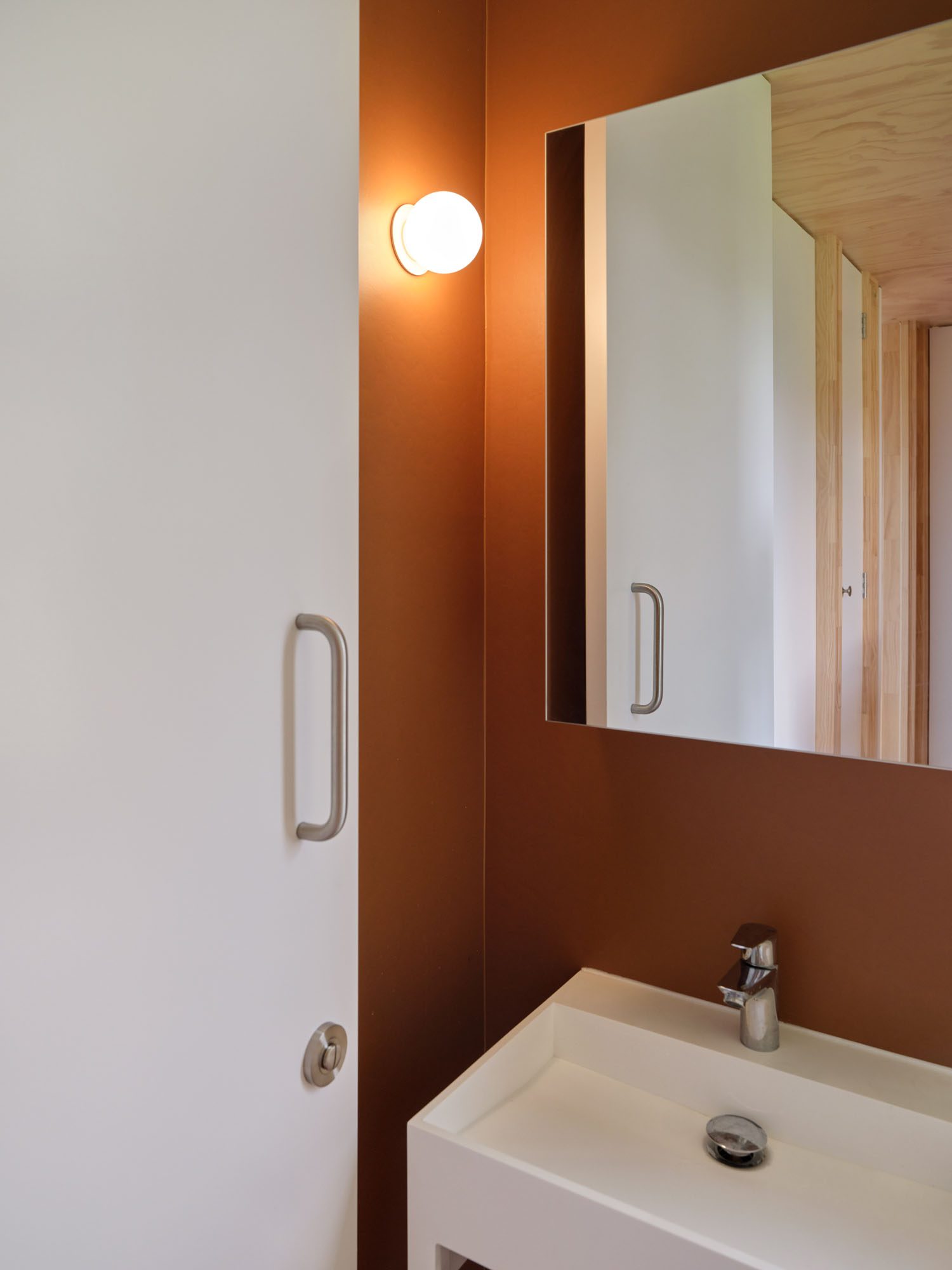
Within a remarkably small footprint, careful planning has created a surprising sense of generosity, with clearly defined spaces and a floor-plan that functions beautifully. The restrained material palette reflects the disciplined brief, directing investment towards performance rather than ornament: high-quality joinery and thermal efficiency taking precedence over embellishment.
Elegant, thoughtful, and refreshingly pragmatic, this modest house demonstrates the way in which good design can deliver affordability, sustainability, and architectural clarity in equal measure.
Project Credits
Architecture: W3 in association with CEDE
Build: BBM Construction
Words: Katie Delany
Images: Hamish Melville
Outdoor Furniture: Design Concepts
Artwork: Parnell Gallery