

An exhibition of Chinese contemporary art arrives at Auckland Art Gallery Toi o Tāmaki, tracing decades of cultural transformation through works that span performance, installation and digital media.
Auckland Art Gallery Toi o Tāmaki will present Forever Tomorrow: Chinese Art Now, a landmark exhibition tracing the evolving language of Chinese contemporary art — from the late 1970s to today’s digitally native practices.
Opening 2 May, the exhibition brings together 67 works by 42 artists, spanning performance, installation, photography, sculpture and new media. It is an expansive survey that captures a period of extraordinary transformation — one in which artists have continually redefined their role within a rapidly shifting social, political and technological landscape.
Curated by Hutch Wilco, with support from leading Chinese curator and critic Feng Boyi, the exhibition draws extensively on international collections, including Sydney’s White Rabbit Collection and Hong Kong’s M+ Sigg Collection, alongside works sourced directly from artists and their galleries.
At its core, Forever Tomorrow is concerned with lived experience — labour, migration, family, intimacy and technology — and the ways these forces shape both individual and collective realities.
As Hutch Wilco notes, “Forever Tomorrow brings together powerful works that register lived experience — labour, migration, family, intimacy, and technology. Spanning generations, the exhibition reveals how artists have given form to the emotional and psychological dimensions of everyday life.”
Spanning generations, the works offer a layered portrait of contemporary life, reflecting the psychological and emotional dimensions of a society in flux.
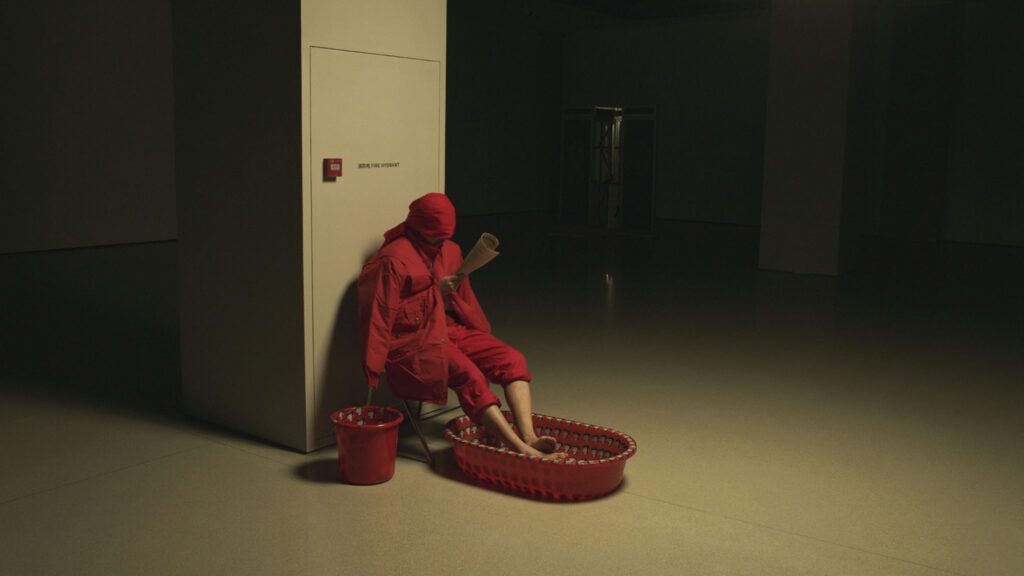
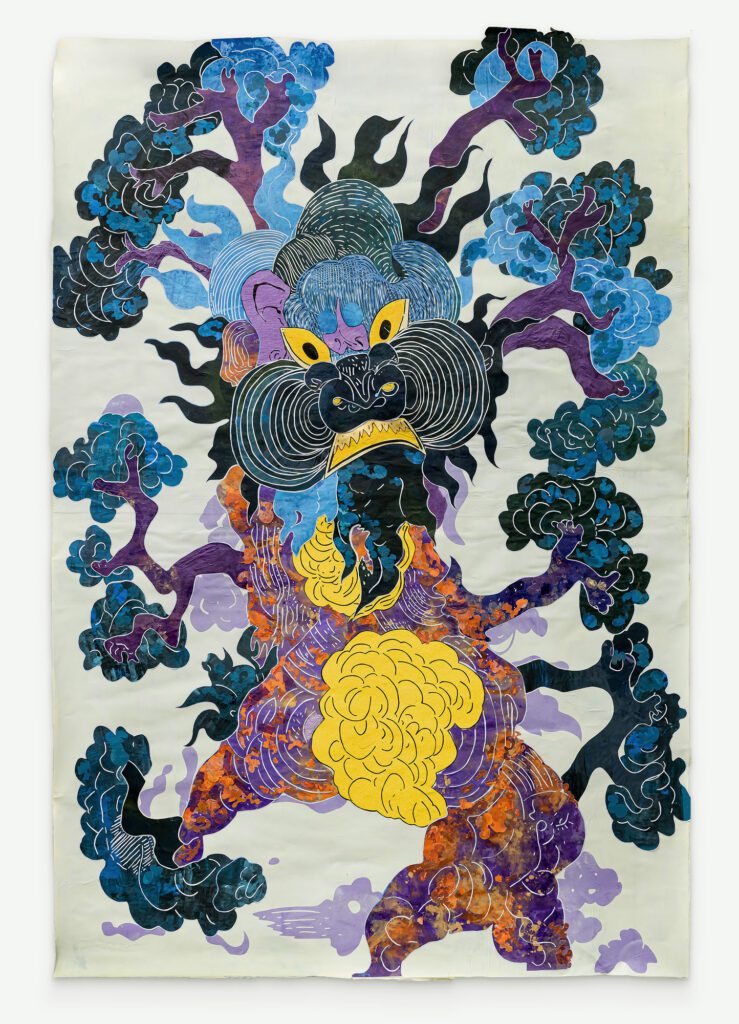
The exhibition includes major figures such as Ai Weiwei, Cao Fei and Xu Zhen, alongside artists exhibiting in Aotearoa for the first time, including Lu Pingyuan, Xiyadie and Wang Tuo. Together, their practices map a trajectory from early experimental gestures through to today’s immersive, digitally mediated environments.
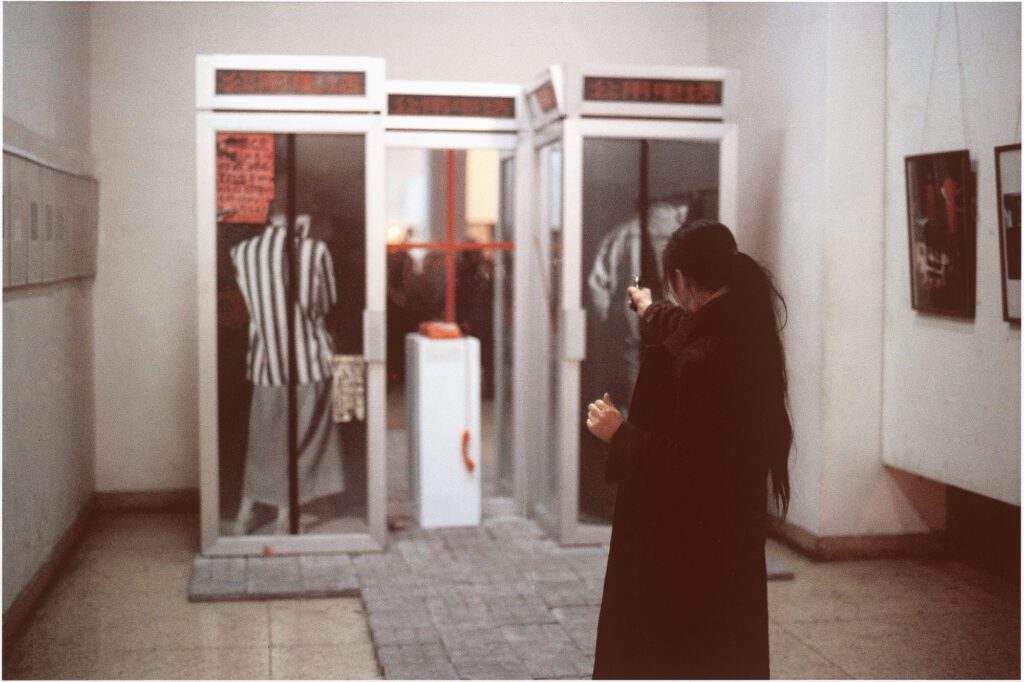
Key works anchor this narrative. Xiao Lu’s Dialogue (1989) — first presented at the seminal China/Avant-Garde exhibition — remains one of the most charged moments in contemporary art history, collapsing the boundary between personal expression and political action. Ai Weiwei’s Dropping a Han Dynasty Urn (1995) continues this interrogation of cultural memory, while Zhang Huan’s performance To Raise the Water Level in a Fishpond (1997) explores the relationship between the individual body and collective effort.
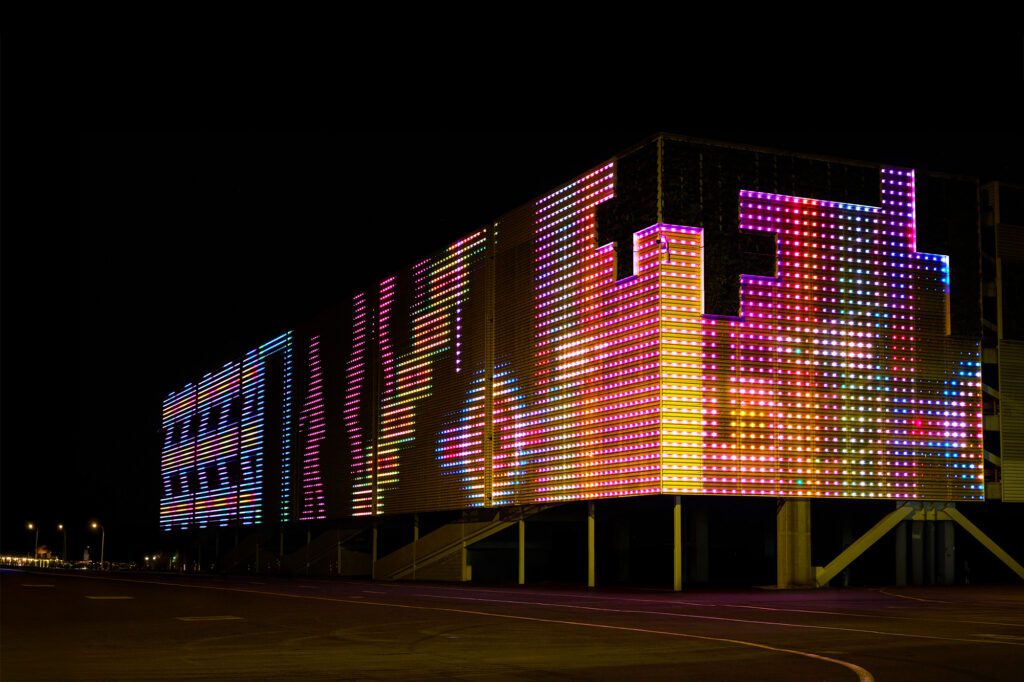
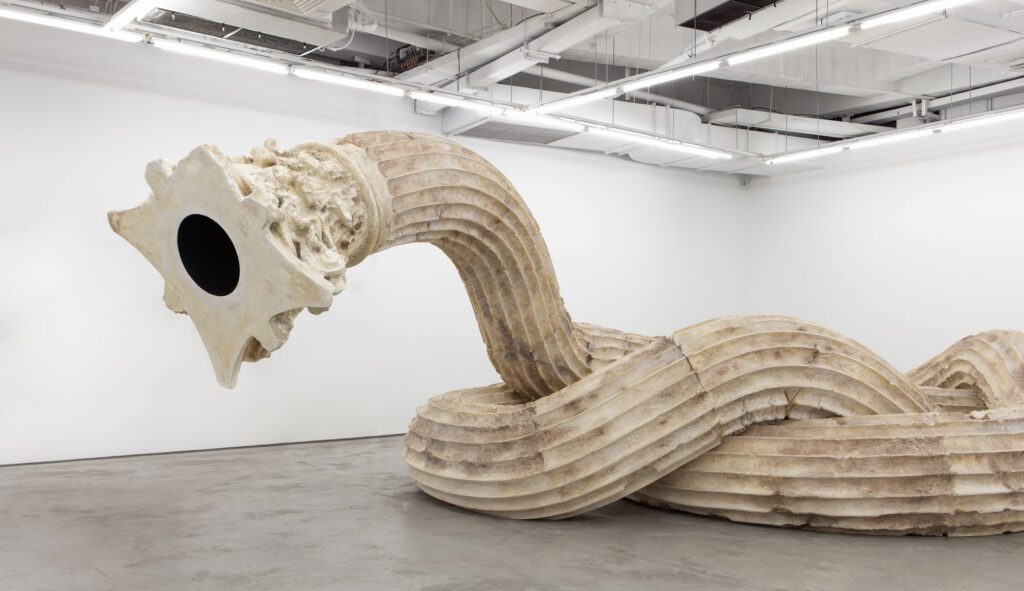
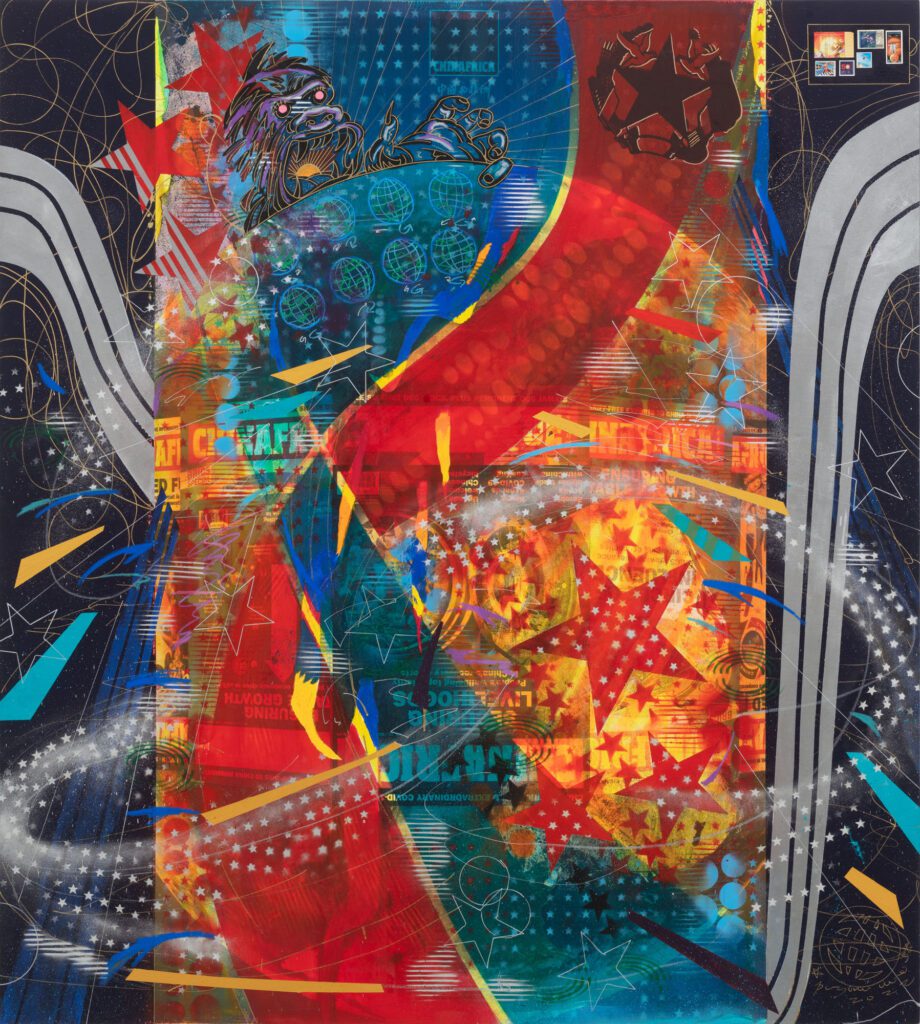
More recent works extend these concerns into new territories. Xu Zhen’s robotic Corinthian column destabilises familiar architectural language, while Cao Fei’s RMB City envisions a speculative digital metropolis. Elsewhere, Lu Pingyuan’s AI-driven projects and Wang Tuo’s filmic investigations reflect on authorship, control and the enduring mechanisms of censorship in a networked age.
Positioned within Tāmaki Makaurau’s increasingly diverse cultural landscape, Forever Tomorrow speaks to wider conversations around identity, globalisation and the circulation of ideas — offering a timely reflection on how cultural production both shapes and responds to a changing world.
Accompanied by a public programme of talks, screenings and workshops, the exhibition extends beyond the gallery walls, offering multiple entry points into the ideas it presents — from artist-led discussions on digital futures to immersive events that situate contemporary practice within everyday experience.
Forever Tomorrow: Chinese Art Now
Auckland Art Gallery Toi o Tāmaki
2 May — 23 August 2026