Let it breathe: A villa is reinvigorated around a compact courtyard
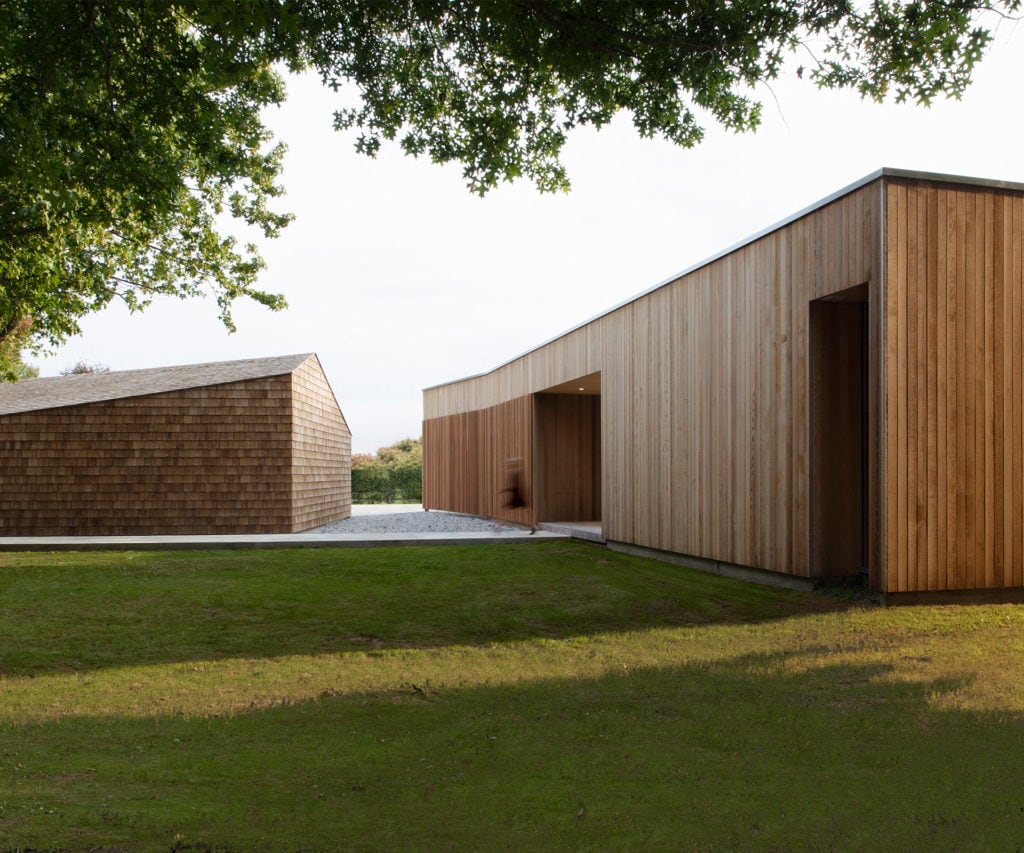
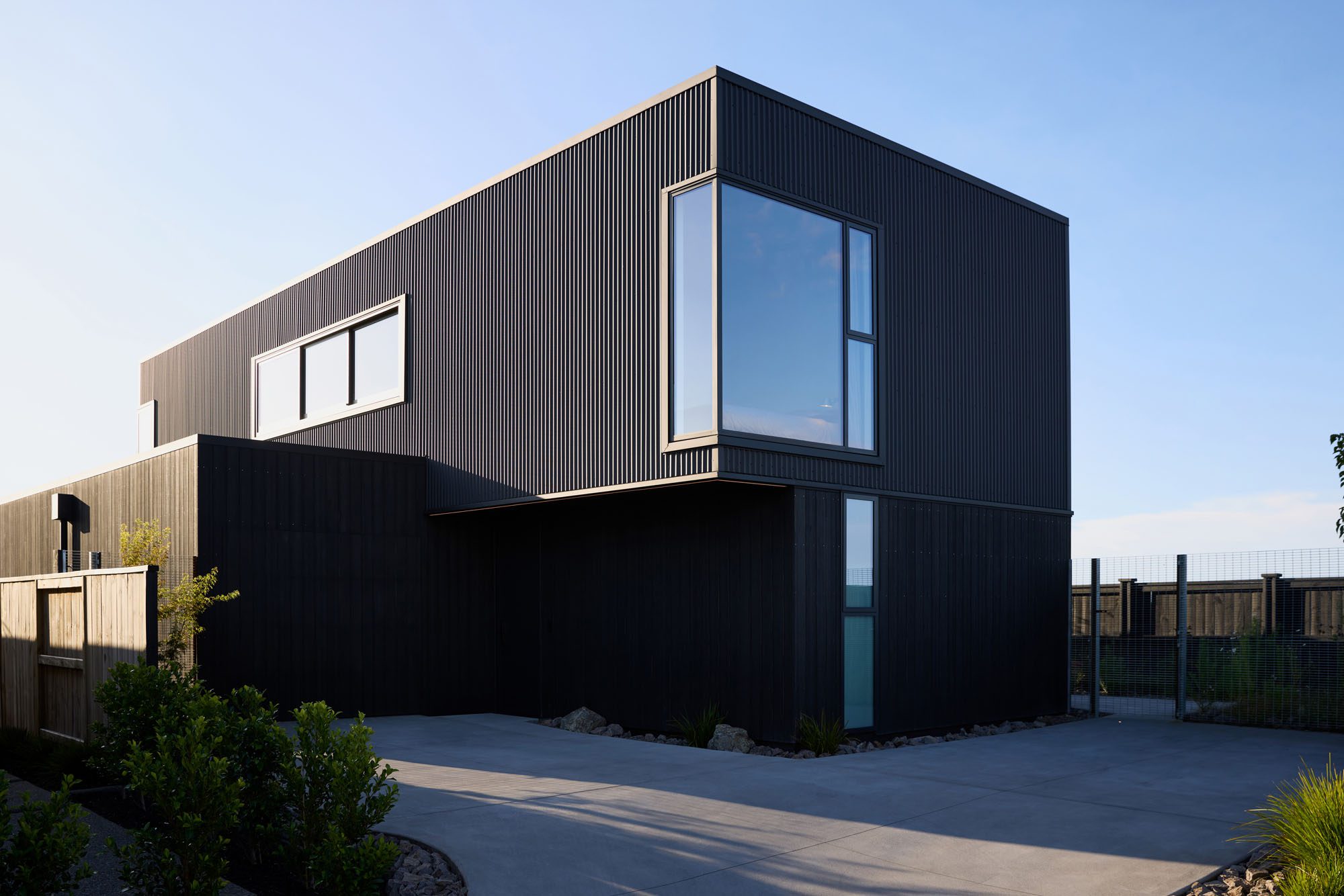
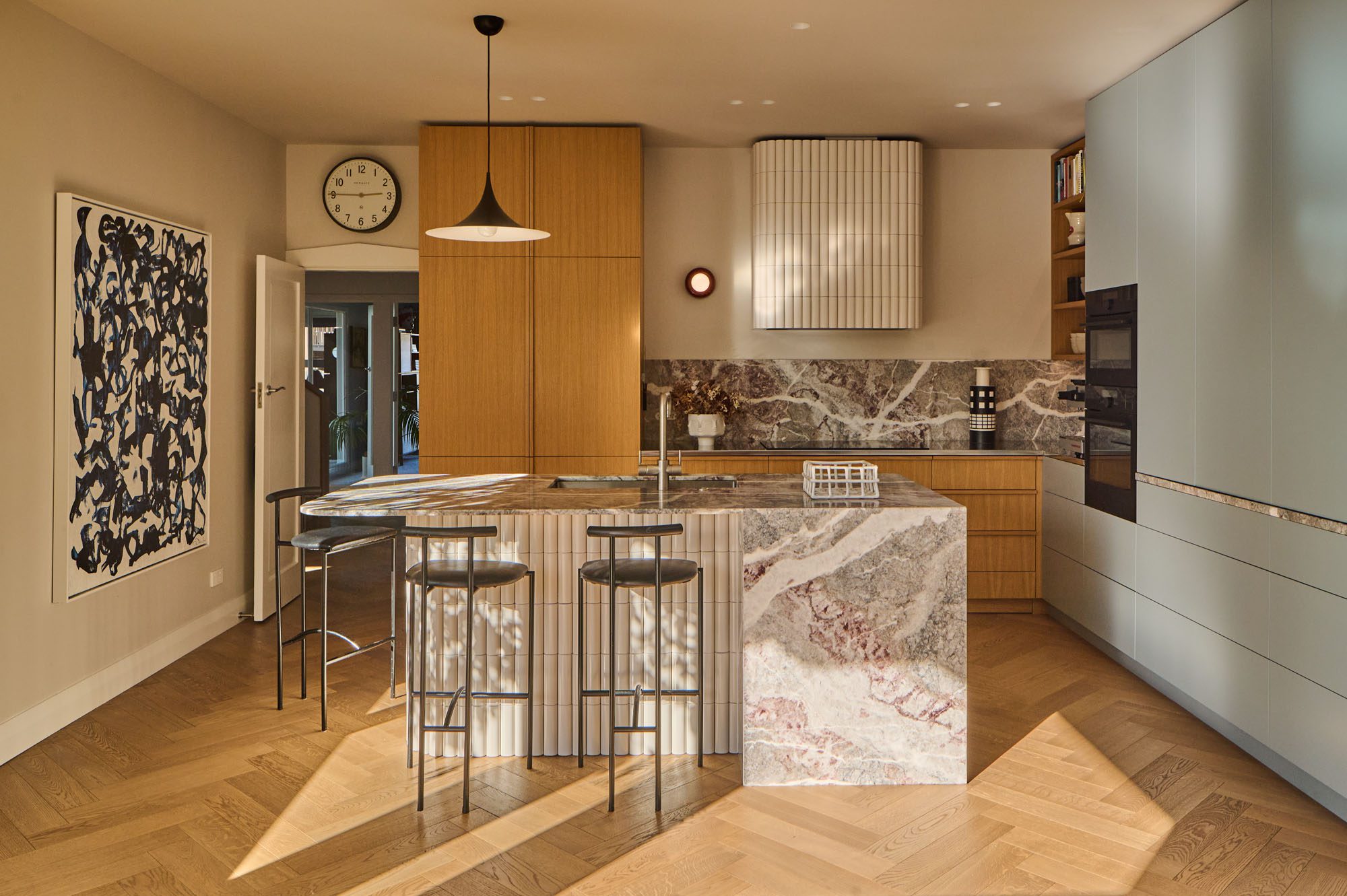
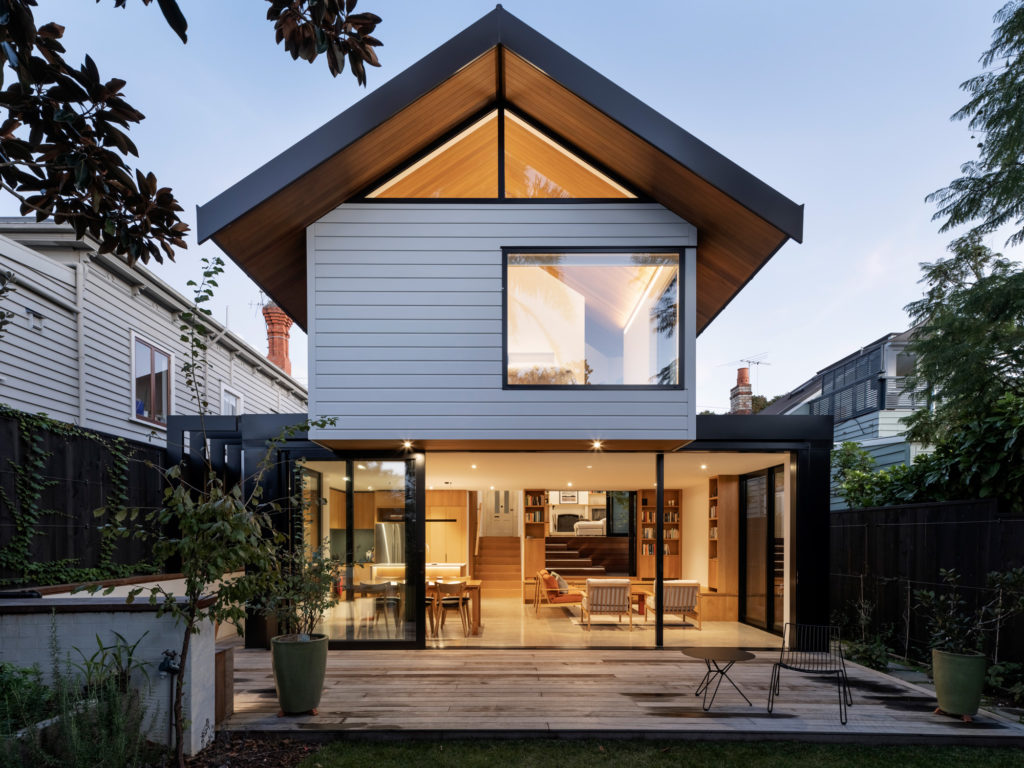
In Ponsonby, a villa is extended around a compact courtyard linking old and new, while a gabled addition floats above a grounded lower level.



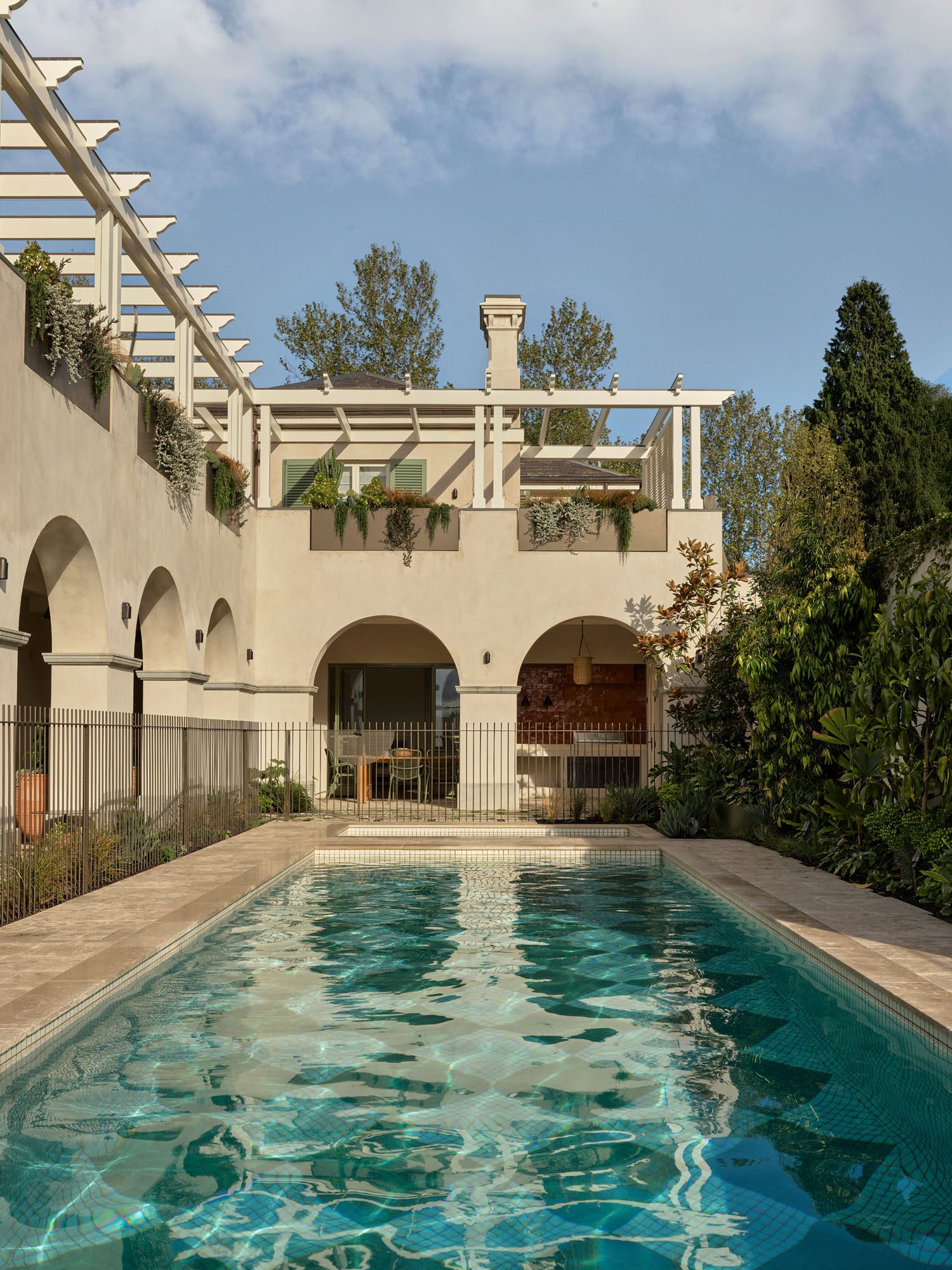
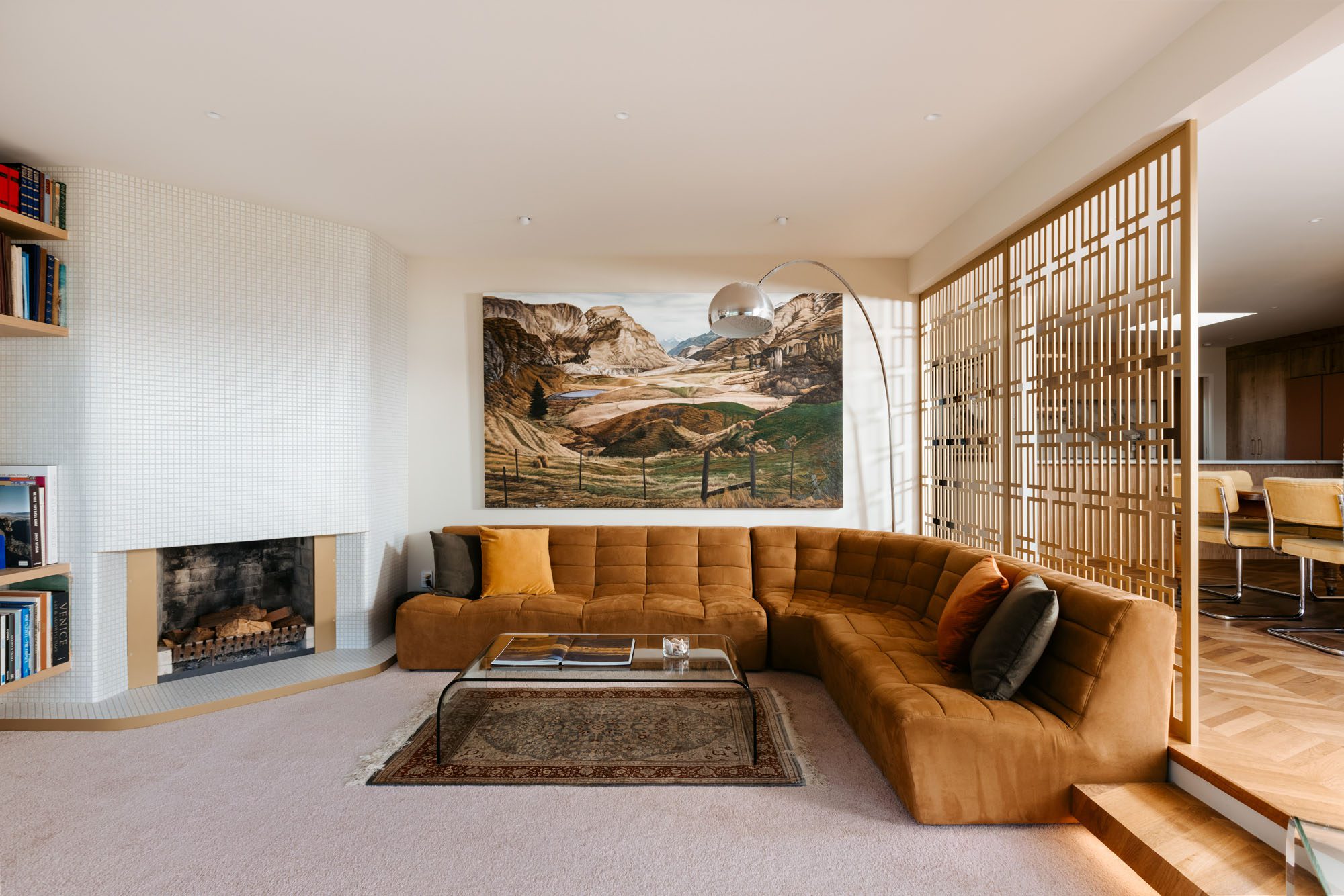
Winners of HOME’s Interior of the Year in 2023 for Speargrass House in Queenstown, Australia’s Arent&Pyke continues to produce interiors built on a clever amalgamation of local and international influences. The studio’s latest, a reworked villa in Melbourne’s Hawthorn, is a stunning case in point.
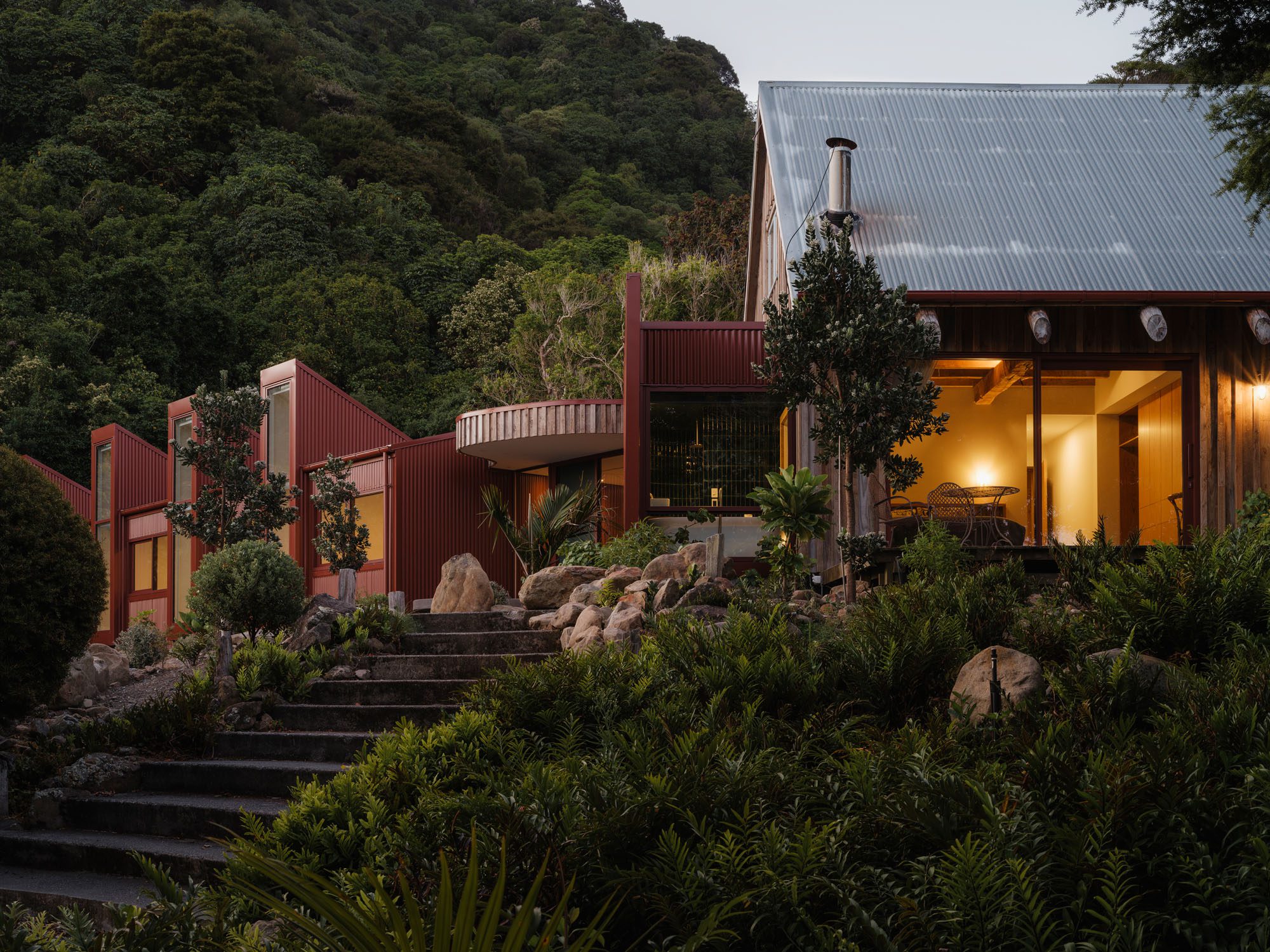
On the shores of Lake Rotoiti, this holiday home draws on the region’s rich geological history — from the magma deep beneath the earth’s surface to the mossy greens and pristine blues of the forest and lake.
On a rugged stretch of State Highway 1, part-way between Kaikōura and Blenheim, where steep hills fall towards the Pacific and weather shapes the land with force, Three Sixty Architecture has devised something entirely fitting — and particularly appealing.
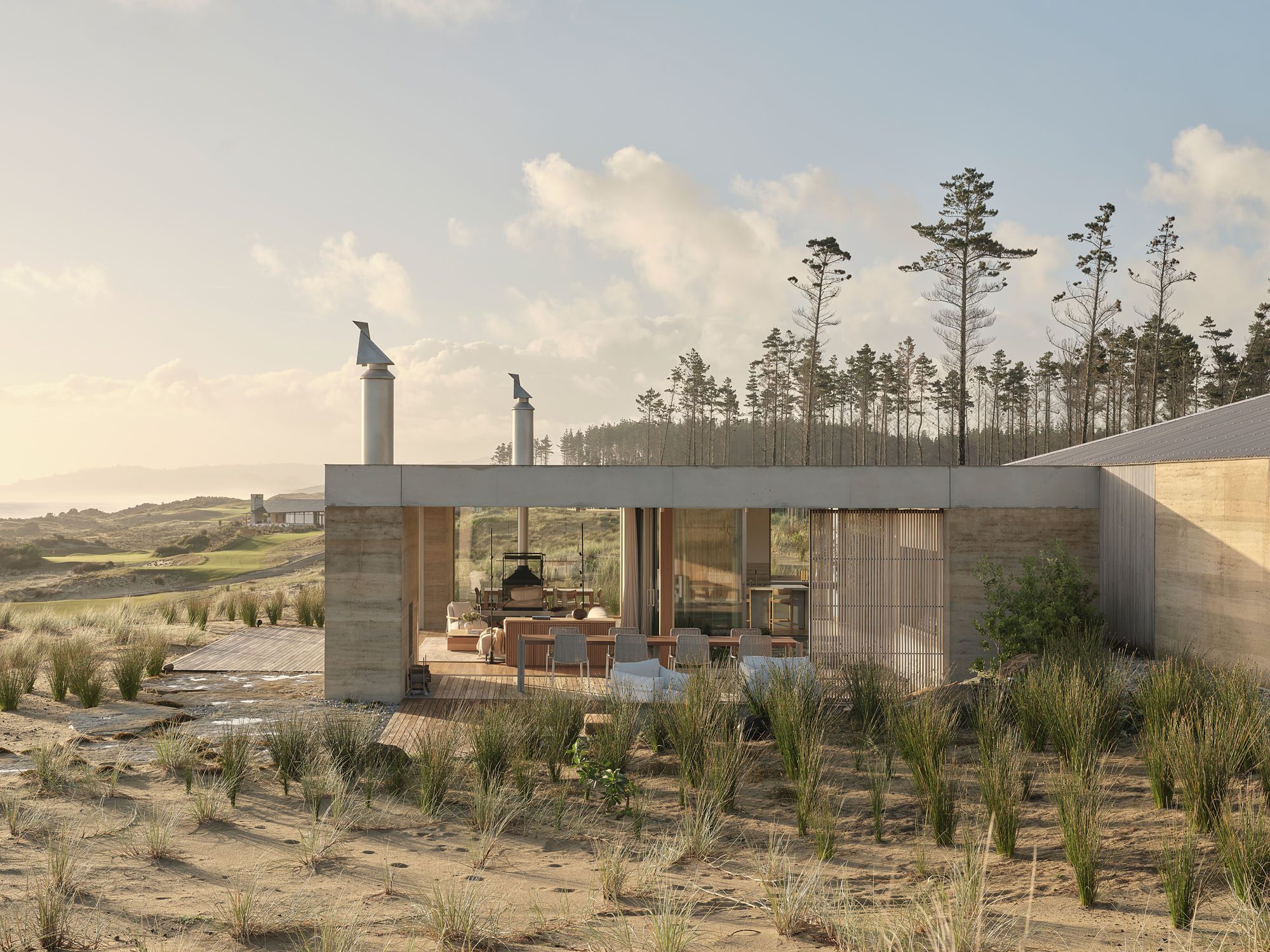
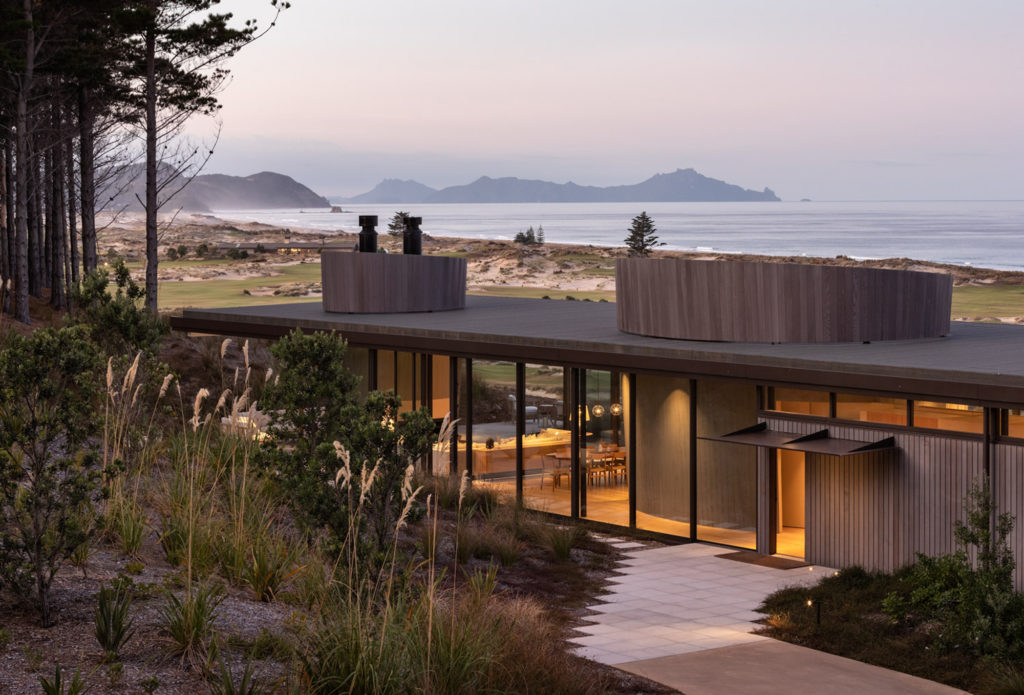
Emerging from the Te Ārai dunes as two rammed earth pavilions offset to reconcile sun path and sea view, the Double Courtyard House responds to its landscape by, literally, being made from it.
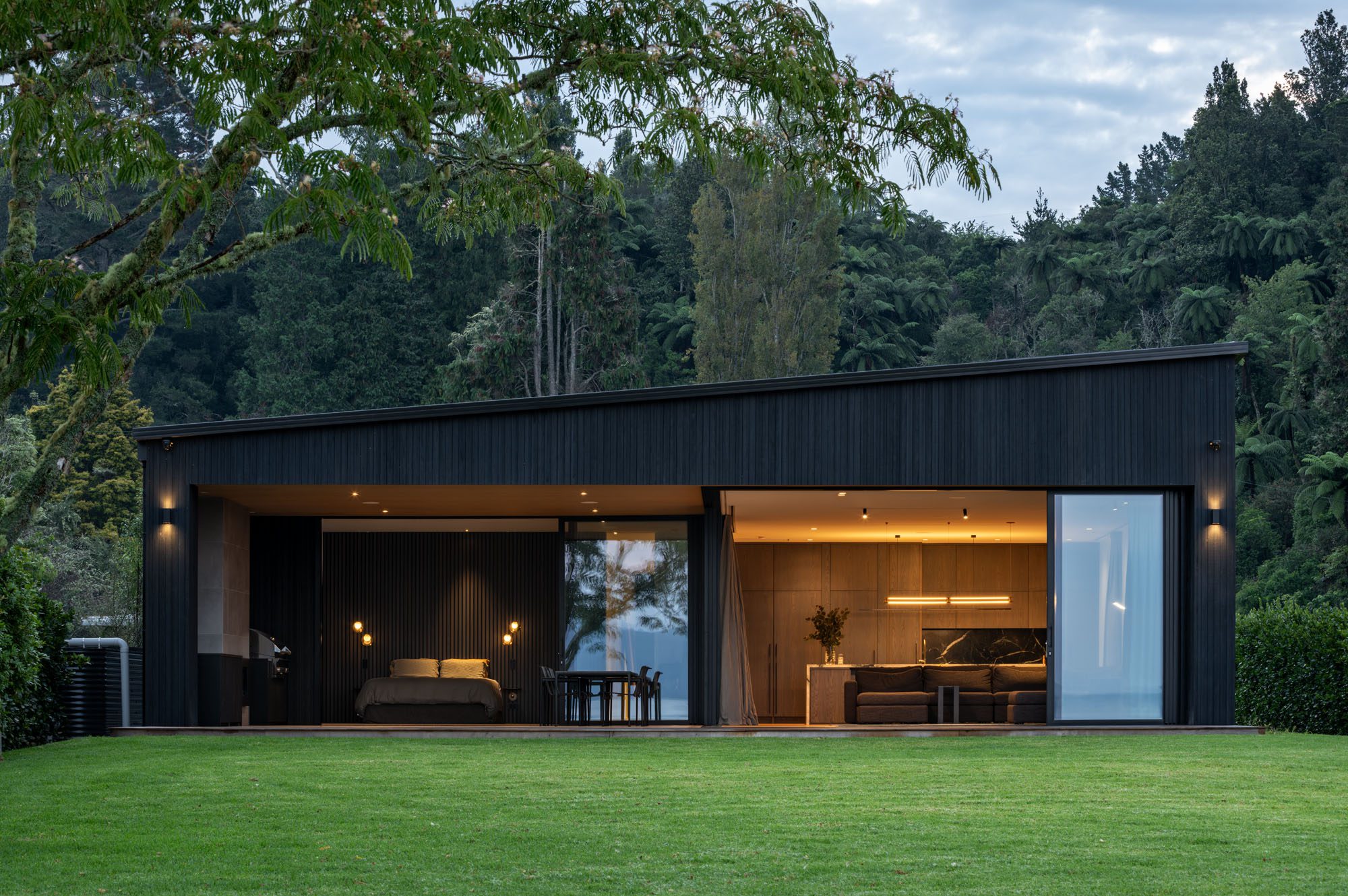
On the shores of Lake Rotoiti, this holiday home draws on the region’s rich geological history — from the magma deep beneath the earth’s surface to the mossy greens and pristine blues of the forest and lake.
A Hawke’s Bay family set out to transform their Bluff Hill cottage into boutique accommodation, but, as the design progressed, they fell in love with it and decided to make it their permanent home.
The blue palette, carried seamlessly from interior to exterior, ultimately reads as its own neutral, while spatial reconfigurations throughout the home reclaim under-utilised volumes and deepen connections to the landscape and coastal aspect.
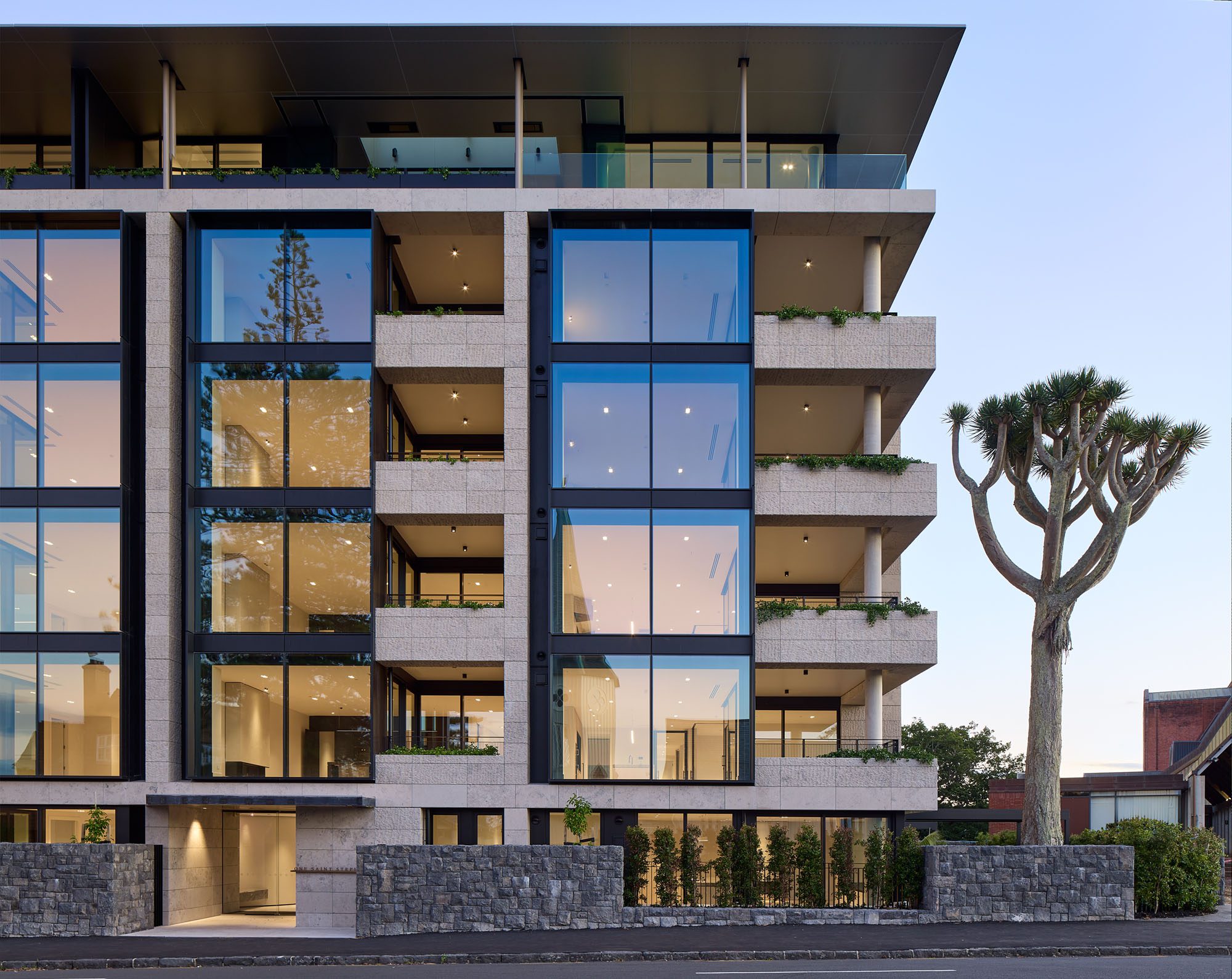
Sited between three significant heritage buildings in Parnell, One Saint Stephens earns its place in this category through both the quality of the interior life it creates and the statement it makes from the street.
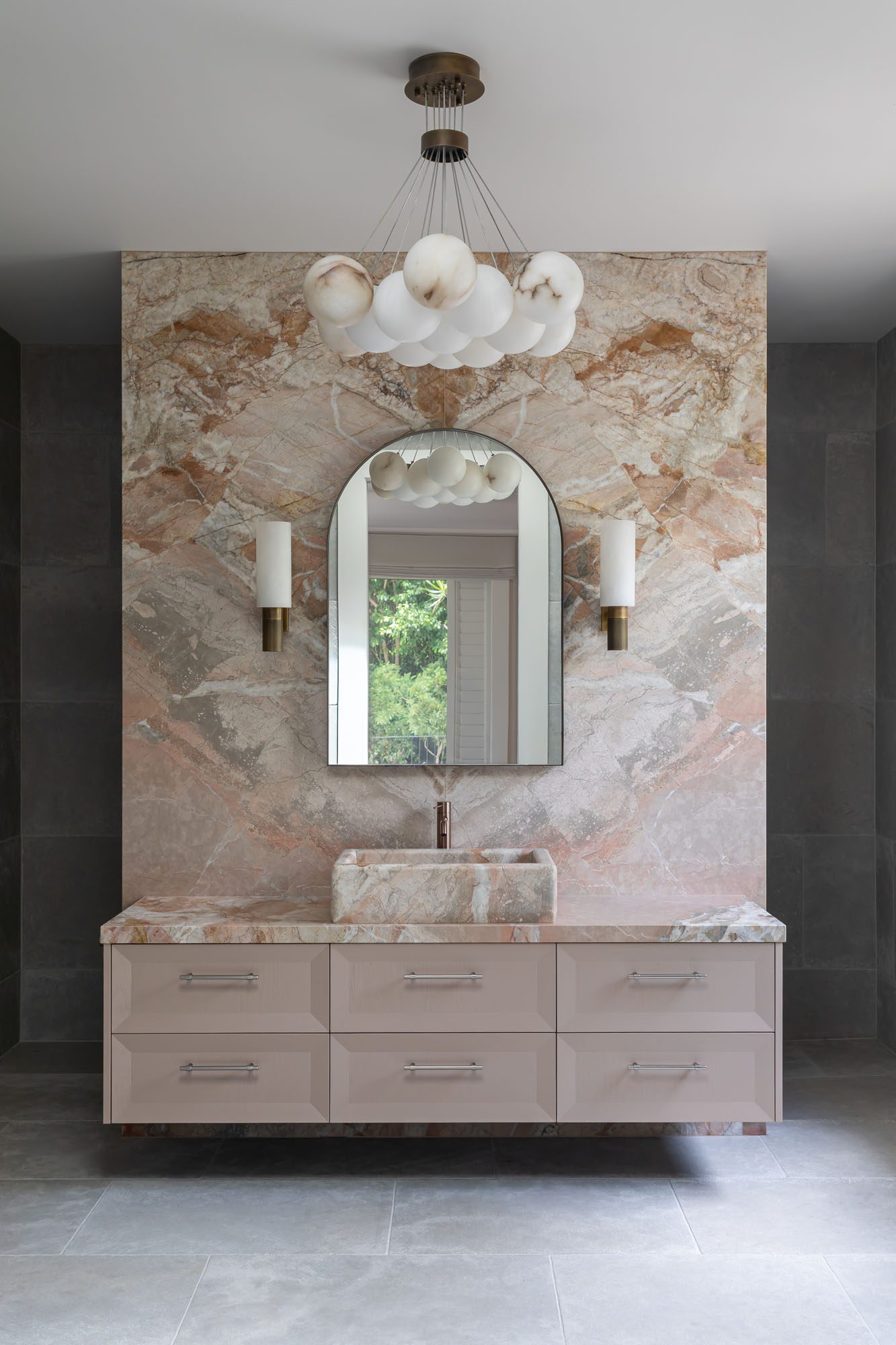
The year's best bathroom is part of an extensive renovation that reflects on the family’s long history with this site on a quiet, leafy street in Auckland’s Herne Bay; a very personal sanctuary where memory and materiality converge.
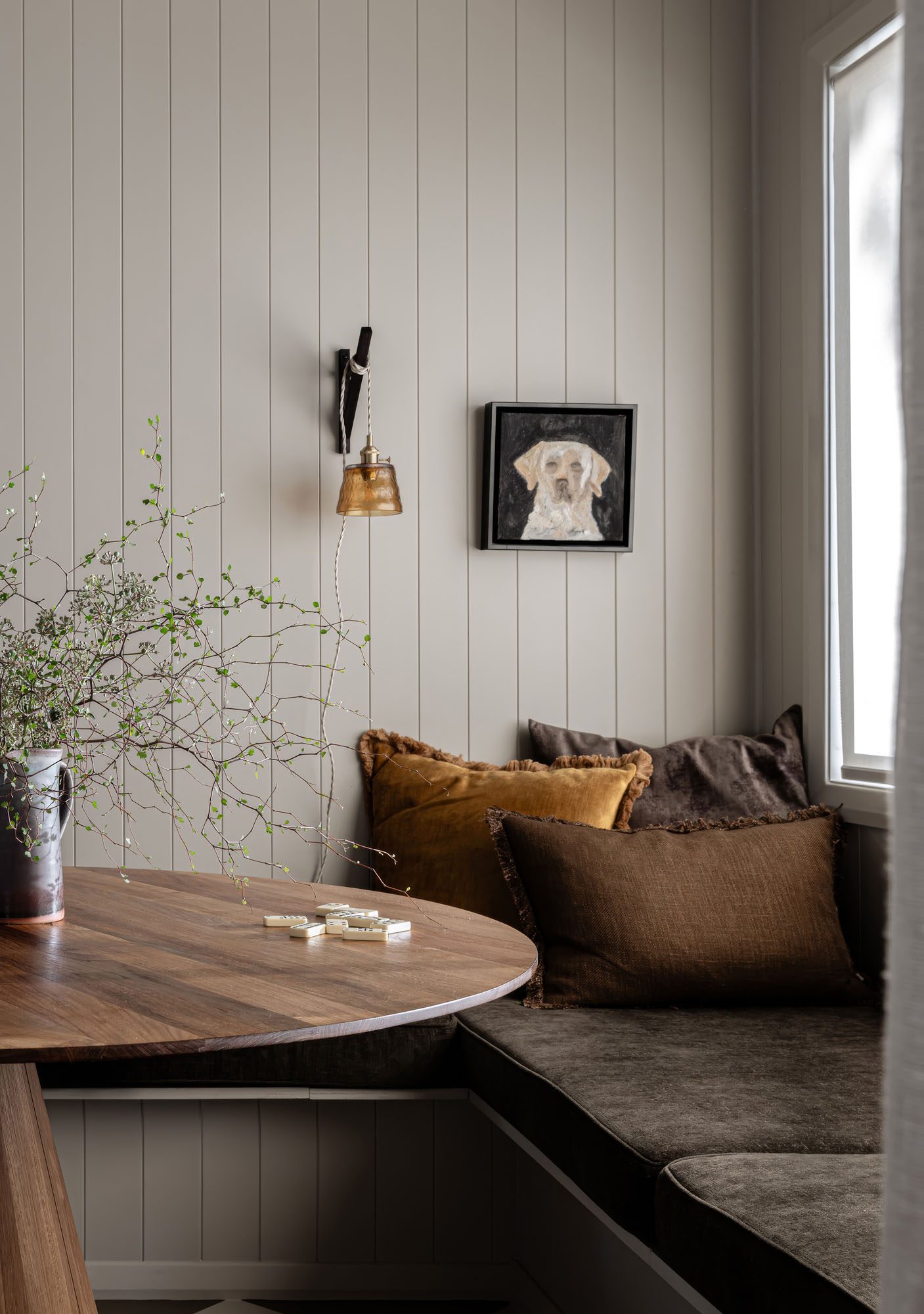
A Hawke’s Bay family set out to transform their Bluff Hill cottage into boutique accommodation, but, as the design progressed, they fell in love with it and decided to make it their permanent home.
In the heart of Auckland’s wine country, this home by and for an architect explores an unusual premise: an architectural home delivered on a modest budget in partnership with a group home builder — and the result is intriguing.
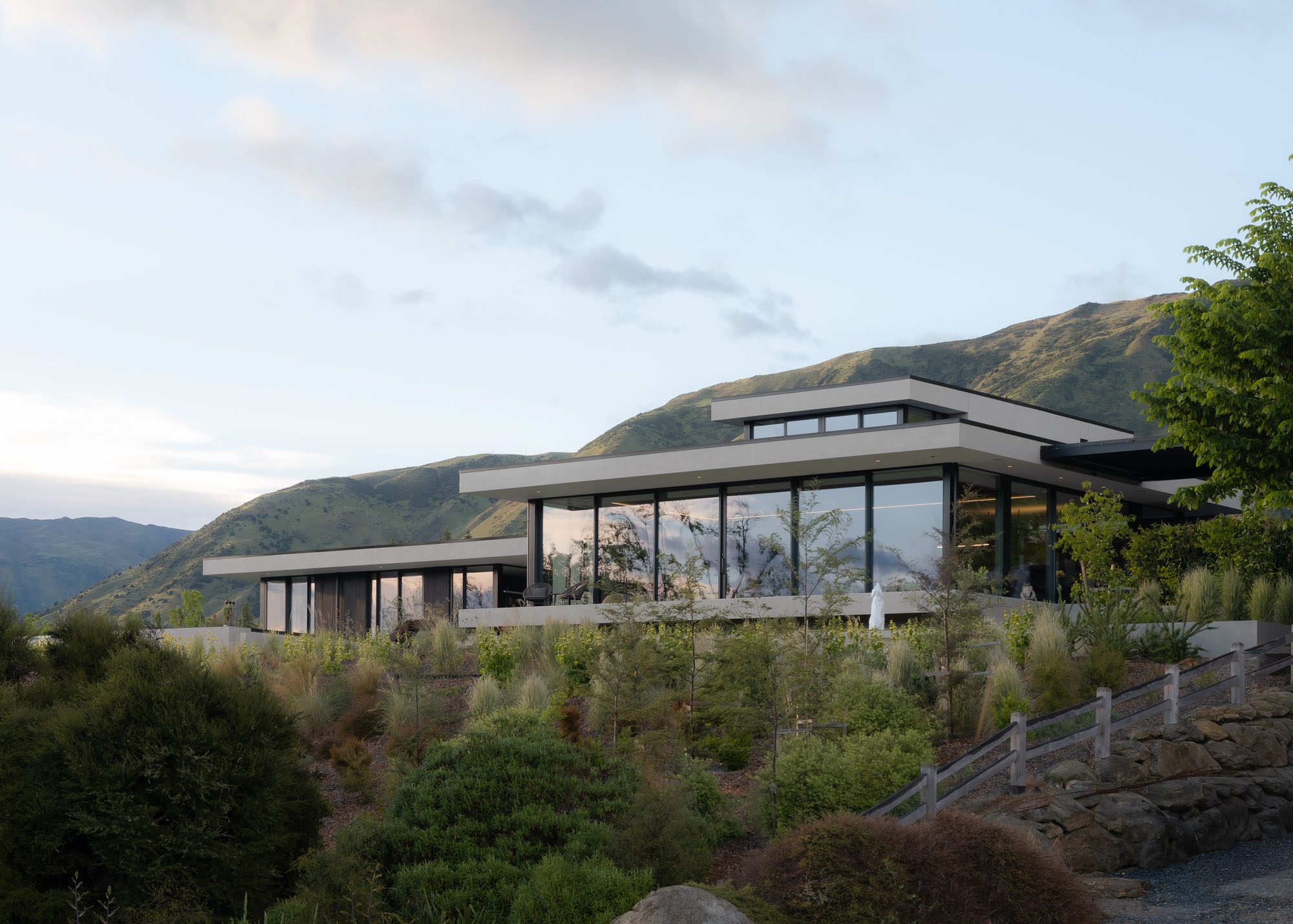
Geometrically crisp against an organic backdrop, this Wānaka home is a confident expression; the result of clients who knew what they wanted and an architect who added the visual poetry.
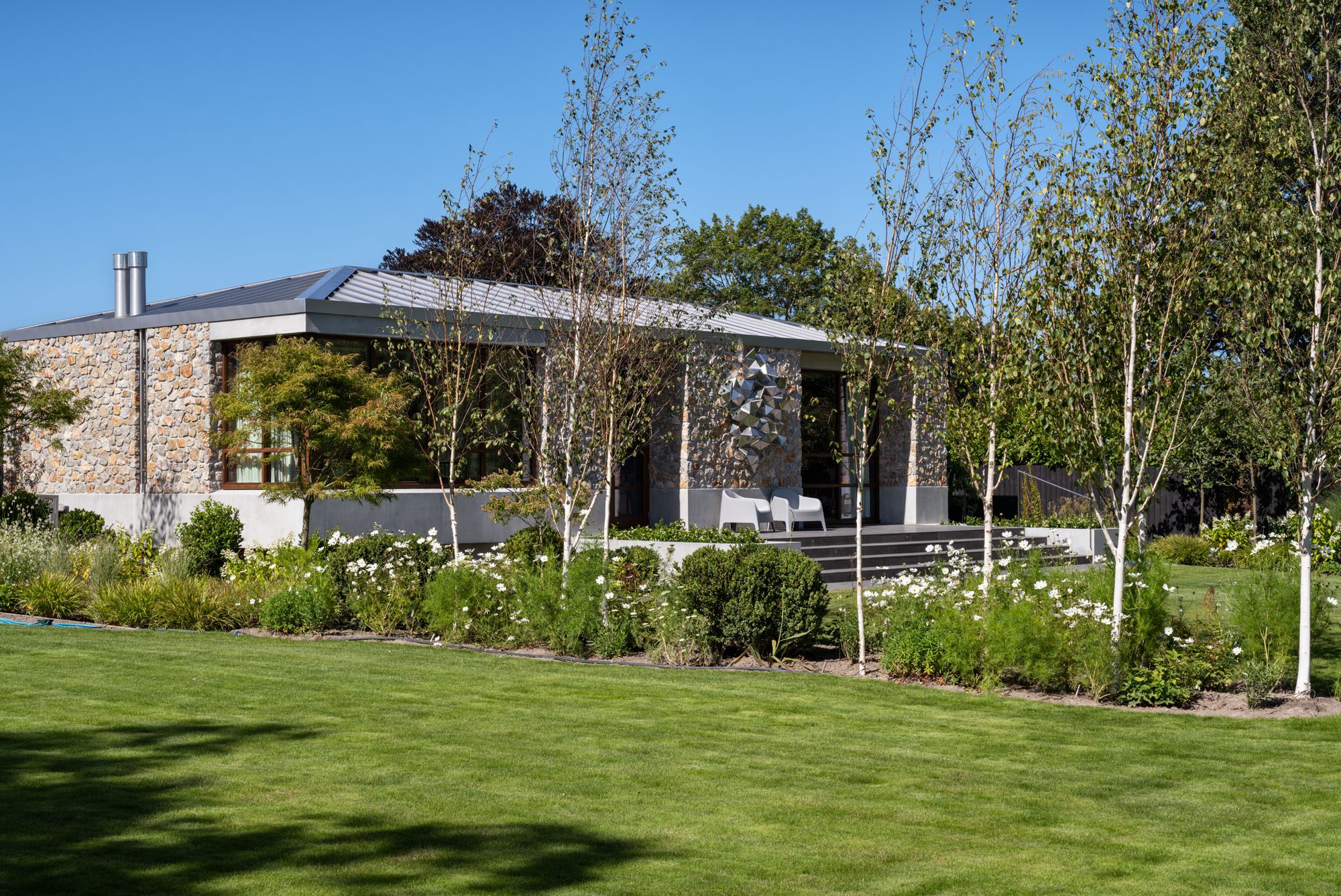
On the banks of the Avon, PRau's material choreography turns a private residence into a study in considered restraint.
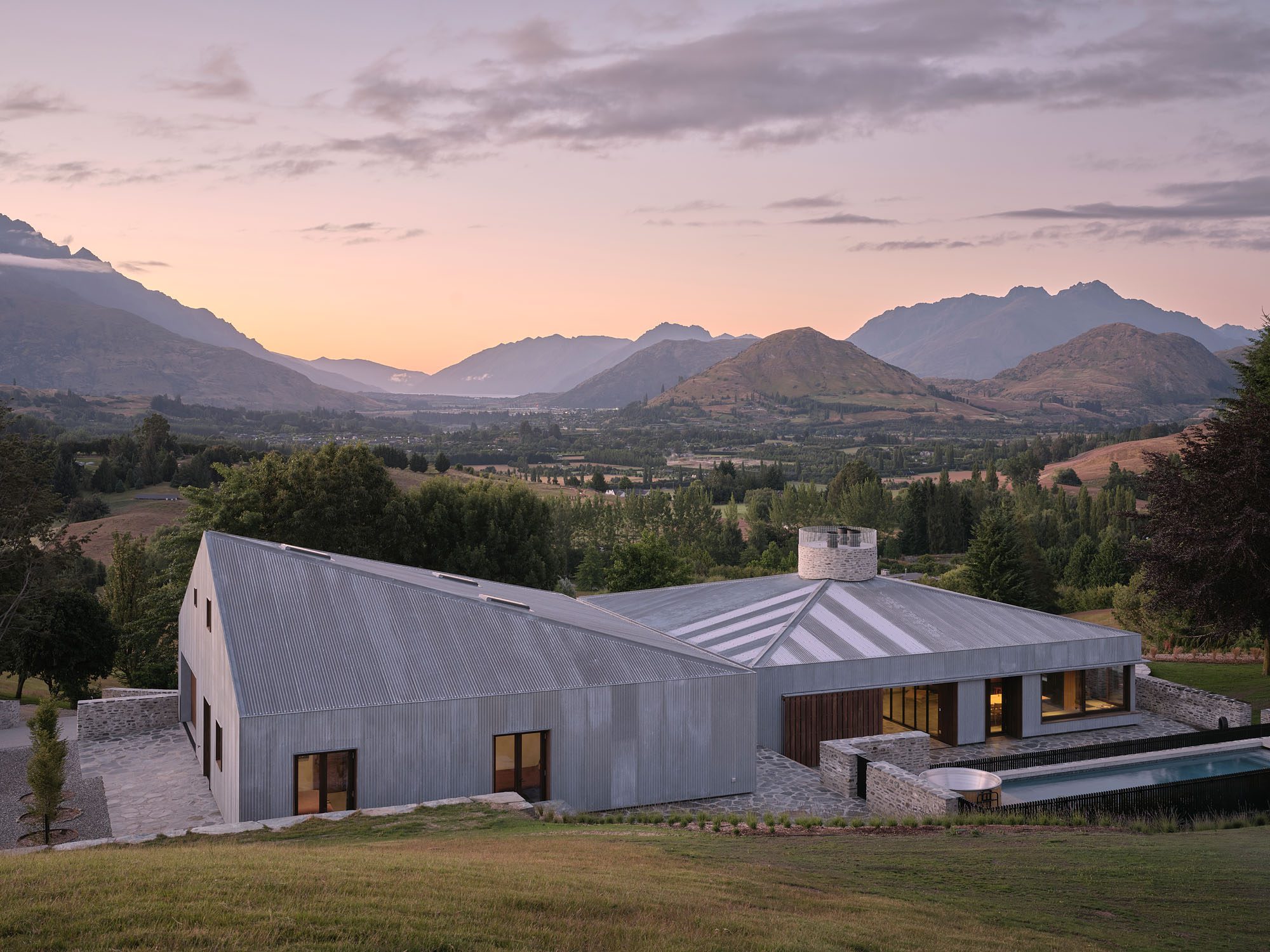
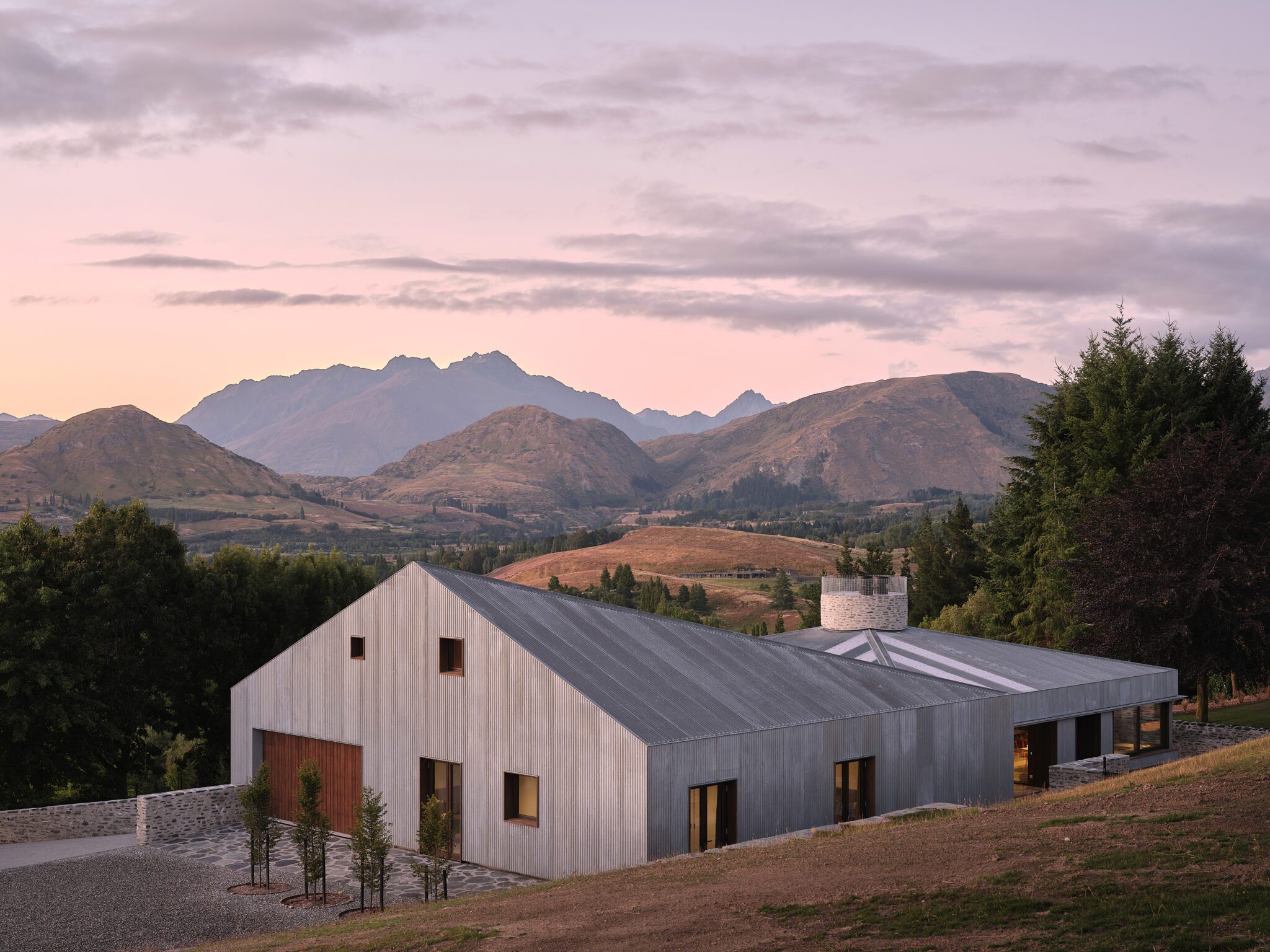
Utilitarian forms and understated elegance collide in this rural Queenstown Lakes home by RTA Studio.
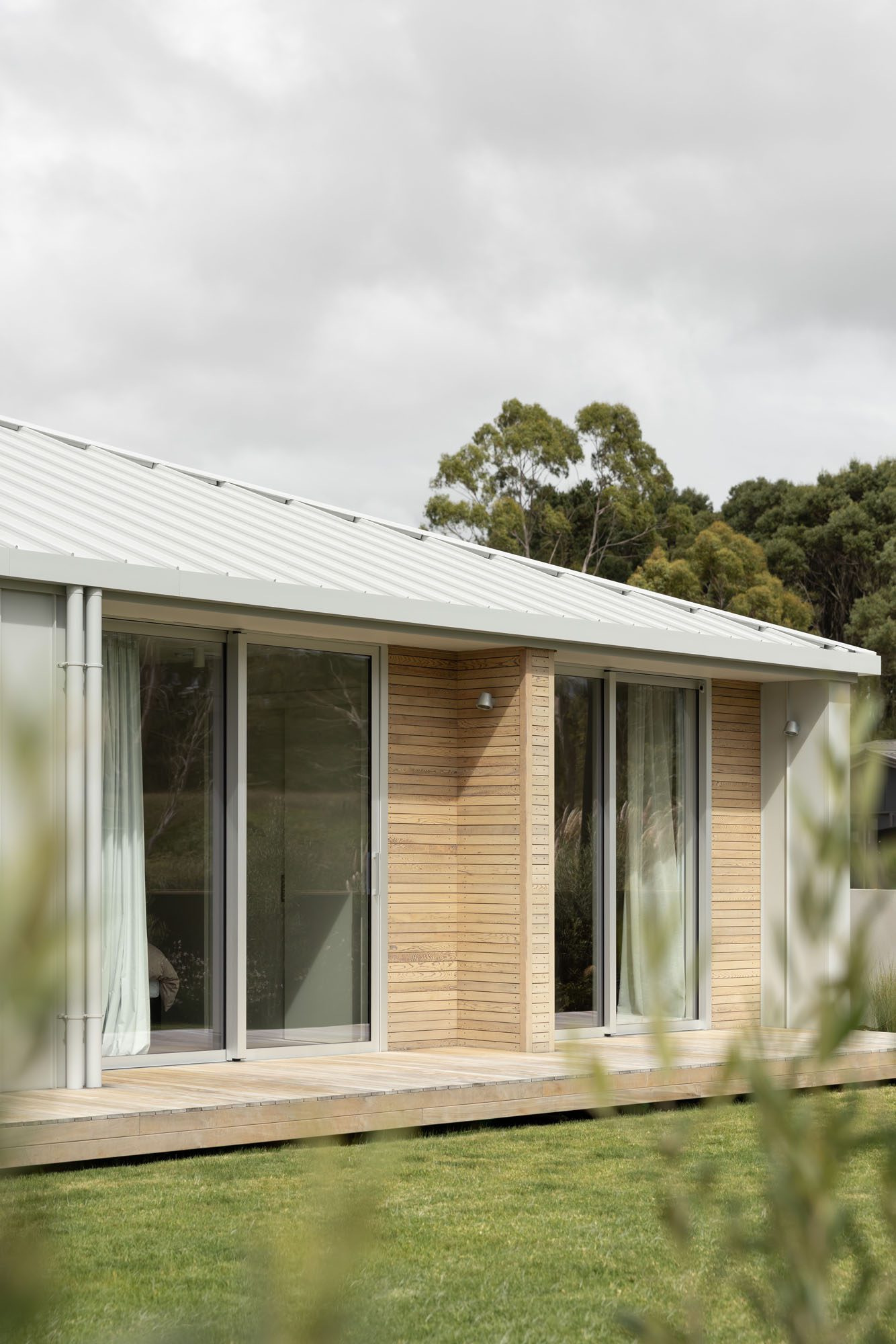
In the heart of Auckland’s wine country, this home by and for an architect explores an unusual premise: an architectural home delivered on a modest budget in partnership with a group home builder — and the result is intriguing.
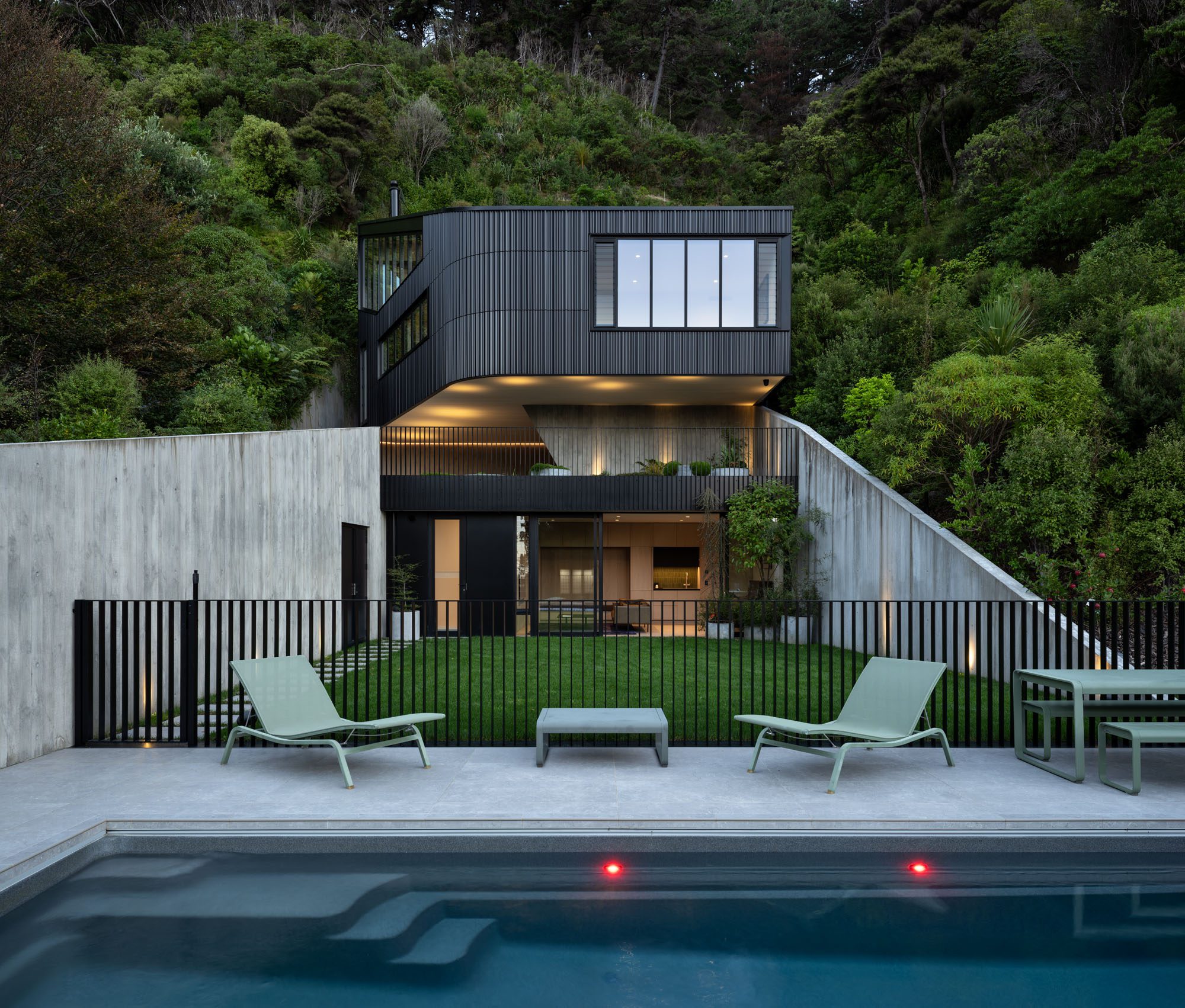
Wedged into a cliffside beside the wild harbour of Wellington’s Eastern Bays, this year’s Home of the Year winner by Stevens Lawson Architects is a masterly object full of sculpture and craftsmanship, grandeur and human scale.
Home of the Decade (2015—2025) winning firm RTA Studio has refined a Southern language of gables and barn-like forms into a coveted residential style that is equally at home in the Alps as it is in the inner city.
Tucked into the expansive alpine landscape outside Arrowtown, this home takes its cues from the rugged vernacular of Central Otago, sharpened with a distinctly contemporary edge.
Perched above a cliff edge, where parkland softens into water, this reworked 1980s home is a careful act of continuation.
In Ponsonby, a villa is extended around a compact courtyard linking old and new, while a gabled addition floats above a grounded lower level.
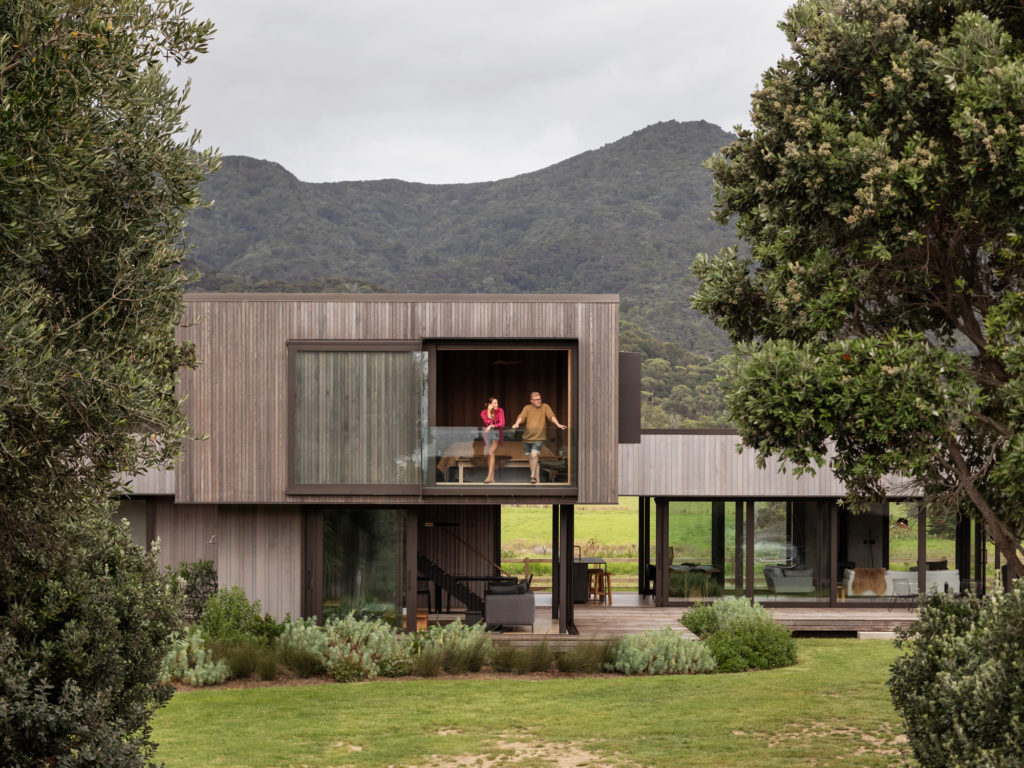
This quietly confident and inconspicuously elegant holiday home mimics the forms of Memory Rock on nearby Medlands Beach.
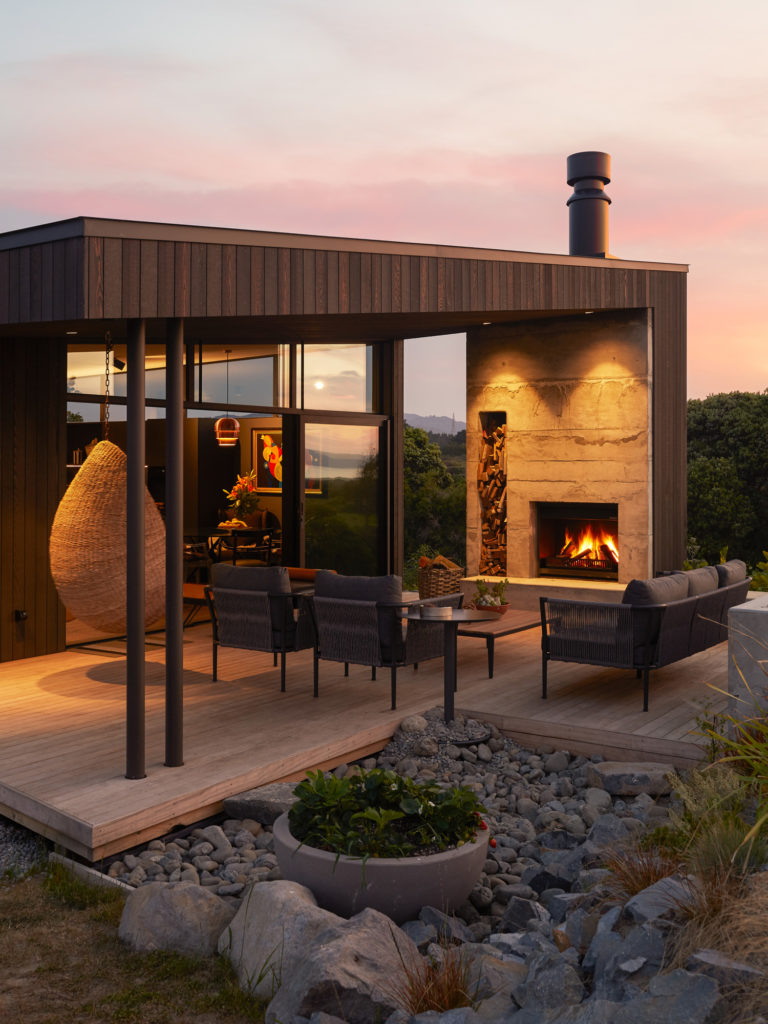
Although this Kapiti Coast home for one by Andrew Sexton Architects is compact, it delivers a multitude of connections to nature.
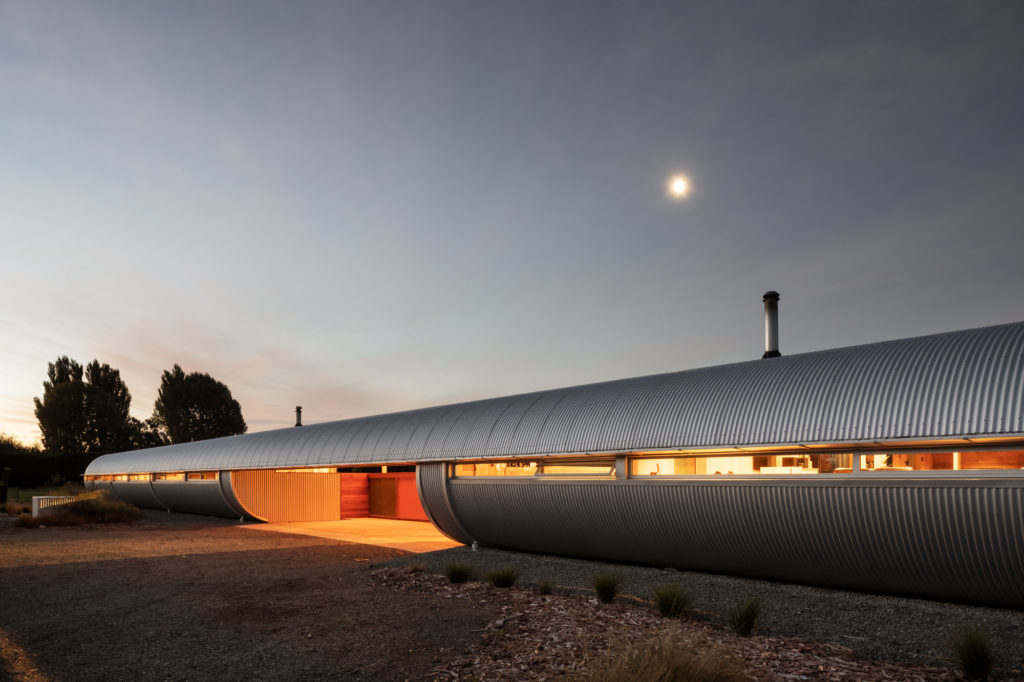
A rural Canterbury home designed by Bull O’Sullivan for multiple generations pushes boundaries while verging on the cinematic.
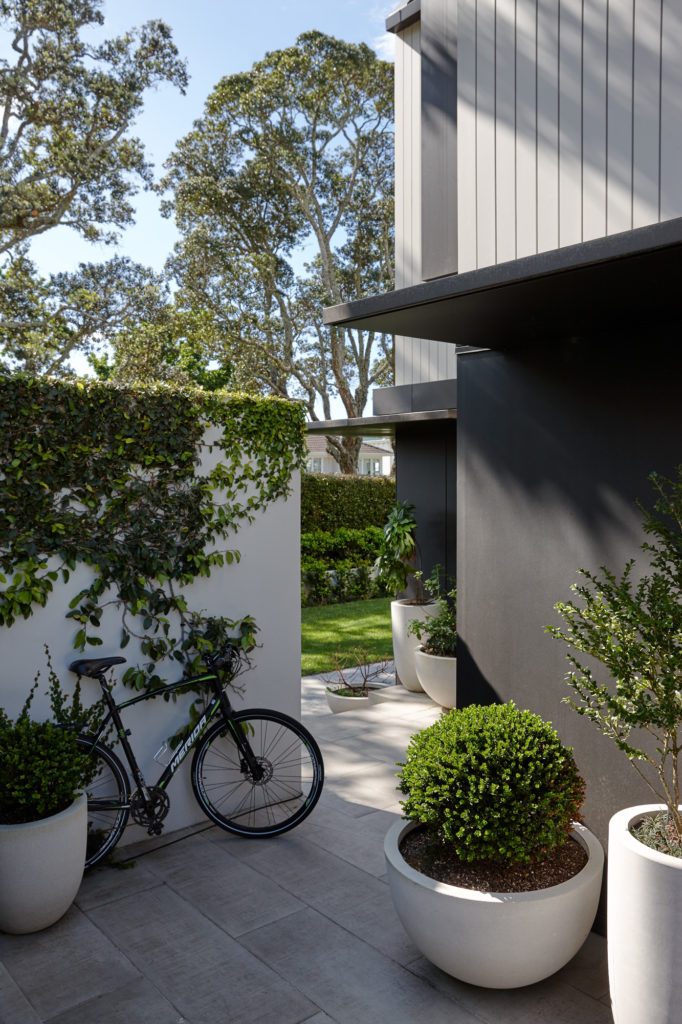
A deceptively small abode in a traditional, leafy street reveals its design secrets one at a time in a layered and calm manner.
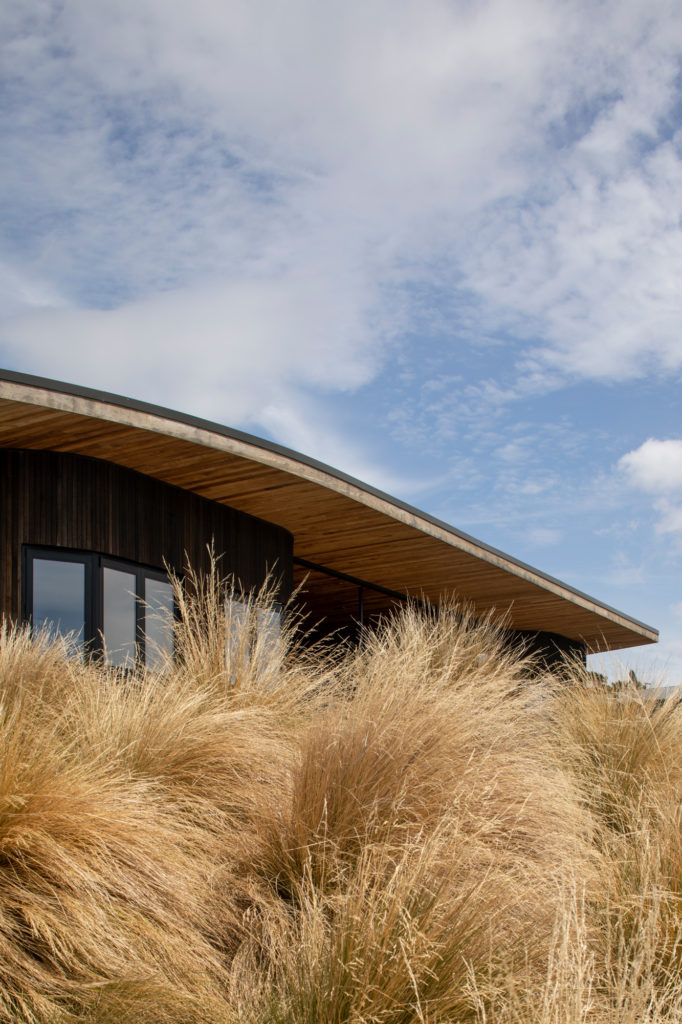
A large boulder discovered during excavation of a Port Hills site became a central feature of this home designed by architect Ken Powrie for his family.
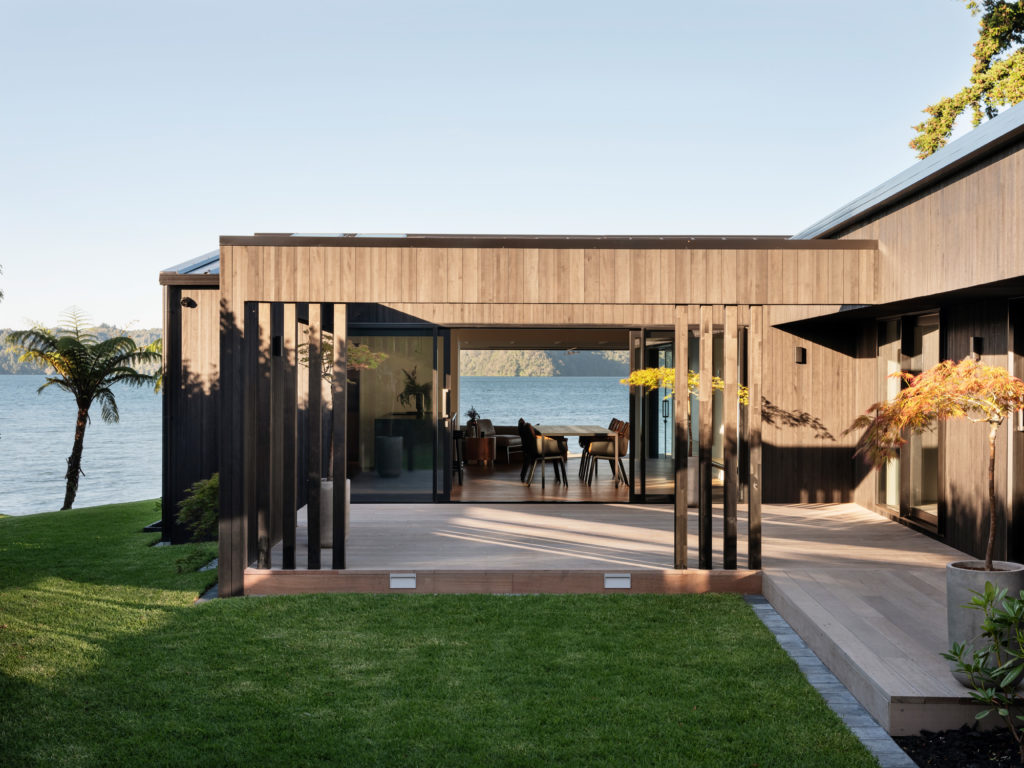
The simplicity of this rural setting gave way to an expertly conceived design allowing for considered moments of solitude on the lakefront. A charcoal-toned roof and vertical timber cladding ensure the form blends into the hills behind, which are blanketed in verdant natives.
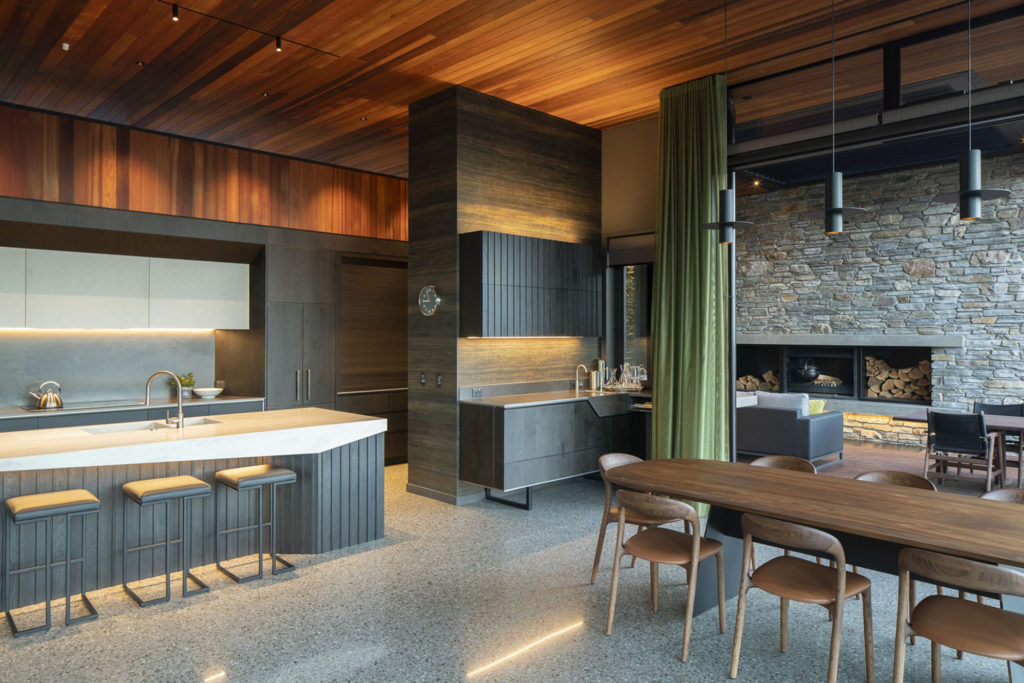
On the edge of Lake Wanaka, Condon Scott Architects designed a home that speaks of its time and place, echoing the hues found in the local environs with a little drama and dance.

The 2022 Home of the Year is Terrace Edge by Anna-Marie Chin Architects, a home of heft and craft near Lake Hayes in Arrowtown.

A sculptural, luxury home with an impressive art collection responds beautifully to its views of Rangitoto Island.

An arts and engineering student and his father rebuild their childhood treehouse bigger, better and almost entirely from recycled materials

A strikingly clear and simple form that rises past many constraints due to site and remoteness. Simple, well detail and clear planning.

Within a suburban and semi-alpine context that is prone to landslides, this home stands out by its aesthetics and passive ethos.

A relatively modest-scale courtyard home that’s both welcoming and well connected to its sloping site. It takes craft and materiality serious

A great response to an urban context in post-earthquake Christchurch. Impressive masterplanning which includes the creation of bump spaces and community creating zones.

The repurposing of a church and its hall into an active, quirky, fun family home that respects its history yet offers something new.
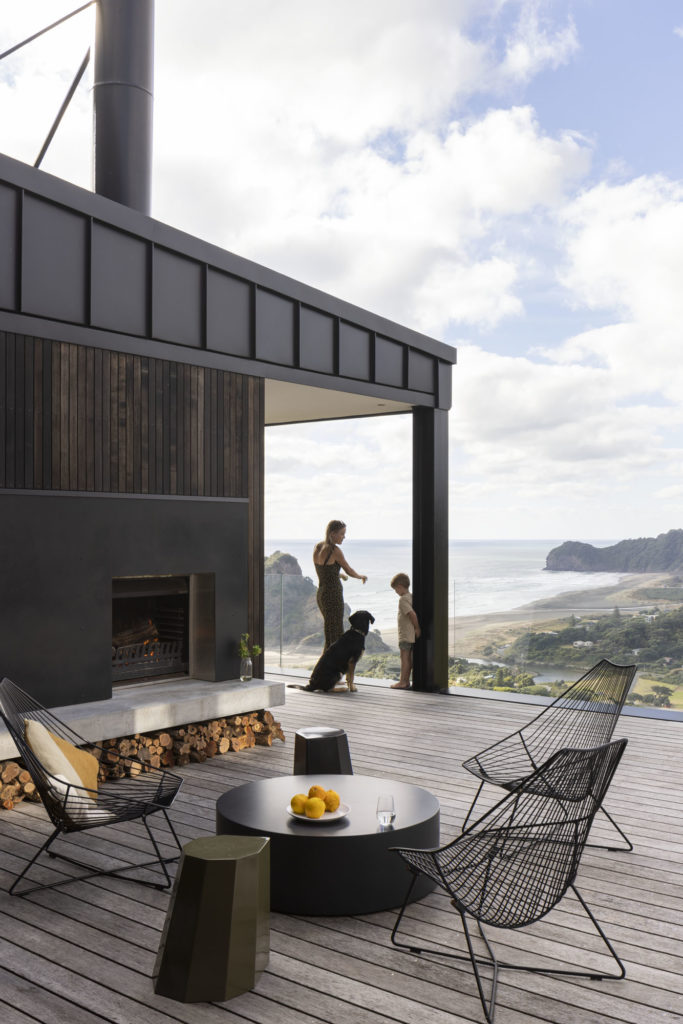
Concealed on a bush-clad hillside site above Piha, the dark facade of this home mimics the tones of the ironsand on the beach below.
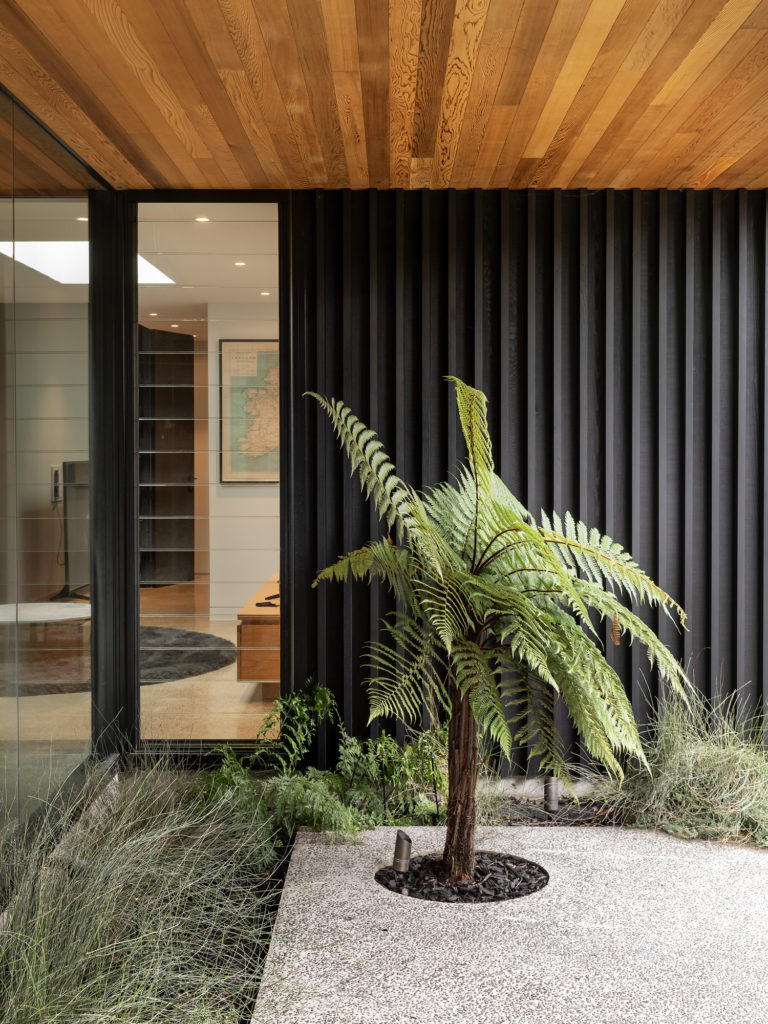
This family home, on the edge of Cox’s Bay Reserve in Westmere, Auckland, was conceived as a place of privacy — a contemporary urban abode incorporating considered moments of whimsy.
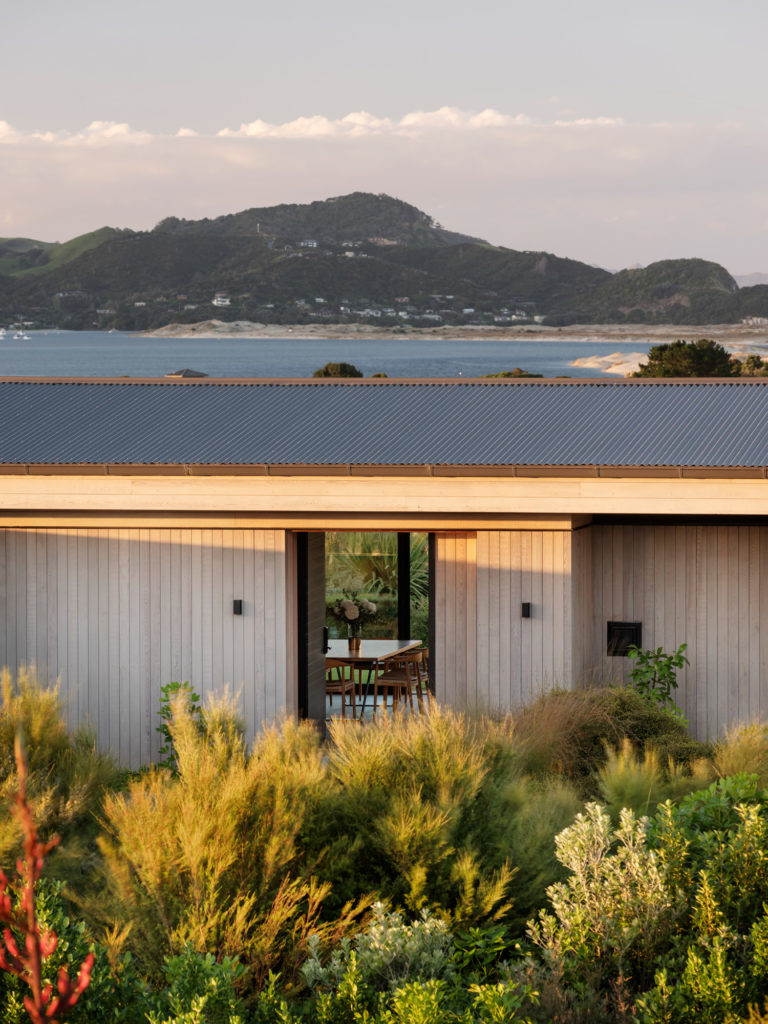
This home on a golf course in Mangawhai, designed by Studio John Irving, is inspired by an international, relaxed expression of luxury and leisure.
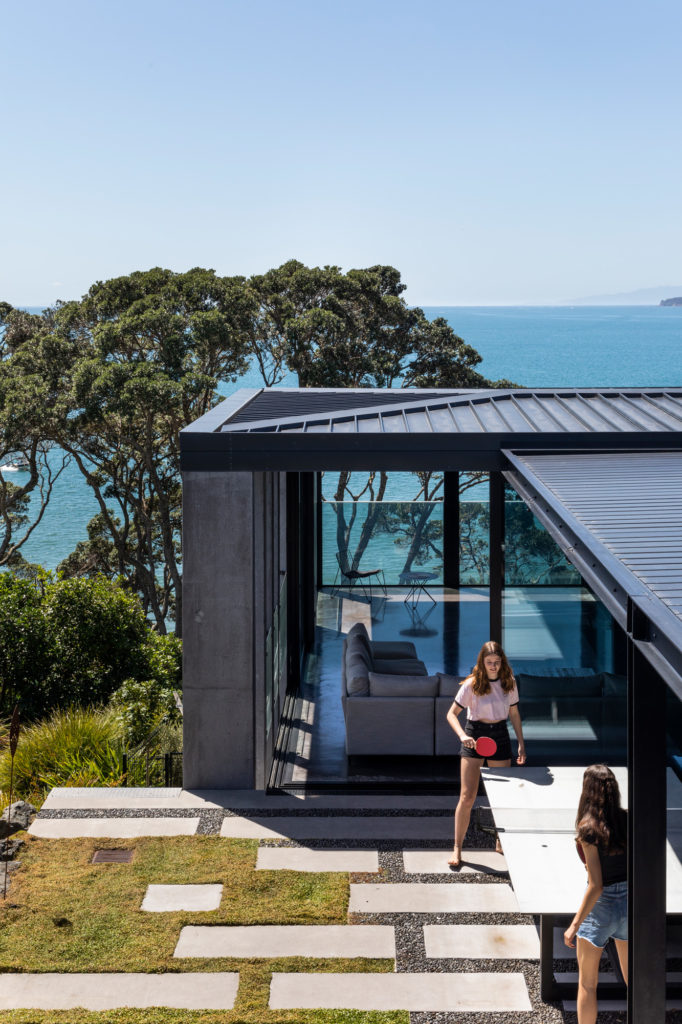
Perched on a cliff above Red Beach in Whangaparoa, this house of blackened concrete and waxed steel delivers an unexpected lightness of form.
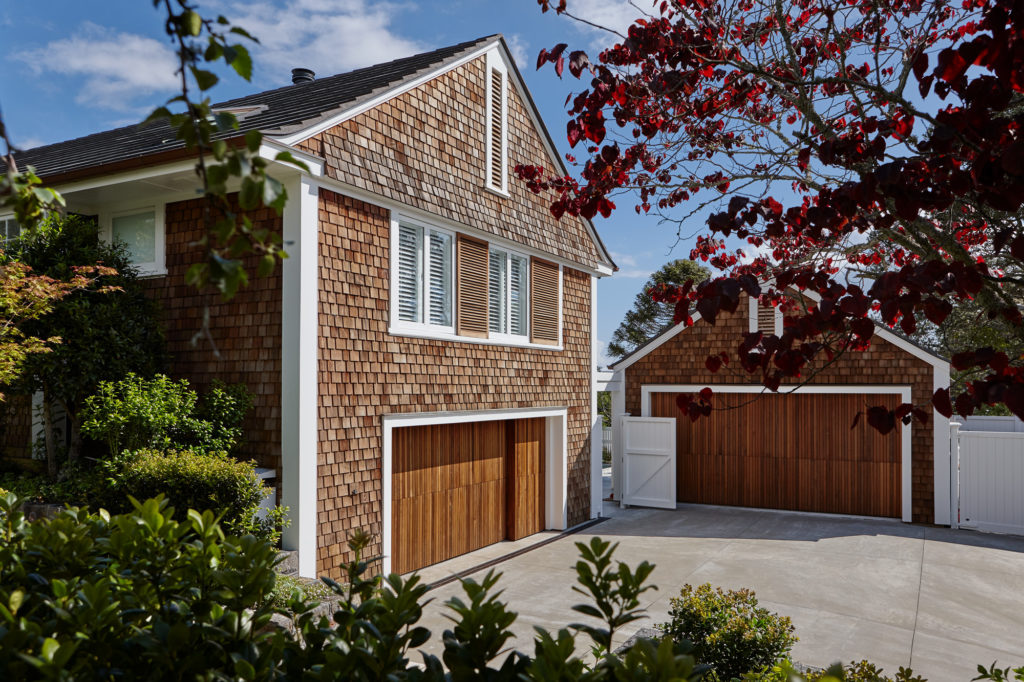
Marrying the elegance and style of New York with the outdoors lifestyle of Auckland, this elegant Remuera house delivers the best of both worlds.
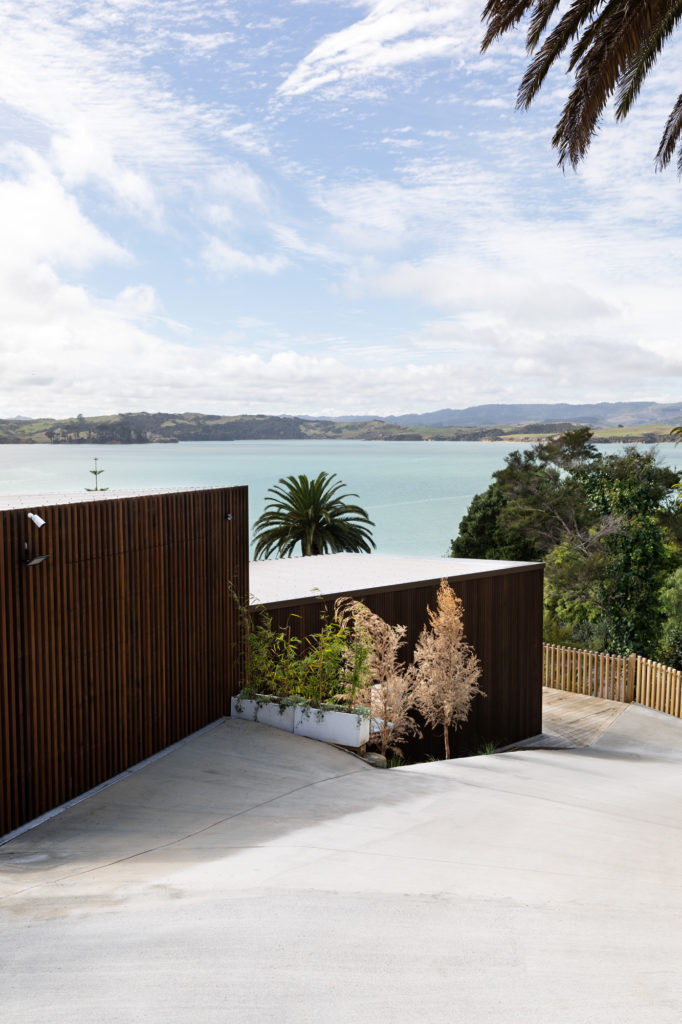
This home on Moonlight Bay Road hangs perilously above the Tasman Sae a mere five minutes’ drive from downtown Raglan.
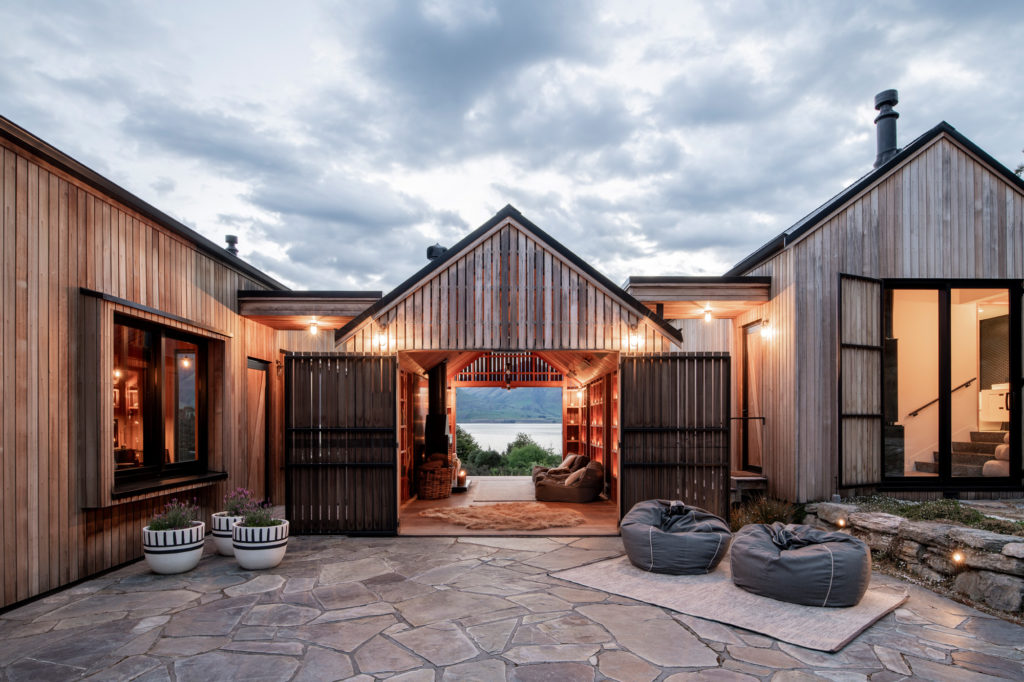
This house by the lake is an expression of both its alpine context and the stylistic DNA of its designers.
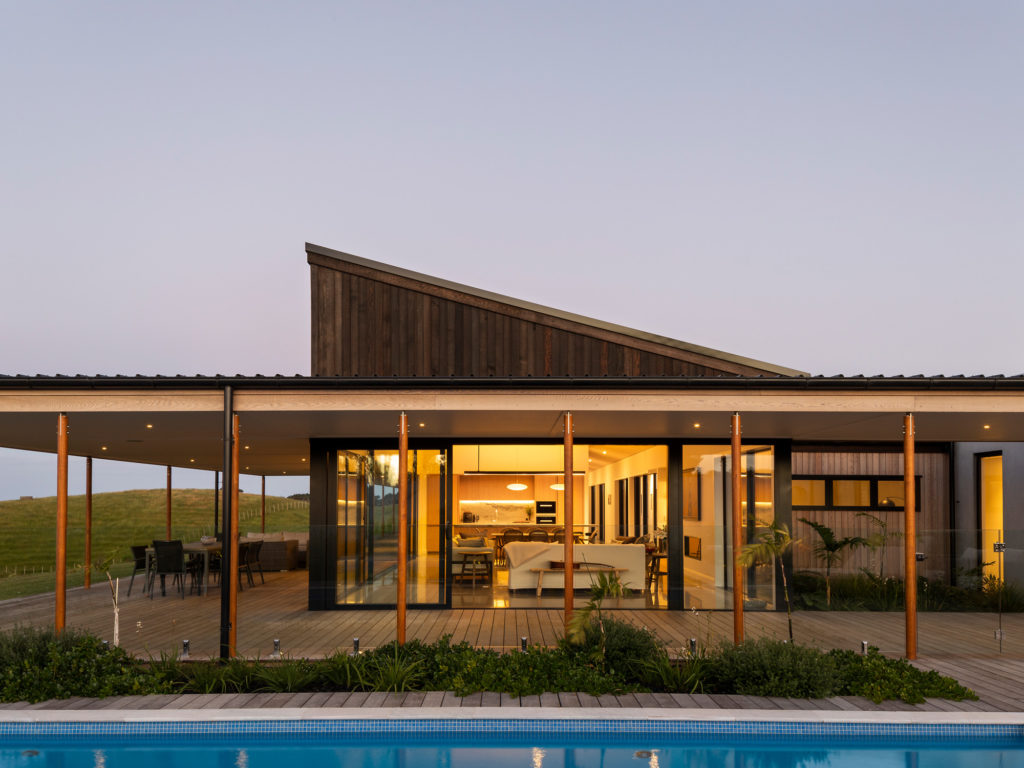
On an enviable Northland site, this family home is a place of elegance and light – a sculptural addition to the rural landscape.
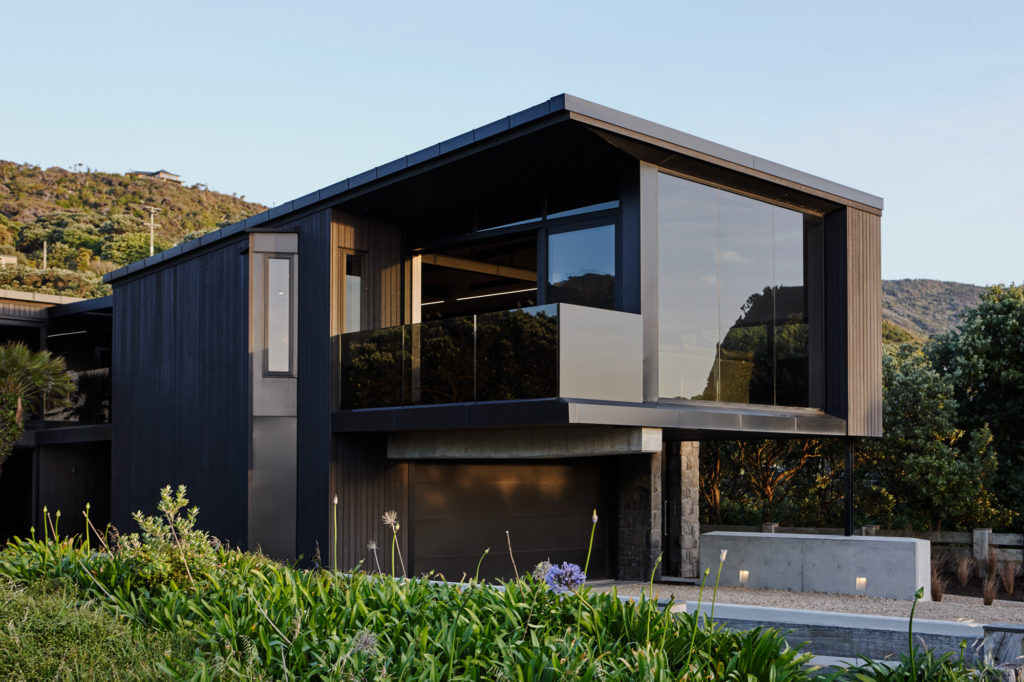
To the west, black sand dunes stretch out to meet the Tasman Sea as it hits land; to the east, dense pohutukawa and kanuka sweep up the hills that give a boundary to this rugged coastline.
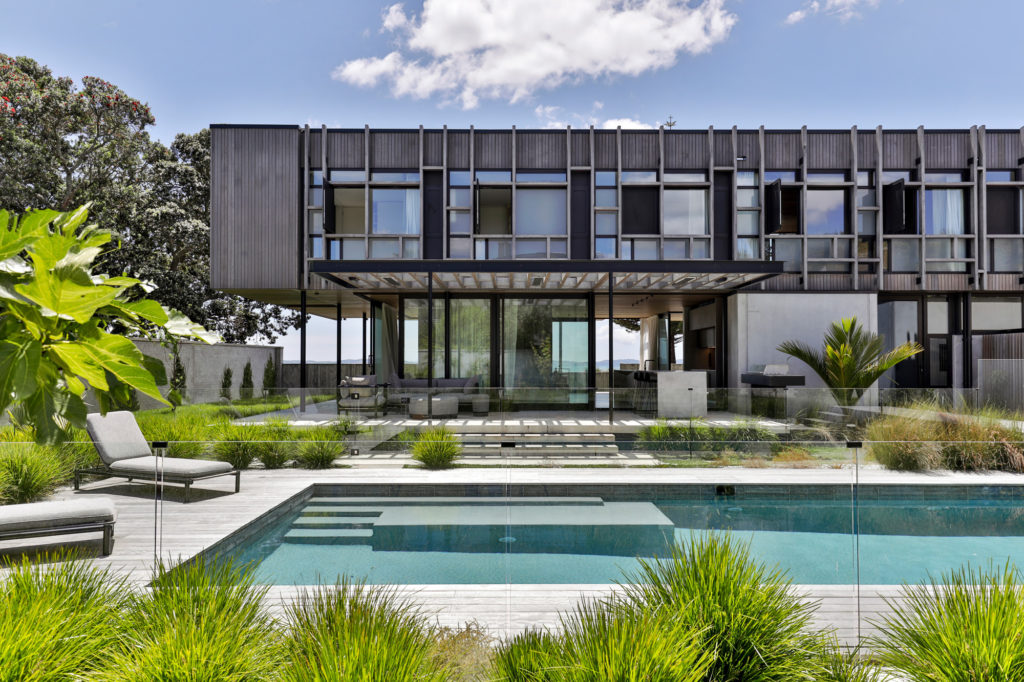
Raised above the ground, this Auckland house of concrete, cedar, bronze and steel reimagines coastal living in the city.
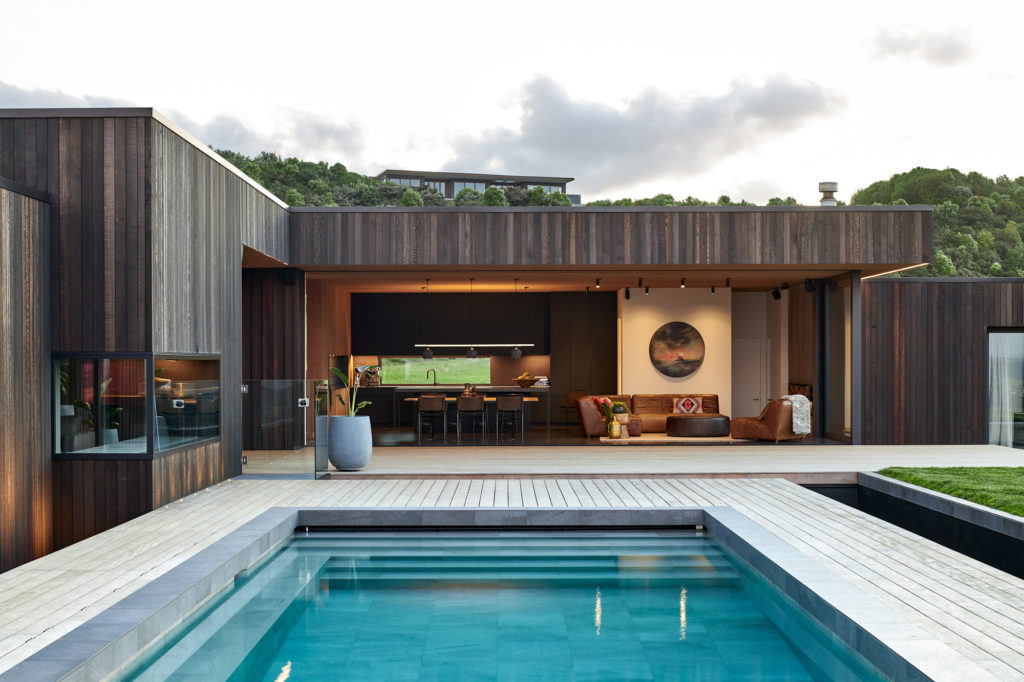
In the foothills of Karioi, dark cedar cloaks a home surrounded by lush greenery in a vast and encompassing landscape.
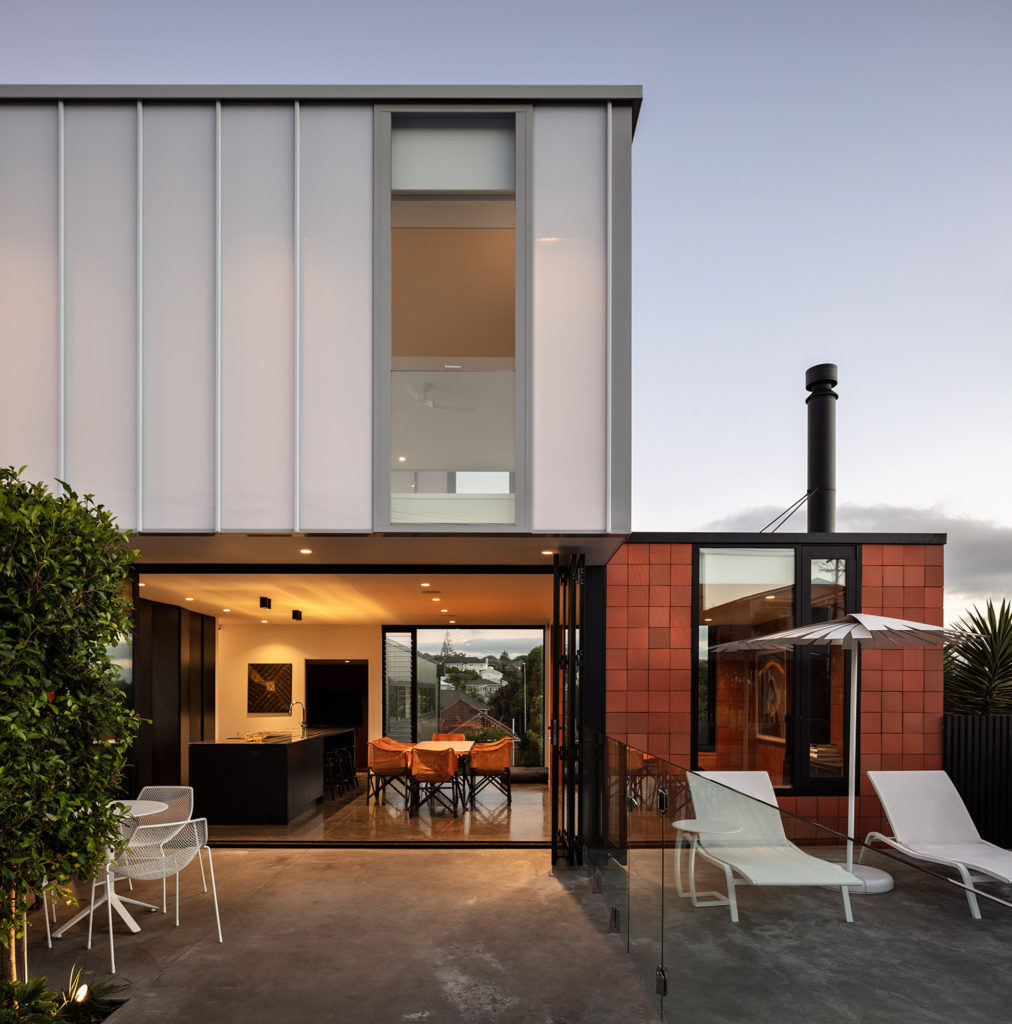
This Auckland home is made up of a trio of individual but allied cubic forms using terracotta, corrugate, and a polycarbonate that positively glows in the dark like an urban lantern.
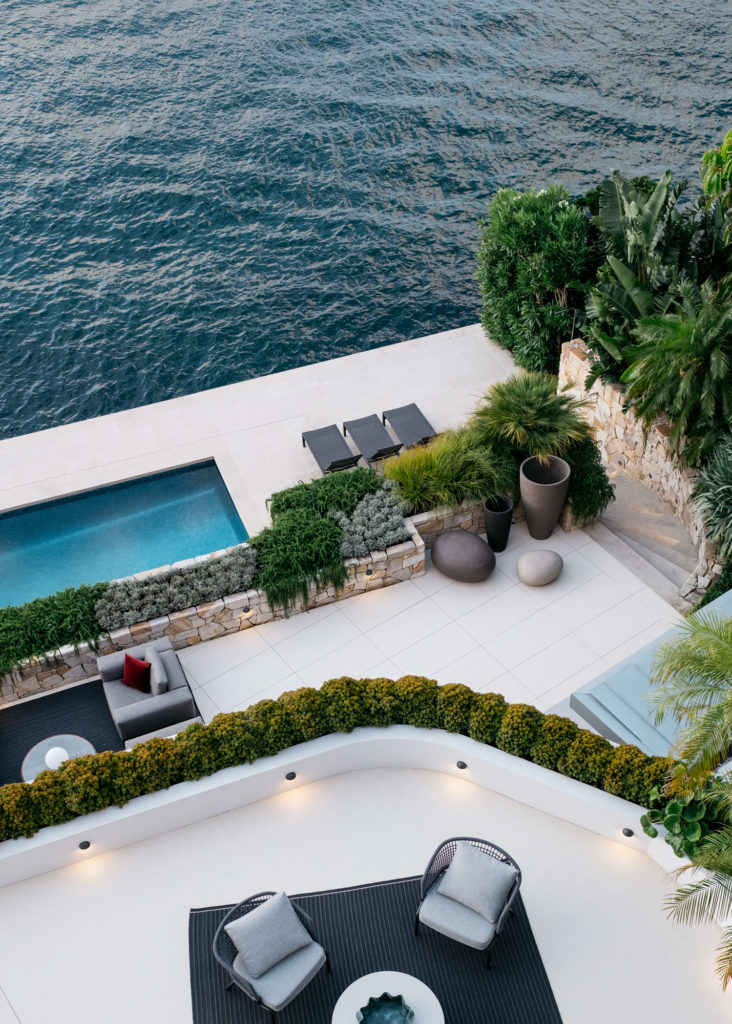
On the shores of Sydney Harbour, New Zealand–born Australian architect Richard Archer devised a home of connections with the water and city beyond
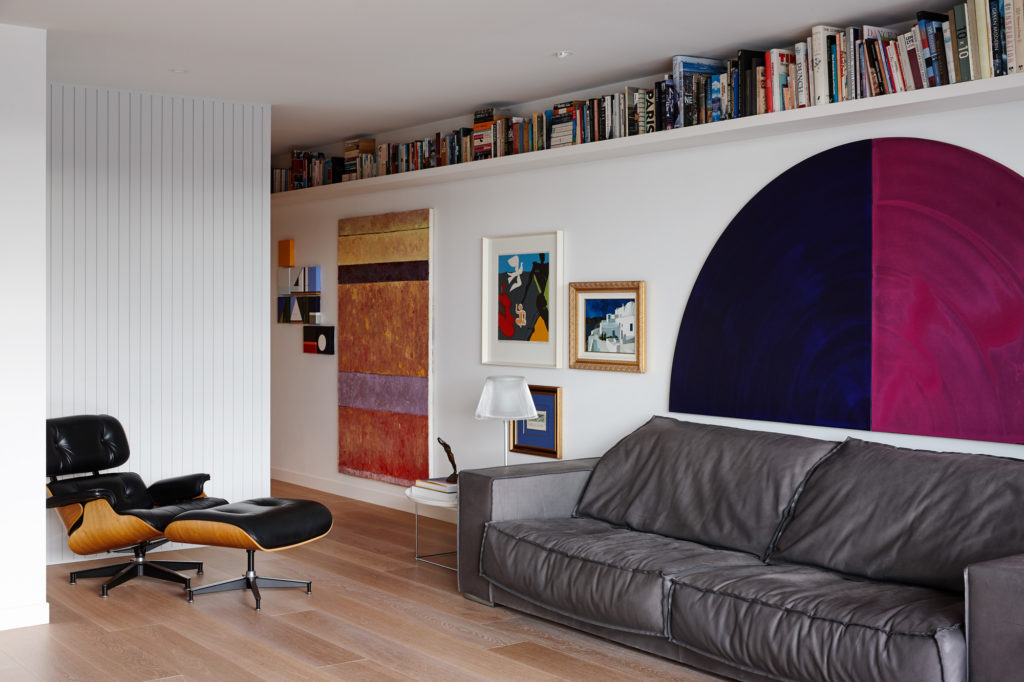
The interior flow of this waterfront, central Auckland apartment has been reimagined by Four Walls Architecture with flow and minimalism in mind.
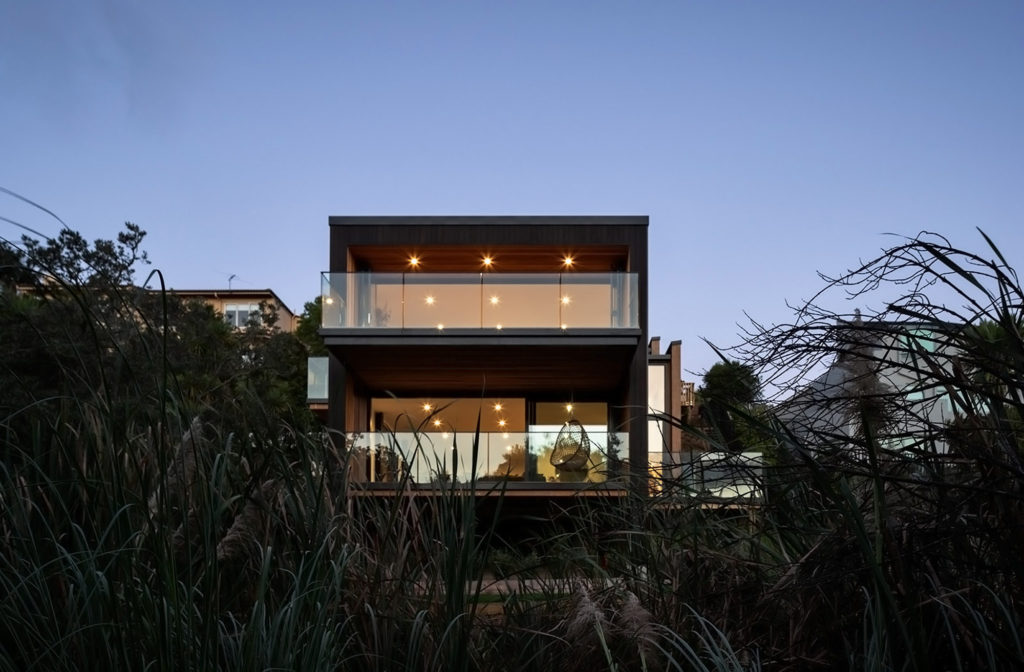
This North Shore home by JCA Studio is sandwiched between two different layers of building code.
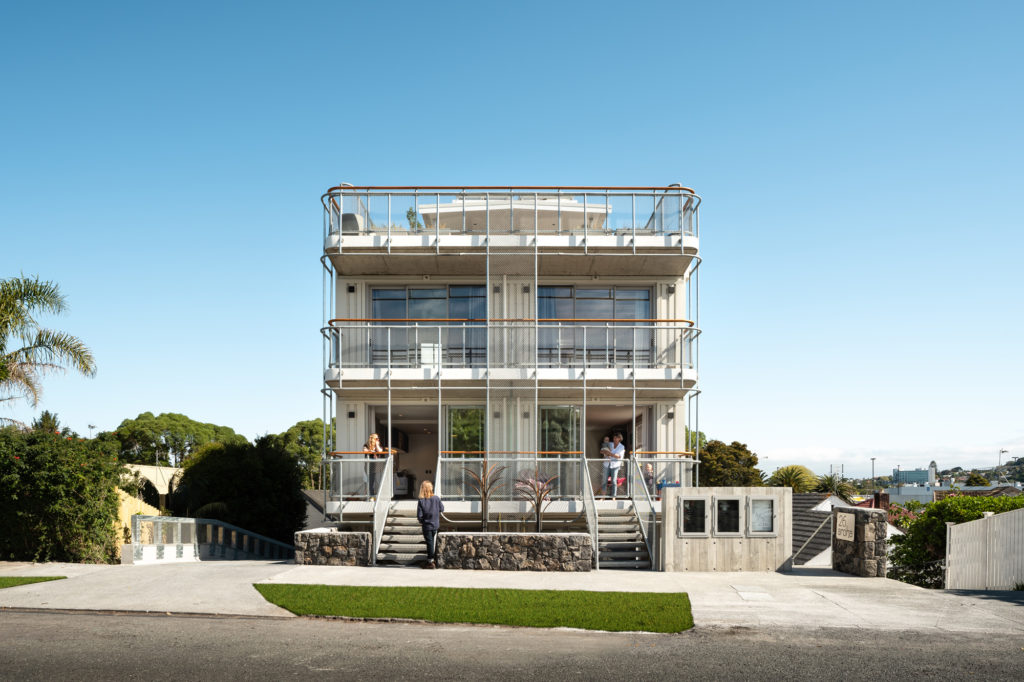
New Zealand’s second apartment complex to have ever achieved the top Homestar rating is an urban experiment focused on people and their place in the land, rather than strictly about architectural form.
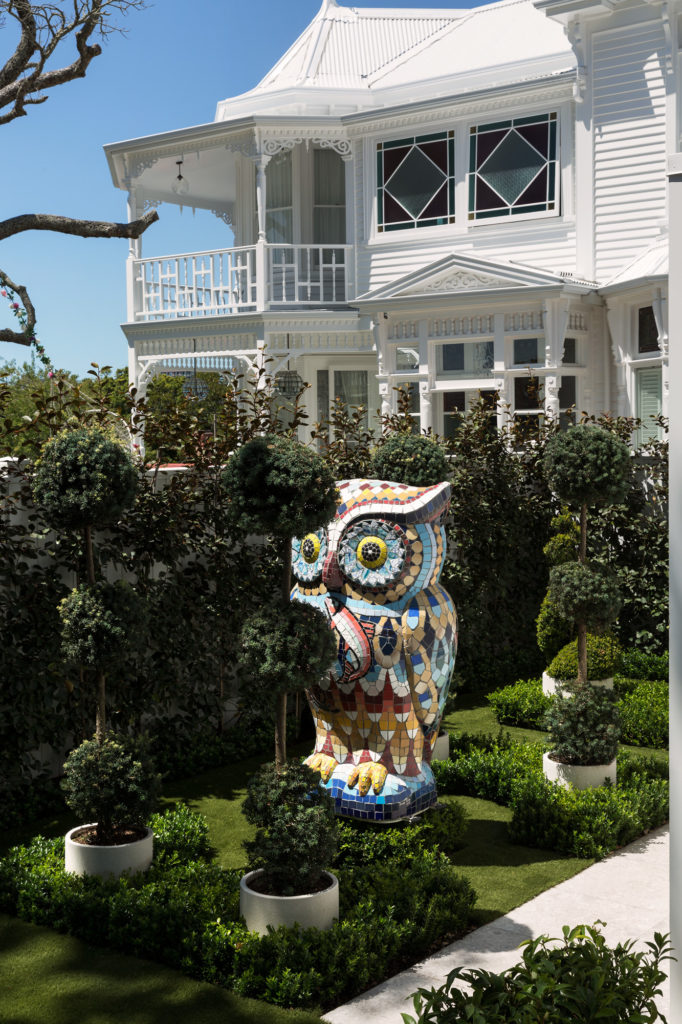
From the street, this elegant white house looks like a close cousin of its neighbours. Two peaked gables and a verandah with a bull-nosed roof give a shout-out to the surrounding villas. But all is not as it seems.
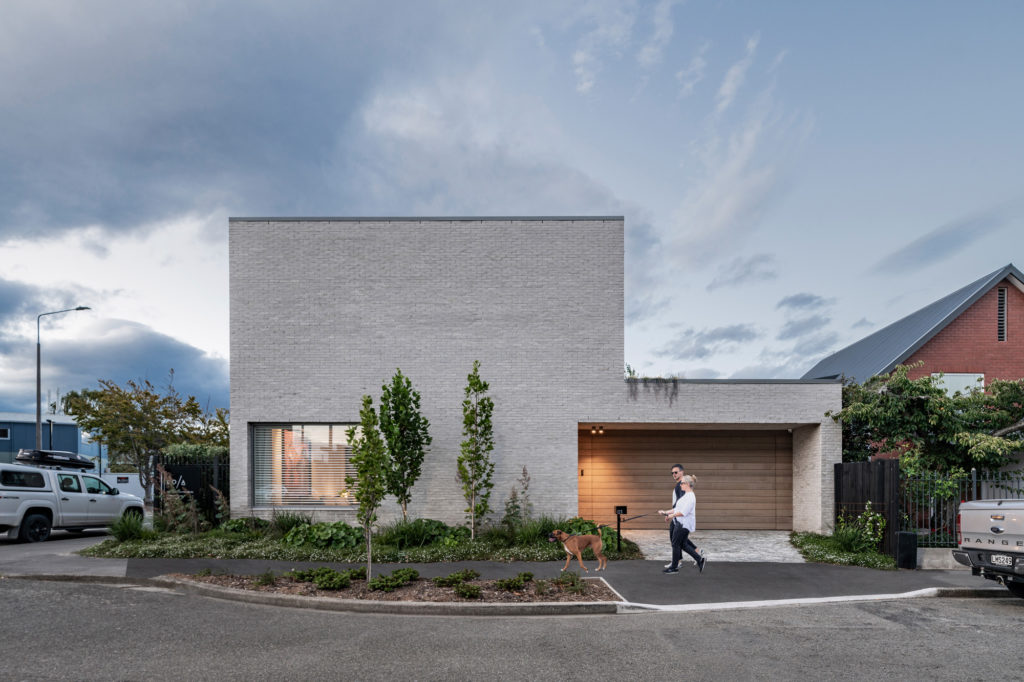
On a prominent corner site in central Christchurch, a cuboid brick house bridges the divide between residential and commercial.
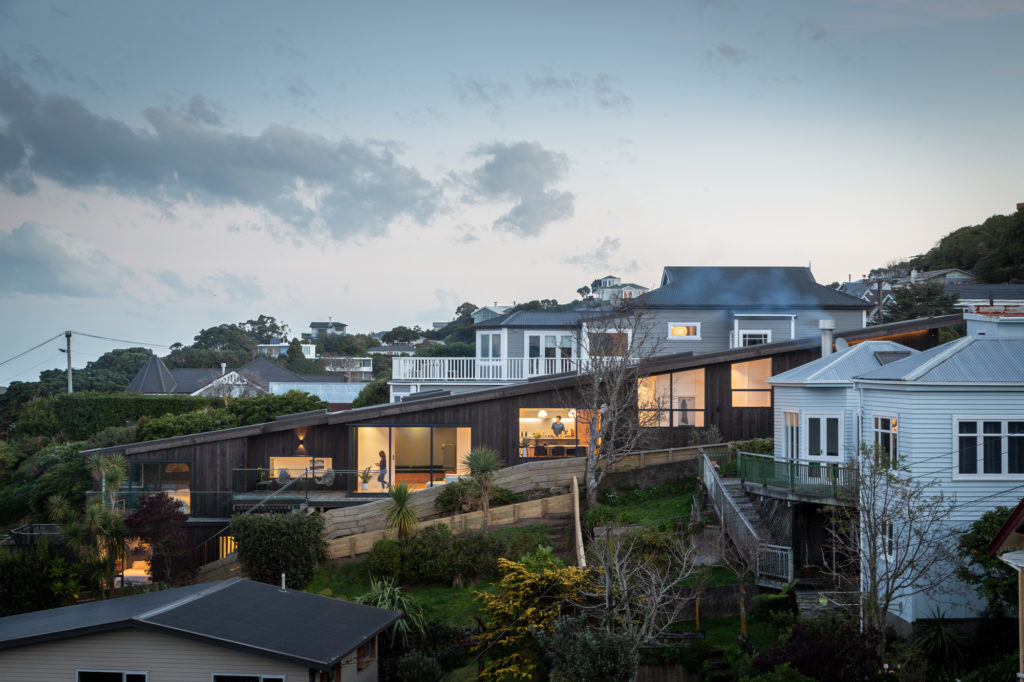
On a steep, narrow site in Wellington, this family home cascades down over various levels, connected by a central spine to the north.
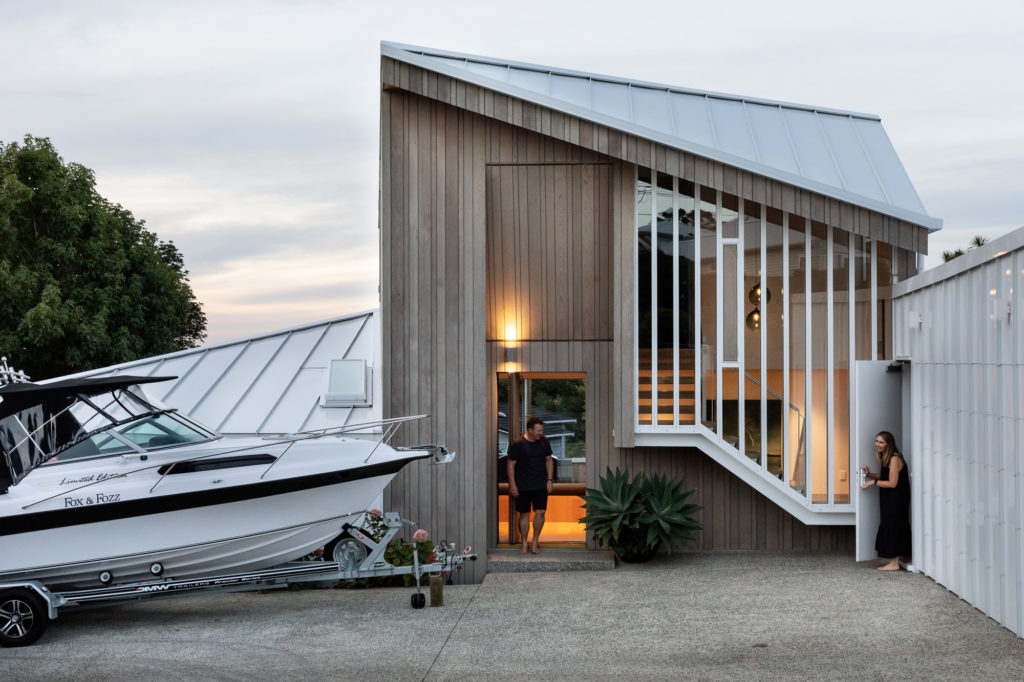
A family-centric, semi-courtyard home with an internal, slow, staggered reveal takes pride in its privacy and as an entertainment mecca.
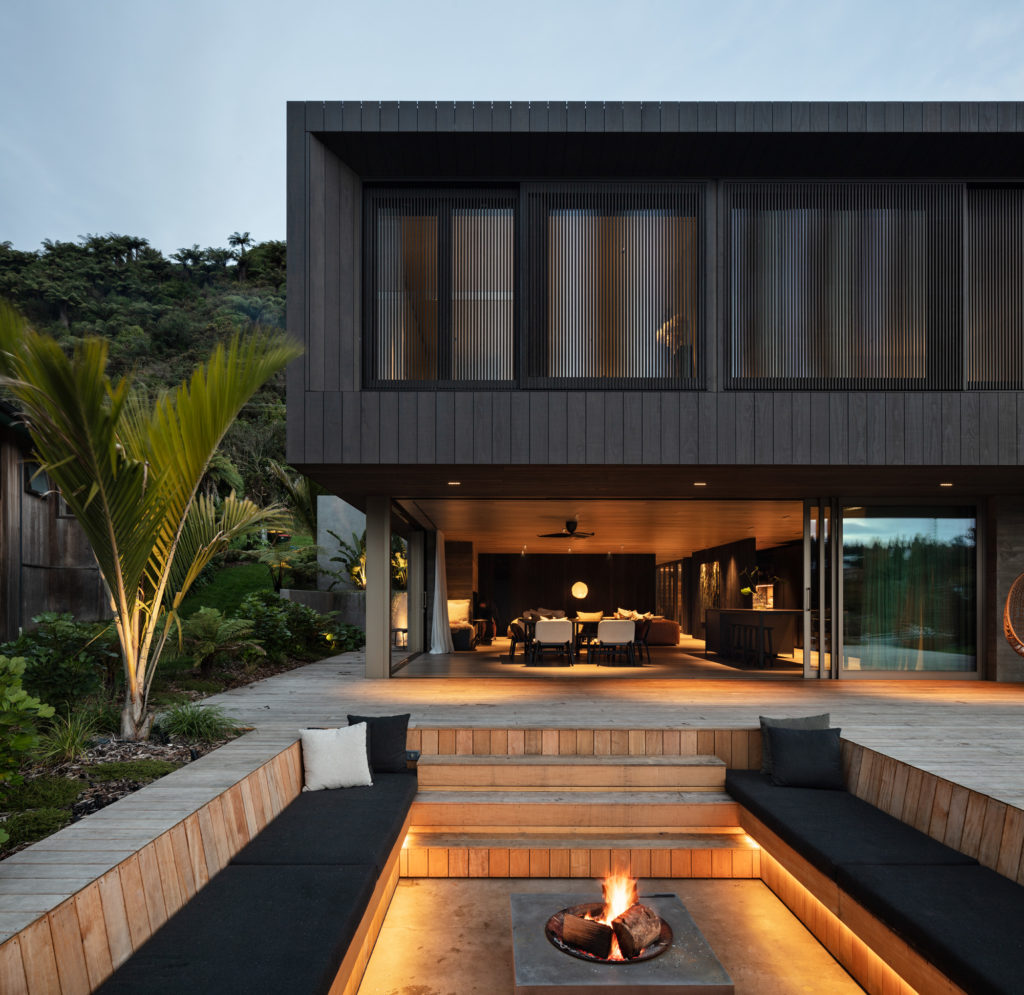
Unfolding across two visually distinct levels, this holiday home on the shore of Lake Rotoiti is envisioned as a winter house — a concrete bunker of sorts nestled into the hillside.
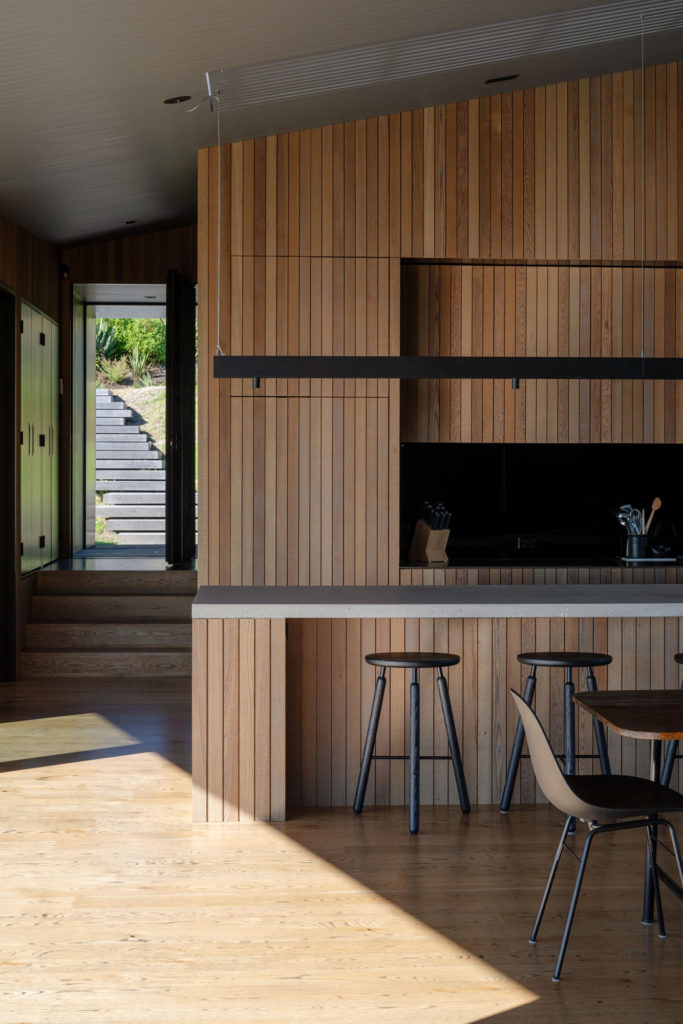
Coastal locations call for special consideration of material and performance. In this case, on a farm on a clifftop in Northland, the site is exposed and the elements are harsh.
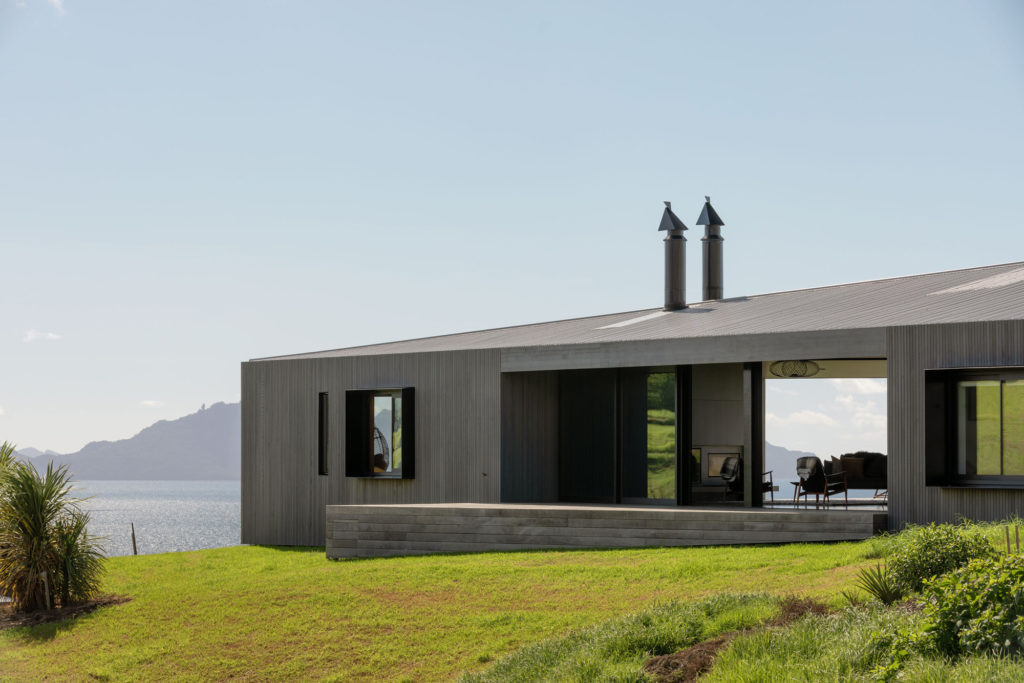
Pointing due north, The Dart is a direct and simple response to the topography of Mangawhai’s Bream Tail Farm.
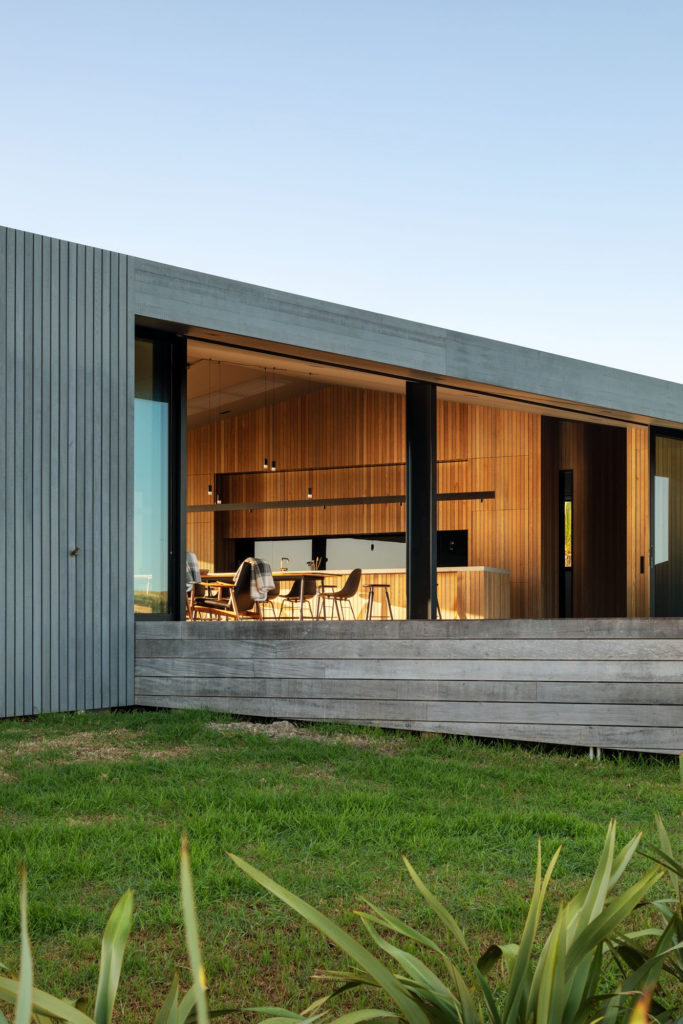
On a clifftop that makes up part of the expansive and undulating land of Mangawhai’s Bream Tail Farm, this sculptural holiday home responds beautifully to its rural and coastal environs.
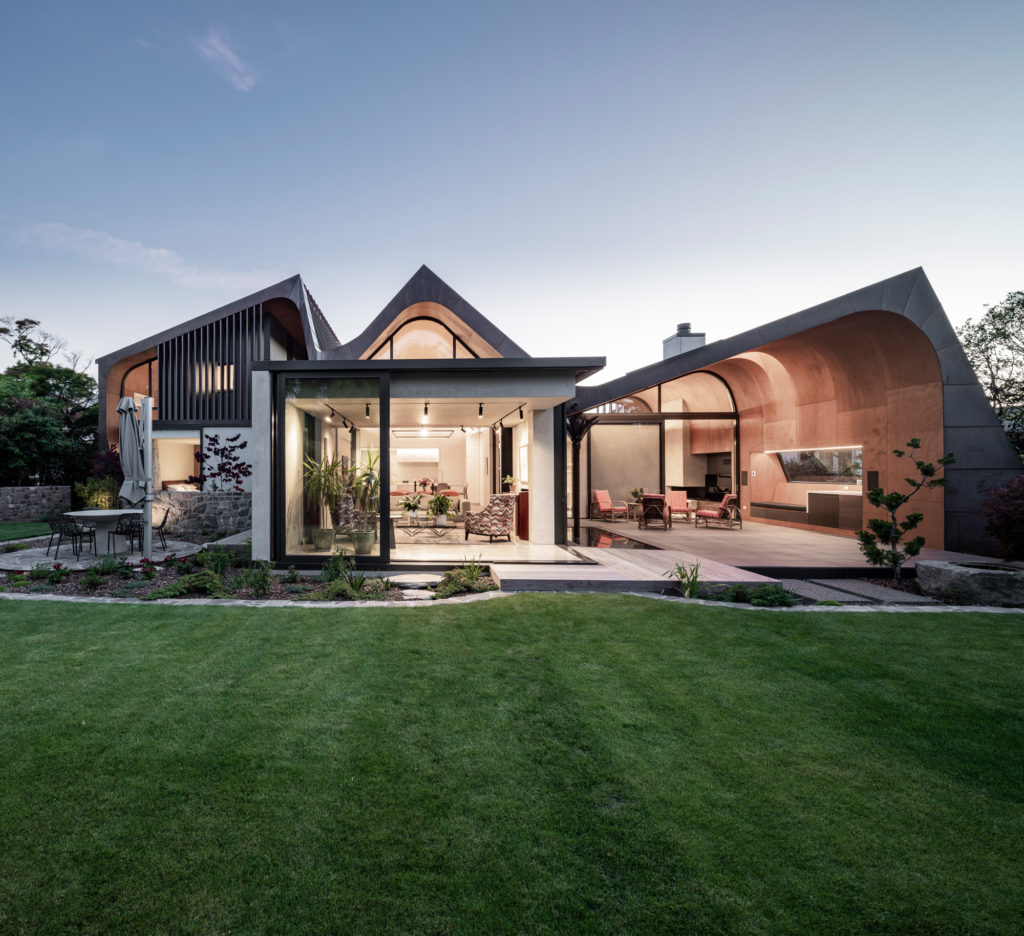
Inspired by a heritage church, this suburban Christchurch home uses its sinuous form for both impact and functionality.
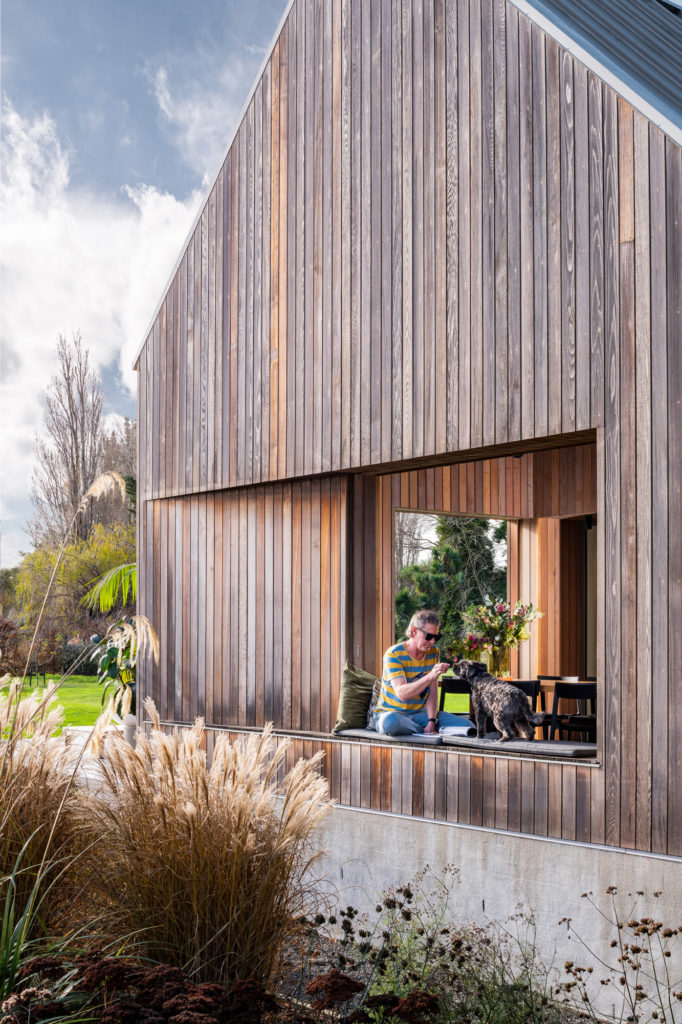
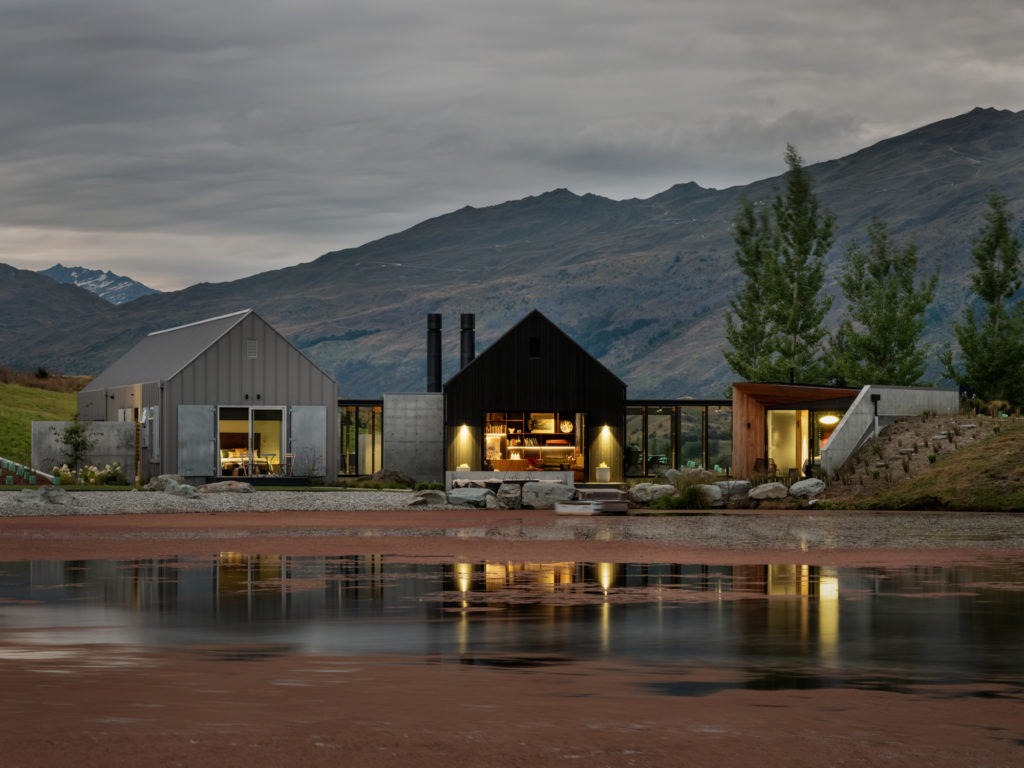
AW Architects has designed a house in Bendemeer with three, very distinct volumes and equally diverse personalities: the birdwatcher, the socialite, and the sheep shearer who’s scrubbed up well.
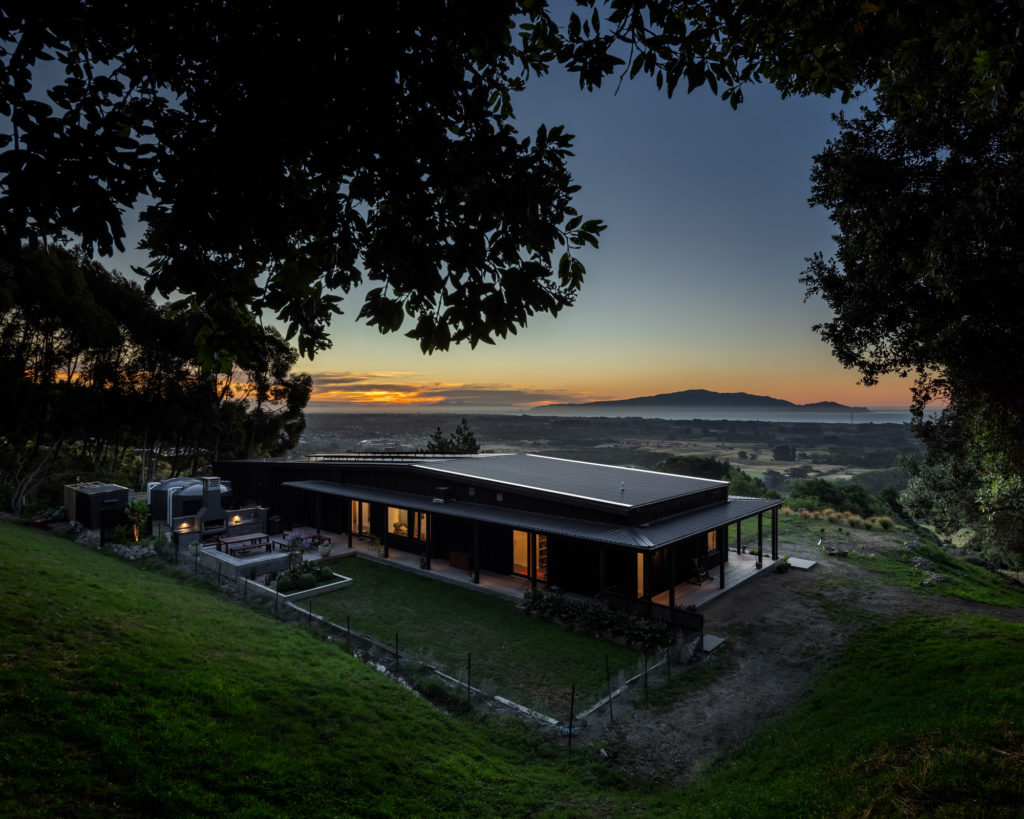
This certified passive house is the sum of many parts — some conflicting, others converging; but as one, the innate tensions deliver an enviable and powerful presence.
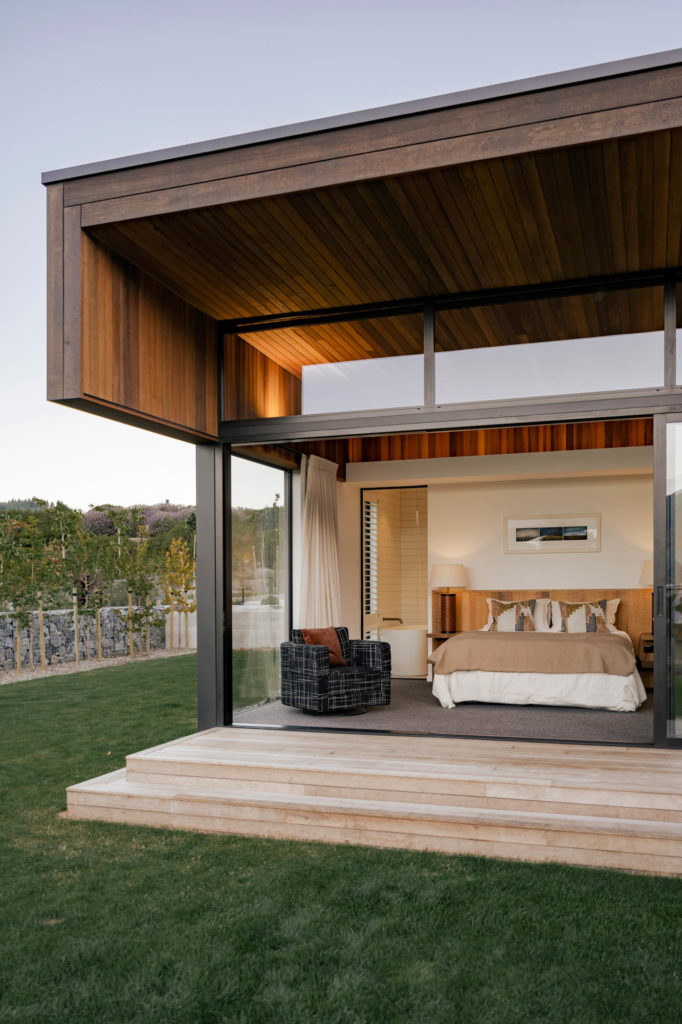
A high-performing holiday home in Wanaka plays with height and light, compression and expansion.
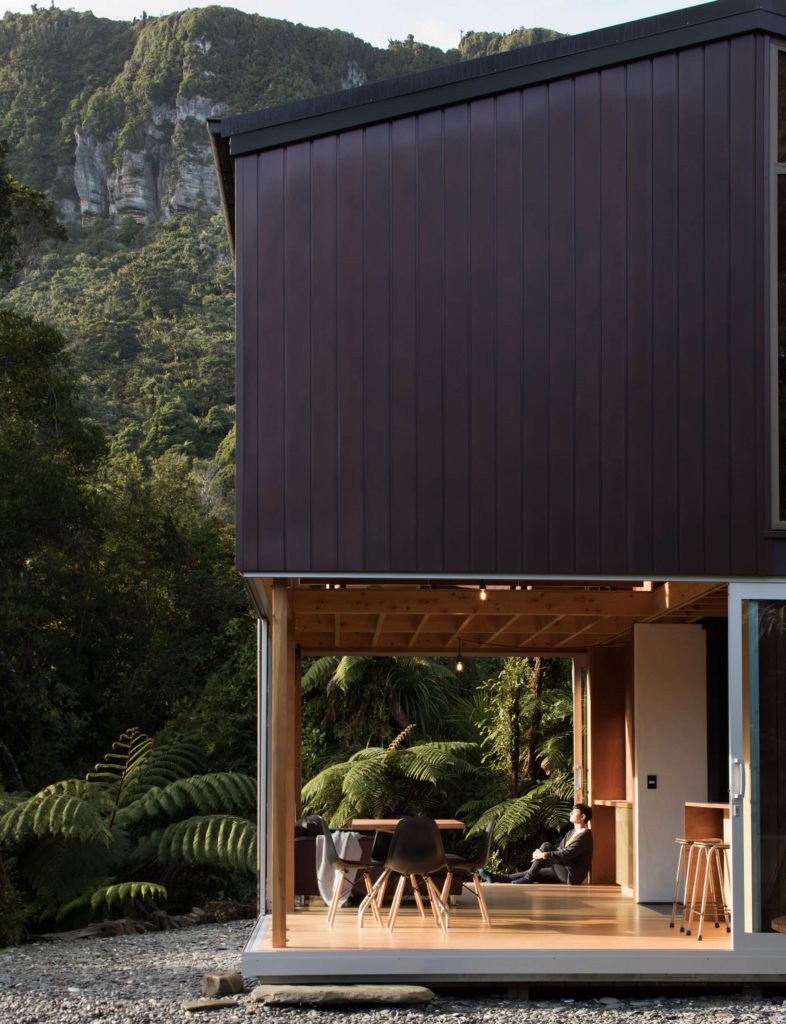
We spoke to architect James Warren of Upoko Architects about the challenges, design, and why tiny homes are gaining popularity.
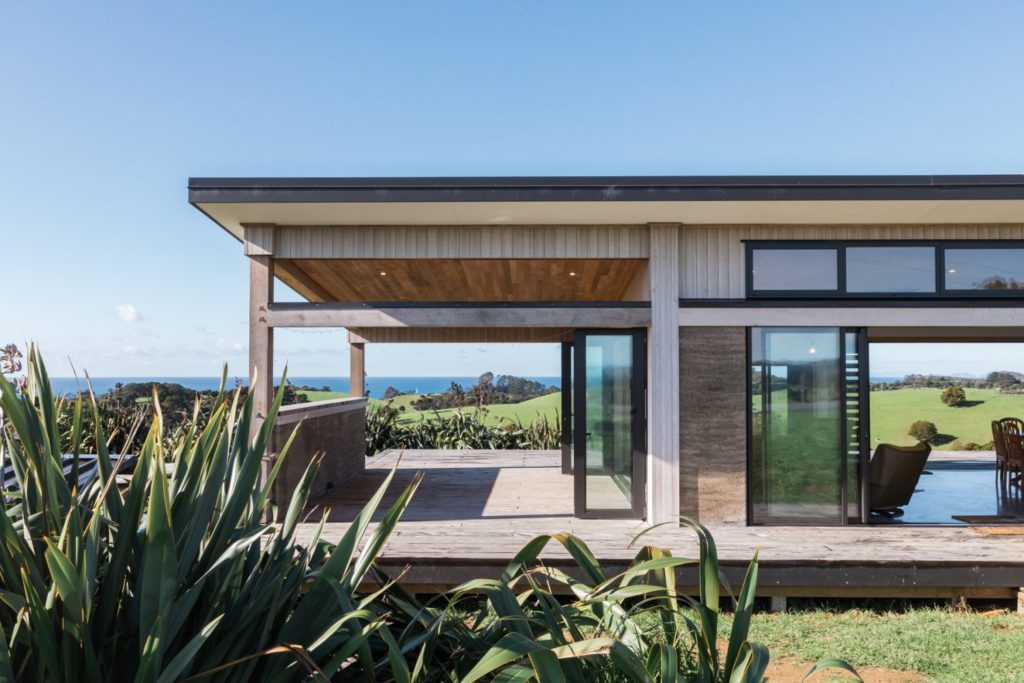
We spoke to builder Sam McGregor about the tensions and similarities between rammed-earth and passive house methodologies.
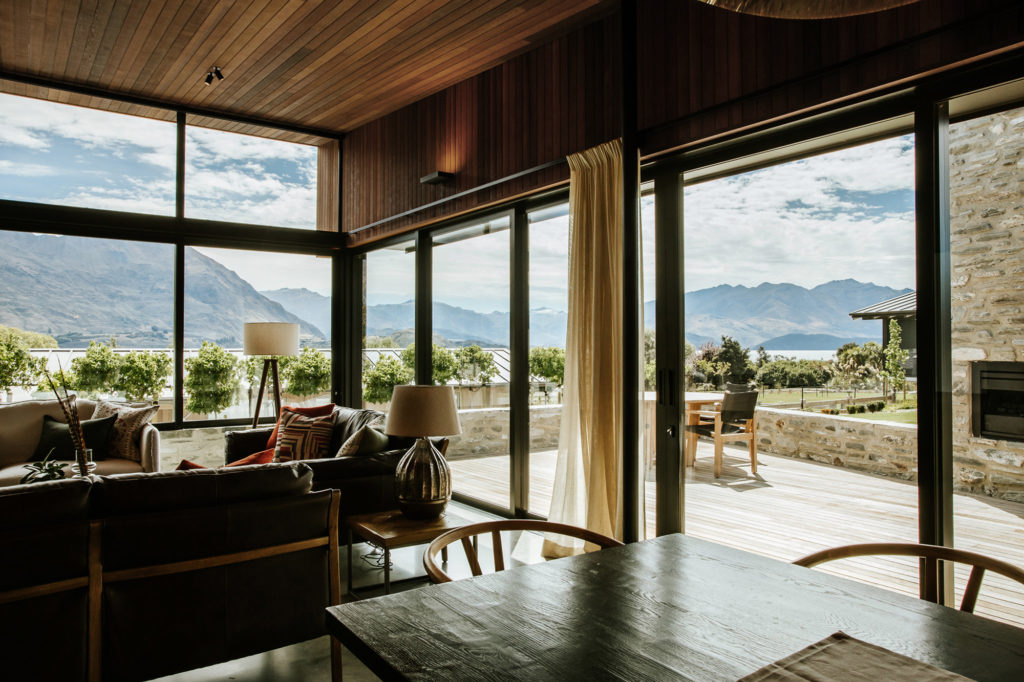
A lone Japanese maple defines the seasons in this Wanaka Home. It sits in an intimate courtyard, surrounded by gently sloping rooftops that reach out to the peaks beyond.

On a southern beach where seals come ashore and kārearea hunt, this bunker-like holiday home was designed to tread lightly on the land.
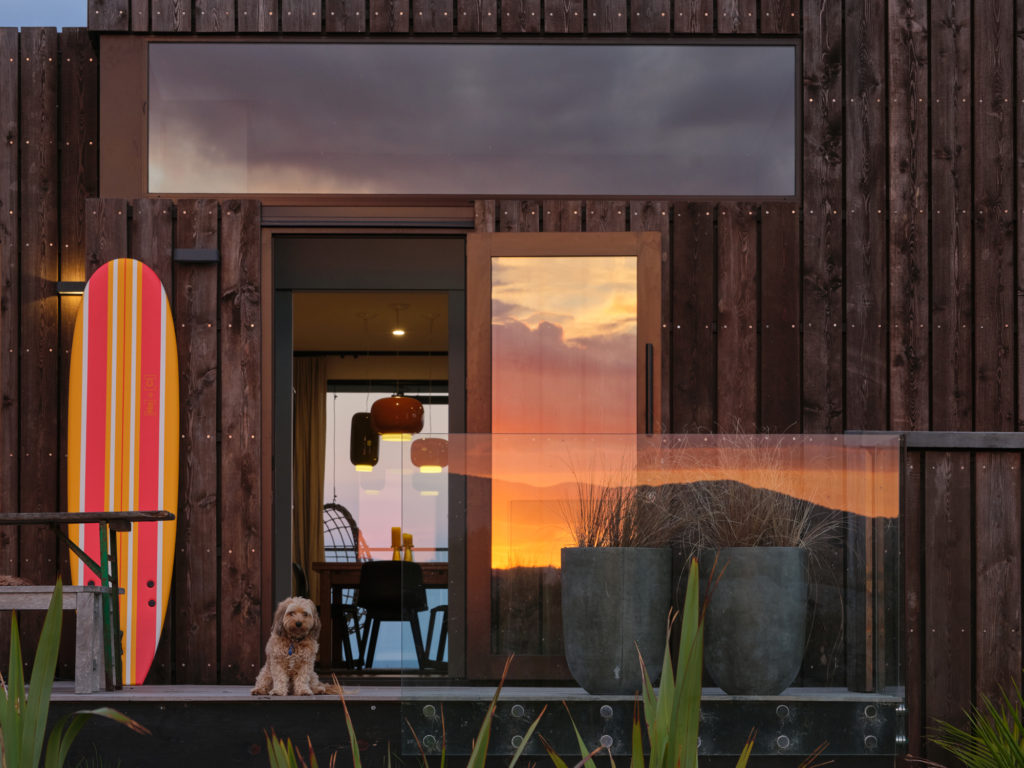
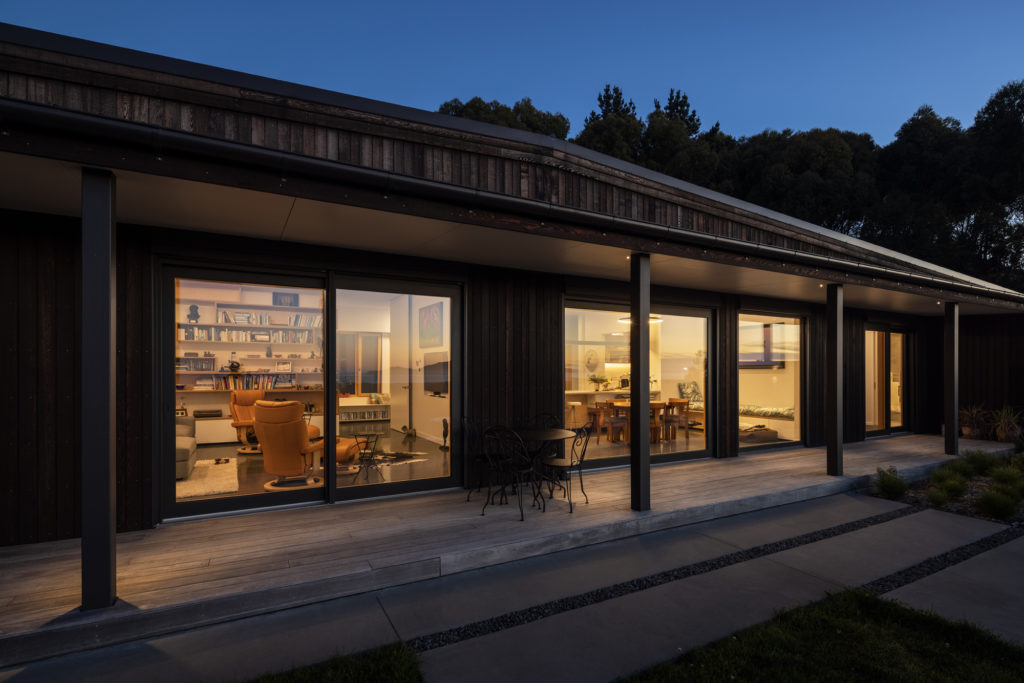
We speak to Wellington architect Amanda Bulman of Three Line Architecture who designed Echo House, a certified Passive House on the Kapiti Coast.
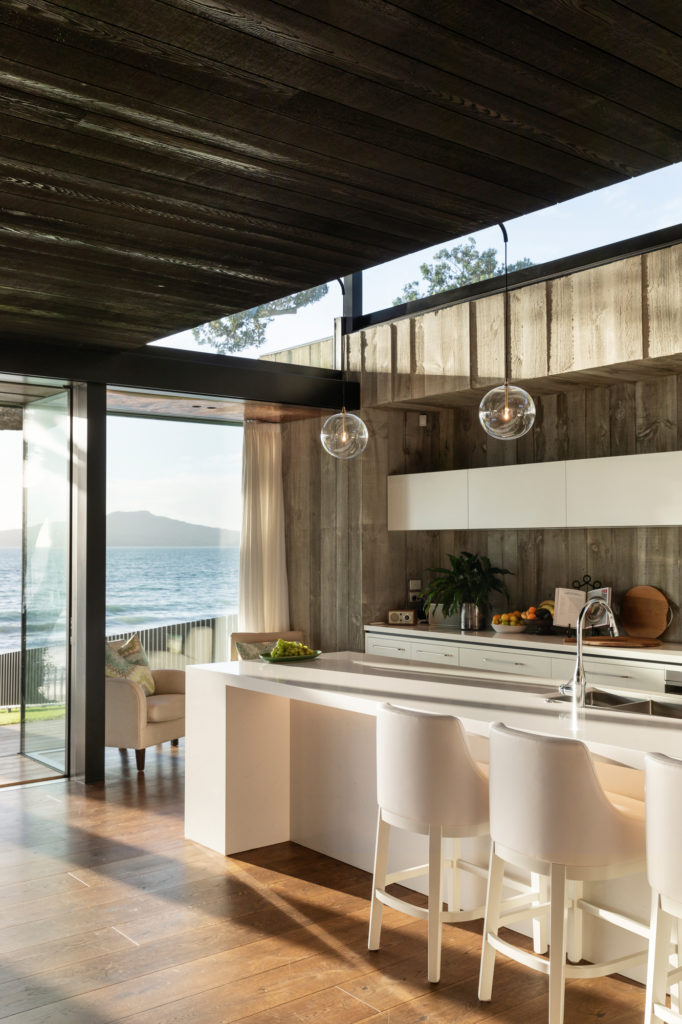
The 2021 City Home of the Year, House on Takapuna Beach by CAAHT Studio, met the challenge of the fishbowl effect, as beach goers and dog walkers promenade the sand beyond the site’s border.
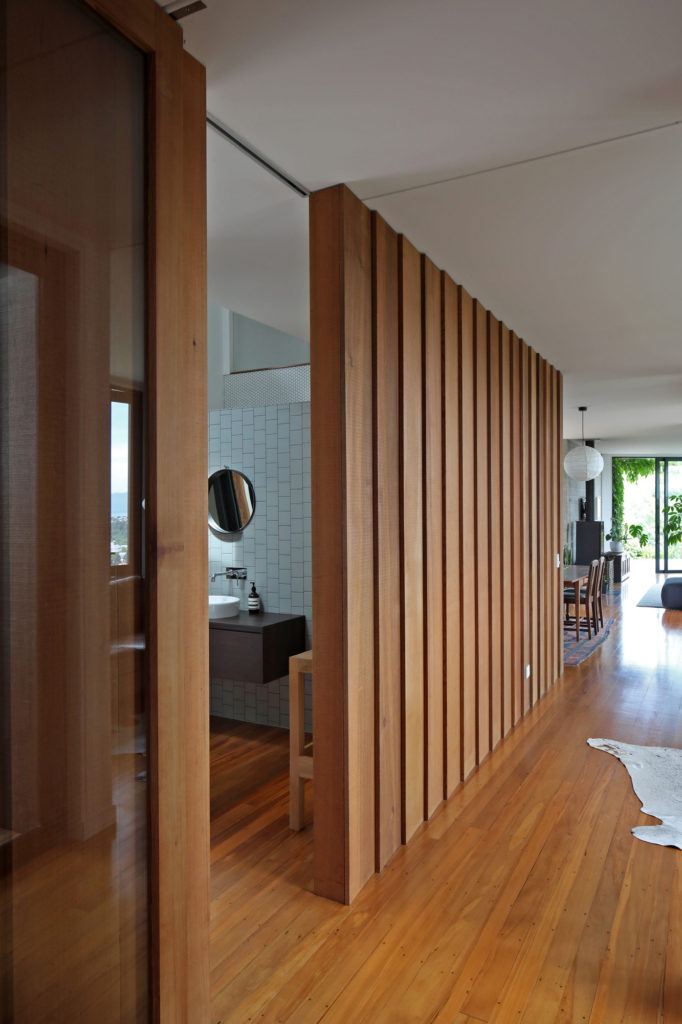
New Zealand residential architecture is dominated by the use of timber, both as an exterior cladding and joinery material, and for internal detailing — and there’s good reason for that.
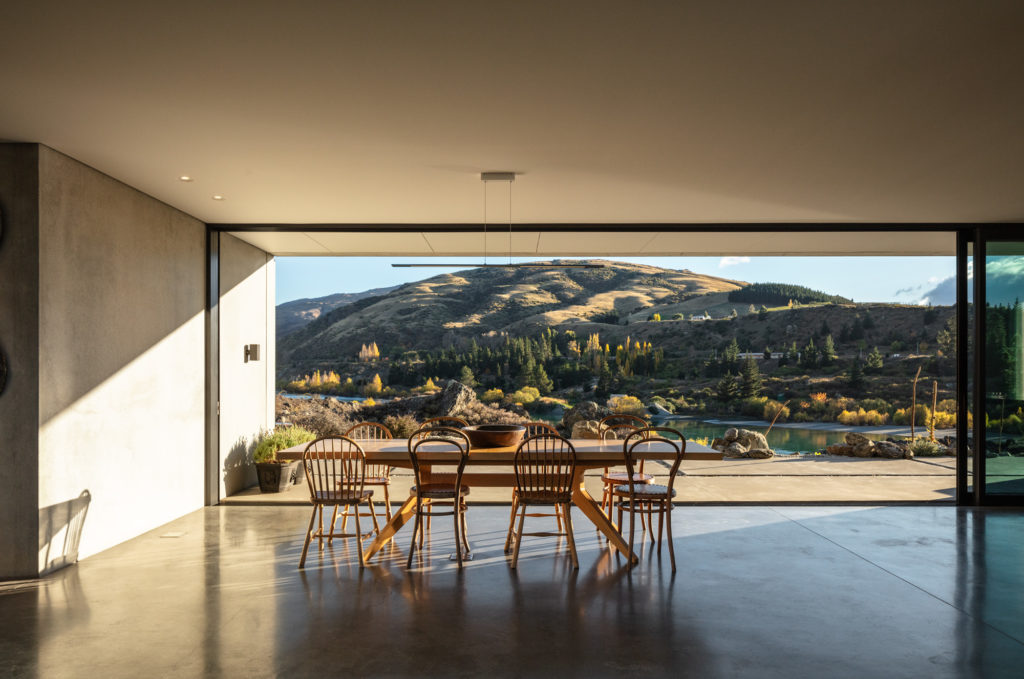
HOME and Peter Fell present: A Modern Stone, an exploration of concrete in the 2021 Home of the Year, Black Quail House by Bergendy Cooke.
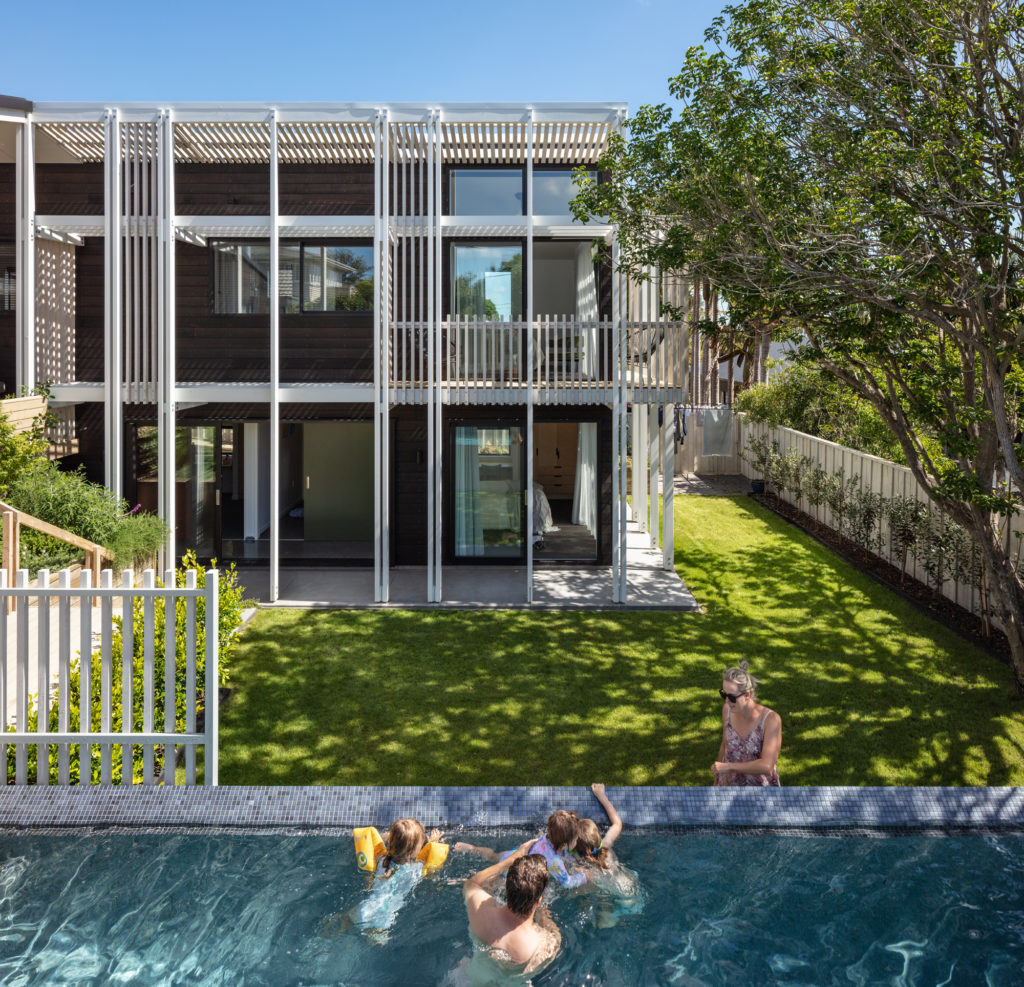
With the sun on its bow and the community at its stern, this is a house in which the elements are always front of mind.

The 2021 Rural Home of the Year explores retreat and openness, gracefully unfolding between retired paddock and coastline.

A mature and restrained response to an awe-inspiring location. The architect has combined a wide range of influences — from Sri Lankan to her own, impressive international career — to achieve a quintessentially local response to site, context, and history.

A challenging tight suburban site competently handled via good planning, excellent control of views and nice separation of guest quarters from the main house by bridge.
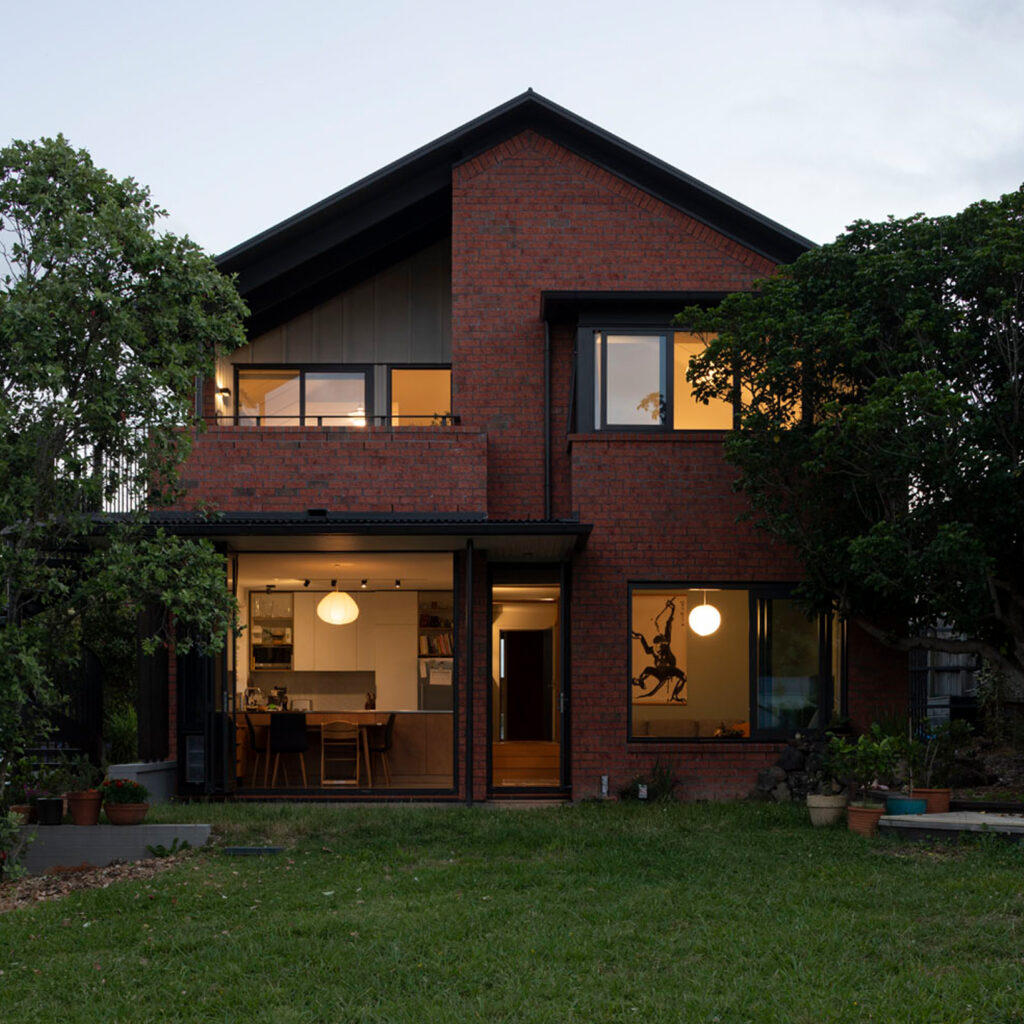
Although modest in size and budget, this Auckland multi-generational home puts the client at its heart while at the same time future-proofing the asset for any potential uses that might eventuate.

It takes a certain level of daredevilry and nous to convince a client to build a two-bedroomed home for a family of five.
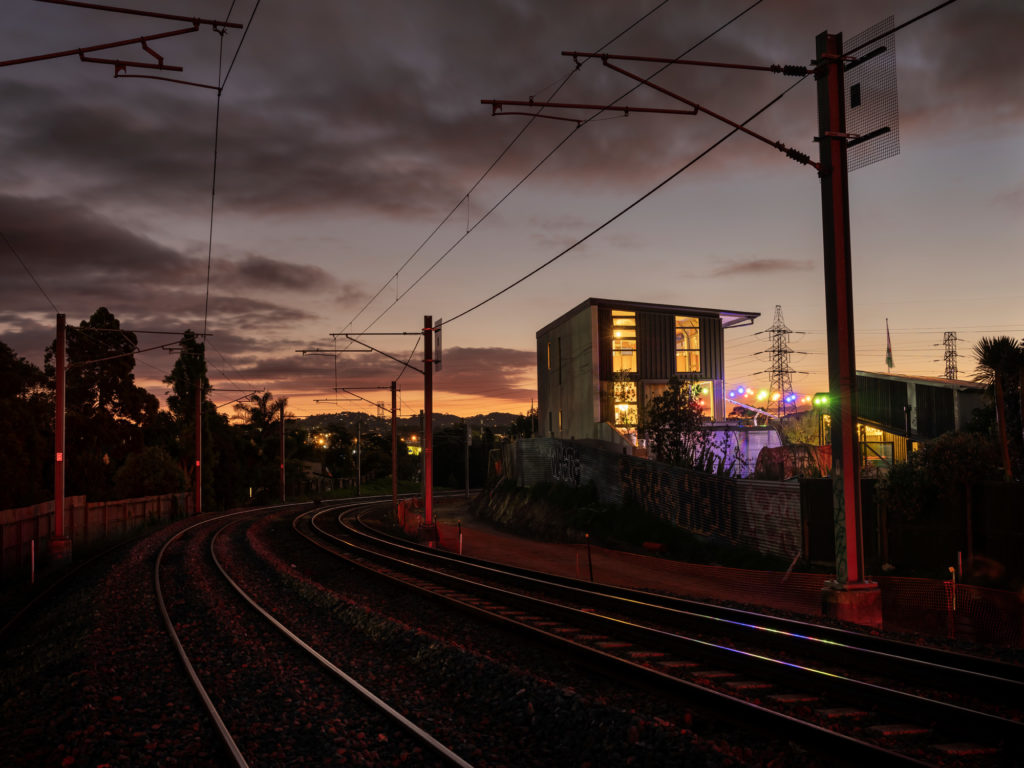
There’s anarchy in Avondale and it looks a lot like Eames, it sounds a bit like Joey Ramone, and it has its heart set on placemaking.
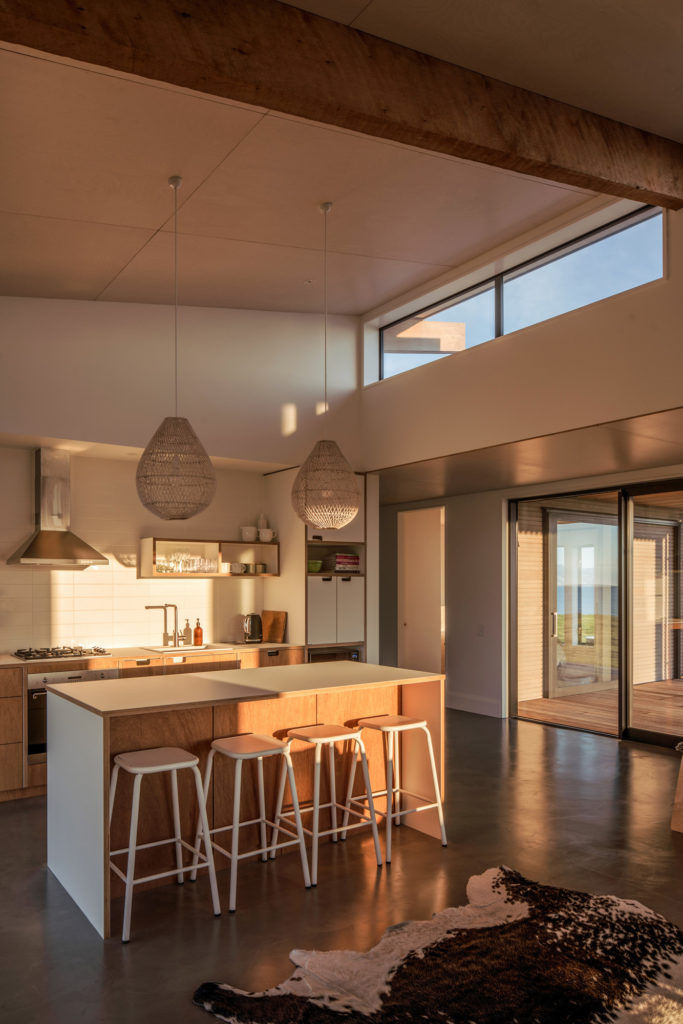
On the edge of a bluff at Palliser Bay, this isolated holiday home stands firm in a sparse landscape.
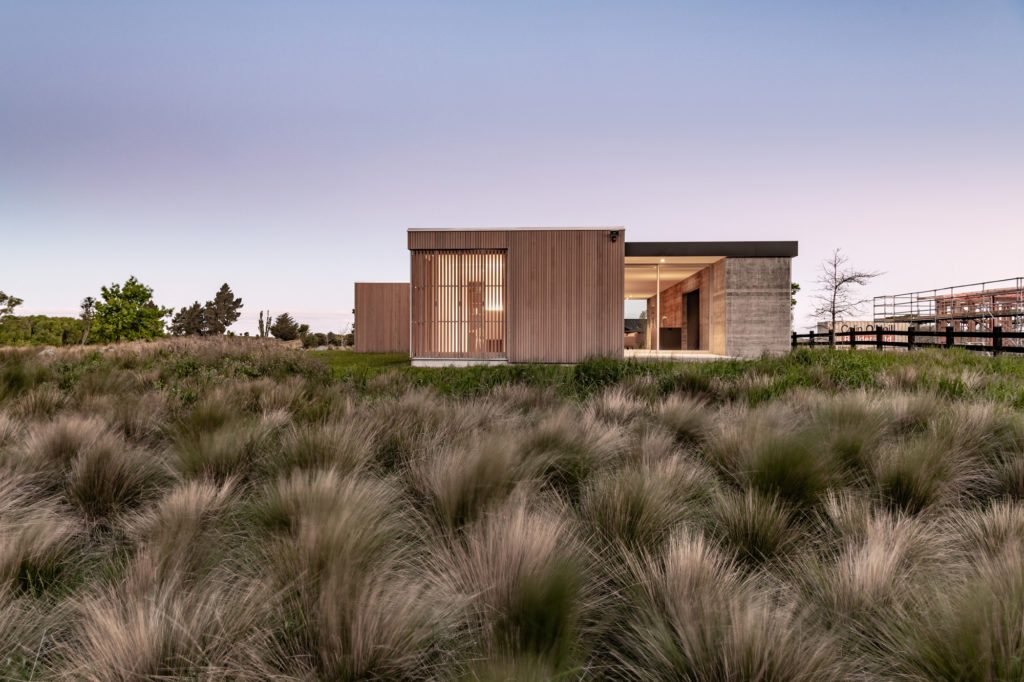
Mário Luz devises a simple form — three cedar boxes anchored by a central concrete spine — that settles effortlessly into a flat, rural Cantabrian landscape.
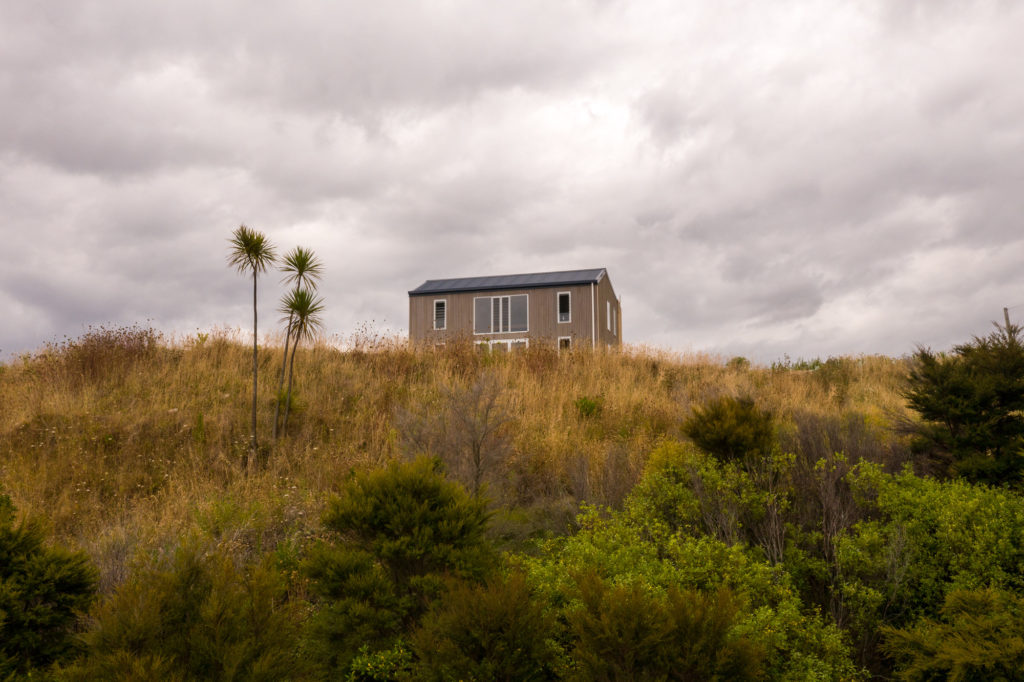
Wellington architects Bonnifait + Giesen explore their long-standing fascination with prefab and show how this Gisborne home fits snugly within that evolution.
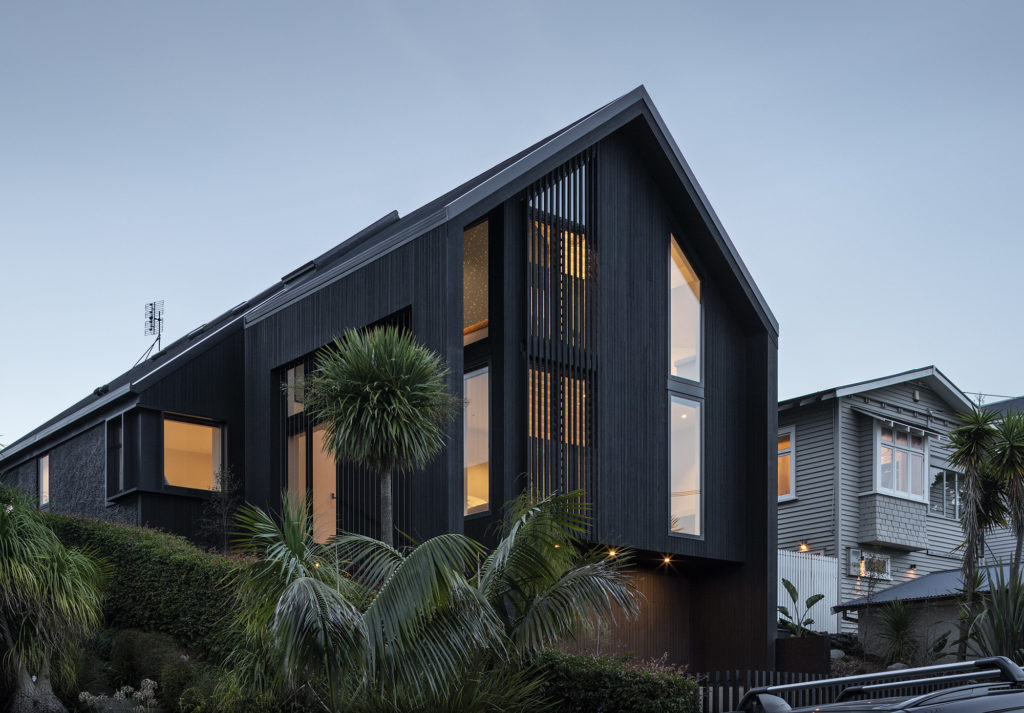
On a typical Westmere street, this black-clad double-gabled home stands tall — unrecognisable from the original bungalow whose bones were used to form the basis of an extensive renovation.
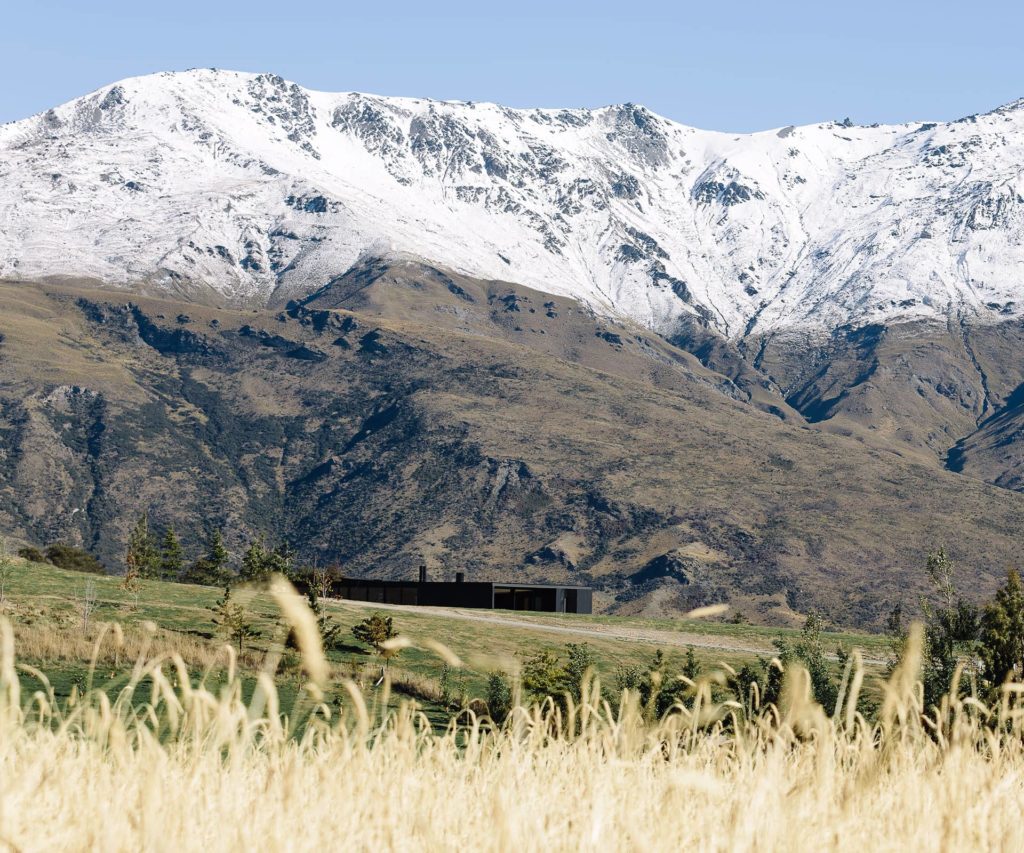
Promising spectacular views and extreme weather conditions, New Zealand’s alpine architecture considers protection and connection, refuge and openness, with a material palette that reflects the environment harmoniously.
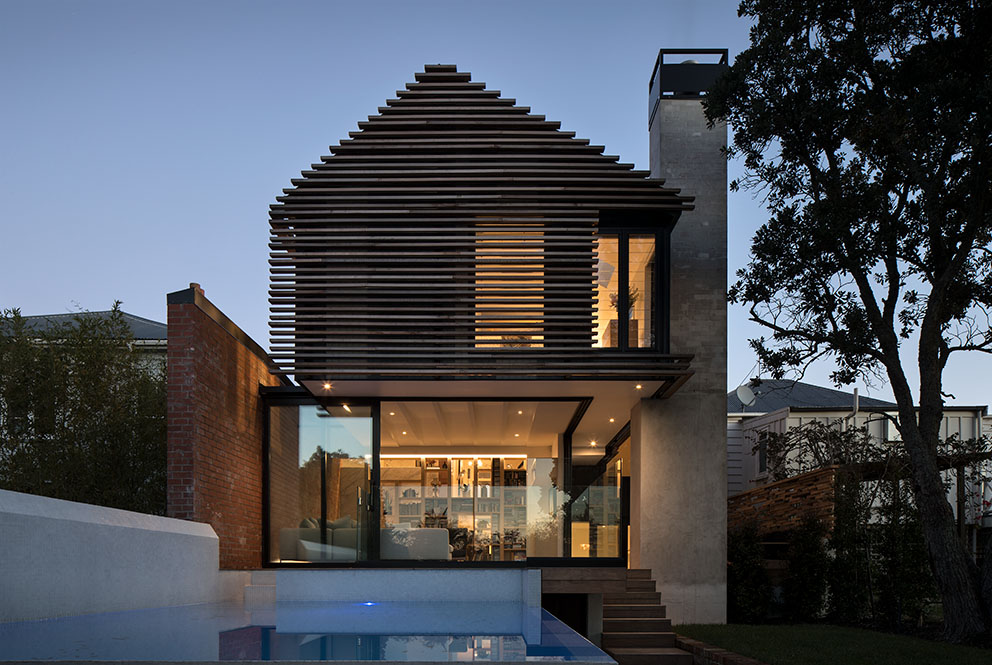
Eight villa renovations in Auckland and Wellington deliver more than meets the eye, and a considered symbiosis between old and new.
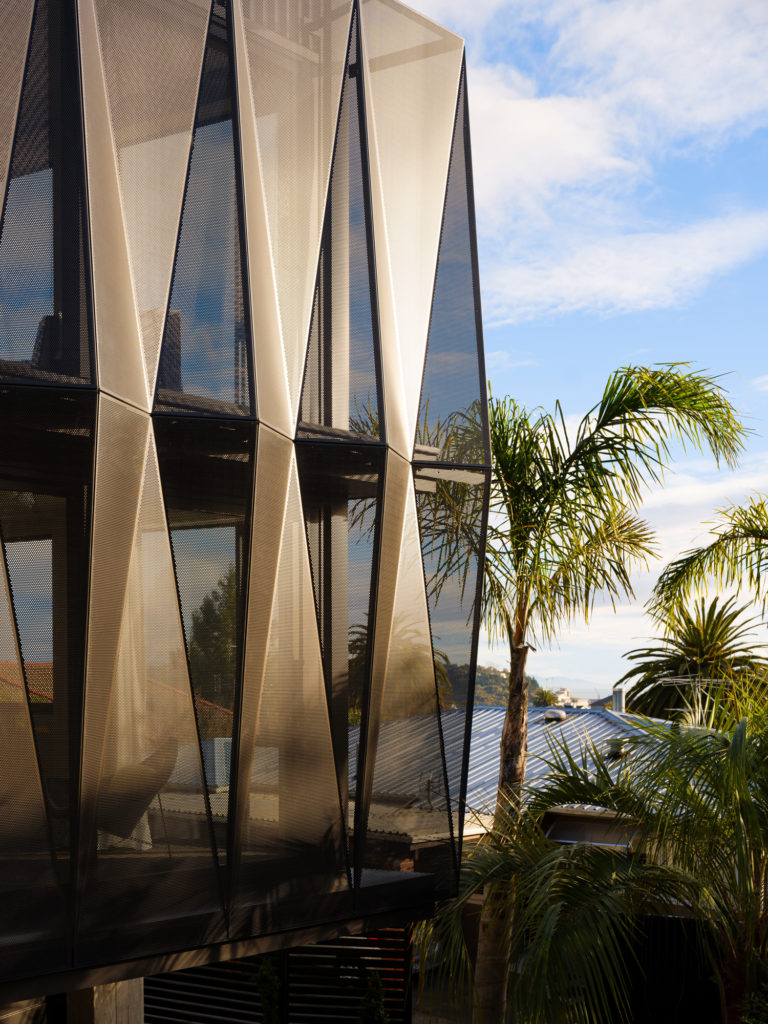
Approaching Jerram Tocker Barron Architects to design a new house on one of Nelson’s steepest streets put the owners on a trajectory to conjuring up an intriguing, diamond-pattern facade.
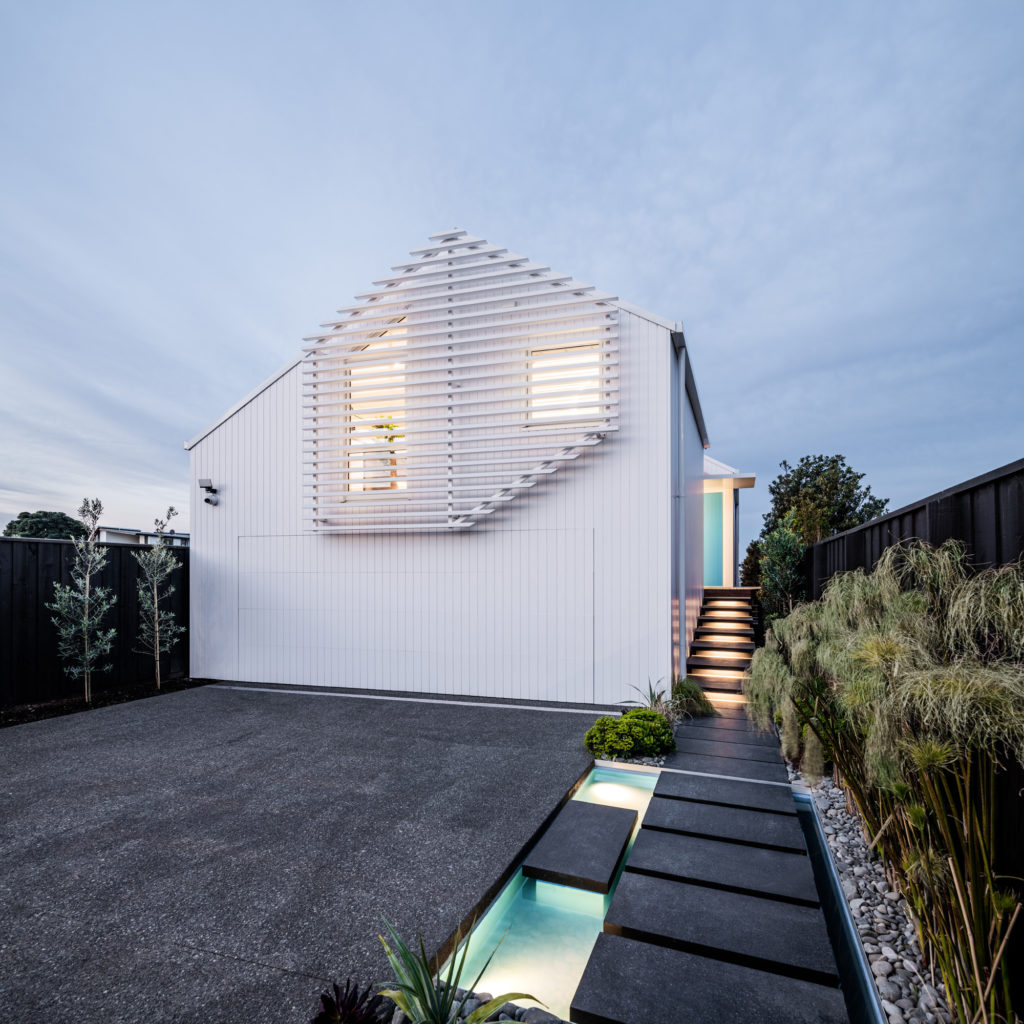
There’s something confronting and powerful about looking out to the horizon and seeing nothing but the ocean, knowing the next major landmass is thousands of kilometres away.
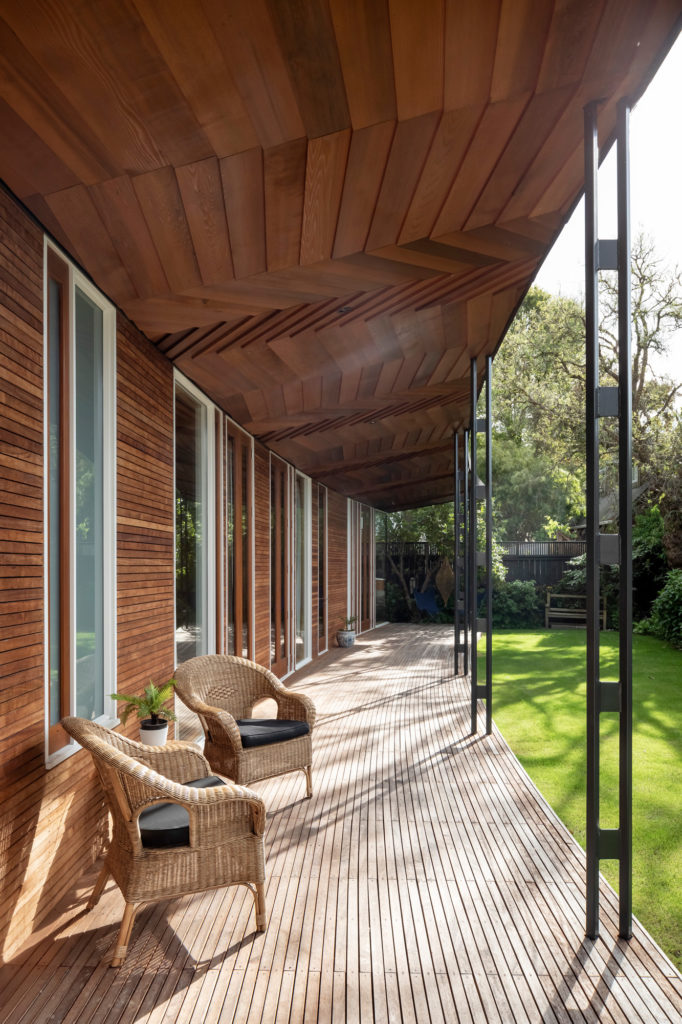
Michael O’Sullivan folds the sun into an arc — a beautifully curved pavilion that responds to a mature garden on a site just north of Christchurch’s central city.
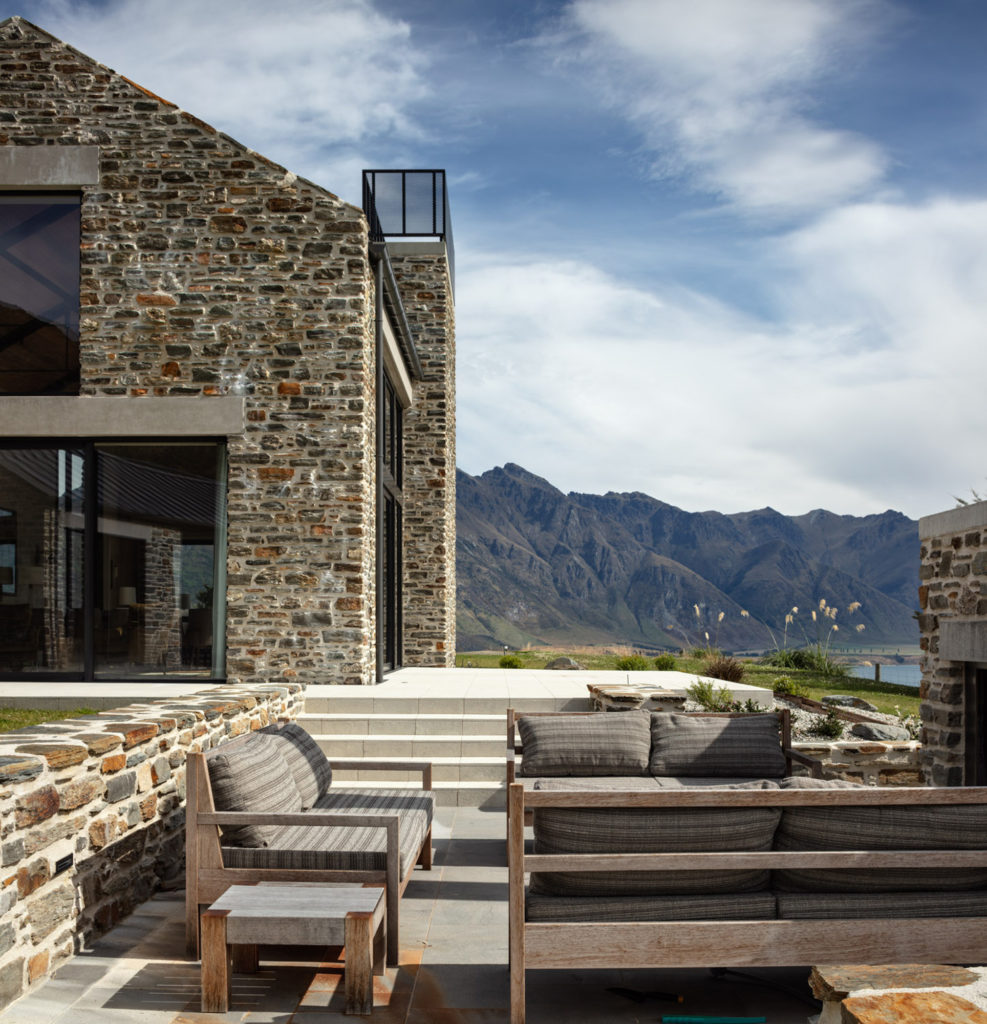
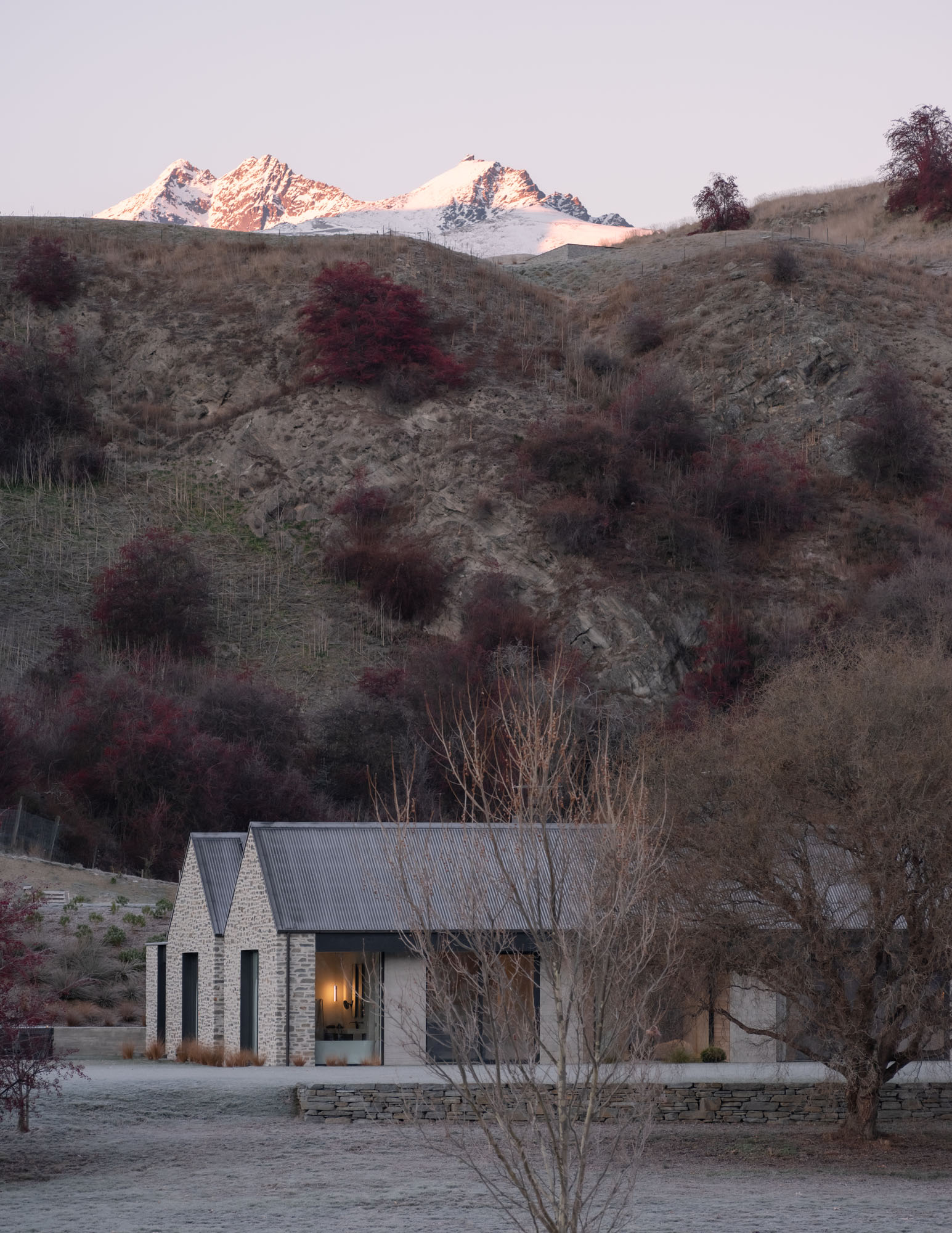
Pastoral stone barns and a black steel butterfly find common ground on an idyllic plateau above Lake Wakatipu.
On a Mangawhai golf course, a glass-box pavilion is ruptured by three inverted cones. Pip Cheshire discusses the ideas and process that turned this seemingly simple concept into something entirely magnetic.
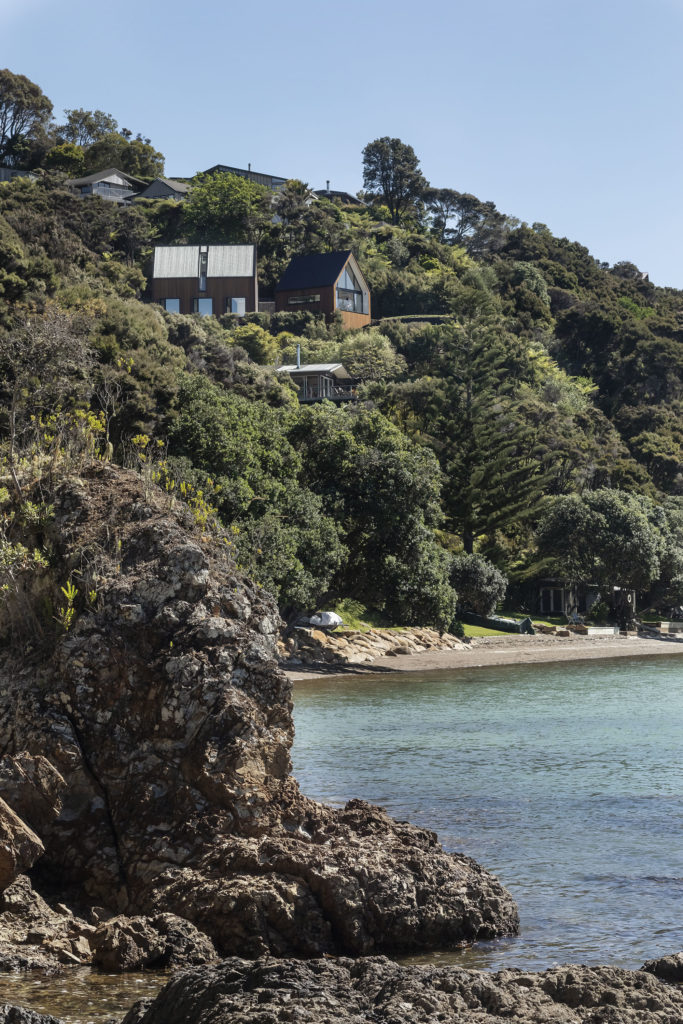
There’s something about clifftop homes in New Zealand. Maybe it’s a sense of living on the edge or the desire to find the most picturesque spot to watch the sunrise. Here are five clifftop homes where the architect has done justice to the dramatic surroundings.
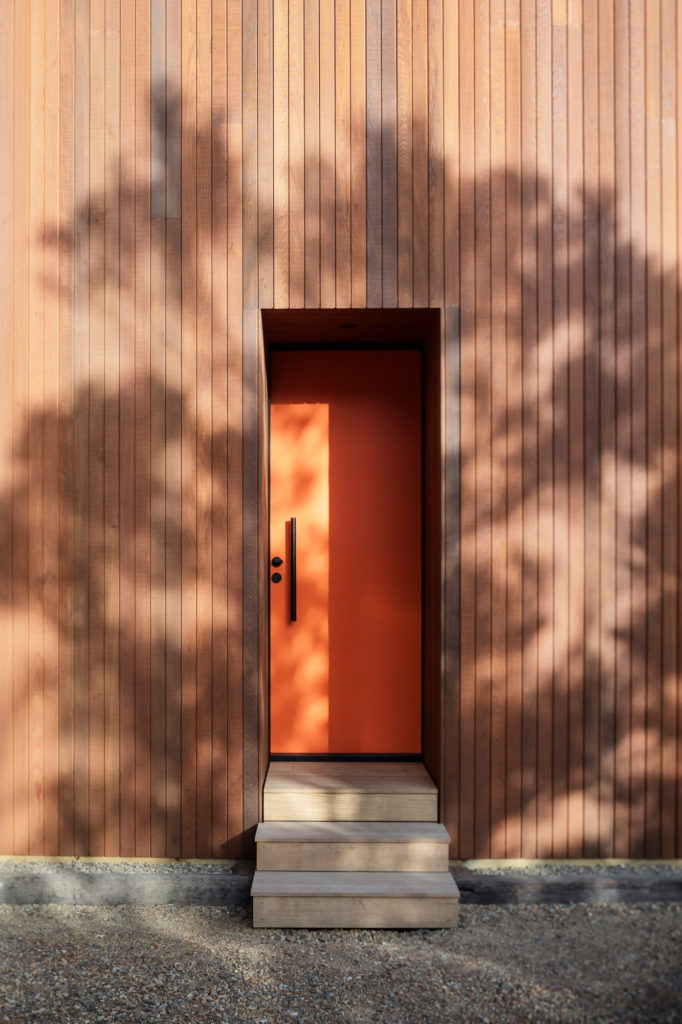
A difficult, yet awe-inspiring site called for a radical solution: breaking a Bay of Islands holiday bach in two.
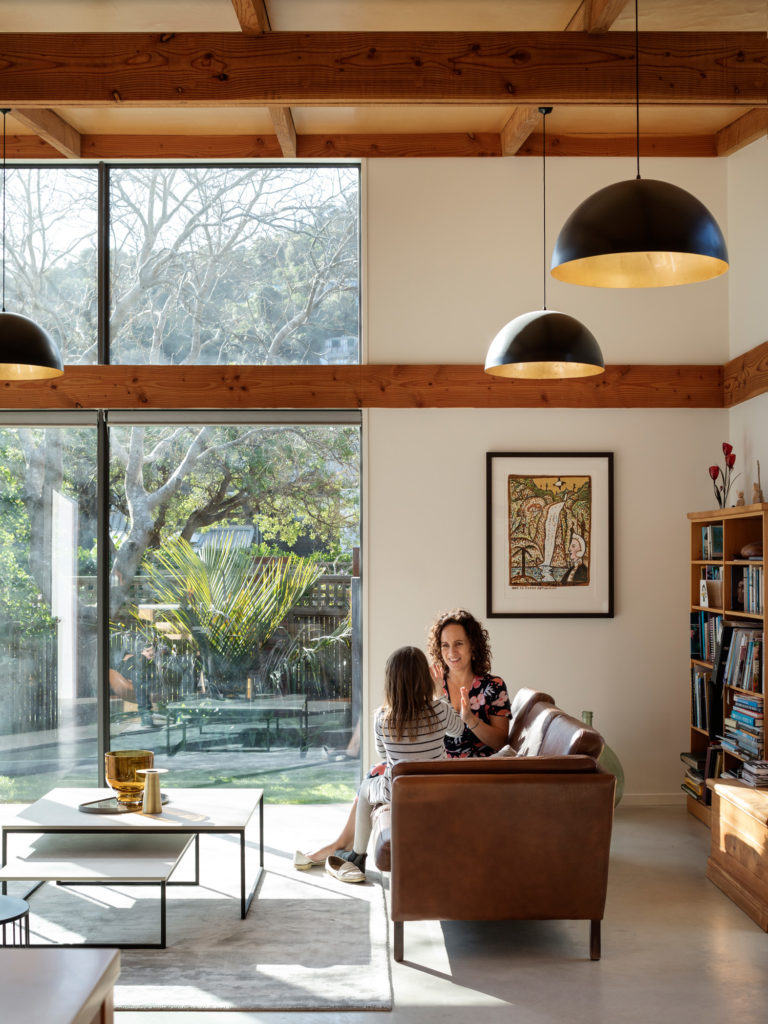
Lovell & O’Connell Architects devises a rhythmic form that pays homage to a tight Wellington site.
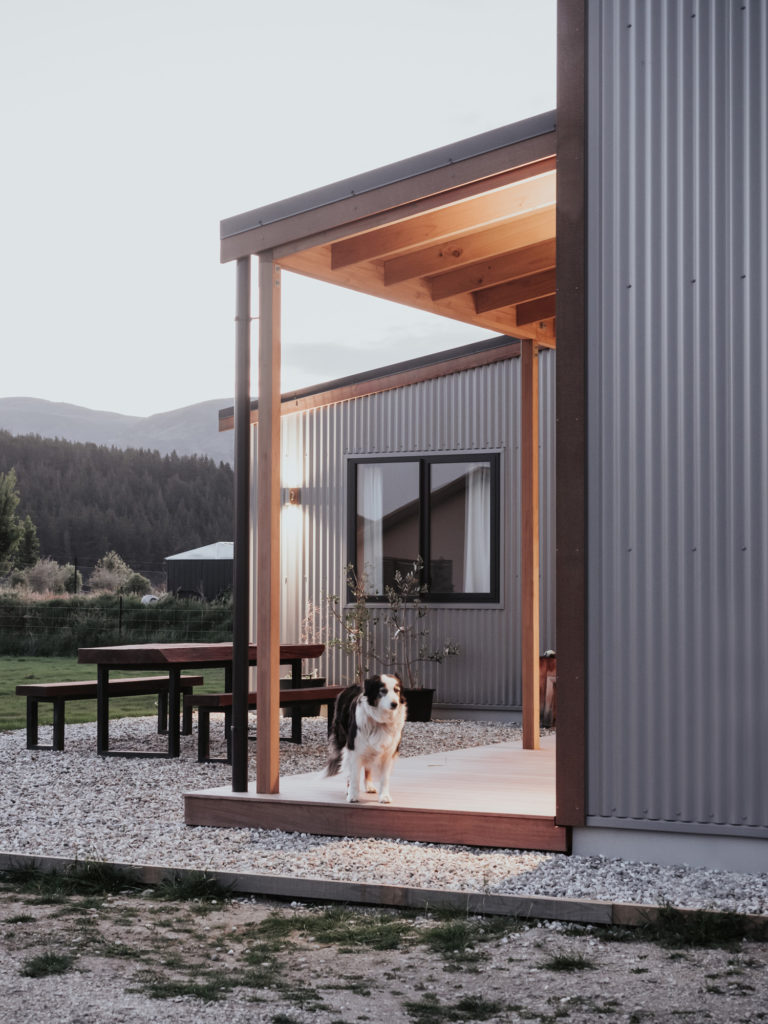
Wrapped in corrugate and spanning just under 110m², this unassuming home on a hill above the small town of Luggate is powerful beyond its volume.
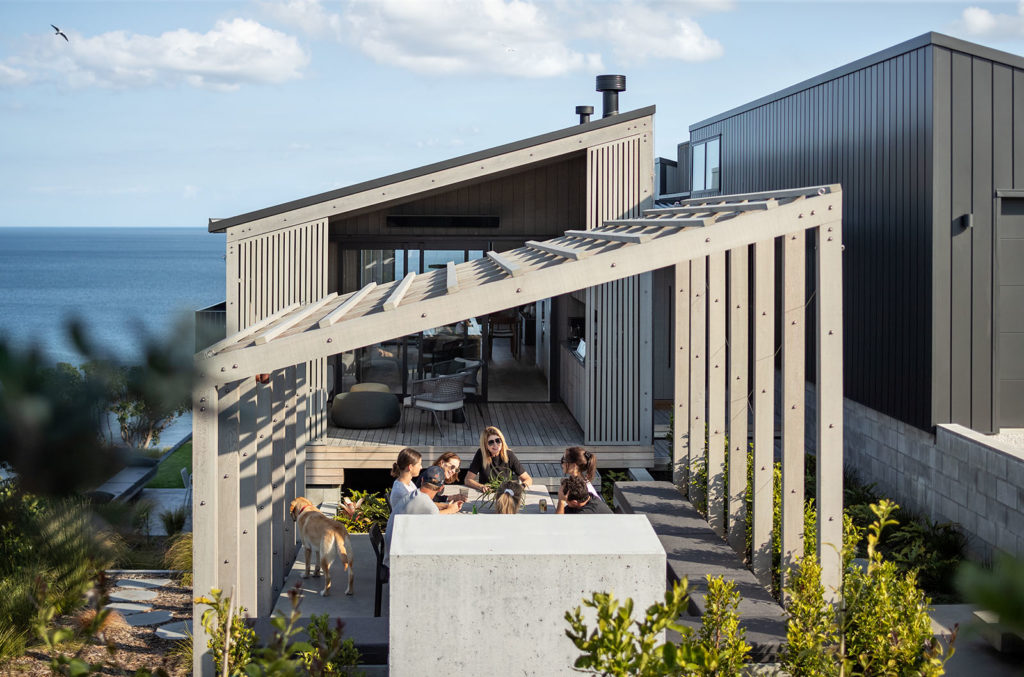
Designed and built by family members, this house in Leigh is steeped in heritage and ancestry.
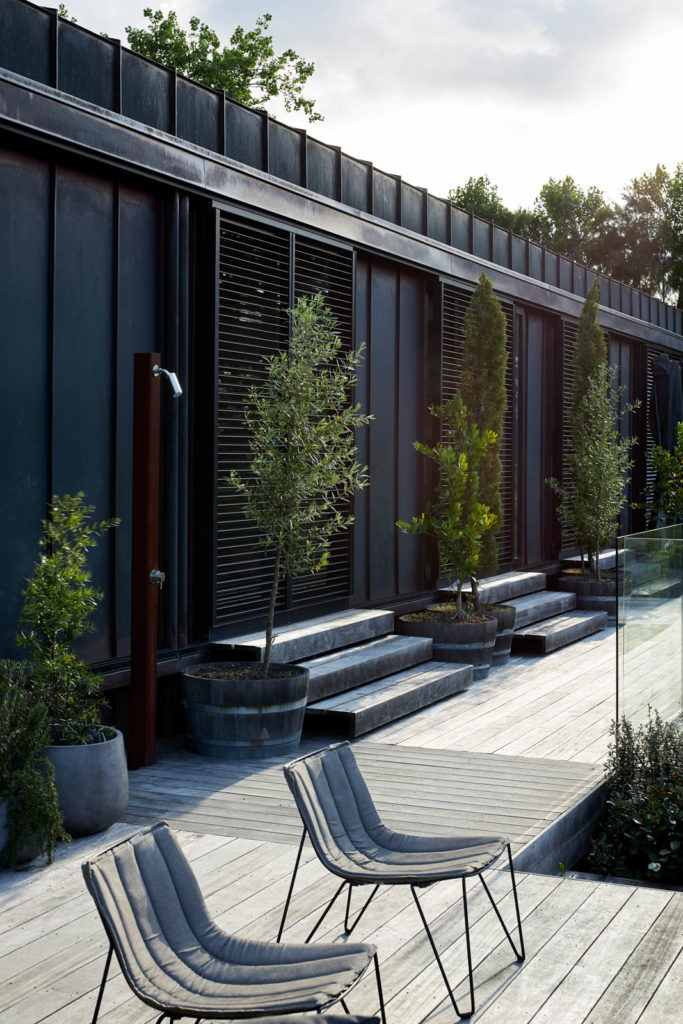
Tim and Alison Hay first occupied this home around 15 years ago. They had bought the site in north-west Auckland three years earlier when it was an old orchard with a number of paddocks.
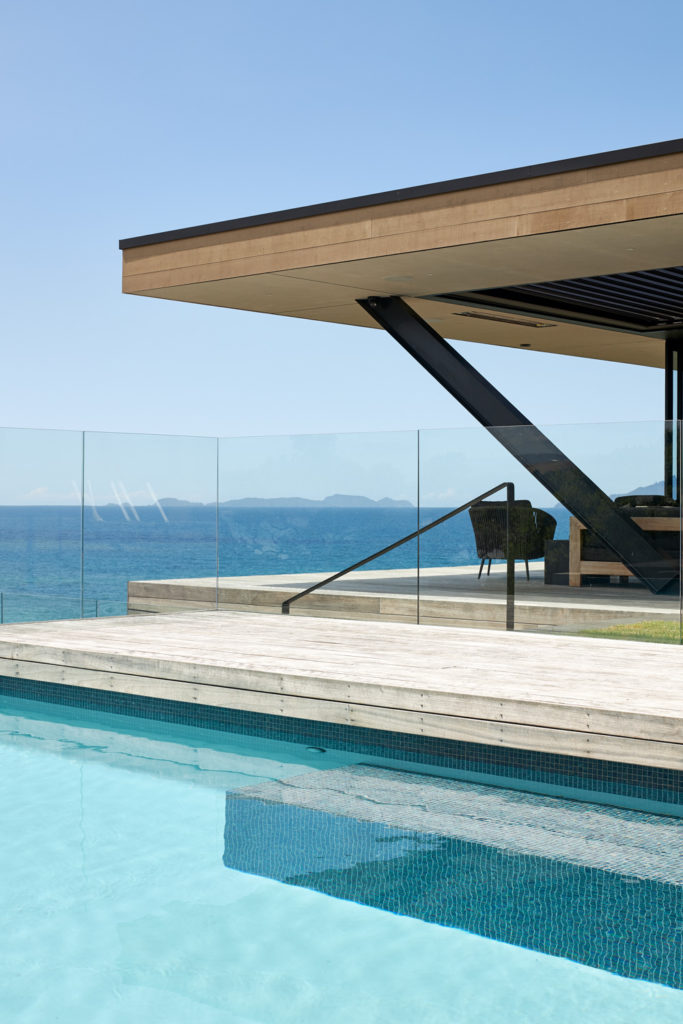
John Irving creates a home that falls away to the ocean in Northland. It’s a bit Palm Springs, this house. It’s a bit casual, and it’s a bit dramatic — but only in just the right amounts.
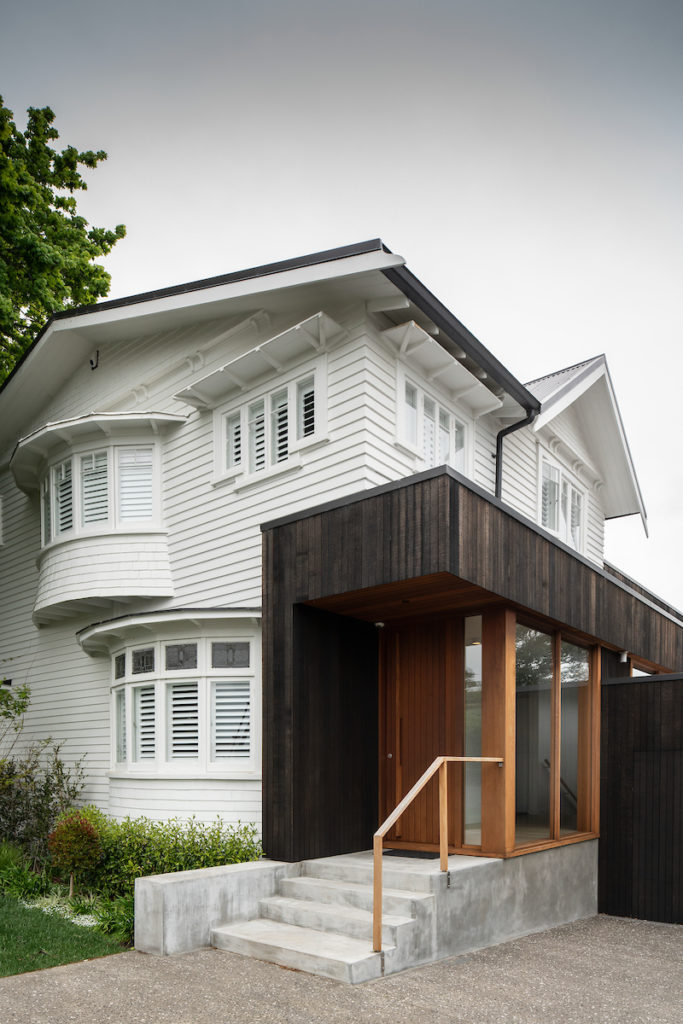
On a bend in the road in a historic area of Remuera, Auckland, this large site had been mostly unused for decades. An original 1930s bungalow had a certain charm, but its layout and orientation didn’t lend itself to contemporary family life — or make the most of the site.
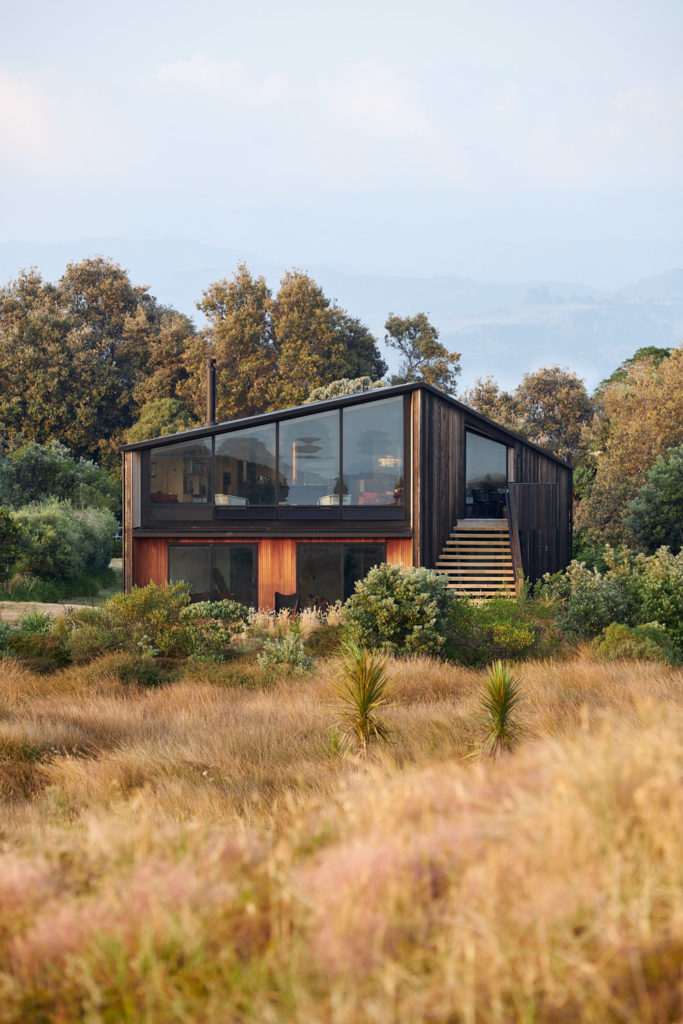
On the divide between suburban street and wild dunescape, Brian White carves a retreat from a singular form.
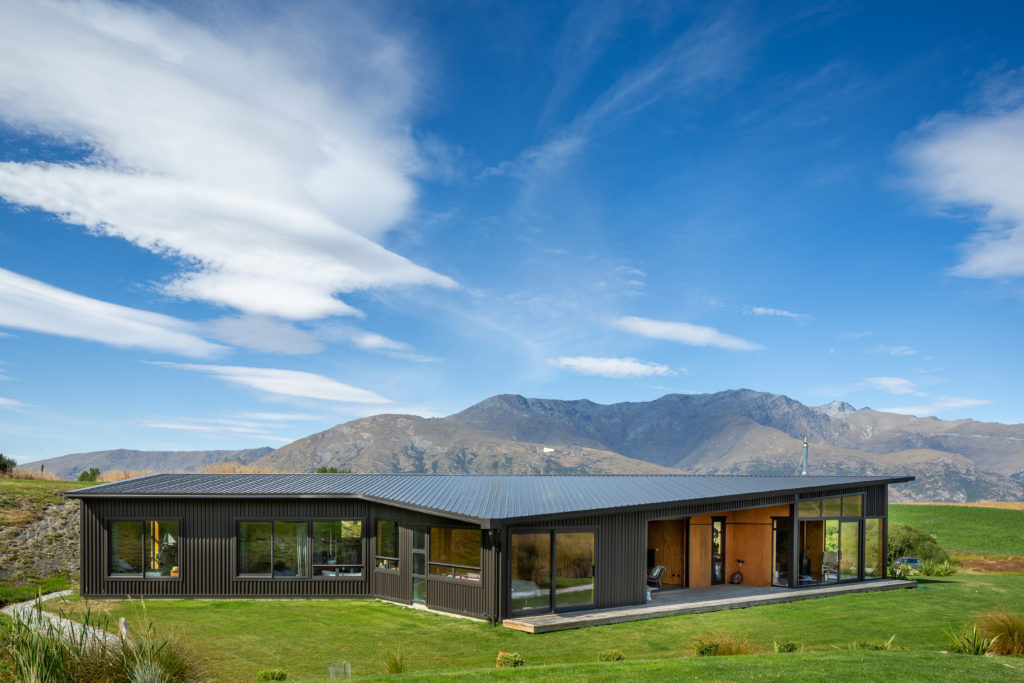
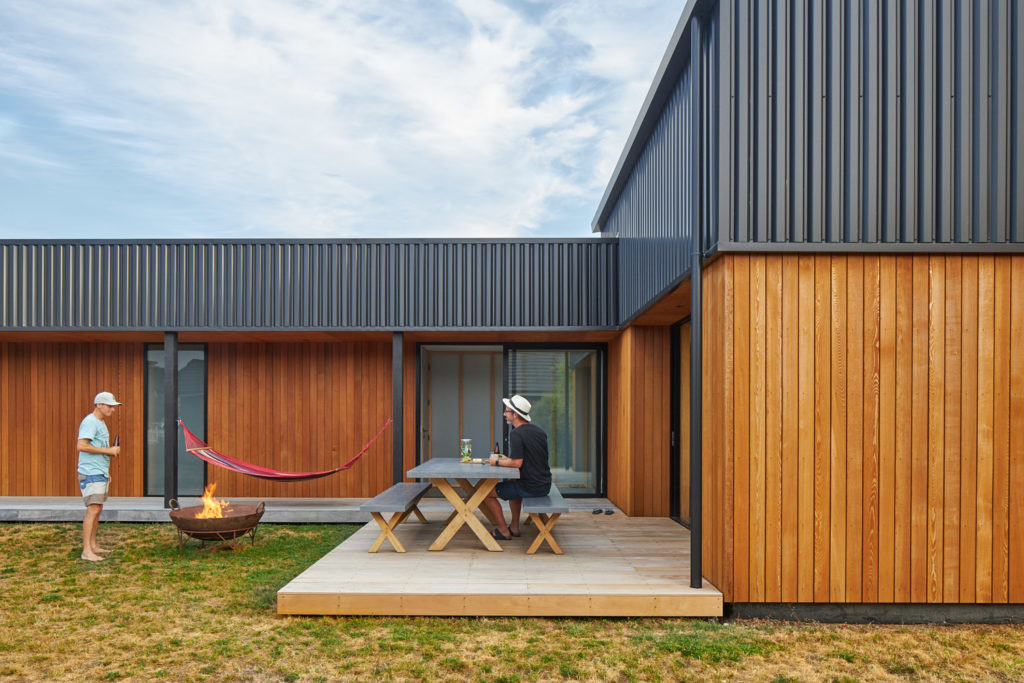
Bach living is a stripped-back approach to life: family time spent eating, playing board games and puzzles in the evening, and during the day getting outside and enjoying what the natural environment has to offer – water sports, backyard cricket and mountain biking.
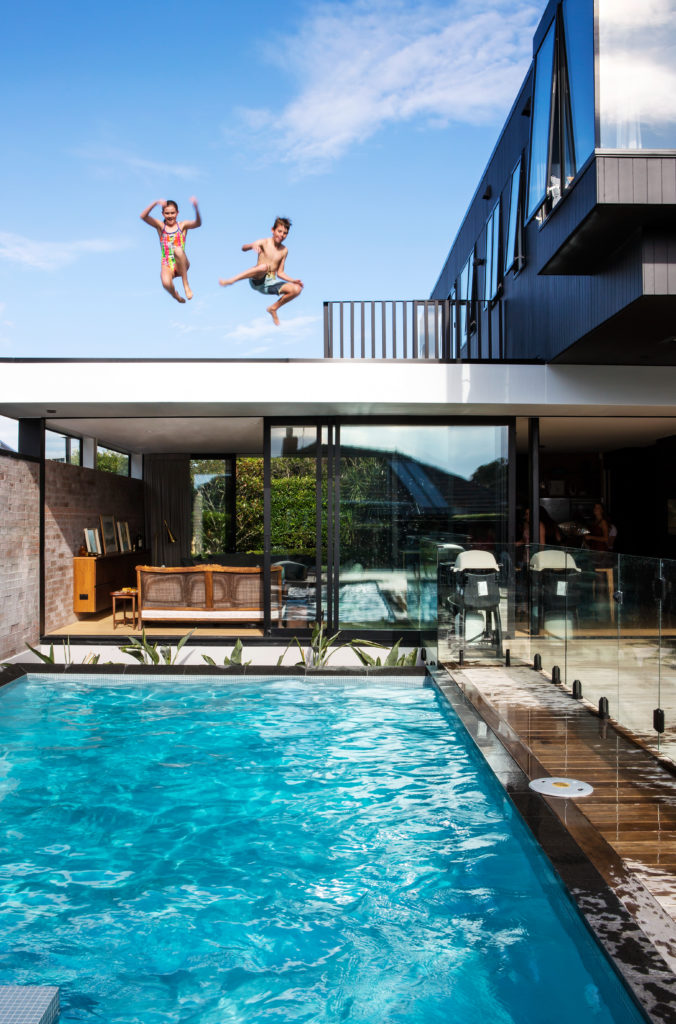
A spacious Mid-Century modern-inspired home in Orakei proves that you don’t need a huge amount of land to have four bedrooms and multiple living spaces, particularly when less than half of the home touches the ground.
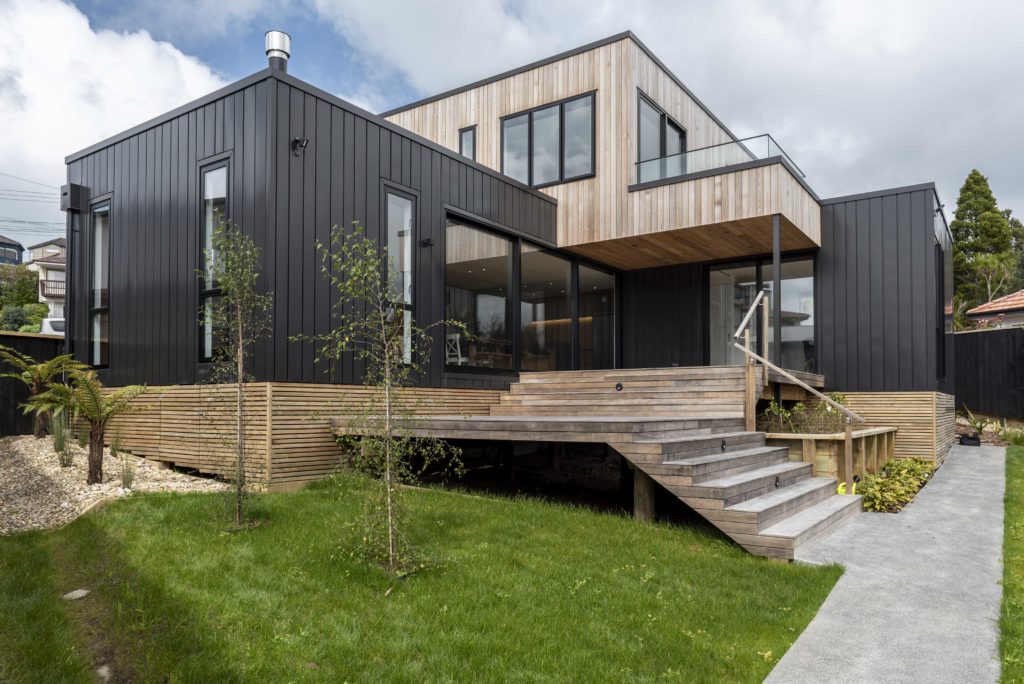
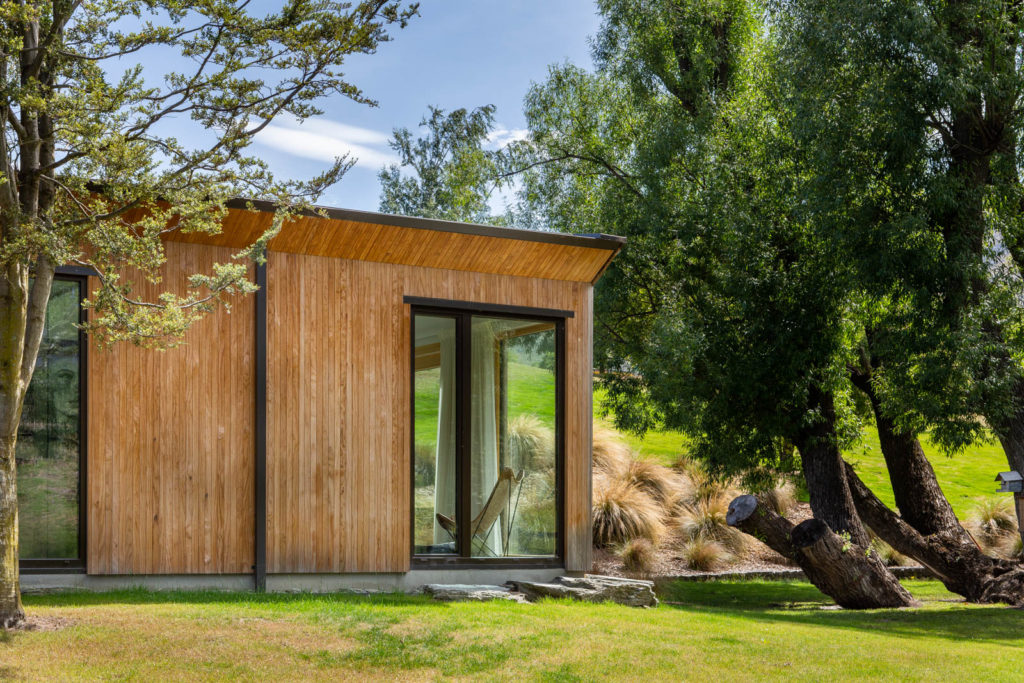
A Kerr Ritchie–designed home influenced by a love for the outdoors. Liisa hand-made a flag that read “Boys aboard”. The idea was to hoist it onto the mast of their catamaran while approaching a new port, thus alerting other boatie families that young children had arrived and any form of socialising would be welcomed.
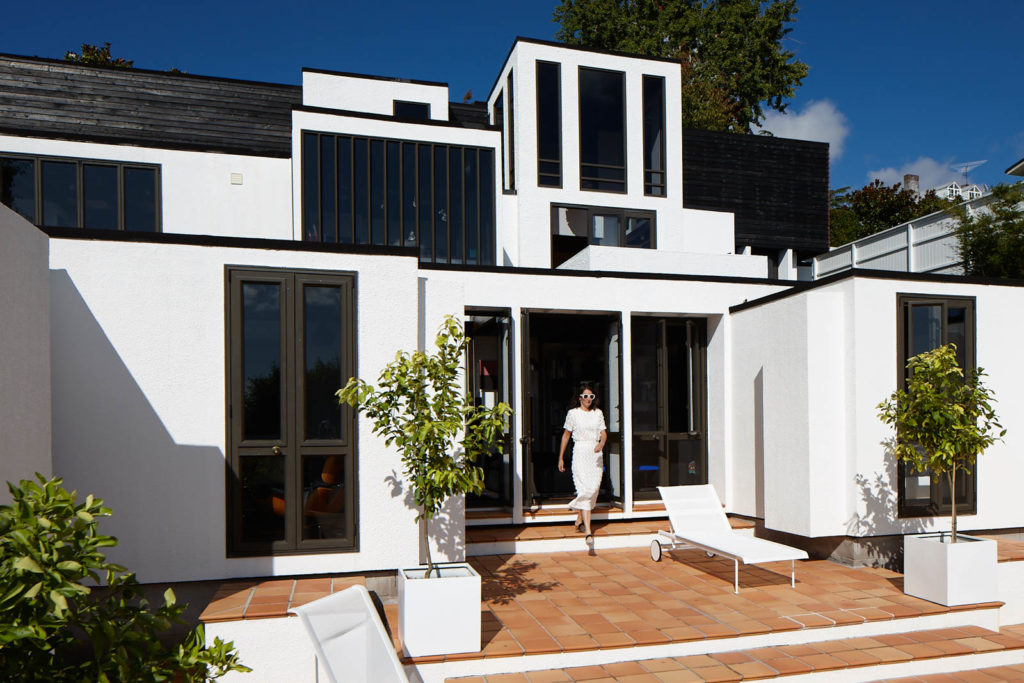
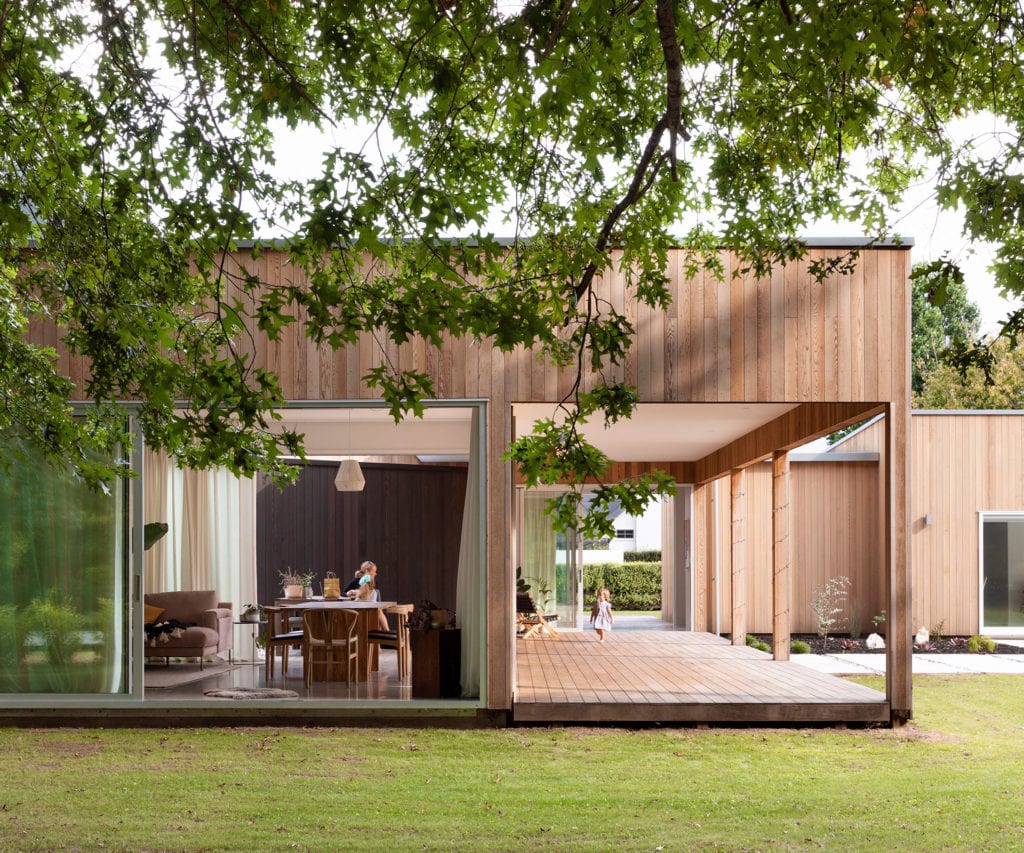
On a leafy site in the Waikato, Tane Cox crafts a subtle home for three generations.
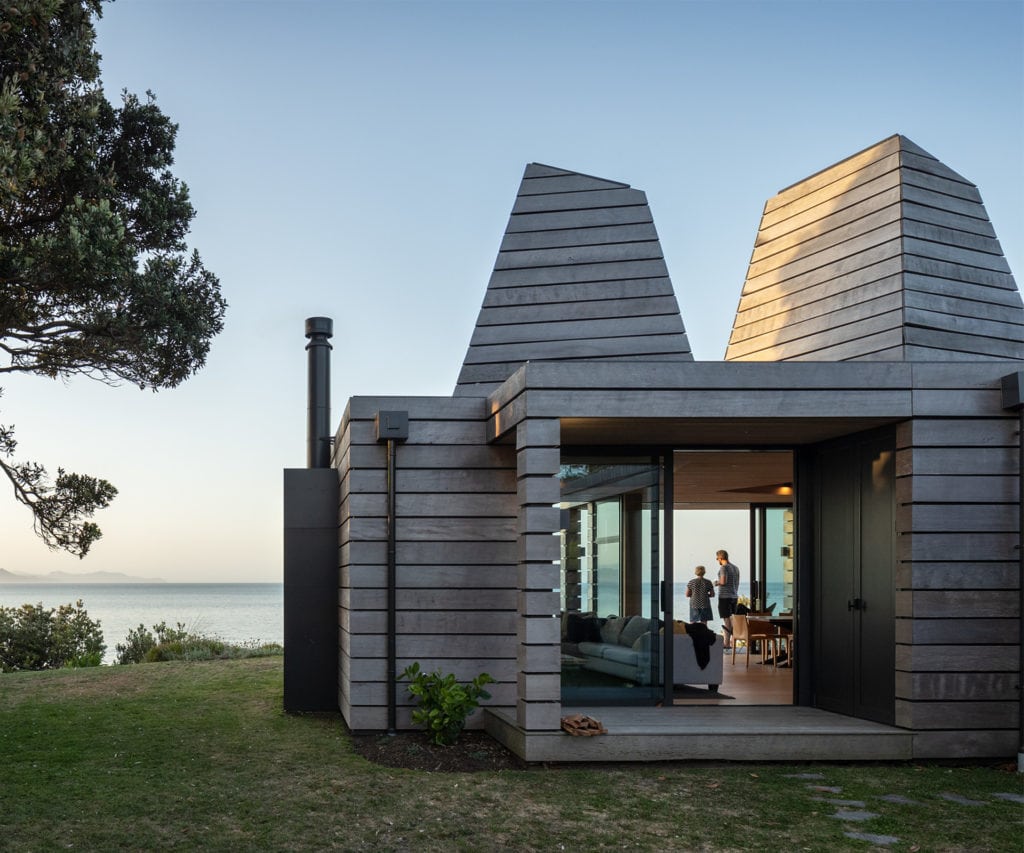
This Kiwi bach was designed as a response to the environment and history of the Coromandel. Discover how this home reflects its surroundings.