

The country’s premier contemporary art event returns to Auckland in 2026 with its largest programme yet — bringing record international participation, expanded sectors, and a city-wide public programme.
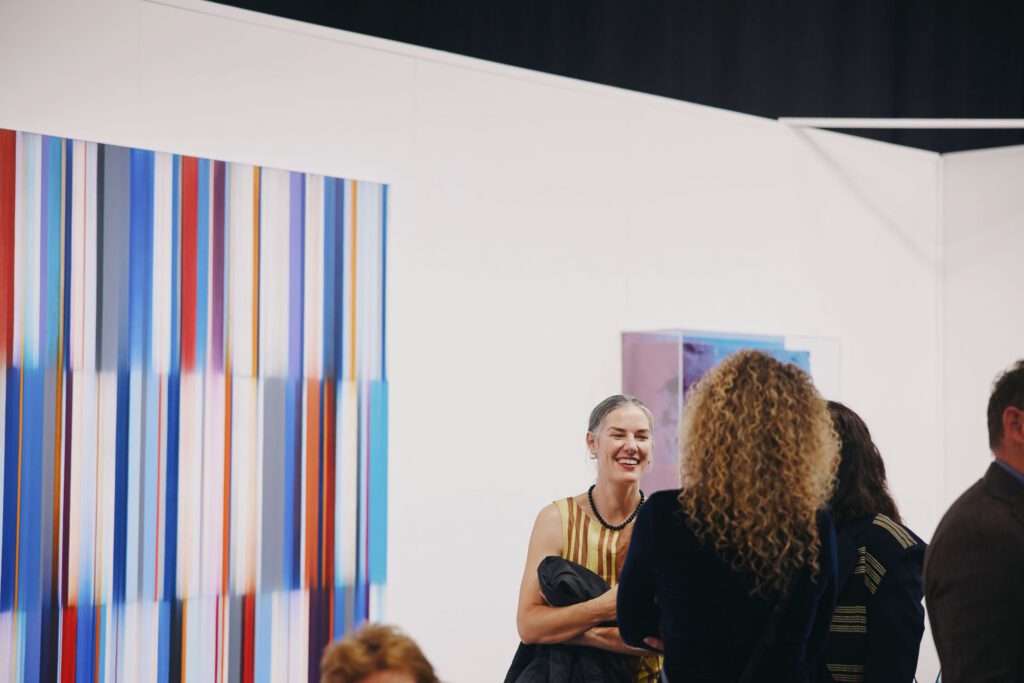
Auckland’s Viaduct Events Centre will once again become the focal point of the region’s contemporary art scene when Aotearoa Art Fair opens its doors from 30 April to 3 May 2026. This year’s edition marks a clear step change in scale and ambition, with the Fair expanding to include 60 galleries and more than 200 artists from across Aotearoa, Australia and beyond.
Occupying the venue’s full three-level footprint for the first time, the Fair has been reconfigured to accommodate a broader mix of presentations — from blue-chip gallery booths to experimental emerging platforms — reflecting the increasing depth of the local and regional art ecosystem.
Fair Director Sue Waymouth describes the 2026 programme as a moment of convergence. “The 2026 Fair is our most ambitious edition yet, where Māori, Pacific and international contemporary practices converge in ways you won’t find anywhere else,” she says.
A pronounced international presence shapes the 2026 edition. A strong cohort of Australian galleries — including first-time exhibitors Alcaston Gallery, Curatorial+Co., and Michael Reid Sydney + Berlin — joins returning names from Sydney, Melbourne and Brisbane. Further afield, London’s Pontone Gallery and Galerie Winkler from French Polynesia extend the Fair’s geographic reach.
This cross-regional participation continues to position the event as a key meeting point between Aotearoa and the wider Asia-Pacific art market.
Across the Fair floor, galleries will present a mix of new work and notable projects. Among the international highlights are Lee Bae’s materially driven black compositions and the celebrated paintings of Mirdidingkingathi Juwarnda Sally Gabori, whose work has gained major institutional recognition.
Closer to home, several leading Aotearoa artists will unveil focused presentations. Judy Millar exhibits a solo booth of her large-scale paintings, while Richard Lewer displays 50 small scale works. Areez Katki’s inclusion follows growing international exposure.
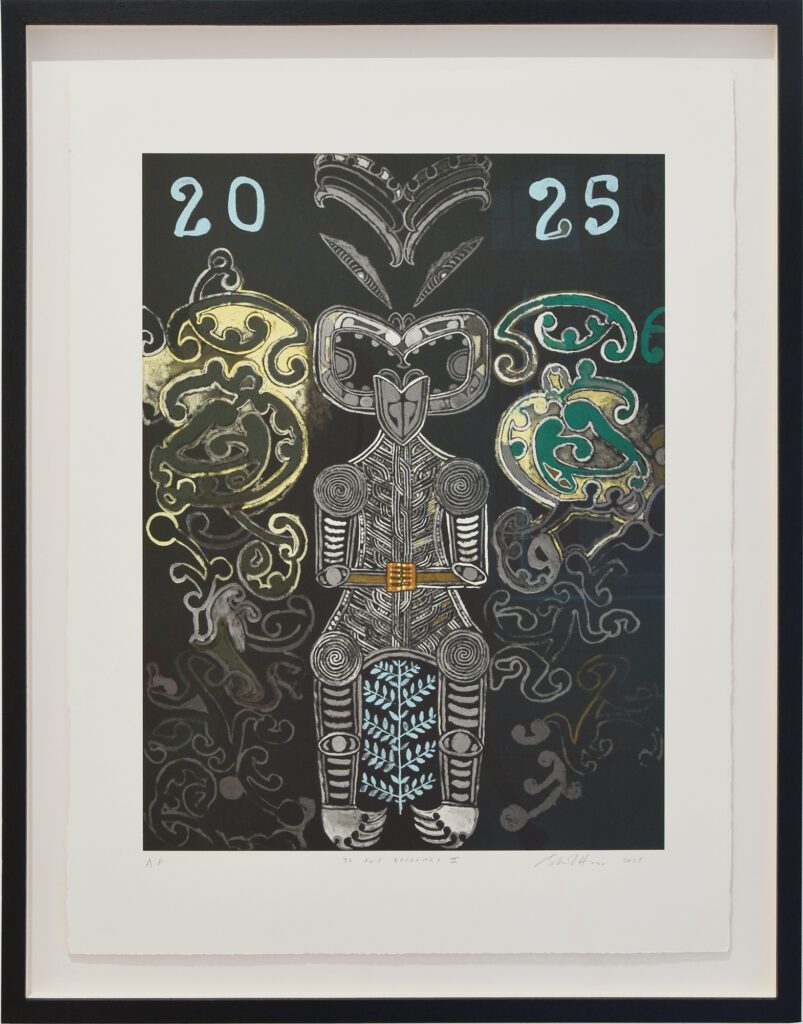
The Fair continues to foreground Māori and Pacific artists working across diverse media. New and recent works by Reuben Paterson, Shane Cotton, Robert Jahnke, Rangi Kipa and Lonnie Hutchinson sit alongside contemporary photographic and moving-image practices from Shannon Te Ao and Yuki Kihara.
The Fair’s curated sections have been refined for 2026, each offering a distinct lens on contemporary making.
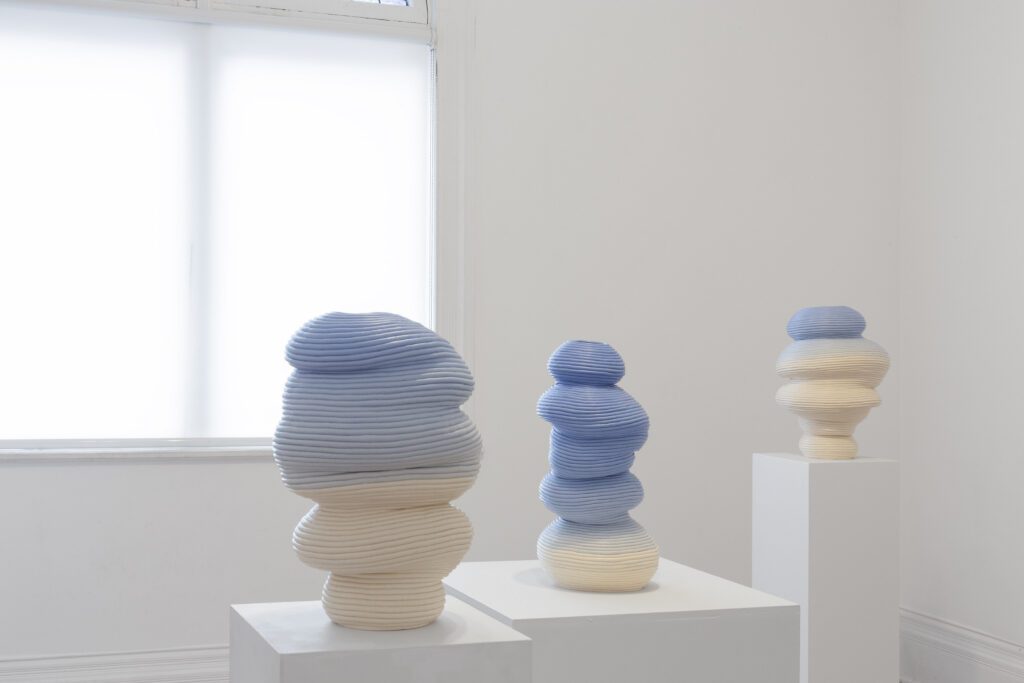
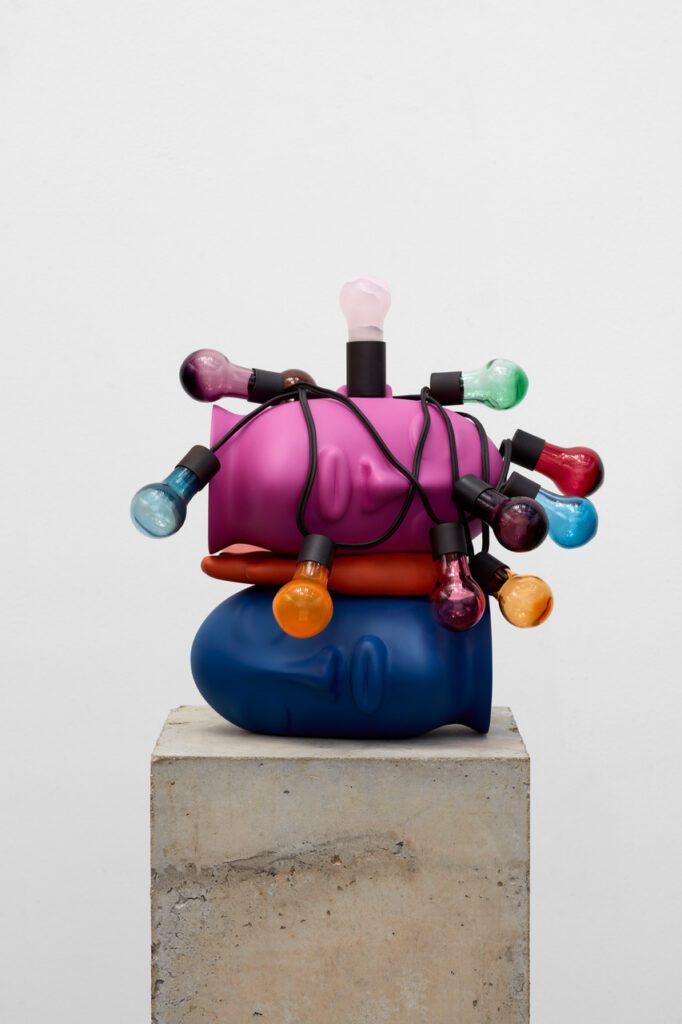
Object expands its focus on material-led practice, bringing together ceramics, design objects and small-scale sculpture that emphasise tactility and process. Meanwhile, Horizons maintains its emphasis on emerging voices from across Aotearoa and the Pacific, with curated booths spotlighting artists at pivotal early stages of their careers.
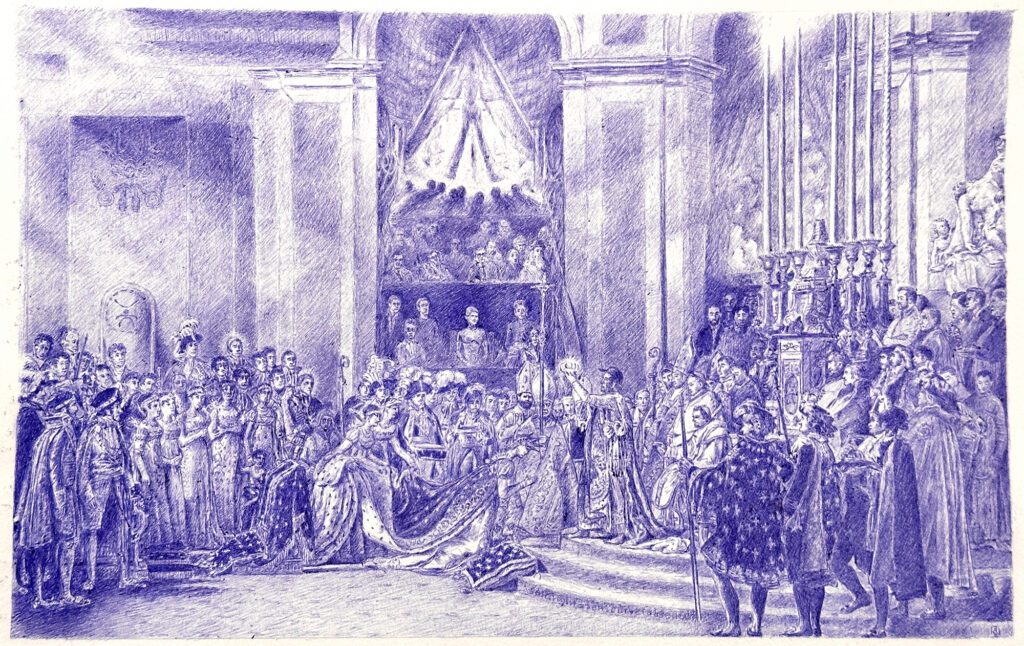
Works on Paper continues to map the breadth of editioned and two-dimensional media — from print to photography — while Futures provides a platform for younger galleries and artist-run initiatives, reinforcing the Fair’s role in supporting the next generation of practitioners.
Public programming remains a key component of the Fair’s wider presence in the city. The Let’s Talk Art series will convene more than 30 speakers — including Nat Cheshire, Rufus Knight, Dame Dayle Mace, Salome Tanuvasa and Christine Fernyhough — for a series of discussions spanning collecting, practice and patronage.
Along the waterfront, the Aotearoa Art Fair Sculpture Trail returns for its second iteration, presenting more than 20 large-scale works installed throughout Viaduct Harbour. The free public initiative continues to extend the Fair’s reach beyond the exhibition halls.
As the event grows in both scale and international participation, the 2026 edition signals a maturing moment for the Fair — and an increasingly confident platform for contemporary art in Aotearoa.