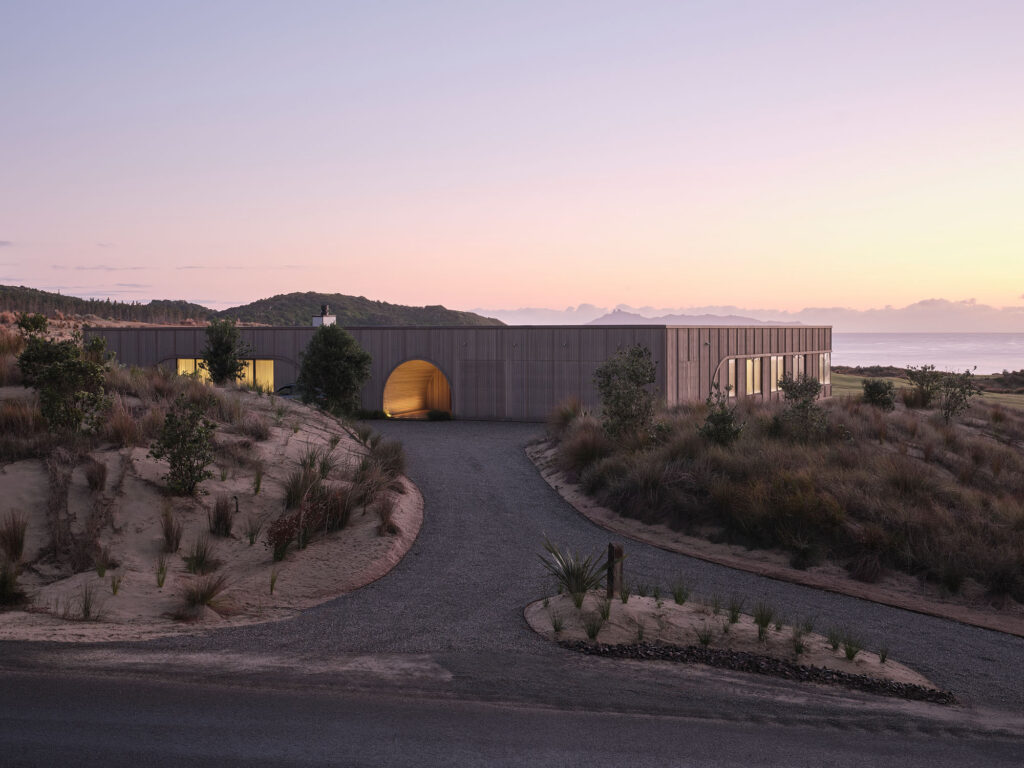
We caught up with interior designer and founder of Studio Muse, Matisse Whittfield, to hear about her design journey to date, what working between residential projects and global brands means for her practice, and the art of crafting simplicity.
The name Studio Muse suggests inspiration, but also something quite personal. Where did the name come from, and what does it mean to you now?
Studio Muse wasn’t the original name. While developing the website, I had been gathering references and writing about things that inspired me under the heading ‘Muse’. My partner noticed it and immediately said, “That’s the name”. Then he asked what it meant to me.
I was drawn to the idea of the muses in Greek mythology and their connection to creativity. It clearly reflected how I absorb inspiration: through art, history, travel, music, conversations, and everyday experiences. Today, the name feels even more personal. Inspiration comes from everything life holds: the highs, the difficult moments, and the quieter, reflective experiences in between. I absorb these moments daily, and it informs how I understand and design for others.
How would you describe the Studio Muse design language — and how has it evolved since you founded the practice during the pandemic?
I would describe it as considered, layered, and grounded in how a space will be used. Working across different settings has reinforced the importance of responding to the individual brief. A home, a workplace, and a hospitality space should each have its own character. The common thread is that beauty and function support one another, and every decision has a reason and a clear purpose.
You talk about creating ‘conscious and thoughtful design’. What does conscious design mean to you
in practice?
It means paying attention to the everyday. How easy is it to move through a room? Is storage where you naturally need it? Does the lighting support what you want to do?
Conscious design starts with understanding someone’s routines and recognising where their surroundings could work better for them. Sometimes a relatively small change can make a significant difference. The aim is to create spaces that make daily life more enjoyable, with fewer frustrations and a greater sense of ease.
There is an apparent simplicity to much of your work, but the spaces are often highly detailed. How much work goes into making an interior feel effortless?
A great deal of the work sits beneath what you immediately see. Proportions, junctions, material transitions, and the relationship between lighting, joinery, and furnishings all need careful consideration and resolution.
Fifteen years in the industry has taught me where to look closely and which decisions will have the greatest impact. Each project continues to challenge that knowledge. When an interior feels effortless, it is often because those complexities have been worked through before anyone walks into the room.
Studio Muse places particular emphasis on finding balance. How does that idea manifest itself in the way you design?
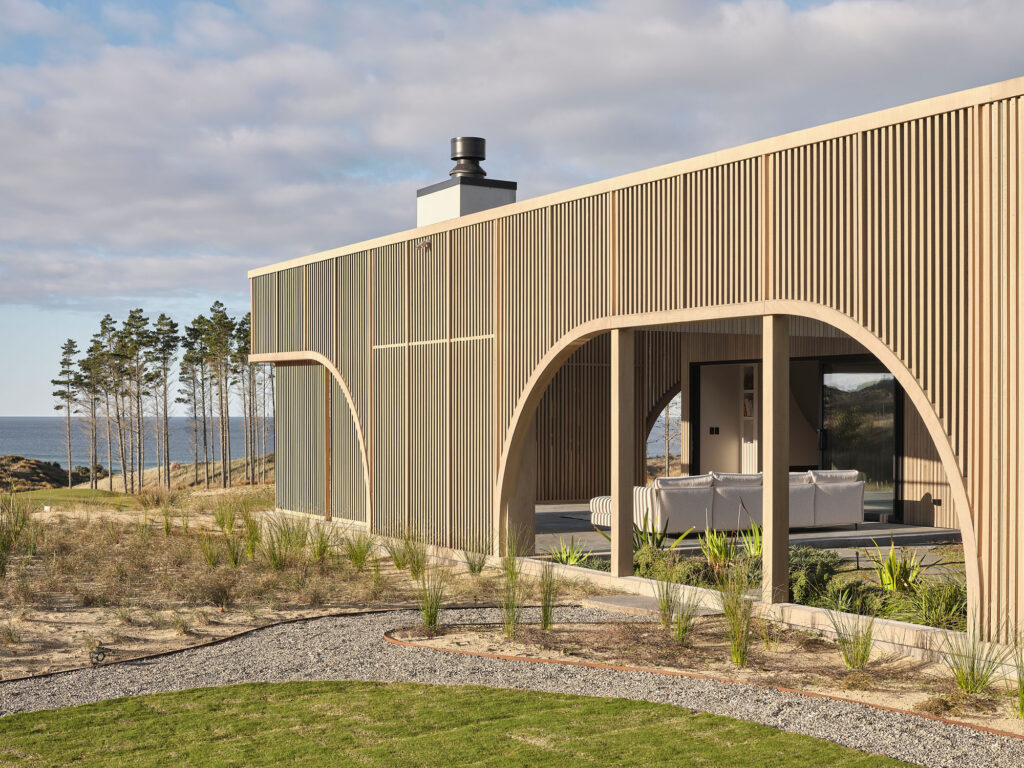
I have always been drawn to the relationship between opposites: light and dark, old and new, generous open areas versus more intimate spaces. I particularly enjoy the interaction between strong architectural forms and materiality, and how they exist alongside the softer, more delicate details.
Balance doesn’t necessarily mean giving everything equal weight. It is about understanding where a space needs contrast and where it needs space. An oversized piece of joinery might be softened by its material finish, or a restrained palette may be given depth through texture.
Those relationships create interest while allowing the whole space to feel uniquely cohesive.
Materiality feels central to your work. What are you drawn to in a material, and how do you know when you’ve found the right one for a space?
I’m drawn to materials with depth and character: the variation in a grain, the feel of a surface, or the way it responds to the light around it. But that attraction always sits alongside practical questions about its setting, use, and how it will wear over time.
I particularly gravitate towards materials that develop a patina, allowing a space to carry traces of the life within it.
The right material contributes to the atmosphere while being suited to the demands placed on it. It needs to feel convincing, not only on the day it is installed but also over time.
Your work moves between residential, hospitality, workplace, and retail design. What does working across those different typologies teach you that you can bring back into the home?
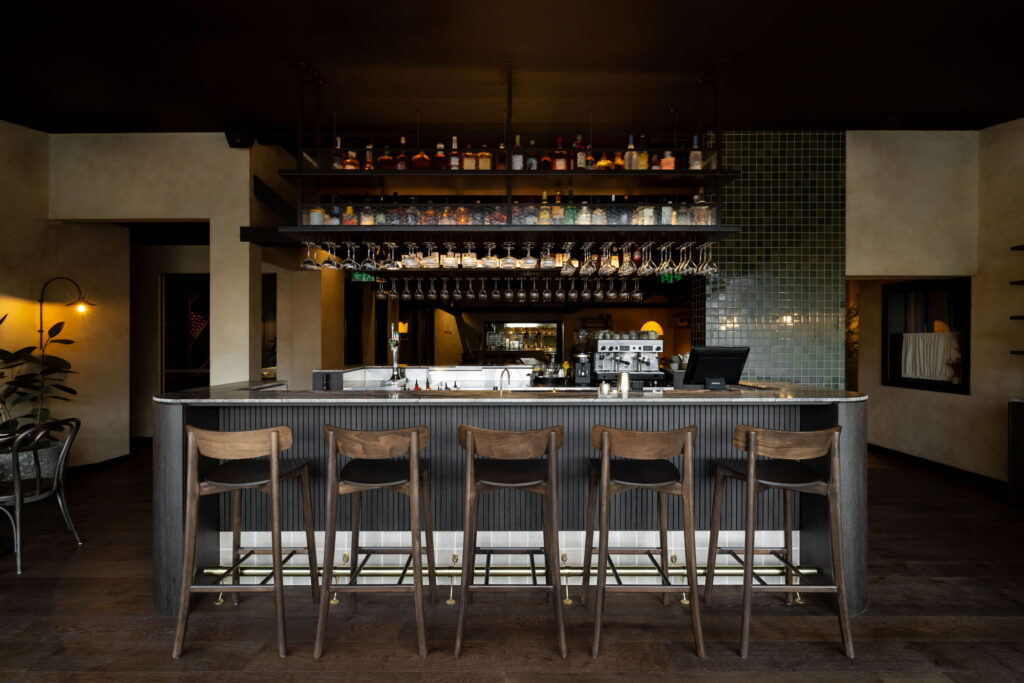
Each setting offers a different understanding of how people experience space. Hospitality teaches us about atmosphere and the rituals of gathering; workplace design sharpens our thinking around focus, flexibility, and different ways of using a space. Retail brings a particular awareness of arrival, movement, experience, and discovery.
Those lessons can enrich a home in subtle ways: a more welcoming entrance, a kitchen that makes hosting feel natural, or a quiet place to retreat. Working across these disciplines broadens the possibilities we can offer a client.
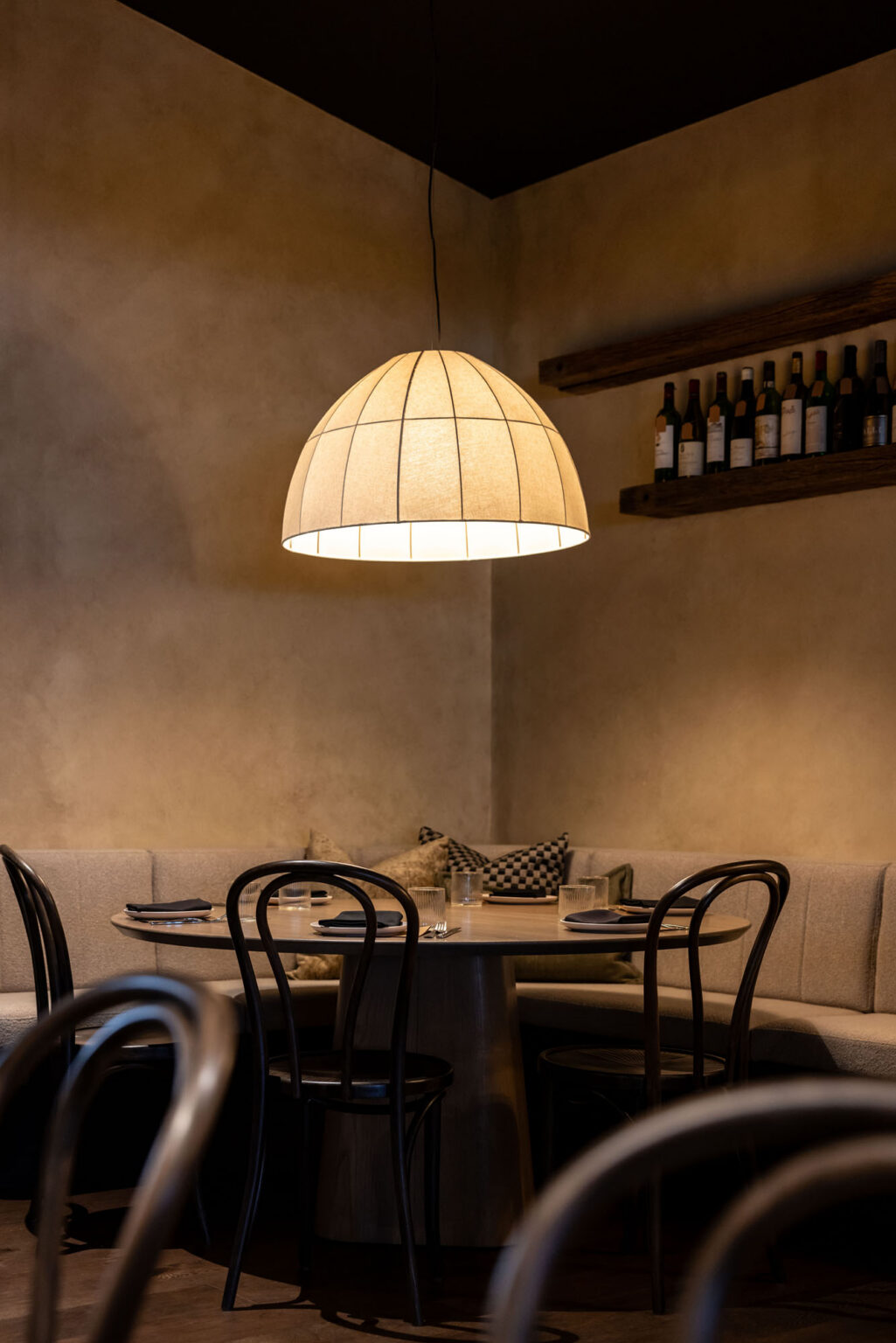
Equally, what can commercial interiors learn from residential design — particularly when it comes to creating spaces that people want to spend time in?
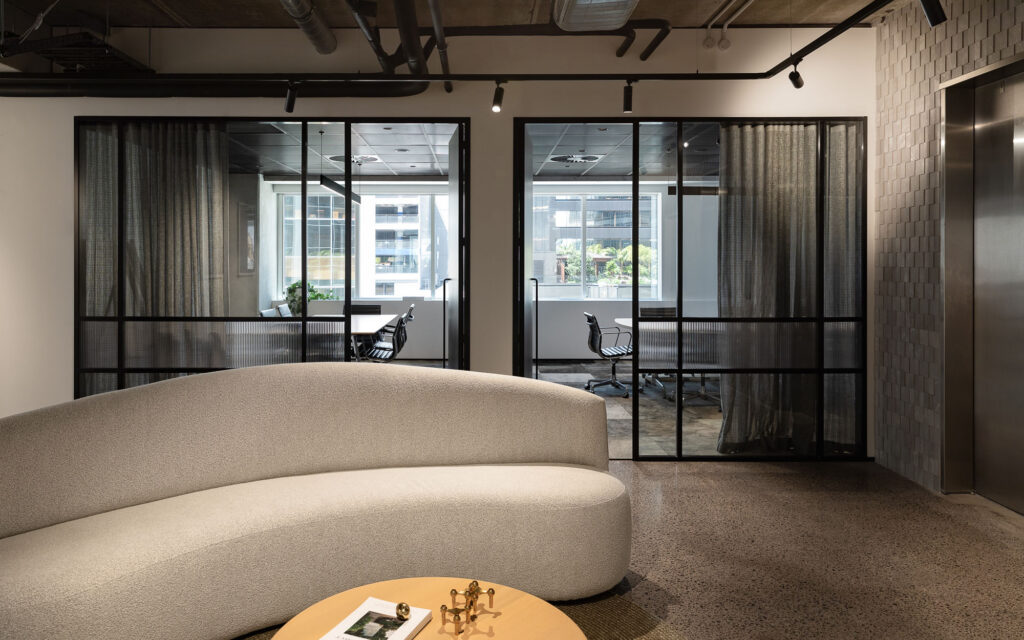
Residential design reminds us how much comfort comes from having choice. At home, we naturally move between places to gather, focus, or rest and reset. Commercial spaces benefit from that same understanding.
A workplace might need both a lively communal table and a quieter corner, with lighting, acoustics, and furniture that support the task. Providing variety, alongside warmth and a sense of belonging, helps create environments where [people] can feel comfortable, considered, and engaged.
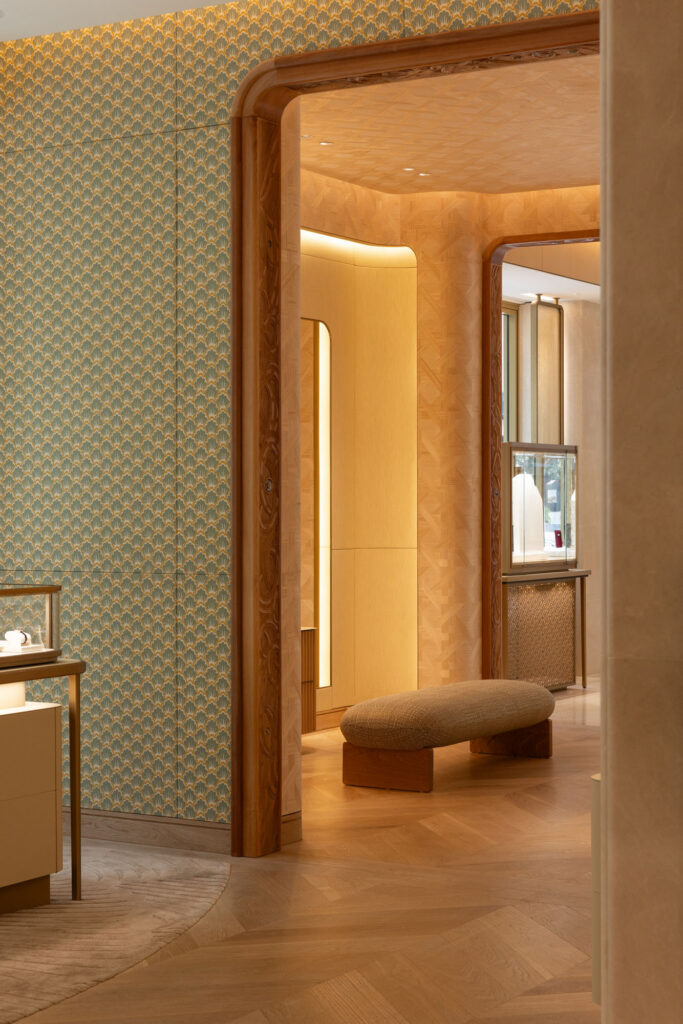
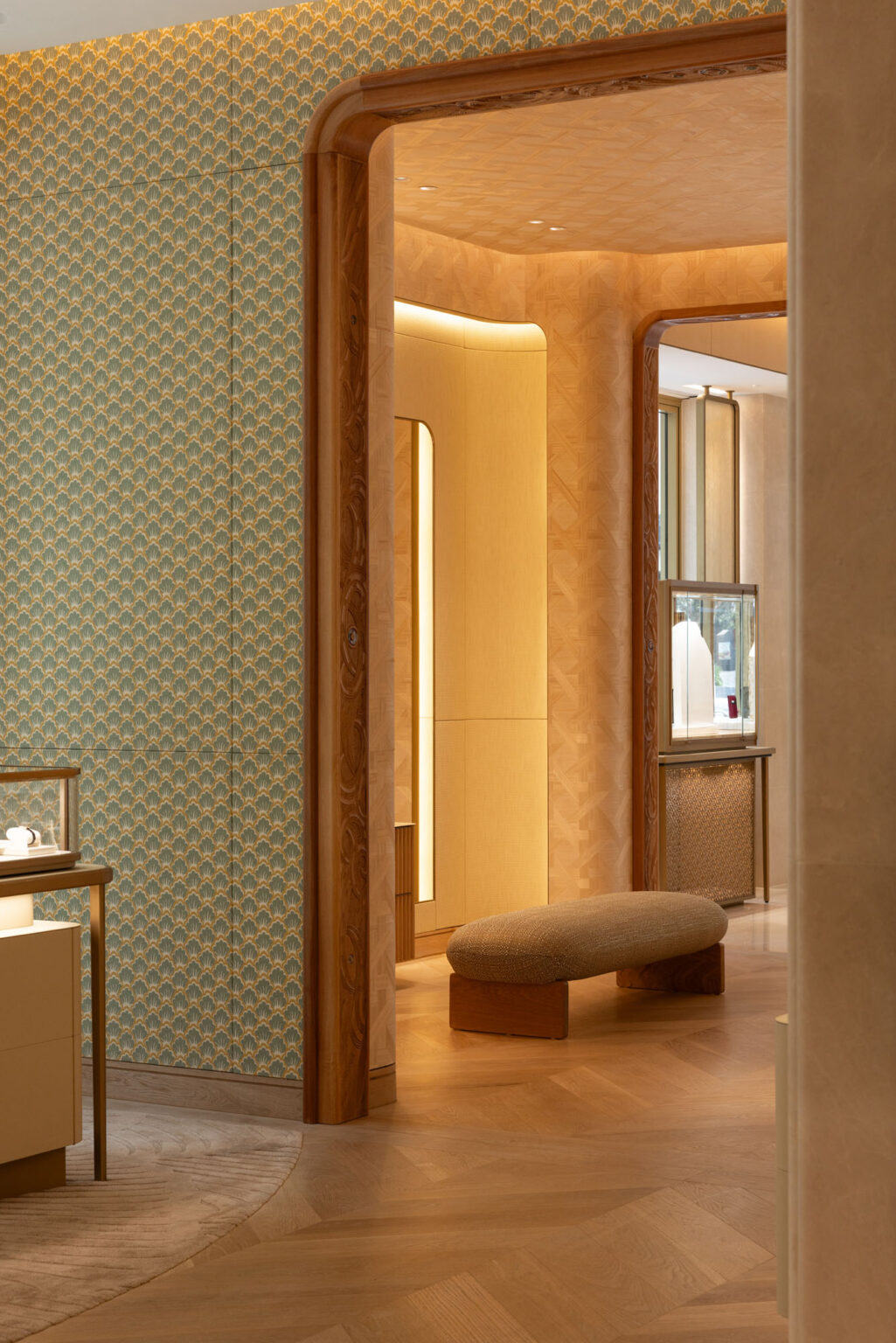
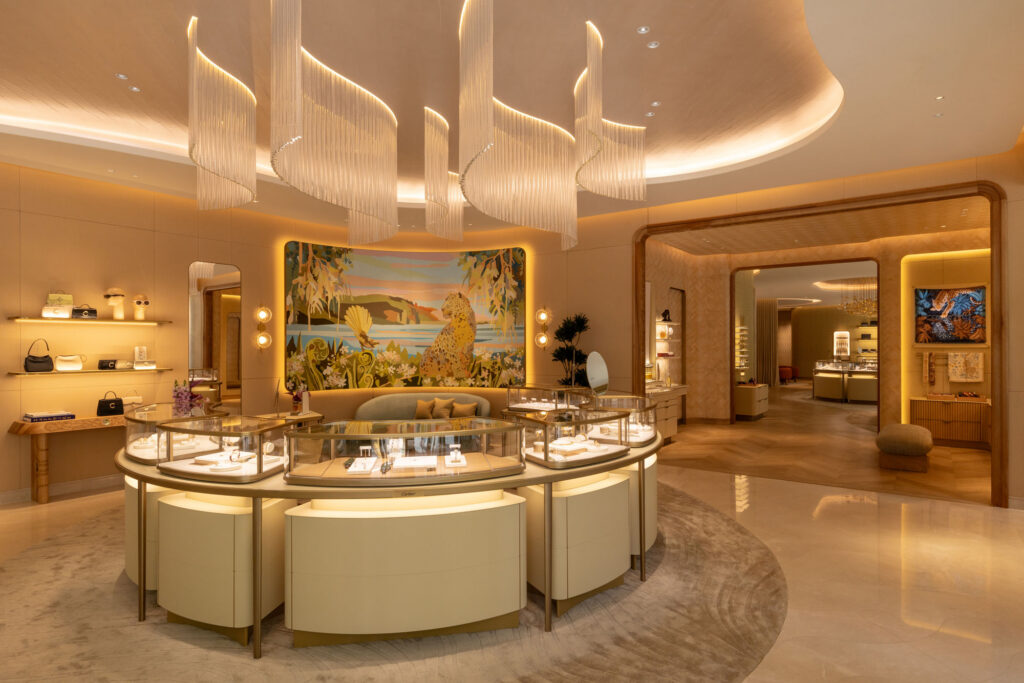
Your work with Cartier Auckland has taken Studio Muse from early consultant engagement through to working with the brand’s Paris design team and sourcing New Zealand artists. What did working so closely with a global luxury house teach you about detail, craftsmanship, and the creation of experience?
What struck me was the depth of the maison’s connection to design; its history, its sources of inspiration, and the care given to how people experience it. That commitment extends from its creations to the boutiques themselves.
Working alongside the Cartier team reinforced how much an overall experience depends on the consistency of individual decisions. Craftsmanship is present in the execution, but also in the time and attention given to getting the detail right.
Seeing that global identity expressed through a boutique designed specifically to Auckland was particularly special.
How do you approach the relationship between international design influences and a distinctly New Zealand sense of place?
International influences expand my thinking, while the local setting gives a project its grounding. I’m interested in what we can learn from other places — their craftsmanship, use of materials, or approach to the brief — and how those ideas might respond locally.
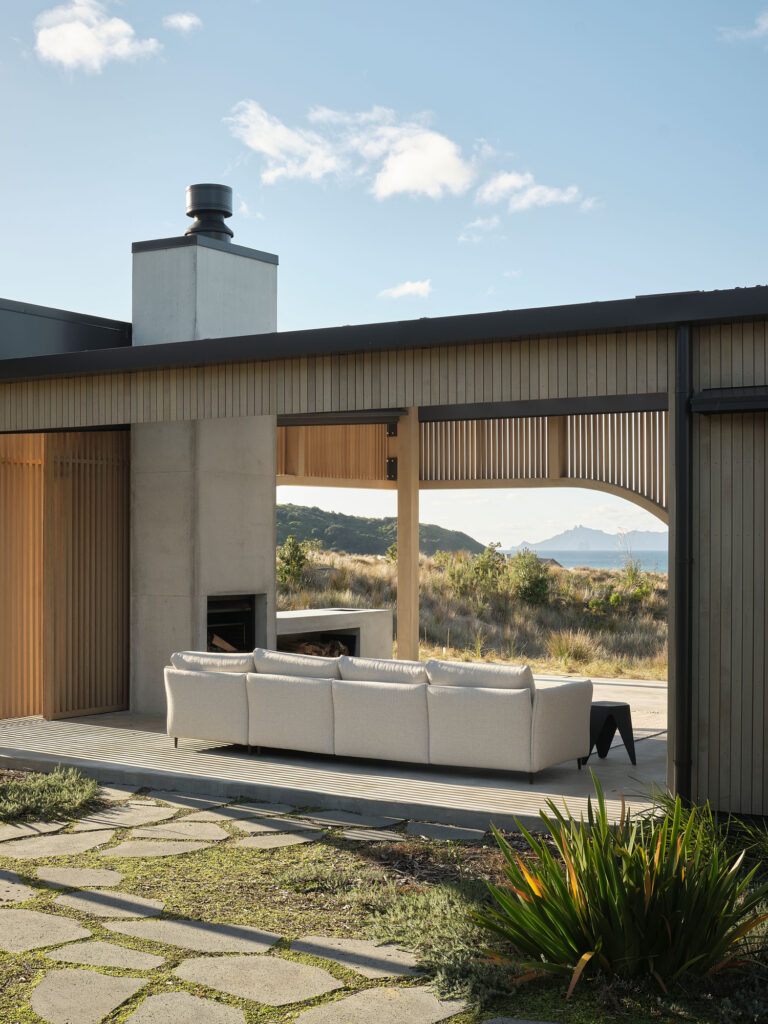
A New Zealand sense of place can emerge through the quality of light, the relationship with the outdoors, local craft and artistry, and the way people gather. It doesn’t always need to be expressed literally. Often, it is the combination of those quieter observations that makes an interior feel connected to where it belongs.
Is there a particular moment in your career that has changed the way you think about interiors?
Establishing Studio Muse was a turning point. It prompted me to articulate what I believed good design should offer and to take responsibility for shaping that experience from the first conversation through to project completion and beyond.
It also brought the relationship with the client into sharper focus. Understanding someone well enough to translate their aspirations into a space is a privilege I don’t take for granted. That has strengthened my belief that the quality of an interior is closely connected to the quality of the conversations behind it, and the quality of life that is enjoyed within it.
What are you finding yourself increasingly drawn to in design right now?
I’m increasingly drawn to the way a space reveals itself over time. The immediate impression matters, but so do the things you discover through use over time: how the light changes, where you naturally choose to sit, or how a material becomes more beautiful with age.
That encourages me to think beyond the finished photograph and consider the experience of living, working, or hosting within a space. I’m interested in interiors that continue to offer something as you get to know them.
What are you actively trying to do less of?
Overcomplicating. There is always another idea to explore or detail to add, but part of the discipline is recognising when a space already has what it needs. I’m interested in making fewer, more deliberate decisions and giving the strongest elements room to be appreciated. Knowing what to leave out can be just as valuable as knowing what to introduce.