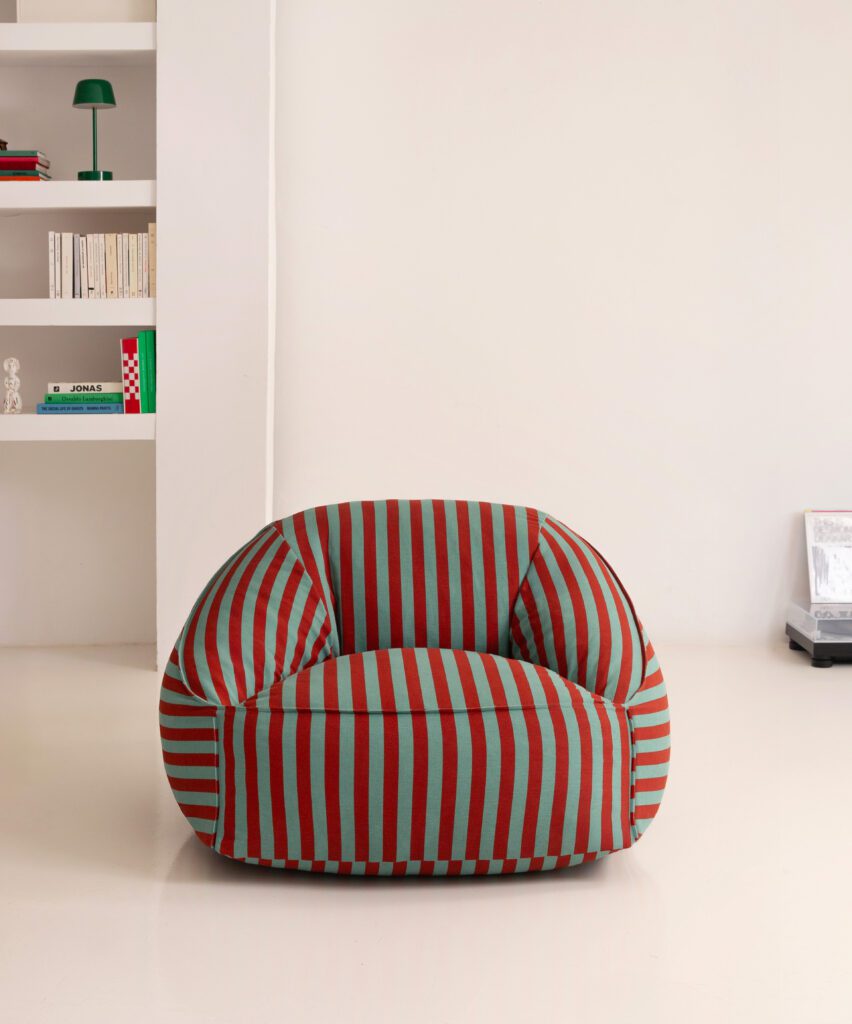
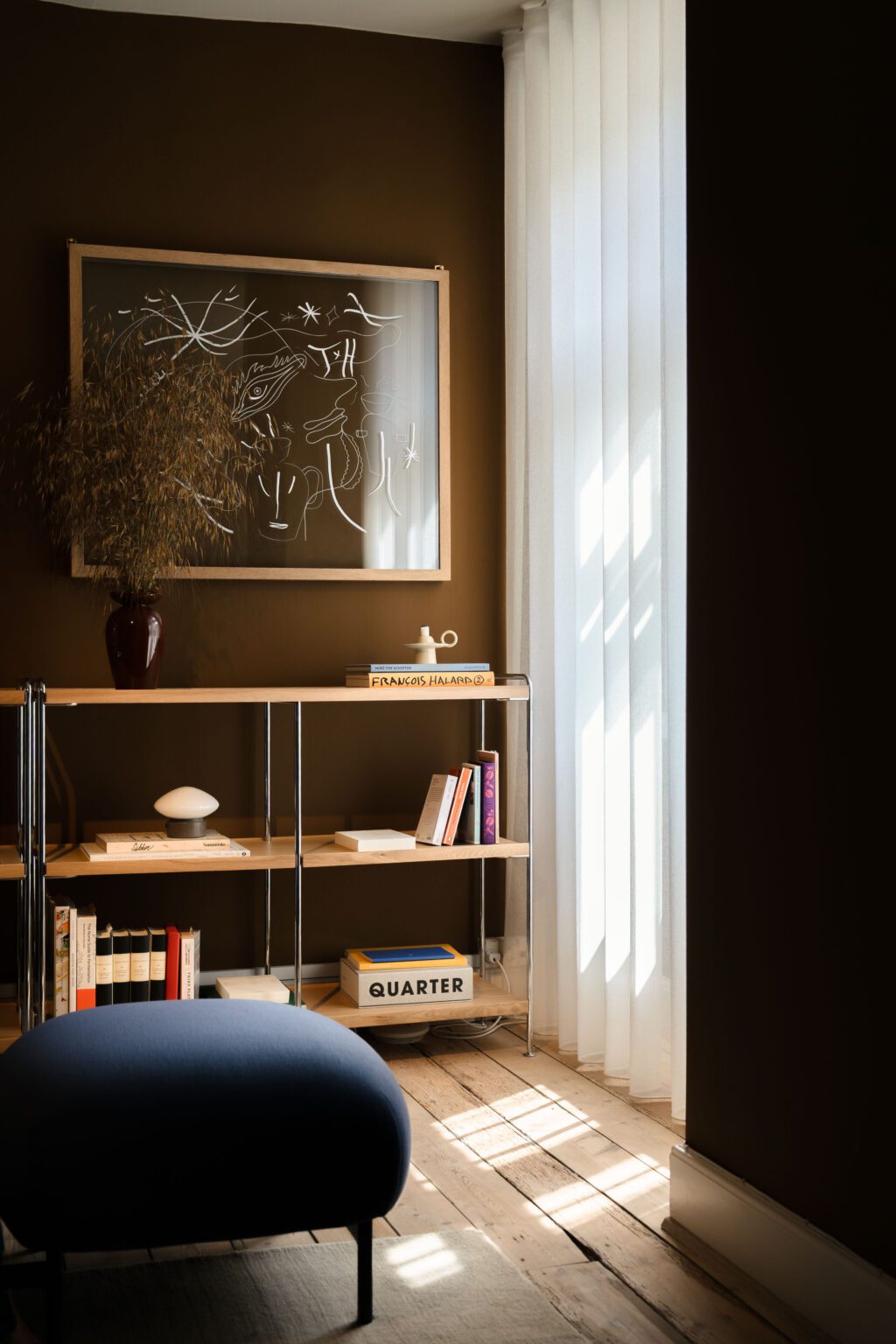


Three days. Eight districts. Over four hundred showrooms. Copenhagen’s 3 Days of Design is one of those rare experiences that manages to feel both vast and intimate. The entire city that seems to live and breathe interior design, craft, and considered living. Three days of absorbing all that they had to offer, absorbing everything I could.
The Material Conversation
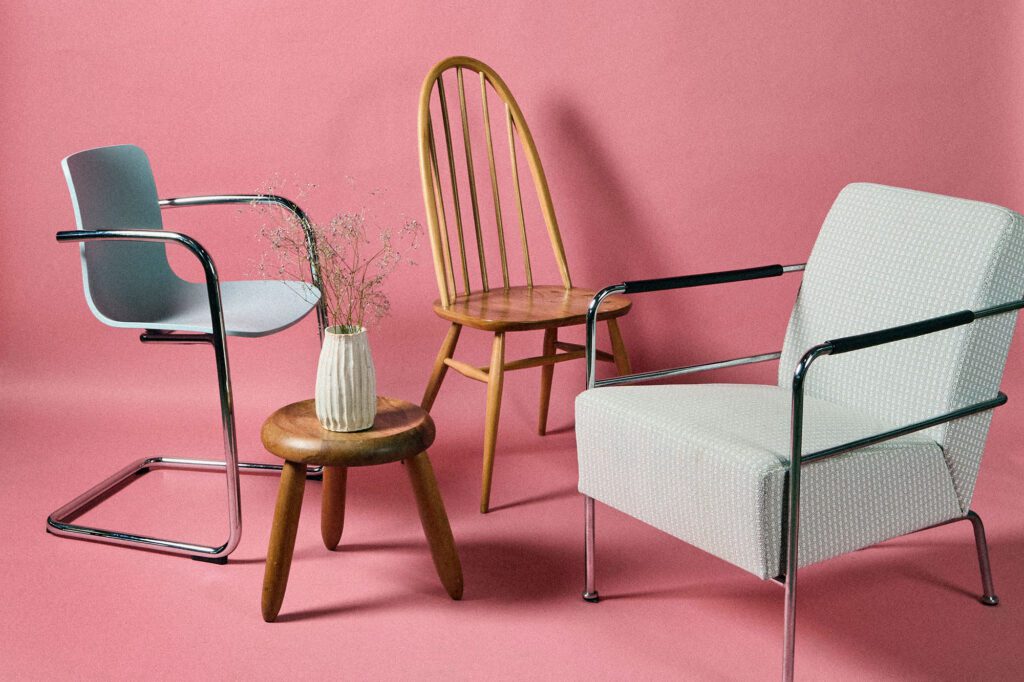
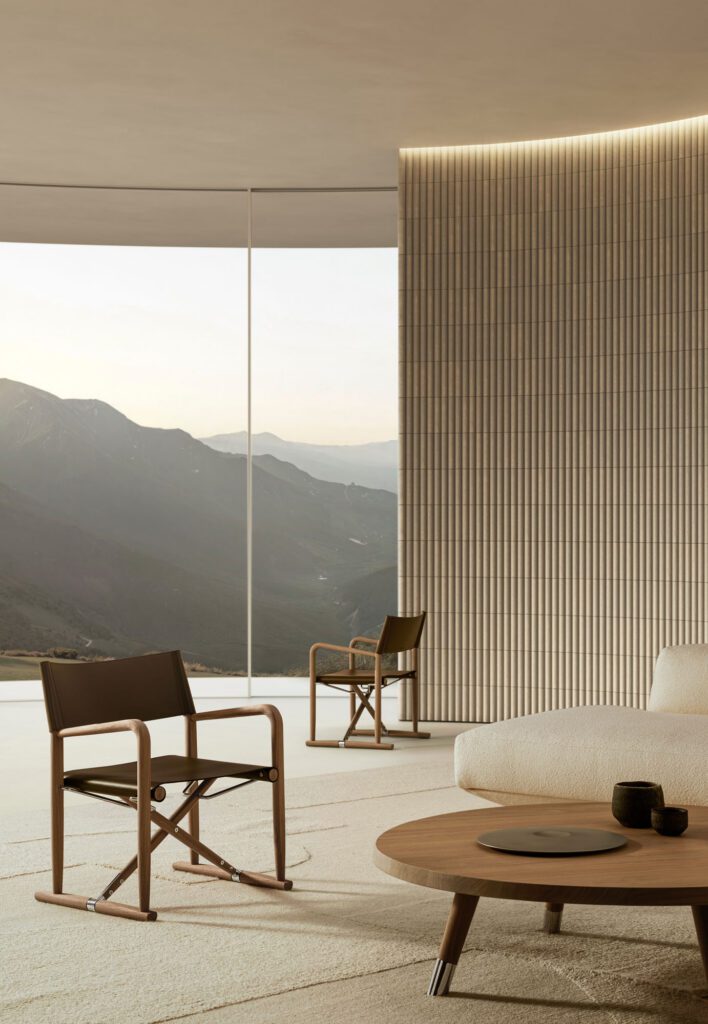
If there was one thing impossible to avoid this year, it was the prevalence of chrome and steel. These metals appeared in almost every setting and all forms of furniture and homewares. From bubble-like tables, chairs and stools at New Works and Formarkivet, to an exclusive 3 Days of Design launch of chrome homewares from the established Danish brand Hay. Mirrors, chairs, side tables, sofas and even curtains: chrome was the common thread.
Mixed-material play was evident all over the city. Lacquered tables with brushed steel legs. Wooden stools with wool tops. Lace and linens paired with chrome. The pairing of opposites wasn’t jarring, it felt deliberate and considered, each contrast chosen to make both materials work harder.
A new palette of pattern and colour
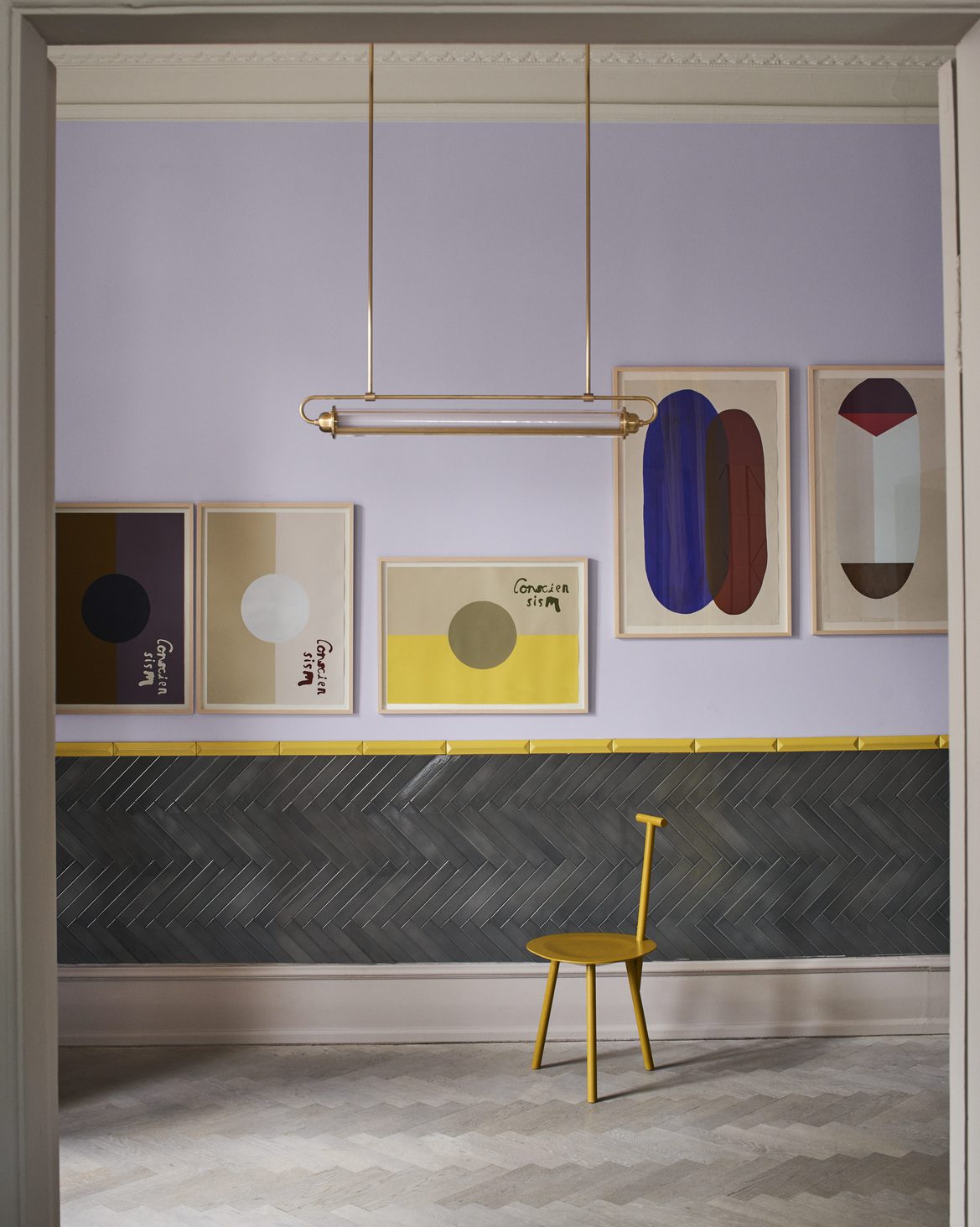
In contrast to the prevalence of metals and traditional Scandinavian timbers, the colour story was one of the most striking themes of the week. White walls were almost entirely absent. In their place, interiors were transformed with buttery yellows, soft pinks and taupes, a warmer, more nuanced neutral that let art and furnishings breathe and take centre stage.
&Drape shared their bold approach to colour and texture through drapery: lace, pinks, blues. Drapery used to soften vertical spaces, not simply as window treatments. Goodbye white sheers, hello colour.
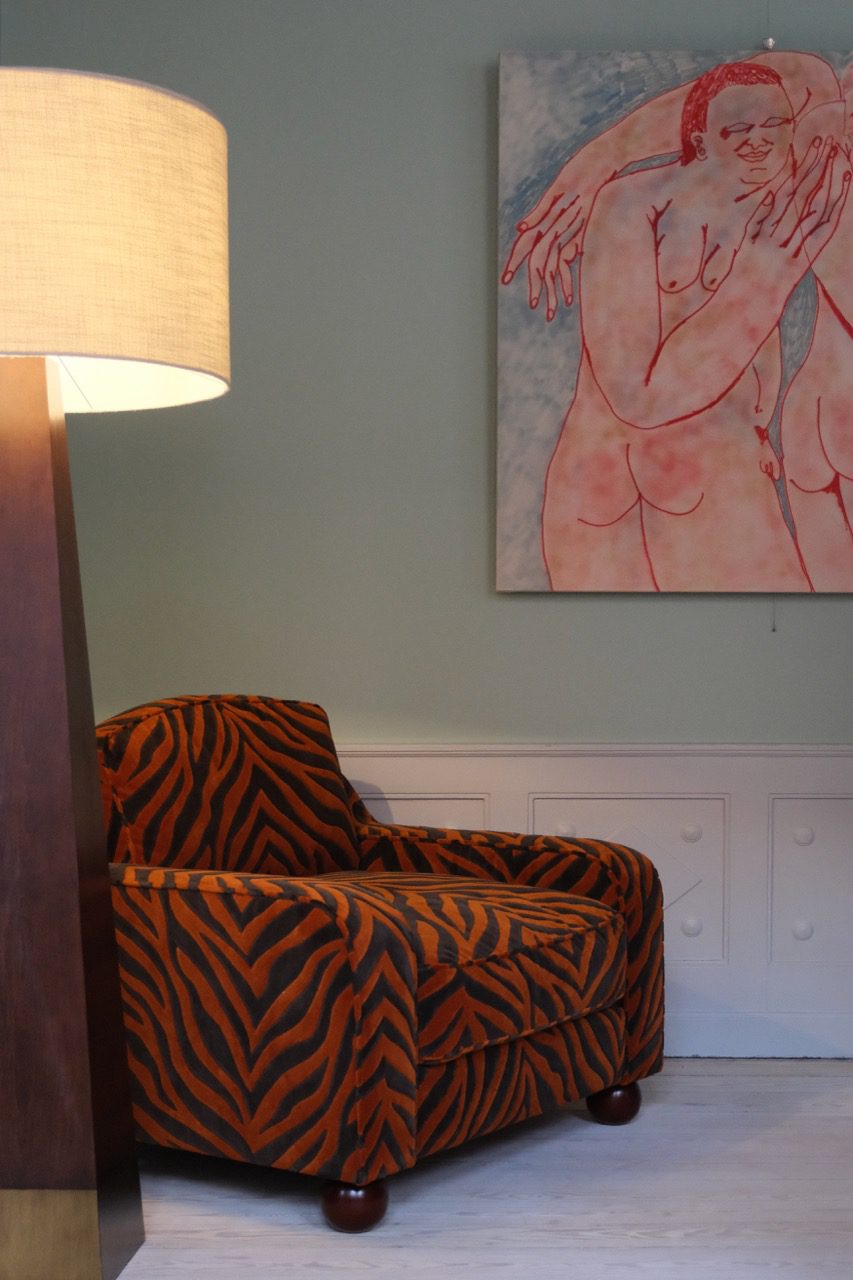
Furniture leaned into rich hues. Deep burgundy lacquered legs with plush velvets in Lea Zeróil’s and Modern Metier’s installation. Leopard and zebra prints in Dusty Deco’s apartment fit-out. And Paper Collective’s bold collaboration with Spanish brand Sancal delivered a colour-filled apartment of art and furnishings that felt genuinely joyful. Spaces that asked something of you.
The exhibitions and showrooms that stayed with me longest were not the ones with the most objects, but the ones that created an atmosphere. Highly curated and considered, they played to all the senses. They smelled divine; the objects you just wanted to touch, sit or stroke, or just stand there and take it all in.
File Under Pop’s standout exhibition at the Marmorkirken (Marble Church) created a full sensory experience through the exploration of the five liturgical colours – purple, white, black, red and green. Colour here wasn’t decorative; it was the subject. A nod to the history of where colour begins – ‘as pigment, as dust, as seed’.
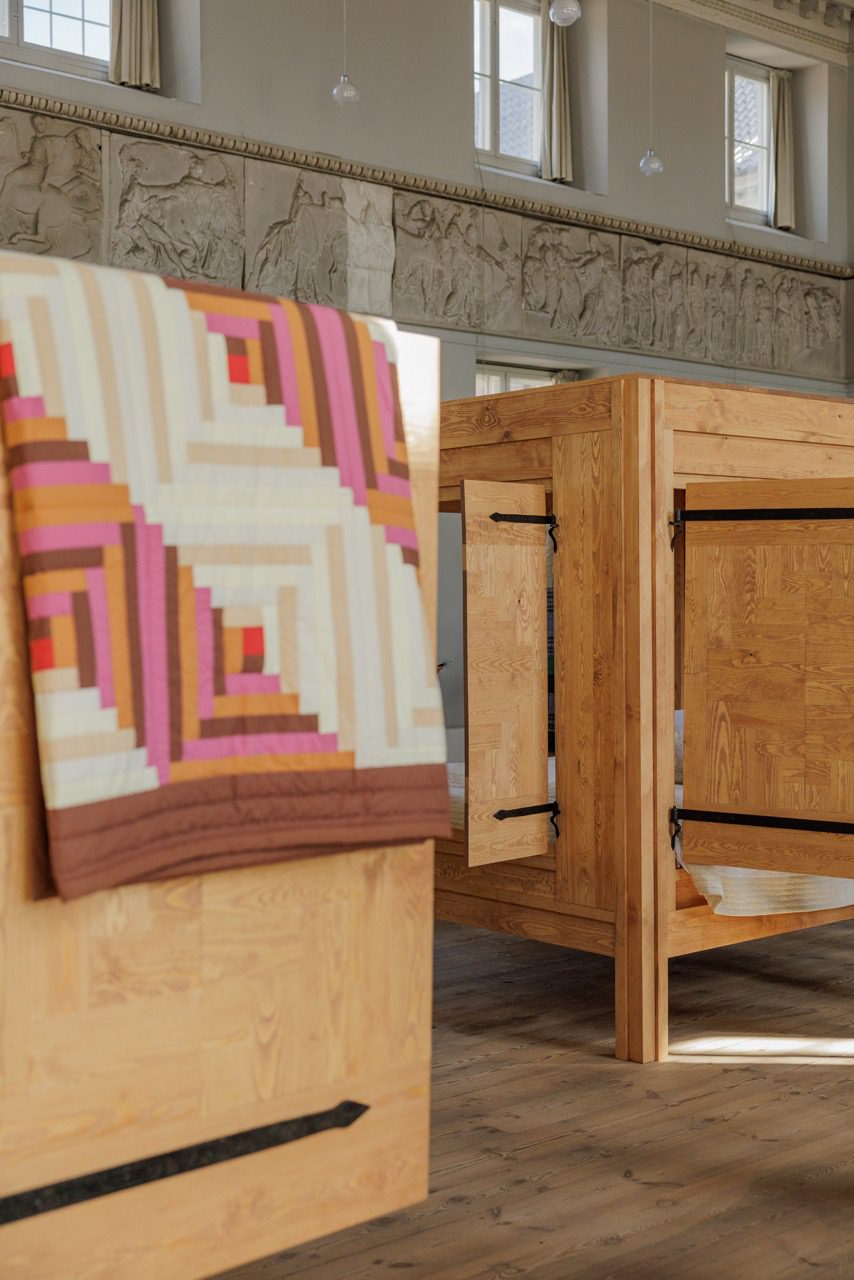
Tekla’s installation at the historic Kunsthal Charlottenborg showcased the lost art of Swedish patchwork quilting, alongside their heirloom-inspired broderie anglaise collection. Traditional patterns were balanced with modern Tekla colours, displayed within traditional Swedish cabin beds. A considered showcase of how old can influence the new.
The human hand, craft and tactility
If the material and colour stories were the most visible themes of the week, craft and tactility were the most felt. There was a recurring theme: things had been made with care and by hand, and that this mattered.
Australian interior stylist Clare Delmar captured this beautifully through her exhibition ‘Latitude’, which brought together an extraordinary range of Australian artists and makers. Through their work, designers translated light into material and tactile experiences: glass that refracts and reflects, metals that create a soft glow, textiles that offer warmth and intrigue.
This tactility ran through the week as an undercurrent. Furry upholstery beside lacquered timber. The slight irregularity of a hand-thrown ceramic. The visible texture of a woven textile. None of it was accidental. All of it was chosen to remind you that something had been made by a person, not produced by a process.
Learning from what came before
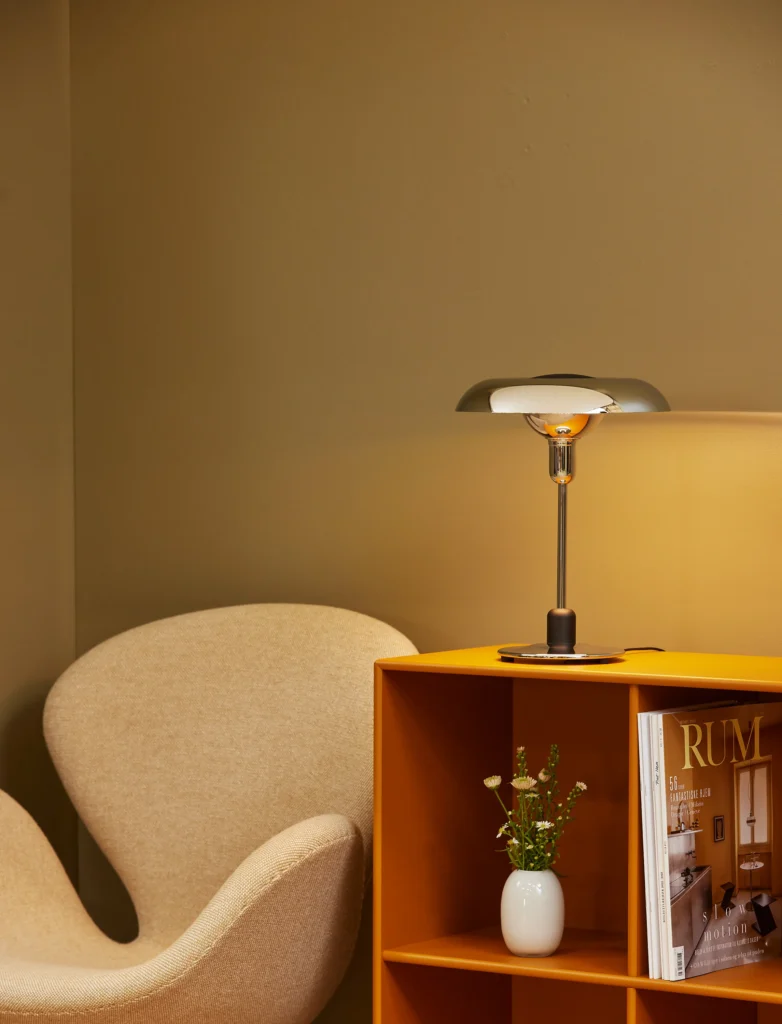
Mid-century furniture and lighting design is not a trend in Copenhagen, but the foundation. Hans Wegner chairs, Poul Henningsen pendants, Arne Jacobsen forms. These pieces were everywhere, not merely as historical artefacts but being bought, specced, and celebrated.
What was striking was how contemporary designers are using this era not as a destination but as a point of departure. Candle wall-sconces reinterpreted in cast brass or stainless steel. Classic pendant forms executed in unexpected colourways or with a modern twist. Or &Tradition’s focus on the world of Verner Panton and Hee Welling’s Rely series, with each room focusing on how heritage and originality can coexist.
Old and new were not in opposition here. The most compelling spaces held both. A 19th century chair beneath a new lighting piece; a heritage textile alongside a newly-launched sculpture. The juxtaposition simply worked.
The wrap up
What Copenhagen offered this year was beyond any expectation. Three days that washed over me, absorbed into me, and left me feeling invigorated, excited, and eager to translate these findings into my everyday interior work.
The things that struck me most were not the newest or trendy. They were the most considered, the unexpected or the most captivating. A full experience, a full tummy (danish pastries for the win) and a full mind.