It is rare to find a place where the relationship between architecture and landscape feels as charged as the Tuki Tuki Valley. Beneath the long silhouette of Te Mata Peak, where vineyards, pasture and river flats fold into one another, a new conservation estate is taking shape: a place that proposes a different way of living in the landscape.
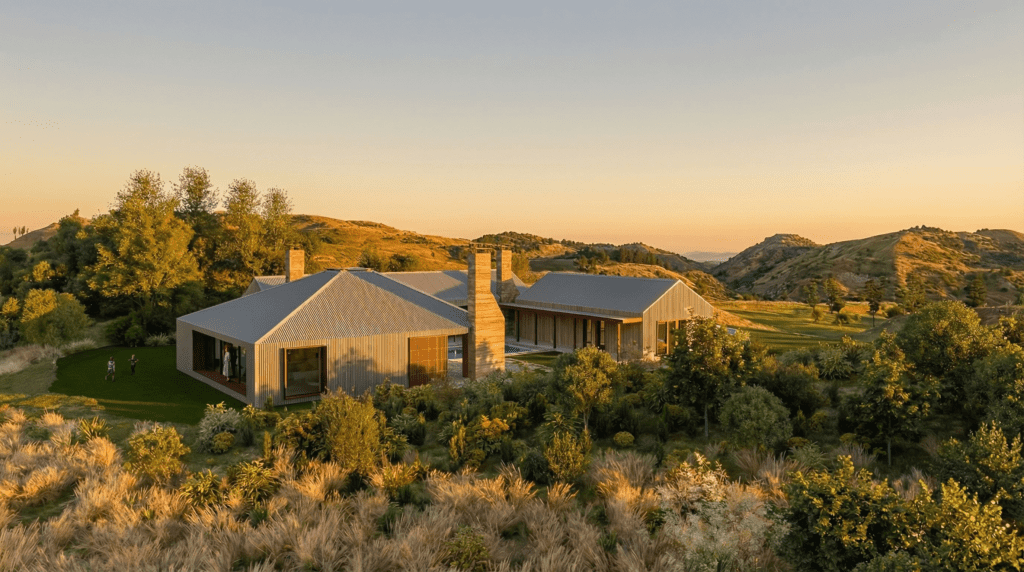
Te Weka is a development by father and son duo Andy and Will Coltart. The 112-hectare estate sits within one of the last permitted residential development areas in the valley. Unlike the conventional model of subdivision though, this is an estate that is firmly focused on a more holistic approach to land and lifestyle.
It’s the creative vision of Andy that set Te Weka on its path to success. With a background in architecture and development, he is perhaps most well known for his development of Black Barn Vineyards, as well as numerous other residential estates in the valley including Riverside and The Poplars.
About five years ago, this land was devoid of wildlife and instead punctuated by the remains of a felled pine forest. Fast forward a few years and Andy and Will have successfully managed its regeneration; over 200,000 native trees have been planted where pines once stood in tight formation. Trap lines have been set, and the birdlife has returned — welcome choruses that were silenced for decades. It’s an ongoing rewilding project with a clear path forward: a five- and ten-year conservation plan that will see this landscape eventually returned to its former glory.
It is within this context that Te Weka has emerged. Now, a 3.6km downhill mountain bike trail and walking paths thread through the terrain, including a pathway down to Red Bridge Cafe — the local community hub — that continues further into the centre of Havelock North passing Craggy Range and Black Barn wineries.
Ascend to the viewing platform at the highest point of Te Weka and the 360-degree views are breathtaking, from the ocean to the ranges and through to Mt Ruapehu. Meander down to the Tuki Tuki river via the same trail and the opportunities are endless; the trout fishing here is renowned.
For Andy, this is a legacy project: a place where his influence will remain. “It’s a place for people to belong; energetic people and families who want to be part of something bigger,” Andy explains. “It’s the type of place that has the ability to change the lifestyle of generations of a family.”
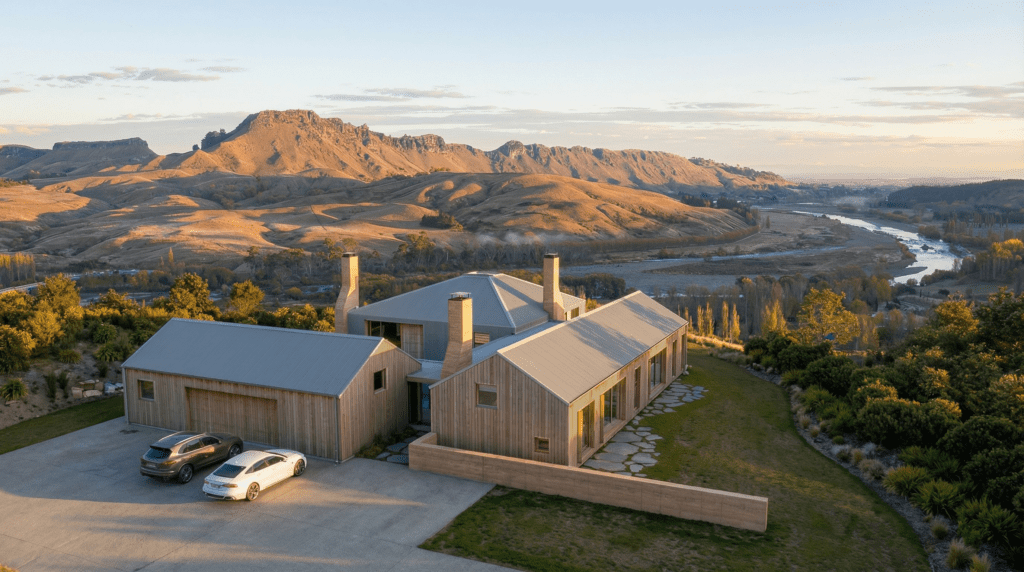
The lots themselves are unusually considered. Rather than flattening the land into uniform terraces, each site has been carefully positioned in response to aspect, elevation and view. Some look west toward Te Mata Peak; views from others stretch out toward the sea.
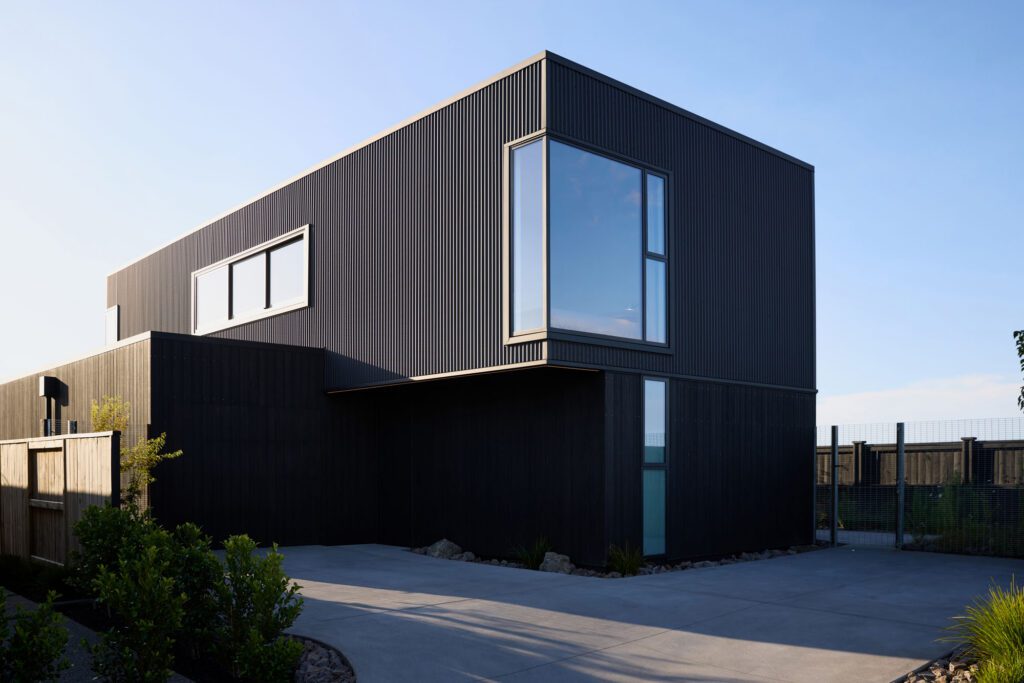
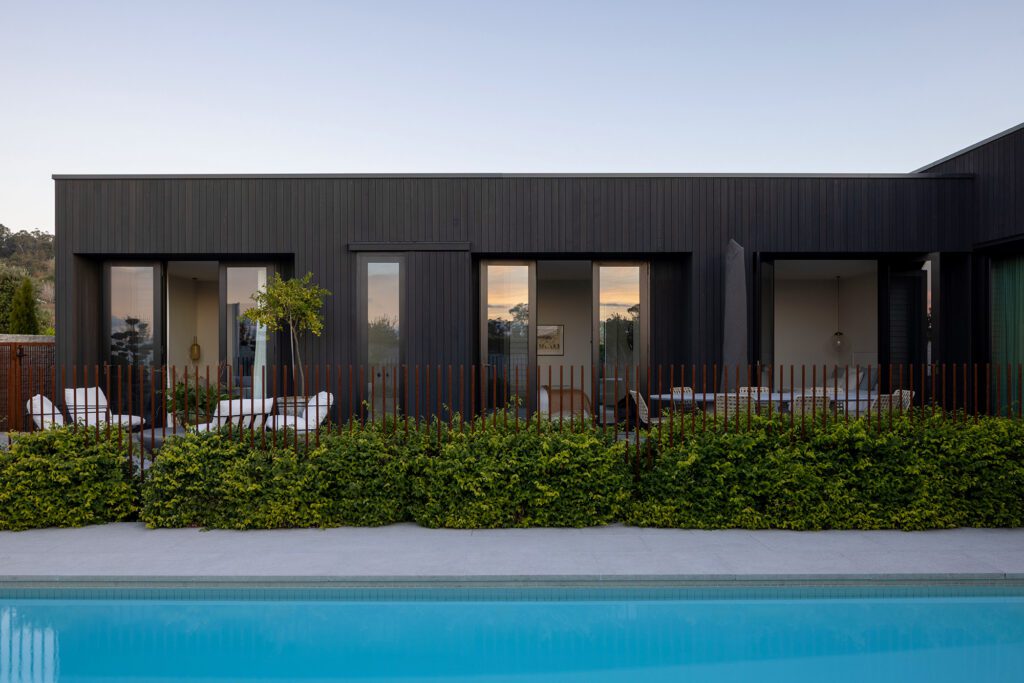
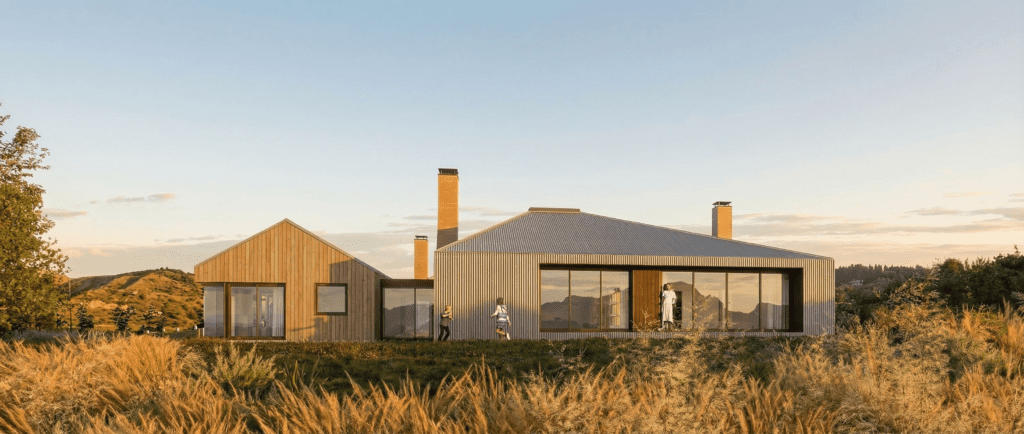
Generous building platforms allow for substantial architectural homes, but the intent here is integration; homes that sit within the folds of the land rather than atop it. And there’s a lot of land: 110 hectares, to be precise, that has been set aside as common land for all residents to share and enjoy. There’s a tennis court, a pickleball court, and a residents’ pavilion underway; facilities designed to encourage a slower, more communal way of living in the valley.
Te Weka represents one of the final opportunities to build within this extraordinary landscape, and will comprise a total of just 40 sites, released in stages. Five out of the first eight lots in Stage One have been sold, with the first three homes under construction. Civil works on Stage 2 are expected to start in 2027.
What lingers most about Te Weka is not the sites themselves but the ambition of the wider vision: a conservation estate and an enduring legacy — a landscape that will evolve over generations, where architecture exists within a larger act of rewilding.
Find out more about the available sites and living at Te Weka.