

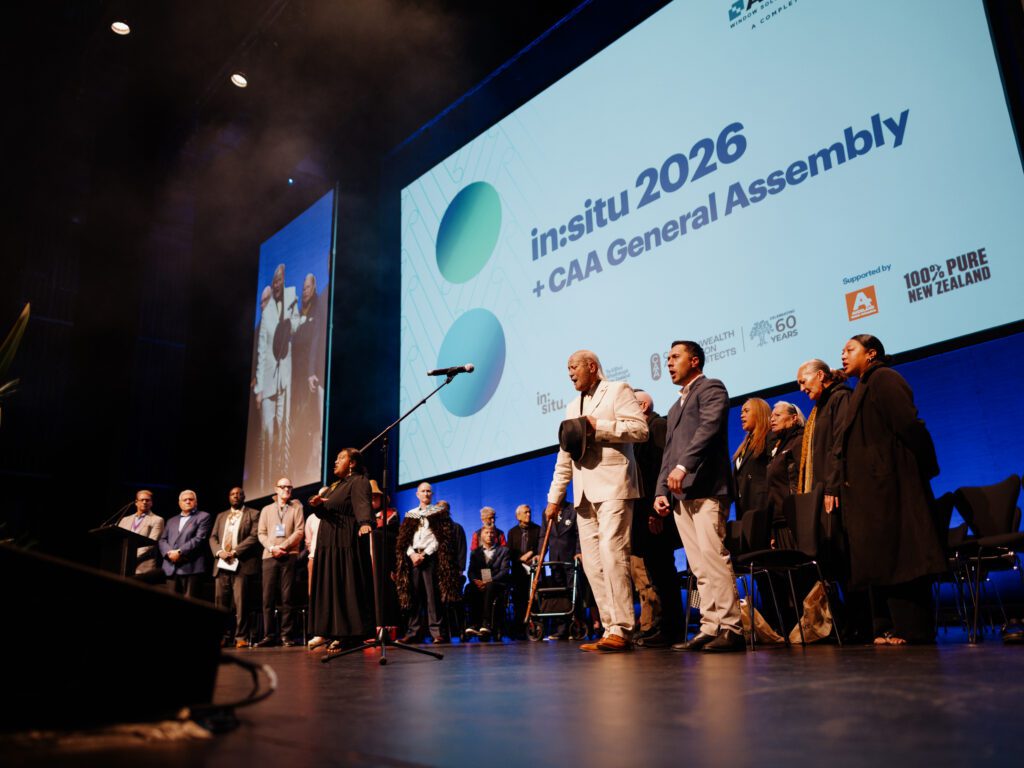
Eight architectural projects across Gisborne and Hawke’s Bay have been deemed the very best in Te Kāhui Whaihanga New Zealand Institute of Architects’ Regional Awards this year, including a winery restaurant, heritage municipal restrooms, and the Wairoa Visitor Information Centre.
RTA Studio were the big winners on the night, taking home three awards across the Hospitality and Public Architecture categories, plus a Resene Colour Award. Jurors noted how all three projects used materials, layout, and design to create buildings that work for people using the spaces. The resulting buildings felt simple, calm, and well-suited to their purpose and location.
“Across the region, the jury was struck by the consistently high calibre of projects, each demonstrating a thoughtful and assured response to context, community, and purpose,” says jury convenor and architect Matt Edmonds of Designgroup Stapleton Elliott.
“These works reflect a refinement of design thinking, where careful material selection, craftsmanship, and clarity of intent come together to create enduring, meaningful places.”
Matt was joined on the jury by Emelia Atkins (Warren and Mahoney), Simone Bub (Bub Architects) and lay juror Shannon Bray (Wayfinder Landscape Planning).
Commercial Architecture
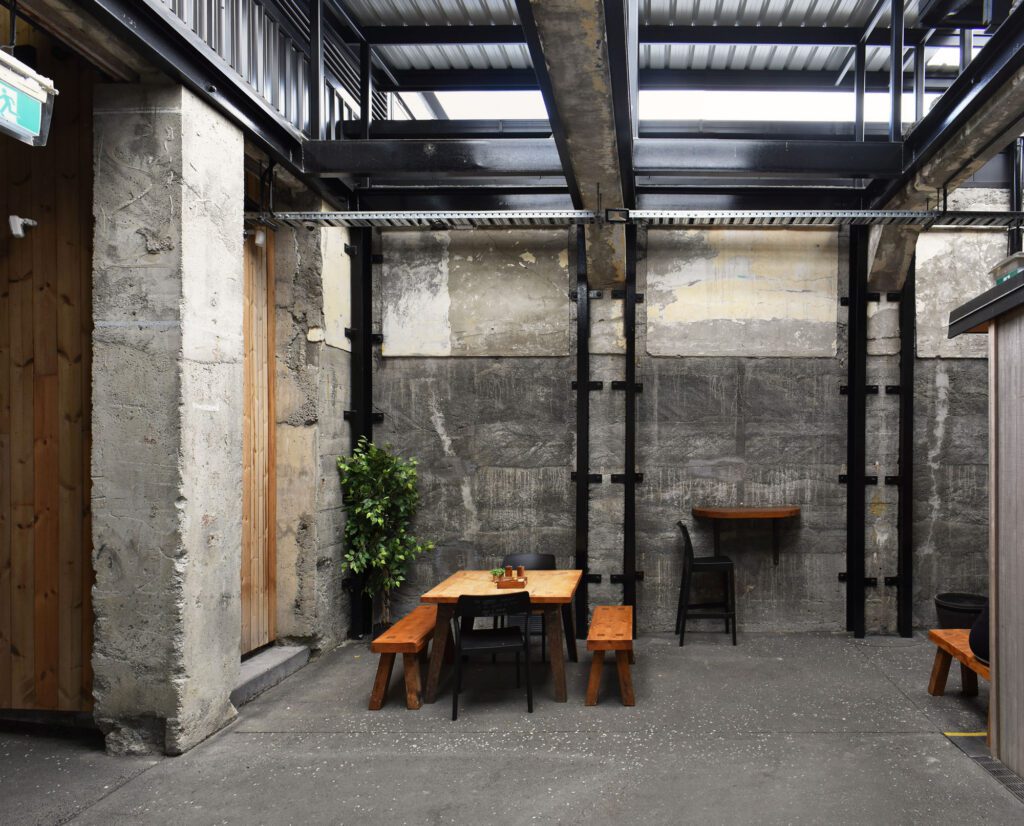
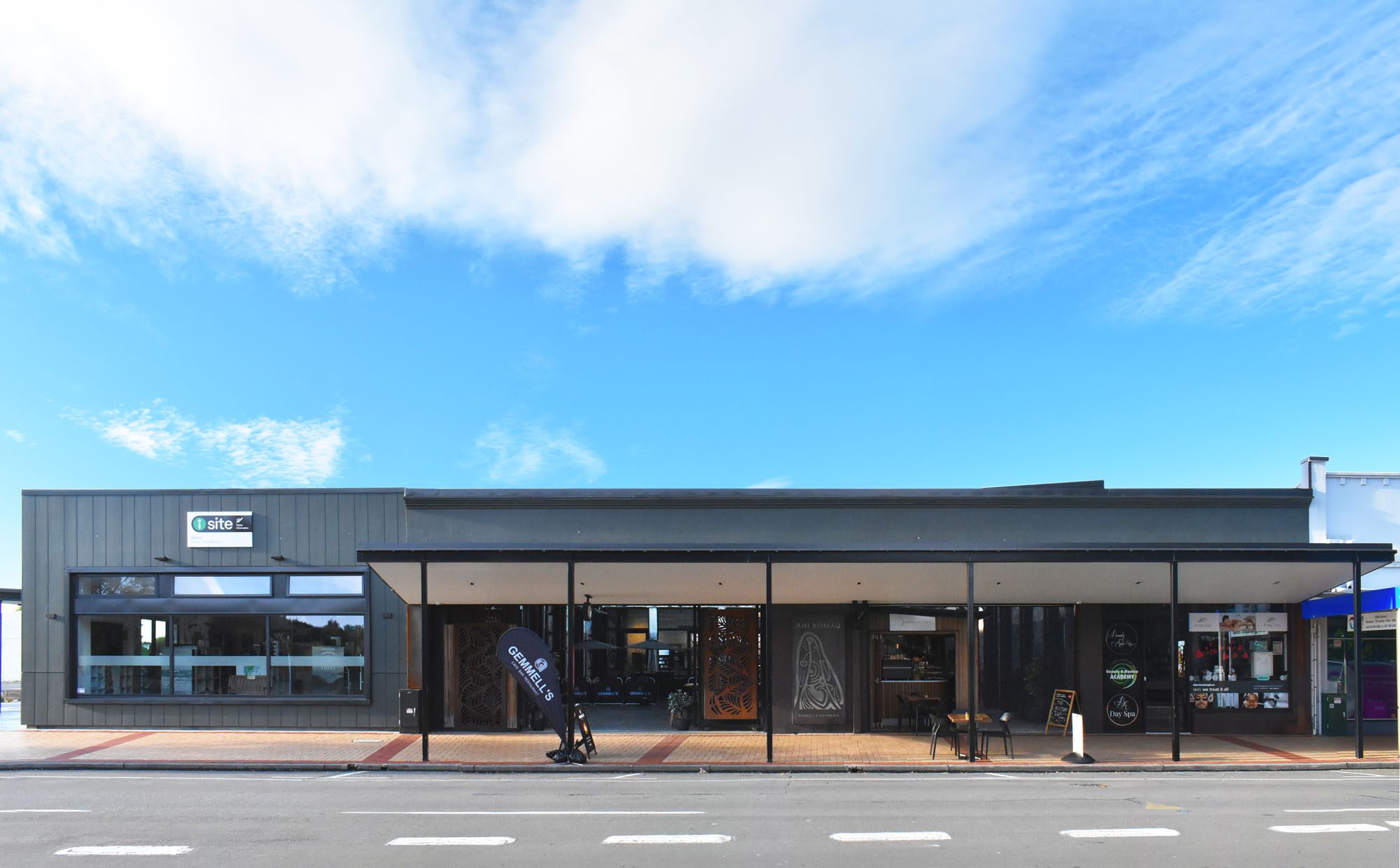
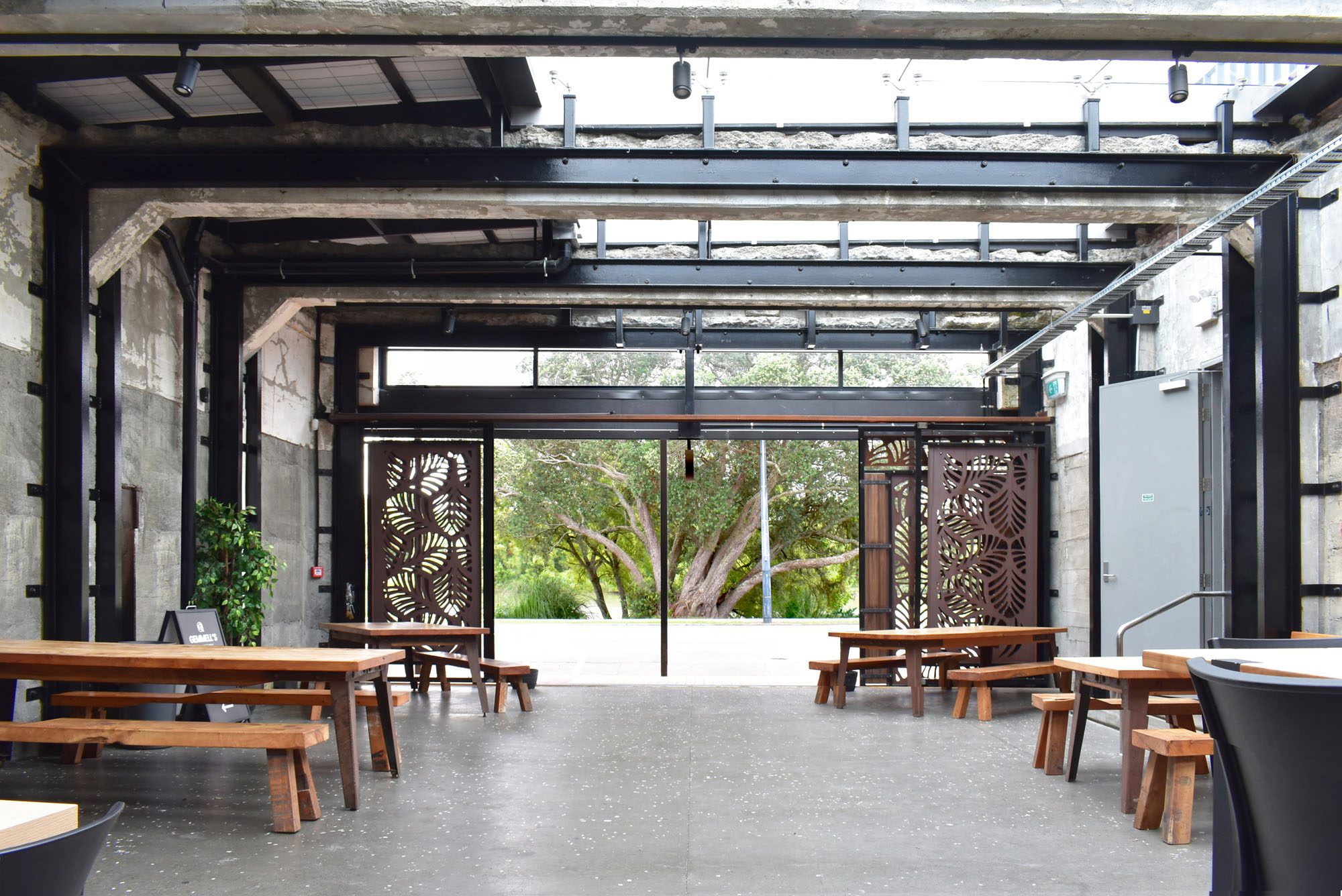
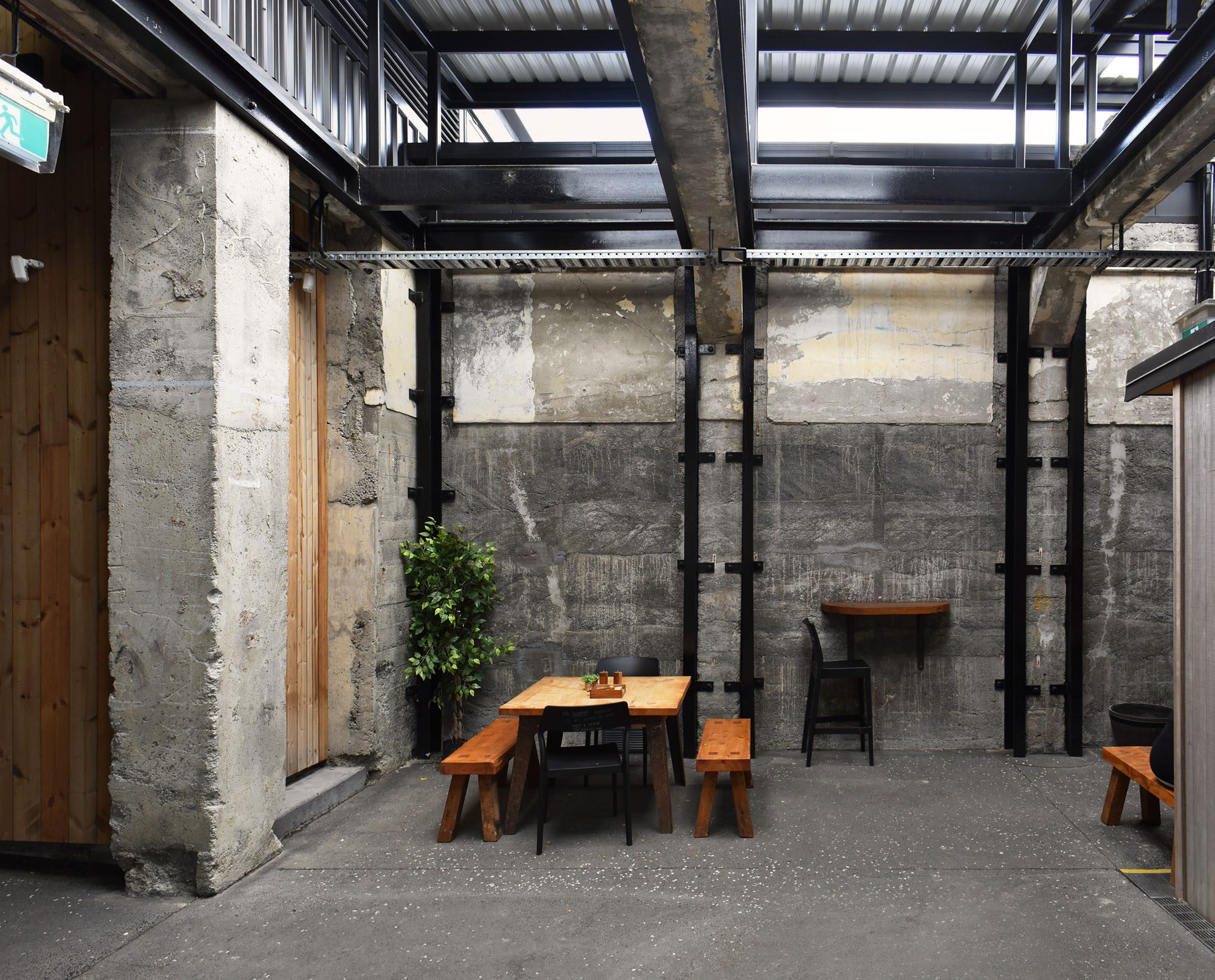
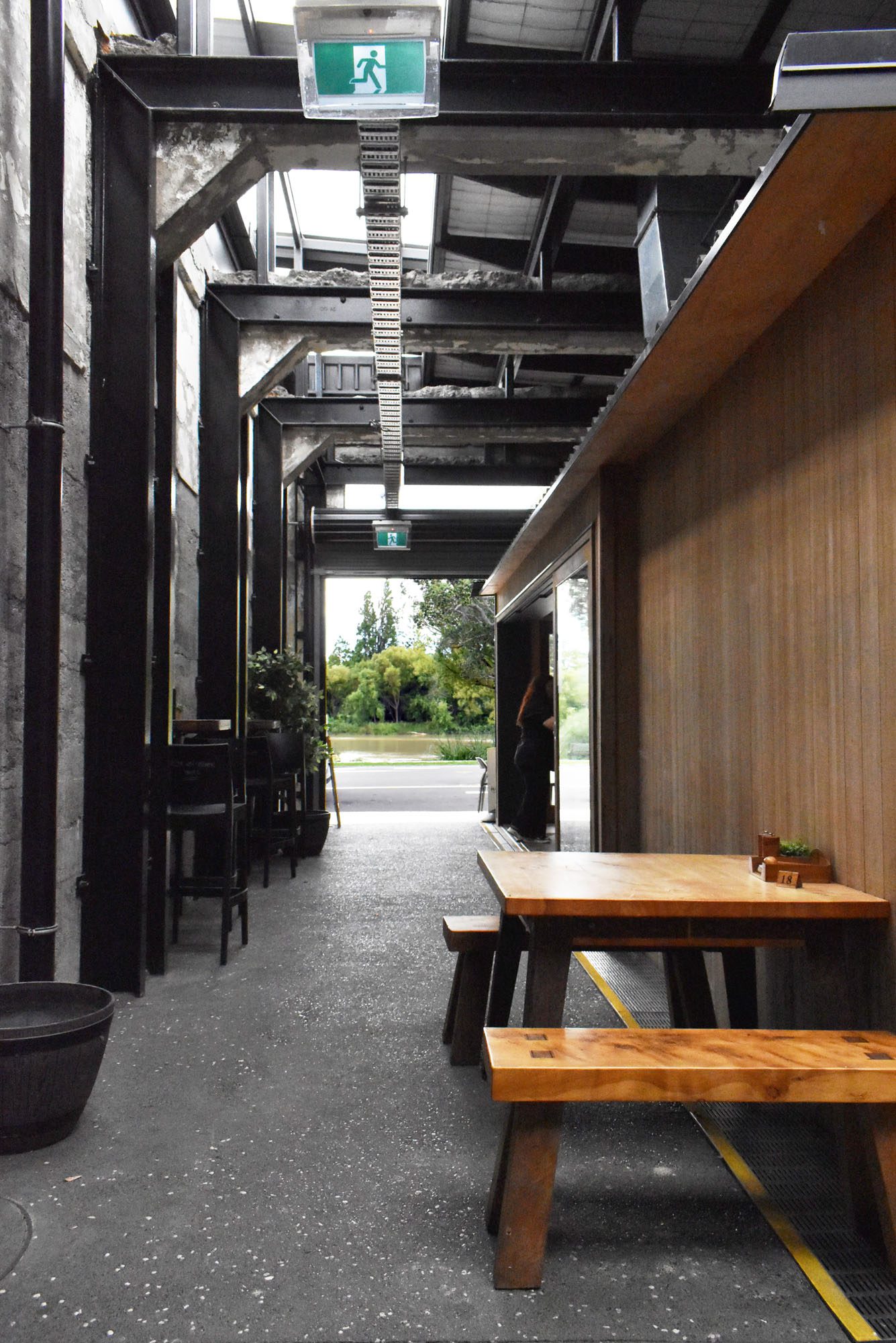
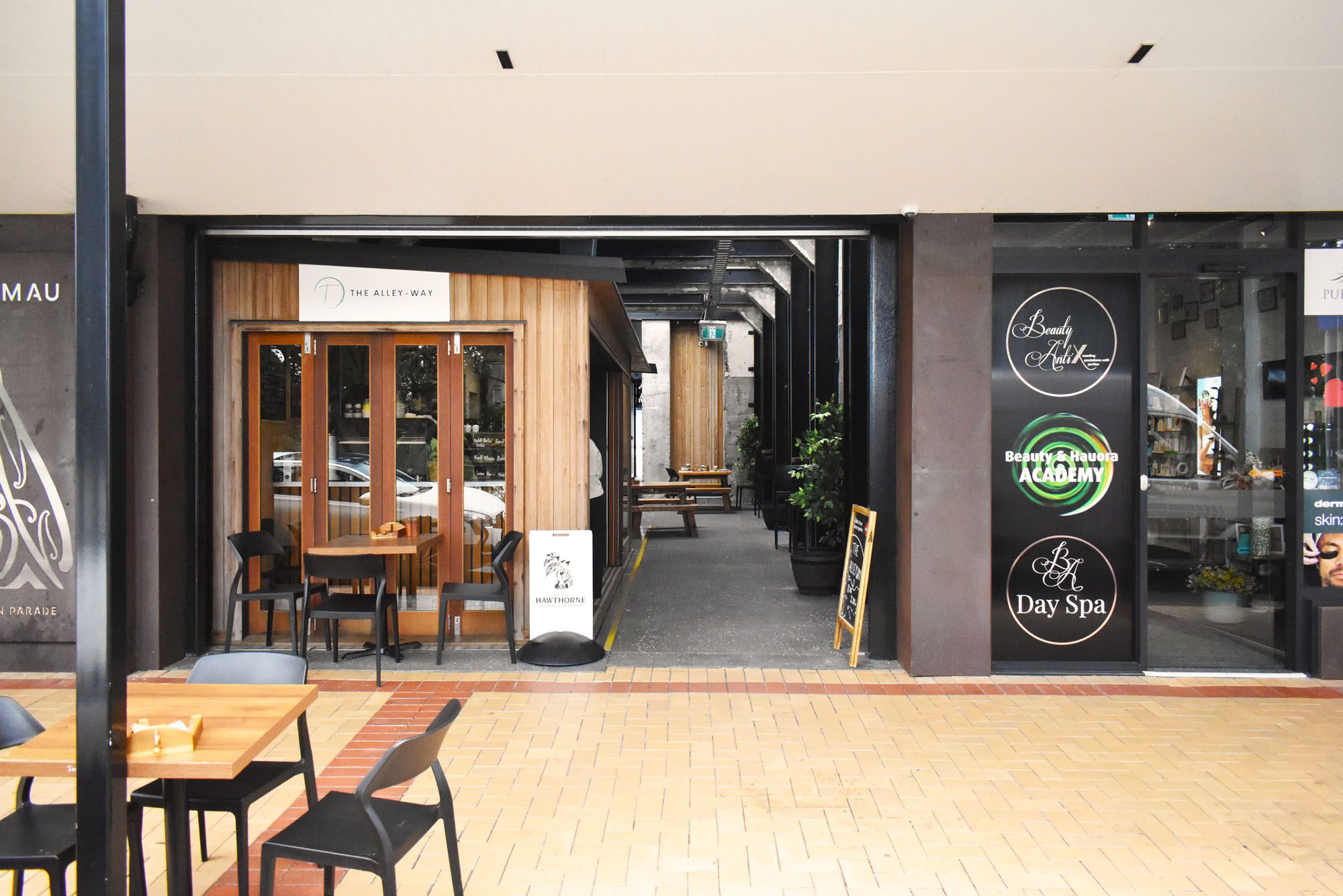
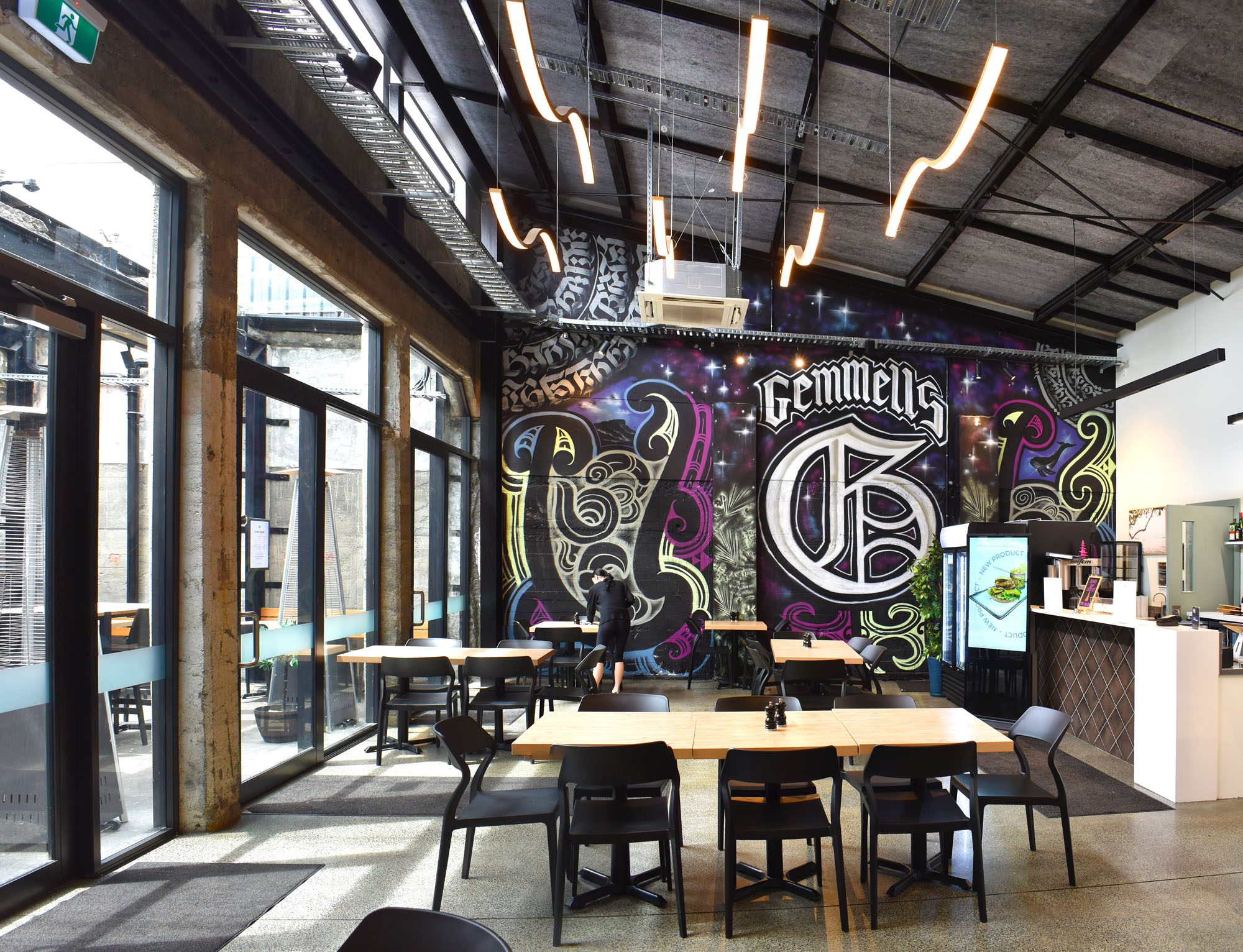
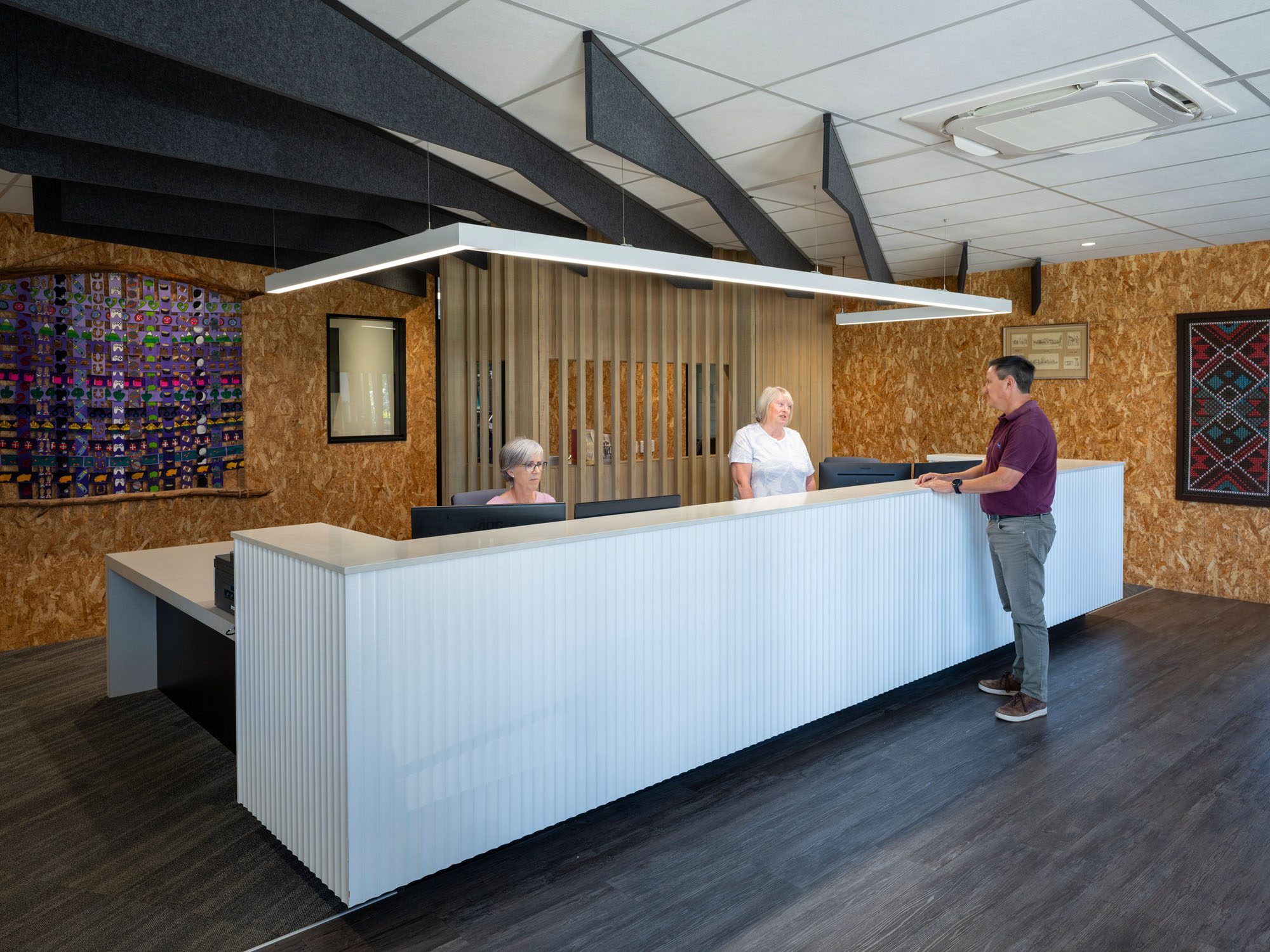
Te Wairoa e Whanake, Ahi Kōmau Gemmell’s on Parade & Wairoa Visitor Information Centre – Collaborative Projects Studio
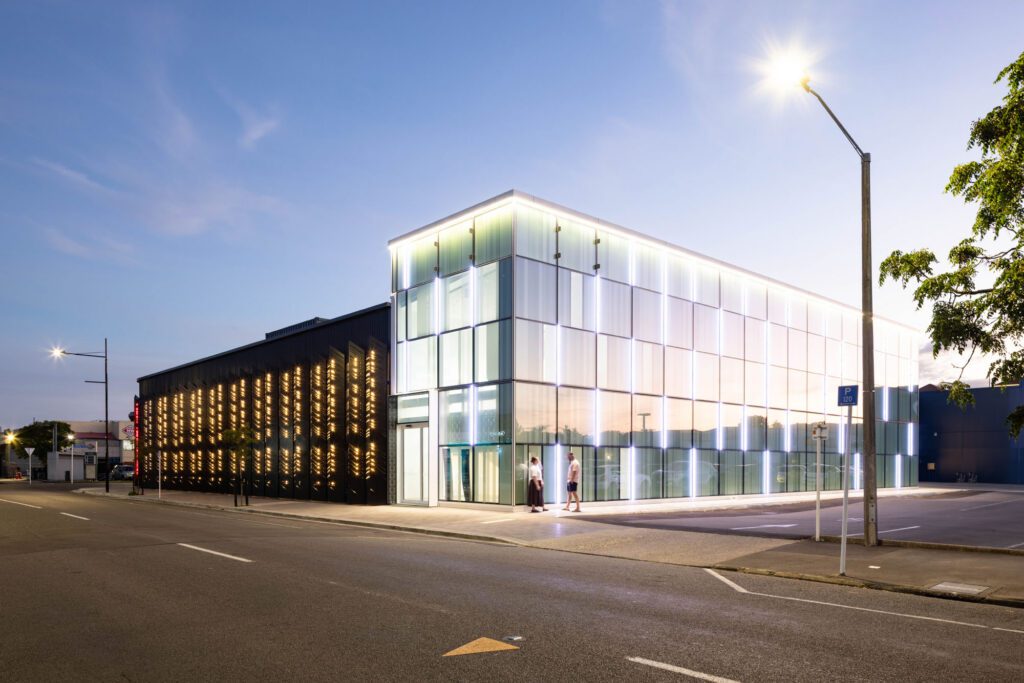
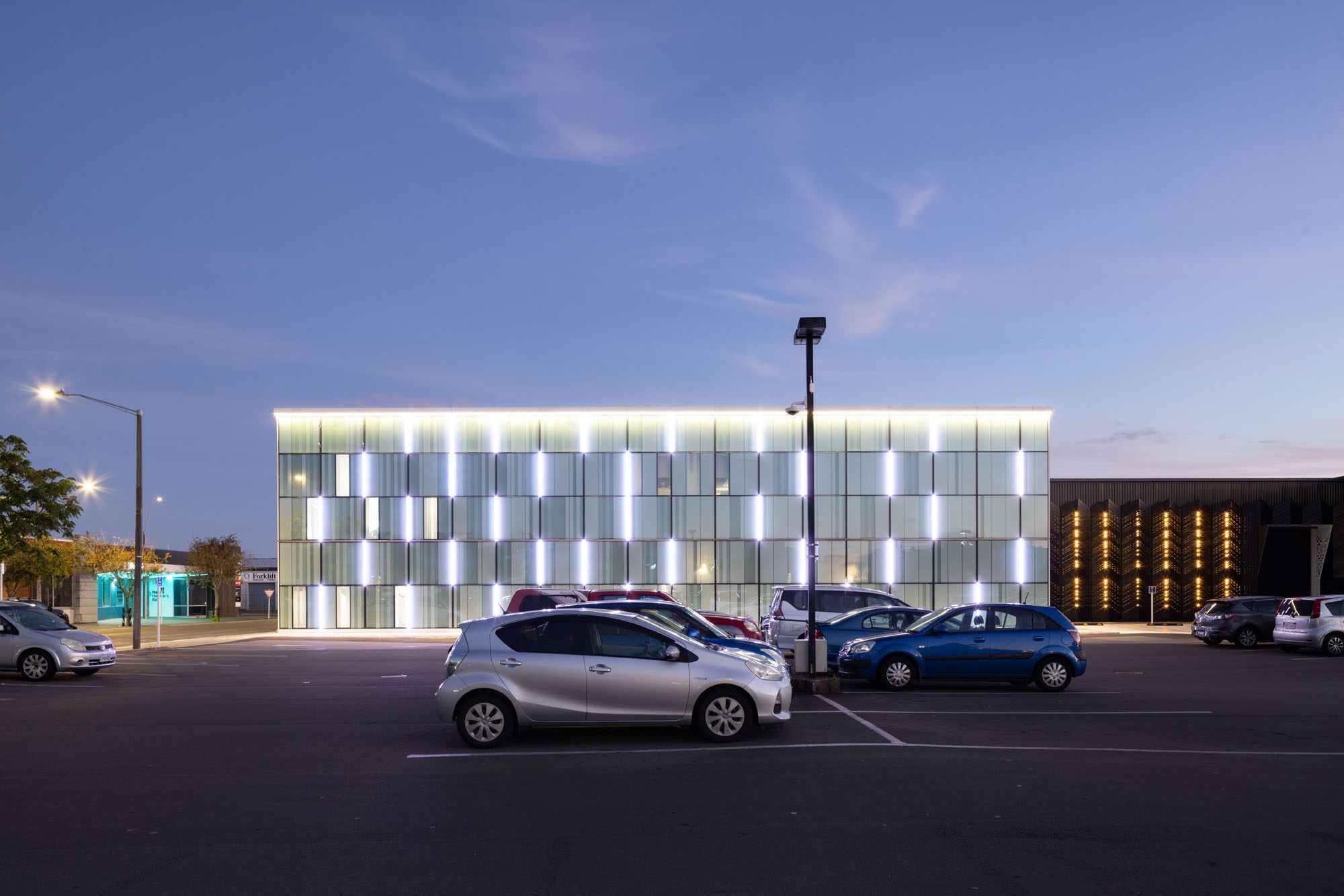
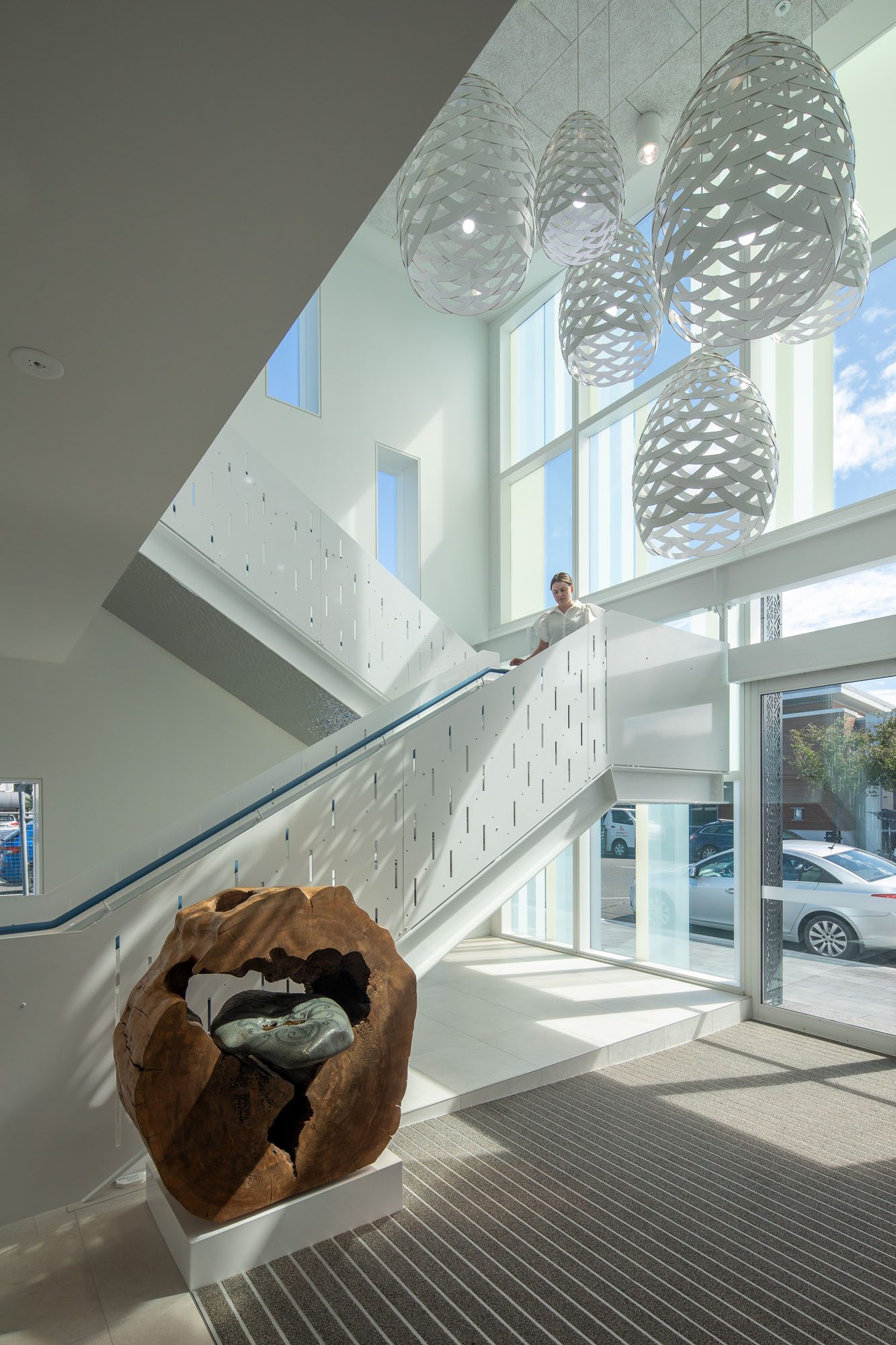
The jury praised this project for its ambition and its strong belief in Wairoa as a place to invest in socially, culturally, and economically. It responds clearly and confidently to the brief, creating a lively civic space that respects the site’s history while supporting future use. By reusing the existing structure, the design highlights its character and adds interest to shops and walkways. The layout improves movement through and around the building, activates the street, draws people in, and reconnects the town with the river. A covered public area provides space for events and everyday use.
Education
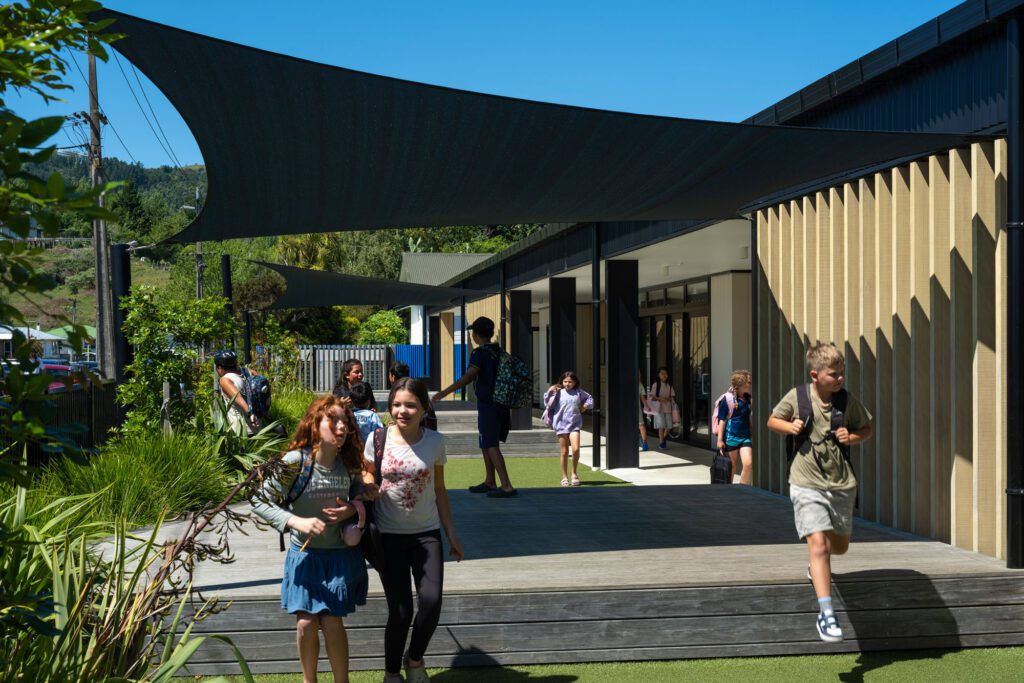
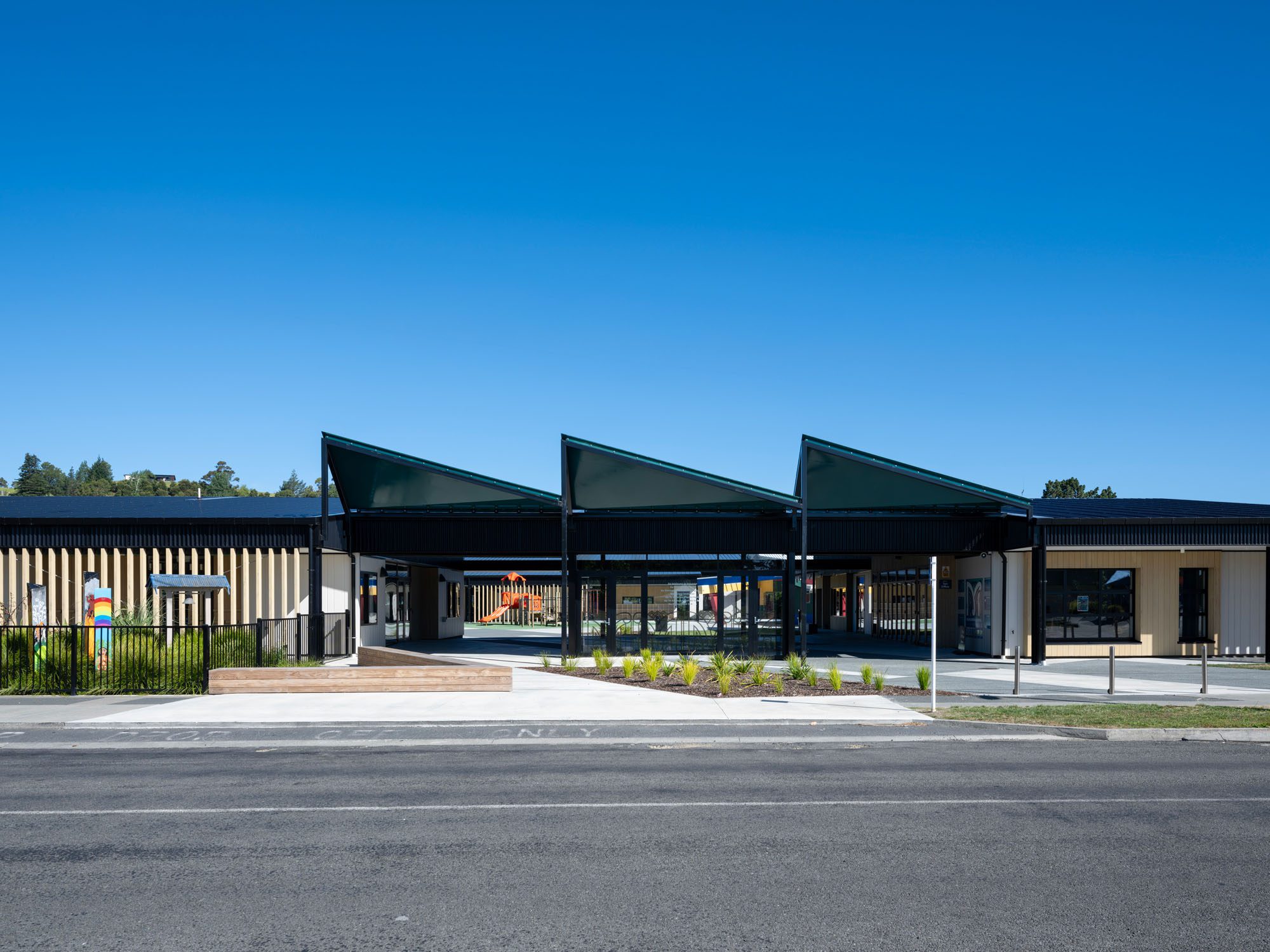
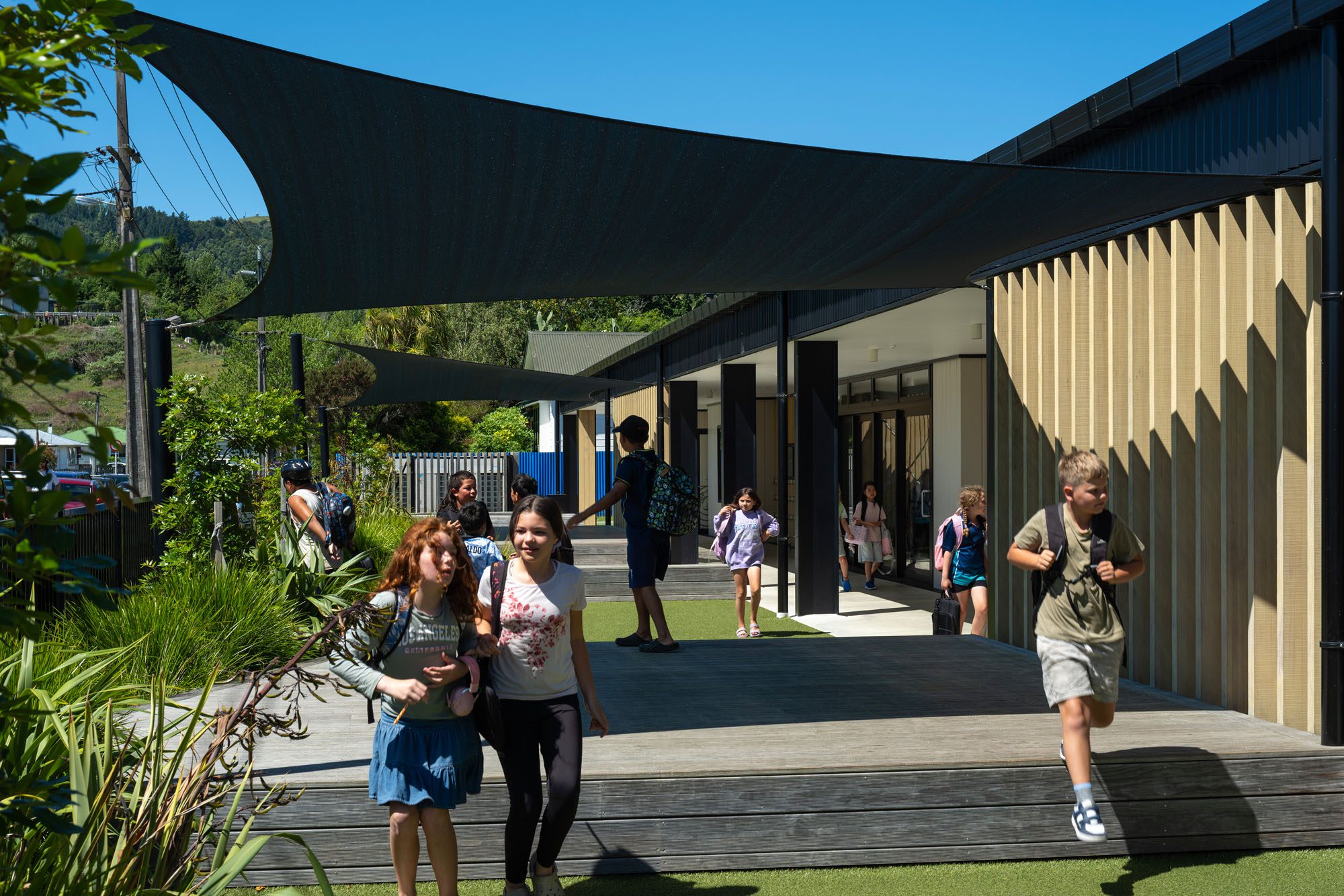
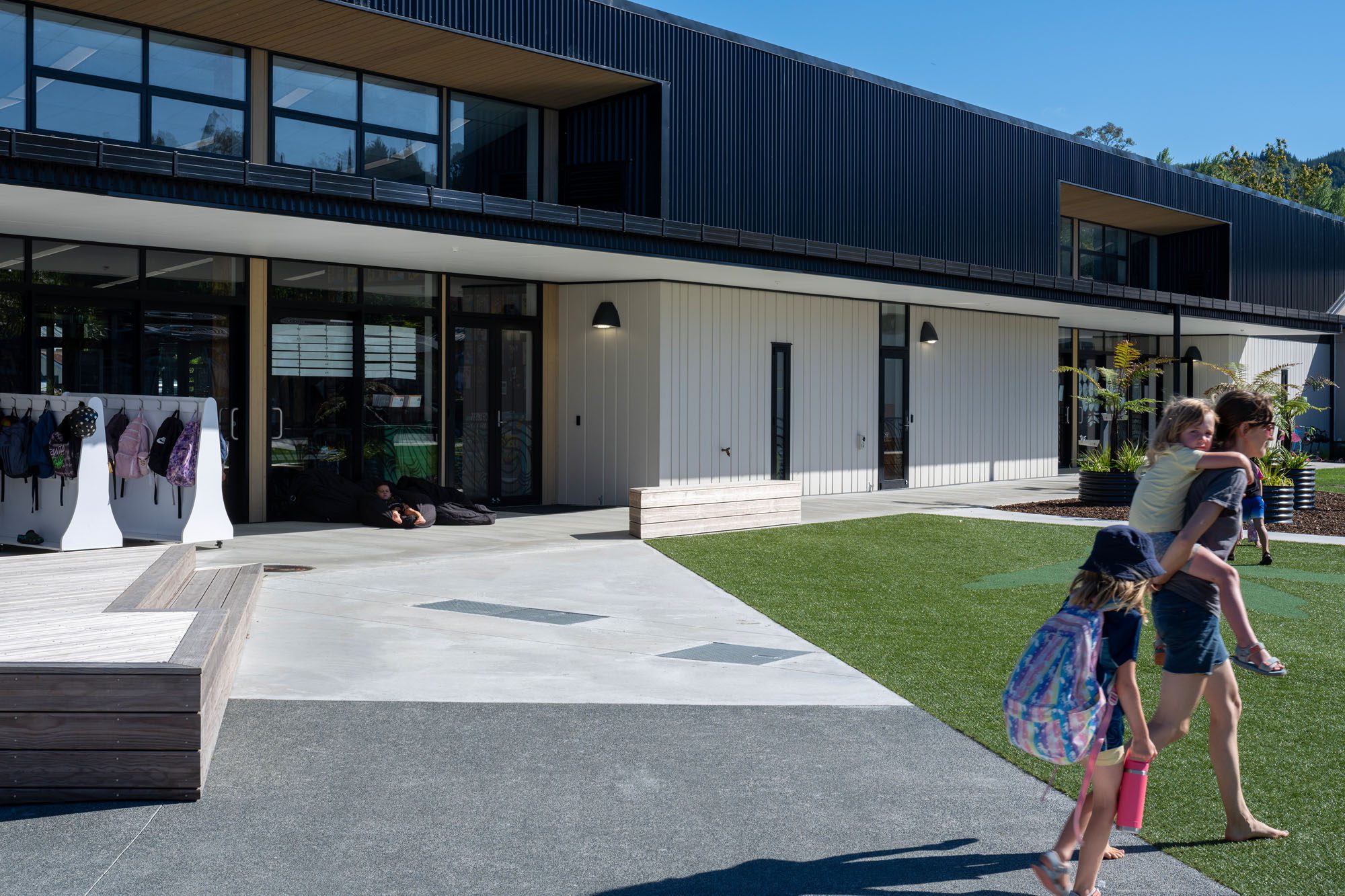
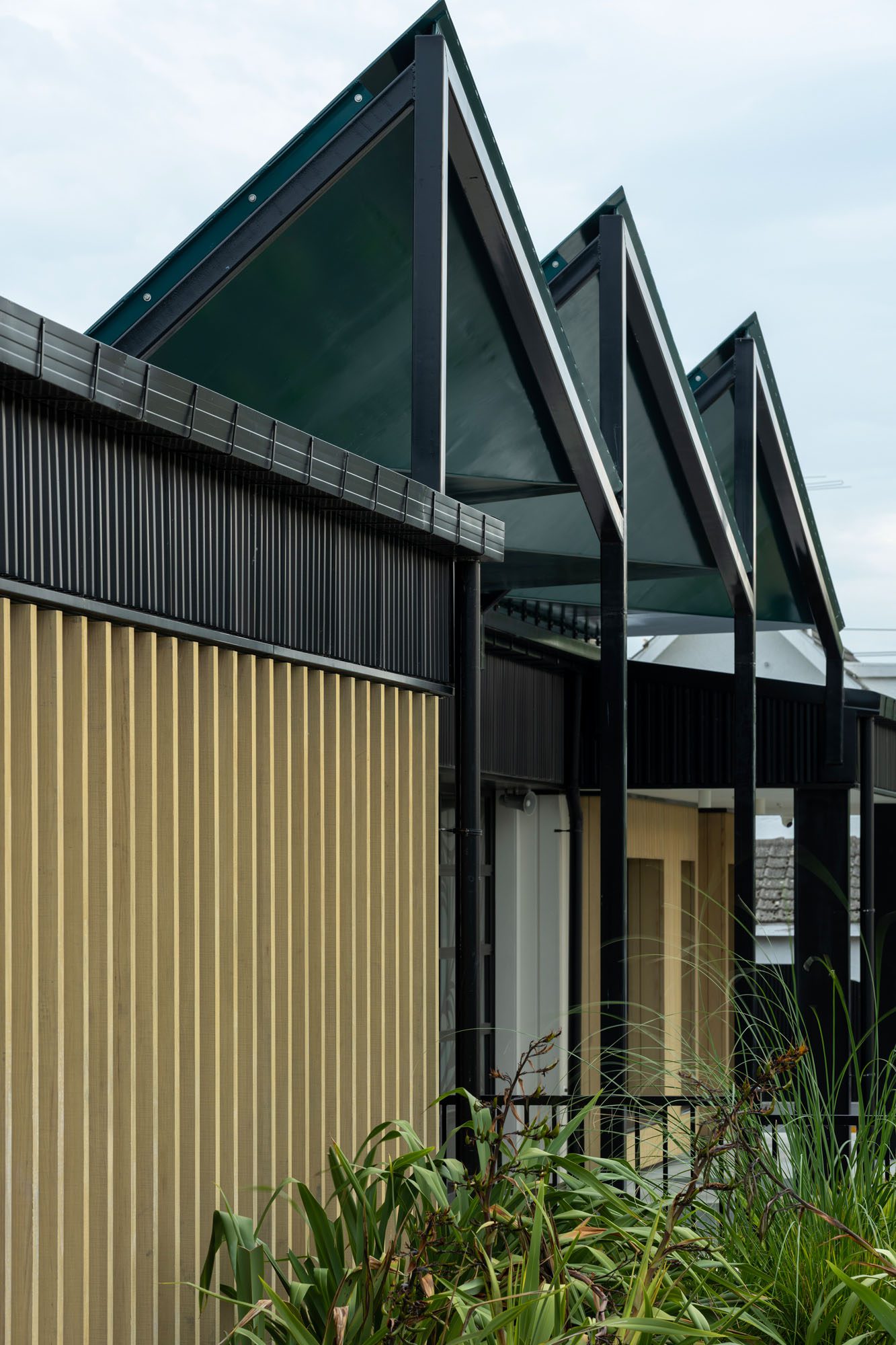
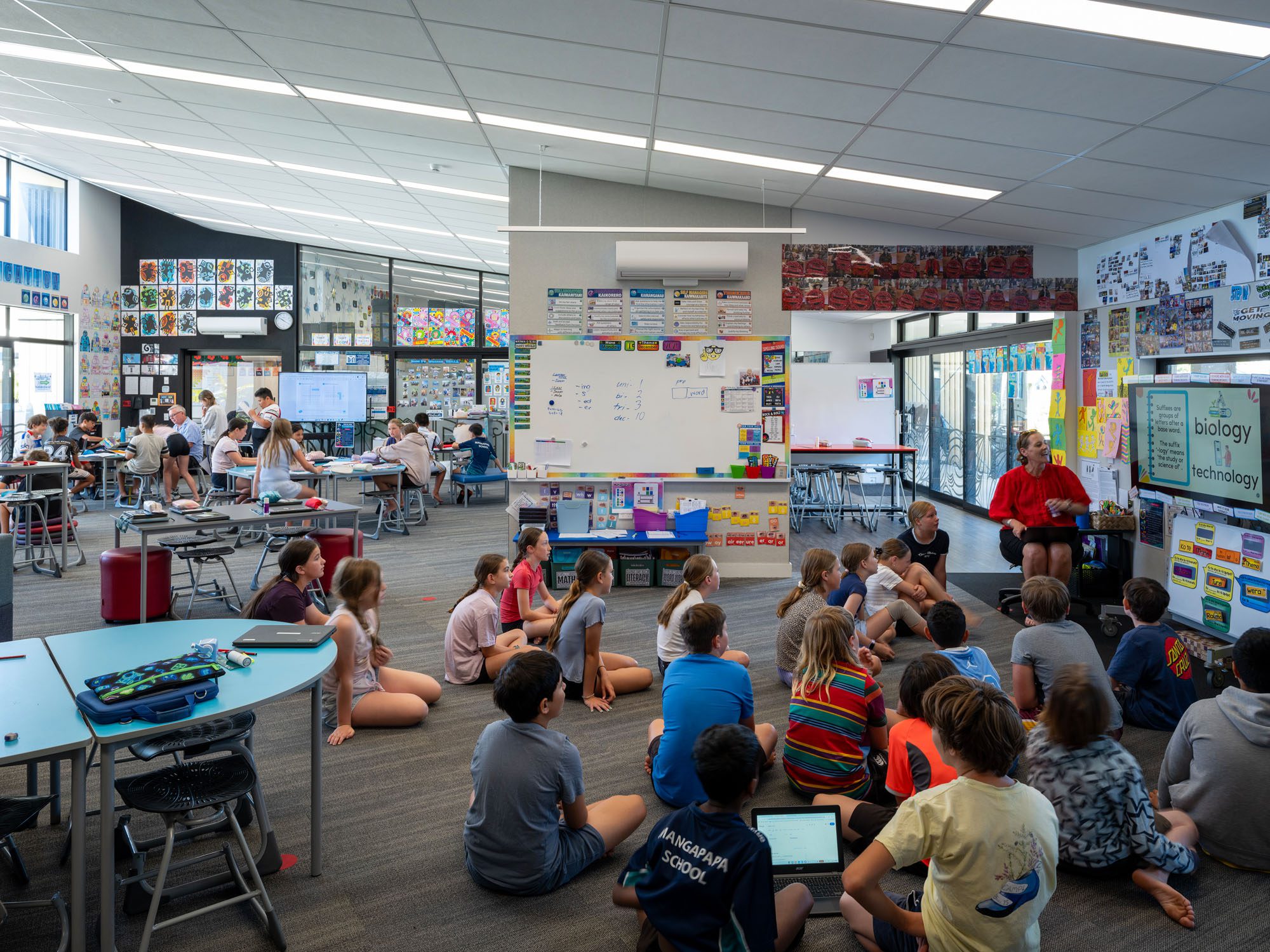
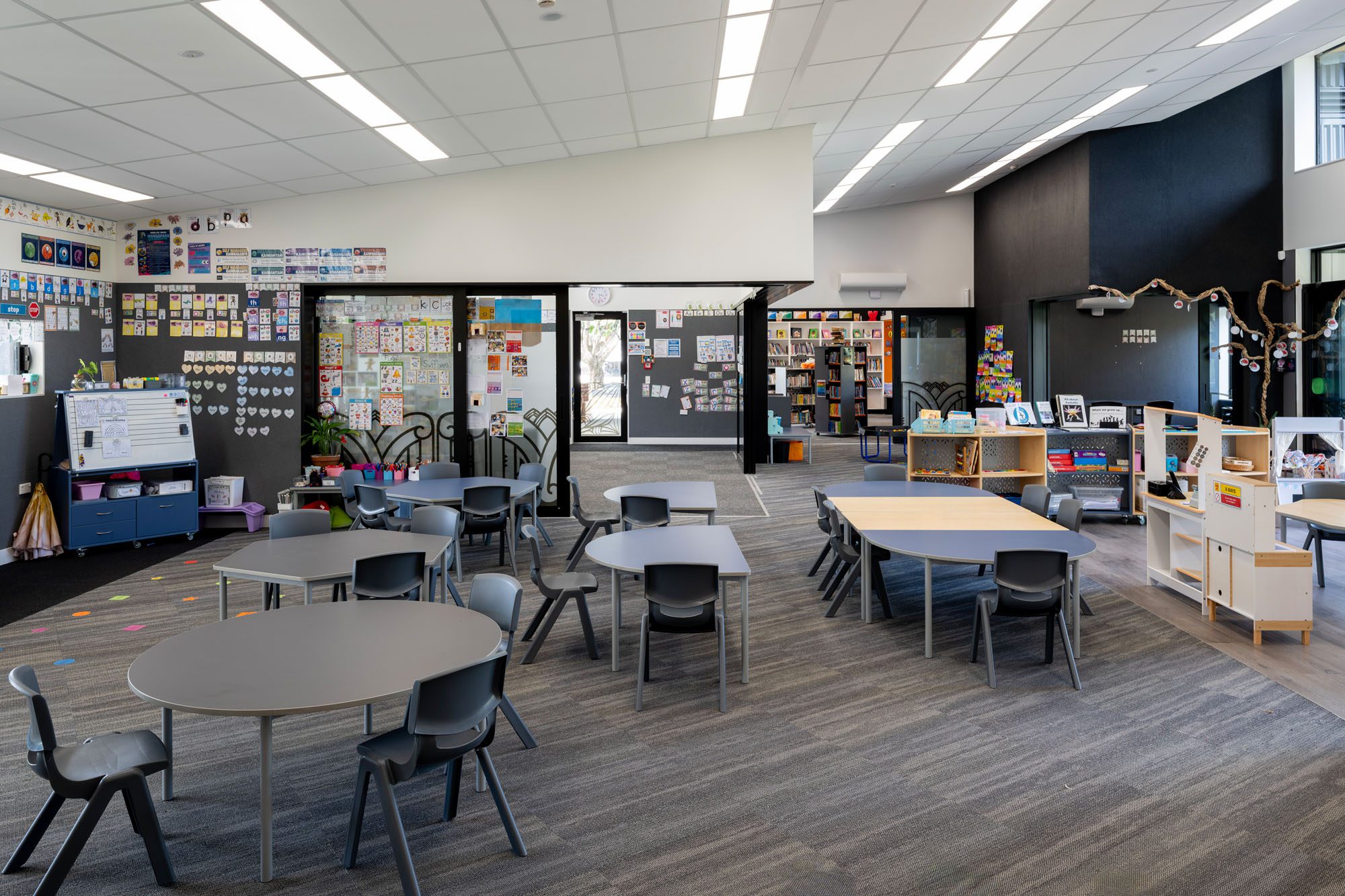
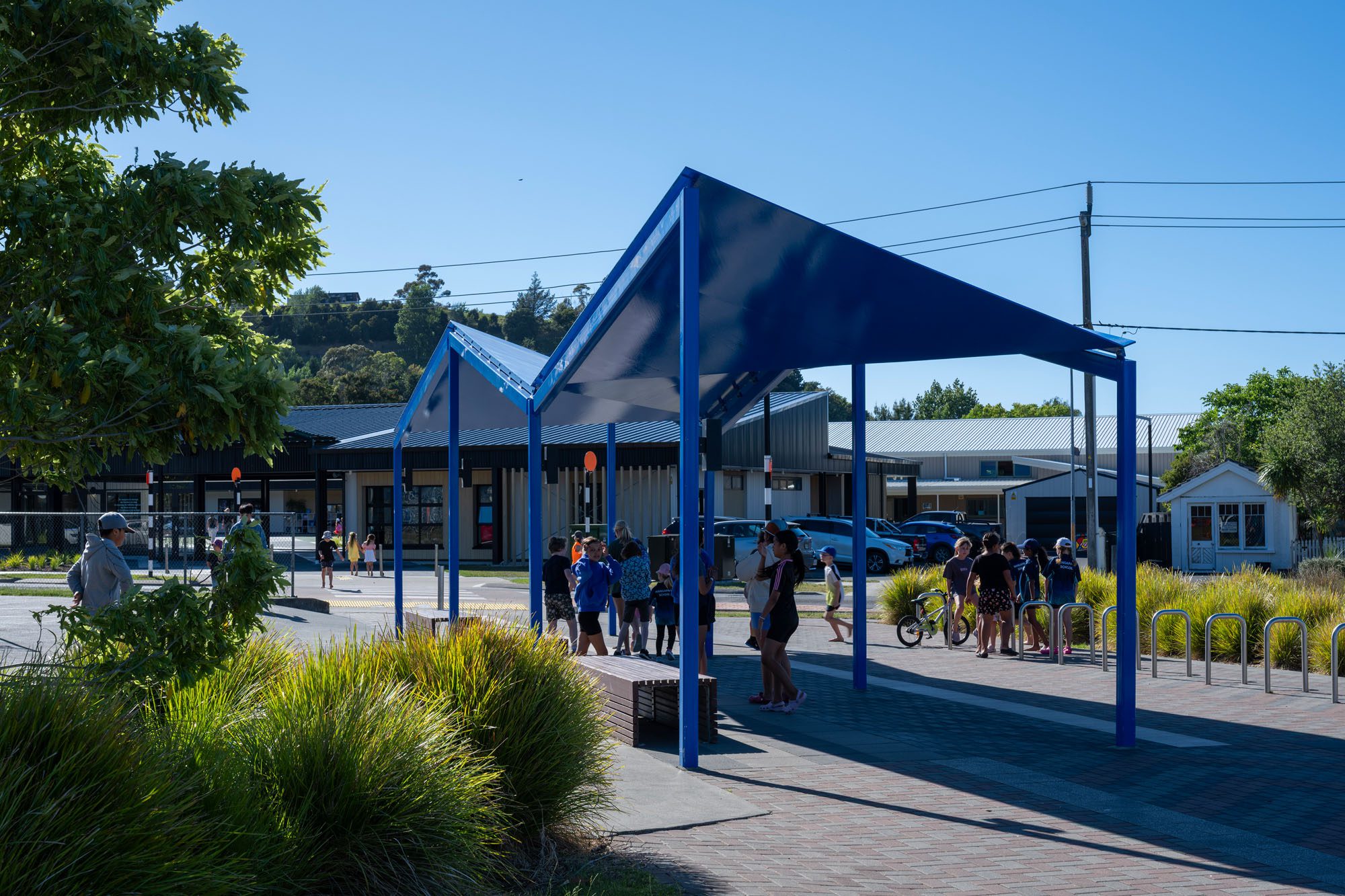
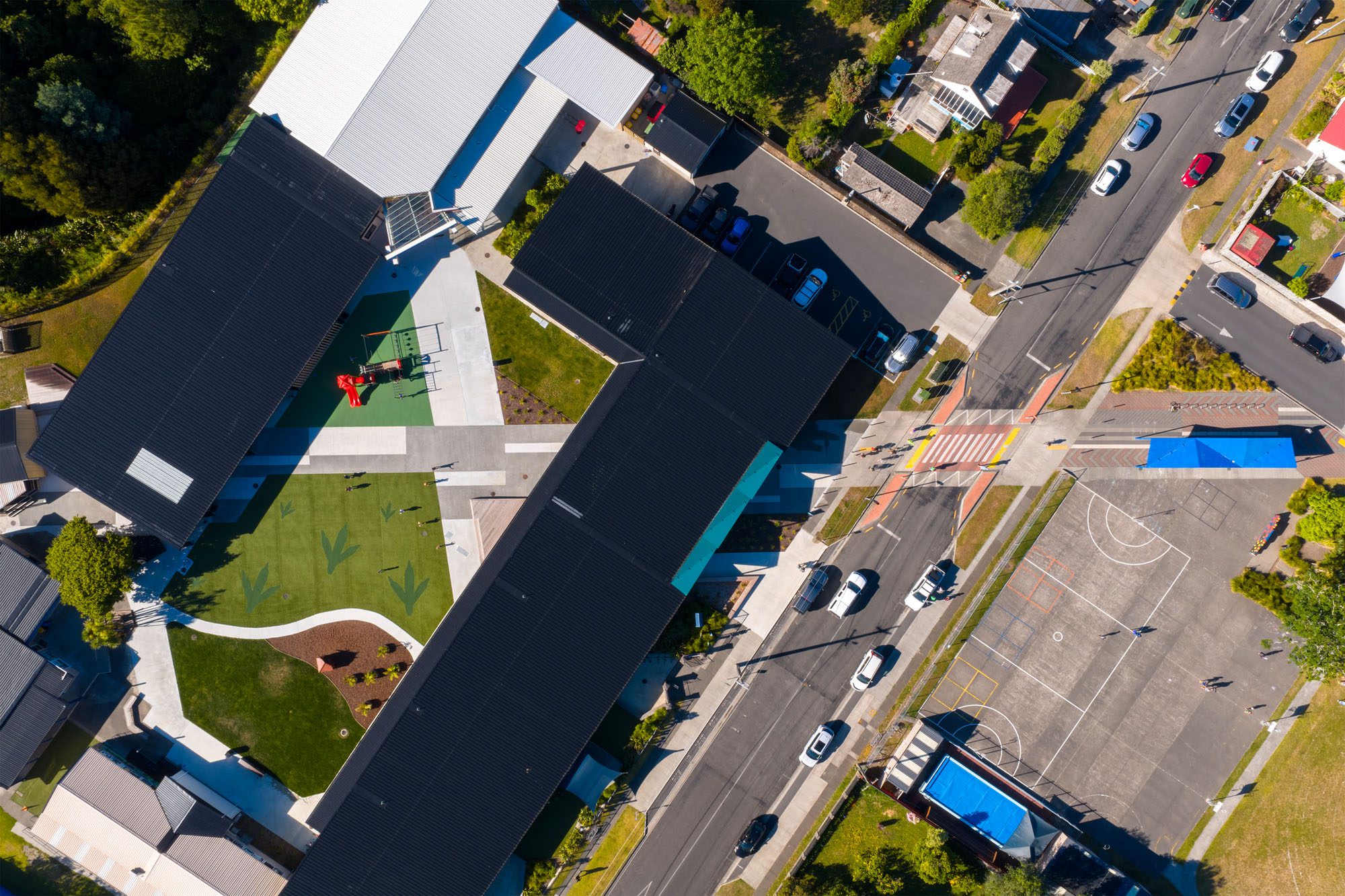
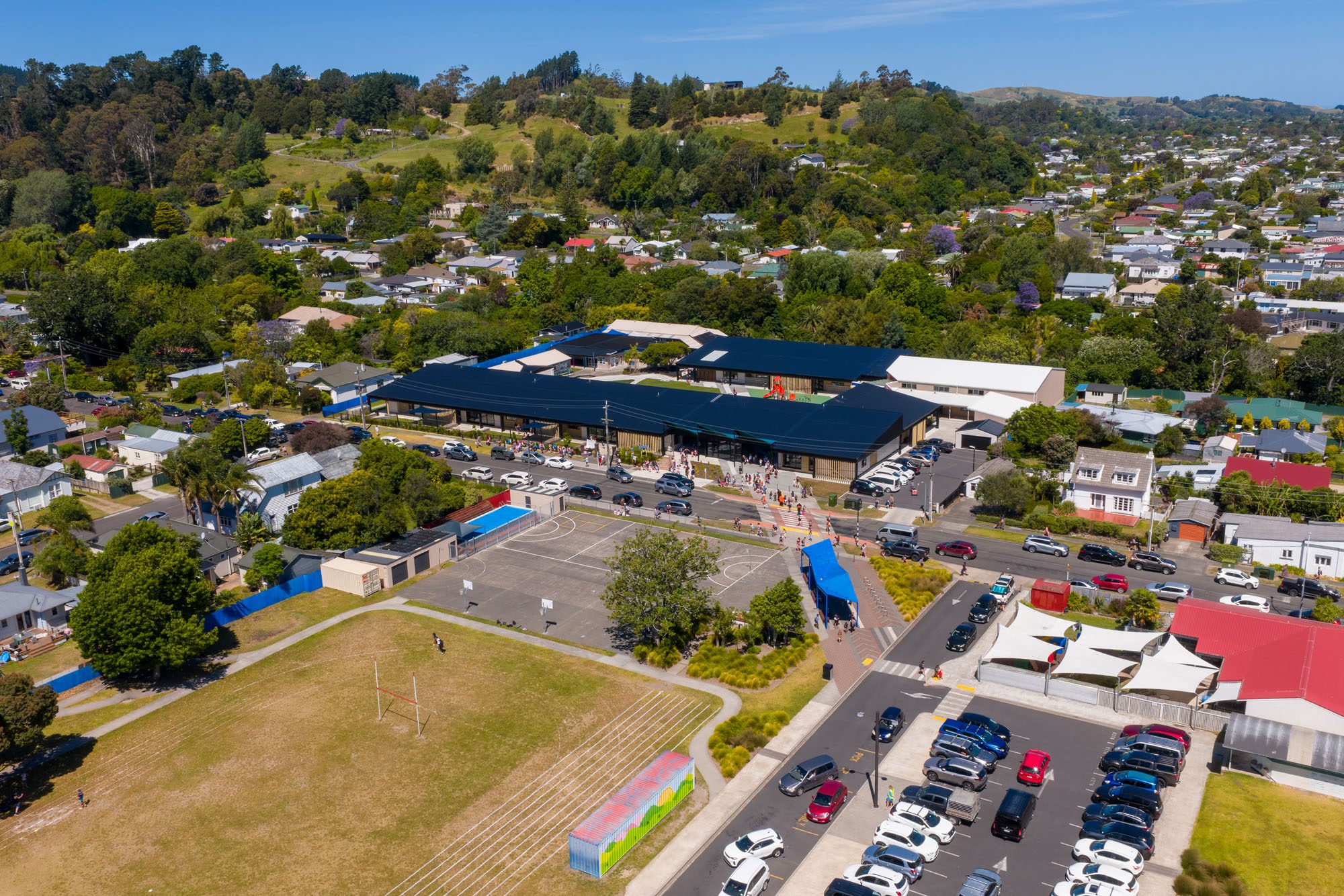
Mangapapa School by DCA Architects of Transformation
The jury was impressed by how well this building supports daily teaching, learning, and staff life in a large, busy school. It transforms the campus into a safe, connected, and future-focused environment.
A flexible entry space serves as a threshold, gathering area, and sheltered outdoor room. Inside, paired classrooms are carefully designed with good acoustics, clear separation of spaces, and shared learning in mind. Central kitchen areas connect classrooms and outdoor spaces. Library nooks, a café-style staffroom, and a clear admin layout support daily use. Timber details and a distinctive roof give the school warmth and identity.
Heritage
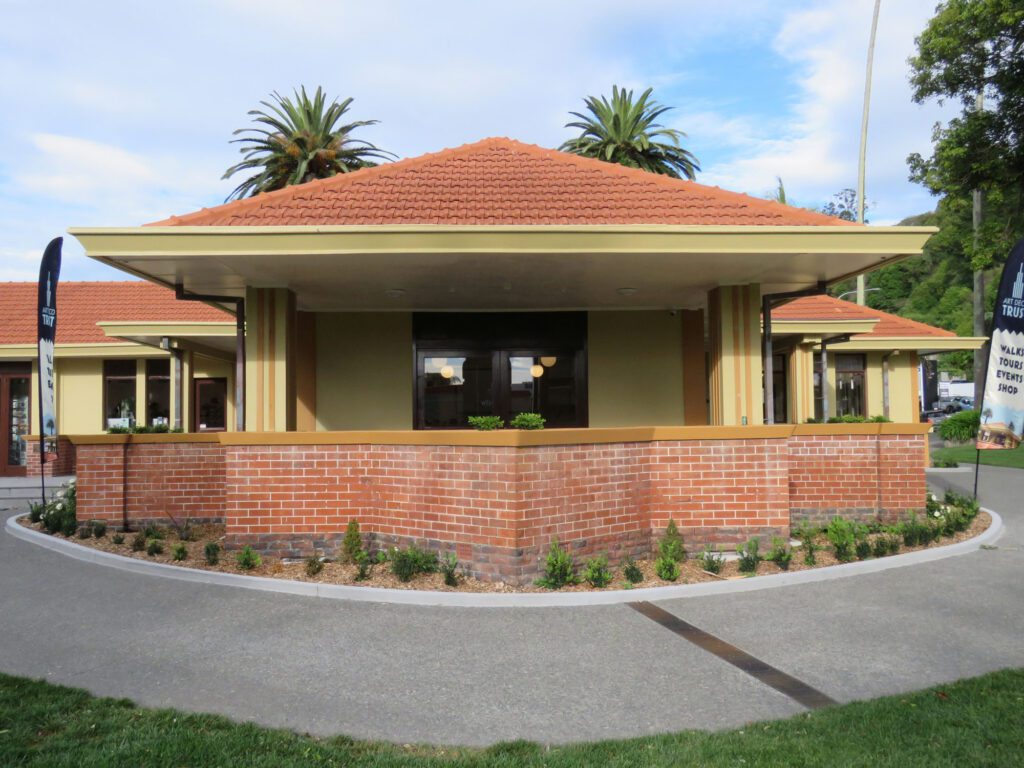
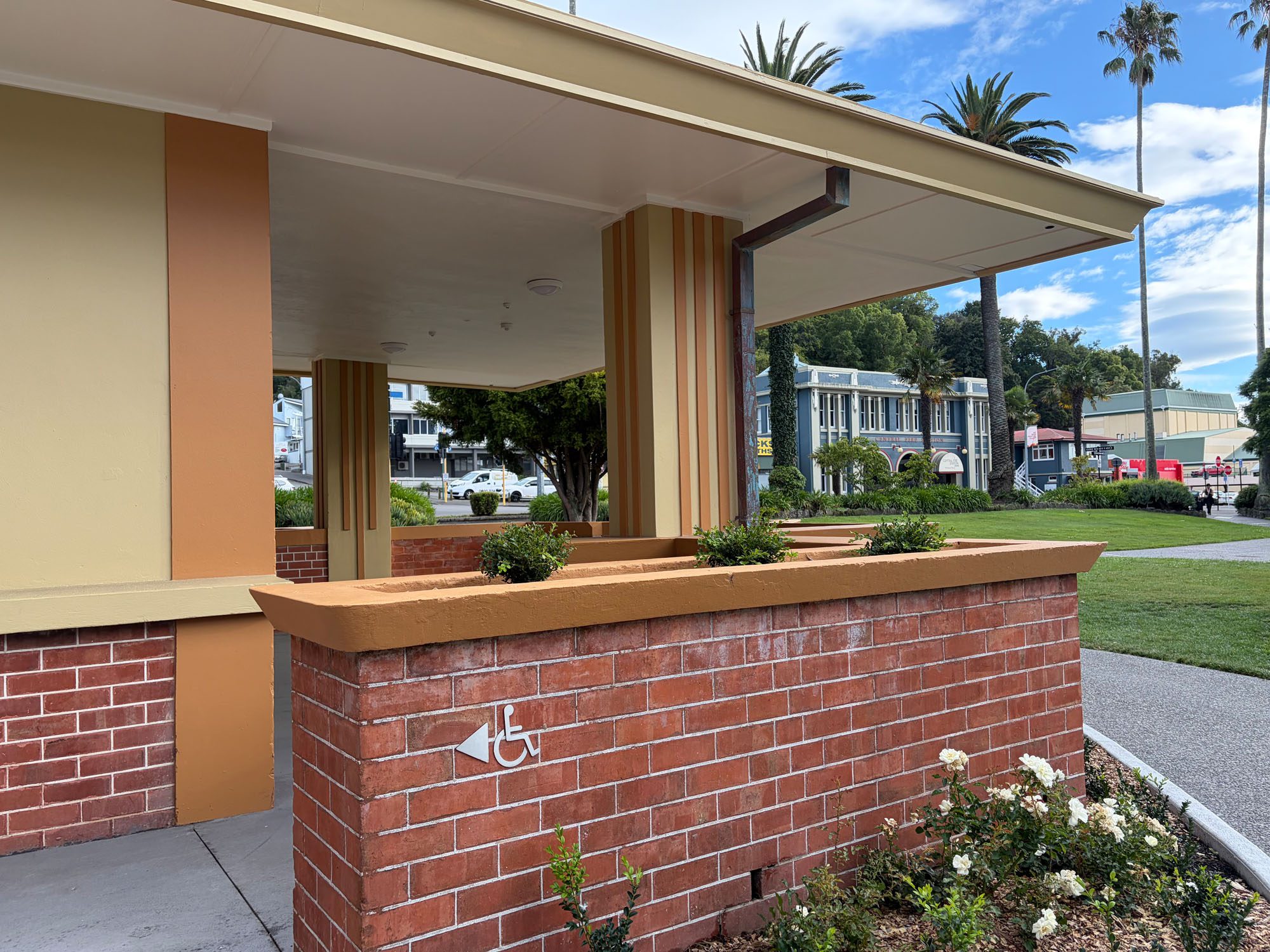
Restoration of (Former) Napier Women’s Restrooms by Ann Galloway and Gavin Cooper in association
The jury praised the care and collaboration behind this project and its return to a valued civic destination. It is a thoughtful restoration that gives an important heritage building a clear future. Research guided the removal of recent modifications and the return of original details. Modern services are added discreetly, supporting use without harming heritage value. Accessibility is handled carefully to avoid visual clutter. Inside, new and old elements are clearly shown while retaining traces of earlier layouts.
This project also recieved a Resene Colour Award.
Hospitality
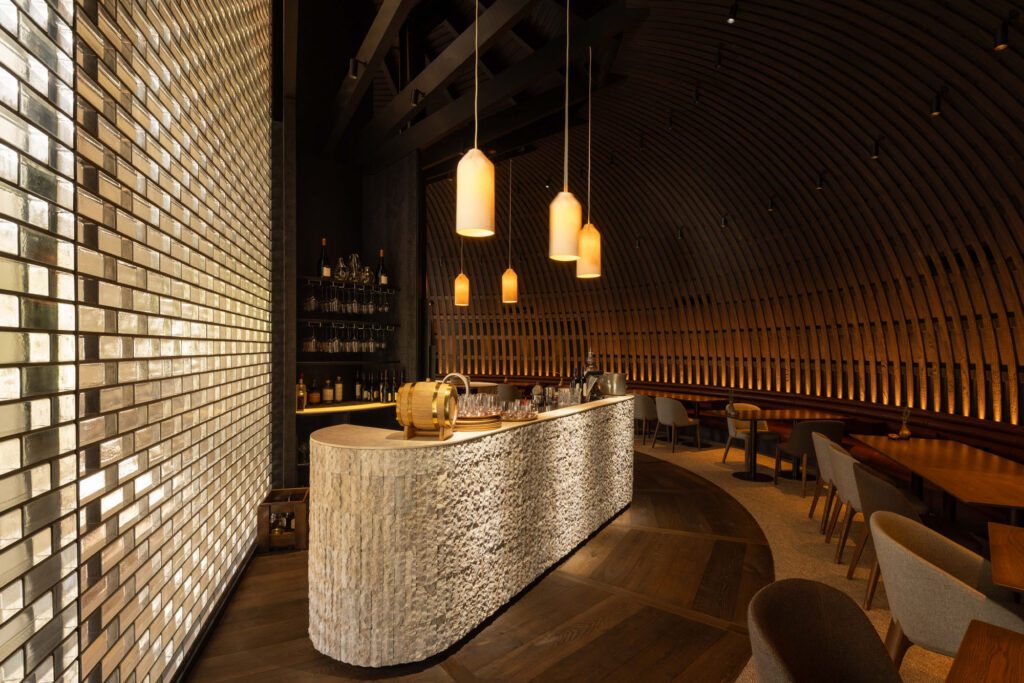
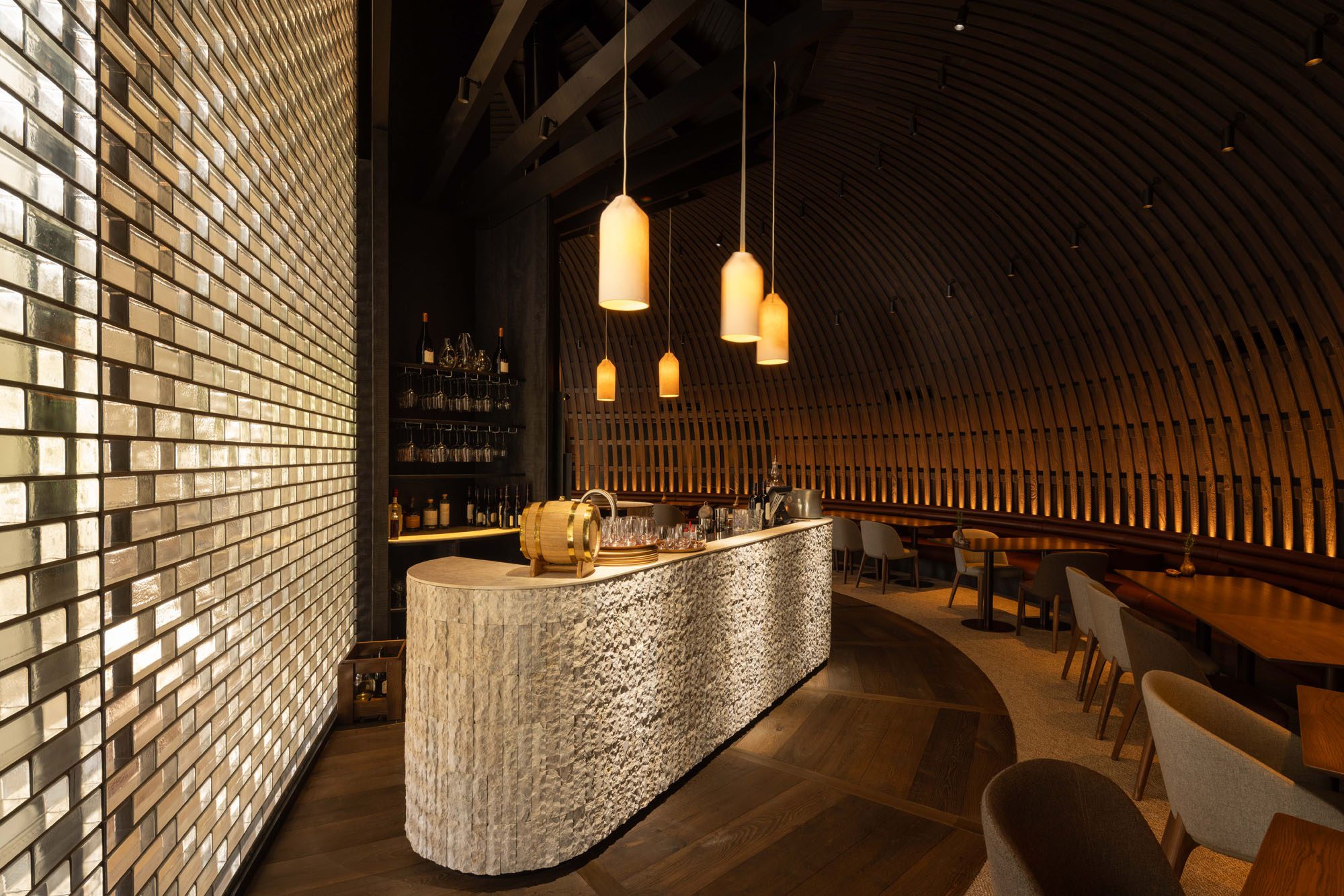
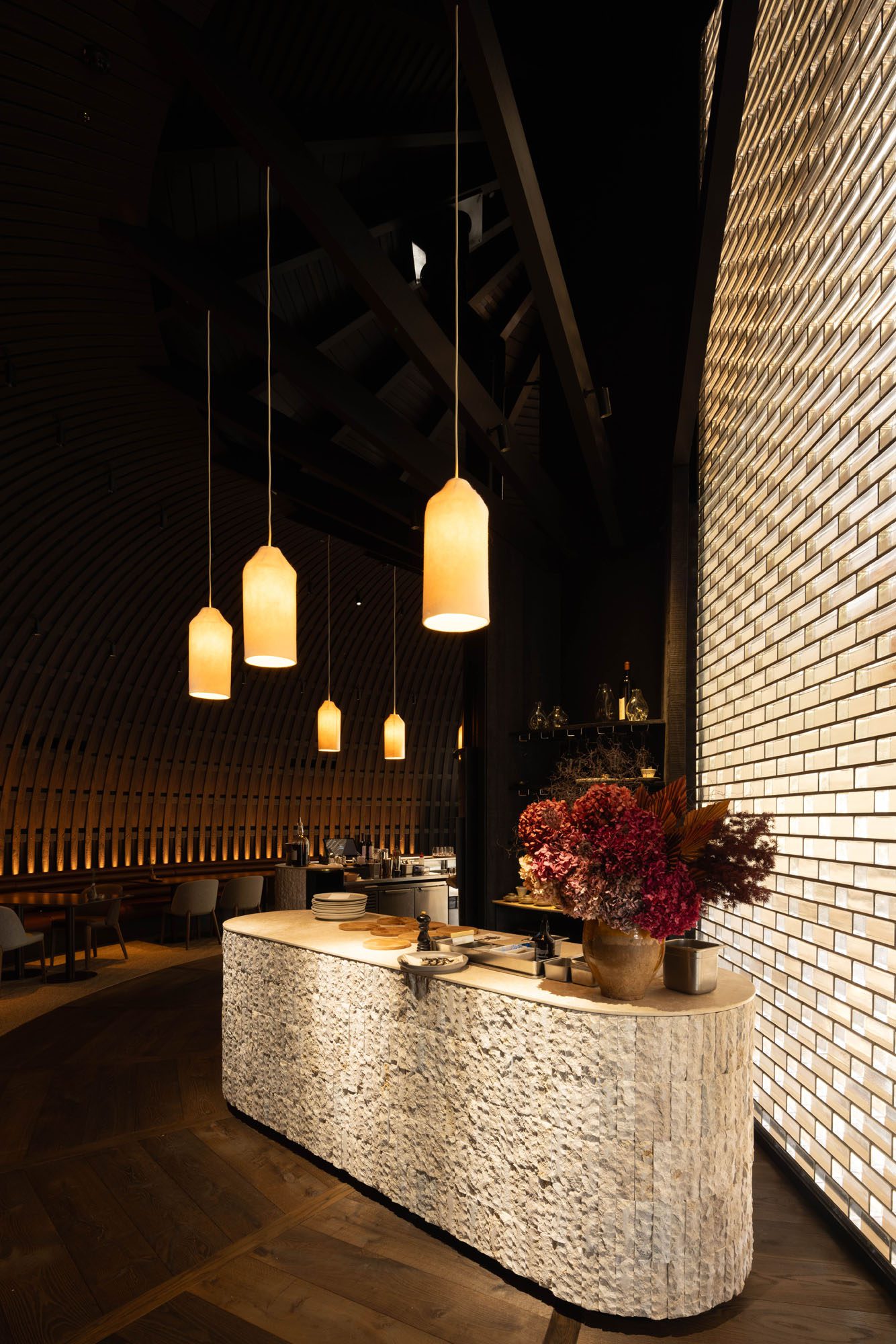
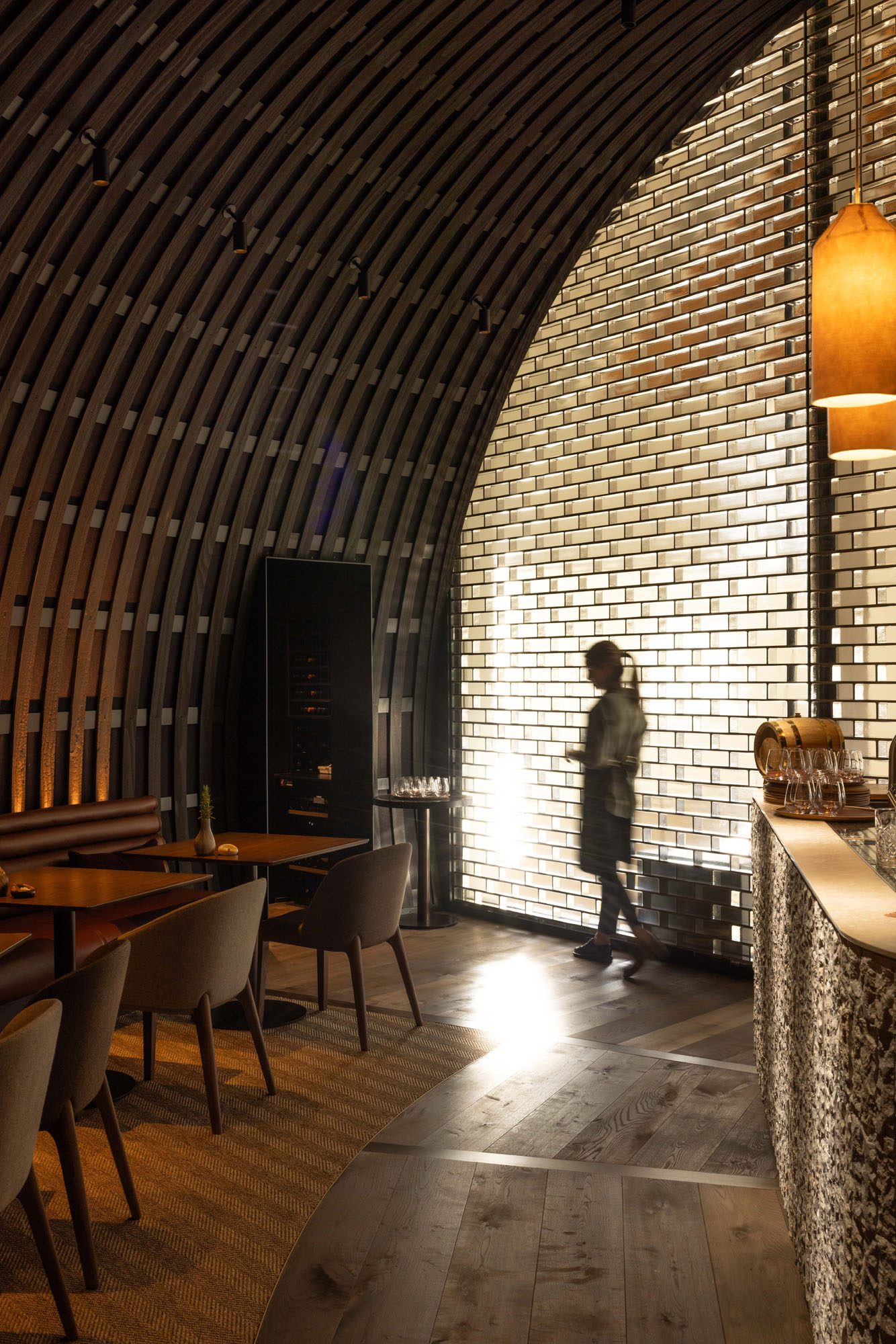
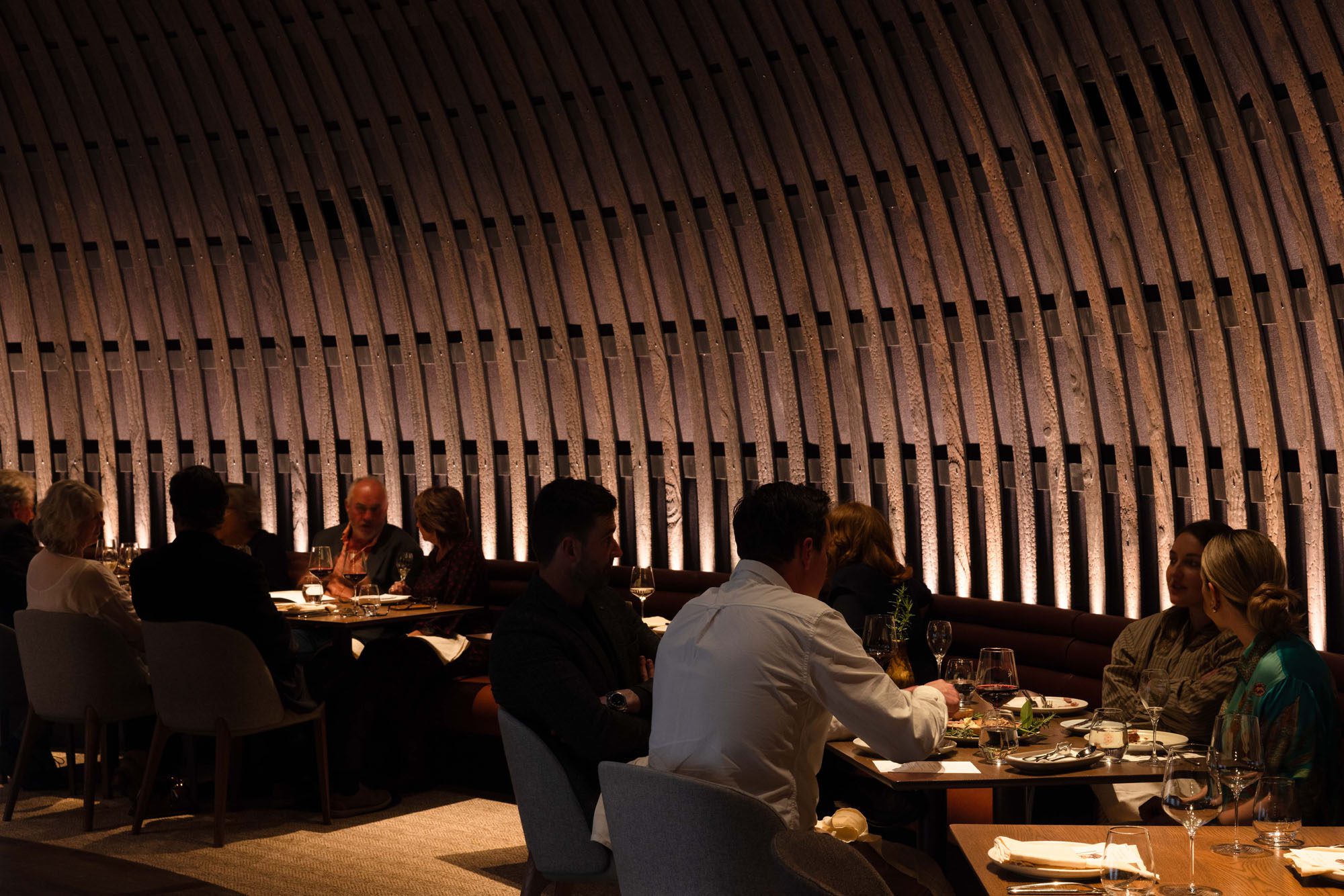
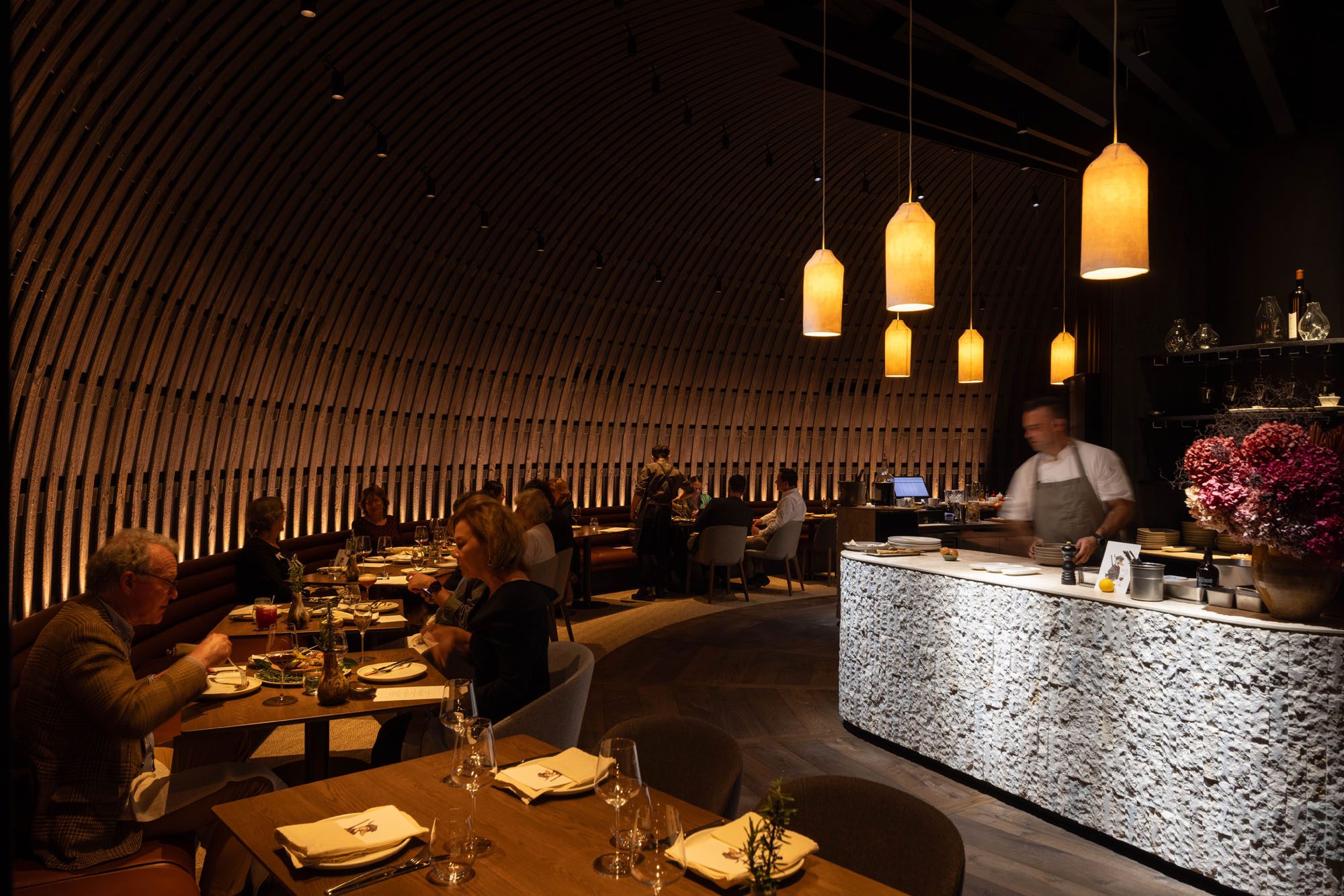
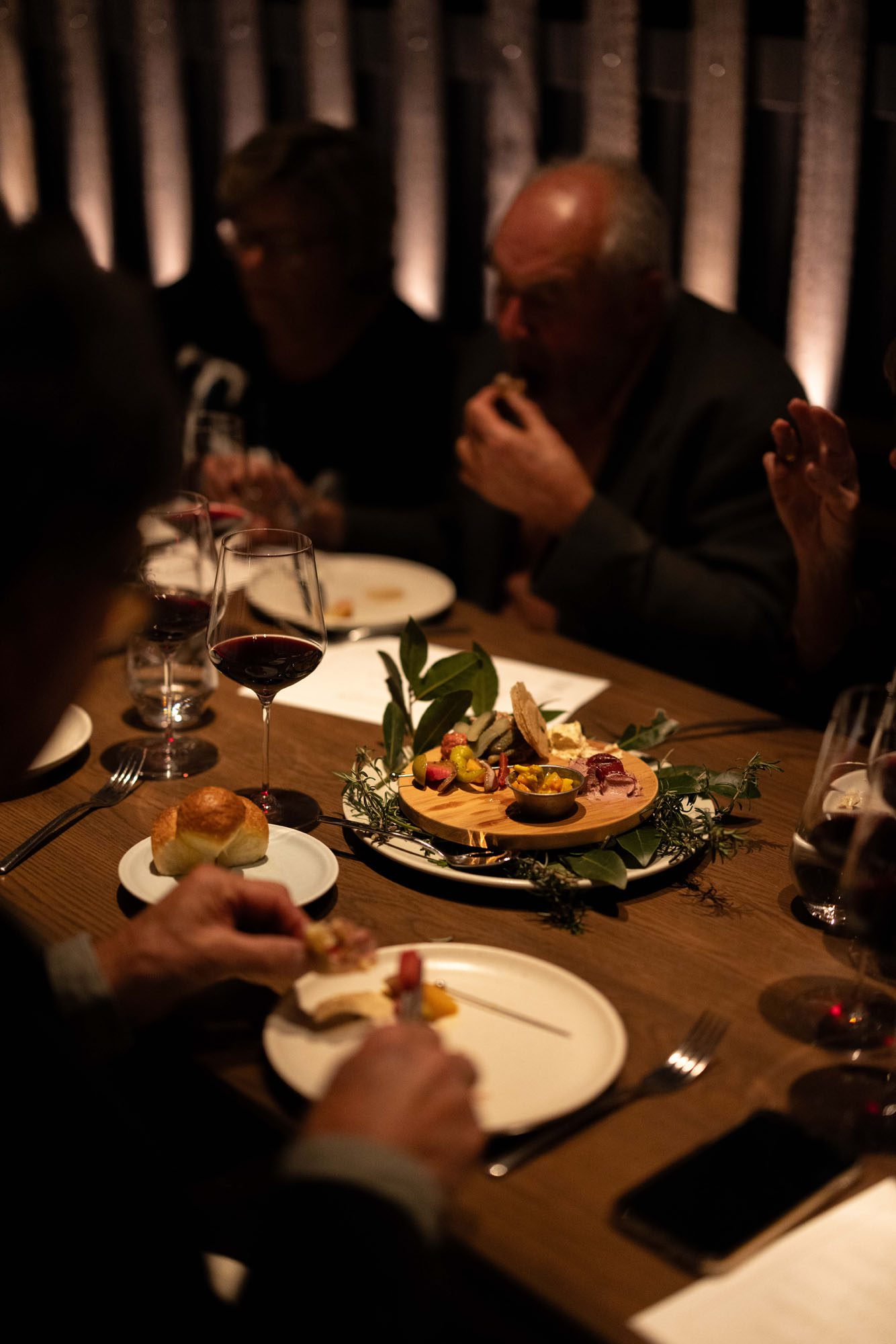
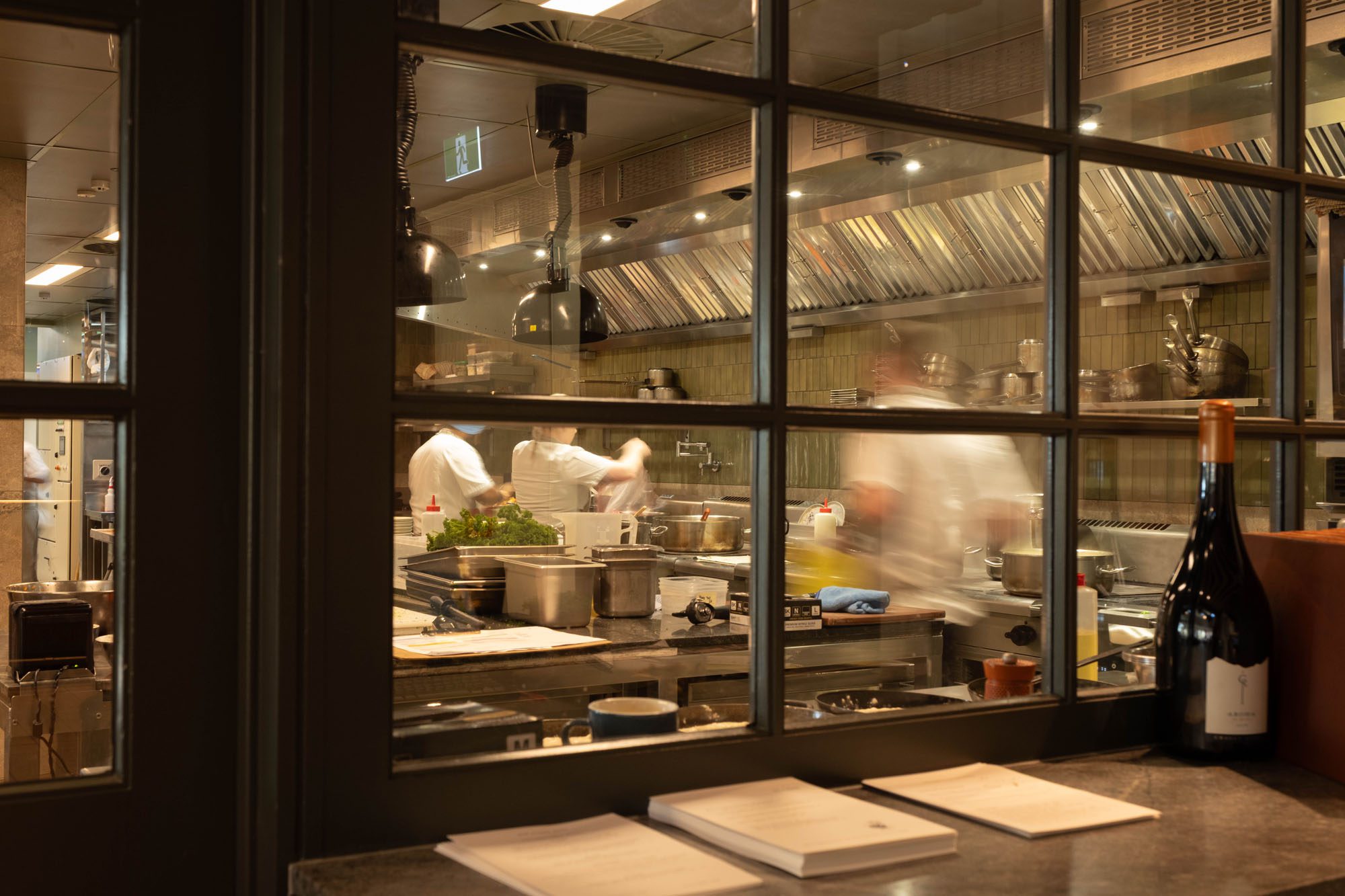
The Loft and Kitchen Refurbishment – Craggy Range by RTA Studio
The jury valued how complex technical and spatial challenges were resolved into a calm, balanced space. The project creates a refined, immersive dining experience through a clear design concept.
The idea of being inside a wine barrel shapes materials, light, and form, with charred timber and glass creating warmth and focus. Careful acoustics and lighting create a consistent atmosphere. Outside, the kitchen extension fits well with existing buildings, while details like an internal fence add interest beyond function.
Housing
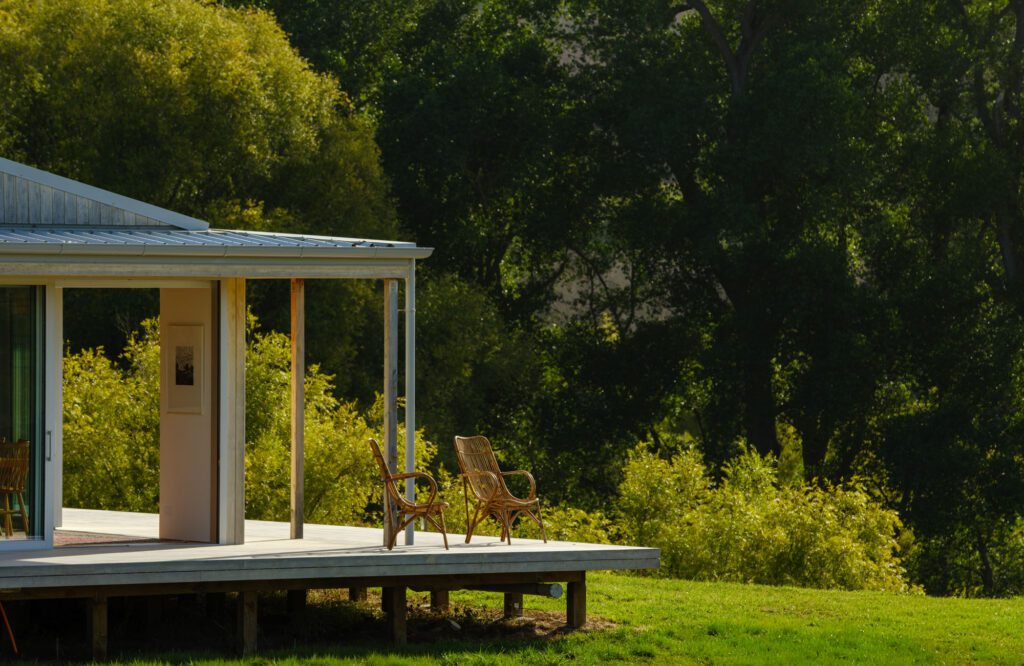
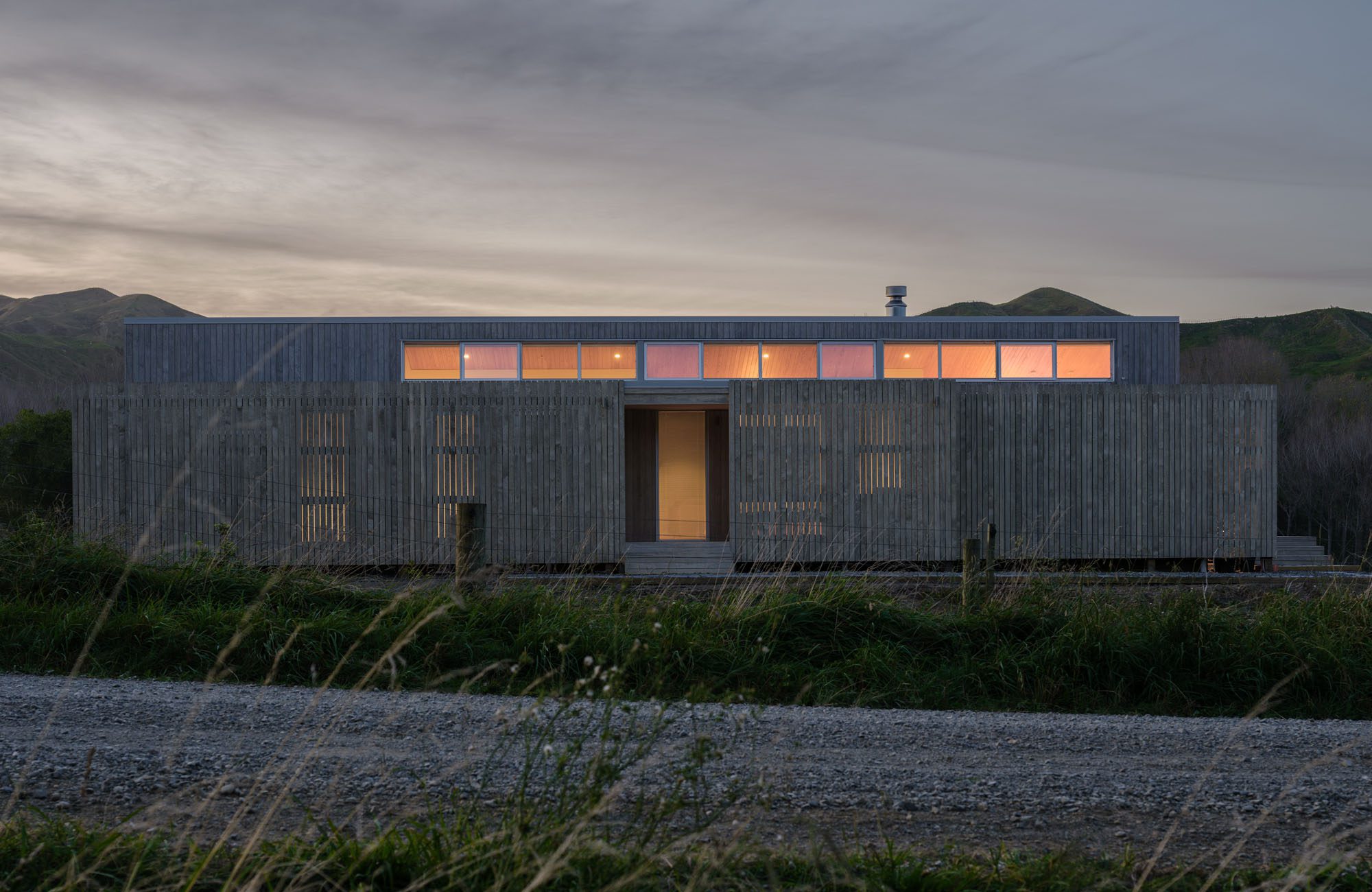
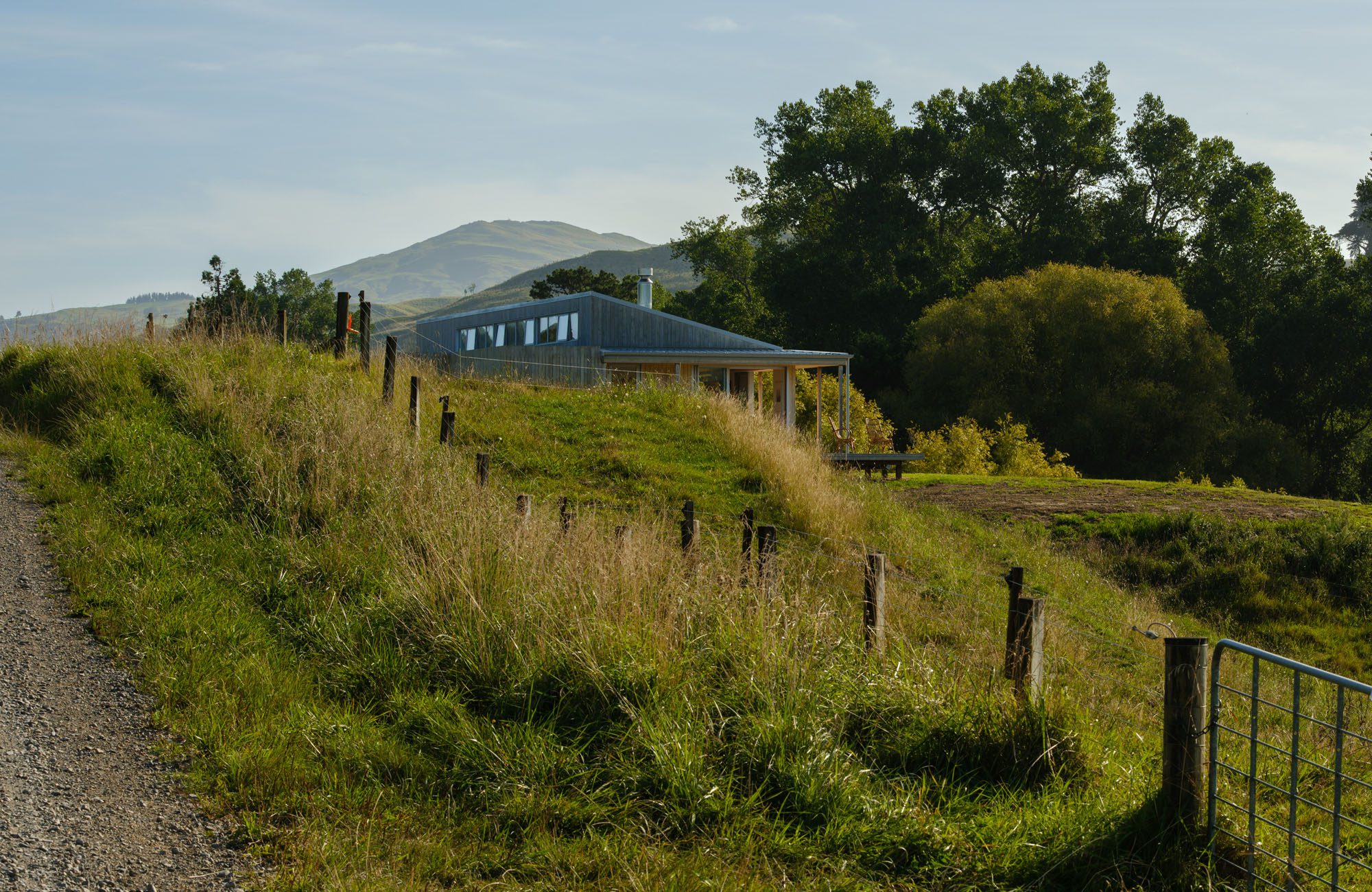
Mangakuri Home by Makers of Architecture
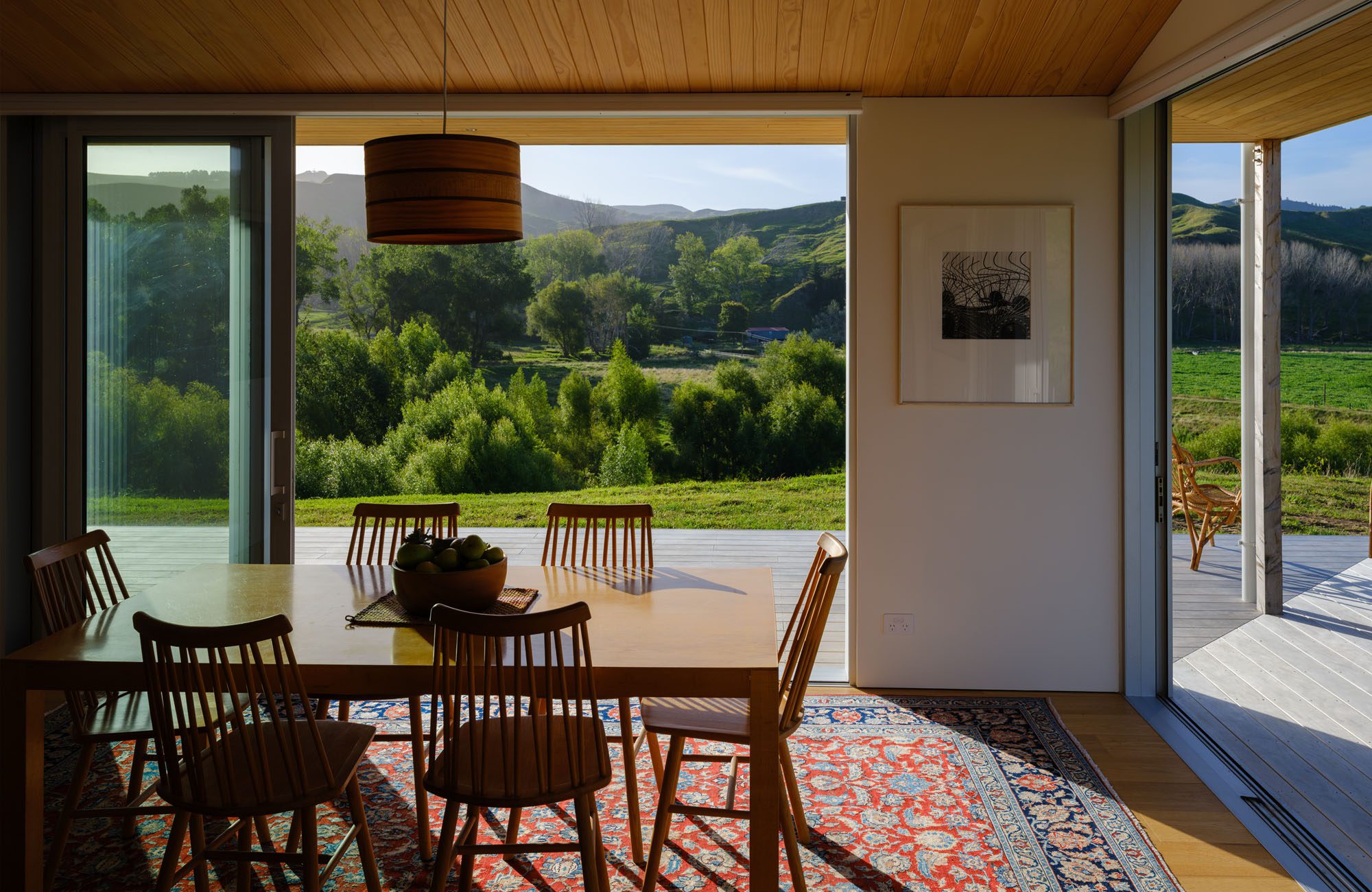
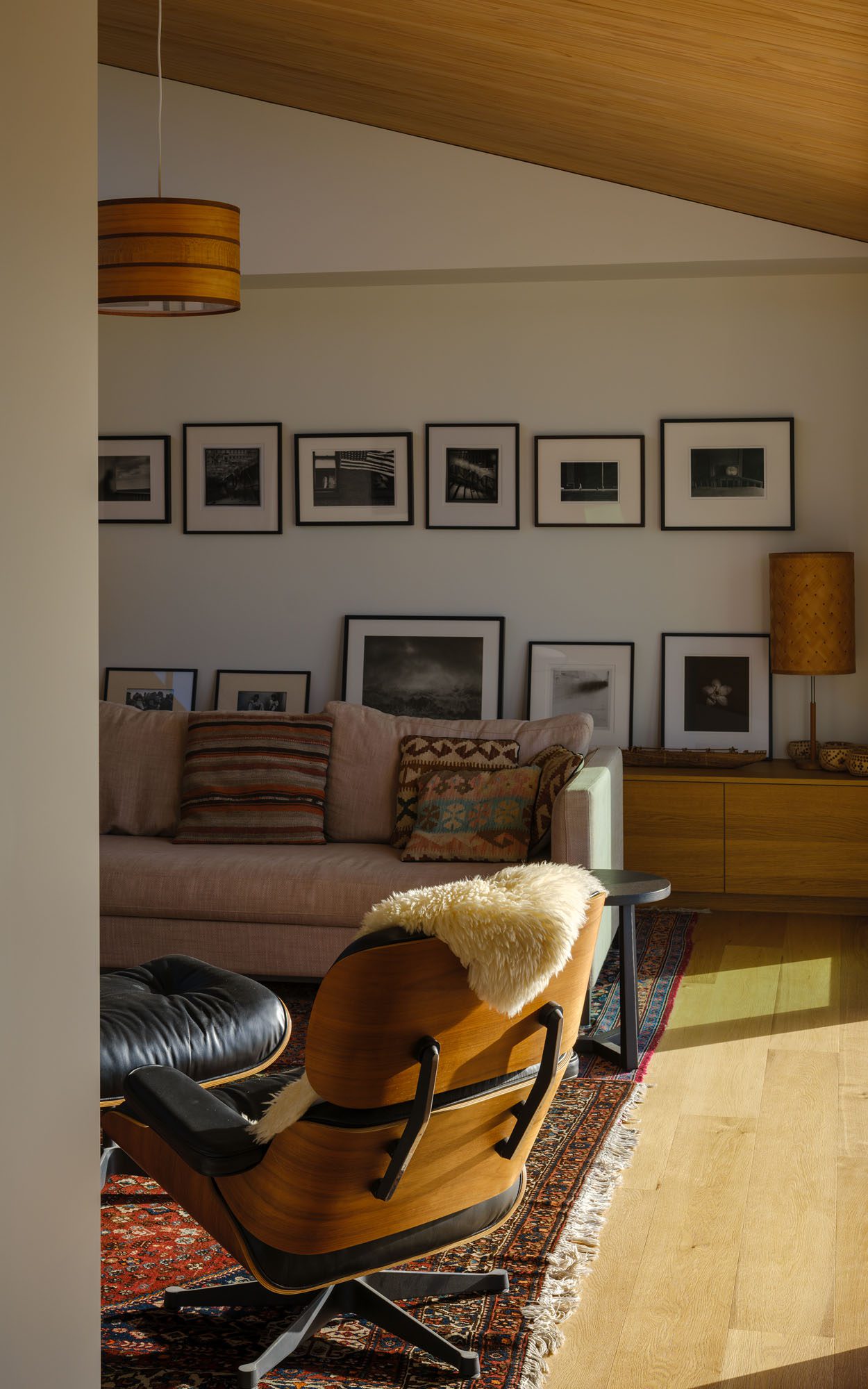
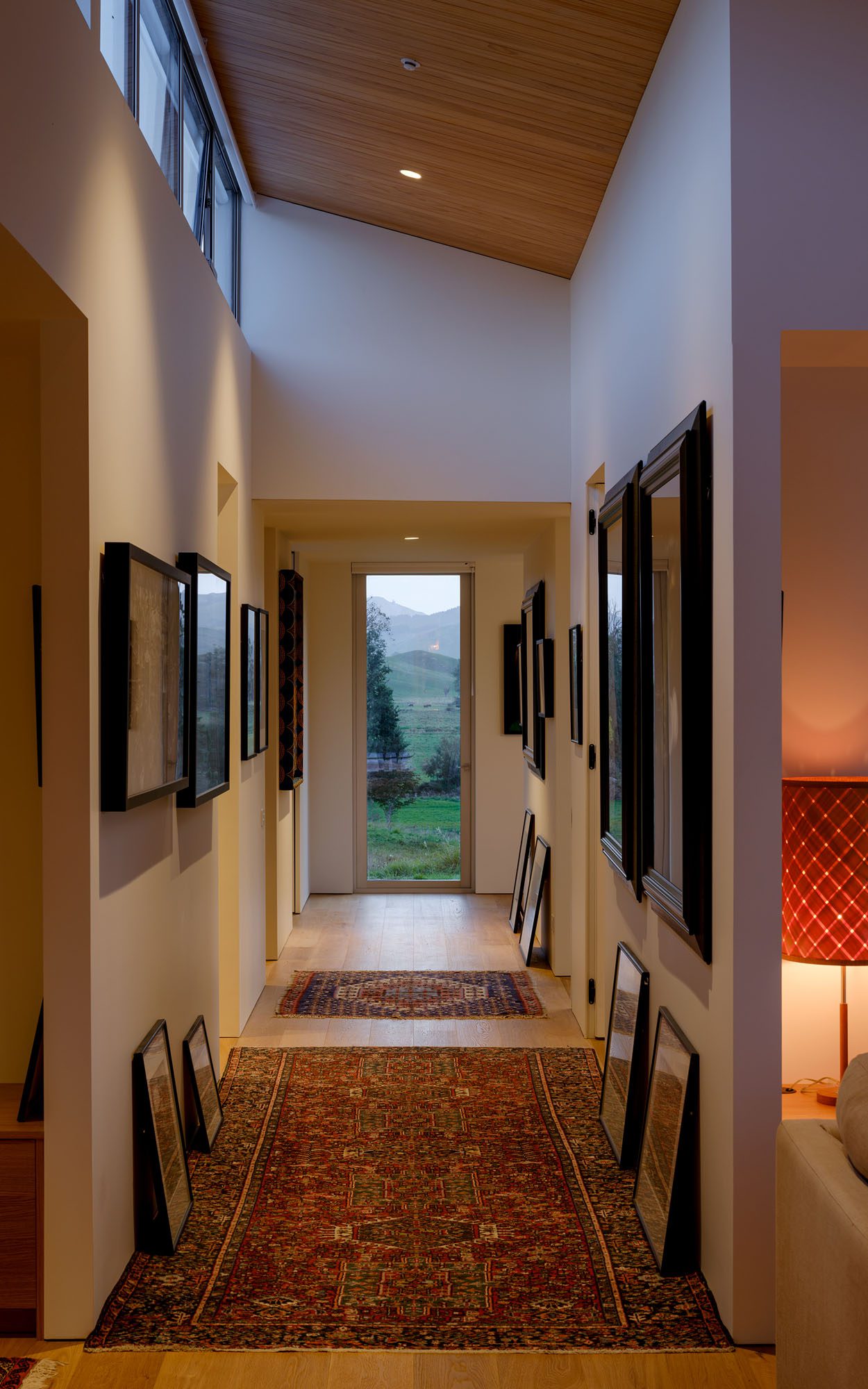
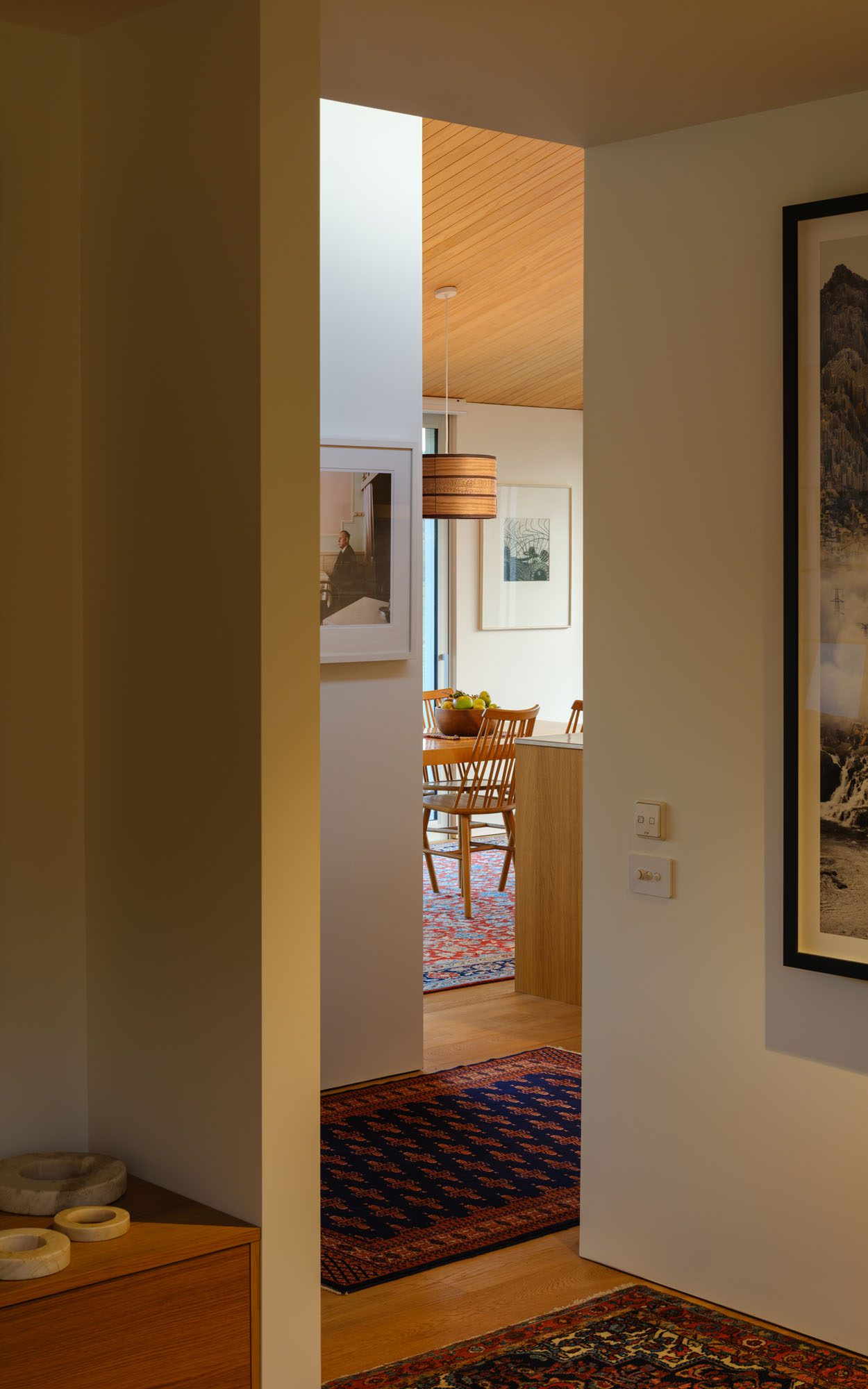
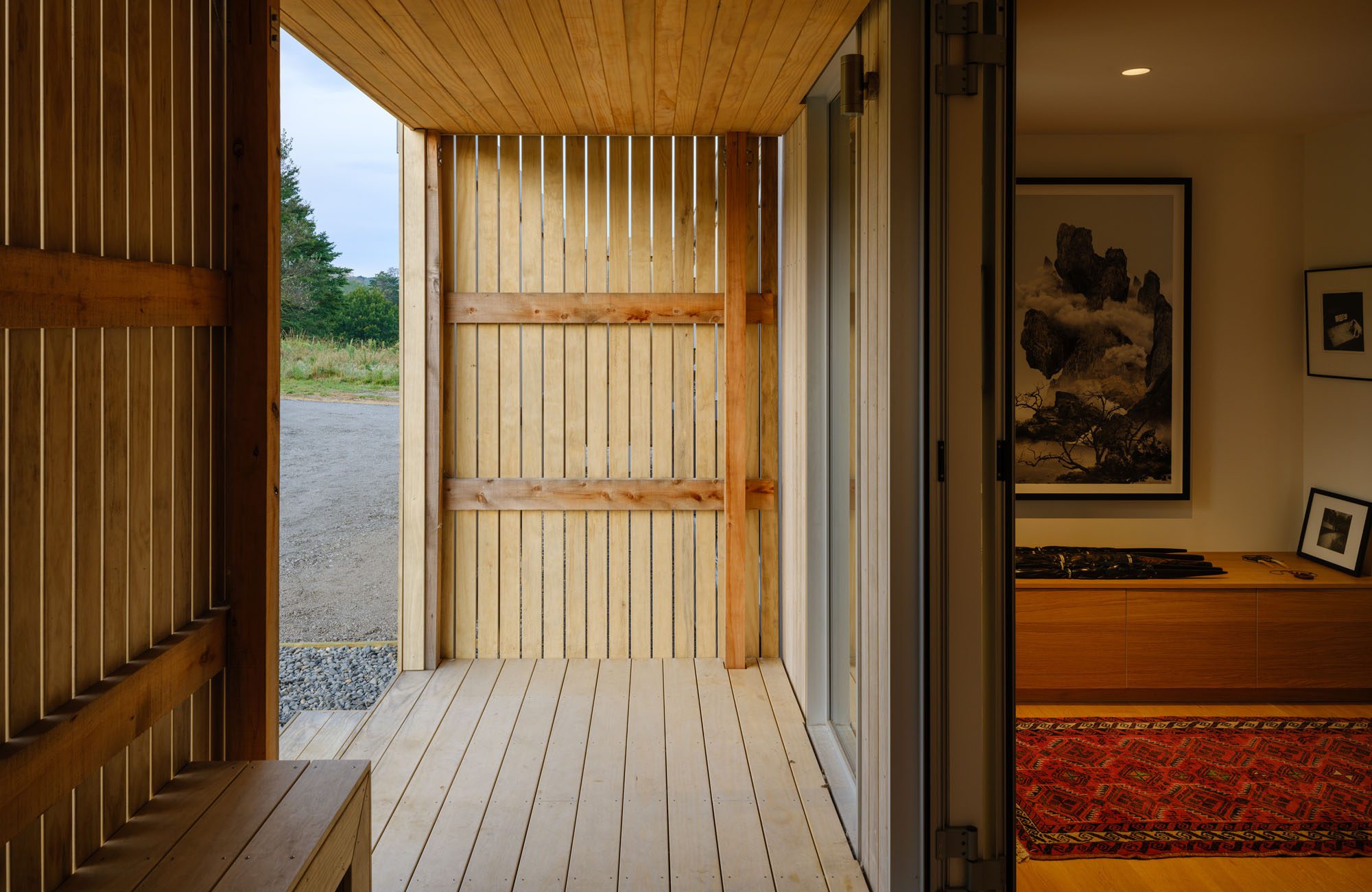
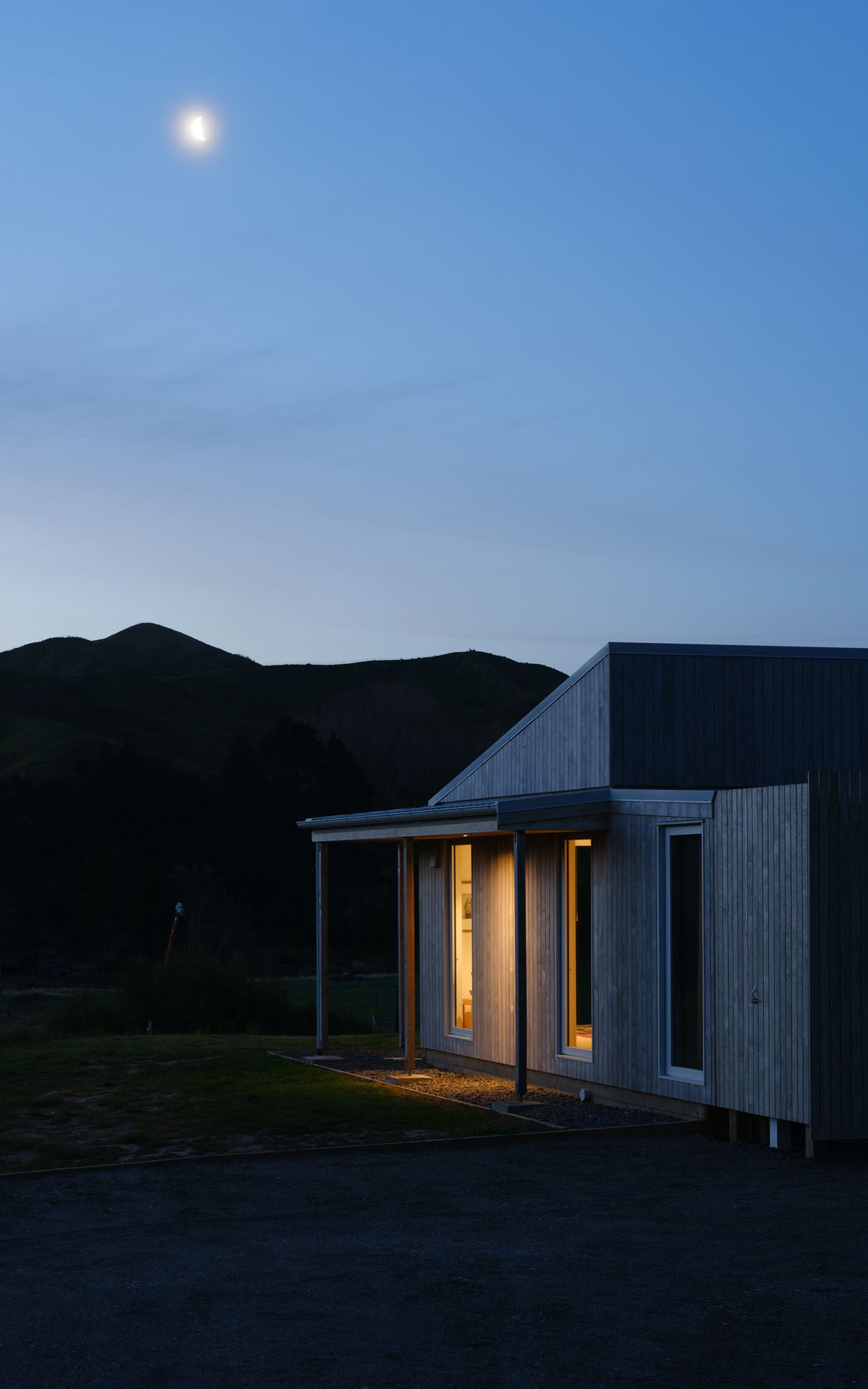
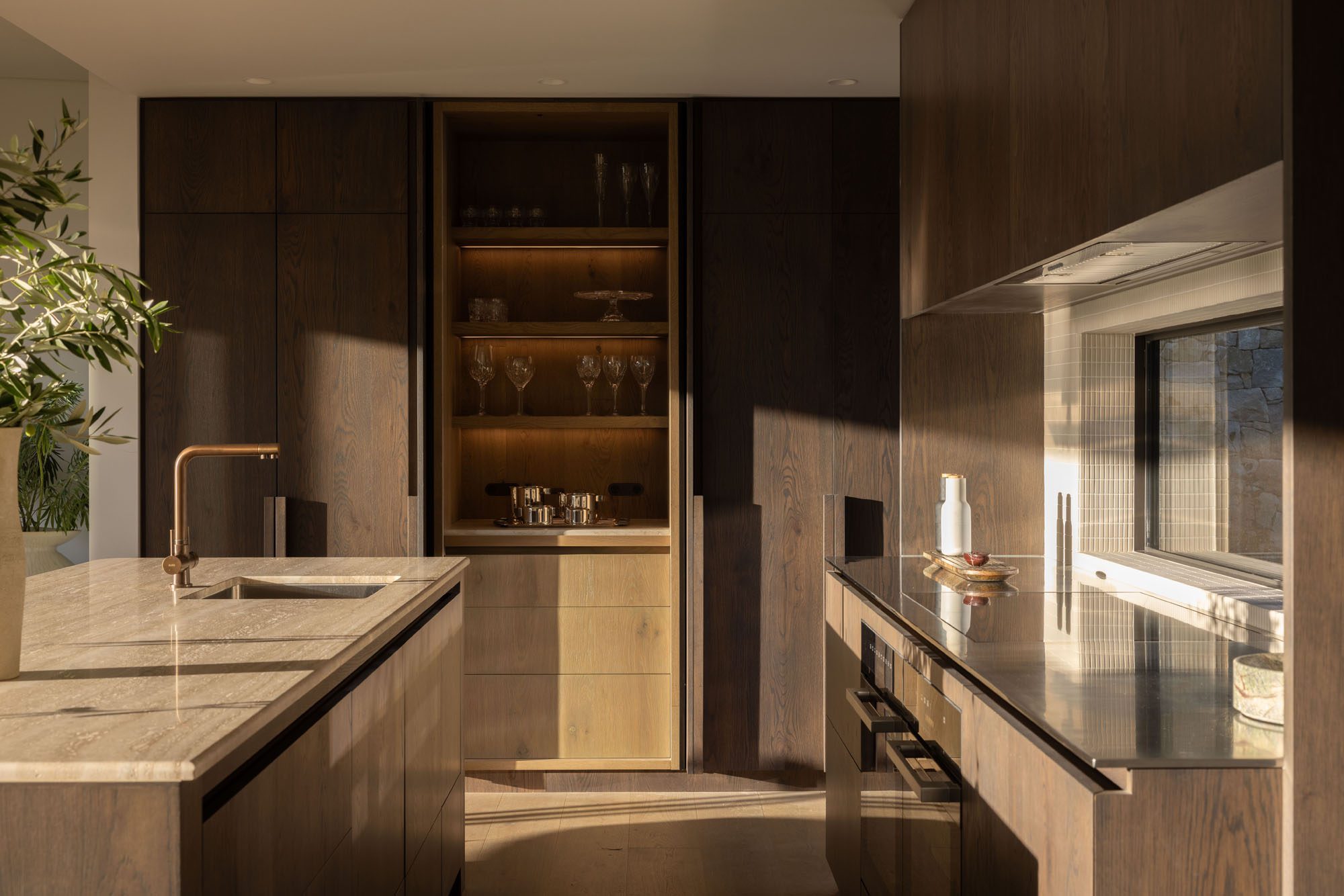
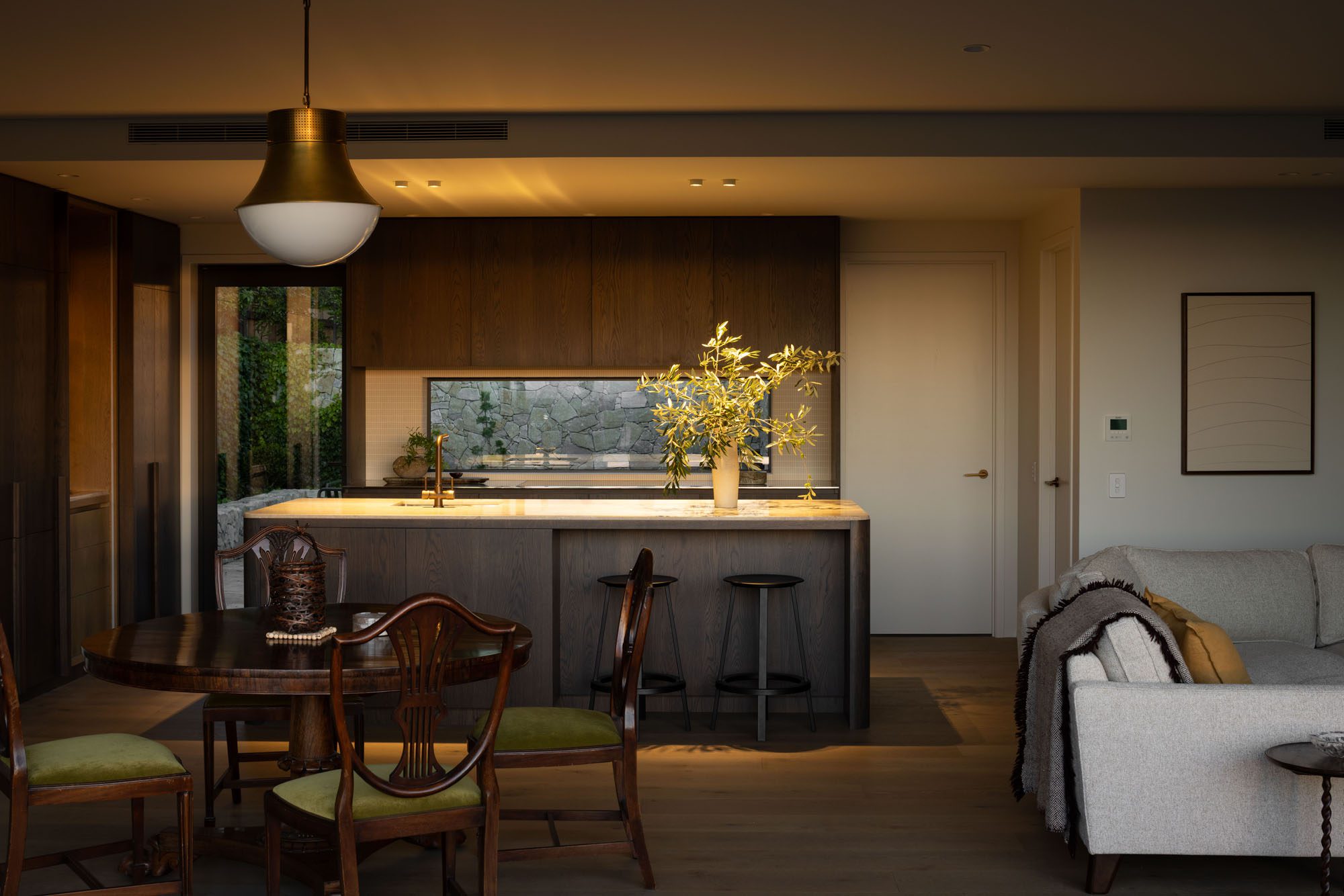
The jury was struck by a sense of light and space, and how well the house supports daily life and the owner’s passion for art. The design shows clarity and restraint, with a strong understanding of how space, light, and art can work together.
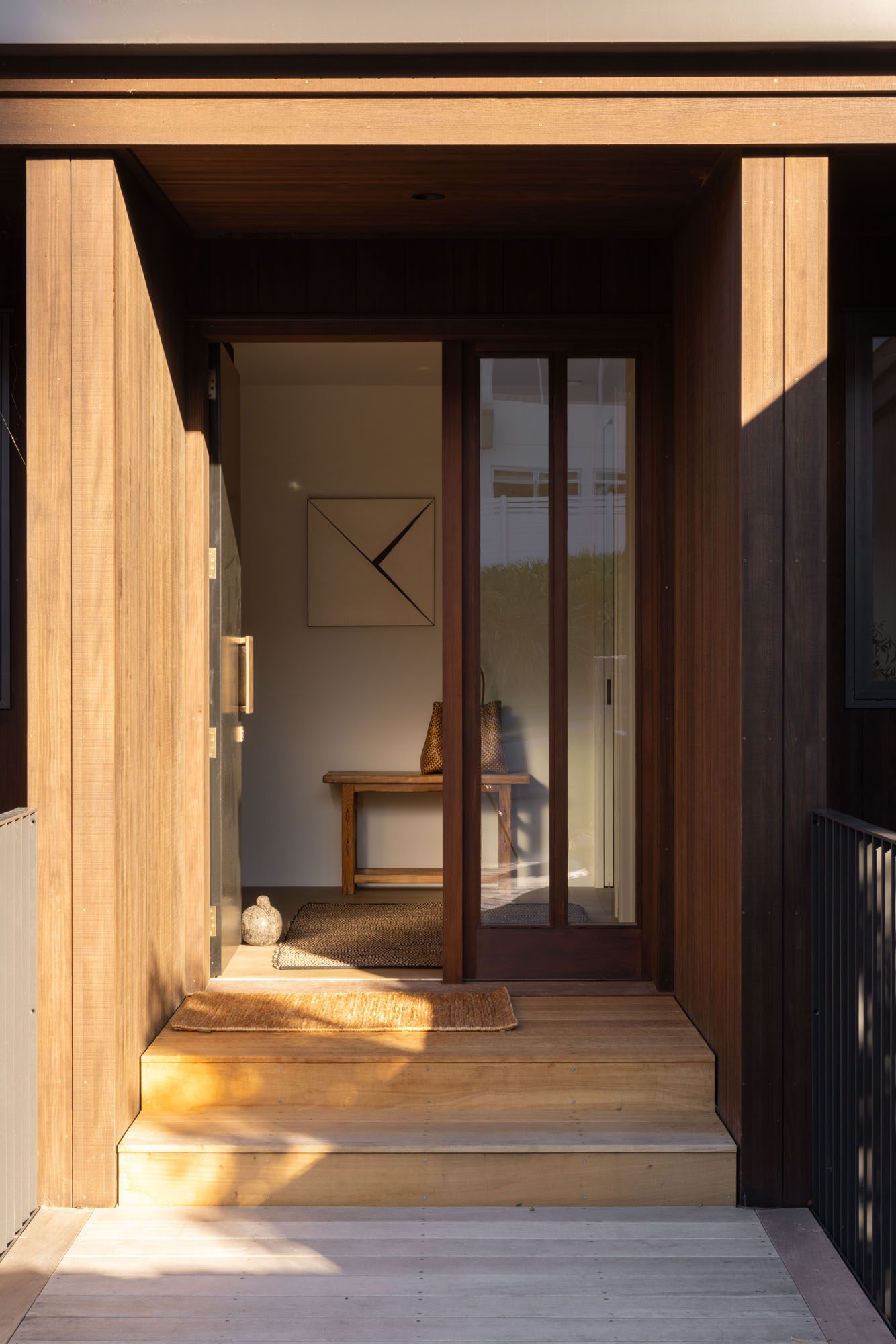
The exterior is simple and confident, creating a clear arrival space. Inside, bright, gallery-like areas are balanced by warm timber details, allowing flexibility for art while staying comfortable. The layout separates service and living areas, with flexibility to close off unneeded areas.
Lee House by Clarkson Architects
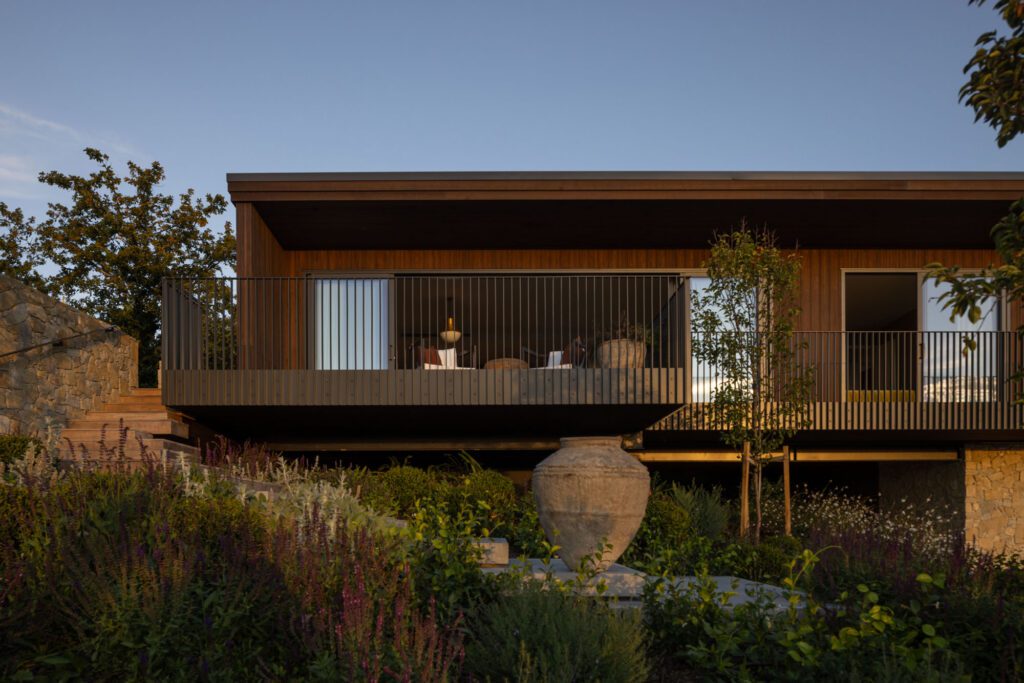
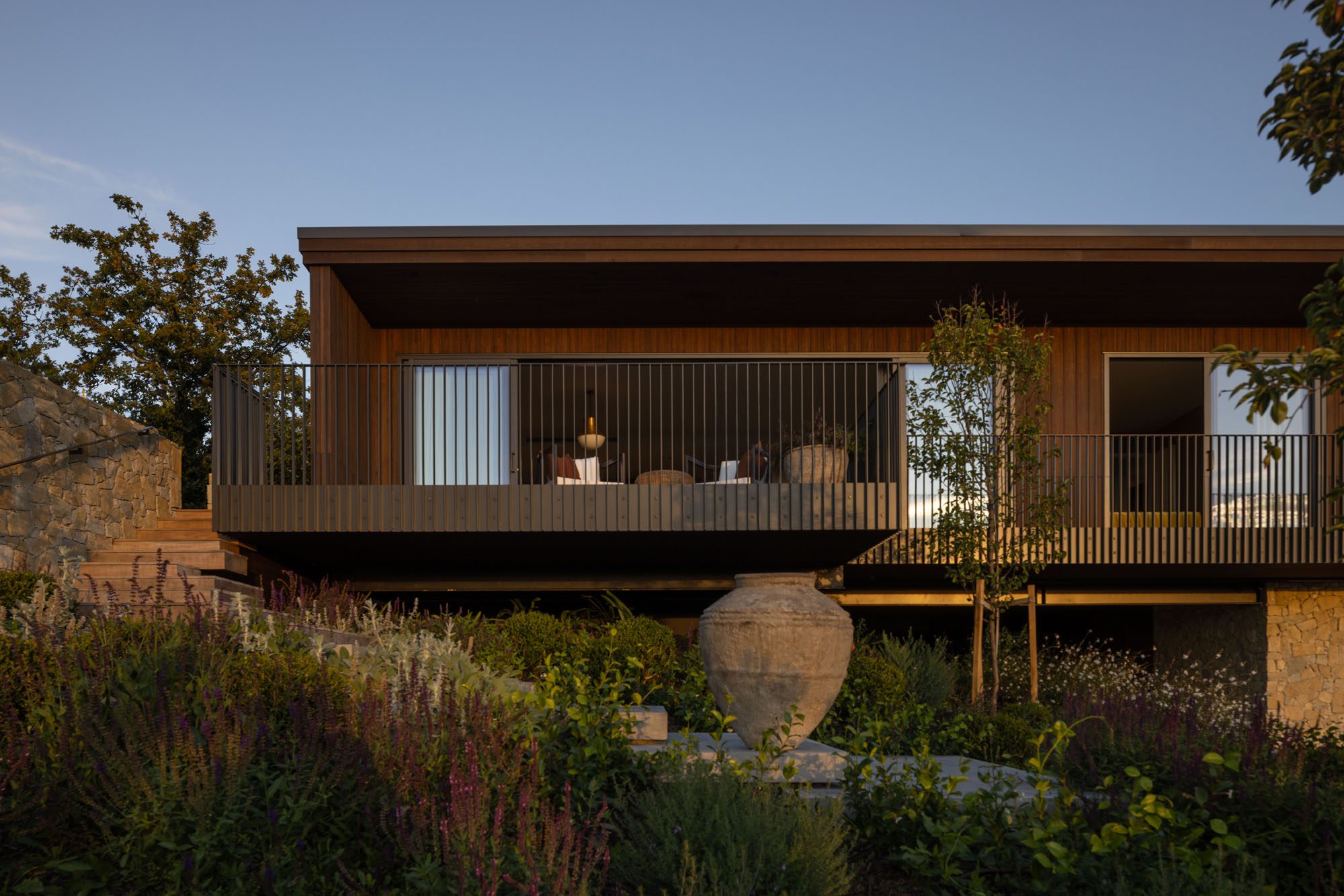
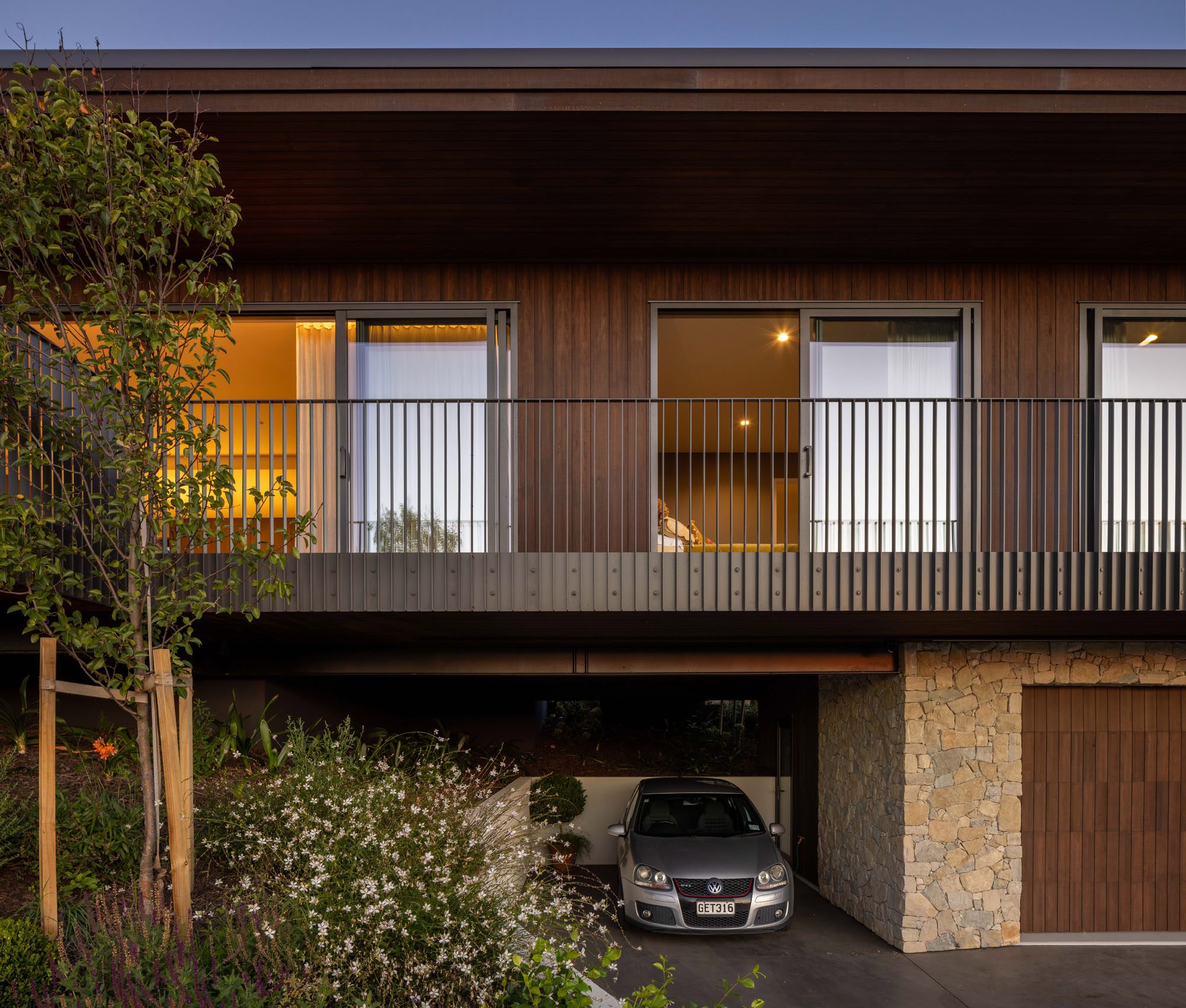
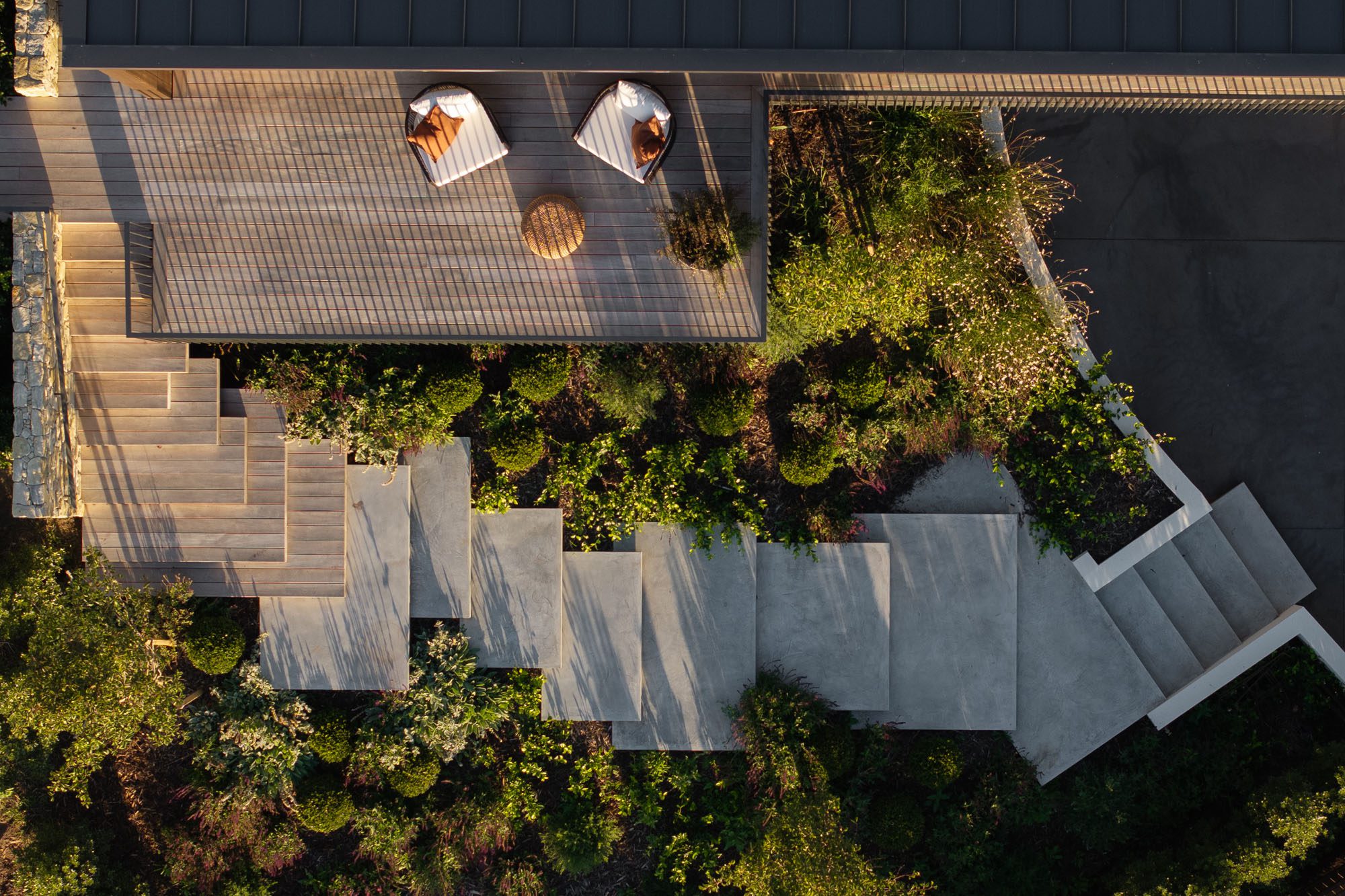
The jury appreciated how the house unfolds inside and out, creating a rich, comfortable home without unnecessary complexity. On a challenging wedge-shaped site, it achieves a strong sense of generosity and calm connection to its setting.
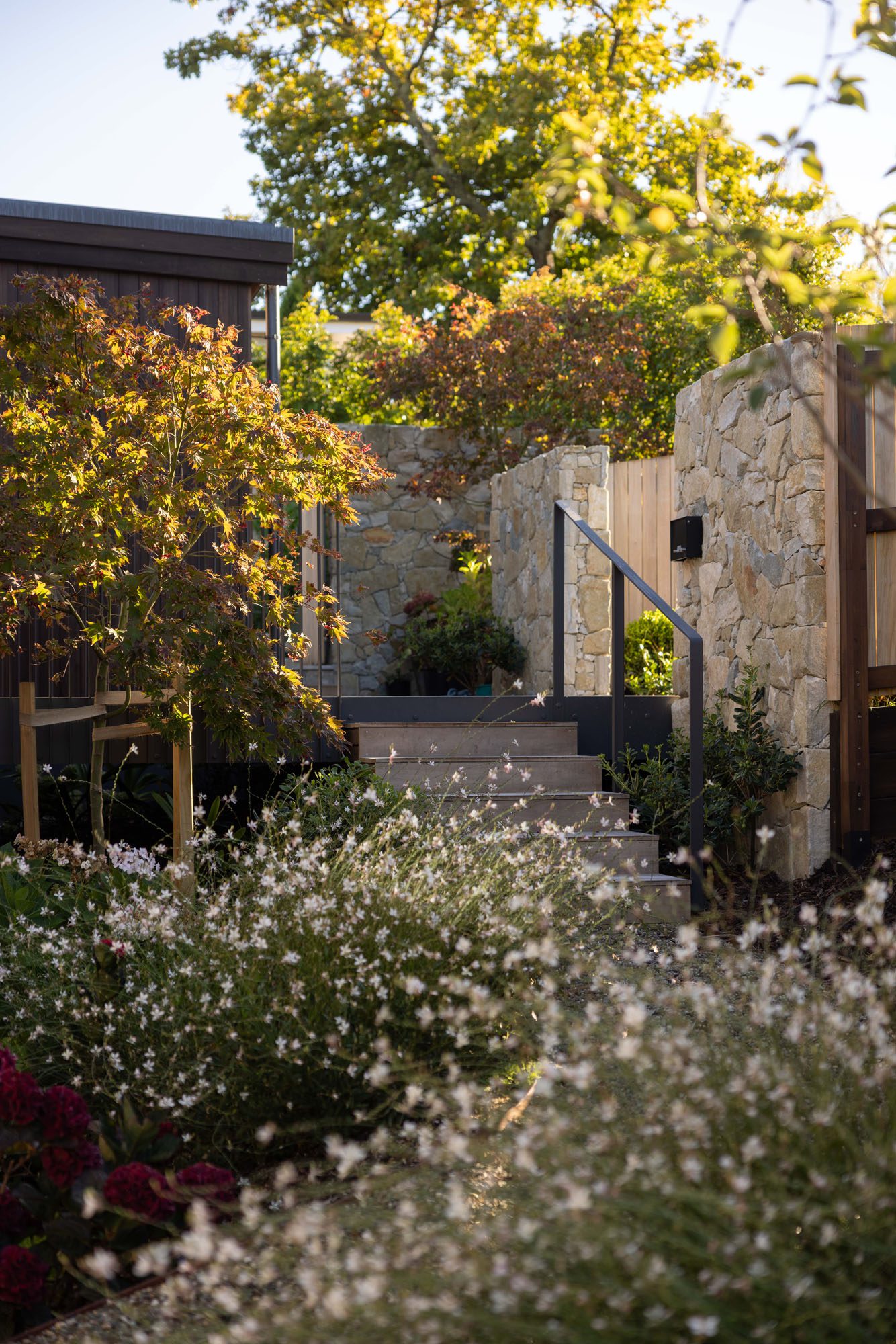
A simple, well-planned layout flows easily while still offering places to retreat. The orientation captures light and views to the ranges, with carefully placed windows that extend living areas into courtyards. The raised boardwalk entry is memorable, and material choices are restrained and precise.
Public Architecture
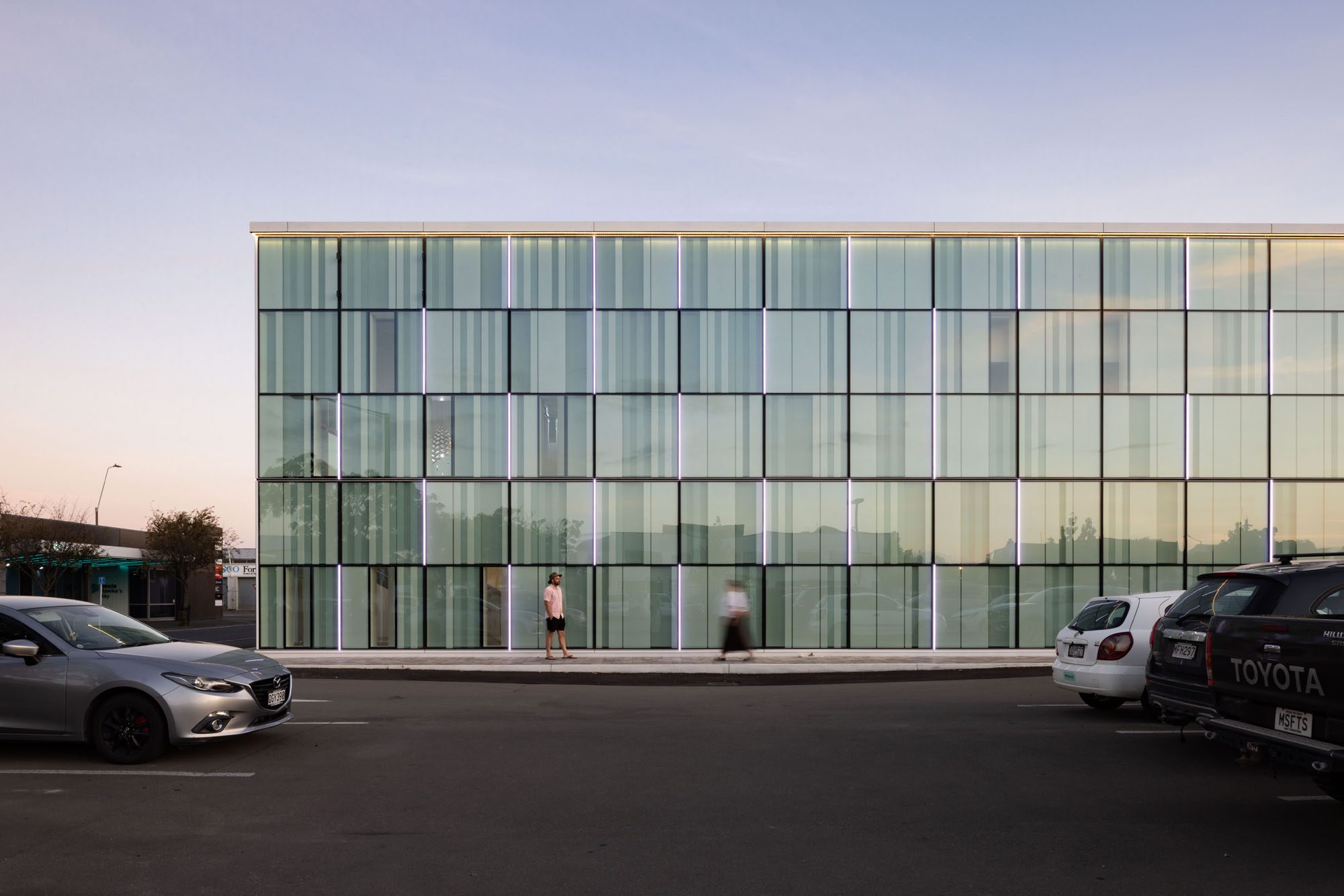
MTG – Hawke’s Bay Museum Research & Archives Centre by RTA Studio
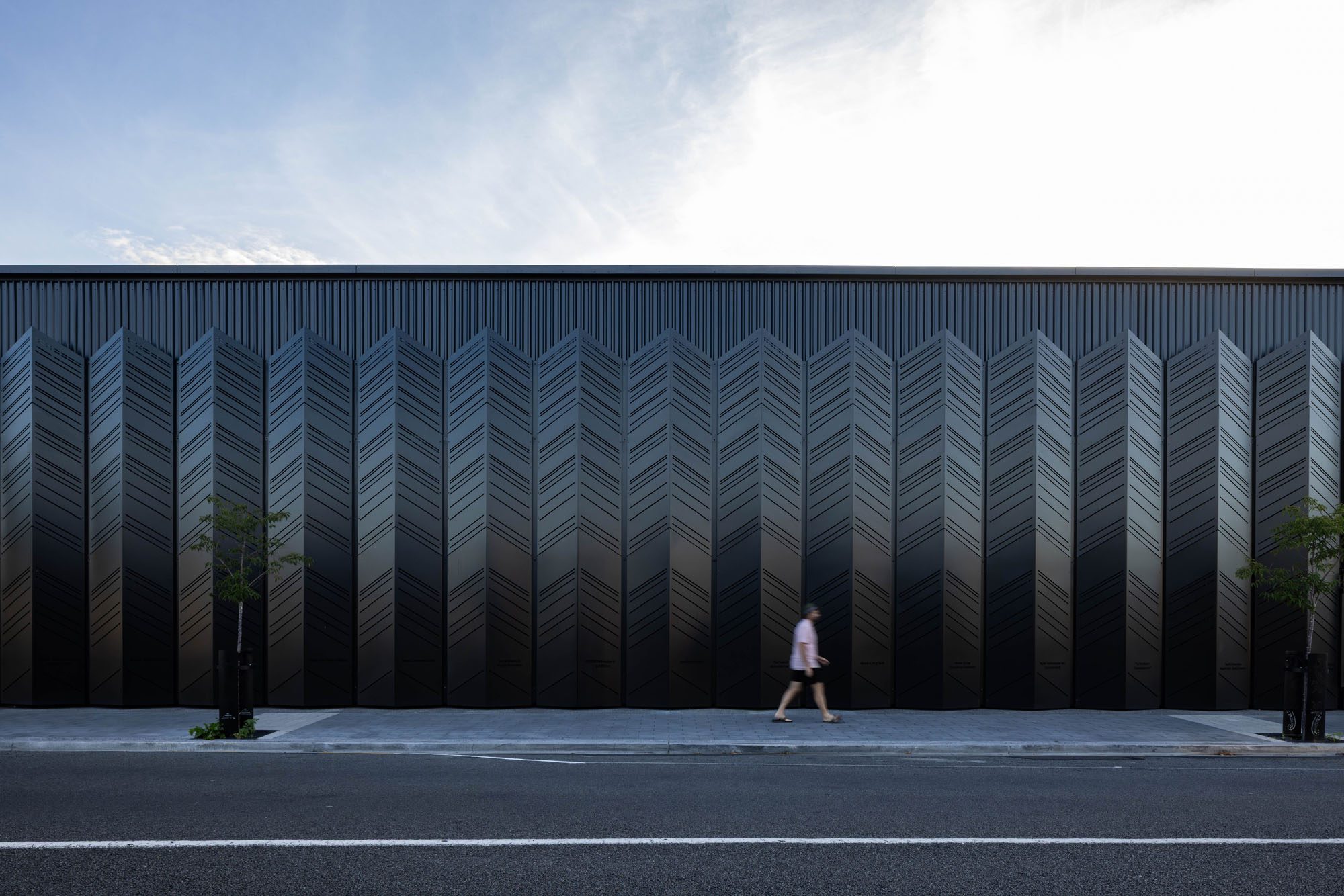
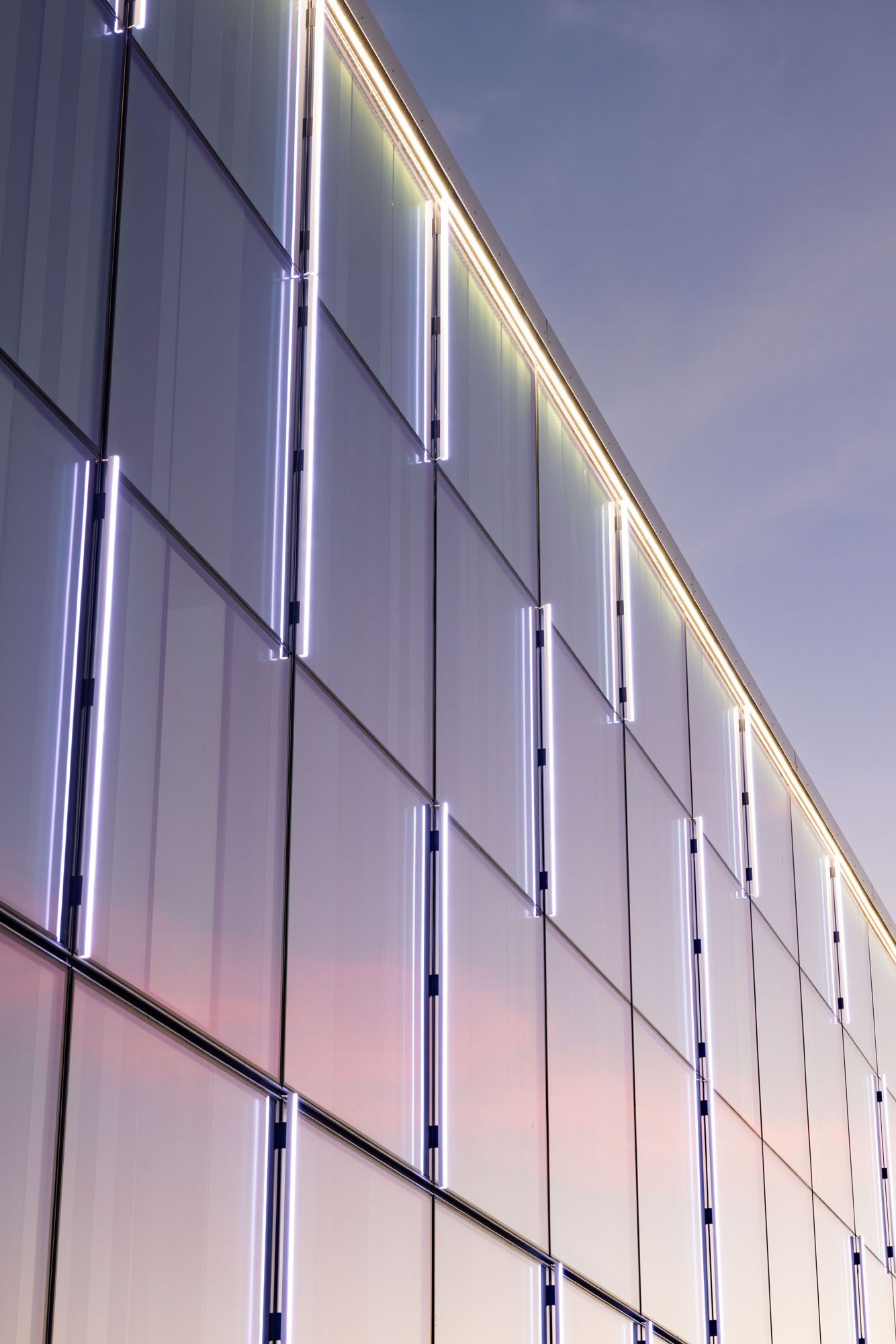
The jury felt this project strengthens Hastings’ sense of identity and community pride. It makes a confident contribution to the city, enriching the street and wider civic landscape. Feathered cladding adds texture and movement, reactivating the street and encouraging public engagement.
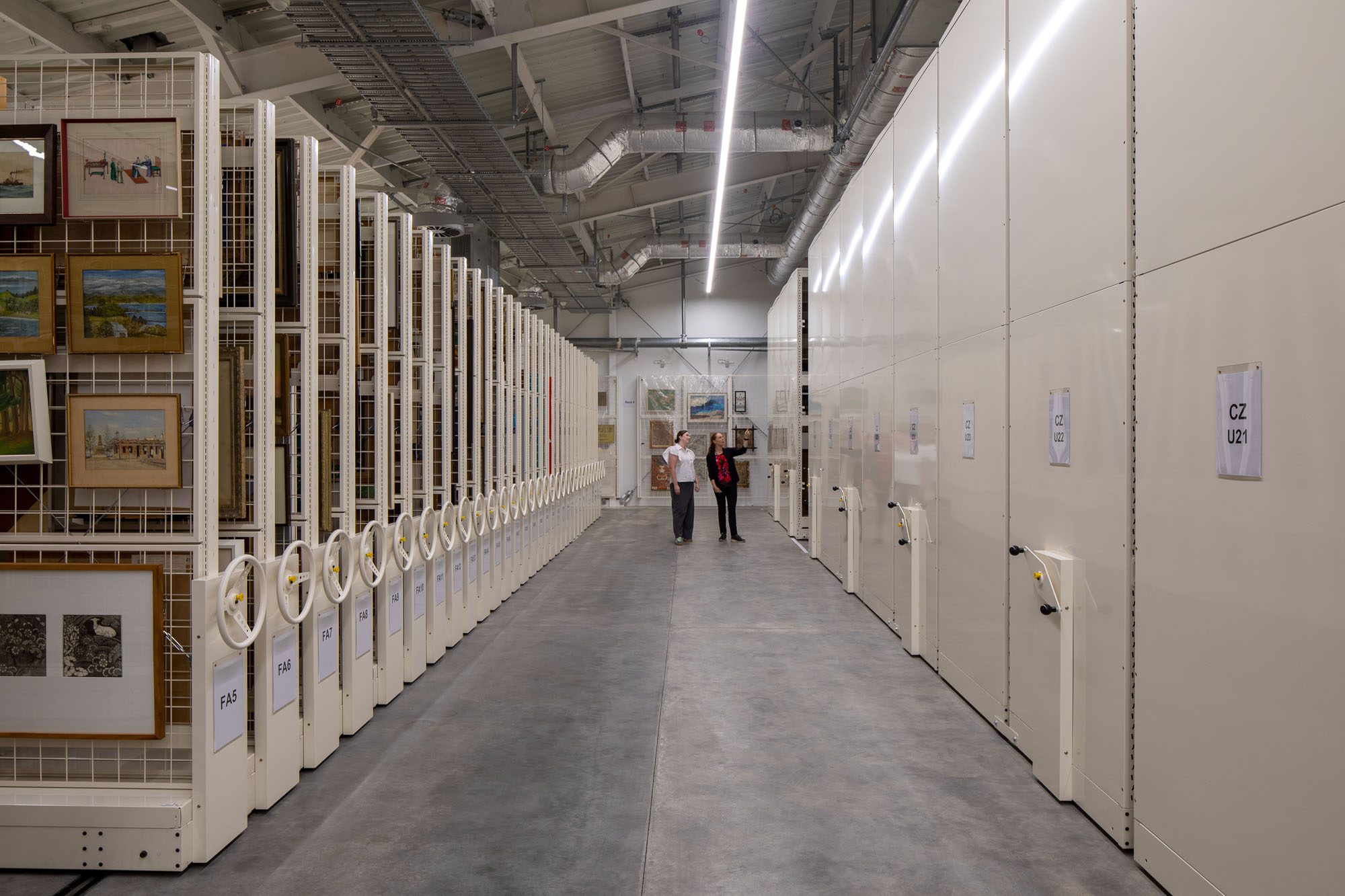
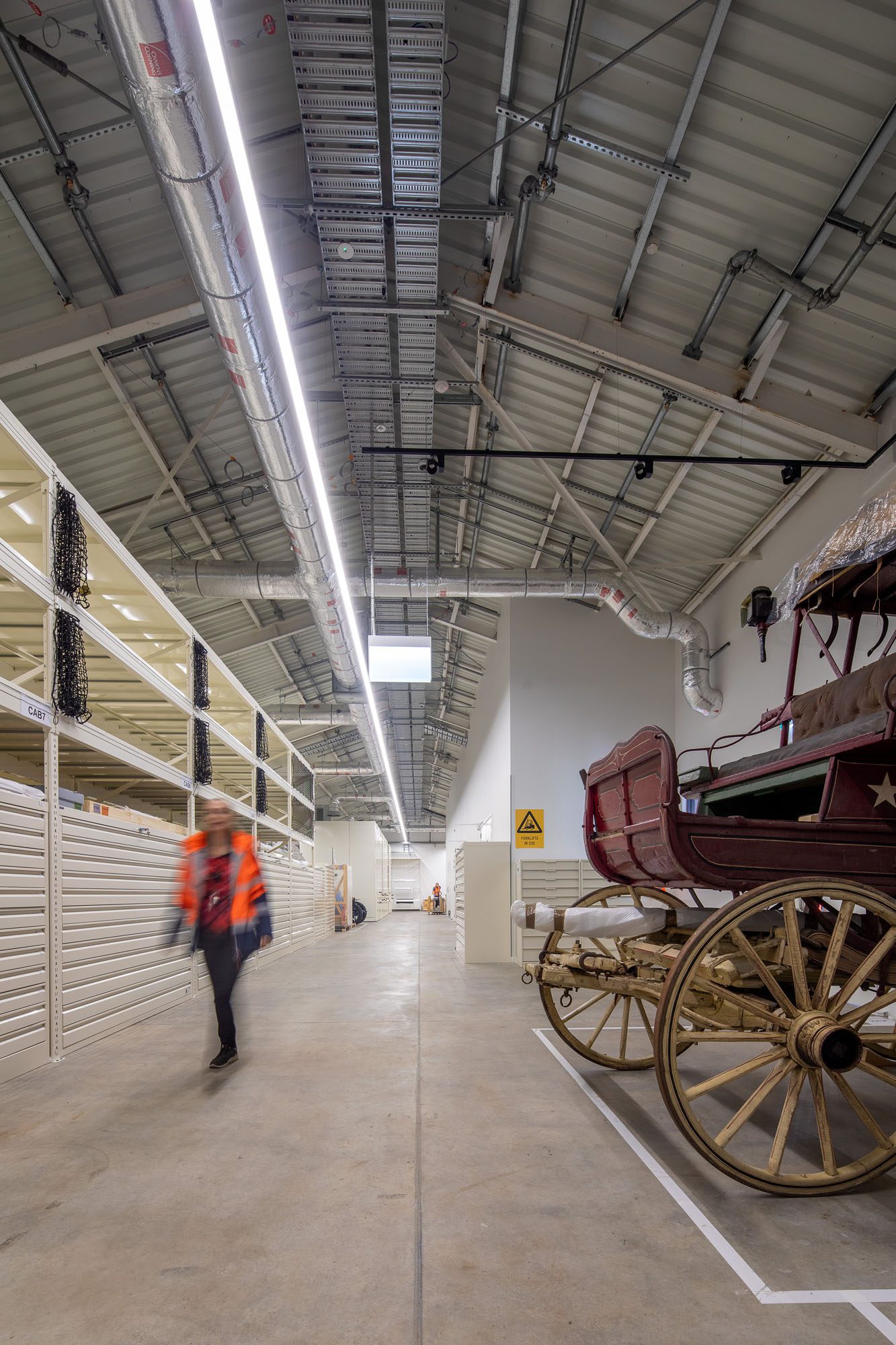
Carefully designed lighting gives the building clarity and presence at night. Inside, a clear light-and-dark scheme separates public and working spaces from archives, supporting function and experience. Integrating existing buildings, along with the seismic gap, adds depth to the journey through the building.
This project also received a Resene Colour Award.
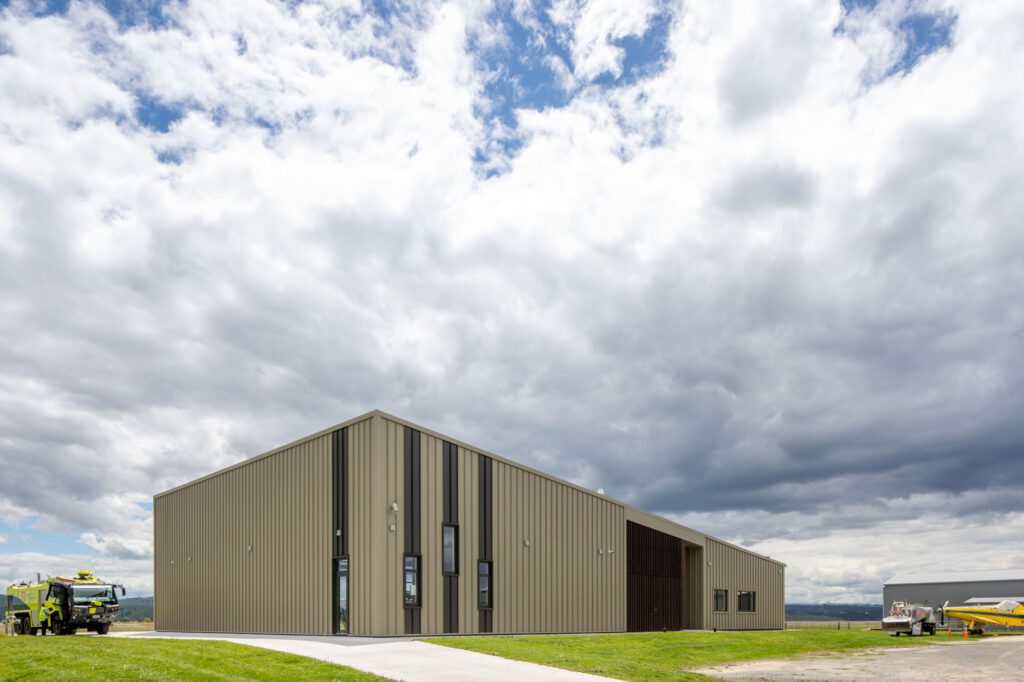
Hawke’s Bay Airport Fire Station by RTA Studio
The jury valued the simplicity of this design and how well it supports both its function and the people who work within it. The project achieves clarity through a simple form that responds directly to its landscape and purpose. A tilted roofline and restrained materials give it a calm, confident presence.
Inside, the balance between large appliance areas and smaller human-scaled spaces is carefully handled. The layout supports clear operations without feeling industrial. Raised above the flood plain and designed for emergencies, the building shows strong foresight and resilience.
See all the winners at nzia.co.nz/awards/