


Painting with Nature’s Palette

Across the finalists and winners of the 2026 Home of the Year awards, colour reveals a notable shift in the way architects and designers are shaping contemporary homes in Aotearoa. 

Rather than dominating interiors, colour is increasingly used with restraint, working in concert with materiality, texture, and landscape to create spaces that feel calm, layered, and deeply connected to place. 

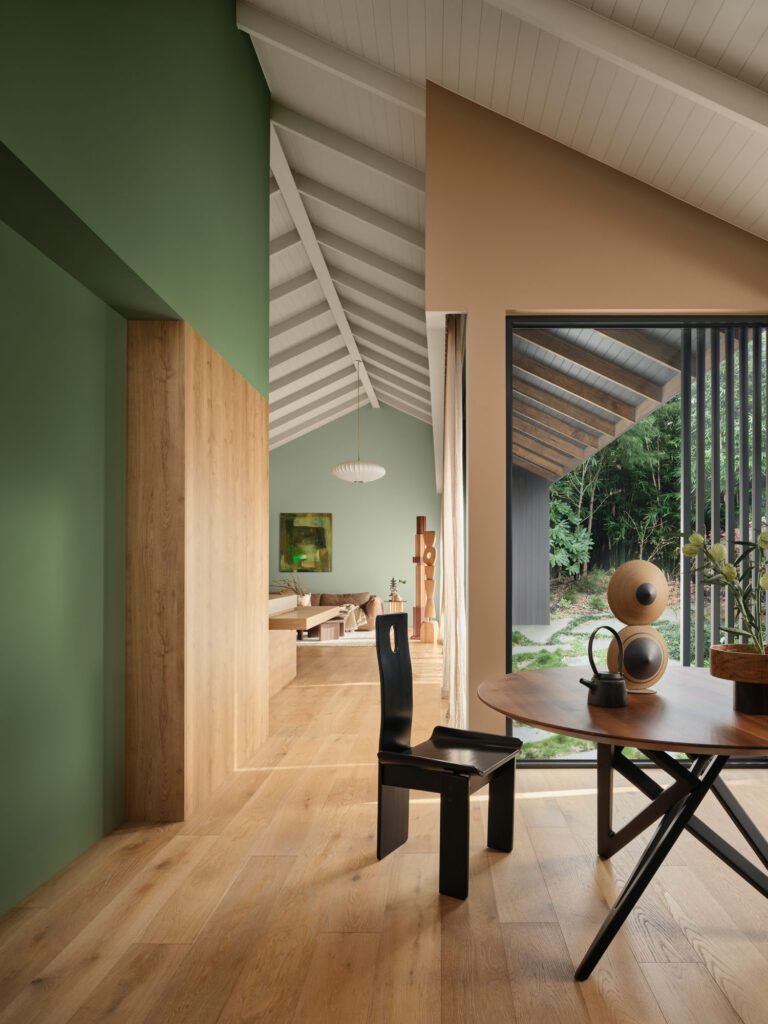
Judges Belinda George, Chris Tate, and Federico Monsalve observed a clear movement toward palettes grounded in nature. “Colour was very much used as a background to nature in many projects,” says Belinda George. “Not bright and dominant, but softer — greens, blues and earthy tones.” 

M House by Ponting Fitzgerald Architects. Image: Jeff Brass

Chris Tate also noted a shift away from the stark monochromatic palettes that once defined many contemporary homes. “Black, white, and grey appear to be softening into earthy browns, rich greens, and subdued terracotta colour palettes,” he says. These tones sit comfortably alongside natural materials, while painted surfaces increasingly reveal subtle movement and texture that add warmth and depth. 

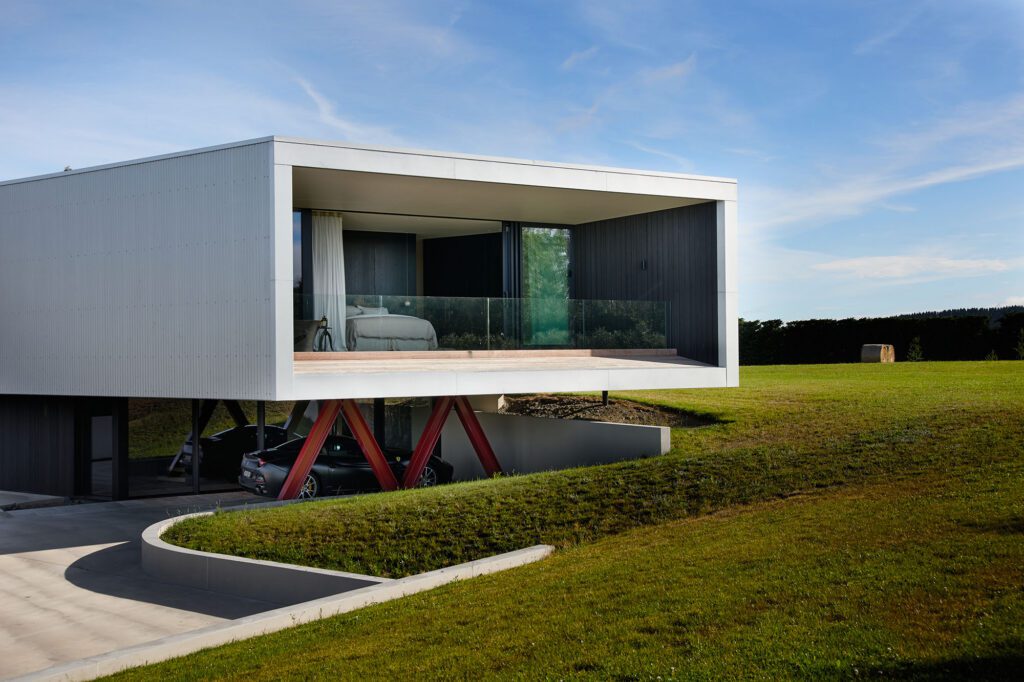
At times, colour was used more boldly — often to highlight architectural structures or express the personality of a home’s inhabitants. Federico Monsalve points to M House by Ponting Fitzgerald Architects, where a vivid red defines the M-shaped steel bracing that holds the house lightly above the Martinborough countryside. 

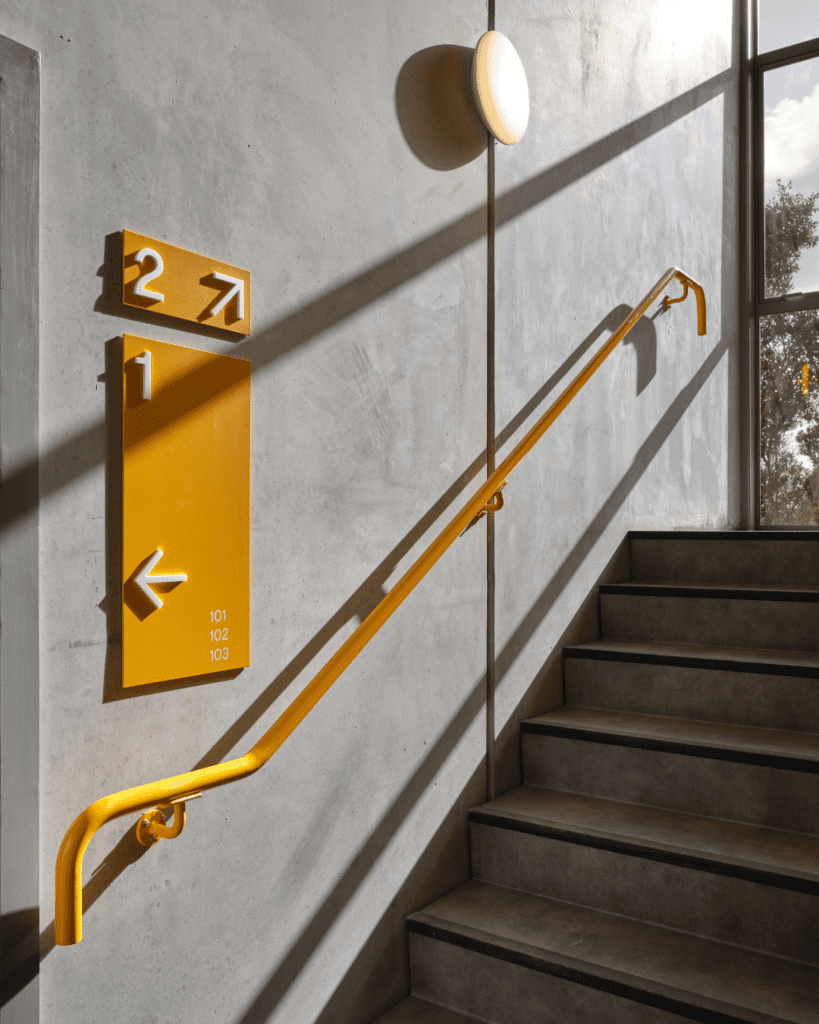
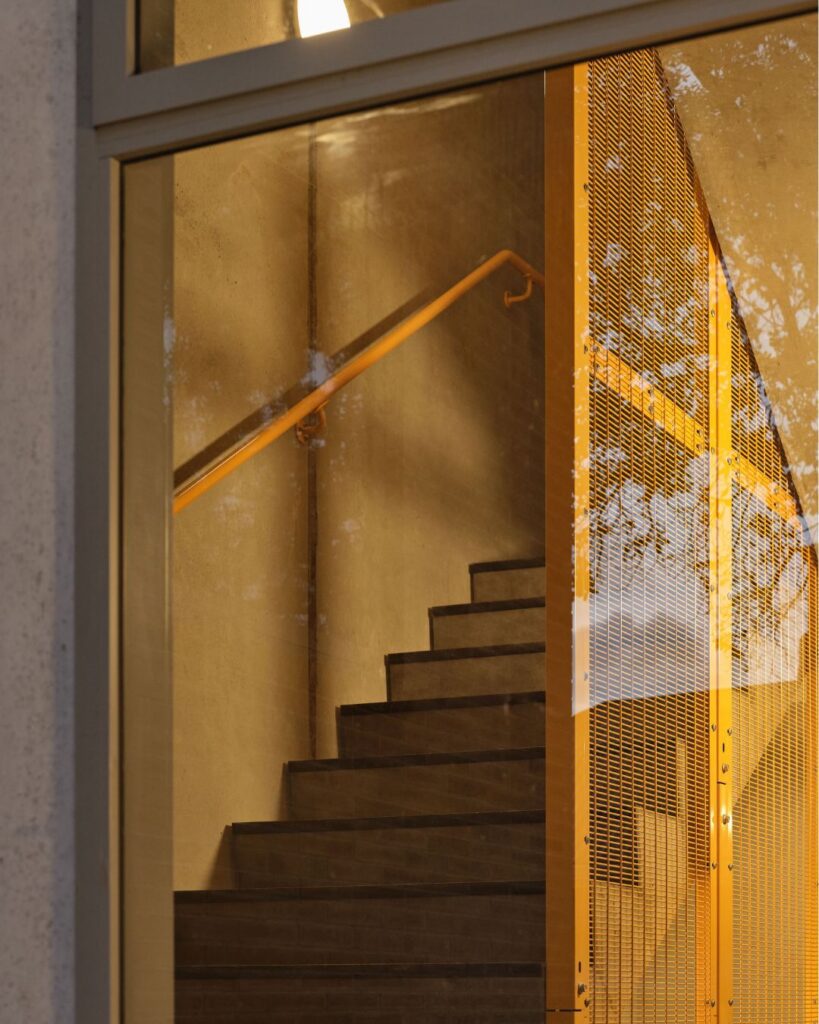
Zion Apartments by Strachan Group Architects

In Auckland, Strachan Group Architects’ Zion Apartments introduce a bright canary yellow across structural steelwork and graphic elements, bringing an optimistic energy to the building’s light brick façade. 

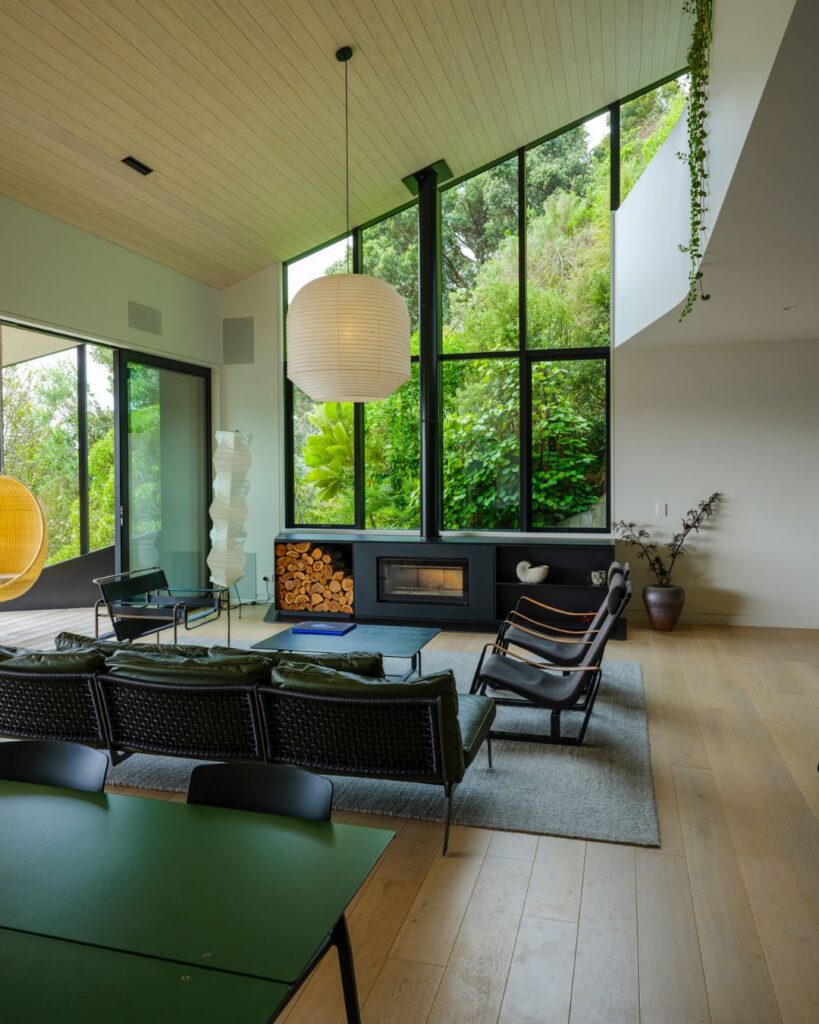
The living space at the Home of the Year 2026, Eastbourne House by Stevens Lawson Architects. Image: Simon Devitt

At Eastbourne House, the overall winner, colour is more nuanced. As Federico notes, “Here, colour is subtle and carefully considered. Clad with an intricate, glazed terracotta tile with a wavy profile, the impressive home shimmers and shines, its deep black offering up hints of green and purple, almost like a tūī’s plumage, depending on the natural light.

“Inside, a neutral base palette is layered with richly coloured surfaces and tactile textiles — from rich browns to jewel-like emerald tones.”

Together, the finalists reveal a shifting approach to colour in residential architecture. Palettes are becoming richer and more nuanced, often drawing from the tones of the surrounding natural environment and the inherent character of raw materials. From restrained, tonal compositions to confident moments of accent, colour is being used to draw a more deliberate connection between building and landscape.

Get the look with Dulux Colours of New Zealand

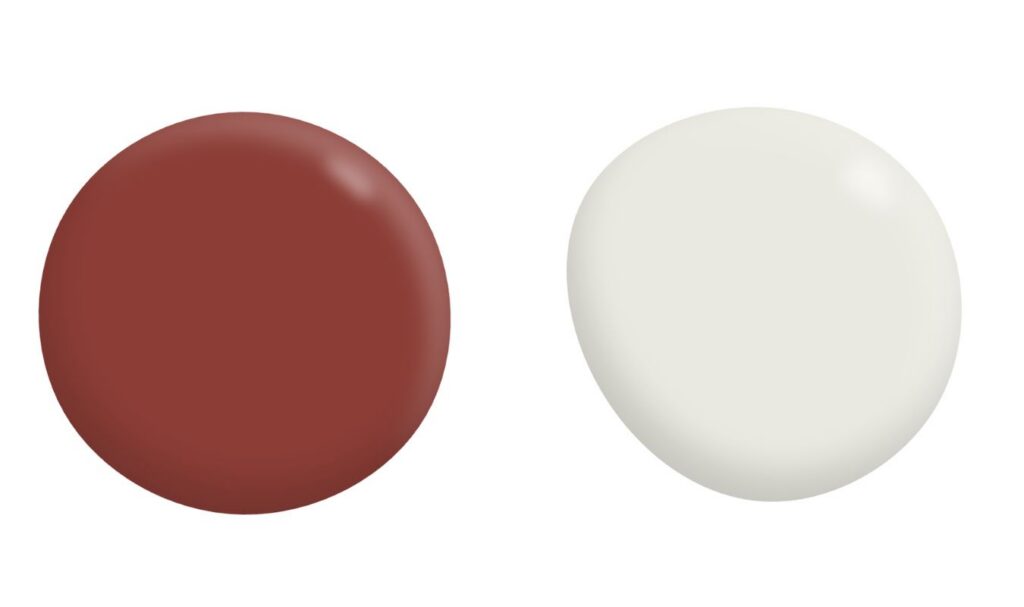
Dulux Red Rocks and Dulux Ōkārito.

Dulux Red Rocks is a deep, warm red with complex brown undertones. Bold and expressive, it is often used as a statement colour. 

Dulux Ōkārito is a crisp, clean white widely used as a fresh architectural base. Clear and versatile, it provides a bright backdrop for material and colour accents.

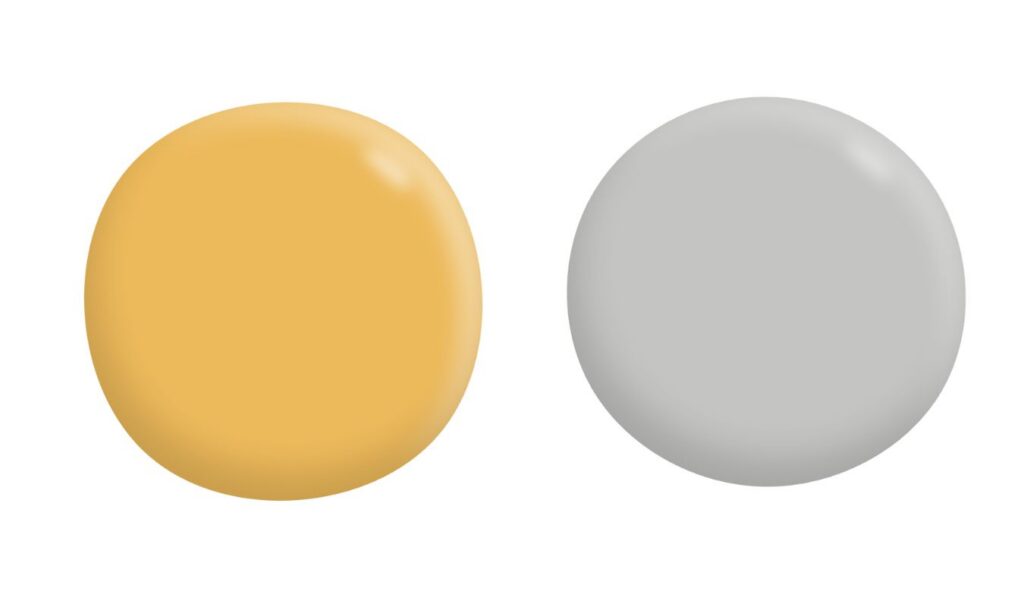
Dulux Tata Beach and Dulux Millwater.

Dulux Tata Beach is a cheerful orange yellow that is perfect as an accent colour. Its richness works beautifully alongside natural materials such as stone and textured plaster.

Dulux Millwater is a muted, soft grey with a subtle warmth. Refined and versatile, it provides a quiet backdrop.

Dulux Mt Hutt and Dulux Katikati.

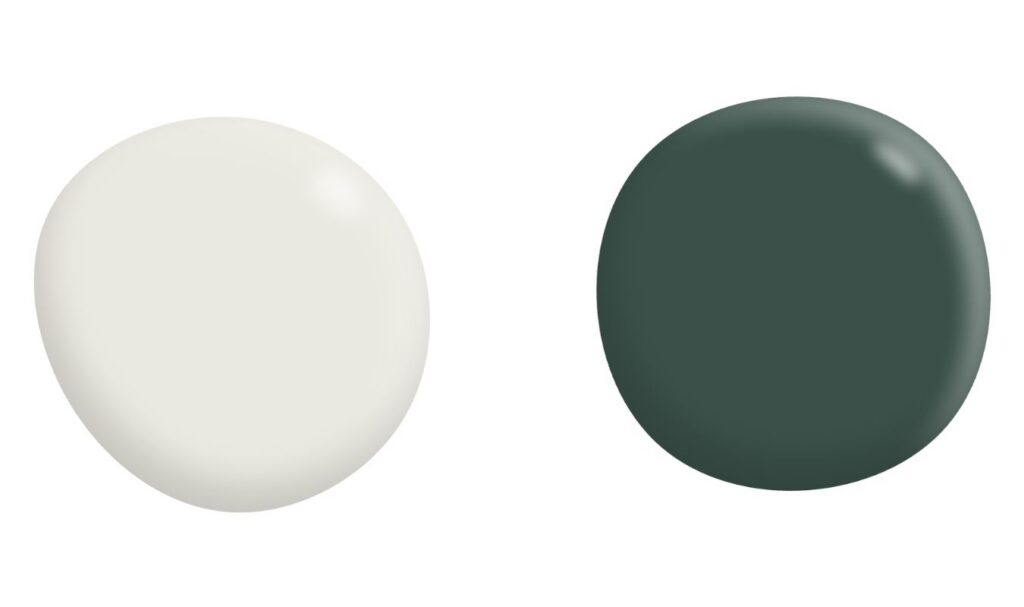
Dulux Mt Hutt is a soft, chalky, neutral white. It offers a quiet neutrality that works well across both contemporary and classic interiors.

Dulux Katikati is a deep, earthy green that evokes the depth and beauty of the New Zealand landscape. Grounded yet refined, it brings a sense of calm and connection to interiors and exteriors alike.

Latest video features

In the Coromandel, a home with a humble profile and a thoughtful design makes the most of a stunning location.

Built with awe-inspiring attention to detail, this Arrowtown home is a fresh interpretation of a familiar Otago rural vernacular.

This sculptural Northland bach is a perfect north arrow on a remote farm high above the sea.

With the sun on its bow and the community at its stern, this is a house in which the elements are always front of mind.

Trending articles

Design News

Sala introduces Sonar

Auckland-based movement studio Sala has expanded its Brown Street site in Ponsonby with the opening of Sonar, a new 150sqm reformer Pilates studio designed to